Shortwave listening and everything radio including reviews, broadcasting, ham radio, field operation, DXing, maker kits, travel, emergency gear, events, and more
For your listening pleasure: beHAVior Night, a shortwave radio show which showcases music from the first four decades of the 20th Century.
This show was recorded on Friday, November 28, 2014. While beHAVior Night is broadcast all year long via WBCQ, I’m not able to hear them easily at my home during Daylight Savings Time (DST) as the propagation path is not yet open to the south. During the winter months, however, the signal is quite strong as you will hear.
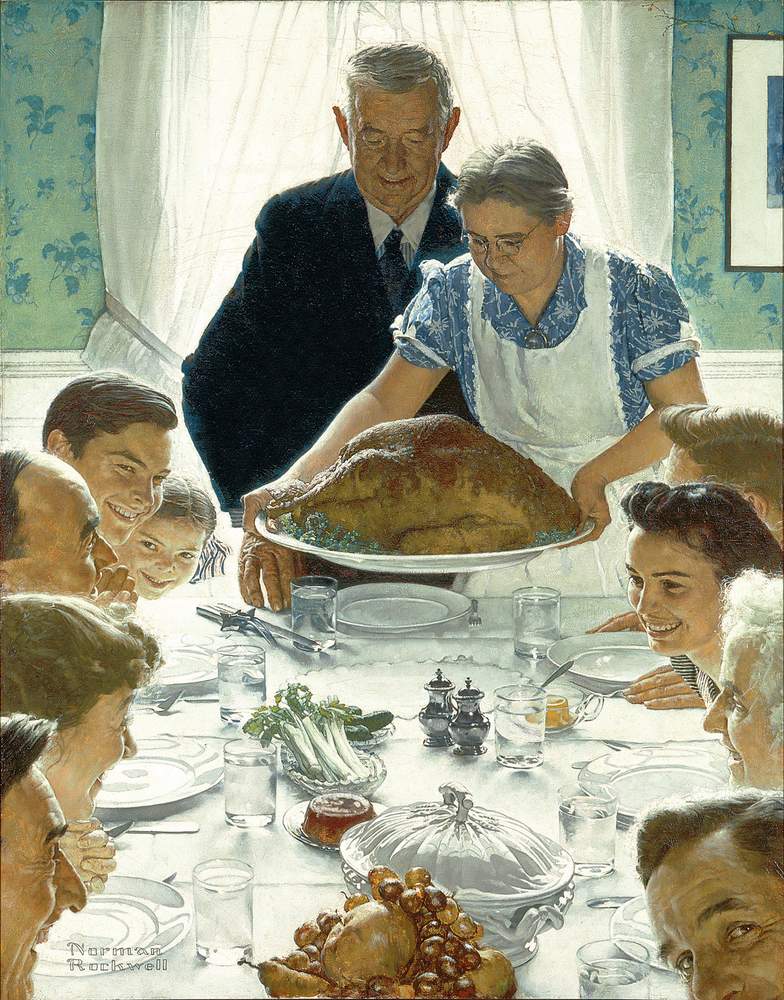
Today is Thanksgiving Day in the US, my favorite holiday of the year. This day gives us a chance to pause, give thanks, and feel gratitude–for our friends, family, and life. Despite congested roads and airports as folks make the homeward journey, Thanksgiving is a peaceful day, unencumbered by all the commercial baggage that comes along with so many other holidays.
When I mention to non-radio-geek friends and family that I run a website devoted to shortwave radio, they often respond by asking somewhat skeptically, “So, do you have many readers?” Indeed, last night, as I talked with my family, a family member kindly inquired again how many visitors now come to my website. And again I hesitated to answer, as it’s been many months since I’ve opened the full spectrum of web analytics.
For the first time in several months, I took a look at our web statistics…and was amazed.
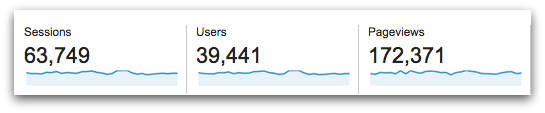
I remember, a few years ago, when I was surprised and honored when I had over 200 daily pageviews on my site. It was amazing to think that, in a 24 hour period of time, 200 pages of content had been read; thus, how many SWLers must be aspiring to, or enjoying, the hobby–! Over the past few years, that number has grown by leaps and bounds: last night, I found that this site now averages about 172,000 pageviews per month, or 5,700 per day…Wow.
Along with these increased numbers has come increased interactivity–your comments, messages, and guest posts give this site remarkable depth and broaden the scope far beyond my blog posts and reviews. In other words, it’s your participation that makes this site what it is. Our 39,441 users give the SWLing Post a real sense of community. I’ve met so many friends through this site, and this adds a dimension to what could otherwise be a rather solitary hobby. Radio listeners, you’re quite a club.
Thanks!
So I’d like to thank each and every one of you, personally, for being a part of this shortwave radio community. I’d like to wish my best to those of you celebrating Thanksgiving today. And if you’re not celebrating Thanksgiving, let’s still raise a glass together anyway, okay? Cheers!
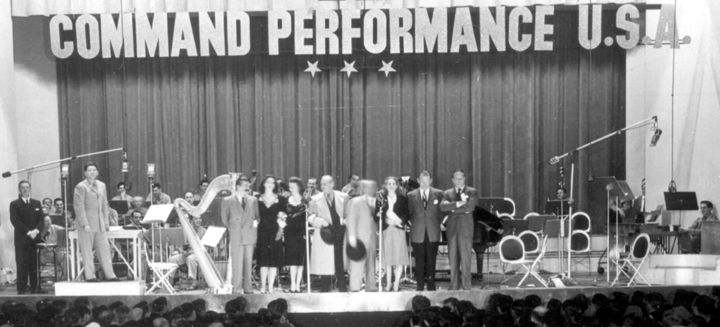
To set the mood, here is a little nostalgia: a Thanksgiving recording from 70 years ago: an old time radio recording of Command Performance broadcast on Thanksgiving Day, 1944. This is the sort of thing I turn to on Thanksgiving. Enjoy:
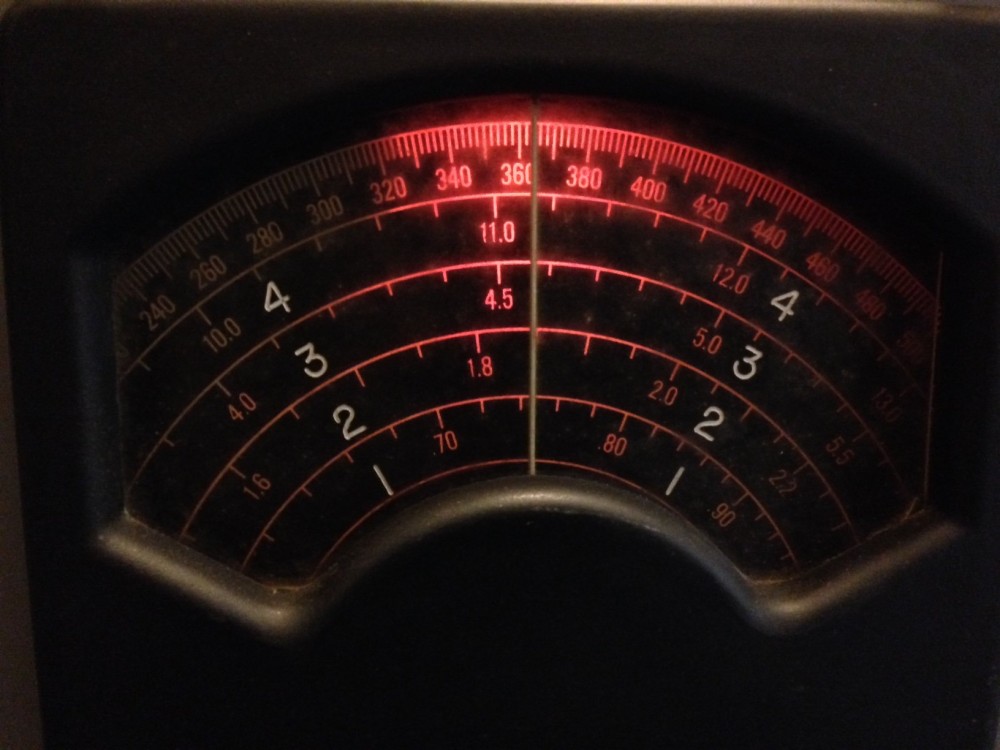
Yesterday, I acquired another antique radio (yes, a “boat anchor”) for my modest collection of vintage receivers. I took a quick close-up photo of its backlit dial (above).
For fun, I’m curious if any SWLing Post readers can name the radio sporting this dial? If you want to give it a go, please comment below.
Many thanks to SWLing Post reader, Robert Yowell, who writes:
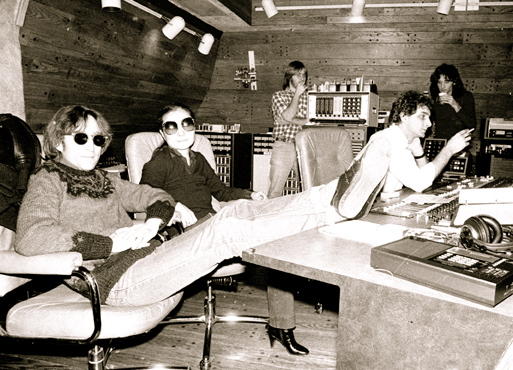
“I happen to be a huge Beatles fan, and especially a fan of John Lennon’s solo music as well. The last album he recorded was “Double Fantasy” which was made in New York City during the summer of 1980.
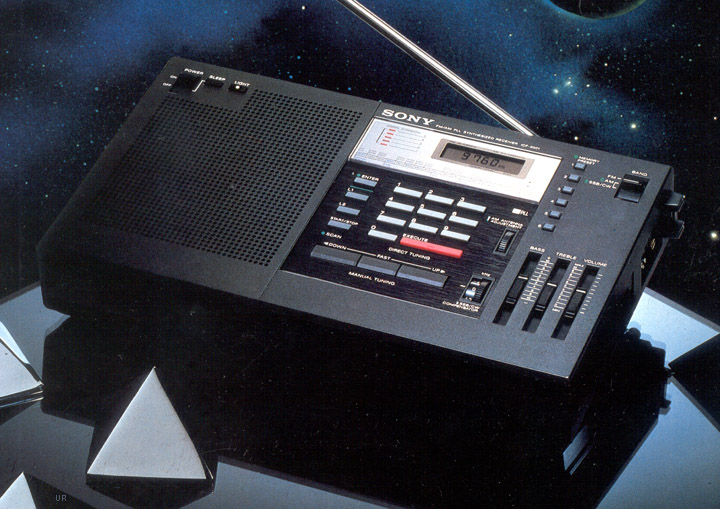
As you probably know, Sony introduced that same year the revolutionary ICF-2001 PLL synthesized receiver. John was known to have been a great fan of home electronics, especially those produced by Sony and other Japanese manufacturers. He also was a great fan of radio – as his appearances on the local WNEW-FM rock music station in NYC in the 70’s attest to.”
Photo credit: Bob Gruen who photographed John Lennon many times during the latter part of his life in New York City.
“The attached photo was taken at the NYC studio called “The Record Plant” during the making of the album “Double Fantasy” in 1980.While I cannot be 100% sure that the ICF-2001 sitting on the table belonged to John – I think it is extremely likely. He still stayed in regular contact with his native England, and at this pre-Internet time, the only easy way for him to listen to the BBC was through this radio.
Another possibility is John enjoyed experimenting with new sounds in his music. During the Beatles, he even plugged in a radio into the sound mixing board when the song “I Am the Walrus” was recorded. You can hear at the end of the song a heterodyne whistle of tuning in a station as it settles on the BBC during a reading of Shakespeare’s King Lear. Perhaps John was intending to do something similar in the studio the day this photo was taken?”
I imagine that was a good possibility, Robert. Again, many thanks for this bit of Lennon history.
For those of you who have never heard “I am the Walrus,” you can listen below courtesy of YouTube:
Many thanks to SWLing Post reader, Frank Holden, for sharing this episode of Sounds Historicalvia Radio New Zealand. In commemoration of the first radio link between New Zealand and the UK, host Jim Sullivan features a 1964 recording of New Zealand radio pioneers, Frank and Brenda Bell:
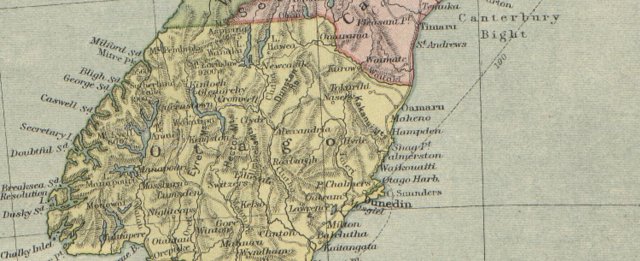
The first radio link between New Zealand and England took place 90 years ago yesterday and last night it was re-enacted. In 1964 at the time of the 40th anniversary Frank and Brenda Bell recalled the 1924 event which Frank Bell orchestrated from their home in Shag Valley, East Otago. His sister Brenda recalls the historic occasion from her home. The recording was made at Shag Valley to mark the 40th anniversary between Frank and Cecil Goyder of London. Allan Frame and Clive Liddell also recall the event. Then Martin Balch reports from the vents at Shag Valley Station on 18 October 2014. He talks to Mike ZL4OL from Dunedin, Dave Mulder, ZL4DK and Mike Mather ZL2CC from Gisborne. Frank Bells’ great-grandchildren Henry and Lucy re-create the 1924 event by talking to children at Mill Hill School, London.
Below, I have embedded audio players for Part 1 and Part 2 of Sounds Historical. While I would encourage you to listen to the whole show, you’ll find the anniversary recording in Part 2 beginning around 36:00. Enjoy:
For your listening pleasure: 30 minutes of The Talking Machine Show via WWCR. This broadcast was recorded October 18, 2014 at 2300 UTC, on the shortwave frequency of 9350 kHz.
A big hat tip to SWLing Post reader, Thomas Ally, who first informed me about The Talking Machine Showvia WWCR. As many of you may know, I’m a sucker for early recordings and radio nostalgia!
Many thanks to Mike Barraclough who shares this news:
“BBC has today launched a website publishing every BBC programme ever broadcast by the Corporation from digitised editions of the Radio Times 1923-2009. Getting occasional internal errors at the moment presumably due to heavy use following publicity. Well designed and easy to search. http://genome.ch.bbc.co.uk/“
The archive is quite deep–if you’re the nostalgic type, expect to spend a few hours browsing.

 For your listening pleasure: beHAVior Night, a shortwave radio show which showcases music from the first four decades of the 20th Century.