Category Archives: Radio History

BBC At War: new series sheds light on WWII broadcasting

BBC-AT-WAR

Many thanks to several SWLing Post readers from the UK who have pointed out this new BBC Two documentary: The BBC at War, Presented by Jonathan Dimbleby.

BBC Two describes the documentary as, “[a]n enthralling series exploring how the BBC fought not only Hitler but also the British government to become the institution it is today.”

Of course, the BBC iPlayer is region-locked, so you either need to be resident in the UK or using a proxy server in order to view. The first episode is available to view now; the second will be soon.

Click here to view Episode 1: The War of Words.

“Switzerland’s international voice in a changing world”

(Photo: SwissInfo.ch)

(Photo: SwissInfo.ch)

Many thanks to my buddy, Rob Wagner, for passing along yet another great article with archived sound clips from Swiss Radio International.

Click here to read Switzerland’s international voice in a changing world.


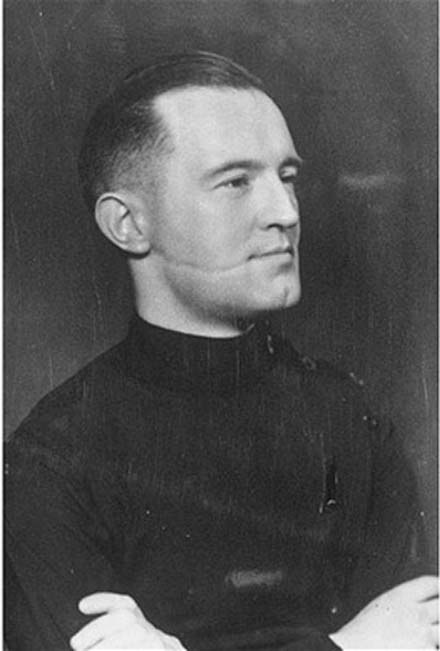
BBC Radio 4 doc about the life and trial of William Joyce

williamjoyce_2041800i

William Joyce (a.k.a. “Lord Haw Haw”)

Many thanks to SWLing Post contributor, Jonathan Marks, who shares this brilliant radio documentary from BBC Radio 4 about the trial of the infamous Lord Haw Haw.

(Source: Radio 4)

Clive Anderson looks at a variety of famous or infamous cases and retells the story that the case brought into the public eye.

In this programme he explores the 1945 trial of William Joyce – Lord Haw-Haw – for High Treason.

Featuring Professor Colin Holmes, Geoffrey Robertson QC and Professor Jean Seaton.

Click here to listen to the full episode via Radio 4.

As a side note, if you’re interested in WWII propaganda, I would highly recommend the book, Hitler’s Radio War by Roger Tidy.

Click here to read my review of Hitler’s Radio War.

Guy shares his nostalgia radio wallpaper for download

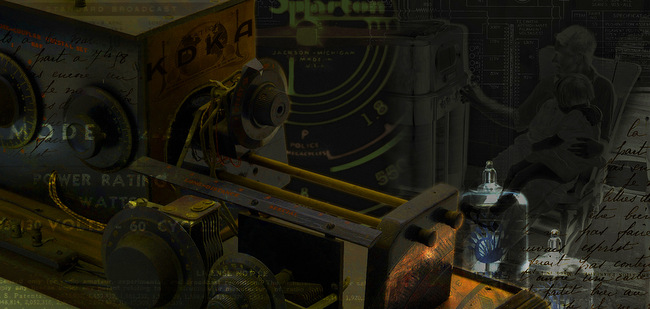
Hertzian Vision_2560x1440SWLing Post contributor, Guy Atkins, writes:

I’m writing to let you know of a “nostalgia radio” Windows wallpaper graphic I’ve made available to radio hobbyists. This design is called Hertzian Vision, and I created it three years ago for a few SDR enthusiasts/software authors in Finland. I’d like to offer it to your readers too.

My design was inspired by the SPARK Museum of Electrical Invention in Bellingham, Washington, which opened initially as a showcase for antique radios.

Here is a link to a folder with two sizes of the wallpaper:

https://app.box.com/s/33qzg7ouo3sztzzbnd36ylytt1cp7u3y\

The two high resolution wallpaper files are 1920 x 1200 and 2560 x 1440 pixels.

This is a fantastic graphic you’ve created, Guy–many thanks for sharing it with us!

KMREOn a side note, Guy also informed me that the SPARK Museum of Electrical Invention also operates a low power FM station, (KMRE) that features old time and classic radio shows. You can listen to KMRE online via TuneIn Radio or several other sources.

All morning, I’ve been listening to KMRE via my SStran AM transmitter though my BC-348-Q. Great fun!

[Update: if you have difficulty downloading the wallpaper via the link above, you can download them directly from the SWLing Post server by clicking here and here.]

99% Invisible: “Voices on the Wire”

Radio-Dial-Blurred-Dark

Many of you know that I’m a huge fan of 99% Invisible–a podcast and radio show about “design, architecture & the 99% invisible activity that shapes our world.”

This past week, 99% Invisible’s episode, Voices on the Wire, featured Tony Schwartz, a recording pioneer, and Frank Conrad, a broadcasting pioneer. While not specifically about shortwave radio, you’ll hear how the ether weaved its way through both of their histories.

I should mention that Roman Mars, creator of 99% Invisible, is quite a fan of shortwave radio. Indeed, in the past, he’s featured our friend, David Goren, of Shortwaveology.net.

You can listen to Voices on the Wire and read the show notes on 99% Invisible’s website. Click here to download the episode as an MP3 file, or simply listen via the embedded SoundCloud player below:

Note that the Tony Swartz segment was originally produced by  The Kitchen Sisters, Nikki Silva and Davia Nelson, from their series Lost and Found Sound; the segment on Frank Conrad was originally produced by Radio Diaries.

And, hey…if you happen to be chatting with Roman Mars anytime soon, ask him to do more shows on shortwave radio: a technology I consider to be the ultimate invisible medium!

Honoring Memorial Day: The White Cliffs of Dover

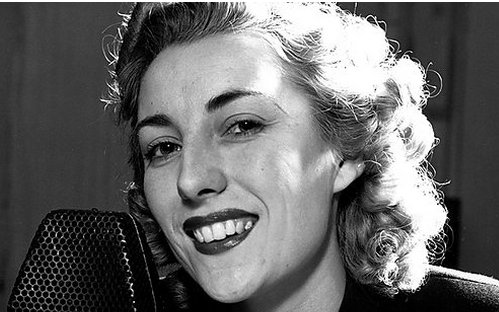
Dame Vera Lynn

Dame Vera Lynn

Today is Memorial Day, and I’m feeling humbly grateful to all of those who paid the ultimate sacrifice for their country. Since I’ve been reading a lot of WWII history lately, I’ve also been playing a lot of WWII-era music here in my sanctuary to all things radio.

Few songs sum up the yearning sentiment of World War II better than Vera Lynn’s 1942 rendition of “The White Cliffs of Dover.” It’s an iconic song, one that helped British soldiers see beyond the war while mourning its painful toll. It was written in 1941 when England was taking heavy casualties, just before American allies joined the effort.

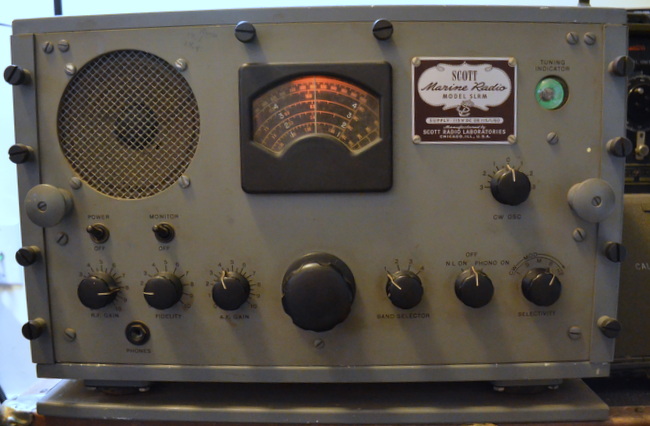
Scott-Marine-Radio-SLR-M

This morning, seeking something with a little authenticity, I played “The White Cliffs of Dover” though my SStran AM transmitter, and listened to it through “Scottie,” my WWII-era Scott Marine radio (above). I made this recording by placing my Zoom H2N recorder directly in front of the Scott’s built-in monitor speaker.

So here you go: a little radio tribute to all of those who fell–on both sides–of that infamous second world war.

And thanks to all who serve and have served in the name of “peace ever after.”

Click here to download the recording as an MP3, or simply listen below:

Photos from the VOA Bethany Museum

VOA-Bethany- - 1 (1)

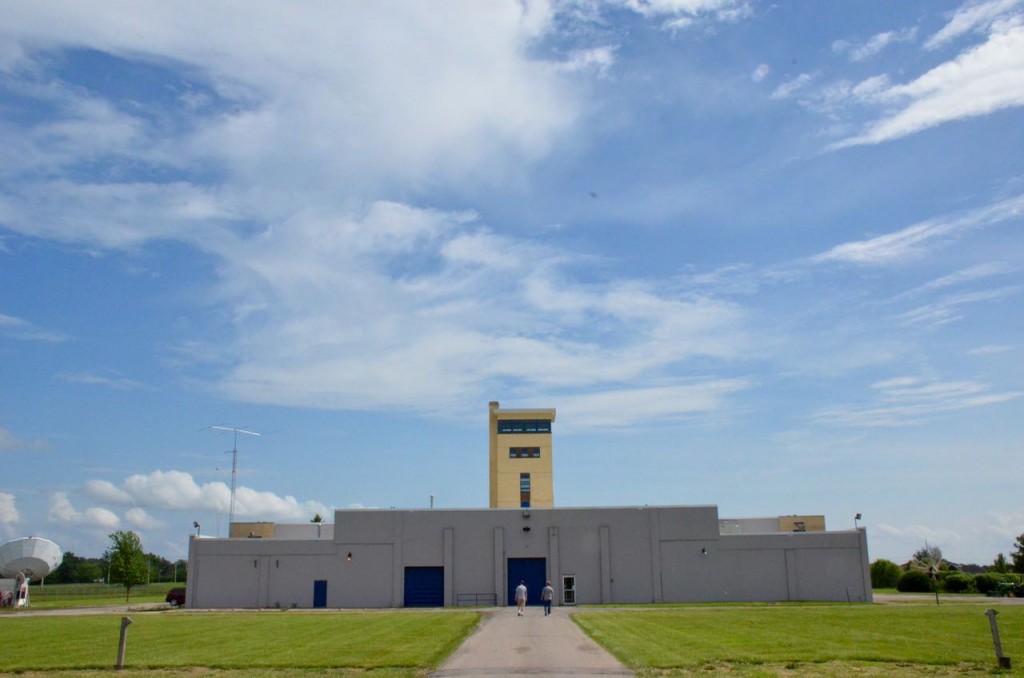
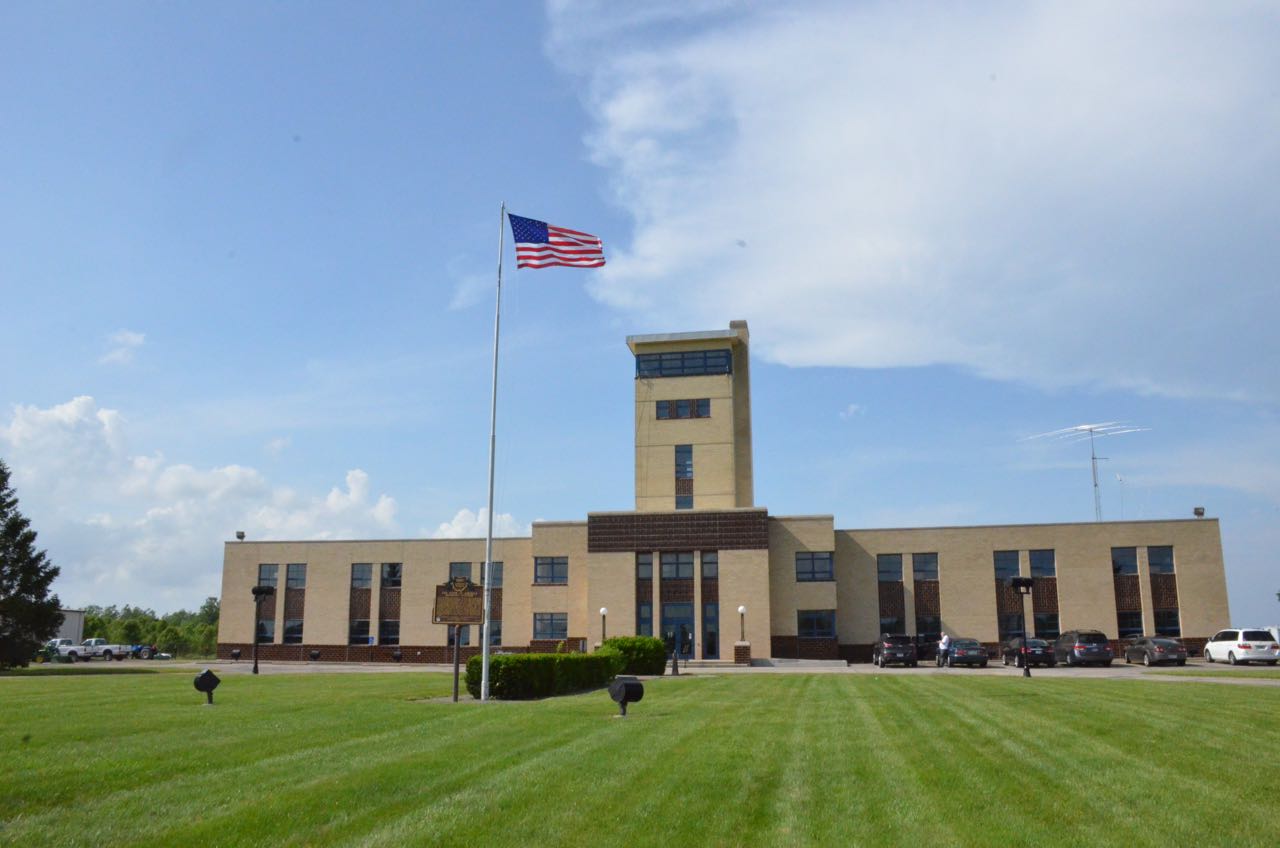
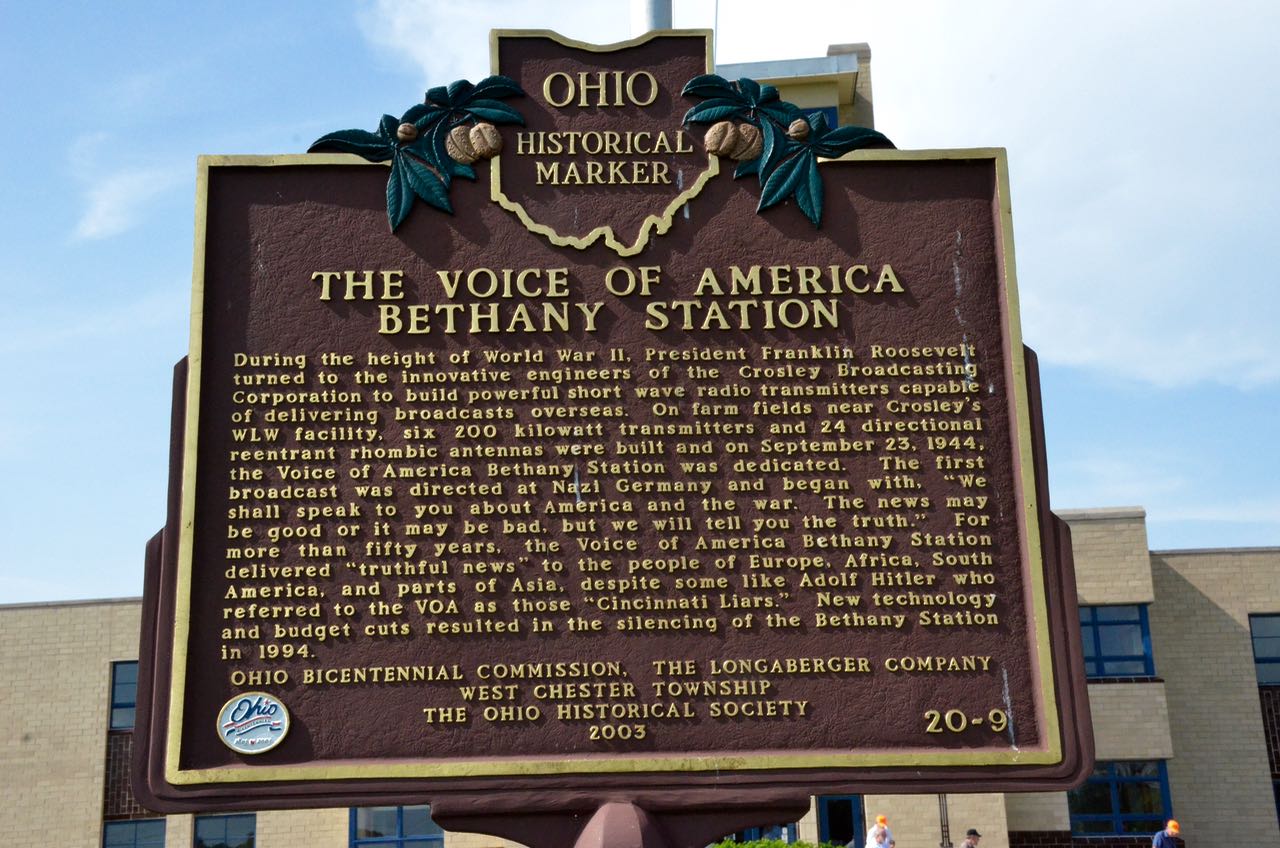
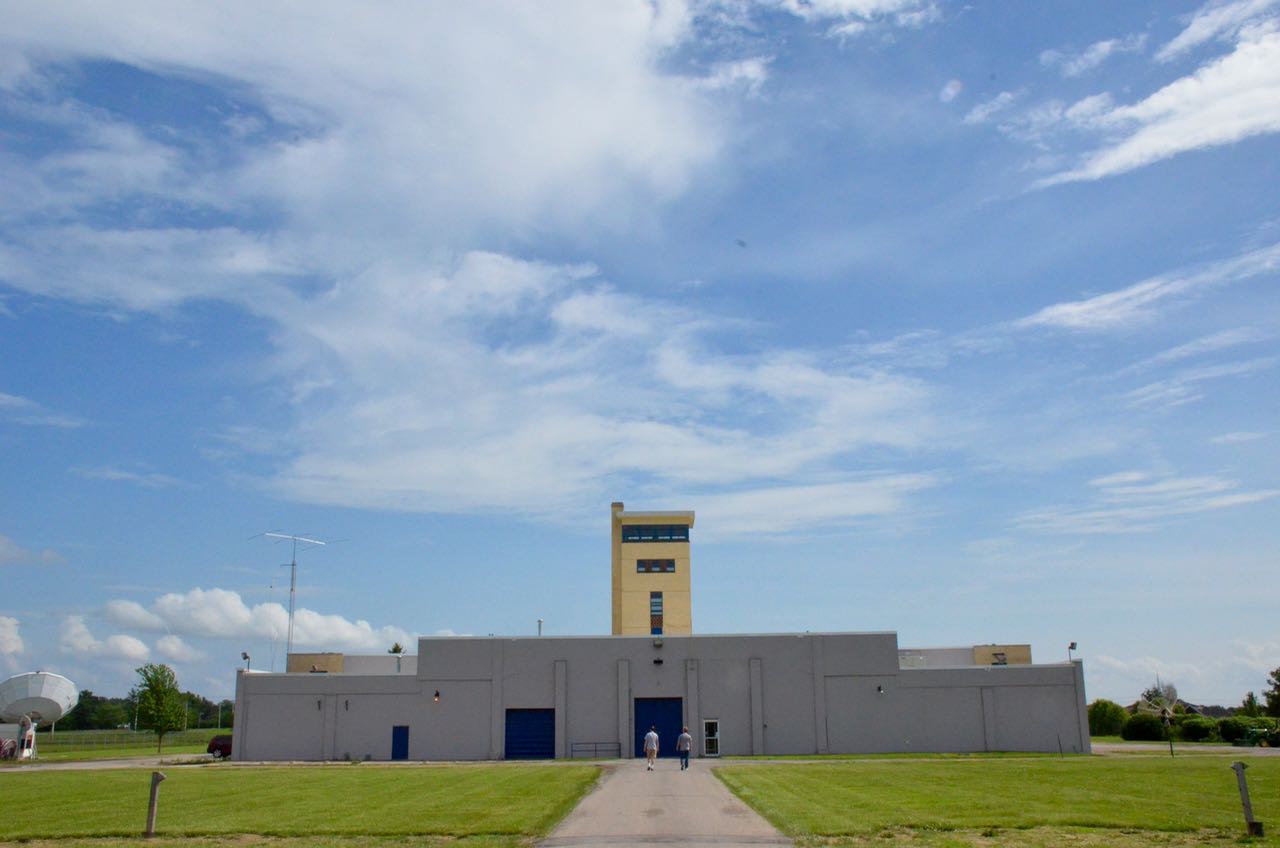
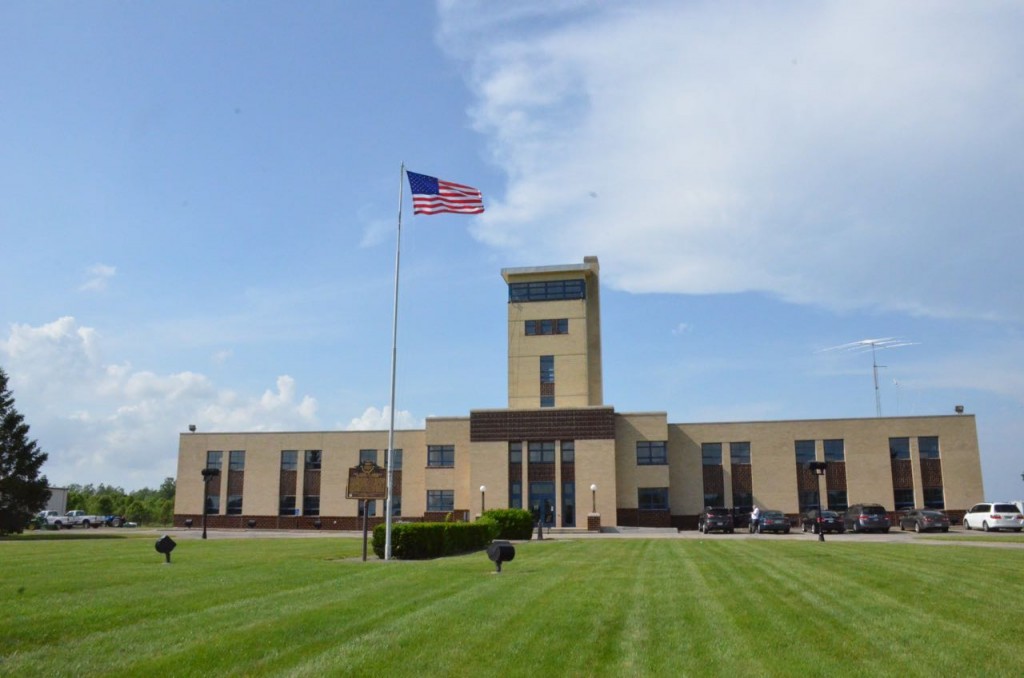
Immediately after packing up our table at the Dayton Hamvention, my buddies Eric (WD8RIF), Miles (KD8KNC), and I made the 30 minute journey to Bethany, Ohio, to visit the VOA Bethany museum.
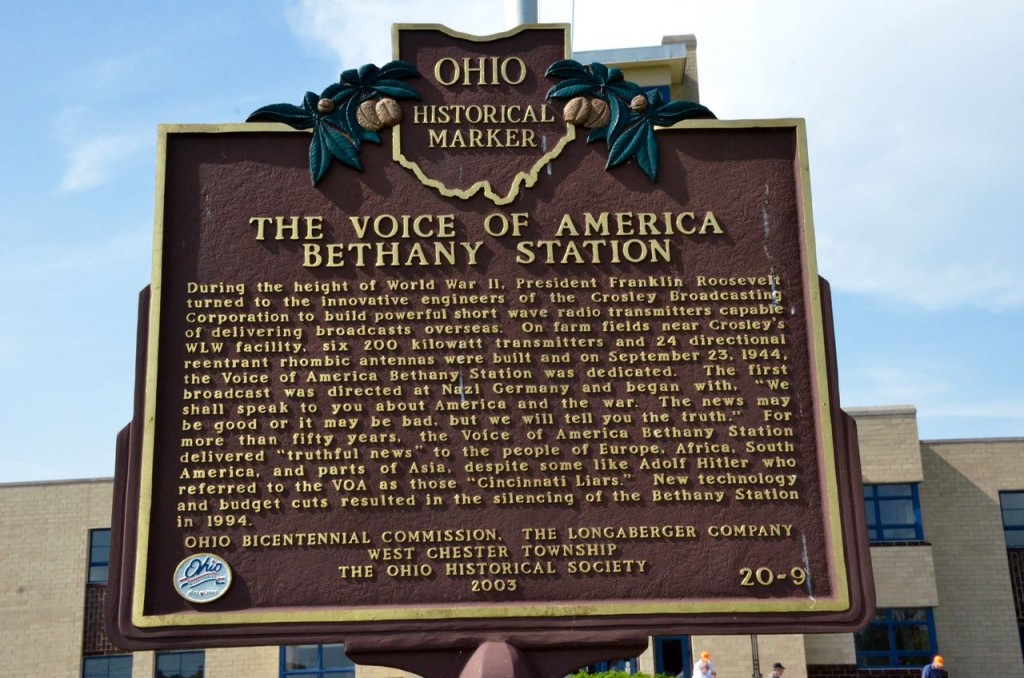
VOA-Bethany- - 1 (2)

VOA-Bethany- - 1 (35)

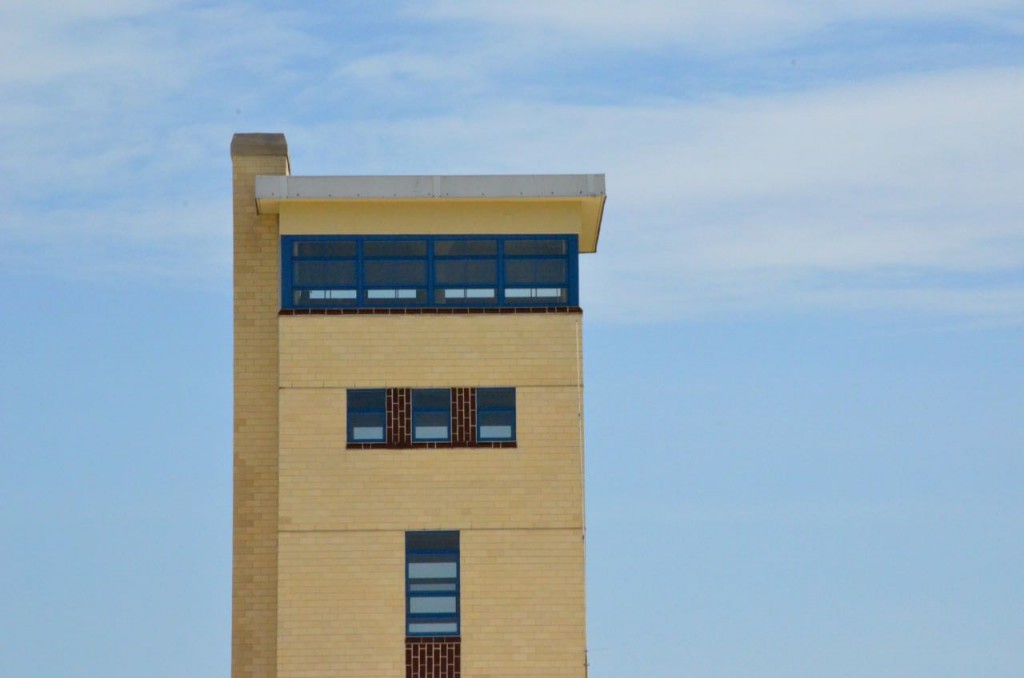
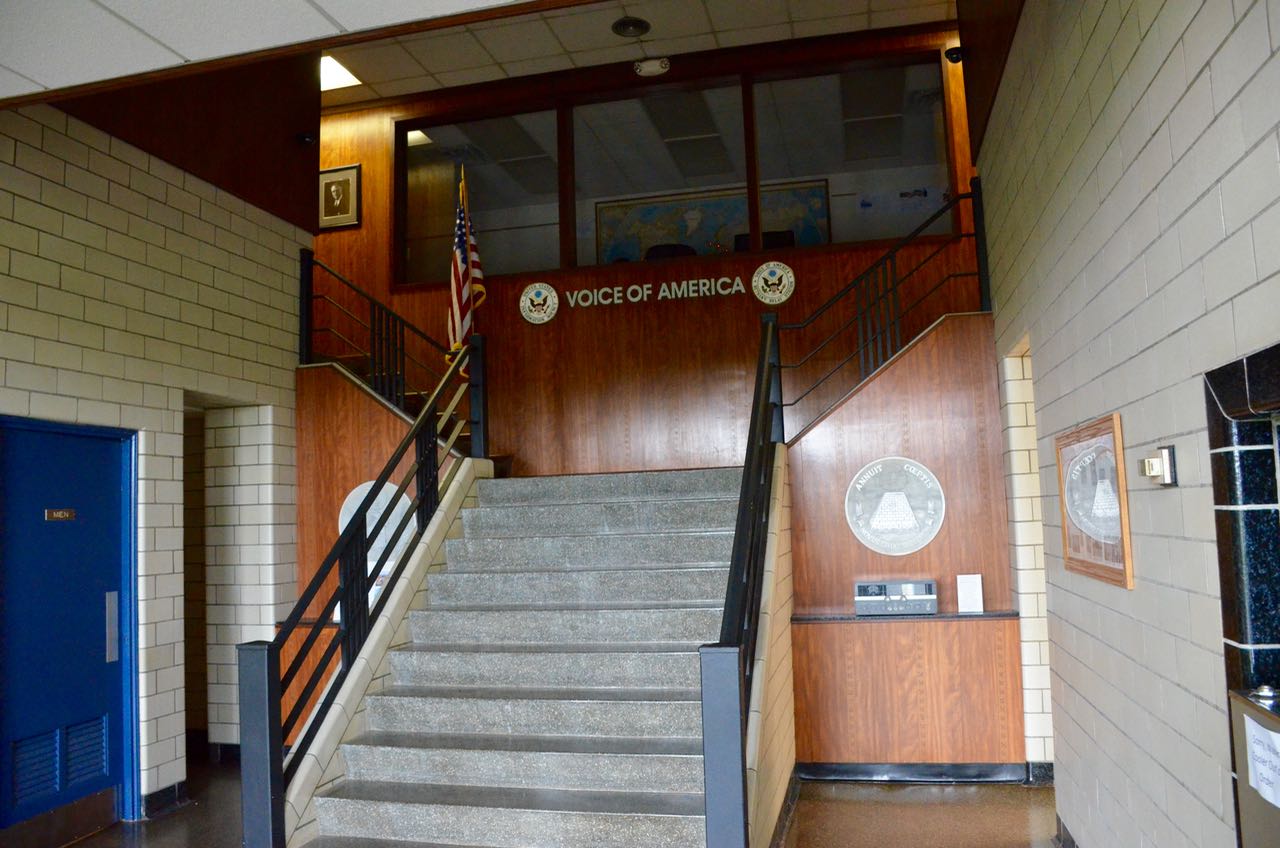
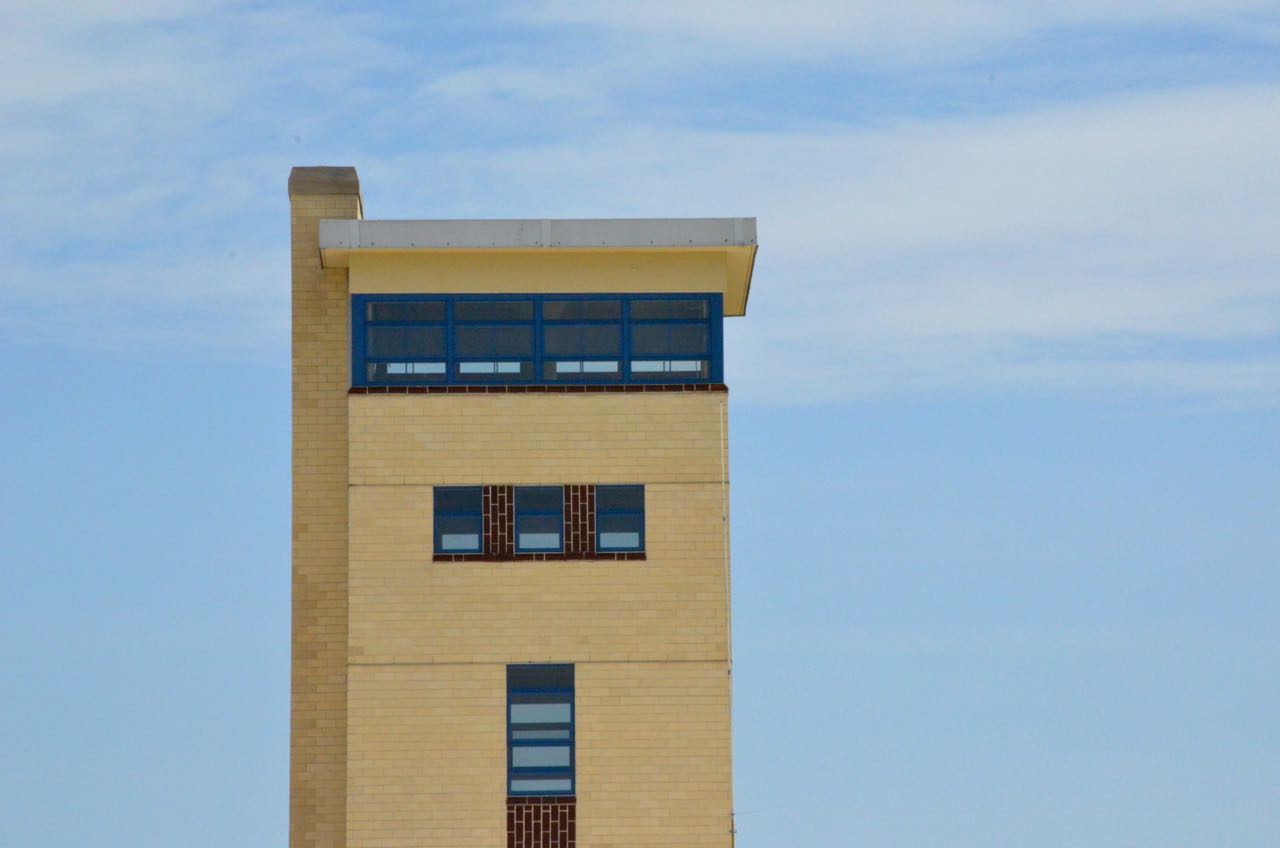
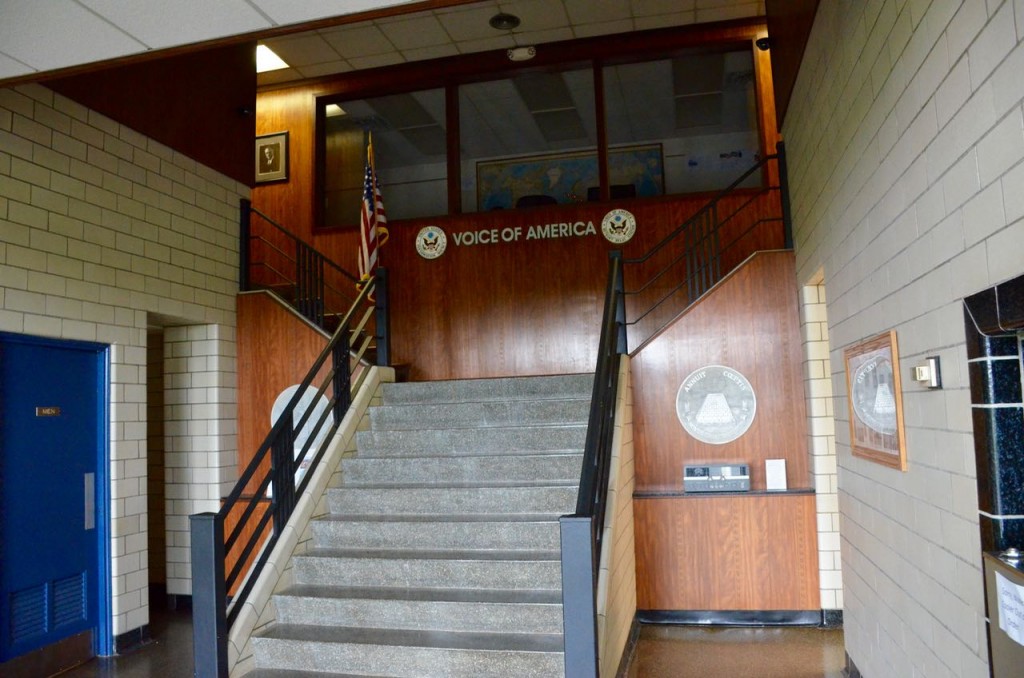
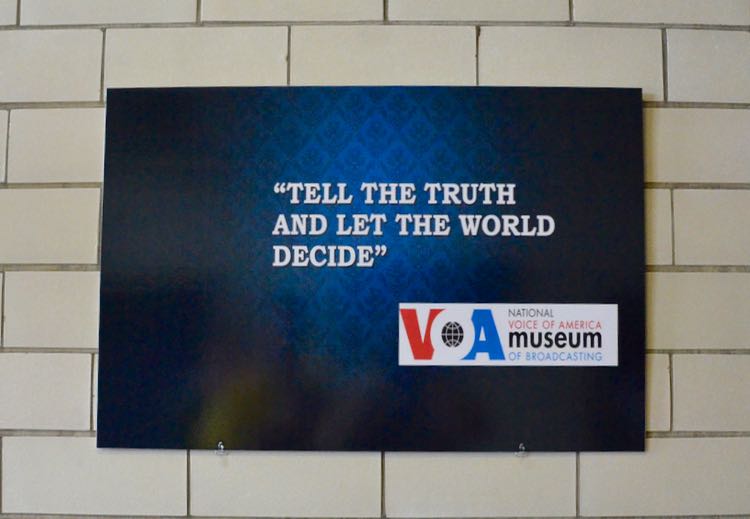
Main entrance and front lobby (above).VOA-Bethany- - 1 (34) VOA-Bethany- - 1 (3)
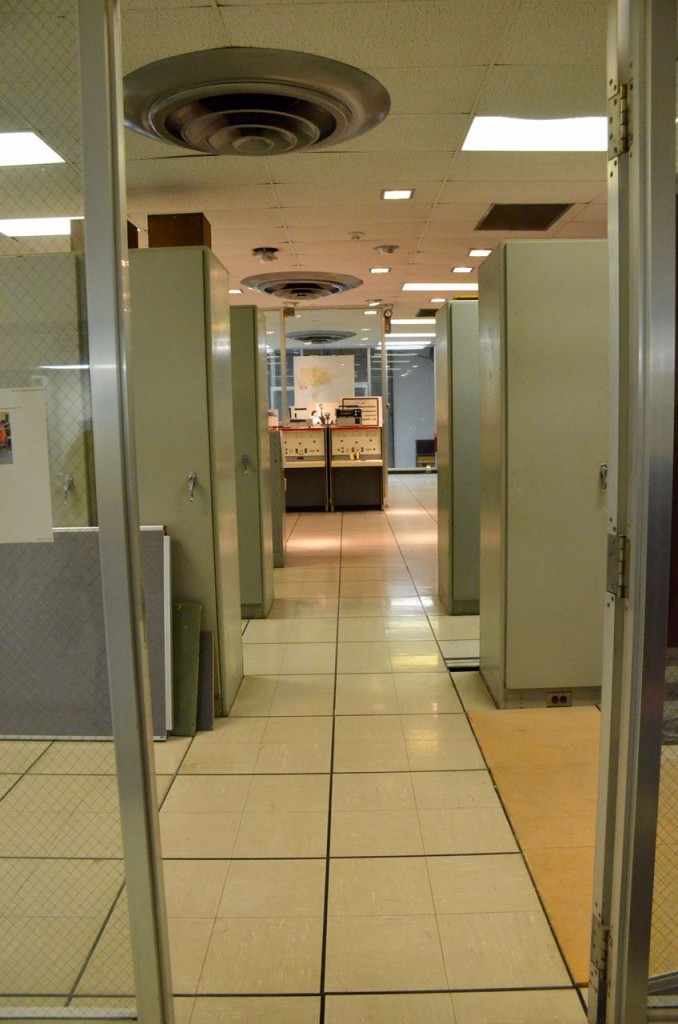
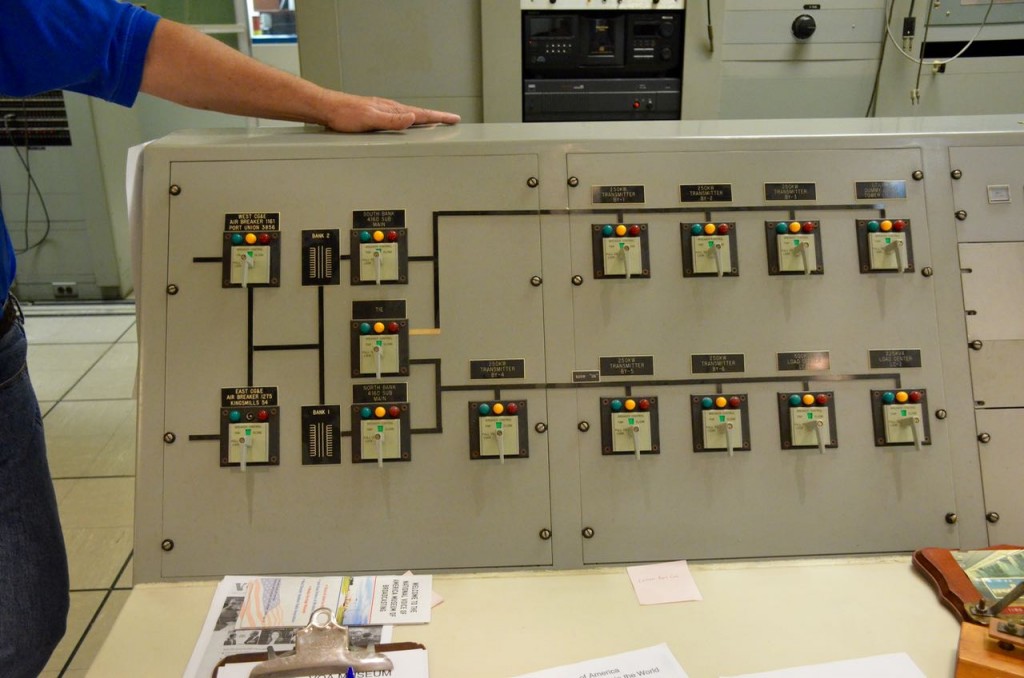
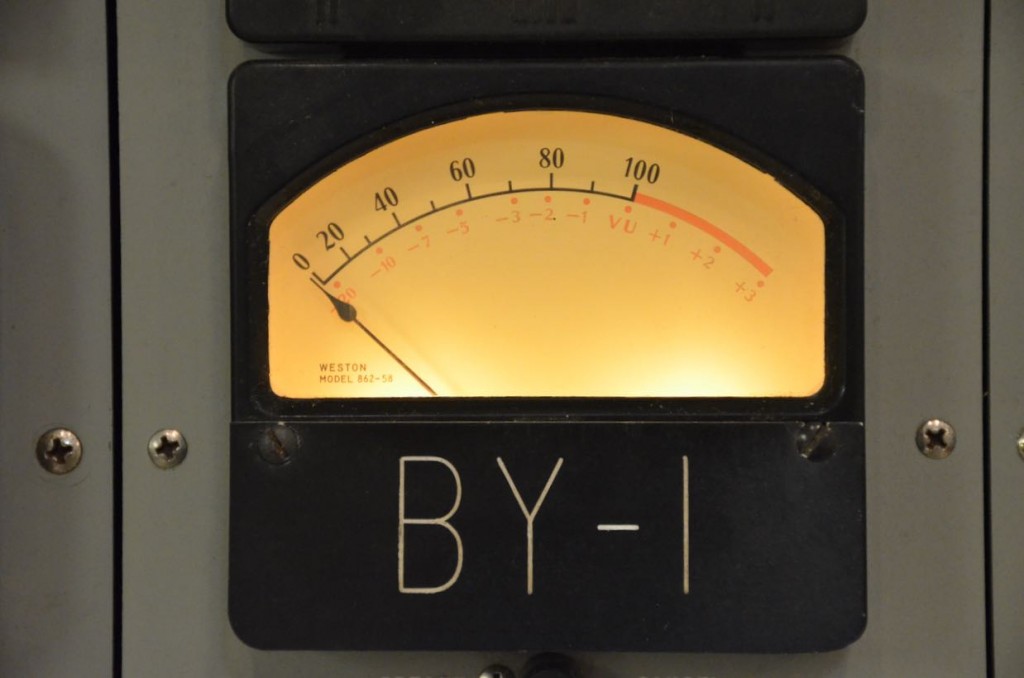
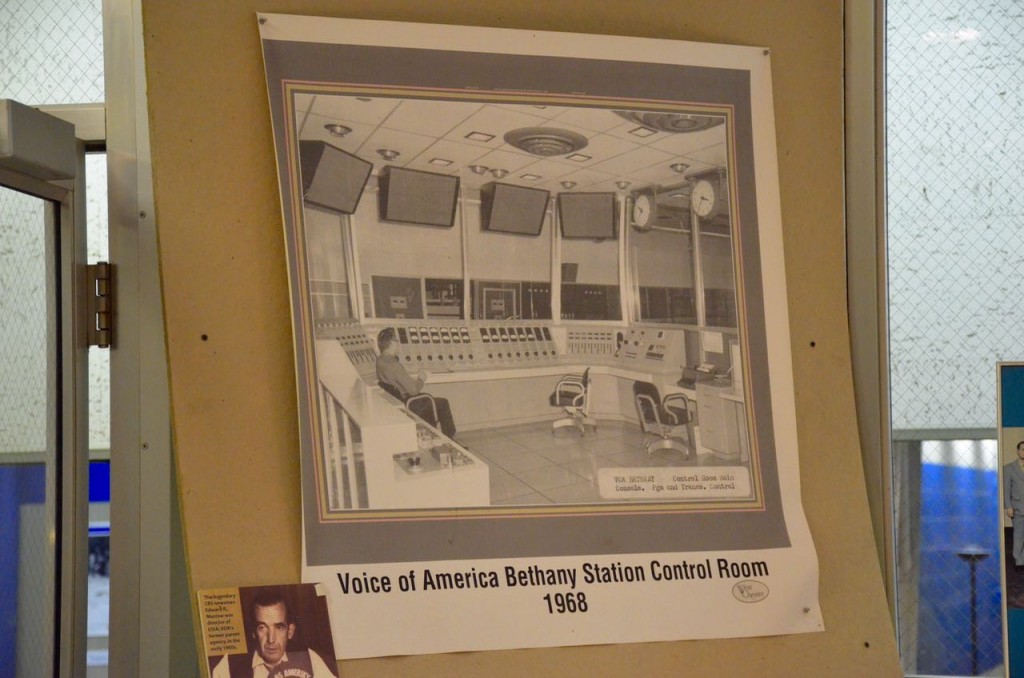
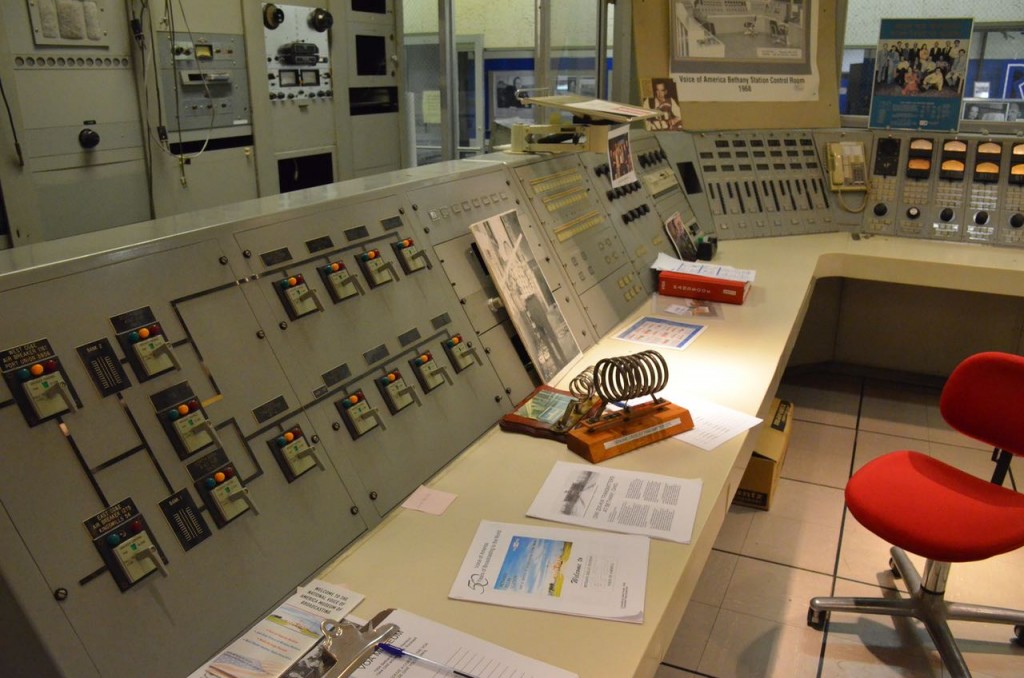
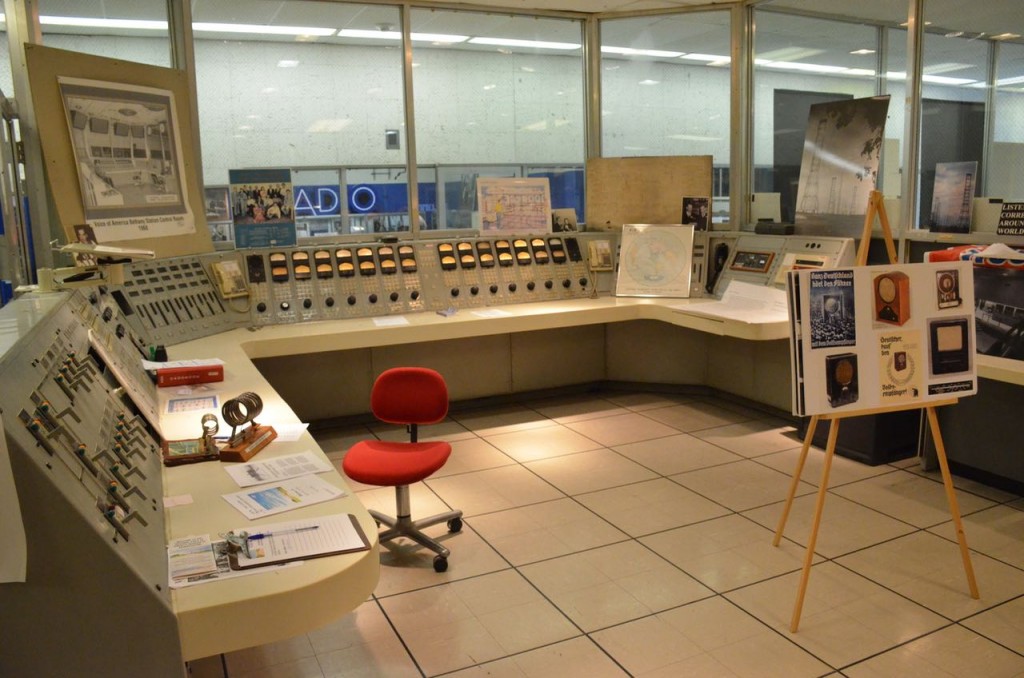
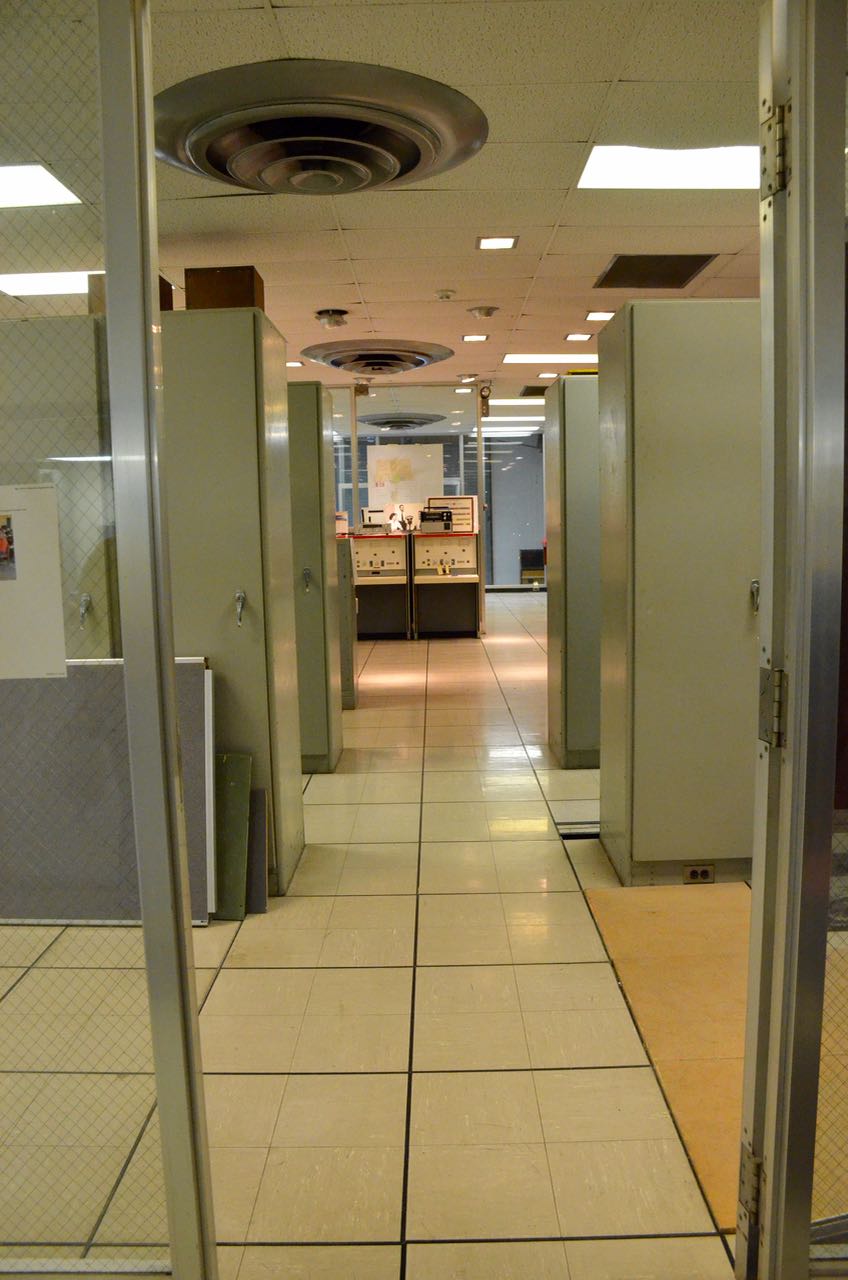
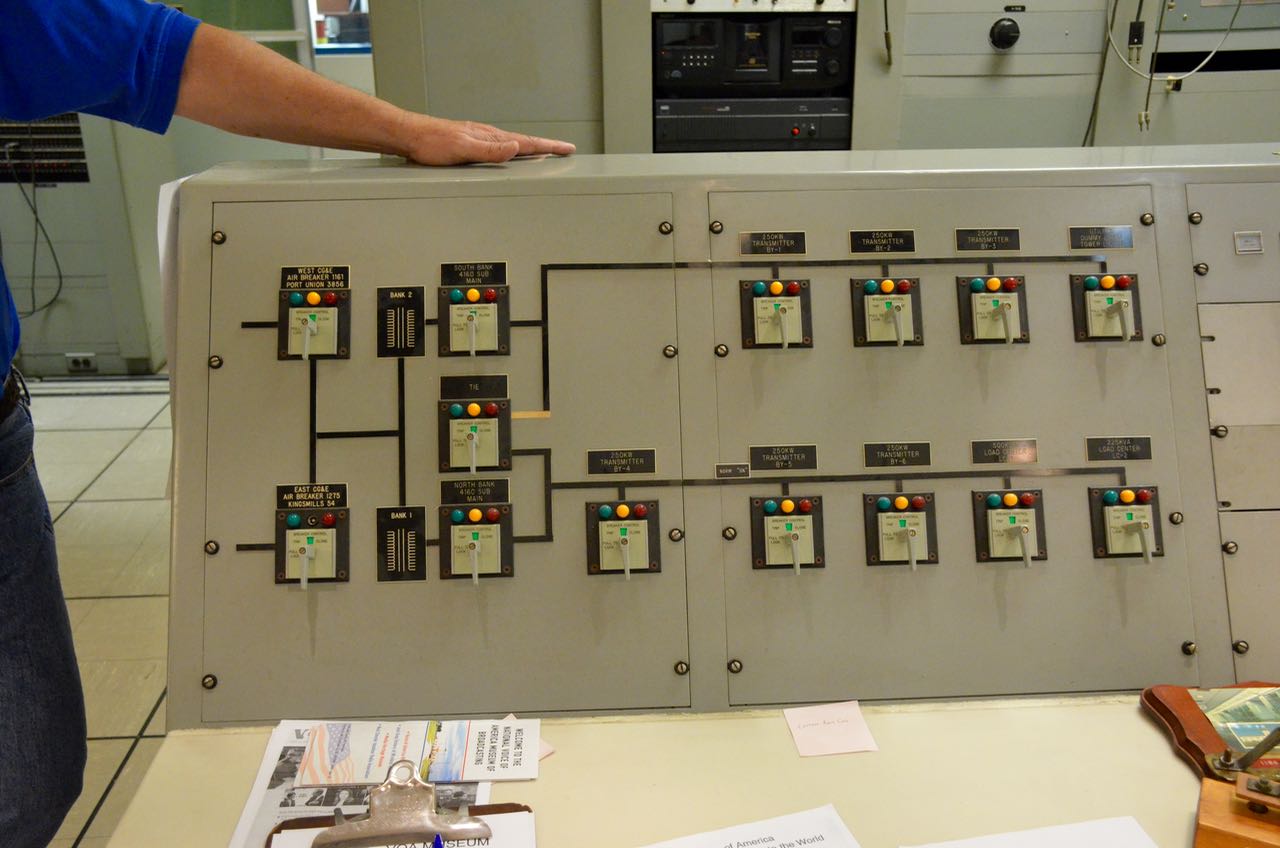
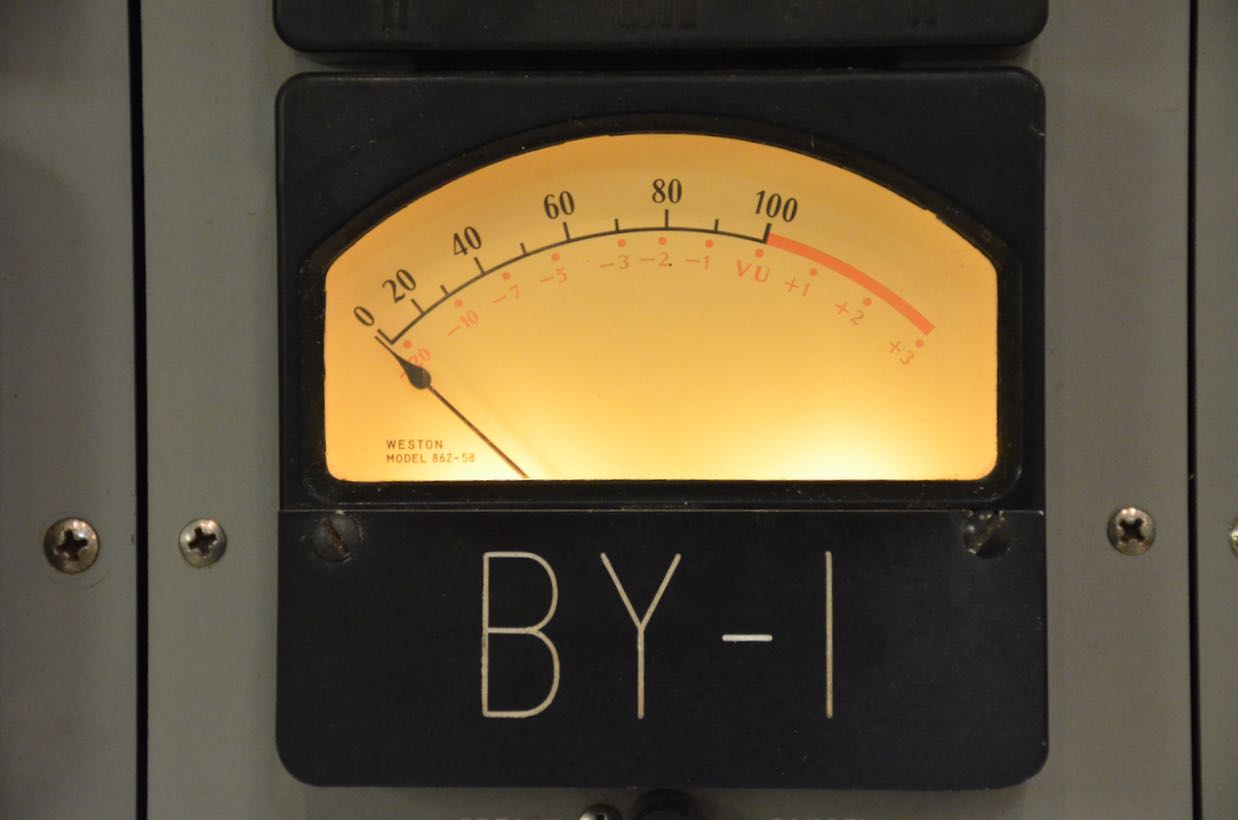
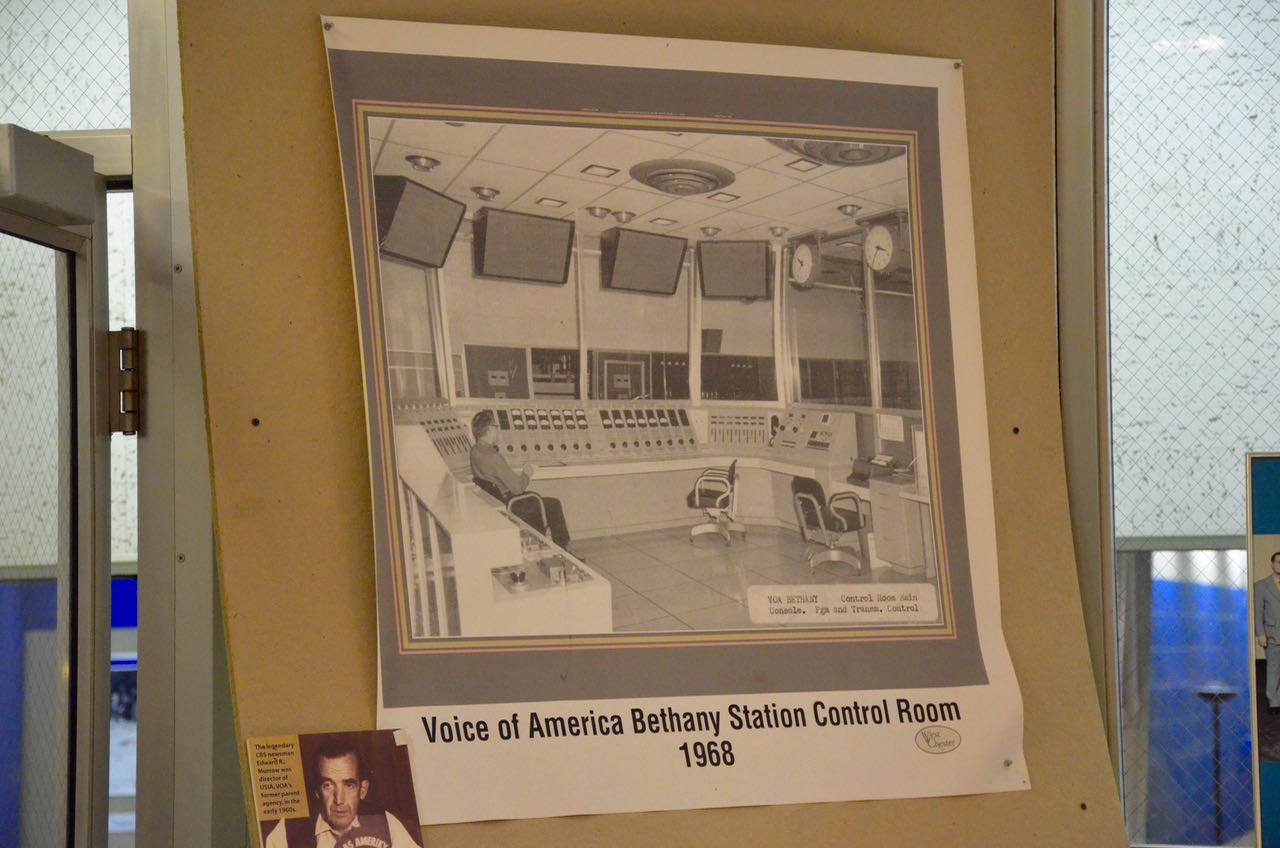
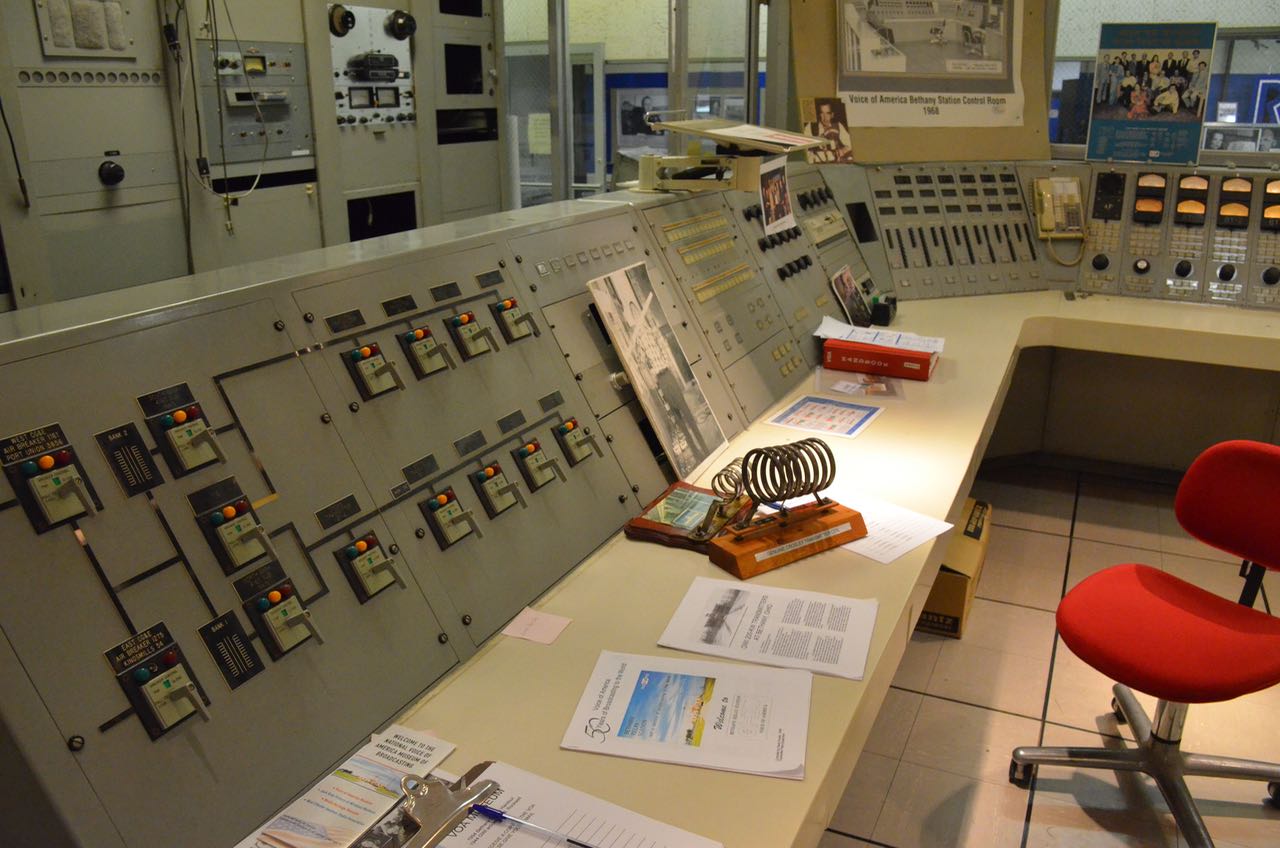
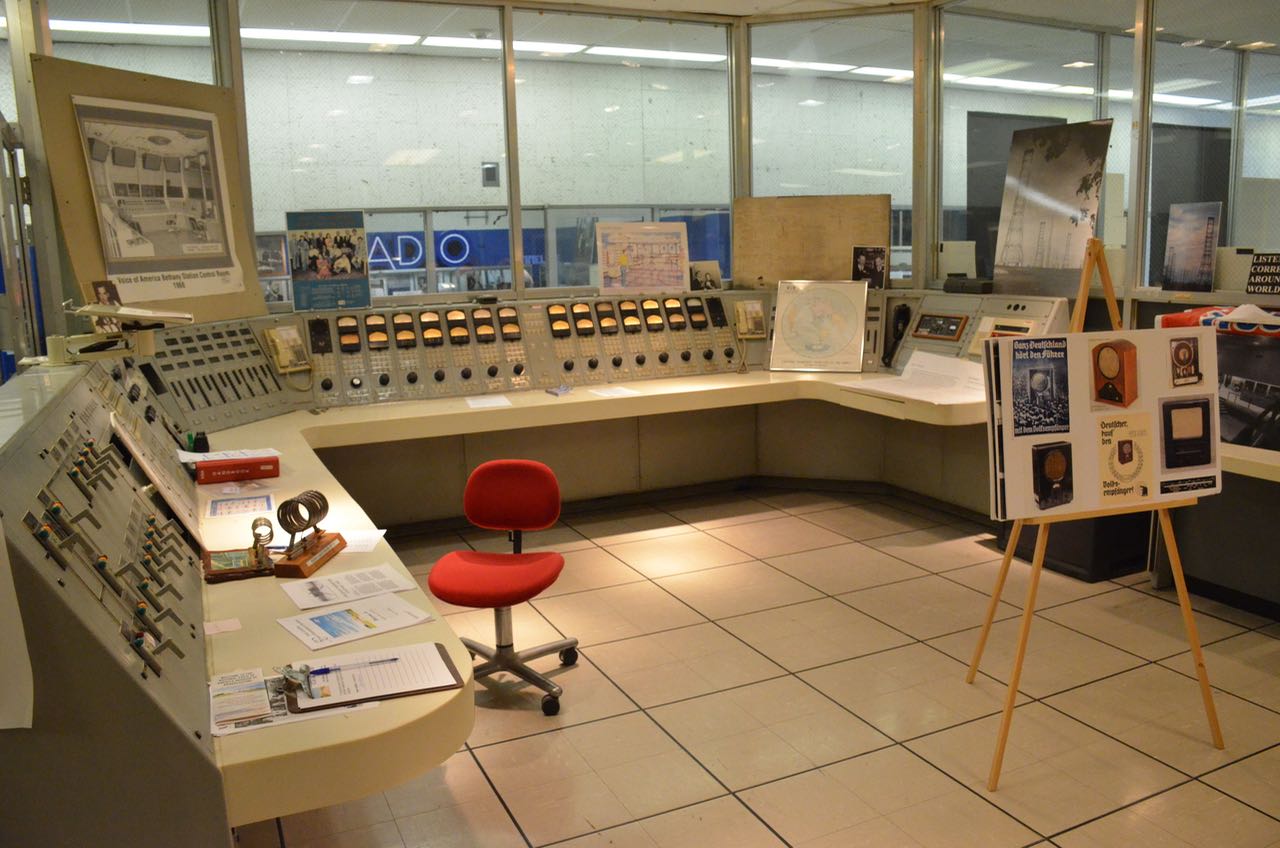
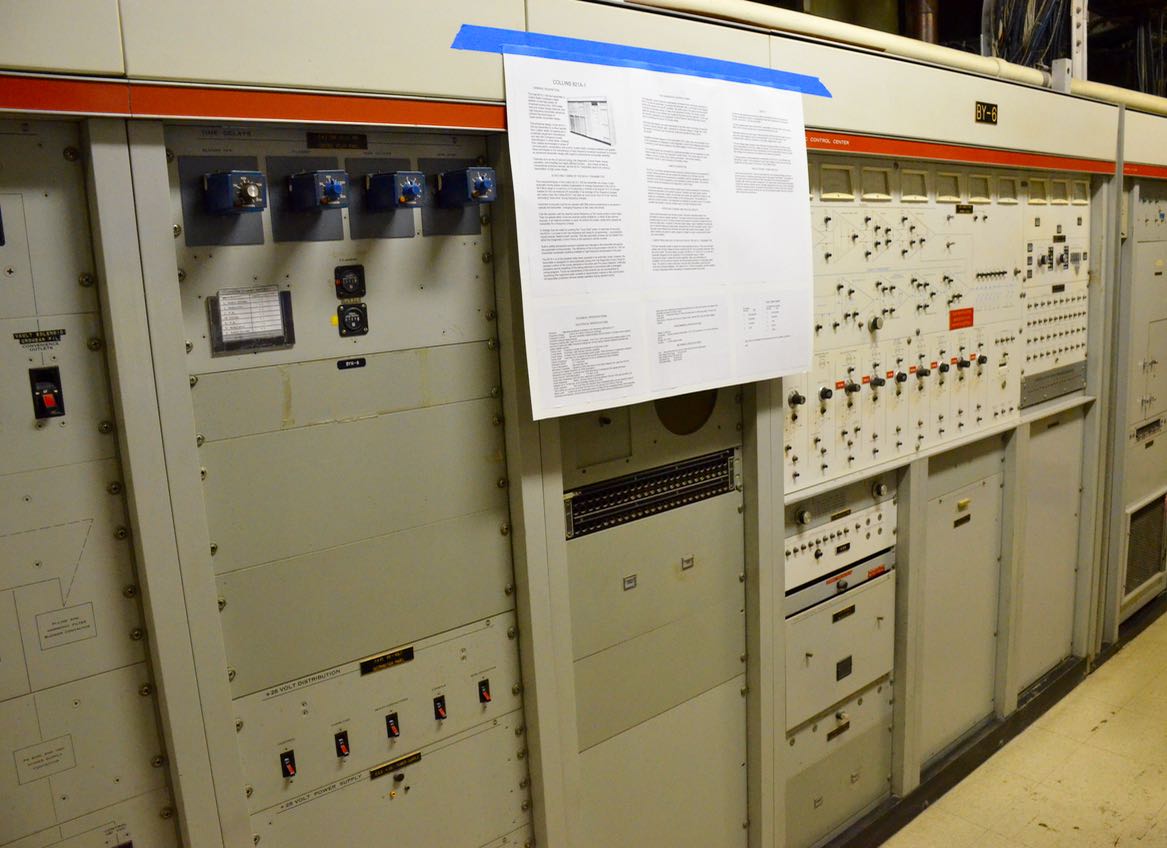
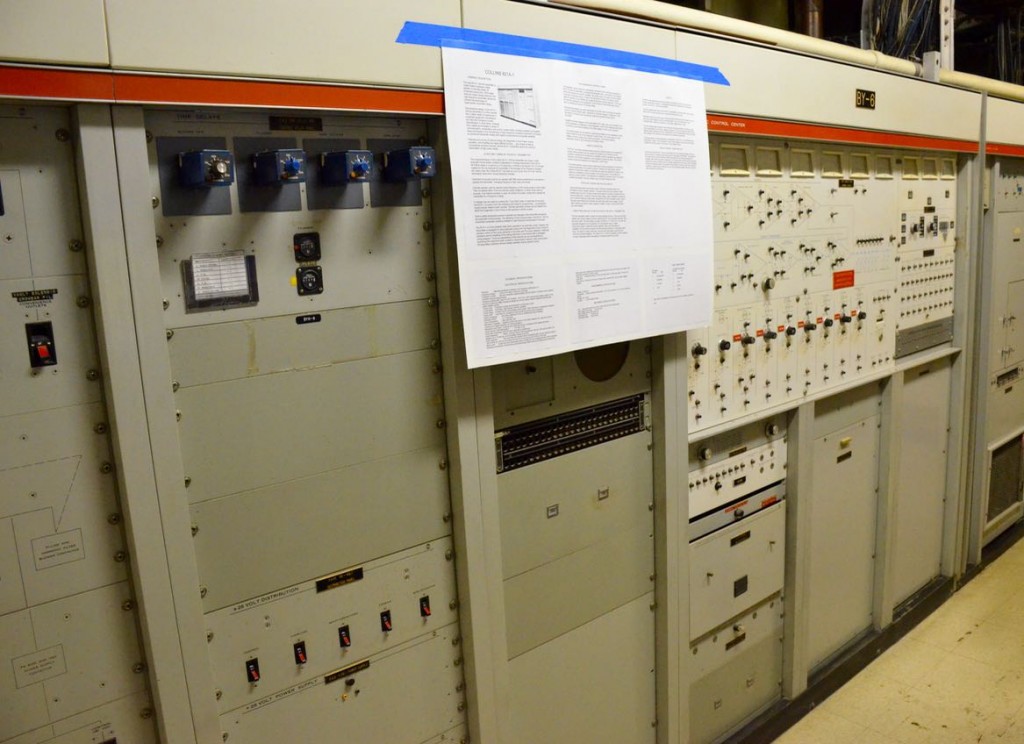
Entering the transmitter control room.
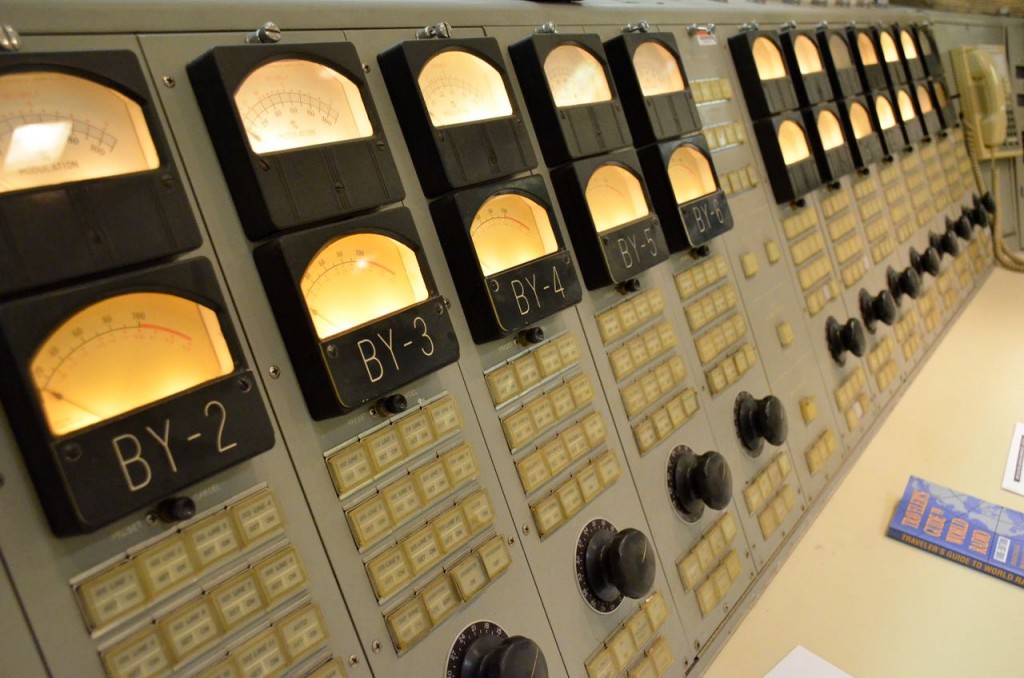
VOA-Bethany- - 1 (13) VOA-Bethany- - 1 (14) VOA-Bethany- - 1 (15) VOA-Bethany- - 1 (16) VOA-Bethany- - 1 (17) VOA-Bethany- - 1 (18)

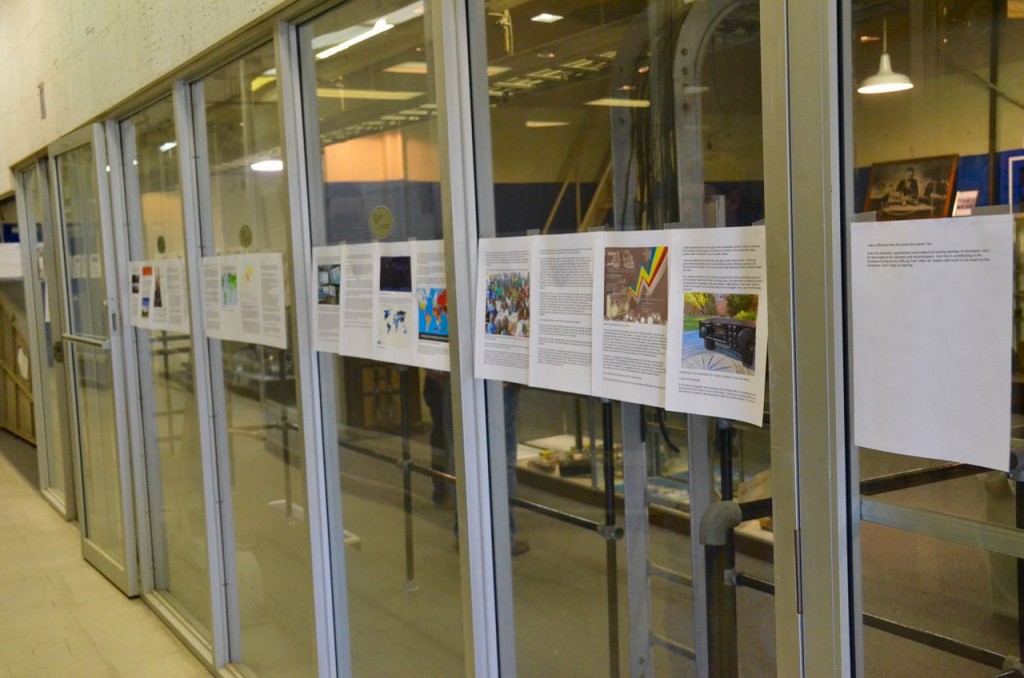
VOA-Bethany- - 1 (28)Eric pointed out an article on the future of shortwave radio I published last year that the museum has posted in the hallway next to the control room (above).  What an honor!
VOA-Bethany- - 1 (19)

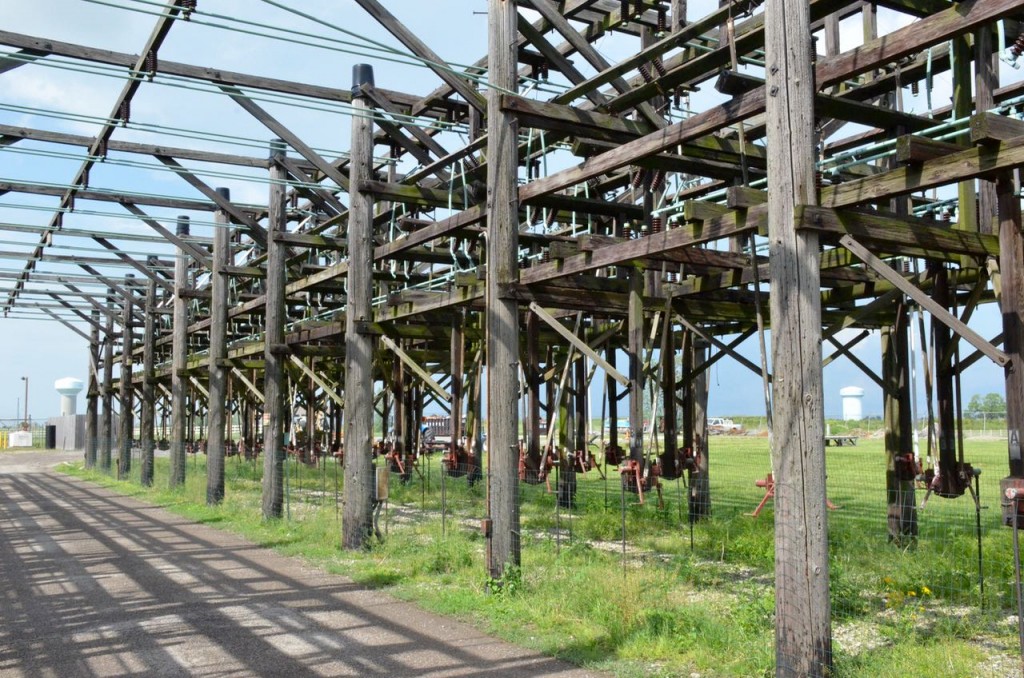
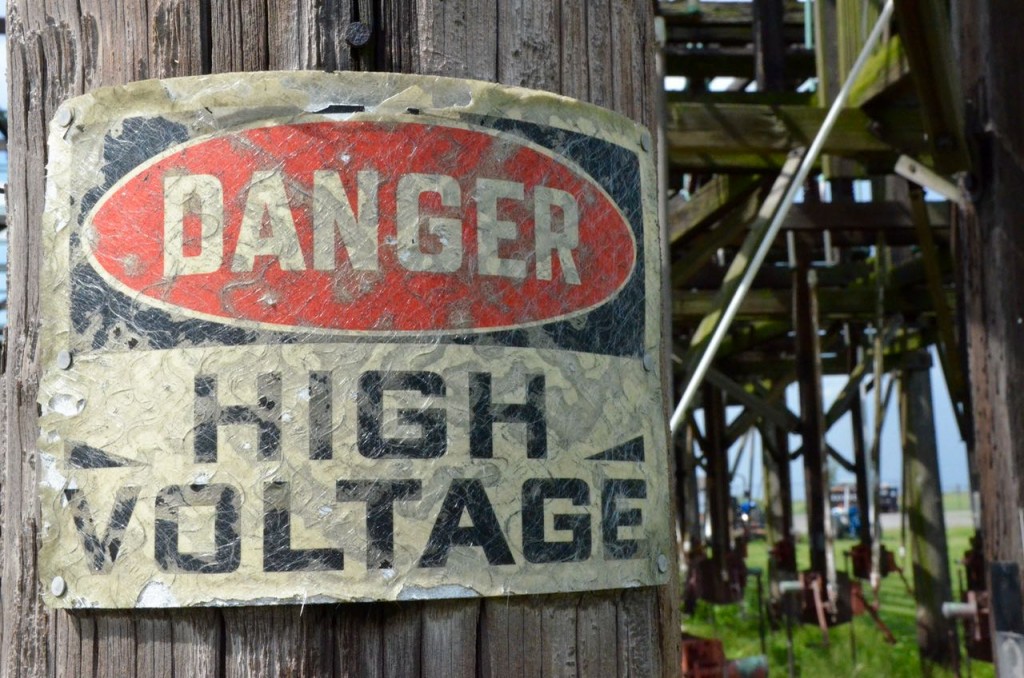
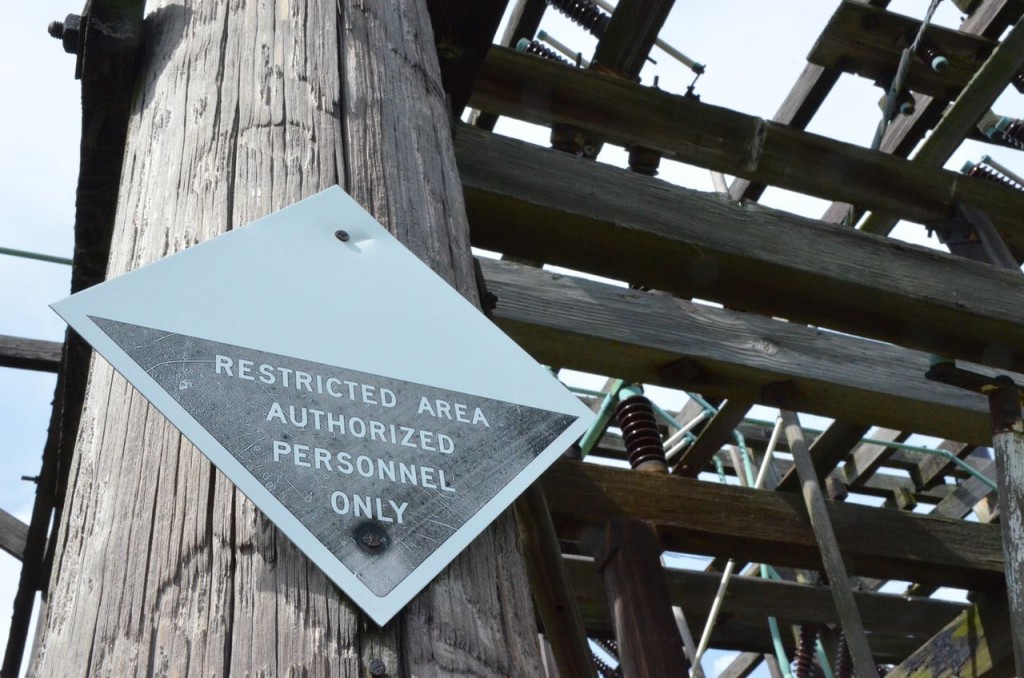
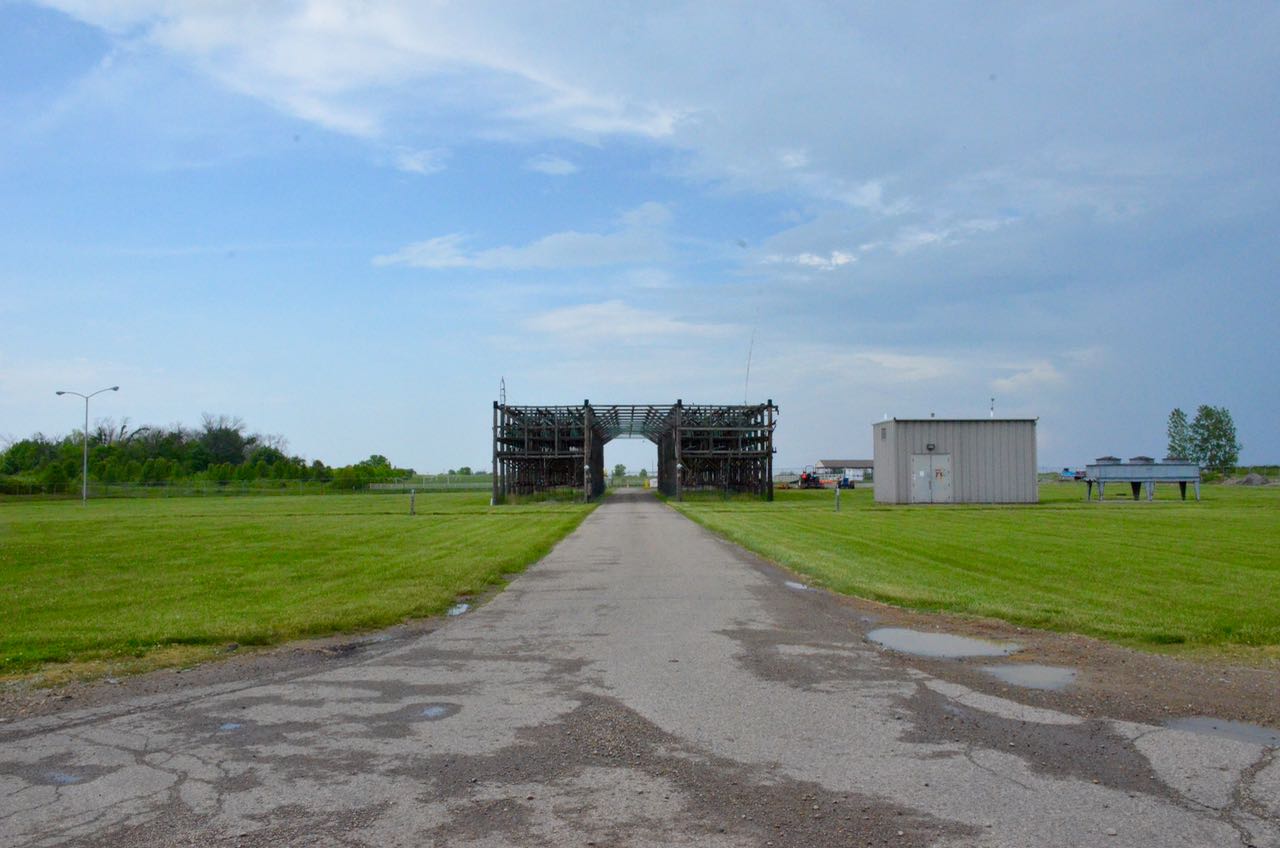
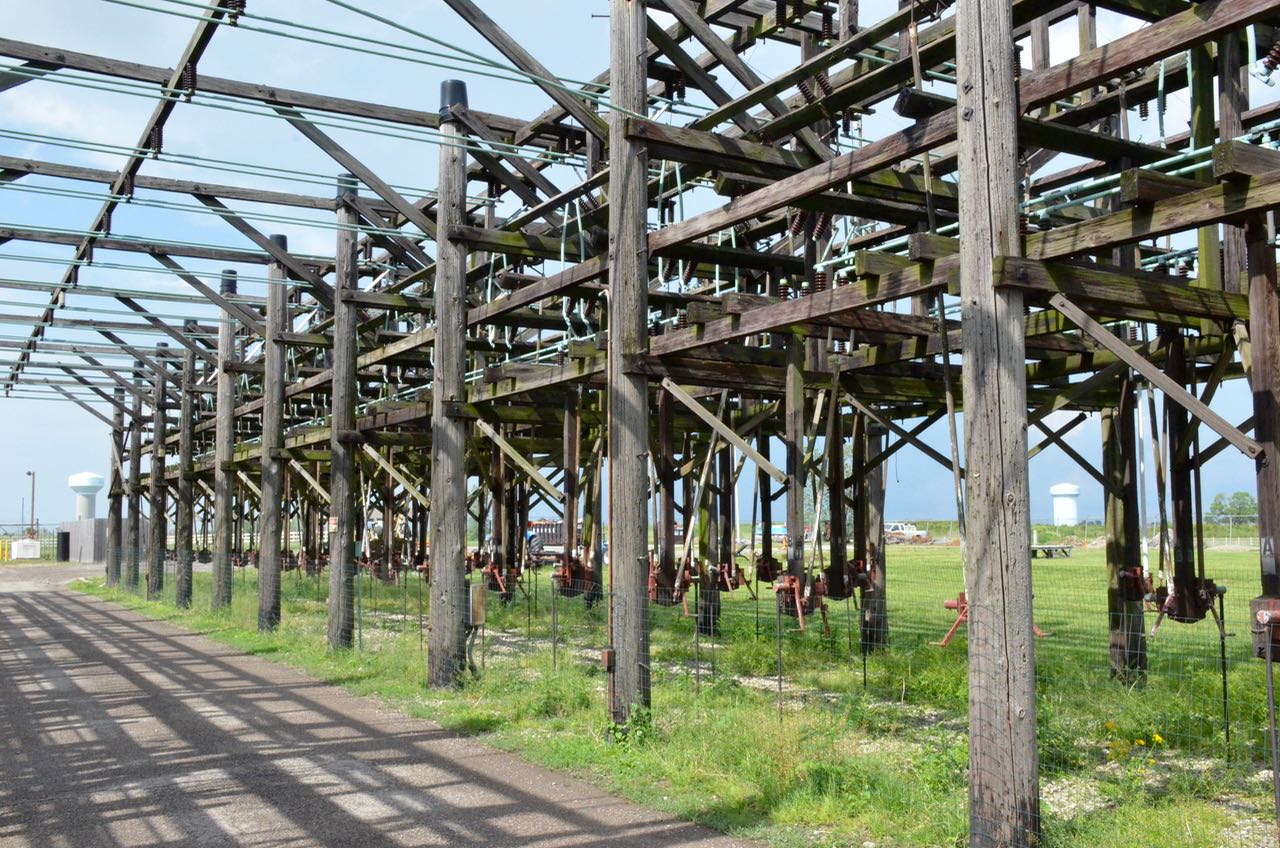
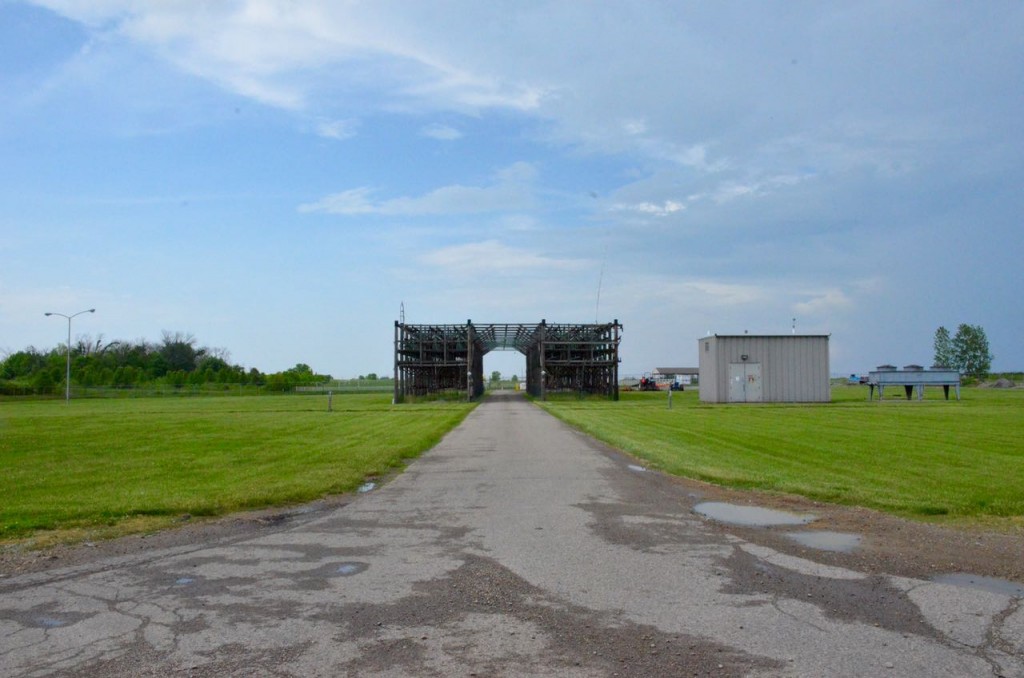
The antenna switching array behind the main building (following four photos).
VOA-Bethany- - 1 (12)

VOA-Bethany- - 1 (10)

VOA-Bethany- - 1 (4)VOA-Bethany- - 1 (6)VOA-Bethany- - 1 (9) VOA-Bethany- - 1 (8)VOA-Bethany- - 1 (11)

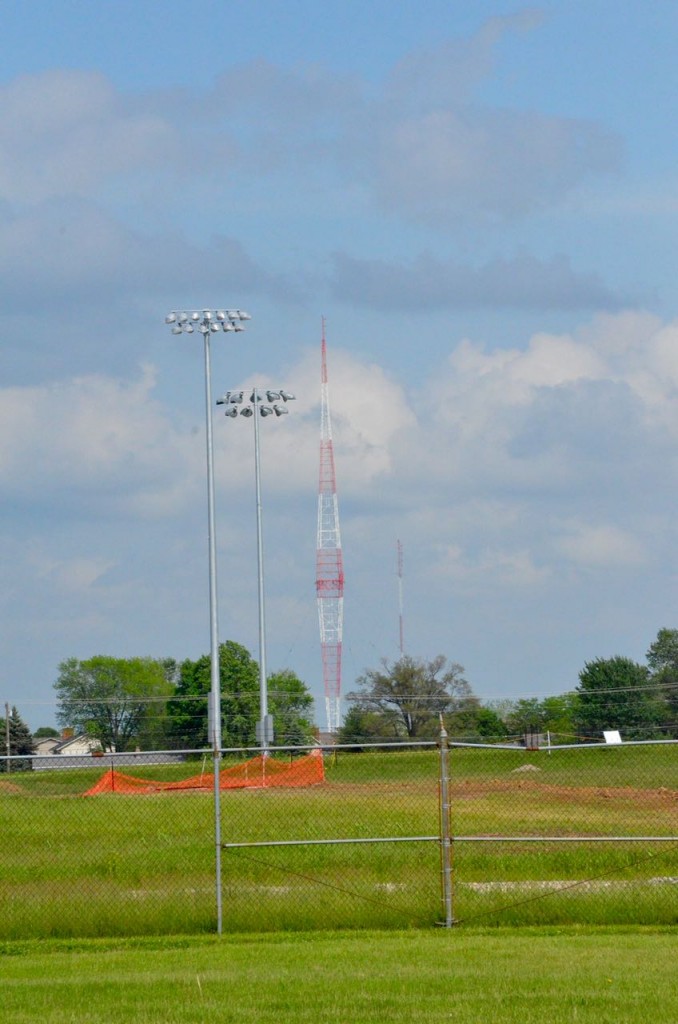
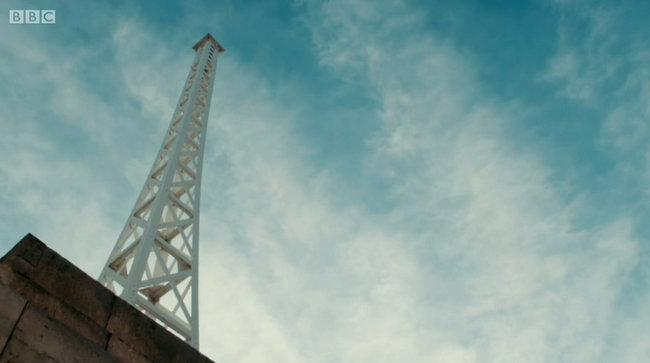
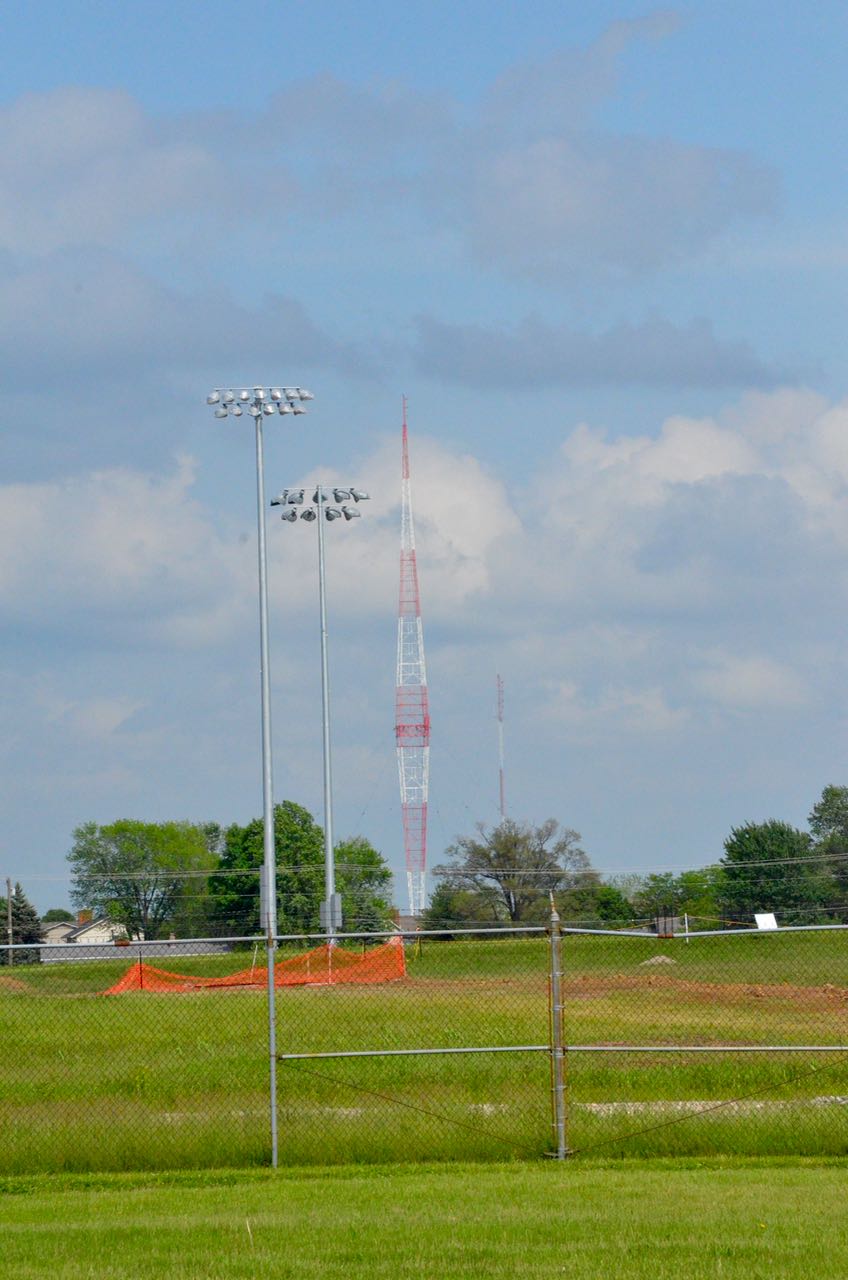
WLW (700 kHz) 800′ tower in the distance (above).
VOA-Bethany- - 1 (7)

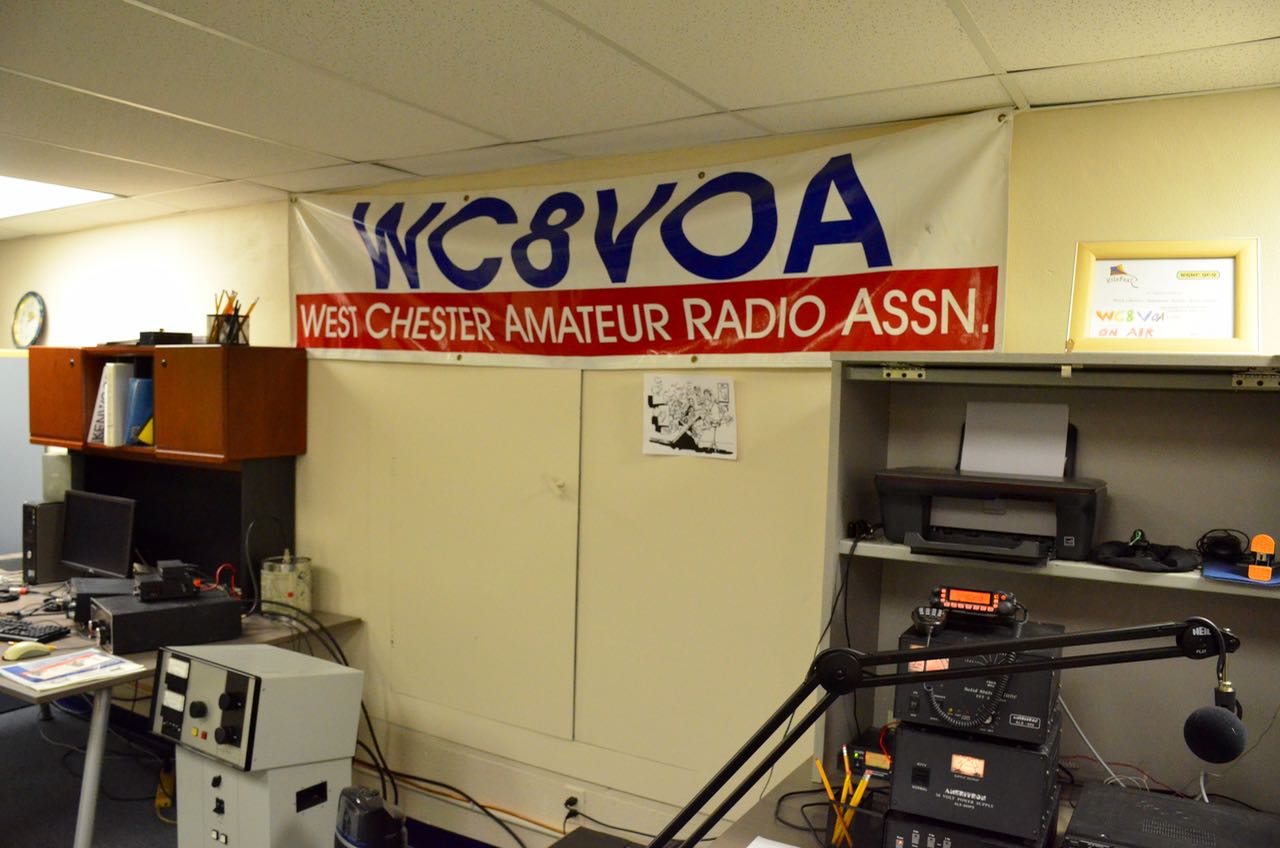
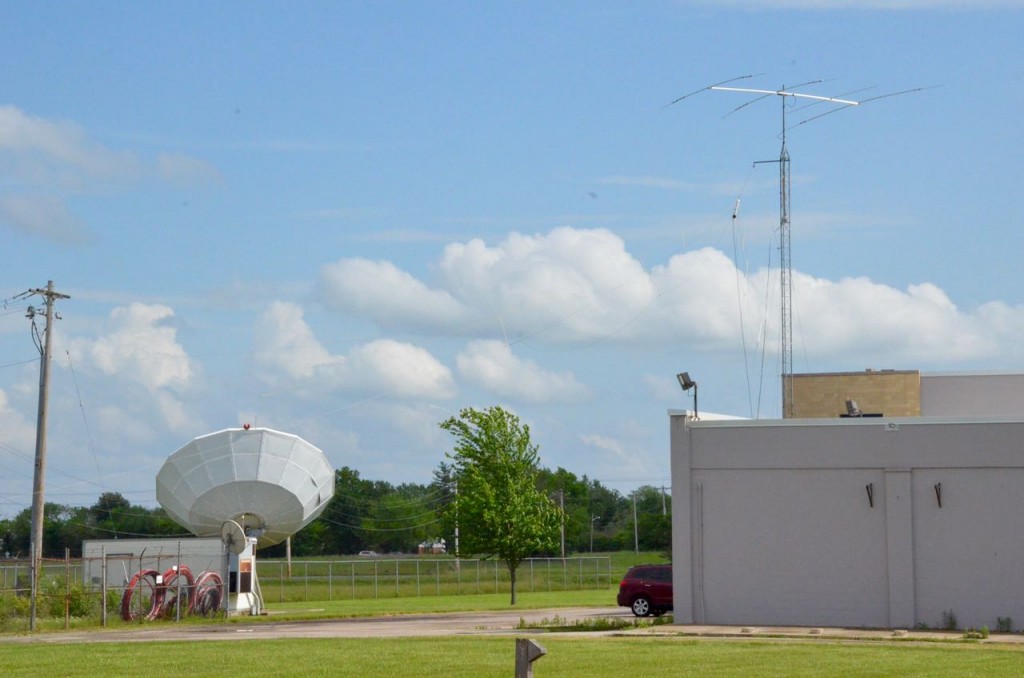
The satellite dish (above) was once used for VOA’s downlink/feed–now the West Chester Amateur Radio Association (WC8VOA) uses the dish for EME (Earth Moon Earth) contacts.
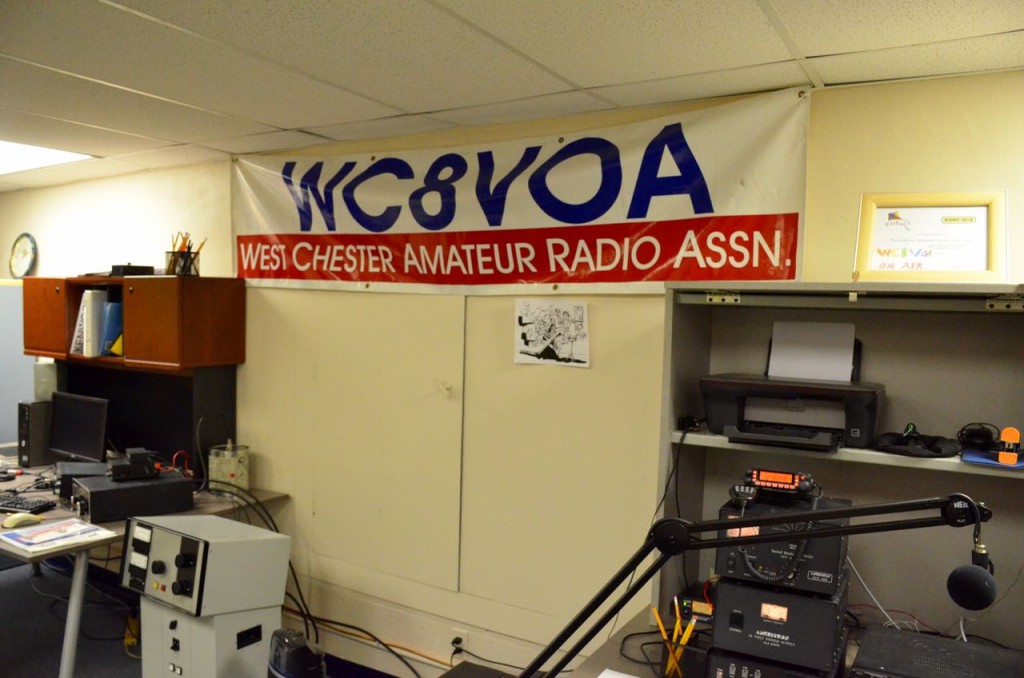
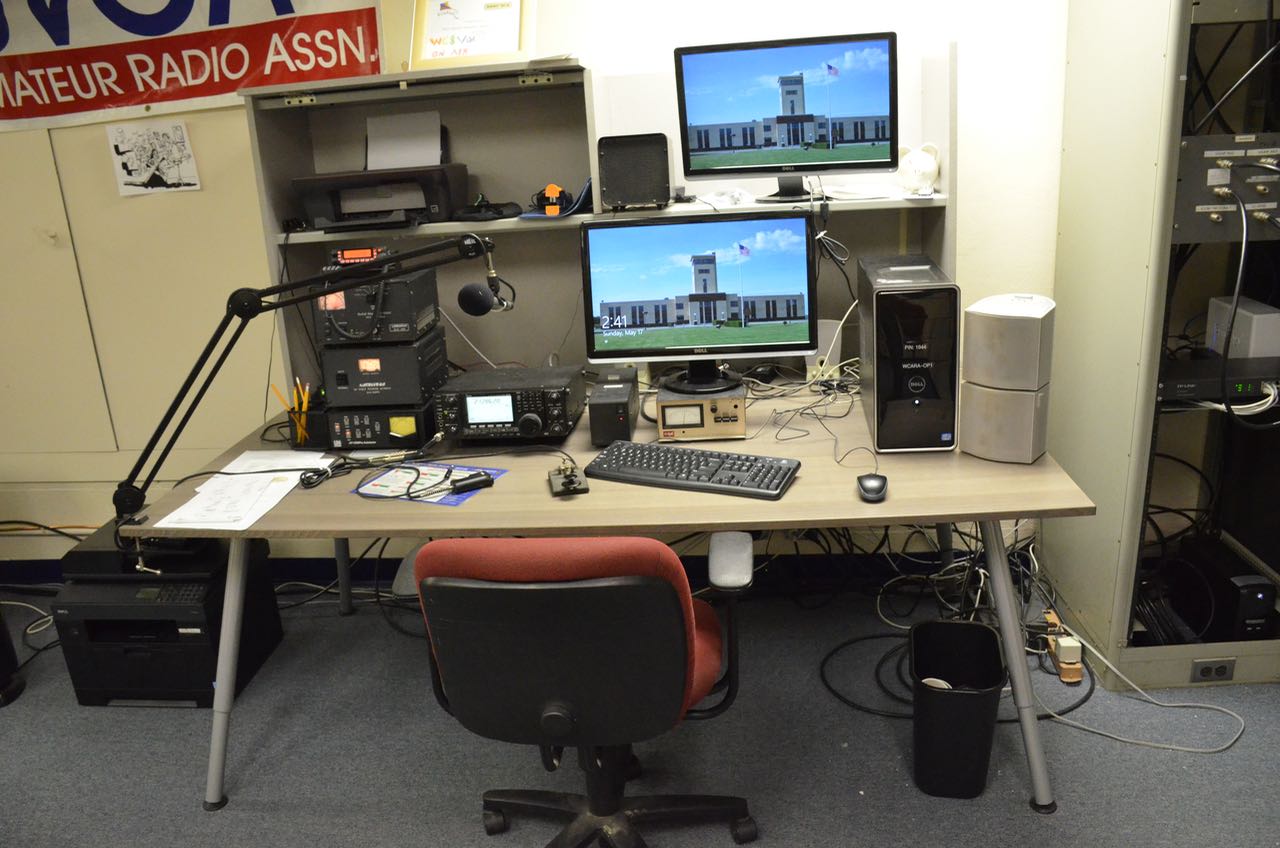
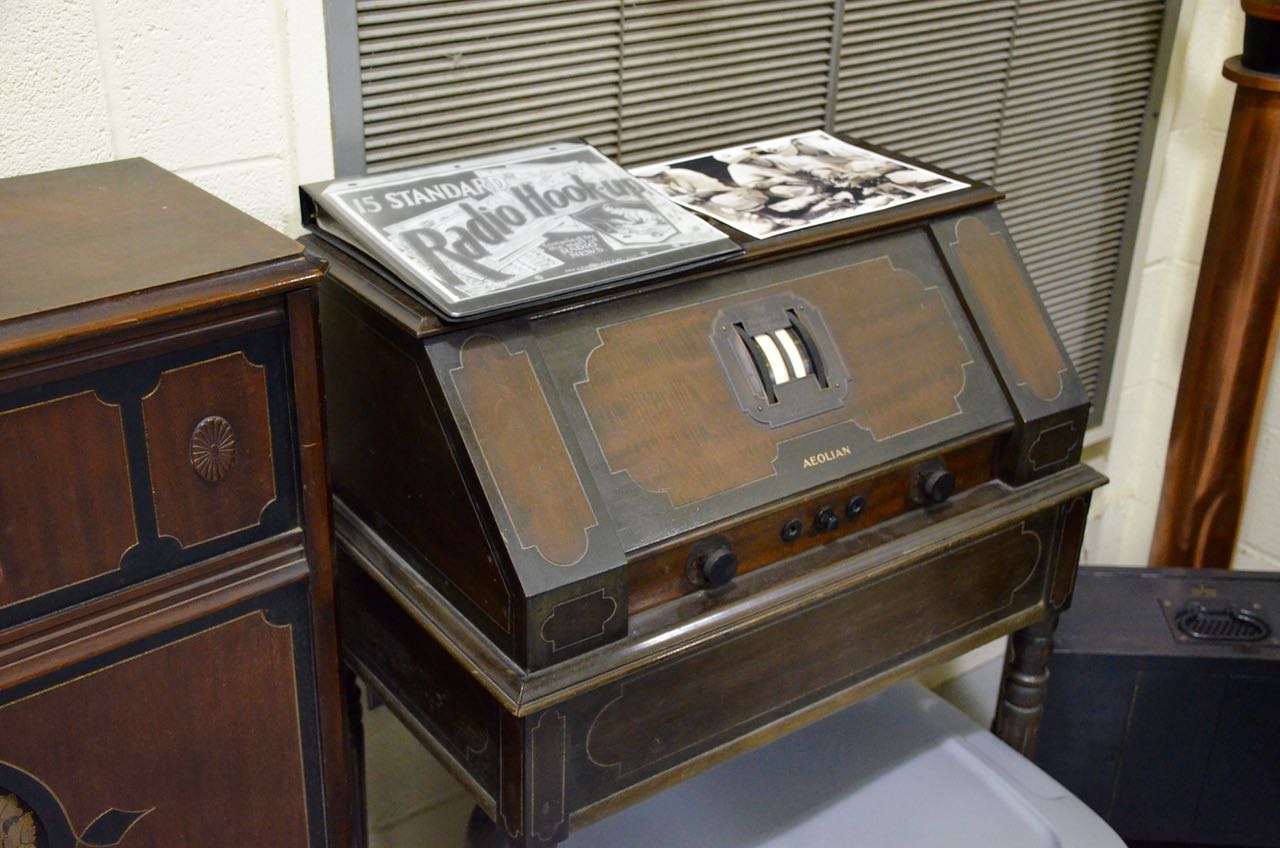
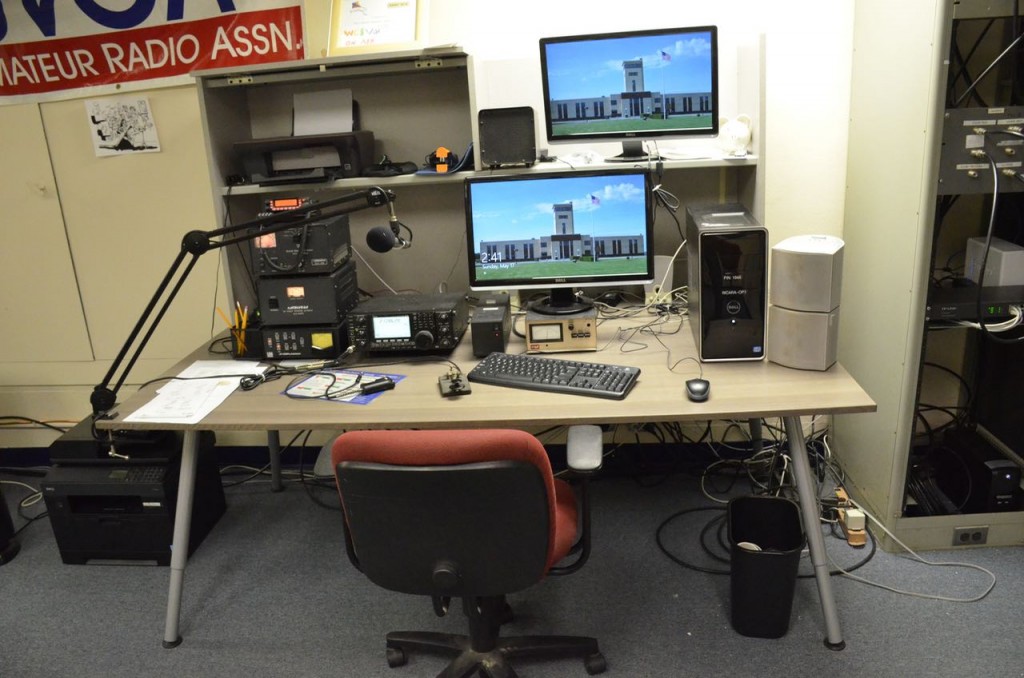
VOA-Bethany- - 1 (32)Back inside, WC8VOA has four full amateur radio operating locations stocked with Icom, Yaesu and Kenwood gear. The club president told us that an antique amateur radio station will soon be added.
VOA-Bethany- - 1 (33)

VOA-Bethany- - 1 (20)

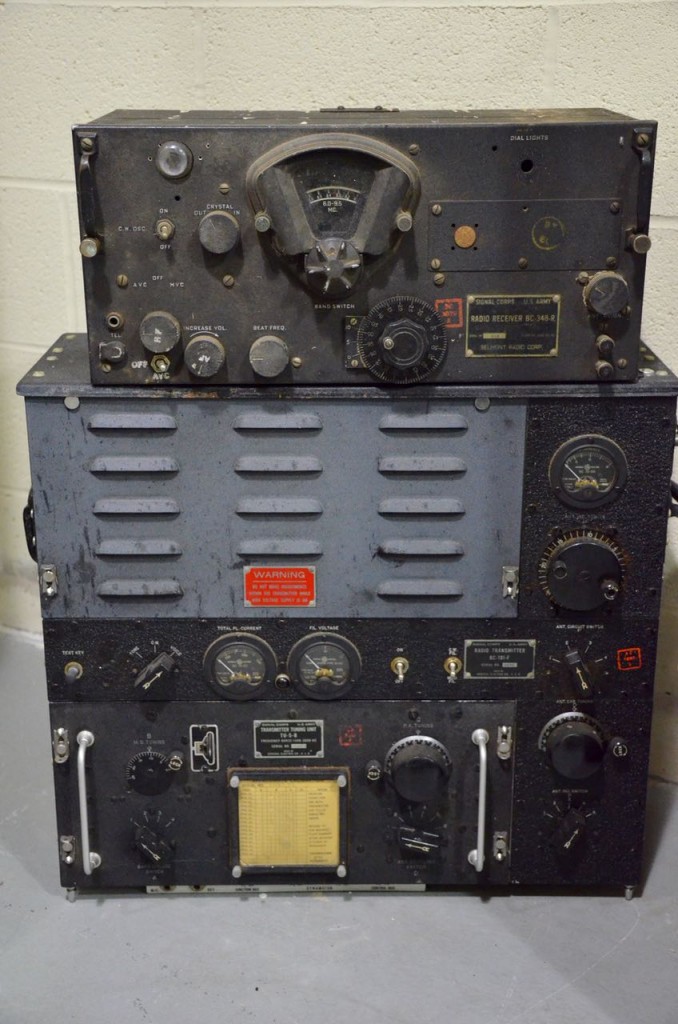
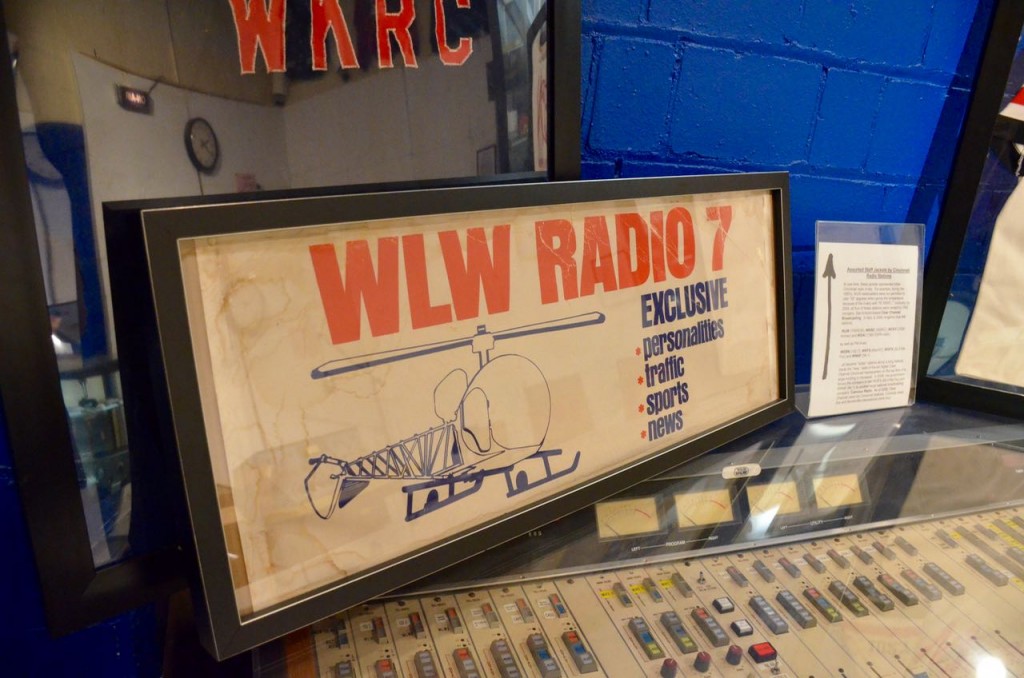
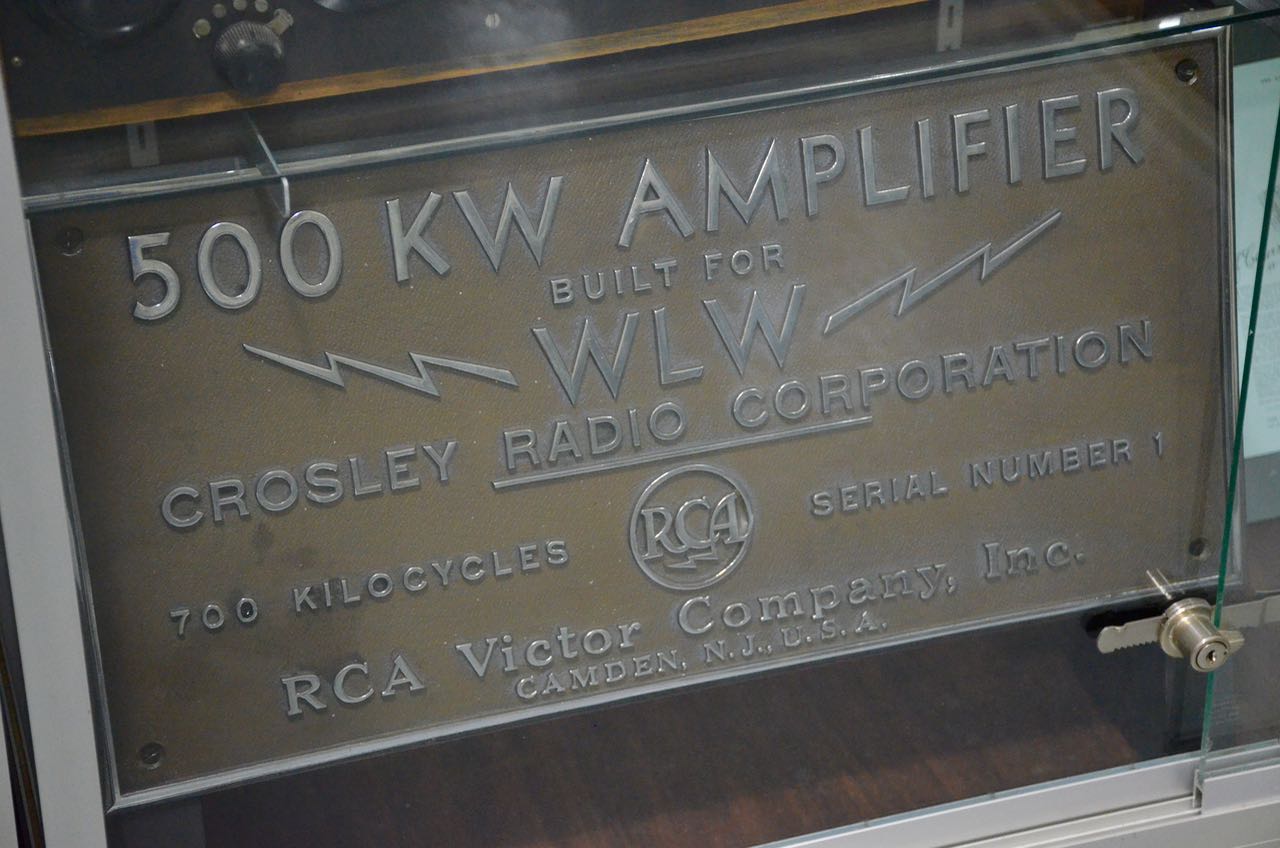
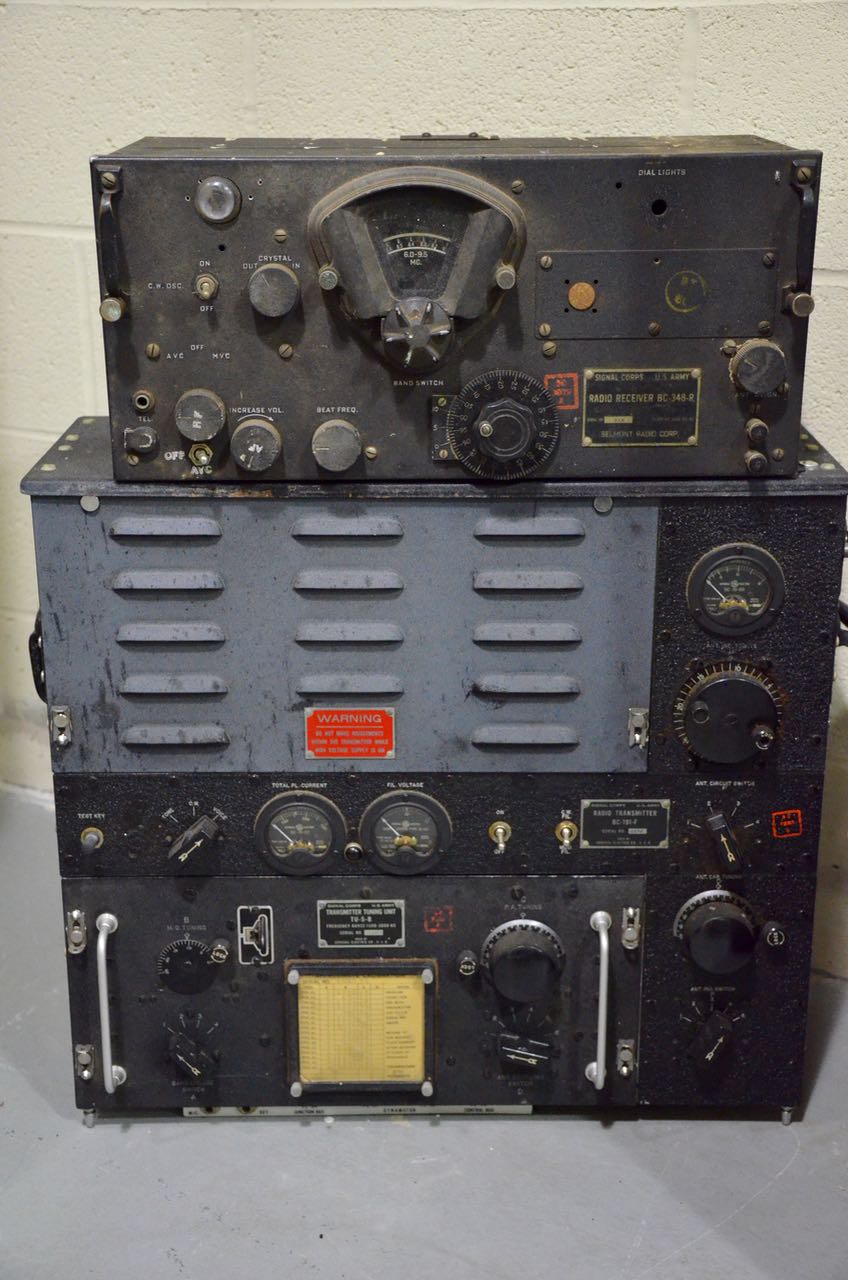
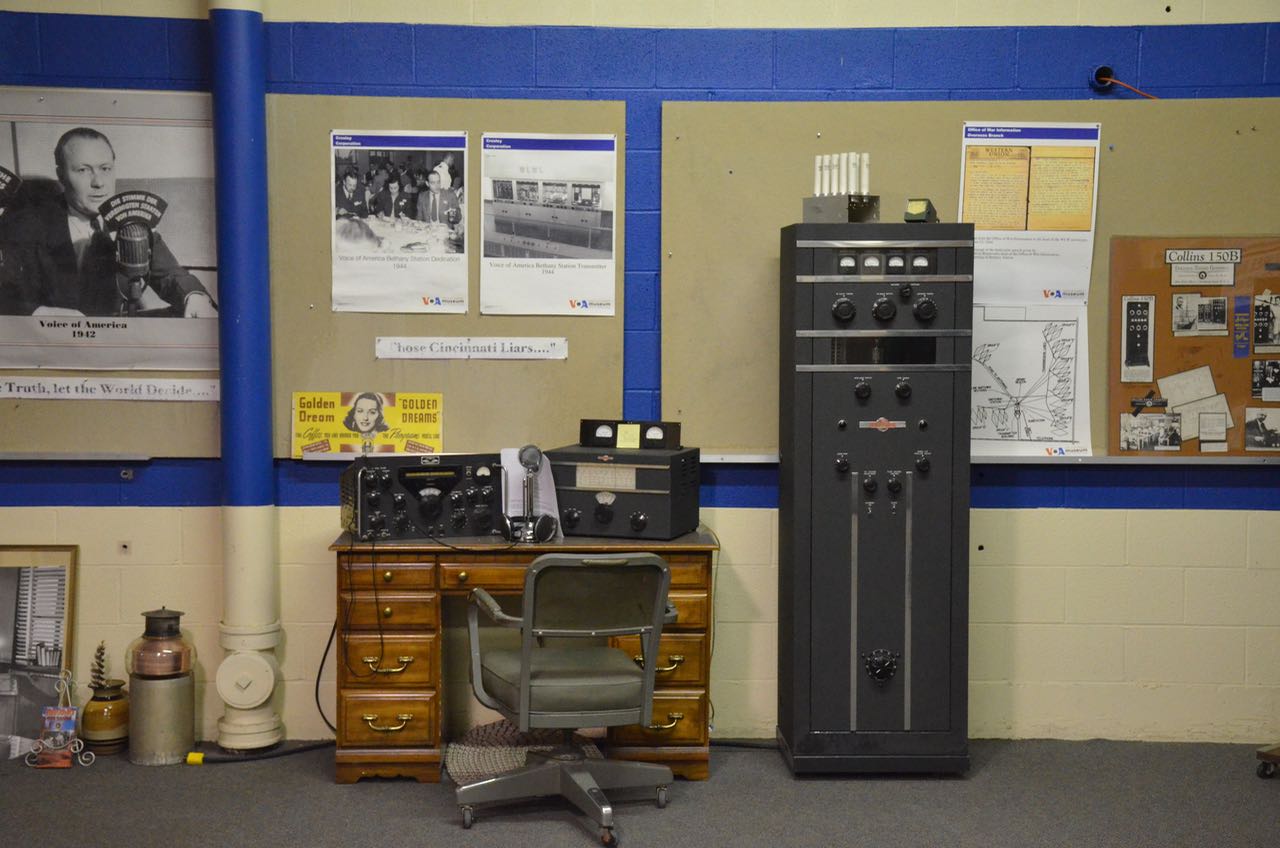
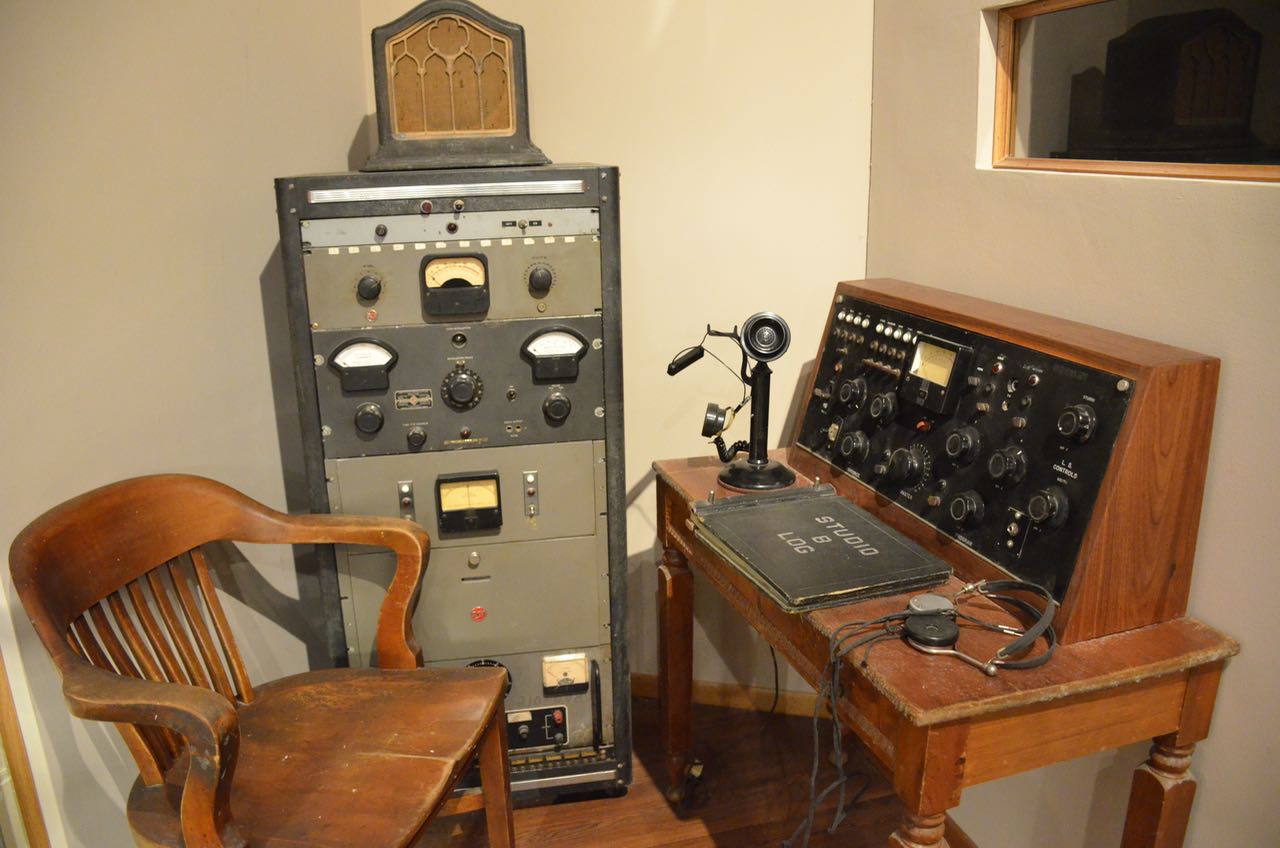
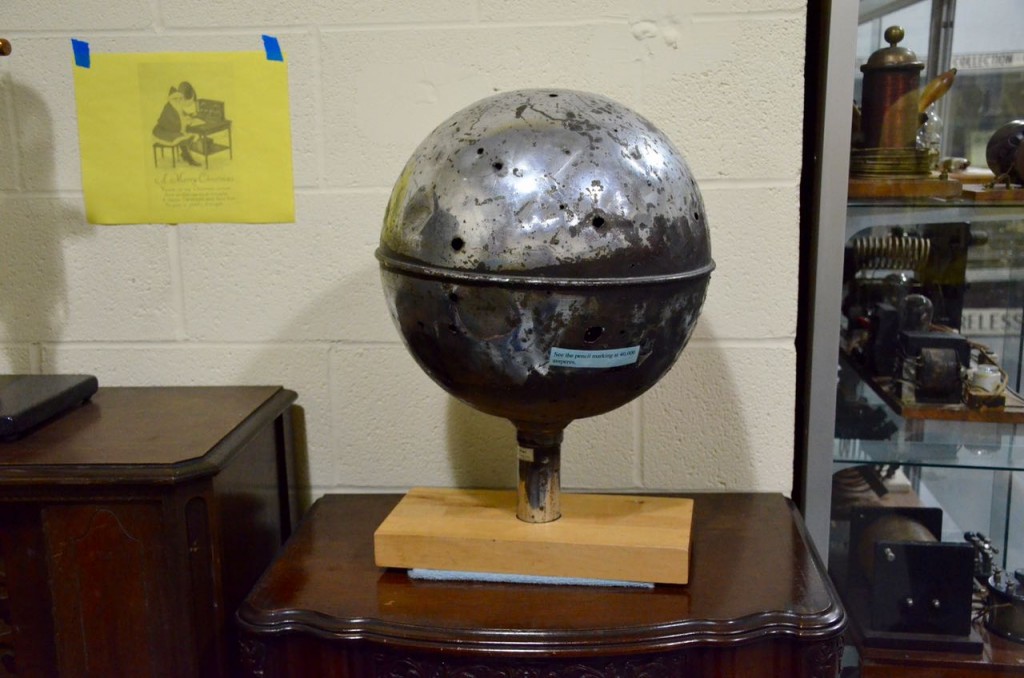
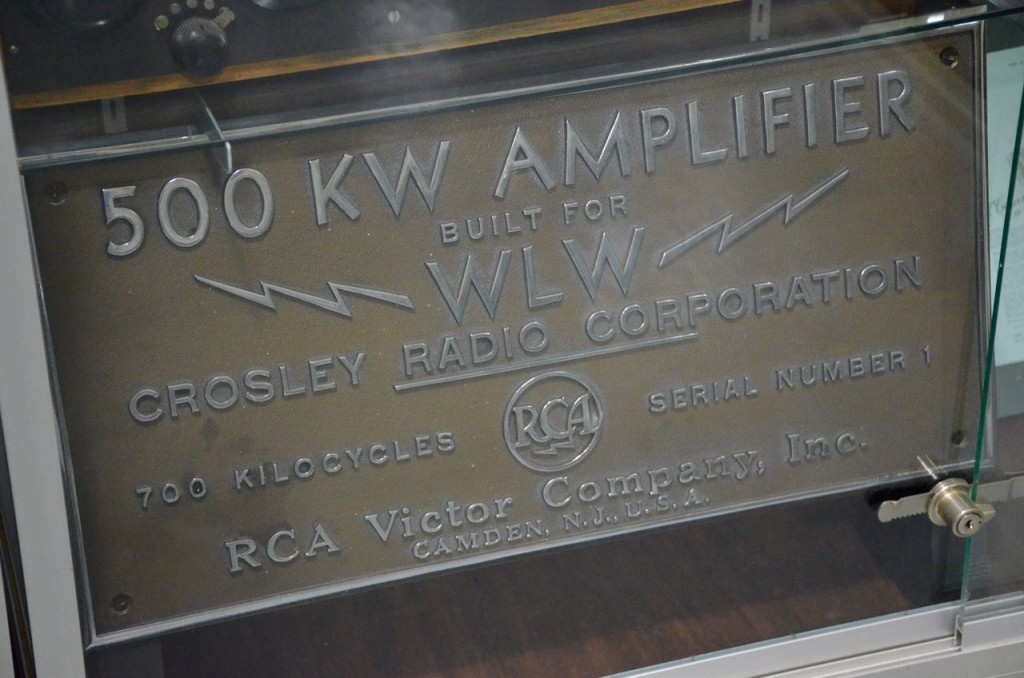
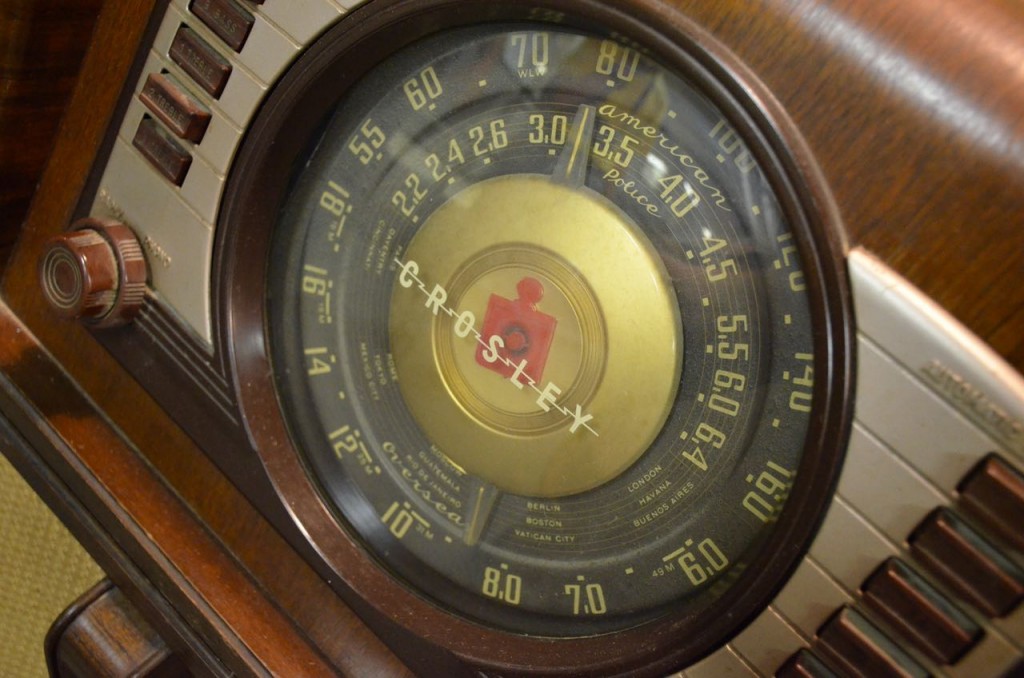
Our docent took us on a tour of two vaults filled with vintage radio equipment and then a museum devoted to the legacy of WLW. The item in the photo above is a corona ball from one of the original towers–notice the holes from lightning strikes.
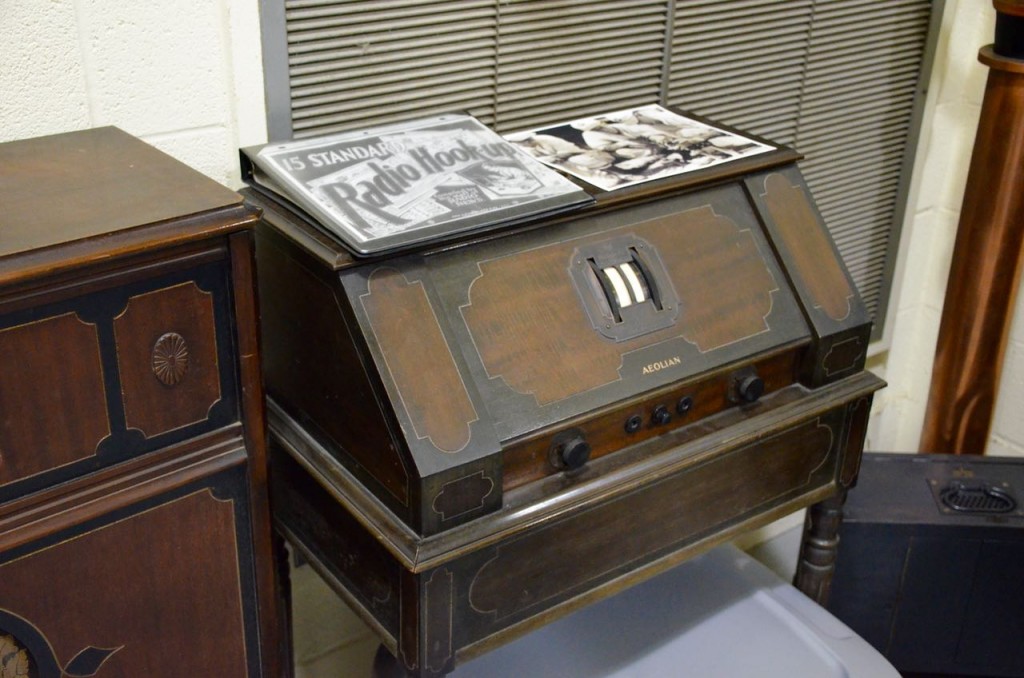
VOA-Bethany- - 1 (21) VOA-Bethany- - 1 (22) VOA-Bethany- - 1 (23)

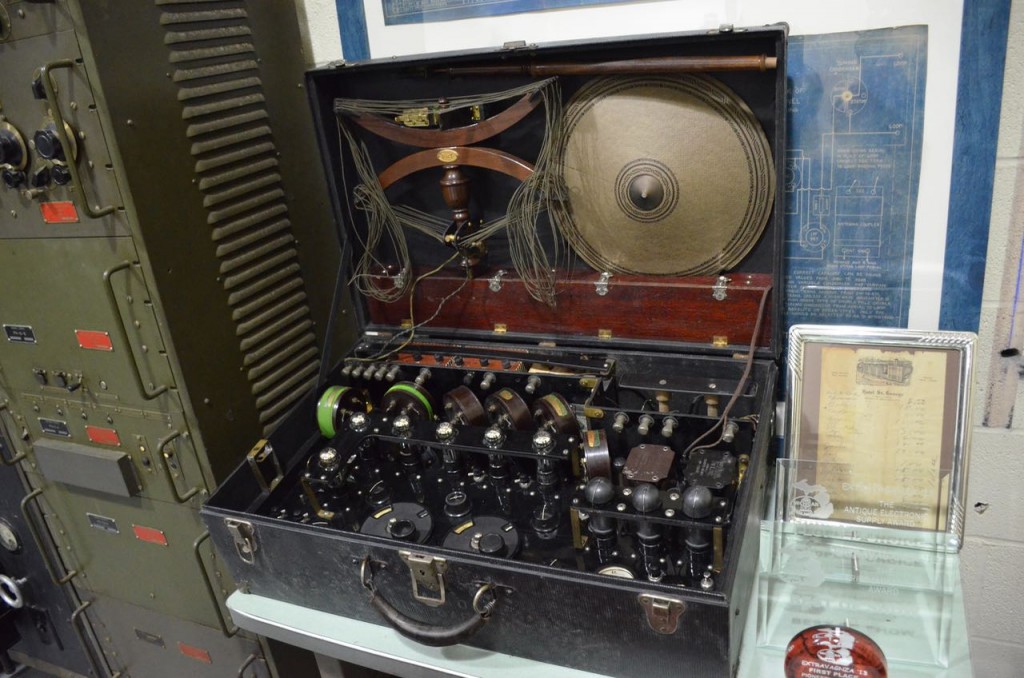
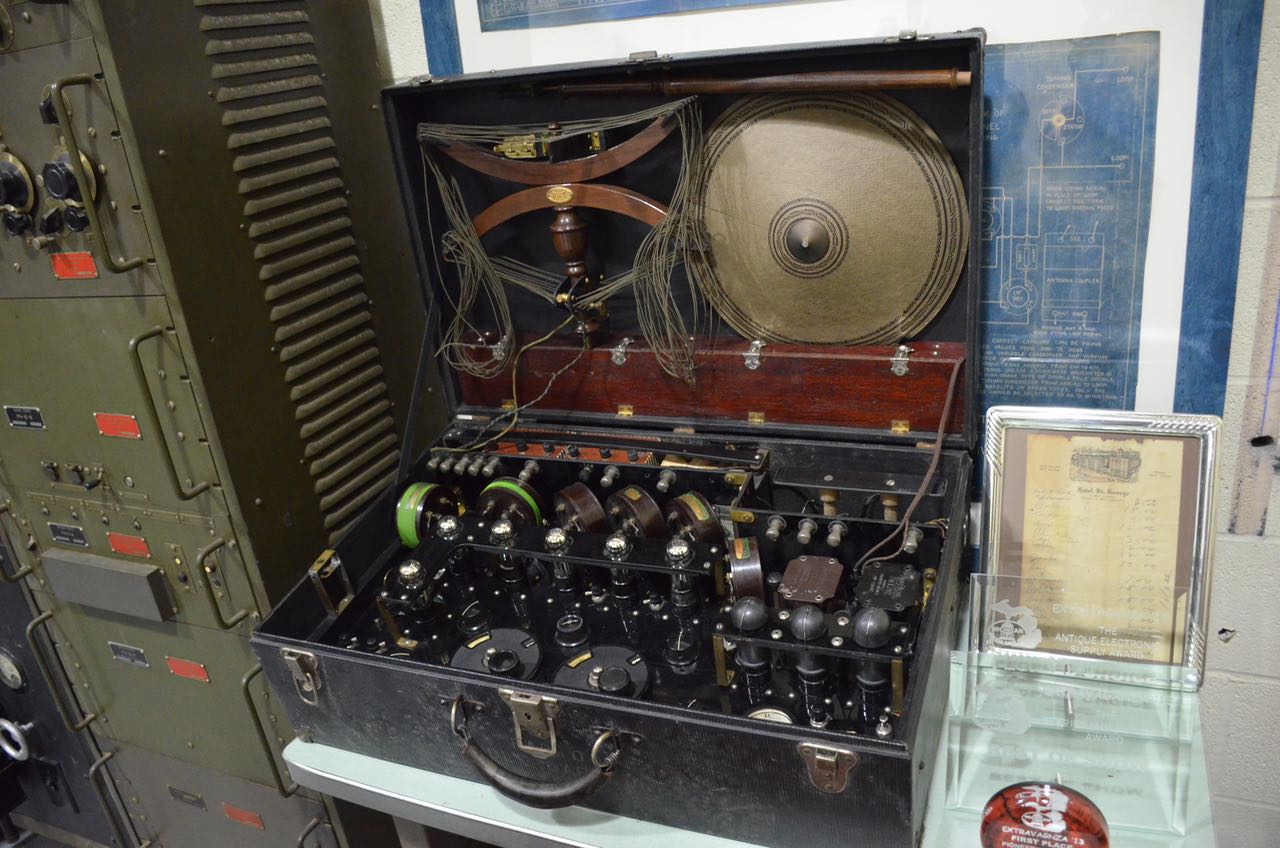
Example of an early radio kit (above).
VOA-Bethany- - 1 (24)

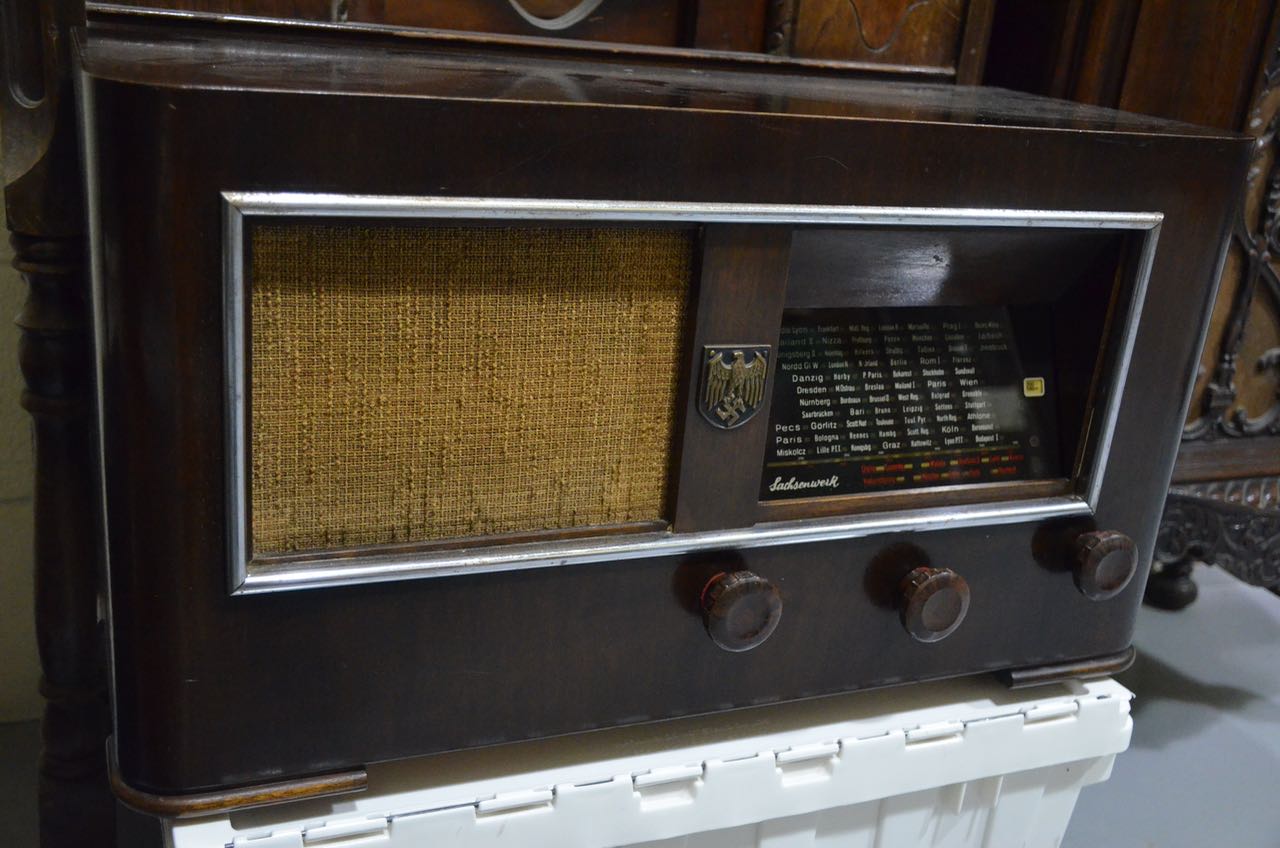
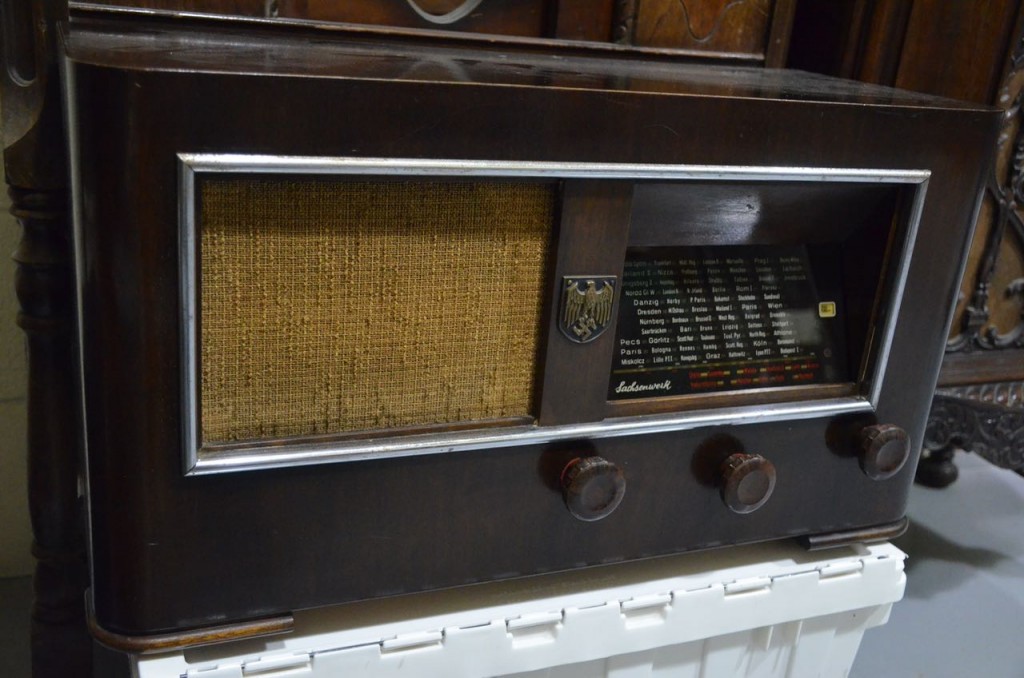
A rare Third Reich radio (above).

VOA-Bethany- - 1 (25) VOA-Bethany- - 1 (26)

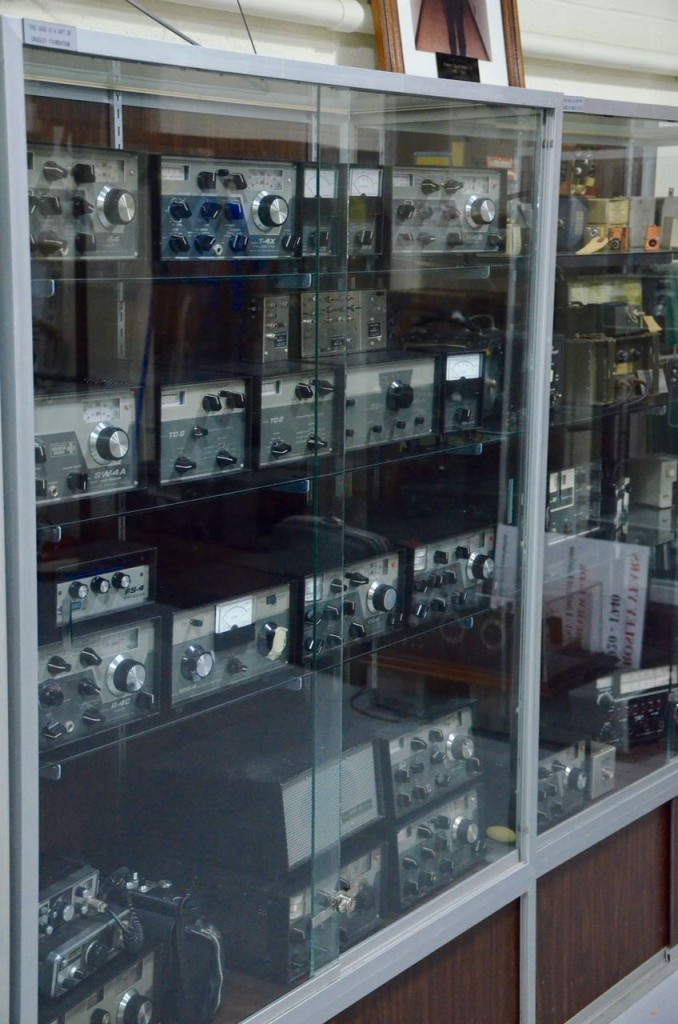
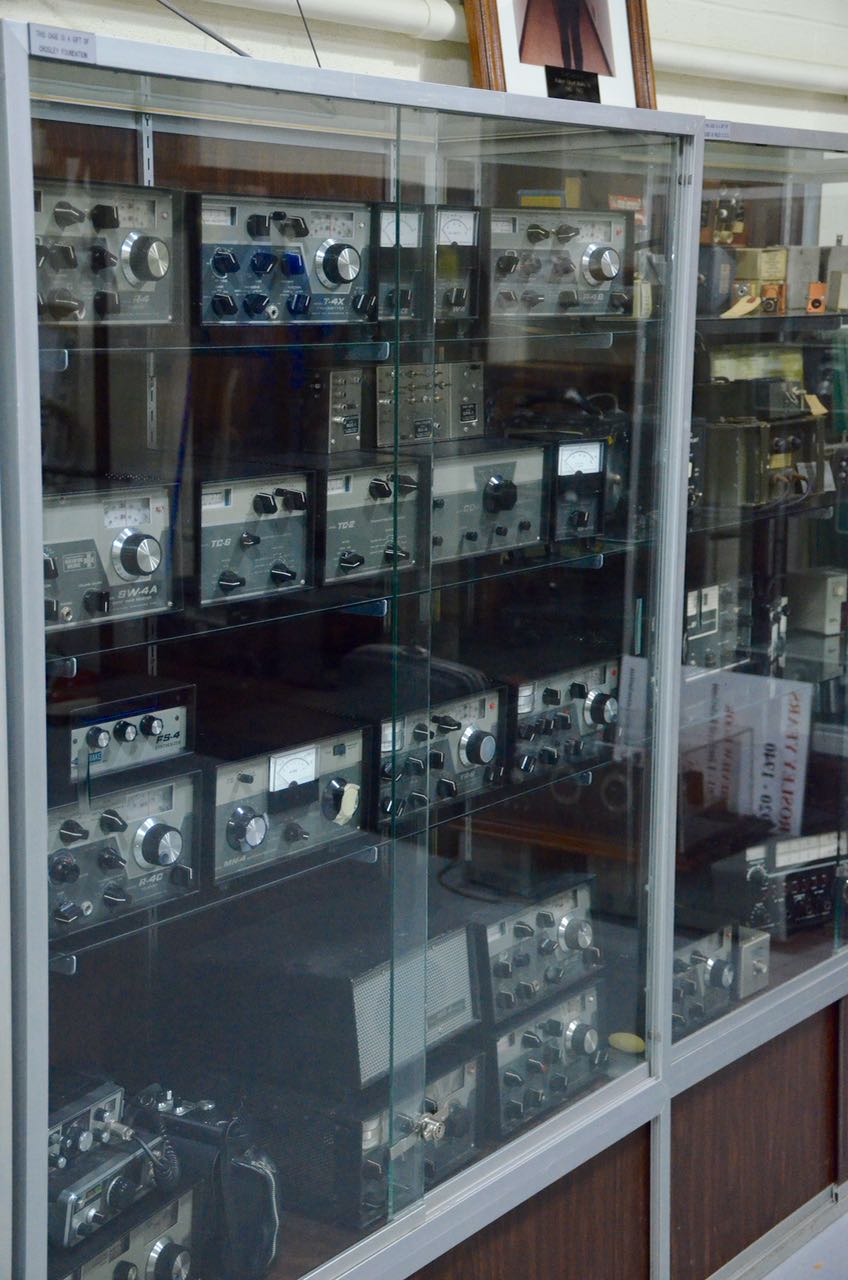
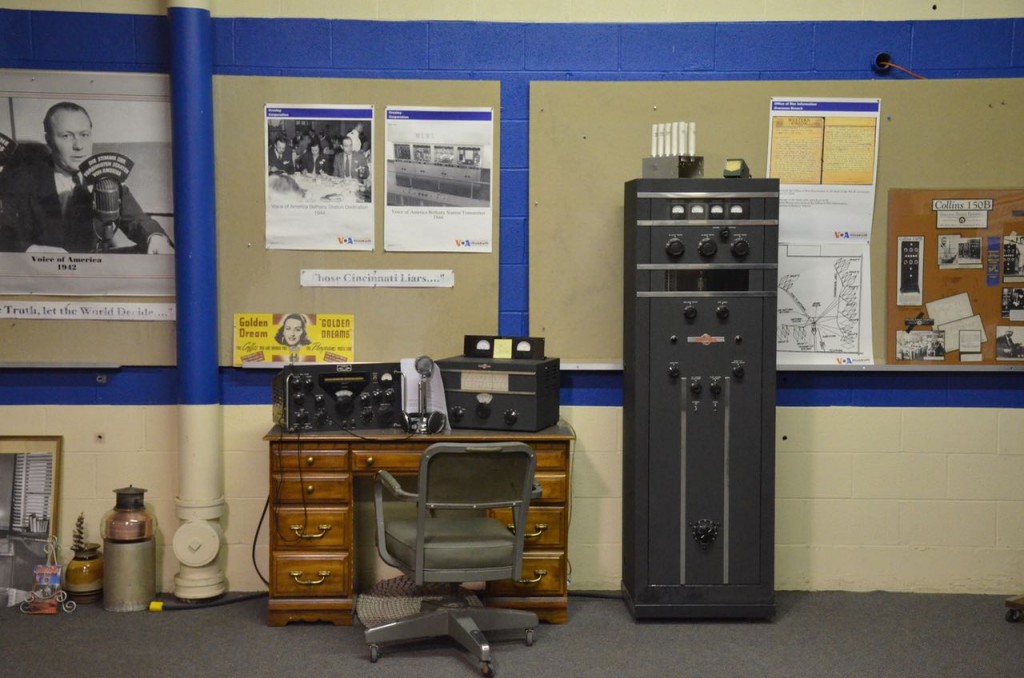
When Ohio-based R.L. Drake Company stopped manufacturing amateur radio equipment, samples of their full product line were donated to the museum.
VOA-Bethany- - 1 (27)

VOA-Bethany- - 1 (29) VOA-Bethany- - 1 (30) VOA-Bethany- - 1 (31)

The Museum is planning substantial renovations to restore the VOA Bethany Station and become a first class institution. During the restoration, the Museum is only open one day per month to the public: The third Saturday of each month from 1:00 PM – 4:00.
Click here to view the museum’s new website.