Category Archives: Radio History

Photos from the 2015 Dayton Hamvention Flea Market

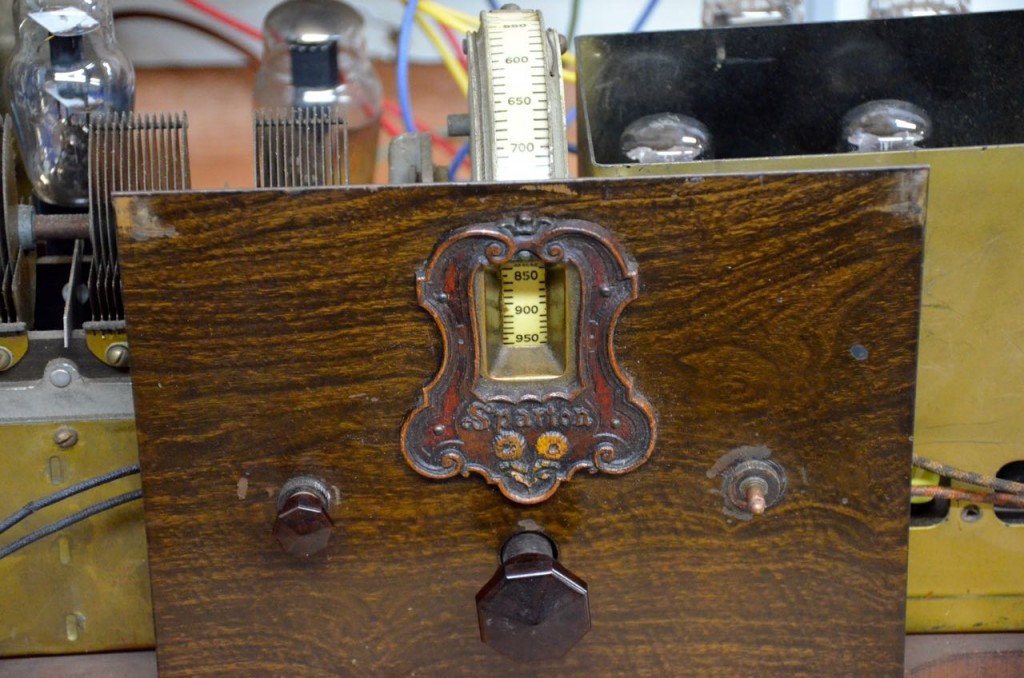
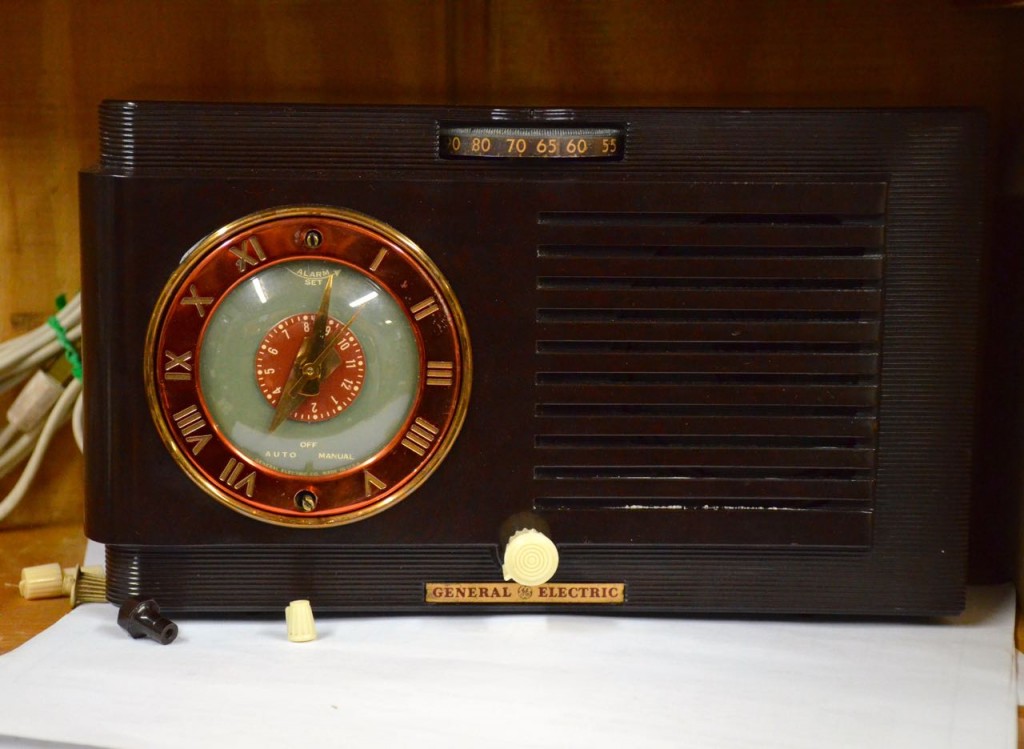
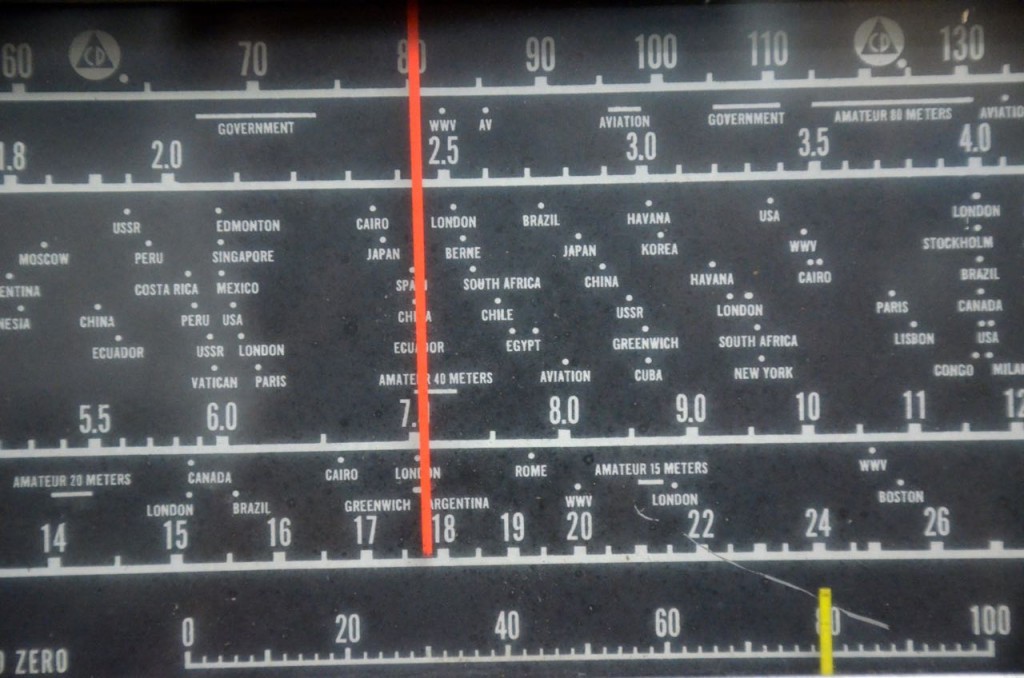
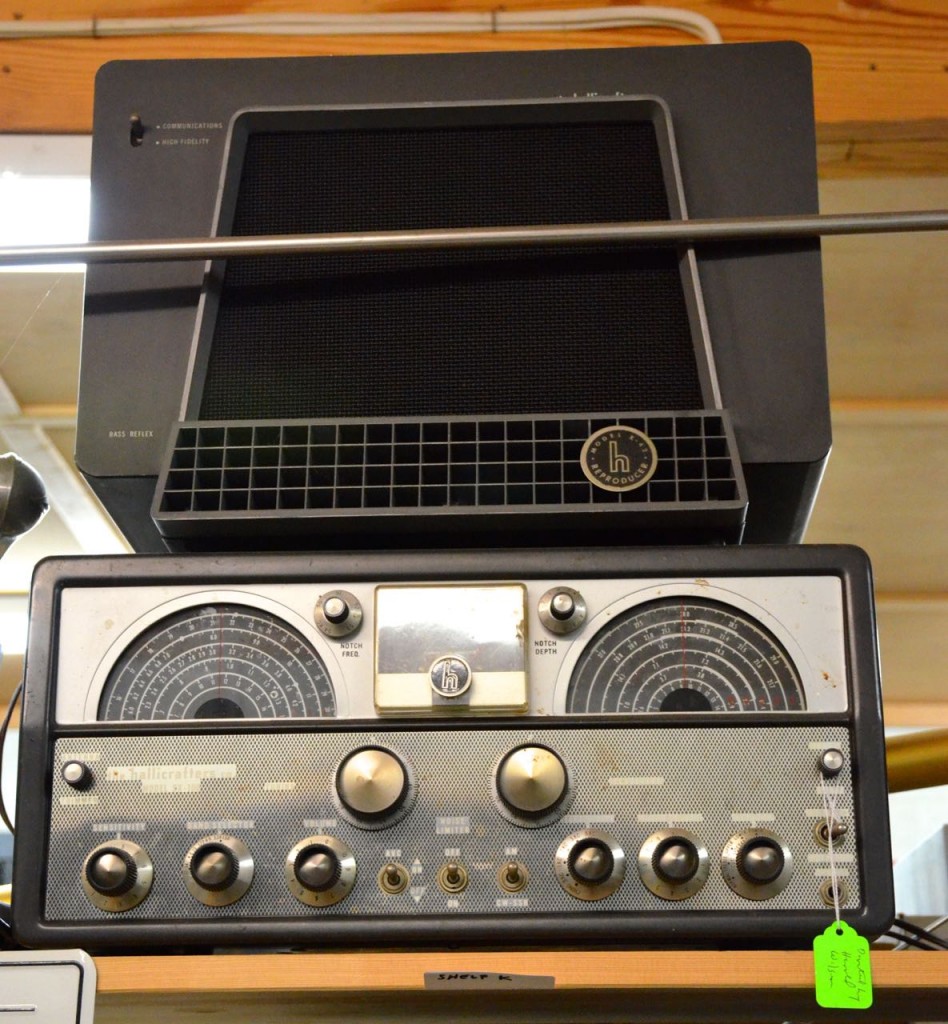
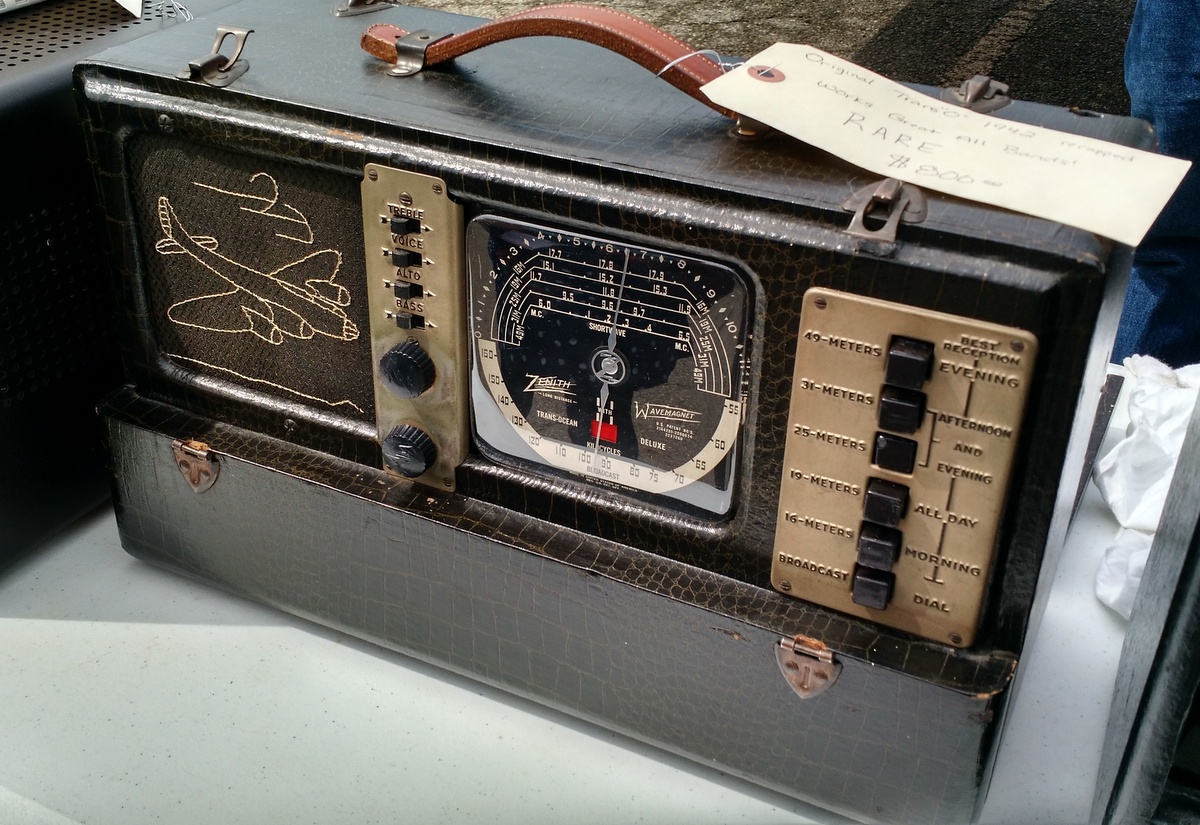
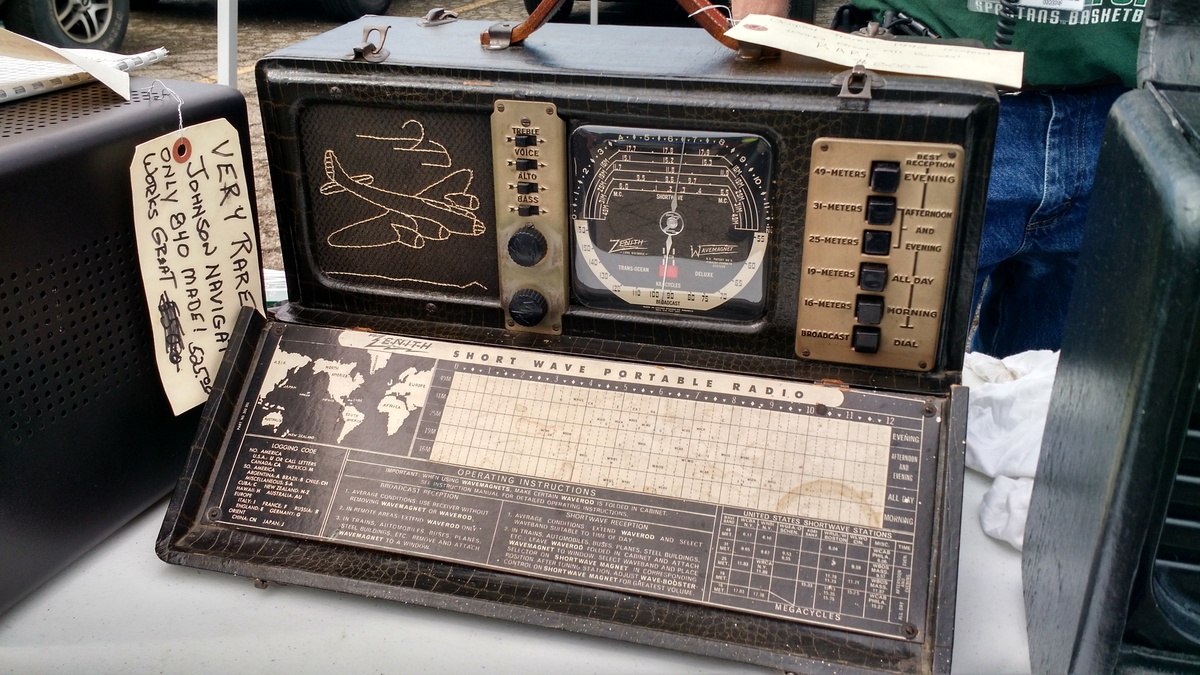
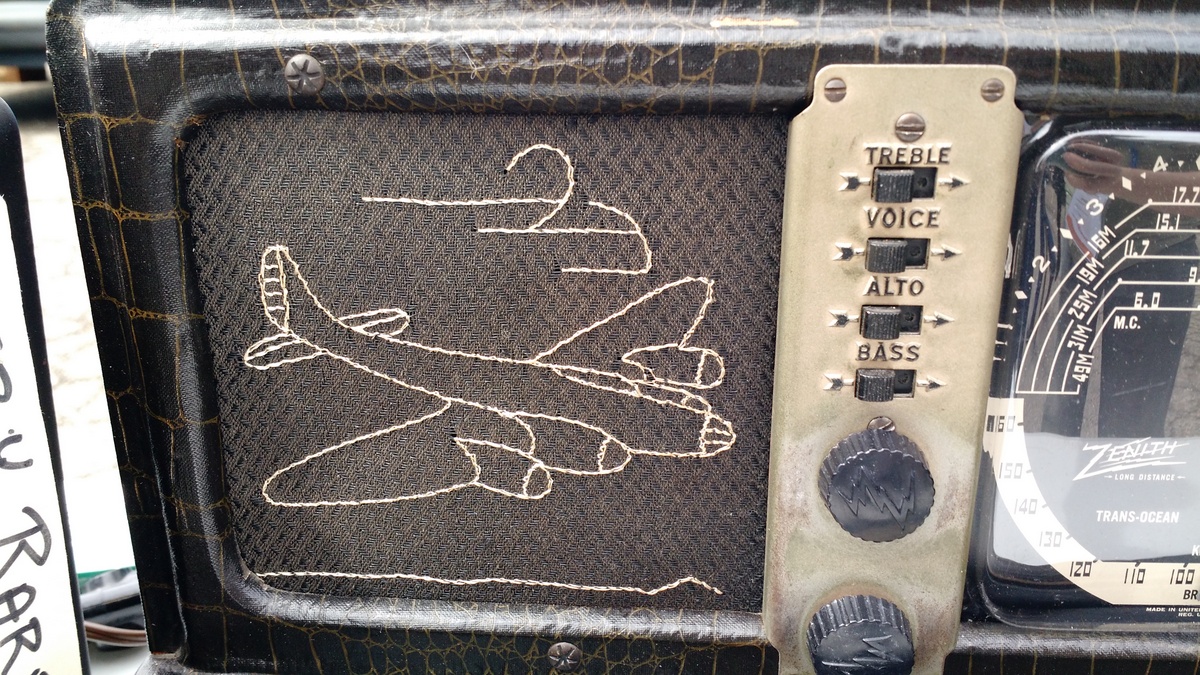
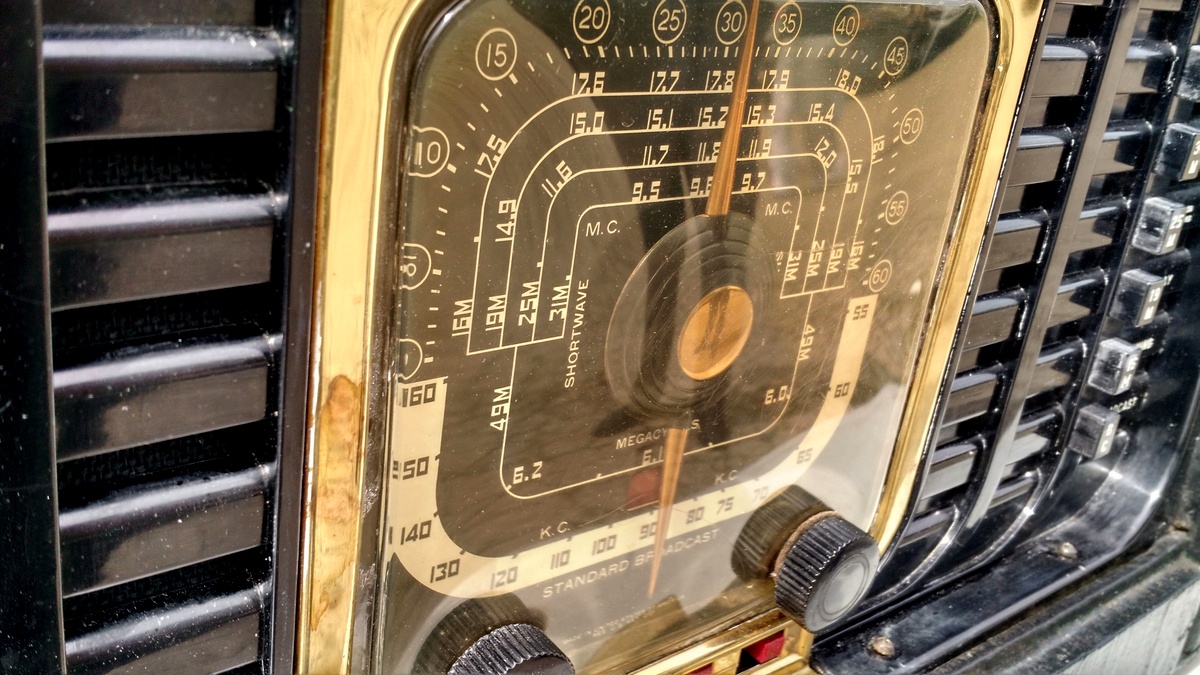
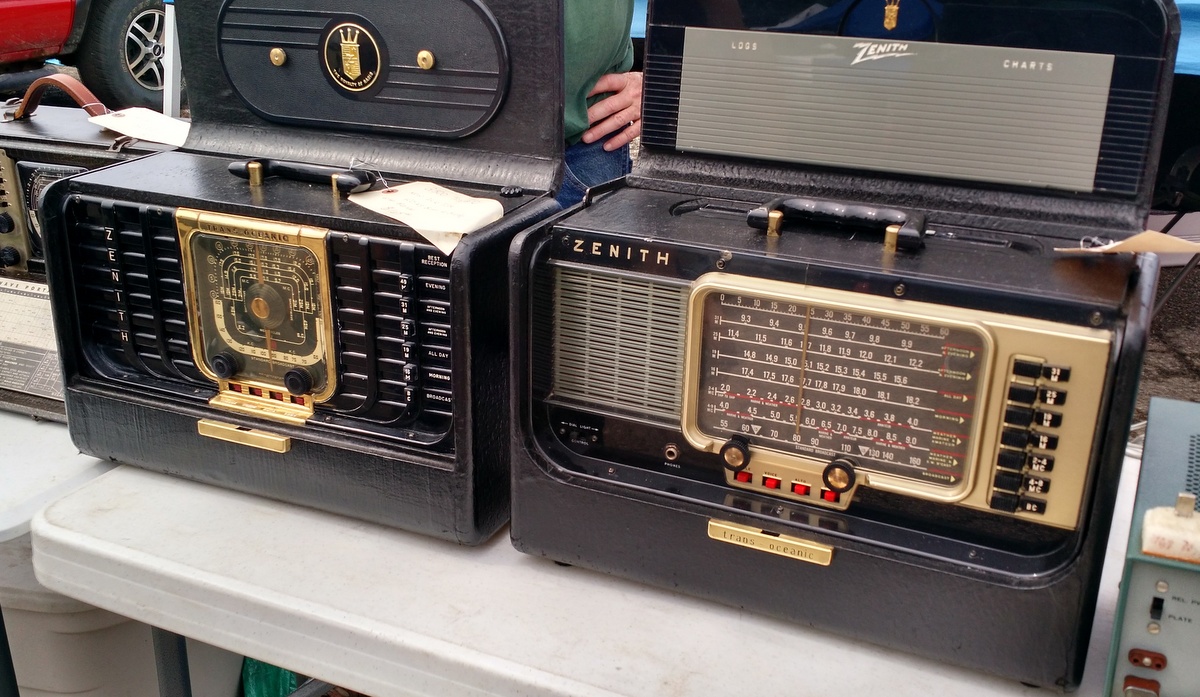
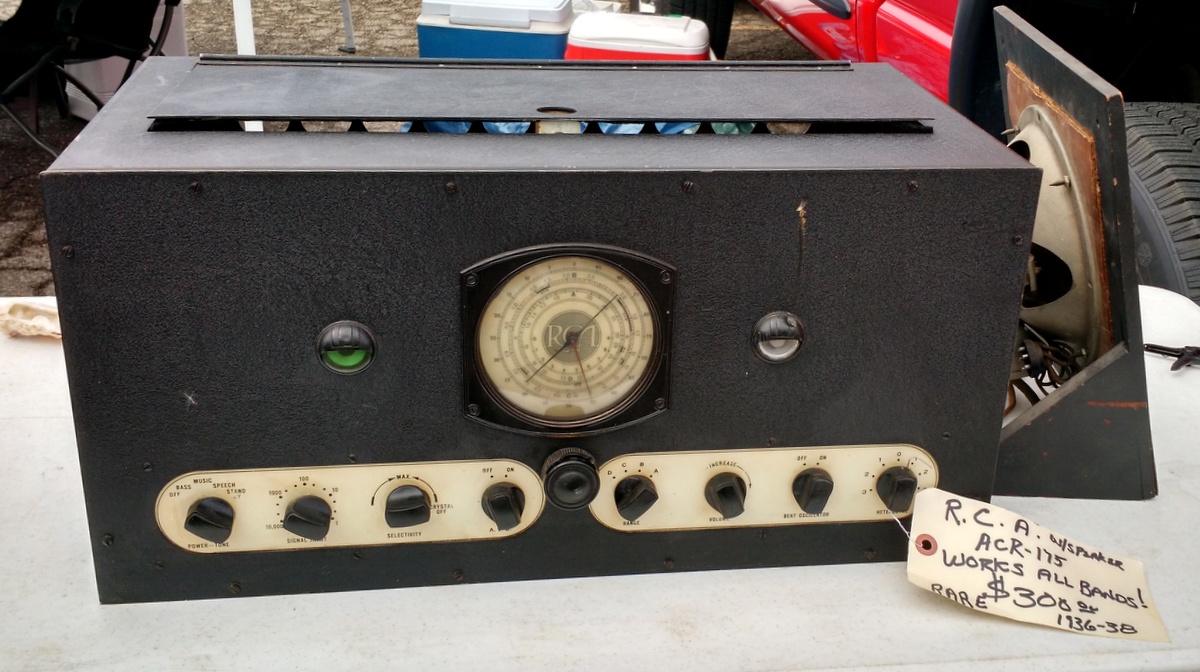
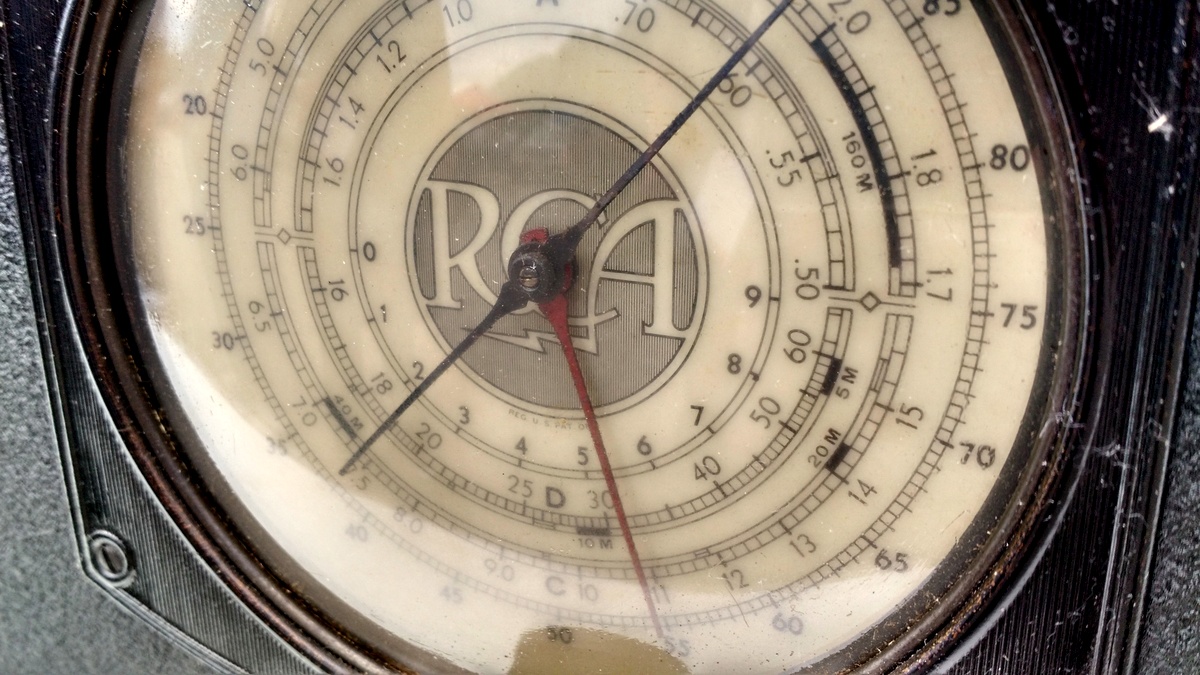
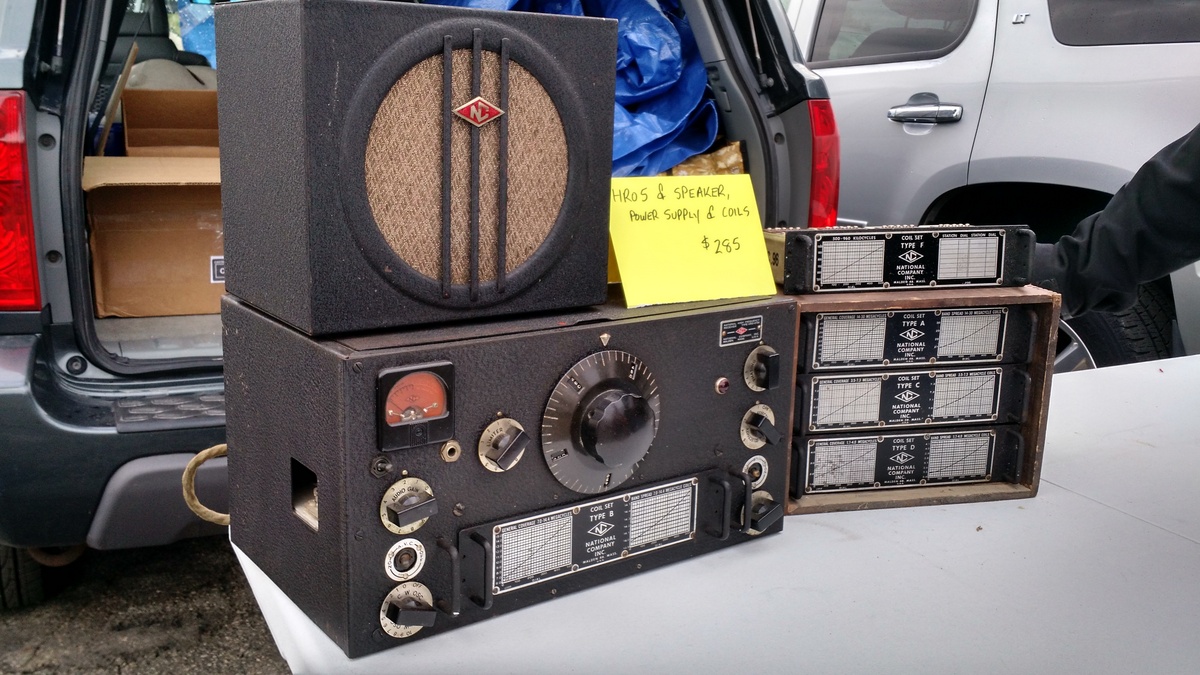
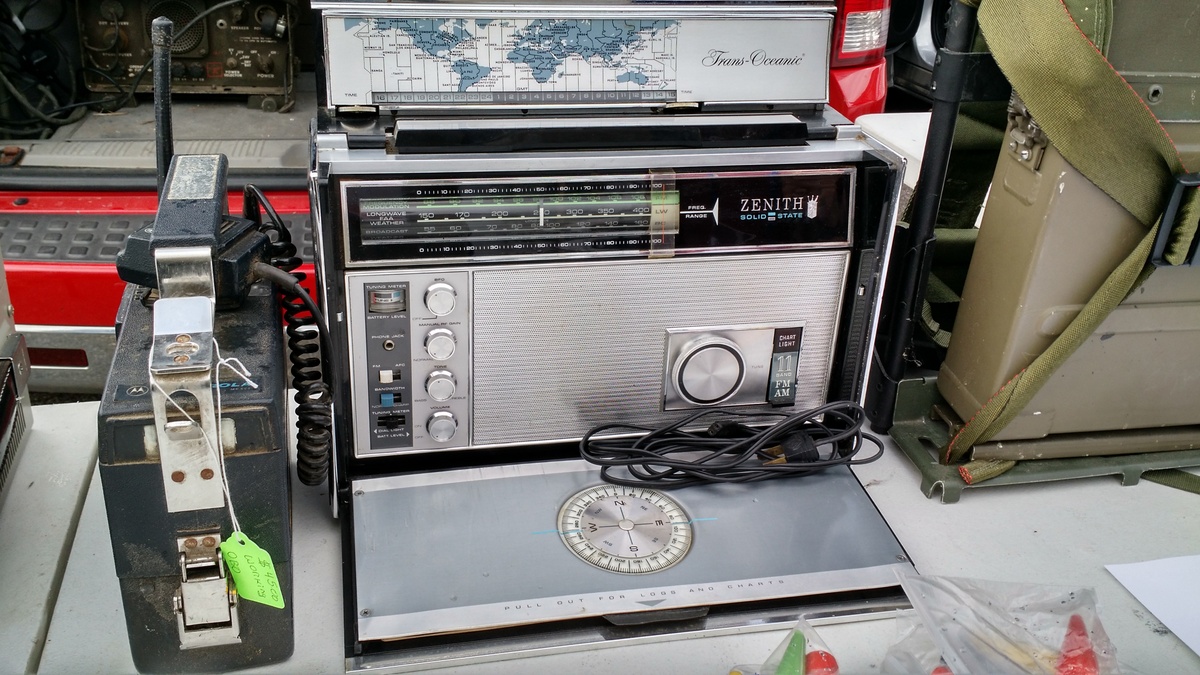
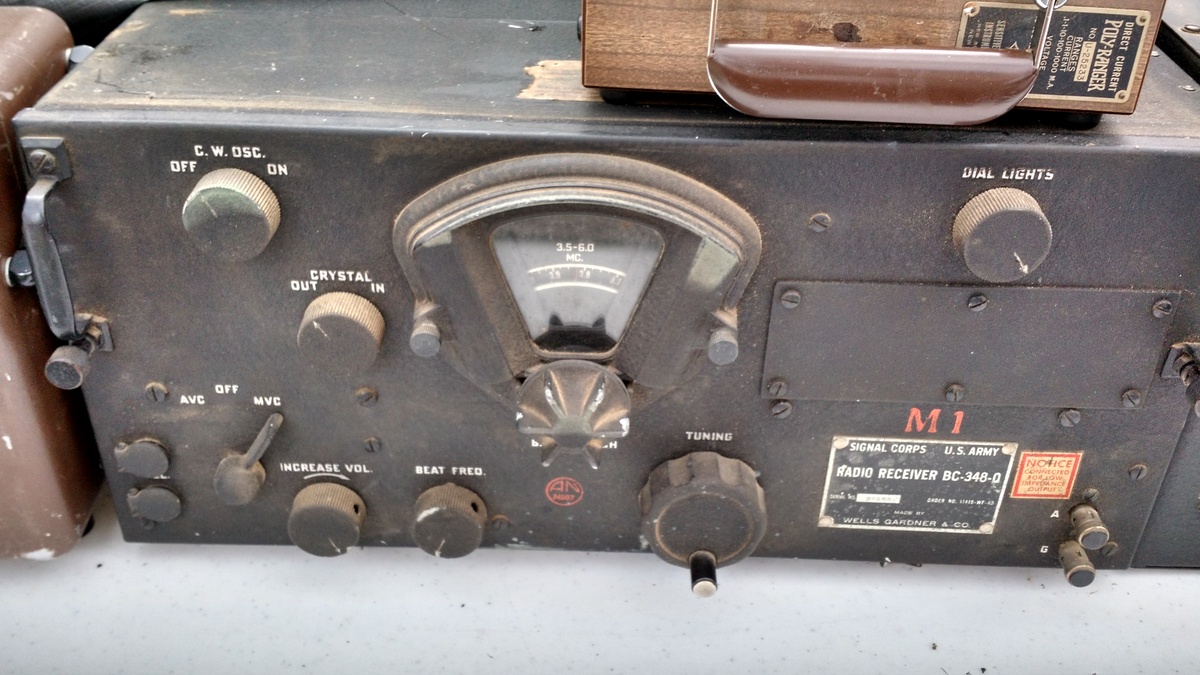
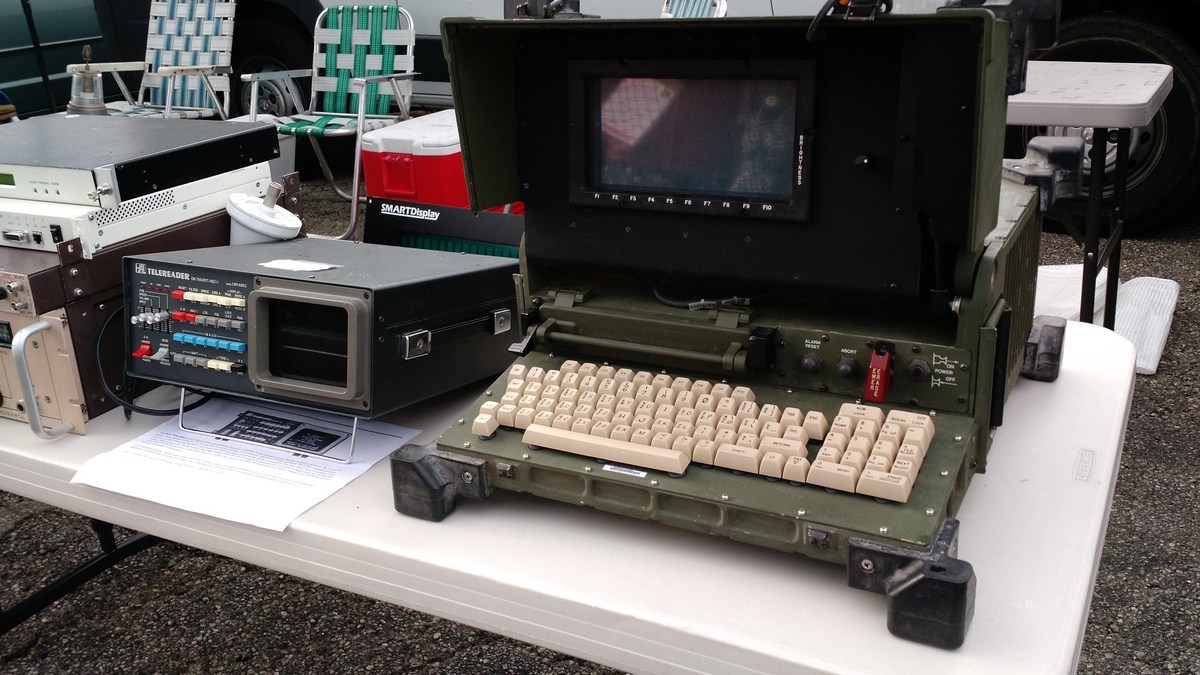
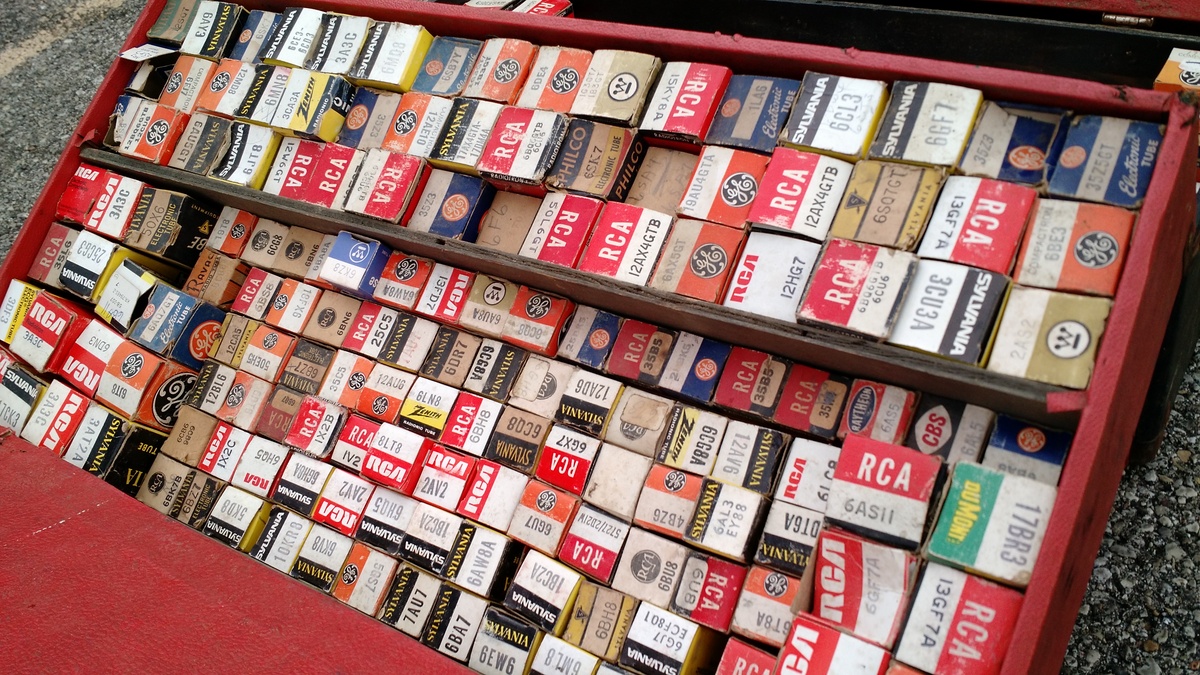
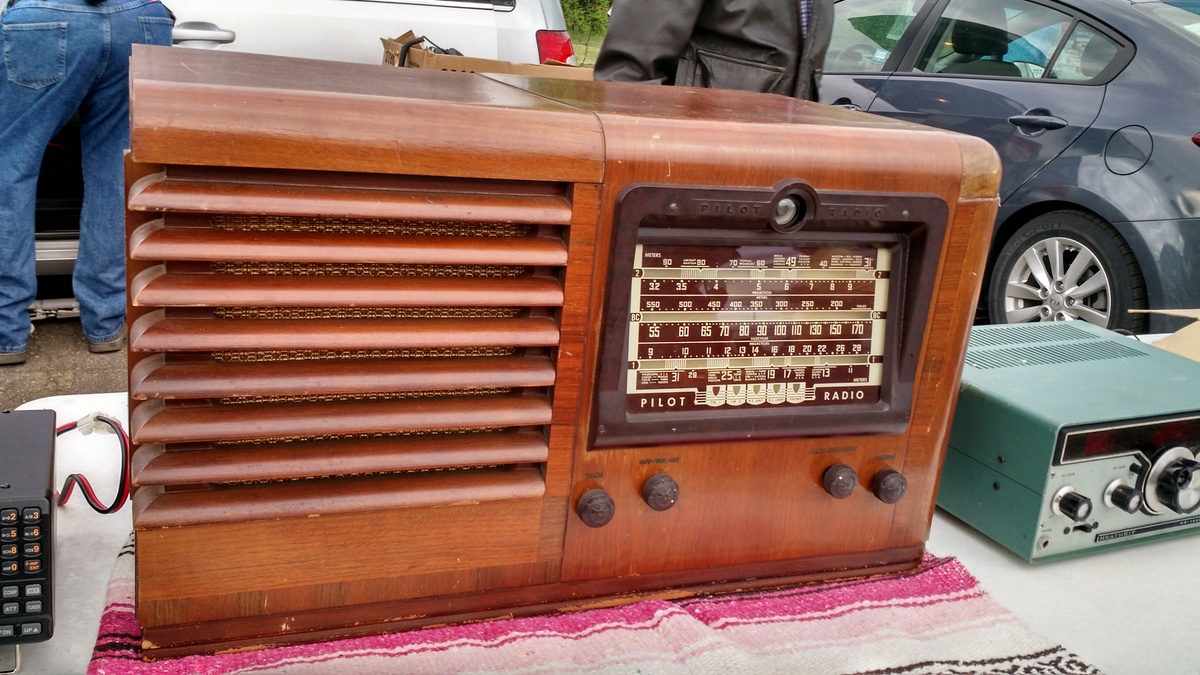
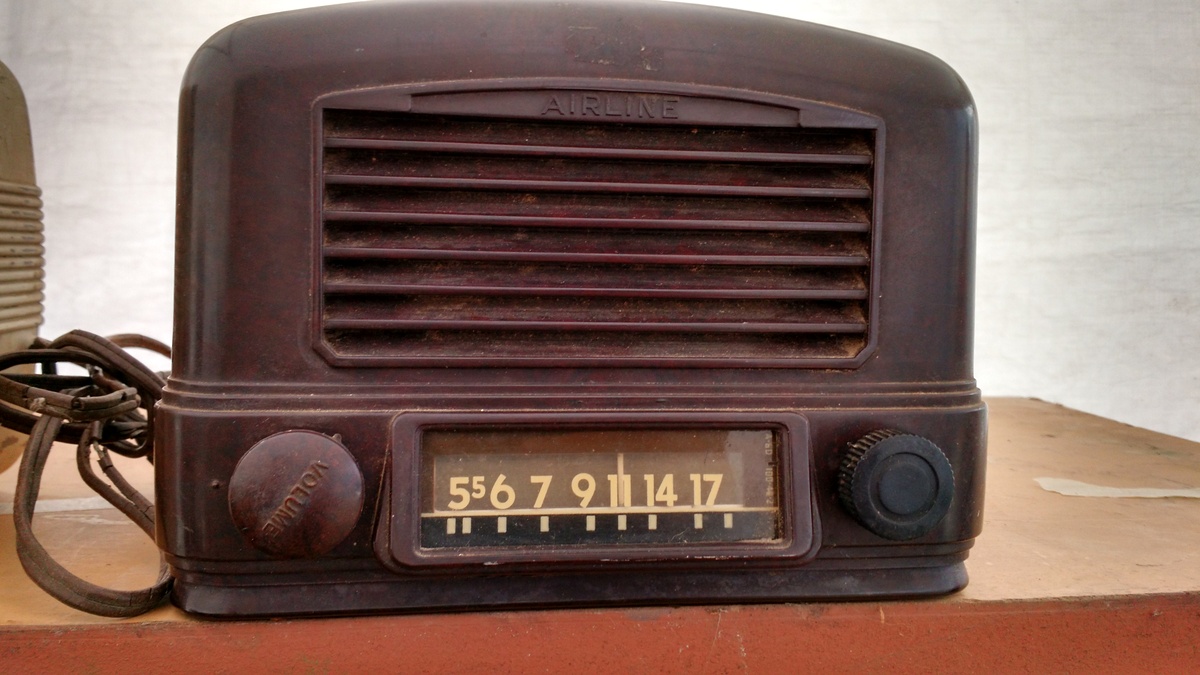
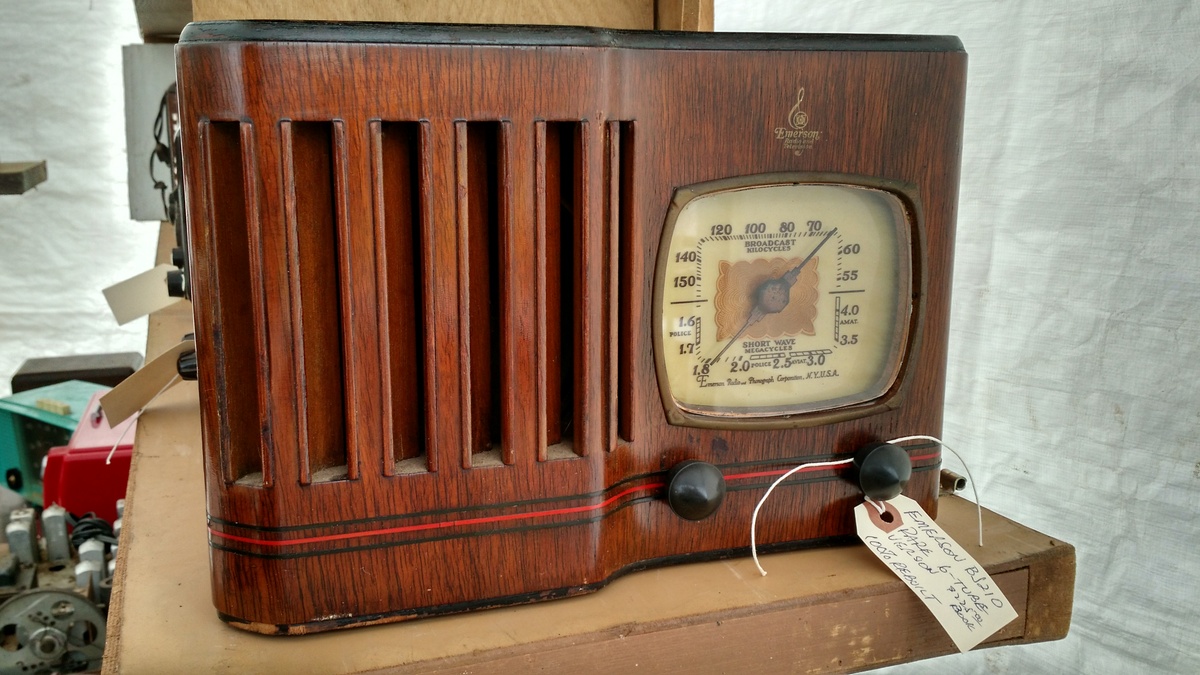
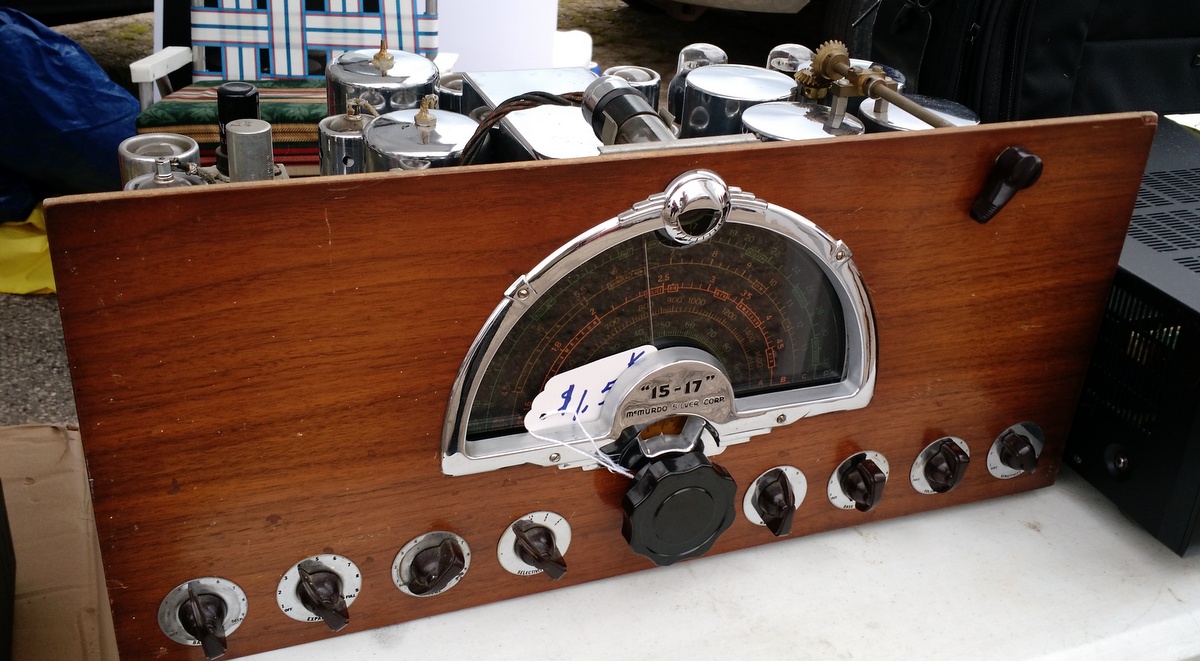
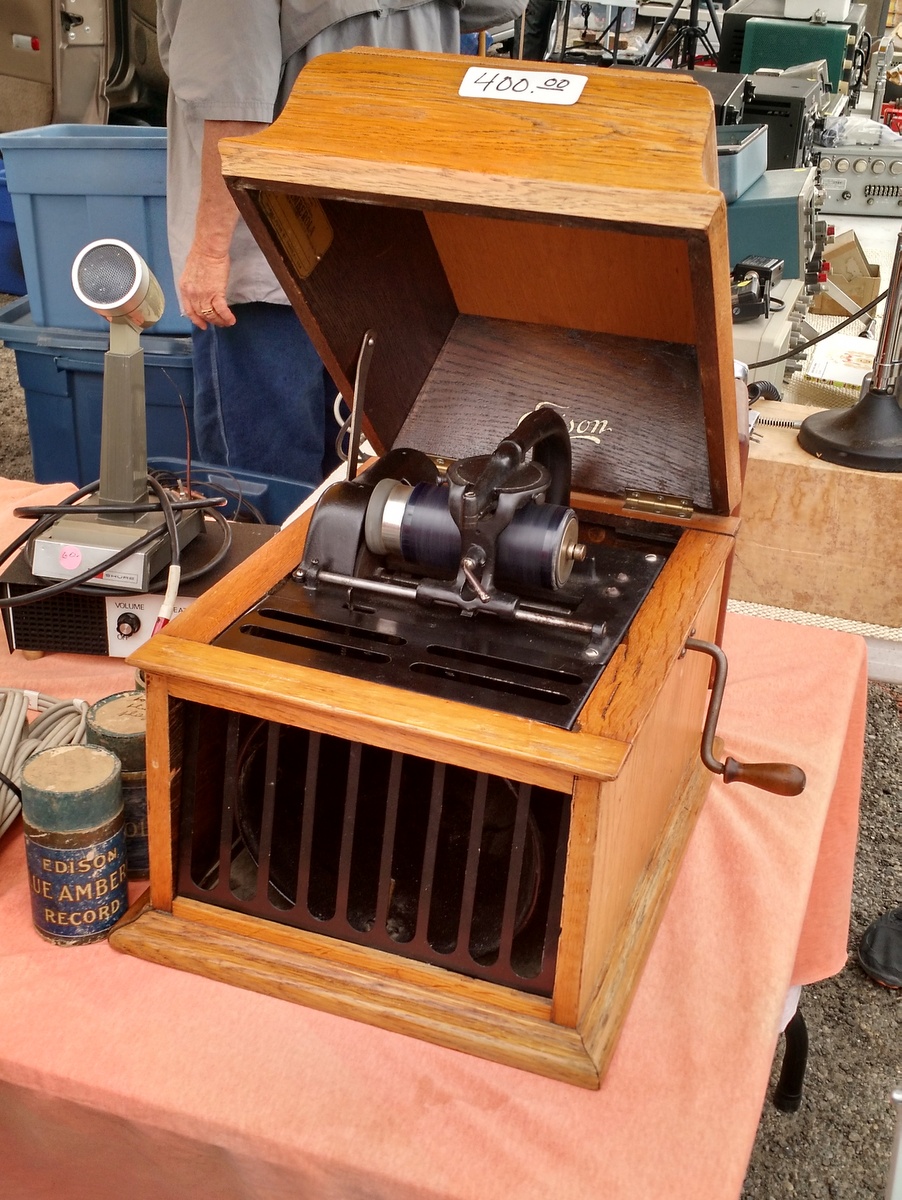
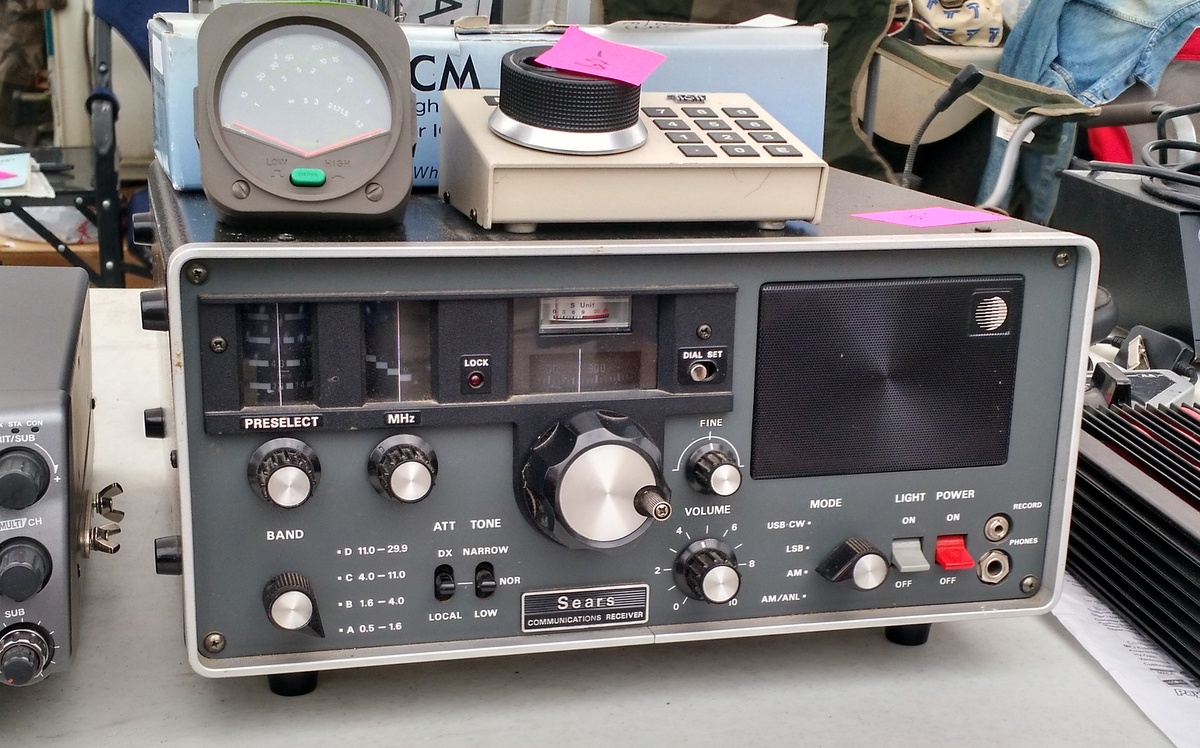
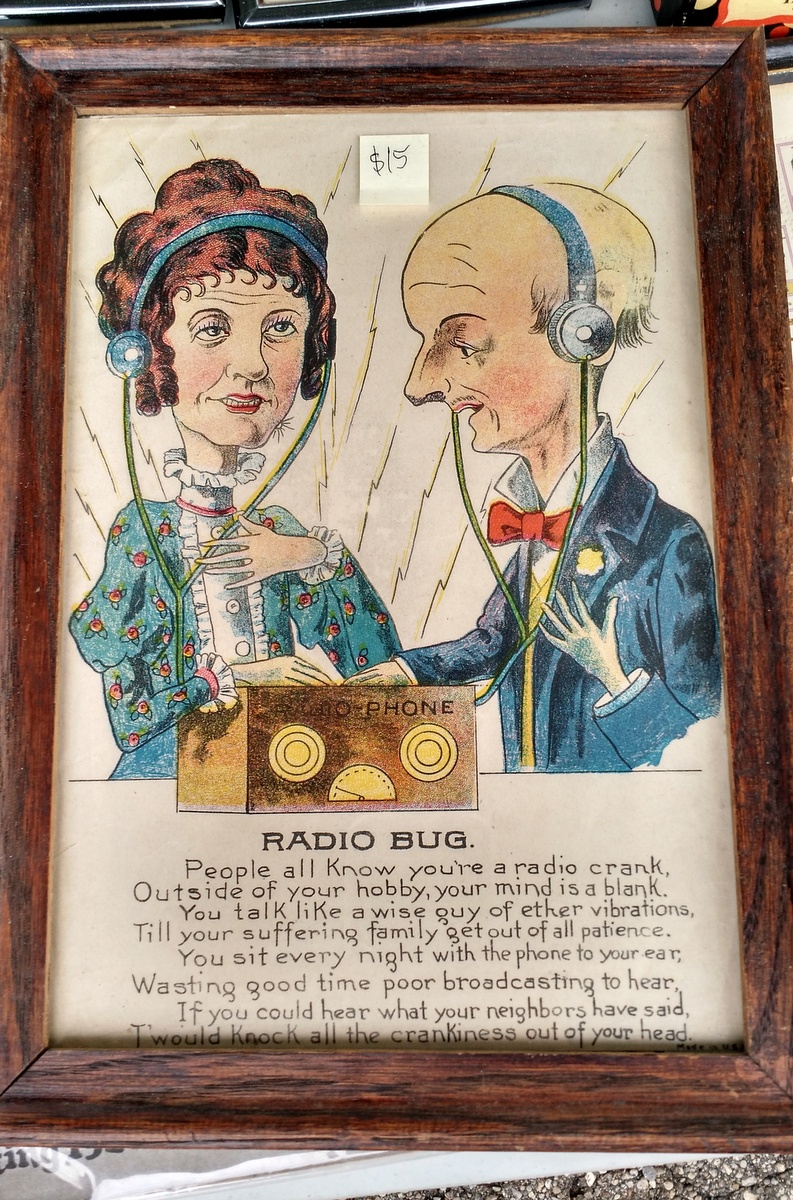
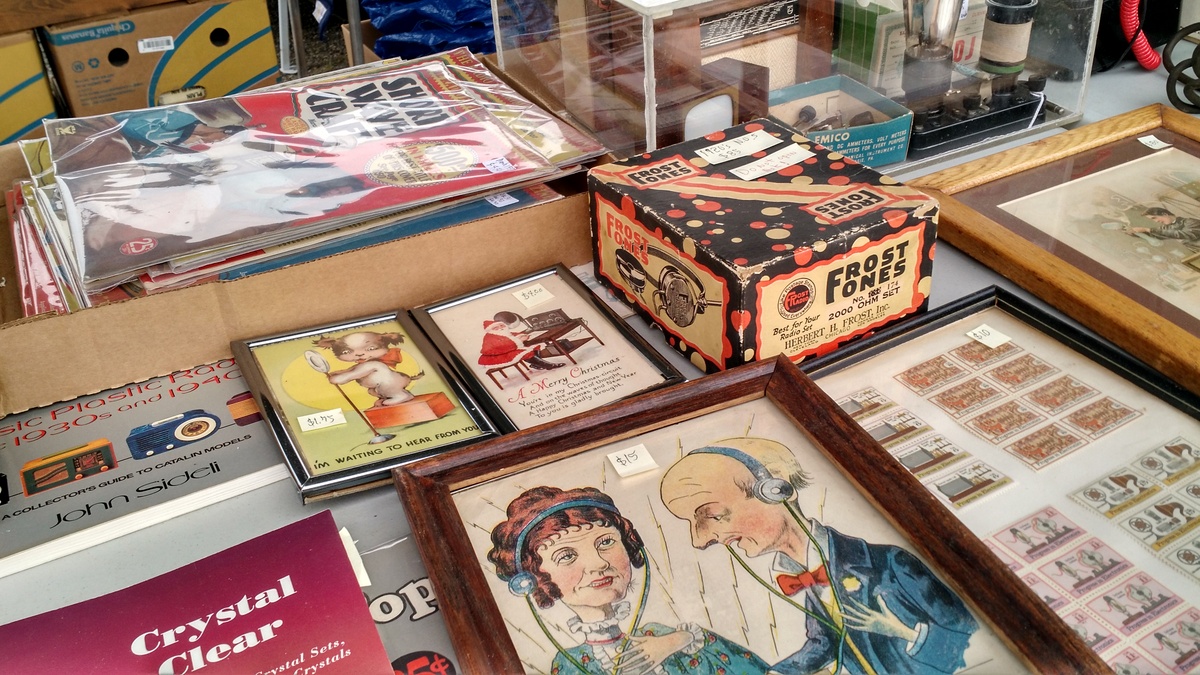
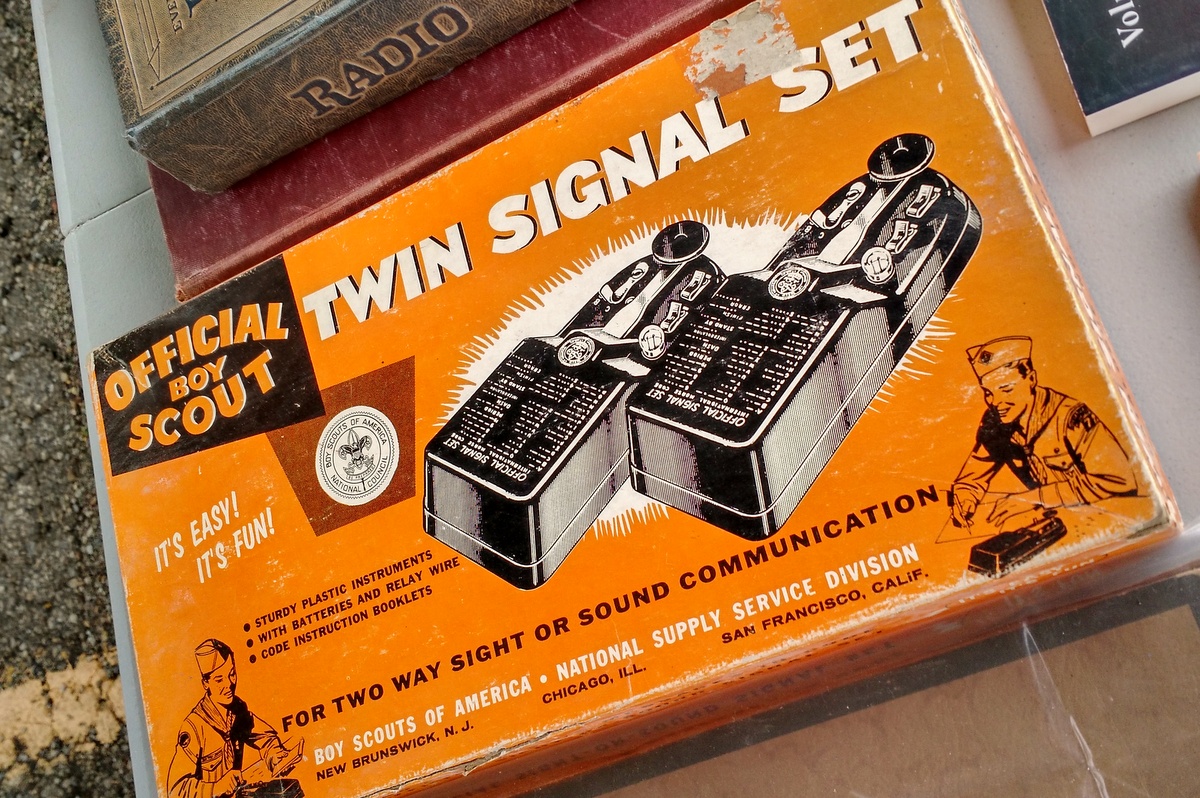
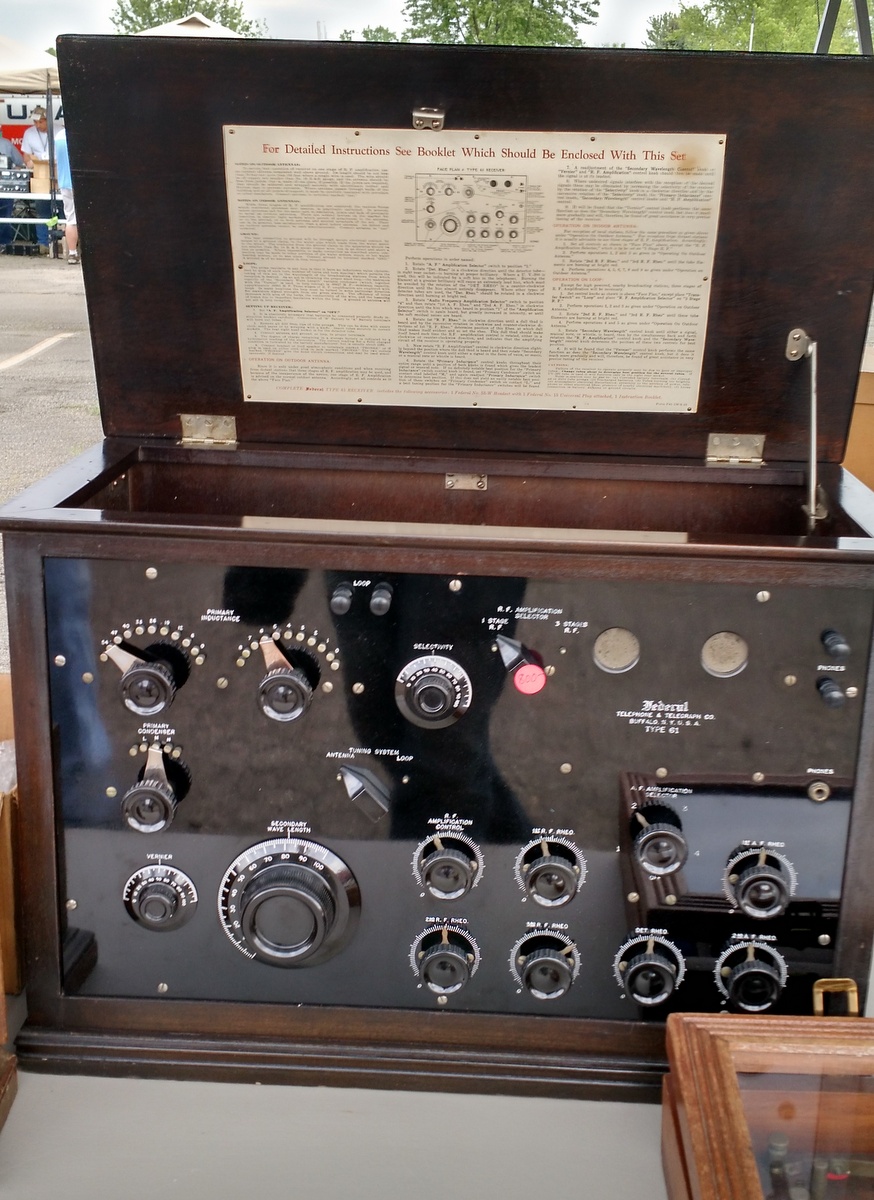
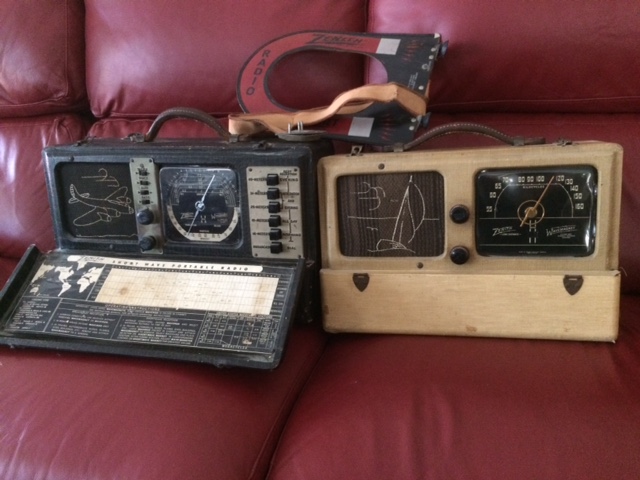
Weather yesterday morning at the Dayton Hamvention was quite pleasant even if a little fickle at times. I had time in the morning and an hour or so in the afternoon to browse the various treasures scattered about in the flea market section. Here are a few photos of the vintage gear I found:

IMG_20150515_155324563_HDR-001 IMG_20150515_155434678_HDR-001 IMG_20150515_155443439 IMG_20150515_155448977_HDR IMG_20150515_155454414_HDR Zenith-Transoceanics RCA RCA-Dial HRO Zenith-Transoceanic-7000 BC-348 Sky-Buddy IMG_20150515_080420028 IMG_20150515_080728372 IMG_20150515_083338068_HDR IMG_20150515_084608184_HDR IMG_20150515_084618551_HDR IMG_20150515_084624951_HDR IMG_20150515_084715842_HDR IMG_20150515_090737380 IMG_20150515_091306152 IMG_20150515_092249982_HDR IMG_20150515_092652251_HDR IMG_20150515_093056292_HDR IMG_20150515_093106560_HDR IMG_20150515_093155333_HDR IMG_20150515_093210149_HDR IMG_20150515_093216094 IMG_20150515_094335853 IMG_20150515_094524046_HDR IMG_20150515_133437879

My friend and ETOW volunteer, Christine, purchased the mint condition Zenith Transoceanic above. I’m not sure I’ve ever seen a better example of a vintage Transoceanic 7000 for sale. A good bit of well-deserved beginner’s luck for Christine!

If you’re also at the Dayton Hamvention, please stop by table 411 in the Ball Arena and introduce yourself!

When WLW was the one and only “Super Station”

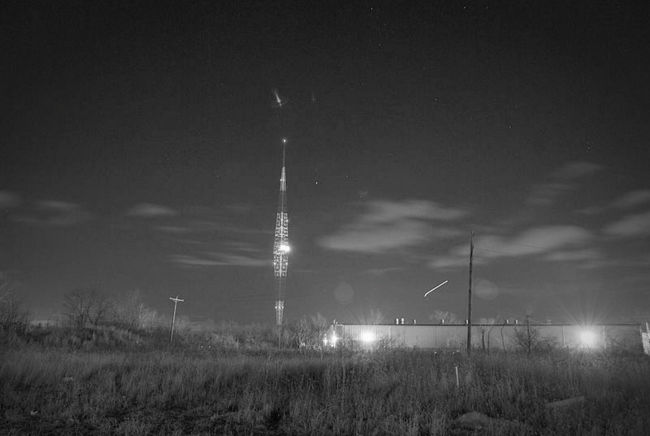
WLW's diamond-shaped Blaw-Knox radio tower at night (Original photo by RP Piper via Creative Commons)

WLW’s diamond-shaped Blaw-Knox radio tower at night (Original photo by RP Piper via Creative Commons 2.0)

(Source: National Endowment for the Humanities)

For a Brief Time in the 1930s, Radio Station WLW in Ohio Became America’s One and Only “Super Station”

by Katy June-Friesen

When President Franklin Roosevelt, sitting in the White House, pushed a ceremonial button on his desk in May 1934, a five hundred thousand-watt (500 kW) behemoth stirred in a field outside Cincinnati. Rows of five-foot glass tubes warmed. Water flowed around them at more than six hundred gallons per minute. Dozens of engineers lit filaments and flipped switches, and, within the hour, enough power to supply a town of one hundred thousand coursed through an 831-foot tower.

Thus began WLW’s five-year, twenty-four-hour-a-day experiment: a radio station that used more power and transmitted more miles than any station in the United States had or would. The so-called super station—licensed by the new Federal Communications Commission (FCC) on a temporary basis—amped up the debate among broadcasters, government regulators, and listeners about how radio should be delivered to serve the “public interest,” a mandate laid out in the Radio Act of 1927, and influenced legal, programming, and technical decisions that shape the broadcast system we know today.

Since radio’s beginnings in the early 1920s, industry and government leaders promoted it as the great homogenizer, a cultural uplift project that could, among other things, help modernize and acculturate rural areas. The challenge was how to reach these areas, many of which received few or no radio signals in the mid-1930s. One solution was high-powered, clear-channel stations that could blanket large swaths of the country with a strong signal. These stations operated on “cleared” frequencies that the government assigned to only one station to prevent interference.

WLW had operated on one of forty designated clear channels since 1928. The station’s creator and owner, an entrepreneur, inventor, and manufacturer named Powel Crosley Jr. frequently increased the station’s wattage as technology and regulation allowed. In 1934, when WLW increased its power from 50 kW to 500 kW, all other clear-channel stations were operating at 50 kW or less. Now, WLW had the ability to reach most of the country, especially at night, when AM radio waves interact differently with the earth’s ionosphere and become “skywaves.” People living near the transmitter site often got better reception than they wanted; some lights would not turn off until WLW engineers helped rewire houses. Gutters rattled loose from buildings. A neon hotel sign near the transmitter never went dark. Farmers reported hearing WLW through their barbed-wire fences.

Continue reading…

How Bob found his Zenith “Bomber”

Zenith-Bomber-Clipper-1

After posting a link to Paul Litwinovich’s Zenith Transoceanic article, SWLing Post reader, Bob LaRose (W6ACU) sent me the following message:

“Just a quick story to follow-up on the excellent Zenith Transoceanic article today. It brought back a lot of great memories!

About twenty years ago I decided to collect some of the things that I couldn’t afford when growing up. I acquired quite a number of Hallicrafters receivers and other “heavy metal” including several transmitters (including my Viking I AM Transmitter). In the process of our last move, I got rid of a lot of the collection. One part of the collection that I did keep was my Transoceanics. If I remember correctly I have every major model except the military one mentioned in the article and the very last one.

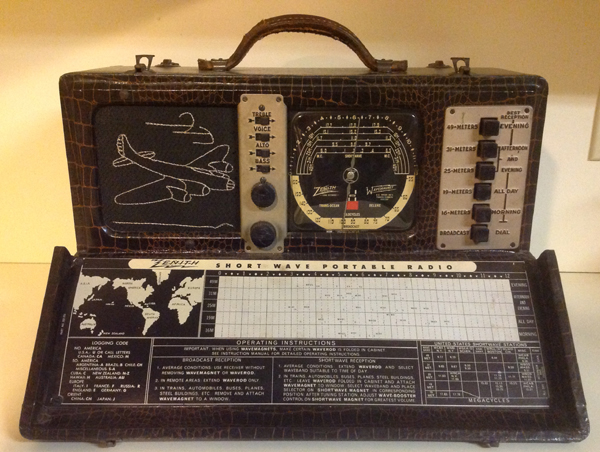
Here is my story is about obtaining a “Bomber” as described in the article. I was visiting a gun show at the North Carolina Fair grounds in Raleigh (I went there with a friend who is into Civil War collectables). Anyway, we were walking around and I spotted a small dusty suitcase on a table in the back of a booth. It was closed and to anyone else it looked like an old carrying case. However, by the size and the brown leatherette-grained case I thought it just might be a “Bomber”.

I tried not to act too excited and asked the seller what it was. He said it was an old radio and I asked him to bring it out. Sure enough, it was a Bomber! Still trying not to act too excited, I tried to let on that I didn’t know what is was and asked him if it worked. He said he didn’t know. I made a point of saying that it was missing the dial cover (but the pointer was there and unbent and the inside looked pretty clean and even had its “Wave Magnet”).

I asked him how much he wanted and he said $100. We haggled a bit over the condition and I finally got it for $75. I walked away very happy and excited!

Zenith-Bomber-Clipper-2

I spent some time cleaning it up, de-oxing the contacts and then used a VARIAC to slowly bring up the voltage to reform the electrolytics. But guess what? IT CAME TO LIFE!

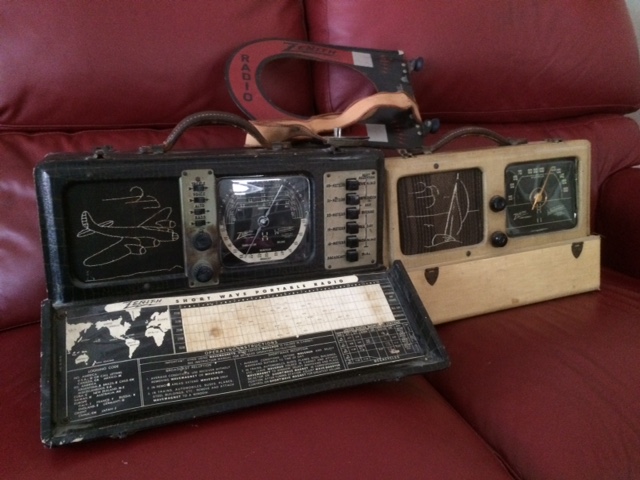
I was even able to get the Sam’s manual and do an alignment. I don’t recall that I had to change any electrical parts or tubes and I even found a guy that made a replacement dial cover! It’s not as shiny as the one in the article but it was sure a great find. It proudly sits on the bookshelves in my office along with the Zenith “Sailboat” AM receiver mentioned in the article and my other Transoceanics. I’ve attached a picture of the two side-by-side. [See photos above]”

Many thanks, Bob, for sharing your “barn find”–or should I say “gun show find”(?)– Zenith “Bomber.” What a great story. I’m glad it’s in the hands of someone who has restored it and can appreciate its history. Indeed, your story proves that you never know where you’re going to find a vintage radio deal.

Paul Litwinovich sheds light on the “Royalty of Radios”

Zenith Model 7G605, the first in the line of Trans-Oceanic radios. Credit P. Litwinovich collection via WSHU

Zenith Model 7G605, the first in the line of Trans-Oceanic radios.
Credit P. Litwinovich collection via WSHU

Many thanks to SWLing Post reader, Paul, who points out this excellent article about the Zenith Transoceanic by Paul Litwinovich of WSHU.  Litwinovich’s article covers a brief history of the Zenith Transoceanic series including photos from his amazing collection (check out his model 7G605 above).

Here’s a short clip from his full article:

“The first version of Zenith Trans-Oceanic line of portable shortwave radios, the 7G605, [above] was released less than two months before the Pearl Harbor attack. It bore the sailboat image, and continued to be known as the “Clipper.” It sold for $75, and was an instant success. It was just the beginning, though, of the series’ long and colorful history. Zenith planned to heavily promote the radio for the coming holiday season. Then, the surprise attack on Pearl Harbor came. Most manufacturers halted production of consumer goods for the war effort. Zenith had other plans for their new radio, though. They changed the image on the grill from that of a sailboat to the likeness of the B-17 bomber. The change was implemented in such a hurry, that collectors have reported finding the bomber grill inserted over the top of the sailboat grill.”

Click here to read the full article at WSHU…

By the way, we’ve mentioned Paul before here on the SWLing Post–I would encourage you to bookmark his excellent article thread on WSHU’s website.

Recording Deutsche Welle Kigali’s final broadcast and remembering its early days

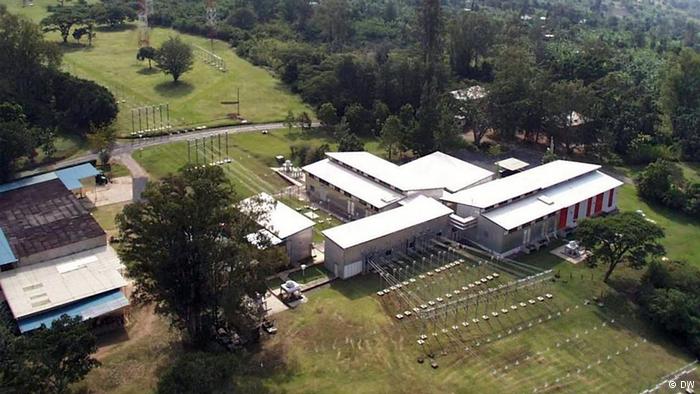
DW's relay station in Kigali (Source: Deutsche Welle)

DW’s relay station in Kigali (Source: Deutsche Welle)

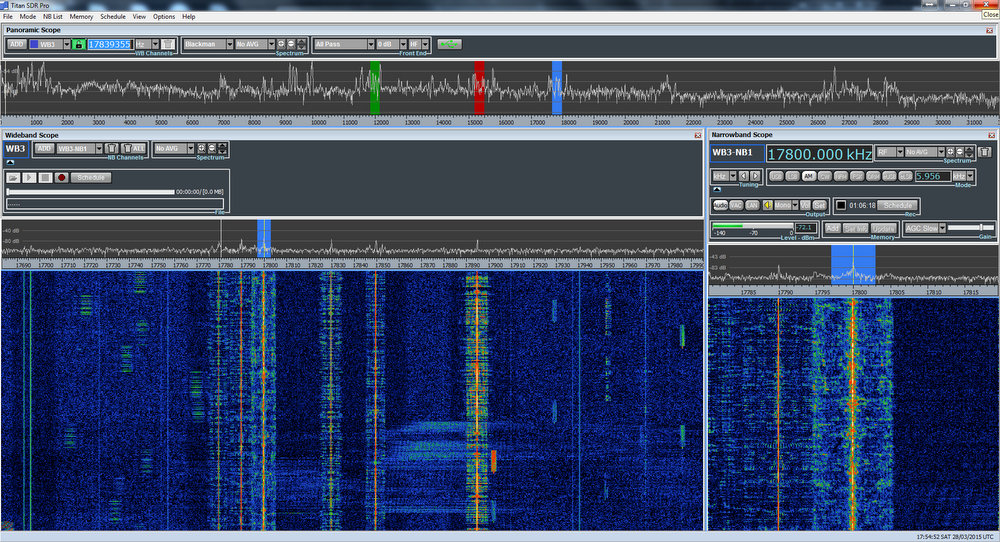
Yesterday, Deutsche Welle transmitted its final broadcast from the Kigali, Rwanda relay station. Since I’ve only had moderate luck hearing the Kigali site the past few days–especially on 31 meters–I fired up the TitanSDR Pro (which is still currently under review) and set it to record all three final afternoon broadcasts from Kigali on 12,005, 15,275 and 17,800 kHz.

TitanSDR-DeutscheWelle-FinalBroadcasts

As you can see from the screenshot above, Kigali produced a very strong signal on 17,800 kHz. The TitanSDR recorded the full broadcast, starting with one minute of the transmitter tuning, then one hour of DW’s French language service, followed by one hour of DW’s Hausa language service…then the transmitter went silent.

The recording begins around 1659 UTC on March 28, 2015 on 17,800 kHz:

Kigali’s early days

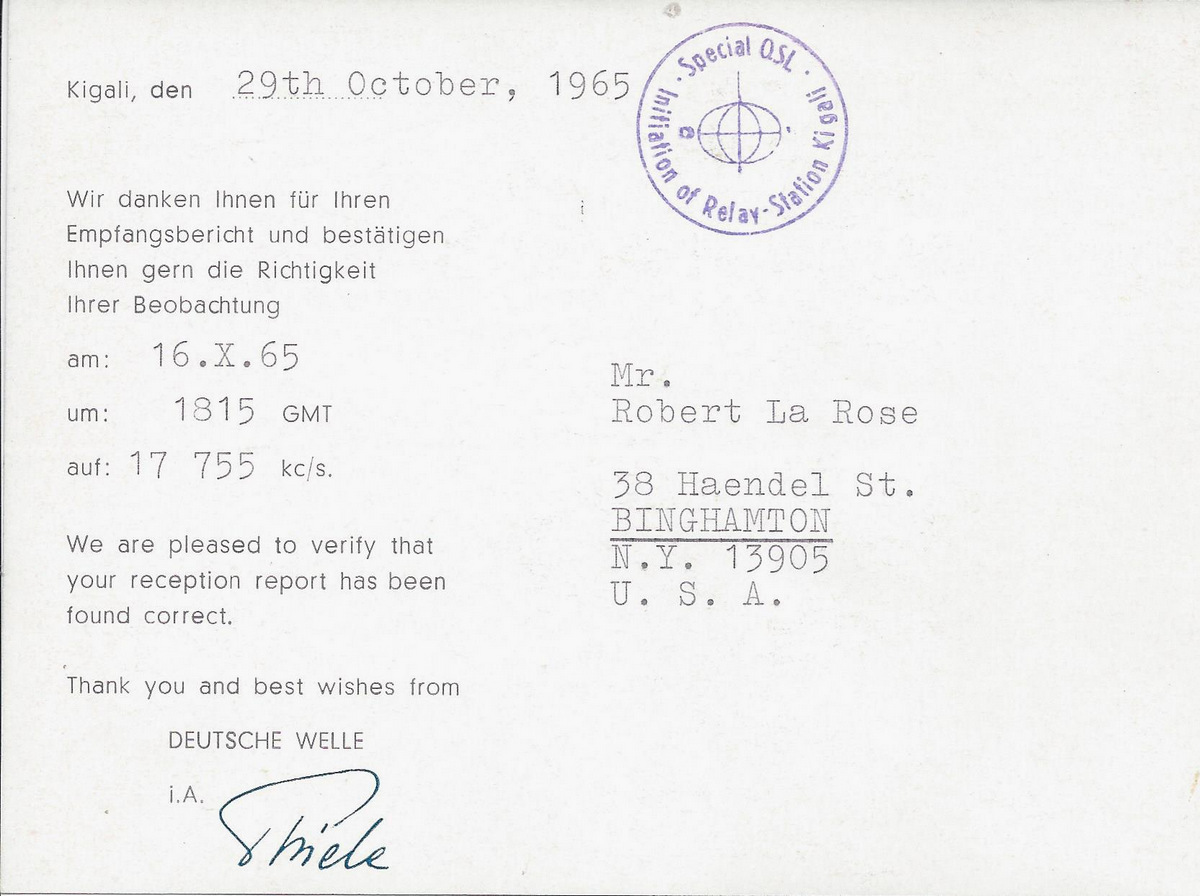
Last week, SWLing Post reader Bob LaRose (W6ACU) sent me the following message and scans:

“Here’s some nostalgia from [when the Kigali relay] opened, 50 years ago!”

Kigali Front

Kigali 2

Bob then followed this with another email:

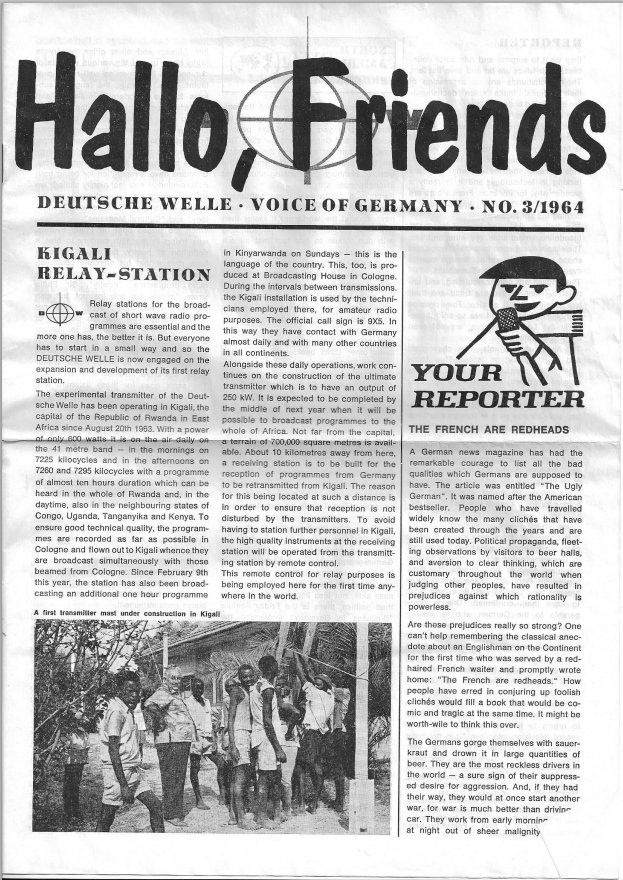
“I dug into the “vault” and I found [the] 1964 Third Quarter issue of “Hallo, Friends” from Deutsche Welle that talks about the “new” Kigali station as it was being built. The 1965 issues did not cover the actual inauguration.”

DW-HalloFriends-BobLaRose

Click here to download this page as a PDF.

Many thanks for digging through your archives and sharing this wonderful DW nostalgia, Bob! It’s simply brilliant!

Readers: If you have shortwave nostalgia you would like to share on the SWLing Post, please contact me.

Remembering Radio Canada International’s final shortwave broadcast

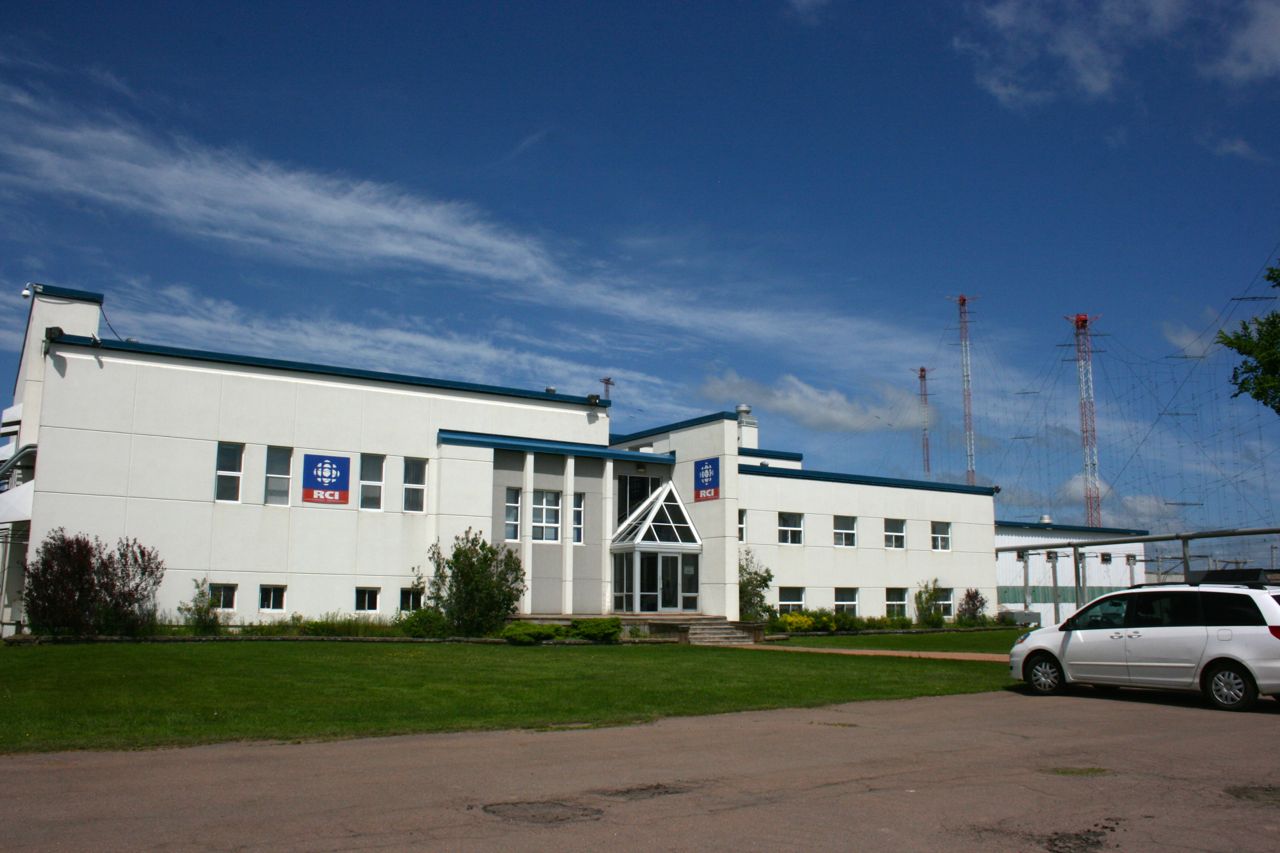
The transmitter building of Radio Canada International, Sackville, NB.

The transmitter building of Radio Canada International, Sackville, NB.

I spent the summer of 2012 in an off-grid cabin on the eastern coast of Prince Edward Island, Canada. That summer, I listened as two of my favorite shortwave broadcasters left the air within weeks of each other: Radio Netherlands Worldwide and Radio Canada International.

I was able to not only listen to the final broadcasts of Radio Netherlands, but also record them. I wrote a post about that memorable experience.

Ironically, though I was only a geographic stone’s-throw from the RCI Sackville transmitter site, I struggled to hear any Sackville signals as my location was too close for skywave propagation and a little too far for ground wave. Though I paid a visit to the transmitter site only two days prior, I was unable to hear or record RCI’s final broadcast.

Unlike RNW’s final broadcasts, RCI’s ended without fanfare and quite abruptly. This week, I heard a recording of that final RCI broadcast for the first time. My friend, Rajdeep Das, recorded it on June 24, 2012 in Kolkata, India. Rajdeep has kindly shared his recording with the Shortwave Radio Audio Archive and here on the SWLing Post.

This is a short 10 minute recording, beginning at 1550 UTC, June 24, 2012 on 11,675 kHz. Listeners will note that the broadcast ends abruptly during the mailbag program–obviously the Sackville transmitters were turned off prematurely.

Click here to download the recording as an MP3, or simply listen via the embedded player below:

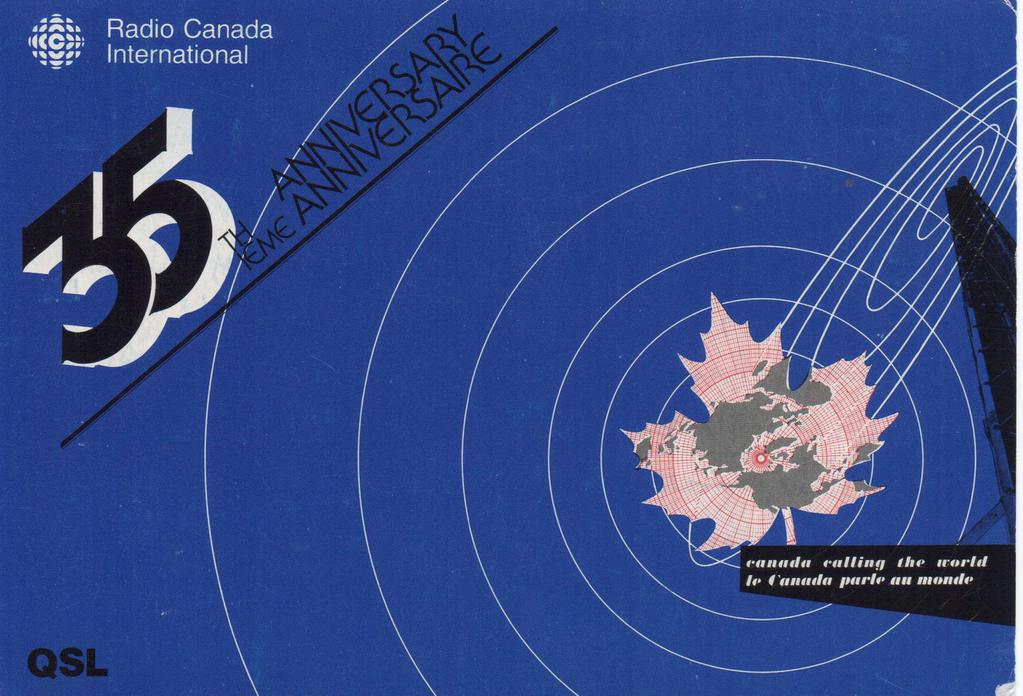
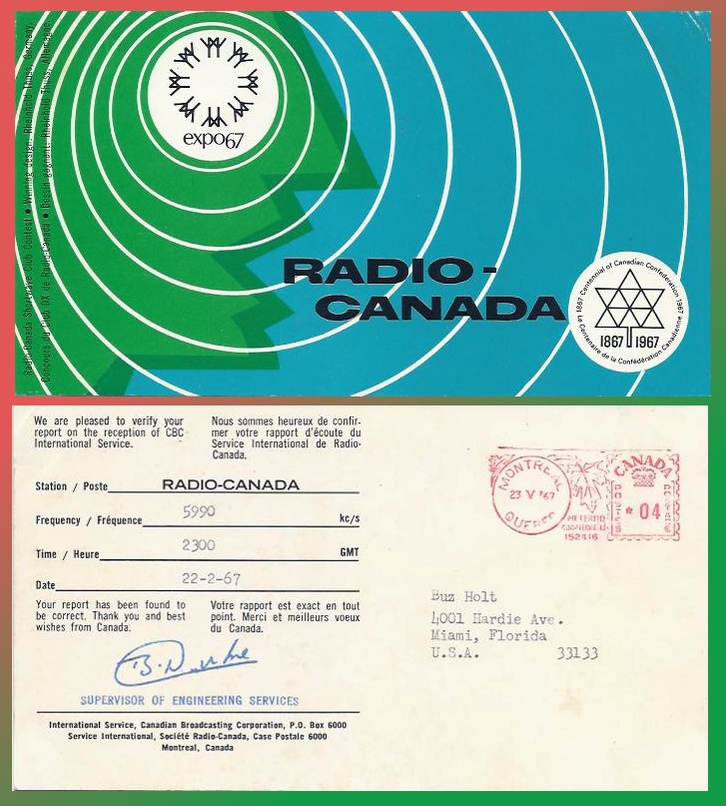
While we’re talking about RCI, I would also like to thank @LeedsRadio, @UKDXer and Al Holt for sharing the following brilliant QSLs and pennant:

UK-DXer-RCI-QSL

Source: @UKDXer via Twitter

LeedsRadio-RCI-NorthQuebecService-QSL

Source: @LeedsRadio via Twitter

Al-Holt-RCI-QSL

Source: @grovekid2 (Al Holt) via Twitter


Thanks for the stroll down memory lane!

SWLing Post readers should note that Rajdeep Das has a DX blog you should visit. I’ve added Rajdeep’s site to our blog roll. Thanks again, Rajdeep!

A Photo Tour of the National Capital Radio and Television Museum

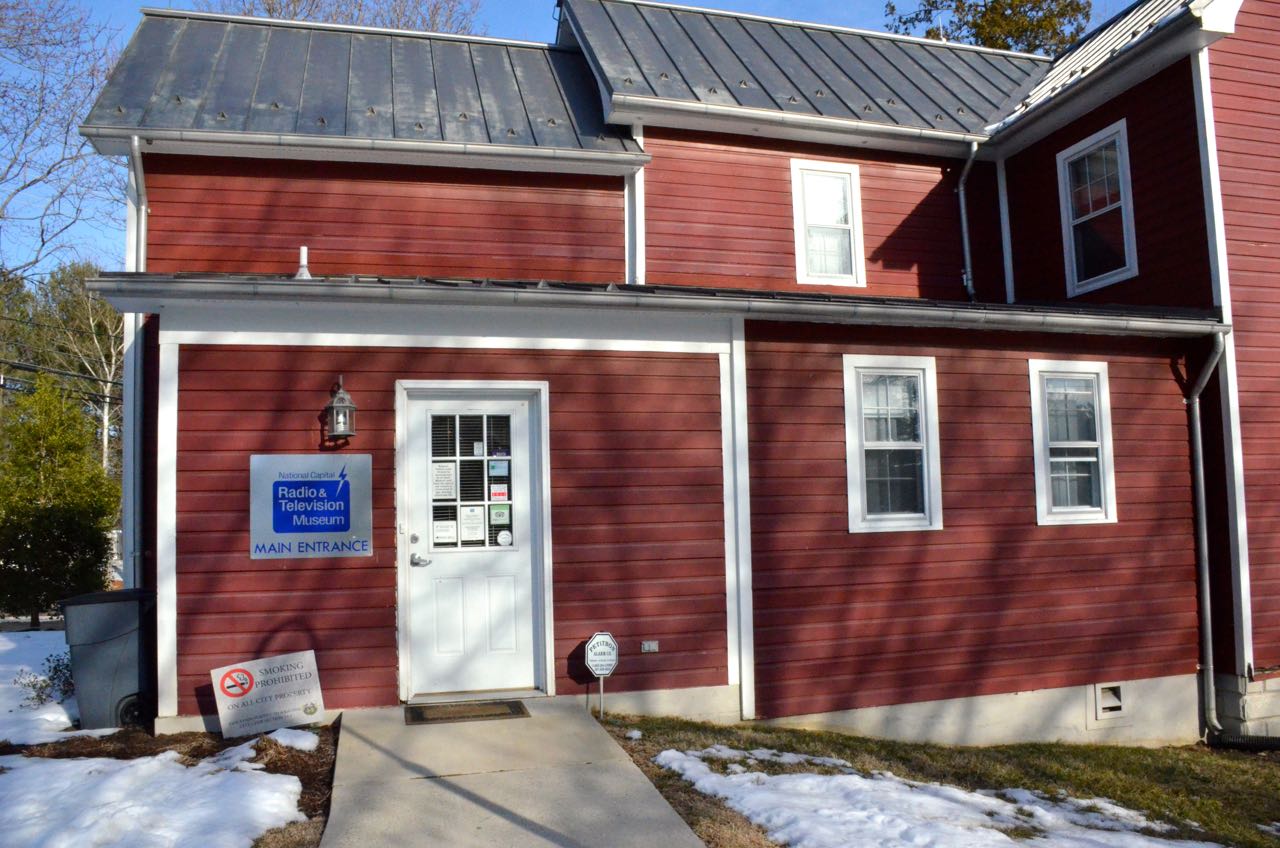
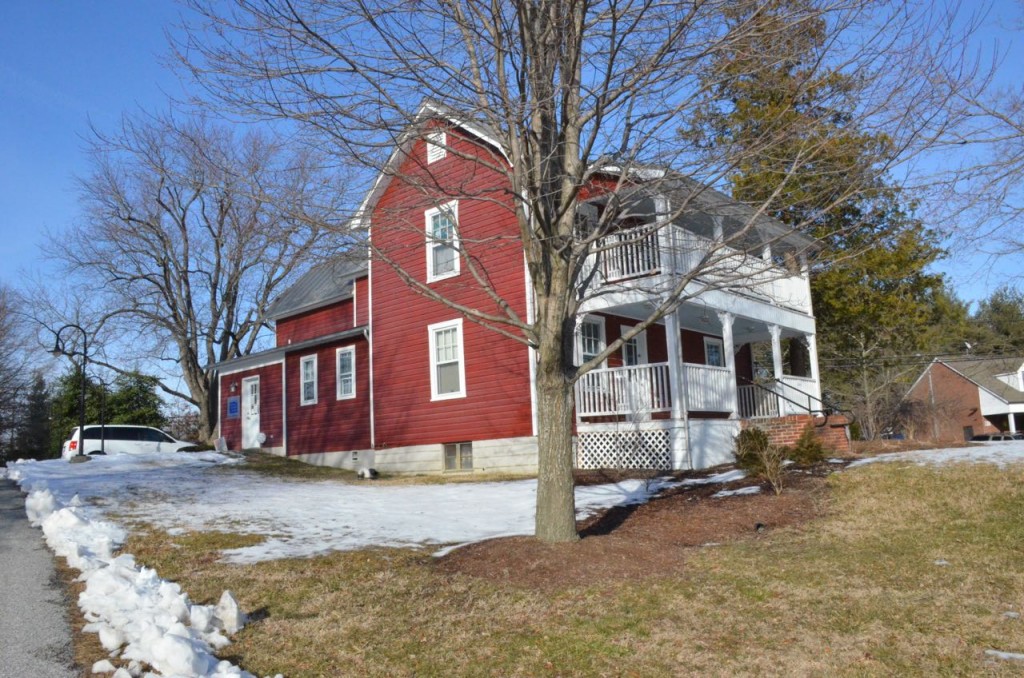
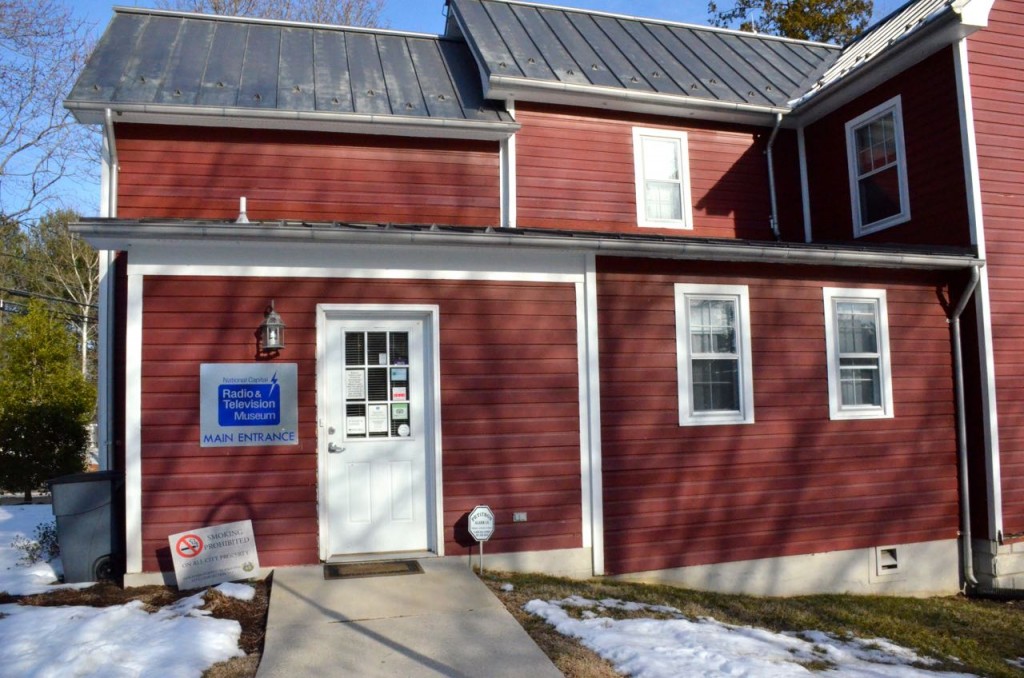
On Tuesday afternoon, I made a pilgrimage the to the National Capital Radio and Television Museum in Bowie, Maryland, USA.  The museum is located in a modest and beautiful historic house on the corner of Mt. Oak and Mitchellville Roads in Bowie.
RadioMeseumExterior

RadioMuseum-Exterior-FrontDoor

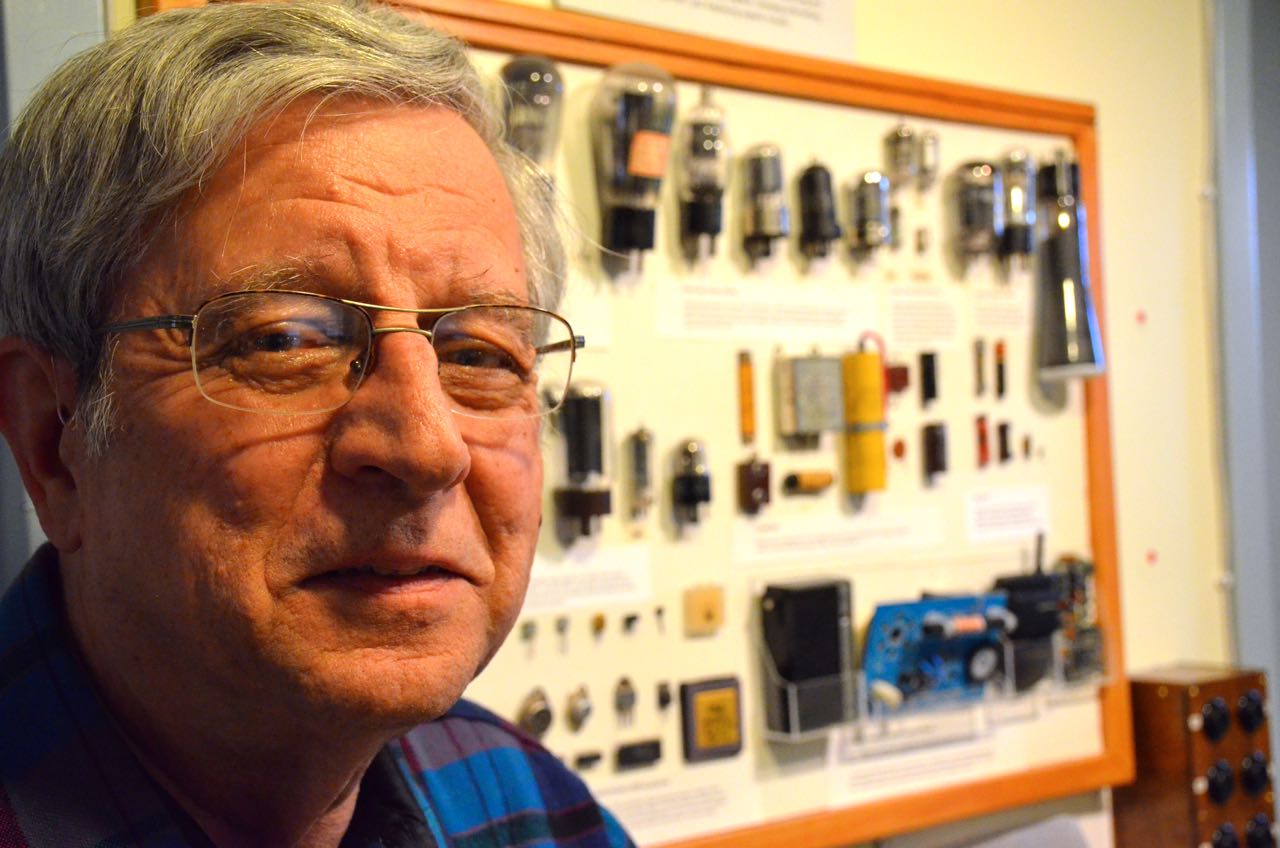
Museum Curator and volunteer, Brian Belanger, kindly gave me a private tour of the museum collections (the museum is closed on Tuesdays). Brian
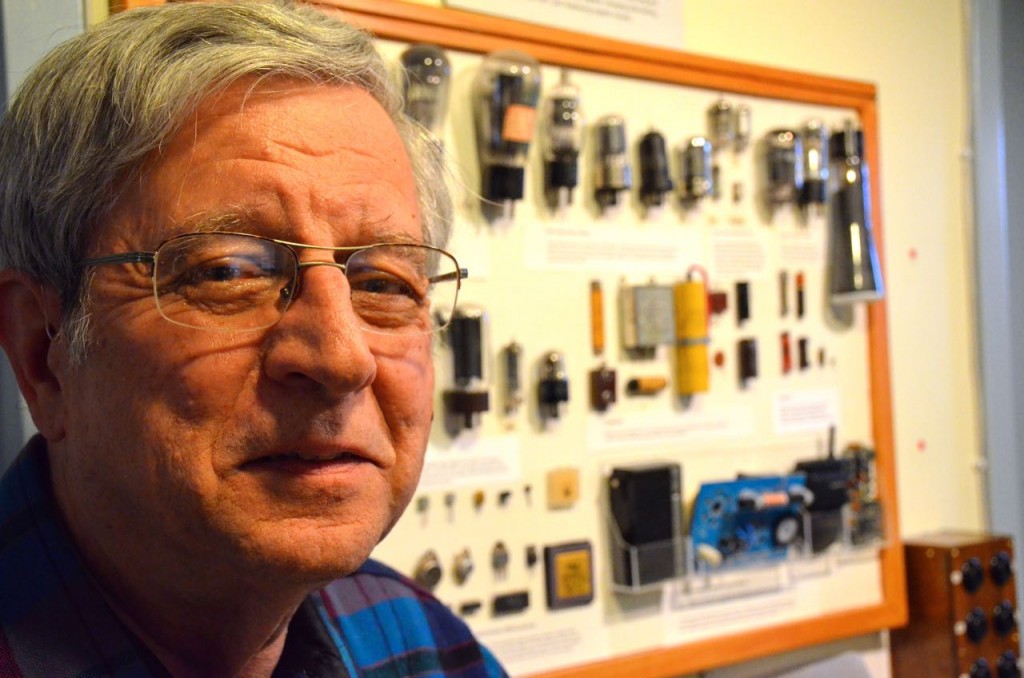
Many thanks to Brian for taking time out of his day for the tour, and for allowing me to take some photos for the SWLing Post!

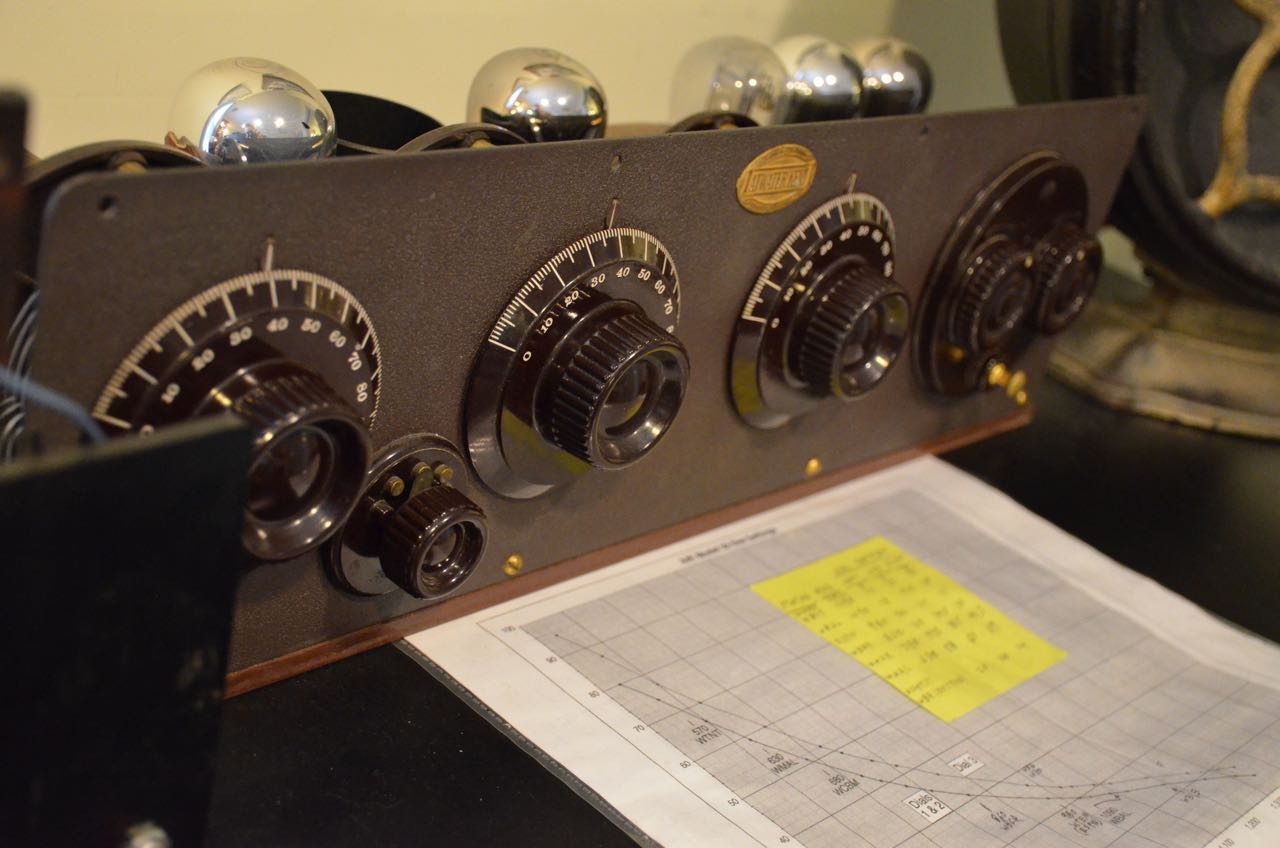
The museum has a number of display rooms with radios broadly grouped by style and decade. The first room offers examples of some of the earliest radios produced–including the venerable crystal radio (below).

[Click photos to enlarge.]
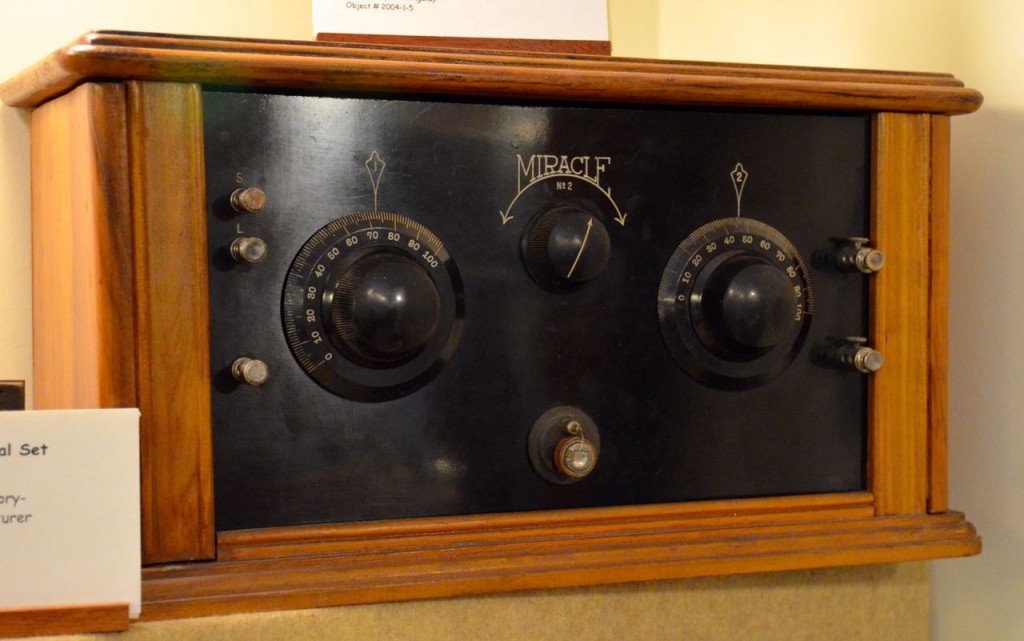
Miracle

Radio4

Like Brian, numerous volunteers work to keep the collections in working order. This isn’t a place where vintage radios come to die; they actually come to life here.
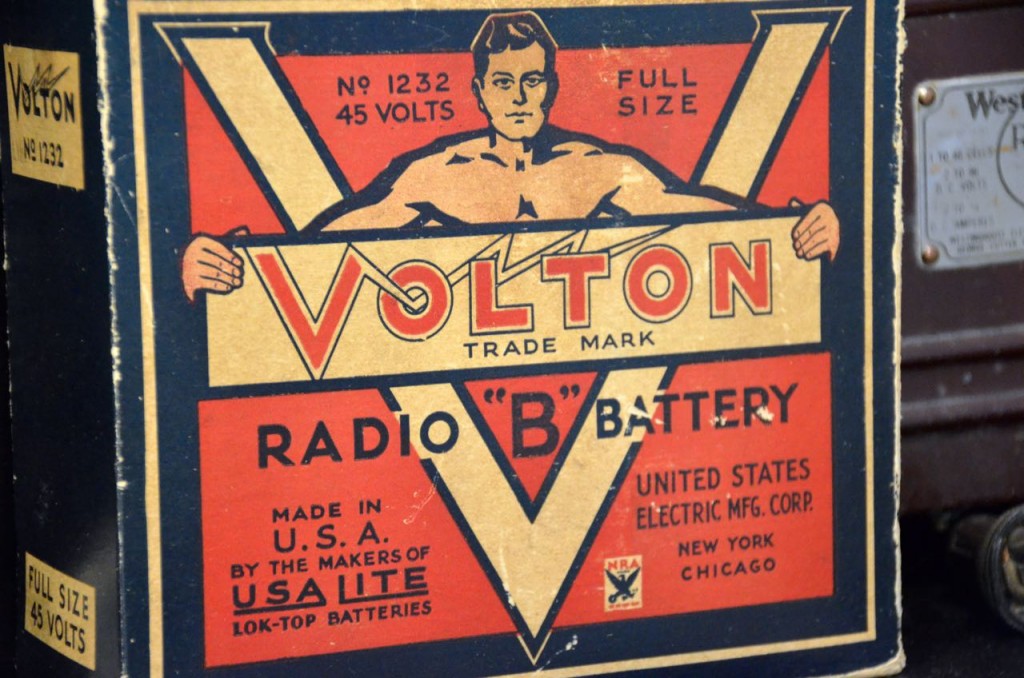
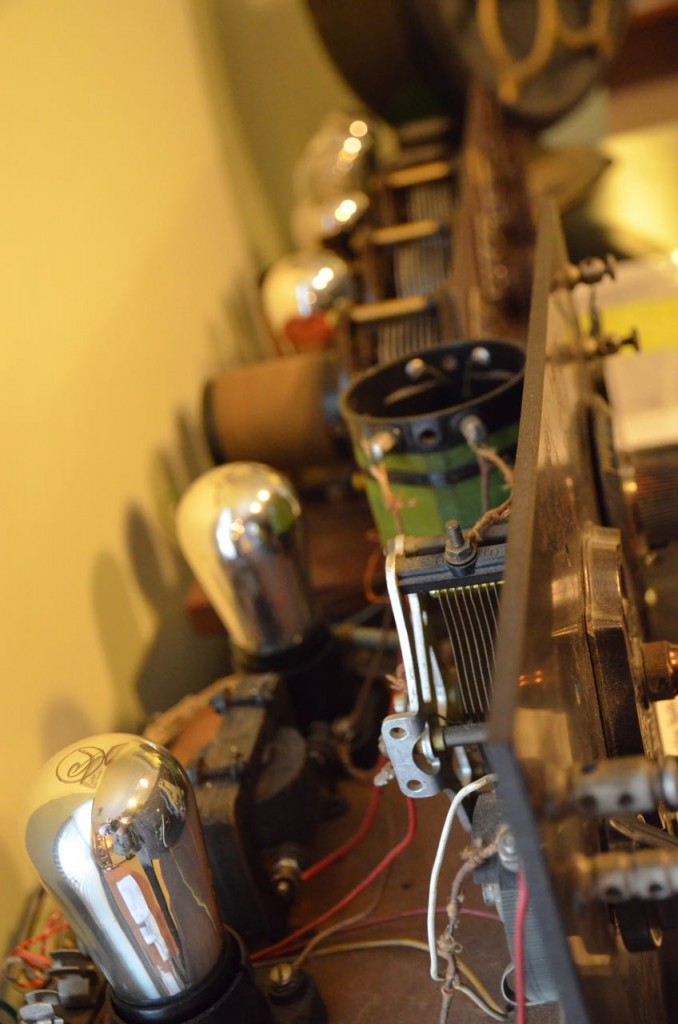
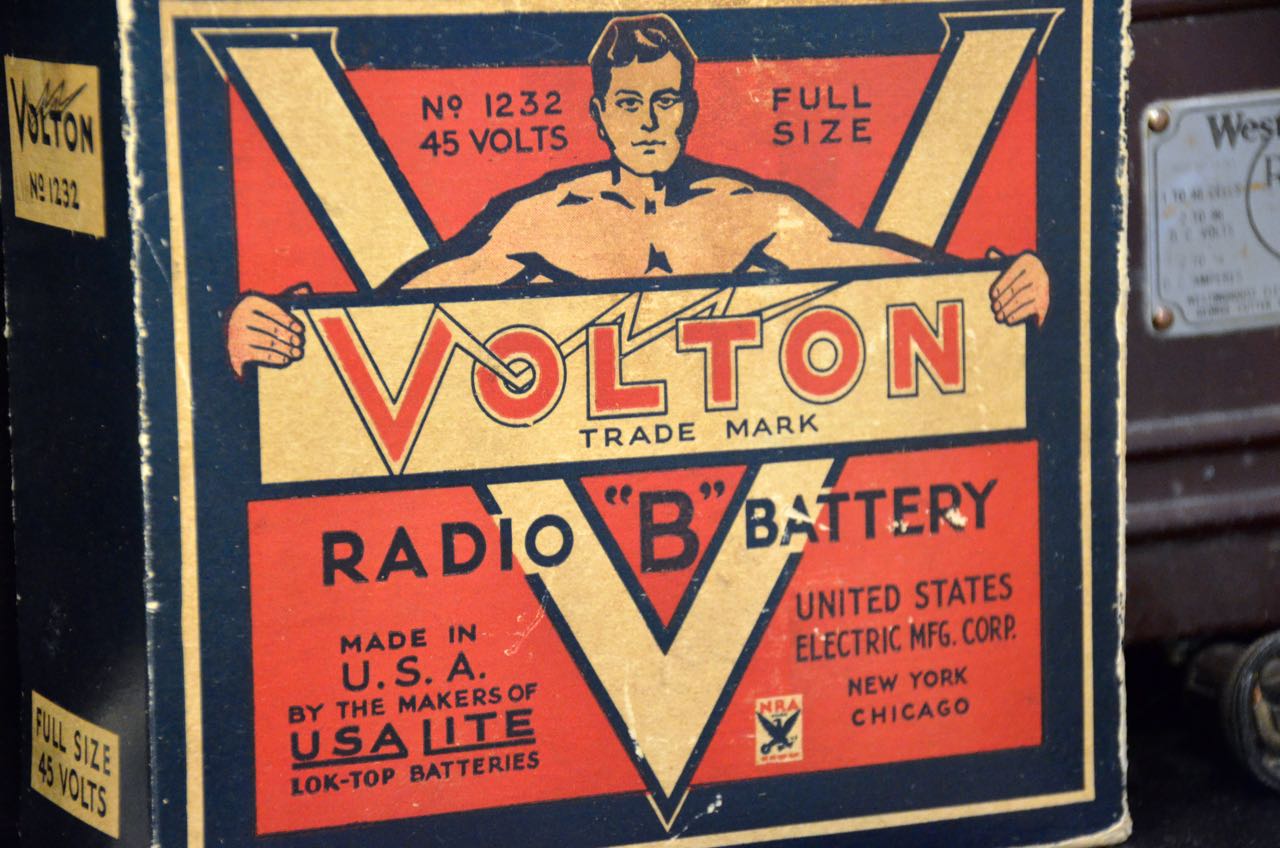
Volton-Battery

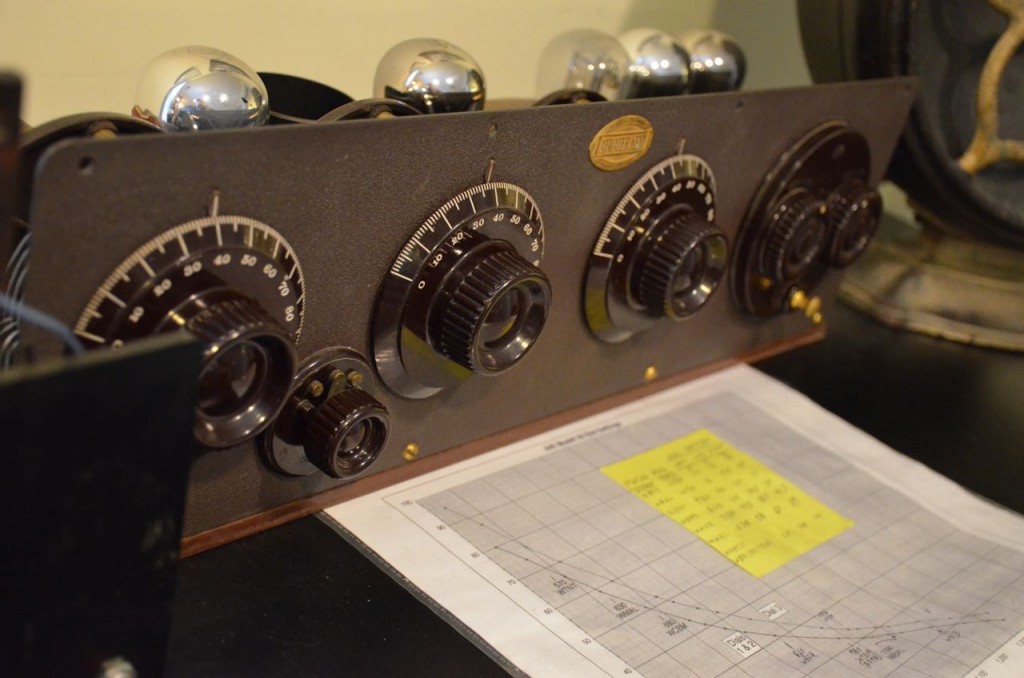
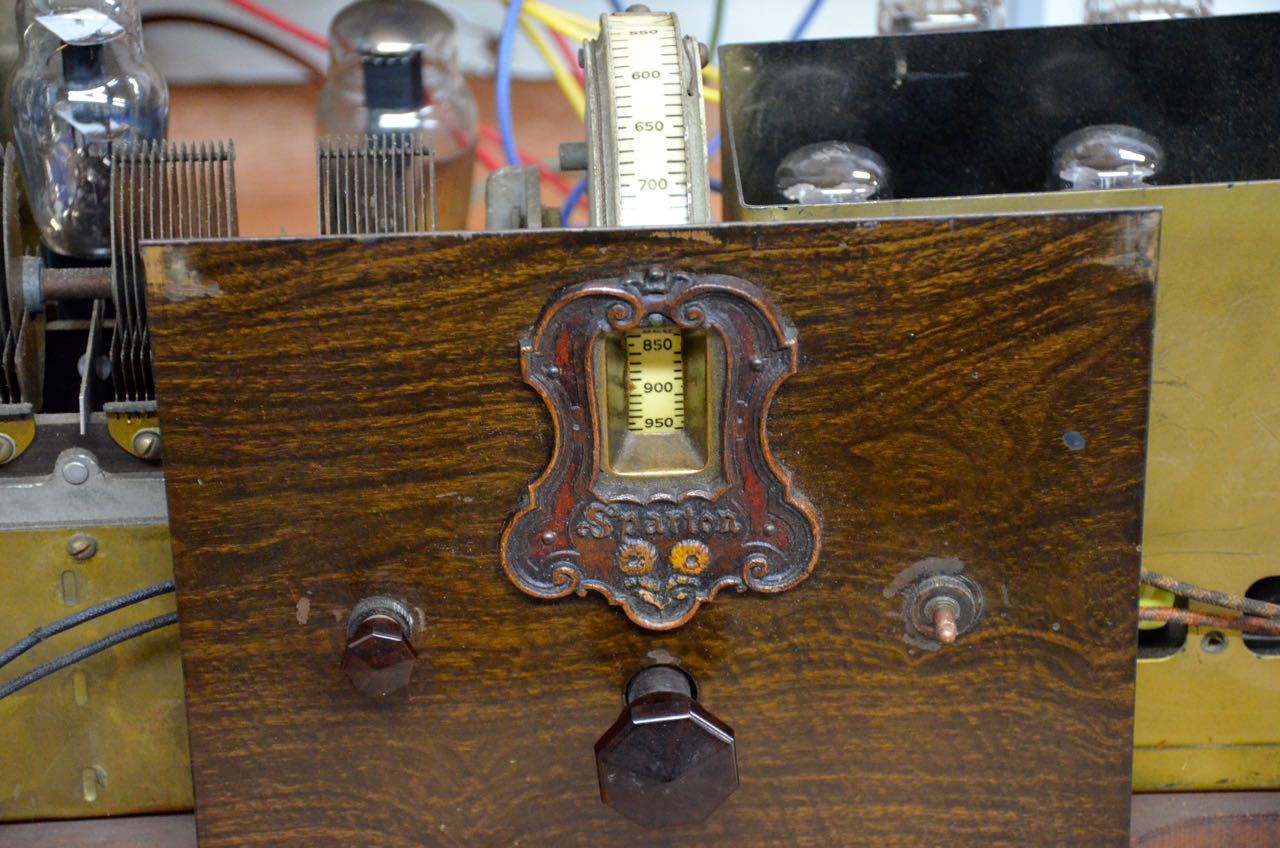
1920sRadioEven examples of some of their earliest radios are on the air and can be tuned to local and international stations.  Radio5
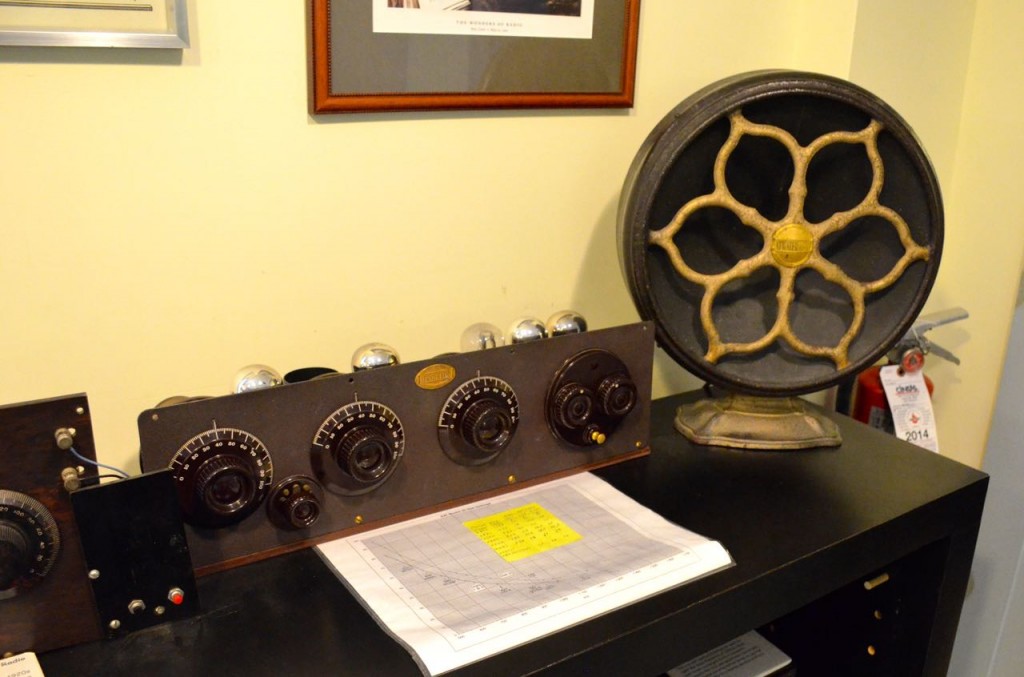
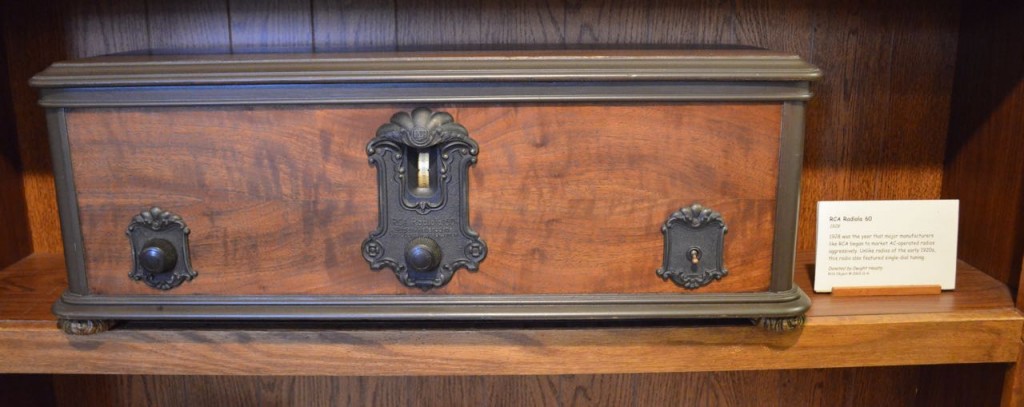
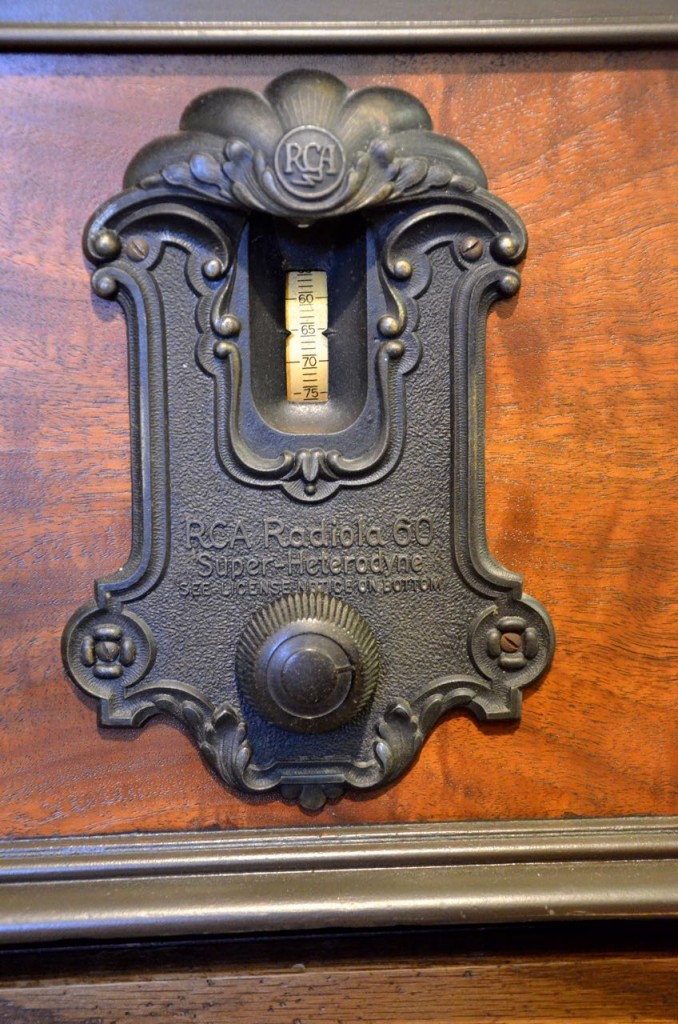
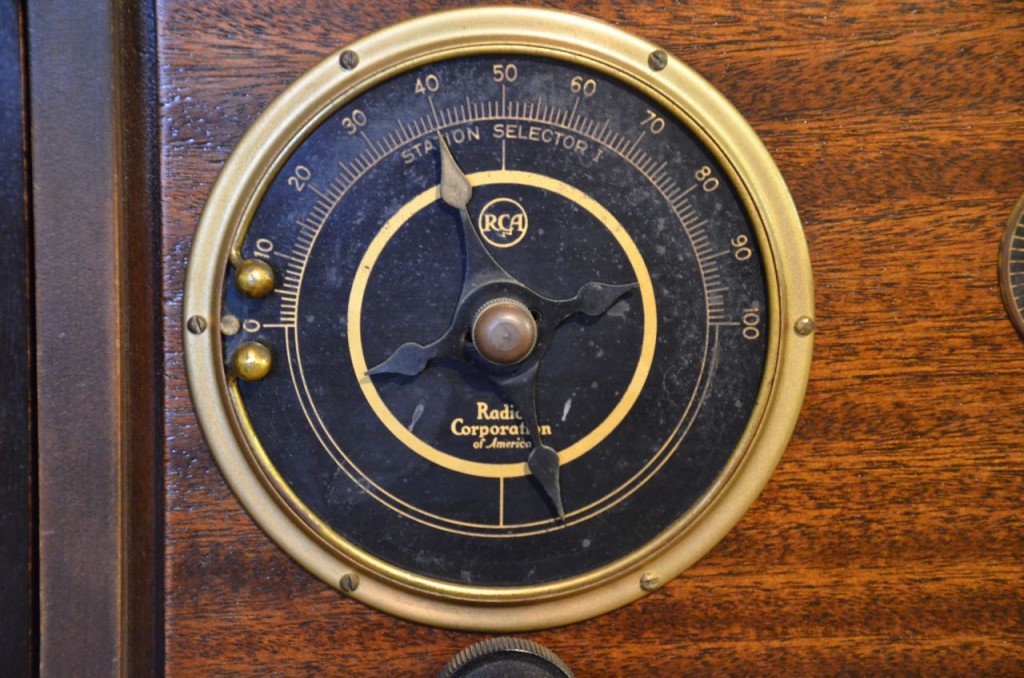
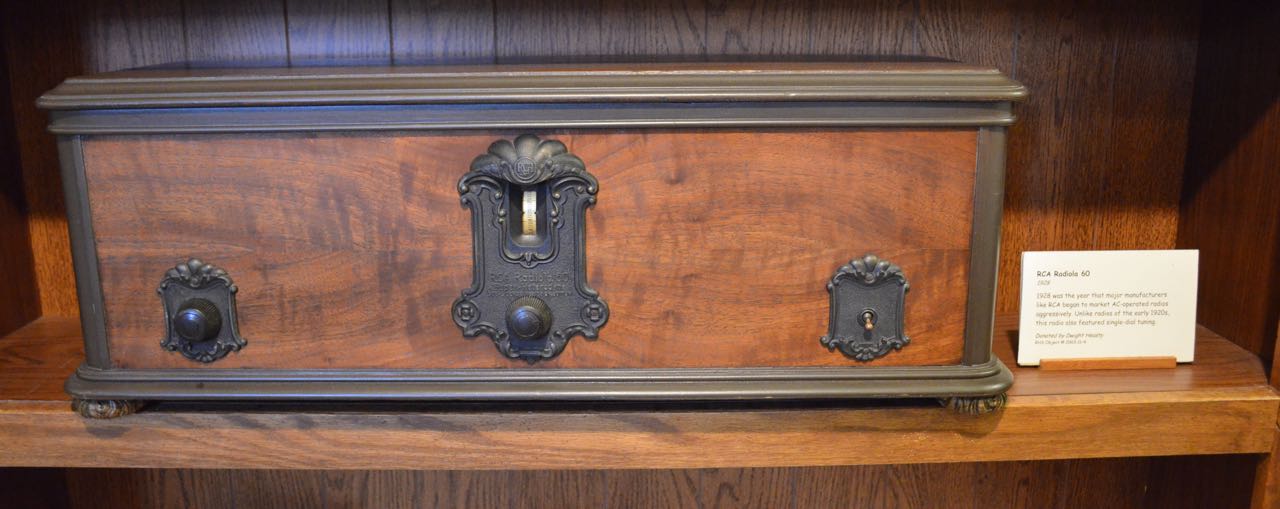
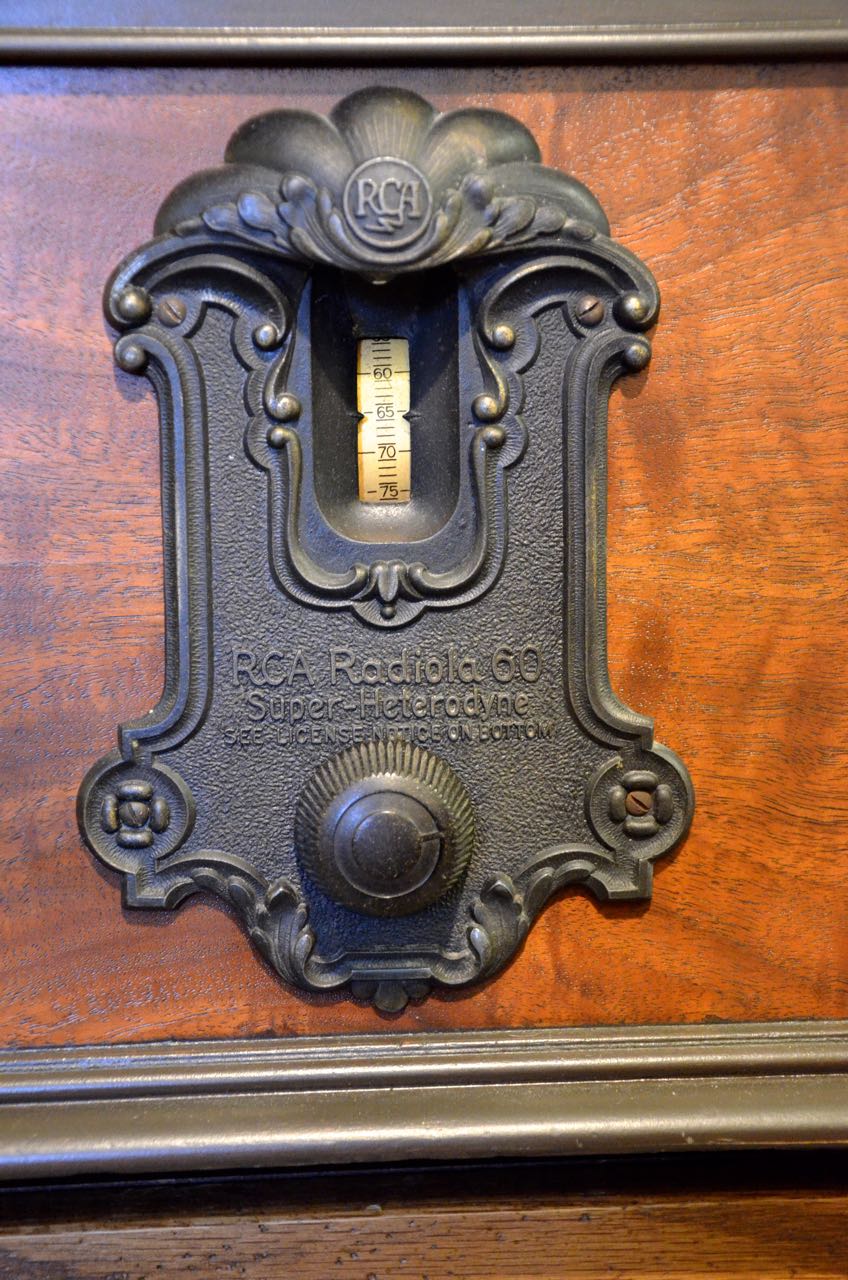
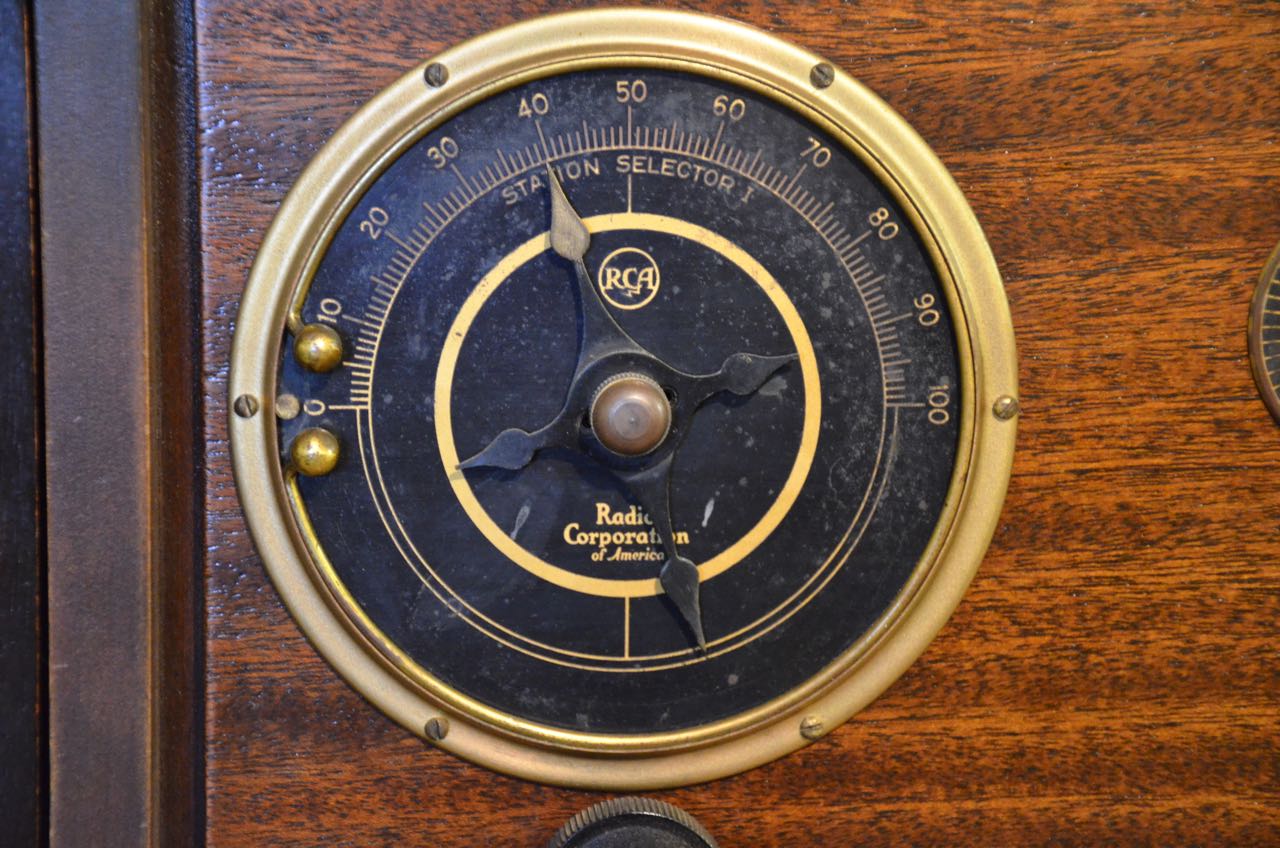
RCA-Radiola-60 RCA-Radiola-60Dial

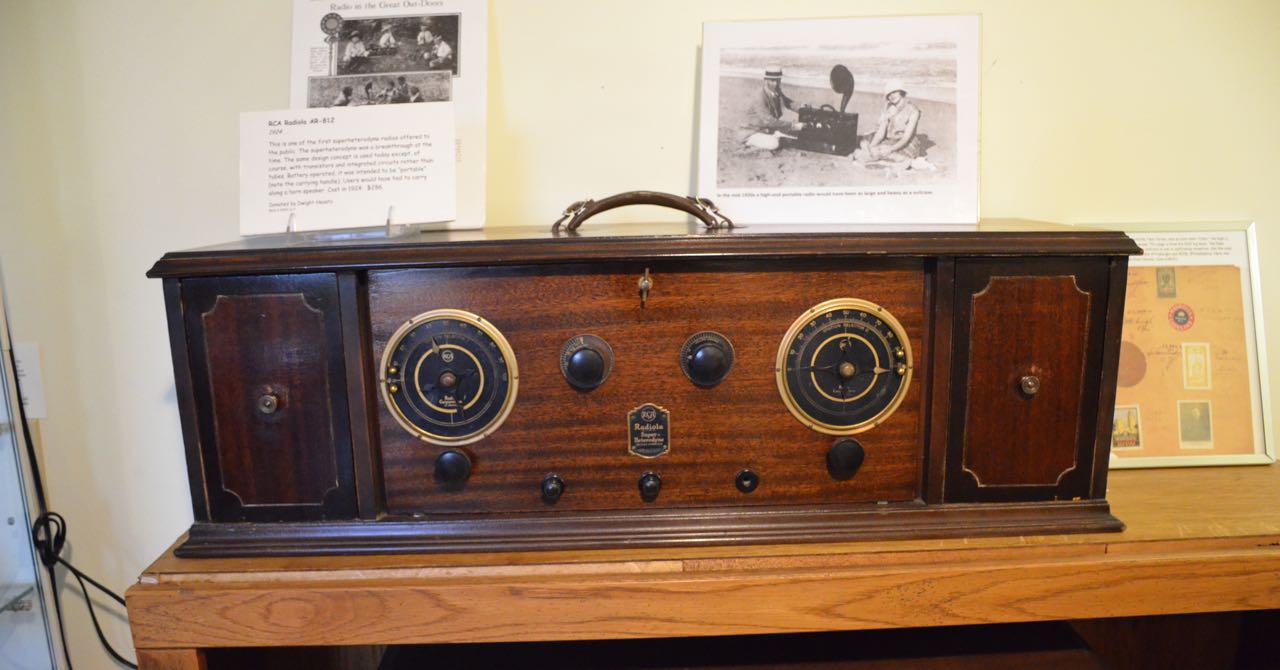
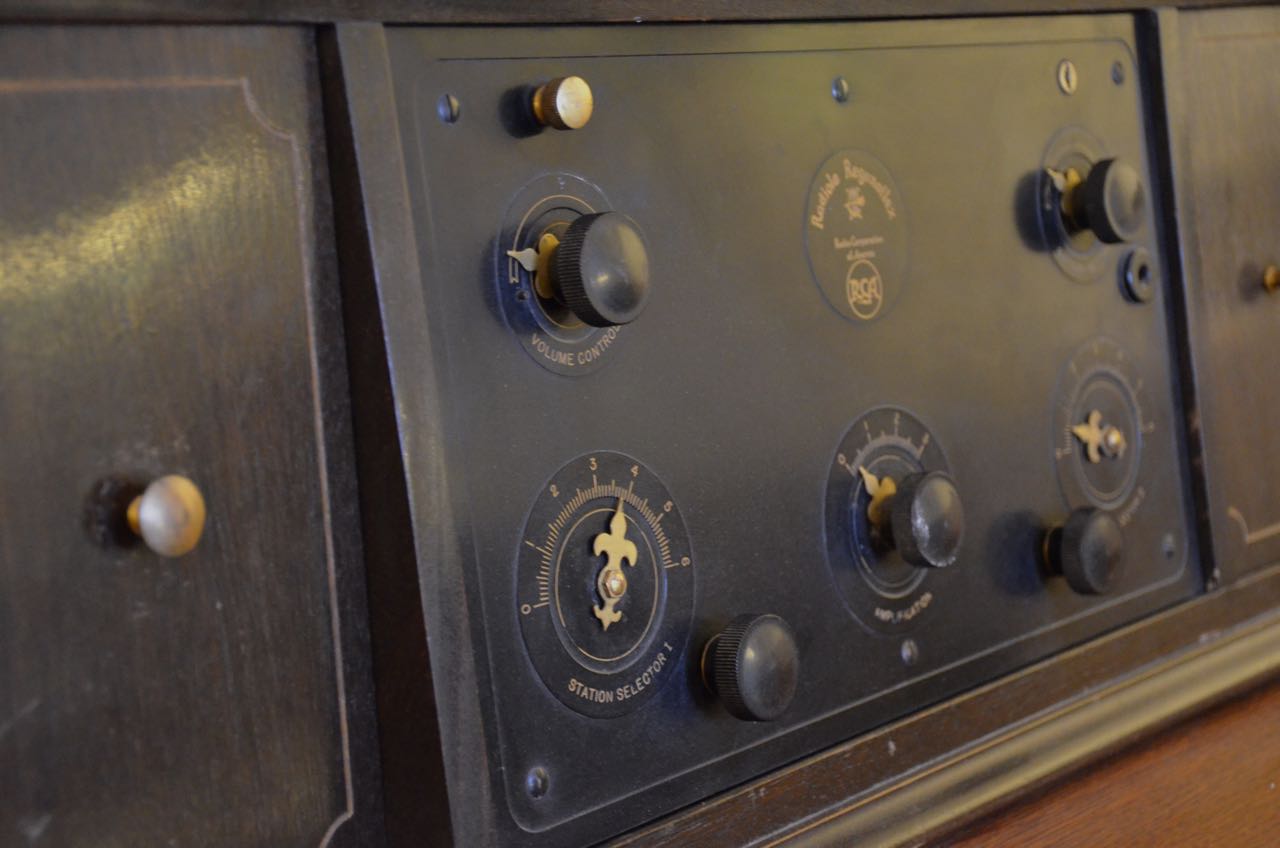
This RCA “portable” (below), housed two batteries on either side of the center faceplate. Note the ad on the wall above–a couple enjoy the RCA as they recline on a beach.
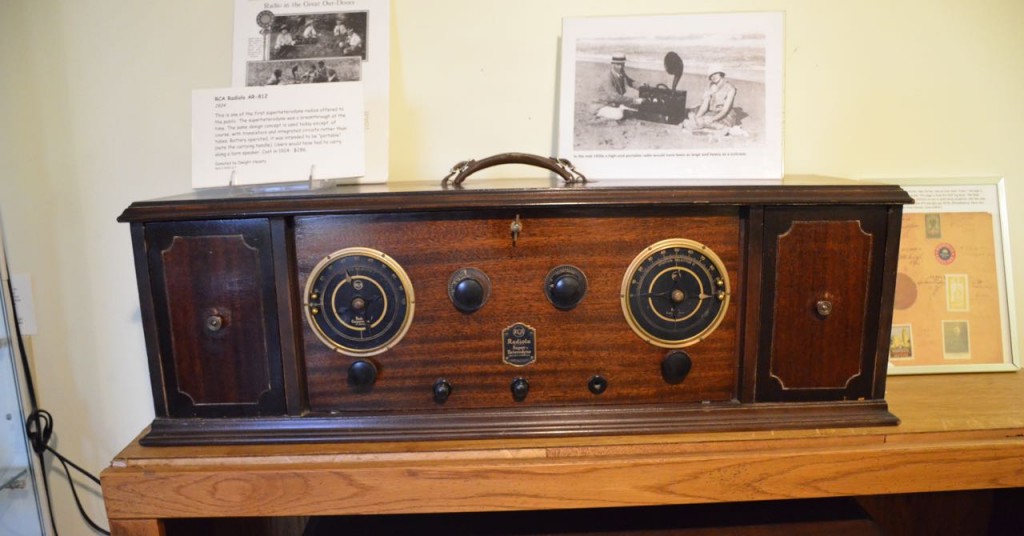
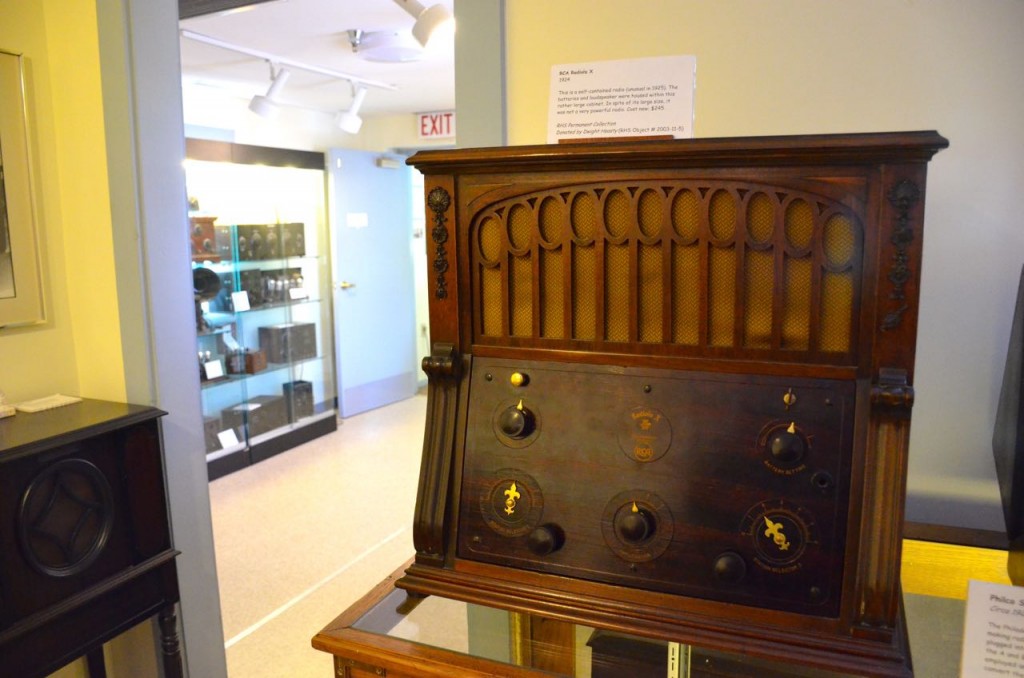
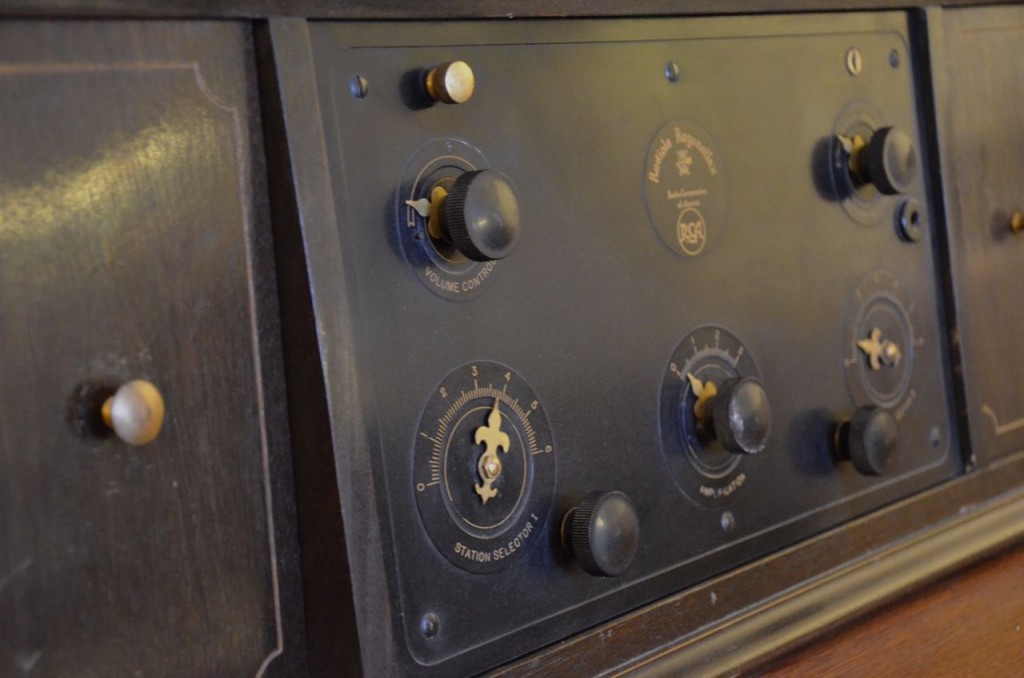
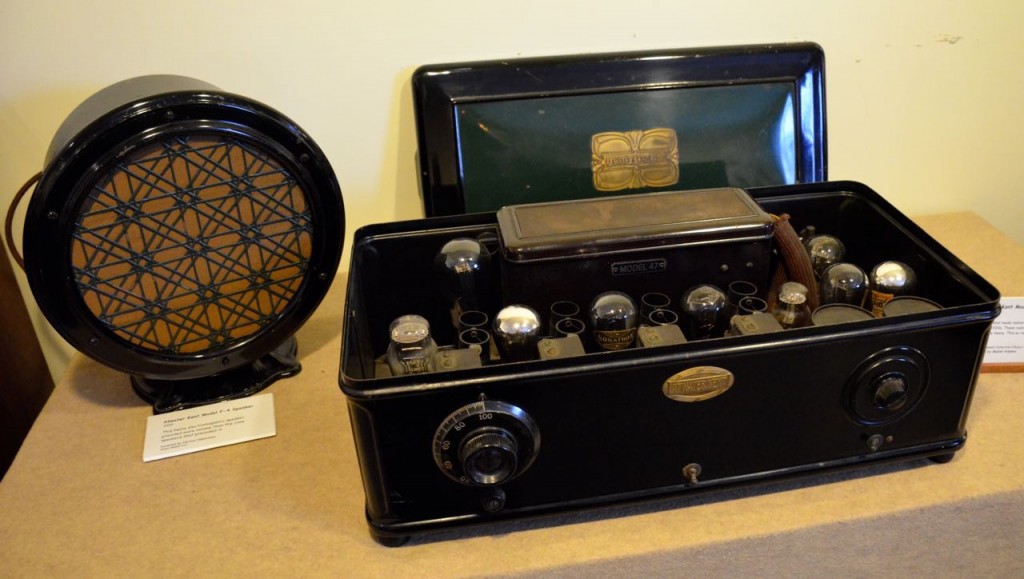
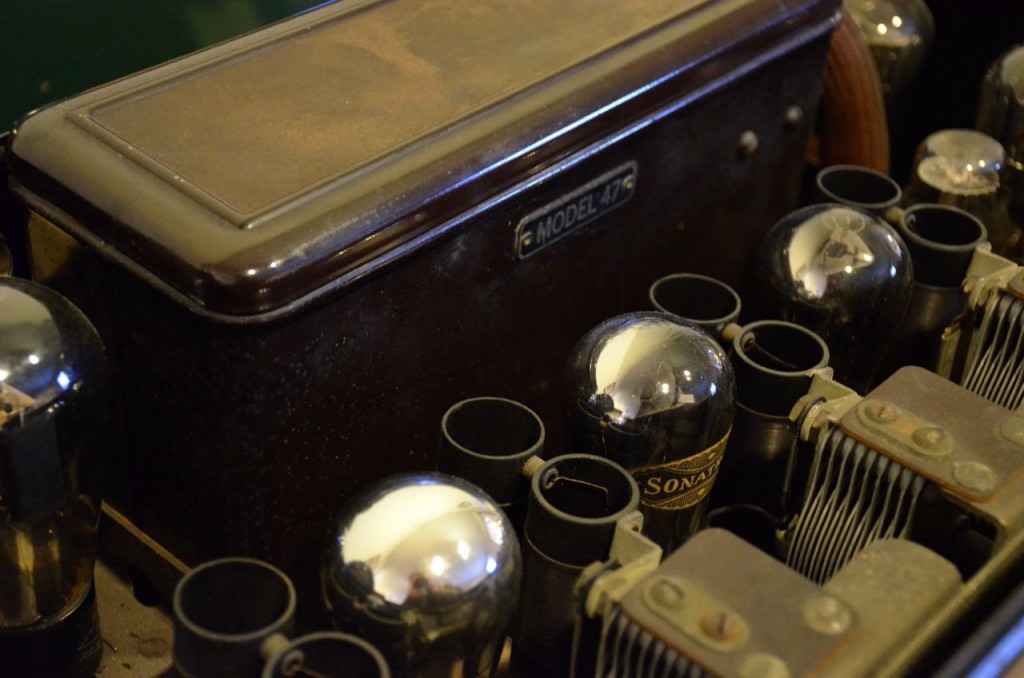
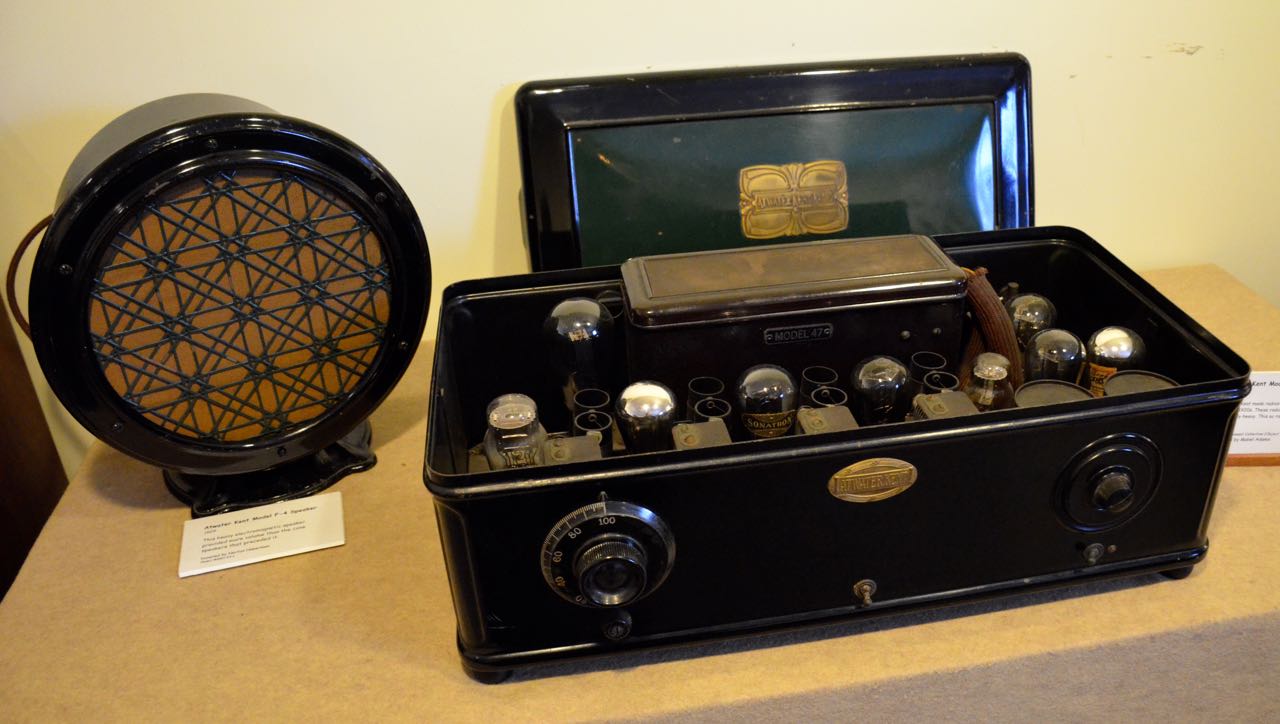
RCA-Portable RCA-Portable-Dial Radiola-X-RCA Radio10 Atwater-Kent-Black Atwater-Kent-Black-Interior

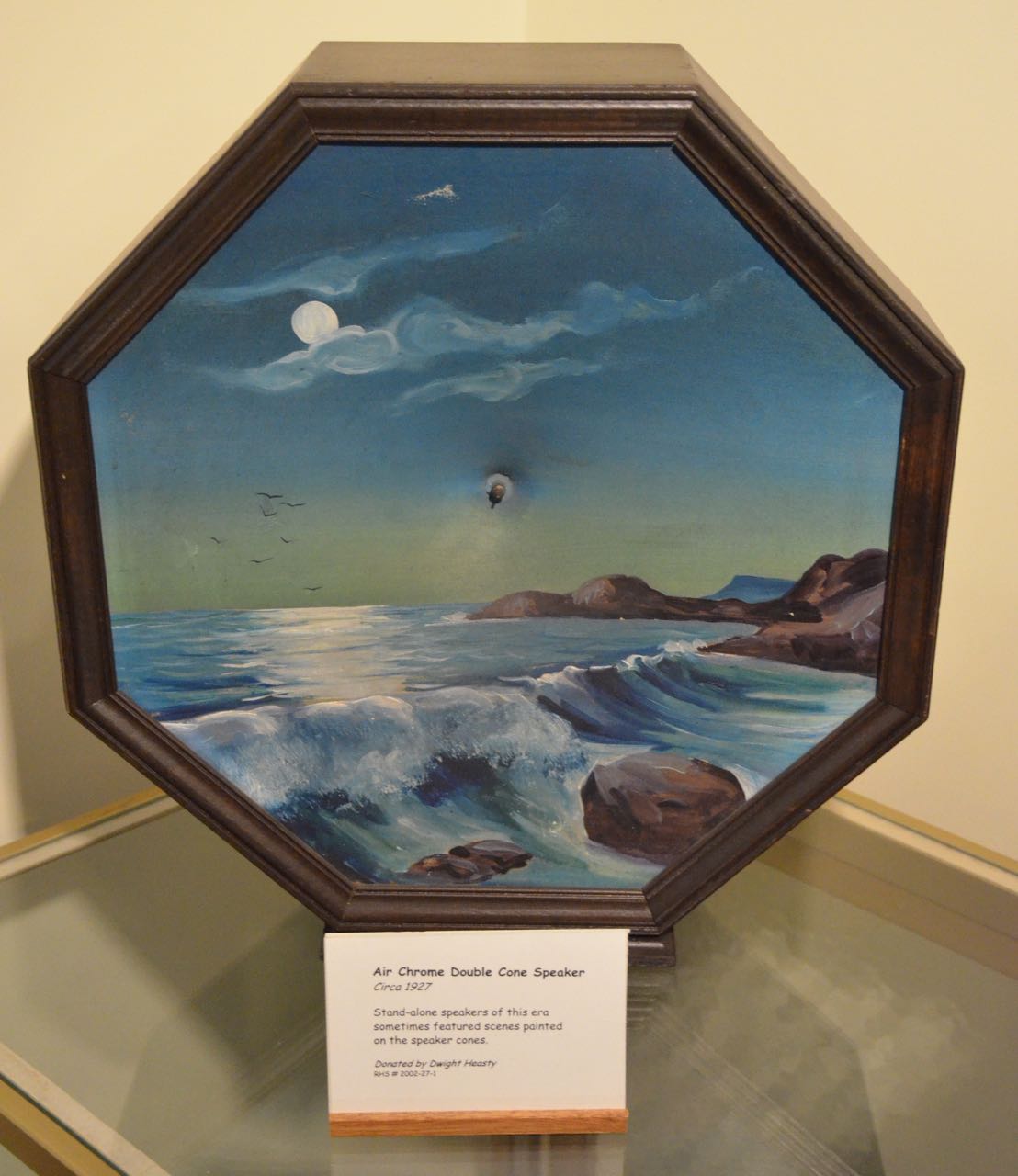
Speakers of the day were pretty amazing, too–check out this hand-painted 1927 Air Chrome Double Cone Speaker, below.
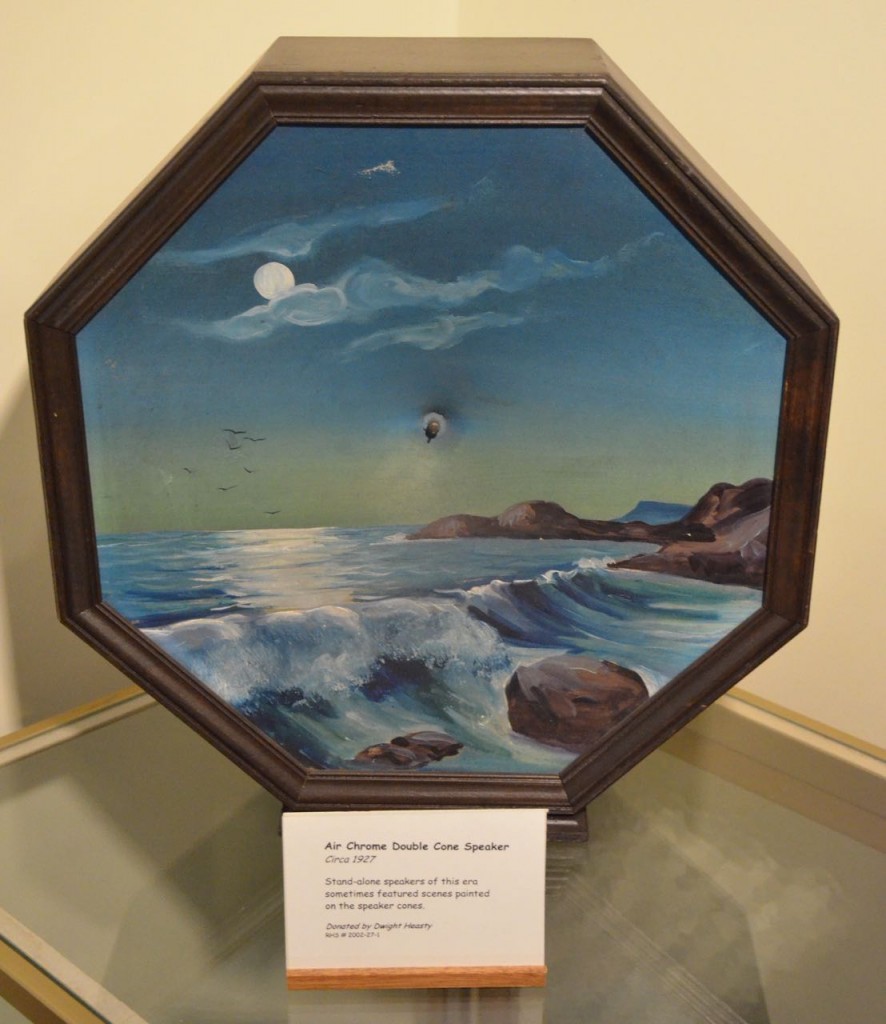
Air-Chrome-Double-Cone-Speaker

The museum also has an extensive collection of studio and off-air recordings that can be played over an AM carrier throughout the building.
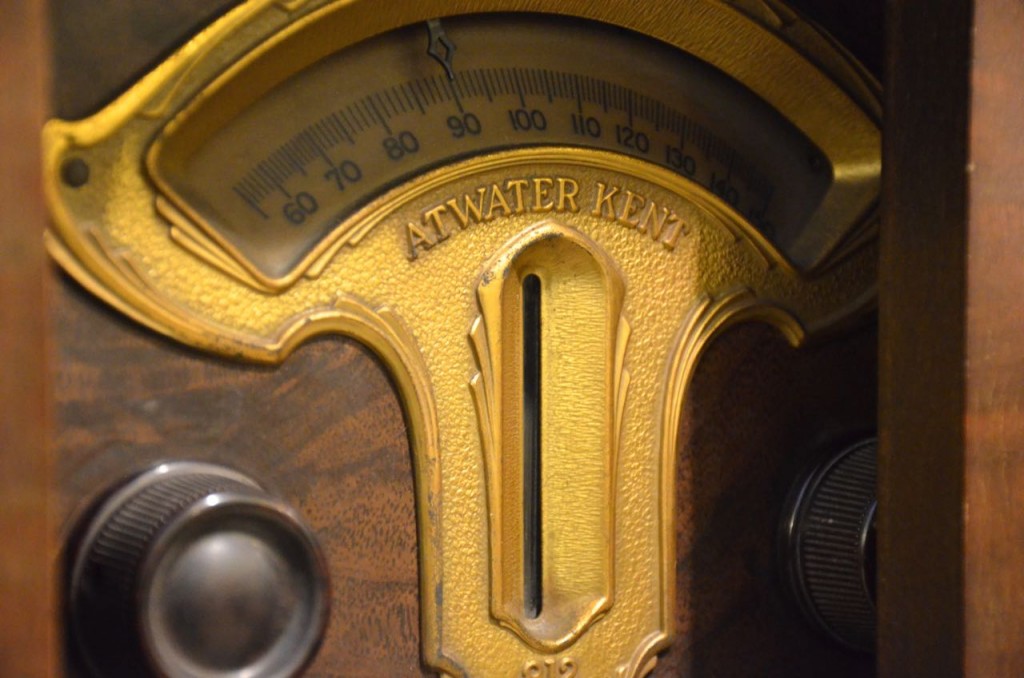
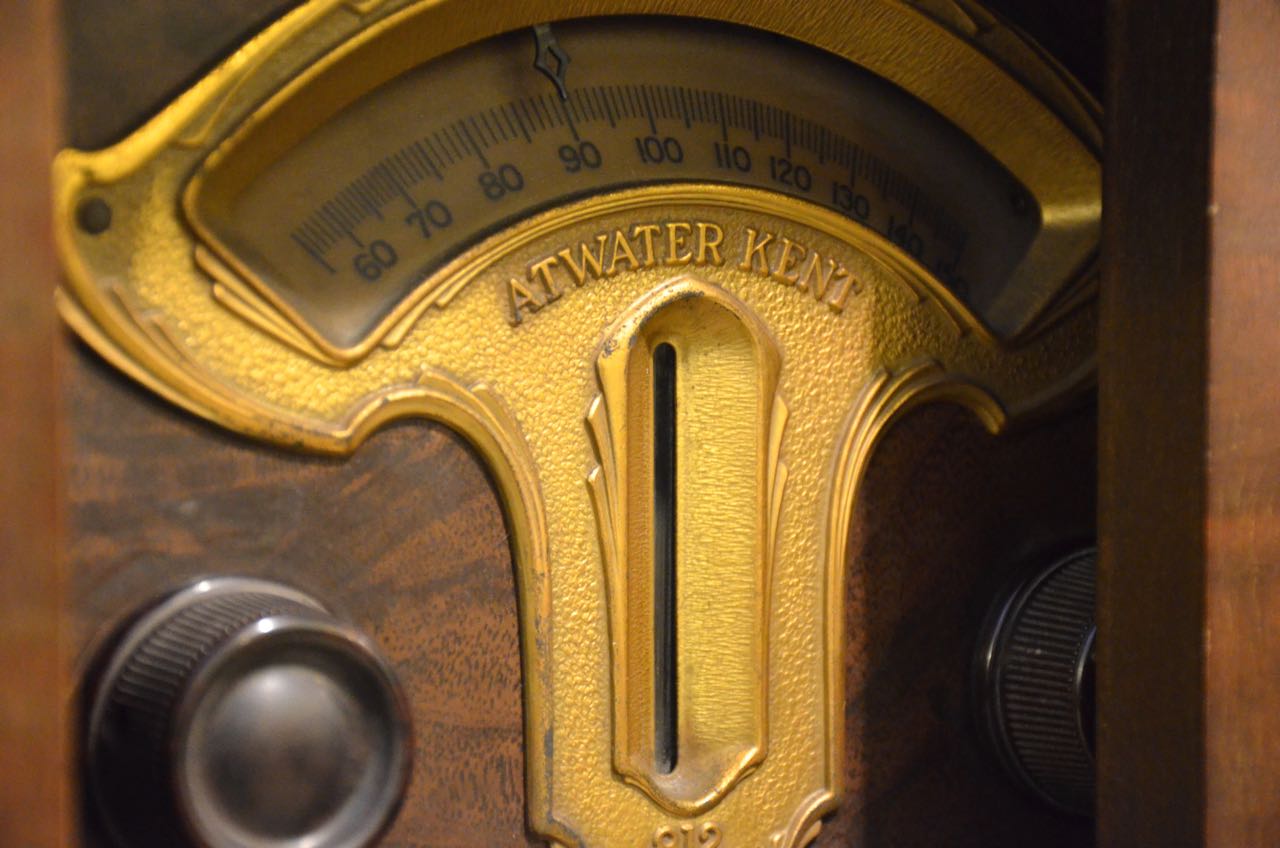
Atwater-Kent-Dial

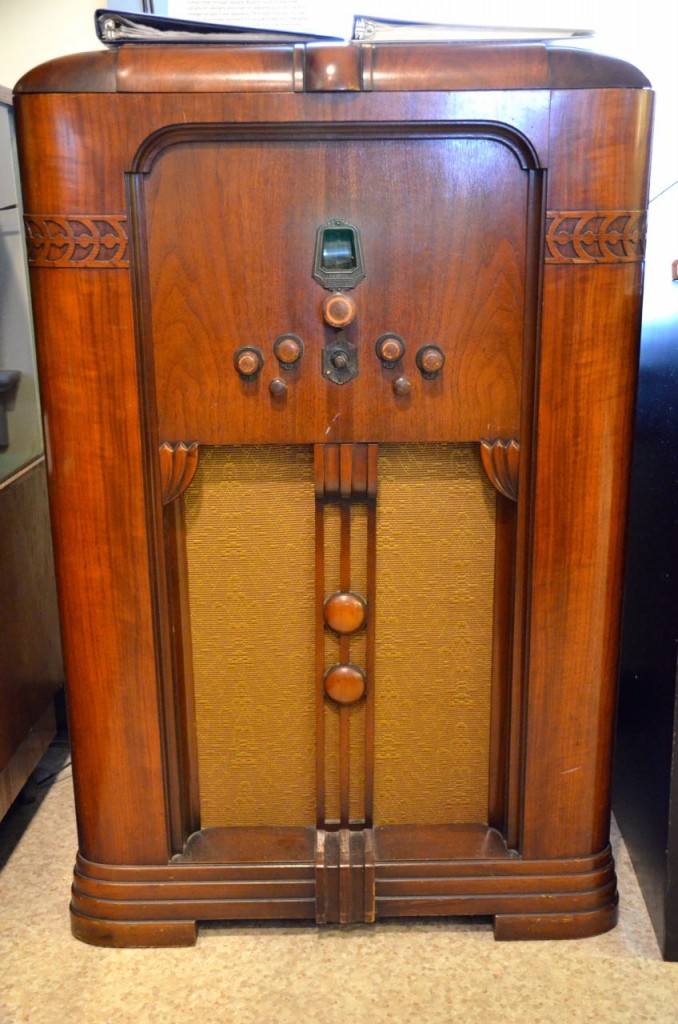
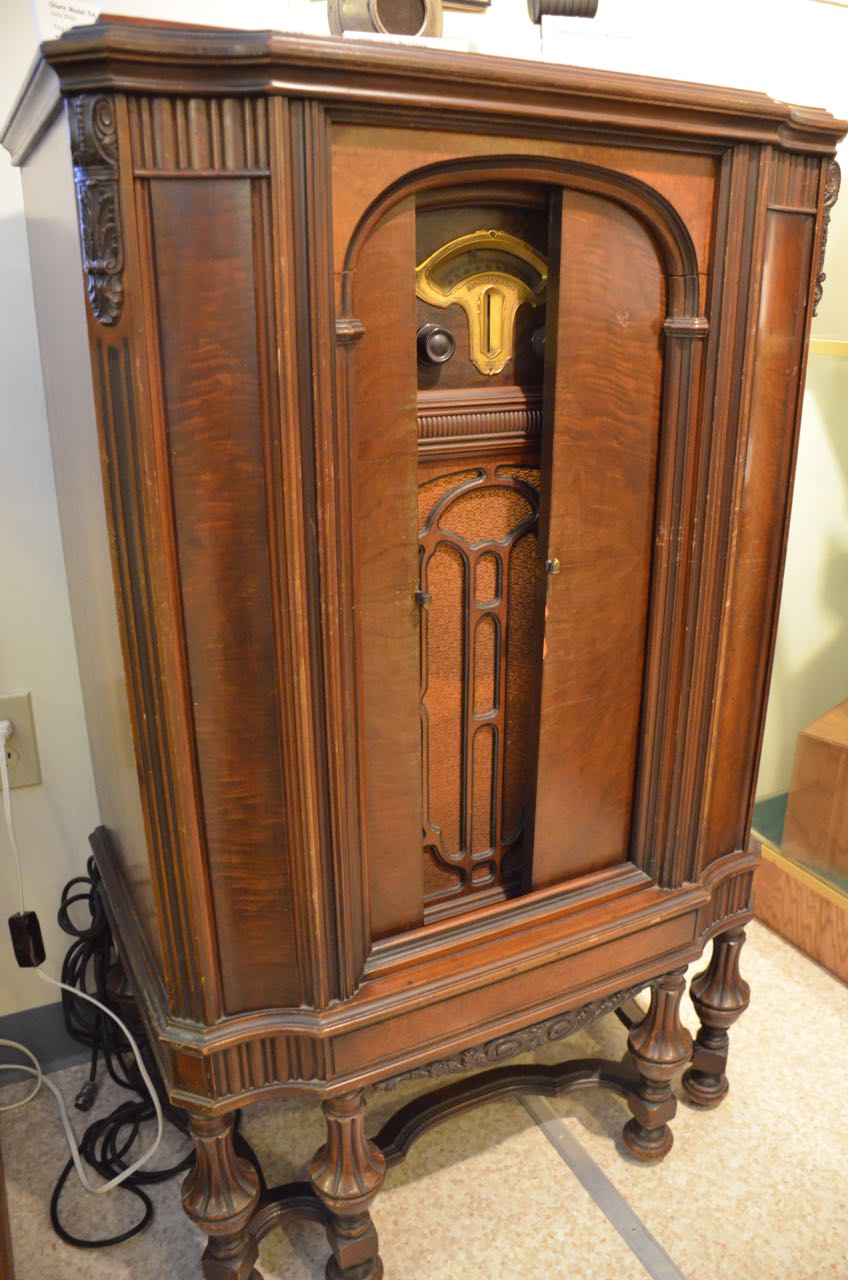
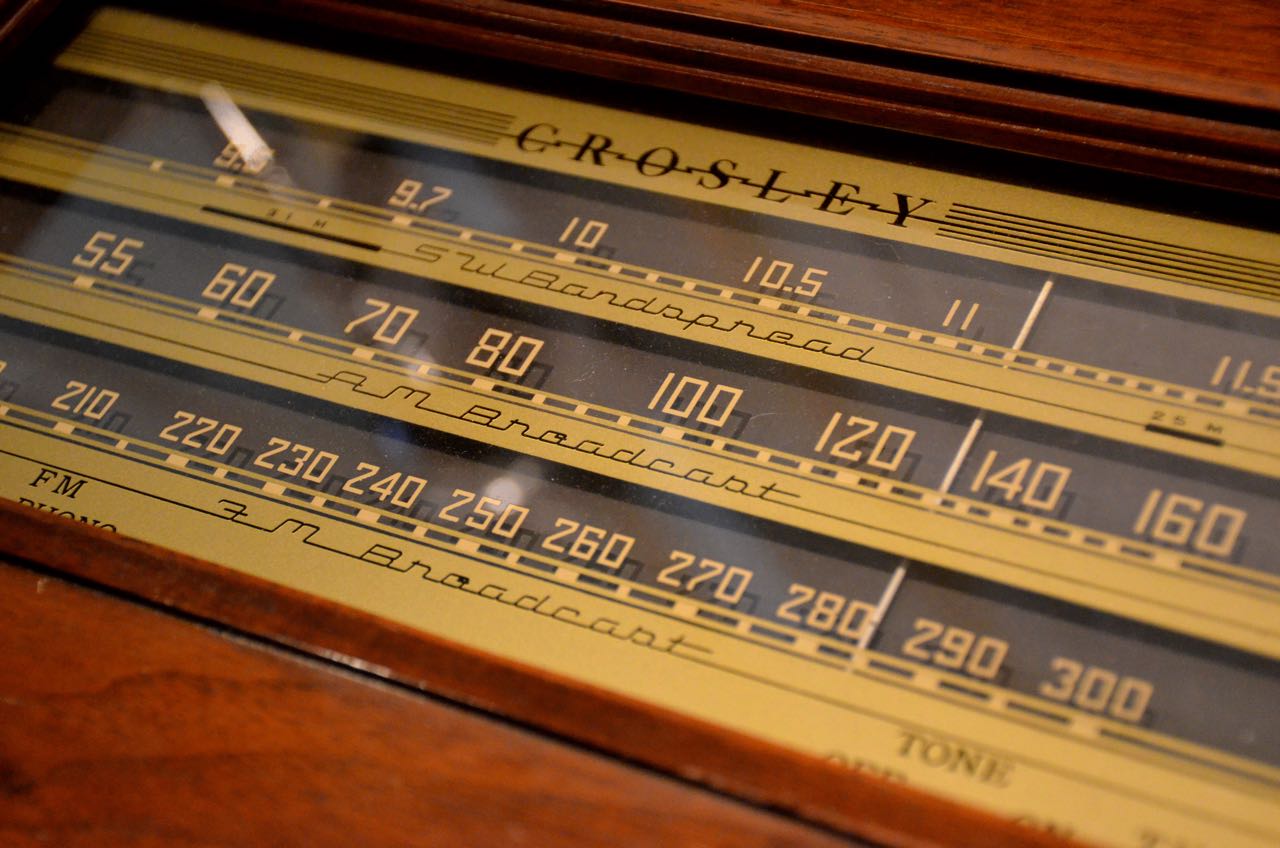
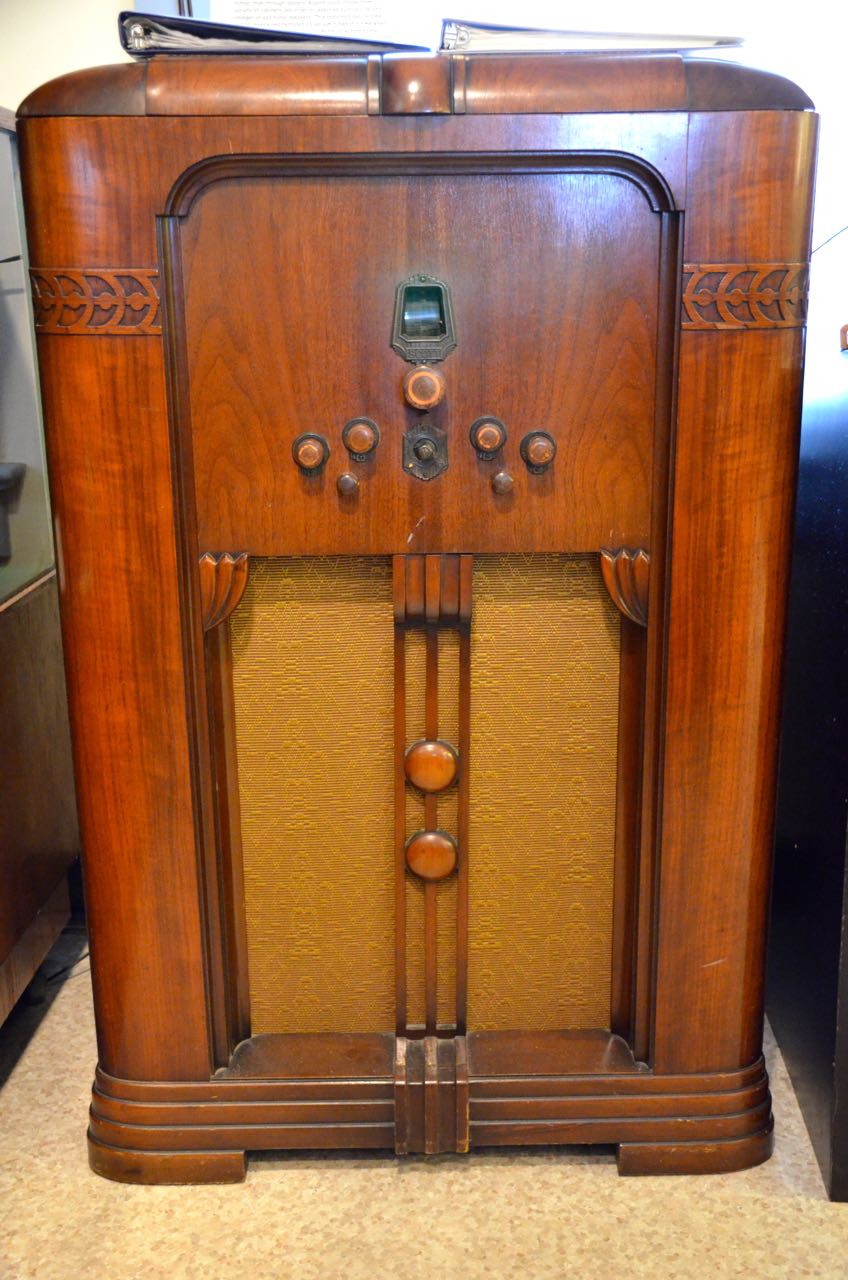
By the late 1920s and early 1930s, radio manufactures built gorgeous console radios, features in the living rooms and parlors of many lucky homes.
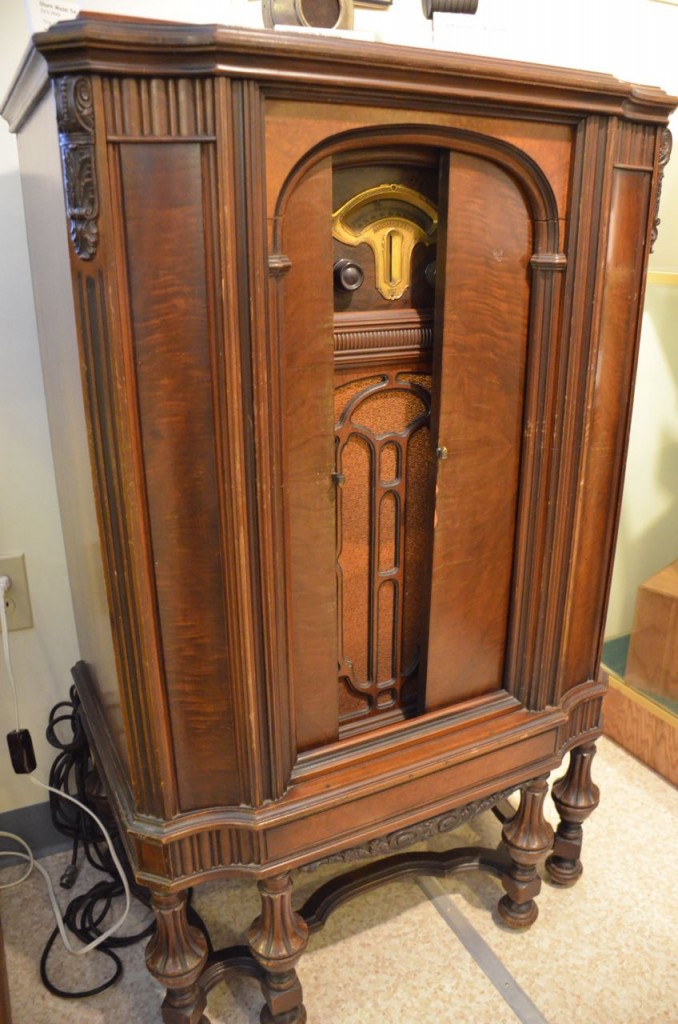
Atwater-Kent

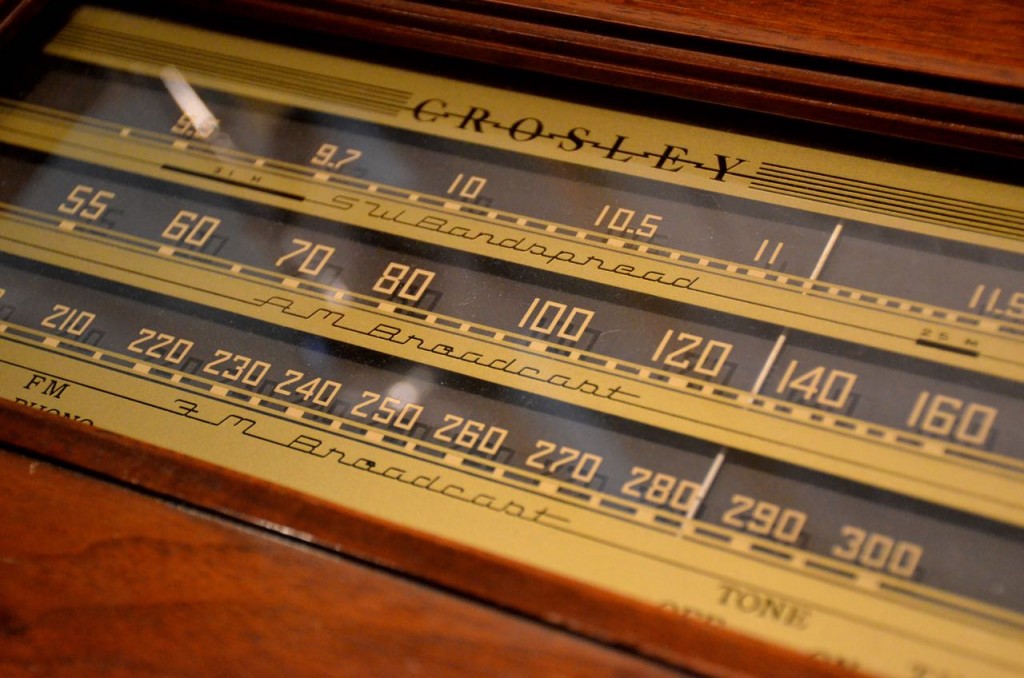
Crosley-Dial

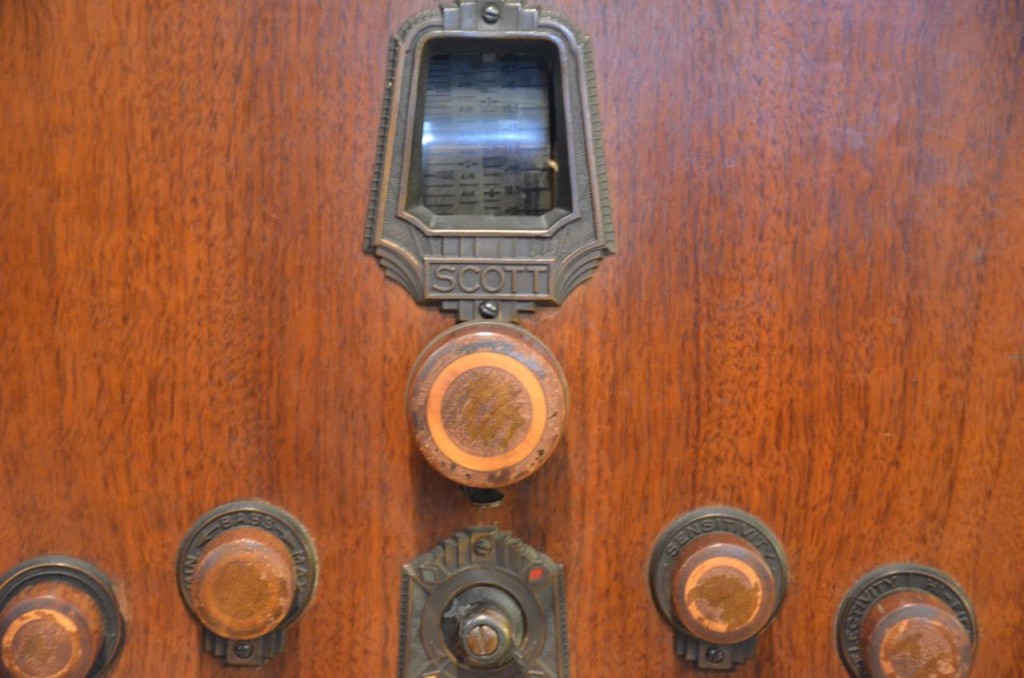
Scott-ConsoleRadio

This E.H. Scott All-Wave 23 console (above and below) sported not only twenty-threee vacuum tubes, but a large, robust internal speaker. Radio collectors consider the All-Wave 23 to be one of the finest performing radios of the vacuum-tube era. Scott-Console-Radio-Dial
Zenith-Shuttle

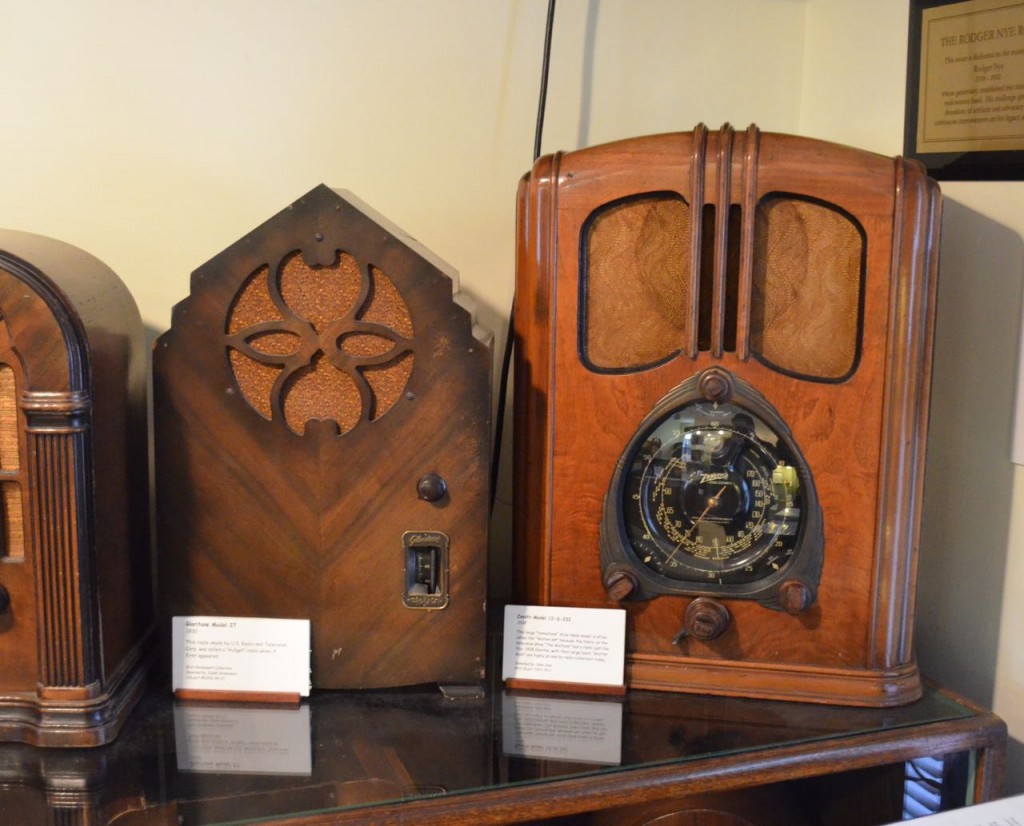
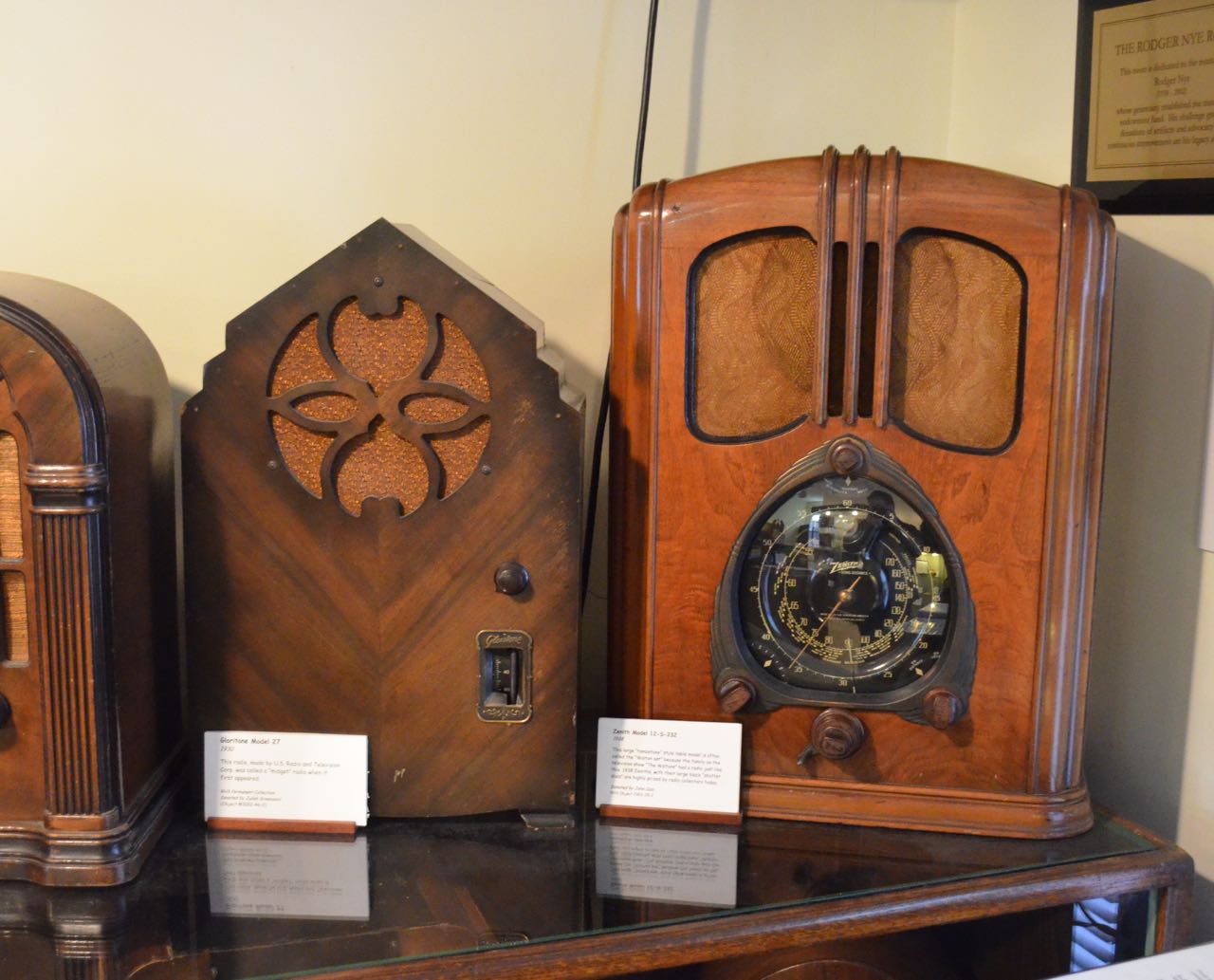
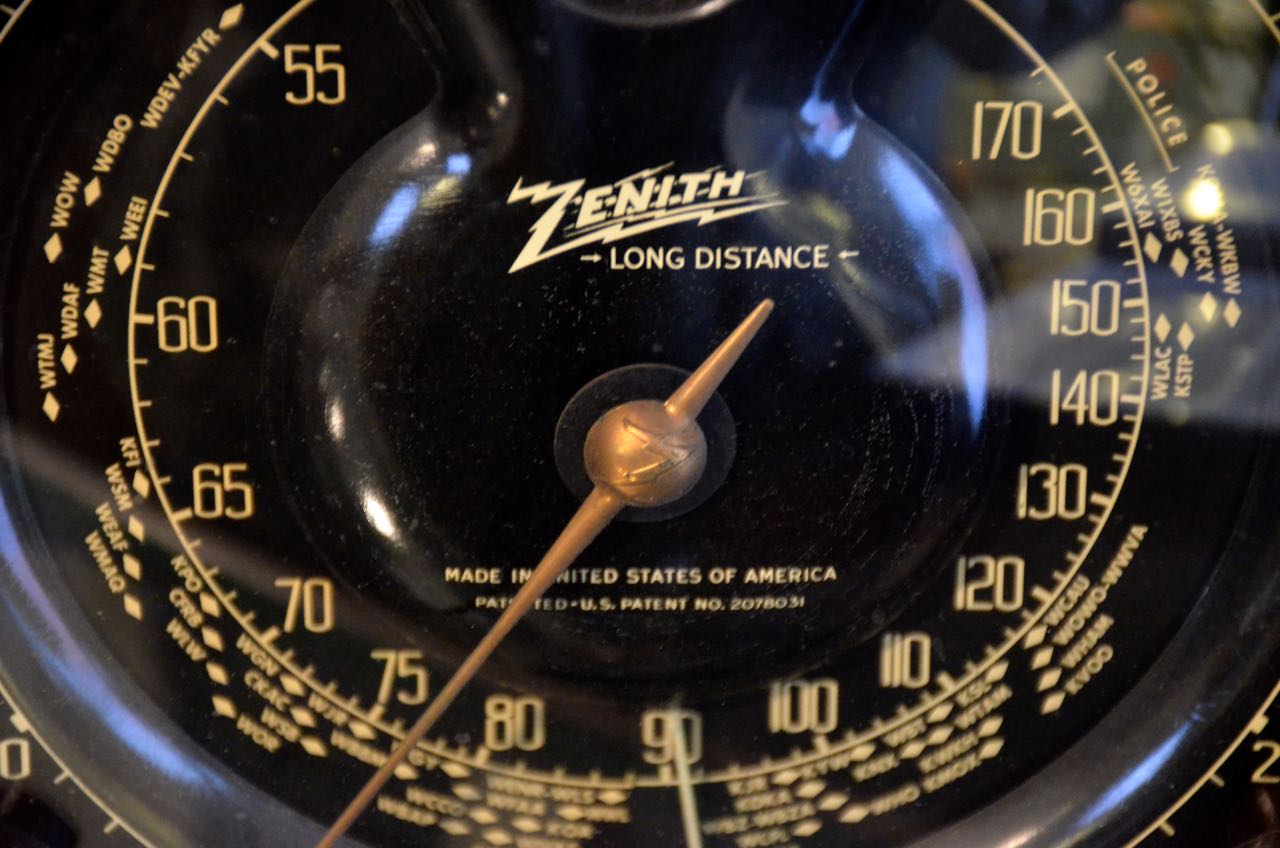
The museum also features the Zenith 12-S-232 tabletop radio with working shuttle dial–a futuristic band-switching mechanical wonder with a stunning dial.
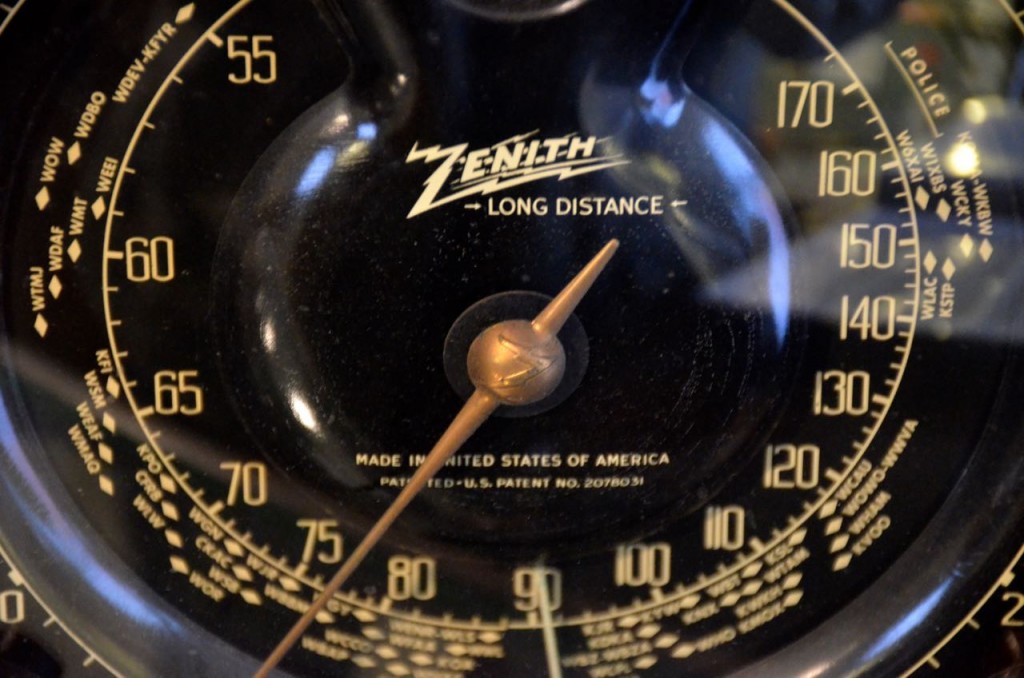
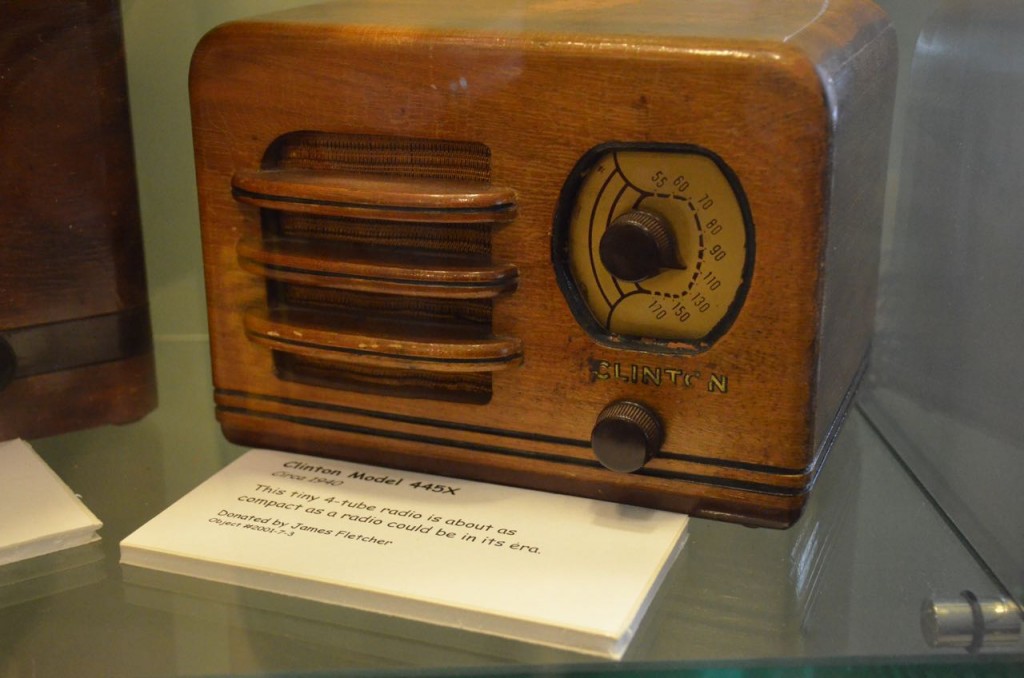
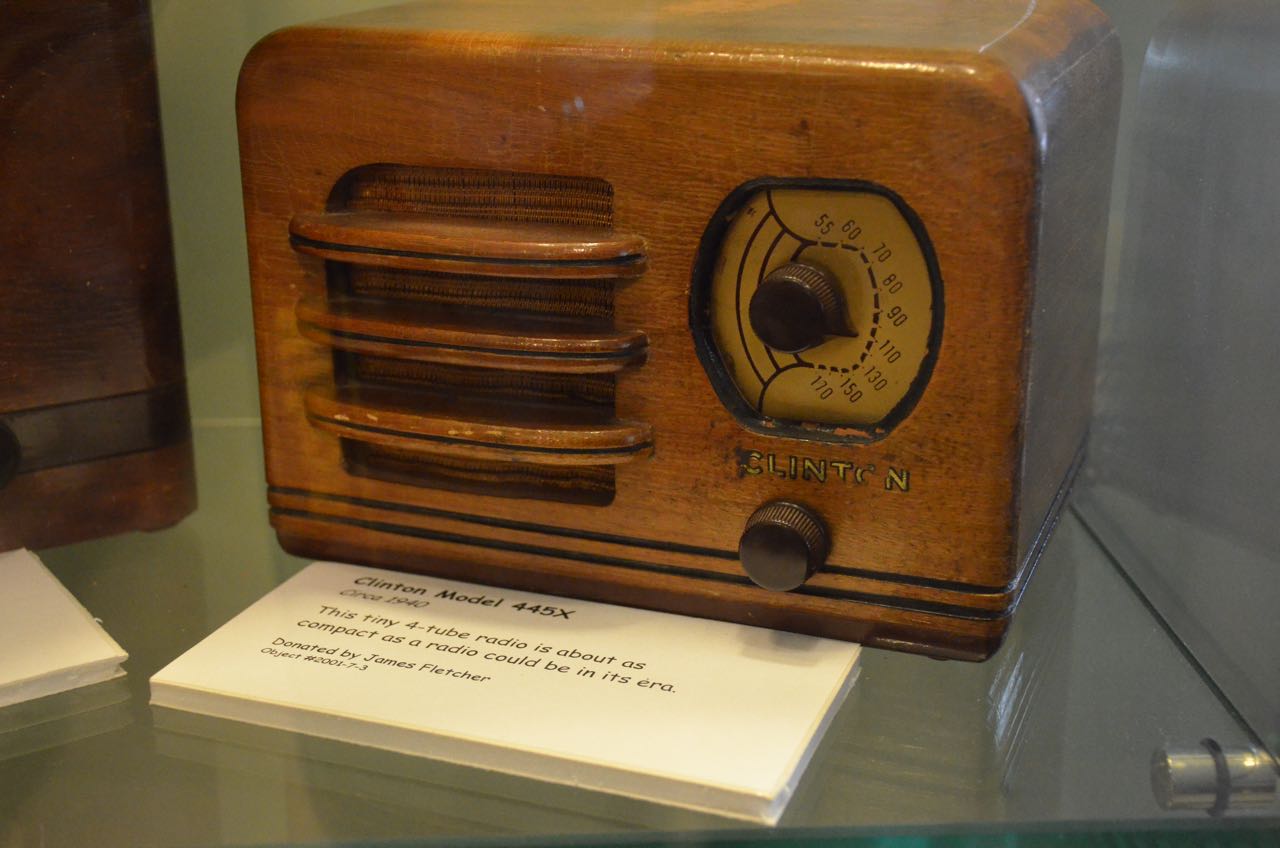
Zenith-Shuttle-Dial ClintonModel-445X

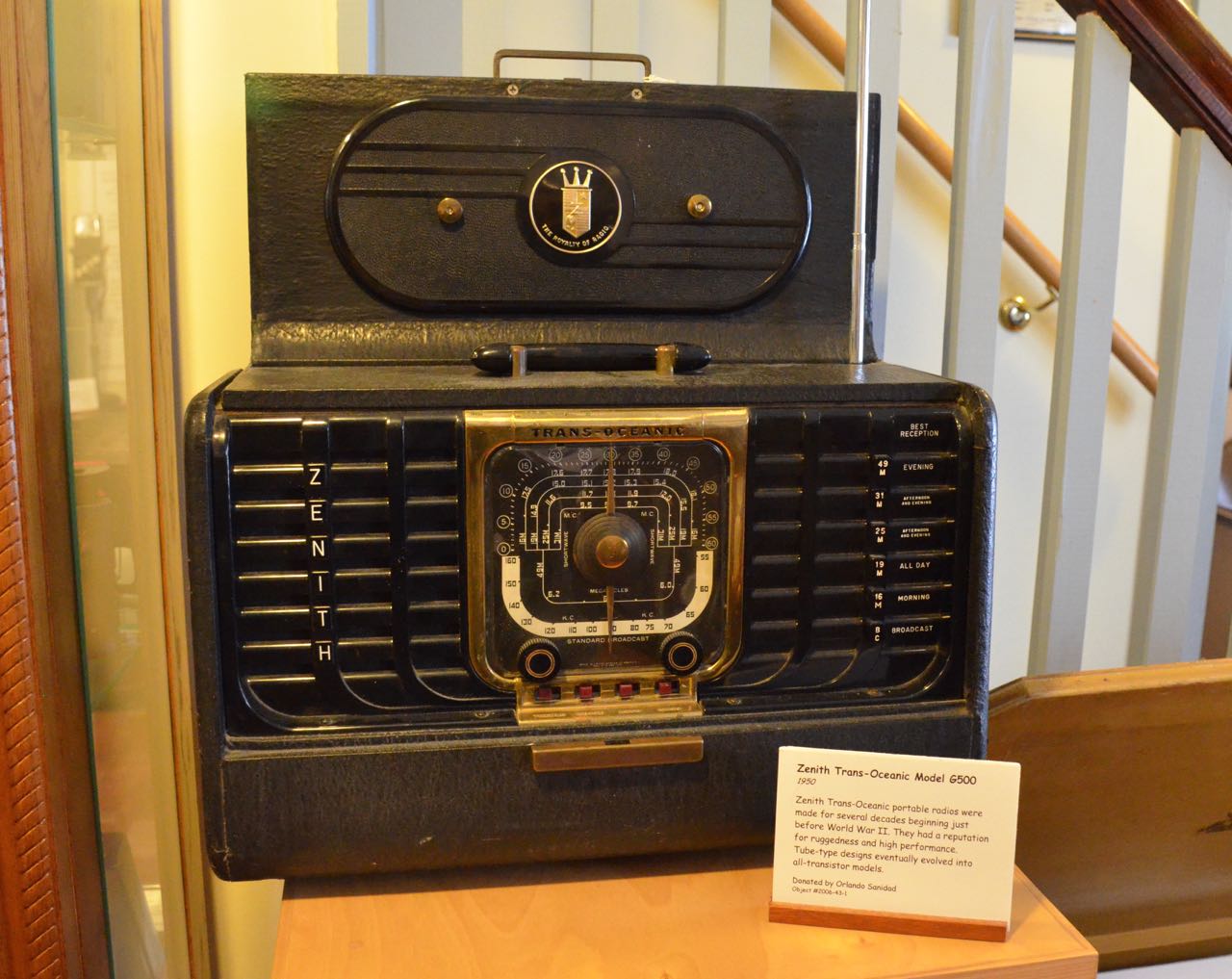
A number of tabletop and portable radios that span the decades have found their homes in this museum.  No doubt many SWLing Post readers cut their teeth on these classics!
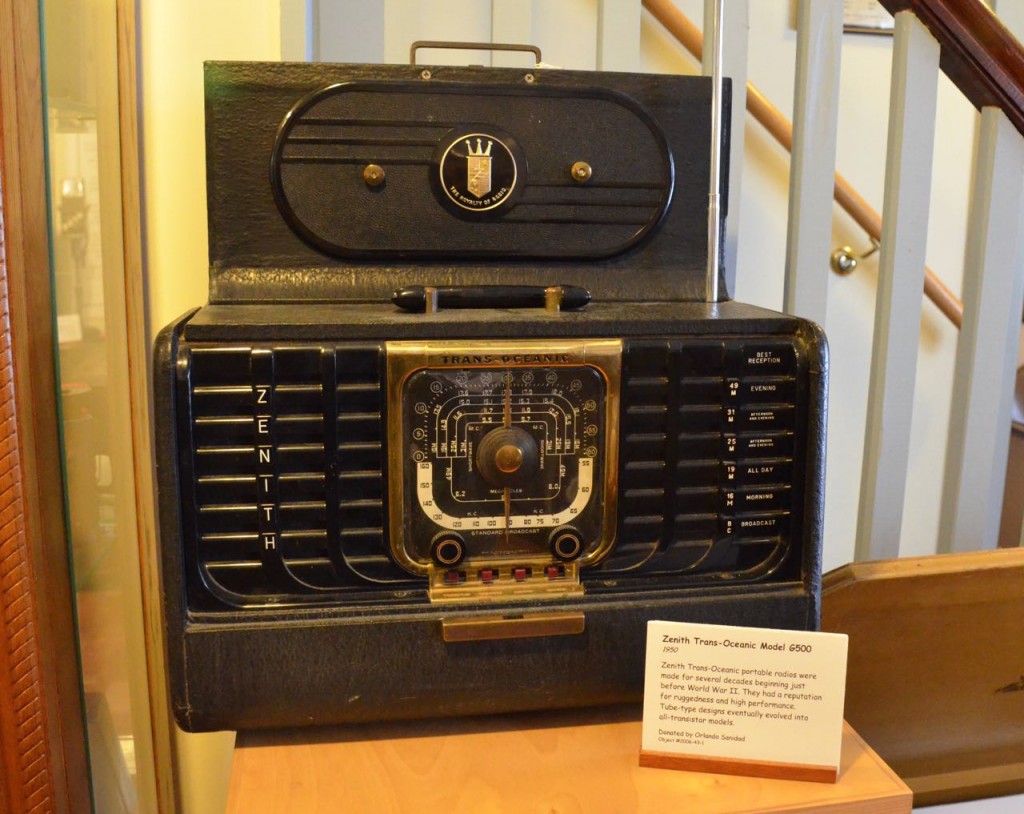
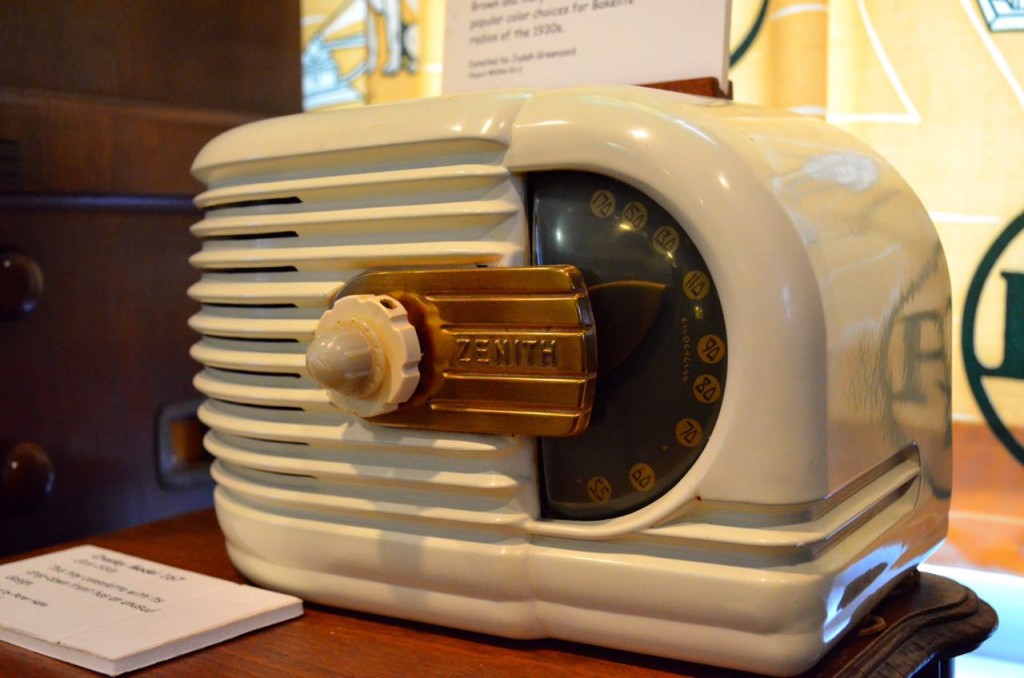
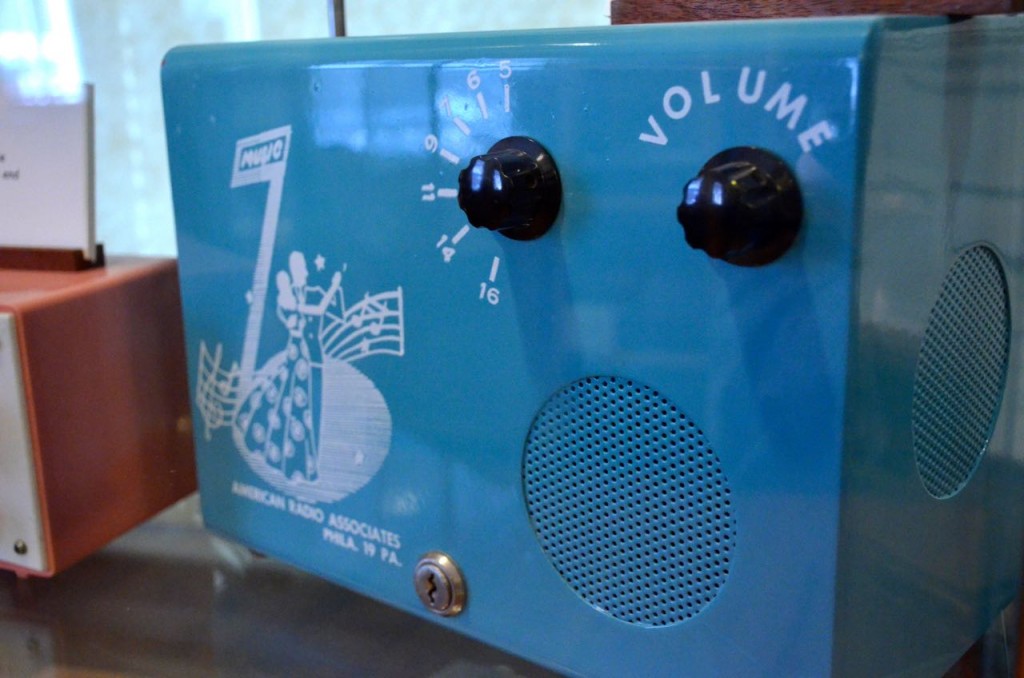
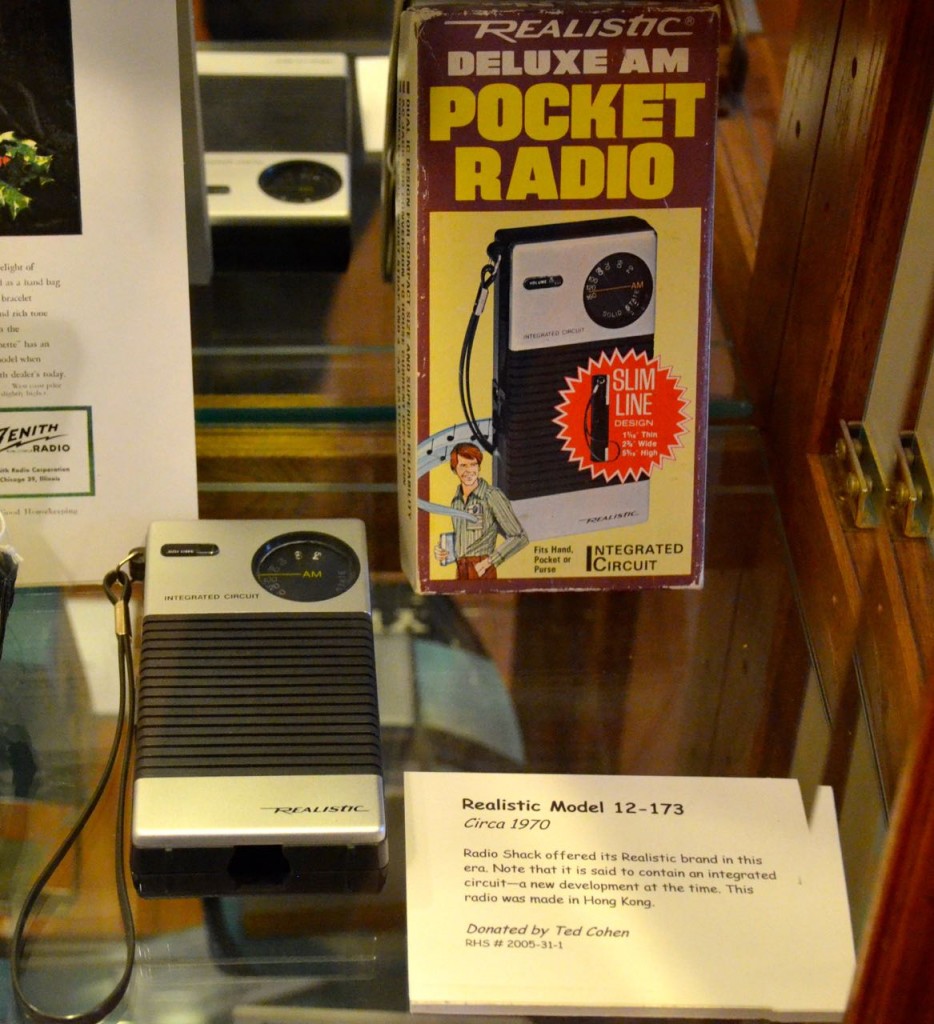
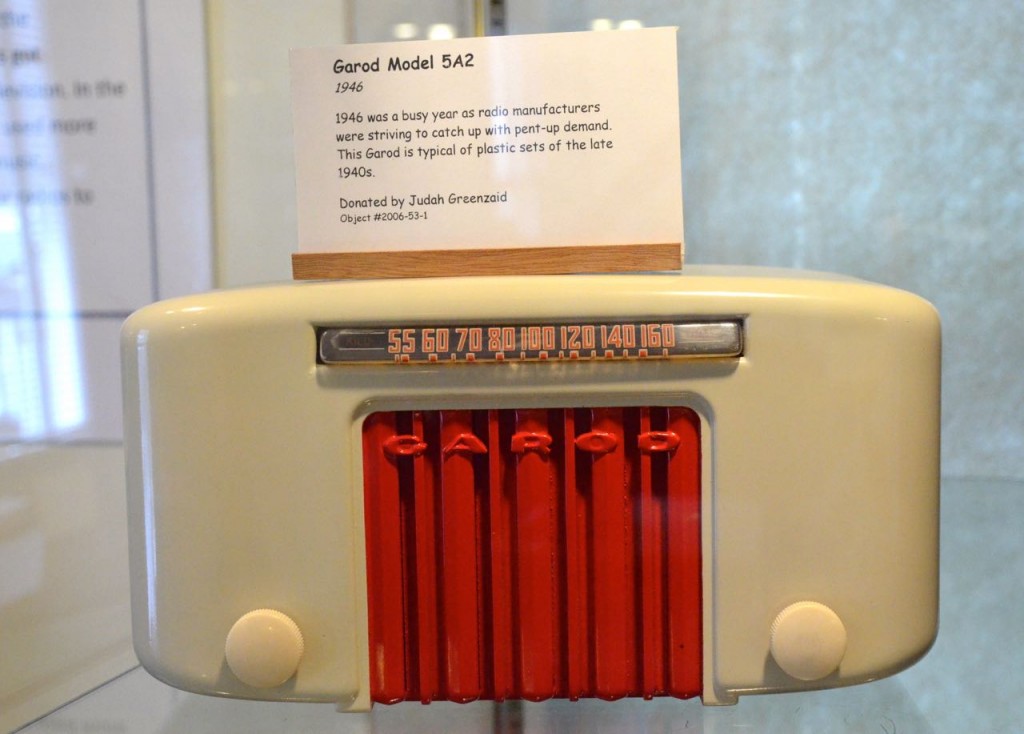
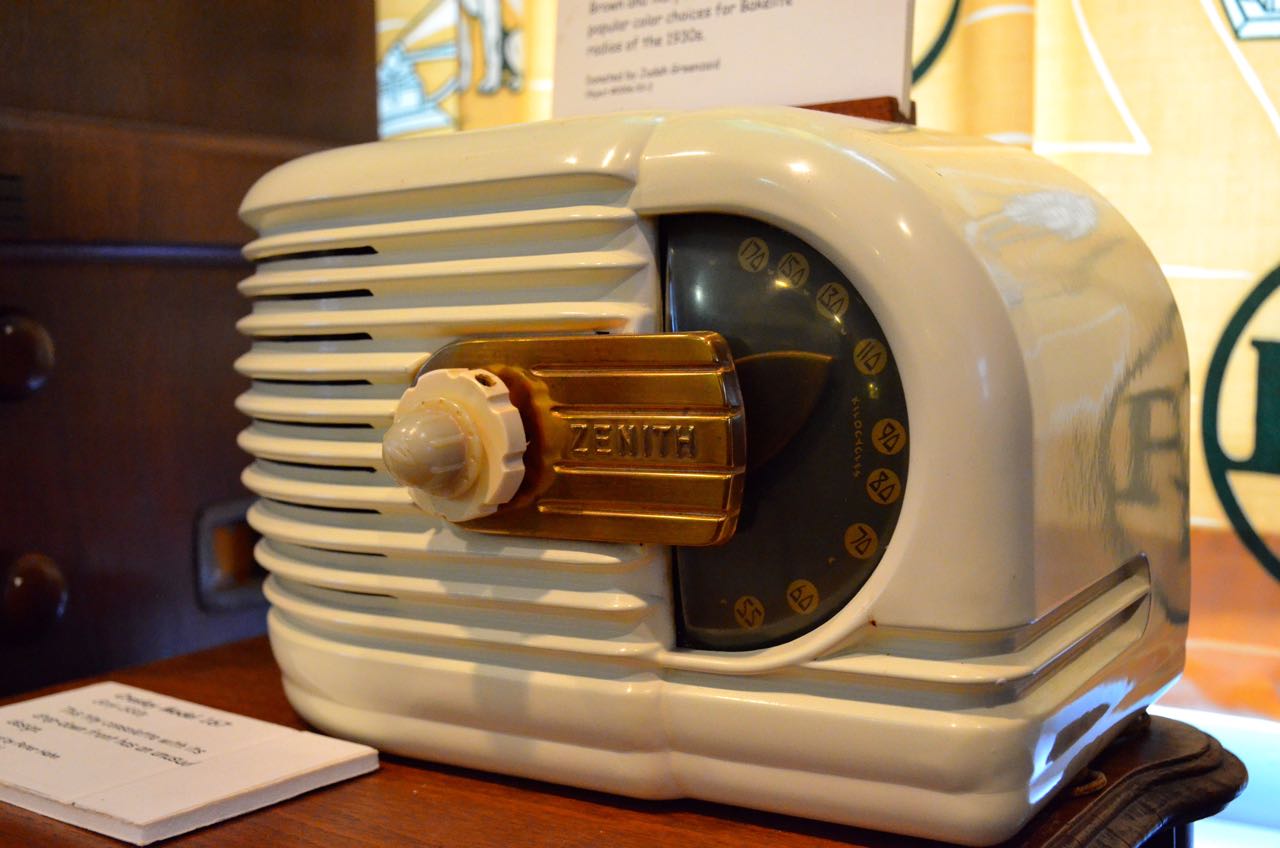
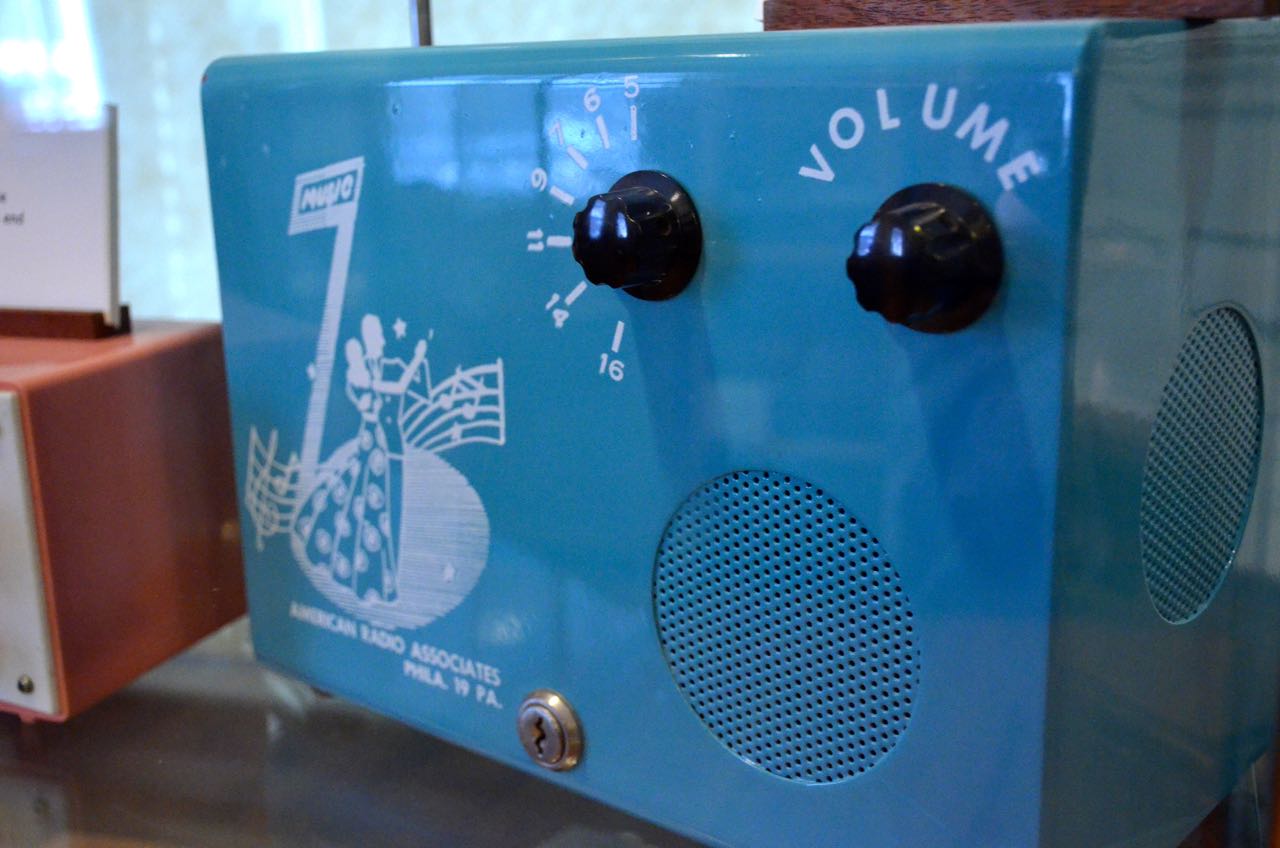
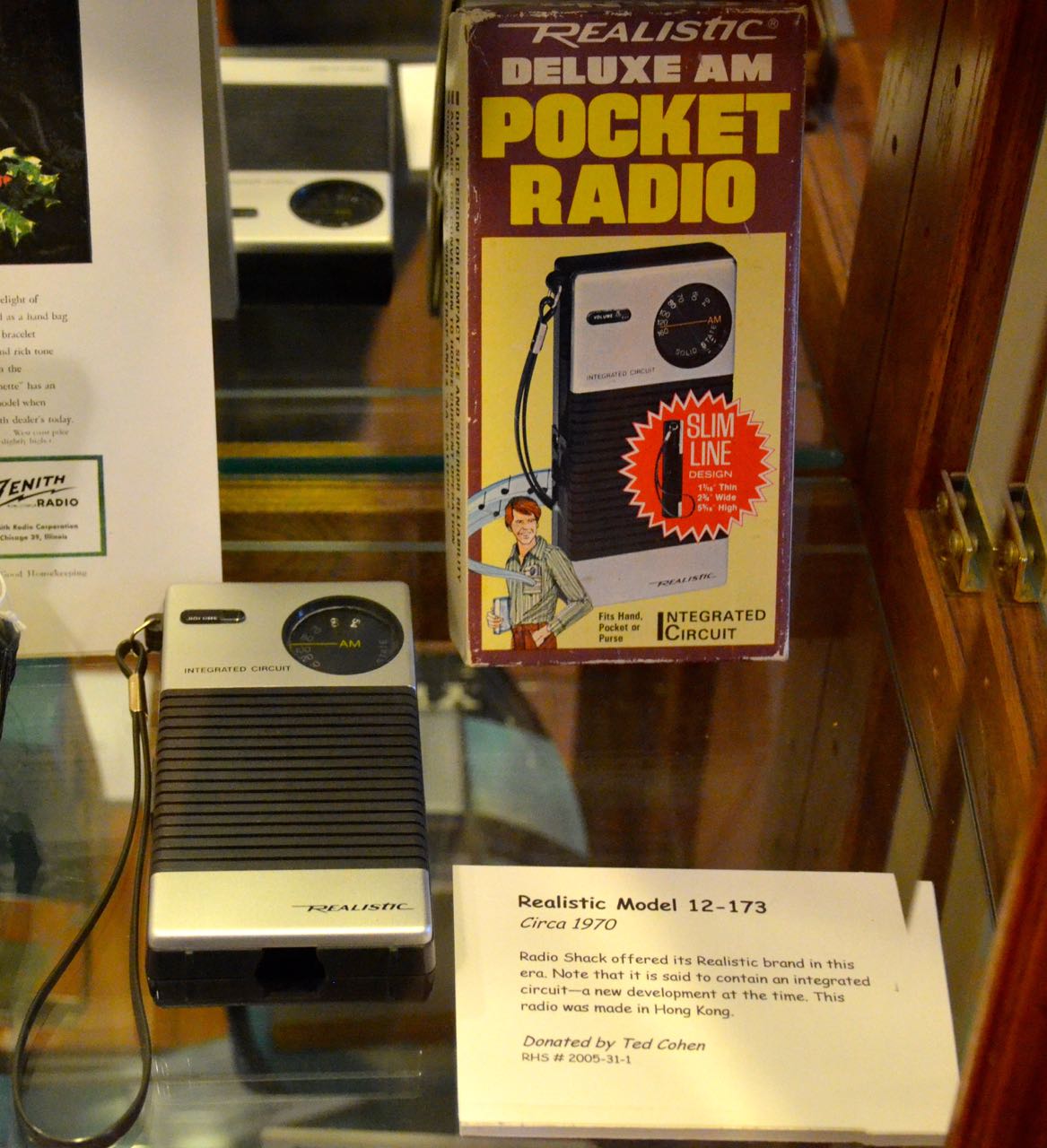
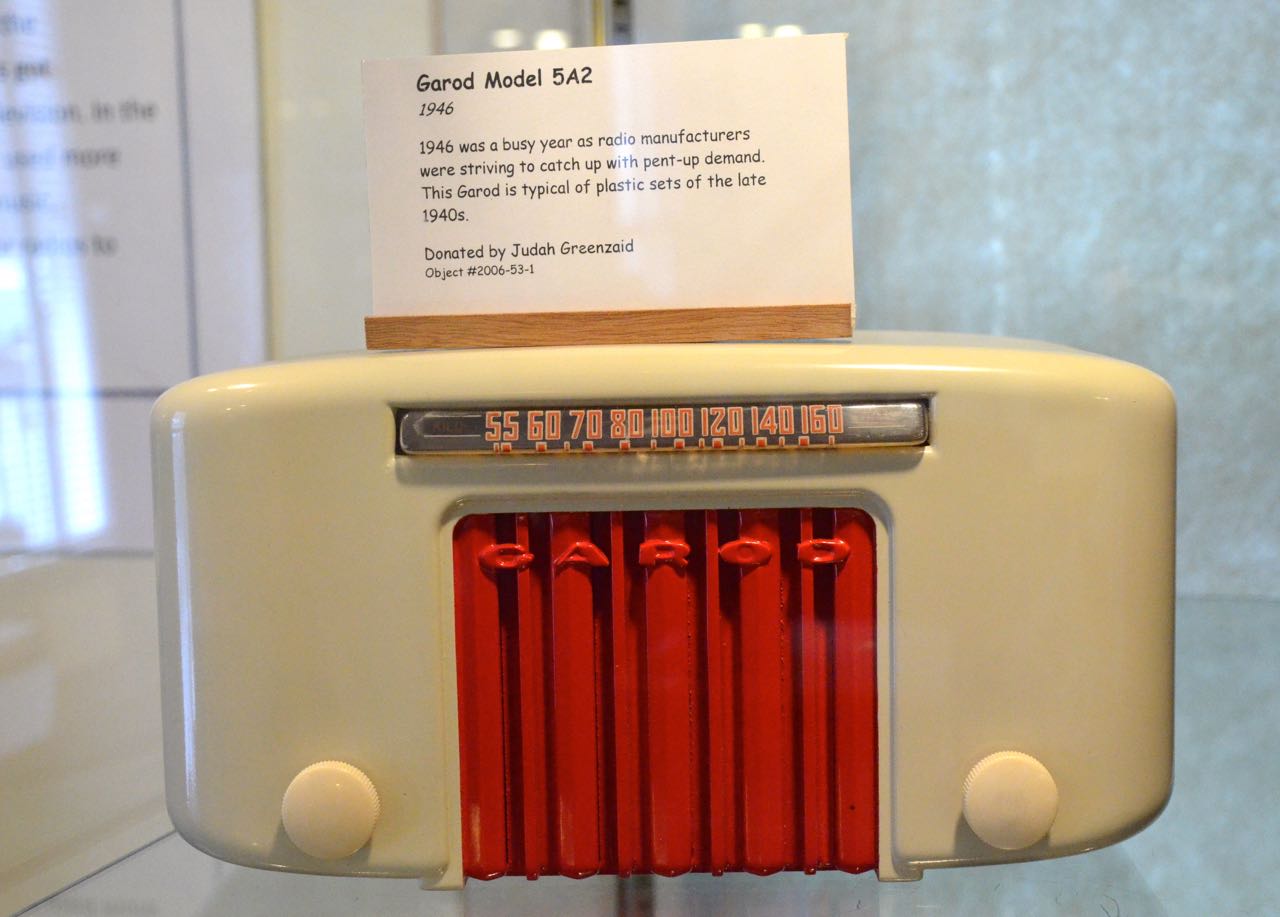
Zenith-Trans-Oceanic-6500 Zenith-Portable American-Radio-AssociatesRealistic-Model-12-173 Garod-Model-582

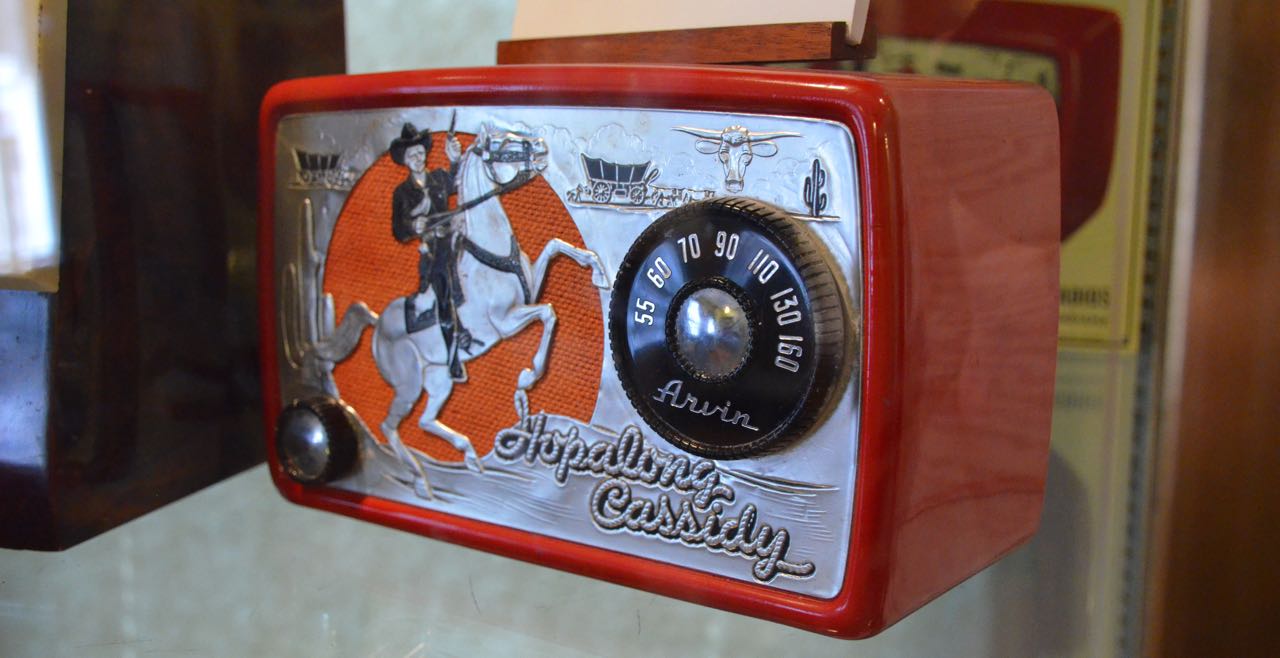
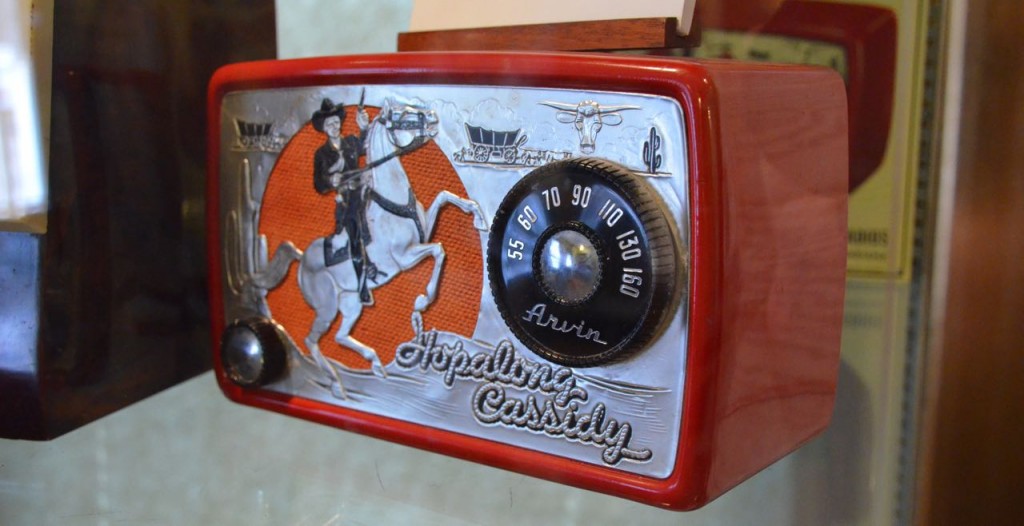
I love the design of the Garod Model 5A2–wow! And I’m sure many kids of the fifties wished they had an official Hopalong Cassidy AM radio (below).HopAlongCassidy-Radio
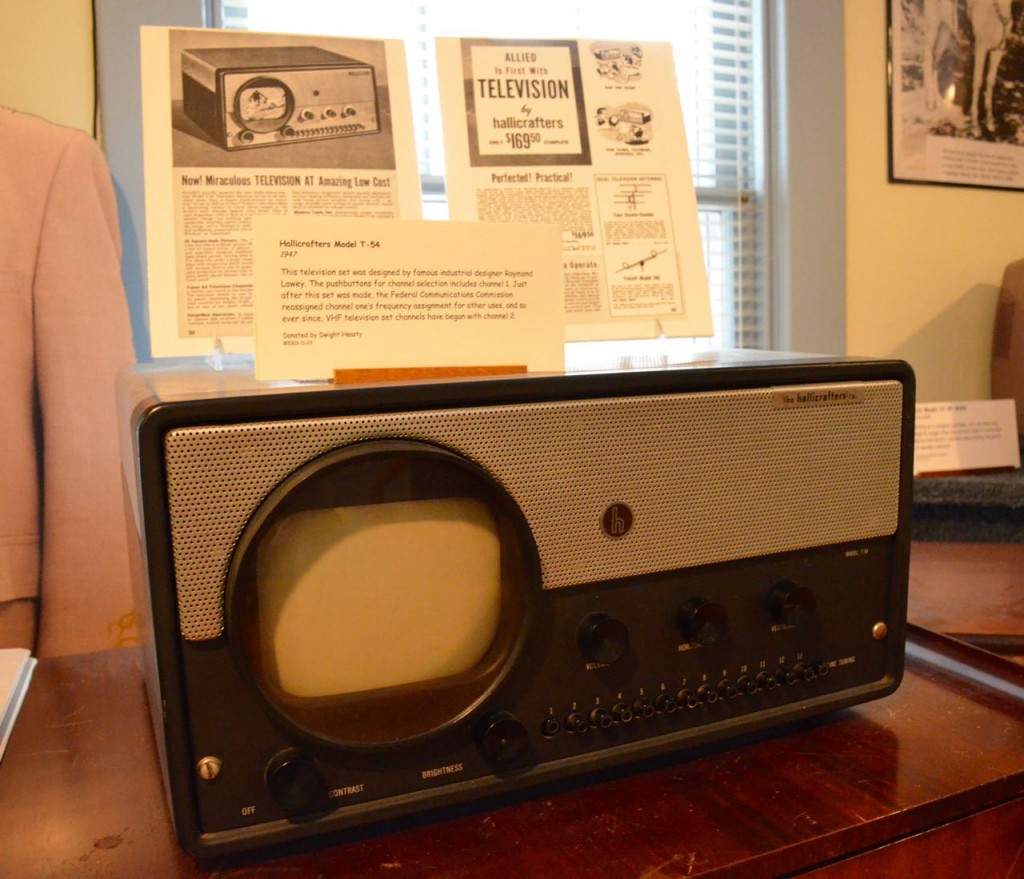
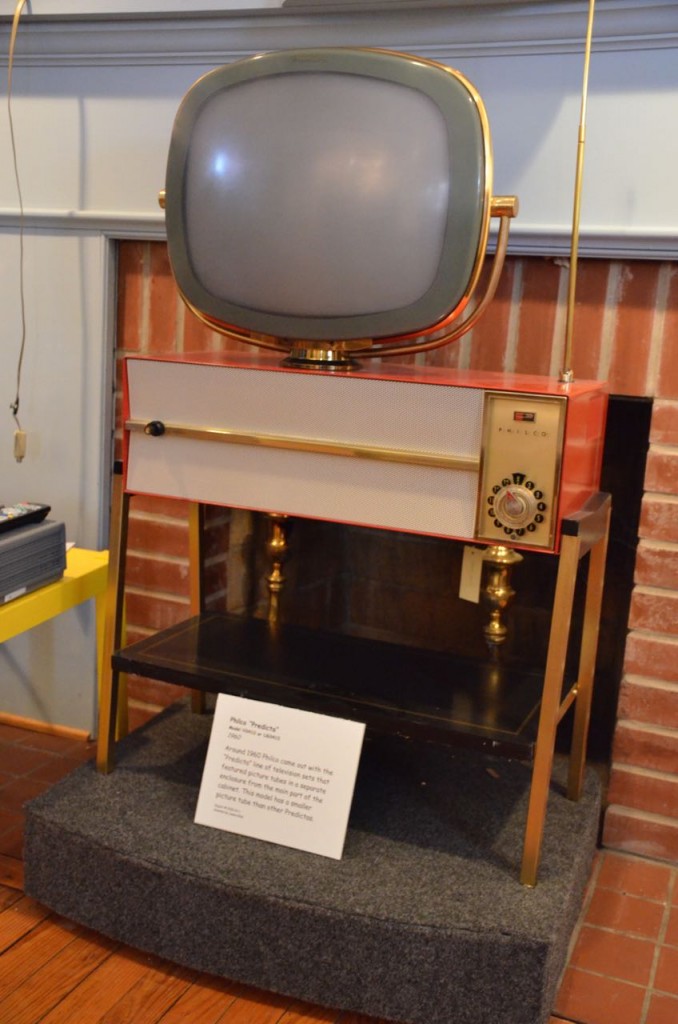
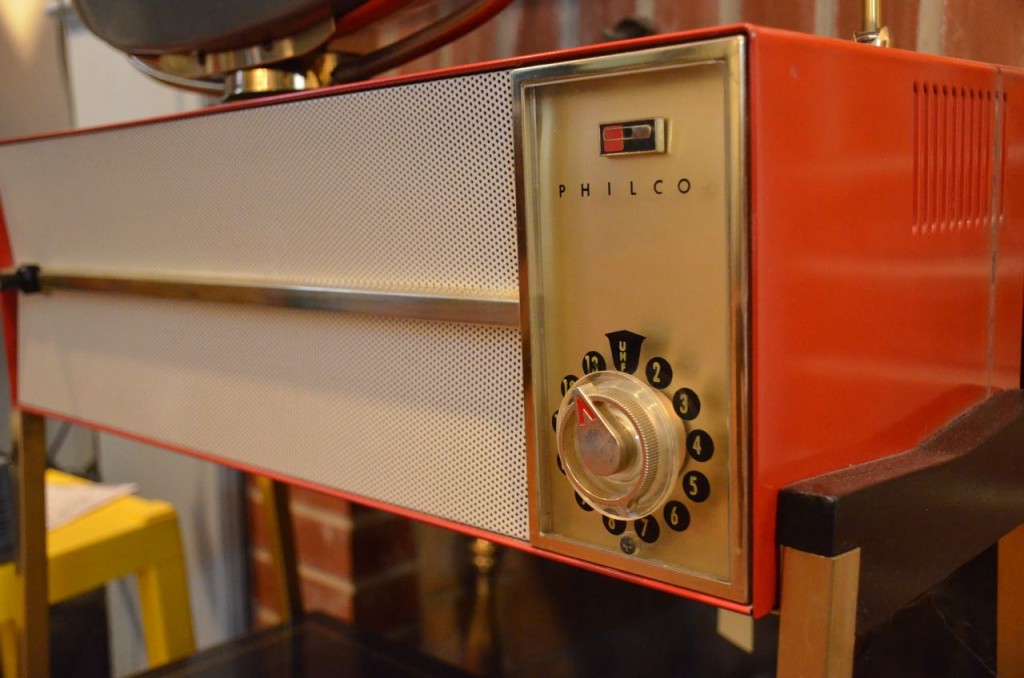
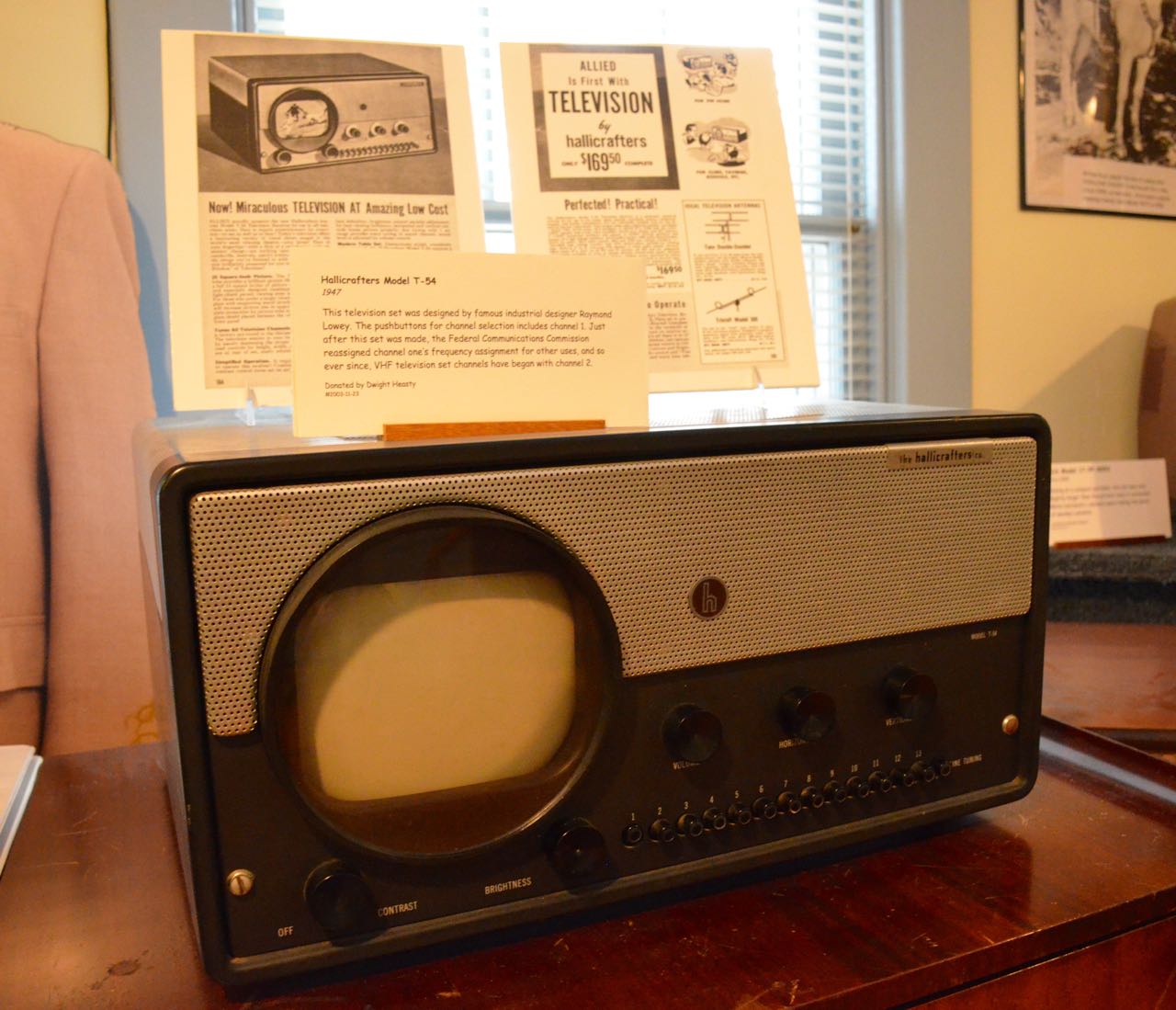
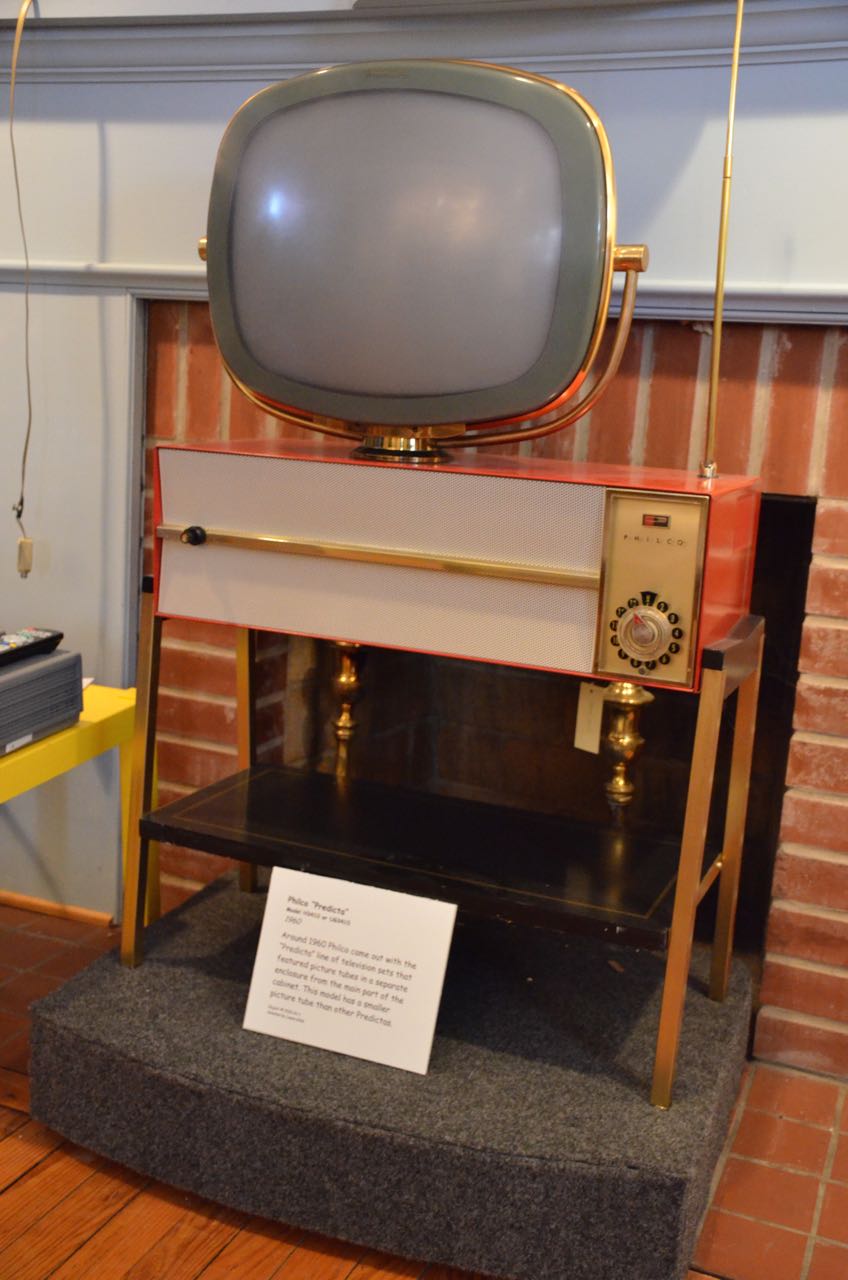
The museum, of course, also houses a large number of classic televisions.
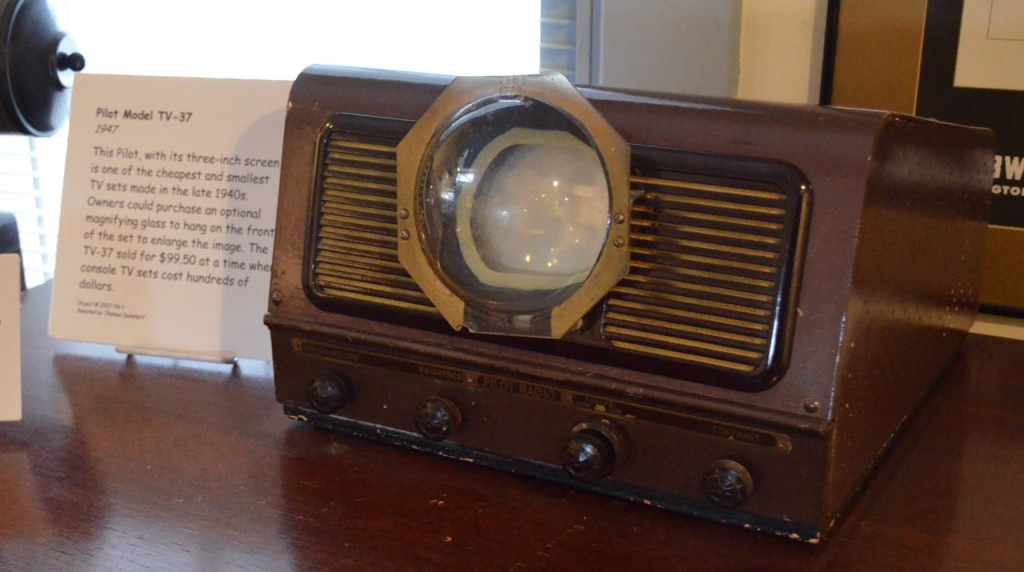
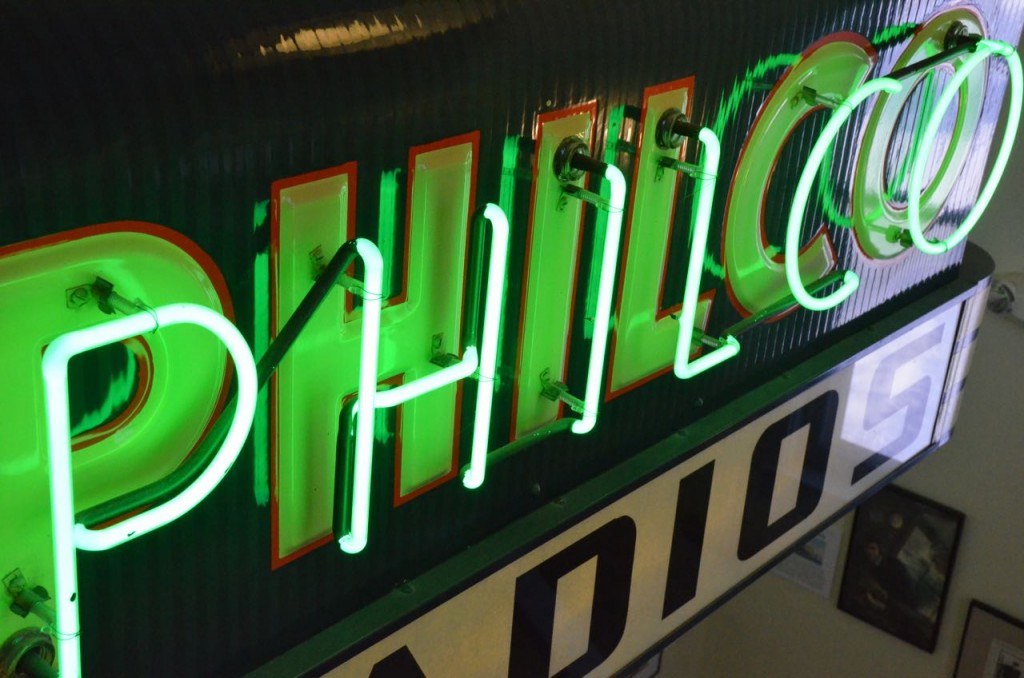
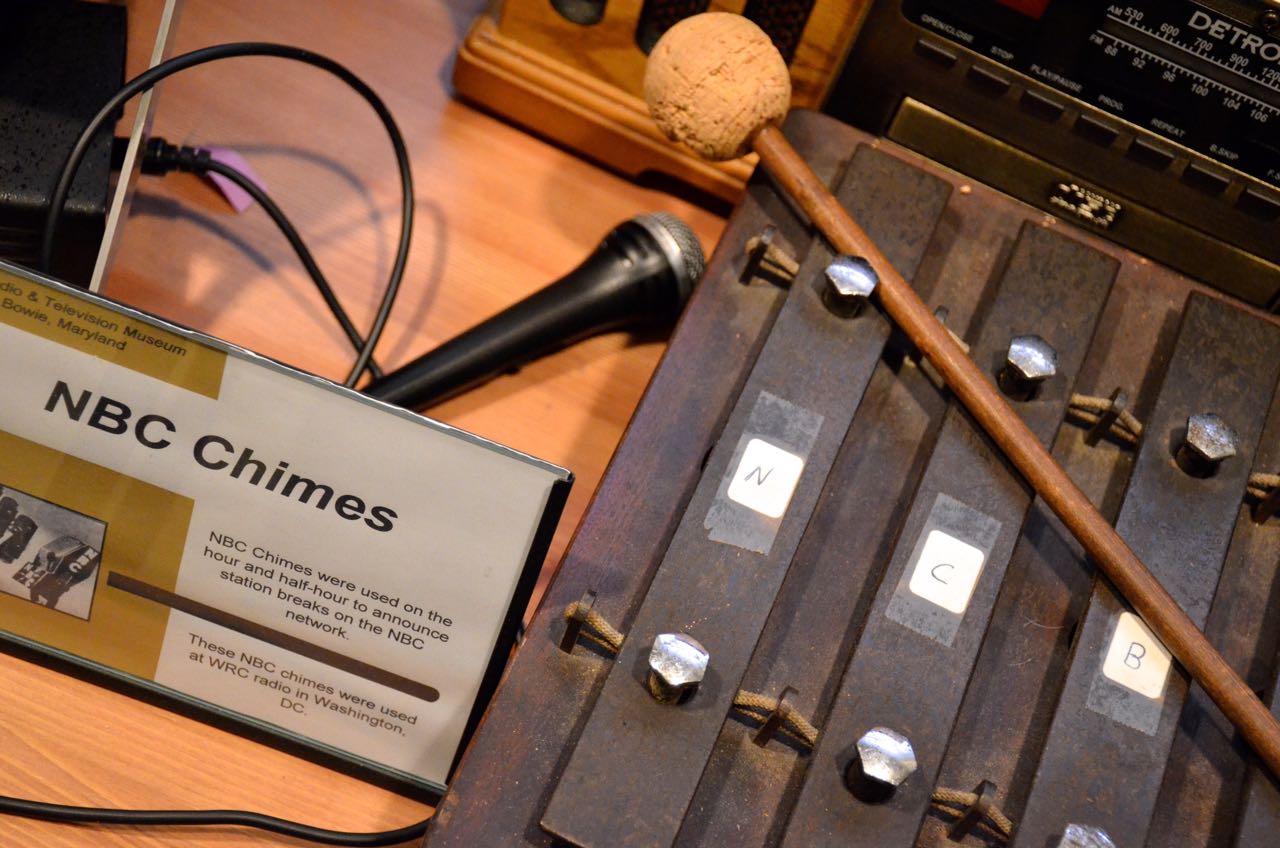
Pilot-Model-TVHallicrafters-TV Philco-TV Philco-TV-ControlsRadio stations and benefactors have also donated many items used in the industry, both in broadcast and retail.
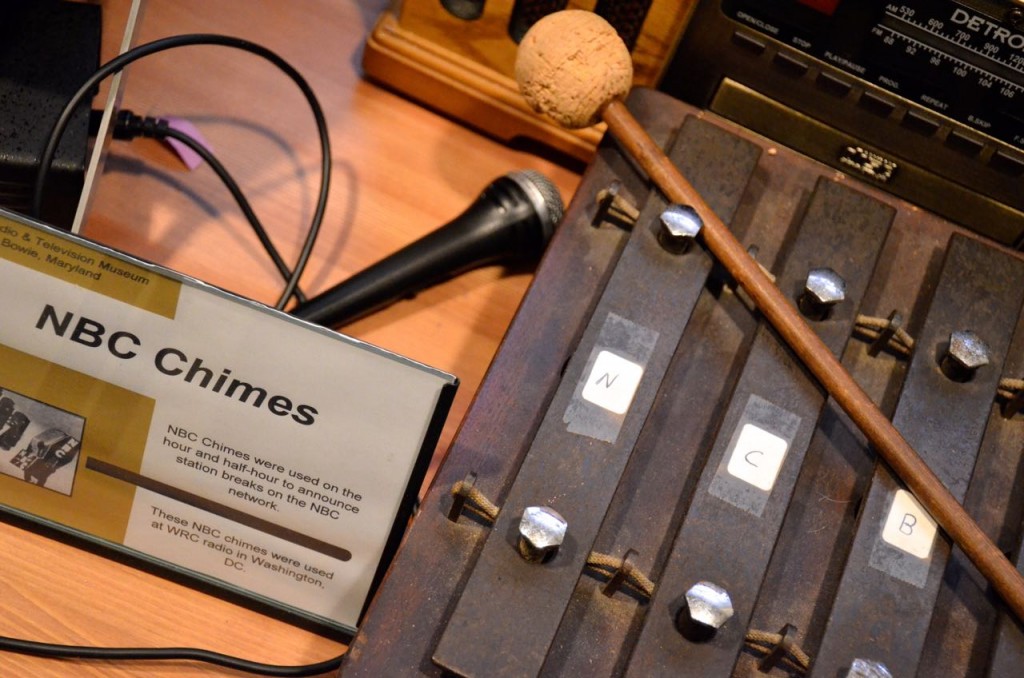
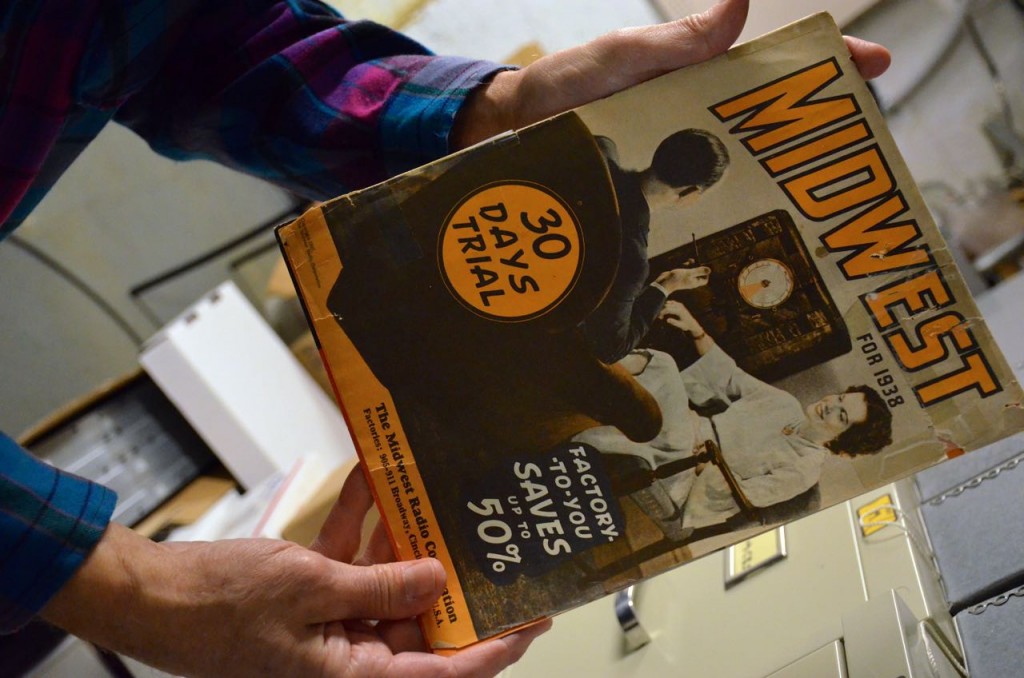
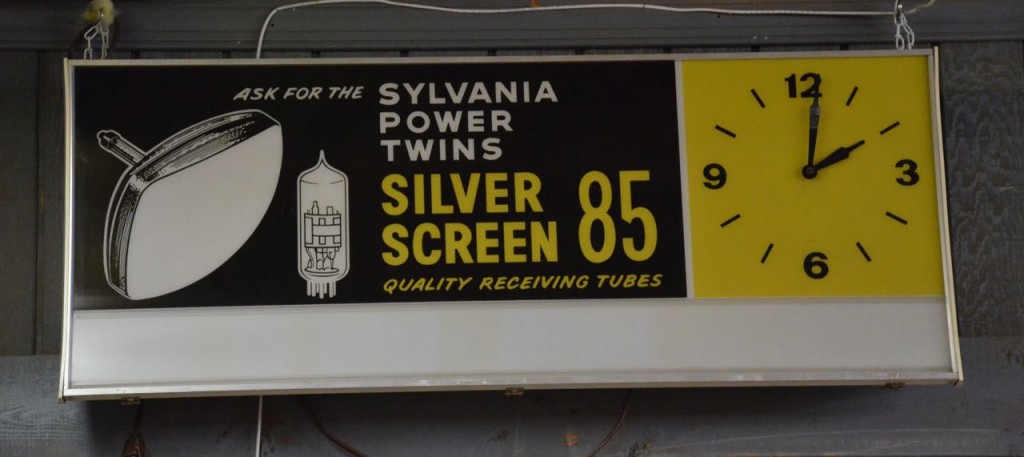
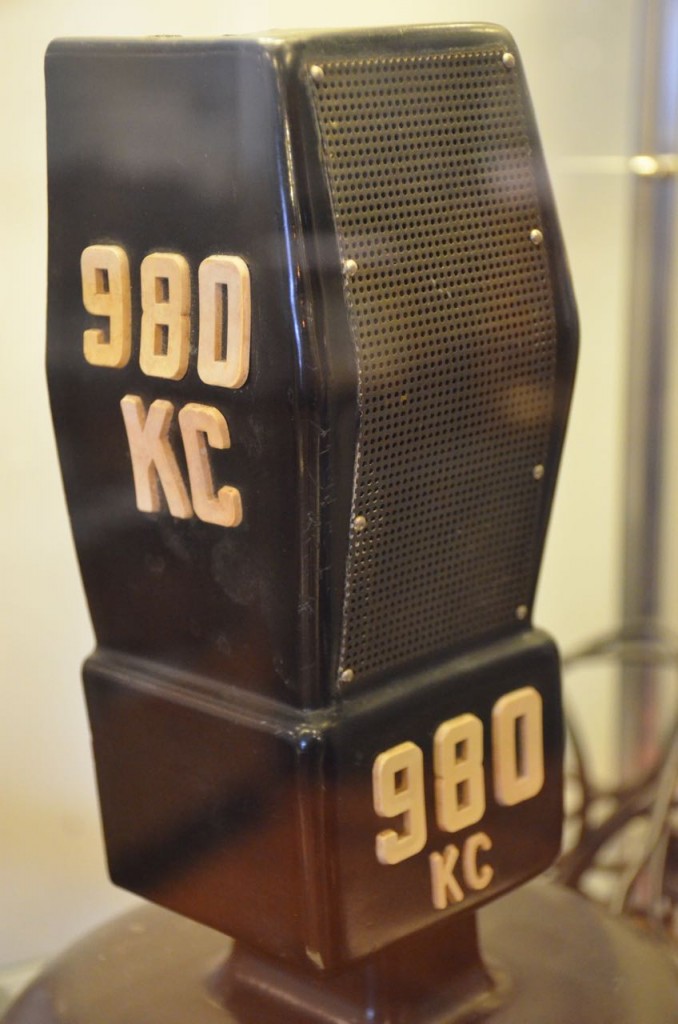
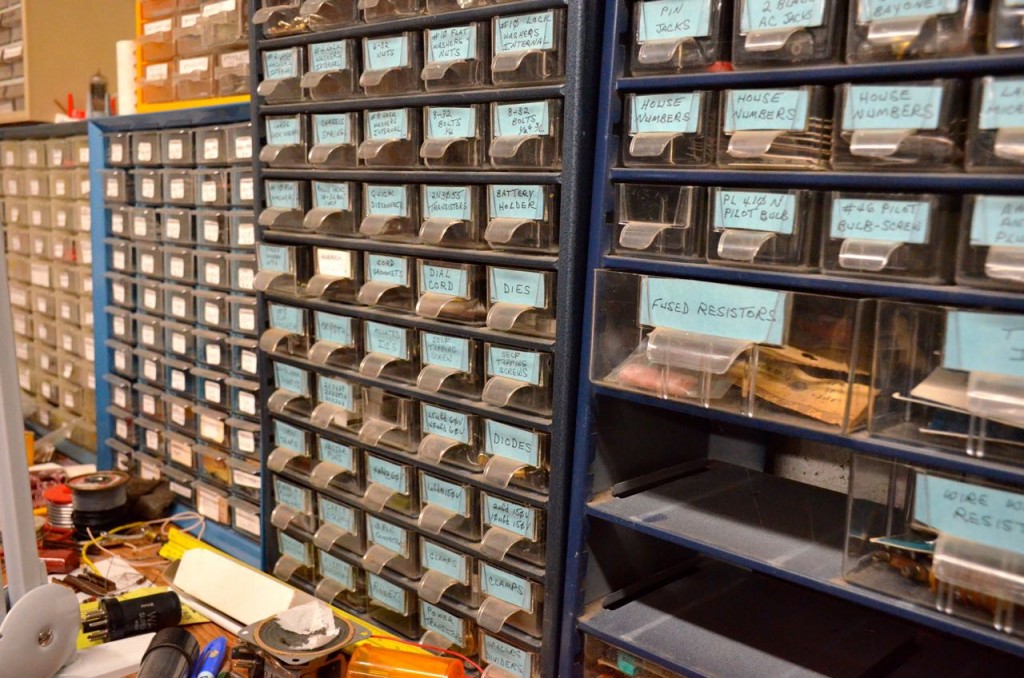
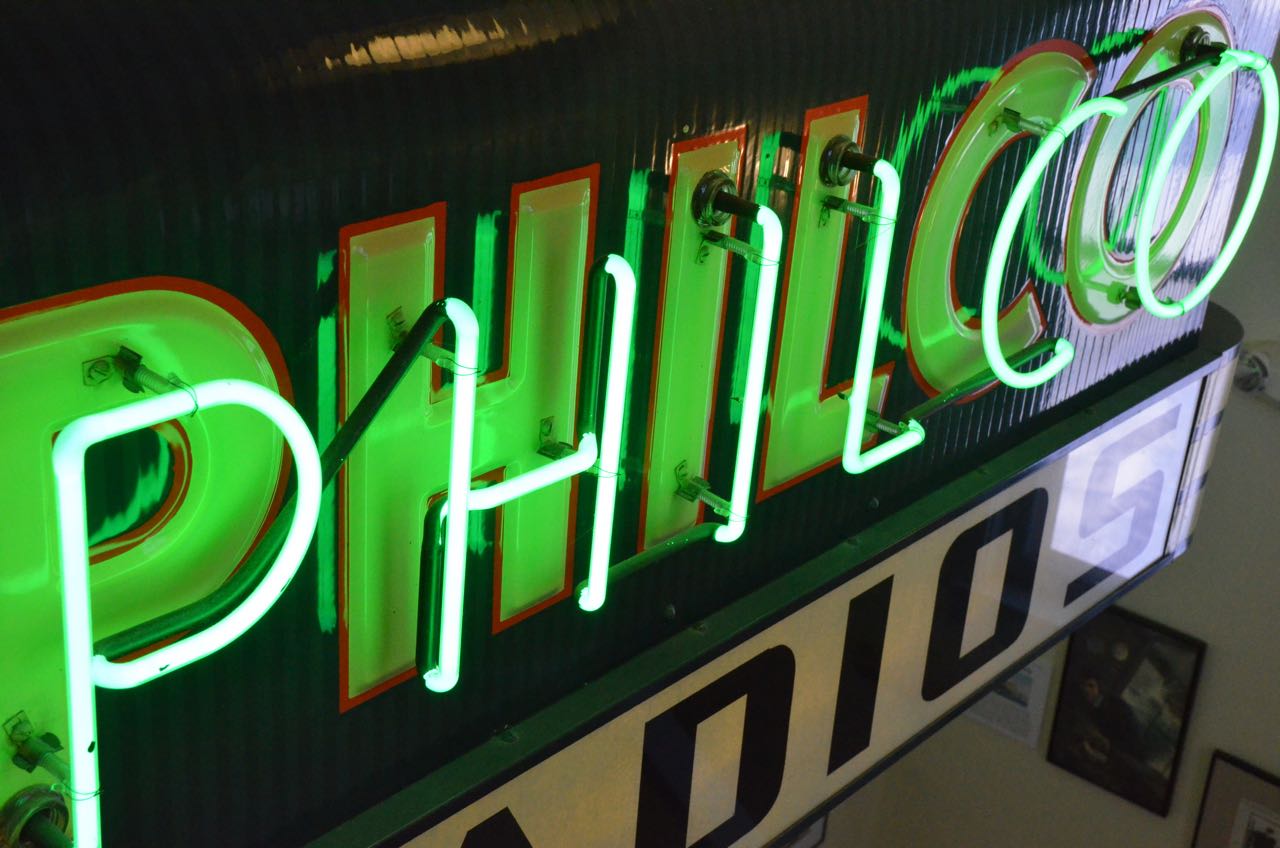
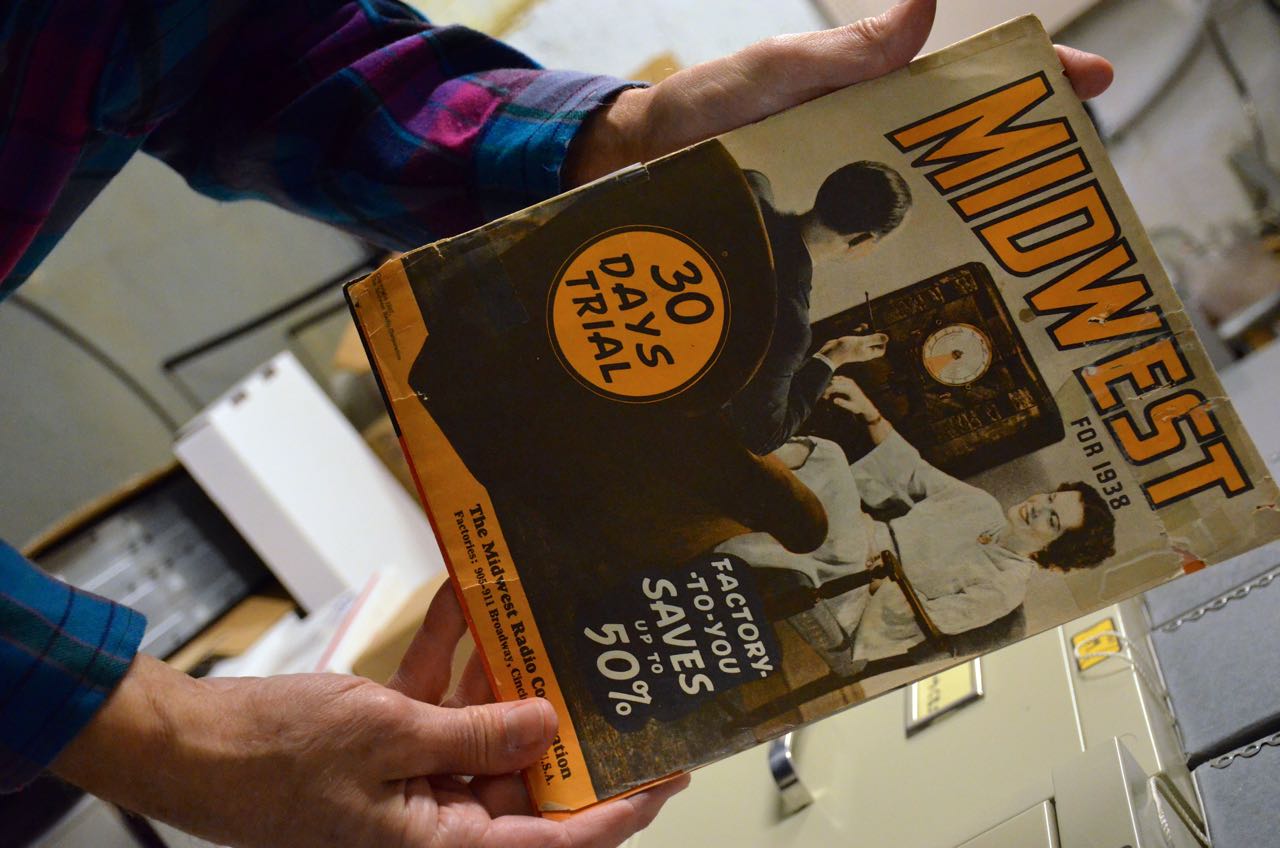
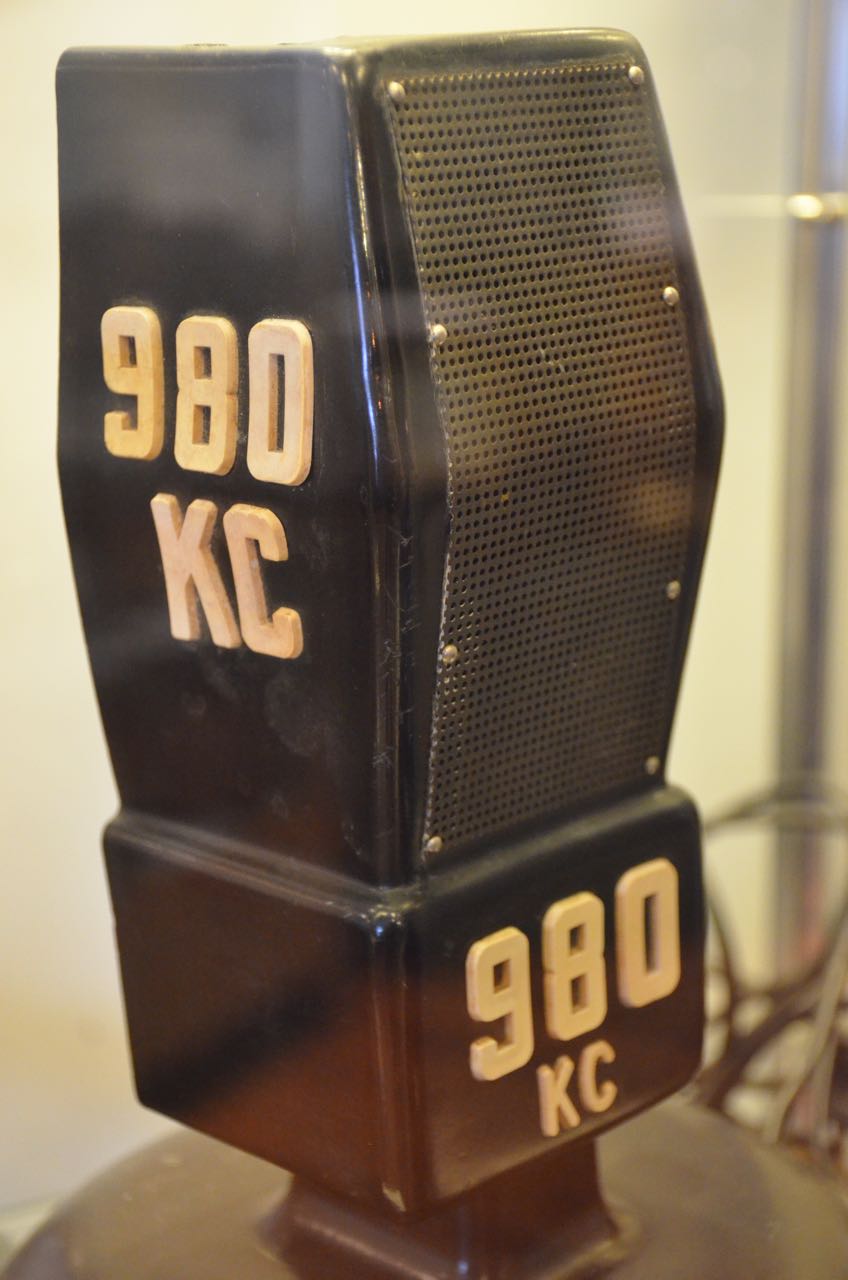
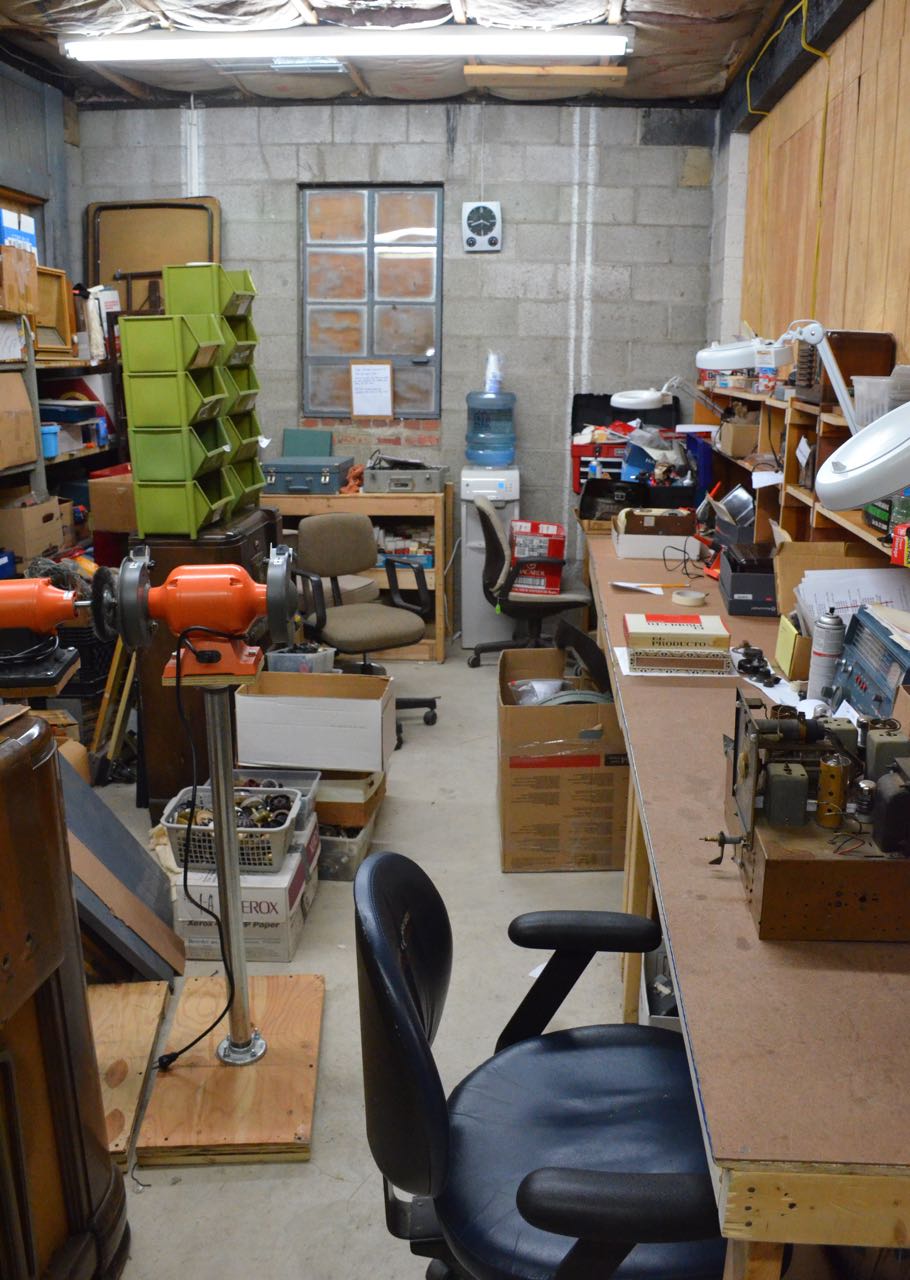
NBC-Chimes PhilcoSign Midwest-Magazine SylvaniaSigns 980KC-MicBrian was also kind enough to take me to the building, next door, where they repair radios and store others for eventual rotation into the collection.
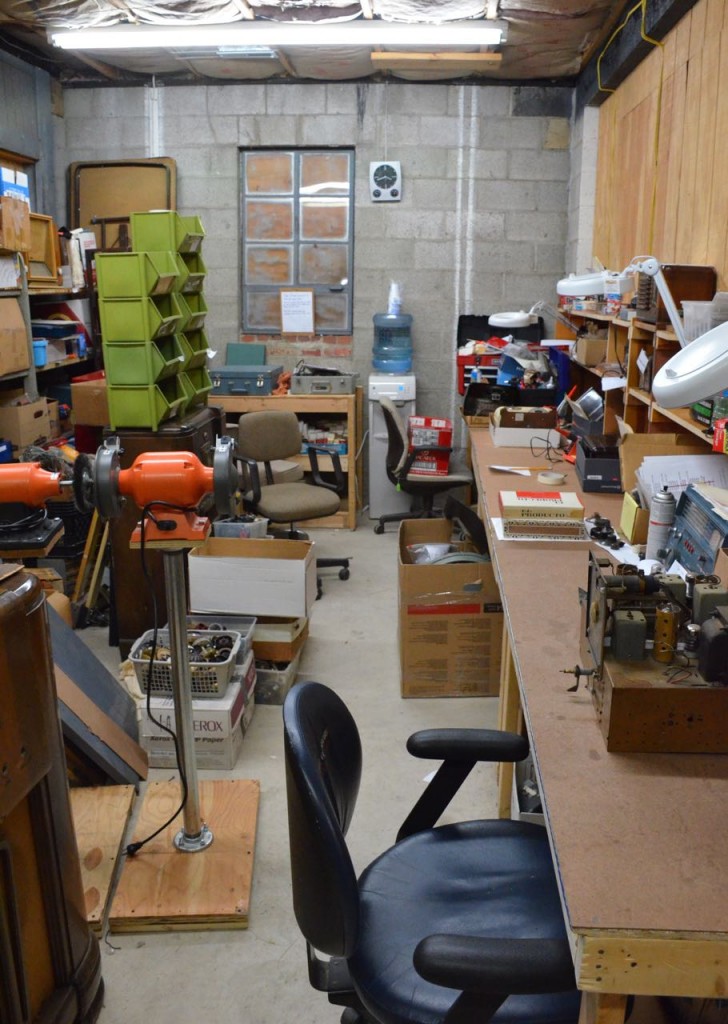
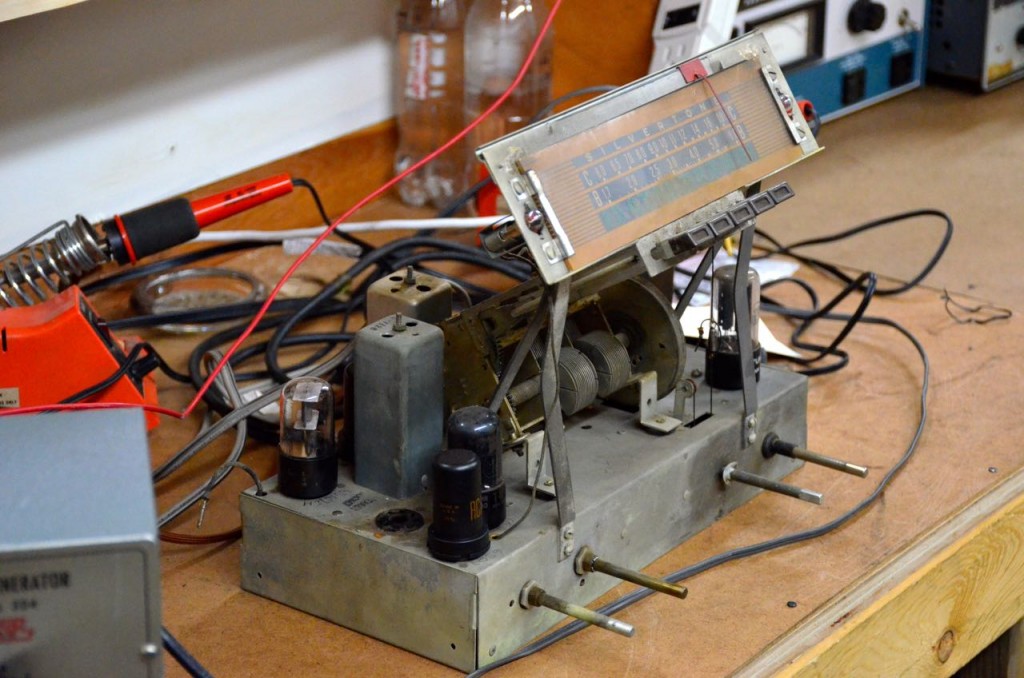
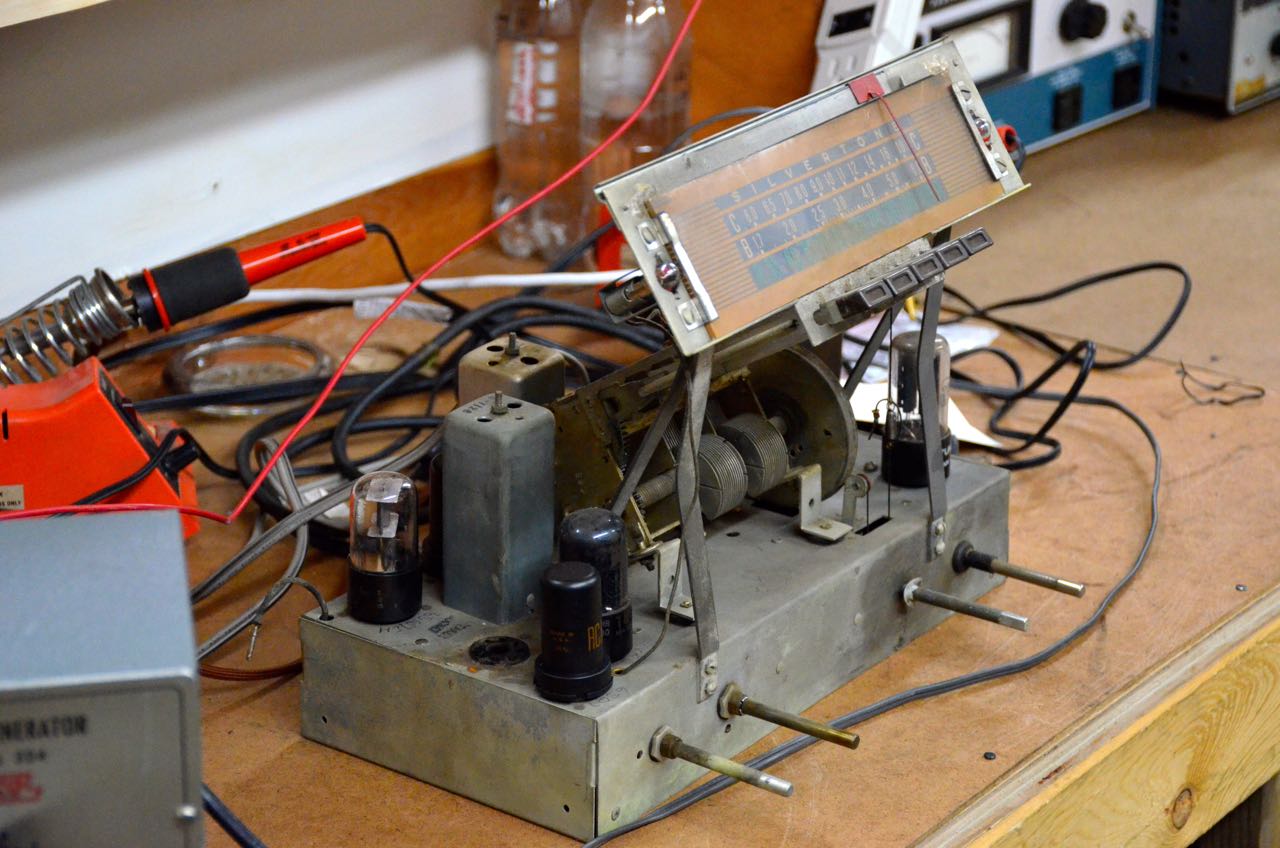
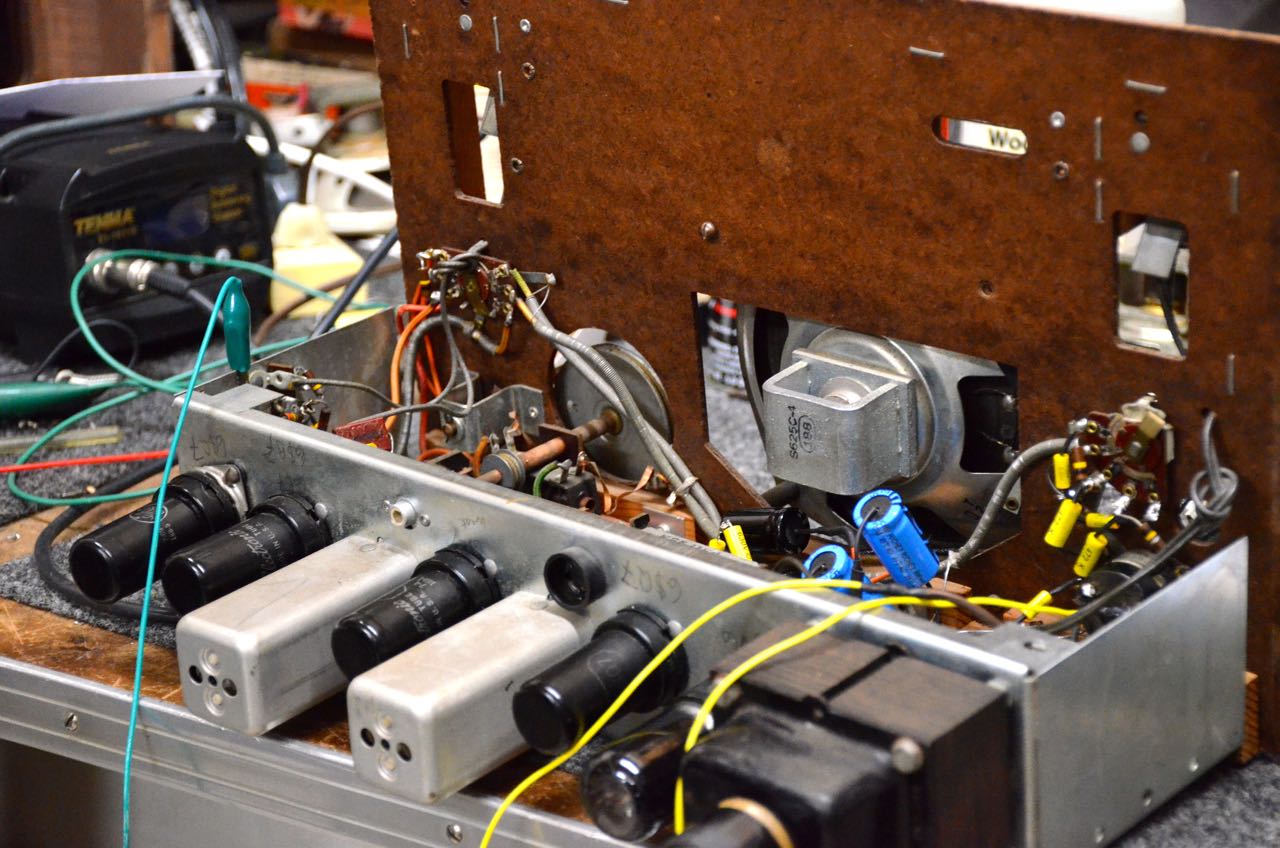
Workshop Repair4 Repair2

Museum volunteers also teach radio repair and restoration classes.Repair1 Repair3
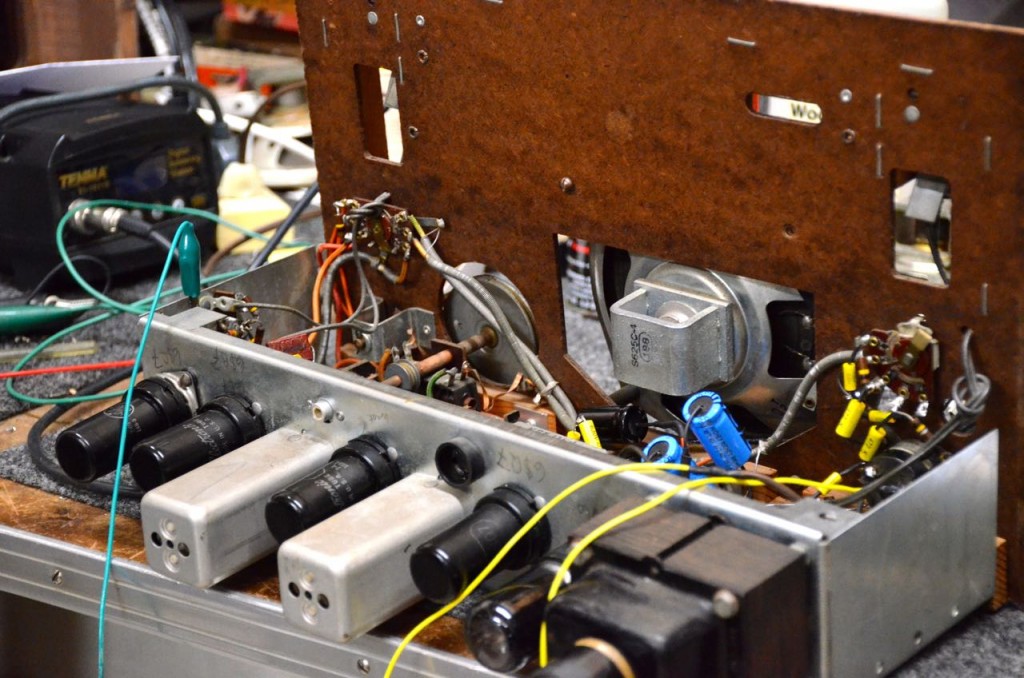
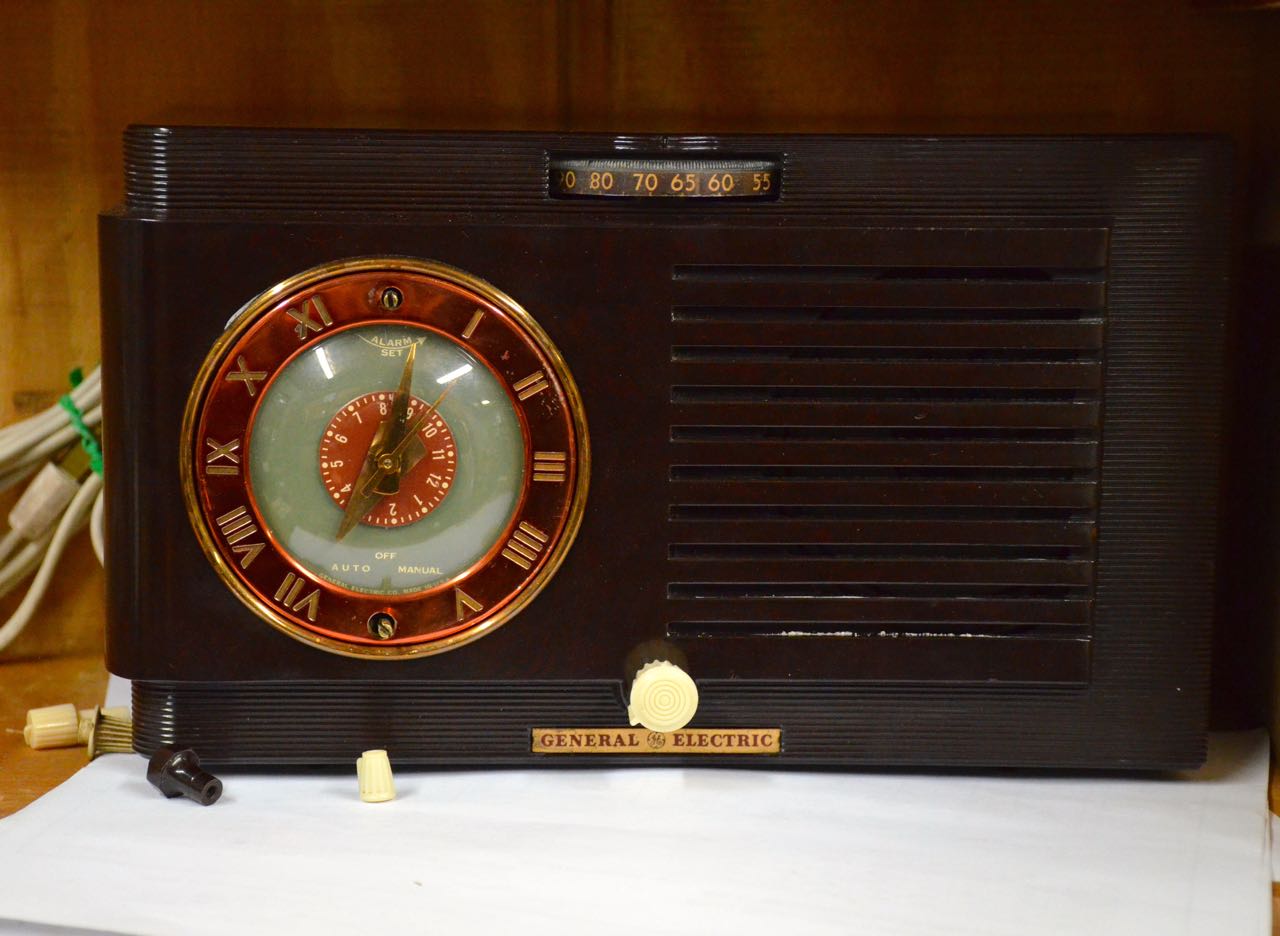
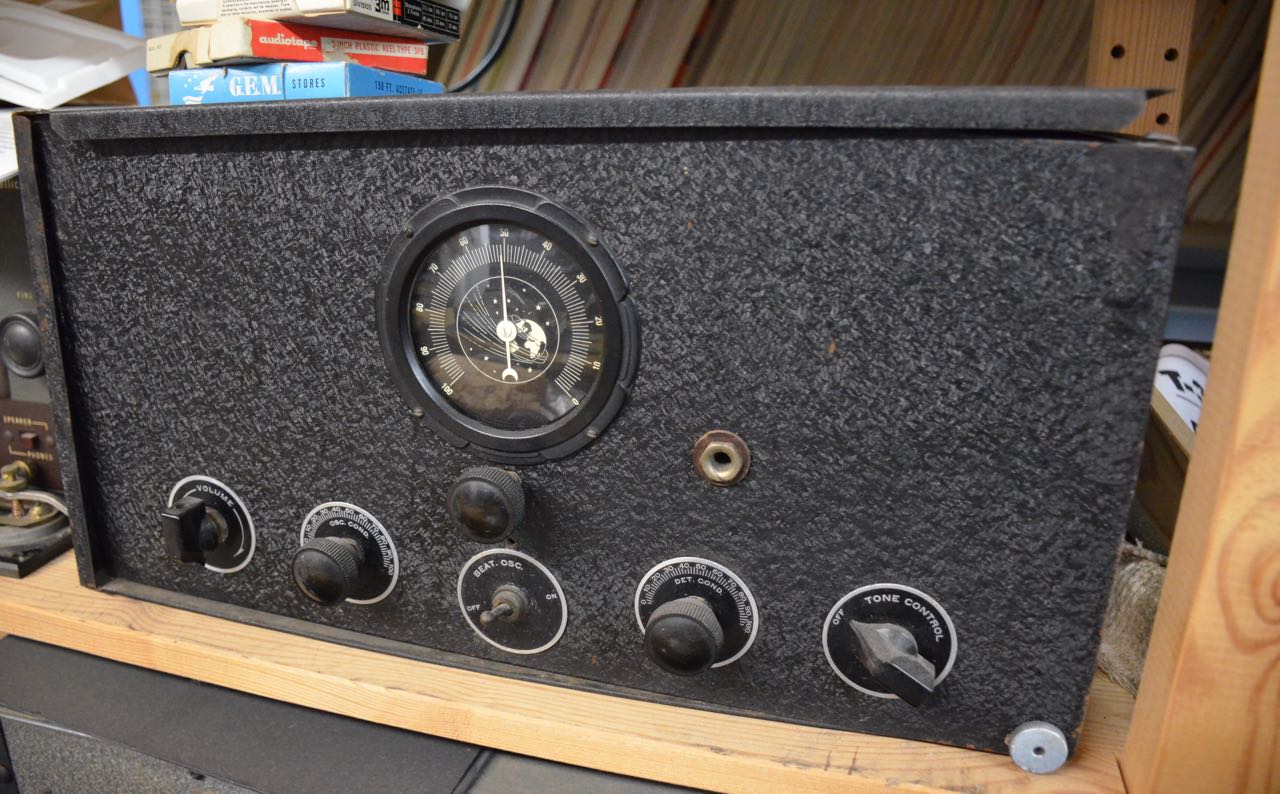
GE-RadioThe number of classic ham radios, home brew receivers and transmitters was simply amazing. Indeed, I felt like a kid in a candy shop!
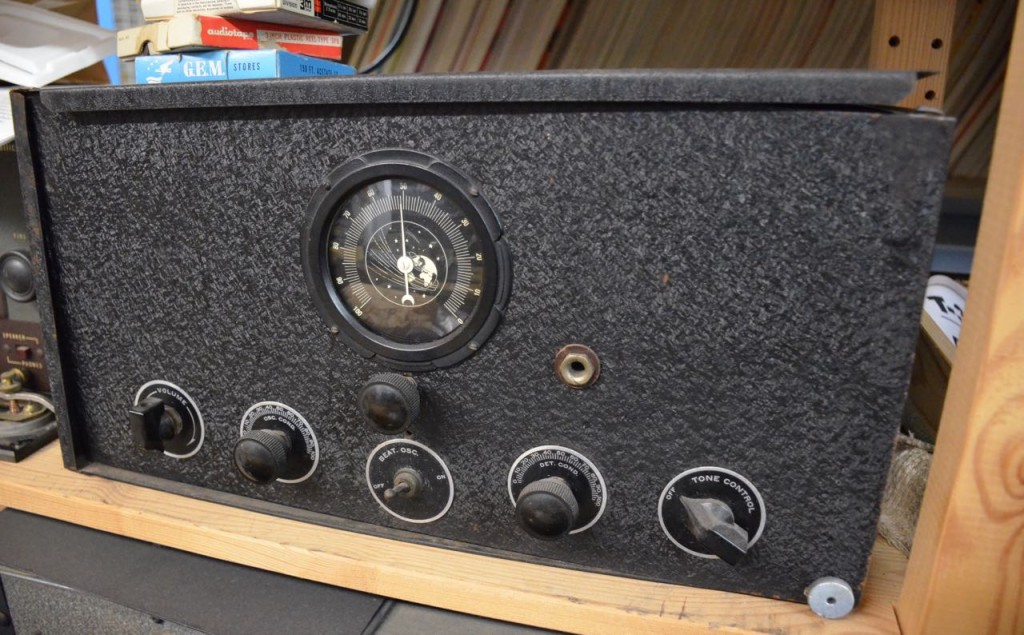
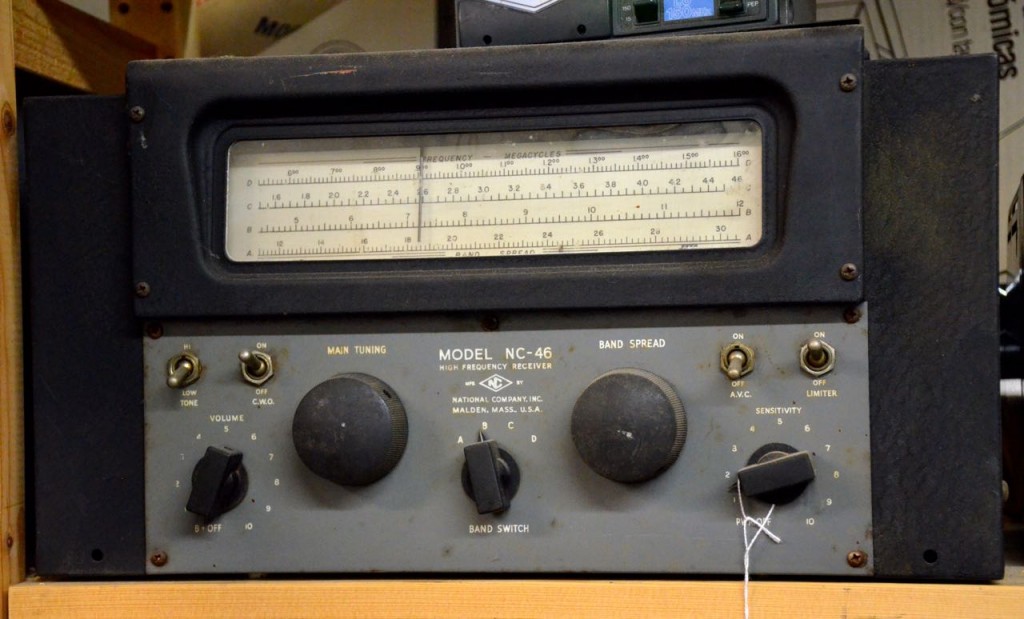
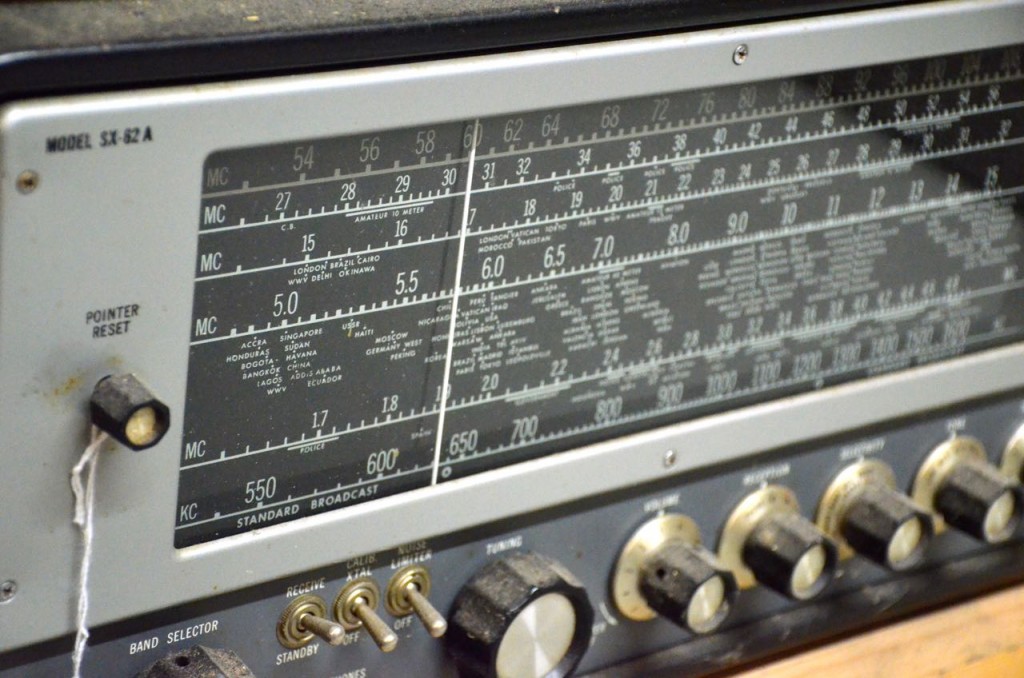
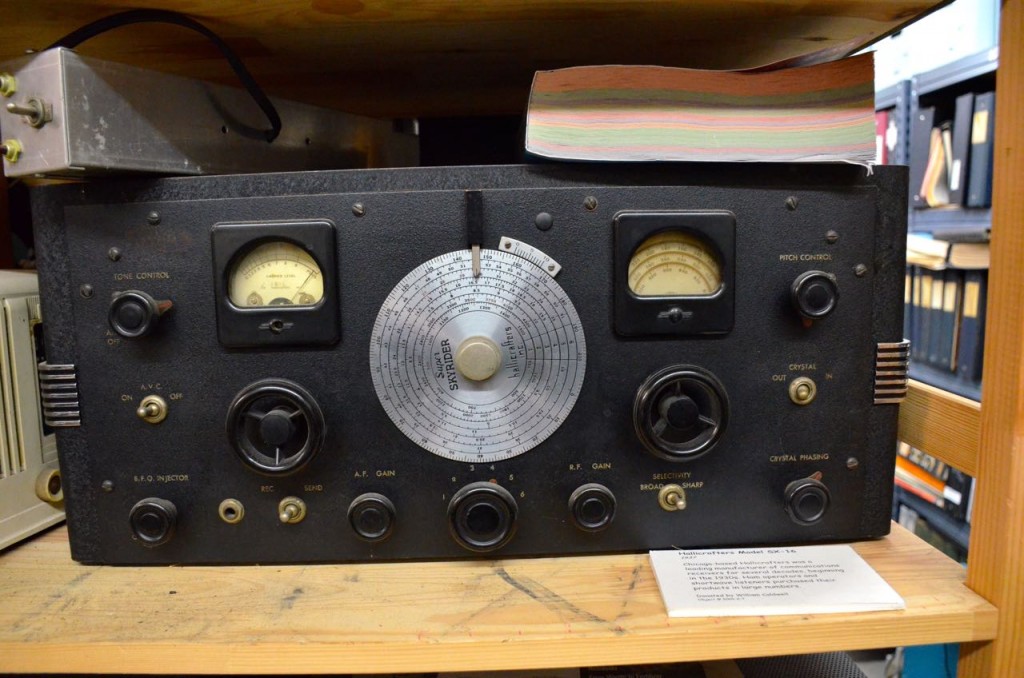
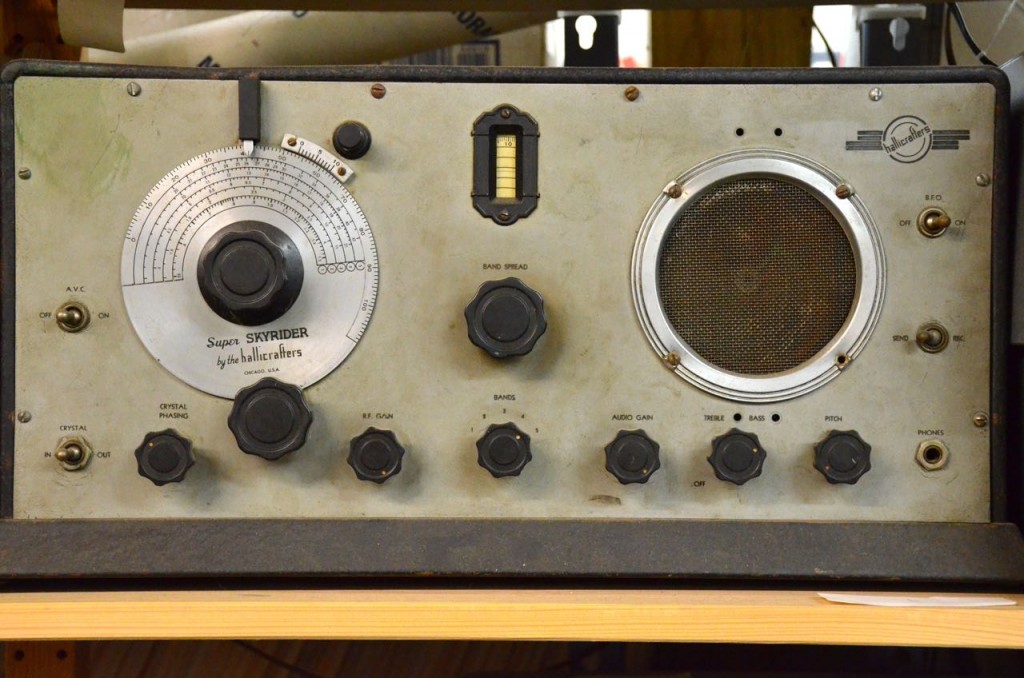
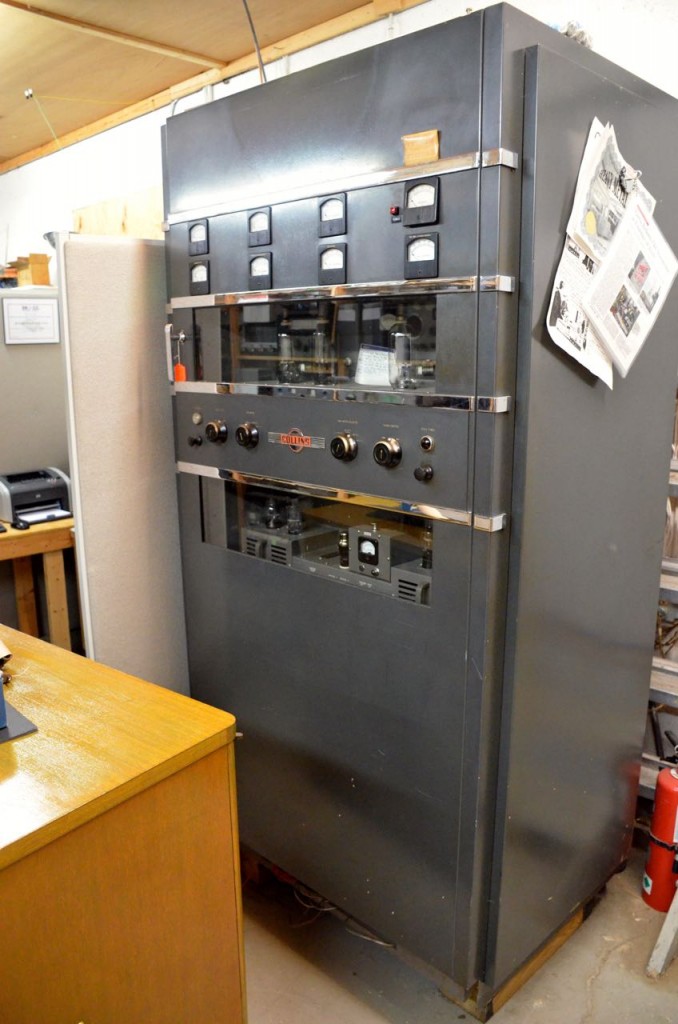
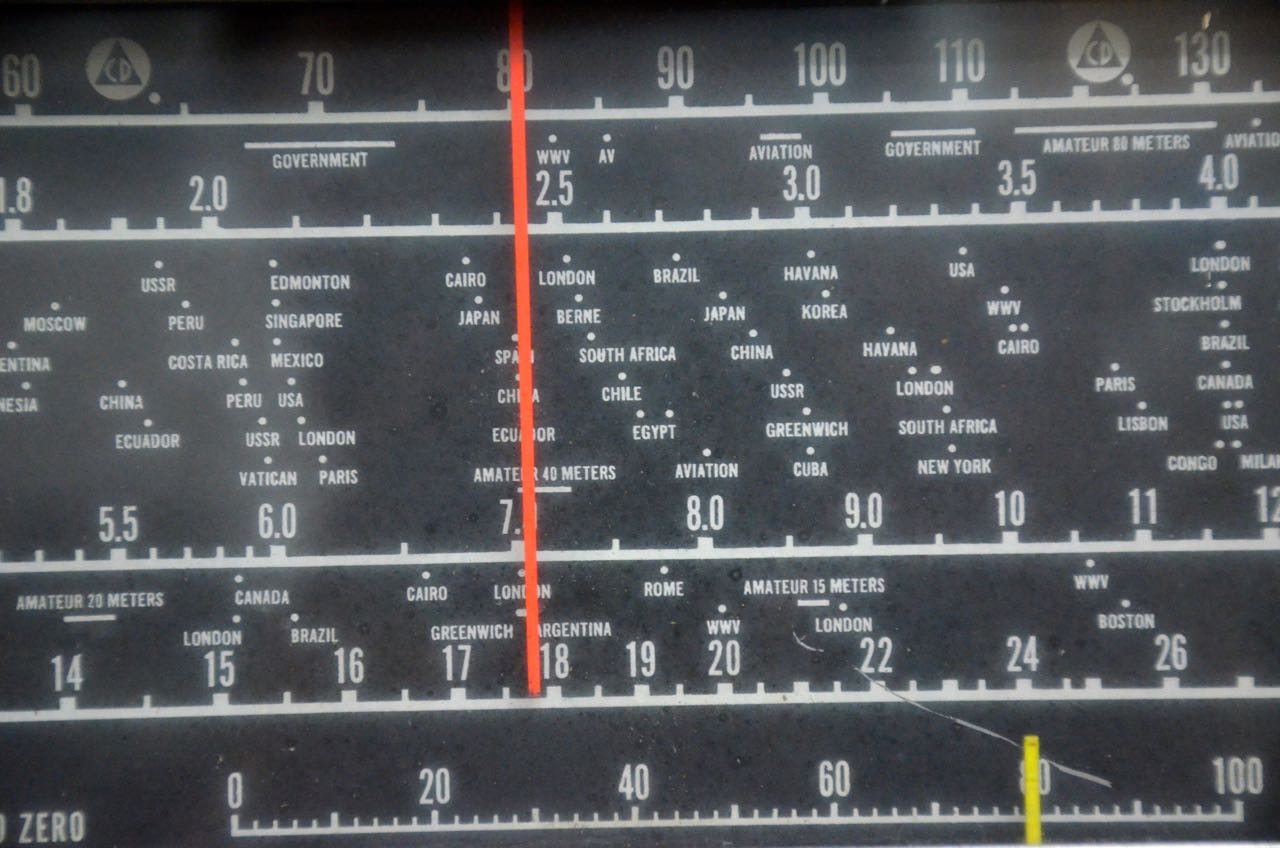
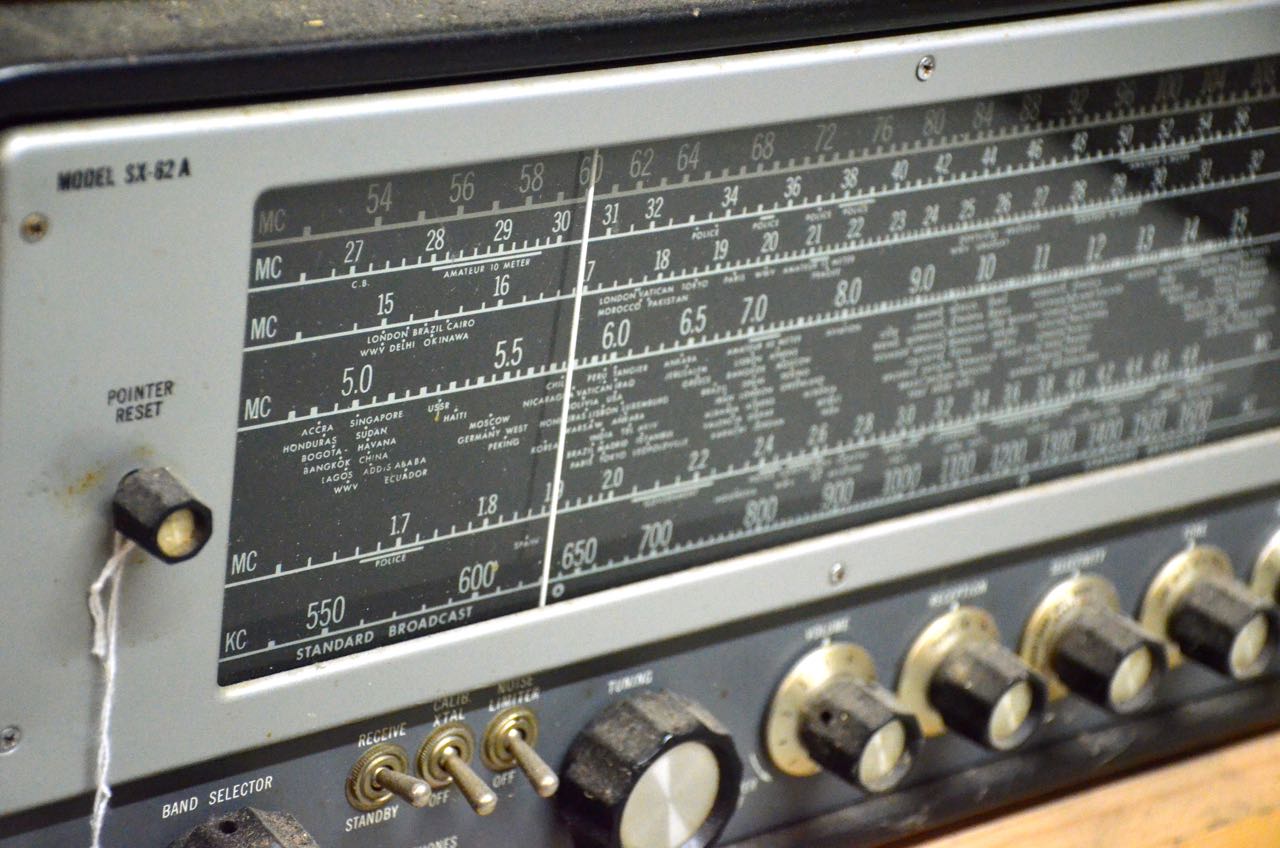
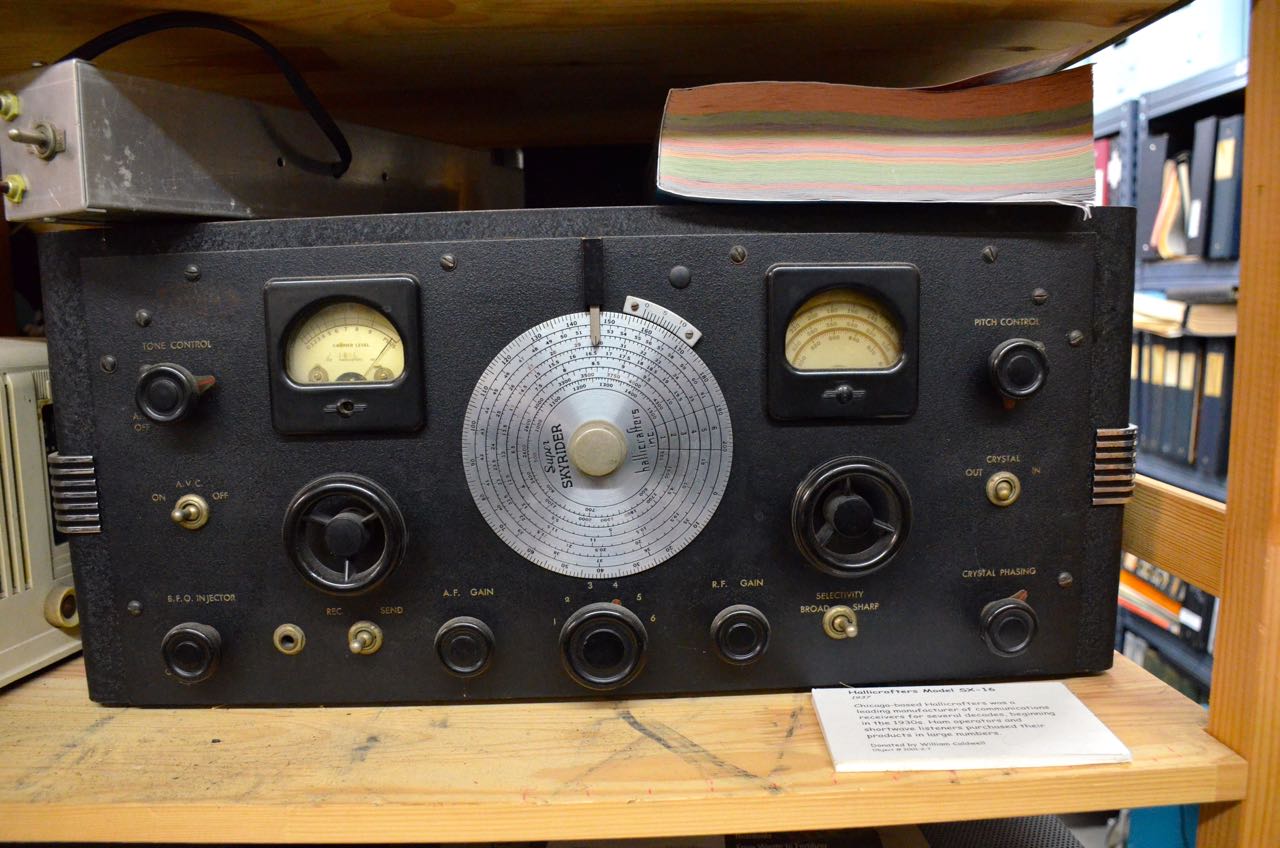
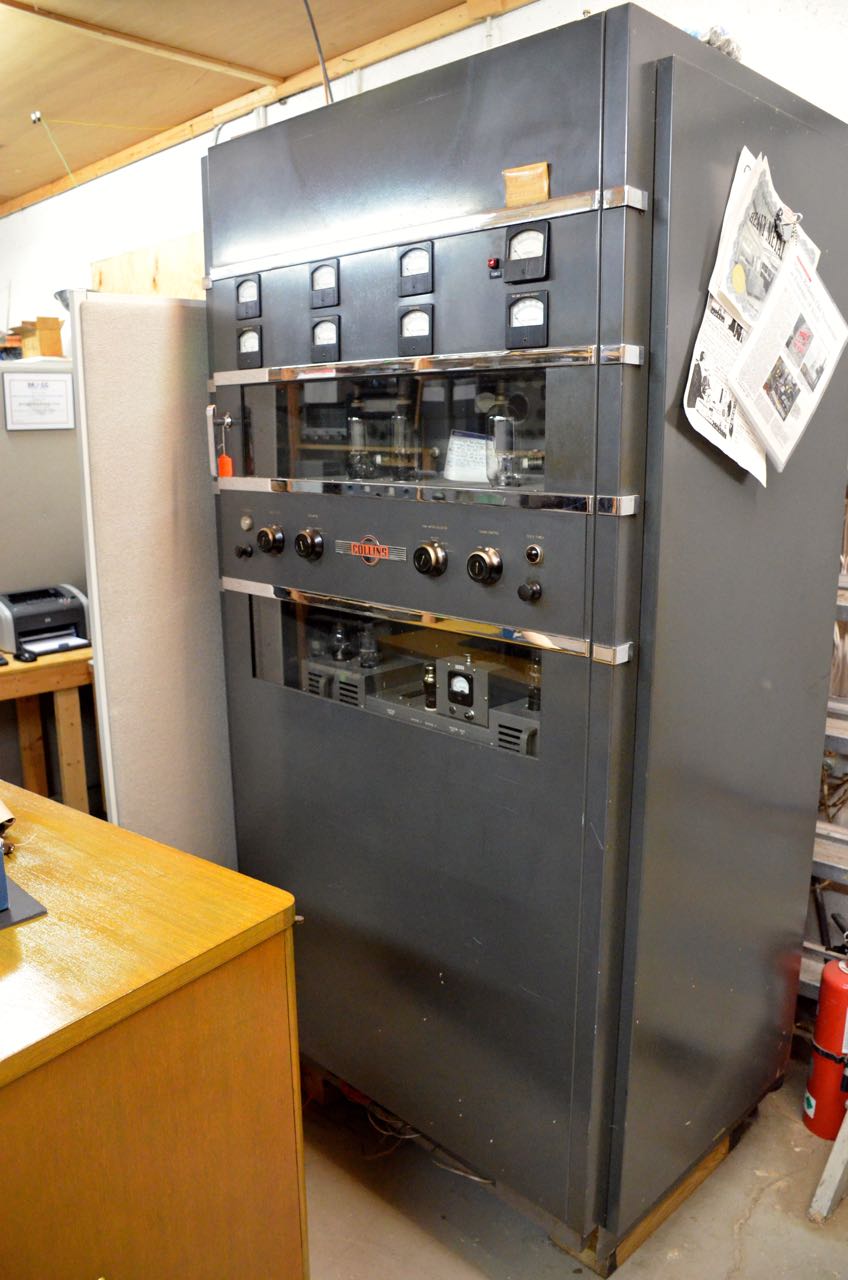
Radio1 National-NC-46 HalliDial Hallicrafters-SX100 Hallicrafters-SX62A Hallicrafters-SuperSkyrider Hallicrafters-Super-Skyrider CollinsTransmitterBy the end of the tour, I had decided to become a member of the National Capital Radio and Television Museum. Even though I live a few states away, I like knowing that my membership funds not only help preserve vintage radios and televisions, but also provide me members-only access to many of their scanned archives. Click to view a full list of benefits for a modest $25 membership.

Again, many thanks to Brian Belanger for the amazing tour of this wonderful museum!  Brian, I’ll be back next year…