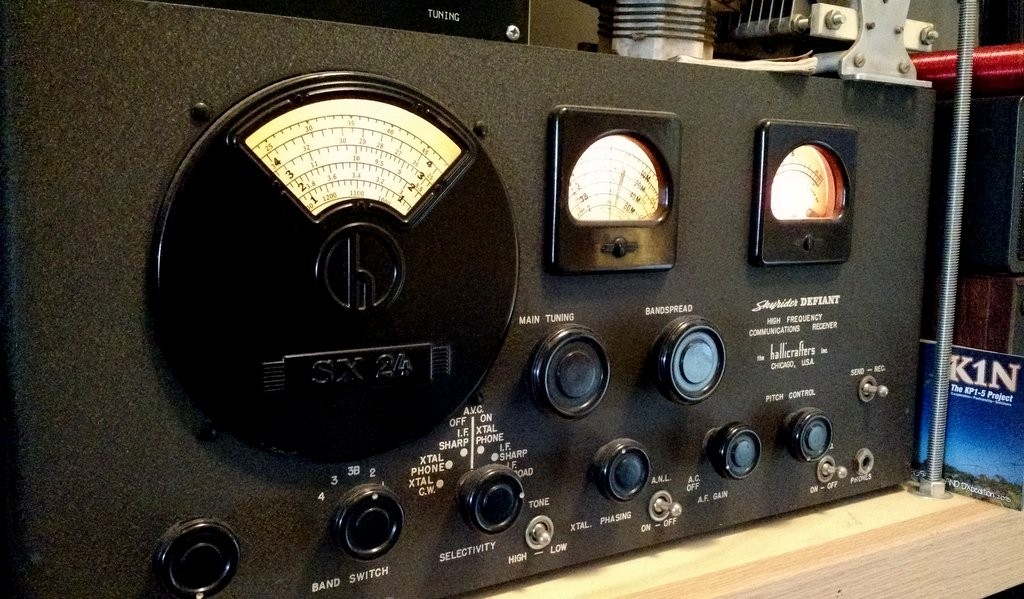
Category Archives: Shortwave Radio

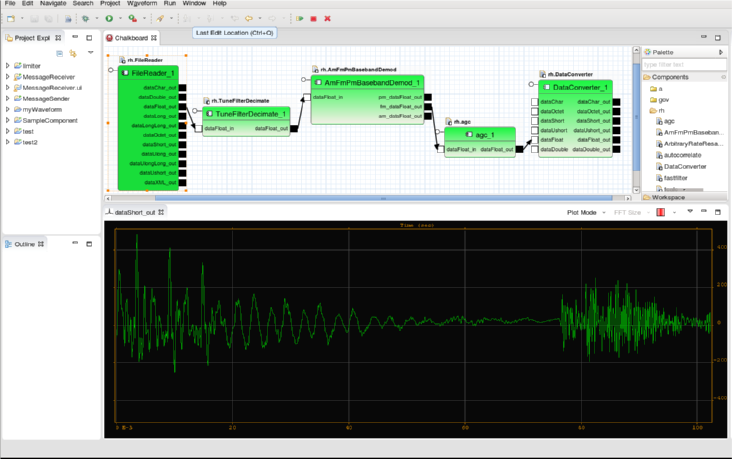
The NSA’s Software Defined Radio application “RedHawk” is now open source

Many thanks to SWLing Post contributor, Andrew, who writes:

Not kidding, a friend told me that NSA released a bunch of software to open source, the main list being here:

https://code.nsa.gov/

While looking at the list of projects on that page, halfway down the page, I found a project called “RedHawk” which is described as:

“A software-defined radio (SDR) framework designed to support the development, deployment, and management of real-time software radio applications.”

Now, being curious I opened the github link:

https://github.com/redhawksdr

[It] contains quite a number of subprojects, modules and other stuff, then I checked the main “RedHawk” project:

https://github.com/RedhawkSDR/redhawk

Here’s the documentation:

https://redhawksdr.github.io/Documentation/index.html

It seems really interesting; apparently it allows to define a wealth of processing stages (e.g. filters, converters…) and connect them to process signals coming from an SDR; I think it may be a very interesting and useful tool to fiddle/experiment with SDR receivers, if I’m not wrong it may allow to push an SDR to the limits, improving its performance, and may also be useful to write SDR software!

Fascinating! Thank you for the tip, Andrew!

Post Readers: It appears this project has been in the public domain for a little while. Please comment if you’ve tried implementing RedHawk in your SDR system!


Do you enjoy the SWLing Post?

Please consider supporting us via Patreon or our Coffee Fund!

Your support makes articles like this one possible. Thank you!

Australia: International broadcasting, soft power and the wisdom of the crowd

Many thanks to SWLing Post contributor, Nigel Holmes, who writes:

Here are a couple of interesting url following the joint Australian DFAT & DCA Review of Broadcasting Services in the Asia Pacific. [One] gives a good overview and the [other] is a concise assessment of HF and Radio Australia in the role of broadcasting to remote areas. Have a look. Former RA Head Jean-Gabriel Manguy made a submission, I did not this time. The submissions are in the public domain.

Click here to read Trevor Bird’s submission (PDF).

Click here to read Jean-Gabriel Manguy’s submission (PDF).

(Source: Lowy Institute – The Interpreter by Geoff Heriot)

International broadcasting: the ABC vs the wisdom of the crowd

The findings of two related government reviews – on international broadcasting, and soft power – should offer an incoming Australian government the potential of a substantial policy reset following the general election in May. Specifically, they may help clarify the purpose and place of state-funded international broadcasting/digital media in Australia’s foreign relations, following a decades-long cycle of investment and dis-investment.

Shortly before Christmas, the Department of Communications published most of the 433 submissions (92 private individuals, 31 organisations or groups, and 310 signatories to a pro-forma submission) made to the first of those reviews, Australian Broadcasting Services in the Asia Pacific, excluding those whose authors wished them to remain confidential. Finalisation of the broadcasting report precedes the related Soft Power Review, being undertaken by the Department of Foreign Affairs and Trade, which has proposed a completion date of around March.

So it is timely to take note of the wisdom of the crowd, as expressed through the more discursive submissions to the broadcasting review, and to compare them with the institutional perspective of the ABC as the responsible agency for international broadcasting.[…]

Click here to read the full article.

Finding a repair service for boat anchors and other vintage valve/tube radio gear

Vintage tube radios will likely survive an EMP, but how do you power them without mains electricity?

Here’s a common question I receive from SWLing Post readers:

“Where can I have my vintage valve/tube radio repaired? Can you recommend a good repair service?”

The answer isn’t always a simple one, especially for those living in rural or remote parts of the world.

Go local

The short answer is: try to find a local repair service.

Unlike modern solid state radios, “boat anchors” (metal chassis vintage radios) are heavy and very pricey to ship.

Some repair services and retailers won’t even consider shipping vintage metal chassis radios because of the likelihood of damage or a tube or other component loosening during transit resulting in a DOA (Dead On Arrival) situation. They insist on in-store or local pickup/delivery.
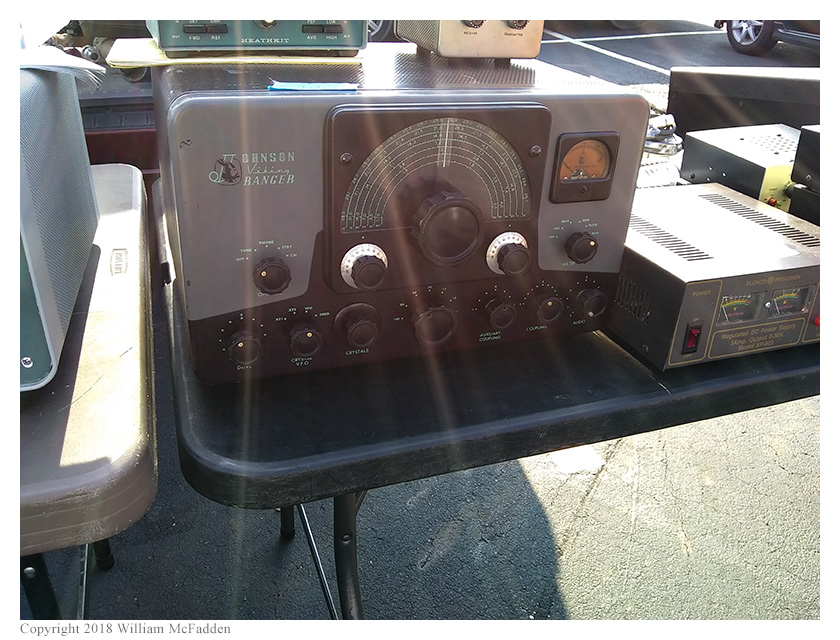
Johnson Viking Ranger transmitter


Last year at the Dayton Hamvention I was speaking with an acquaintance who restores and repairs vintage tube radios–he specializes in WWII and Cold War era boat anchors (Collins, Signal Corps, Hallicrafters, National HRO, etc.). Although he makes a tidy profit from doing repairs, it’s most certainly a labor of love and not the most profitable use of his time.  He told me that he recently stopped accepting any repairs other than those delivered and picked up locally.

He told me he took great care in packing equipment after repairs had been made–he’d secure all components so that they couldn’t budge during shipment and would either double box or use industrial strength cartons. Being so diligent, his return shipments almost always arrived unscathed, but customers would complain about the shipping costs. He could, of course, skimp on packaging, but then risk his repair work being undermined by rough handling. He was never willing to compromise on shipping and I certainly don’t blame him.

So again, due to the complexities of shipping heavy gear, I always recommend trying to find someone local to do your “boat anchor” repair work first.

Where can you find a local repair shop? If you belong to or know of a local ham radio club, stop by a meeting and ask around. If there’s a vintage radio repair technician in town, someone in the club can likely connect you.

Shipping boat anchors
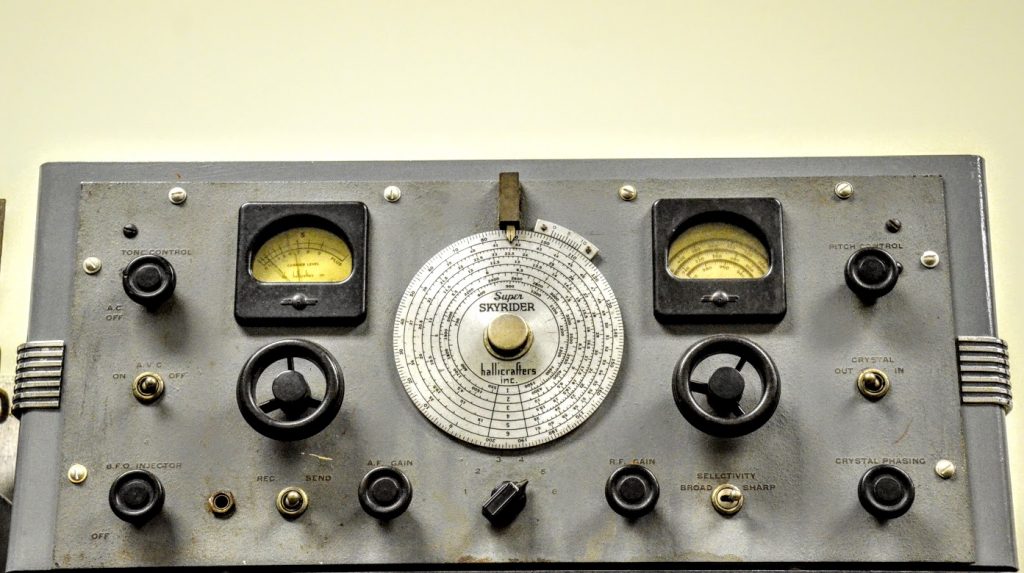
With that said, there are some excellent repair technicians out there who will take work via parcel shipments, but be prepared to pay upwards of $50-150 each way each way (depending, of course on the radio size and weight).

Lighter tube radios are easier and cheaper to ship, but should still be packed carefully. Bakelite radios, for example, are lightweight but incredibly fragile.

In short: if you ship your vintage radio, pack meticulously and confirm that your repair person will do the same.

And where do you find repair services? I point readers to radio repair service reviews on eHam.net. You might also search the QRZ.com forums or even post a question.
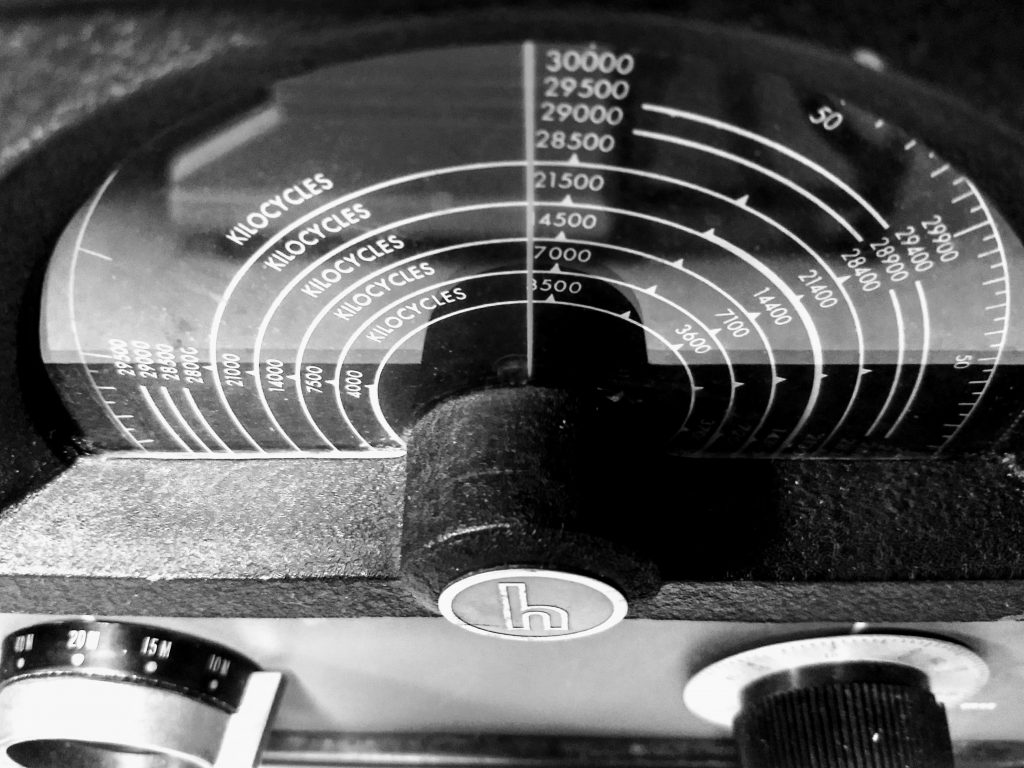
Let’s be clear: some radios are worth the shipping costs!

I am fortunate in that I do have a local friend and mentor Charlie (W4MEC) who repairs tube gear. Better yet, Charlie is willing to teach me how to do repairs and alignments myself. This, I would argue, is the best of both worlds!

A Note of Caution: When it comes to repairing tube/valve gear, I believe you should always learn the ropes with an experienced technician. Unlike battery-powered solid state devices, tube gear is mostly high voltage. If you don’t know what you’re doing inside the chassis of a tube radio, you could be severely shocked or even electrocuted. No radio is worth that price.

Who do you recommend?

If you have any advice about repairing boat anchors and other vintage electronics, please comment! Also, if you can recommend a repair service, please share details.

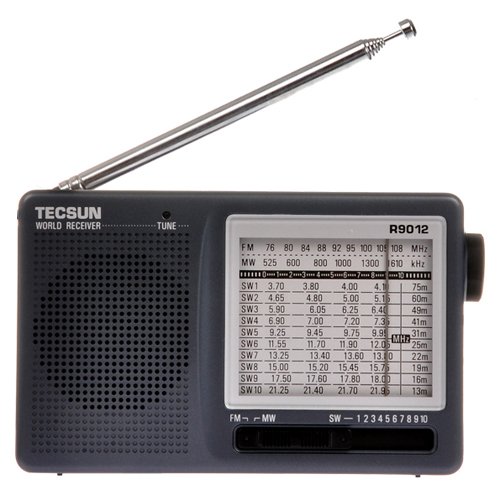
DE1DGK reviews the affordable Tecsun R-9012

Many thanks to SWLing Post contributor, DE1DGK, who shares the following mini review of the Tecsun R-9012:

I also have the Tecsun-R-9012, the little analog brother of the R-920c with digital display, and like to tune over the given bands with it. The sound is loud and clear and speaker-quality seems to be quite good as well. With earphones you can listen FM in stereo sound.

Either on Shortwave and Mediumwave, selectivity and sensitivity are fantastic for such a little 20€ worldband receiver. On FM, the bigger stations come in fine but it’s not very selective for weaker signals or FM-DX.

For shortwave, an external antenna like Tecsun AN-05, often overloads the receiver. It’s not recommend to use it for such low cost receivers at all.

In fact, the serial telescopic antenna works good enough in most of the situations. It could be helpful to shorten telescopic antenna a bit so reception might be better when there is too much RFI around. It depends from band to band. Battery life is amazing. It only needs two AA-batteries and works over months.

When you look for a basic worldband receiver, the Tecsun R-9012 is one of the best analog devices in the 20€-price-range. On the internet are out many reviews and tests about this little receiver which are all positive and often outperforms much more expensive worldband receivers. I would rate the Tecsun R-9012 with all pros and cons with 4.5 out of 5. It does perform great. Ideal for shortwave beginners and listeners who like the analog-feeling or those who want a universal little radio with shortwave.

Thank you for sharing your review!  I agree–the R-9012 is a safe choice for simple and affordable radio fun.

Tecsun R-912 retailers:

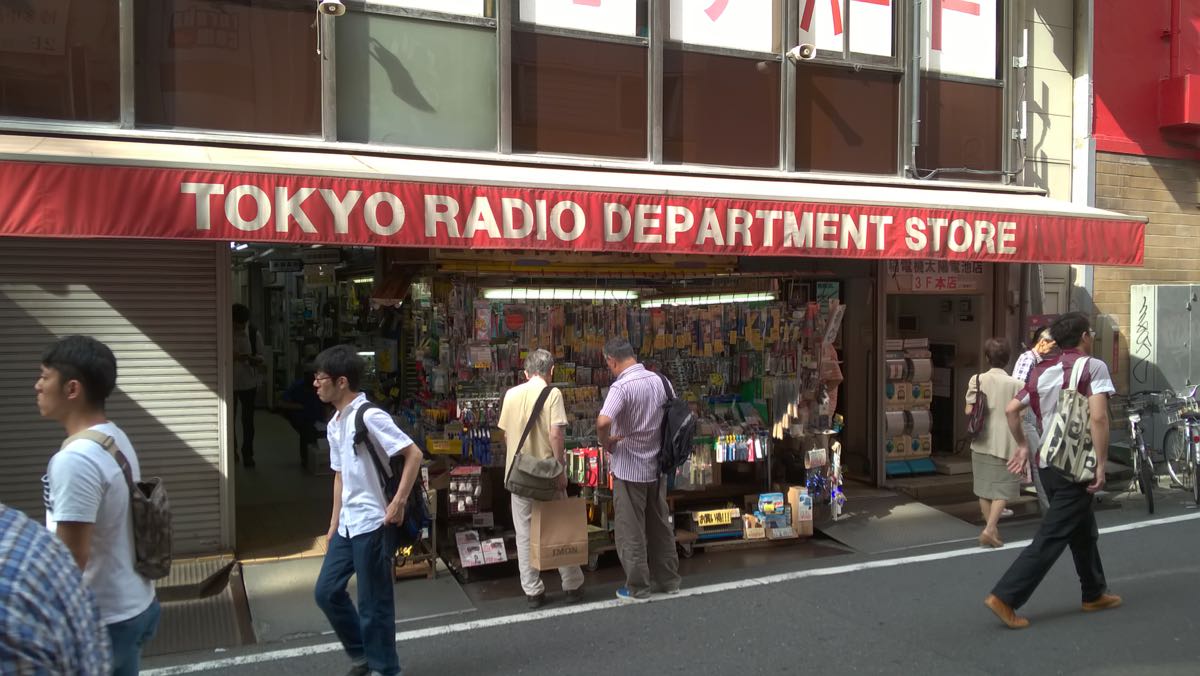
Guest Post: A visit to Tokyo’s Akihabara district
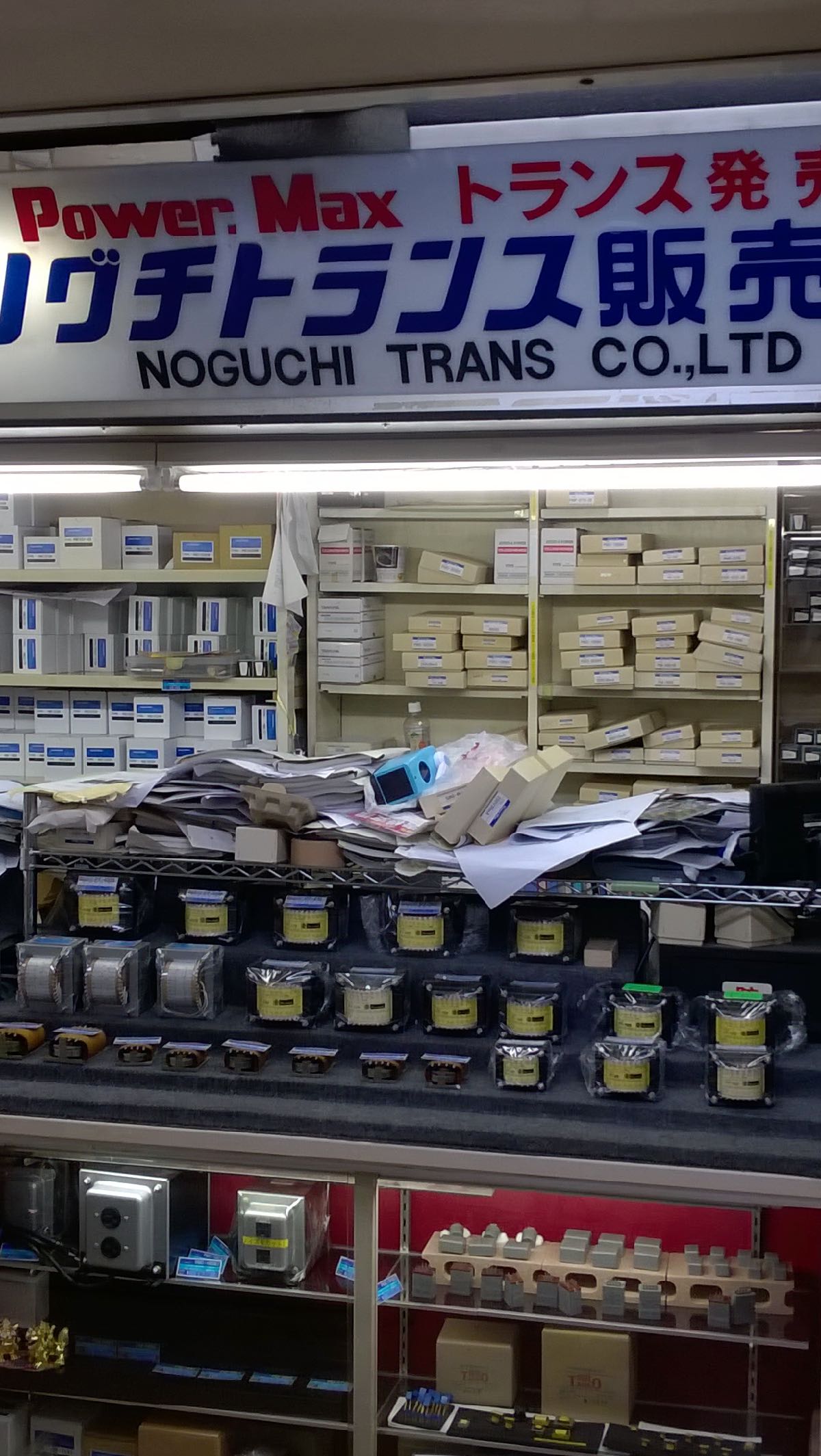
Many thanks to SWLing Post contributor and word traveler, Chris Johnson, who shares the following:

This past year while traveling for business in Japan I decided to explore a district within the city limits of Tokyo known as Akihabara or better known to locals as the “Electronics District”.

After jumping off the train I found my senses bombarded by a cacophony of sounds and enough neon from the street to the sky to put your senses into overload. The streets were crowded and the stores were filled with every modern electronic device known to man.

Click here to watch video.

My imagination ran wild, I started wondering what this place would have been like in the 1970’s when some of the most cutting edge electronics were CB radios or shortwave receivers, the different brands, models etc… Perhaps some of that still existed here so I started wandering the streets and found more of the same you would find in a big box store but multiplied by 10, overwhelming.

Just when I was ready to give up the search I turned the corner down a side street and discovered a red awning with “Tokyo Radio Department Store” emblazoned on it, I felt like I discovered a lost treasure amongst the modernity.

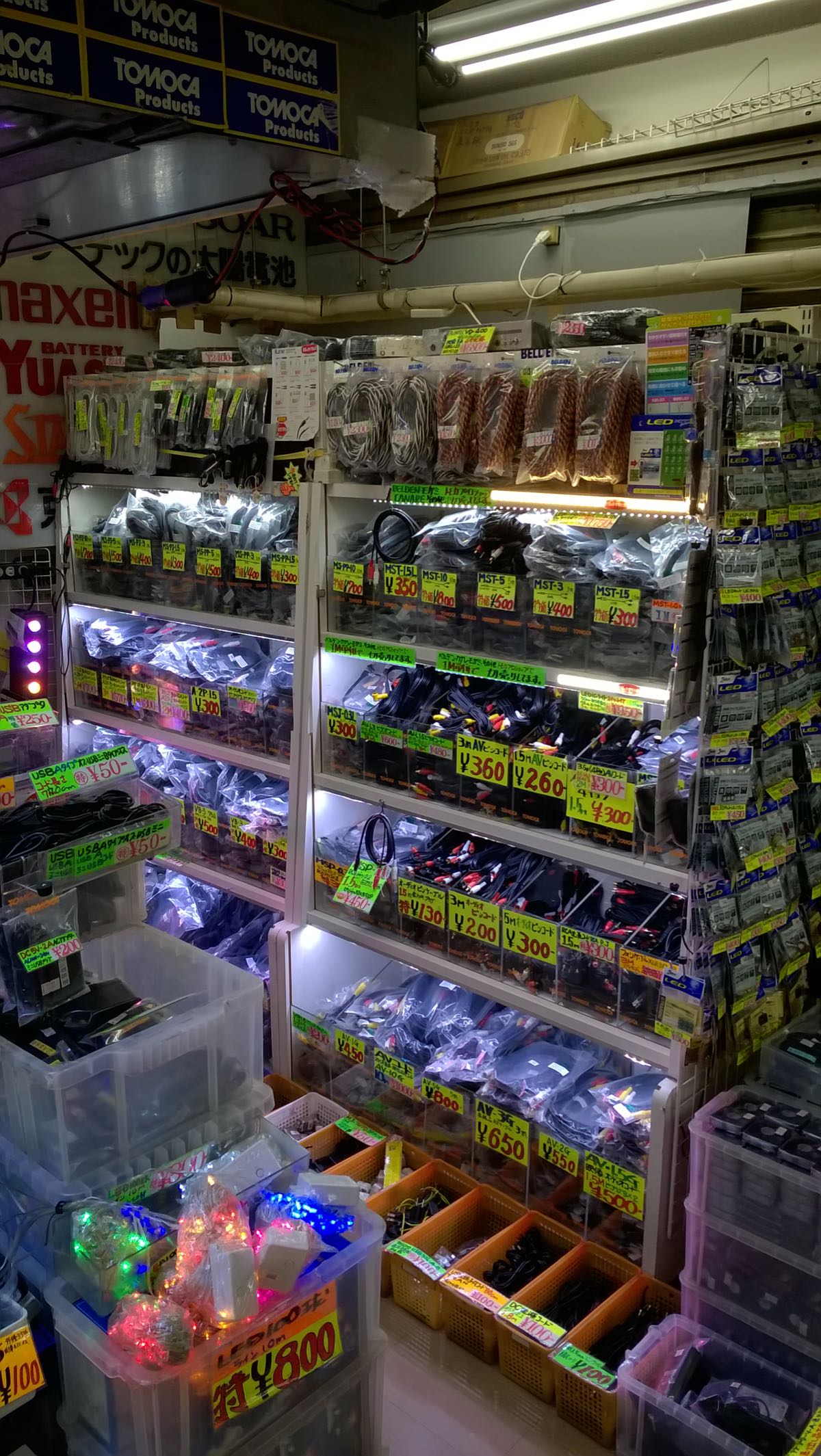
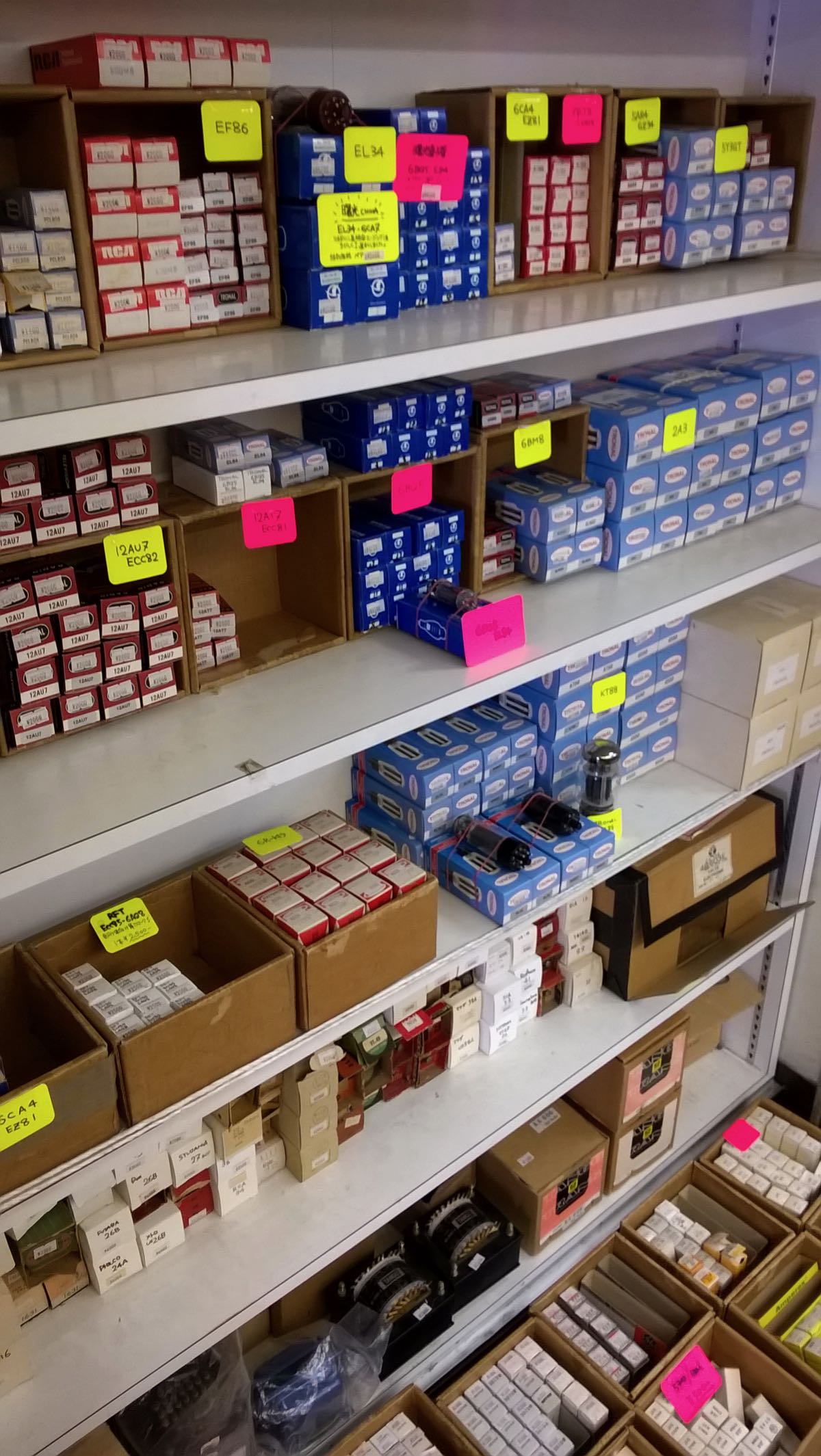
I walked through the main entrance and was immediately drawn down a maze of narrow corridors that were staffed with small stores and stalls that sold electronic parts both popular and obscure, it was incredible. That was just the first floor with 3 more above to discover, I thought to myself if I ever wanted to build a transmitter this is the one place in the world where you could shop and find all the parts you need.

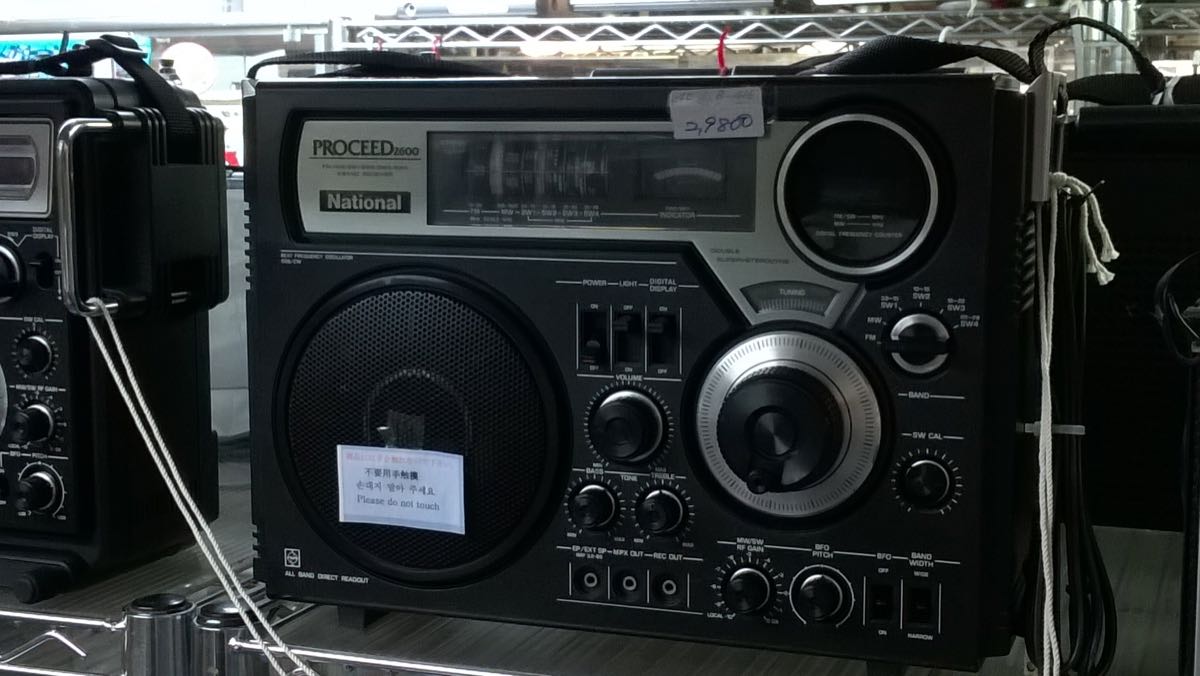
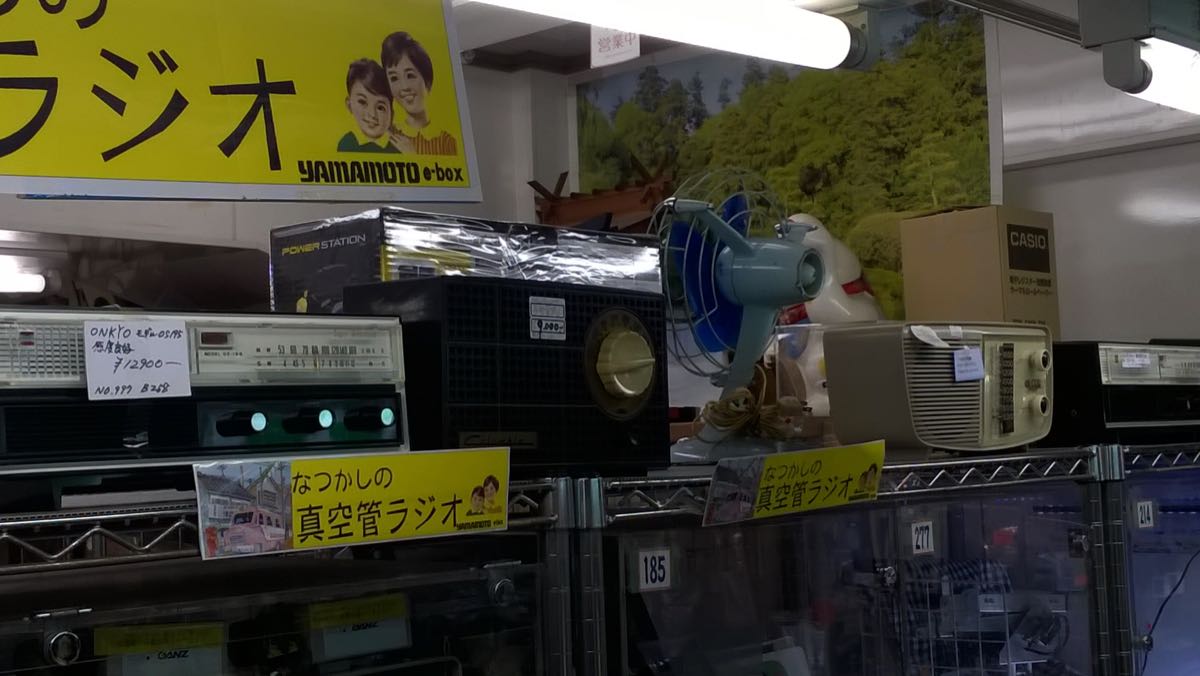
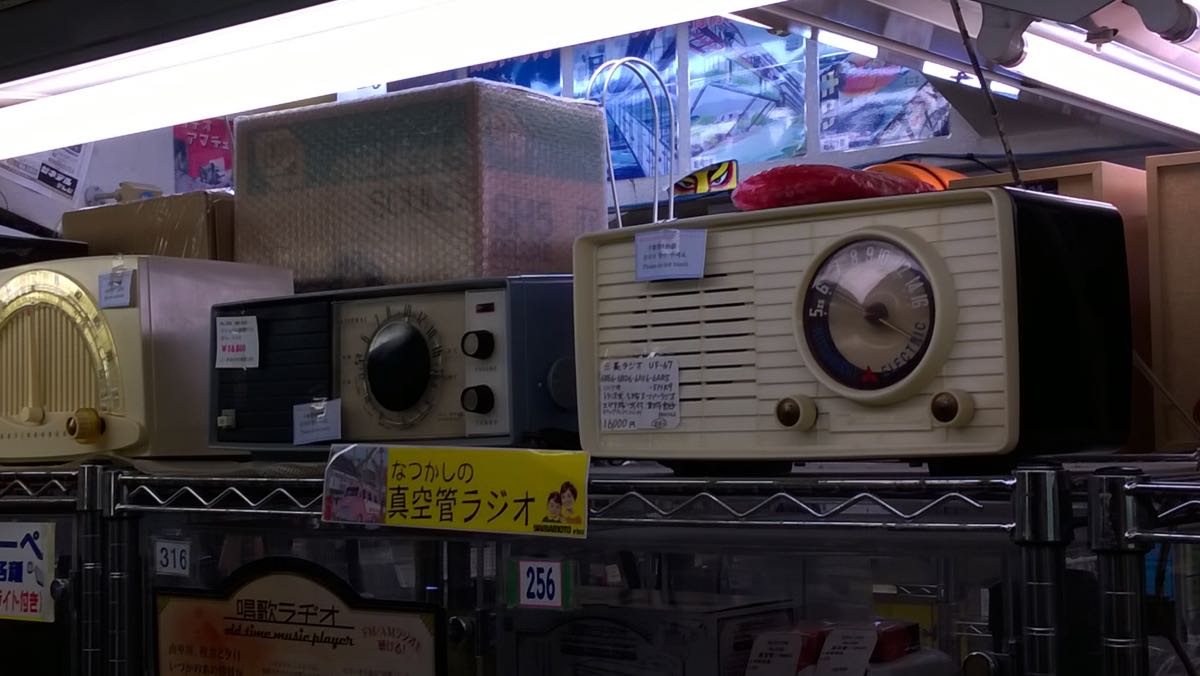
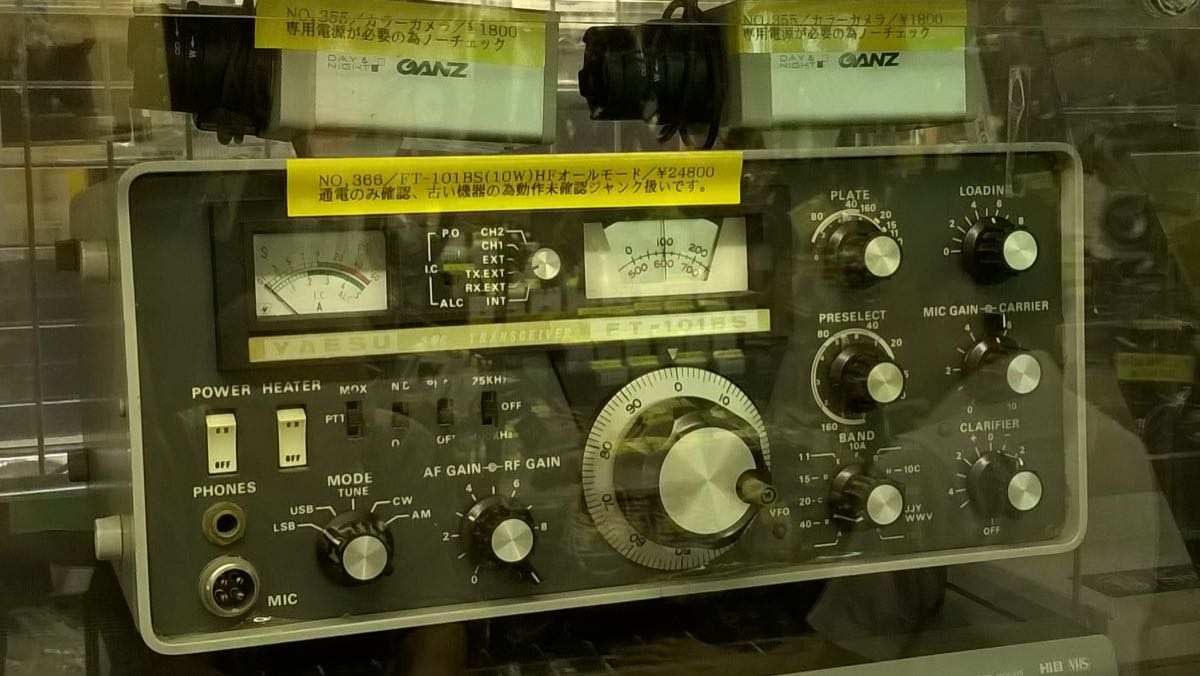
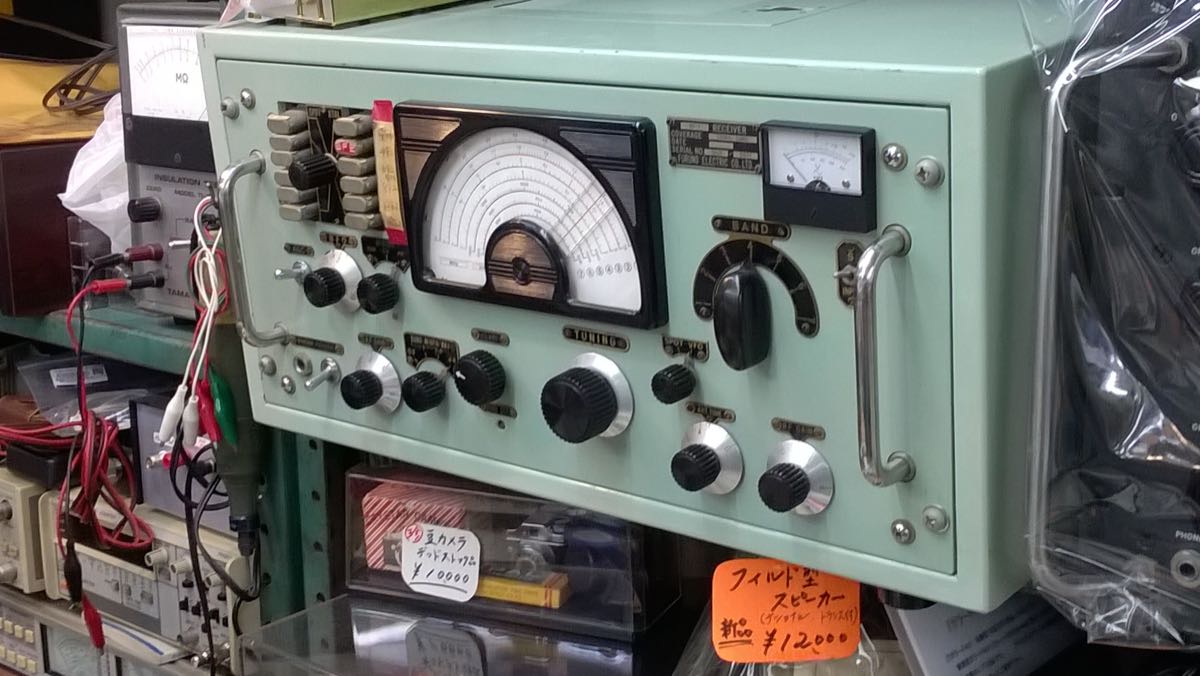
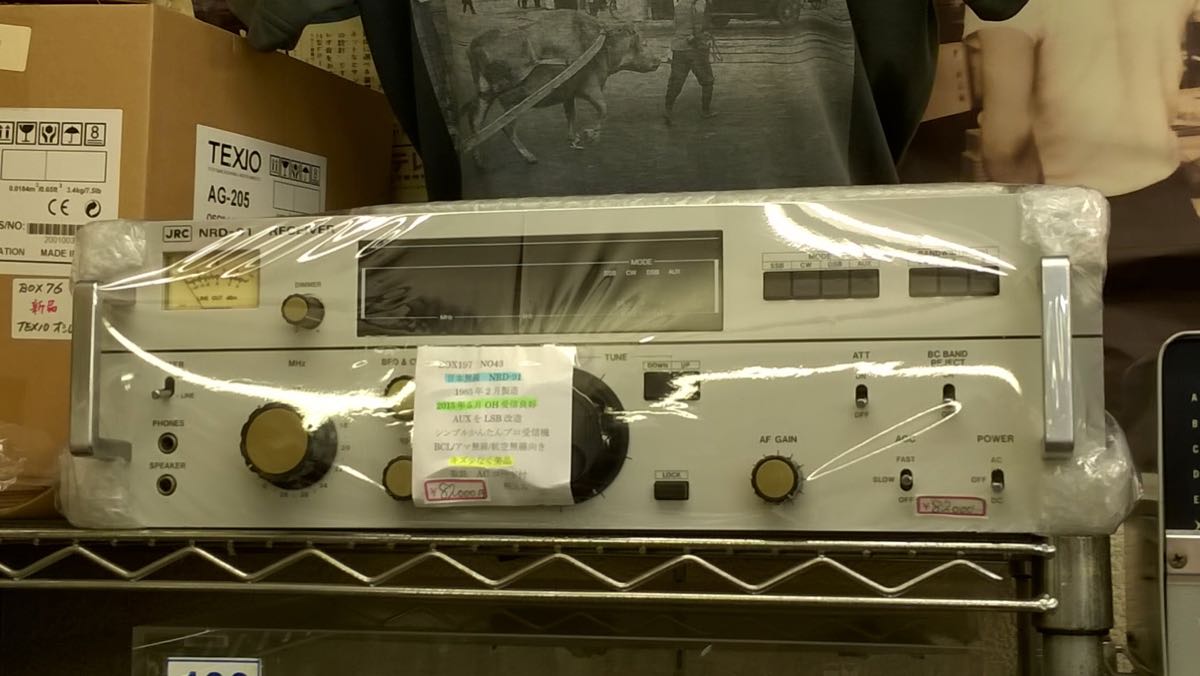
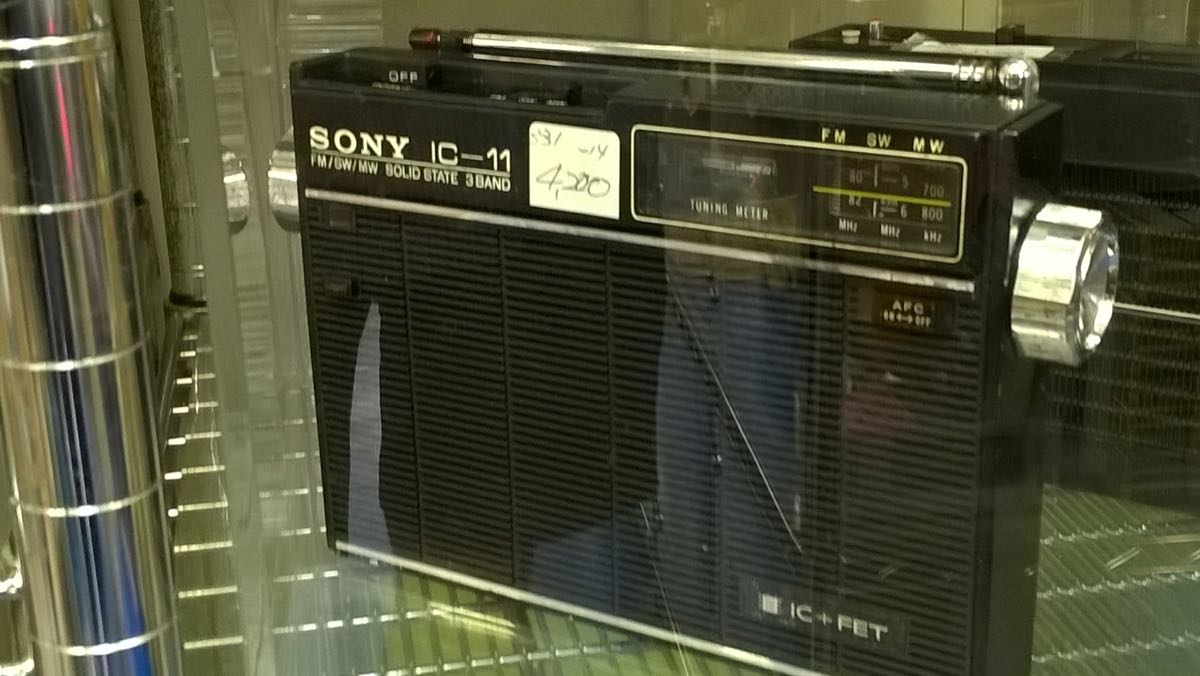
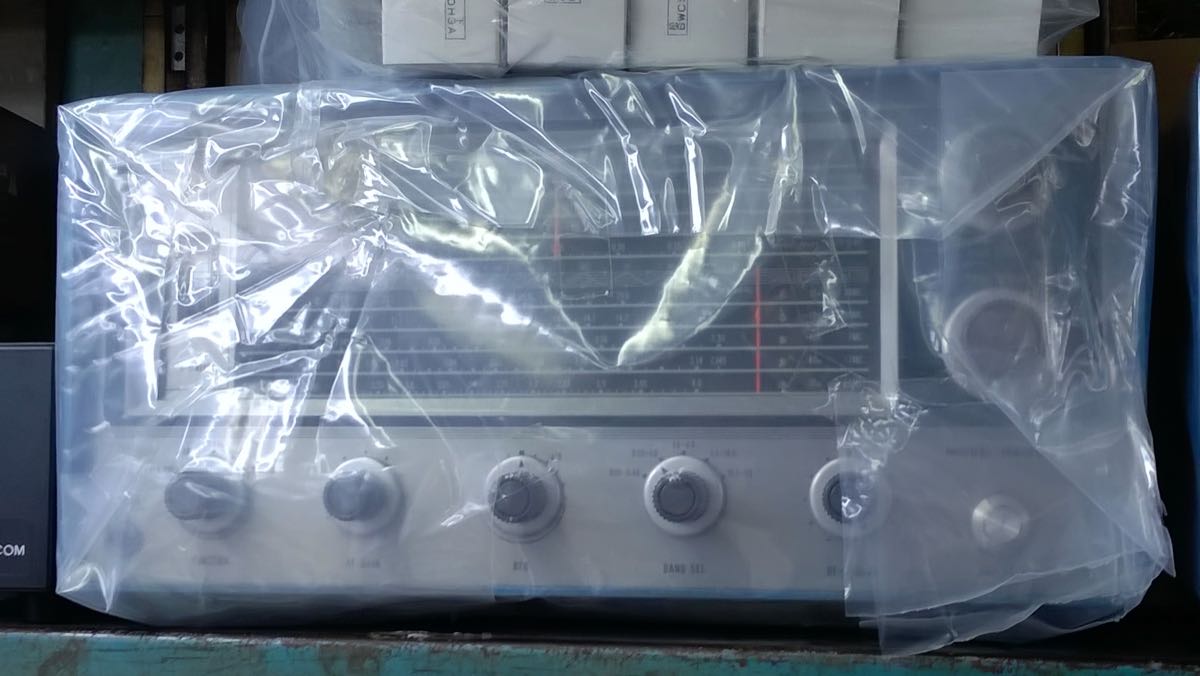
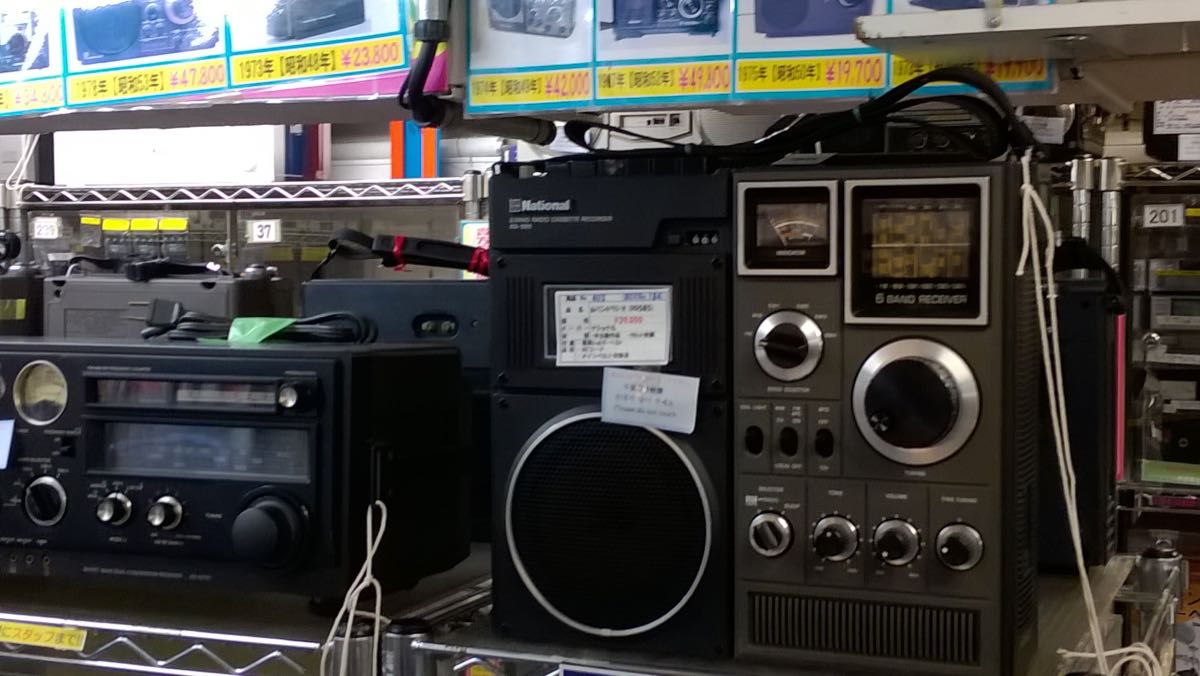
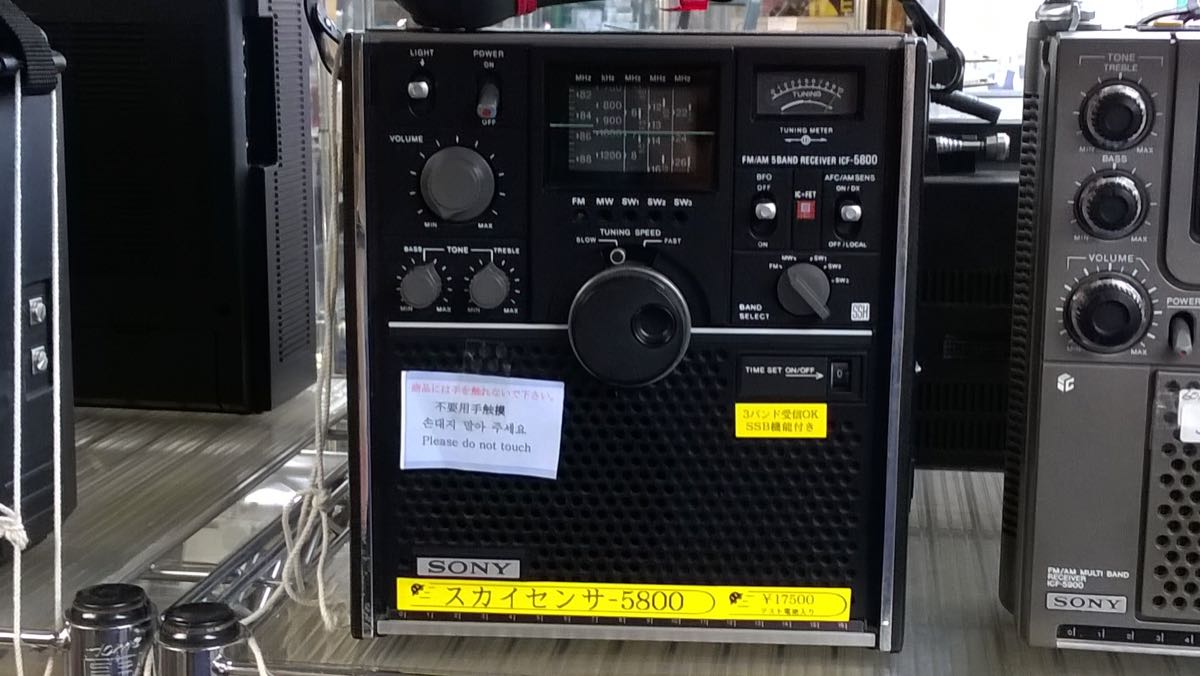
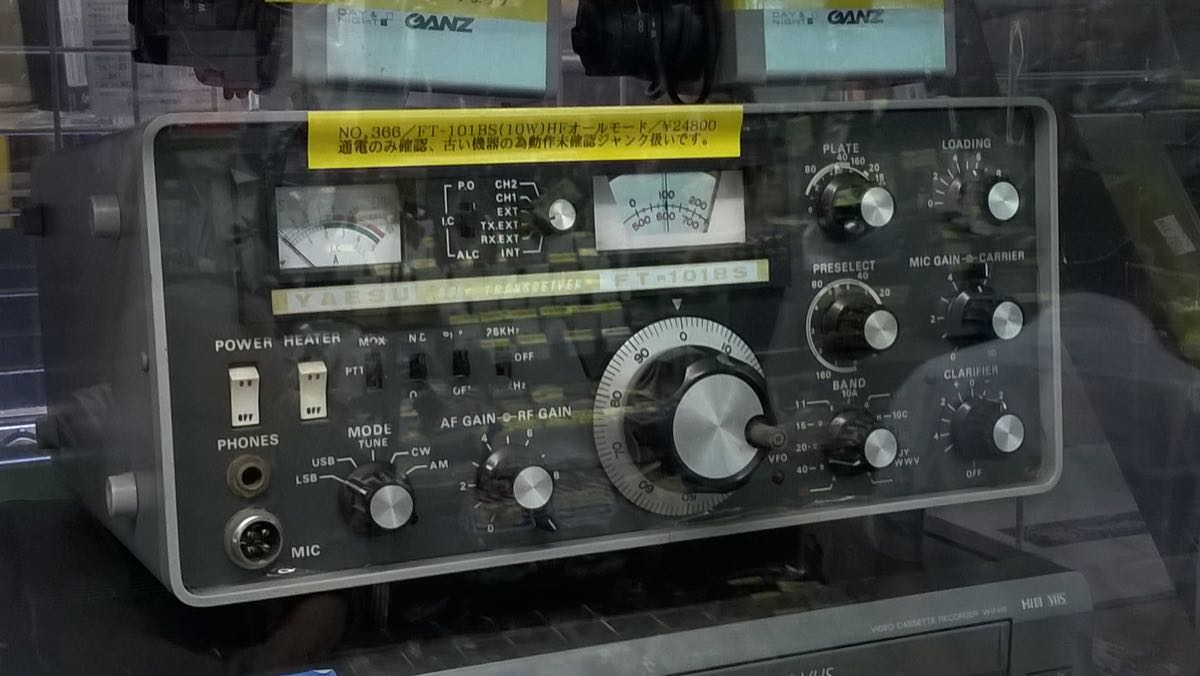
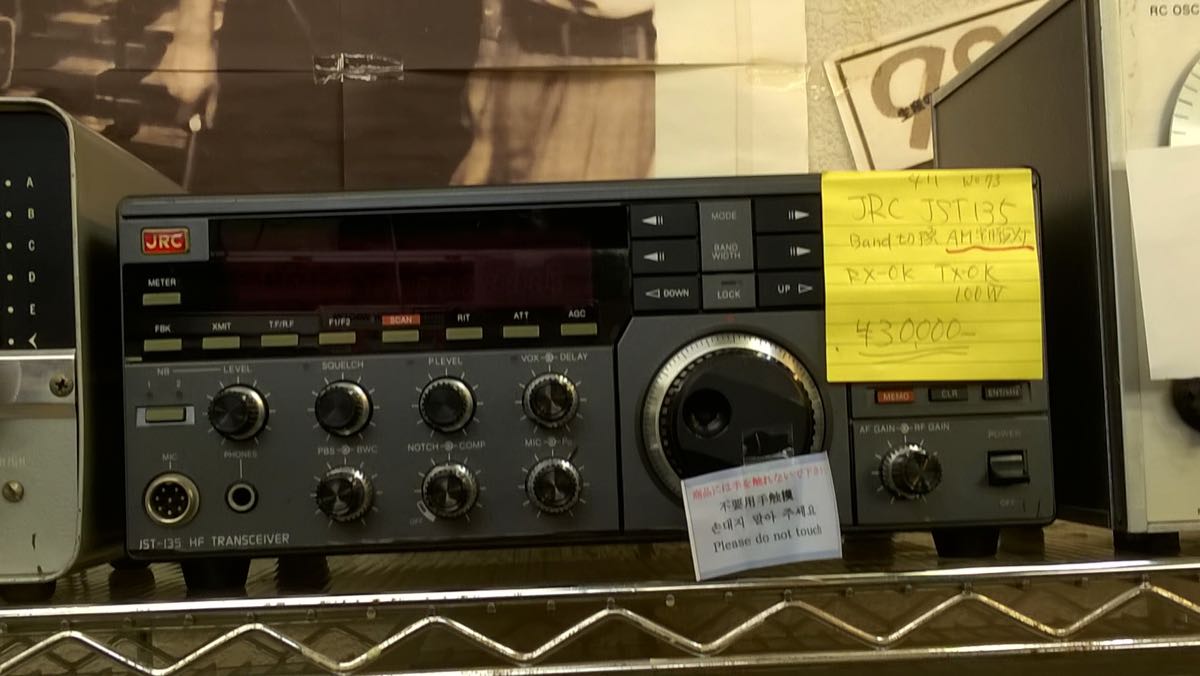
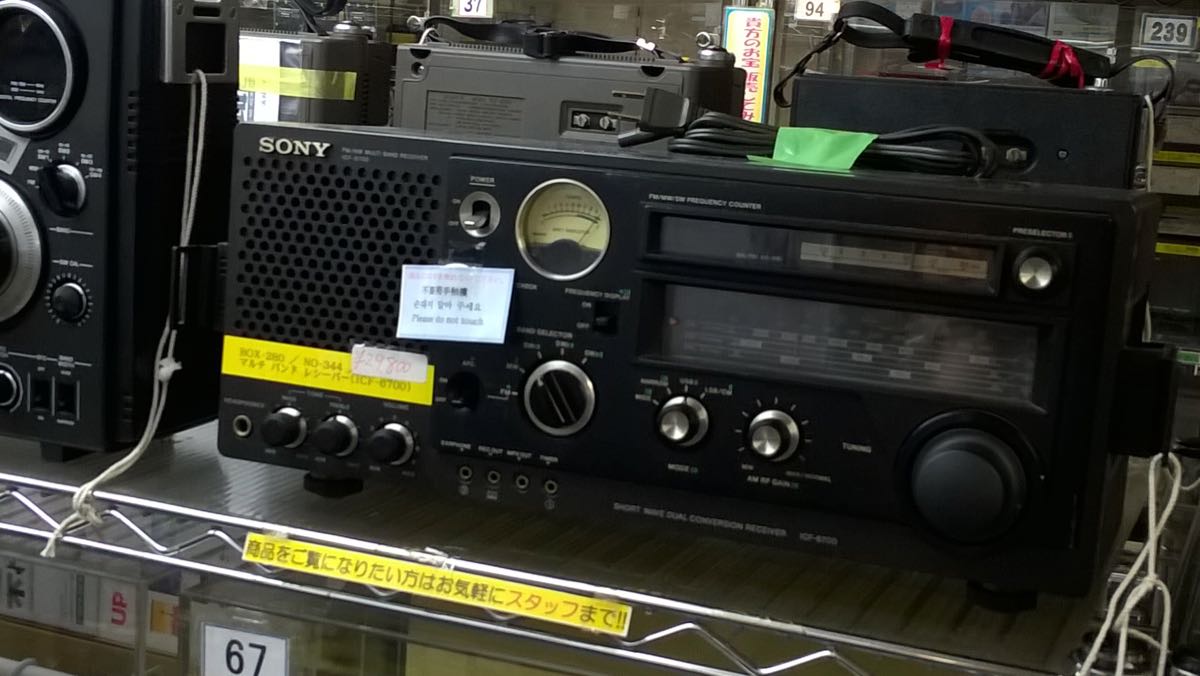
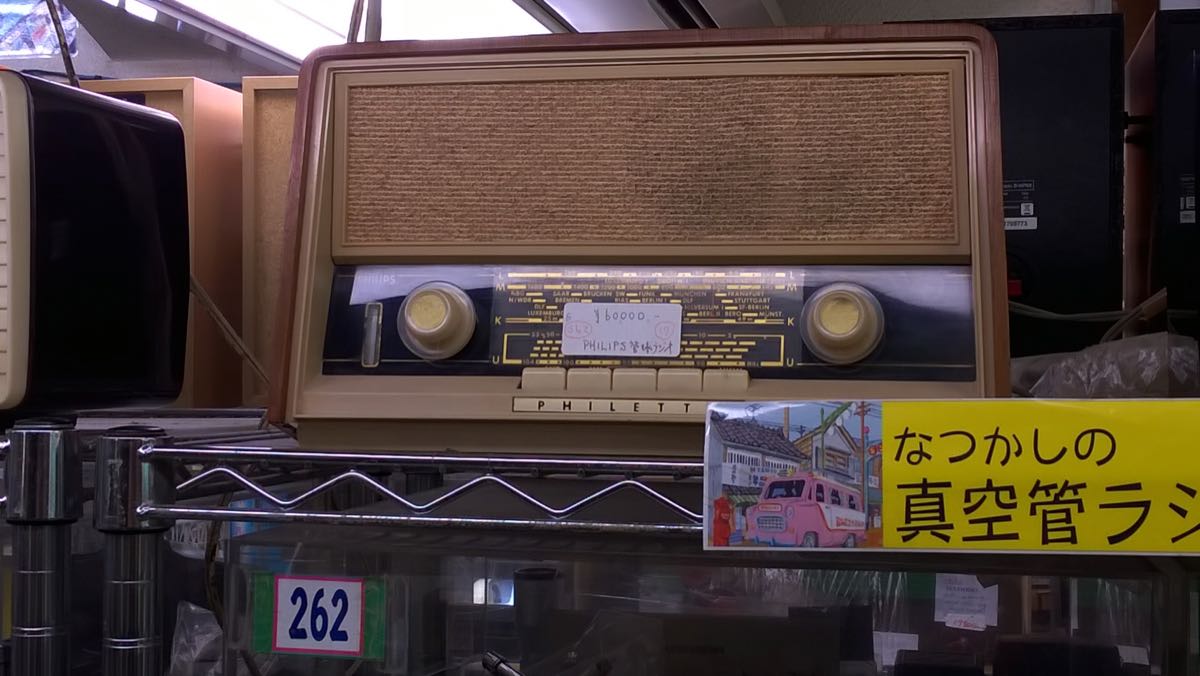
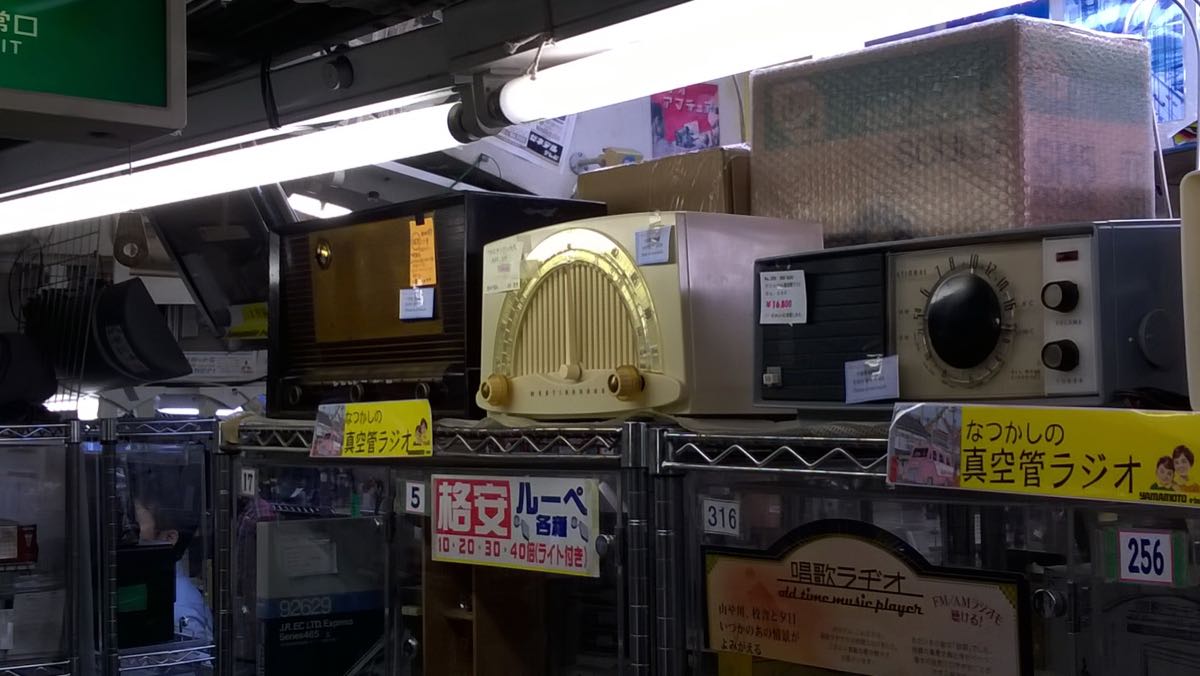
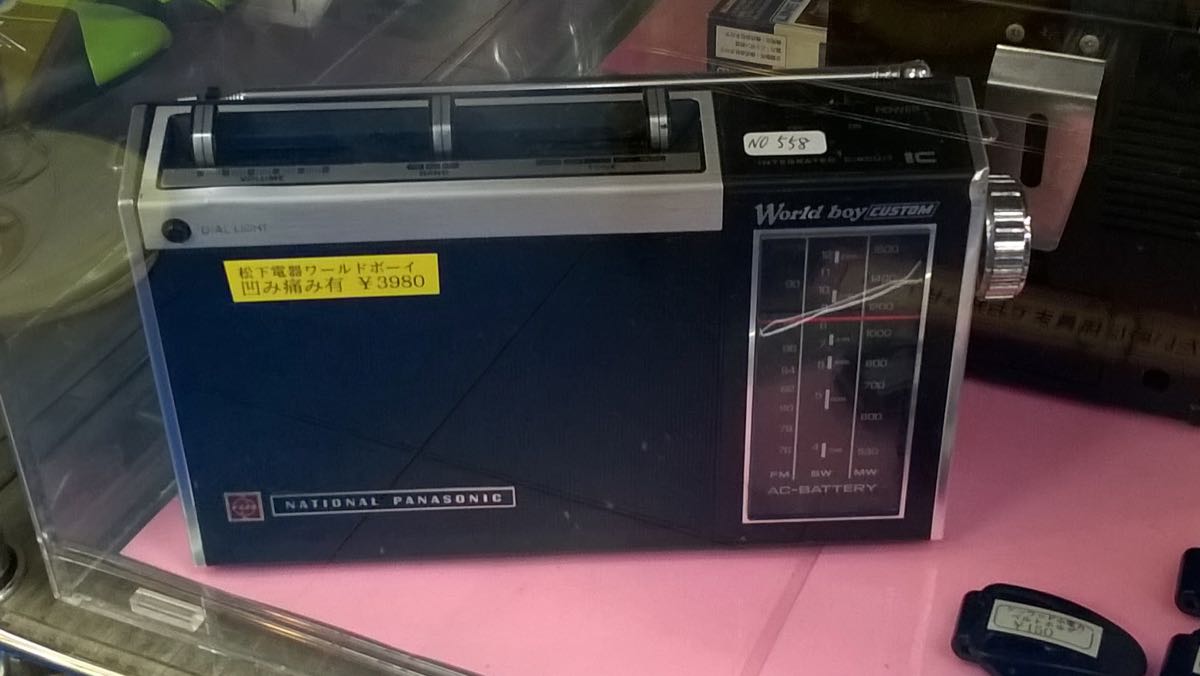
As I ventured up the narrow stairs to the floors above once again I felt like I found a treasure of gold, before me were shelves and displays crammed full of radios, some I haven’t seen in many years and some from the recent past .

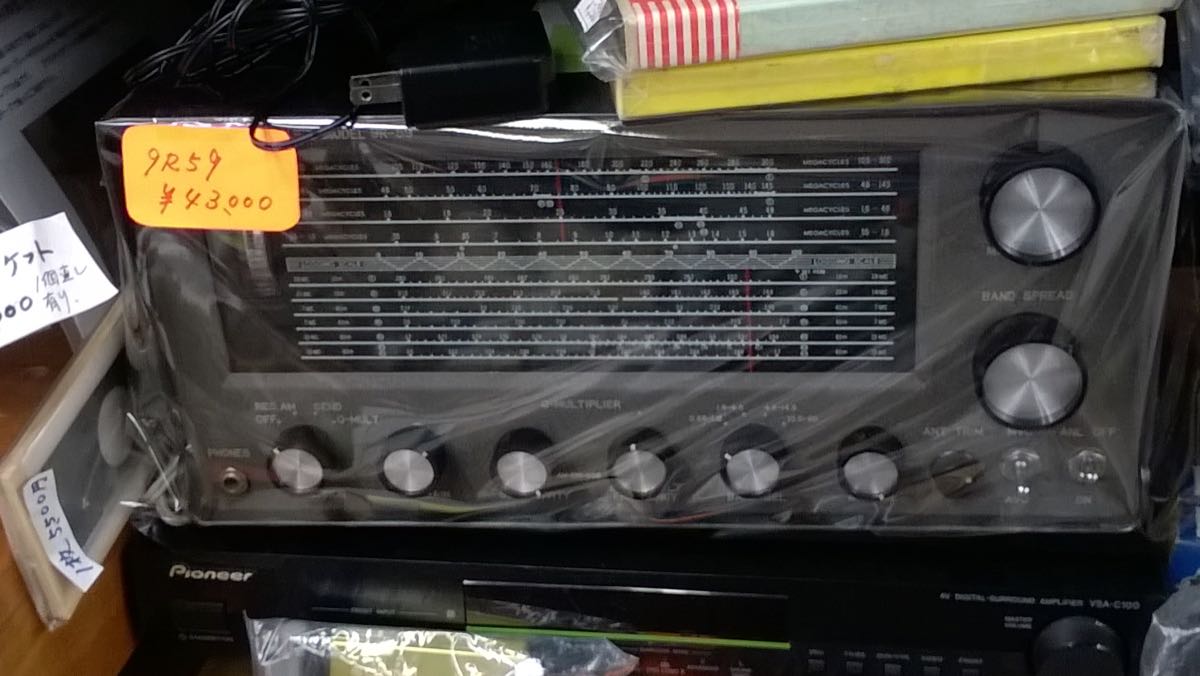
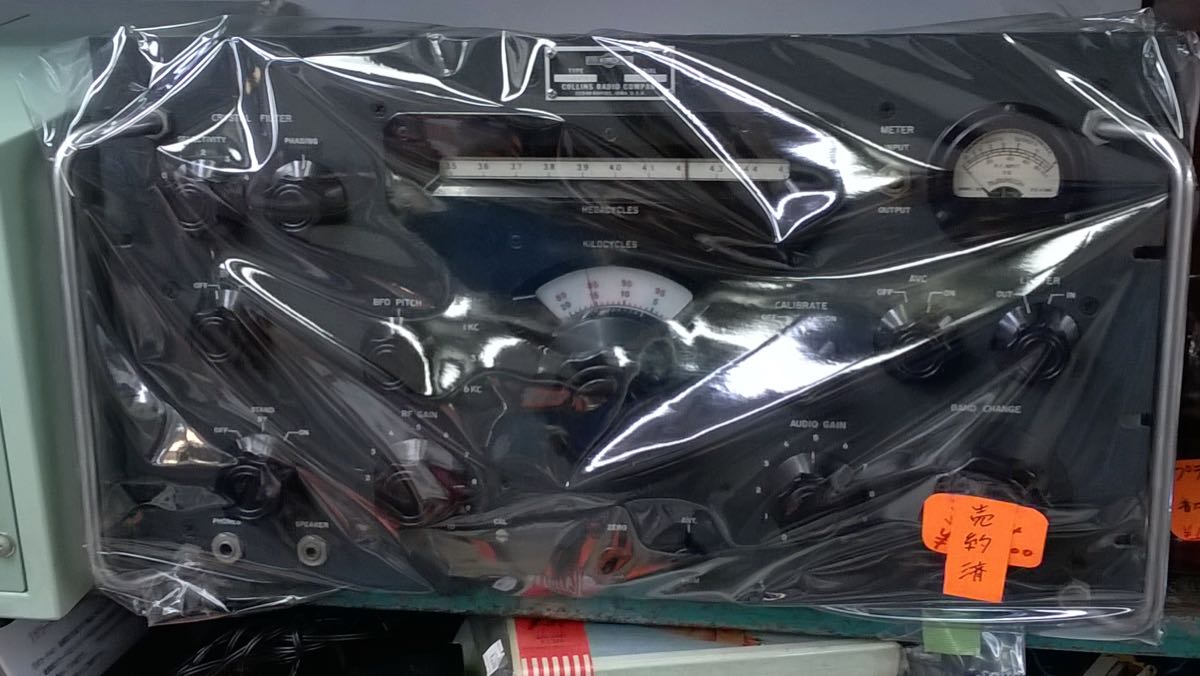
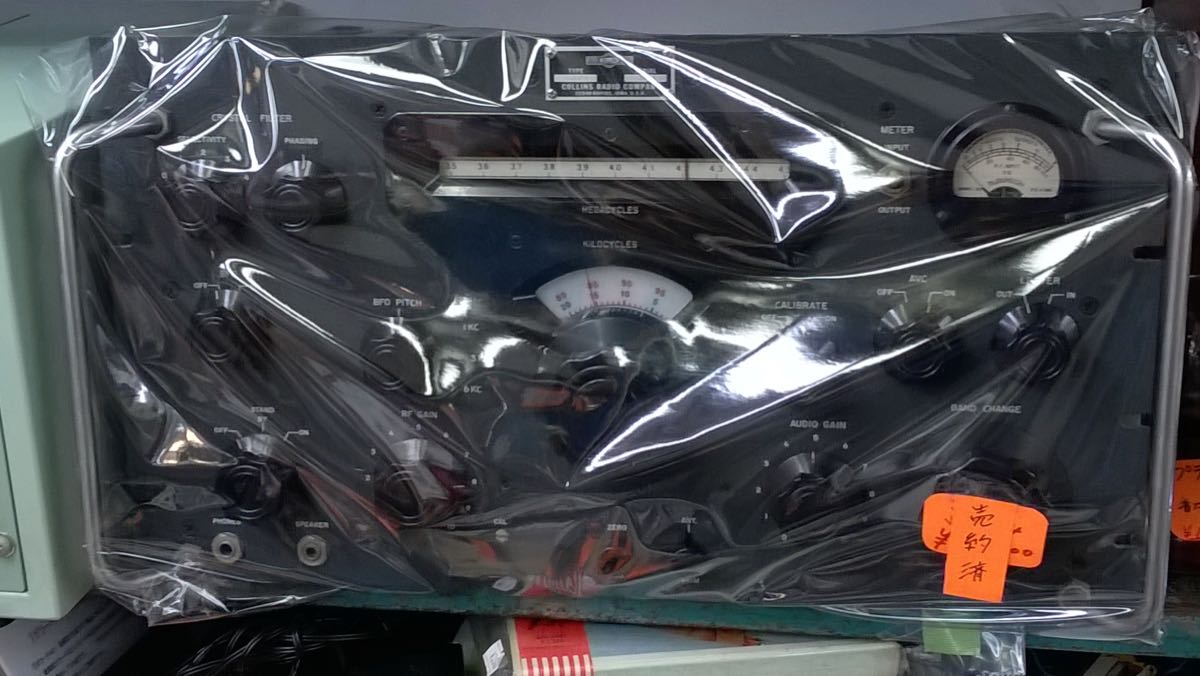
This was like a Hamfest and eBay together under one roof. Truly incredible as you will see in the pictures below. I couldn’t get close to some of the ones wrapped in plastic but maybe a sharp eyed enthusiast can Identify them. I highly recommend anyone traveling to this part of Asia to check out this hidden gem you will not be disappointed.


Thank you so much for sharing this photo tour, Chris! I mean…WOW! There are so many radio gems here. I see some classic solid-state receivers, ham radio transceivers and even valve gear I’ve never seen before. Amazing!

Thank you for taking the time to share your tour of the Akihabara district of Tokyo!

Post readers: Please comment if you’ve ever visited the Akihabara district or any other “Radio Row” districts in the world. please consider sharing your photos!

Do you enjoy the SWLing Post?

Please consider supporting us via Patreon or our Coffee Fund!

Your support makes articles like this one possible. Thank you!

“The Forgotten Firsts–Remembering Radio Netherlands”

Many thanks to SWLing Post contributor, Richard Langley, who shares this excellent article by our friend Jonathan Marks in Medium:

Jonathan Marks, Director of Programmes, Radio Netherlands, Hilversum, June 1995 (Source: Medium.com)

Every country claims to have invented radio. In the Netherlands Institute for Sound and Vision in Hilversum they have so far focused on the radio pioneer Hanso Idzerda. He set up a business to make and sell his radios. And he realised that no-one would buy his radios if there was nothing to listen to. I think the evidence shows that he was one of the first, if not the first person to make regular broadcasts following a pre-announced schedule. But I would like to suggest he started off a chain of Dutch “firsts”, many of which are now in danger of being forgotten.

First, Idzerda started international broadcasting. From a rooftop antenna in the Hague, his low power mediumwave signal could be heard in the Southern part of the UK. And he capitalised on that by broadcasting an hour of concert music between 4 and 5 on a Sunday afternoon, responding to listeners correspondence. And he managed to get the programme paid for by the Daily Mail newspaper in London. So, the first international broadcasts were commercial. They were also the world’s first broadcasts using what today we would call narrow band frequency modulation. It wasn’t until 1933 that American engineer Edwin Armstrong, discovered this technique was capable of transmitting much better audio fidelity if you used much higher frequencies and more sensitive receivers.

In 1920’s, no-one understood radio propagation

But in 1919 no-one really understood how radio waves worked and the influence the sun has on the way they propagate. I’m guessing that Idzerda would have had most of his UK listeners in mid-winter when it was starting to get dark.

By 1925, various things were happening in parallel. Physicists like Edward Appelton were showing that there was a layer in the earth’s atmosphere which they later called the ionosphere. It acted like a mirror to radio waves. And the path of the signal followed was dependent on frequency.

So while Radio Kootwijk was using a high-power long-wave transmitter to try and send Morse code messages to the Dutch colony of the East Indies, now Indonesia, engineers at Philips in Eindhoven realised that shorter wavelengths were best suited to long distance communication using much less power than the 400kW being used in Kootwijk. They ran experiments in 1925 which were received in Malabar Indonesia. A certain Dr de Groot is listed is some accounts as a radio enthusiast. It’s just that he happened to be the head of the Dutch telegraph station in Sitoebondo, East Java and had been busy since 1916 trying to establish a reliable, direct connection between The Netherlands and its colonies. The Dutch were making use of long-distance phone cables owned by the British who were listening in to all the communications.[…]

Click here to continue reading the full article in Medium.

Guest Post: Review of the Tecsun AN-07 whip antenna extender

Many thanks to SWLing Post contributor, Nicolás Colla, who shares the following review:


Tecsun AN-70 antenna


The Tecsun AN-07 is a whip antenna extender that is approximately 65 cm long. I bought mine from eBay seller Anon-co, and it arrived from Hong Kong in approximately twenty days.

The first thing I noticed with my new antenna is that it probably works only with Tecsun radios.

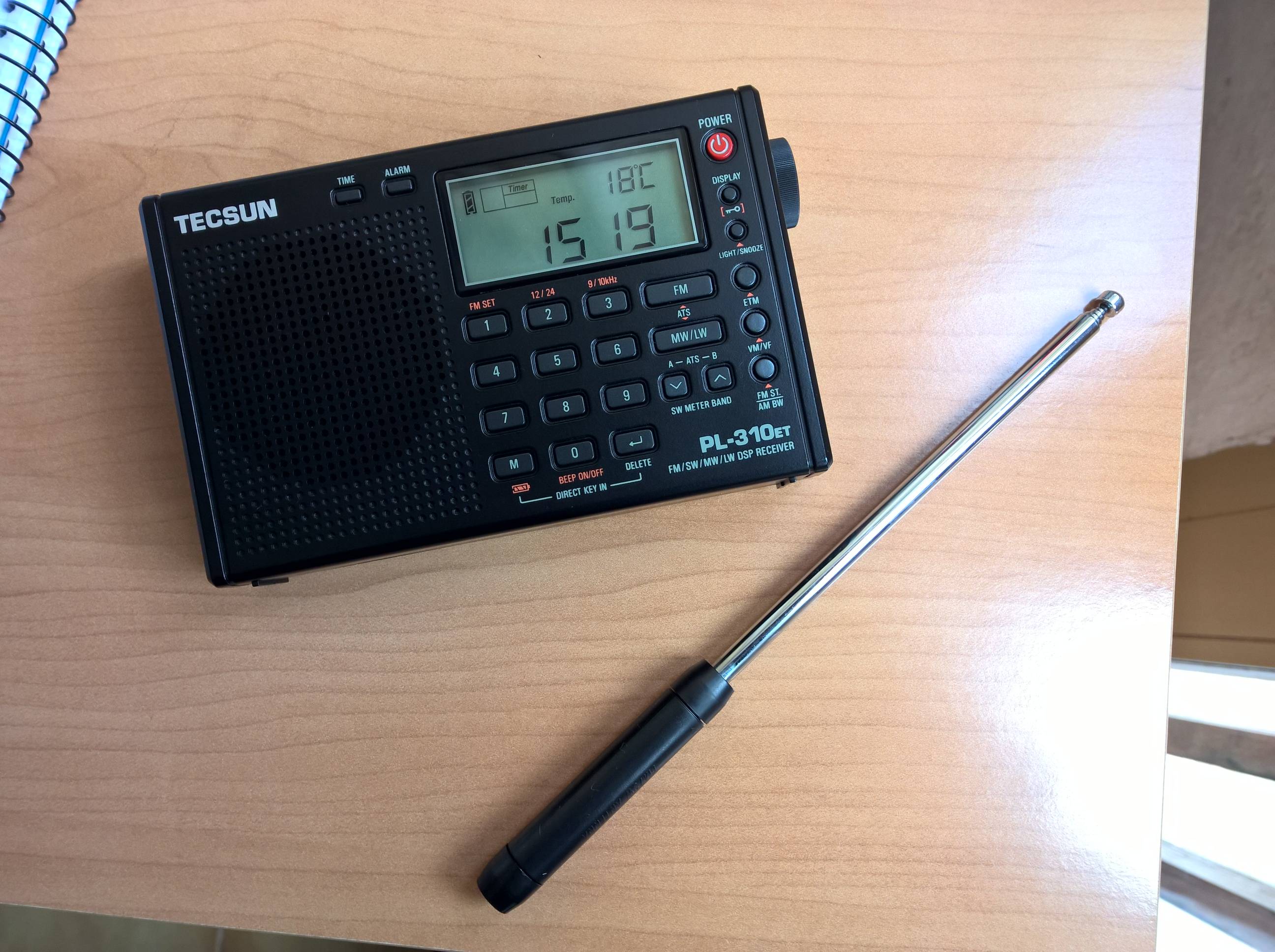
The antenna on my Degen DE-13 self-powered radio is too thin for the extension; the one on my Panasonic RF-3500 kitchen radio is too thick. I have another Tecsun antenna, the AN-05, which is a 6 m wire with a clip on the end that can be put on the radio’s aerial. I hung the AN-05 indoors, in the place with the least amount of RFI (just next to a window), and decided to compare the performance of my Tecsun PL-310ET with the default whip, the longwire and my new extension, on shortwave and FM.

For that, I made a quick scan of the bands with the Easy Tuning Mode (ETM) function of this radio, between 1330 and 1355 UTC. The results were the following:

Shortwave

  • With the default aerial: 3 stations found.
  • With the AN-07 antenna extension: 9 stations found.
  • With the AN-05 longwire antenna: 23 stations found.

As you can see, the AN-05, which is 6 times longer than the AN-05 (the aerial’s height is 1 meter with the added extension), gives by far the best results. Ironically, another scan with the AN-05 AND the AN-07 at the same time, with the clip adjusted on the extension, gives 29 different stations. I don’t know why, but it works better!

FM

  • With the default aerial: 42 stations found.
  • With the AN-07 antenna extension: 57 stations found.
  • With the AN-05 longwire antenna: 35 stations found.

The AN-07 seems specifically designed for FM reception, and it really shines on this band. The signal of a local station increases approximately +12 dbµV on this set’s signal meter.

In short, if you would like to get outstanding FM reception, or if you want to increase your shortwave signal quality JUST A BIT and don’t want to mess with wires, the Tecsun AN-07 is ideal.

Click here to view the Tecsun AN-07 on eBay.

Thank you, Nicolás, for the quick review! As you say, that’s impressive performance on FM especially. What I like about the AN-07 is that it’s passive and requires no power supply or batteries.  It’s also compact and easy to pack for travels. Many thanks for sharing your evaluation!


Do you enjoy the SWLing Post?

Please consider supporting us via Patreon or our Coffee Fund!

Your support makes articles like this one possible. Thank you!