Shortwave listening and everything radio including reviews, broadcasting, ham radio, field operation, DXing, maker kits, travel, emergency gear, events, and more
Many thanks to SWLing Post contributor, Phil Brennan, who writes:
The following piece regarding Radio Australia caught my eye last week. It was authored by Hamish McDonald and appeared in the 18 June 2016 edition of the Saturday Paper.
[McDonald] reports on a variety of foreign policy matters from an Australian perspective:
“Guthrie’s world view
Our mole at the ABC tells us new managing director wants to pull back from the embrace of the Chinese Communist Party’s Publicity Department, as the Ministry of Propaganda is known.
In her first meeting with the board on June 9, Guthrie questioned the value of the ABC’s Chinese language portal, AustraliaPlus.cn, which has been pinged by the ABC’s own watchdogs for pulling awkward content to avoid displeasing the CPC.
We are told she also “forcefully expressed” her interest in the corporation returning to full-blooded international broadcasting, and raised the fact that Radio Australia no longer broadcasts in Mandarin, nor in Tok Pisin, the lingua franca of Papua New Guinea. A return to international TV broadcasting two years after the Abbott government scrapped funding for the ABC’s Australia Network (to please Rupert Murdoch) would not come cheap. Nor would a revival of Radio Australia, once the major arm of Australia’s soft power in the region.”
I also spotted a reference to this meeting of the new ABC MD in a previous issue by another columnist which seems to be outside the paywall. Click here to view.
Many thanks, Phil, for sharing this! As I’ve mentioned before, Radio Australia is a staple source of news for many. I hope Guthrie does, indeed, re-focus on their international content and all forms of delivery.
In July PCJ Radio International will present a special two hour program called From the Radio Netherlands Archives.
The special program will broadcast material from the Radio Netherlands archives that has not been hear since it was originally broadcast. Material will be from 1947 to 1995 and will include some rare material.
Rare material will be from Jerry Cowan, Dody Cowan, Harry van Gelder, Eddie Startz, Tom Meijer and many others. Also included will be rare performances recorded at the wereldomroep of some internationally known artists.
The program will be presented by Paulette MacQuarrie; producer, editing will be Keith Perron who will also do the prologue.
This will be the first of a number of specials. Listeners who write in will also get a special e-QSL.
North America: 0100 to 0300UTC – Frequency 7570kHz July 18, 2016
On Tuesday, 21 June 2016, the BBC World Service officially transmitted the 2016 BBC Antarctic Midwinter Broadcast–an international radio broadcast intended for a small group of scientists, technicians, and support staff who work for the British Antarctic Survey.
This is one of my favorite annual broadcasts, and I endeavor to listen every year. Once again, the SWLing Post called upon readers to make a short recording of the broadcast from their locale.
Below are the entries, roughly organized by continent and country/region, including reader’s photos if provided. I had planned to post these recordings by Sunday, but my travels interfered and I discovered an additional ten recordings in my inbox! (If I’ve somehow missed including your entry, please contact me; I’ll amend this post.)
So, without further ado….
The 2016 BBC Antarctic Midwinter Broadcast Recordings
Australia
SWL (Shortwave Listener):Rob Wagner Location: Mt Evelyn, Victoria, Australia Notes: [A] 12 minute video record of the broadcast that also demonstrates some tuning techniques and DSP facilities on the Yaesu FTDX3000. You can view the video below or by clicking here:
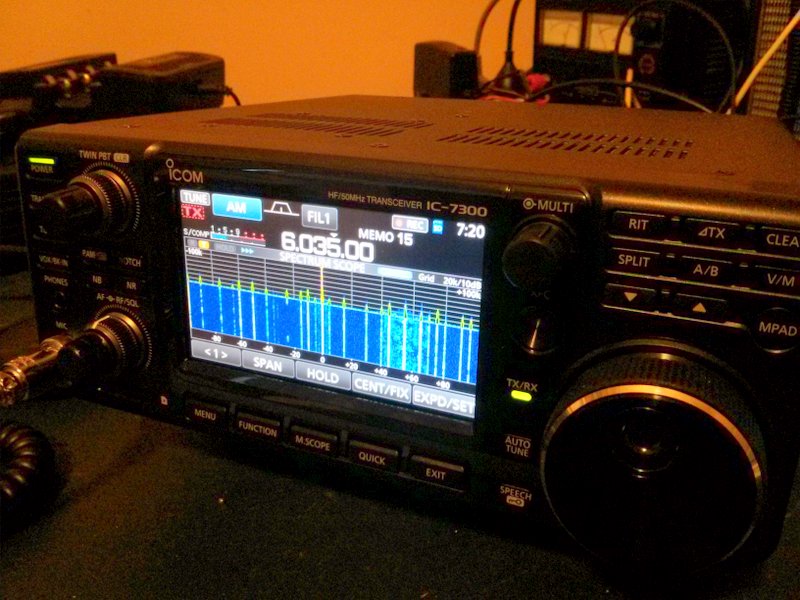
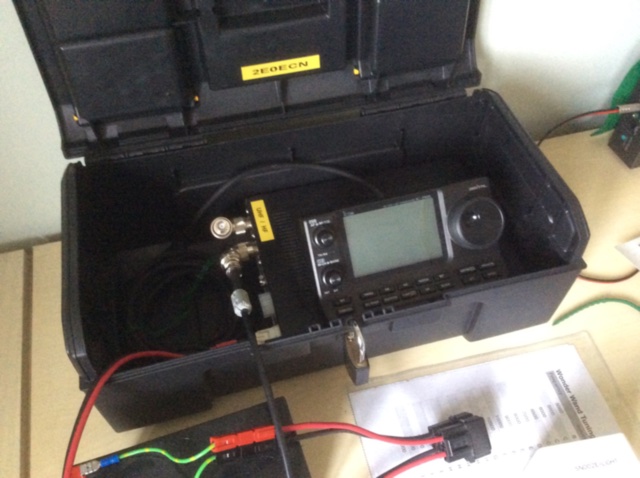
Paul’s Icom IC-7300 tuned to the BBC Midwinter broadcast.
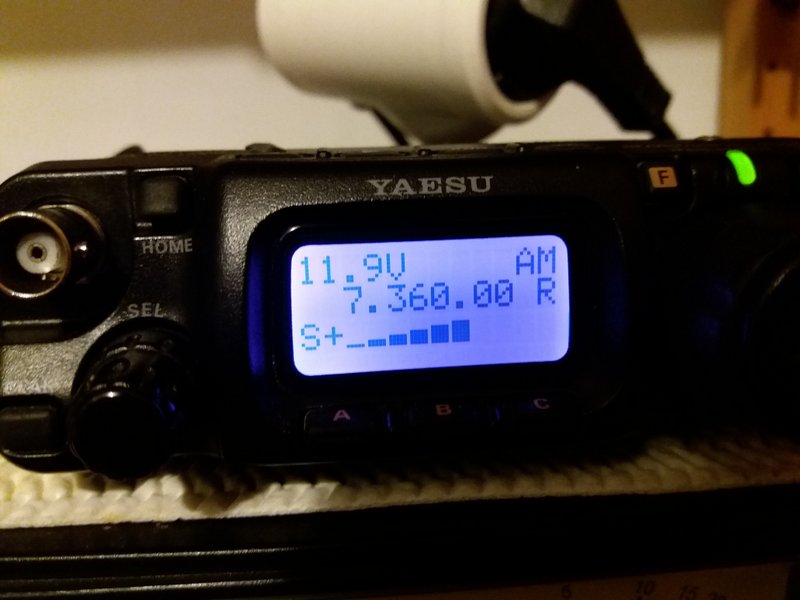
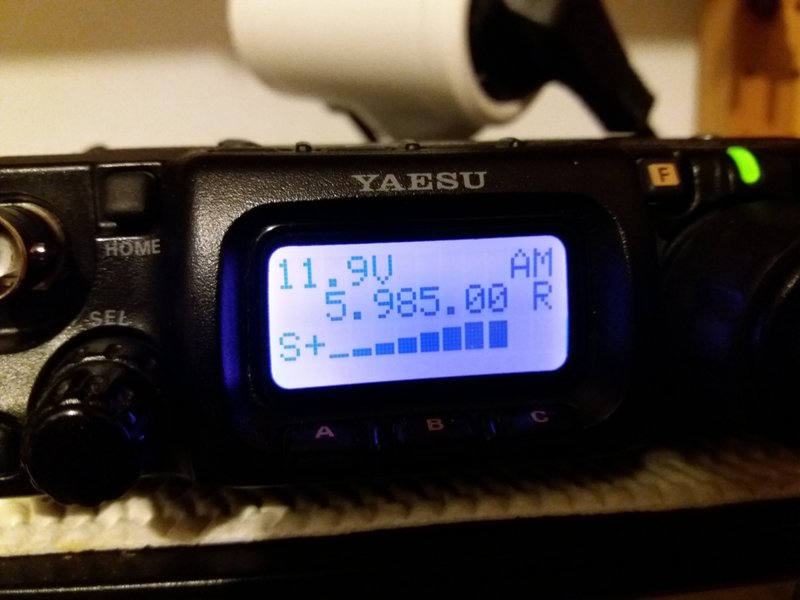
SWL: Paul Philbrook Location: Adelaide, South Australia Notes: Here are a couple of recordings from this mornings broadcast. Just had a quick listen before heading off to work and recorded these two with the IC-7300. Radio: Icom IC-7300 Aerial: Multi-band loaded dipole. 5985 Khz strength 5 readable, 6035 Khz strength 8 good readability, 7360 Khz no copy.
Click here to download recording 1 and recording 2, or simply listen via the embedded players below:
New Zealand
SWL: Bryan Clark Location: Mangawhai, New Zealand Notes: Listening in New Zealand, reception was not as good as last year.
Here are short audio files of the 3 frequencies. I used an EWE antenna aimed southeast, that is across South America, for the best signals. Receiver is a WinRadio Excalibur Pro SDR.
SWL: Christoph Ratzer Location: Salzburg, Austria Notes: Here my complete recording for you. Received at my remote station http://remotedx.wordpress.com in Salzburg, WinRadio G33 Excalibur PRO, Delta loop antenna with Bonito ML052 amplifier.
SWL: Willy Andersen Location: Soeborg, Denmark Notes: Here is my recording from 7360kHz on June 21. 2016. Very strong and clean signal. Vy 73 de Willy, OZ4ZT
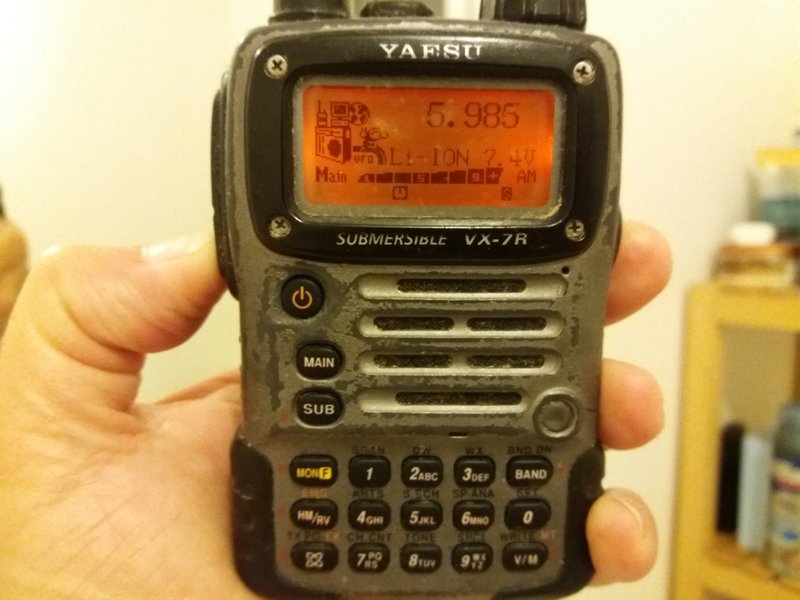
SWL: Philippe Location: L’Hôpital-Camfrout, France (few km south of Brest) Notes: Very good conditions here, good sound. Equipment: Yaesu FT817ND + V inverted antenna and Yaesu Vx7r + original antenna (little stick on the radio). On both radios, reception: 59 / 59+
SWL: Alan Location: County Kildare, Ireland Notes: 5,985 kHz Woofferton. Distance: 280km. Recorded from County Kildare, Ireland
with an Icom-718 and 20m Random wire on an Olympus vn-741pc.
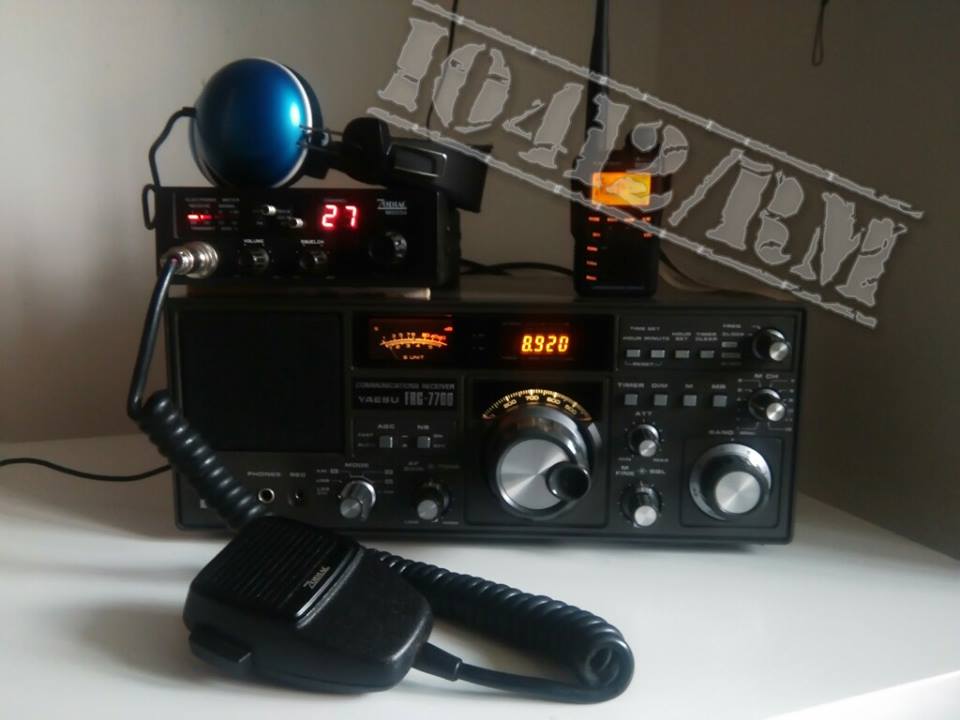
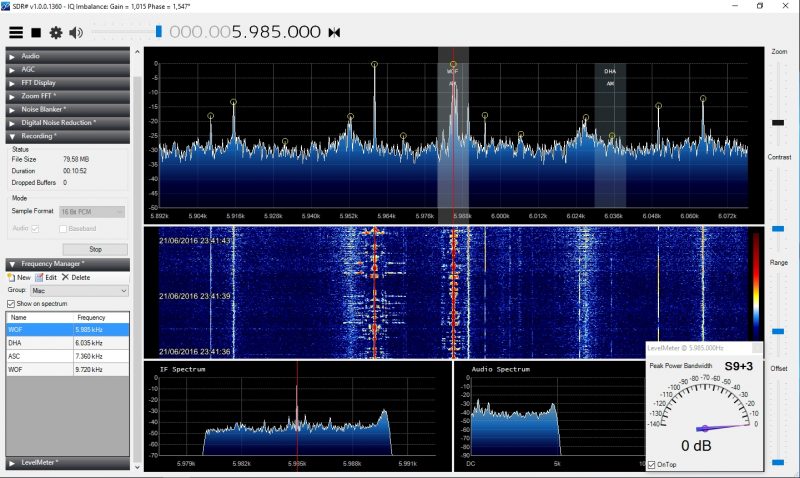
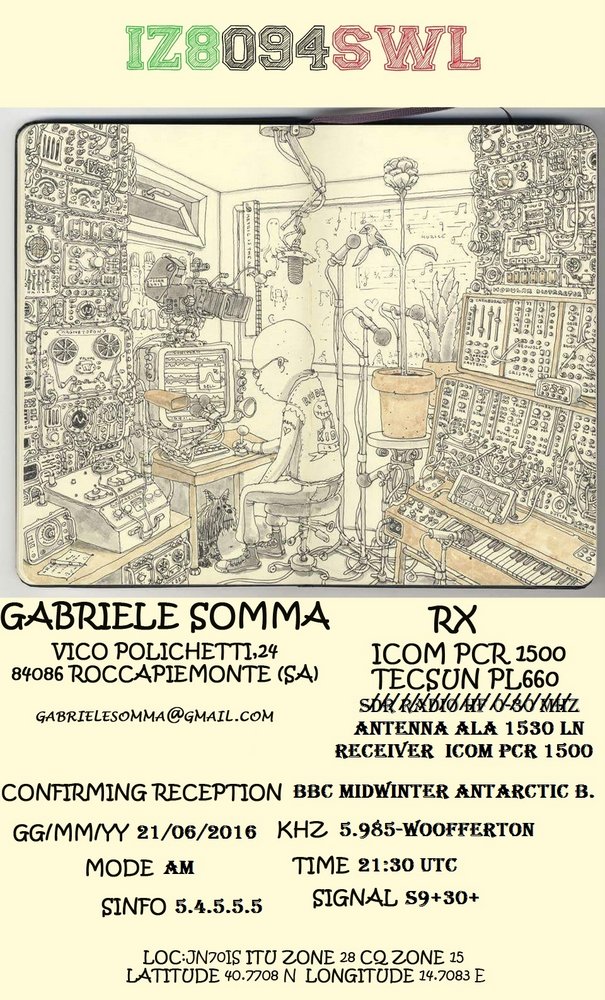
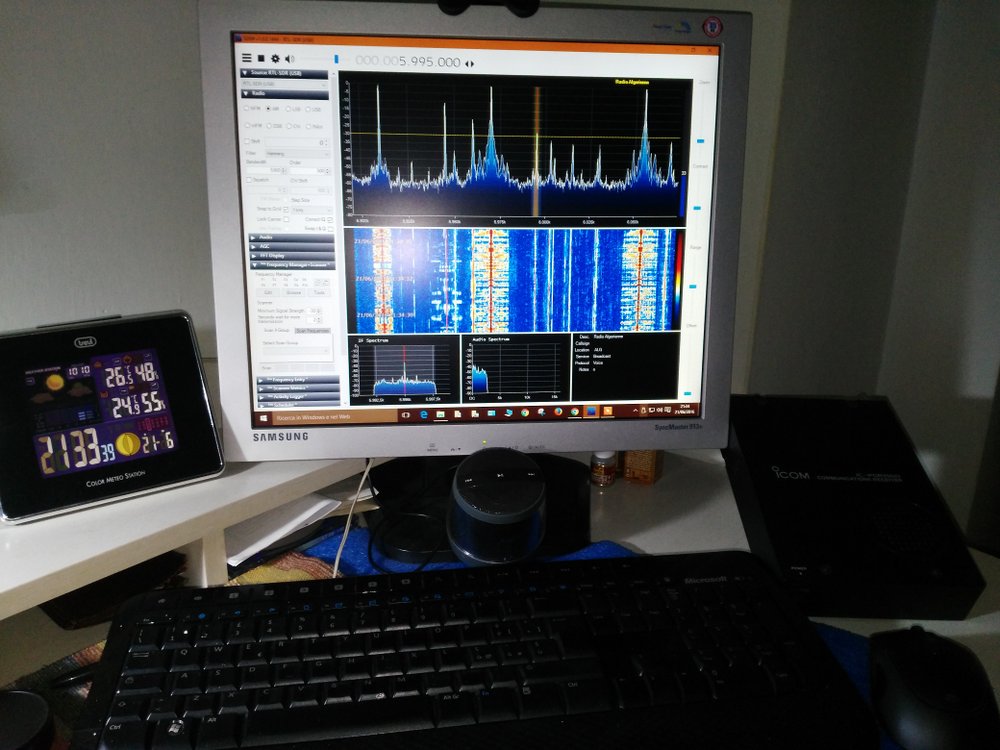
SWL: Renato Feuli (IK0OZK) Location: Valentano, Italy Notes: Woofferton at 5.895 Khz AM
Time UTC 21.33
Signal Report R/S R5 S 9+15 Db Very Good signal and audio
Equipement:
RTX JRC 245 and Windom antenna
To Ascension at 7.360 Khz AM
Time UTC 21.33
Signal Report R/S R5 S 9+10 Db Very Good Signal and audio
Equipement:
Receiver JRC NRD 545 Dsp and Long-Wire antenna
To Dhabayya at 6.035 Khz AM
Time UTC 21.38
Signal Report R/S R3 S 4/5 Low Signal and many QRM and QSB
Equipement:
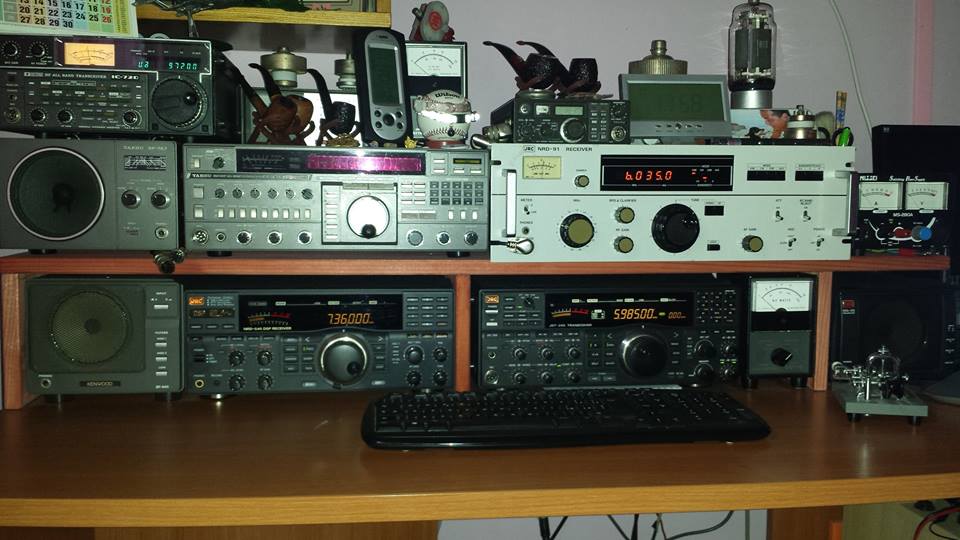
Receiver JRC NRD 91 and Long-Wire antenna
SWL: Joseph Location: Ponza island, Italy Notes: I am Joseph in Ponza island, Italy, with pleasure I send you a video of the Antarctic Midwinter 2016 recorded yesterday night with my old smartphone … great about the 5985 and 7360 frequencies, very poor reception on 6035, I used the 3 receivers Yaesu vr5000 connected on a discone antenna “Midland full band”, AOR ar 3030 and Kenwood R1000 on antenna “Mini Whip”.
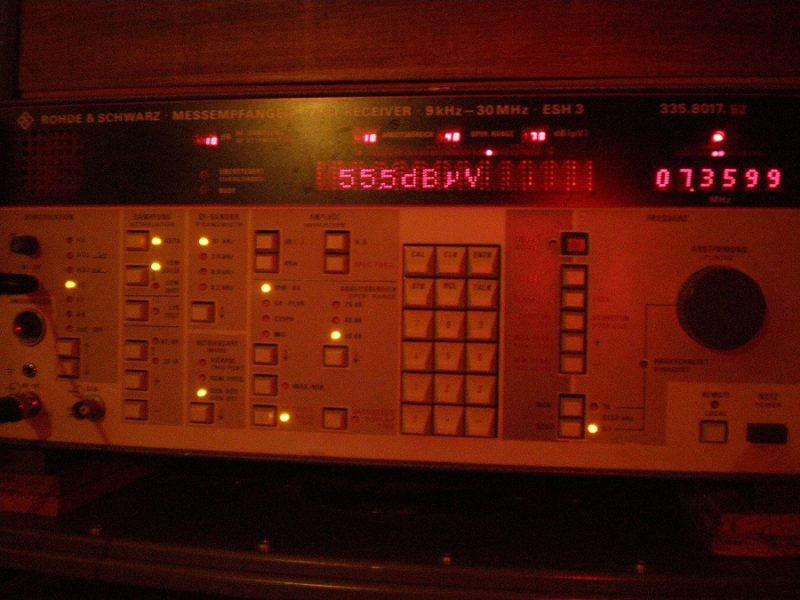
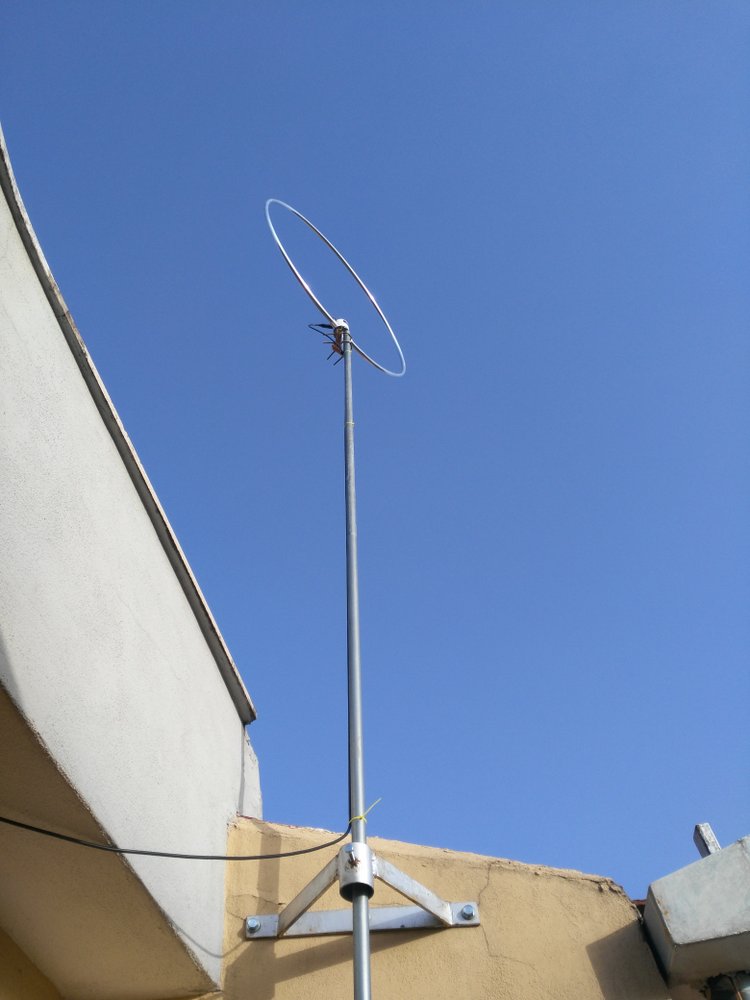
SWL: Davide Borroni Location: Saronno, Italy Notes: 21 June 2016 at 2130-2200 UTC on 7360 KHZ AM. I listened to the BBC broadcast with SINPO 54444. I listened to beautiful music and talk. Thanks for show ! I used my R&S ESH3 (see above) with my magnetic loop 2 meter diameter antenna.
SWL: Andrea Borgnino Location: Rome, Italy Notes: BBC Antarctic Midwinter Broadcast 2016 – 5985 khz 21/6/2016 recorded in Roma Italy. Click here to listen on SoundCloud.
SWL: Jordan Heyburn Location: Northern Ireland Notes:
BBC World Service Special Broadcast to Antarctica 5985khz received in Northern Ireland using a SDR Play RSP & Wellbrook ALA1530LN Active Loop Antenna. Click here to view on YouTube.
Poland
SWL: Chris Ditrich Location: Poland Notes: Reception on 5985 kHz and 7360 kHz was very good 59 – 58, however reception on 6035 kHz was not that good, signal was there but not much readable
SWL: Dmitry Elagin Location: Saratov, Russia Notes: I accepted BBC Antarctic Midwinter Broadcast in Saratov, Russia. I made video record by means of my SDRPlay.
SWL: Chris Inwood Location: Conrwall, England Notes: [R]ecorded on 5.985 MHz. This frequency was by far the best quality. I was able to copy 7.365 here but there was slight QSB and some interference from an adjacent broadcaster HCJB. 6.035 was not heard at all neither was 9.720 MHz. Very best wishes and thanks, I always look forward to my email.
SWL: Mark Hirst Location: Basingstoke, Hampshire Notes: Thanks for alerting shortwave listeners to the British Antarctic Survey broadcast. It felt very poignant listening to a broadcast aimed at such a small number of people, with the voices of their loved ones being launched around the world.
I was able to record the broadcast from only 100 miles away from the Woofferton transmitter, so needless to say the quality and strength was very good. I imagine hearing that broadcast buried in the noise from far away with those happy birthday songs and best wishes must have been very emotional for its intended audience.
My recording location was Basingstoke, Hampshire in the UK – locator IO91LH 20HH
[Note that Mark also recorded the full 30 minute broadcast which you can download by clicking here.]
SWL: Dean Allison Location: Bedlington, Northumberland, England Notes: I have attached an audio file of the BBC transmission to Antarctica. My location is Bedlington, Northumberland, England, about 100 feet above sea level, using a Kenwood R5000 receiver and a 30 feet longwire antenna about 12 feet off the ground. This was the 5985 kHz transmission.
SWL: Jerry Rhys Location: Surrey, England Notes: Attached are two recordings of today’s BBC Antarctic Broadcast made between
2130 and 2150z. The first recording was made using AM mode with 8 kHz bandwidth on 5985 then 7360, followed by 6035. The second recording was made using SAM mode with 10 kHz bandwidth on 7360, 6035, and 5985.
The best signal was on 5985, 7360 was weak but readable, on 6035 I could detect a carrier and occasional modulation – on this frequency there was also interference from a digital transmission on 6037. Nothing heard on 9720.
I was using a RF Space SDR-IQ Receiver, and a Wellbrook ALA1530S Loop
Antenna installed in my loft. Many thanks for the SWLing Post, always an enjoyable read!
SWL: Alan (G4TMV) Location: northern England Notes: Reception of this special broadcast was excellent here in northern England on 5985 kHz. It was an enjoyable broadcast again, but Babcock weren’t wasting any electricity on it, it came on and went off again almost spot on 2130 and 2200!
SWL: Dom B Location: Newcastle Under Lyme, England Notes: I live streamed the midwinter broadcast on my Tecsun PL-380 from my location in Newcastle Under Lyme in the UK
SWL: Lawrence Beedle Location: Manchester, England Notes: Here is my recording of the mid winter broadcast by the BBC 21st June 2016. Tecsun PL660 telescopic aerial, indoors, sat at kitchen table in a house in Manchester, England, UK. 5985khz good reception. 6035 kHz not as strong, 7360 kHz no reception. Recorded on iPhone next to speaker on radio. 36 seconds.
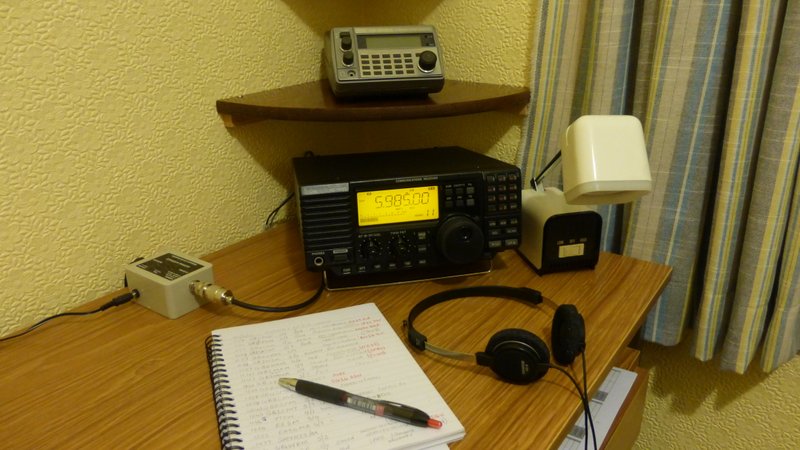
SWL: David Mappin Location: Filey, England Notes: Just thought I would let you know how I got on with the BBC WS broadcast to Antarctica. I used my Icom IC-R75 receiver and a Wellbrook ALA1530 inside the house. 5985 kHz was very strong with me here on the east coast of the UK (NVIS propagation?). Nothing heard on 6035 or 9720 but a weak signal on 7360. Attached (above) is a photograph of my listening post. This is a link to a YouTube video of the start of the broadcast. My very best regards and thank you for your excellent website.
A screenshot from Cap’s Elad FDM-S1 SDR.
SWL: Cap Location: N.W. Scotland Notes: Here is my attempt last night with SDR screenshot attached, Elad FDM-S1 with homebrew mini Mag Loop (<250mm dia) sitting on my bookcase. No doubt there will be better signals/recordings than mine as the signal was really strong from WOF and considering my setup is 100% indoors, it came out ok. External antennas don’t last here as I am by the sea and regular 100mph+ storms in the winter is too much hassle.
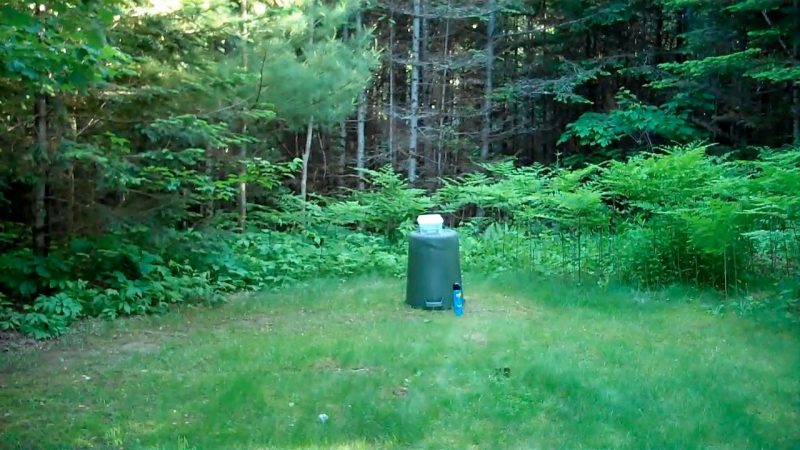
SWL: Richard Langley Location: New Brunswick Notes: Tecsun PL-880 receiver with a Tecsun AN-03L 7-metre wire antenna in AM mode with 5.0 kHz RF filtering at the back of my yard. The photo [of Richard’s outdoor portable listening post] was taken during some other recordings last year.
Click here to listen to Richard’s recording, or simply use the embedded player below:
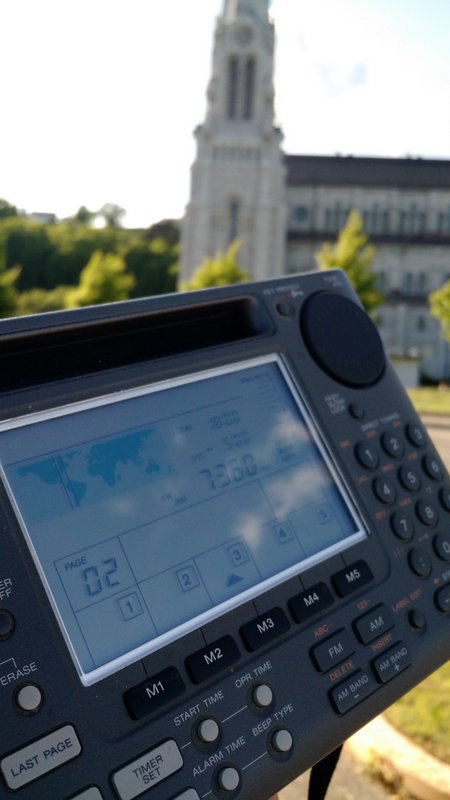
SWL: Thomas Witherspoon Location: Saint-Anne-de-Beaupré, Québec Notes: I traveled to an RFI quite spot in the parking lot of the Basilica in St.-Anne-de-Beaupré, Québec. Click here to read a full post about my set-up and conditions. Note that I used a Sony ICF-SW55 receiver (above), perched on top of my vehicle and tuned to 7360 kHz.
SWL: Dan Hawkins Location: Davis, California Notes:Here is my YouTube video. I’m using both the Sangean and Hammarlund receivers to hunt down the BBC Midwinter Antarctic Broadcast. Probably a somewhat different result than on most of the videos, but probably typical of West Coast propagation at these frequencies and times.
SWL: Nace Magner Location: Bowling Green, Kentucky Notes: Please find attached a video of my reception of the BBC broadcast. Unfortunately, a thunderstorm passed through about 10 minutes prior to the video and the audio is dominated by lightning-related crashes. However, the BBC signal can be heard periodically. My location was on a university campus in Bowling Green, Kentucky, which is about 50 miles north of Nashville, Tennessee. I received the signal using a Tecsun PL-660 and its whip antenna. I enjoy the SWLing site. Best regards, Nace Magner (KW4LY)
Once again, many thanks to all of you who submitted your recordings of the BBC Midwinter Broadcast! We’ll be sharing this post with both the British Antarctic Survey and the BBC World Service. And to all of you, from the SWLing Post: Happy Midwinter! Happy Summer/Winter Solstice!
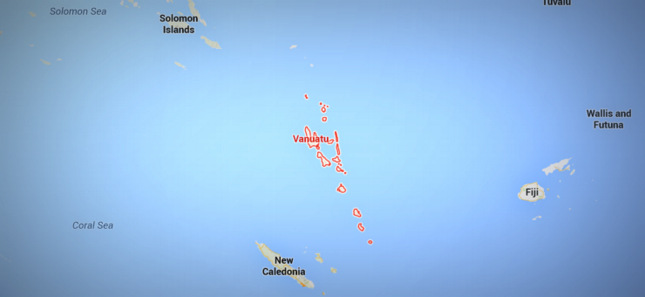
Many thanks to SWLing Post contributor, Paul Walker, who noted that Radio Vanuatu has reduced broadcast hours.
Friday night, Paul received a rare opening that allowed him to hear Vanuatu on both 7260 kHz and 3945 kHz. Paul noted that it’s very rare to hear Vanuatu’s 75 meter band broadcast from his listening post in Alaska. As he was setting up his receiver for a recording, they signed off early.
IMPORTANT NOTICE
Radio Vanuatu i wantem infomem olgeta gudfala lisna blong hem se Radio Vanuatu i jenisem ol hour blong brodkas blong hem folem high cost blong operation blong hem.
Timing blong brodkas i ko olsem: 05:30am- 9:15pm evridei
Jenis ia hemi blong smol taem nomo.
Endorsed by VBTC Board & Management
Courtney Gordon, via Facebook, provided Paul with a simple translation:
Radio Vanuatu wants to inform its good listeners that the hours of broadcast are being changed due to the high cost of operation. Broadcast times are now 5:30 am to 9:30 pm every day.
So, broadcast times are now 18:30 UTC to 10:15 UTC. Thanks, Paul and Courtney, for sharing the news!
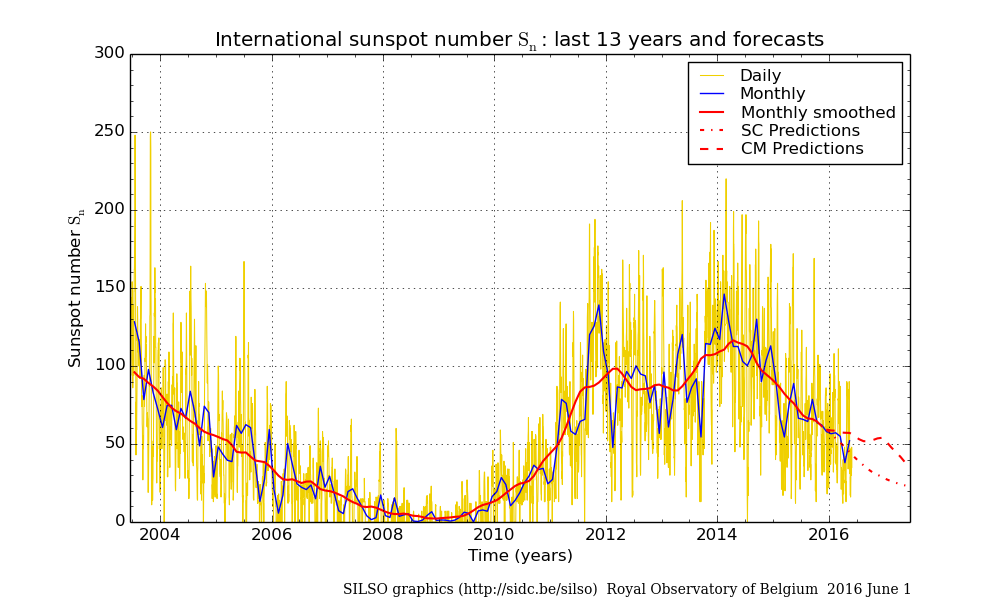
The Sun has likely already entered into a new unpredicted long-term phase of its evolution as a hydrogen-burning main sequence star — one characterized by magnetic sputtering indicative of a more quiescent middle-age. Or so say the authors of a new paper submitted to The Astrophysical Journal Letters.
Using observations of other sunlike stars made by NASA ’s Kepler Space Telescope, the team found that the Sun is currently in a special phase of its magnetic evolution.
At time of posting (June 28, 2016) the Sun has no Sun spots at all, which means very low solar activity. Credit: SDO/HMI (Click to enlarge)
Heretofore, the Sun was thought to have been just a more slowly rotating version of a normal yellow dwarf (G-spectral type) star. These results offer the first real confirmation that the Sun is in the process of crossing into its magnetic middle age, where its 11-year Sunspot cycles are likely to slowly disappear entirely. That is, from here on out, the Sun is likely to have fewer sunspots than during the first half of its estimated 10 billion year life as a hydrogen-burning star.
“The Sun’s 11-year sunspot cycle is likely to disappear entirely, not just get less pronounced; [since] other stars with similar rotation rates show no sunspot cycles,” Travis Metcalfe, the paper’s lead author and an astronomer at the Space Science Institute in Boulder, Colo., told me.[…]
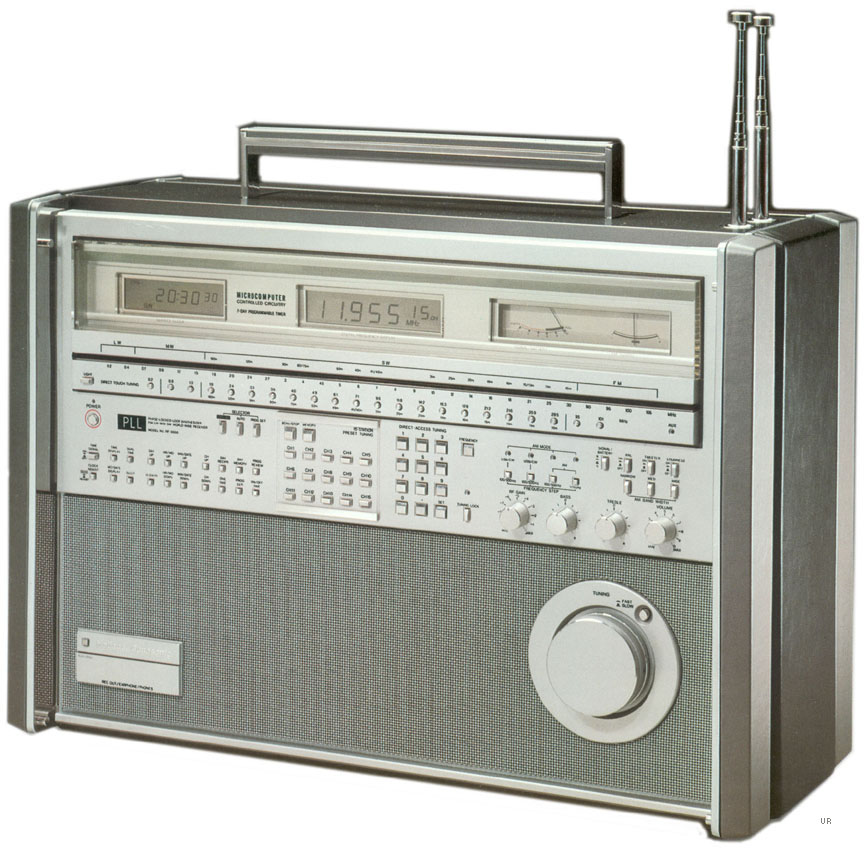
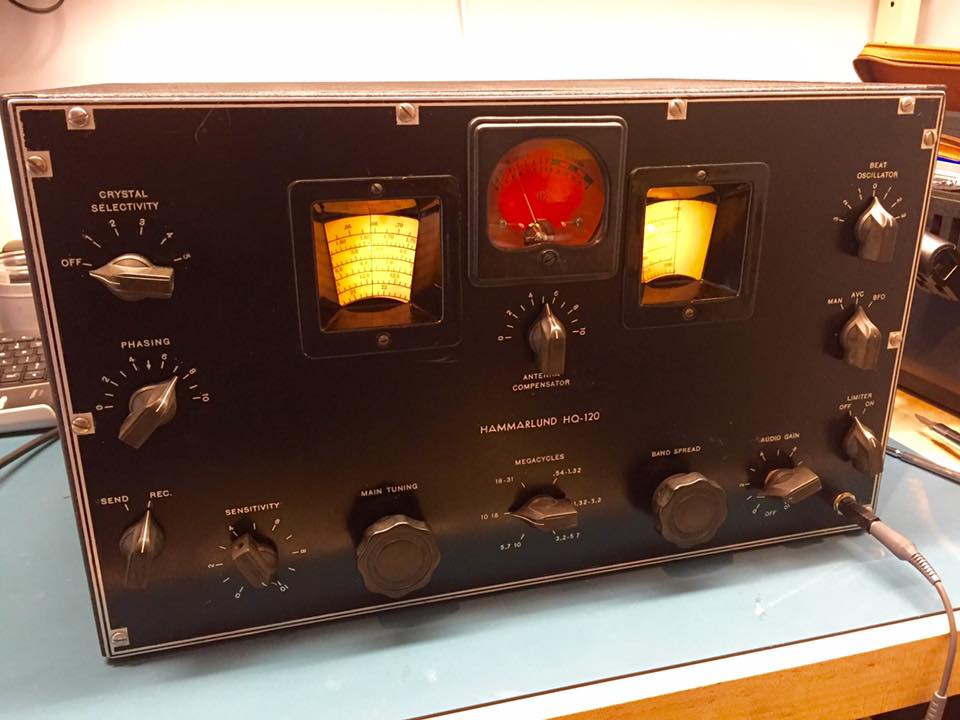
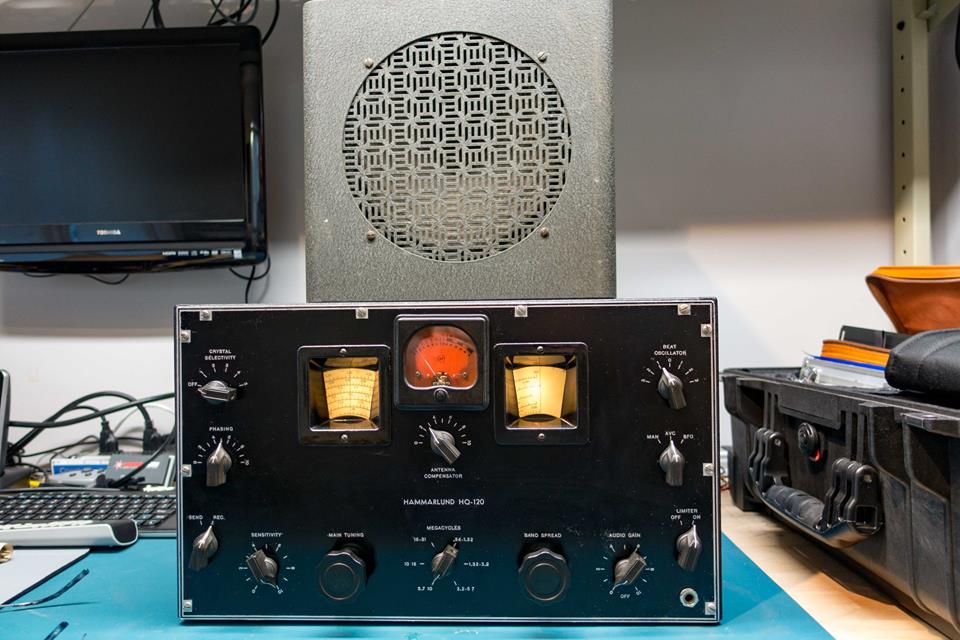
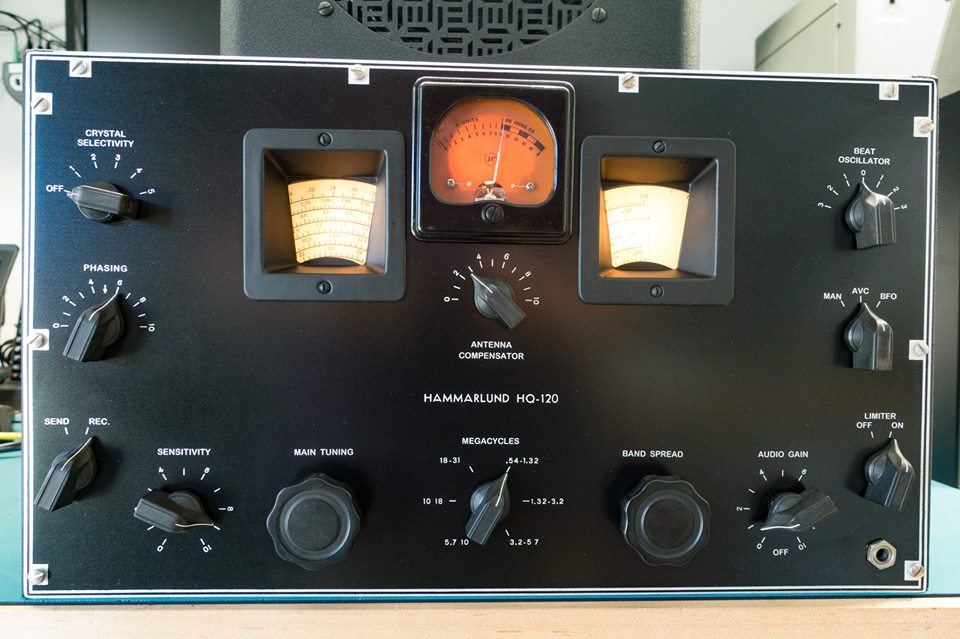
Many thanks to Colin Snow for sharing the following photos and commenting on his Hammarlund HQ-120X restoration. I originally noticed his photos in the Extreme Shortwave Listening group on Facebook and he kindly wrote up descriptions for each image to be published here on the SWLing Post:
Hammarlund HQ-120X restoration
by Colin Snow
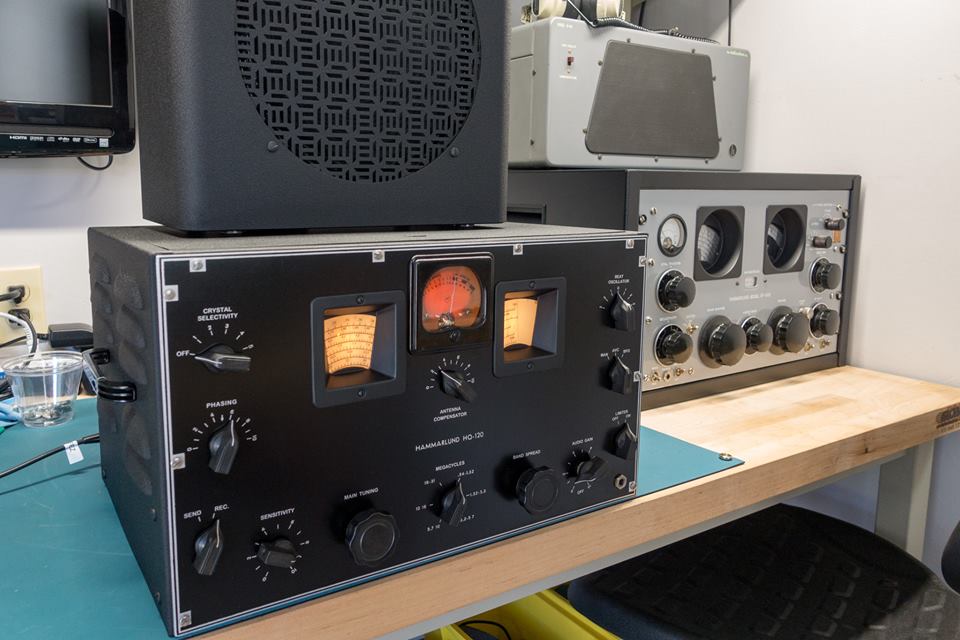
Purchased on eBay March, 2016. Hammarlund HQ-120X (1939 restored) and PSC/10 speaker (1939 original). The radio was frist restored by KE7RD, the collector who owned this unit for years. This was a late production version. It has 6K7’s instead of 6S7’s (good). The O/P TRANS has been replaced and an SO-239 added. It was recapped and aligned both IF + RF and works well on all bands.”
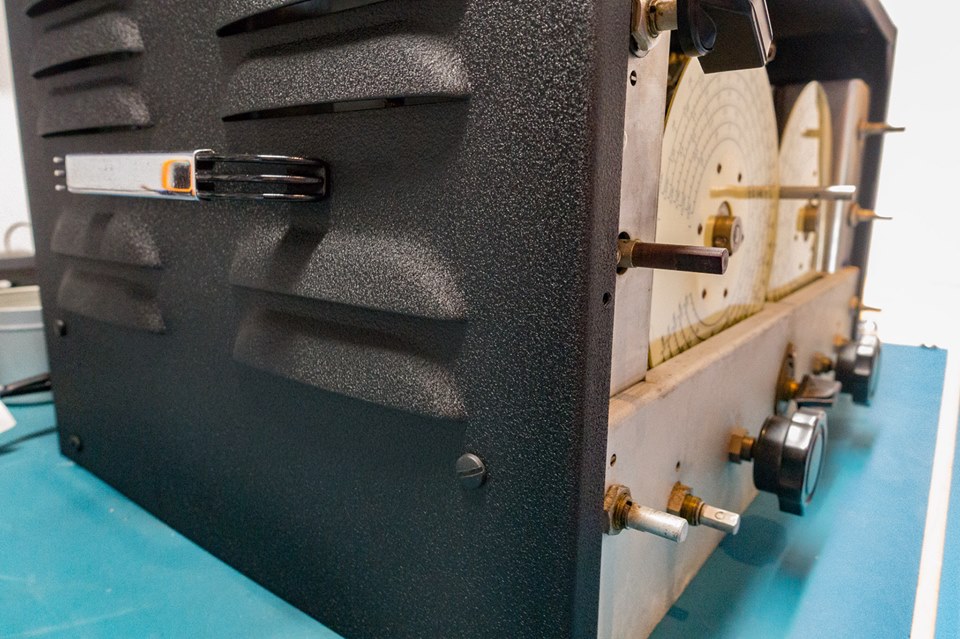
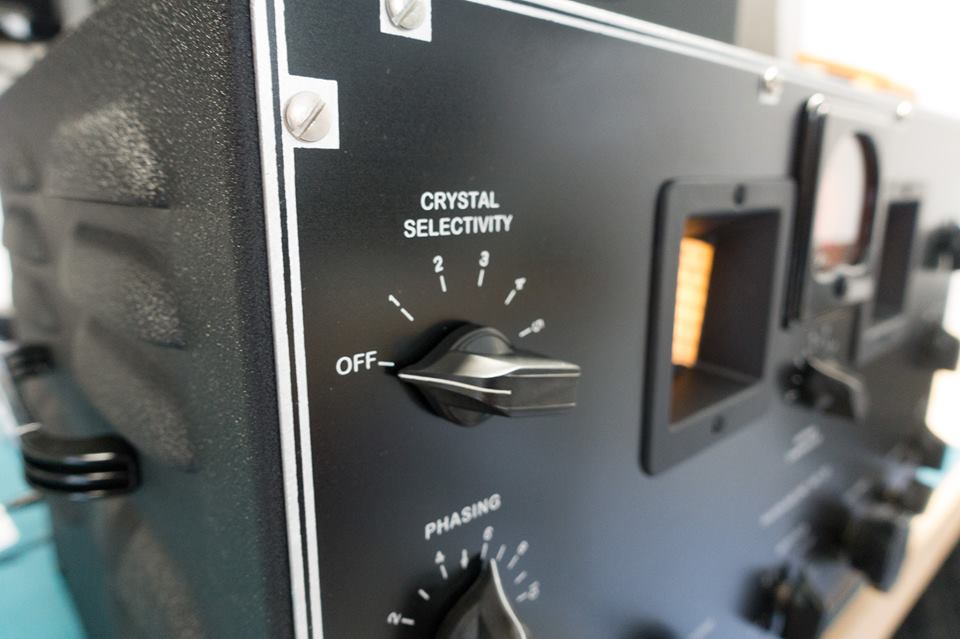
I had the cabinet repainted locally at NRI Sandblasting and Coating with a black semi-gloss crinkle powder coat paint. I cleaned the chrome part of the handles with Quick Glo and stripped and painted the two shoulders with black gloss enamel.
I had the speaker enclosure stripped and painted at the same time as the cabinet with the same black semi-gloss crinkle powder coat.
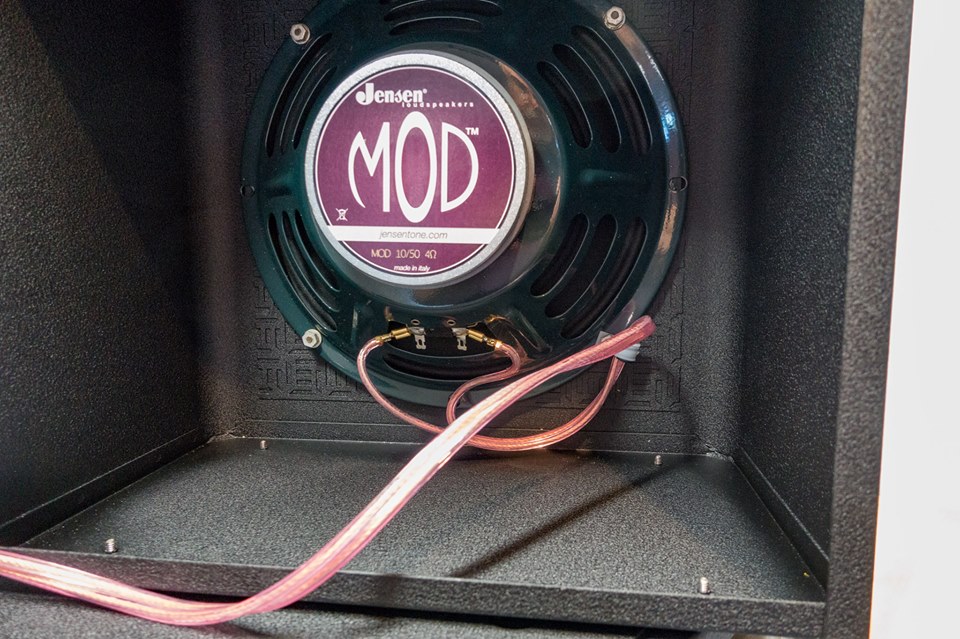
The original 1939 speaker was a 10″ Jensen. It worked, but I wanted the best possible sound. This current production model Jensen fit exactly.
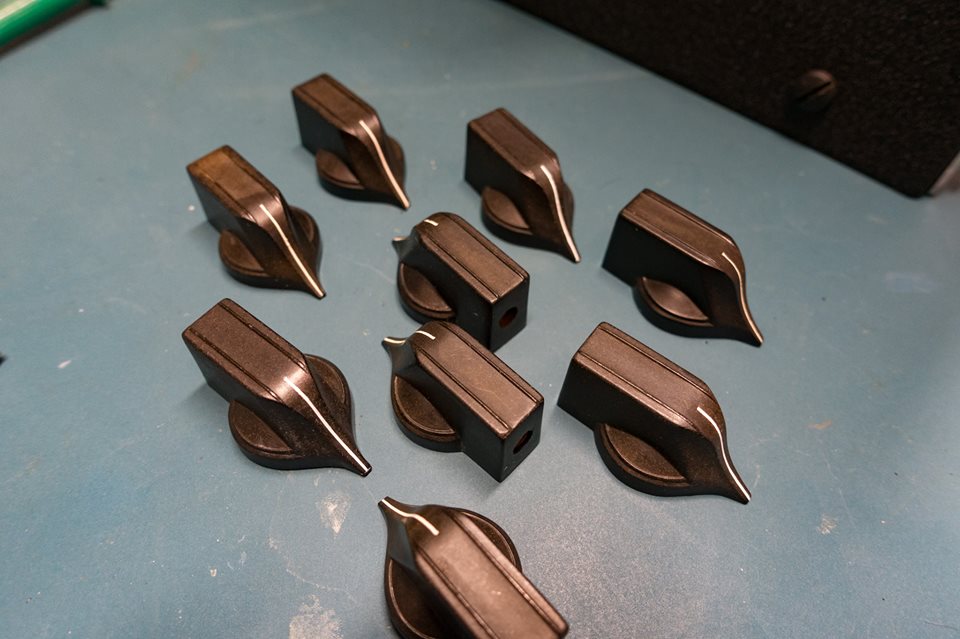
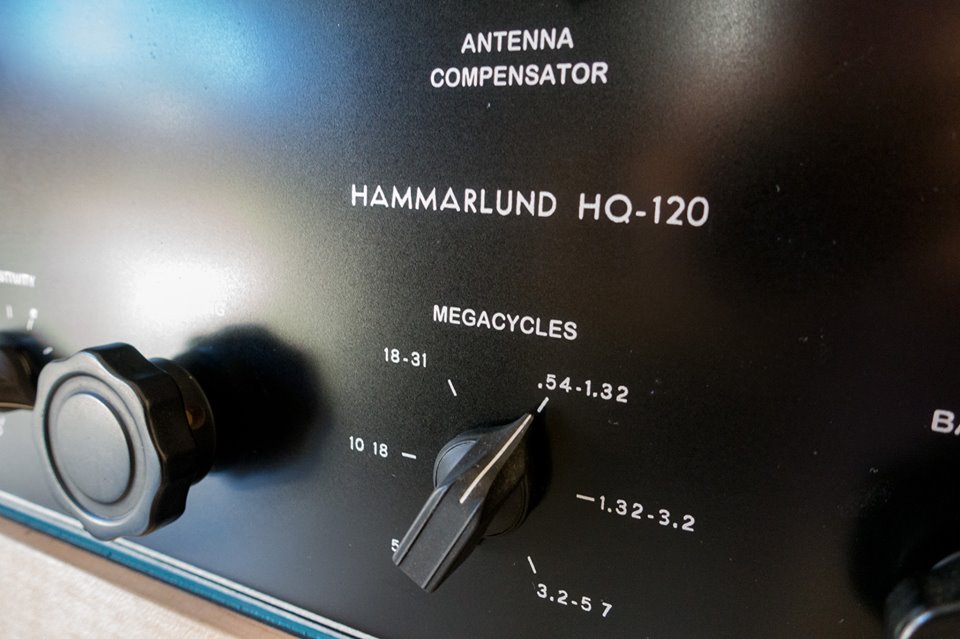
White lines for the knobs were done using white out. The lines are grooved so I just gobbed it on and wiped off the excess.
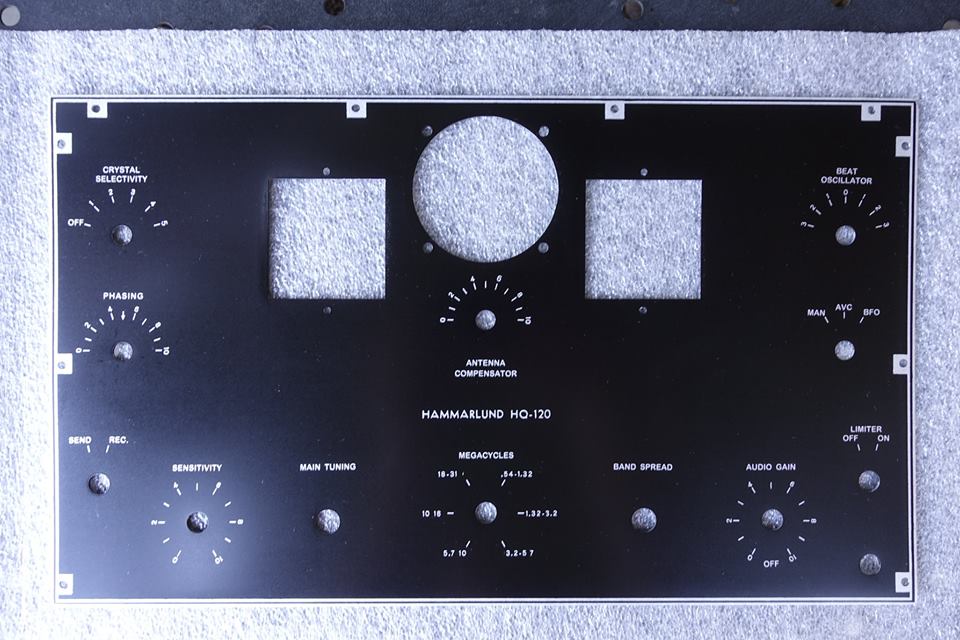
I had the faceplate rescreened by Adam’s Precision Screen Printing, Inc. San Leandro, CA. They created a film positive first, then a negative screen.
It was a perfect job. The color and sheen matched original. This should last longer because it is an epoxy ink that has been baked to harden.
The lettering came out clean. Even though they made a 1.5X negative they still had to create artwork for the fonts. The original letters were just etched into to aluminum. It looked like it was done by hand.
Funny how words change. We now say “megahertz”, not “megacycles.”
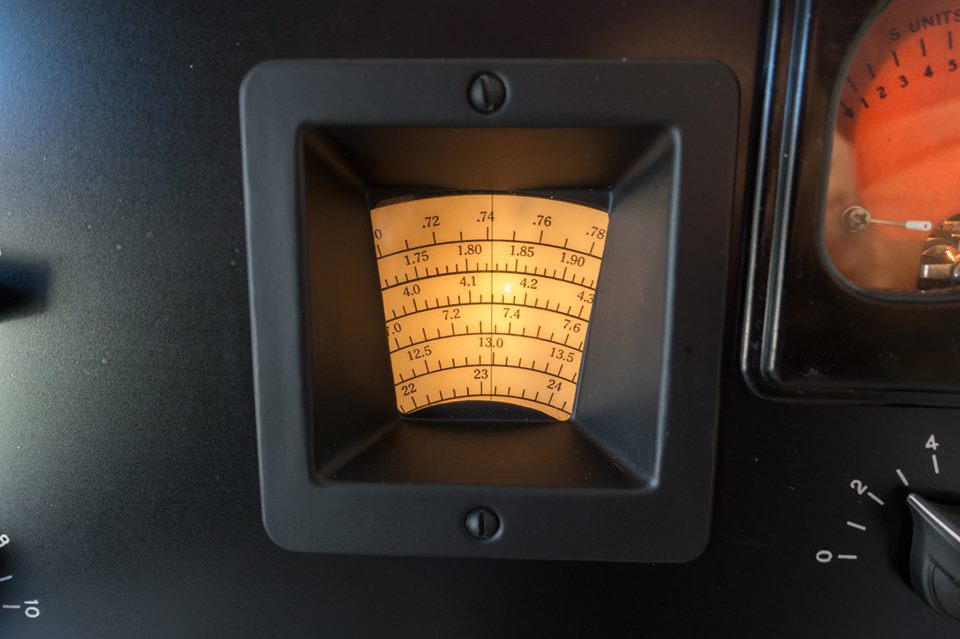
I refurbished the dial windows myself. They were easy to strip and I used a flat black enamel spray. The S-meter glass was dirty so I disassembled it and cleaned with Quick Glo.
Still works after all that!
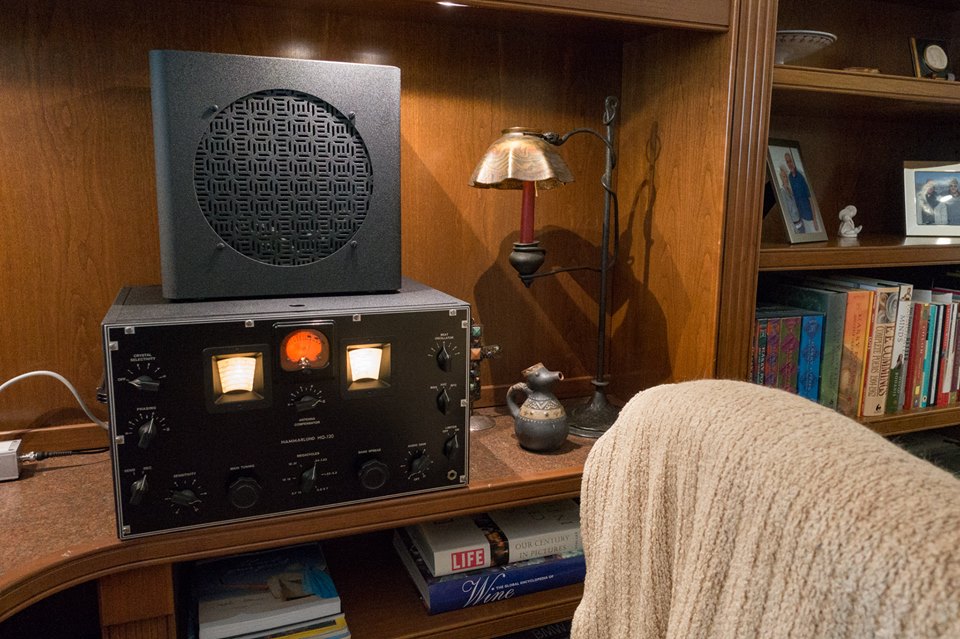
Its final resting place is my office and looks pretty good next to an original Tiffany’s lamp. I have a second listening post.
Colin, I can see that you spared no expense to restore this Hammarlund HQ-120X and it has paid off–an absolutely gorgeous job! I love how its “final resting place” is in a part of your office that gives it an appropriate amount of space–a place to be admired and, more importantly, enjoyed. I bet the 120 sounds simply amazing!
Thanks again for sharing these photos and your commentary, Colin!

 Many thanks to SWLing Post contributor, Phil Brennan, who writes: