Category Archives: Vintage Radio

Radio Waves: ABC Wage Freeze, A Titanic Radio, FCC “Tweaks” LPFM Rules, and Digitizing a DX-160 Display

Radio Waves:  Stories Making Waves in the World of Radio

Because I keep my ear to the waves, as well as receive many tips from others who do the same, I find myself privy to radio-related stories that might interest SWLing Post readers.  To that end: Welcome to the SWLing Post’s Radio Waves, a collection of links to interesting stories making waves in the world of radio. Enjoy!

Many thanks to SWLing Post contributors Michael Bird, Dave Zantow, David Korchin, and Alokesh Gupta for the following tips:


ABC must freeze wages, government warns (The Guardian)

The Morrison government has put the national broadcaster on notice that it expects the ABC to embark on a six-month wage freeze to bring it in line with other taxpayer-funded agencies during the Covid-19 crisis.

The warning follows the government’s decision in early April to defer general wage increases for commonwealth public servants for six months. The public service commissioner followed up that directive by writing to all non-public service agencies – including the ABC – informing them the government expected them to adopt the same practice.

With no clear response from the ABC to the 9 April missive, Guardian Australia understands the communications minister Paul Fletcher wrote to the national broadcaster this week flagging his expectation that the organisation would defer a 2% increase for all employees scheduled to take effect in October under the ABC’s enterprise agreement.[…]

Radio used by the Titanic to call for help can be salvaged, judge rules (CNN)

A federal judge has ruled that RMS Titanic Inc. can salvage the radio used to call for help by the fated ocean liner after it struck an iceberg in 1912.

To get to the radio, divers would need to remove a part of the ship’s deckhand to reach the room known as the Marconi Suite, which houses the device.

The ruling modified an order issued on July 28, 2000, that said that RMS Titanic Inc. could not cut into the wreckage or detach any part of it.

Virginia’s eastern district court amended that order “for a unique opportunity to recover an artifact that will contribute to the legacy left by the indelible loss of the Titanic, those who survived and those who gave their lives in the sinking,” Judge Rebecca Beach Smith wrote.

Experts in the case testified to the “significant deterioration” in areas above and around the Marconi room, according to the document, and photos showed the “increasing breakdown” in the deck above the suite.

The suite, made of steel, consisted of three areas: sleeping accommodations, an operator’s room and the silent room that housed the radio. Each area was separated by wood walls that officials believe have dissolved, according to court documents.

The Marconi device and the artifacts associated with it face “significant threat of permanent loss,” the judge said in her approval of the expedition.[]

FCC Tweaks LPFM Technical Rules (Radio World)

The FCC in April modified the technical rules covering low-power FM stations. It expanded the permissible use of directional antennas; permitted waivers of protections of television Channel 6 by a specific group of reserved channel stations; expanded the definition of minor change applications for LPFM stations; and allowed LPFM stations to own boosters. Read more about the changes here.

Michelle Bradley, founder of REC Networks, is an engineer and longtime LPFM advocate.

Radio World: What’s your overall assessment of the outcome and the scope of its impact in the LPFM community?

Michelle Bradley: While the FCC did not address three major issues that are impacting LPFM stations right now —the ability to address building penetration issues, the ability to reach “local” listeners in rural areas and the disparity in how LPFM stations protect FM translators vs. how translators protect LPFMs — the changes will benefit current LPFM stations by giving them more flexibility in moving locations, reduce the need for waivers and improve LPFM service in the southern border region. It will also open some additional opportunities for new LPFM stations in the next filing window.[]

RadioShack Shortwave Goes Digital (Hackaday)

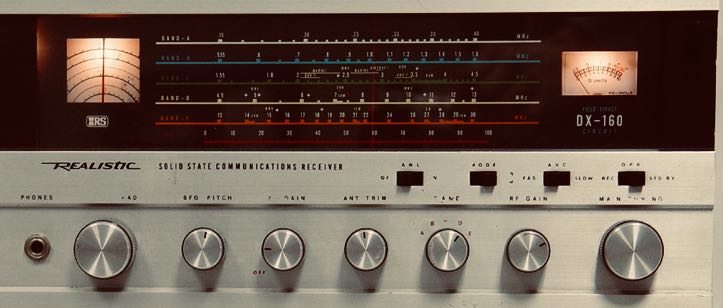
If you spent the 1970s obsessively browsing through the Radio Shack catalog, you probably remember the DX-160 shortwave receiver. You might have even had one. The radio looked suspiciously like the less expensive Eico of the same era, but it had that amazing-looking bandspread dial, instead of the Eico’s uncalibrated single turn knob number 1 to 10. Finding an exact frequency was an artful process of using both knobs, but [Frank] decided to refit his with a digital frequency display.

Even if you don’t have a DX-160, the techniques [Frank]  uses are pretty applicable to old receivers like this. In this case, the radio is a single conversion superhet with a variable frequency oscillator (VFO), so you need only read that frequency and then add or subtract the IF before display. If you can find a place to tap the VFO without perturbing it too much, you should be able to pull the same stunt.

In this receiver’s heyday, this would have been a formidable project. Today, a cheap digital display will do fine.[]


Do you enjoy the SWLing Post?

Please consider supporting us via Patreon or our Coffee Fund!

Your support makes articles like this one possible. Thank you!

Have you ever regretted saying goodbye to a radio?

A lot of radios come through SWLing Post HQ each year.

Over the years, I’d like to think that I’ve become immune to the effects of giving away, trading, or selling radios that have been in the shack for a while. But let’s face it: I’m just fooling myself!

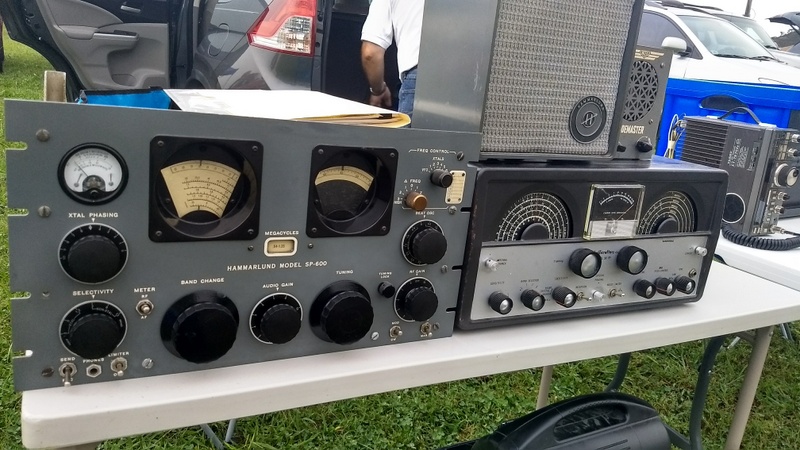
I sold both my Hammarlund SP-600 and Hallicrafters SX-99 at the Shelby Hamfest.

As I’ve said before, I find it much easier to part with modern portables, transceivers, and SDRs than I do with vintage gear.  With modern gear, I feel like there’s always something new around the corner, thus it’s easy to justify. Plus, I take in so many units on loan for evaluation and review, I see them come in the door and go back out. Occasionally, I like one so much I buy it, but there’s not a lot of attachment. I’m not a “fan boy” of any modern company either, so I don’t intentionally collect rigs.

Ah, but the vints…

I’m a nostalgic guy, so vintage gear comes with more emotional attachment.

Over the years, I’ve had to part with a number of boat anchors because, frankly, I always need a clear space in the shack for evaluating gear and my shack is rather compact. (For example, at one point last year, I had three transceivers here for evaluation all at the same time.)

My Hammarlund SP-600was a very tough one to let go of. I justified it by selling the big girl to my good friend Charlie (W4MEC) who had actually helped me replace some of her capacitors at one point. The SP-600 was simply too deep and too large to fit even on my over-sized radio shelves–especially if mounted in a chassis. Charlie has a much better setup for rack-mounted “heavy metal.” She’s got a good home now.

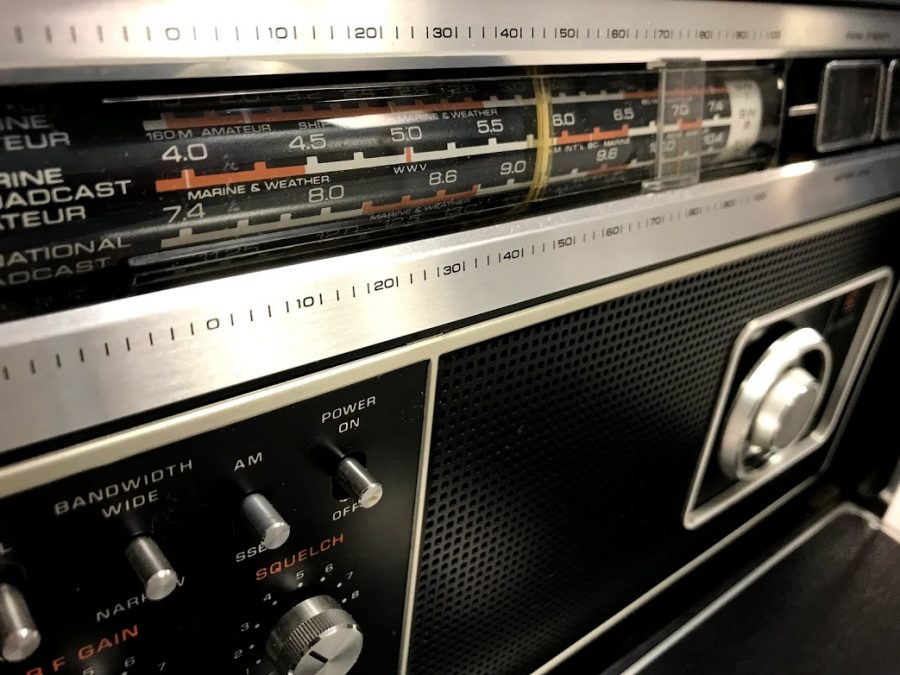
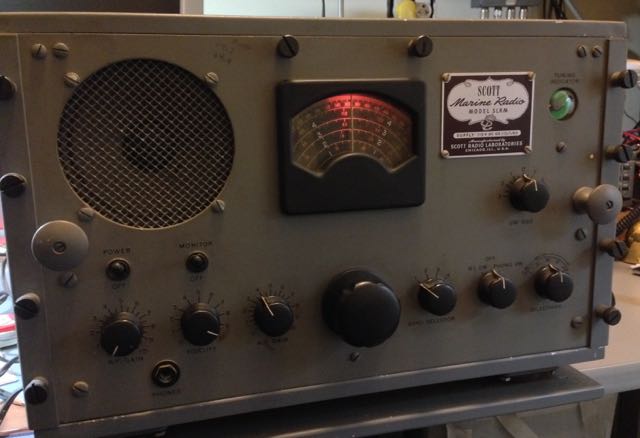
The Scott Marine Radio Model SLRM

There are two vintage sets I’ll never sell: my Signal Corps BC-348-Q and my Scott Marine SLRM (photo above). How much do I love these radios? My wife has strict instructions to “put’em in the casket with me!”

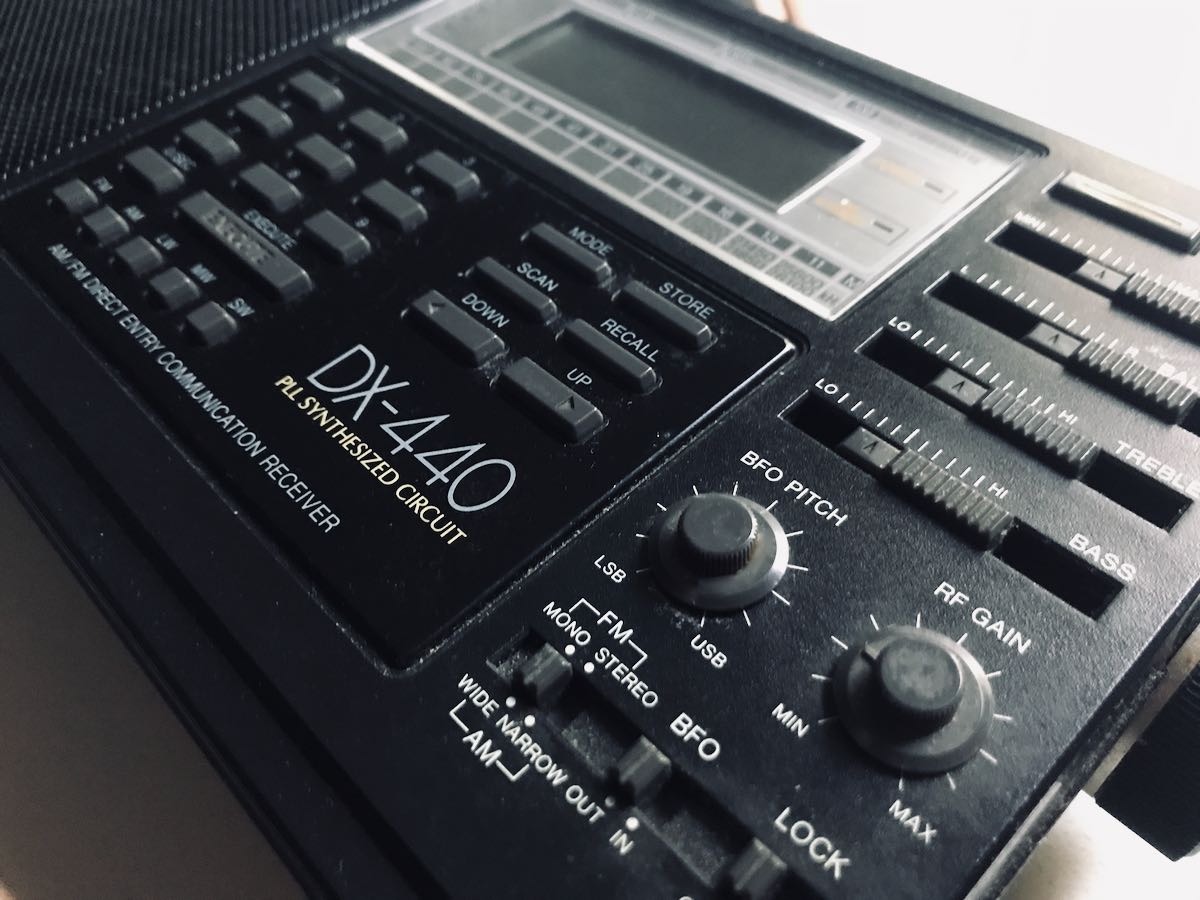
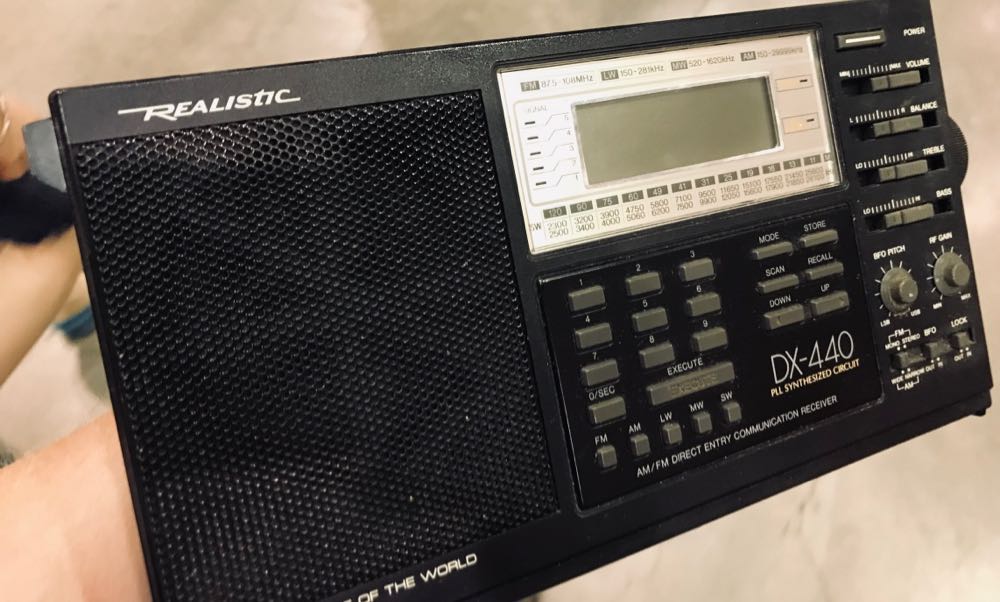
There are only two portable radios I regret selling: my original RadioShack DX-440 and my Grundig YB400.

I did snag this DX-440 last year at the Huntsville Hamfest

No doubt, I miss these radios because they both served me for so many years. We traveled many countries together both on the ground and through the airwaves.

Parting is such sweet sorrow…

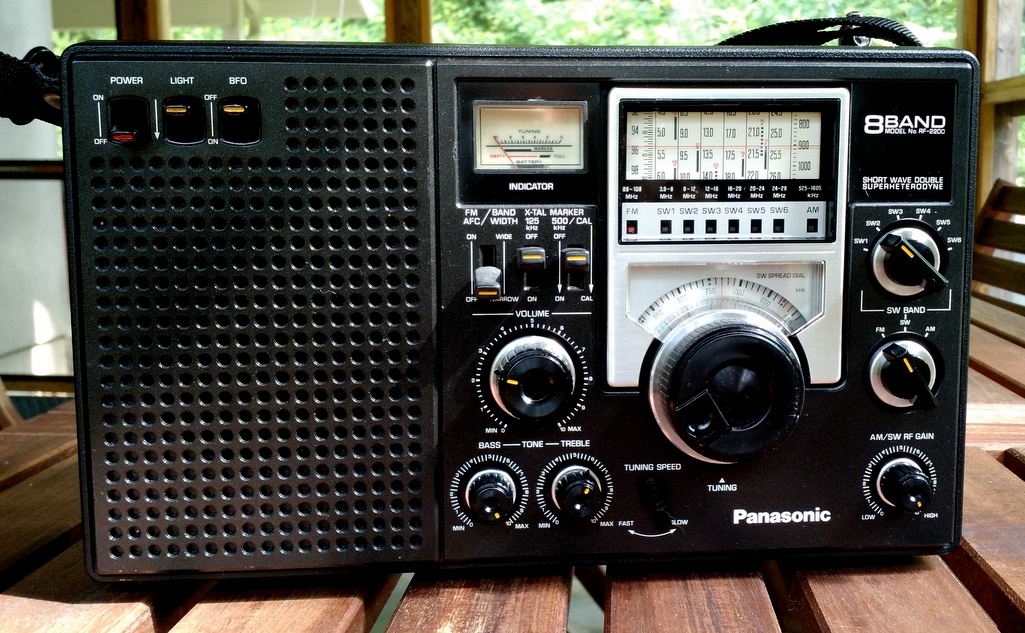
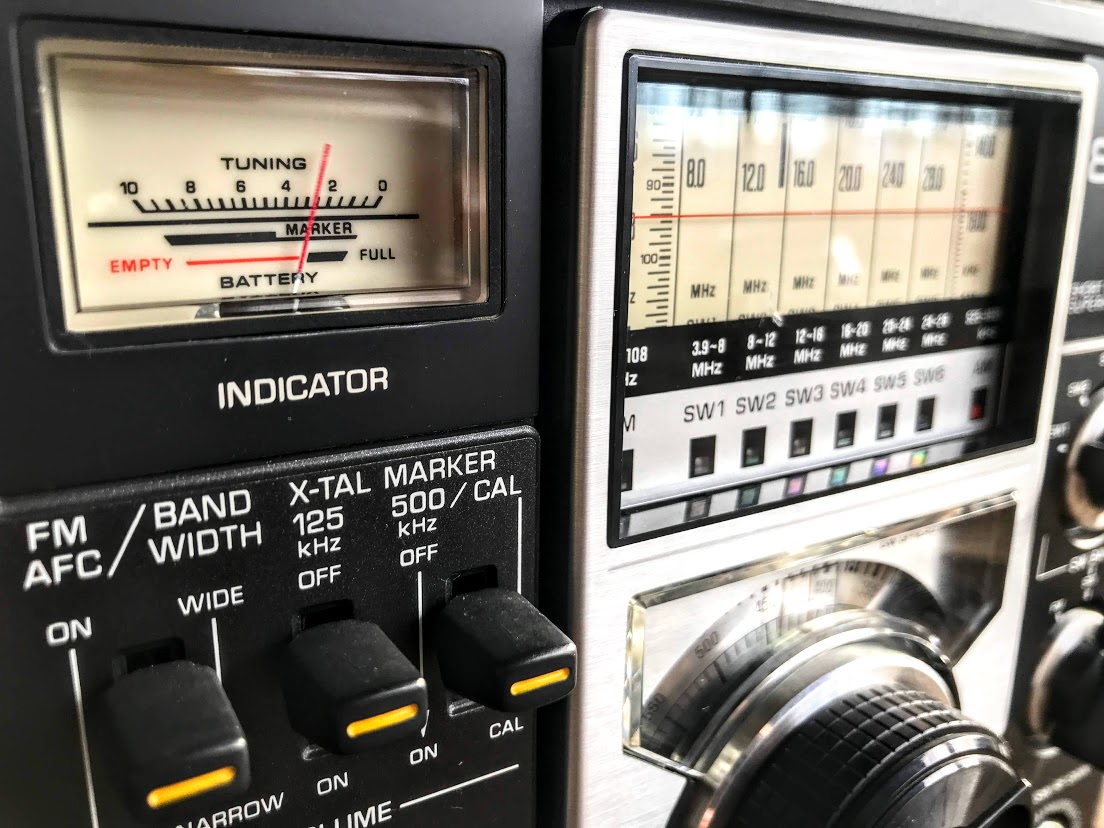
A number of readers have confessed that they regretted selling their RF-2200.

Have you ever regretted parting with a radio? Please comment with the model and why it was special to you. I’d also love to hear about the models you currently own and would never consider selling or giving away.

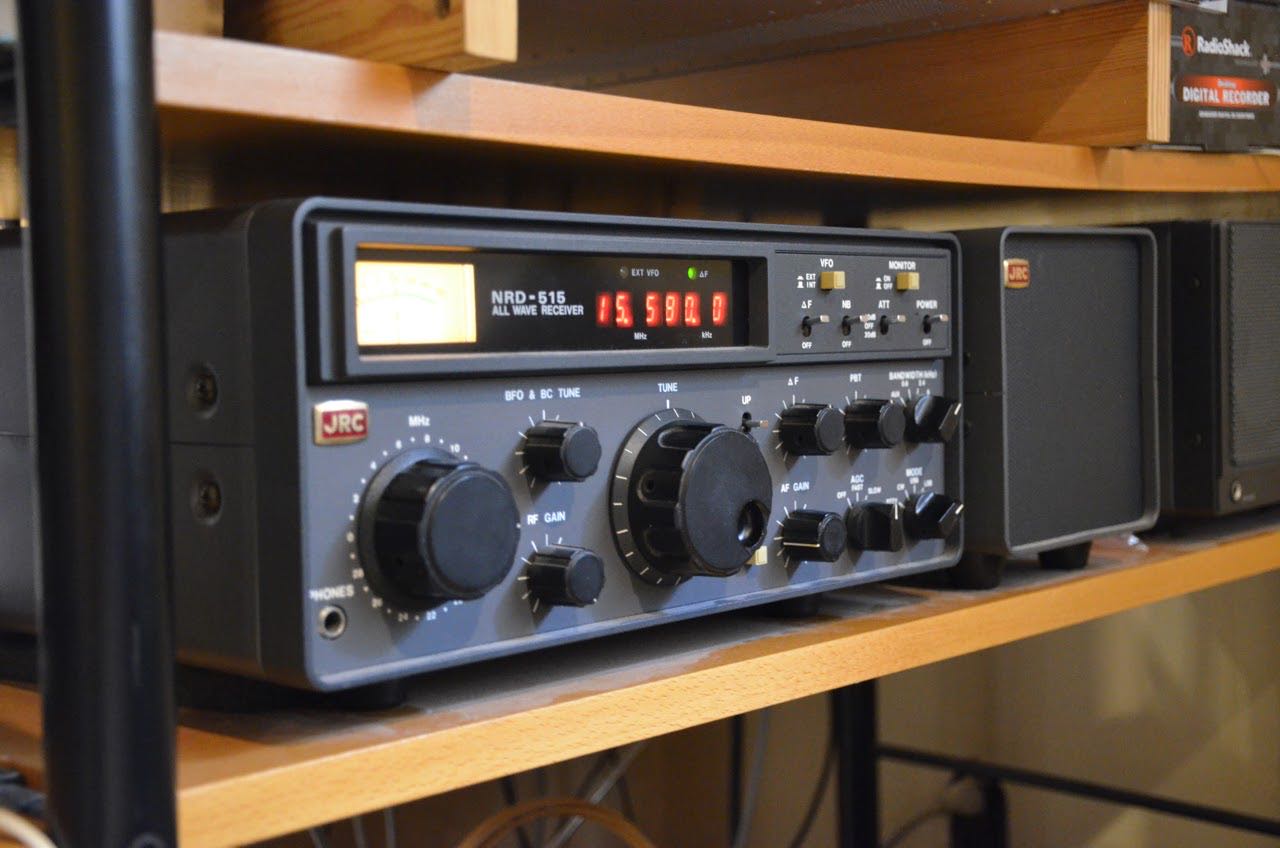
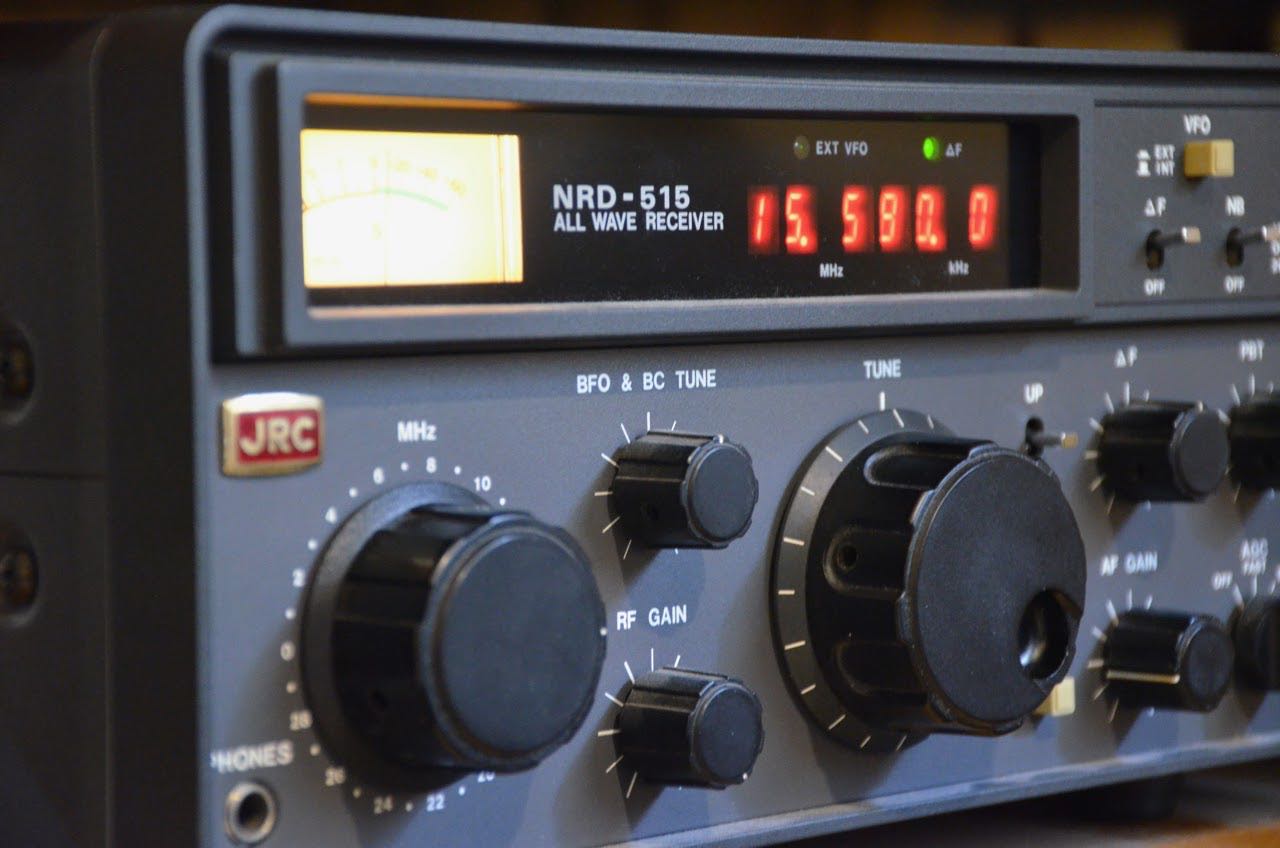
Dean’s love of the JRC NRD-515 spans 35 years…

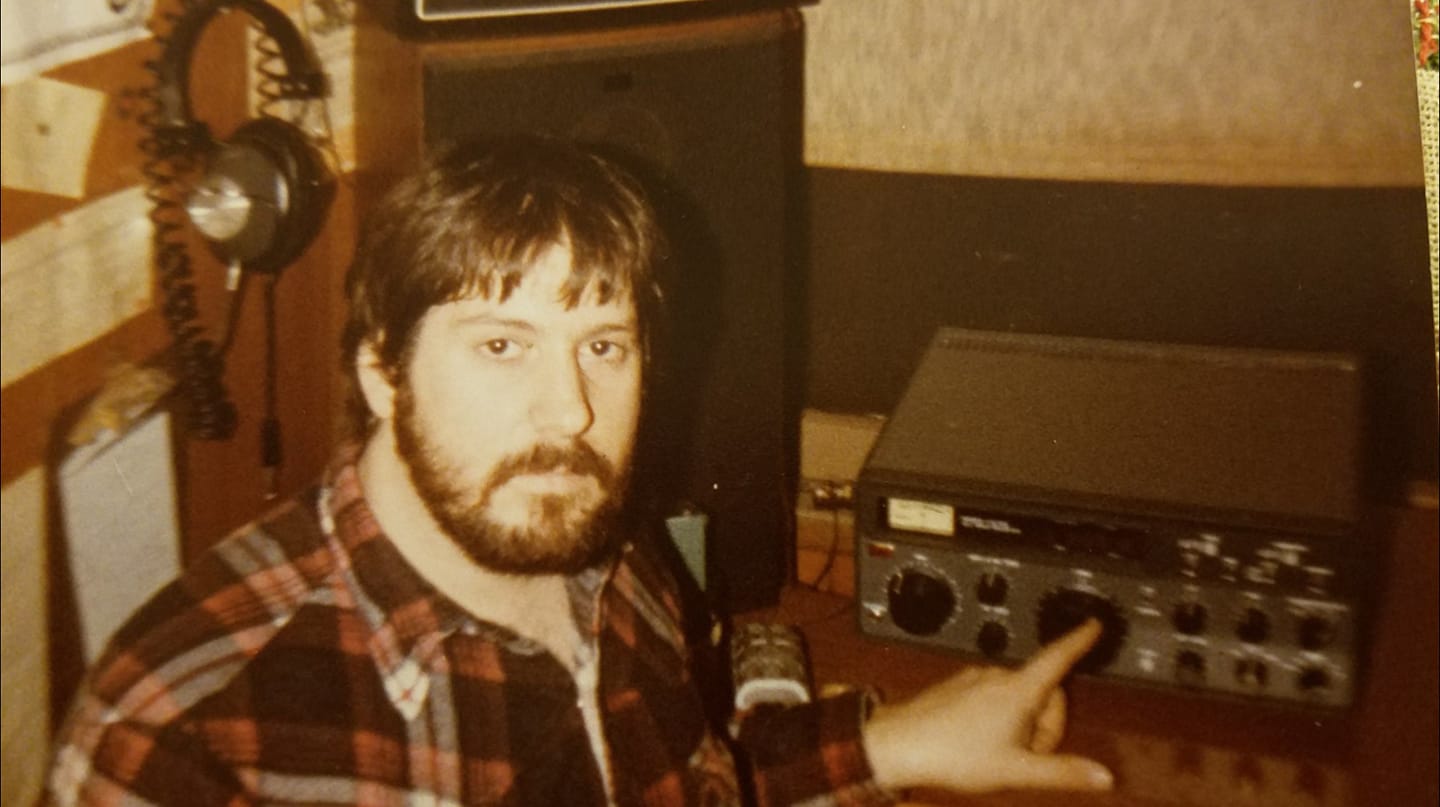
Many thanks to SWLing Post contributor, Dean Bianco, who kindly allowed me to share his note which accompanies the photo above:

Me and my then brand-new JRC-NRD-515 in 1985.

Thirty-five years later in 2020, it is still with me. It works today as it did when it was first taken out of its box! This fact is a testament to the 515’s precision engineering, high-quality components, and tank tough build! The only trouble in these 35 years was the gummy 2.4 kHz mechanical filter issue that all 515’s eventually suffer. However, that was an easy fix and other than de-oxit every five years in the controls, and dusting the interconnect circuit wire RCA plugs, it performs flawlessly. It was used two hours ago.

I have an advanced SDR stand-alone, the astounding Icom R-8600 that has better sound, better specs, and more facilities to peak and tweak a flea-powered signal out of a huge pile of powerhouse flamethrowers than does the old 515. But, when I want to experience the old-school large knobs, the large tuning wheel and the sheer enjoyment that only an old heavy metal radio can provide, I turn to the classic NRD-515!

I don’t blame you, Dean.  I have never owned an NRD-515, but I have always admired its design and layout. It has such an all-business, military/rugged look.  One thing I really love about the NRD-515 is how the RF and AF gain pots flank either side of the main encoder. The controls spacing is also ideal, in my book. Check out the following photo I took of Dan Robinson’s NRD-515:

Thanks so much, Dean!

Any other NRD-515 owners or lovers out there?  Please comment!

Ted inherits two vintage receivers and a 1959 UK Receiving License

Many thanks to SWLing Post contributor, Ted Lampert, who writes:

I was given some old radios belonging to a family member who passed a few years back.

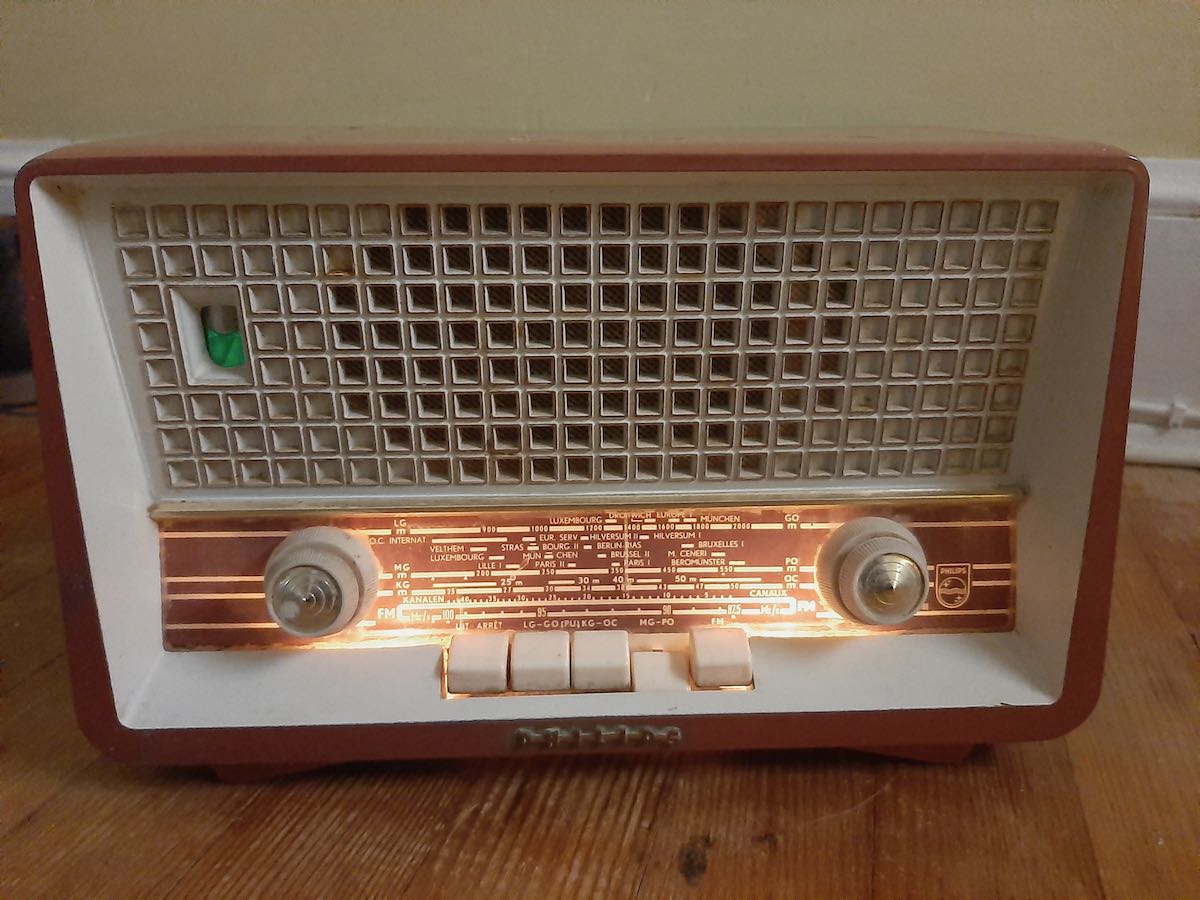
A couple of them really sweet, a Philco 46-420, and a Philips B3X82U (see photo above).

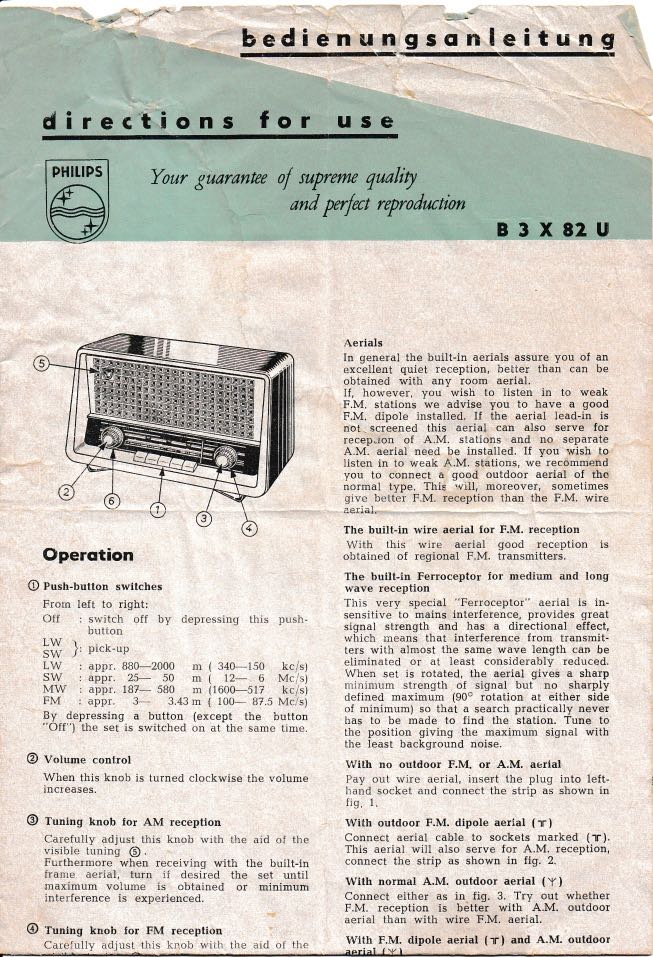
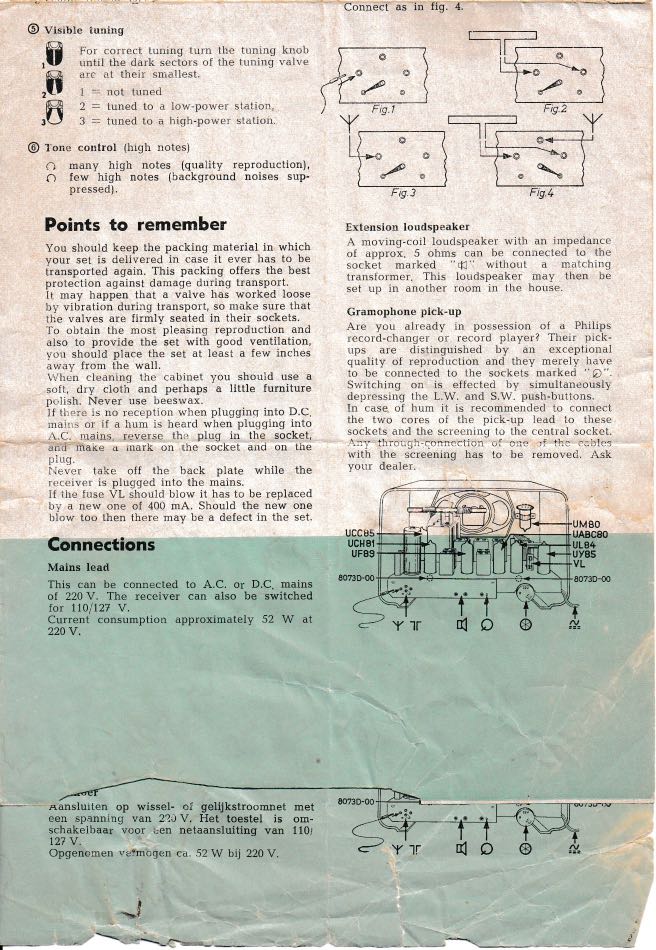
Included was an envelope with some papers in it. One was the instruction booklet for the Phillips B3X82U, in multiple languages:

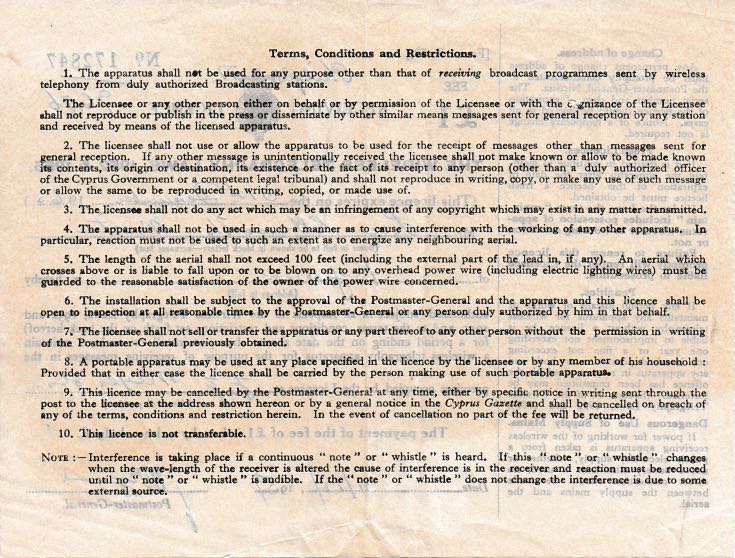
Another was a receiving license.

Without outing him too much, the original owner did government work and was stationed overseas quite a bit. The license looks like it was good for 1960, and I’m guessing you went to the post office to get it. It references the wireless telegraphy laws 1952 & 1955. Have you seen one of these before and do you know much about these receiving licenses?

The Philips is the radio I believe would have been probably what he got this license for since it says Philips at the top of it.

[…]Anyway, going through stuff recently, saw the license and started wondering about it.

Keep up the good work, seeing almost daily new articles on your site played a big part in keeping me inspired to get my own license, not a receiving one, but an amateur. Got general on the first try back in the fall of last year!

First of all, congratulations on snagging your General license last year!  Well done!

Both the Philips and Philco are gorgeous receivers! What treasures! Ted, you had mentioned elsewhere in your message that you plan to recap them and I’m very pleased to hear this.

Like you, I was not aware of that receiving licenses were issued in the UK at the time. Perhaps this was implemented during or after WWII and was simply a requirement during the Cold War?

My hope is that a knowledgeable SWLing Post reader can shed some light on the Receiving License. Please comment with details!


Do you enjoy the SWLing Post?

Please consider supporting us via Patreon or our Coffee Fund!

Your support makes articles like this one possible. Thank you!

Mystery Radio: Can you help Ray ID this solid-state radio from the film “Ford v Ferrari”–?

Many thanks to SWLing Post contributor, Ray Robinson, who writes:

Hi, Thomas. In the 2019 movie Ford v. Ferrari, a battered old shortwave radio is used in California to listen to commentary on the 1966 Le Mans race from France.

I’ve attached a few stills from the movie (which I highly recommend, by the way). Might any of your subscribers know the model of the radio?

Post Readers: Please comment with links if you can ID the make and model of this radio. It looks very familiar, but then again the design is similar to so many other models of the era. Ray, I look forward to checking out the film, too!

Panasonic RD-9820 Antenna Coupler Operating Instructions

Many thanks to SWLing Post contributor, Bill Hemphill (WD9EQD), who shares a PDF copy of the Panasonic RD-9820 Antenna Coupler we recently mentioned in a post. He notes that he can’t remember how he found this manual, but thought he’d share it.

Click here to download the RD-9820 manual as a PDF.

Thanks, Bill!

Radio Waves: AM/FM in Teslas, Odd Crosleys, CW Club Membership on the Rise, and 2020 Contest University is Free

Radio Waves:  Stories Making Waves in the World of Radio

Because I keep my ear to the waves, as well as receive many tips from others who do the same, I find myself privy to radio-related stories that might interest SWLing Post readers.  To that end: Welcome to the SWLing Post’s Radio Waves, a collection of links to interesting stories making waves in the world of radio. Enjoy!

Many thanks to SWLing Post contributors Kim Elliott, Dave Anderson, and Paul Evans for the following tips:


“Infotainment Systems” In Cars Portend Safety, Privacy, And Competition Issues (Forbes)

Almost all new cars include so-called “infotainment systems,” which provide navigation and various sources for music and news. Most companies have begun to outsource these systems to the Silicon Valley mainstays such as Apple, Amazon, and Google. The electric car manufacturer Tesla, however, has developed its own infotainment system that is far more integrated with the car itself.

Tesla recently announced an “upgrade,” which would allow users to watch Netflix, Hulu, and YouTube (when the car is parked). This innovation has a flip side: it removes AM / FM radio capabilities. Tesla and other electric car manufacturers claim they have removed AM radio in many of their models due to concerns over interference. But Tesla’s announcement is peculiar because electric engines do not interfere with FM radio reception.

Former FEMA director Brock Long worries that Tesla’s decision could prevent the government from transmitting crucial information in emergencies. Long’s concerns are valid, particularly in a crisis like the ongoing pandemic, when broad communication with the public is necessary to protect national security. AM/FM radio reach places that television and broadband do not, and that is why the government has invested tens of millions of dollars to ensure radio stations can remain on the air during periods of widespread threat to the public – including the current one. As the coronavirus reminds us, our nation still has public safety needs that no amount of technical wizardry can obviate.

The public safety concerns are real, but Tesla decision to remove AM/FM radio also raise the perennial tech issues of privacy and competition.

Tesla has contracts with tech companies such as Spotify and Pandora, many of which are pay services. These tech companies are no doubt pleased that Tesla is contemplating taking out AM/FM radio, which is still the most listened to audio platform—and constitutes meaningful competition. However, these conflicting interests creates mismatched incentives for Tesla.

Because Tesla’s market share is small, and the upgrade is optional, this conduct likely does not rise to anything close to an antitrust violation. However, the vertically integrated model which Tesla is following raises the same type of concerns as when Big Tech firms pick and choose what apps and services customers can favor. If Google, Apple, and Amazon, which have their own podcast and streaming audio services, begin to demand that auto manufacturers carry their services exclusively, then more serious competition problems will arise.[]

Odd Crosley Radios from the 1920s (Hackaday)

You may sometimes see the Crosley name today on cheap record players, but from what we can tell that company isn’t connected with the Crosley Radio company that was a powerhouse in the field from 1921 to 1956. [Uniservo] looks at two of the very early entries from Crosley: the model VIII and the XJ. You can see the video of both radios, below.

The company started by making car parts but grew rapidly and entered the radio business very successfully in 1921. We can only imagine what a non-technical person thought of these radios with all the knobs and switches, for some it must have been very intimidating.

The model VIII had two large knobs, three small knobs, and a switch. Oddly enough there were very few markings on the knobs, as you were expected to know how to use a tuned RF radio. The large knobs were for tuning capacitors and the switch was for coil taps, while the three small knobs controlled the tube filament supplies.[]

Increase in CW Club membership (G4BKI.com)

The rate at which amateurs are joining CW clubs has gone through the roof with ‘lockdown’.

The fastest growing club (SKCC) has tripled its daily new members rate and is now increasing by 14-15 per day. Information and files can be found at: http://www.g4bki.com/club_call_history.htm

Contest University 2020 will be held online free via Zoom (Contest University)

Contest University 2020 will be held online free via Zoom (Link will be available on May 7th)

Thursday, May 14th 9:00 am EDT

CTU 2020 outline is available on the 2020 Course Outline Page

Click here to read more information.


Do you enjoy the SWLing Post?

Please consider supporting us via Patreon or our Coffee Fund!

Your support makes articles like this one possible. Thank you!