Shortwave listening and everything radio including reviews, broadcasting, ham radio, field operation, DXing, maker kits, travel, emergency gear, events, and more
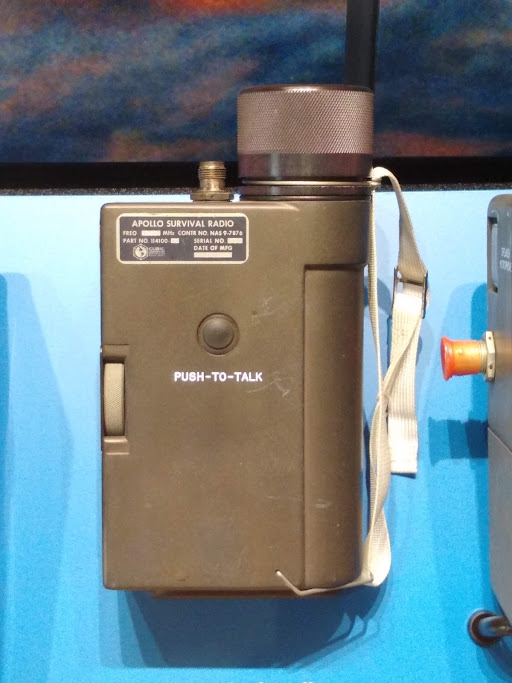
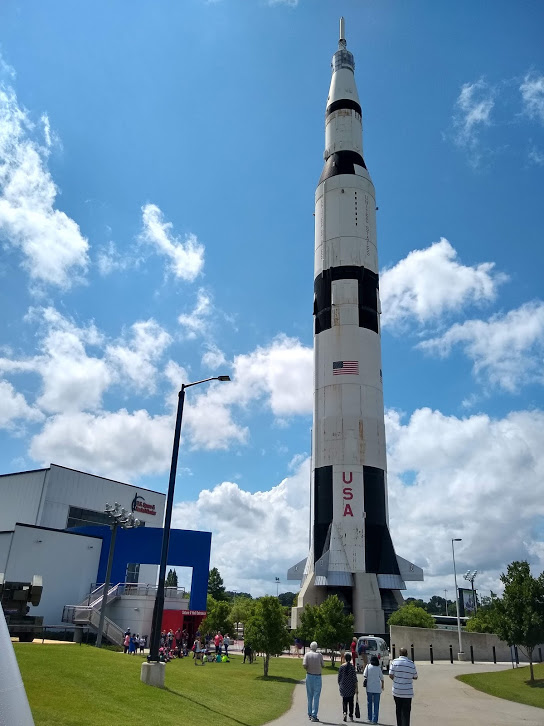
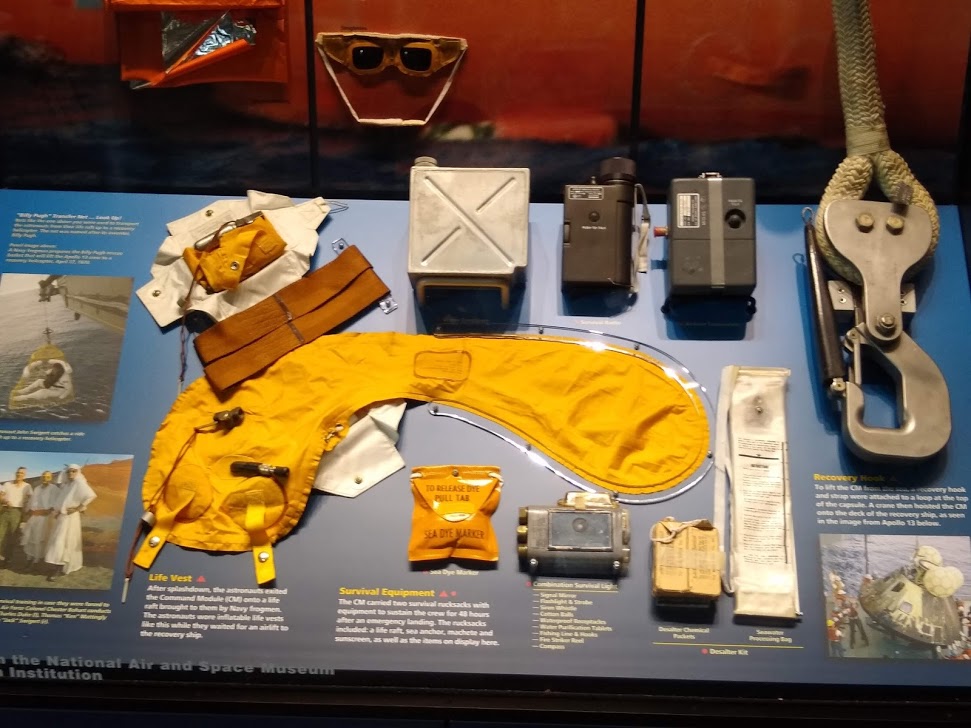
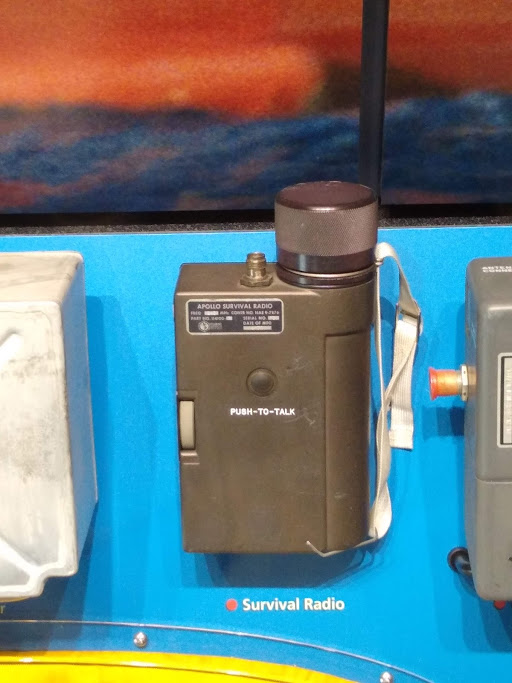
While perusing numerous displays in the Saturn V Hall at the Davidson Center for Space Exploration, I noted this little radio in a case devoted to Apollo survival gear:
I found no detailed information about this survival radio at the display (not surprising), so I snapped a few photos and researched it when I got back to the hotel room that evening.
Survival gear was provided to Apollo astronauts in the case they returned to Earth and there was a substantial delay in rescue and recovery operations. One item in the survival kit was a hand-held UHF radio. Beginning with the Apollo 12 survival kit the radio beacon was manufactured by the Cubic Corporation. It could operate either as a “beacon” or for two-way voice communications. Permanently set to operate at 243 MHz, the transceiver and its cylindrical battery pack were water-tight. It could operate in beacon mode for up to 24 hours. An extendable antenna, a second battery pack, and a spacecraft connector cable were also provided.
I love finding purpose-designed radios like the Apollo Survival Radio.
Post readers: Have you ever stumbled upon similar survival or purpose-built radios? Please comment!
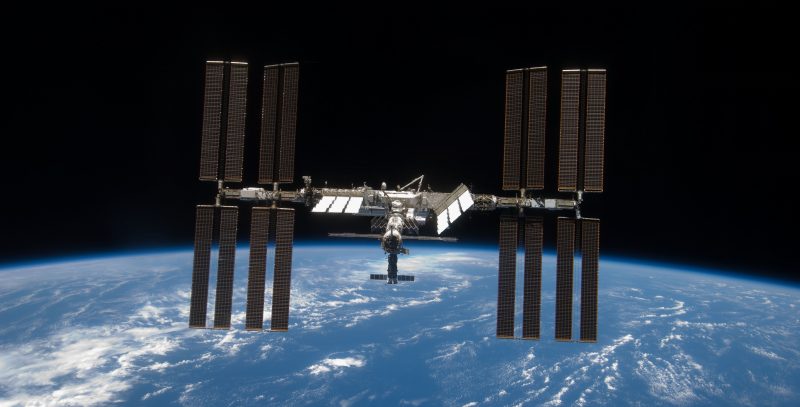
ARISS Russia is planning a special Slow Scan Television (SSTV) event from the International Space Station Station around 09:00 GMT on Friday, June 29 and continuing until 18:30 GMT Sunday, July 1.
Supporting this event is a computer on the ISS Russian Segment, which stores images that are then transmitted to Earth using amateur radio, specifically the onboard Kenwood TM-D710E transceiver.
These images will commemorate the various satellites that were hand-deployed from the ISS. These will include the first satellite deployment from ISS: Suitsat-1/Radioskaf-1 which was developed by ARISS and deployed in February 2006.
The transmissions will be made on 145.800 MHz FM using the PD-120 SSTV mode.
Note the ISS transmissions use the 5 kHz deviation FM standard rather than the narrow 2.5 kHz used in Europe. If your transceiver has selectable FM filters try using the wider filter. Handheld transceivers generally have a single wide filter fitted as standard and you should get good results outdoors using just a 1/4 wave whip antenna.
Bob, K4UEE, narrated an interesting PowerPoint presentation at both the recent DX Forum at the Dayton HamVention and the W5DXCC/HamCom.
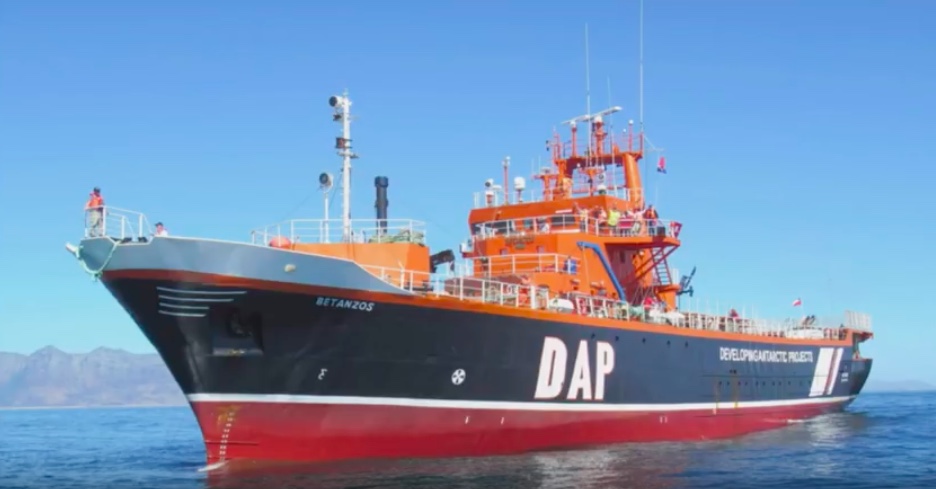
This presentation includes a summary of the 3Y0Z DXpedition with stunning pictures, their Vessel vetting process, what they learned, planned refund of remaining funds, another attempt, and some personal observations of K4UEE.
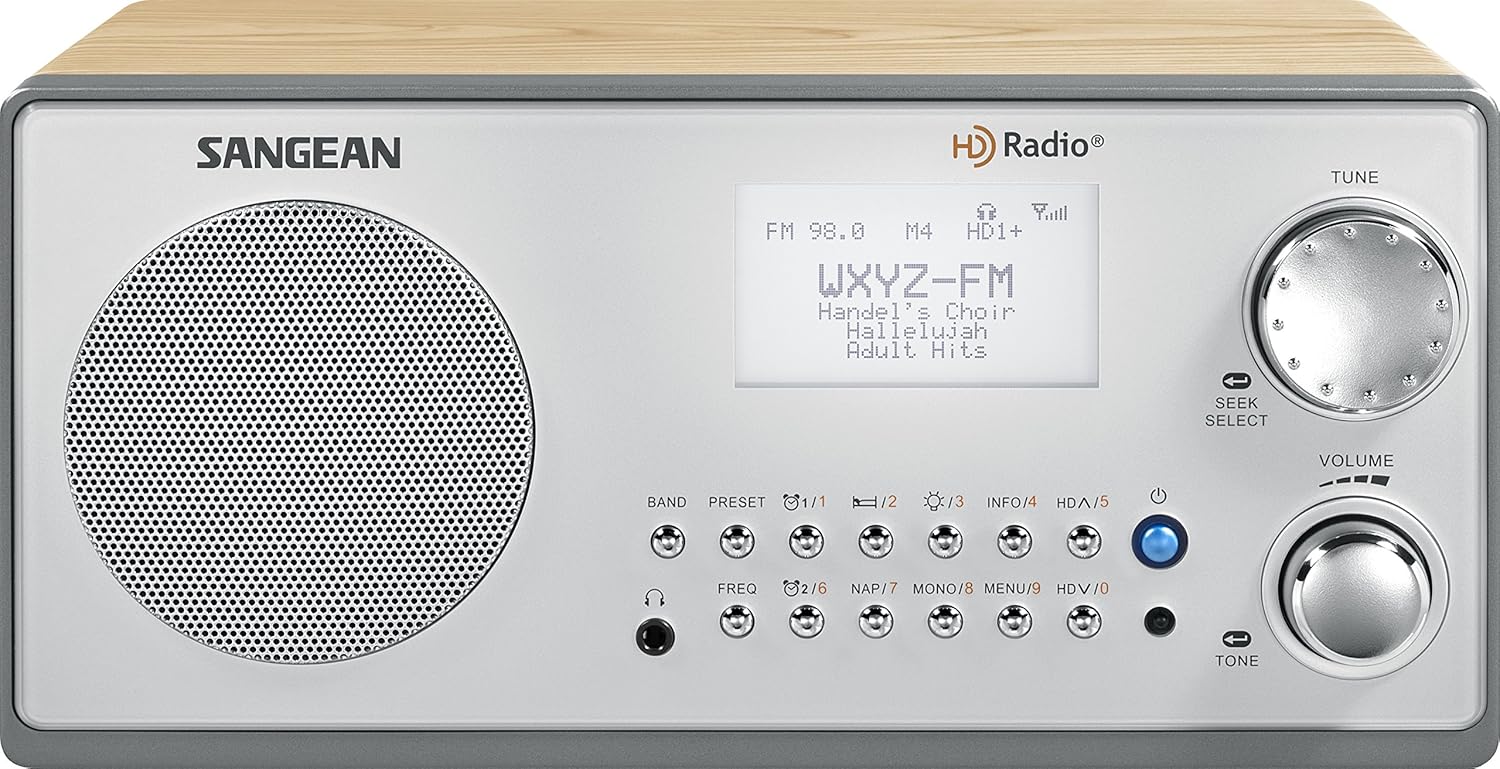
For those who might be interested, Amazon currently has this radio discounted more than I have seen previously. Current price is $137.75 – as always, this may be a limited time or limited amount of radios available at this price. Here is the link:
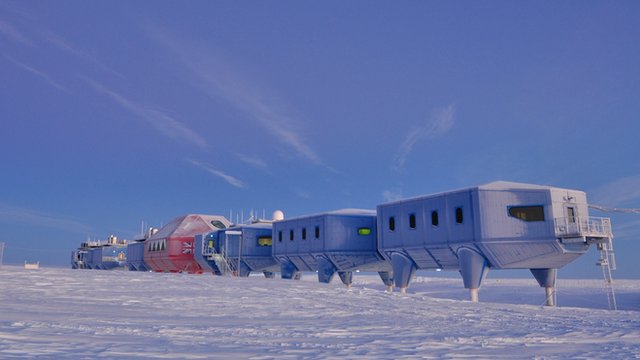
Halley VI: The British Antarctic Survey’s new base (Source: British Antarctic Survey)
On Thursday, 21 June 2018, the BBC World Service officially transmitted the 2018 BBC Antarctic Midwinter Broadcast–an international radio broadcast intended for a small group of scientists, technicians, and support staff who work for the British Antarctic Survey.
This is one of my favorite annual broadcasts, and I endeavor to listen every year. Once again, the SWLing Post called upon readers to make a short recording of the broadcast from their locale.
Below are the entries, roughly organized by continent and country/region. We had a total of 28 recordings submitted this year–simply amazing! If I’ve somehow missed including your entry, please contact me; I’ll amend this post.
So, without further ado….
The 2018 BBC Antarctic Midwinter Broadcast Recordings
Europe
Austria
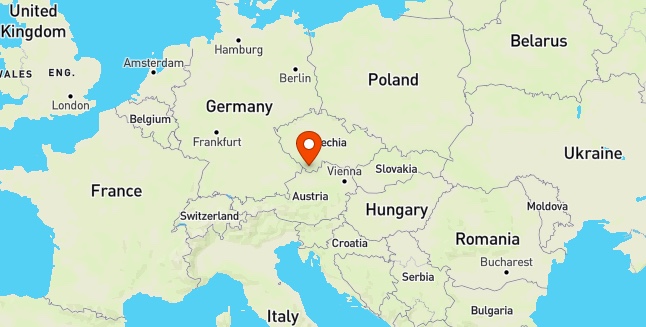
SWL: Gerald LANDL (OE5TET) Location: Eidenberg, Austria Notes:
Preperations with my 6y old son – highly professional with clip board, frequency setting on equipment, adjusting the antenna tuner. setting the alarm clock and preparing cups for warm drinks.
Wonderful broadcast with heaps of feelings and good music – I reckon the crew in Antarctica enjoyed it.
I used to listen with my dad to Norddeich Radio – also broadcast for crews and sailors out on sea.
2018-06-21 2130 UTC antarctic midwinter broadcast 2018 of BBC
from QTH
Longitude : 14.23225 E (14° 13? 56” E)
Latitude : 48.44367 N (48° 26? 37” N)
QTH locator : JN78CK
5.985 – Woofferton – via FT 991 + HiGain 640 vertical
7.360 – Ascension – via FT 817 + MLA-M magnetic loop
9.890 – Woofferton – via FT 2000 + Diamond W8010 – multi band trap
enjoyed the slight time delay between Woofferton and Ascension – broadcast (echo you hear)
looking forward to record the whole broadcast from Ascension via FT2000
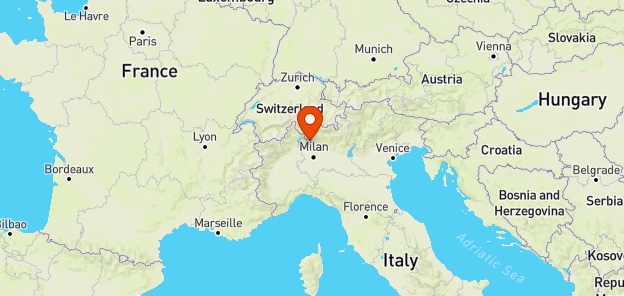
SWL: Gabriele Barbi Location: Ferrara di Monte Baldo Notes: Received in Ferrara of Monte Baldo (Verona) 850 msl, with Sangean 909 receiver and 30 meter row antenna, good signal on all 3 frequencies 5985 7360 9890 hours of reception (Italian) 23.55 today 21062018. Good Radio 🙂
Note that the audio file of the 3 frequencies is divided by the beep signal respectively from the beginning to the end of the file 5985 7360 9890:
SWL: Grabriele Sommas Location: Roccapiemonte, Italy Notes: Hi Thomas, like every year attached I send you the youtube link of the broadcast BBC MIDWINTER 2018 with the hope of seeing it published also this year on swling. Receiver is an SDRplay RSP2 and Antenna a Wellbrook ALA 1530.
I am Davide Borroni from Origgio (VA) Italy. On 21 June 2018 at 2130.-2200 UTC on 5985 kHz AM, i listened BBC Winter Radio with SINPO 54444
I use my Hallicrafters SX 42, Siemens E 401, Collins HF 2050 and Teletron TE 712S receivers with a magnetic loop antenna.
73s
Davide Borroni
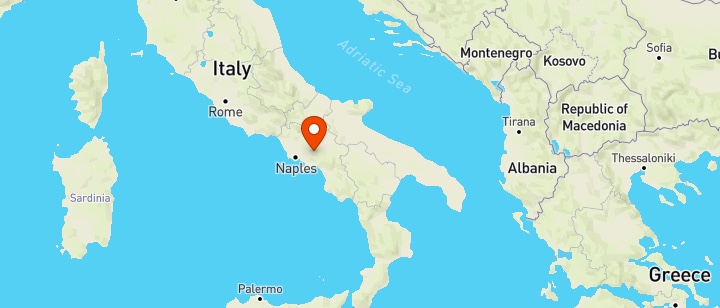
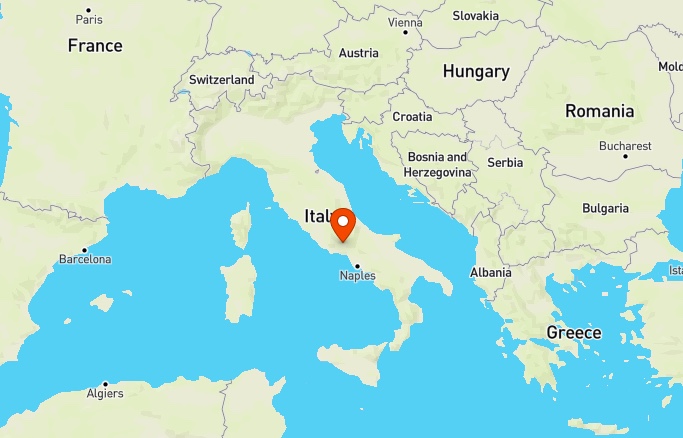
SWL: Giuseppe Morlè (IZ0GZW) Location: Formia, Italy Notes:
I’m Giuseppe Morlè, iz0gzw, from Formia, central Italy, on the Tyrrhenian Sea.
I send you 2 videos about the Antartic Midwinter 2018 to be included on the Swling Post.
You can see how you listened to from my house on my 3 receivers the transmission and as the only Tecsun pl660 with its antenna on my balcony.
Thanks for everything and I always wish you excellent listening.
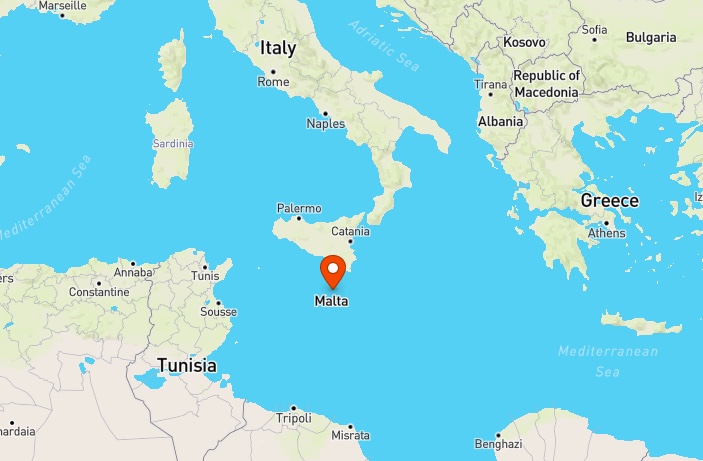
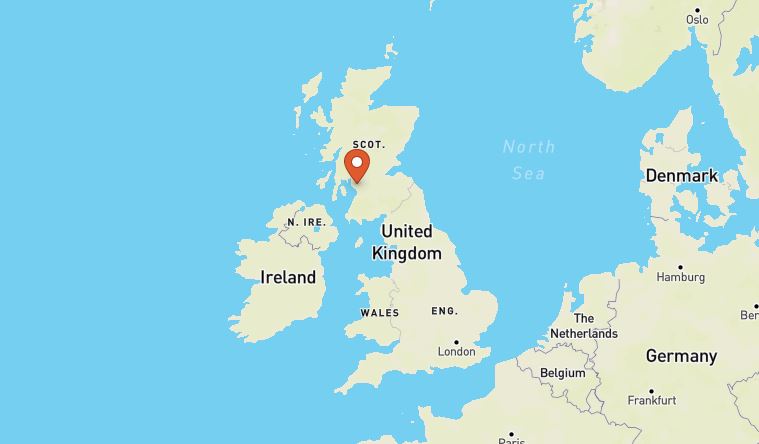
Listenined yesterday (21 June 2018) at 21.30 UTC from Malta 5985 kHz SINPO 53553 using a Tecsun PL-660 and a longwire antenna 27 metres.
Wonderful programme and good job.
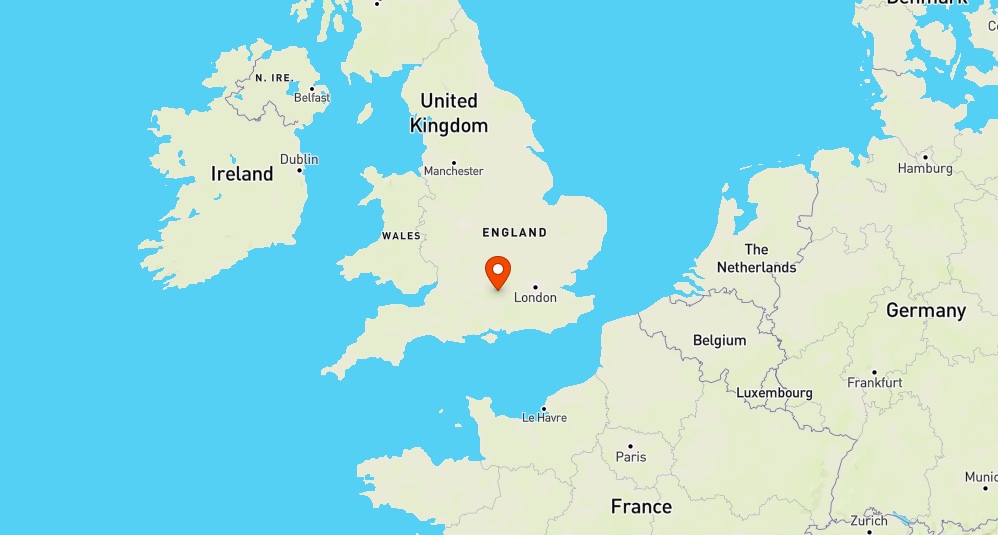
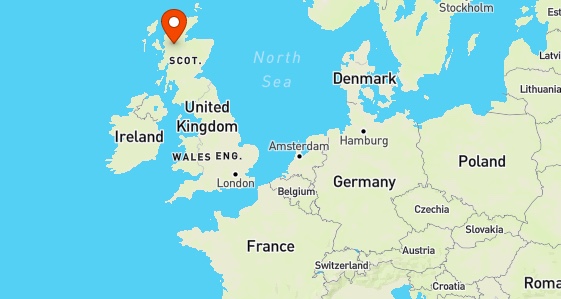
SWL: Mark Hirst Location: Basingstoke, England Notes:
QRM levels at my QTH were noticeably higher this year than last, continuing a years long trend in my area.
Woofferton is only 100 miles from Basingstoke in Hampshire, and while it doesn’t lie in the direction of the transmission, the signal was strong and steady, overwhelming almost all of the interference.
SWL: Gareth Buxton (M6VOV) Location: Belper, England Notes:
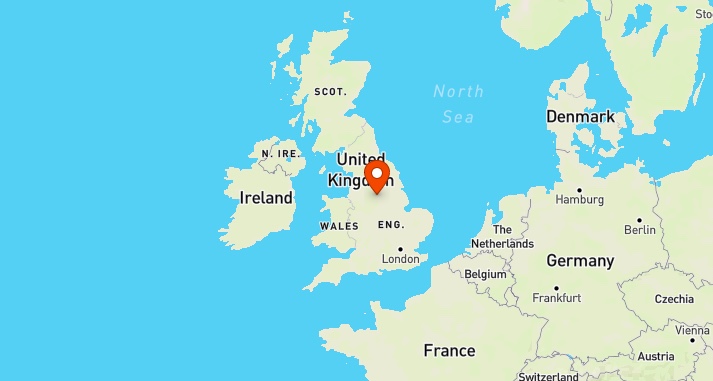
This is my recording. Fair reception on 7360khz. I was out in the garden using a Tecsun PL 880 connected to a homemade active loop antenna. My location is Belper, Derbyshire, UK
SWL: Paul Capewell Location: London, England Notes:
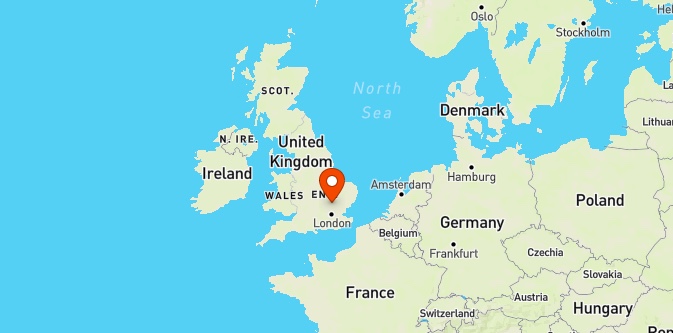
Three 1-minute clips of the BBC World Service Antarctic Midwinter Broadcast on 5985kHz, 7360kHz, and 9890kHz, recorded on a Tecsun PL-380 in north west London at 2230 (2130 UTC) on 21 June 2018.
All three signals were good at my location in Ayrshire, Scotland.
The best of the two Wooferton signals was 5985 AM.
Here is a youtube video of my reception of the signal from Ascension Island on 7360 AM.
Rx = Trio R-1000
Ant = End fed Wire, 20 meters long and ATU.
Thank you.
HAPPY MIDWINTER !
73
Steven
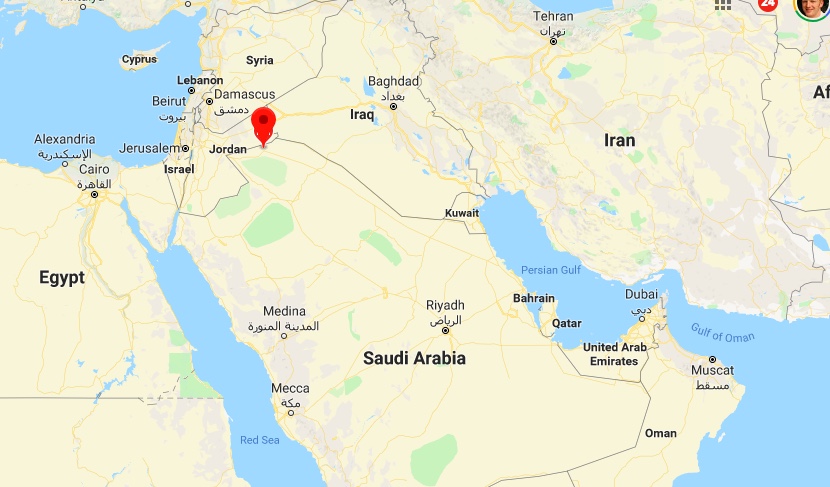
SWL: Rawad Hamwi Location: Turaif – Northern Borders Province – Saudi Arabia Notes:
Date/Time: 21/6/2018 @ 21:30 UTC | 22/6/2018 @ 00:30 Arabian Standard Time (UTC+3)
Frequency: 9890 kHz
Receiver: Sony ICF-SW7600GR / Sony ICF-SW11
Antenna: 30 LM Longwire Antenna
Location: Turaif – Northern Borders Province – Saudi Arabia
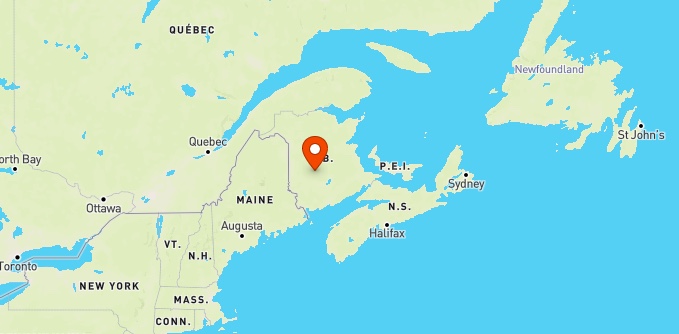
SWL: Richard Langley Location: Hanwell, New Brunswick Notes:
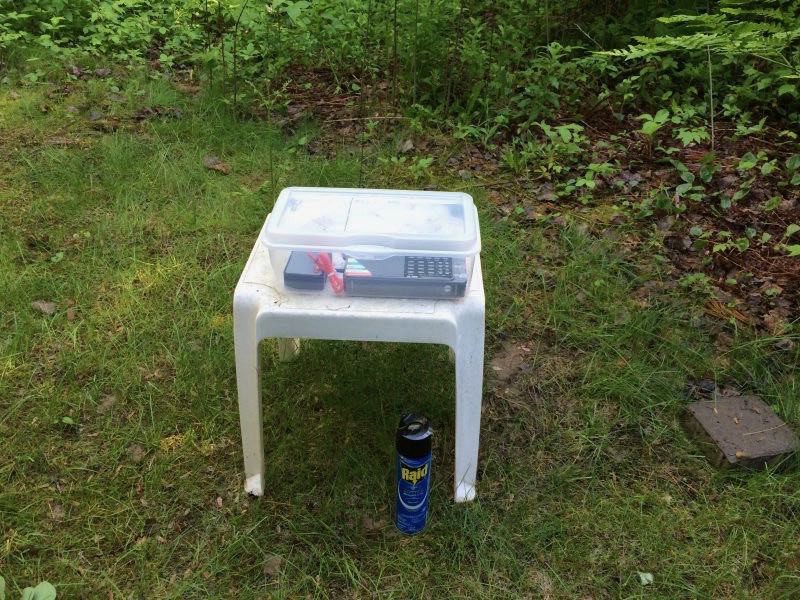
I obtained decent recordings of the BAS broadcast both here in NB on 7360 kHz using a Tecsun PL-880 receiver with a Tecsun AN-03L 7-metre wire antenna strung to a nearby tree and using the U. Twente SDR receiver on 5985 kHz. Attached are two two-minute clips, one from the start of each recording. Also attached [above] is a photo of the “listening post” at the back of my yard. Note the mosquito spray!
SWL: Ivan Cholakov Location: New York and Florida Notes:
This year’s Midwinter Antarctic broadcast from the BBC was a special opportunity for me. I thought I would share the story because it has something to say about the state of technology in today’s world of radio. On the day of the broadcast, June 21, 2018 I was on a business trip to New York City. I had brought with me three very useful and very portable items: an SDRPlay receiver, a W6LVP portable amplified loop and an Eton Satellit shortwave radio.
I was able to receive the broadcast in the following order:
By remotely accessing my home station;s kiwiSDR receiver via the internet
By remotely accessing my amateur radio station that I maintain in Michigan using a remotehams.com server
By using the SDRPlay receiver and the amplified loop from the 35th floor hotel room in Manhattan
By using the Eton Satellit pocket sized shortwave radio from the hotel room in Manhattan
I created a youtube video with the four modes of reception above. it is amazing how connected the world has become!
I was able to get 2 different videos of the BBC Antarctic Midwinter Broadcast. One video is of the broadcast coming through an KiwiSDR channel and another is a recording of BBC through my Tecsun PL-380.
SWL: Stan Horzepa (WA1LOU) Location: Wolcott, Connecticut Notes:
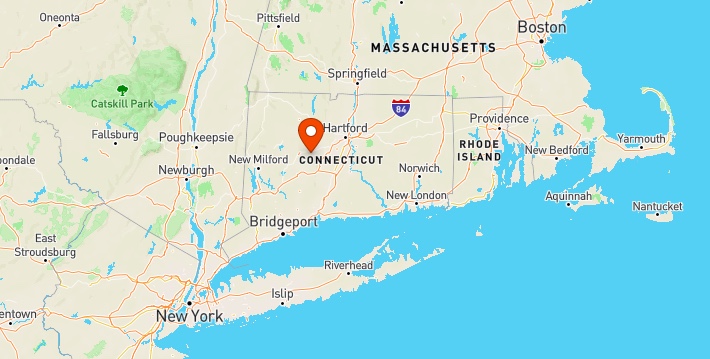
Here in Wolcott, Connecticut, USA, I heard the full 30 minute broadcast
on all three channels using my ICOM IC-R8600 and an 80-meter inverted
Vee antenna. 9890 was very good, 7360 was good, while 5985 was poor.
(The broadcast reminded me of The Beatles Fan Club Christmas recordings.)
SWL: Bill Hemphill (WD9EQD) Location: Smithville, NJ Notes:
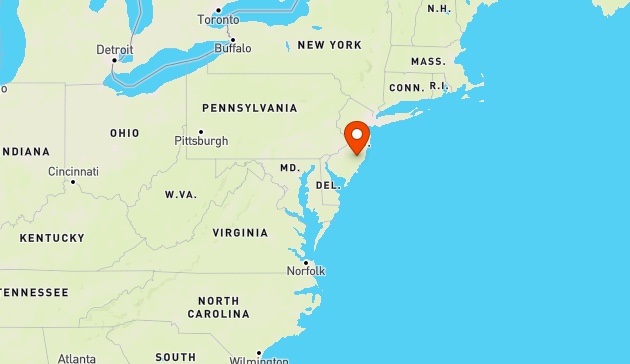
I got good copy on 9890 here in Smithville, NJ (5 miles north of Atlantic City).
Readable copy on 7360 and almost readable copy on 5850.
Used a combination of Tecsun Radios: PL-310et, PL-880, and S-8800.
Used the telescoping antenna and a long wire antenna strung up in the house.
SWL: Thomas Witherspoon (K4SWL) Location: Huntsville, Alabama Notes:
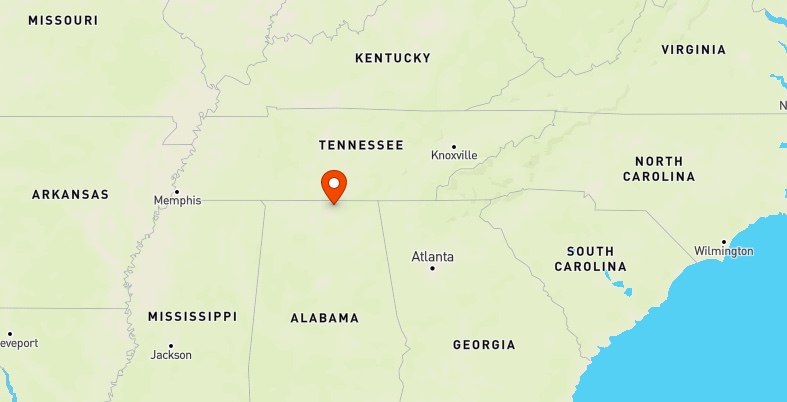
I managed to listen to a bit of the broadcast myself in the parking lot of the US Space and Rocket Center in Huntsville, Alabama. I only brought my C. Crane CC Skywave SSB along. The signal was quite weak, but I did log the 9,890 kHz broadcast from Woofferton, UK. Pretty impressive considering the modest portable receiver and the fact the broadcast’s target was Antarctica! Pure shortwave magic.
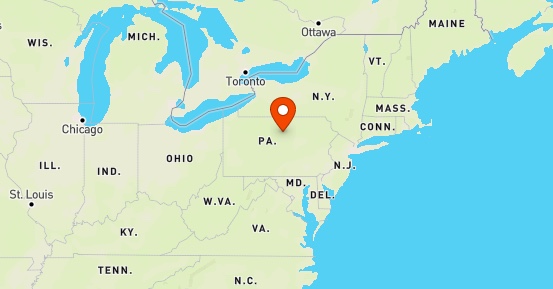
My recording of 9890 kHz in Pennsylvania was much weaker.
SWL: DanH Location: Northern California Notes:
Just awful reception here in Northern California suburbia near three in the afternoon. I can just make out “Jingle Bells.” BBC Woofferton has been coming in well here from 04:00 – 06:00 UTC on 9915 kHz on some nights.
Once again, many thanks to all of you who submitted your recordings of the BBC Midwinter Broadcast!
We’ll be sharing this post with both the British Antarctic Survey and the BBC World Service. And to all of you, from the SWLing Post: Happy (Belated) Midwinter! Happy Summer/Winter Solstice!
From the Isle of Music, July 1-7:
This week, our special guests are Chuchito Valdés and Juan Poch. We will discuss (and listen to) their newest album along with some excellent music by Orquesta Ritmicos de Palma, Orquesta Típica Juventud & Orquesta Hermanos Avilés.
1. For Eastern Europe but audible well beyond the target area in most of the Eastern Hemisphere (including parts of East Asia and Oceania) with 100Kw, Sunday 1500-1600 UTC on SpaceLine, 9400 KHz, from Kostinbrod, Bulgaria (1800-1900 MSK)
2. For the Americas and parts of Europe, Tuesday 0000-0100 UTC on WBCQ, 7490 KHz from Monticello, ME, USA (Monday 8-9PM EST in the US). This has been audible in parts of NW, Central and Southern Europe with an excellent skip to Italy recently.
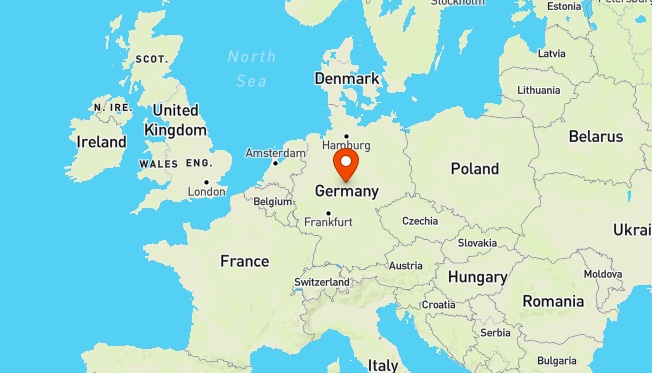
3 & 4. For Europe and sometimes beyond, Tuesday 1900-2000 UTC and Saturday 1200-1300 UTC on Channel 292, 6070 KHz from Rohrbach, Germany.
Uncle Bill’s Melting Pot, Sun, July 1 & Tues, July 3, 2018
Episode 69 presents exotic vocal music from around the planet – throat singing, whispering songs, Roma scatting, eephing and other delights.
1. Sundays 2200-2230 UTC (6:00PM -6:30PM Eastern US) on
WBCQ The Planet 7490 KHz from the US to the Americas and parts of Europe
2. Tuesdays 2000-2030 UTC on Channel 292, 6070 KHz from Rohrbach, Germany for Europe. If current propagation conditions hold, the broadcast should reach from Iceland to Western Russia, Scandinavia down to North Africa and the Middle East, AND a long bounce to parts of New Zealand.

 I found no detailed information about this survival radio at the display (not surprising), so I snapped a few photos and researched it when I got back to the hotel room that evening.