Author Archives: Thomas

Marwan discovers vintage radios in the family

Many thanks to SWLing Post contributor, Marwan, who writes:

Hello Thomas,

I hope this email finds you well and you will enjoy the photos I am attaching.

Two weekends ago my wife and I and went to see our grand daughter who lives and hour and a half away. On our way back we decided to drop by my sister in law’s house. I had not seen my sister in law since she moved in with her new boyfriend.

It was a beautiful day and we joined them on their outside porch. The first thing that caught my eye when we arrived were the two 1950’s Fords, and a double rear wheels motorcycle he was working on in his shack. They were beautiful, polished and spot less machines.

I made a comment on how her boyfriend must like to collect old vehicles. My wife said, well you need to take a walk inside the house and see what else he has got in there. My goodness. I really thought I was at some museum of old antique items.

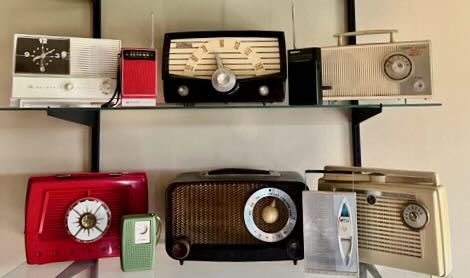
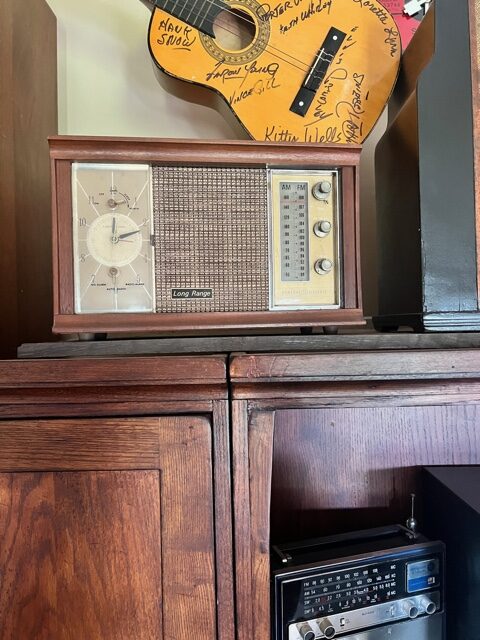
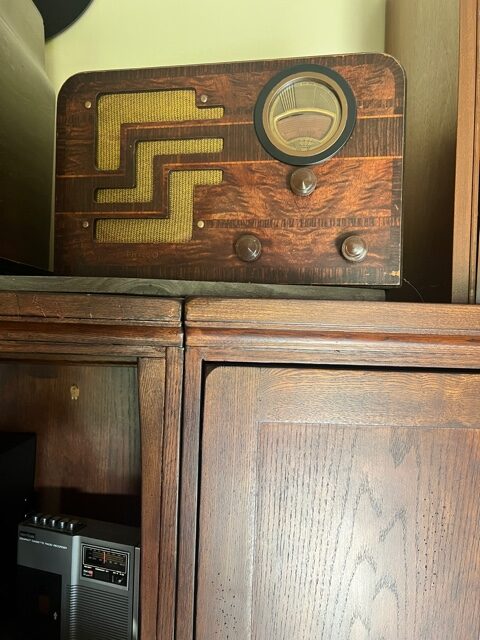
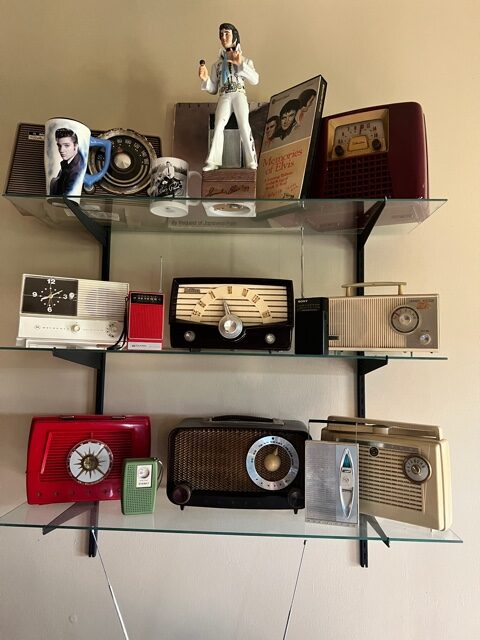
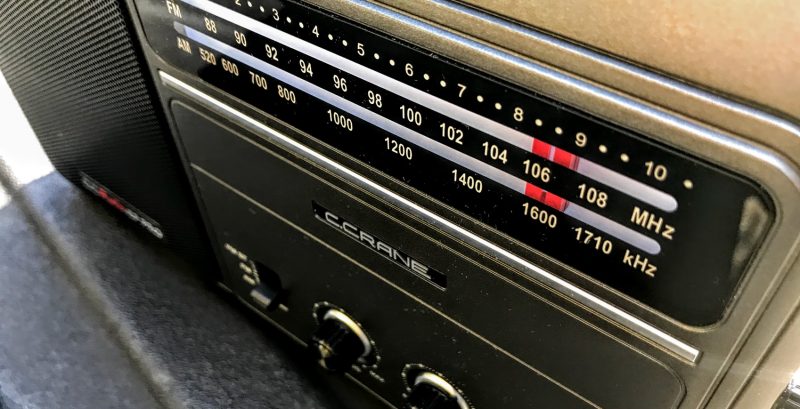
There were too many things to list here so I am going to limit it to the radios he had. One of the rooms he has is filled with old radios, and an old TV. On top of the TV there were three shelves with various old radios that I had to take photos of.

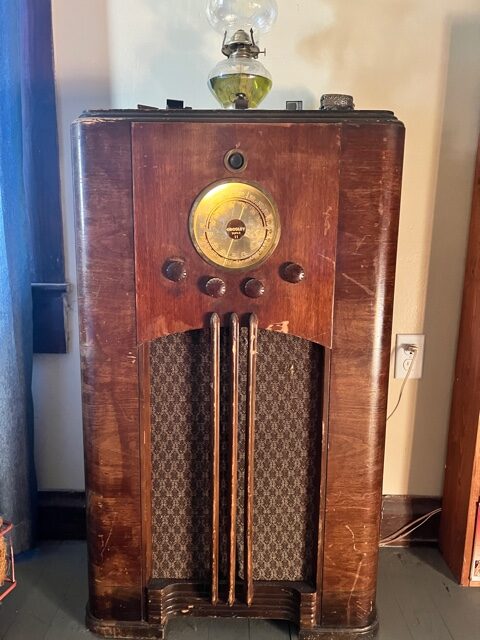
On the other side of the room he had a Crosley Super II. It is not working but still had the speaker(s) on the inside. Gary had ran a cable from an old receiver he had to the speaker(s). He played music from his receiver to the Crosley and oh my.

The crisp sound that came out of that cabinet was amazing. I could not believe how crisp the sound was, made me wished I had a Crosley like that one. The sound filled the room, it was so magical to listen to it.

I was so exited and grateful we passed by their house and wanted to share some of the photos I took with you and your subscribers.

Cheers,

Marwan

Thank you for sharing these, Marwan. I hope that he restores that Crosley Super II. That is certainly a magnificent console radio! He’s got some beautiful radios in his collection!

Survey results: What type of radio is your daily driver?

Last week, I published a post asking SWLing Post readers what type of radio their “daily driver” is at present. Click here to read that post.

I created a survey form and left it open for about five days. In that time, we received 639 responses! If you’d like to read the results, continue scrolling or click on continue reading below.
Continue reading

Don Moore’s Photo Album: Cuenca, Ecuador (Part Two)

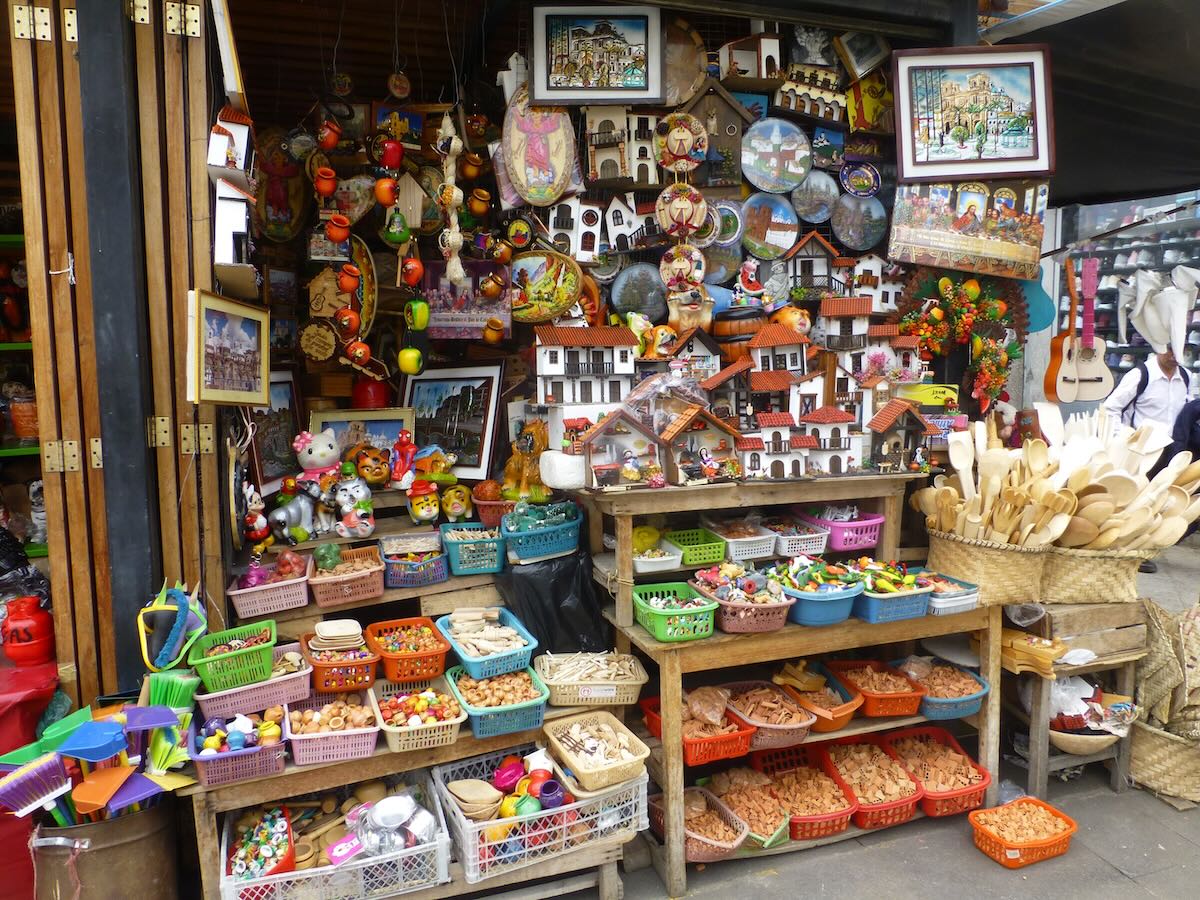
A Cuenca Artisan Market

Many thanks to SWLing Post contributor, Don Moore–noted author, traveler, and DXer–for the latest installment of his Photo Album guest post series:


Don Moore’s Photo Album: Cuenca, Ecuador (Part 2)

by Don Moore

In the song Por Eso Te Quiero Cuenca (That’s Why I Love You Cuenca) the singer recites a litany of the many reasons to love this city. What do I love about Cuenca? Well, unlike the song, I won’t include well-roasted guinea pig.

The elevation of 2560 meters (8,400 feet) gives Cuenca a comfortable spring-like climate year-round. Daily highs are usually around 20C/70F. Nights are chilly but not cold. Most days have at least several hours of sun, even during the rainy season (as it is now). There are numerous green parks and plazas including long tree-lined walking paths along the two main rivers that run through the city. The drinking water, which comes from high up in the mountains, is the best in South America. Yes, you can drink it right from the tap.
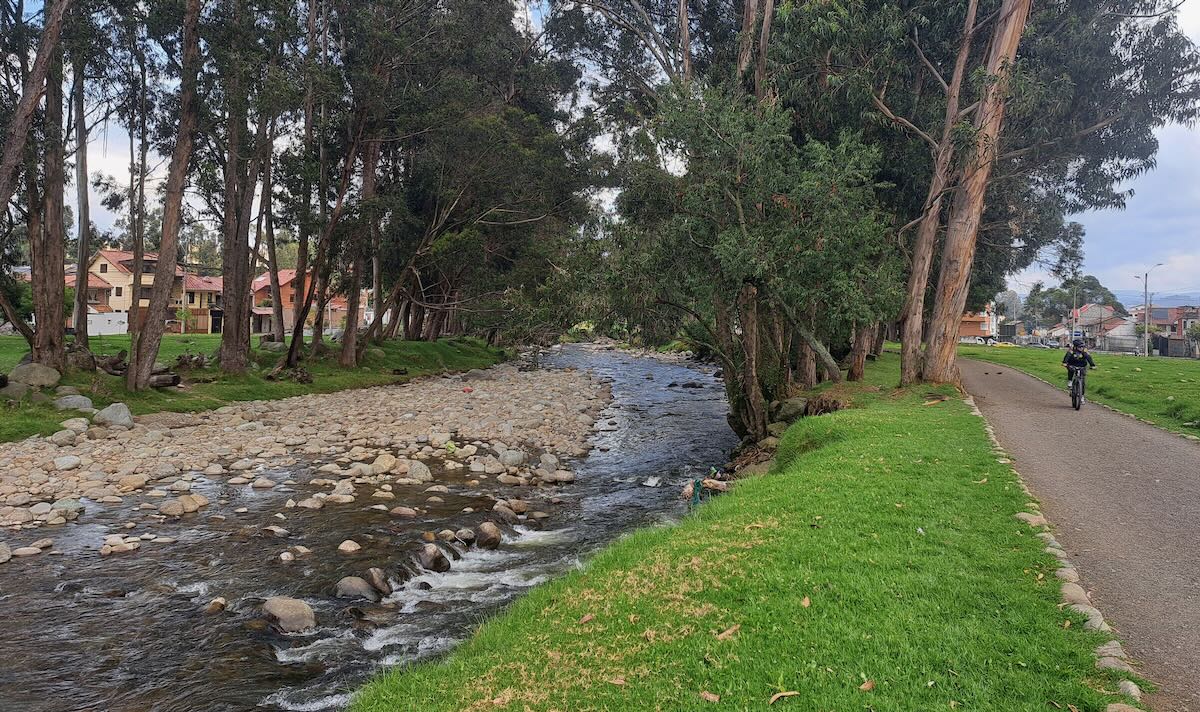
A walking/bike path runs along the Yanuncay River for over six kilometers through the south side of Cuenca. A similar path runs along the larger Tomebamba River in the center of town.

The people of Cuenca are among the friendliest I’ve found anywhere. It’s a well-run, educated city with lots of civic pride. The metro area population is only about a half-million so it’s small enough to easily get anywhere but large enough to have the benefits of a city. Cuenca has several good universities and theaters and the symphony orchestra gives free concerts most Friday evenings. It’s a pleasure to simply stroll through the beautiful architecture in the old centro neighborhood.
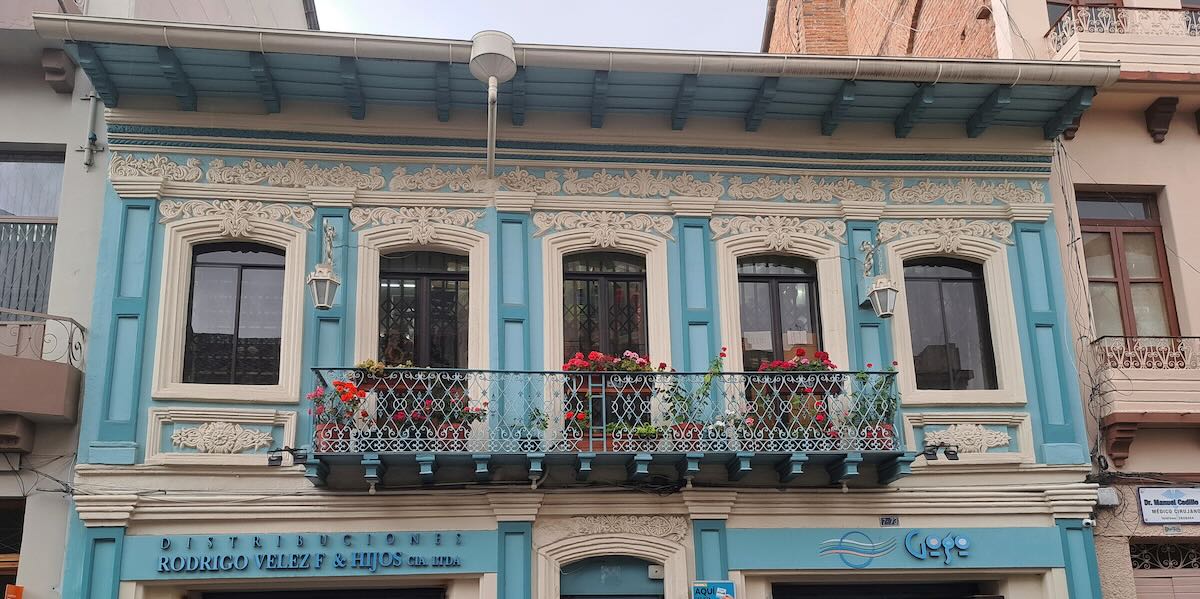
One of many beautifully restored buildings in Cuenca’s old centro.

Getting around Cuenca is easy. A ride on the excellent bus system costs just thirty cents and taxi rides usually run under two dollars. And, unlike the much larger cities of Quito and Guayaquil, Cuenca has a mass transit system. In 2013 city leaders voted to put in a light rail line. Doing so required digging up two of the main streets through the old downtown but rather than just dig up two streets they decided to dig up the entire old downtown … to replace the aging water and sewer systems, move all electric lines and cables underground, and install high-speed fiber optic Internet. (Fiber optic Internet was also run above ground in the newer neighborhoods outside the centro.) The result is one of the few places in Latin America where one can enjoy beautifully restored architecture and colonial churches without the views being marred by powerlines. And the Internet here is better than most places I’ve stayed at in the United States.

Those are just a handful of the reasons that I love Cuenca.

Early Radio in Cuenca

Radio broadcasting in Ecuador started in 1925 with Radio El Prado in Riobamba, a small city in the center of the country. Other stations soon started up in Guayaquil and Quito, including HCJB in 1931. Broadcasting came to Cuenca in 1934 when a group of friends purchased a homemade ten-watt transmitter from an engineer in Guayaquil and put it on the air as La Voz de Tomebamba. The name came from the main river flowing through Cuenca. At the time there were only four receivers in the city so the audience was rather sparse. La Voz de Tomebamba initially broadcast for only one or two hours a night and most of the musical selections were done live as there weren’t many 78 RPM records in town. Years later one early listener reminisced, “It was sixty percent noise. Only radio fanatics could be entertained by listening to such a thing.

Old studio equipment from La Voz de Tomebamba

Gradually, the owners added new equipment and expanded the daily schedule. A fifty-watt transmitter was added in 1938 and by 1947 the power had been increased to two hundred watts. The first frequency listing that I’ve found for La Voz de Tomebamba was for 4200 kHz in a 1944 FBIS newsletter. The 1947 WRTH listed it as on the air from 0000 to 0430 GMT on 4200 kHz. And that was the station’s only frequency. Until the 1960s it was very common for radio stations in Ecuador to only broadcast on shortwave and not on medium wave. For example, the 1957 WRTH lists eighty Ecuadorian stations on shortwave (not counting HCJB) but only fifty-nine on medium wave. 

Sometime in the early 1960s La Voz de Tomebamba made the switch to medium wave and left shortwave. Their 4200 kHz frequency is not listed in the 1965 WRTH, nor are they listed in any later ones. (I would be interested to hear from anyone who remembers listening to them on shortwave.) The changes may have had to do with financial problems the station was having. It closed in 1967 and remained off the air until returning under new ownership four years later. Today La Voz de Tomebamba is one of the most popular radio stations in town and has an excellent news department. Their sister station, Super Rock FM 94.9, is very popular with younger listeners.
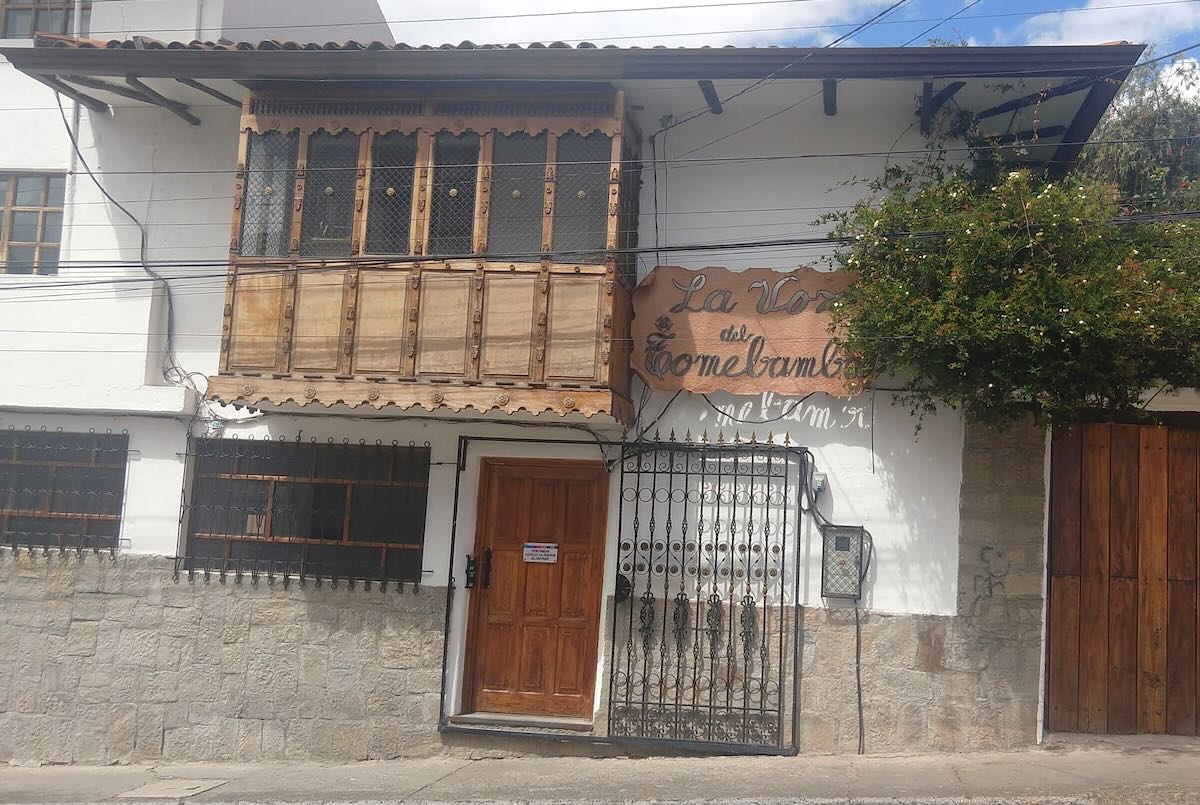
La Voz de Tomebamba today.

The second station in Cuenca was Radio Cuenca, which began broadcasting in October 1945 on 2830 kHz with two-hundred watts.  It was included in a 1953 list of stations logged by the Universal Radio DX Club of Indiana. To the local audience, Radio Cuenca was best known for its many live music broadcasts.  Continue reading

Radio Waves: Exploring a Super Tower, Former BBC HQ, OTA Radio When all Fails, and Saving Historic Radio

Radio Waves:  Stories Making Waves in the World of Radio

Welcome to the SWLing Post’s Radio Waves, a collection of links to interesting stories making waves in the world of radio. Enjoy!

Many thanks to SWLing Post contributors Dennis Dura, Rich Cuff, Ron Chester, and David Iurescia for the following tips:


Exploring a 1 Million Watt Broadcast Tower (Radio World)

The father and son team of Joe and Jeff Geerling have teamed up on radio-related projects before.

Joe is a broadcast engineer, working into his fifth decade in the St. Louis market. He was market chief for CBS Radio for 20 years and today is the director of engineering for Covenant Network.

His son Jeff has spent nearly 15 years as a software architect and developer. He founded Midwestern Mac LLC and is active in many open-source software communities. Jeff recalls that one of his first web programming projects in the late 1990s was to construct an interface to display the current song on 98.1 KYKY(FM)’s initial website for his dad.

Last February, Joe appeared on a video on Jeff’s YouTube channel to install a Raspberry Pi IP KVM in a Covenant Network studio. That collaboration went so well that commenters on Jeff’s videos began clamoring for more appearances by the senior Geerling.

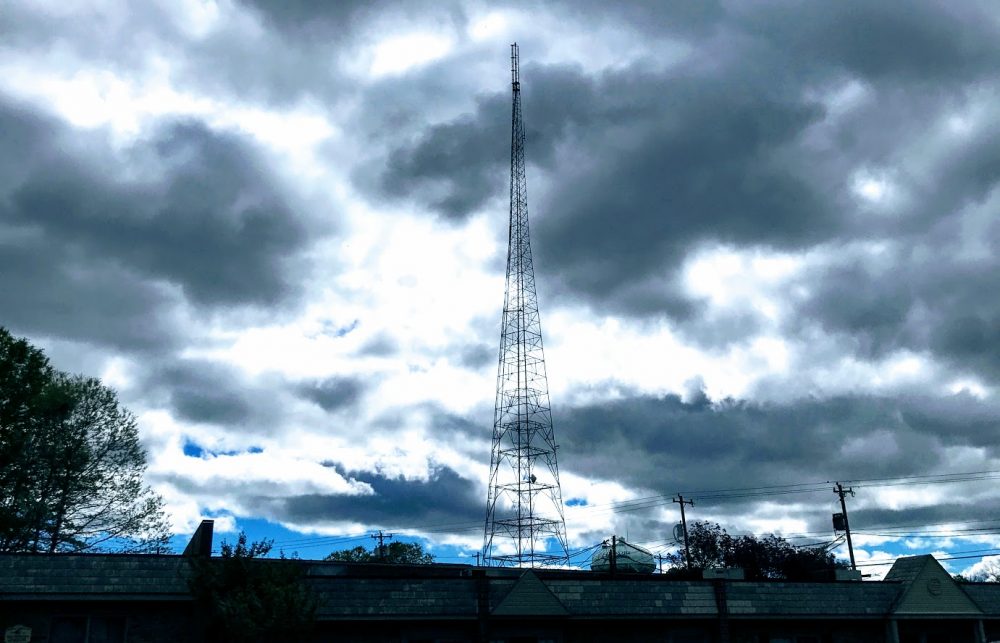
Over a family vacation, Joe and Jeff came to the realization that the iconic Crestwood Master Tower in Shrewsbury, Mo. — nicknamed by its original engineering community as “the Supertower” — would make for a perfect showcase for a new Geerling Engineering YouTube channel.

Given Joe’s expertise with the site, the idea for a video was a natural. In fact they ended up making two. [Continue reading…]

Amancio Ortega is testing the purchase of a former BBC headquarters in London for almost 90 million (West Observer)

The investment activity of Amancio Ortega in the United Kingdom does not stop. Pontegadea, the group that manages the equity investments of the founder of Inditex (Zara, Massimo Dutti, Bershka…) and the richest man in Spain, is negotiating the purchase of a new office building in London, as revealed on Wednesday by the specialized website CoStar News. This, citing market sources, indicates that the operation would be around 80 million pounds (89.7 million euros, at current exchange rates). The building, originally a printing press built in the twenties, is close to the BBC headquarters and, in fact, for years served as offices for the commercial division of British public broadcasting.

The property, renovated in 2015 by the construction company Kier and the firm Brimelow McSweeney Architects, currently houses a business of coworking (flexible office rental). Of the more than 3,000 meters built, 2,100 are available for rent, according to the building’s commercial brochure. Some websites advertise their tables for a price that exceeds 840 euros per table per month. It offers, in addition to parking for bicycles or changing rooms, a kitchen, private offices, meeting rooms or terraces on the upper floor (the fifth) and on the roof. To this we must add a privileged location in the center of the British capital, in the Fitzrovia neighborhood. The building is close to Soho, the British Museum and Regent’s Park. [Continue reading…]

What’s Going To Happen To Legacy Broadcast Bands When The Lights Go Out? (Hackaday)

Our smartphones have become our constant companions over the last decade, and it’s often said that they have been such a success because they’ve absorbed the features of so many of the other devices we used to carry. PDA? Check. Pager? Check. Flashlight? Check. Camera? Check. MP3 player? Of course, and the list goes on. But alongside all that portable tech there’s a wider effect on less portable technology, and it’s one that even has a social aspect to it as well. In simple terms, there’s a generational divide that the smartphone has brought into focus, between older people who consume media in ways born in the analogue age, and younger people for whom their media experience is customized and definitely non-linear. Continue reading

RadioGPT is a new A.I. radio host system from Futuri Media

Photo by Ben Koorengevel

(Source: Slate via NT)

Replacing Humans “Is the Furthest Thing From Our Mindset,” Says the Company Selling an A.I. Radio Host

RadioGPT can talk. It can research. It can take your calls. And it could be coming to your market.

The humble broadcast-radio host, whether a disc jockey or interviewer or reporter, has been going through it for decades now. The 1996 Telecommunications Act fueled the consolidation of local stations, decimating their staffs. The explosion of online radio, music and video streaming, and podcasting have upended ratings for shows on public airwaves. Phones and computers and smart speakers increasingly supplant radio sets. Funding for public radio is notoriously unreliable. It isn’t the best time for your modern-day Wolfman Jacks, or for any media profession.

On top of all that, your local DJ was already on the losing end of the artificial-intelligence revolution. Before the A.I. hype from last year, and even before the COVID recession demolished media ad markets, broadcast networks were gutting on-air talent at the both the national and collegiate level to trim budgets and automate programming: syndicating well-known shows and brands, prerecording and prearranging late-night broadcasts, training a roboticized voice to fill in the space when needed. Coupled with major streaming services’ dependence on algorithms and automation to curate playlists and make user recommendations—often with bizarre side effects—these developments make clear that the music industry anticipates the need for fewer humans down the line.

A.I. hasn’t yet finished killing the radio star, nor is it truly likely to anytime soon. But there’s a new digital buddy out there that might give hosts additional pause: RadioGPT, a new tool from the Ohio-based software company Futuri Media that fully digitizes the broadcast host as you know it. [Continue reading at Slate…]

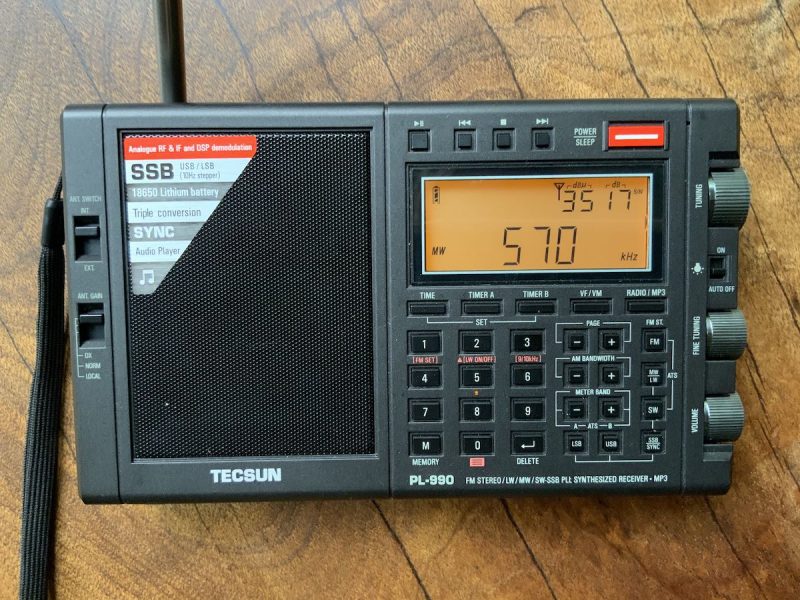
Survey: What type of radio is your daily driver?

A little over a week ago, many of us participated in the 2023 Virtual Winter SWL Fest.

I enjoyed all of the presentations and the casual conversations many of us had in the hospitality lounge and various break-out rooms. Again, kudos to the Fest organizers and all of the volunteers who moderated the various rooms and forums–you all did an amazing job!

The one thing I always pick up when hanging with other radio enthusiasts is the type or class of radio they tend to operate the most.

Case in point: I noticed one friend is currently enamored with tube/valve radios–in past years he loved compact DSP portables. Another friend switched from using primarily a portable radio to a Drake R8 series tabletop radio.  I noticed that many others have been bitten the SDR bullet since last year.

Daily drivers

For many of us, the type of radio we use daily changes over time.

For example, when I first started listening to shortwave in my youth my daily driver was a portable radio. When I got my ham license I found that I enjoyed using my general coverage transceiver connected to a multi-band doublet. Later, with the advent of Software Defined Radios, I became an avid SDR enthusiast.

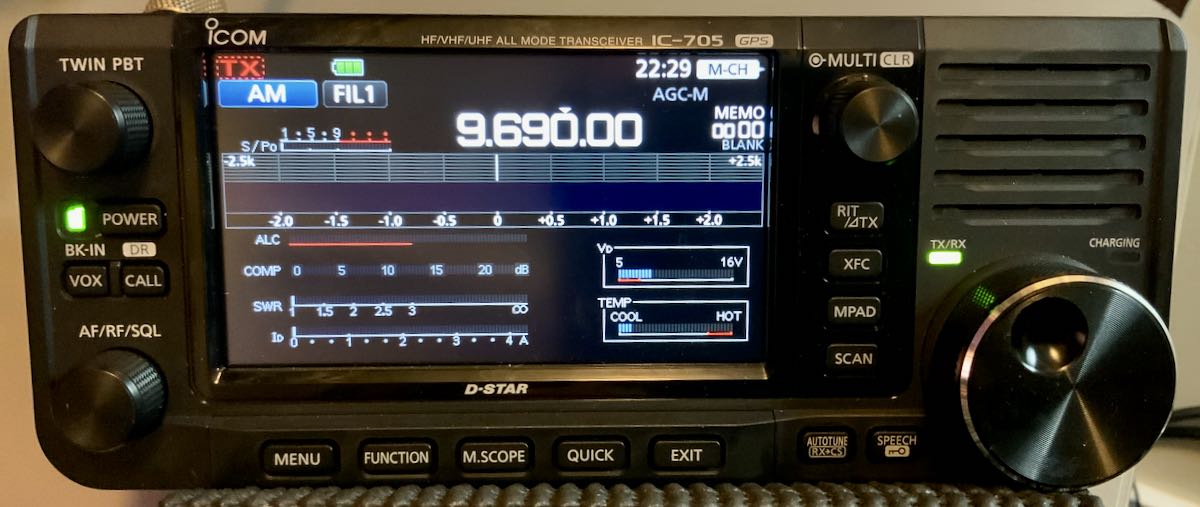
At present, I’m back to using general coverage transceivers (specifically, the Icom IC-705).

Of course, I always have portables and vintage radios on the air, but they’re not my primary, or “daily driver,” these days. 

Survey

I’m curious: what’s your daily driver?

I’ve created a short survey. If you’d like to participate, simply enter your answer in the form below, click the submit button and it will tally the results. Alternatively, you canclick on this link to open the survey form in a new tab/window. Of course, feel free to comment on this post as well! Thank you!

Paul’s recording of the Voice of Korea with a Tecsun PL-330

Carlos Latuff’s artwork from a Feb 9, 2023 VOK broadcast.

Many thanks to SWLing Post contributor, Paul Jamet, who writes:

Hello Thomas

To complement the article Carlos’ Shortwave Art and recording of the Voice of Korea, I send you a recording of the Voice of Korea made with a TECSUN PL-330 with a 23-foot wire antenna:

February 9, 2023 – 04:12:00 p.m. UTC – Frequency: 12015kHz

The announcer describes in laudatory and emphatic terms the recent solemn military parade which took place on the night of February 9 to 10 in Kim il-Sung square in Pyongyang. I recorded for 5’40” in order to show the stability of the signal (no fading) but the recording is too long, at least I think so. It’s up to you to cut if this recording catches your attention

The receivers may have improved but I believe that North Korea now uses more modern and more powerful transmitters (200 kW according to the site www.short-wave.info).

Best wishes.

Paul JAMET

Thank you for sharing, Paul!