Shortwave listening and everything radio including reviews, broadcasting, ham radio, field operation, DXing, maker kits, travel, emergency gear, events, and more
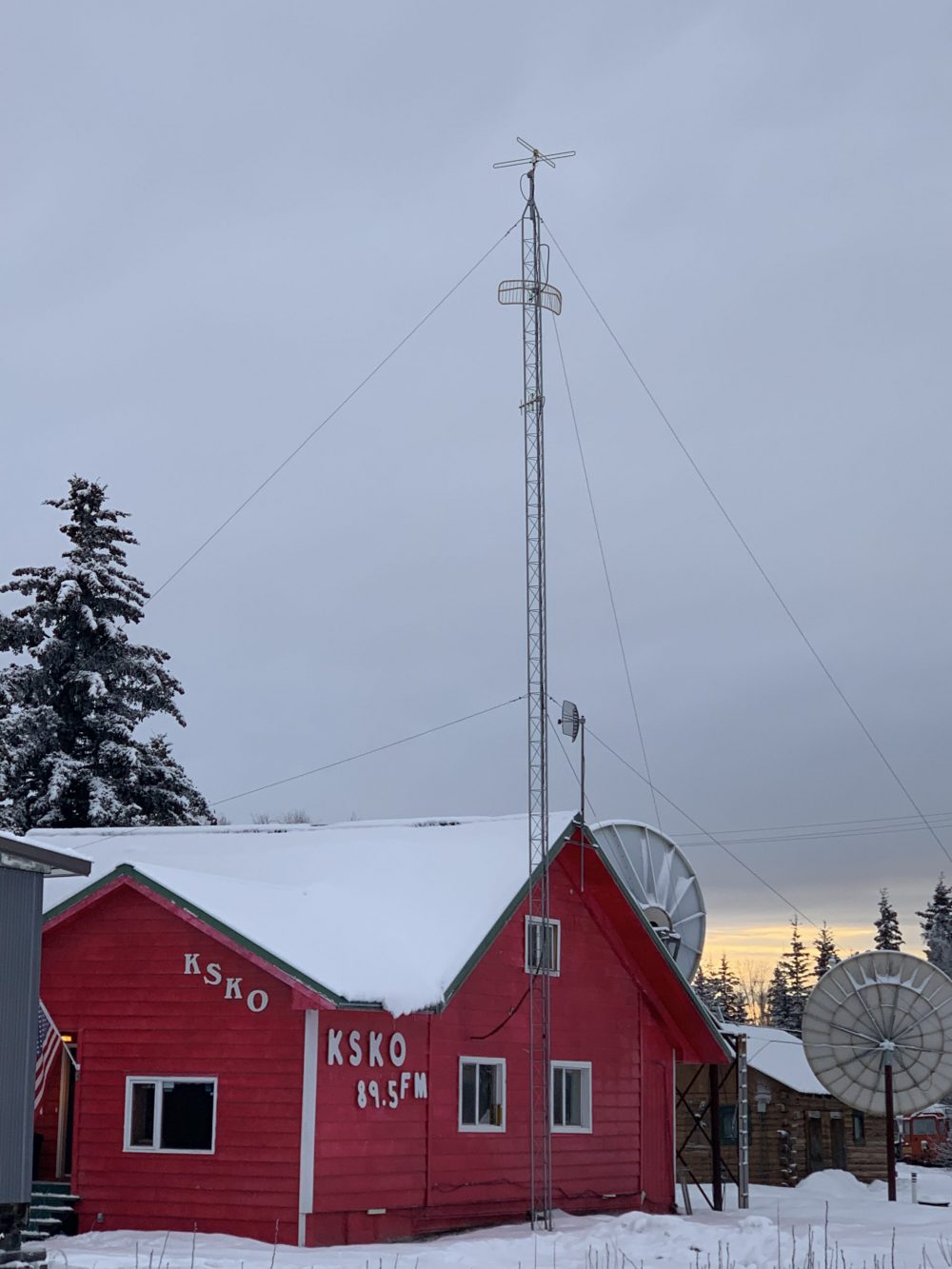
Many thanks to SWLing Post contributor and KSKO Program Director, Paul Walker, who shares the following announcement:
Tune in for two hours of nothing but Christmas tunes December 23rd and it’s extra special because it’ll be a live worldwide broadcast of KSKO on Shortwave!!
From 2300-0100UTC (2pm Alaska, 3pm Pacific, 6pm Eastern) we’ll be live across Europe on the 250,000 watts of Spaceline Bulgaria’s 5900 kHz transmitter along with the 100KW WRMI 7570 kHz covering North America and the 100KW WRMI 5085 UPDATE: 4980 kHz covering Latin America.
I’m footing the costs out of this out of my own pocket just for the heck of it!
I’m so glad you’re doing this again, Paul! We look forward to tuning in!
Canadian Reginald Aubrey Fessenden in his lab believed circa 1906 (Source: Radio Canada International)
Now an annual Christmas tradition, Brian Justin (WA1ZMS) will put his longwave experimental station WI2XLQ on the air to commemorate the anniversary of Reginald Fessenden’s first audio transmission.
As in years past, he will be conducting the Fessenden transmission on Christmas Eve, as well as New Year’s Eve. The plan is to start each day around 1800z and run for 24 hours.
Update: This broadcast has been cancelled due to several of the SAQ staff contracting Covid-19. Click here for more information. Many thanks to Grant for the tip.
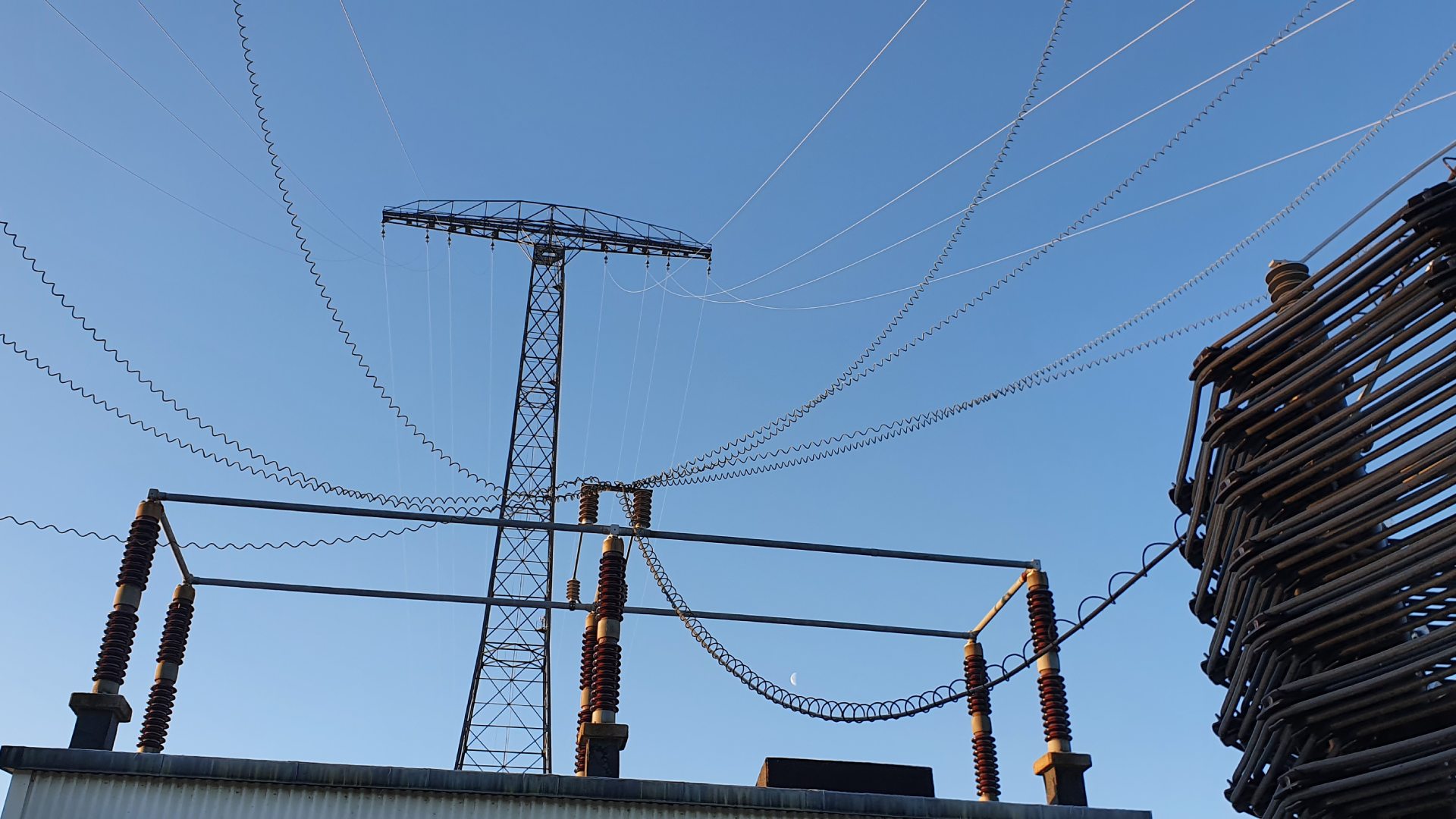
On Christmas Eve morning, Saturday December 24th 2022, SAQ Grimeton is scheduled* to be on the air, to send out the traditional Christmas message to the whole world, using the 200kW Alexanderson alternator from 1924, on 17.2 kHz CW.
Program and transmission schedule:
08:00 CET (07:00 UTC: The transmitter hall at World Heritage Grimeton is opened for visitors.
Transmission & YouTube Live stream:
08:25 CET (07:25 UTC): Live stream on YouTube begins.
08:30 CET (07:30 UTC): Startup and tuning of the Alexanderson Alternator SAQ.
09:00 CET (08:00 UTC): Transmission of a message from SAQ.
Test transmissions
We are planning to carry our some test transmissions on December 23rd, approximately between 13:00 CET (12:00 UTC) and 16:00 CET (15:00 UTC). SAQ will be on the air shorter periods of time during this interval, when we will be carrying out some tests and measurements. Your comments are welcome to [email protected].
Live Video from World Heritage Grimeton Radio Station
The event can be seen live on our YouTube Channel or by following the link below.
QSL Reports to SAQ
QSL reports to SAQ are most welcome and appreciated!
For guaranteed E-QSL from us, please report using our ONLINE QSL FORM.
We can not guarantee that reports by Email / mail / bureau will be confirmed.
The online form will be open from December 24th, 2022 until January 13th, 2023.
Amateur Radio Station SK6SAQ
The Amateur Radio Station with the call “SK6SAQ” will be QRV on the following frequencies:
– 3.535 kHz CW
– 7.035 kHz CW
– 14.035 KHz CW
– 3.755 kHz SSB
– 7.140 kHz SSB
QSL-reports to SK6SAQ (NOT SAQ) are kindly received via:
– Email to [email protected]
– or via: SM bureau
– or direct by postal mail (link to address here)Two stations will be on the air most of the time.
Visiting World Heritage Grimeton Radio Station
Visitors are most welcome to World Heritage Grimeton Radio Station on Christmas morning, Dec 24th. The doors to the transmitter hall will open at 08:00 CET. The entrance is free of charge and we will offer free coffee with Christmas buns and ginger snaps.
Support us to keep SAQ in running condition!
We welcome you as a member of the Alexander Grimeton Friendship Association, to support our non-profit activities in preserving, documenting and bringing to life the unique Alexanderson alternator from 1924.
As a member You get a 10% discount on World Heritage Grimeton’s entry, shop and activities, and free admission to Alexander’s evening displays and to the Alexanderson Day, upon presentation of your membership card. Four times per year, you will receive our online magazine “Alternatorn”, exclusively available only to our members.
NEW!: As member you will gain access to our online library with many unique, historical documents, related to the Alexanderson alternator.
Alexander members also have free admission to the Radio Museum in Gothenburg.
Membership costs SEK 125 / year (approx. EUR 12.-).
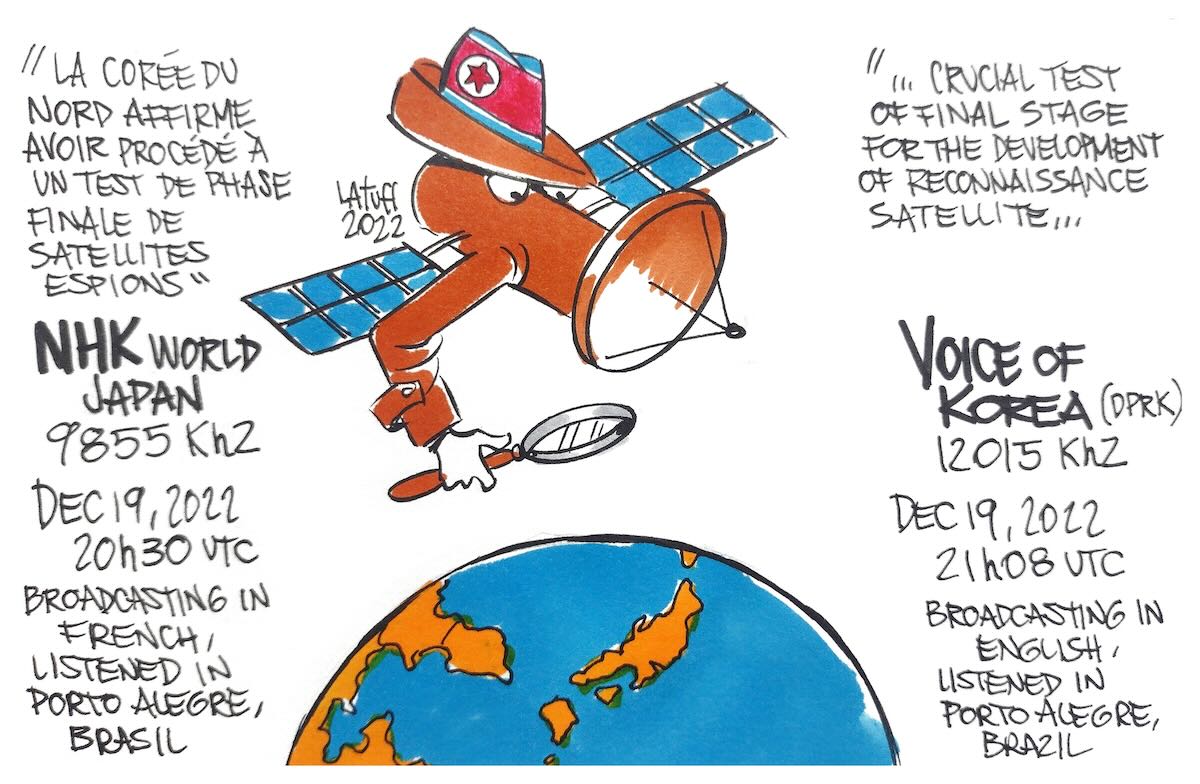
Many thanks to SWLing Post contributor and noted political cartoonist, Carlos Latuff, who shares his radio log art of a recent NHK World broadcast.
Carlos’ goal is to vividly illustrate the broadcaster’s message in his own unique artistic style and is not a reflection of his own beliefs or those of the SWLing Post. His objective is for his artwork to add historical context and put a visual with the news, reporting, and/or–as is often the case–propaganda:
Carlos notes:
Part of news bulletins from NHK World Japan and Voice of Korea (DPRK) about North Korea spy satellite test.
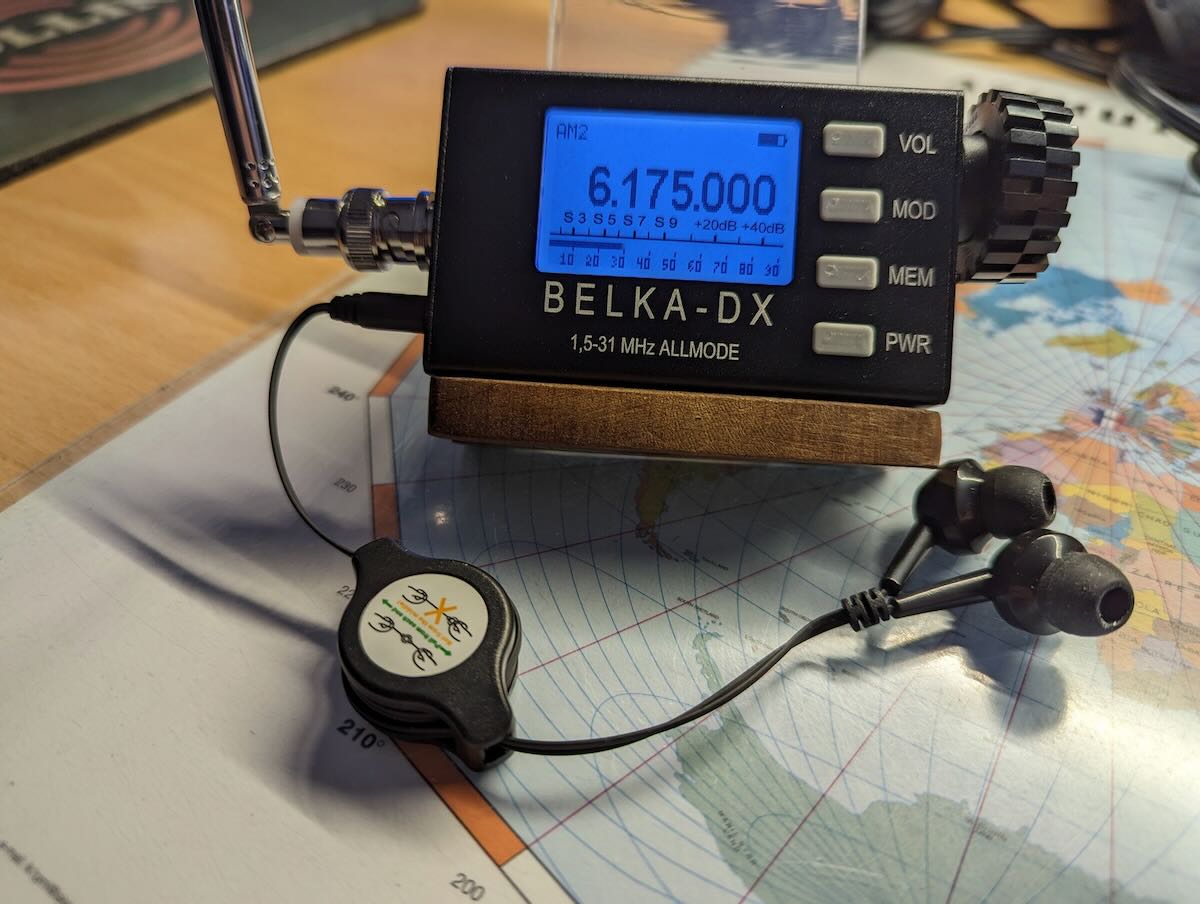
Many thanks to SWLing Post contributor, Georges Ringotte (F6DFZ), who writes:
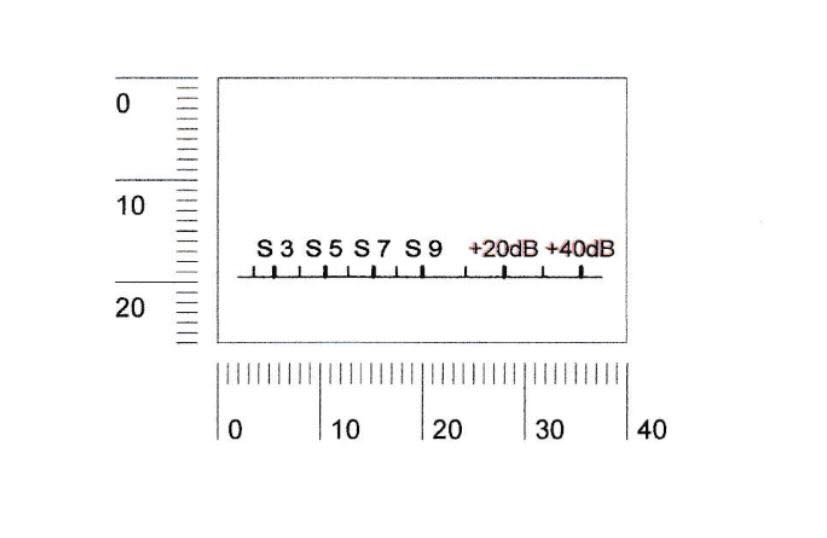
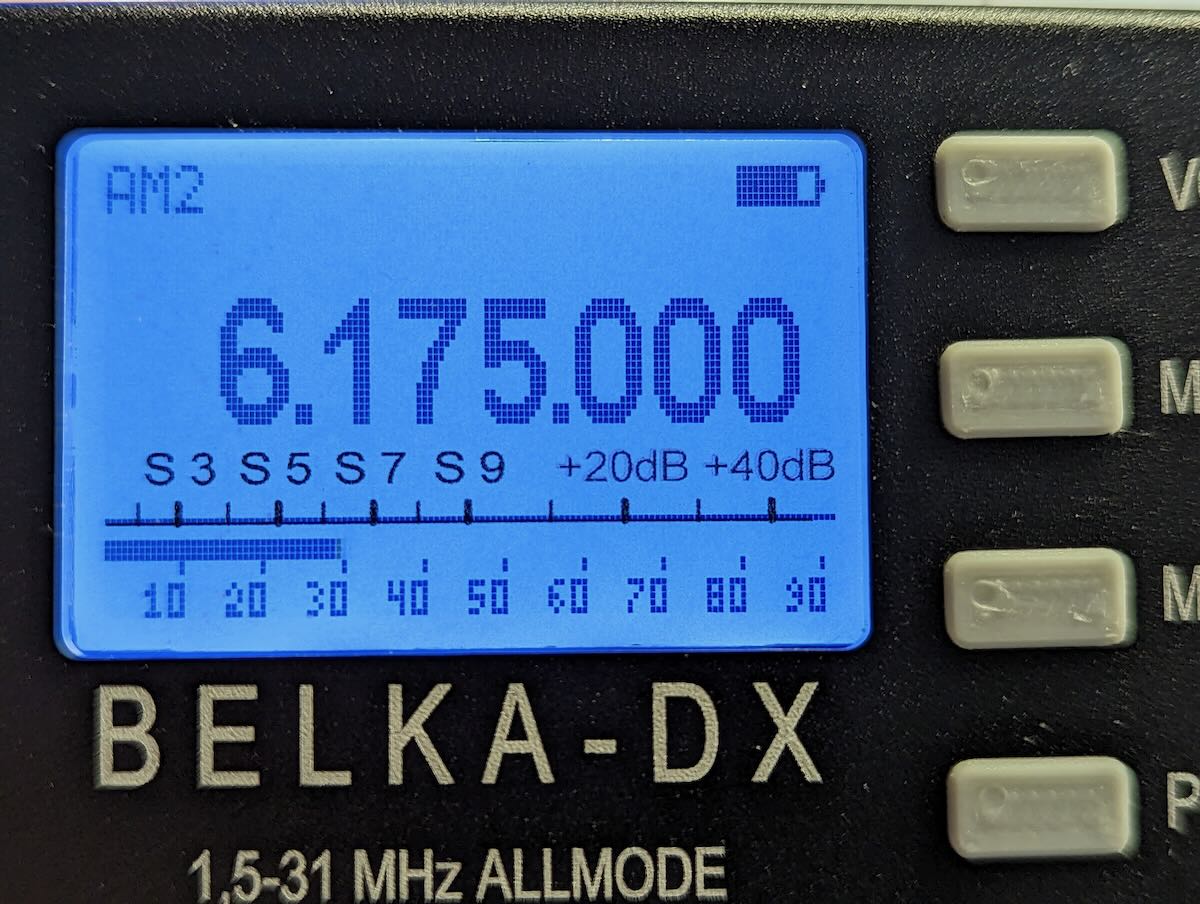
When I did tests on my Belka-DX, I noticed that the signal level scale was extremely accurate, each mark is 10 dB
I regretted that the manufacturer didn’t use the IARU S meter scale. So I decided to make my own. With RF Gain to the maximum sensitivity, -73 dBm, or S9, is at the 45 mark. I used Front Designer software to make a scale, with 10 dB graduations above S9, and 6db graduations below S9.
Then this scale was printed on water based transfer, 40 mm by 26 mm, when applied on the existing display.
The result is great, and now I have precise readings of signals reports.
That’s brilliant, Georges! Golly..it looks stock when applied to the screen! Thank you for sharing this!
Gathered at the historic headquarters of Vatican Radio in the Vatican Gardens, representatives of the nine primary western radio broadcasters meet with Monsignor Lucio Ruiz opening the meeting by recalling the importance of short wave in sending messages of hope and mercy all over the world.
By Michele Raviart
The “G9” group of the primary western radio broadcasters met at the Vatican on Tuesday focusing on a number of issues.
These included the use of short-wave radio in order to render the jamming of international broadcasters less effective through common efforts to coordinate how broadcast frequencies are used and technical cooperation between members.
This marked a key item on the agenda of the meeting which brought together the representatives, including Vatican Radio, in the historic building of the Pope’s radio, located in the Vatican Gardens, a place that housed the first radio station built by Guglielmo Marconi.
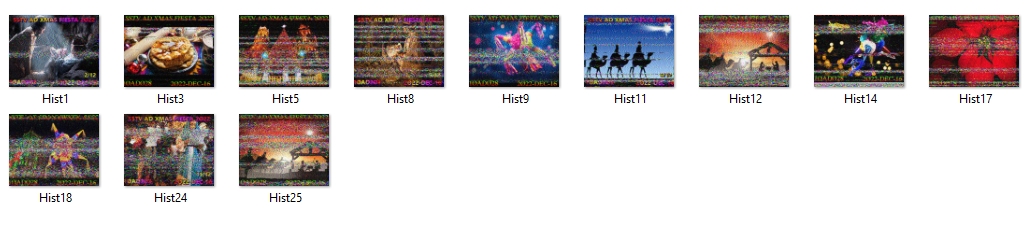
For those who’d like to try receiving SSTV images and also get into the holiday spirit, there is an annual SSTV Fiesta from December 12, 2022 to January 6, 2023. The Fiesta is sponsored by the Azteca DX’ers. The frequencies are 14.230 MHz in the 20m amateur band and 27.700 MHz, just above the US Citizen’s Band.
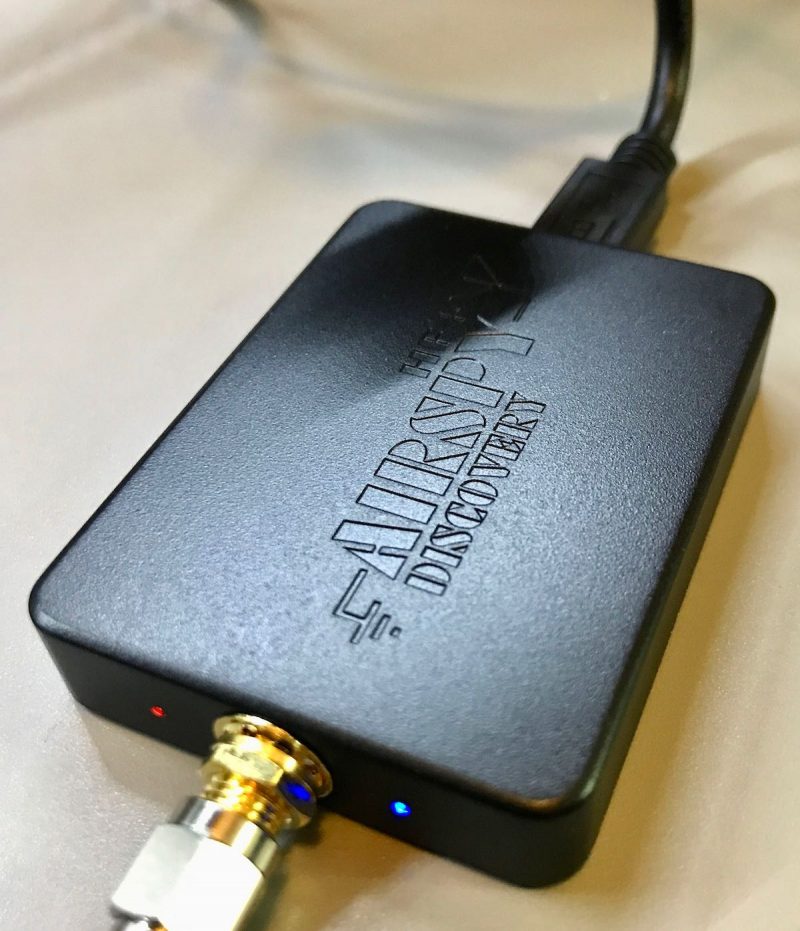
I’ve monitored 27.700 MHz the past week and have decoded the images below using an Airspy HF + Discovery, 31 foot ground mounted vertical, MMSSTV software and VB cable for piping the audio from the Airspy to MMSSTV.
Note that you have to set your receiver to USB. With MMSSTV you can set your receiver on the frequency of choice and just walk away like I did and the software will store any images received. Image clarity depends on propagation, just like other modes.
Good luck, thanks go out to the Azteca DX’ers for this enjoyable event and 73’s.
Please support this website by adding us to your whitelist in your ad blocker. Ads are what helps us bring you premium content! Thank you!