Many thanks to SWLing Post contributor, Chris Freitas, who writes:
“I am thinking of the new RSP1A SDR. Would you know of a good indoor antenna that would work well with it?”
Your antenna question is simple, but the answer is complex!
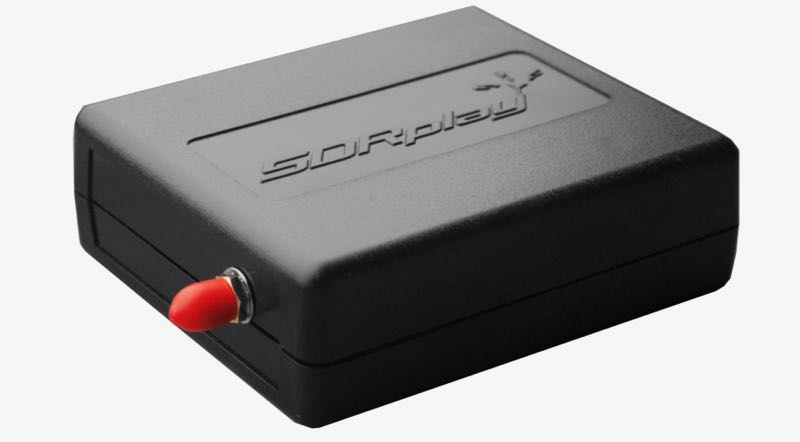
First off, I think the RSP1A is a great choice as it’ll give you proper exposure to the world of SDR (1 kHz to 2 GHz!) at a modest price.
Unlike a portable radio of course, your SDR must be connected to a PC, laptop, tablet or some sort of mini computer like Raspberry Pi. This limits your ability to easily try different antenna locations within your home compared to, say, a battery-powered portable radio. It might take some dedicated experimentation and patience.
Indoor antennas are so vulnerable to the radio noise within your home.
If you live in an off-grid cabin with no radio interference nearby, even a simple $1 random wire antenna hooked up to RSP1A’s SMA connector would yield results. I occasionally spend my summers in an off-grid cabin and it’s simply amazing what you can do with a modest setup when there are no man-made radio noises around.
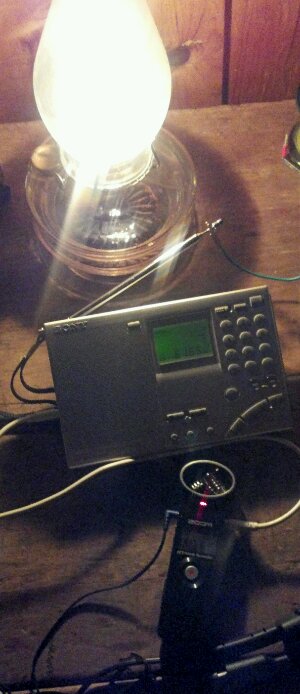
Listening to the final broadcast of Radio Netherlands in an off-grid cabin on Prince Edward Island in 2012.
But how many radio enthusiasts live in an off-grid cabin? Answer: very, very few! Most of us only get to experience off-grid life during natural disasters when the electrical grid has been damaged in our neighborhoods.
The reality of indoor antennas
You’ve told me previously that you live in an apartment in an urban setting, hence you probably cope with a lot of RFI.
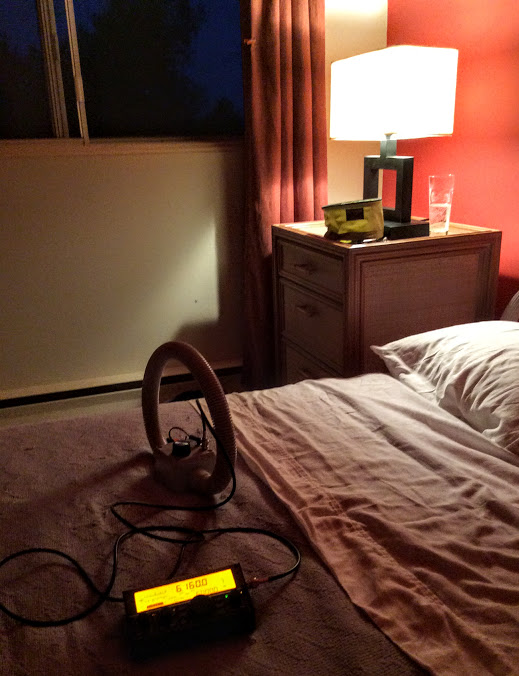
When an antenna is indoors, it is forced to function within this RFI-dense environment. Your telescoping whip or wire antenna doesn’t discern between radio noise and your target broadcast signal. Thus, noise can overwhelm your receiver, essentially deafening it to all but the strongest shortwave broadcasters.
And simple, inexpensive portable amplified shortwave antennas? I’ve expressed my opinions about them before. They amplify the RFI as effectively as they do broadcasters.
This is why if you had a means to put a small random wire antenna outside–even if it was simply draped outside a window–it would likely perform better than an indoor antenna. I’m guessing this isn’t an option for you, Chris.
Think loops
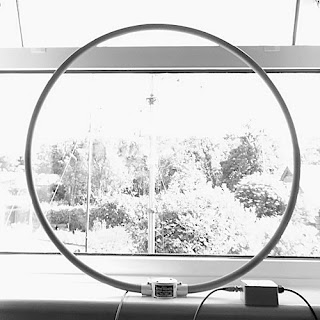
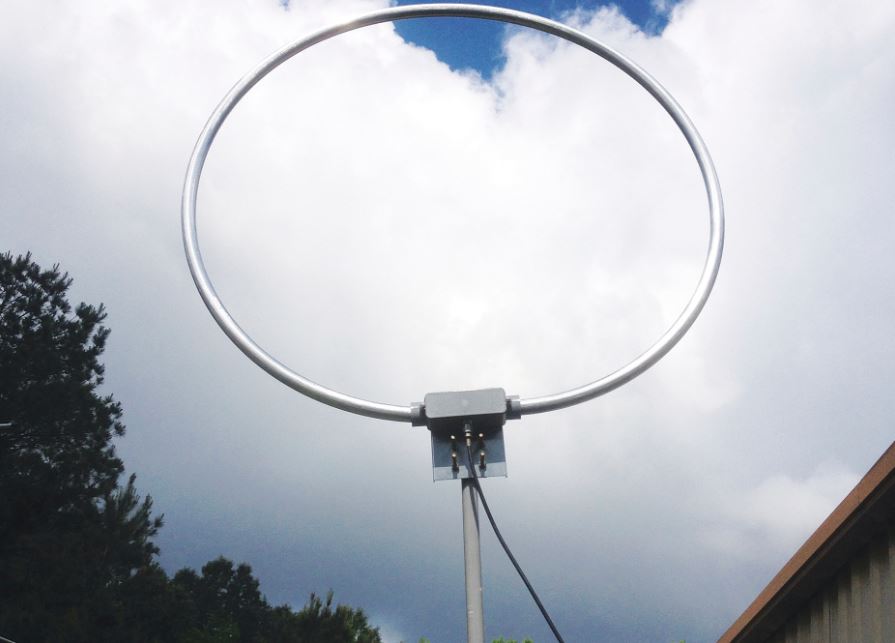
A broadband loop antenna (image courtesy of wellbrook.uk.com)
Magnetic loop antennas are a popular topic here on the SWLing Post for a reason: they’re one of the best frontline tools for fighting urban noise. (Here’s a great tutorial/presentation [PDF] describing how mag loop antennas work.)
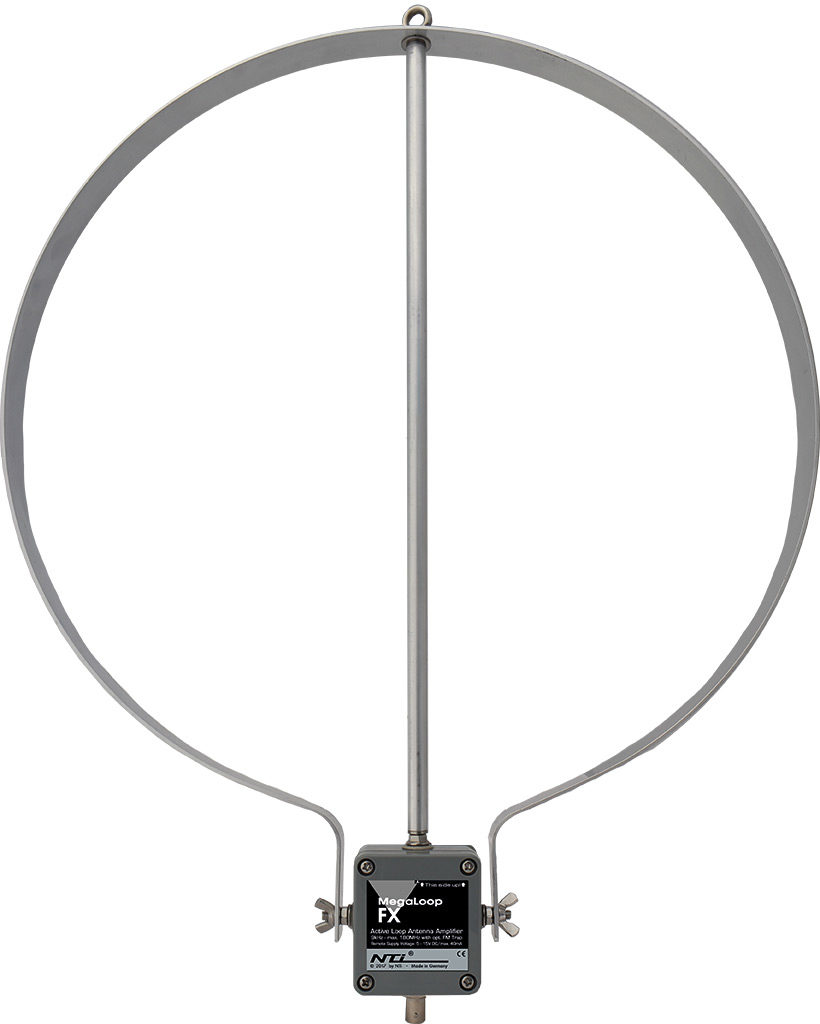
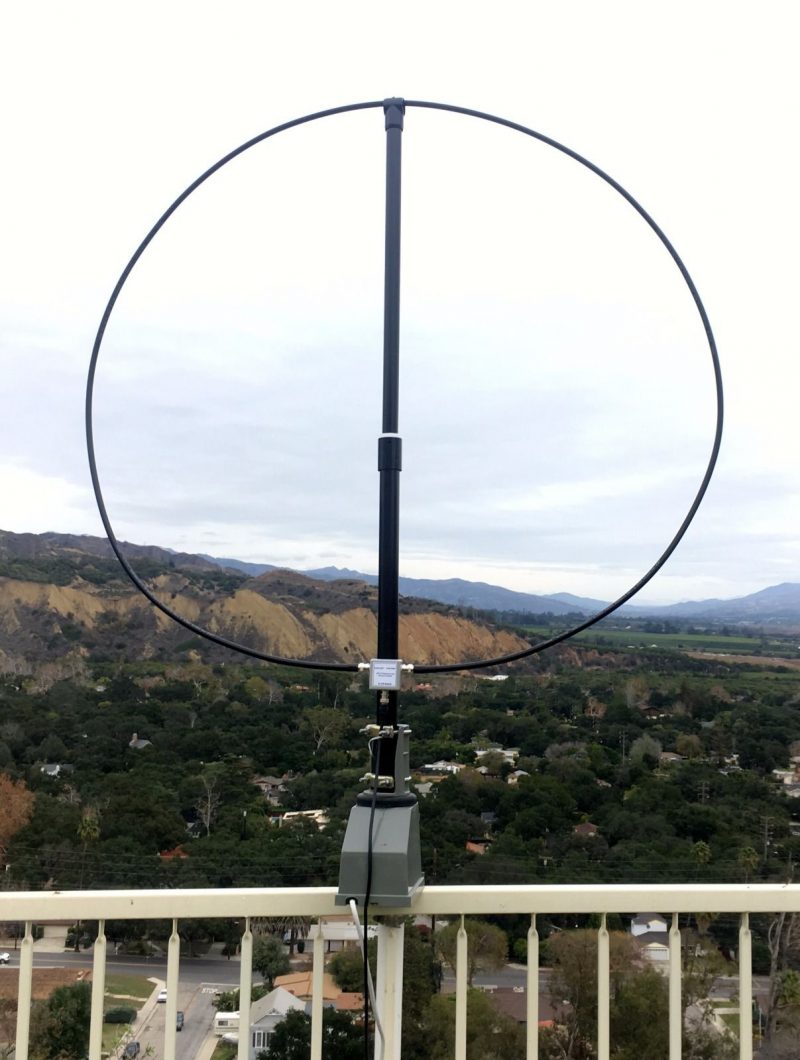
The compact Bonito Mega Loop FX
While you can build an amplified mag loop antenna (like our buddy, TomL) it’s not a simple project. Passive single turn loop antennas, on the other hand, are quite easy to build but are narrow in bandwidth (here’s a very cheap, simple passive loop project). You would likely design a single passive loop to serve you on a specific brodcast band and would have to retune it as you make frequency changes. You could build a passive loop antenna for less than ten dollars if you can find a good variable capacitor. Here’s another tutorial.
Commercially produced amplified wideband magnetic loop antennas are not cheap, but they are effective. If you’re a serious SWL, a good mag loop antenna is worth the investment.
Here are a few of my favorites starting with the most portable:
PK Loops
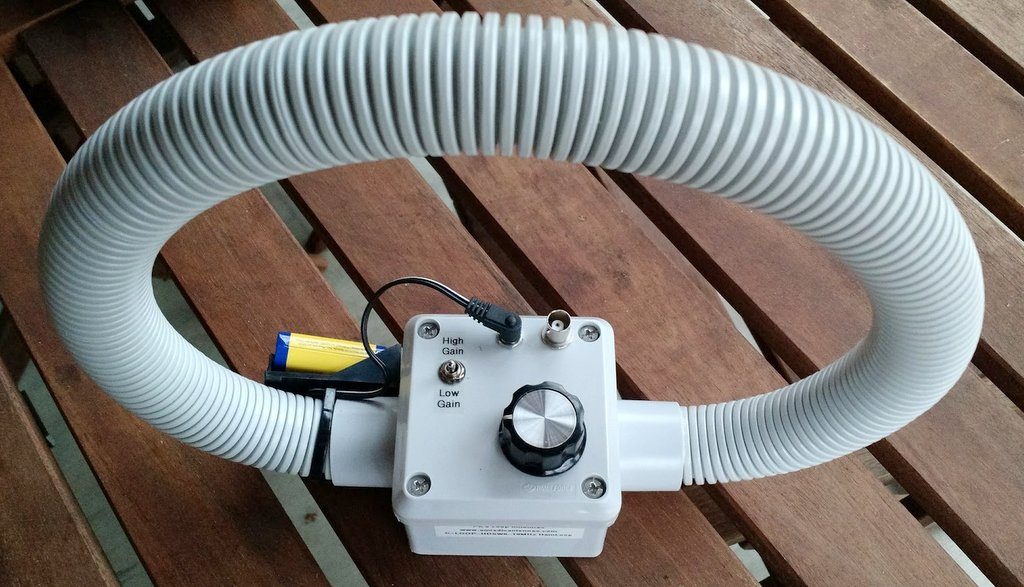
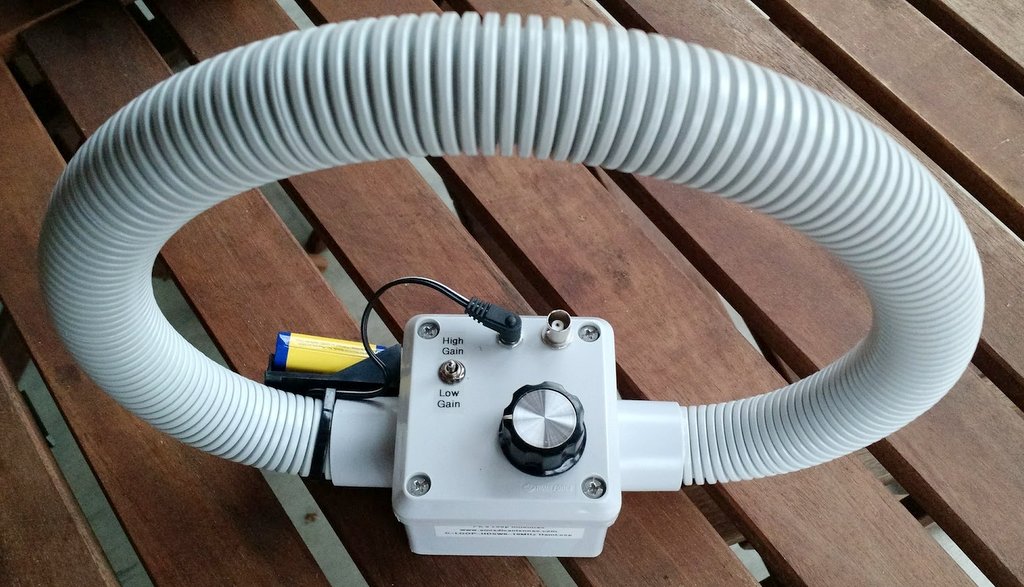
The PK Loop
The most affordable and portable mag loop antenna I own is the PK Loop. I have the more compact PK Loop C-LOOP-HDSW6-18 (6 – 8 MHz), but Guy Atkins also touts the slightly larger Ham Loop which he finds tunes beyond the advertised 3.5 – 14.5 MHz range.
PK Loops are not as broad in bandwidth as the other antennas I mention below. You will have to retune the loop with any band changes and sometimes even within a specific meter band.
Click here to check out PK Loop offerings on eBay.
W6LVP Loops
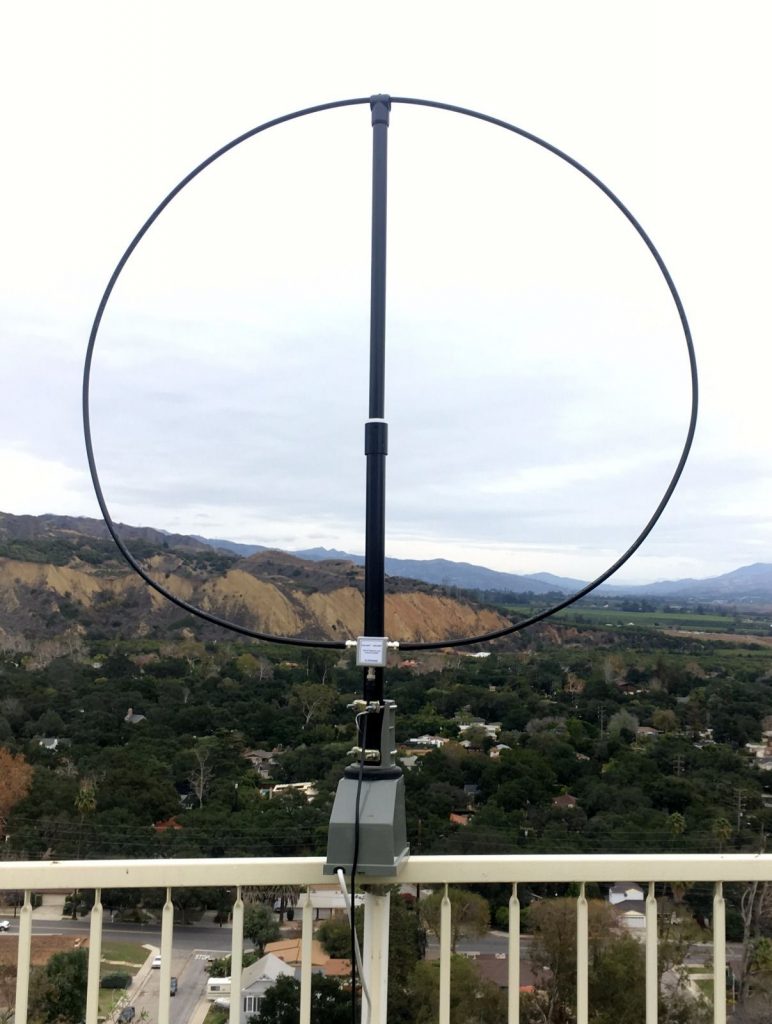
The W6LVP Loop Antenna
To my knowledge, the W6LVP is one of the most affordable larger diameter amplified wideband mag loop antennas. We’ve published positive reviews of this antenna in the past.
W6LVP sells two versions of the antenna–since you’re not operating a transmitter, this $250 model would be all you need. indeed, if I were in your shoes, this would likely be the loop I purchase–very cost effective.
Wellbrook Loops
 Wellbrook antennas are the staple magnetic loop antenna for many DXers.
Wellbrook loops are manufactured in the UK and have been on the market for a very long time. Their re-engineered Active Inoor Loop Antenna LA5030 would serve you well. At £240.00 (roughly $330 US) plus shipping, it’s one of the most affordable in the Wellbrook line, but over a $250 budget.
Wellbrook makes a number of loops, but since you have no plans to mount this outside, I believe their indoor model would suffice.
Other loop options
There’s no shortage of magnetic loop antennas on the market, but most are pricer than the models I mention above and I know you have a tight budget. Here’s are some models we’ve mentioned on the SWLing Post in the past:
I have the RF Pro-1B and am very impressed, but it’s overkiil for your application (and twice the price of the W6LVP loop).
Fighting urban noise
Even if you build or purchase a magnetic loop antenna, you still need to eliminate as much RFI as you can on your own.
A couple years ago, our friend London Shortwave wrote a brilliant guest post about fighting urban noise. Read through his piece and try to implement as much of his advice as you can.
I hope this helps, Chris! This post is by no means comprehensive, so I hope others will chime in and comment with their experiences. Good luck fighting urban noise and I hope you enjoy your journey into the world of the SDR!