Category Archives: Antennas

Airspy HF+ Discovery & Shortwave Portables: Having Fun with the Airspy YouLoop!

Many thanks to SWLing Post contributor, Bill Hemphill, who shares the following guest post:
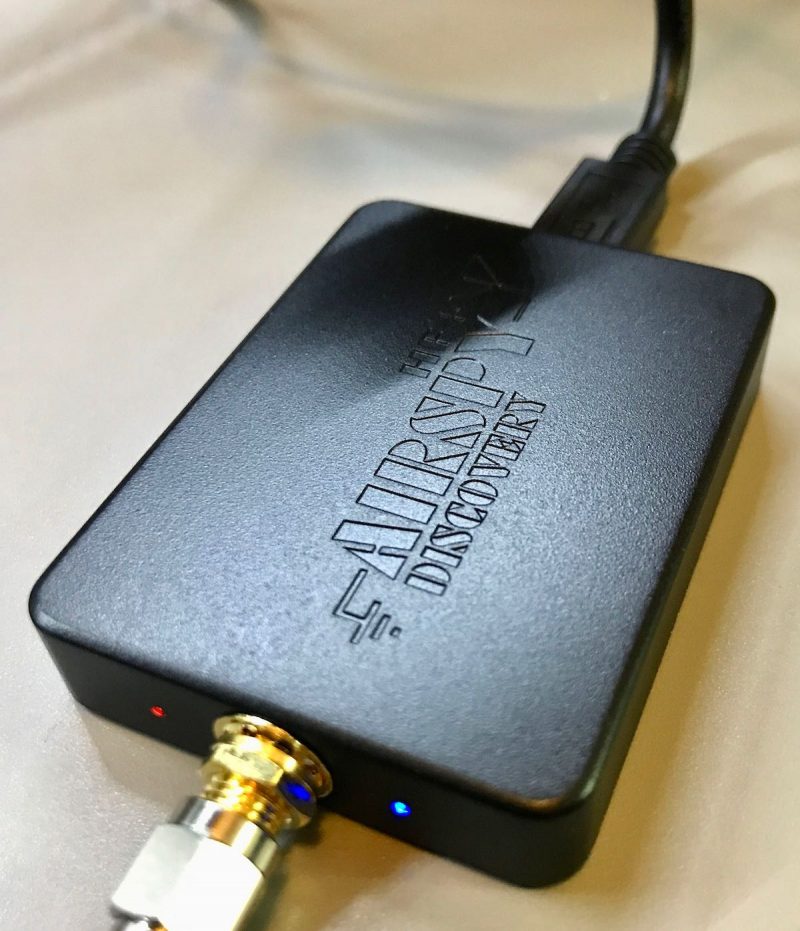

YouLoop Antenna Fun

by Billy Hemphill WD9EQD

Like many listeners, I live in an antenna restricted community.  While I have strung up some hidden outdoor wire antennas, I have found that they didn’t really perform that much better than just using the telescoping antenna with maybe a length of wire attached.  The biggest problem (whether indoor or outdoor antenna) has been the high noise floor.

A few months ago I bought an AirSpy HF+ Discovery SDR receiver.  I had already owned a couple of SDRPlay SDR receivers, but the high noise floor limited their performance.  I had read good reviews about the AirSpy, especially its performance on the AM Broadcast band and the lower shortwave bands.

I have about 80 feet of speaker wire strung from the second floor and across the high windows in the living room.  This does perform fairly well, but the high noise floor still exists.

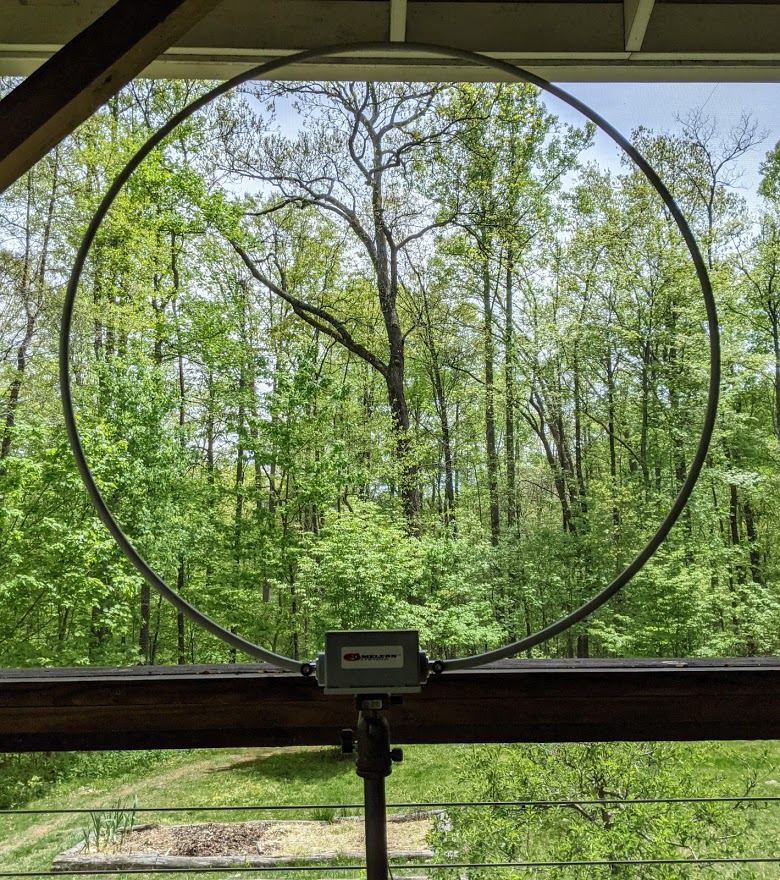
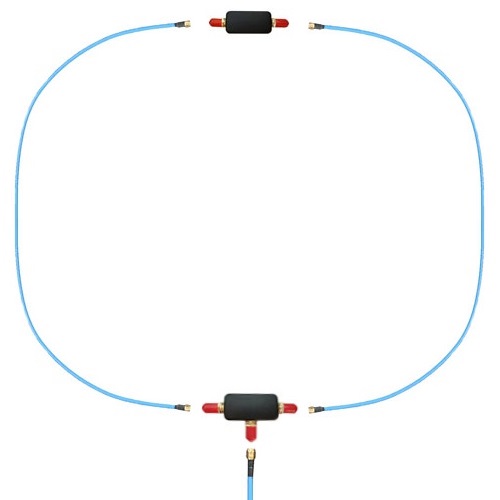
A couple of weeks ago, I bought the YouLoop Magnetic Loop antenna from AirSpy.  I gave it a try and am amazed at the lower noise floor compared to the indoor wire antenna.

Wire Antenna vs. YouLoop–some examples:
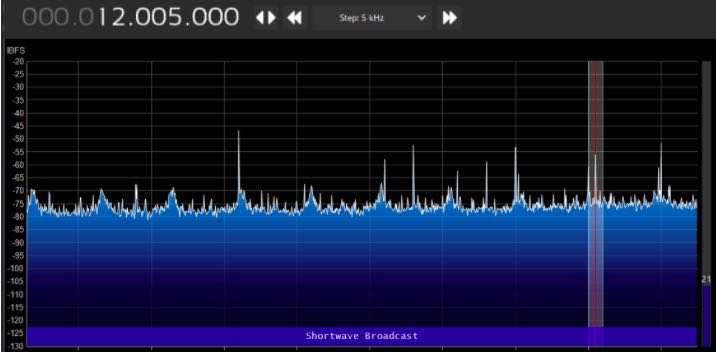
AirSpy with Wire Antenna

AirSpy with YouLoop

AirSpy with Wire Antenna
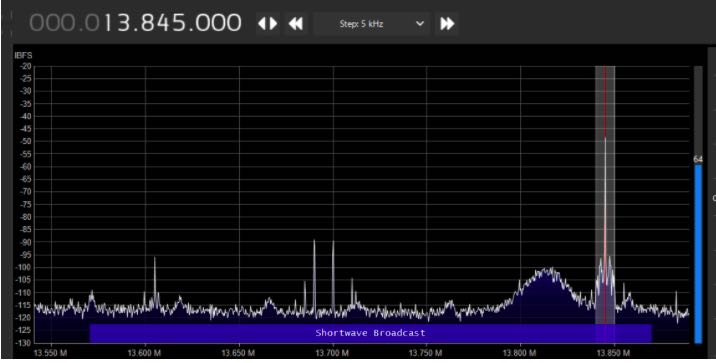
AirSpy with YouLoop
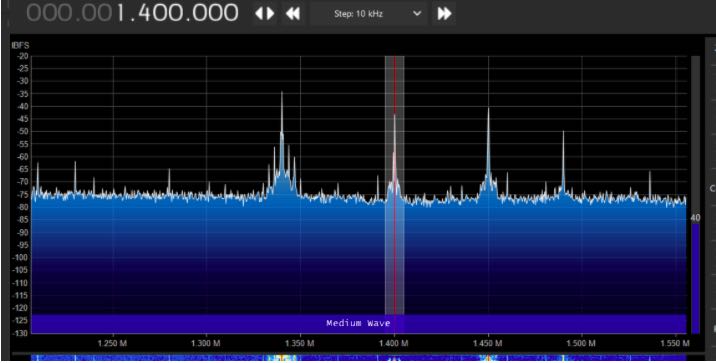
AirSpy with Wire Antenna
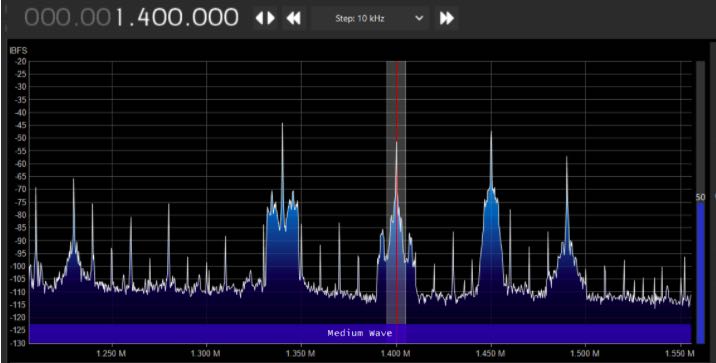
AirSpy with YouLoop

Dramatic reduction in the noise floor.  I’ve done a lot of playing around with it and find that the YouLoop picks up just about the same stations as the indoor wire antenna does.  But with the lower noise level, the YouLoop makes it more enjoyable to listen.  Overall, the YouLoop is now my main antenna.

YouLoop with a Portable Radio

It works so well with the AirSpy, I started wondering if I could use it with a portable radio, like the Tecsun PL-880.  But the AirSpy website has the following note:

Note: It is very likely your third party radio will not be sensitive enough to operate with the YouLoop properly. We have even seen self-documented failed attempts to build pre-amplifiers to compensate for the lack of sensitivity and/or the required dynamic range in third party radios. Use your brain, and eventually an Airspy HF+ Discovery.

Doesn’t sound like it will work with portable radios.  BUT, I’m always one to try anyway.
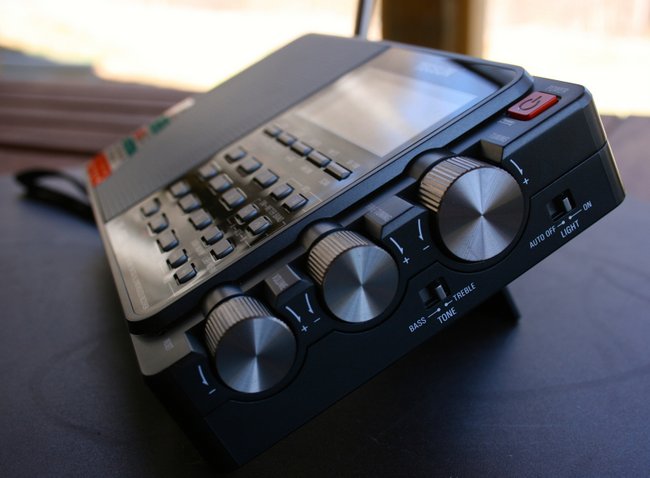
Tecsun PL-880

Since the YouLoop has a SMA connector, I bought a SMA to 1/8” phone jack cable.  Plugged it into the PL-880 antenna jack and found I had almost a dead radio.  Very few stations heard.  But in playing around, I accidentally touched the phone plug to the telescoping antenna and instantly got strong signals.

I did some very unscientific tests.  I attached the YouLoop through the side antenna jack, did an ATS scan, then did the same with the YouLoop clipped to the telescoping antenna.  Also did a scan with just the telescoping antenna fully extended..  I got some very interesting results.  These were done one after the other, so there can be differences in signal fading, etc.
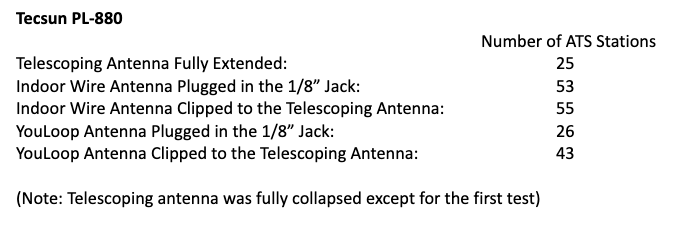
I have repeated the above test several times at different hours.  While the actual number of ATS stations varied, the ratio between them remained fairly consistent to the above numbers.

From the above, it appears that the telescoping antenna circuit is more sensitive than the 1/8” antenna jack circuit.  Maybe some attenuation is being added to the 1/8” jack since it’s more likely a higher gain antenna would be used there.  Can anyone confirm that the circuit indeed attenuates thru the antenna jack?

The YouLoop seems to be a decent performer when directly clipped to the telescoping antenna.  While not as good as a high gain outdoor antenna would be, it definitely is usable for indoor uses.

I also tested it clipped to the antennas of some other portable receivers. Tecsun S-8800, PL-330, Panasonic RF-2200 and Philco T-9 Trans-World receivers.  All showed an increase over just using the telescoping antenna.

Some interesting notes:

The Tecsun PL-330 saw the same reduction in signal when directly plugged into the antenna jack as opposed to clipping on the telescoping antenna.
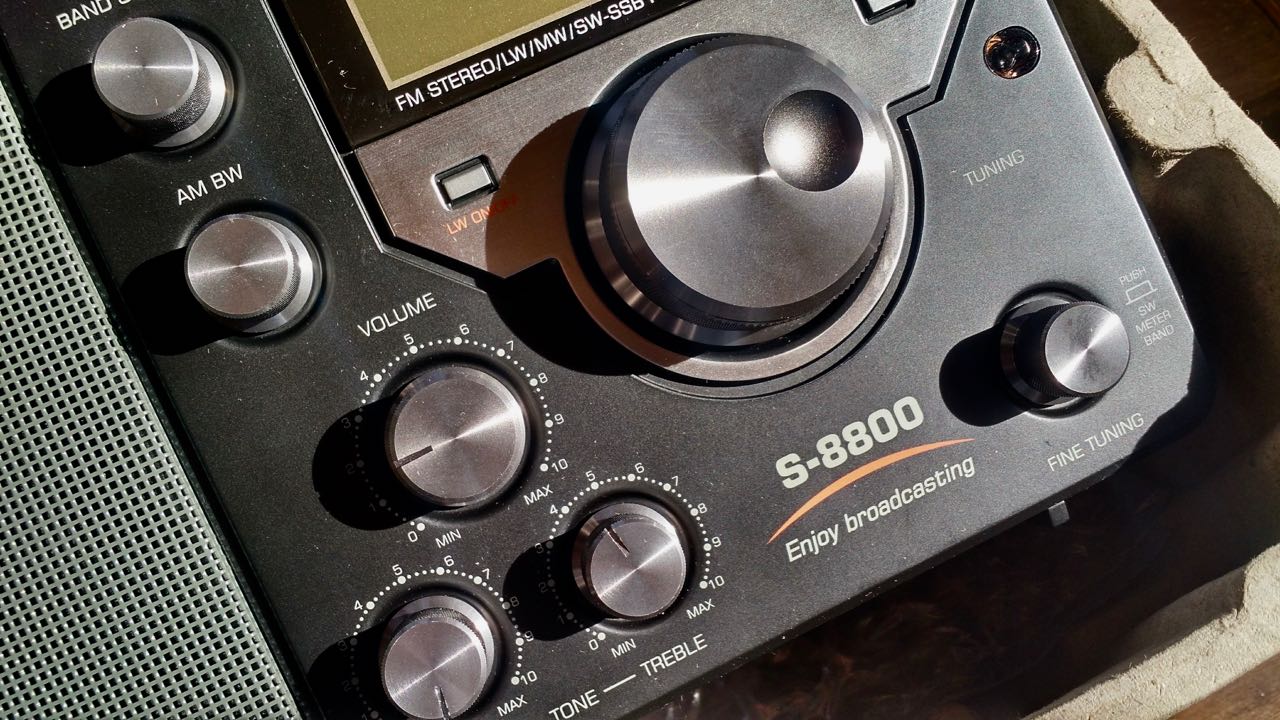
The Tecsun S-8800 did not show that much of a drop.  I basically got the same number of stations when clipped to antenna as when I connected to the BNC jack:
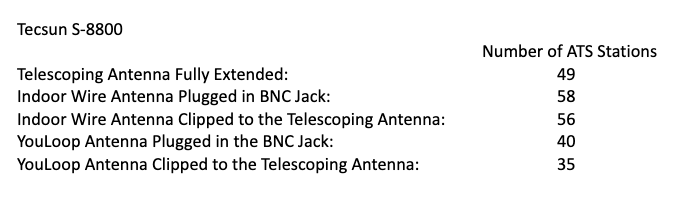
In conclusion, I find that I can use the YouLoop with my portable radios to increase the signals on strong stations when used indoors.  And it is quite the performer when used with the AirSpy HF+ Discovery SDR receiver.  It easily portable and I find that I move it around the house as I need to.  I just hang it off a window curtain rod.  I may just order a second one so that my family room radio has one permanently attached to it.
Click here to check out the Youloop at Airspy.com.

Guest Post: Pavel’s Homebrew “Monster” Drain Pipe FSL Antenna


Many thanks to SWLing Post contributor, Pavel Kraus, for the following guest post:


Building a Drain Pipe FSL Antenna

by Pavel Kraus

Hi, I greet all DX fans and the entire SWLing Post community! I enjoy reading reading this blog and the diversity of contributions from our authors and contributors; many thanks from me for so much useful information.

The following are the construction notes of my FSL antenna, which I designed thanks to the suggestions of GaryDeBock, and other FSL designers.

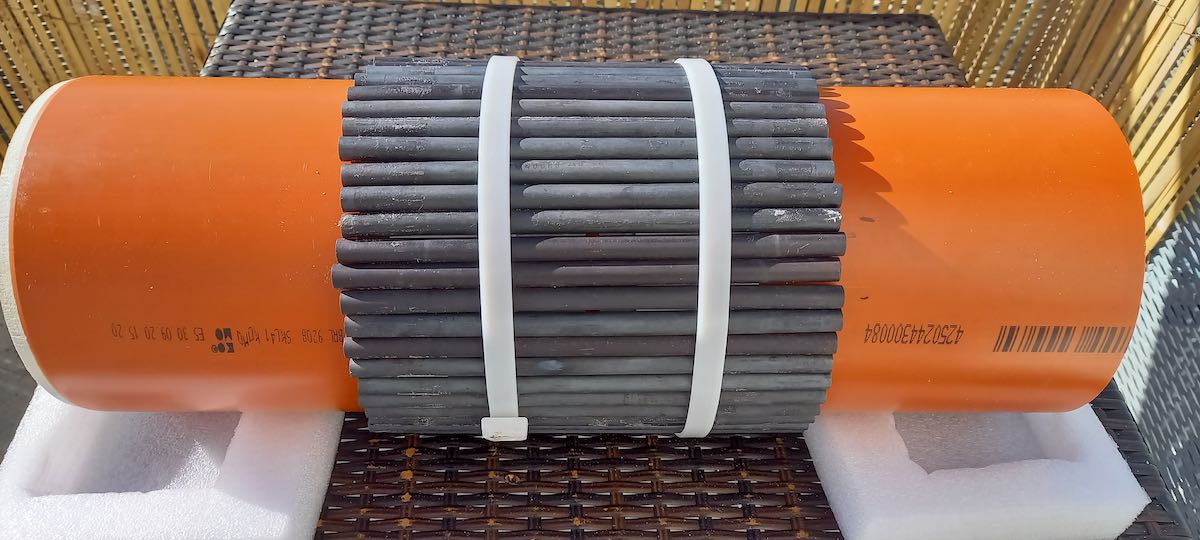
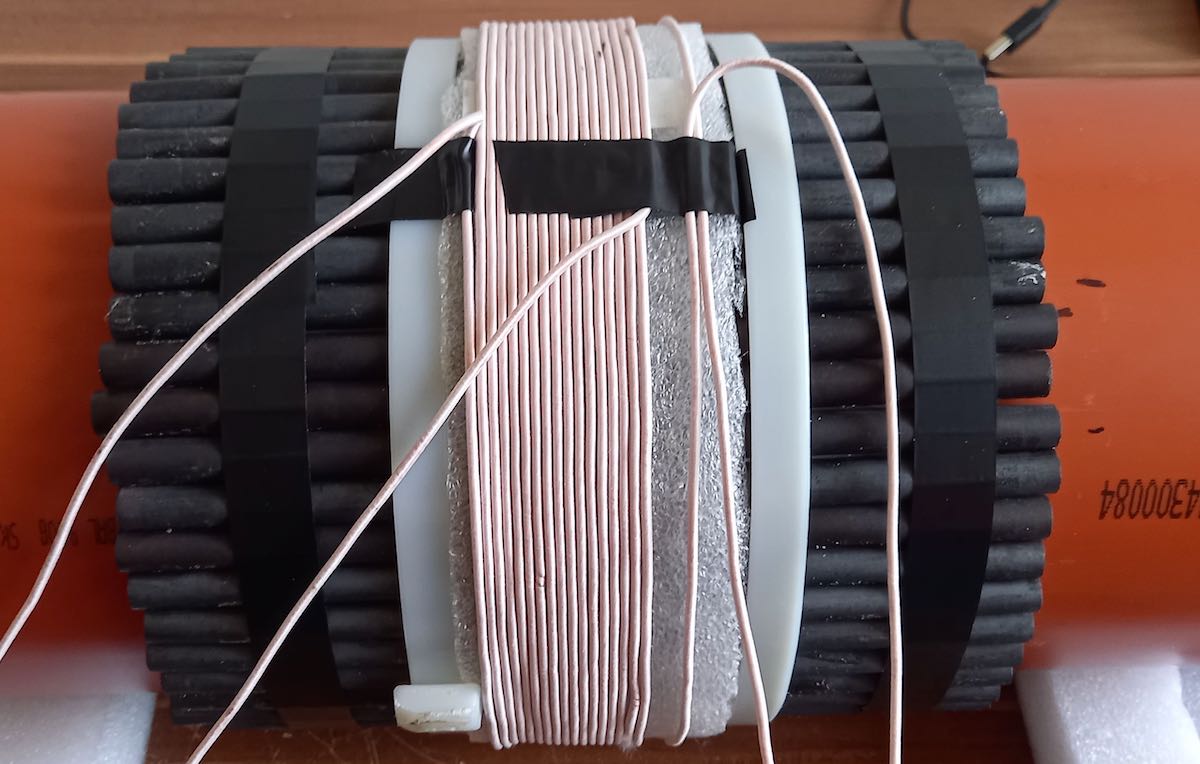
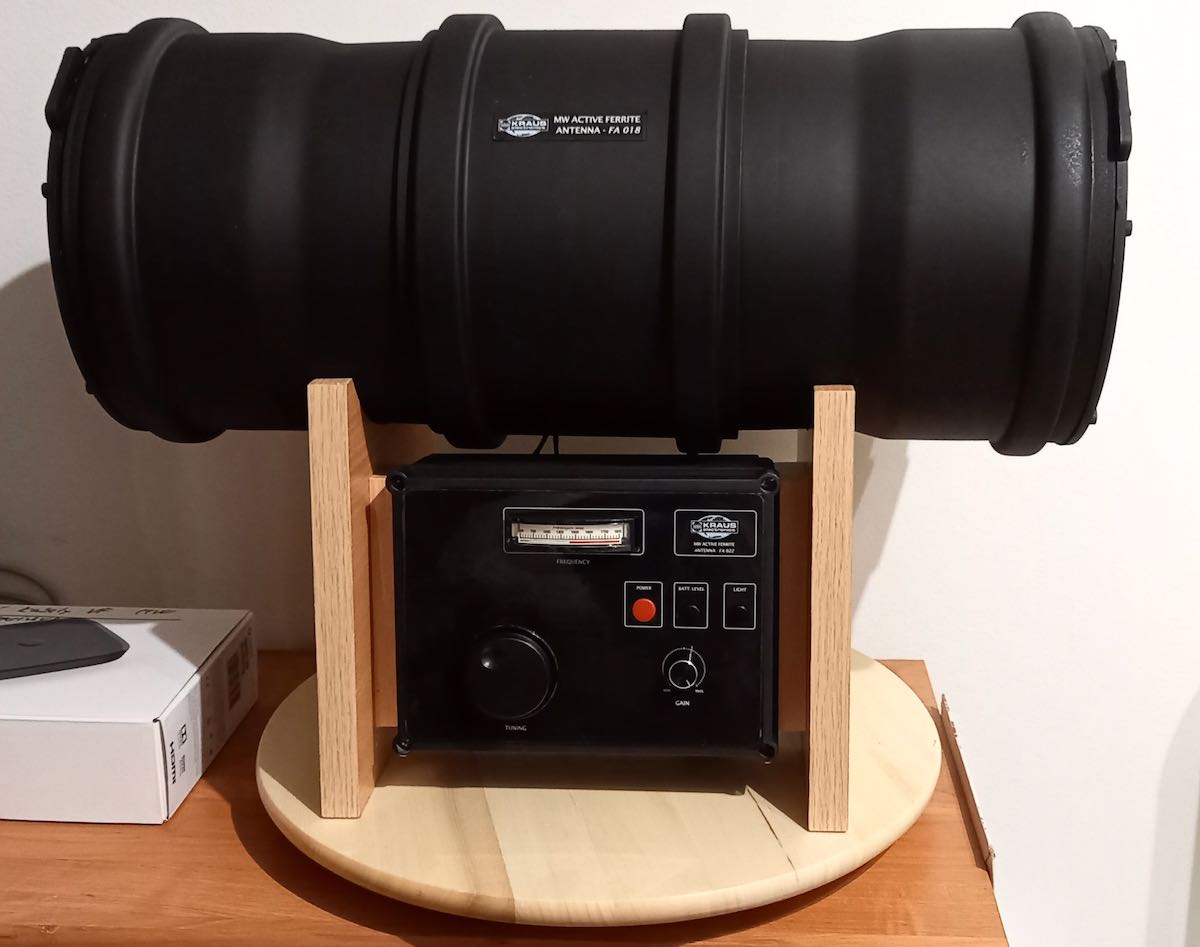
The antenna is a classic design featuring 60 ferrite rods 200x 10 mm, which are placed on a plastic sewage pipe.

Pict 3: Pipe with ferrite rods and windings

Pict 4: Pipe with ferrite rods and windings

In addition, sewer pipe sections are used for the entire antenna cover. I assume that this material can be obtained in other countries as well. Continue reading

Dan compares the Chameleon CHA RXL to the Wellbrook and W6LVP Loops

Many thanks to SWLing Post contributor, Dan Robinson, for the following guest post and review:


Chameleon CHA-RXL:  Is This Pro-level Loop A Worthy Competitor To Wellbrook and W6LVP?

by Dan Robinson

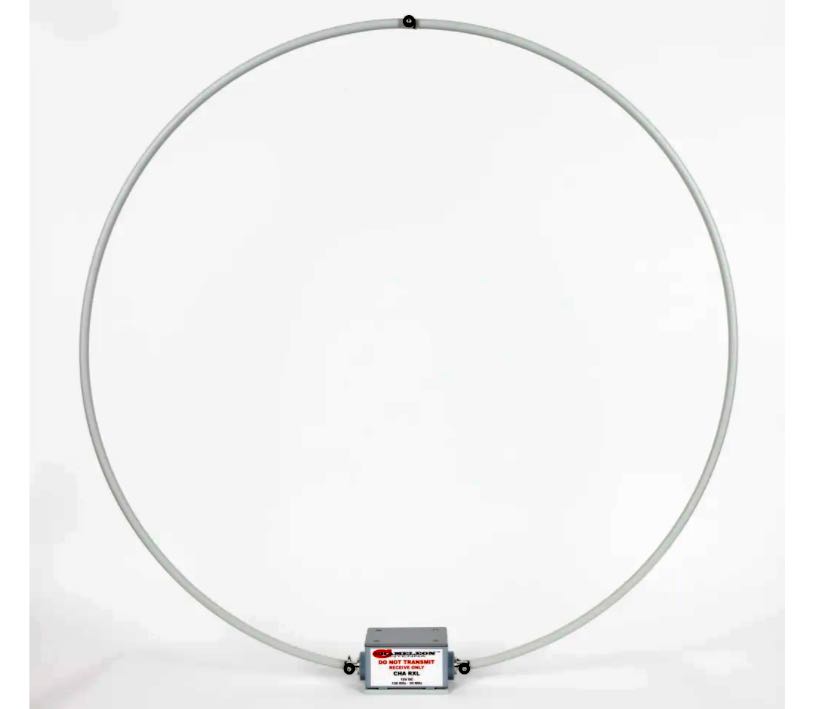
At the end of summer 2021, I took up an offer from Chameleon to test and review their CHA – RXL loop antenna.  The company describes this as a “new design high-performance” LF, MF, and HF receive-only loop perfect for mobile RV and apartment situations and with low noise characteristics.

This is not a cheap antenna, like the Chinese-made MLA-30, but a heavy duty professionally-built unit designed to, as the old TIMEX watch commercial said, “take a licking and keep on ticking”.

Price for the CHA RXL is around $500, though the company dropped the price at to $382 – but only for the two section loop rather than the single piece antenna advertised on its site.

You can see the Chameleon on the company’s website here, but it’s also sold by Gigaparts, DX Engineering and other radio suppliers.  Chameleon lists features as:

Highly directional, balanced input preamplifier to eliminate environmental noise and ground loops, receives on new 2200m and 630m ham bands, flexible mounting and power options, and a stealthy [36 inch] Navy gray loop [that] fades into the background sky.

The built-in preamplifier, says Chameleon, “will enable clearer reception than many large horizontal wire or vertical antennas.”  Weight of the amplifier is given as 7 lbs.  The large pre-amp box is made of heavy metal, with a rubber gasket seal. Continue reading

Giuseppe’s Homemade “Magic Tablet” Antenna System

Many thanks to SWLing Post contributor, Giuseppe Morlè, who writes:

Dear Thomas,

This is Giuseppe Morlè, from Formia central Italy on the Tyrrhenian Sea,

I built this “Magic Tablet. during a rainy afternoon to test various portables I have.

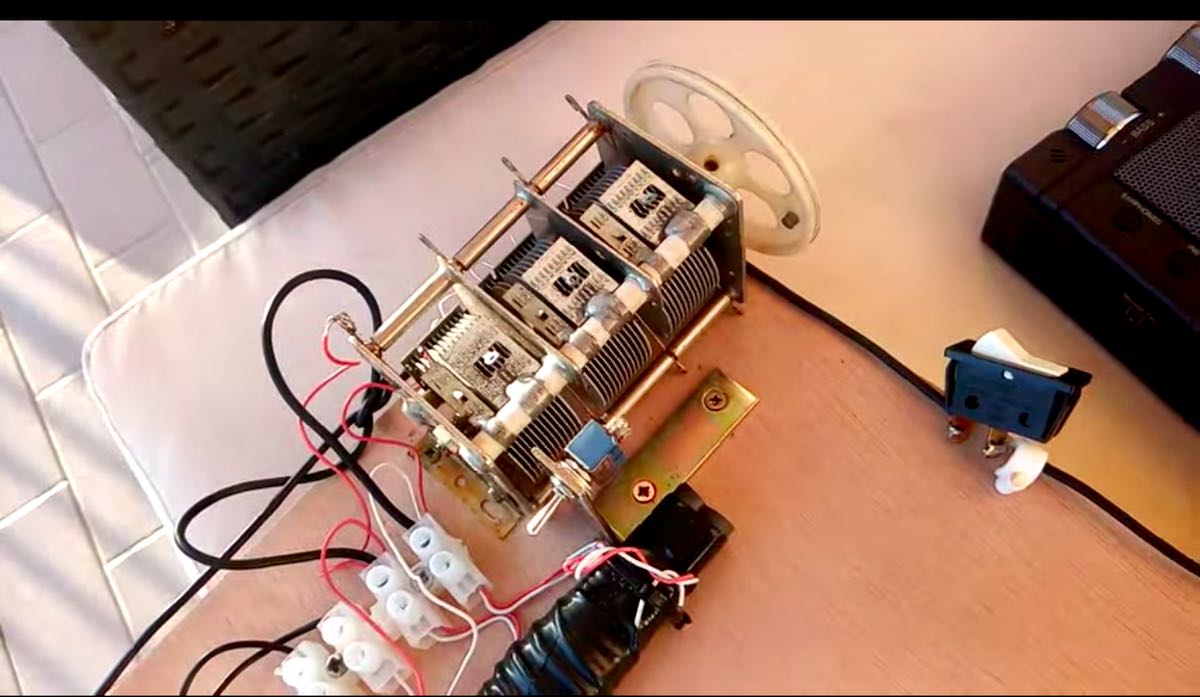
The tablet is composed of 2 separate circuits: one for the short waves, a single coil along the entire perimeter of the tablet, and another with 2 ferrites wrapped around 36 turns of telephone cable for the medium waves.

The heart of the system is a 1050 pf variable capacitor with its old wheel.

To listen to medium wave I have to exclude the short wave loop with a switch on the loop.

I also added another small switch to connect it to a capacitor for more or less capacity, but this I will do later.

I can test my portables like this because the tablet tunes very well from 500 kHz to 18 MHz. I spent very little to make all this as it is all recycled stuff.

You can see the first tests on the balcony of my house with a Tecsun H-501 via my YouTube channel:

Note: this video is in Italian, but you can turn on closed captions and have it translate into the language of your choice.

As I always say, I am not a technician and I have little manual skills in building things, not having a proper laboratory. When I get an idea, I put it on paper and I start to find all the materials and then see if they work. Not all of us are of the experts in electronics–what drives me is a passion for radio listening. Now being retired, I have more time to devote to it.

Thanks to you and hello to the whole SWLing Post community …

73. Giuseppe Morlè (IZ0GZW)

I love this, Giuseppe! What a clever all-in-one portable antenna system for your shortwave radios. I especially love the fact you were able to create all of this from parts you have at your home. You’ve got a winning attitude, too: build and experiment!  Thank you for sharing.

Video: Dave sets up the Chameleon CHA-RXL

Many thanks to SWLing Post contributor, Mike, who shares the following video from David Casler featurin the CHA RXL amplified loop antenna:

Click here to view on YouTube.

Thank you for the tip, Mike!

I just checked out the loop at Chameleon and discovered that they’re currently offering a sale on the “two sections” version of the CHA-RXL. Click here to check it out.

Also, if you live in Switzerland or Europe, Lutz Electronics is now a distributor of Chameleon products.

Ham Radio Workbench episode explores Diversity Reception

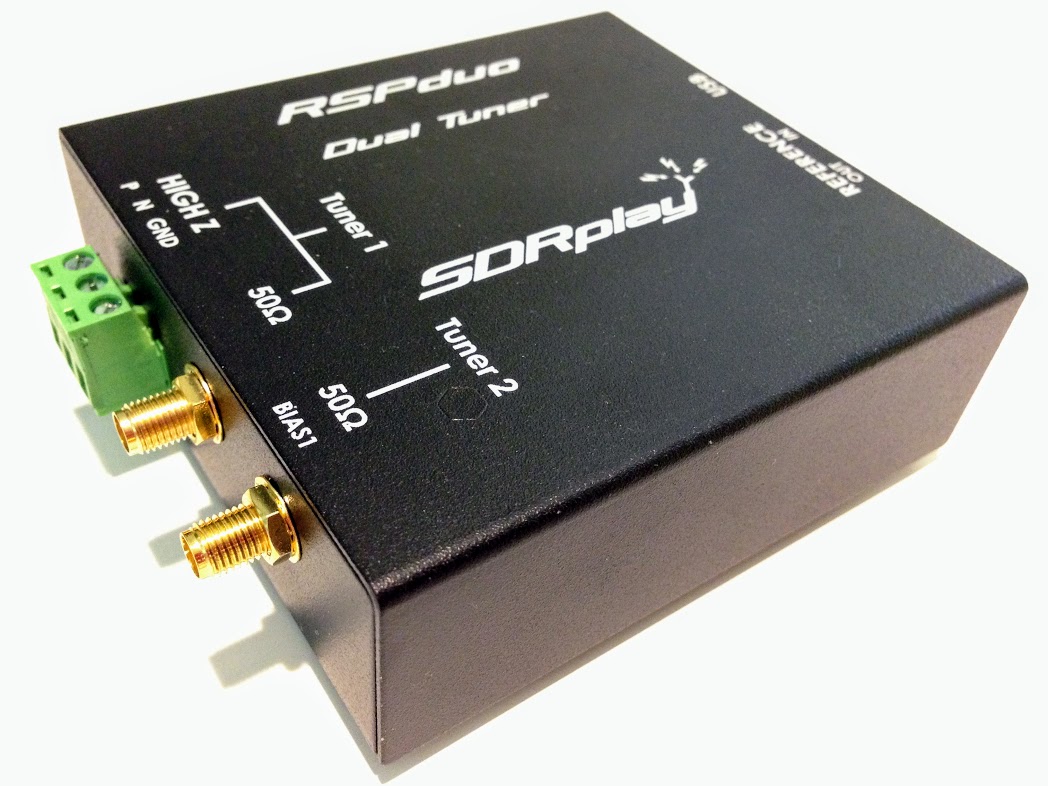
The SDRplay RSPduo

I just finished listening to the most recent episode of the Ham Radio Workbench with John Fallows (VE6EY) as a guest.

John is an SWL and Ham Radio operator and speaks at length about how he uses diversity reception to mitigate persistent local RFI (radio frequency interference).

If you have persistent issues with radio interference or if you’ve been curious about using diversity reception for mediumwave and shortwave DXing, I highly recommend listening to this episode. John has been known to frequent the SWLing Post and actually comes into the discussion primarily from an SWL’s perspective.

If you’ve tried diversity reception or a noise-cancelling system like the Timewave ANC-4+ in the past with mixed results, you’ll definitely benefit from listening to John’s best practices.

In addition, John points out that the excellent SDRplay RSPduo is a very affordable way to explore proper diversity reception.

How effectively can you mitigate RFI with diversity reception? Check out this video on YouTube queued up to the point where John does a live demo with his Anan SDR and loop antennas: https://youtu.be/vu8D87aVUTQ?t=2011 (I also recommend watching to full video presentation for even more detail.)

I’ve embedded the audio for the Ham Radio Workbench podcast below, but you can also find it along with show notes on the Ham Radio Workbench website.

Ham Radio Workbench is one of my favorite podcasts; if you like exploring a wide variety of technical topics, I highly recommend checking it out. It’s available on all podcasting platforms.

Also, check out John VE6EY’s YouTube channel and web site/blog.

Bob’s Updated Passive, Resonant, Transformer-Coupled Loop Antenna for Shortwave

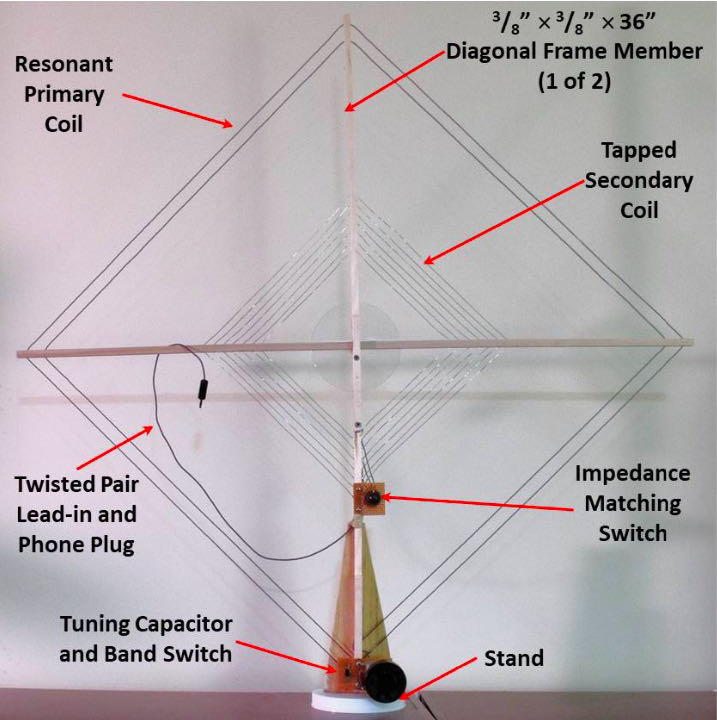
Figure 1. A Passive, Resonant, Transformer?Coupled Loop Antenna for Shortwave

Many thanks to SWLing Post contributor, Bob Colegrove, for the following guest post:


A Passive, Resonant, Transformer?Coupled Loop Antenna for Shortwave

By Bob Colegrove

Over the years I have resisted the level?of?effort necessary to construct and maintain outdoor antennas. Rather, I have focused on squeezing out all of the microvolts I could get inside the house. Many years ago I had access to a well?stocked engineering library, and used my advantage to gather information about the theory and development of loop antennas – a daunting undertaking for an English major. Ultimately, by adhering to a few basic rules, some of them dating back 100 years, I found quite acceptable performance can be had with an indoor passive antenna intersecting just a few square feet of electromagnetic energy.

Theory

There are a couple of advantages of resonant loops as opposed to non?resonant ones. The first is the fact that the signal dramatically increases when you reach the point of resonance. The second follows from the first in that resonance provides a natural bandpass which suppresses higher and lower frequencies. This gives the receiver a head start reducing intermodulation or other spurious responses. The downside of all this is that the resonant loop is, by design, a narrow?band antenna, which must be retuned every time the receiver frequency is changed by a few kHz. On the other hand, there is nothing quite as rewarding as the sight (S?meter) and sound you get when you peak up one of these antennas – you know when you are tuned in.

There is nothing new about the loop antenna described here. It’s just the distillation of the information I was able to collect and apply. There are a number of recurring points throughout the literature, one of which is the equation for “effective height” of a loop antenna. It basically comes down to the “NA product,” where N is the number of turns in the loop and A is the area they bound. In other words, provide the coil with as much inductance as possible.

Unfortunately, for resonant loops, the maximum coil size diminishes with frequency.
With this limitation on inductance, the challenge becomes minimizing unusable capacitance in the resonant frequency formula in order to get the highest inductance?to?capacitance (L/C) ratio possible. Some of the unusable capacitance is built into the coil itself in the form of distributed capacitance, or self?capacitance between the coil turns. This cannot be totally eliminated, but can be minimized by winding the coil as a flat spiral rather than a solenoid, and keeping the turns well separated.

The second trick is with the variable capacitor. Even with the plates fully open, there is residual capacitance on the order of 10 to 20 picofarads which can’t be used for tuning purposes. A simple solution is to insert a capacitor in series, about 1?4 the maximum value of the variable capacitor. This effectively decreases the minimum capacity and extends the upper frequency range. In order to restore the full operating range of the variable capacitor, the fixed capacitor can be bypassed with a ‘band switch.’ With the series capacitor shorted, the variable capacitor operates at its normal range and extends coverage to the lower frequencies. Continue reading