Shortwave listening and everything radio including reviews, broadcasting, ham radio, field operation, DXing, maker kits, travel, emergency gear, events, and more
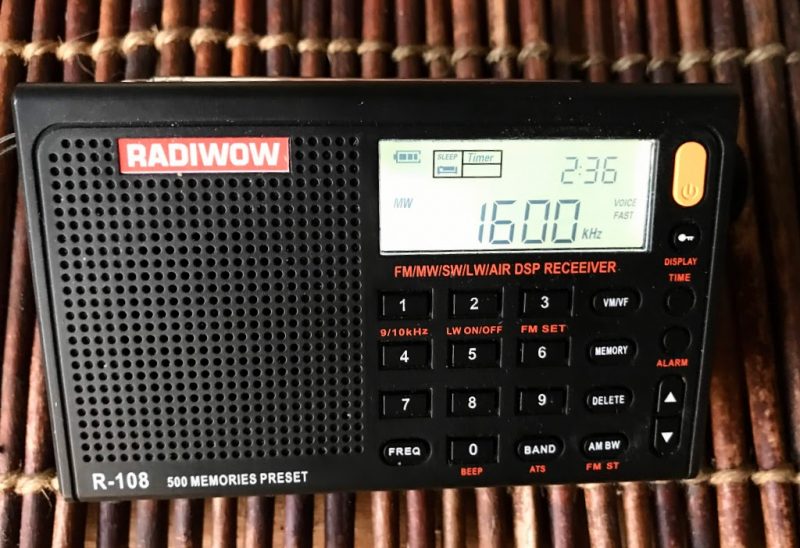
As I mentioned in a post yesterday, I’ve been spending time with the Radiwow R-108 in an effort to give it a proper evaluation.
One quirk that has been a little hard to pin down is the occasional DSP birdie on the mediumwave band. [BTW: A “birdie” an unwanted internally-generated noise which, in this case, manifests itself as a variable squeal. Click here to learn more.]
When I first received the R-108, I noticed that each time I turned it on while tuned to the mediumwave (AM broadcast) band, I’d hear a temporary birdie/squeal that would last anywhere from two to seven seconds. After the initial noise, the squeal would go away.
During long (one hour plus) listening sessions, the squeal would sometimes reappear for a few seconds seemingly at random.
Turns out, there’s a pattern that I overlooked.
Yesterday, I turned on the R-108 and a birdie was present on 1600 kHz. Unlike previous listening sessions, the variable squeal was persistent–it didn’t go away after a few seconds. I pulled out my phone and took a quick video (moving quite far away to show that my phone wasn’t the source of noise):
There were two factors I think may have been responsible for the persistent birdie:
The broadcast signal on 1600 kHz was weaker than normal
The R-108 battery was at 50% or less
Perhaps the battery has nothing to do with this, other than it might have had a slight negative impact on the receiver sensitivity?
Still, my observations confirm that when the battery is fully-charged, the birdies are overall less prevalent.
I tuned off of 1600 kHz and the the birdie disappeared. Even on 1590 kHz or 1610 kHz where there were only faint signals, there was no birdie.
I should note here that 1600 kHz is home to my favorite regional AM station, so quite often when I turn on the R-108, it defaults to 1600 kHz (hence the reason the birdie seemed to plague me).
I then tuned down the dial in 10 kHz steps until I noticed another persistent birdie on 1200 kHz:
Many thanks to SWLing Post contributor, John C., who writes:
“Hi Thomas, I love [the SWLing Post] and have been meaning to thank you for all of the amazing reviews. Truly a treasure trove. But as I contemplate my next radio purchase I would like to know what radio you use more than any other. In other words…what’s your daily driver??? Enquiring minds want to know! Thank you. – JC”
Thanks for your question and the kind compliment, John.
Your inquiry is one I get quite a bit, so I hope you don’t mind if I share my response here publicly.
First of all, I should state that I don’t have a single “daily driver.”
Since I evaluate, test, and review radios I spend a lot of time with a variety of new receivers and transceivers.
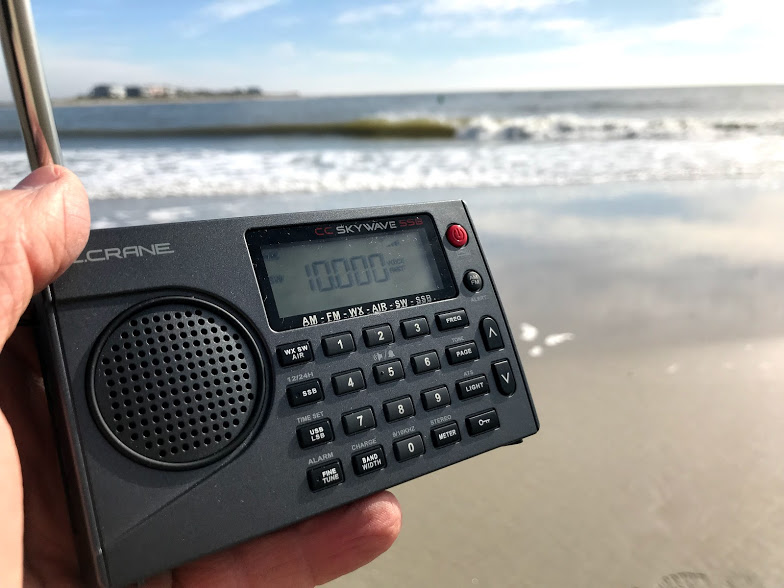
I’m currently evaluating the Radiwow R-108, so it goes with me pretty much everywhere since I like to test receivers in a variety of settings. I’m also packing the Tecsun PL-310ET and the CC Skywave so I have units to compare with the R-108.
My Daily Drivers
Still, there are a number of radios in my life that get heavy use. Here’s my current list based on activity:
When I travel, I try to pack as lightly as I can–perhaps some would even call me a borderline travel minimalist. For example, when I fly to Philadelphia later this month for the Winter SWL Fest, I will take only one piece of luggage, a “personal carry-on” item: the Tom Bihn Stowaway, a pack the size of a small laptop bag. The Stowaway will contain my iPad, cords/accessories, and all of my clothes and toiletries for about 5 days of travel. As you can imagine, there’s not a lot of spare room in there for radio gear (quite the understatement).
I’ll still have room in my bag for the CC Skywave SSB, though, because the receiver is so compact. In addition, it’s a little “Swiss Army Knife” of a radio which covers the AM/MW, Shortwave, WX, and AIR bands. It also has SSB mode and uses common AA batteries. The Skywave SSB is a welcome travel companion.
For Portable Shortwave DX
When I head to a park or go on a camping trip with the goal of doing a little weak signal DXing, I reach for a full-featured portable. In the past, I’ve relied heavily on the Tecsun PL-660 or PL-680, the Sony ICF-SW7600GR, and the Tecsun PL-880.
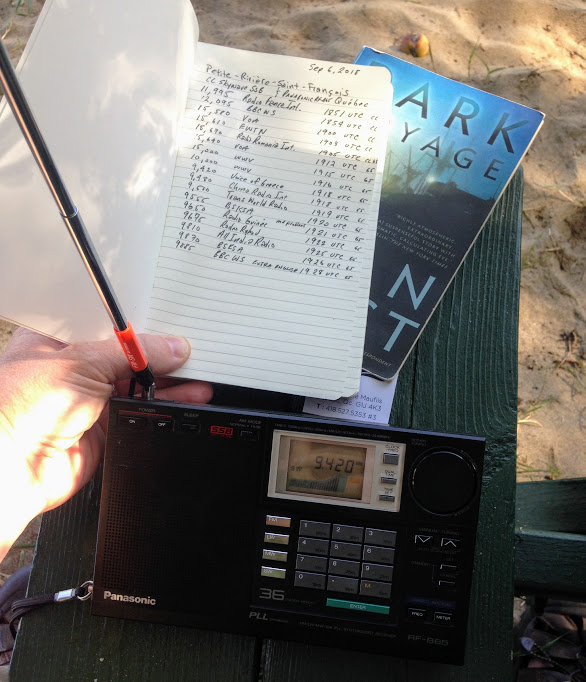
After acquiring the amazing Panasonic RF-B65 last year, it has become my choice full-featured portable. Of course, the RF-65B hasn’t been in production for ages, but thanks to a number of friends/enablers (including Dan Robinson and Troy Riedel) I finally found one for an acceptable price on eBay.
I’ve been incredibly pleased with the RF-B65’s performance and feel like I got a decent deal snagging one in great shape for less than $200. Only a few months prior to my purchase, it was hard to find good units under $300. Click here to check current prices, if interested.
For Morning News and Music
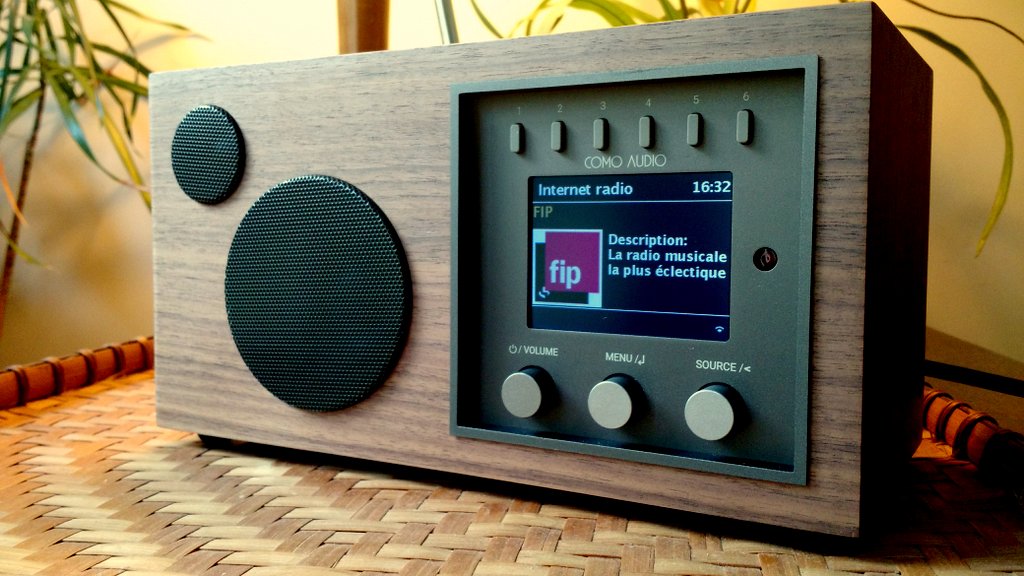
Since my staple morning news source, Radio Australia, went off the air, I spend a lot more time in the mornings listening to Internet radio mainly because I like listening to news sources that no longer, or never have, broadcast on the shortwaves.
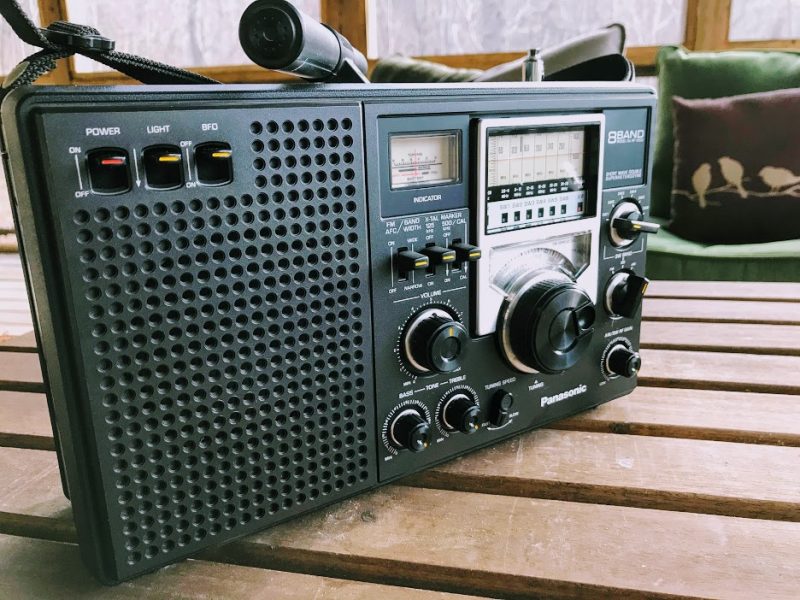
Without a doubt, my favorite radio for mediumwave/AM broadcast band DXing is the Panasonic RF-2200.
I mentioned in a previous post that my buddy Vlado (N3CZ) recently repaired, cleaned, and calibrated one of my RF-2200s.
Let’s just say that Vlado worked his magic and my RF-2200 now operates and performs like a brand new unit. Seriously. It’s simply unbelievable.
Not only does the Panny ‘2200 provide benchmark MW performance, it’s simply a pleasure to operate. It also produces some of the richest AM audio you’ll ever hear from a portable radio.
Of course, the ‘2200 hasn’t been produced in decades, so you’ll have to search for used ones on eBay, at hamfests, or through your favorite radio classifieds.
And, yes, I still need to finish a Part 2 blog-post about the ‘2200 repair–once I get a few details and photos from Vlado, I’ll post it!
Your Daily Drivers? Please comment!
Keep in mind that my “daily drivers” change quite a bit–the ones listed above are my current favorites and have been for a year or more.
So now that I’ve shared my daily drivers, I hope you will, too!
Is there a particular radio you reach for more than any other? Please comment and tell us why it’s your favorite!
Many thanks to SWLing Post contributor, Gary DeBock, for sharing the following guest post:
November 2018 Poipu, Hawaii Ultralight DXpedition
A Thrilling Sample of Forward Pacific Propagation
By Gary DeBock, Puyallup, WA, USA January 2019
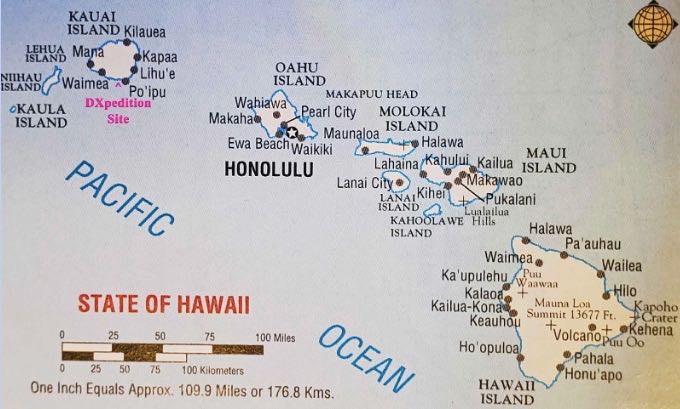
In late September my wife and I stumbled across an outstanding 6-day Costco Travel package to the Aston at Poipu Kai on Hawaii’s Kauai island, the westernmost of the main Hawaiian islands (and closest to Asia). Included in the $2.3K cost was roundtrip airfare for two on Alaska Air (nonstop from Seattle both ways, with no “red-eye” flights), 5 nights at a gorgeous, beachside 2-BR condo with a patio area ideal for TP-DXing (and within easy walking distance to the island’s best snorkeling beach), a full sized new rental car and a $50 Costco cash card to use for a little spending $$. This was far and away the best travel bargain we have ever had to the Hawaiian Islands– and right in the middle of the DX season!
The location at Poipu Kai was at the extreme southeastern tip of Kauai Island, which offered a clear, unobstructed salt water path to Asia, ANZ, the Pacific islands and both North and South America. Unfortunately, it also offered a clear salt water path to the RF Zoo of Honolulu (more about that later).
Of course, before you can chase DX in Hawaii you will need to bring along some kind of radio and antenna– whether it is a hot-performing portable, an SDR along with a small broadband antenna or an Ultralight with a “Frequent Flyer” miniature FSL. Whatever you bring will need to go through TSA inspections both ways– so try not to get too complicated or extravagant. Fragile items can be taken in hand-carry luggage, so use this for radios, FSL antennas, digital recorders and anything else that could be smashed. Also keep in mind that many large motels and condos do not allow external antennas to be set up on their property– and most of them generate enough indoor RFI to make DXing indoors a lost cause. Before leaving for the Islands, be ready with a DXing plan that you know will work!
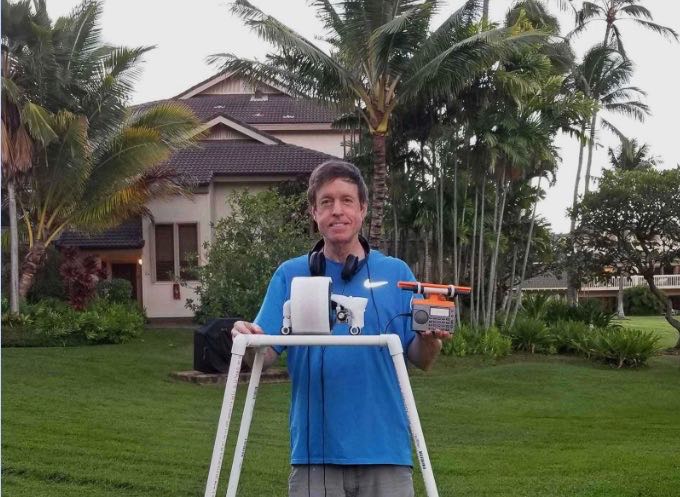
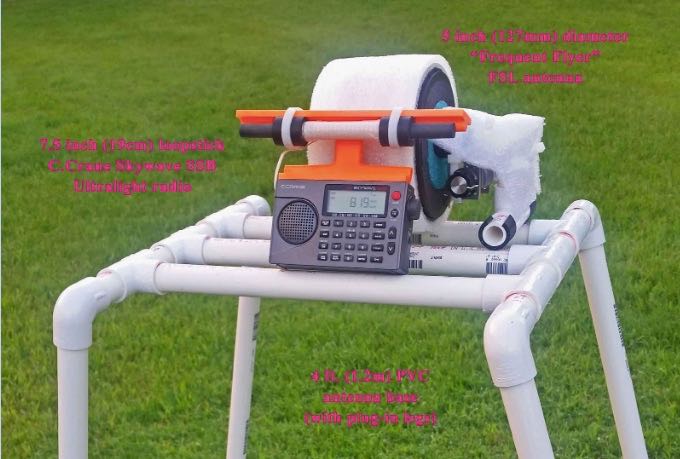
For me, TP-DXing with a modified CC Skywave SSB portable and TSA-friendly 5 inch (127mm) diameter FSL antenna in the large open patio area right outside our condo meant chasing enhanced DX right in the middle of a gorgeous beach side garden (click here to view on YouTube).
These 2-BR condo complexes were overbuilt somewhat, and the mainland owners of these condos badly need the tourist rental income to pay their mortgages. The competition for this rental income is high. As such, the cost per night for a stay at one of these newer 2-BR condos on Kauai is about the same as for a well-worn 1-BR motel room in Kona (on the Big Island).
So, what can a TP-DXer expect from the transoceanic propagation at Poipu Kai? First of all, there is so much enhanced DX coming from so many different areas of the world that you will need to carefully choose your priorities. What is your main DXing thrill? For me, it was chasing exotic Asian DX that was unlikely or unavailable at home in the Pacific Northwest. Unfortunately, when I tried to do this during the evening hours on Kauai (0700-1000 UTC) there was so much enhanced transoceanic DX coming from North and South America that the frequencies became a snarling maze of languages and heterodynes. During a check of 801 for kHz Pyongyang BS at 0922 UTC the frequency was completely hijacked by 800-Radio Transmundial in the Caribbean (near South America). The same thing was going on all over the band, with North and South American stations on the 10 kHz band plan fighting it out with Asians and Pacific Islanders using the 9 kHz frequency system. Honolulu QRM added its own distinctive touch to this jumbled fiasco, and eventually I was forced to concentrate on sunrise DXing sessions in order to track down any really exotic Asian DX. The bands were so much quieter during the sunrise sessions starting around 1500 UTC. Of course, if a DXer was mainly interested in North or South American DX in Kauai he could have made out like a bandit around local sunset, when the Asian and Pacific Island stations would not yet have faded in.
The Asian propagation to Kauai Island during the sunrise sessions was like having constant exposure to the best possible TP-DXing signals that ever show up on west coast ocean beaches– except that far more of Asia was in play. Big gun Middle East stations like 702-BBC (in Oman) can show up at decent strength, and not too many TP-DXers have familiarity with Arabic. Stations like 918-Cambodia which are rare DX on the west coast often thunder in at S9, and by necessity a DXer quickly learns the Vietnam parallel frequencies for its various networks. The Chinese propaganda blasters on 666, 783 and 909 pound in like locals, and a DXer needs to wait out their sign off times in order to receive anything exotic on their frequencies. The entire situation is a crash course in surviving and thriving in the middle of nonstop exceptional propagation, which can easily overload your abilities to sort out languages, stations and programming. Depending on your TP-DXing experience, you will either find this situation thrilling or bewildering.
If you have extensive TP-DXing experience on west coast ocean beaches you will probably feel like you are on Cloud Nine, but without this experience you will probably wonder where to start. The usual Asian big guns on 594, 747, 774 and 972 are either buried in Honolulu splatter or have trouble holding down their frequencies. Language recognition of Chinese, Korean and Japanese becomes essential in sorting out unfamiliar stations, and at least basic recognition of Vietnamese, Thai and Taiwanese is helpful. In addition, knowledge of exotic station frequencies is necessary before a DXer can hope to track these exotic stations down. Many exotic station frequencies (like 576, 594, 657, 693 and others) are jumbled with Honolulu splatter, and you need to know which ones are not (702, 729, 918, 954 etc.).The amount of TP-DXing experience that you can bring to the island is directly related to the results that you can expect from DXing on the island. Fortunately, because of two previous Hawaii trips and an April visit to the Cook Islands, I was able to track down some thrilling TP-DX on Kauai– 693-Bangladesh, 702-BBC (Oman), 729-Myanmar, 918-Cambodia, 927-AIR, 954-AIR plus Vietnam stations on 675, 702, 711 and 729. An S9-level 800-Radio Transmundial in Bonaire (next to South America) jumped over to 801 during an evening session. As an example of the outstanding ocean-enhanced propagation, for the first time ever in any DXpedition I was able to receive 7 transoceanic DX stations on one frequency alone (702 kHz).
Hawaiian station splatter is a major issue in Kauai, but depending upon the location of these pests, their signals may taper off just before TP propagation collapses (around 1705 in November). On my last session I was able to finally track down the 1000 kW Asian big gun 693-Bangladesh through wicked 690-KHNR (Honolulu) spatter, probably because the pest was farther into daylight than my more westerly Kauai location. The Hawaii pests on Maui and the Big Island also display the same behavior.
Propagation slowdowns on the west coast seem to be fairly irrelevant in Hawaii, with the only difference being S9 Australian and NZ signals showing up in the null of the S9 Asians. During regular sessions the big gun ANZ stations are usually around at S5 levels in the null of the Asians, but I didn’t really go after the DU’s during the Kauai trip. The Pacific island exotic stations on 621, 1017, 1098 and 1440 were usually at S9 levels about 2 hours after local sunset, but once again the North and South American transoceanic DX stations were turning their frequencies into a pretty wild fiasco. Originally it seemed like a great idea to have a straight salt water shot to all these areas, but be careful what you wish for– you just might get it 🙂
Finally, In consideration of the exceptional value of the Costco travel package and the superb transoceanic DX propagation prevalent on the Kauai beach, this 6 day Hawaii vacation proved to be as much of a lifetime hobby thrill as visiting the exotic Cook islands in April– at less than half the cost. My strong advice to anyone who is feeling bored with his AM-DXing hobby is to step out of your comfort zone, and try something really new. You can certainly chase DX at home or at the same flat ocean beach for decades, but you are unlikely to experience anything radically different from what you have already experienced. Breakthrough results require breakthrough innovation, exploration and experimentation, and the commitment to overcome all challenges until you get the results you desire.
DXing on Kauai Island makes it easy for you. All the comforts of home are within a 20-minute drive. A Walmart, Safeway, Costco and Home Depot are all in the local area, close to your gorgeous 2-BR beach side condo. You don’t even need to change currency or bring a passport (well, at least if you live south of the border). An outstanding snorkeling beach is a 5 minute walk away, and the “Garden Island” is one of the most beautiful in the entire Hawaiian chain, waiting for you to explore it in your new, full-sized rental car. What more could you ask for? So go ahead and take the plunge… and discover the exceptional thrill of forward Pacific TP-DXing!
Listed below are 94 transoceanic DX receptions made in Kauai with the related recording links, including stations in Oman, Egypt, Iran, India, Bangladesh, Myanmar, Cambodia, Thailand, Vietnam and many others. Sincere thanks is given to all who helped identify mystery stations, especially the Finnish DXers like Mauno, Mika, Jari L. and Jari S. with their awesome language identification skills. You guys really rock!
540 UnID-Spanish During a search for Samoa at 0738 on 11-6 this strong mystery Spanish station monopolized the frequency; both North and South America had a clear salt water path to my DXing site, making it tough to chase the Pacific islands after sunset https://dreamcrafts.box.com/s/vm0datfx40j4ie2mxyioby62in9v81wl
549 UnID-TP This was a rough frequency because of 550-Maui, but there is a 1200 kW CNR5 station on the frequency, and some female speech with apparent Chinese intonation was getting through Maui’s male speech at 1515 on 11-4 https://dreamcrafts.box.com/s/jrbdmp4mb3cd9935dze9v5l2st4ig5ed
621 Pyongyang BS/ VOK Chongjin, N. Korea, 500 kW The sickest sounding transmitter on the band, with a throbbing off-frequency drift. This was the wacky audio during the VoK Japanese program at 0943 on 11-3 https://dreamcrafts.box.com/s/7d6eggmr9ntnfjej3zf22dh1s5p32wyd
Clear signal and 1 kHz heterodyne from Tuvalu (for the first 7 seconds) degenerates into a throbbing heterodyne and degraded signal when the FSL is re-directed at North Korea at 0942 on 11-3 https://dreamcrafts.box.com/s/po98lqzzfn1s1vmu6ul6r0tplex85mld
630 VoV? Animated male-female speech in apparent Southeast Asian dialect dominant over CNR synchros at 1523 on 11-4; Jari S. guesses this is Vietnamese, but there was no chance at the time to check the 675-711 parallels https://dreamcrafts.box.com/s/k0ttlujgsp2p11817uhakkgrqwrzdlvj
630 UnID-DU DU English co-channel mixing with 4QN during auroral conditions at 1542 on 11-7; experience in the Cook Islands indicates this is most likely RNZ in Hawkes Bay (but no parallels available at the time) https://dreamcrafts.box.com/s/03ubp9so6jtjnywhbt3v2sehs69fzsay
639 2HC Coff’s Harbour, Australia, 5 kW Australian marine weather forecast at 1504 on 11-5; despite lack of any place names, Tony Magon says that ABC stations don’t run such detailed marine weather forecasts https://dreamcrafts.box.com/s/bjwhwkeh3ss3d0tmm6sl977pm7mftrd9
640 KFI Los Angeles, CA, 50 kW The North American stations were not targeted during this trip, but this particular one monopolized the 639 split frequency every evening, such as at 0924 on 11-3 https://dreamcrafts.box.com/s/f2mfmvymwykmbkaylmbhewvjkb25nc0k
657 Pyongyang BS Kangnam, N. Korea, 1,500 kW The strongest N. Korean signal on the band (and one of few with a clean signal) was at overwhelming strength with music at 1533 on 11-3, with minor 650 splatter https://dreamcrafts.box.com/s/lbpugjif1lnf5cwn5vghmmb3qwhrofpy
666 Voice of the Strait Fuzhou, China, 600 kW A major propaganda blaster to Taiwan, this station (along with 783) almost always had potent signals during sunrise sessions. This female pop music was at typical strength at 1550 on 11-7 https://dreamcrafts.box.com/s/3df1thw74spjesqmvuvt3mjq0dlg4jhj
693 Bangladesh Betar Dhaka, Bangladesh, 1000 kW The super power exotic station finally broke through wicked 690-KHNR Honolulu splatter (10 kW at 113 miles) at 1639 on 11-8 with an apparent Islamic sermon (having mentions of “Allah” at 27 and 31 seconds) https://dreamcrafts.box.com/s/haye98bfrypbt1cdb1wgma2mx01wskpx
702 BBC Arabic Service A’Seela, Oman, 800 kW One of the big surprises of the DXpedition, this station was amazingly strong for the 8,586 mile (13,818 km) distance at 1604 on 11-6. Thanks to Mauno and Mika for the language and station investigation https://dreamcrafts.box.com/s/cwgqhpm3hy0thmthw4o018i7c70y0b8i
702 KCBS Chongjin, N. Korea, 50 kW Another North Korean with transmitter issues, this station was somewhat off frequency, with degraded audio (although not as bad as 621). Its Korean ID and 3+1 pips were dominant over China at 1500 on 11-8 https://dreamcrafts.box.com/s/6alut7afzdg06a5ll06p54hnuc7s1j8w
702 VoV Danang, Vietnam, 50 kW Male and female speech at 1612 on 11-4 with announcers and format sounding very much like those on 675 and 711 (although not parallel); Jari L. says this is Vietnamese https://dreamcrafts.box.com/s/idw17ybpwsblr8evf440xnlr13z4l5c9
711 HLKA Sorae, S. Korea, 500 kW One of the strongest Koreans on the band, but it had co-channel issues with V.O. Kuanghua and VoV. This very strong male-female Korean speech was at 1537 on 11-3 https://dreamcrafts.box.com/s/m4ybyndsuy6ivg6jvyp1xm79ra76cqgs
720 UnID-TP Mystery Asian station (apparently not in any east Asian language) mixing with the Chinese opera station at 1536 on 11-4; Mauno and Jari S. mentioned VOIRI (Iran) as a possibility, but the Tajik and Uzbek languages being broadcast around that time are tough to identify https://dreamcrafts.box.com/s/8l5utr5yxvybjzb2wrmaxvkoazuqmdf9
729 Myanma Radio Yangon, Myanmar, 100 kW Male-female speech in unique Asian language with clear mention of “Myanmar” at the 46 second point at 1541 on 11-4 (thanks to Chuck for deciphering). Unfortunately 576 and 594 were wiped out by Hawaii splatter https://dreamcrafts.box.com/s/yq7uqray3bq93a6zu76kb92enk46wvq6
729 Myanma Radio? Fading up all alone at 1625 on 11-4, this male speaker’s language and voice sound a lot like the ones in the previous recording (thanks to Bruce for language suggestion, and to Ken Alexander, a Canadian retiring in Thailand, for the improved audio file) https://dreamcrafts.box.com/s/24c46lrjjm2329x4e1h634u3m7swn3f5
729 VoV Dong Hoi, Vietnam, 200 kW Male speaker in Viet-sounding language at 1615 on 11-4 with apparent mentions of “Vietnam” at the 1 second and 32 second points; Jari L. says it sounds like Vietnamese https://dreamcrafts.box.com/s/9va1h709ki2cqyaz0z7eg380w2k8xmcr
738 BEL2 Penghu, Taiwan, 100 kW This frequency had serious splatter from 740-Maui, but there was enough of the Chinese news format at 1517 on 11-3 spoken by the female announcer to make reasonably certain of the identity https://dreamcrafts.box.com/s/55slnp79bhb7sqjpubmnnab9j4g14804
747 JOIB Sapporo, Japan, 500 kW The NHK2 big gun was barely able to get by 740-Maui splatter at 0933 on 11-3, but that was better than 594-JOAK, which was totally wiped out by 590-Honolulu https://dreamcrafts.box.com/s/zqkpa4892mi9ccdzz7qojocq8bm9lmmq
783 Voice of the Strait Zhangpu, China, 600 kW A major propaganda blaster to Taiwan, this was the strongest Asian station during the trip. All kinds of carefully selected music were broadcast– pop, opera and even rap (which, as Chris Kadlec says, is banned in China but is fair game to broadcast to Taiwan, where it is popular). This big gun was totally immune to any propagation downturns, as demonstrated in this local-like sign off message at 1600 on 11-7, which was actually a DU-slanted morning https://dreamcrafts.box.com/s/6cbton9gqiqvqiwe6ewfc8u0aoztv4dm
800 PJB Bonaire, Netherlands Antilles, 440 kW Hijacking the 801 frequency at 0921 on 11-3 with an S9 signal and “Transmundial” ID at 6 seconds, this signal was typical of powerful North and South American stations that would mix with the Asian and Pacific island stations each evening in a wild competition. Received at 5.981 miles/ 9,627 km https://dreamcrafts.box.com/s/wiotqzpyghyinwl4o1f0c3vw2s1brtbw
819 KCBS Pyongyang, N. Korea, 500 kW This Asian big gun wasn’t quite as strong as it was in Kona, Hawaii a year earlier, and suffered some minor 830-Honolulu splatter. There was no sign of the Seoul area jammer, though. Its orchestral music was at good strength at 1606 on 11-3 https://dreamcrafts.box.com/s/zmtr8yqln8lqg9419a842u802w86pryx
855 Pyongyang BS Sangwon, N. Korea, 500 kW The usual female choral group shows up at a modest level at 1511 on 11-3. Like on 819, there was no sign of the Seoul-area jammer that showed up in Kona a year ago https://dreamcrafts.box.com/s/f4p1wfgy1qank63q9wdh8hjnyiyajrzm
864 HLKR Gangneung, S. Korea, 100 kW The Korean big gun is in a wild S9 snarl with a mystery Filipino station at 1539 on 11-3; this was a typical snarling Asian mix very common in the salt-water-boosted Kauai propagation https://dreamcrafts.box.com/s/edbmedfei6kjn85jvs9k21lwe8d89cxn
909 CNR6 Quanzhou, China, 300 kW Another of the Taiwan-directed propaganda blasters, this one tended to play classical or choral music, and (like 783-Voice of the Strait) it was usually at overwhelming strength. This sign off message at 1602 on 11-7 has it all– S9+ strength, a “Shenzhou zhi Sheng” female-voiced ID at 35 seconds, and even a suggestive-voiced female from 49 to 58 seconds. Current sign off is at 1604 https://dreamcrafts.box.com/s/urhk66t4mqunezupi99r0red0pt4u7ub
909 Xinjiang RGD Tacheng, China, 10 kW One of the surprise receptions of the trip. The Mongolian language was unusually strong, and dominant over CNR6’s classical music at 1548 on 11-3; thanks to Mauno and Jari S. for the language identification https://dreamcrafts.box.com/s/9z54ibieboealz78p0n4zygelv41ghcf
909 JOVX Abashiri, Japan, 5 kW Presumed the one with Japanese female speech at 1608 on 11-7 (after the CNR6 sign off), and about 20 minutes after the usual NHK2 sign off that week (the only other Japanese station on the freq.) https://dreamcrafts.box.com/s/mnd4zqnvx5d6u35ihj7997no2r4hbz4v
918 ERTU Bawiti, Egypt, 10 kW Some awesome investigative work by Mauno determined that this modest signal at 1628 on 11-6 was Egyptian Arabic– one of the biggest surprises of the trip (otherwise it would have remained an UnID). Thanks for the extra effort! (8,921 miles/ 14,357 km) https://dreamcrafts.box.com/s/hhdwsw42ok5pcevh41amx9i7ln3cxmag
918 RNK Phnom Penh, Kampuchea, 600 kW One of the biggest stars of the DXpedition, with S9-level Kampuchean pop music almost every morning around 1630, burying Shandong completely. Apparently there is some special propagation between Hawaii and Southeast Asia around this time in early November. This music was at 1637 on 11-3 https://dreamcrafts.box.com/s/6ohs2orw3o1w5oiqyfyfxcczsrvykazq
918 Shandong RGD Synchros Shandong, China This Chinese network was mostly cannon fodder for RNK during the trip, but it did manage a very brief moment at equal strength with RNK’s high-voiced female speaker at 1553 on 11-4 https://dreamcrafts.box.com/s/pq6pl57x1j9qepa8he4lj43x48vggr6j
927 AIR-South Visakhapatnam, India, 100 kW India news in English by female announcer at 1531 on 11-8 (mixing with China); with mentions of “also approved Indian…” at 9 seconds and “for India to express” at 25 seconds. Thanks very much to C.K. Raman of India for matching the recording to the AIR archives https://dreamcrafts.box.com/s/ozrw09zrlayks7nt3dxt95zeaibqmwd7
927 UnID-Chinese Male and female Chinese speech at 1600 on 11-8 with multiple mentions of the Taoist deity Wong Tai Sin, which would seem highly unlikely in the officially atheist Mainland. Maybe BCC in Taiwan? https://dreamcrafts.box.com/s/uvogxslwmgkqympbb041efmn6wp96uig
954 JOKR Tokyo, Japan, 100 kW Japanese male conversation temporarily dominant over a wild mix of AIR’s female English speech, UnID Philippine music and Chinese female speech at 1534 on 11-8 https://dreamcrafts.box.com/s/6otqthqxgkrgybxe4cn03j5rd5eo25mz
954 UnID-Philippines Persistently strong Tagalog-speaking lady dominant over co-channels at 1512 on 11-8, but there were no definite identity clues despite the signal strength (thanks to Vlad T. and Jari S. for the language identification) https://dreamcrafts.box.com/s/wsfgz5aysxey1dw1ecd3jnq0r3v96loz
The same female Tagalog speaker came back to dominate the frequency at 1552 on 11-8 in a conversation with someone, but with three Philippine stations on the frequency the identity remains a mystery https://dreamcrafts.box.com/s/gfwl7oisg9cdrsfxqp7t6vuqu1lc05gi
972 HLCA Dangjin, S. Korea, 1500 kW The Korean big gun played the part during most sessions, although the Chinese co-channel rarely left it alone. Here was a typical S9 signal at 1532 on 11-3, over the Chinese and accented English news co-channels https://dreamcrafts.box.com/s/v3ojq208x2pmrajzgrv5uqjh1cxu2xa7
972 UnID– AIR (East)? Accented English news from 10 seconds to 25 seconds in the following recording under HLCA at 1532 on 11-3, but there was no chance at the time to check the other AIR frequencies for a parallel. Unless Henan Economic was broadcasting in English this was most likely the 300 kW Cuttack transmitter in eastern India, with no other accented English possibilities on the frequency at the time https://dreamcrafts.box.com/s/v3ojq208x2pmrajzgrv5uqjh1cxu2xa7
1017 A3Z Nuku’alofa, Tonga, 10 kW Island music with reverb-enhanced male speaker at strong level at 1617 on 11-8; the recent transmitter rejuvenation made this South Pacific station a reliable powerhouse each morning https://dreamcrafts.box.com/s/m7cvf5e2sidwi845lh4jg8c684vz8y03
1440 JOWF Sapporo, Japan, 50 kW Always in a mix with Radio Kiribati every evening, the pop-oriented station with its female announcer could occasionally reach a strong level like at 0935 on 11-3 https://dreamcrafts.box.com/s/3fyr4auint1mpjvxu4tz8tm02knd5x6g
1440 Radio Kiribati Bairiki, Tarawa, 10 kW The usual female announcer speaking the island language got a boost from semi-auroral conditions at 0845 on 11-6 to thunder over JOWF’s Japanese female announcer https://dreamcrafts.box.com/s/cpgfb9jg414gez35y94k0aaghhh6ffcy
1566 HLAZ Jeju, S. Korea, 250 kW The Korean big gun with its Christian programming was seriously chopped up by 1570-Maui splatter, such as during its Chinese service at 1526 on 11-3. As such, the frequency was too noisy to chase exotic targets https://dreamcrafts.box.com/s/dpy8dlyerl0z55rdy3vuo0qv7avmu0hx
1575 Iranian Jammer Causing severe interference to VOA-Thailand’s Bengali program at 1620 on 11-8, the “official” target of this prolific Jammer is Radio Farda in the U.A.E. The transmitter location is unknown, but likely distance to Kauai is around 8,000 miles/ 12,875 km https://dreamcrafts.box.com/s/pn1iwgnxq3vzgf5tj9b2ek0pb6p14qg3
1575 VOA Ban Phachi, Thailand, 1000 kW The big gun generally got its programs through prior to 1600, but the Iranian Jammer wreaked havoc on the Bengali program by 1630. This Burmese program at 1507 on 11-7 had no problem, though https://dreamcrafts.box.com/s/zww2i6bb7yc344dh2a7qo50wq9twmhvu
As most transoceanic DXers are aware, the Hawaiian Islands offer an exceptional opportunity for AM-DXing hobbyists to chase enhanced, salt water-boosted signals from around the world. A recent Ultralight + FSL antenna trip provided all the DXing excitement anyone could hope for, with potent signals received from Asia, the Middle East, Oceania, and both North and South America. But this was all live DXing– one frequency at a time. Is a similar trip possible using a broadband loop antenna, and an SDR to record spectrum in one of the world’s most enhanced environments?
Normally such a challenge would be unthinkable, due to external antenna restrictions and the impossibility of carrying large loop antenna components on major airlines. But the unique situation at Poipu Beach on Kauai Island is definitely worth mentioning.
First of all, there is a fully stocked Home Depot store about 15 minutes away by car, offering PVC pipes, concrete bases and antenna wire– along with any tools necessary for antenna assembly. The 2-BR condos on the Poipu Kai beach are not part of a motel, but are individually owned and rented out by a management company for owners on the mainland. I never saw a single management company official on the property during the entire 6 days, except for the night when we checked into the complex management office (and he seemed to stay right there). Each morning I set up my FSL antenna on a 5′ PVC base in the large open patio area behind our condo from 0400-0700 local time (1400-1700 UTC), and never was questioned by anybody– let alone anybody from the management company. I’m pretty sure that small, breakdown versions of broadband antennas (such as the type that both Chuck and Tom have become skillful in setting up at the Rockwork cliff every August) would be fully acceptable during these sunrise enhancement sessions in Hawaii. There is excellent, free Wi-Fi available at the site for checking parallels and web streams, and fragile items like the SDR receivers and Wellbrook amps could be carried in hand carry luggage, similar to how I carry the Ultralights and FSL antennas. After such a broadband DXpedition the antenna parts could be probably be returned to the local Home Depot store, possibly with a chance of refunds.
Of course with a such a pioneering effort there will always be challenges and surprising discoveries, and a sense of optimism and adventure will prove to be most useful. But the opportunity certainly is there– as well as the chance to conduct a breakthrough DXpedition that could be of legendary success.
What an amazing report, Gary! I’ll admit, I’m just a wee bit envious of your Ultralight DXpedition locations! Thanks for sharing the details an, especially, your recordings! Inspiring!
Digital Radio Receivers – Availability At An Affordable Price
by Yogender Pal (Chairman, DRM India Chapter)
[…]Transmissions in FM band in India, by AIR as well as private broadcasters, are still in analogue mode only. Aware of the advantages of digital radio broadcasting, the Telecom Regulatory Authority of India, the regulator for all the broadcast services too, has recommended to allow private broadcasters to broadcast in the digital white spaces available in the FM band (VHF band II). This recommendation is under consideration of the Ministry of Information and Broadcasting. The Ministry held a meeting on the issue on August 30, 2018. All stakeholders (public and private) were in favor of digital broadcasting in FM band and suggested that the ministry makes public a regulatory policy as soon as possible. Cellphone manufacturers also gave their support provided no additional costs were involved.
A digital receiver is required to receive digital radio broadcasts as analogue receivers cannot decode the digital signals.
One of the welcome features of the current roll-out of DRM digital radio in India has been the early and overwhelming commitment of the car industry. Most of the leading car manufacturers in India have either already incorporated DRM receivers in their cars or are in the process of incorporating them. Hyundai has built-in DRM radios in all its models except one. Maruti Suzuki has also incorporated DRM receivers in 6 models and all their models are soon expected to have built-in DRM receivers. Mahindra has also installed DRM in its TUV model. It is encouraging that the roll-out of DRM equipped cars is growing rapidly. At present the number is understood to have surpassed the 10 lakh mark. Indian car manufacturers are not charging extra from consumers for line-fit DRM radio sets.
In parallel, efforts are being made by a large number of Indian and foreign receiver manufacturers to provide standalone DRM receivers. Communications Systems is the first Indian radio manufacturer to domestically develop and produce a DRM receiver (AV-1401). Inntot Technologies, a young start-up enterprise, has developed a software-based DRM receiver based on a generic processor. This is likely to be much cheaper. GeekSynergy, another start-up company, is also working on the development of a highly affordable DRM receiver.
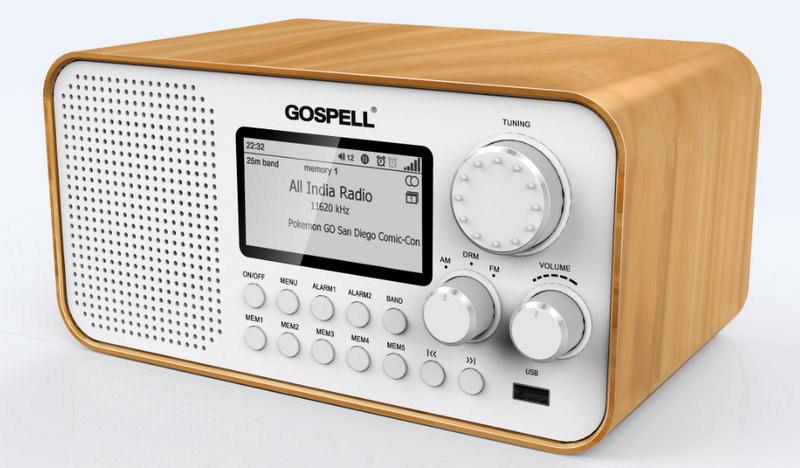
Gospell Digital Technology located in China has presented a very well-reviewed DRM Receiver, GR216, which is already in production. Gospell is developing a DRM receiver dongle, GR-227 too, which can be plugged in the existing audio systems in the automobiles on USB ports or Aux input to receive DRM digital signals. Titus SDR, a Panamanian based company, has developed a multi-standard and software-based digital radio receiver. Starwaves has also developed a prototype DRM receiver.
Standalone DRM digital efforts remain relatively expensive at present. Like with any new technology higher volumes will bring down the cost of the receivers. AIR may thus offer content with additional audio services, innovative advanced features such as journaline advanced text, emergency warnings, and traffic information so that listeners see value in buying a digital receiver.
An app for DRM digital reception in mobile phones in FM band has been already developed. Demonstrations have been made on the reception of DRM digital signals in the existing mobile phones by plugging a dongle. External dongle would not be required in the new mobile phones; however, the industry wants to see the publicized policy of the government before making the necessary adjustments for working of the app.
Most of the standalone receivers can receive DRM (in addition to analogue) in AM bands; and its software can also be upgraded to receive DRM in FM band. As announced by Director General recently, AIR may start digital radio broadcasting in FM band. Government may also accept TRAI recommendations and announce a roadmap for digital radio broadcasting in FM band by private broadcasters so that the industry (cellphones, automobile, and standalone receiver manufacturers) gets confidence and starts mass production of receivers.[…]
Many thanks to SWLing Post contributor, Dennis Dura, who shares the following article which appeared in Jacob’s Media Strategies on Dec 31, 2018. I’ve pasted an excerpt below, but you’ll want to read the entire piece by clicking here:
Rekindling Our Fading Romance With AM Radio
I know I may sound like a relic from another era, but chances are if you’re a Baby Boomer (or gasp – even older), you were inspired by AM radio as a kid growing up whether it was in a big city or a small town. If you’re a member of a younger generation, you may not even know that AM – or amplitude modulation – has a magic power. At night when the clouds are just right, AM signals have the ability to “skip” across geography, unlike frequency modulation (FM) which is line of sight. “Clear channel” stations had an even easier time being heard beyond their metro confines – often covering many states during the nighttime hours.
Many of us radio veterans remember those nights, lying in bed, where your trusty bedside AM clock radio pulled in signals from all over the U.S. As a boy in Detroit and not especially well-traveled, I learned how to pronounced Des Plaines (Des-planes) and Touhy (2E) by listening to Chicago radio stations like WBBM and WLS. Tuning in KYW in Philly (which came in “like it was next door”), I learned how to spell the quirky town of Conshohocken from listening to Phillips Ford commercials. It was from a jingle that got in your head (CON-SHO-HO-CKEN). At least, it got in mine.
It didn’t matter if you lived in Dallas or Des Moines, or a small town in Delaware – you were able to pick up big AM radio stations from faraway. And if you talk to today’s broadcasters on the other side of 50, many will tell you their careers were likely inspired by these booming, exciting blowtorches on AM radio that provided a soundtrack for our teens.
AM radio was where we first heard the Beatles, the Supremes, the Stones, Stevie Wonder, and even the Doors. Big AM Top 40 stations of the day – KHJ, WABC, CKLW, WLS – played all these cool rock songs, right next to Herb Alpert & the Tijuana Brass, Elvis, Bobby “Boris” Pickett, and the Singing Nun. And even though the fidelity of amplitude modulation is obviously technically inferior to that of FM, there was something very different and even romantic about hearing all those songs first on AM radio.[…]
Thanks for the tip, Dennis! I think this piece speaks to so many of us radio listeners–especially this one who prefers the “fidelity of amplitude modulation” over so many other mediums.
I think may be are interesting topic for readers of the SWLing Post.
This is interesting, Emilio. Thank you for sharing. Although the reason the author put together this post was to refute IBOC’s claims about testing AM receivers, it is also a fascinating look into cheap AM radio/receiver design. Thank you for sharing!
Many thanks to SWLing Post contributor and word traveler, Chris Johnson, who shares the following:
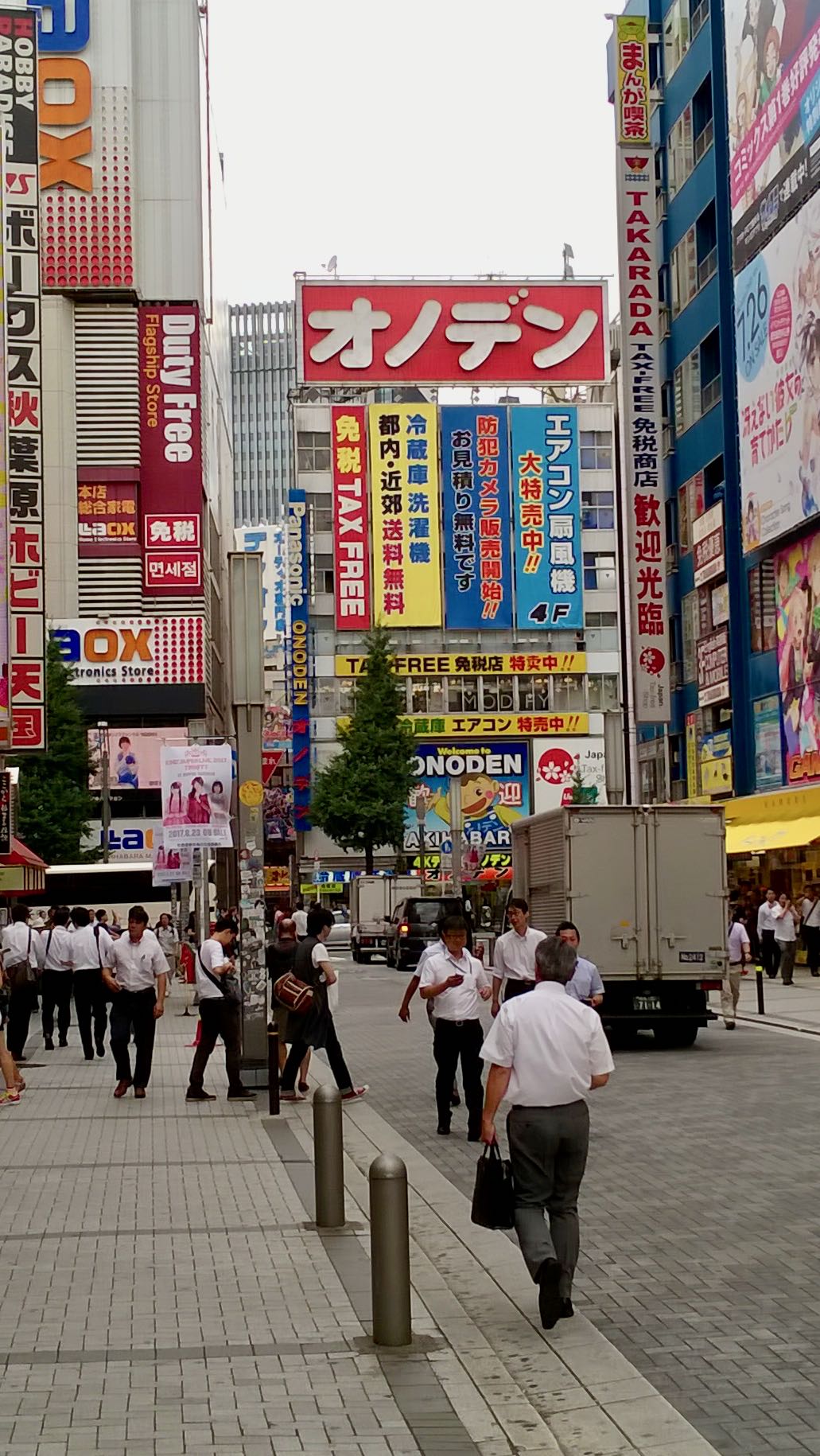
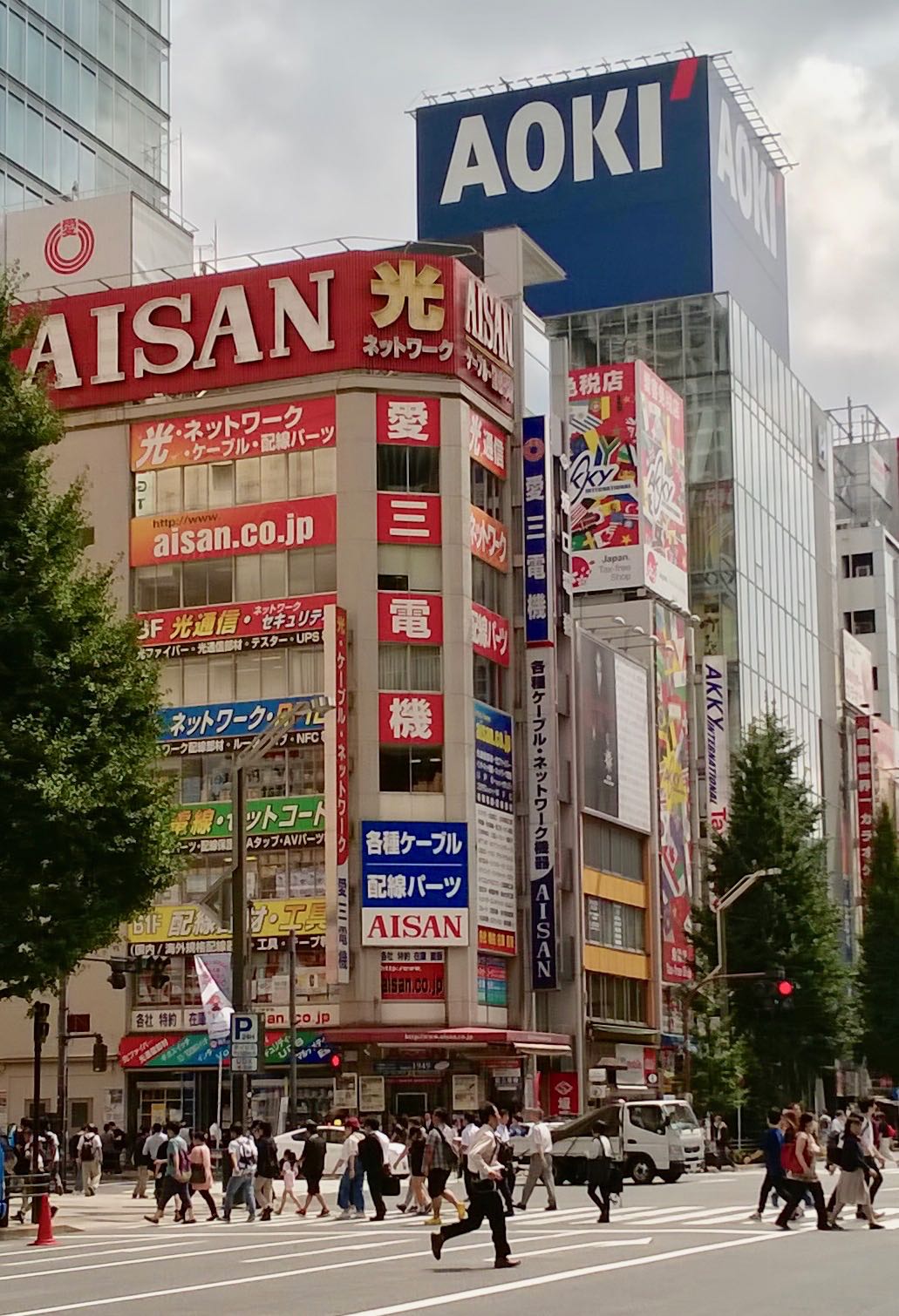
This past year while traveling for business in Japan I decided to explore a district within the city limits of Tokyo known as Akihabara or better known to locals as the “Electronics District”.
After jumping off the train I found my senses bombarded by a cacophony of sounds and enough neon from the street to the sky to put your senses into overload. The streets were crowded and the stores were filled with every modern electronic device known to man.
My imagination ran wild, I started wondering what this place would have been like in the 1970’s when some of the most cutting edge electronics were CB radios or shortwave receivers, the different brands, models etc… Perhaps some of that still existed here so I started wandering the streets and found more of the same you would find in a big box store but multiplied by 10, overwhelming.
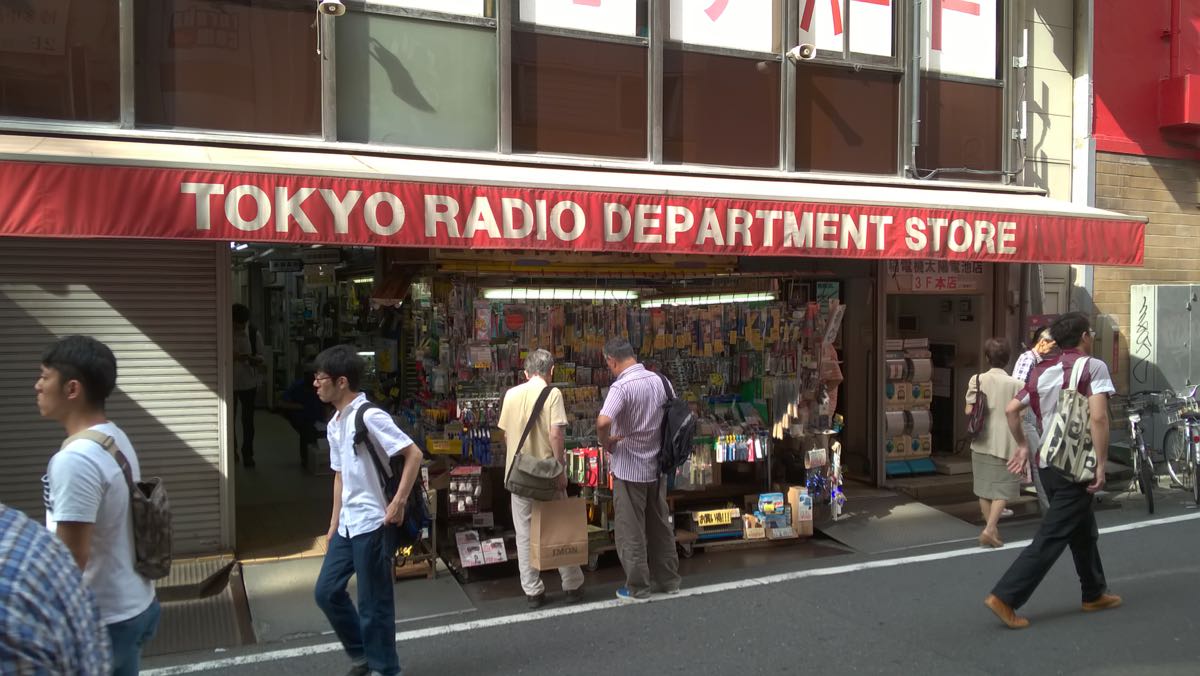
Just when I was ready to give up the search I turned the corner down a side street and discovered a red awning with “Tokyo Radio Department Store” emblazoned on it, I felt like I discovered a lost treasure amongst the modernity.
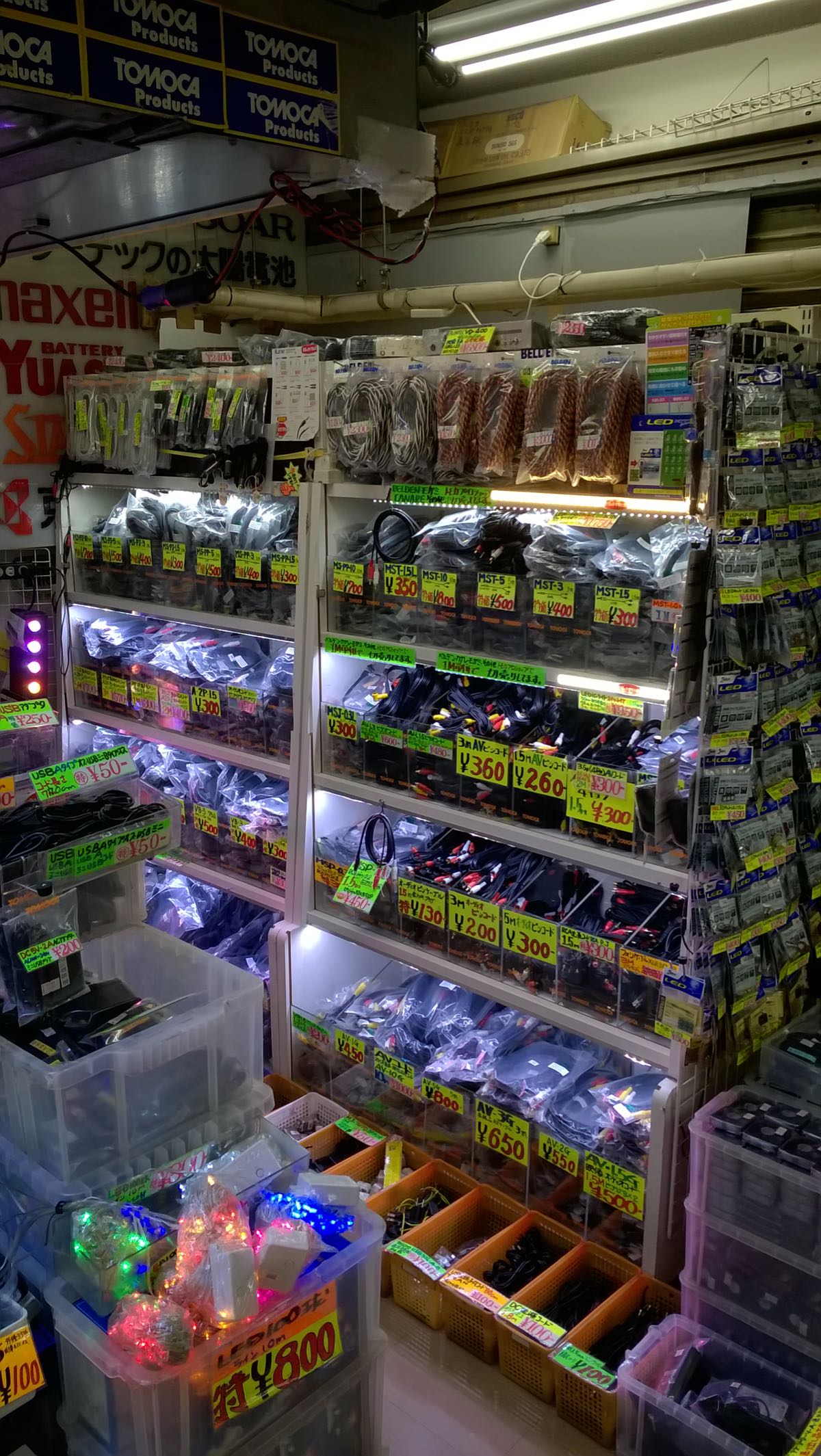
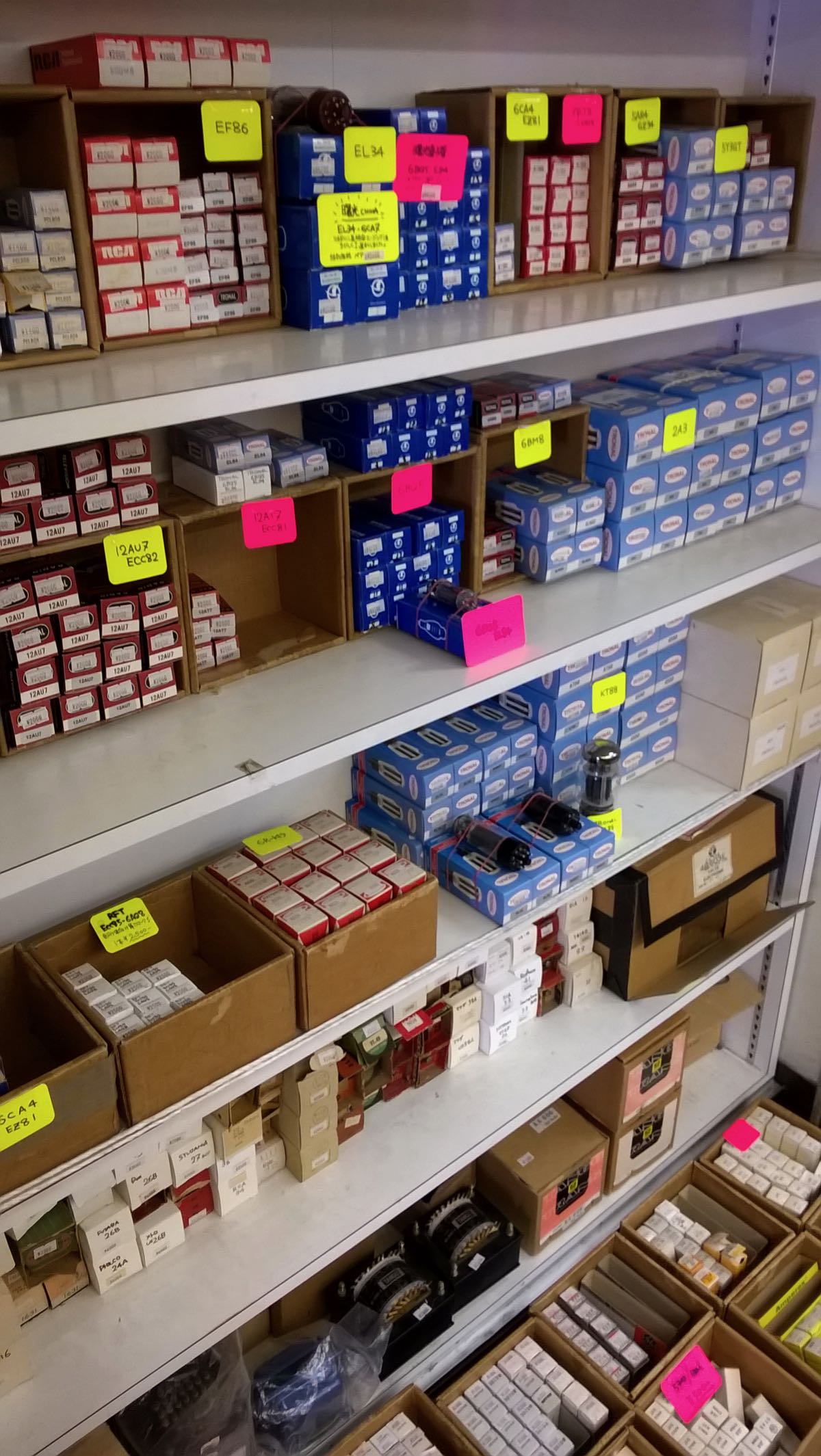
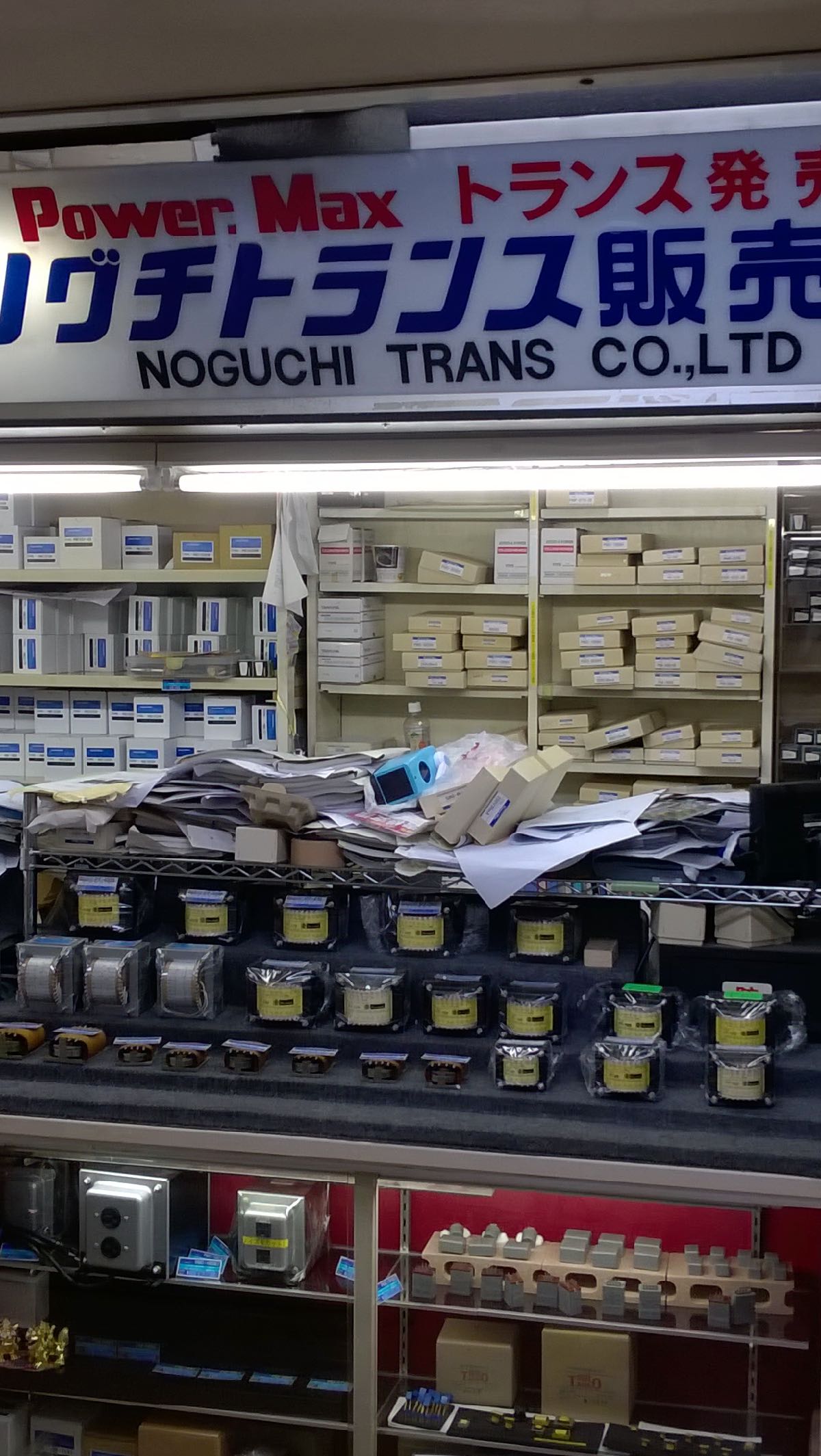
I walked through the main entrance and was immediately drawn down a maze of narrow corridors that were staffed with small stores and stalls that sold electronic parts both popular and obscure, it was incredible. That was just the first floor with 3 more above to discover, I thought to myself if I ever wanted to build a transmitter this is the one place in the world where you could shop and find all the parts you need.
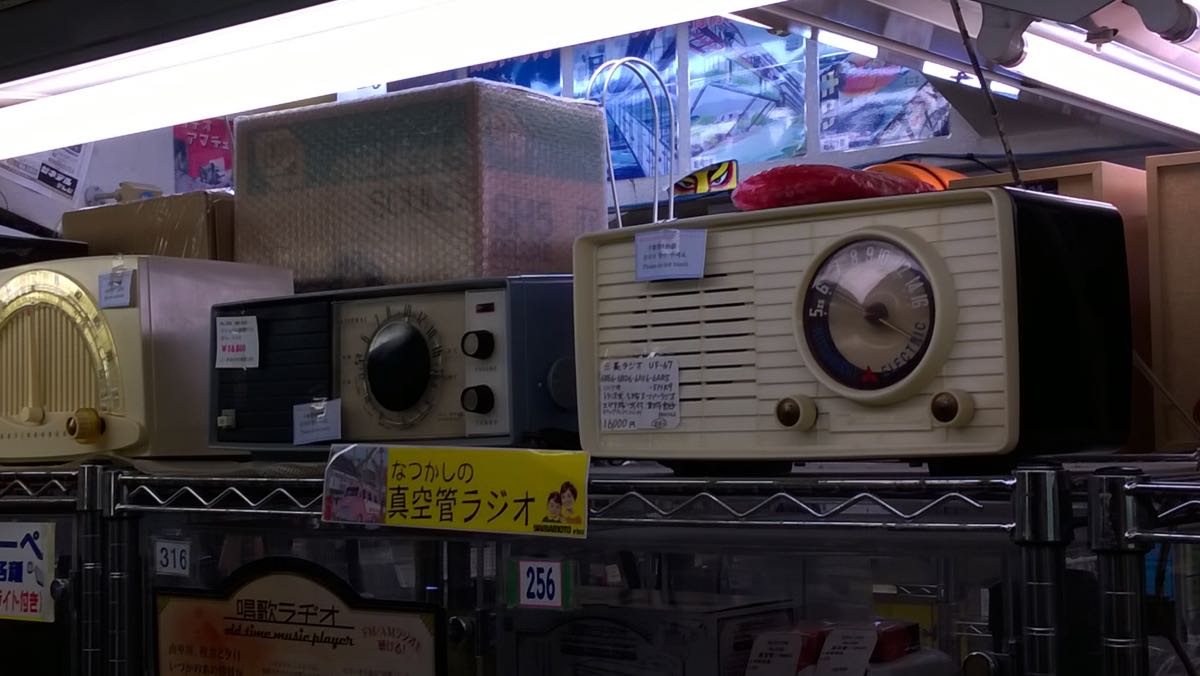
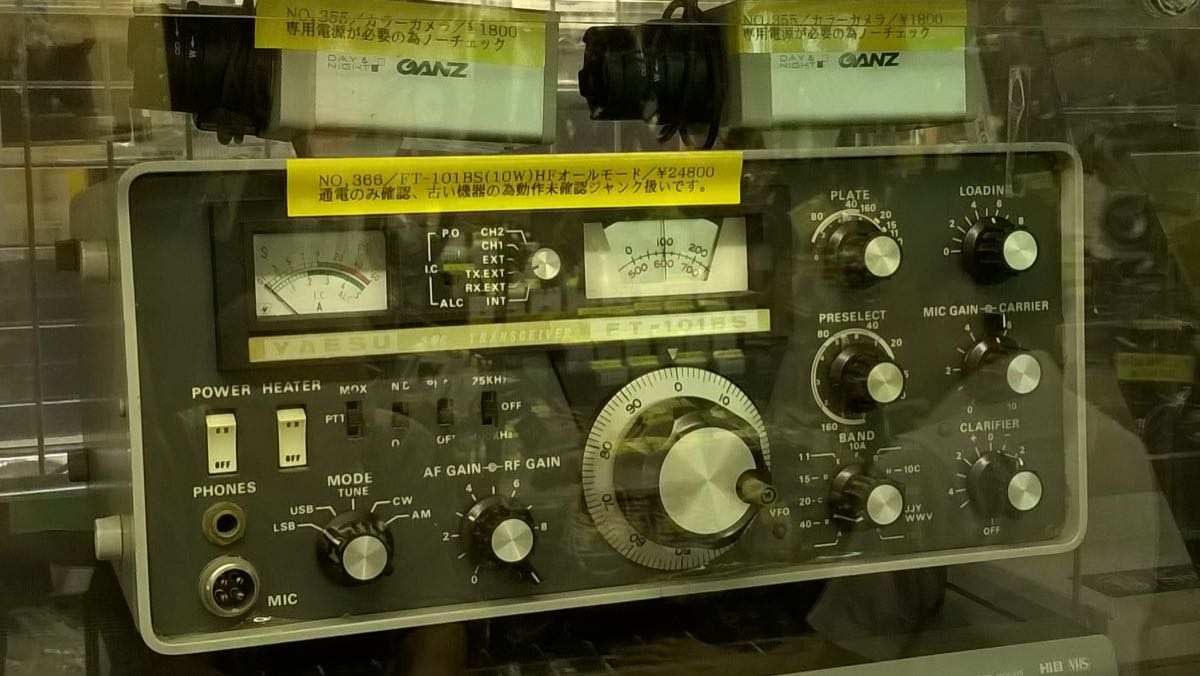
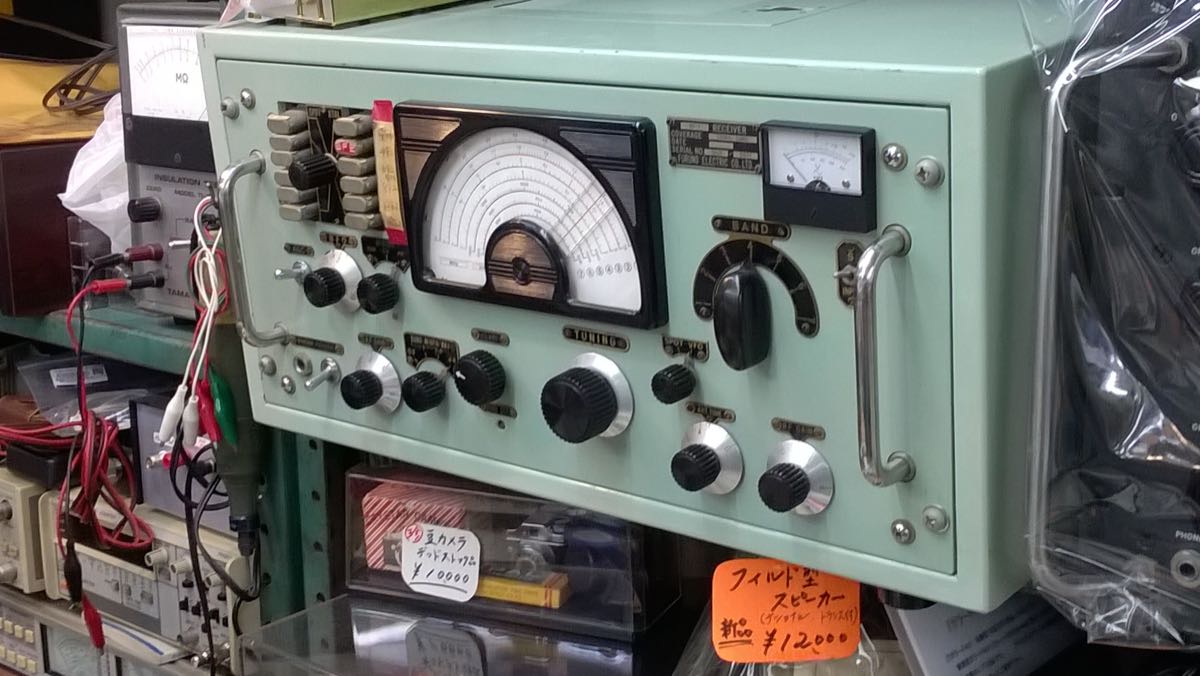
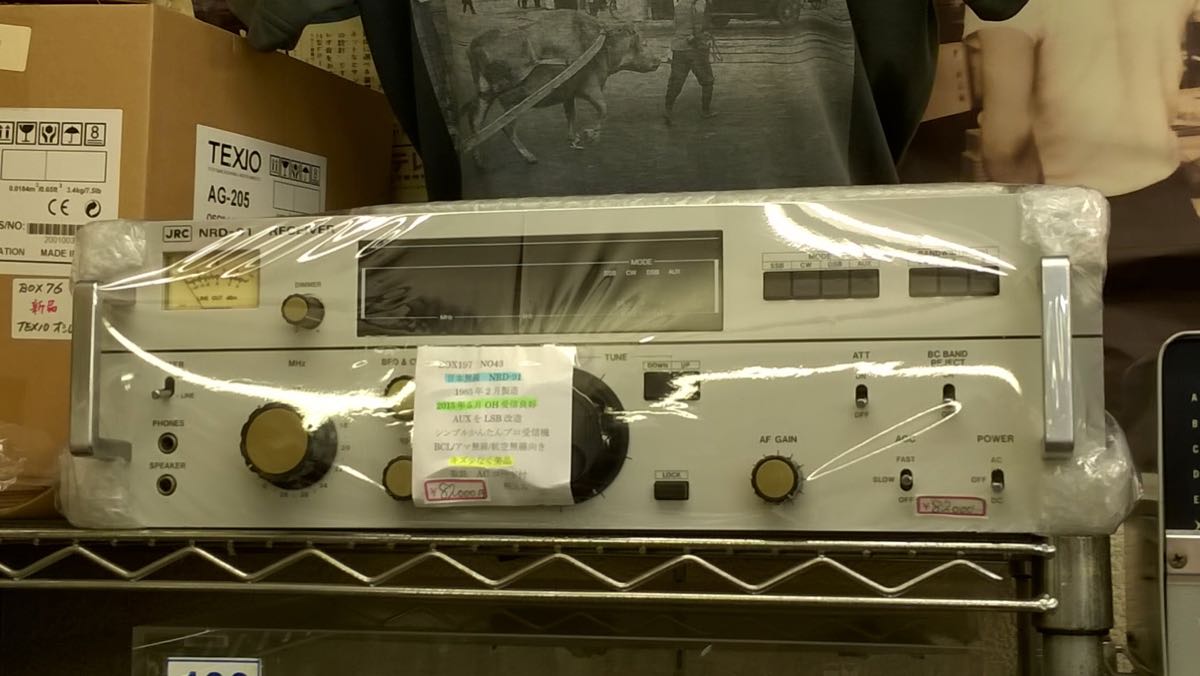
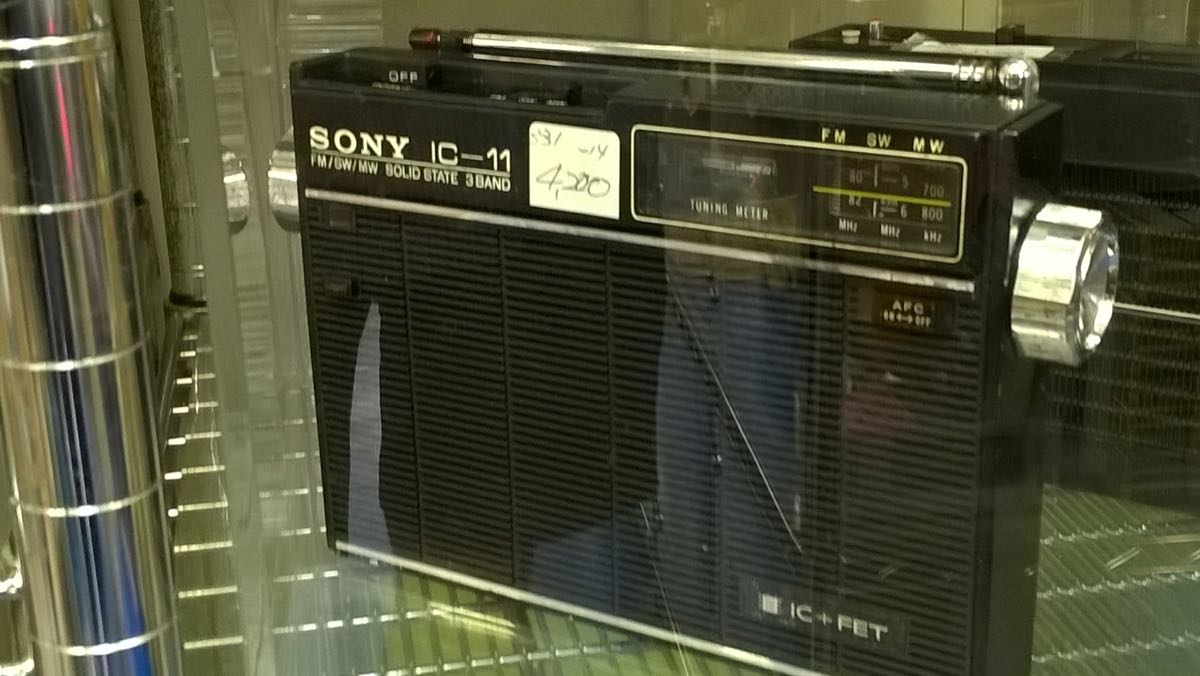
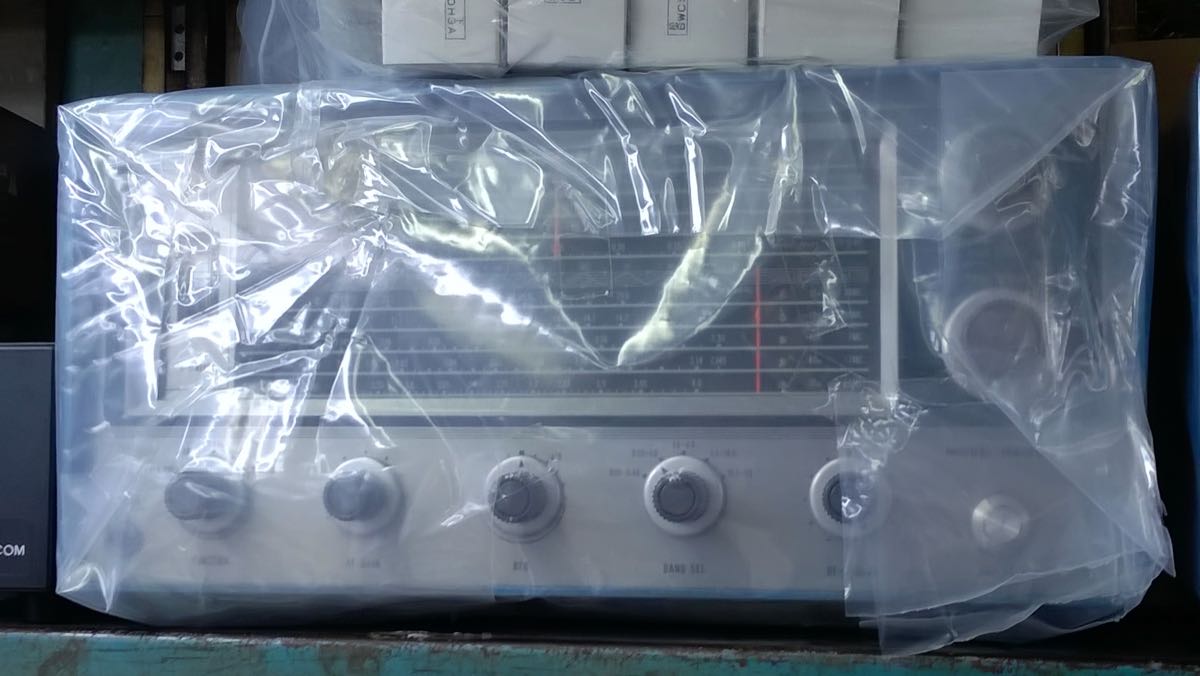
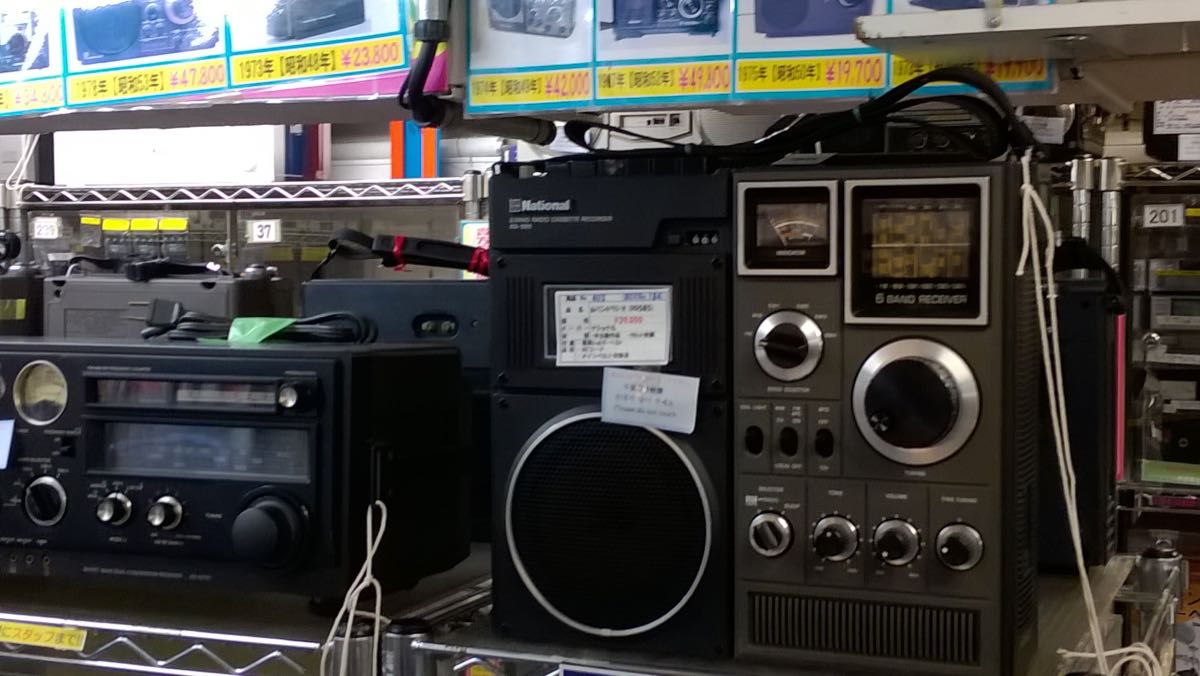
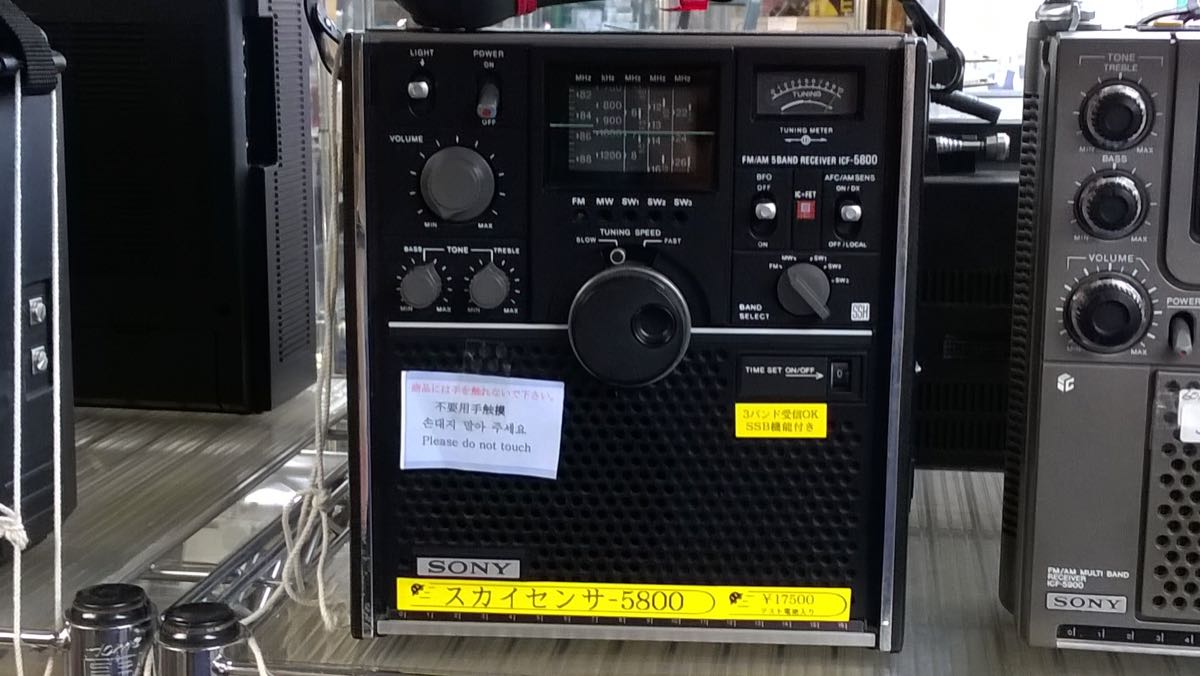
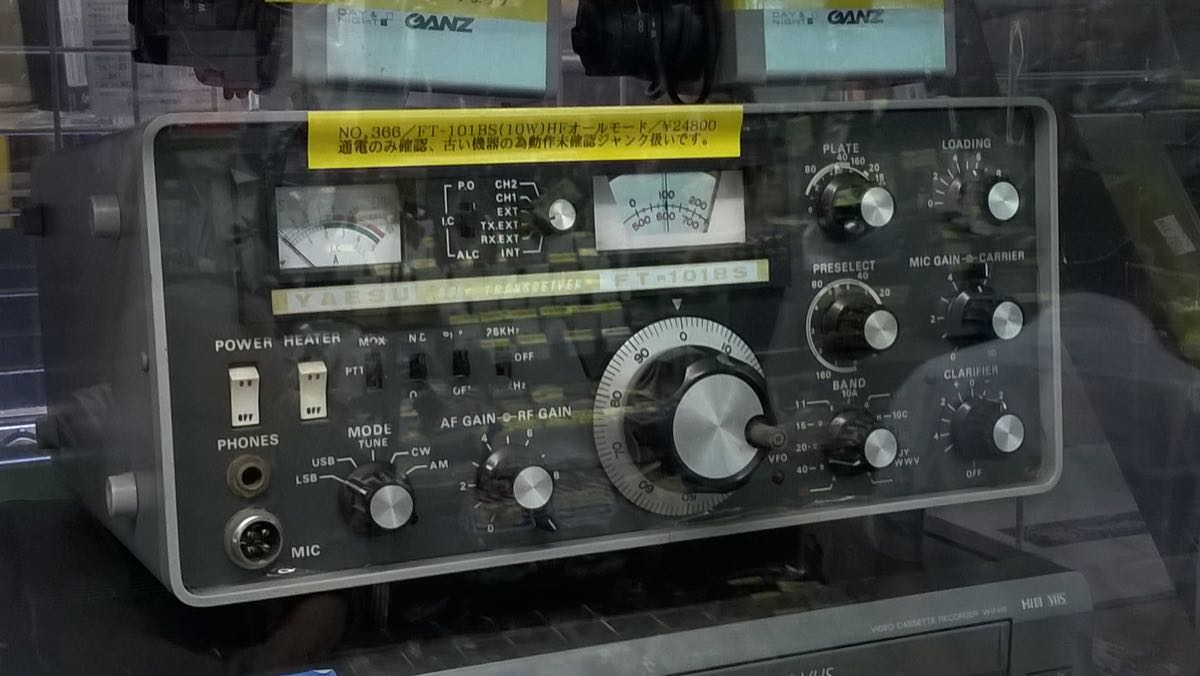
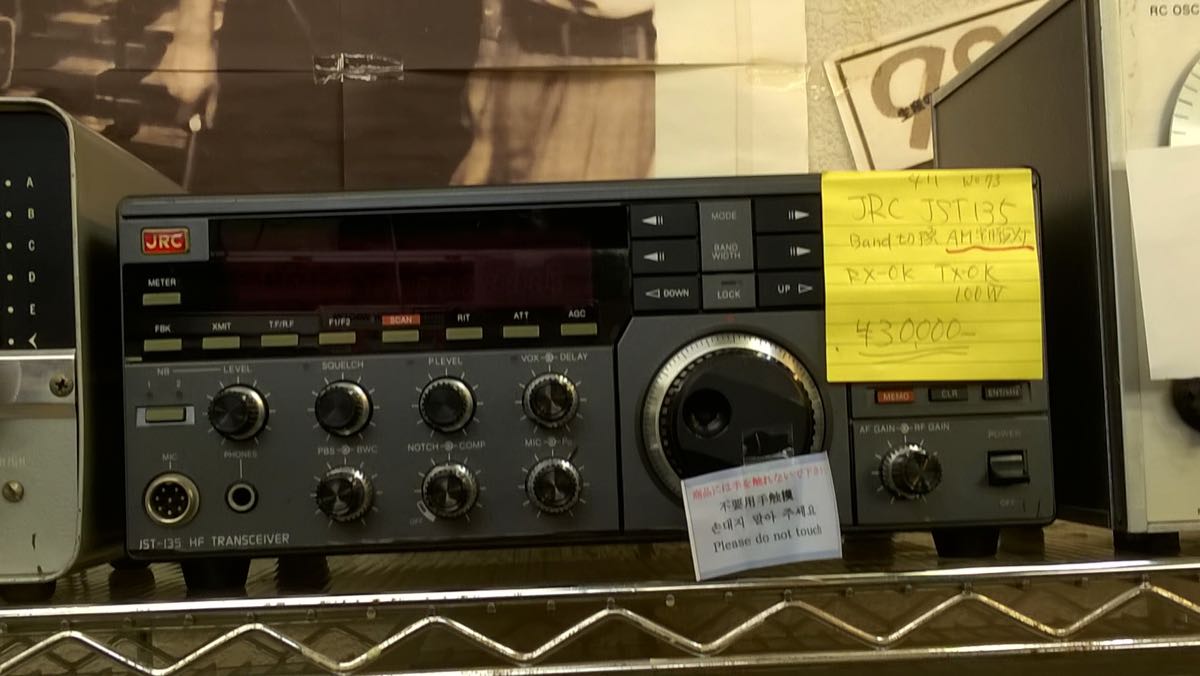
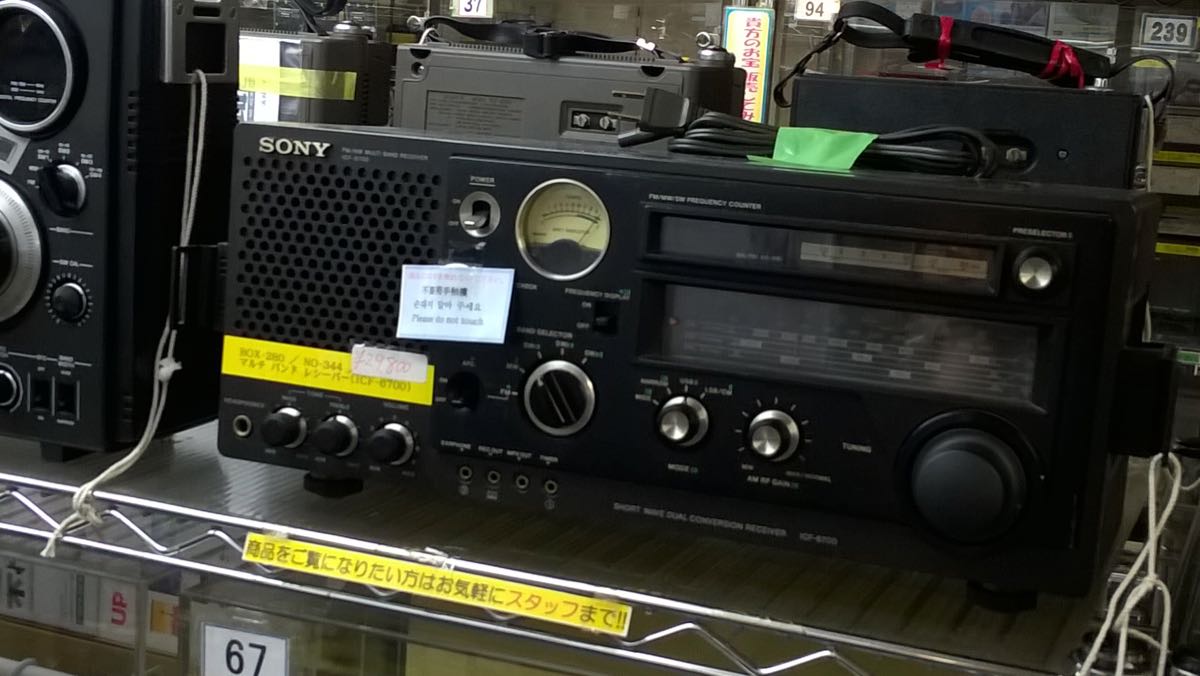
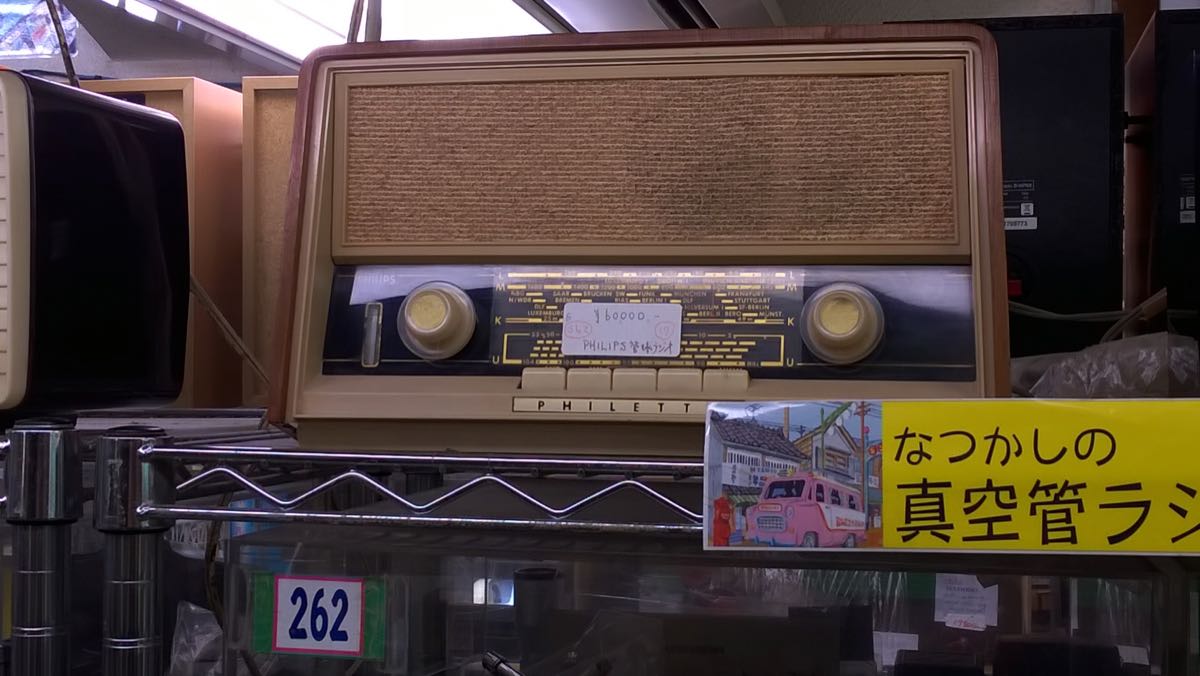
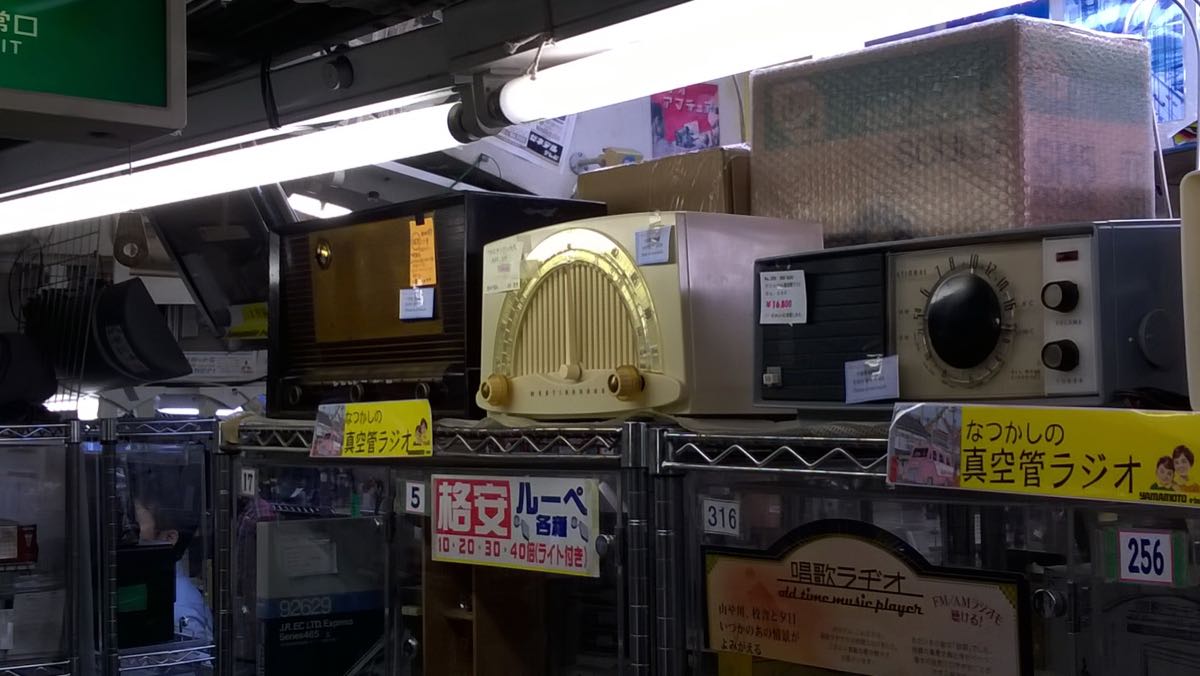
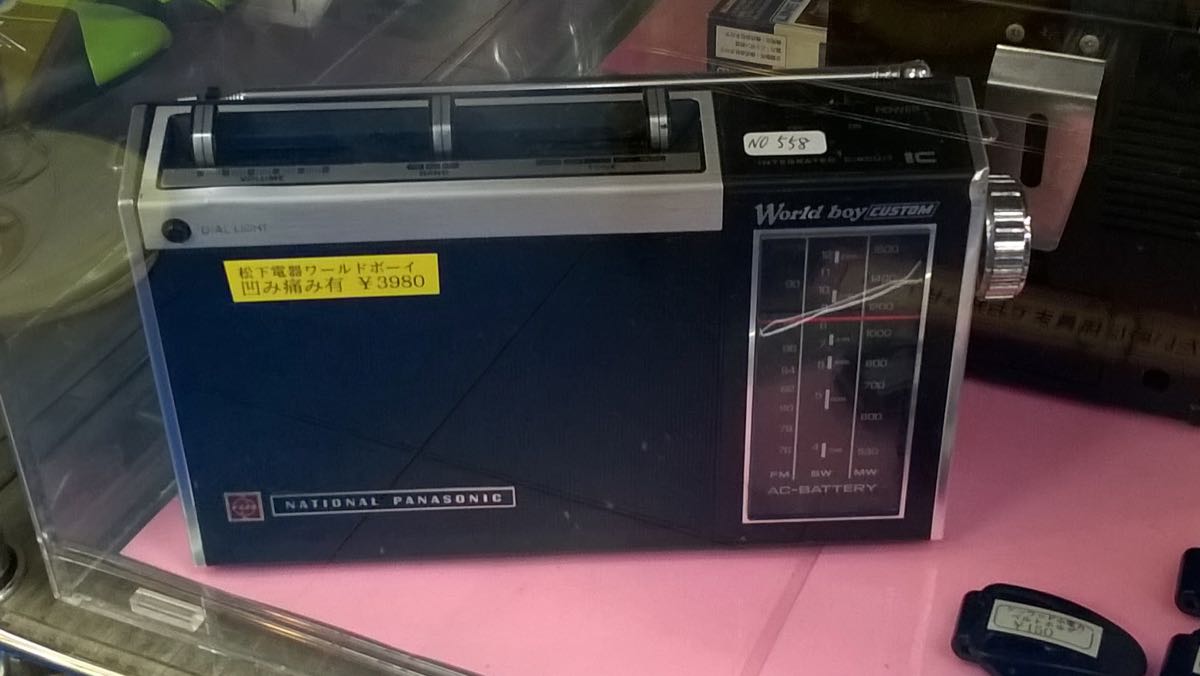
As I ventured up the narrow stairs to the floors above once again I felt like I found a treasure of gold, before me were shelves and displays crammed full of radios, some I haven’t seen in many years and some from the recent past .
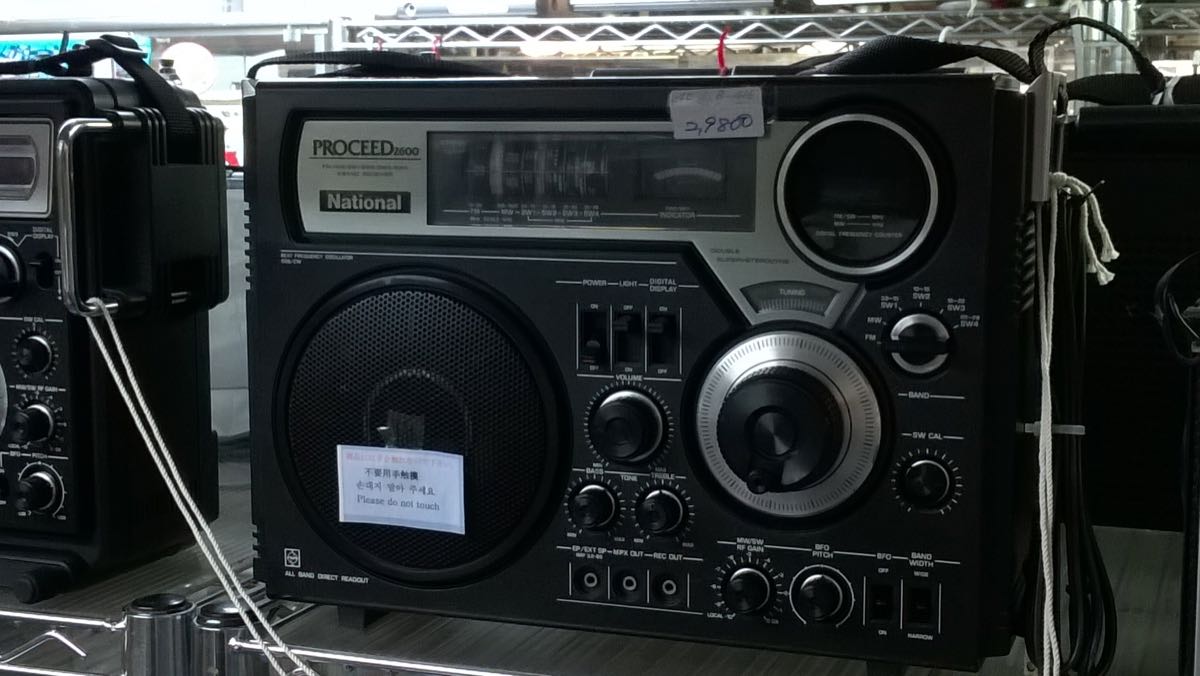
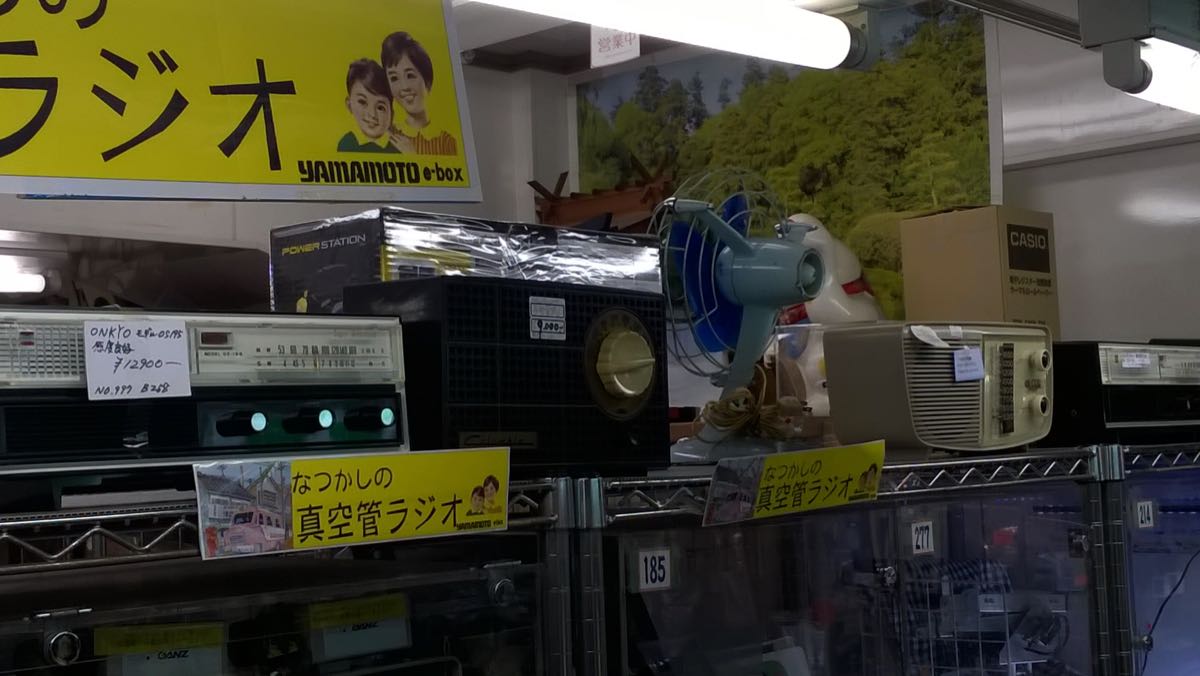
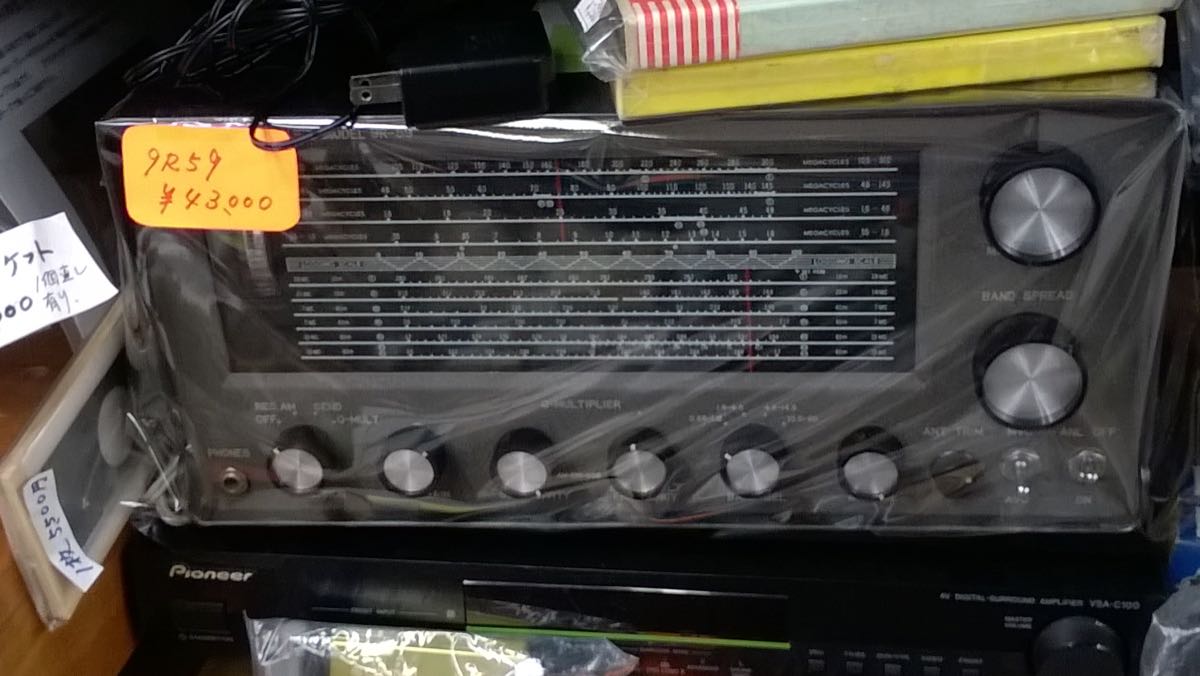
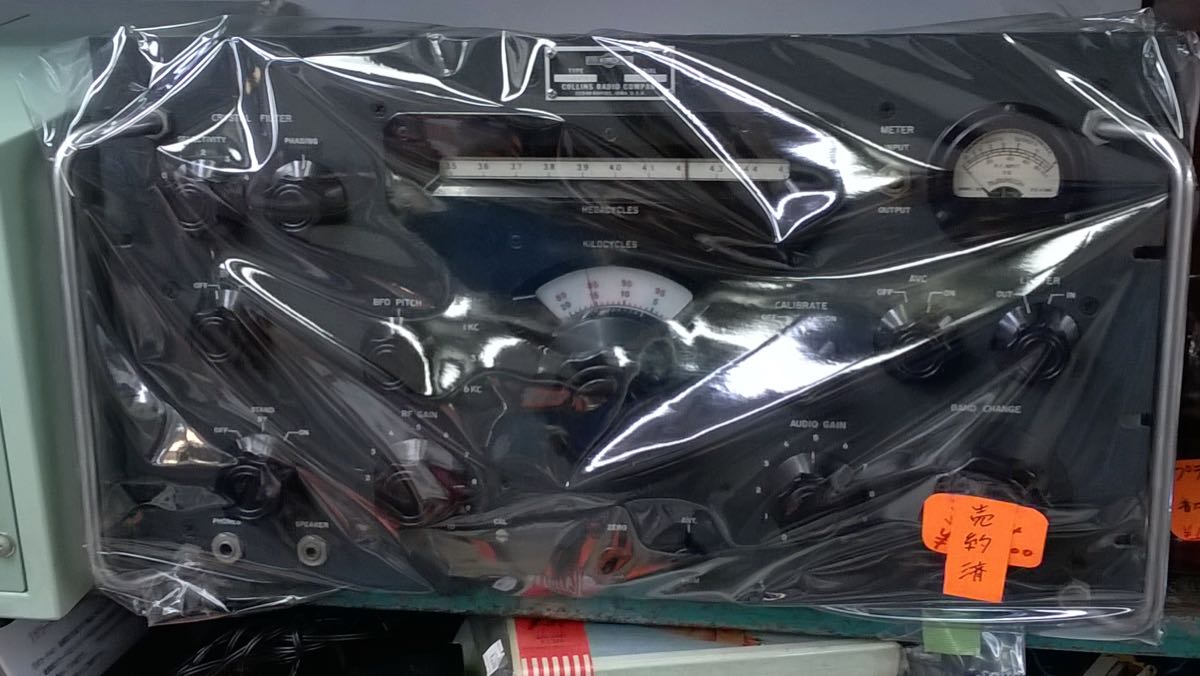
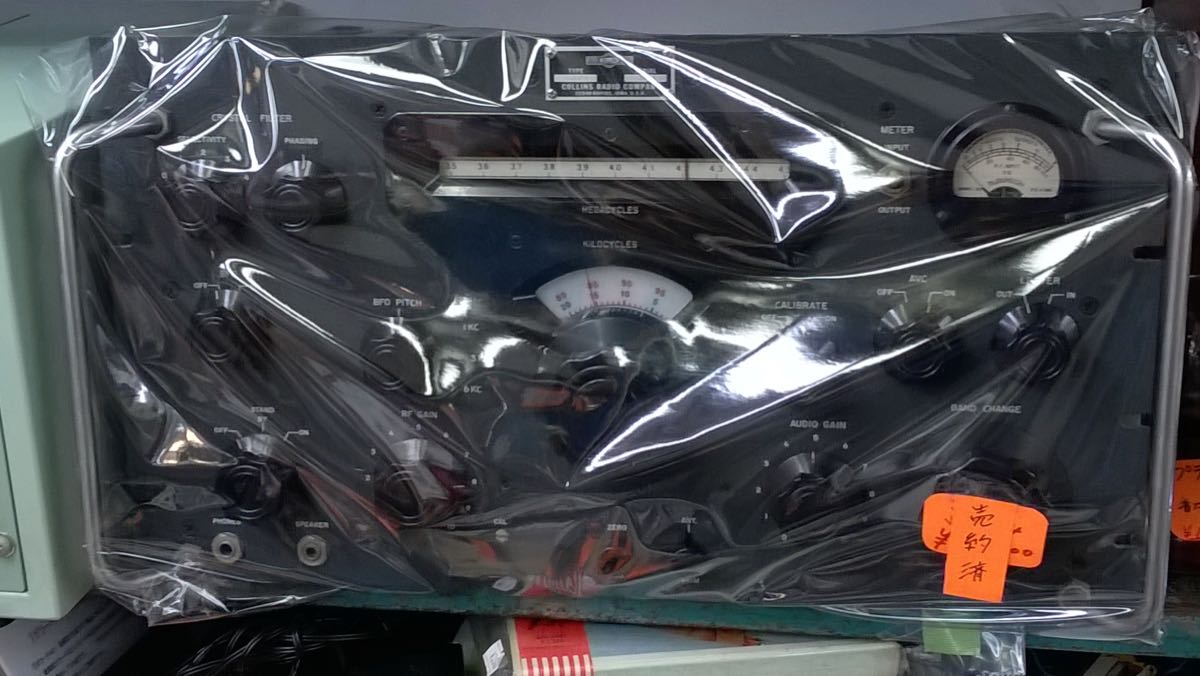
This was like a Hamfest and eBay together under one roof. Truly incredible as you will see in the pictures below. I couldn’t get close to some of the ones wrapped in plastic but maybe a sharp eyed enthusiast can Identify them. I highly recommend anyone traveling to this part of Asia to check out this hidden gem you will not be disappointed.
Thank you so much for sharing this photo tour, Chris! I mean…WOW! There are so many radio gems here. I see some classic solid-state receivers, ham radio transceivers and even valve gear I’ve never seen before. Amazing!
Thank you for taking the time to share your tour of the Akihabara district of Tokyo!
Post readers:Please comment if you’ve ever visited the Akihabara district or any other “Radio Row” districts in the world. please consider sharing your photos!