Category Archives: Nostalgia

Soviet Era Radio: Dennis reviews the Shoroh R-326 receiver

Many thanks to SWLing Post contributor, Dennis Kalinichenko, who shares the following review:

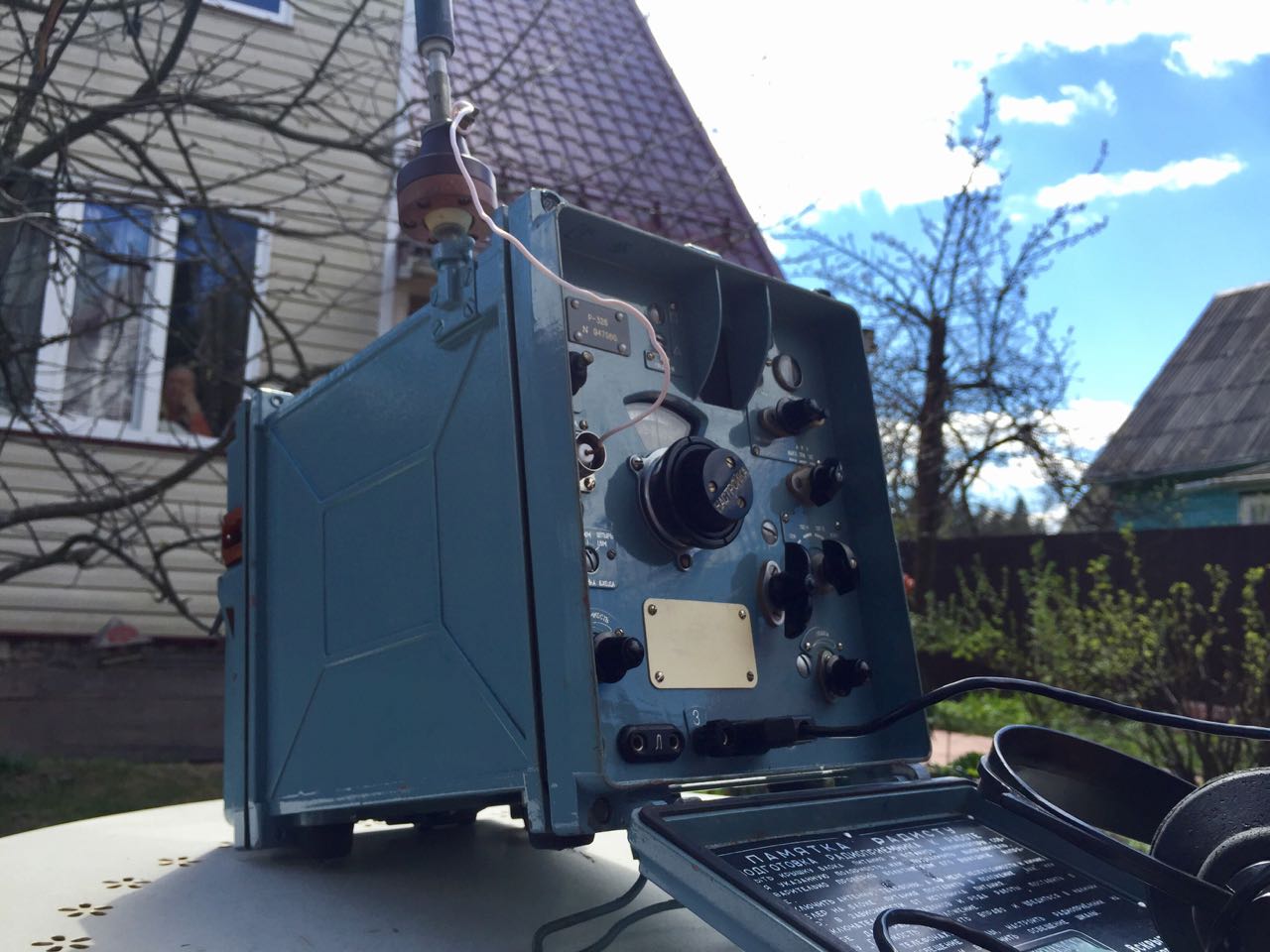
The Shoroh R-326 military radio

by Dennis Kalinichenko

I believe the piece of Soviet military equipment I recently bought to my collection would be interesting to all readers and contributors.

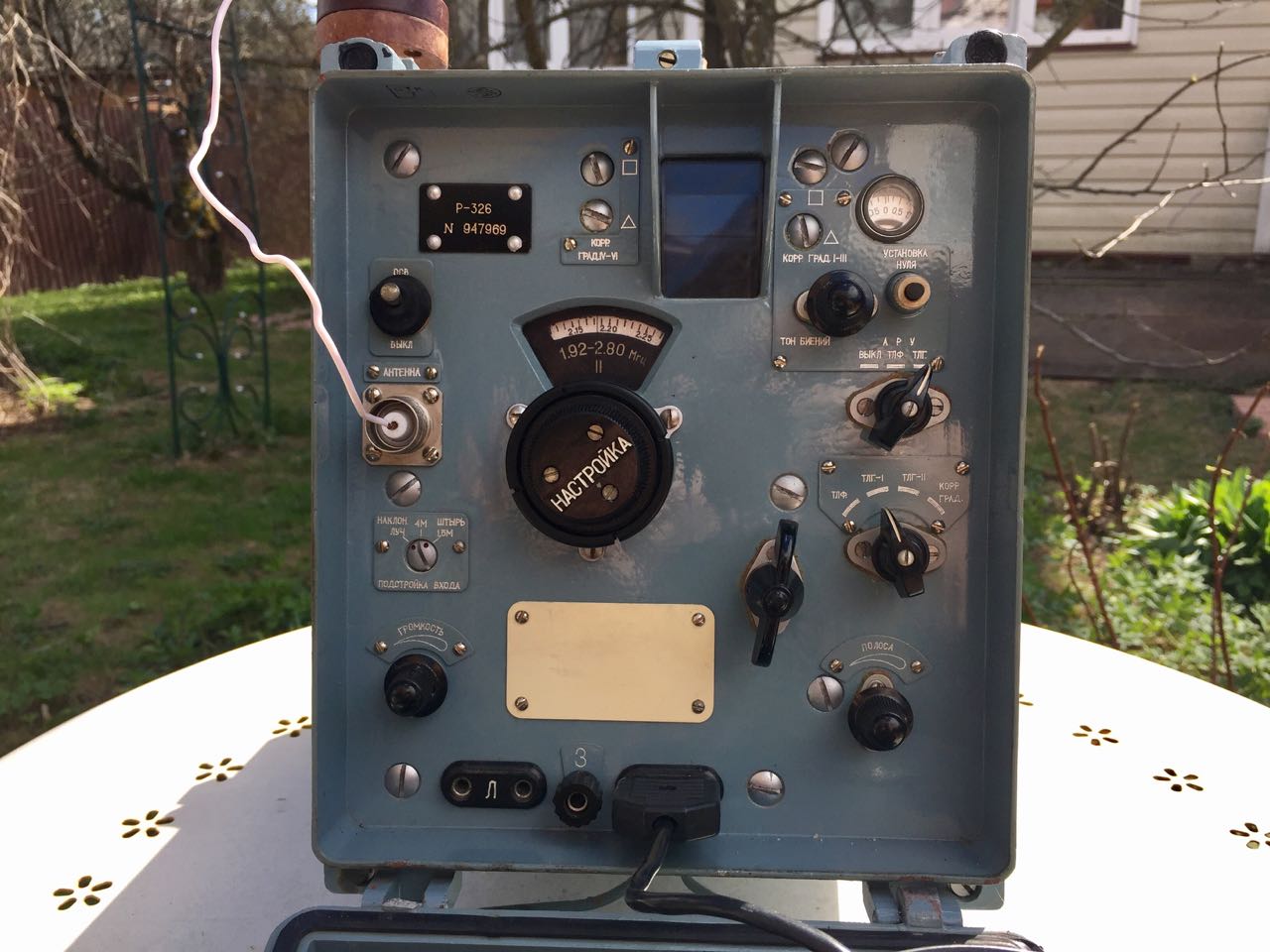
This is the R-326 “Shoroh” (“Rustle”) general coverage military tube shortwave radio receiver. These were produced decades ago, back in 1963. These portable receivers were in active military use in the Soviet Army until the early 2000s, when the R-326 was finally discontinued . Today, this set is no more a spy secret, but a great collector’s item and also a good receiver for home use.
My set cost me about $150 US, which is rather expensive for this radio. The R-326 was plentiful in the local market in 90-s, right after the fall of the Soviet Union, very cheap and popular between radio amateurs, but nowadays this radio has become more and more rare, so the price rises up.
My R-326 arrived from Khabarovsk city, the Russian Far East, where, I believe, for many years it was on duty in some of the Soviet radio intelligence and defense forces division.
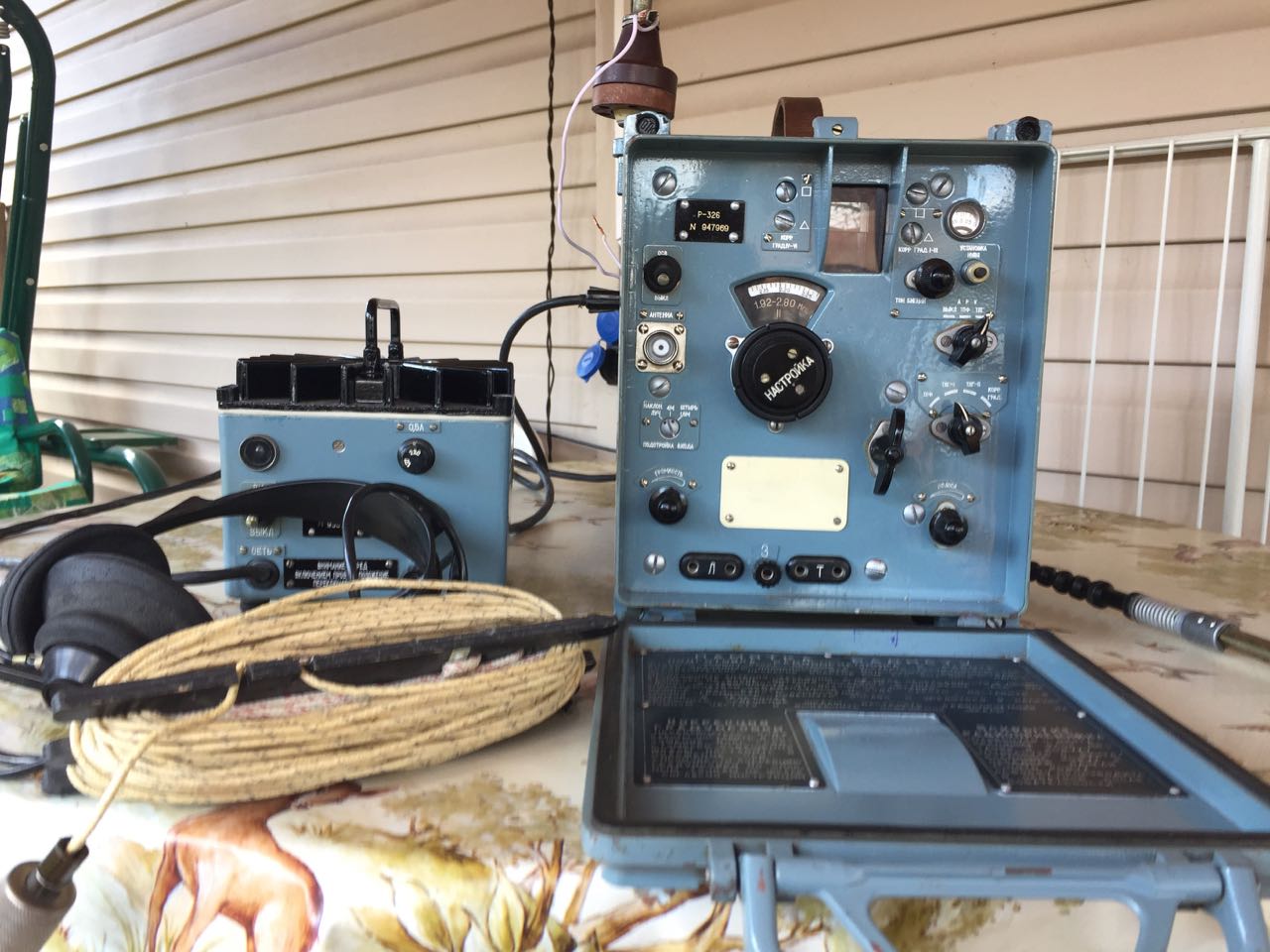
The set includes the radio itself, original military 100 ohm headphones, original rectifier box for 2,5 V output, 12 meter long wire antenna on a reel, the 1,5 meter famous “Kulikov” mini-whip antenna, the isolator for placing it on top of the radio and some minor accessories.
Originally, the R-326 radio came with two batteries–1,25 V each–for field use, but mine are totally drained and need to be serviced, so I haven’t used them so far.
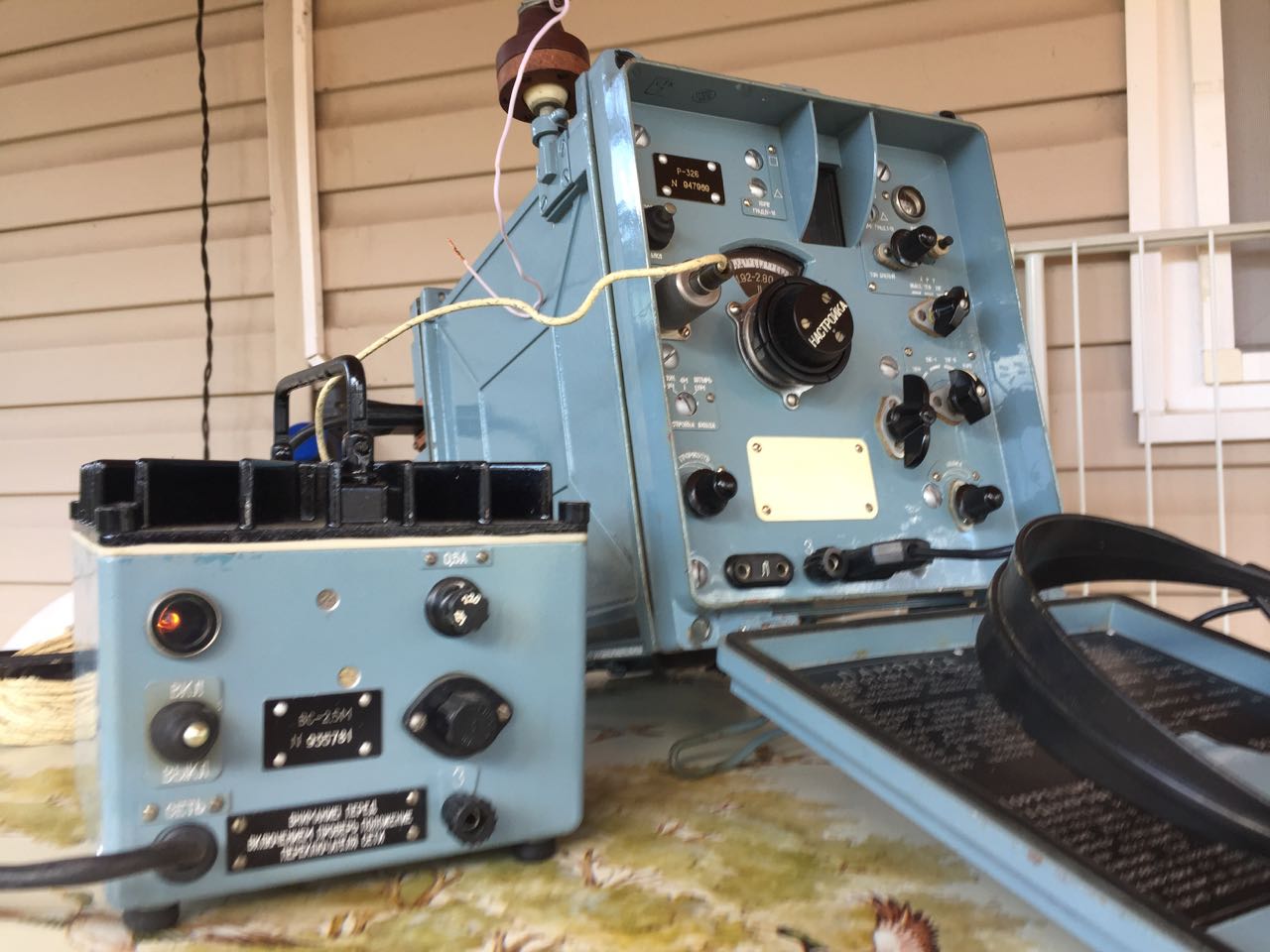
The radio is a light-weight, only 33 lbs, which is a real minimum for Soviet military equipment–the famous R-250 radio’s weight is up to 220 lbs–so, in comparison, this unit is really portable. You can easily put it in your car using the attached leather handle and take it with you on a weekend trip. No other military radio can be so “travel-friendly”; this is one of the reasons it was so popular in the ham radio and SWL communities.
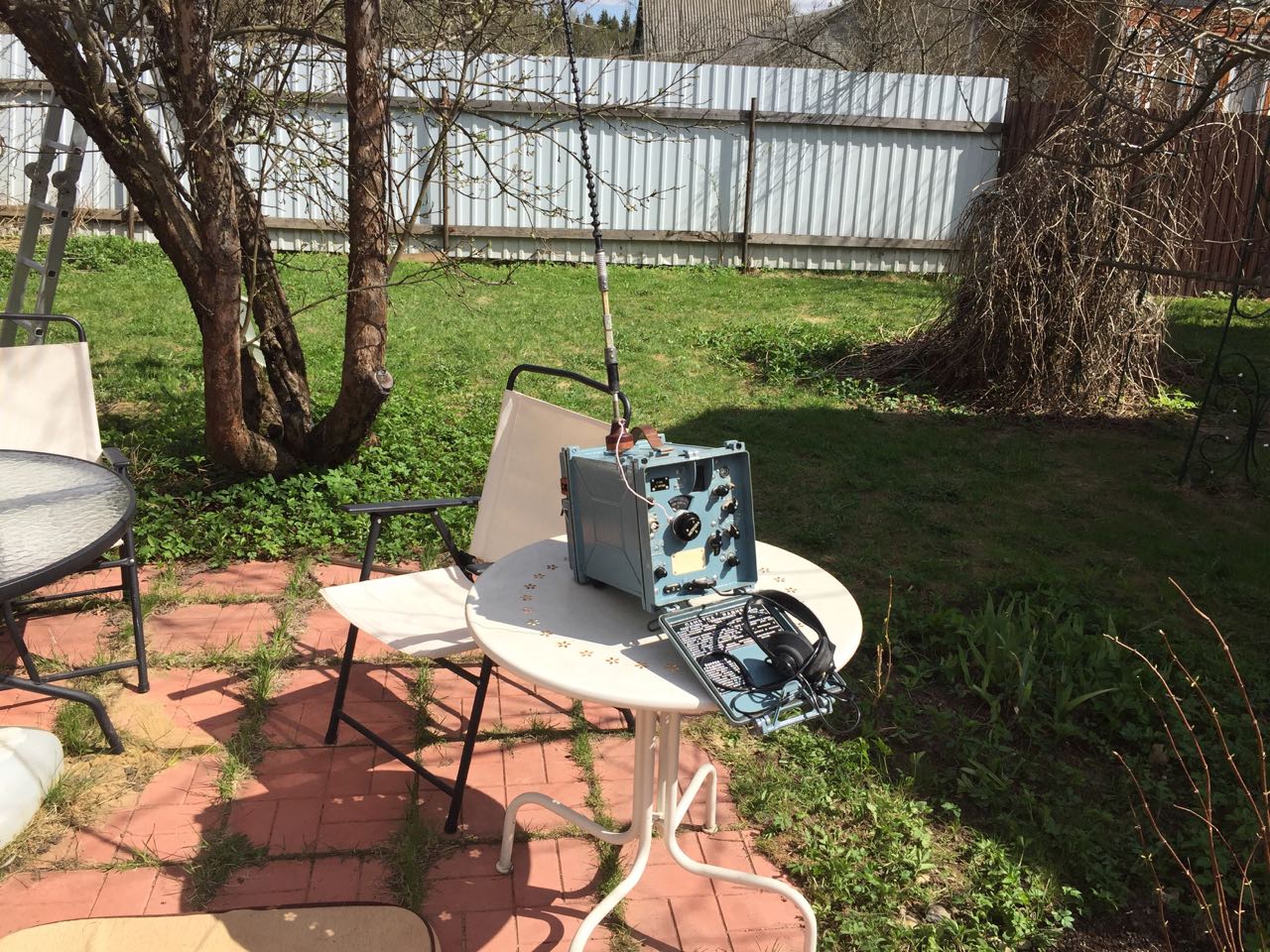
The case is made out of steel and looks so solid you may want to use it as a nutcracker. And you can! In no way could you harm the box constructed to resist nuclear attacks. It is waterproof and sealed–so I can be confident that no previous owner has ever tried to solder something in the guts.

The radio is a super heterodyne containing 19 (!) special mini tubes and covering 6 SW bands, from 1 to 20 MHz. It works in both AM and SSB (CW) modes, having an on-board adjustable bandwidth control from 300 Hz to 6 kHz.
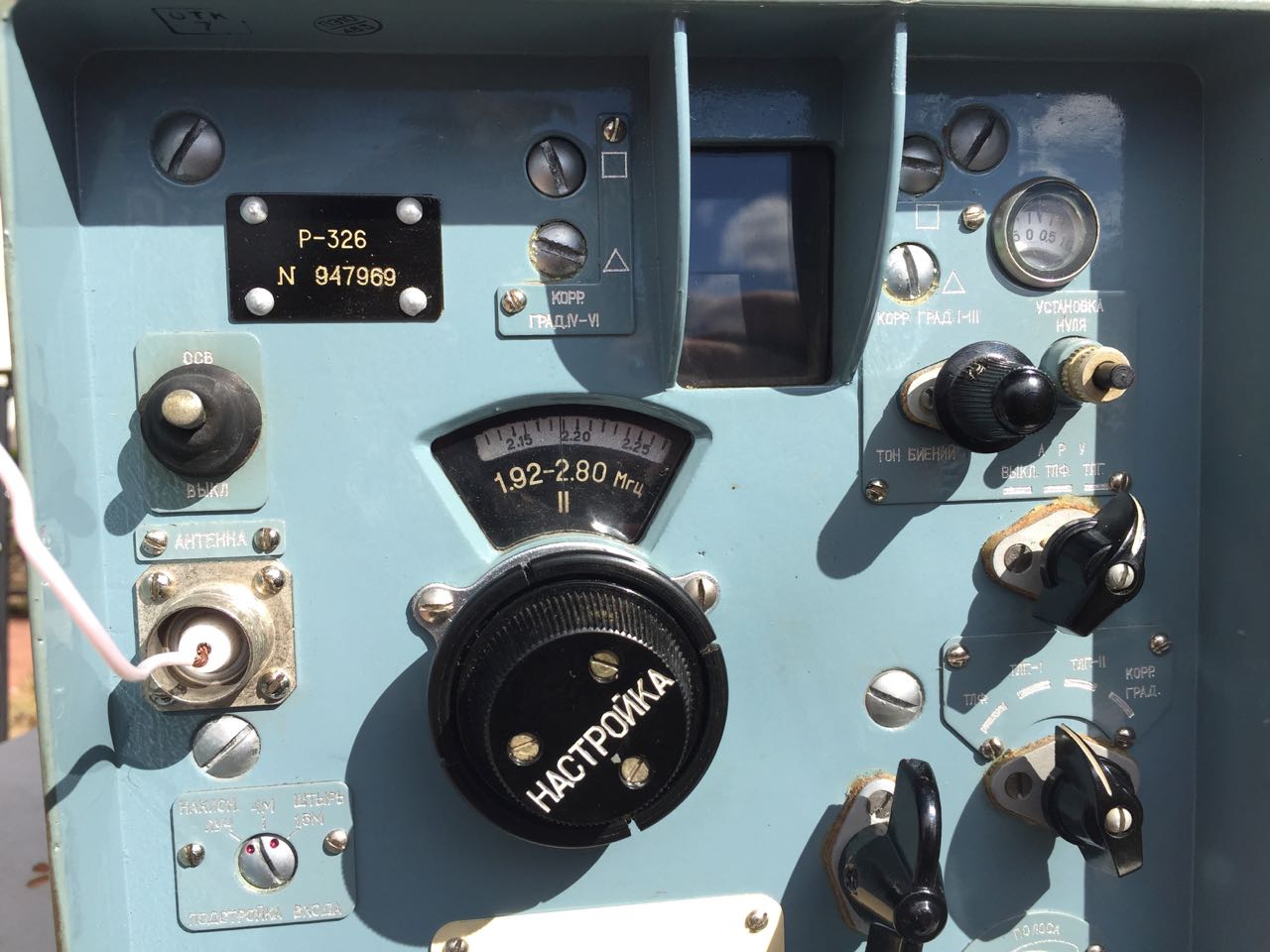
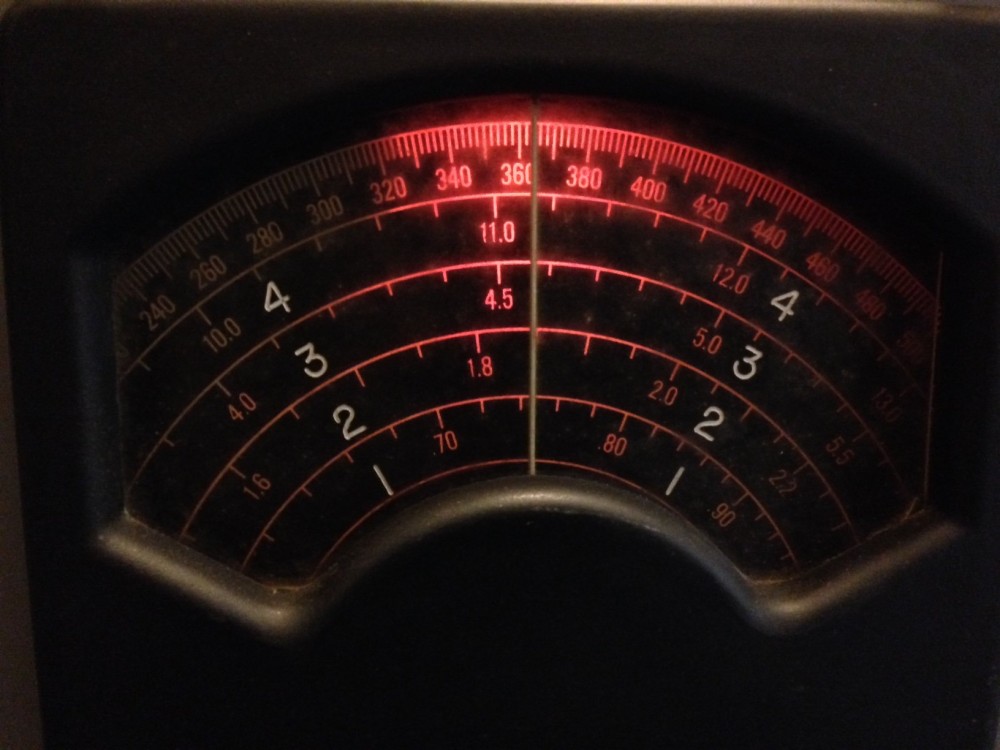
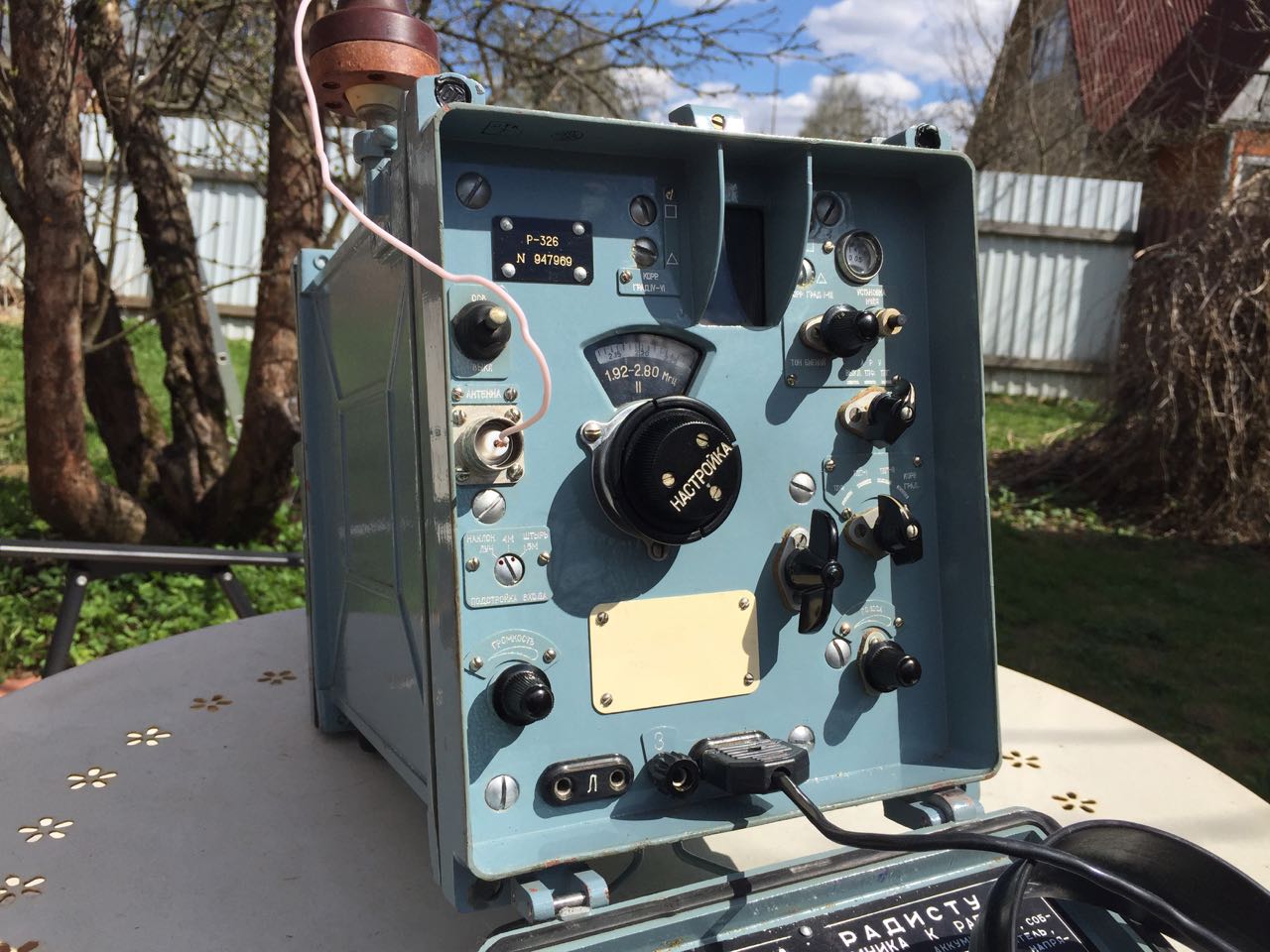
On the front panel, there are two scales: one is rough/coarse, and above is the precise one, a so-called photoscale, which may be adjusted to match real radio-frequency using the four screws near the sun protection visor. With this scale, you don’t actually need a digital readout. It also has a BFO control with a zero setting, adjustable AGC levels for AM and CW, and adjusting screw for matching the antenna input, as marked for 12 m long wire, 1,5 m and 4 m whip.
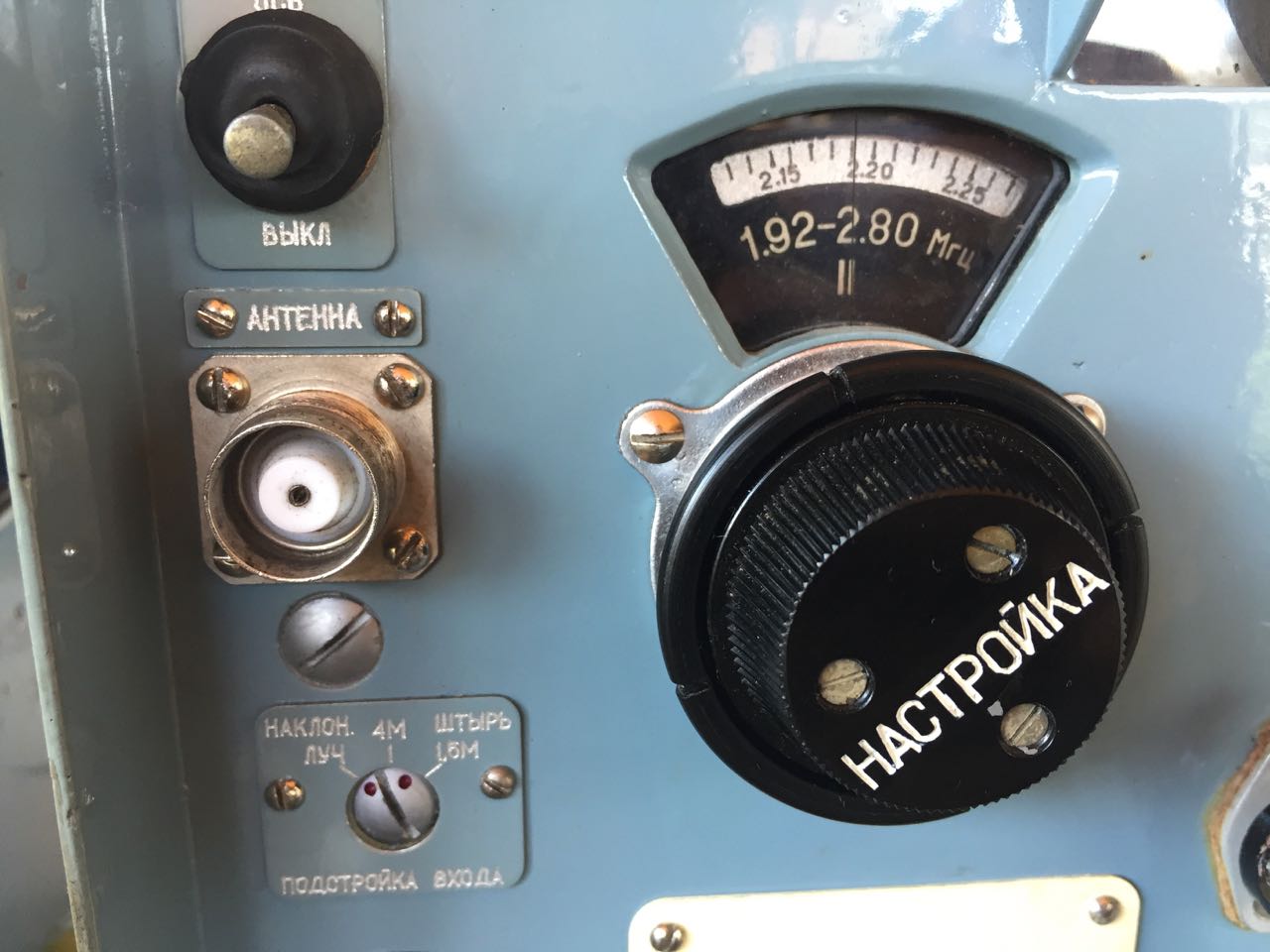
The radio has no built-in speaker. Instead, there are two output sockets on the front panel, for 100 ohm headphones and 600 ohm line-out.

The power consumption is very low for s tube radio, the rig needs only 1,4 A at 2.5 volts DC (including the lightscale). I use the original power transformer (transistor rectifier) and therefore switch the unit into the 220 AC outlet.
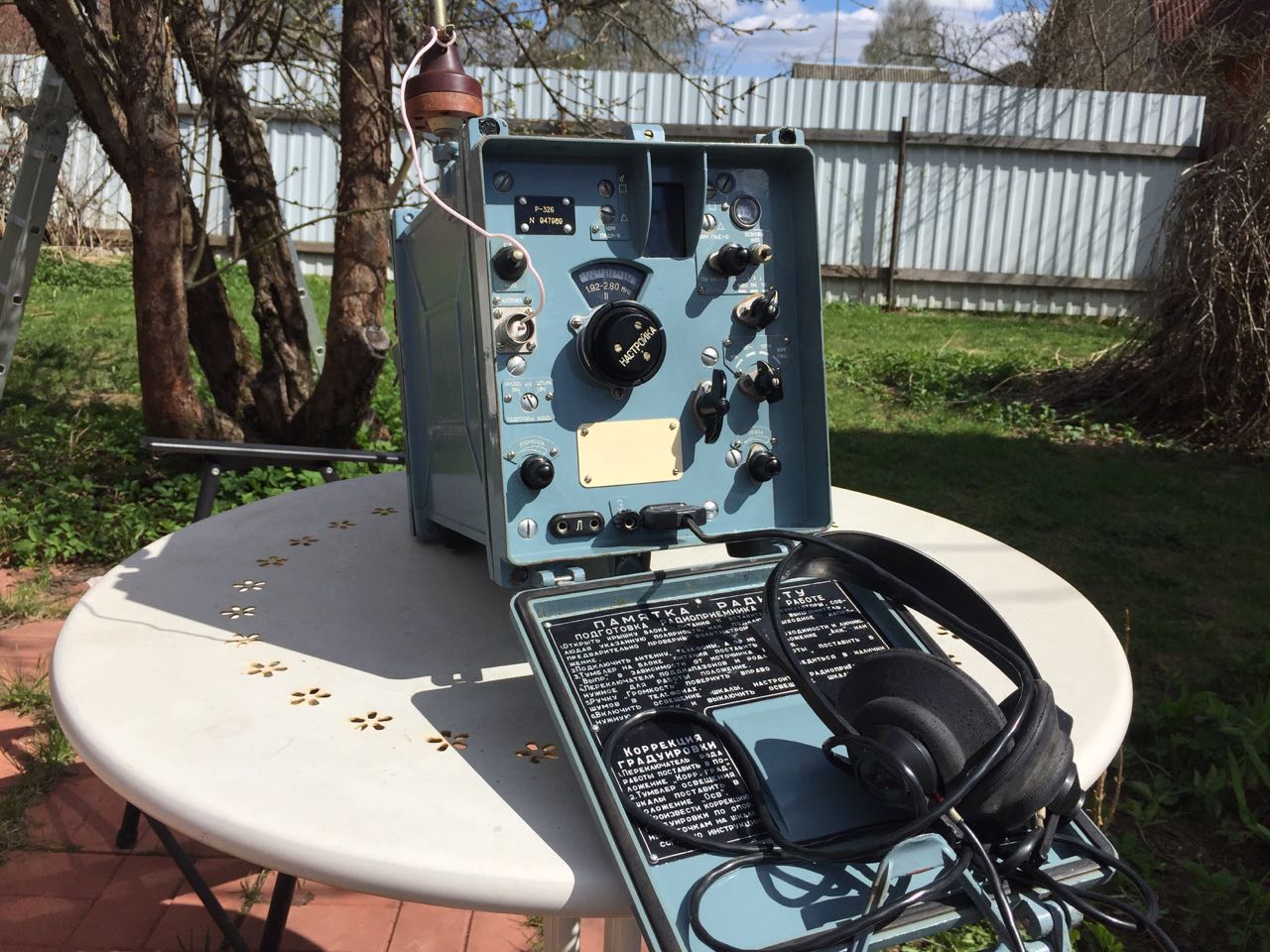
The sensitivity of the radio is extremely high and equals some modern transceivers. The selectivity is also impressive. No doubt it was really great for 1960s. But there’s negative side as well: the radio easily overloads even from the outdoor long wire antennas. The best fit is the “Kulikov” mini-whip that you can see in the photos.
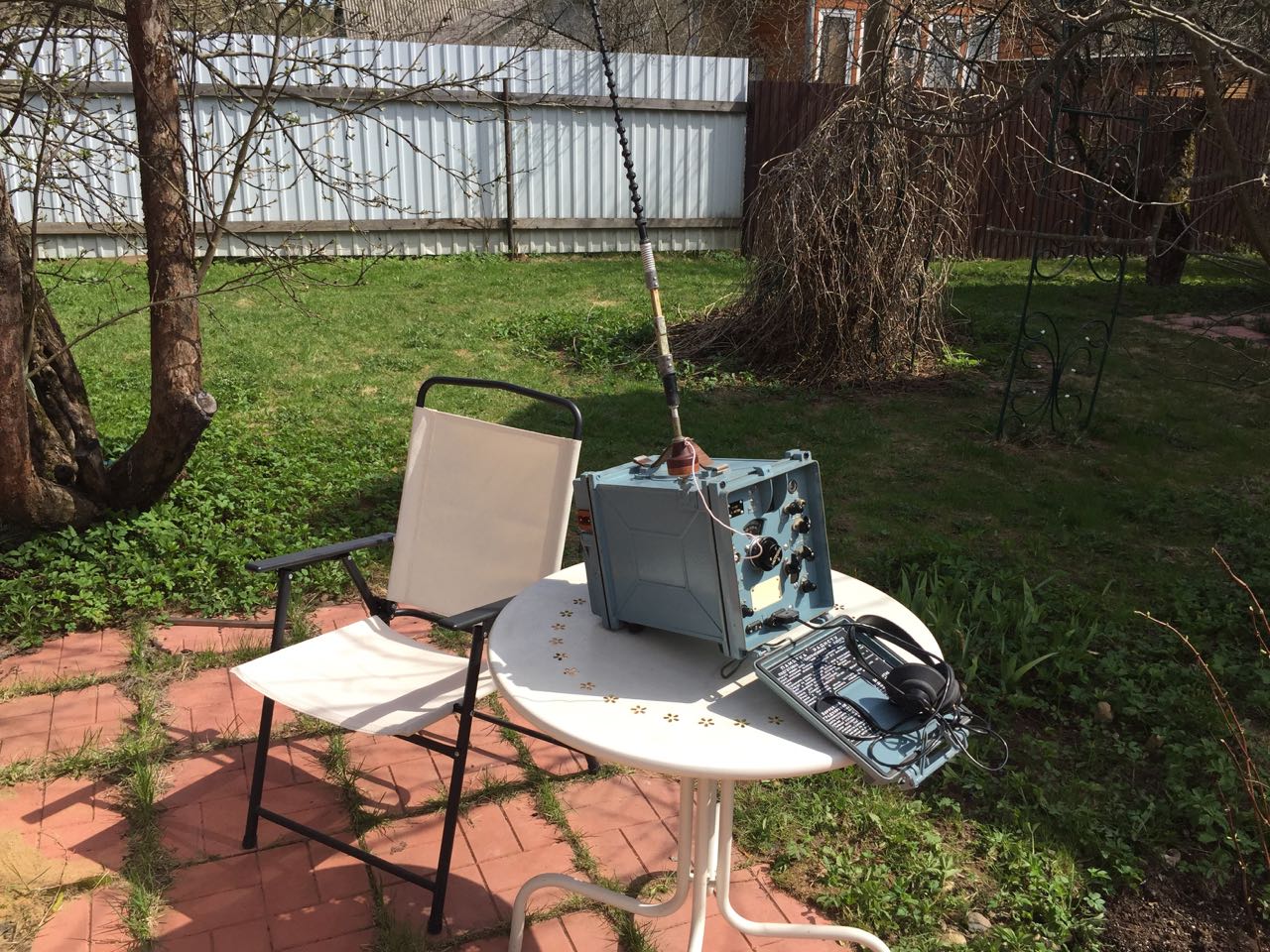
When you switch on the radio, you hear noise, the level of which seems high, so you lower the volume down. Yes, the radio is sensitive and a bit noisy. But thanks to the tubes it sounds really amazing in the headphones. The SSB ham operator’s voice is warm and very clear.
The tuning is very smooth, being actually 2-speed: outer wheel is for fast tuning, inner wheel for precise tune.
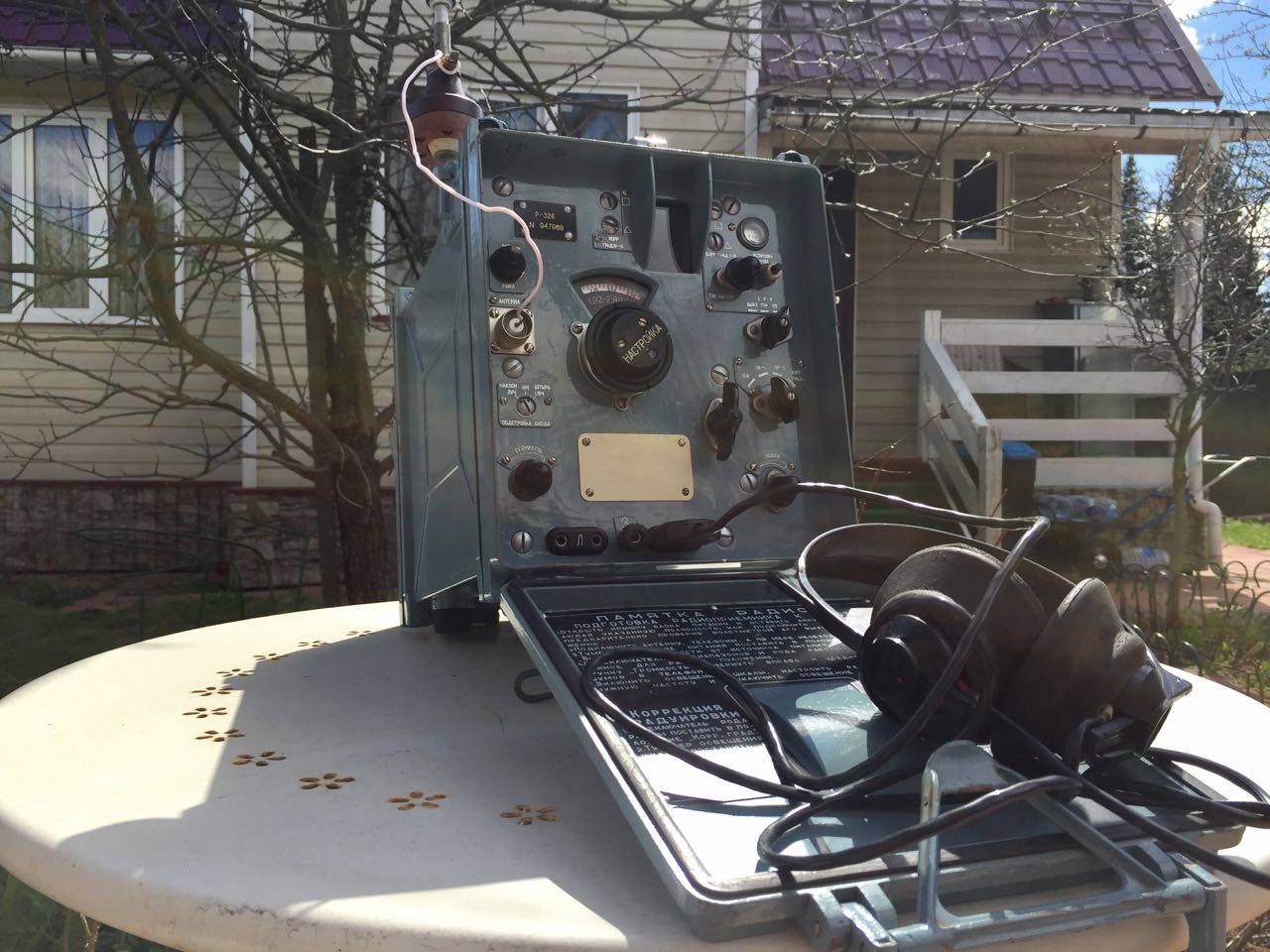
It’s absolutely obvious that nowadays a simple Degen or Tecsun may be more useful than this old and heavy unit with big and tough knobs and switches. But what a pleasure sitting in front of this perfect tube radio at night, with the headphones on, turning the huge tuning wheels, looking into the moving dim scale, listening into distant voices and rustles, feeling yourself a Cold War times operator near the rig.

Isn’t this experience priceless?

Indeed the experience is priceless, Dennis! Better yet, your R-326 now has an owner that will keep it in working order and enjoy it on a regular basis. I personally believe keeping these vintage rigs on the air is one way to preserve, and experience first hand, a little of our collective radio history.

Thank you so much for sharing your review and excellent photos of the R-326!

Post readers: If, like Dennis, you have a vintage radio you would like to showcase/review here on the SWLing Post, please consider submitting your story and photos. Being a huge fan of vintage radio, I truly enjoy reading through and publishing your reviews.  I know many other readers feel the same!
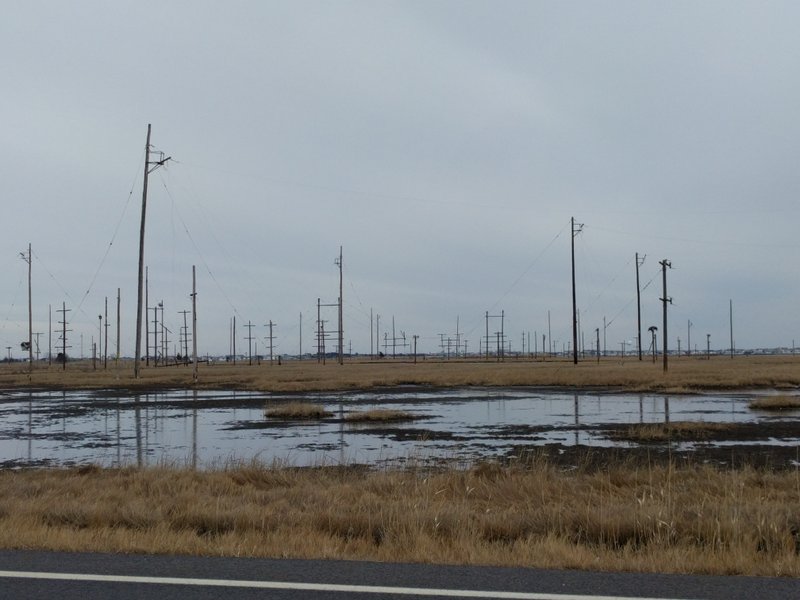
Good Luck Point poles have been removed

(Source: Micromedia Publications)

BERKELEY – A few poles, a couple new osprey nets, make up the new horizon of Good Luck Point’s marshland. Once home to hundreds of telecommunication poles that made up a ship-to-shore communication system, the poles were taken down from mid-January onward as part of a United States Fish and Wildlife Service project in the Edwin B. Forsythe Refuge which officials said focused on marshland sustainability.

The project removed several hundred poles from the old AT&T field in the marsh of Good Luck Point and scheduled 100 poles from its sister site in Manahawkin.

The long-decommissioned telecommunications poles were once part of a ship-to-shore network. The pole field is located along Bayview Drive in Berkeley and Beach Avenue in Manahawkin.

Continue reading at Micromedia Publications…

We’ve been following the story of the Good Luck Point site for serval months. Click here to read previous posts.  Be sure to check out Dennis’ photos of Good Luck Point prior to WOO remnants being removed.

Australian code breakers in World War II

Many thanks to SWLing Post contributor, Ian P, for sharing the following from the radio program, ABC Overnights:

The crucial role of Australian code breakers in World War 2

Thanks to the recent film, The Imitation Game, you may be familiar with the story of how British intelligence, led by mathematician Alan Turing, cracked Nazi codes during WW2. Did you know there were also two secret organisations in Australia working to break Japan’s military codes?

These were staffed with brilliant cryptographers, including some who had studied mathematics and the classics, and others who had lived or grown up in Japan. By patiently and carefully unravelling the codes in Japanese signals, their intelligence played a crucial role in the battles of Midway and the Coral Sea, as well as the push into the Philippines.

Trevor Chappell interviews Craig Collie, author of the book Code Breakers – Inside the Shadow world of Signals Intelligence in Australia’s two Bletchley Parks.

Duration: 36min 36sec
Broadcast: Mon 10 Apr 2017, 1:00am
Published: Mon 10 Apr 2017, 4:43pm

Listen to the full program/interview via the embedded player below:

Click here to download the MP3 or click here to listen on the ABC website.

I’ve also noted that you can pre-order Code Breakers – Inside the Shadow world of Signals Intelligence in Australia’s two Bletchley Parks at Amazon.com. There is no expected delivery time yet, however.

Code Breakers is available directly from the publisher in Australia–click here to view.

Requiem For Radio: Amanda Dawn Christie’s performance piece honoring RCI Sackville

(Source: Amanda Dawn Christie via Twitter)

(Source: CBC News)

Moncton artist bringing back sounds of former Sackville Radio-Canada towers

A Moncton artist has brought back to life the sounds of the 13 CBC Radio-Canada International shortwave towers that once stood in Sackville, N.B. on the Tantramar Marsh.

“It’s kind of like you’re conjuring ghosts of radio towers,” explained the artist Amanda Dawn Christie on Shift N.B.

Requiem For Radio: Full Quiet Flutter

The experimental sound art project Requiem For Radio: Full Quiet Flutter involves a scale model of the original towers, but a large model — about 16-metres wide, six-metres deep and five-metres tall.

Christie said the towers have red lights resembling the originals. They are made from pipes with four copper pads on each tower.

She added that when someone touches one of the copper pads, a wireless signal is sent to a computer, which then sends a sound file back to that tower of the actual, recorded sound the original tower made when it was operational. The sound is transmitted through a speaker on the model tower.

[…]But the model towers are more than something to be gazed upon and admired. They are musical instruments that Christie and two other musicians will be playing at one-hour performances on May 26 and 27 at the Aberdeen Cultural Centre in Moncton. The performances will also be broadcast on radio stations in Moncton, Montreal and New York.[…]

Continue reading at CBC News…

More radios in the movies: James Bond “Dr. No” (1962)

Many thanks to SWLing Post contributor, Bruce Fisher, who adds the following to our growing archive of radios in film. Bruce writes:

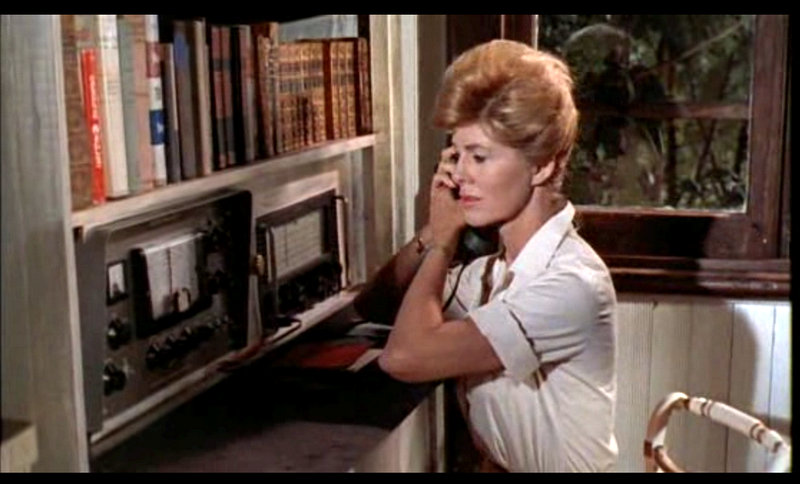
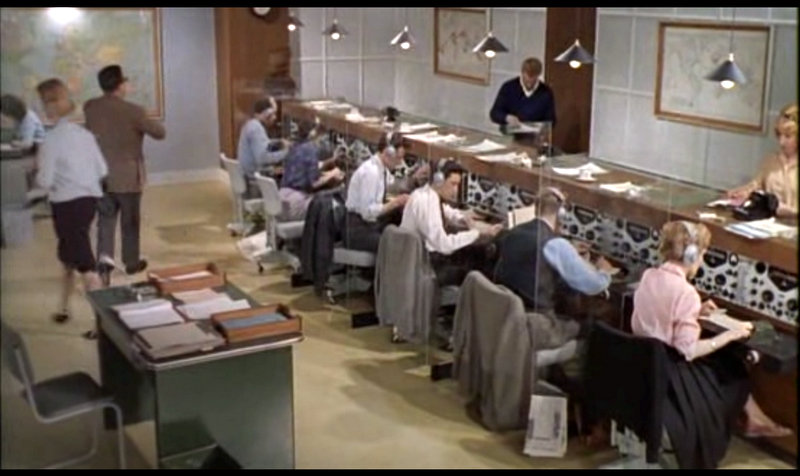
Here are three shots from the first few minutes of the 1962 James Bond
film “Dr. No”:

The second shot is a close up of the radio in the first shot. (These appear at about 4:30)

I suppose the last shot is from the BBC Monitoring Station? (about 5:30).

Thanks for sharing these screen shots, Bruce!

That looks like a K.W. Vanguard amateur transmitter in the first two photos, of course, but I can’t determine what the receiver is on the right. Can someone identify?

Video: Tour of RNW operations van and interview with Niels Zack

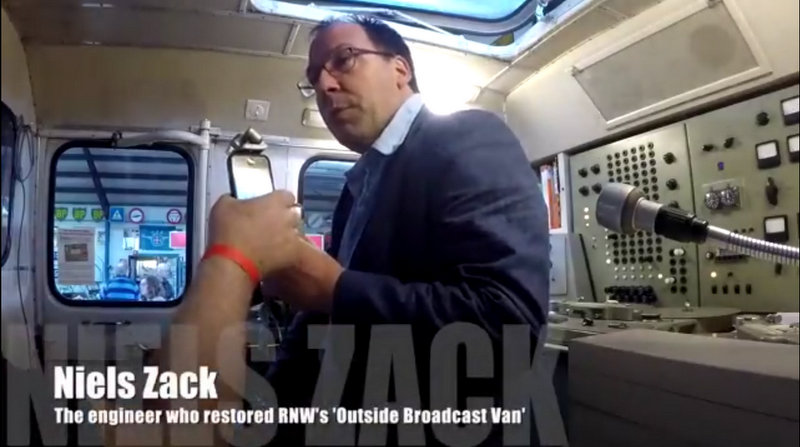
ShortwaveService has uploaded the following video (to YouTube) which features the RNW Operations Van used in the recent 70th anniversary broadcast.

The video includes a tour of the van, the setup used in the 70th anniversary broadcast and an extended interview with Niels Zack, who restored the operations van:

Click here to view on YouTube.

I listened to at least an hour of the Saturday broadcast via the U Twente WebSDR. Sadly, I just discovered the audio dropped about 2 minutes into my recording.

Post readers: Anyone else listen to, record or simply log this anniversary broadcast? Please comment!

Photos of a B-17G Radio Operator Position

I had the pleasure of visiting the Champaign Aviation Museum recently and examining their under-restoration B-17G, “Champaign Lady”. Actually, the term “under-restoration” is incorrect. In actuality, the Champaign Aviation Museum is effectively building their B-17G nearly from scratch—quite an undertaking but one that the volunteers are performing skillfully and enthusiastically.

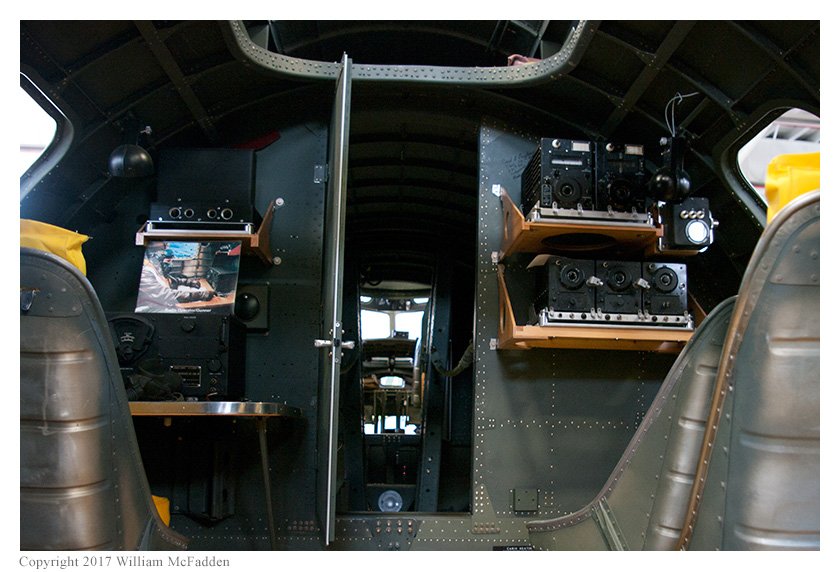
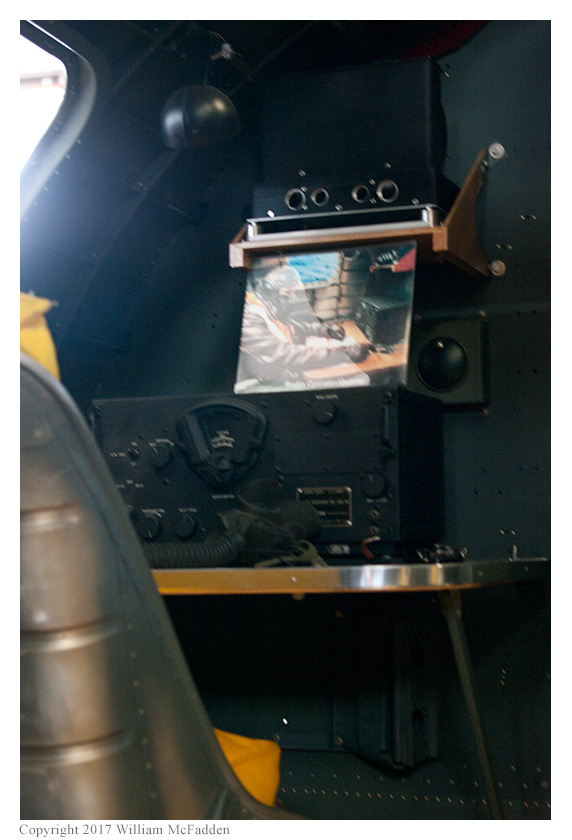
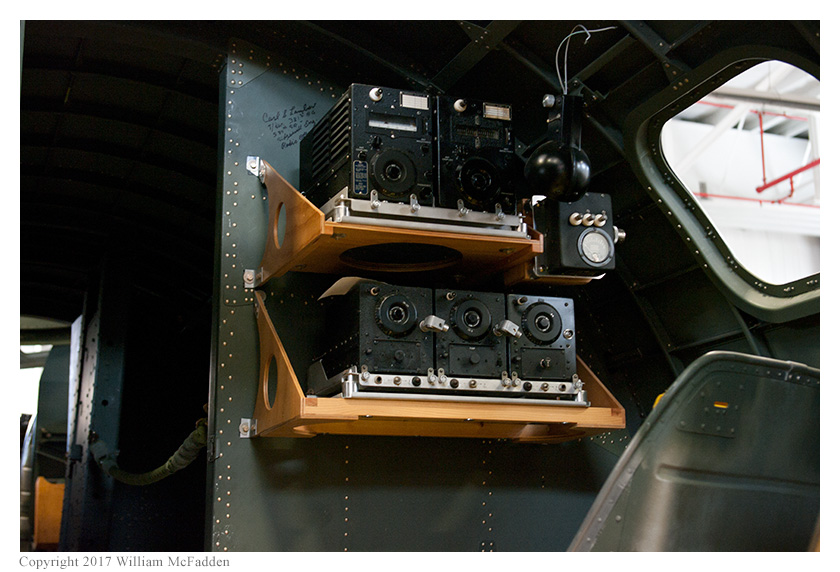
Being an amateur radio operator, shortwave listener, and would-be WWII-radio restorer, I was was pleased to see that Champaign Lady already has a nearly-complete radio-operator position installed, between the bomb-bay and the waist-gun section of the airplane. As a B-17G would have had during the war, Champaign Lady features a BC-348 liaison receiver and morse-code key mounted on a desk on the port (left) side of the bomber and a stack of AM/CW Command Set transmitters and receivers racked on the starboard (right) side of the bomber. In the photos, the top Command Set boxes are the transmitters and the bottom three Command Set boxes are the receivers. Of course, the BC-348 and the Command Set transmitters and receivers are fully tube-type, semiconductors having not yet been invented. During the war speedometer-type cables would connect the Command Set receivers to controls in the cockpit, allowing the pilot and co-pilot to control the Command Set receiver frequencies; electrical cables would have carried the receivers’ audio to the pilot and co-pilot and would have allowed them to change volume-level. The radio operator could transmit using the Command Set transmitters and could also switch the pilot or co-pilot intercom microphones to any of the Command Set transmitters to allow the pilot or co-pilot to broadcast to other bombers in the formation.

"Champaign Lady" radio operator position

B-17G “Champaign Lady” radio operator position; BC-348 liaison receiver on the port (left) side and Command Set transmitters and receivers on the starboard (right) side.

"Champaign Lady" BC-348 receiver

B-17G “Champaign Lady” BC-348 liaison receiver and morse-code key.

"Champaign Lady" Command Set transmitters and receivers

B-17G “Champaign Lady” Command Set transmitters and receivers on the starboard side of the radio room

During the war, the B-17G radio operator was an enlisted man, typically a sergeant or higher in rank. If in an earlier version of the B-17G, the radio operator was also responsible for manning a .50 caliber machine gun located in his section of the airplane. In all versions of the B-17G, the radio operator assisted the navigator by providing position reports based on radio fixes of beacons or radio stations. Additional information about the role of the B-17G radio operator can be found on the B-17 Queen of the Sky website.

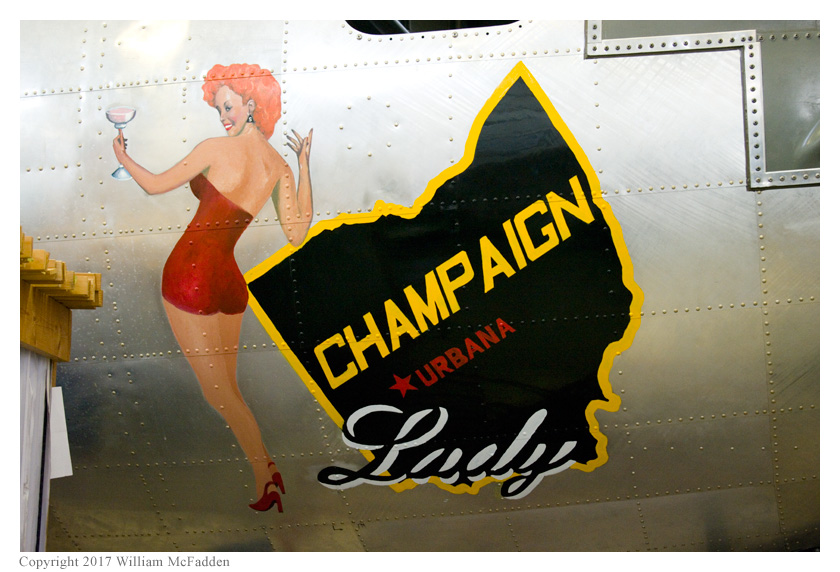
And, for those interested, here is what Champaign Lady’s nose-art looks like:

B-17G "Champaign Lady" nose-art

B-17G “Champaign Lady” nose-art, starboard side; the port side features a mirror-image version of the same design

The Champaign Aviation Museum has a beautifully restored B-25J, “Champaign Gal”, in flying condition. Unfortunately, I’ve not been able to see if Champaign Gal features a restored radio operator position.

I have a BC-224, which is the 12-volt version of the BC-348 liaison receiver to put back into service as well as a BC-696A Command Set transmitter that I hope to eventually put back onto the air in the 80-meter amateur band. It would be wonderful if I had a B-17G in which to install these items—or even just room to build a replica B-17G radio operator position!

73,

Eric McFadden, WD8RIF
http://wd8rif.com/radio.htm