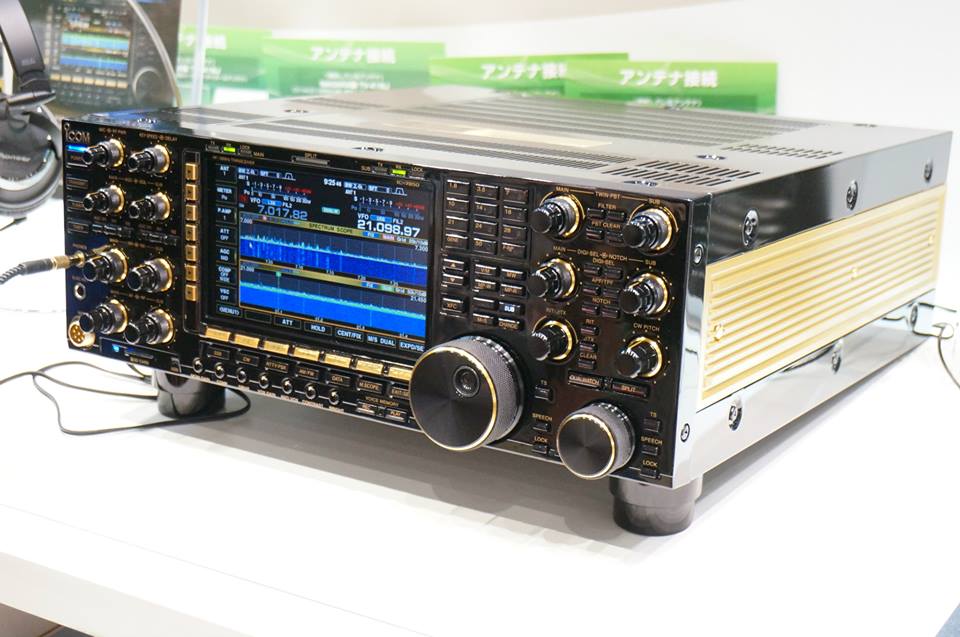
Many thanks to Dave (N9EWO) for compiling news on the newly introduced SDR TRX-305 SSB 5 Watt Transceiver modular kit, AOR AR-DV1 Digital Voice Receiver, Yaesu FT-991, Icom IC-7850 flagship transceiver, and much more.

Many thanks to Dave (N9EWO) for compiling news on the newly introduced SDR TRX-305 SSB 5 Watt Transceiver modular kit, AOR AR-DV1 Digital Voice Receiver, Yaesu FT-991, Icom IC-7850 flagship transceiver, and much more.
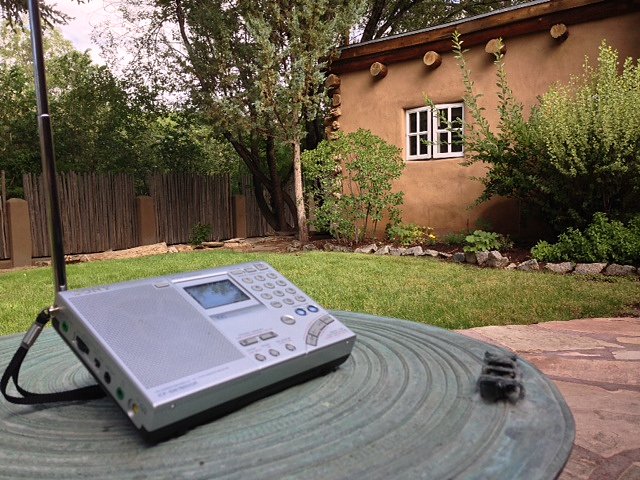
This morning, I was very happy to tune to Saturday Night Country on Radio Australia (9,580 kHz). RA’s signal was booming into Taos, New Mexico, where my travels have taken me this Saturday morning.
It was a welcome relief to hear RA; the shortwave bands have been in terrible shape the past three days or so. The ionosphere has been so disturbed that the only broadcasters I’ve been able to hear have been Radio Havana Cuba and a few domestic religious broadcasters.
I hope to take the CommRadio CR-1 out later today and perhaps test a couple of outdoor antennas…Stay tuned!
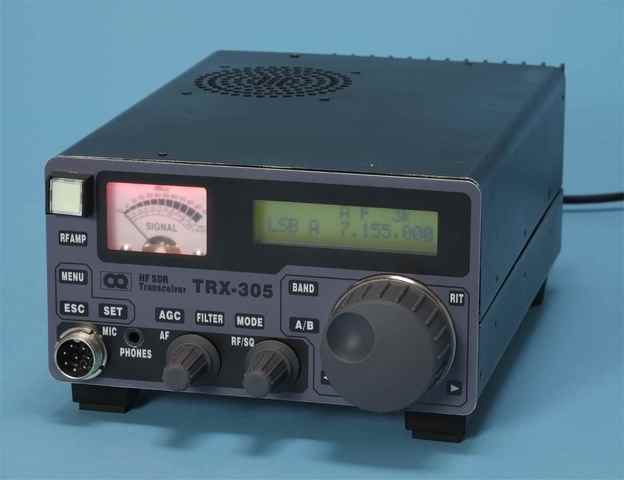
Is this the TRX-305? We might not know until the Tokyo Ham Radio Fair.
According to Dave Zantow (N9EWO), AOR plans to announce two new products this year at the Tokyo Ham Radio Fair: the AR-DV1 receiver and the TRX-305 transceiver.
For more information, check out the news section onDave’s website.
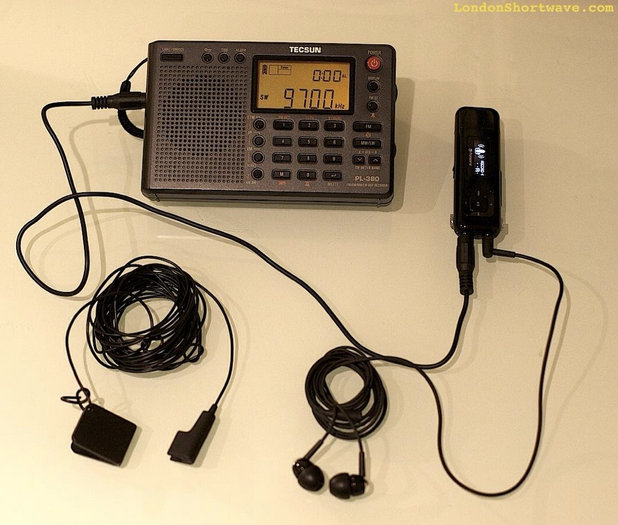 SWLing Post reader, London Shortwave, shared photos of his portable recording kit on Twitter yesterday. It consists of a Tecsun PL-380, Transcend MP330, in ear headphones, and a simple clip-on antenna (supplied with the PL-380). He recorded Radio New Zealand International with this gear.
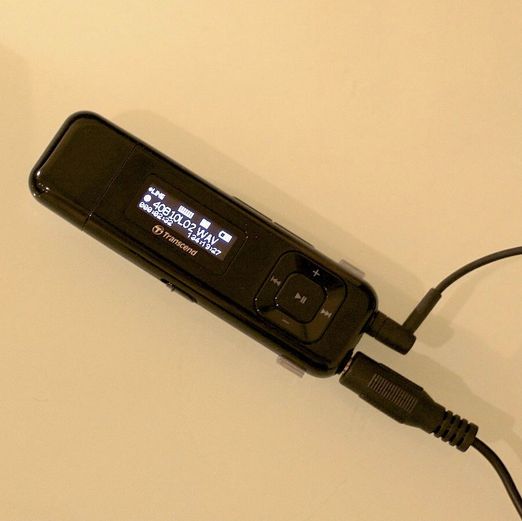
I love the compact form factor of the Transcend MP330–ideal for field recording. I’m curious if there are other high-capacity USB memory/recording sticks on the market.
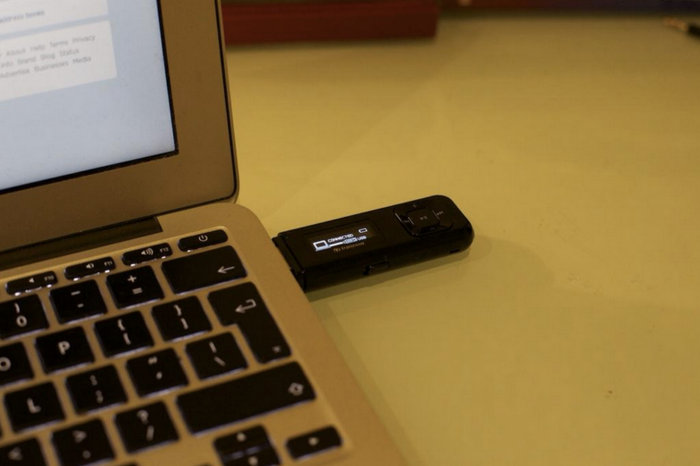
The PL-380 is a superb ultralight radio; my favorite small travel radio, in fact. The PL-380 can be found for about $42 US shipped via Amazon; an impressive value.
Many thanks to London Shortwave for sharing images of his ultralight DXing & recording kit!
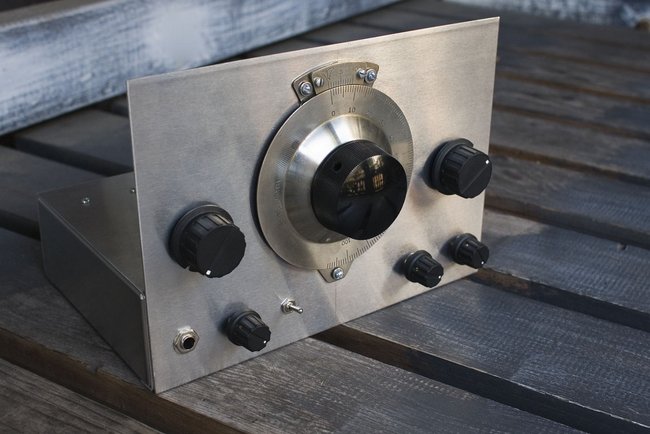
My good buddy, Dave Richards (AA7EE), recently shared this message with his friends, many of whom do not know a lot about shortwave radio (yet):
“I’m waking up very slowly this morning – was up until 4:30am listening to the 49 meter shortwave band on a new receiver I’m building, dubbed “The Sproutie Regen” after my cat Sprout. “Regen” is short for regenerative, which refers to the type of circuit used in this receiver – it was developed by Howard Armstrong in 1915 and is 100 year-old old technology. Most of the parts are fairly new, with the exception of the tuning dial, which was made by a company from Massachusetts, called “National” – it’s probably around 50 – 70 years old, and the tuning capacitor, which is around 50 years old but had never been used. It was “new” in it’s box.
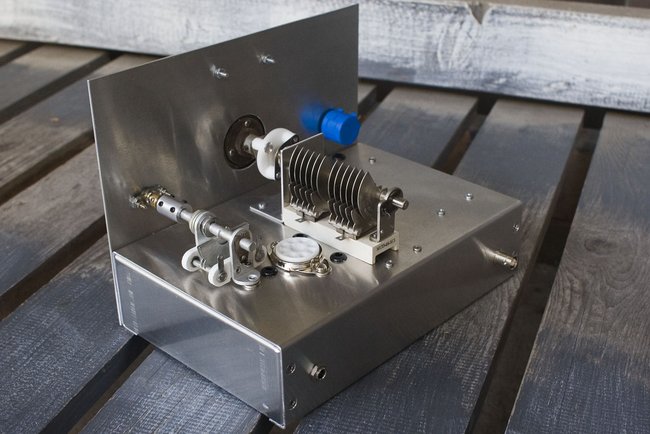
It’s not finished yet – will look a bit more spiffy when it’s done, but these are what its bones look like. 49M was fascinating last night. I heard an American propaganda station broadcasting to North Korea (The Voice Of Hope), and being jammed by the DPRK, an American propaganda station broadcasting to Cuba (Radio Marti), a very low power broadcaster from Canada, as well as Radio Habana Cuba, Radio Australia broadcast in Pidgin, Radio China International, as well as the Chinese domestic radio service (which Mao Tse Tung wanted all citizens to listen to), and a host of other broadcasters from all over. It was a fascinating cornucopia of signals from our very diverse world – and all on a receiver I built myself using 100 year-old technology.
I had trouble sitting in front of the desk because Jingles the blind kitty had curled up on the circular cushion on the chair and was happily sleeping. I somehow managed to squeeze myself in next to her and she is still napping here on the cushion next to me.
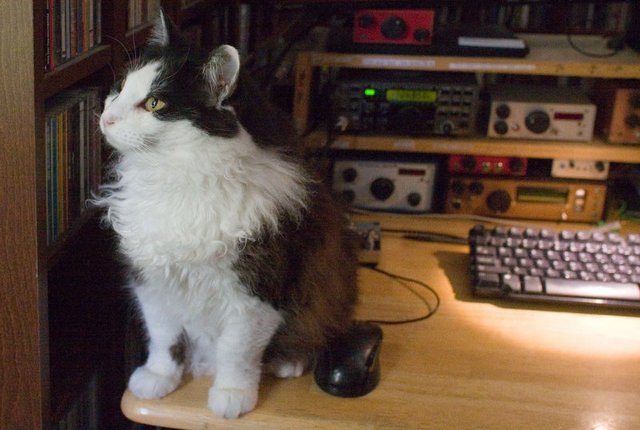
Dave’s cat, Jingles, in his shack.
I love these late night sessions. It’s just me, a cup of coffee, a shortwave receiver to listen to far-off lands, and a lovely little furry creature slumbering next to me. Perfect. As some people in this part of the San Francisco Bay Area might say, ‘my natural vibrations are perfectly aligned with the planets and receiving much abundance.’
As for me, I’m just having a good time, thank you.”
Like it, too? Follow Dave, Jingles, Sprout, and all of his homebrew adventures via his excellent radio blog.
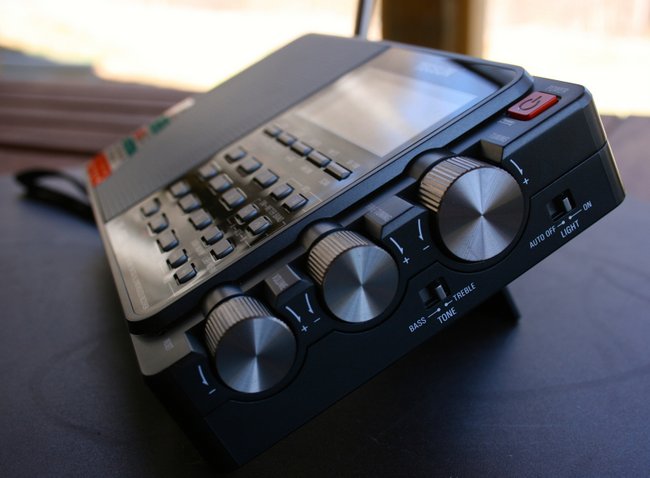 Many thanks to SWLing Post reader, Hector (AD4C) for discovering and sharing this hidden feature of the Tecsun PL-880. Hector writes:
“I have been using the Tecsun PL-600 for some time but never was satisfied with its performance in SSB, you can read my review on eham.
Last night I received the PL-880 I purchased trough amazon.com and I am really impressed with its performance, its a day and night difference compared with the PL-600, especially for SSB–the addition of narrow filters for LSB and USB made a huge improvement to the performance, also the availability of choosing different BW either on SSB or AM also improved a lot the reception.
I have to congratulate you for the well designed webpage you did to show all the hidden menu in this great radio but I have to tell you also that when performing all the menu by your links, I found by accident another one you did not mention. I’ll explain with details:
Many thanks, Hector! I’ve added this to the Tecsun PL-880 hidden feature list. The ability to lower squelch is, as you say, essential for FM DXing.
Note that I tried this hidden feature on my Tecsun PL-880 and it didn’t work. My FM muting threshold must be set to 0, however, because I can hear static between stations. Tecsun must have made this addition after my radio was produced (mine came from one of the first ‘880 shipments in November 2013).
Have any other SWLing Post readers tried to adjust the FM muting threshold on their PL-880?
 Saturday morning, I drove to Waynesville, North Carolina, for the Western Carolina Amateur Radio Society‘s annual hamfest. I’d attended this small-town hamfest before; it has always been enjoyable, as I met friends and even found a few radio bargains.
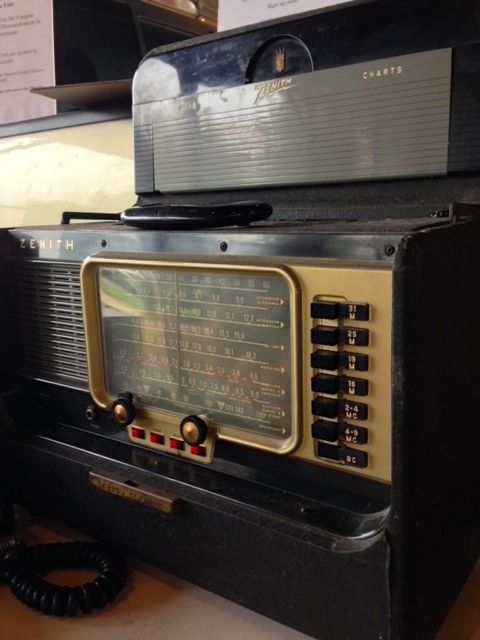
The Zenith TransOceanic, above, attracted a lot of attention, including mine. But this year, I had more modest goals: $100 and a specific shopping list, which consisted mostly of components (adapters, connectors, jumpers) and a decent dual-band mobile antenna. I ended up spending $85, including $7 entry fee, and checked off literally everything on my list. Among my purchases were:
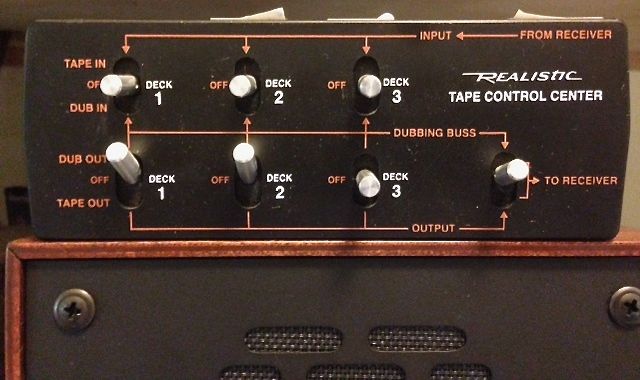
I also found a couple of extras, including this Realistic Tape Control Center (below) for $1. It will make an ideal speaker switch box for my boat anchors that currently share one quality audio transformer (600 to 8/4 ohms). I discovered that this box had been used by its previous owner for a similar purpose.
My best bargain at this hamfest, however, was this brand new ground buss system (below) for just $20!
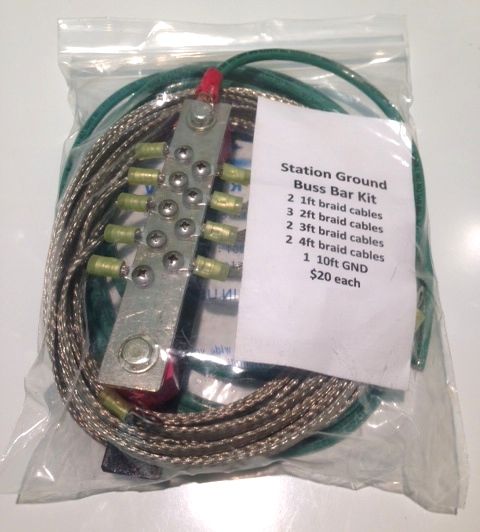
The family who manufactures and sells these ground busses also sells antennas and a few other radio accessories. Unfortunately, they do not sell online (else you’d see a link here) only at local hamfests such as this one. The $20 price is an absolutely amazing one for this ground buss system. All one has to do is connect the braid to the ground terminal on each piece of radio equipment, and connect the ground wire to a ground rod. It’s packaged and ready to deploy–everything else is already assembled. Wow!
I viewed many other goodies at this hamfest that, alas, I had to pass on. Here are a few photos:
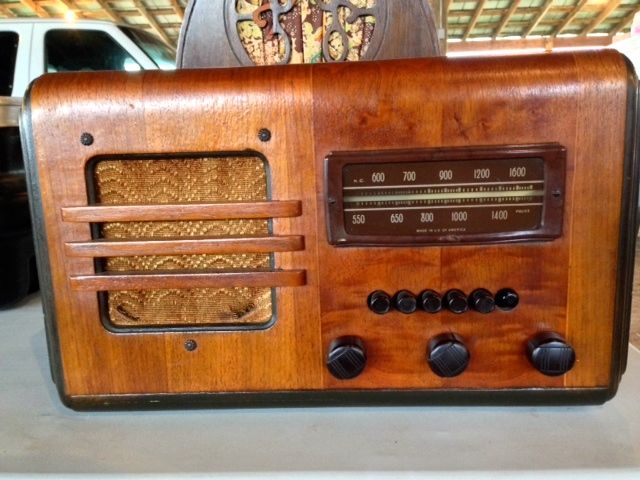
This restored wood-paneled tube radio (above) was very tempting, but in order to avoid making the purchase, I intentionally didn’t ask the price.
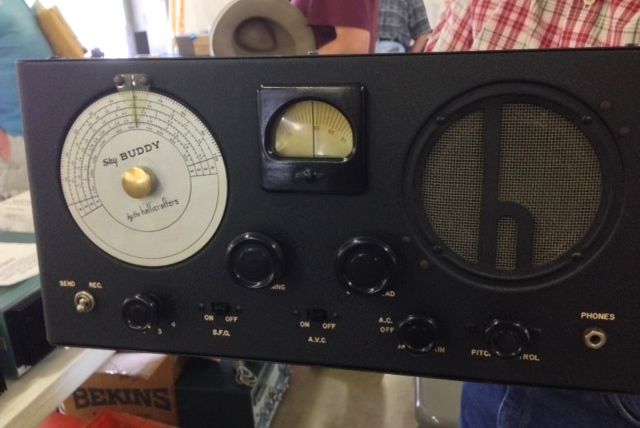
This Sky Buddy (above) really caught my attention, and if I had $250 extra, I would have purchased it. The Sky Buddy is not an extremely rare Hallicrafters, nor is it a particularly strong performer, but it is very rare to find one in such beautiful condition that’s not been modified or restored–a completely mint original.
Perhaps I’ll regret not making this purchase…sigh! I just hope it will find a good home.
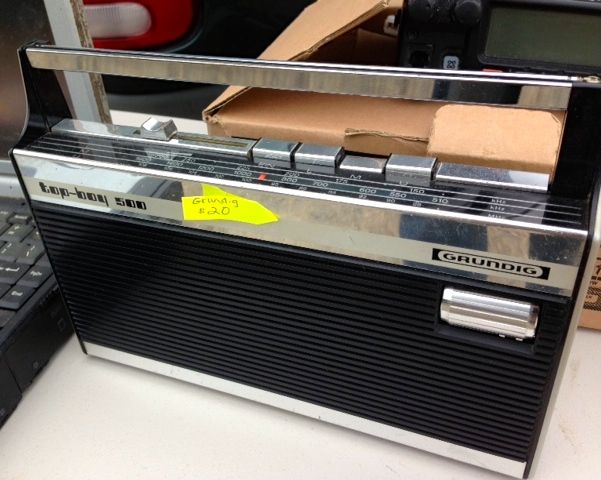
I was also tempted to buy this Grundig Top Boy 500 (above), circa 1972. Twenty dollars was certainly a fair price, but the seller had bought it at an antique sale and had not yet tested it. Additionally, it had a German plug, and runs on 220 VAC or C cells. Upon handling the radio, I also found myself a little concerned by the fragility of its plastic body. The antenna design, however, is pure engineering genius: it’s recessed in the top of the radio’s handle.
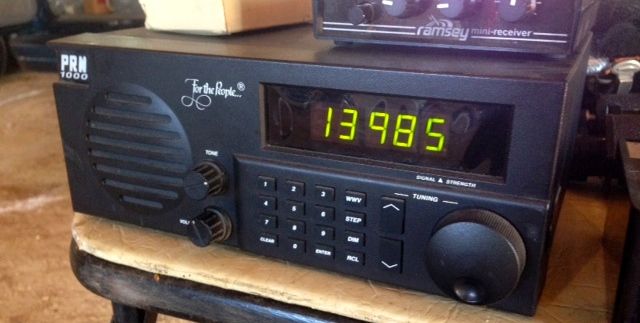
This Drake PRN-1000 (above) was produced by Drake as a promotional item for the People’s Radio Network (more info). It’s the progenitor to the Drake SW1. The PRN 1000 is very basic; it has no memory functions, no SSB, and no synchronous detection. It’s a mediocre performer, frankly–not on par with other Drake offerings–but certainly an interesting piece of Drake history. I’ve seen PRN 100s for sale before. The $50 asking price from this seller was quite reasonable.
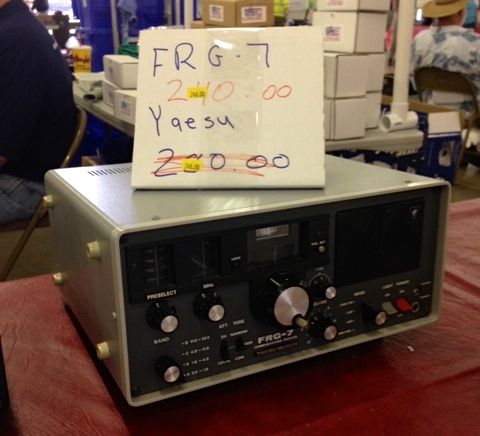 The “Frog 7” (above) is a classic shortwave receiver and has great audio if you use an external speaker. My good friend, Mike Hansgen (K8RAT), loves his recently acquired FRG-7 so much, he named it “Freda.” Mike snagged Freda for $125, by the way, a much better price than the $240 this seller wanted for his FRG-7.
Just out of curiosity, how many SWLing Post readers cut their teeth on the Yaesu FRG-7?
All in all, it was a great little hamfest (thanks, WCARS!) thoroughly enjoyable, and I look forward to making the pilgrimage to Waynesville again next year. See you there!