Category Archives: Software Defined Radio

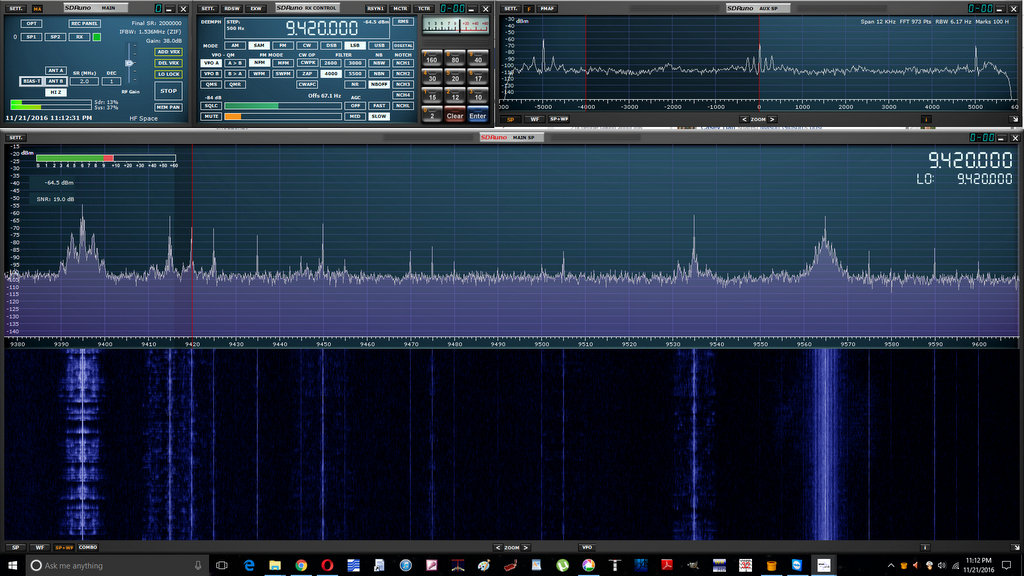
SDRplay releases SDRuno version 1.13

SDRuno running the RSP2.

(Source: Jon Hudson, SDRplay)

SDRplay has just released SDRuno version 1.13 which adds the much requested ‘IF Out’ facility for Panadapter use. It also includes the following updates:

Bug Fixes

  • Fixed RSP2 IF AGC/gain slider display issues

Updates

  • Added IF Output mode for transceivers
  • Added 250 Hz to frequency step size list
  • Default page in the settings panels is now the left most page each time SDRuno is started
  • Added RSP2 IF GR/Gain value
  • Added Factory Reset in the Main Window OPT menu (1st Instance only)
  • Improved power function error handling
  • Added support for Sub Modes, Filter BW and Port Selction in the Memory Panel
  • Changed RDS window colour scheme to match other windows
  • Added new hotkeys ‘v’, ‘-‘ and ‘+’ which are for VFO, Out and In zoom buttons in the SP1 window
  • Hotkey ‘b’ now opens AND closes the memory panel
  • Changed the default sync Rig->VRX setting to true
  • API – RefClk o/p no longer stops when the master RSP2 stops streaming

To get this latest version, go to: http://www.sdrplay.com/downloads/

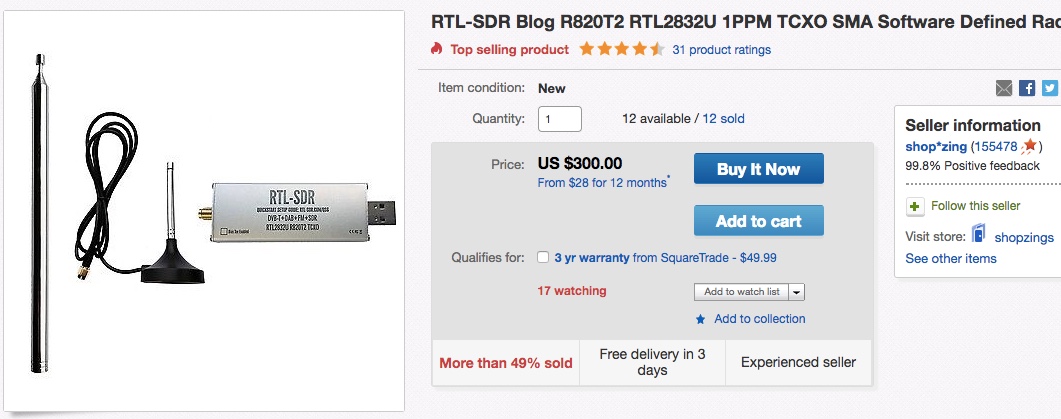
Buyer Beware: Insane RTL-SDR pricing

$300 is an absurd price for this RTL-SDR package.

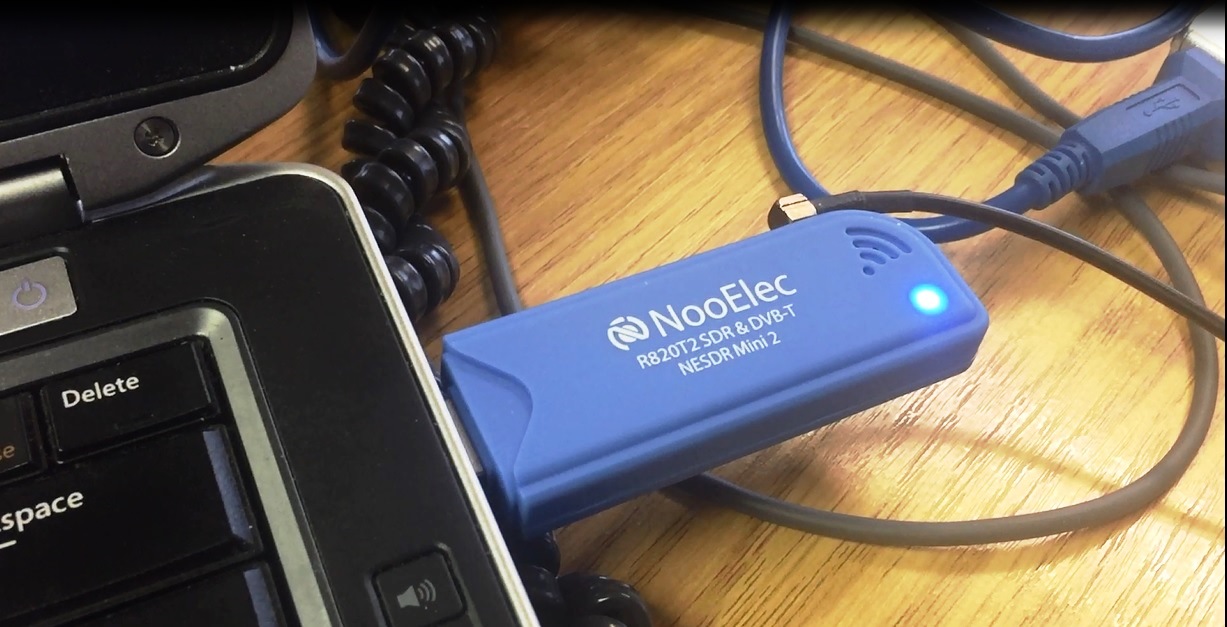
This morning, while browsing eBay, I noticed a high-production retailer selling an RTL-SDR package for $300 US! (To add insult to injury, this isn’t even the latest version of the RTL-SDR dongle!)

I post this warning message to those who are new to the world of the RTL-SDR.

You should never pay more than $30 US shipped for the latest version of the RTL-SDR dongle unless you’re buying custom enclosures, filtering, etc. In fact, the RTL-SDR package above retails for about $25 shipped via Amazon (though currently out of stock). The RTL-SDR stick alone retails for $20.95 shipped. You can find a number of models between $10-20 on Amazon and eBay.

The majority of eBay sellers list the RTL-SDR at the proper market price.

The allure of the RTL-SDR is its affordability–don’t fall for sellers on eBay, Amazon or elsewhere who list these at outrageous prices.  They’re simply trying to rip you off.

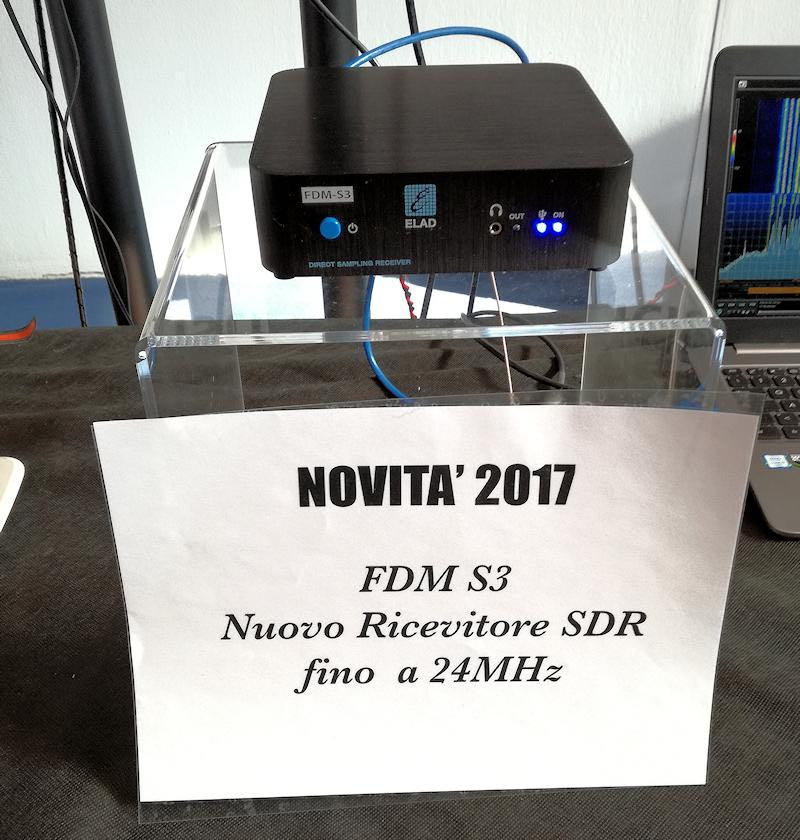
Photo of the new Elad FDM-S3

Many thanks to SWLing Post contributor, Rafman, who shares the following photos that were originally posted by Alberto (I2PHD) on the Elad email reflector. Alberto noted:

“Here it is…. shown for the first time today at the Montichiari Ham Fest. Price TBD….”

Many thanks, Rafman, for the tip!

We’ll continue to post FDM-S3 updates as they become available. I will also plan to review the FDM-S3 when it hits the market.

Click here to view the Elad website.

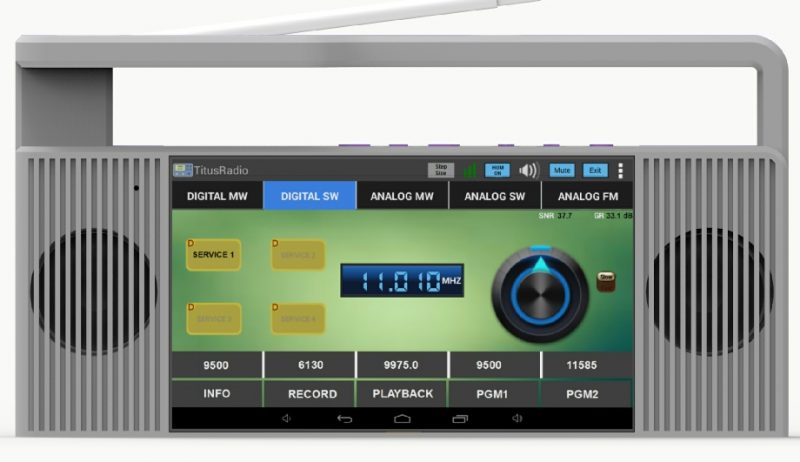
pantronX Titus II quick update

Many thanks to SWLing Post contributor, Ed, who notes:

I just received a status update on the pantronX Titus II portable SDR from Mike, their chief engineer.

Mike said the self-contained SDR portable will include “SoapySDR as the interface to make it much easier to roll your own SDR app.” Here’s some info about SoapySDR:

https://github.com/pothosware/SoapySDR/wiki

Mike also said, “To be 100% truthful, our biggest push right now is for the international MW & SW broadcasters. They want to go DRM digital is the worst way!”

You might want to share this news with SWLing Post readers.

Thank you for the update, Ed! Click here to view the pantronX website.

North American and European medium wave signals into Oxford, UK

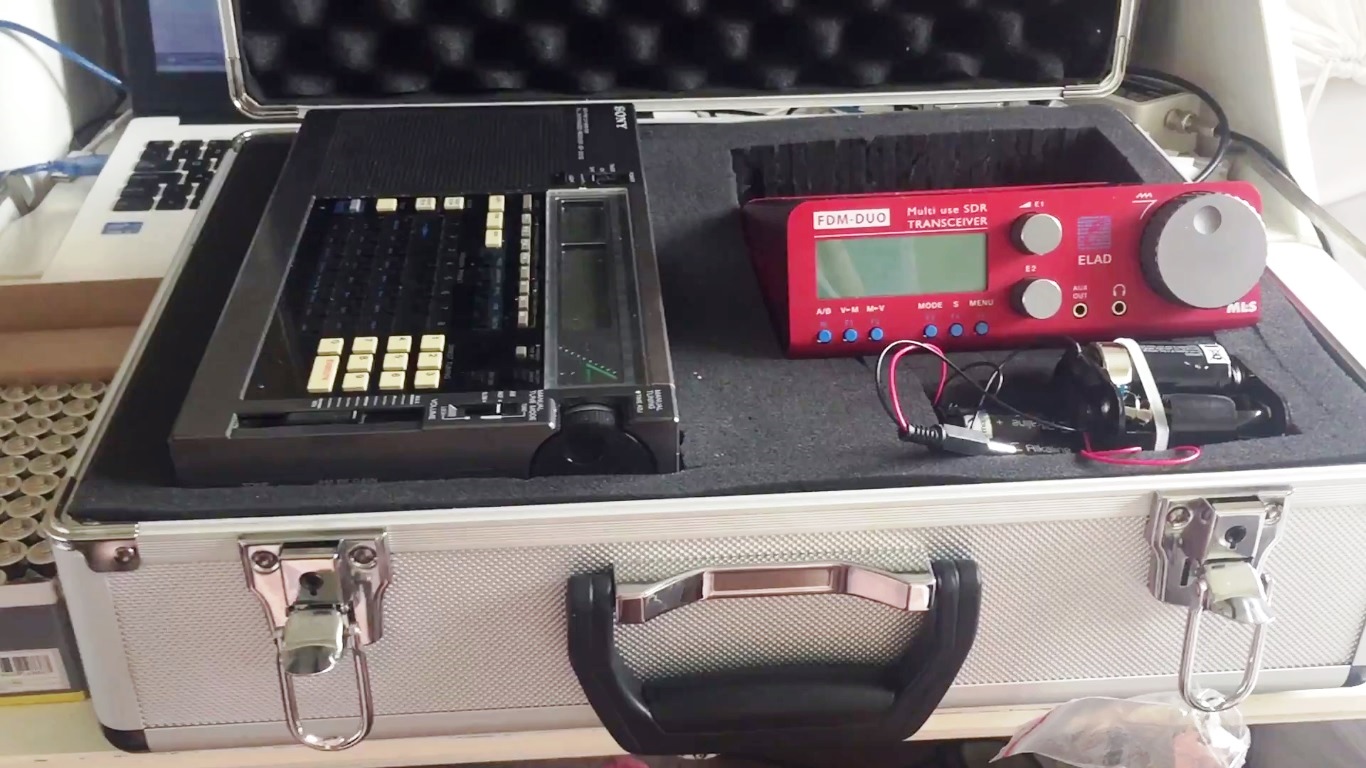
Hi there, I’ve been rather preoccupied of late, initially with the brilliant Tecsun PL-310ET and latterly with the even more brilliant Eton Satellit. However, in the background (as always), I’ve been trying to catch transatlantic medium wave DX. My listening schedule is broadly based on shortwave DXing during daylight hours – when I’m not at work of course, typically a Friday afternoon or at weekends – and always with a portable. Evenings usually start off with a tune around the tropical bands, followed by setting up the Elad FDM DUO to run some medium wave spectrum recordings overnight. In the past few days though, my daylight DXing has been bolstered by my NooElec RTL-SDR and ‘Ham it up’ upconverter. I bought the device over a year ago and after some initial exceitement, it quickly became quite obvious that I needed a reciever with a bit more ‘oomph’! However, it’s actually proving very useful to view signals on a  spectrum, even when I’m conducting most or all of my listening on a different (i.e. higher performing) receiver. Ultimately, the RTL-SDR is always going to be a compromise, with relatively limited sensitivity, but because by it’s very nature it has excellent selectivity, overall it’s a reasonable performer. My particular RTL-SDR performs quite well if a decent antenna is employed with it, such as a longwire or the Wellbrook ALA1530 active loop.

Anyway, back to the medium wave DX. In the past month or two, I’ve copied a number of stations from North America, with really nice signals, including WRCR Rampano – New York, WFED Federal News Radio – Washington DC, WENE – Endicott and WUNR – Brookline from Newton, Mass. I’ve also recorded a lovely interval signal from RAI Radio 1, Milano and further European signals from Magyar Radio, Budapest and Radio Slovenija 1, from Ljubljana. During the past 18 months or so of DXing, I have been mostly ignoring signals coming into Oxford from the continent. However, that changed a little after I stumbled across the RAI Radio 1 interval signal, which complete with the rather rousing Italian National Anthem, inspired me to dig out some more European DX. I’m actually finding European DX quite rewarding, particularly because it feels new again – not surprising since I haven’t listened to Europeans on medium wave for any length of time since the 1980s. I hope you enjoy the reception videos – embedded video and text links follow below and I wish you all the very best DX. 


Click here to watch on YouTube


Click here to watch on YouTube


Click here to watch on YouTube


Click here to watch on YouTube


Click here to watch on YouTube


Click here to watch on YouTube


Click here to watch on youtube


Click here to watch on YouTube

Clint Gouveia is the author of this post and a regular contributor to the SWLing Post. Clint actively publishes videos of his shortwave radio excursions on his YouTube channel: Oxford Shortwave Log. Clint is based in Oxfordshire, England.

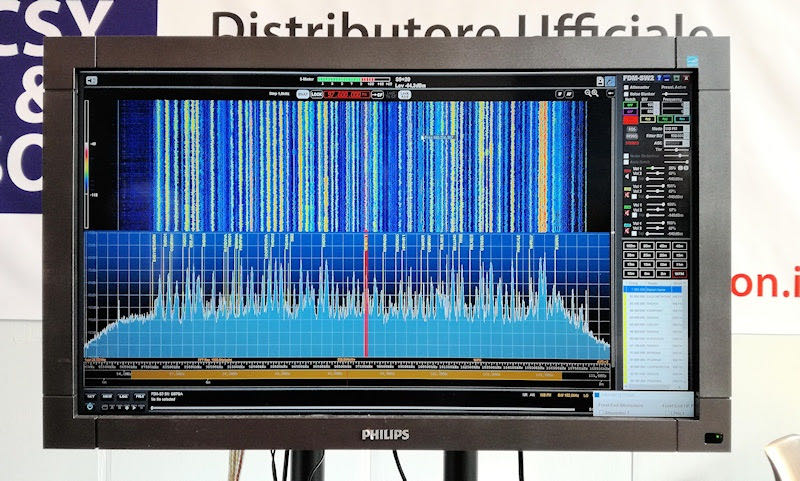
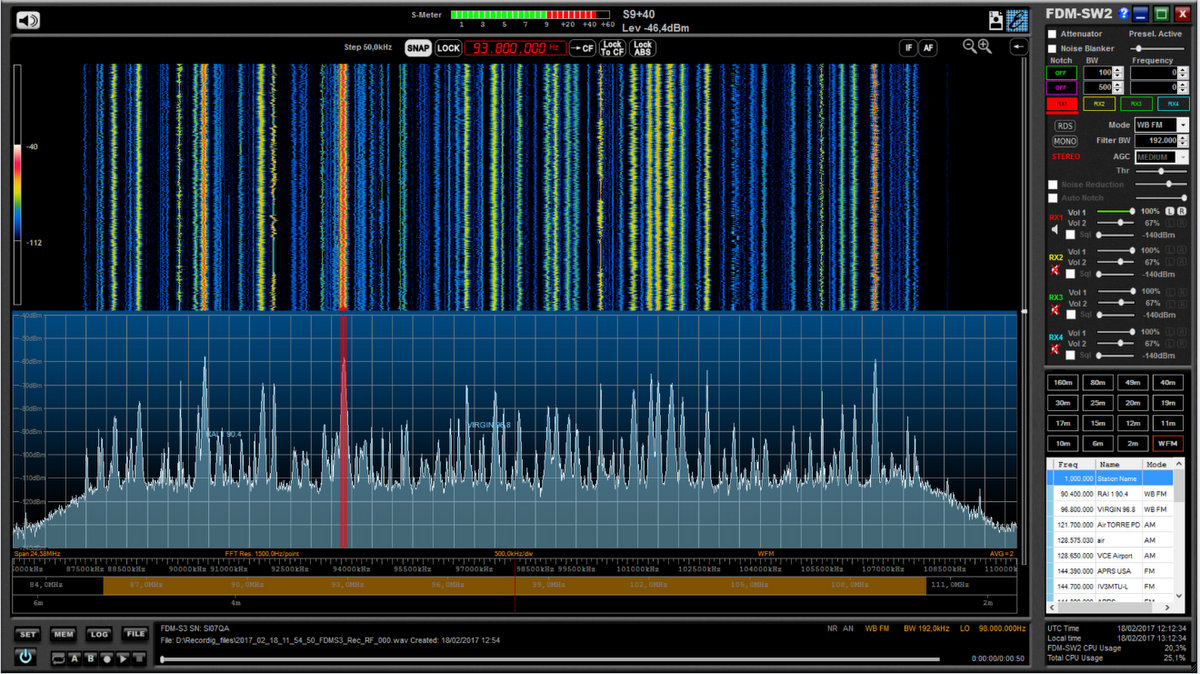
The new Elad FDM-S3 SDR: screenshot of the entire FM broadcast band

Click to enlarge.

Many thanks to SWLing Post contributor, Rafman, who shares this tip via the Elad Yahoo Group where Elad engineer Franco writes:

Today I can show new hardware capabilities of FDM-S3:

24.576 MHz I/Q stream and you can see the whole 88-108MHz FM Band sampled.

The FDM-S3 is equipped of USB-3 controller…

Here a screenshot:
https://www.dropbox.com/s/uxlfi…/FDM-S3_FM_BAND_24MHZ_1.png
new info will come in next weeks.

73, Franco IU3ADL

Wow–the entire FM broadcast band! I bet recording that would burn through a 1 TB hard drive in no time! Can’t wait to try it!

As SWLing Post readers know, I love the FDM-S2. Very happy to hear the FDM-S3 is in the works.

We’ll post updates from Elad as they’re released. Follow the tag: FDM-S3

FM Notch Filter for SDRPlay RSP1

RF filters are used (as the name implies) to filter/remove the frequencies you are not interested in and/or let frequencies you want pass . They come in lots of types. For example a band-pass filter lets the signals in a frequency range to pass through it and rejects/attenuates other frequencies. The opposite of band-pass filter is a band-reject or band-stop filter (also called a notch filter) which rejects/attenuates signals in a specific range and lets other frequencies get through the filter. Lots of different filters are used in SDRs and traditional radios. For example AM low-pass filters (only let frequencies lower than 1.7MHZ or so pass) or band-pass filters for various ham radio bands.

One of the popular use cases for a notch filter is in the FM broadcast range (88-108 MHZ in most parts of the world)

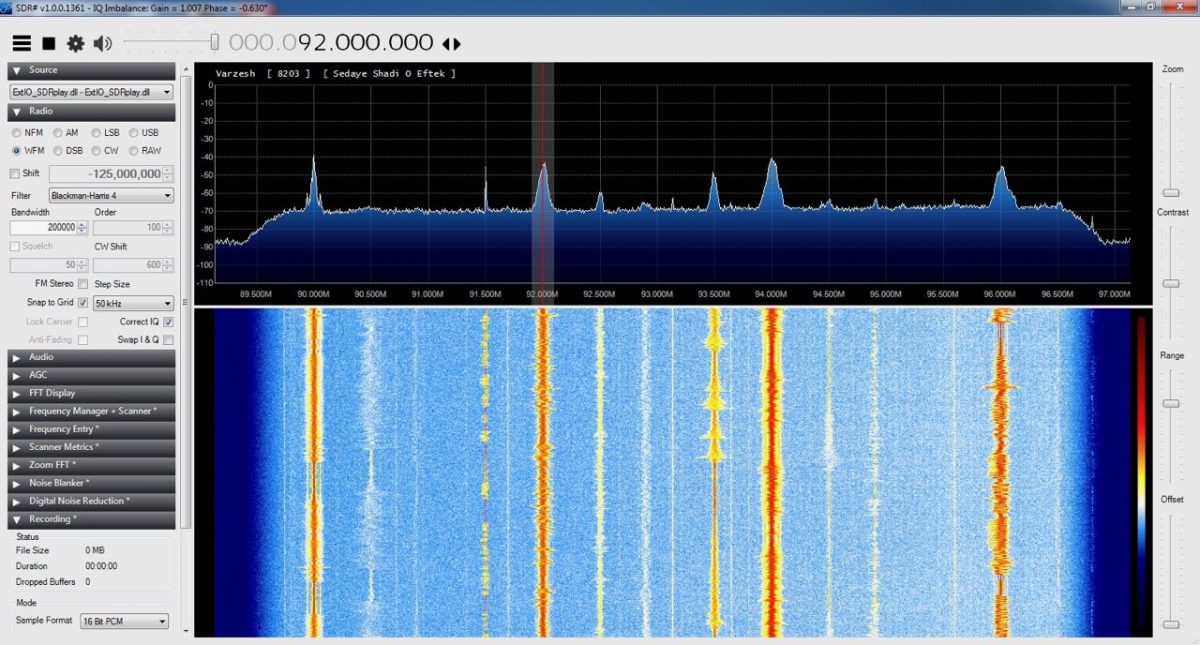
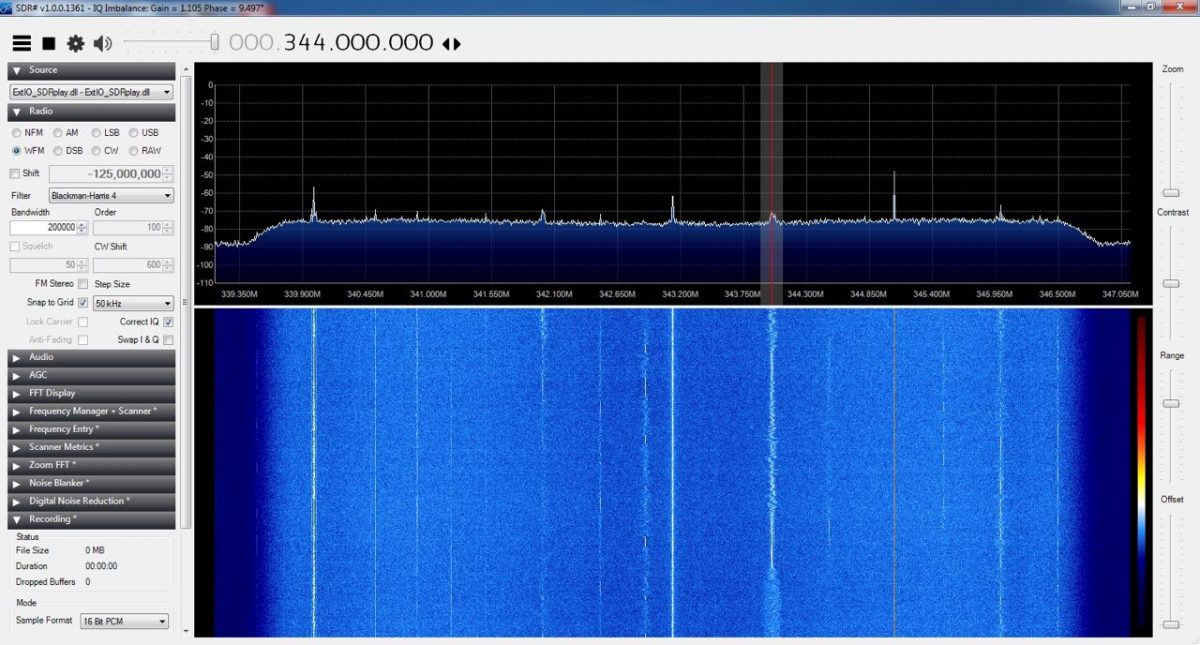
When you live near a powerful transmitter, it can affect the operation of your receiver in other near frequencies (or overload your receiver’s front-end), but I didn’t want the notch filter for this reason. I’ve got a SDRPlay RSP1 (among many other SDRs) which due to its architecture, has some images of FM band in the UHF range (for example in 330-350 MHZ). In fact they’re the images of the product of LO harmonics and FM frequencies.

You can temporarily move/shift the frequency by changing the LO frequency which does not remove them, but moves them around.

Another method to remove these images is using a band-stop filter.

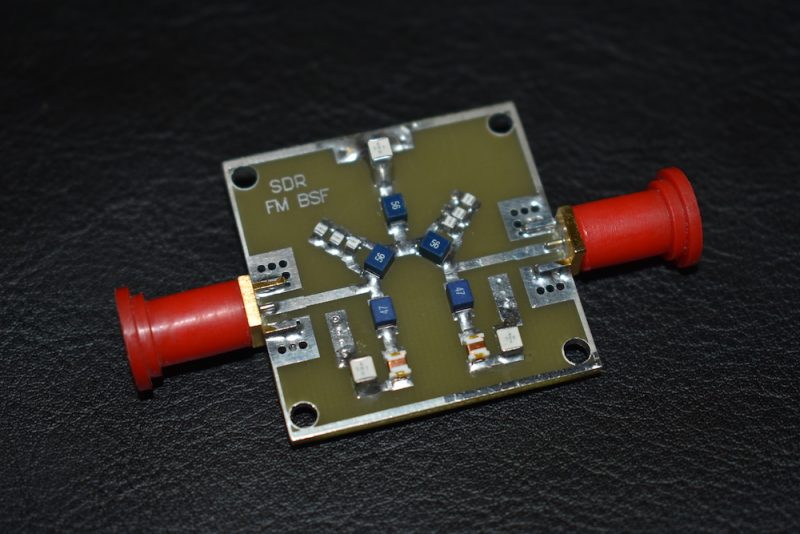
This is the filter I’m using (Thanks to my friend Amirhosein Hasanpur who designed and built it):
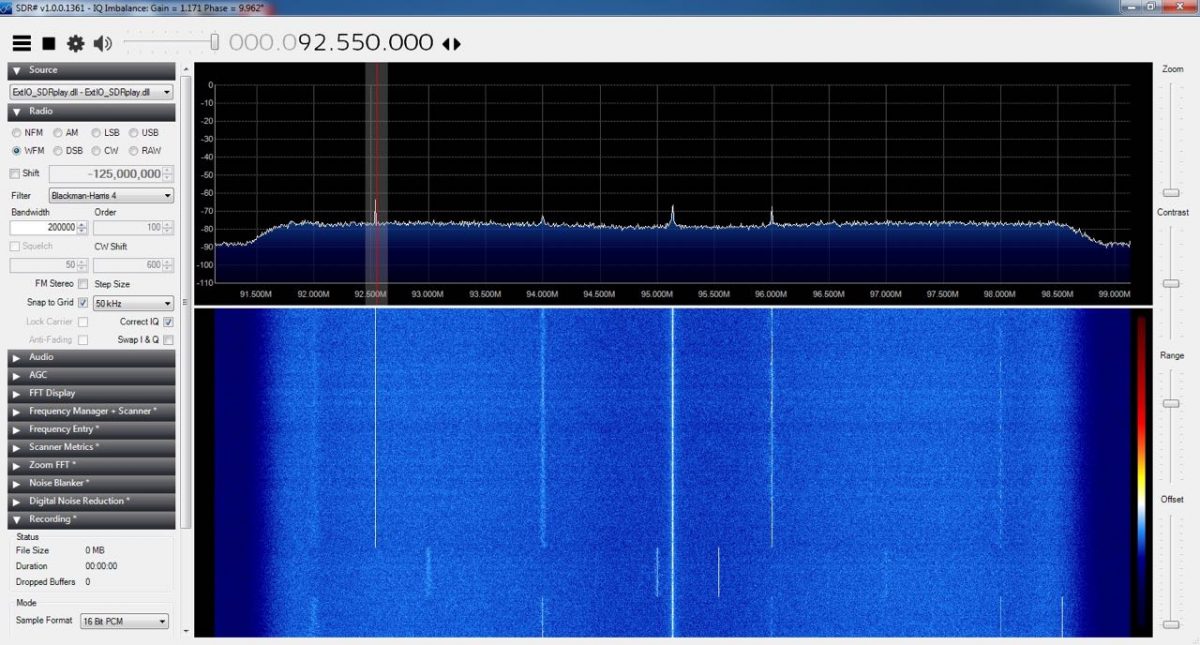
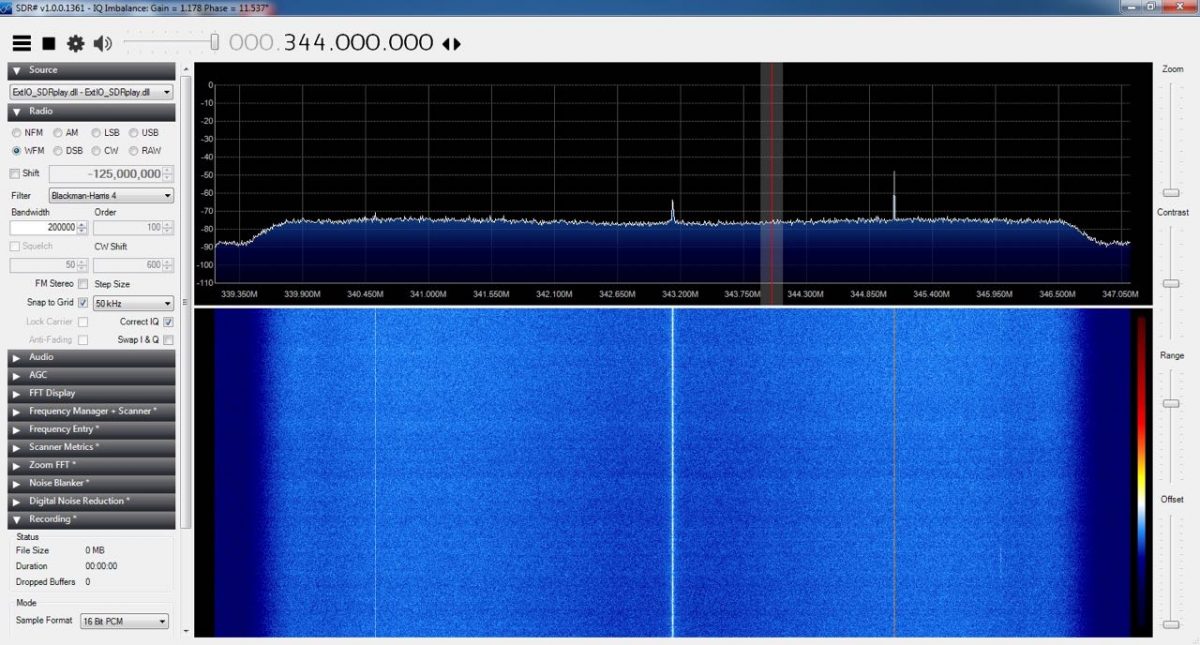
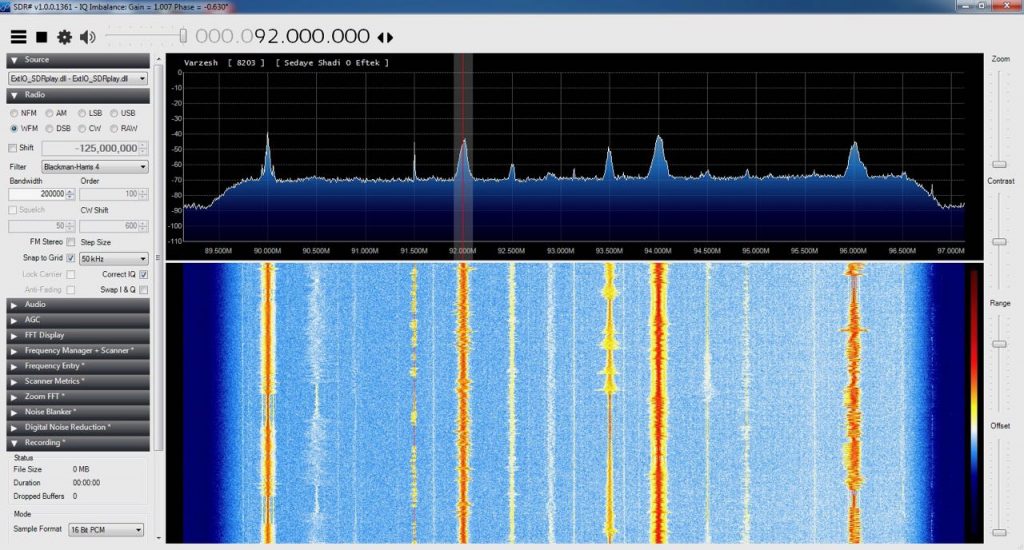
Here you can see the effect of using a FM notch filter on my SDRPlay RSP1:

FM, without filter:
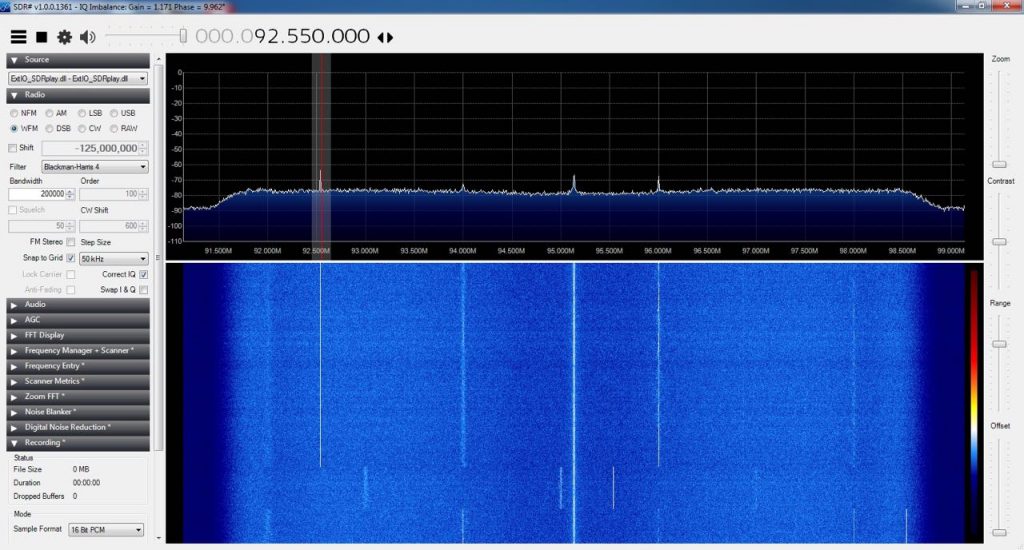
FM, with filter:
UHF (images) without filter:
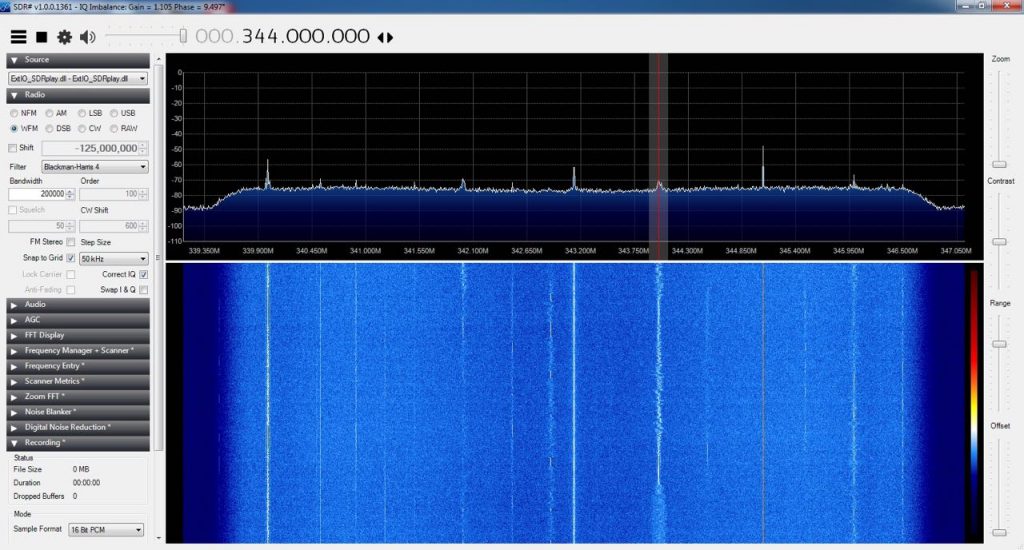
UHF (images) with filter:
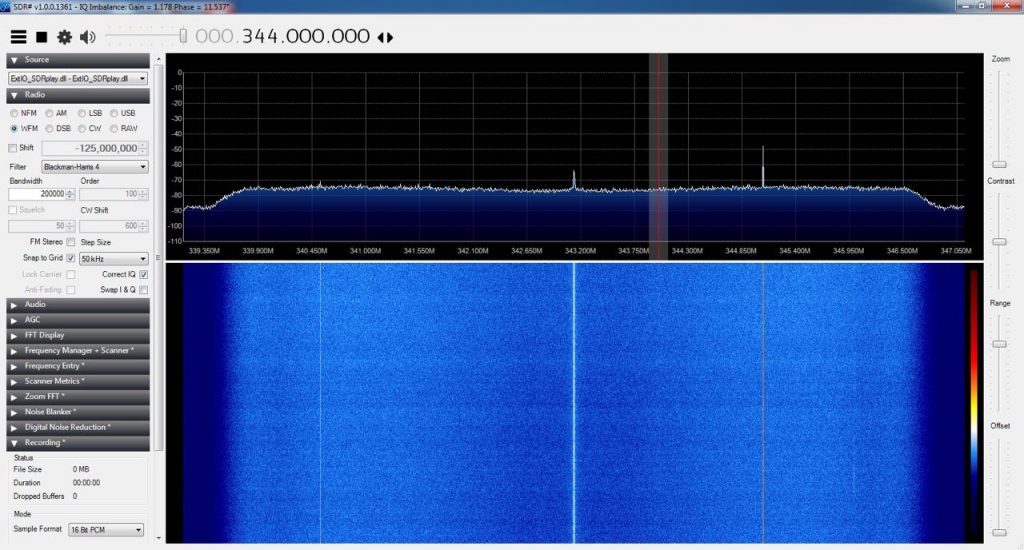
Here’s a link to a Zip file containing the PCB (in Protel), schematics (pdf) and S Parameters (pdf):

https://www.dropbox.com/s/l98kylrofohgqxf/SWLing.zip?dl=0

Note: Like any other SDR test/review, the results depend on lots of different parameters (various gain values, LNA, antenna, software, etc). These pictures are captured with the same conditions just to show the effectiveness of this filter and your milage will definitely vary, but expect a similar outcome. If you live close to a powerful transmitter or use LNAs, you will receive some signals, even when using the filter.

Final note: this issue is solved in the newer version of SDRPlay (RSP2) : it has software-selectable notch filters for FM and MW broadcast frequencies.

Mehdi Asgari, the author of this post, is a regular contributor to the SWLing Post. Mehdi lives in Tehran and is an active member of the EP2C amateur radio club.