
Category Archives: What’s On Shortwave

FTIOM & UBMP, June 30-July 6


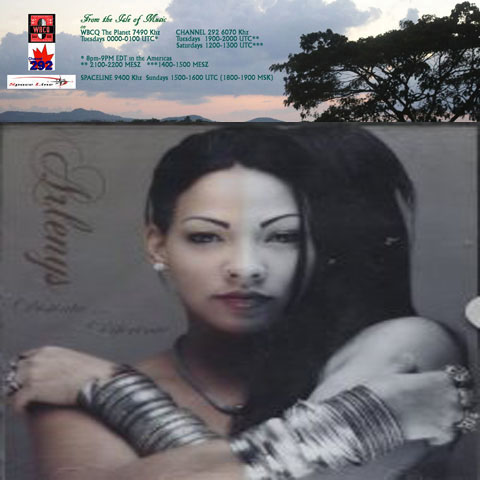
From the Isle of Music, June 30–July 6:

This week our special guest is Arlenys Rodríguez, who in addition to her own projects has performed with NG La Banda and collaborated with several other artists.
The broadcasts take place:
1. For Eastern Europe but audible well beyond the target area in most of the Eastern Hemisphere (including parts of East Asia and Oceania) with 100Kw, Sunday 1500-1600 UTC on SpaceLine, 9400 KHz, from Sofia, Bulgaria (1800-1900 MSK)
If you don’t have a shortwave radio or are out of range, you can listen live to an uplink from a listening radio in the Netherlands during the broadcast at
http://websdr.ewi.utwente.nl:8901/?tune=9400am
2. For the Americas and parts of Europe, Tuesday 0000-0100 UTC (New UTC) on WBCQ, 7490 KHz from Monticello, ME, USA (Monday 8-9PM EST in the US).
If you don’t have a shortwave or are out of range, you can listen to a live stream from the WBCQ website here (choose 7490)
http://www.wbcq.com/?page_id=7
3 & 4. For Europe and sometimes beyond, Tuesday 1900-2000 UTC and Saturday 1200-1300 UTC on Channel 292, 6070 KHz from Rohrbach, Germany.
If you don’t have a shortwave radio or are out of range, you can listen live to an uplink from a listening radio in the Netherlands during the broadcast at
http://websdr.ewi.utwente.nl:8901/?tune=6070am
Uncle Bill’s Melting Pot, June 30 and July 2, 2019:
Episode 119 features Klezmer music old and new.
The transmissions take place:
1.Sundays 2200-2230 UTC (6:00PM -6:30PM Eastern US) on WBCQ The Planet 7490 KHz from the US to the Americas and parts of Europe
If you don’t have a shortwave or are out of range, you can listen to a live stream from the WBCQ website here (choose 7490)
http://www.wbcq.com/?page_id=7

2. Tuesdays 2000-2030 UTC on Channel 292, 6070 KHz from Rohrbach, Germany for Europe.
If you don’t have a shortwave radio or are out of range, you can listen live to an uplink from a listening radio in the Netherlands during the broadcast at
http://websdr.ewi.utwente.nl:8901/?tune=6070am

2019 BBC Midwinter Broadcast: Comparing the Panasonic RF-B65 and GE 7-2990A

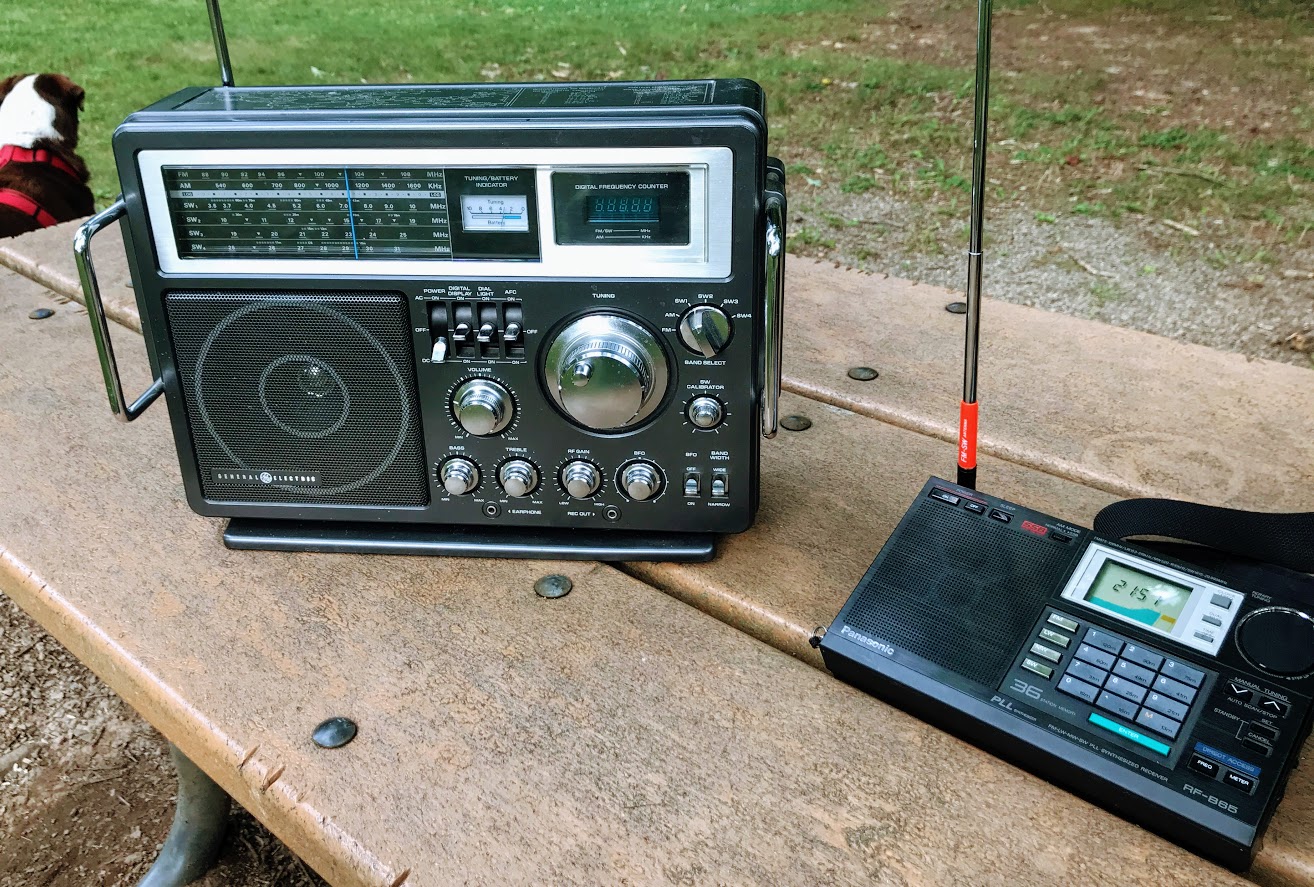
The GE 7-2990A (left) and Panasonic RF-B65 (right)

This has been a very crazy and radio-active weekend!

It started with a busy Friday that was capped off with the BBC Midwinter Broadcast and then continued into Saturday with a Parks On The Air activation and  Field Day at Mount Mitchell State Park.

In short: it’s been a lot of fun!

I’ll plan to give a short report of Field Day later–it was one to remember–but first let’s talk about the 2019 BBC Midwinter Broadcast to Antarctica

To the field!

The Midwinter Broadcast has never been an easy catch here in North America–after all, the BBC aim their signals to Antarctica–but I always manage to receive the program with only a portable and I’m almost always travelling on the day of the broadcast.

This year, I was actually at home and could have used one of my SDRs at home to snag the broadcast, but it’s become a bit of a tradition to listen in the field, so that’s what I did.

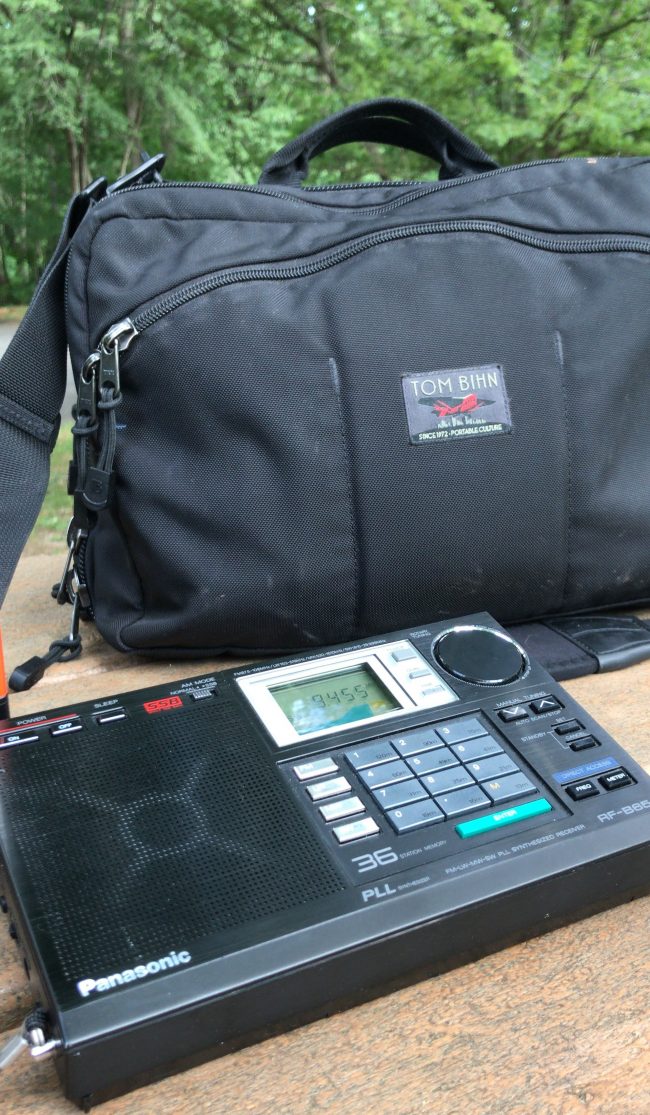
Knowing how difficult it would be to receive the broadcast–especially given the poor propagation–I reached for one of my “Holy Grail” portables: the Panasonic RF-B65.

The Panny RF-B65 is a portable DX hound!

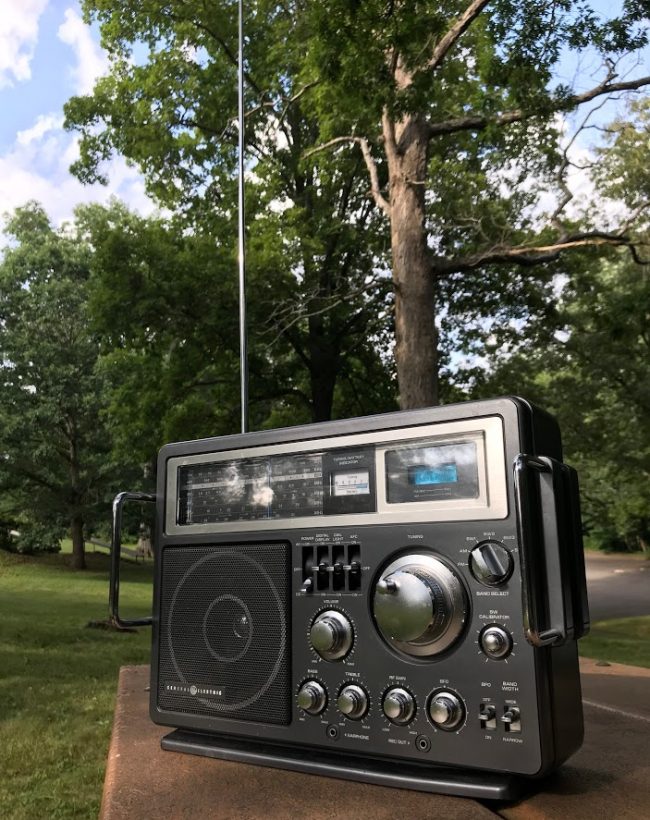
I never take only one radio to the field, though, so I decided it was time to give the hefty GE 7-2990A a little outdoor time on the Blue Ridge Parkway.

The GE 7-2990A

I’ve only had the GE 7-2990A for a few months. It came from the estate of my dear friend Michael Pool (The Professor) who passed away earlier this year.

This particular radio has quite an amazing history–remind me to share the story someday–but I’ll always cherish the 7-2990A because it was one of Michael’s favorites.

I knew the GE was one of Michael’s favorite mediumwave receivers, but I wasn’t sure how well it would perform on the shortwaves. Turns out, it’s quite an amazing HF receiver!

Out of the the three Midwinter Broadcast frequencies (5875, 7360, and 9455 kHz), I could receive the 7,360 kHz signal from Ascension Island best.

Here’s a short (informal) comparison video:

Click here to view on YouTube.

I was quite surprised with the 7-2990A’s ability to pluck this weak signal from the ether. Although the video doesn’t do it justice, the GE’s excellent audio fidelity made listening more enjoyable compared with the much smaller RF-B65.

Click here to view on YouTube.

And, yes, that’s my faithful brown and white listening companion, Hazel, in the background. In truth, she was less interested in the broadcast and more interested in finding squirrels!

Your Midwinter recordings–stay tuned!

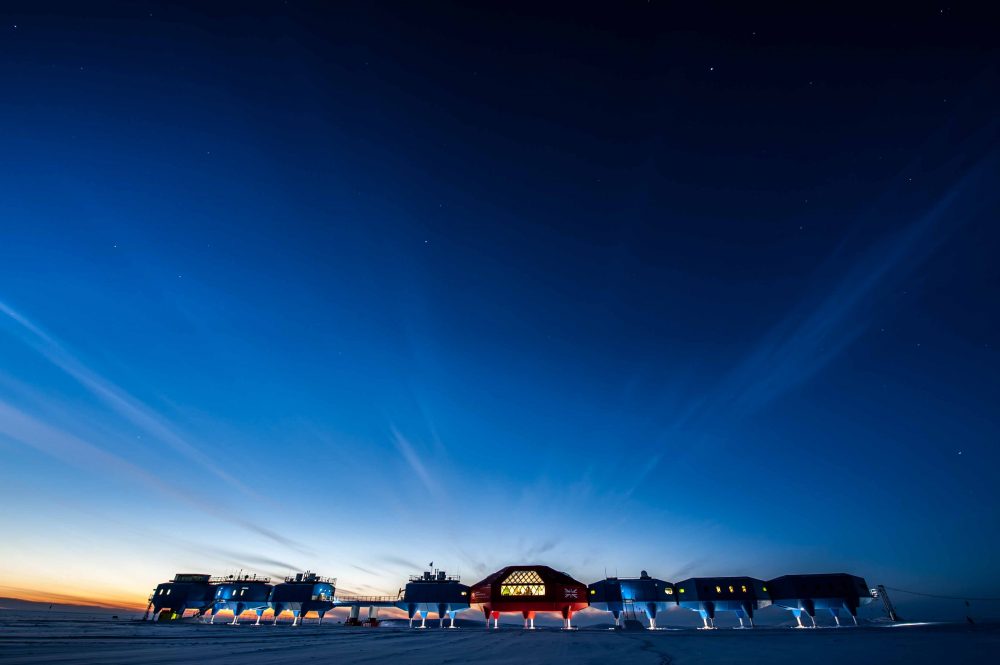
Halley VI Research Station on the Brunt Ice Shelf in Antarctica (Source: British Antarctic Survey)

I’ve already received about twenty emails from SWLing Post readers with audio and video recordings of the Midwinter Broadcast. Thank you!

If you would like to submit your recording, and you haven’t yet, please do so by email (thomas *at* swling.com) so I don’t overlook it. Remember to link to your video so that I can easily embed it on the upcoming post. Please don’t send me duplicate emails as it makes the sorting process more difficult.

I’ll try to find recordings linked via Twitter and Facebook, but it’s much more difficult to sort those in comments and know for sure that I’ve discovered them all.

Please note that, due to my schedule, it will likely be two weeks before the final post is published. I appreciate your patience and understanding!


Do you enjoy the SWLing Post?

Please consider supporting us via Patreon or our Coffee Fund!

Your support makes articles like this one possible. Thank you!

Terry remembers monitoring an eventful Sydney to Hobart yacht race

Many thanks to SWLing Post contributor, Terry Cominos, who shred the following story following our recent post about the Sydney to Hobart yacht race. Terry writes:

Here is my story…

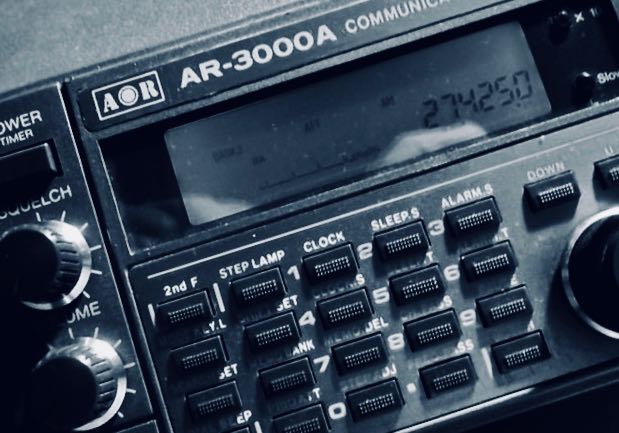
It must have been 20 plus years ago whilst monitoring the Sydney to Hobart yacht race on my AOR AR3000.

Around midnight the yacht “Mem” announced a man was lost overboard. They were turning back to find him. The Captain of the oil tanker “Ampol Serel” on his way to Sydney declared he was turning back to assist in the search.

It was a long night with several yachts searching and the “Young Endeavour” providing radio relay support.

More than an hour passed before the “Ampol Serel” arrived on the scene with its powerful search light.

The search was hampered by a swell yet before first light “Ampol Serel” picked up a reflected flash off a life vest.

The sailor was eventually found by a competing yacht and taken on board where he was examined and treated for hypothermia by a doctor onboard.

Several years later I visited the Australian Maritime Museum where the life vest is on display.

That morning I learned a lot about the sea, radio and human nature…

Thank you for sharing this, Terry, and reminding us  that those of us who monitor radio sometimes have a front row seat to events as they unfold.

Source: OneTubeRadio.com

I recall this 1957 Hallicrafter ad from Boy’s Life magazine which of course implies that we may even be in a position to help.

The thought of hearing or assisting–remote as it may have been–certainly had an influence on me when I first started exploring the shortwave bands from my bedroom with a Zenith Transoceanic some forty years ago.

Thanks again for sharing, Terry.

Post readers: Have you ever been witness to events as they unfolded on the air?  Please share your story!


Do you enjoy the SWLing Post?

Please consider supporting us via Patreon or our Coffee Fund!

Your support makes articles like this one possible. Thank you!

Marine Weather Center daily weather reports on shortwave

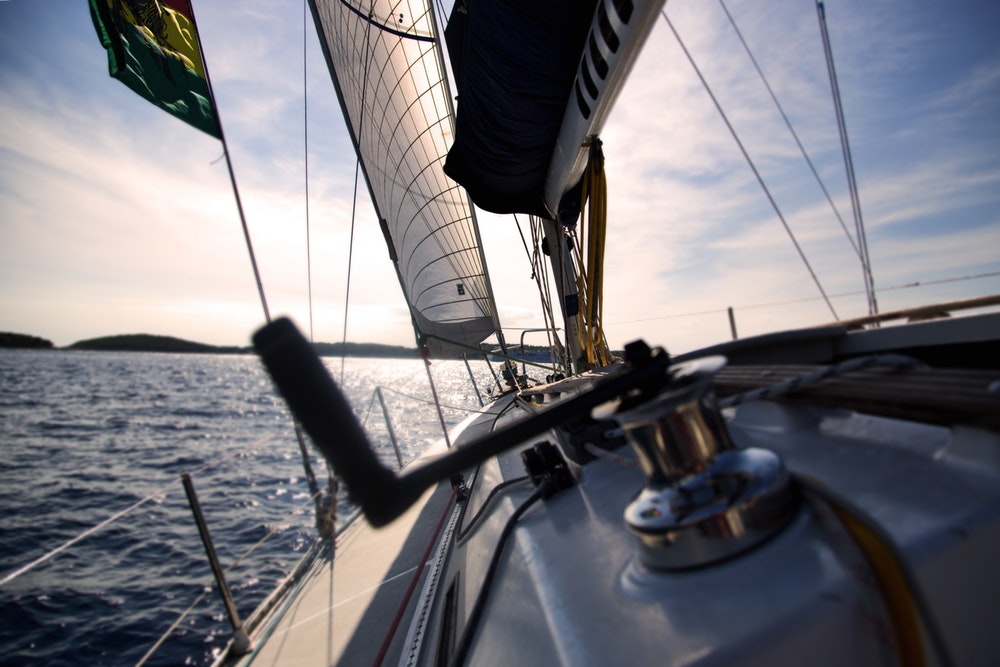
Sail Boat Yacht On Sea

Many thanks to SWLing Post contributor, Al Holt, who writes:

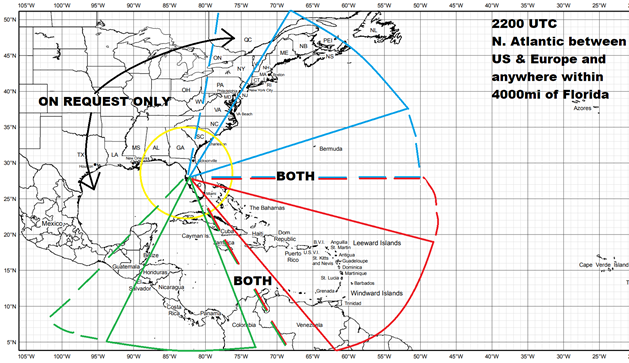
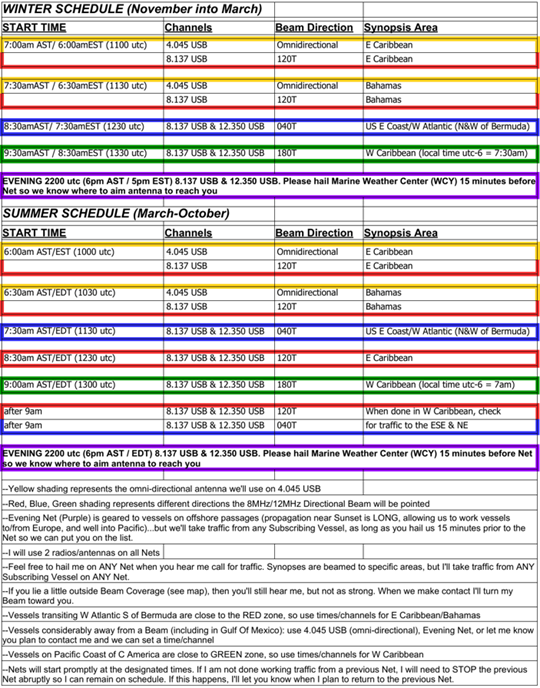
Your readers may be interested in tuning in the daily (except Sunday) broadcasts of Marine Weather Center on 4045 and possibly 8173, 12,350 kHz. These broadcasts use upper sideband mode. https://www.mwxc.com/index.php

It’s described as, “custom weather and routing information for small vessels in the Caribbean Sea, Bahamas and United States East Coast,” and is based near Lakeland, FL.

As a subscription weather service for pleasure craft, but they provide an interesting roundup and forecast of weather in this area of the world. They do take questions and traffic from subscribing vessels at the conclusion of their broadcast.

I am usually am able to receive the omnidirectional broadcast on 4045 kHz here in northern Florida. But, their coverage at greater distances is pretty good I think.

The chart below (taken from their ‘Services’ page https://www.mwxc.com/marine_weather_services.php ) shows this broadcast starting at 1100z, but I usually hear them closer to 1200z and that may be due to atmospheric conditions. I haven’t had much success catching their later transmissions. I’m not sure how often their webpage gets updated and schedule changes are probably relayed privately to their subscribers.

Wow!  Thank you so much for sharing this information, Al.

Post Readers: I know there are a number of SWLing Post readers who sail and cruise (some on very long voyages)—I’m curious if any use the Marine Weather Service regularity. Please comment!

Radio in the field: SWLing on the coast of the St. Lawrence river

Yesterday, the weather was gorgeous here in Québec, thus a prime opportunity to find a beach, start a new book and, of course, play radio!

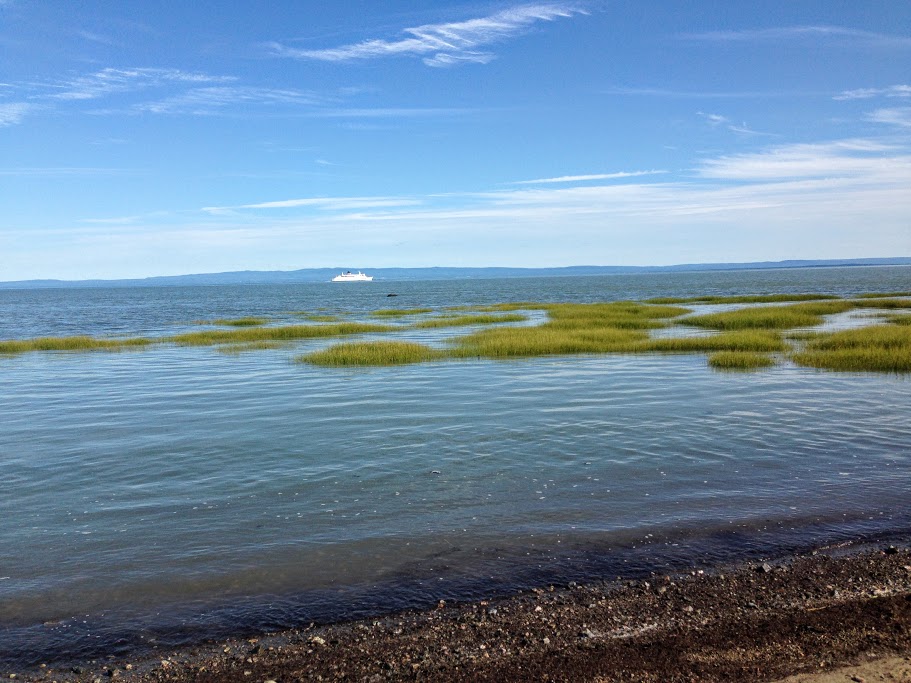
I found a fantastic spot on the north bank of the St. Lawrence river near Baie-St-Paul, Québec. There were only a few folks at the beach, so it was all very peaceful.

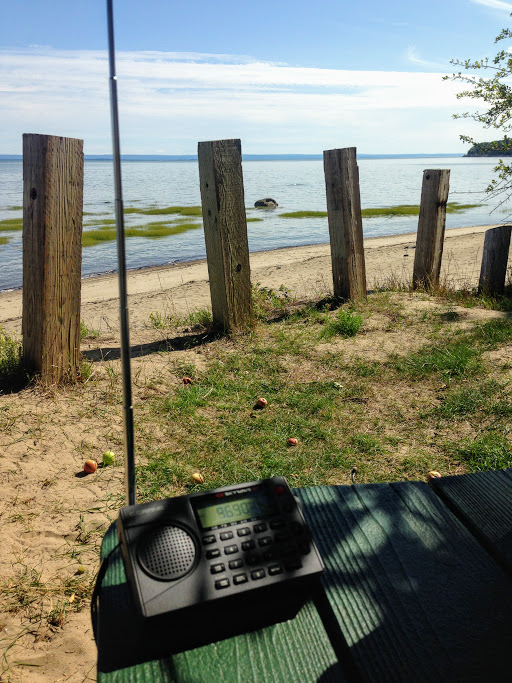
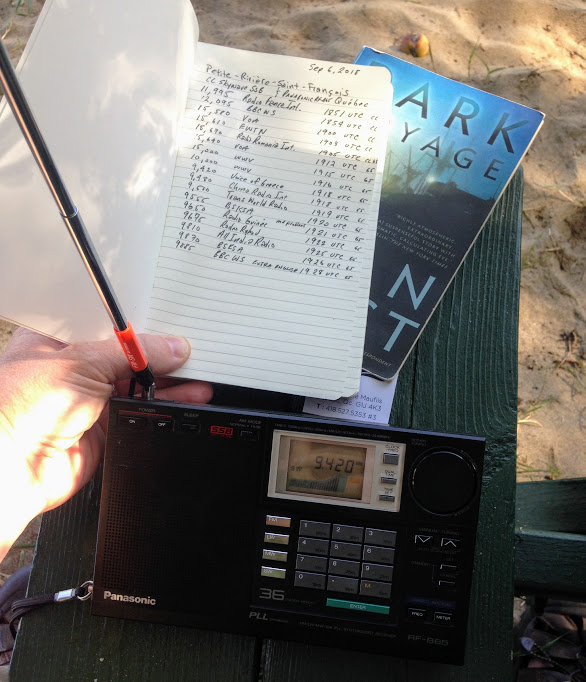
I found a picnic table perched on the edge of the beach shaded by an apple tree–a perfect spot to relax, play radio and start a new book: Dark Voyage by Alan Furst.

I brought two portables: the C. Crane CC Skywave SSB and the recently acquired Panasonic RF-B65.

I had not checked to see if propagation was good, but tuning to WWV on 10 MHz and 15 MHz confirmed that signals were travelling. In fact, as I started tuning around–first with the CC Skywave SSB, then with the Panasonic RF-B65–I discovered some of the best propagation I’ve experienced in ages!

I did a relatively quick scan covering the 31 through 19 meter bands. Some signals were absolutely booming in.

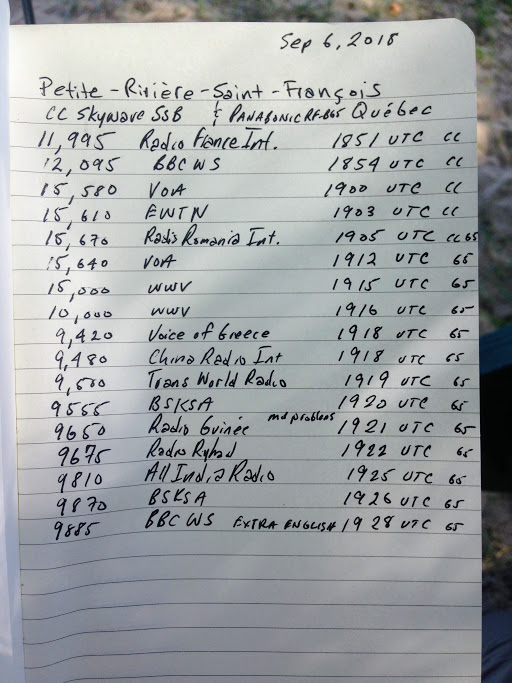
I jotted down some of the broadcast details on a make-shift log and recorded a few videos.

Note that after making the first video, I discovered I had limited space on my phone, so most of the clips are quite short:

The Voice of America

Click here to view on YouTube.

Radio France International

Click here to view on YouTube.

Radio Guinée

Click here to view on YouTube.

BBC World Service Extra English

Click here to view on YouTube.

Here are the stations I logged in the clear:

All in all it was a brilliant afternoon and the short band scan reminded me that there is still so much content to be found on the shortwaves.

You just need a little propagation, and some time to listen and explore!

Post readers: Have you snagged any elusive DX recently?  Please comment!

Do you enjoy the SWLing Post?

Please consider supporting us via Patreon or our Coffee Fund!

Your support makes articles like this one possible. Thank you!

June 13: Spectres of Shortwave film screening and simulcast via German Shortwave Service

(Source: Amanda Dawn Christie)

Coming up this summer:

Spectres of Shortwave /
Ombres des ondes courtes

June 13 juin
Film Screening / Projection @ 7pm / 19 h
Cinémathèque Québécoise
Montréal, Québec

Radio Simulcast @ 23:00 UTC in Europe
German Shortwave Service – 3895 kHz

A film about radio waves, relationships, landscape, and loss.
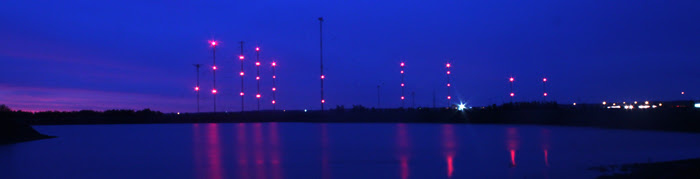
This experimental documentary film about the Radio Canada International (RCI) shortwave radio towers, presents the site through four seasons, leading up to, and including, its demolition in winter of 2014. Images captured on 35mm film accompanied by personal stories from by people who lived with the site, interwoven with field recordings made by placing contact microphones onto the towers themselves.

Screenings of this film are accompanied by a radio simulcast, so that while viewers watch the film on a big screen in one part of the world, listeners can hear the sound track over radio waves in another part of the world. This Montreal screening is accompanied by a shortwave simulcast in Germany.

1 hour 53 minutes, colour, 5.1 sound
www.spectresofshortwave.net
http://www.amandadawnchristie.ca
Cinémathèque website and info
facebook event

Dean records Voice of Korea’s Panmunjon Summit coverage

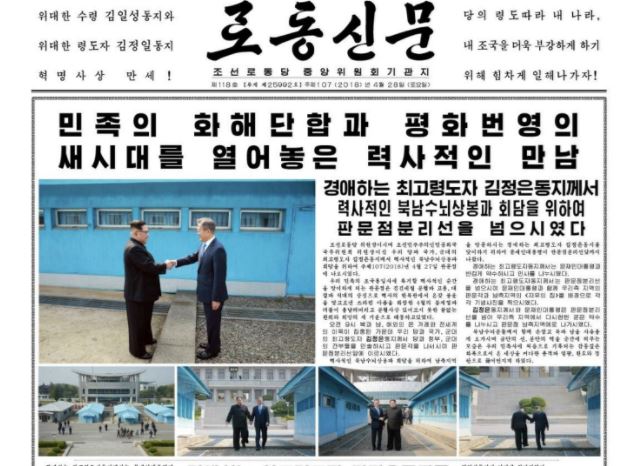
Front page of the North Korean newspaper “Rodong” on April 28, 2018. (Source: Mark Fahey)

Many thanks to SWLing Post contributor, Dean Denton–our intrepid 13 year old DXer. Dean writes:

How are you doing? I have found a recording on the archives of a recent North Korean recording of the Voice of Korea on the Panmunjon Summit, between both North and South Korean leaders.

Not only am I pleased with the news, but I have uploaded the full 1 hour recording of the English broadcast on my YouTube Channel:

Click here to view on YouTube.

Click here to check out Dean’s YouTube channel.

Great job snagging this particular VOK recording! You’re following a long tradition of SWLs before you who’ve made an effort to capture these fascinating bits of radio history. Keep up the great work, Dean!