Tag Archives: QSL

Work the NASA Spacecraft Juno (and get a QSL card)!

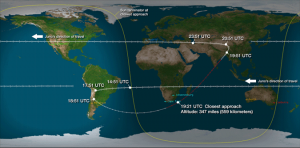
EFB_publicmap1-675Many thanks to SWLing Post reader, Troy, who emailed us about a really fun and unique opportunity for amateur radio operators:  to send the NASA spacecraft Juno a Morse Code greeting [specifically, “HI”] when it passes over Earth tomorrow, starting around 18:00 UTC.

The NASA Jet Propulsion Laboratory explains:

“NASA’s Juno spacecraft will fly past Earth on October 9, 2013, to receive a gravity assist from our planet, putting it on course for Jupiter. To celebrate this event, the Juno mission is inviting amateur radio operators around the world to say “HI” to Juno in a coordinated Morse Code message. Juno’s radio & plasma wave experiment, called Waves, should be able to detect the message if enough people participate. So please join in, and help spread the word to fellow amateur radio enthusiasts!

This page will be updated with additional information as the event approaches. In addition, we have created a Facebook event page where you are welcome to a discuss[ion of] this activity.”

ham_morsecode_ditsTo be clear, this is a coordinated and unified message to the Juno craft; there will be no opportunity to hear a response from it.  Rather, the Waves instrument data containing the message will be shared by the Juno team after the flyby.  But still, what fun!

If you’re a licensed ham, and this sounds like something that you’d like to be part of, please check out the the NASA JPL page dedicated to this event. It has all of the information you’ll need to transmit to Juno, including a countdown clock–or to simply listen to everyone who does. Be sure to check out Juno’s Technical FAQ (click on the FAQ link) which answers a lot of the questions participants have already asked.

I’ll certainly do my best to be a part of the unified greeting to Juno.

I should note that I’m pleased to see the JPL page is running despite the US government shutdown. Many other NASA web pages have been affected.

Hi, Juno; we send our greetings!
juno-banner

Alcaravan Radio QSL and photos of transmitter site

(Click to enlarge)

(Click to enlarge)

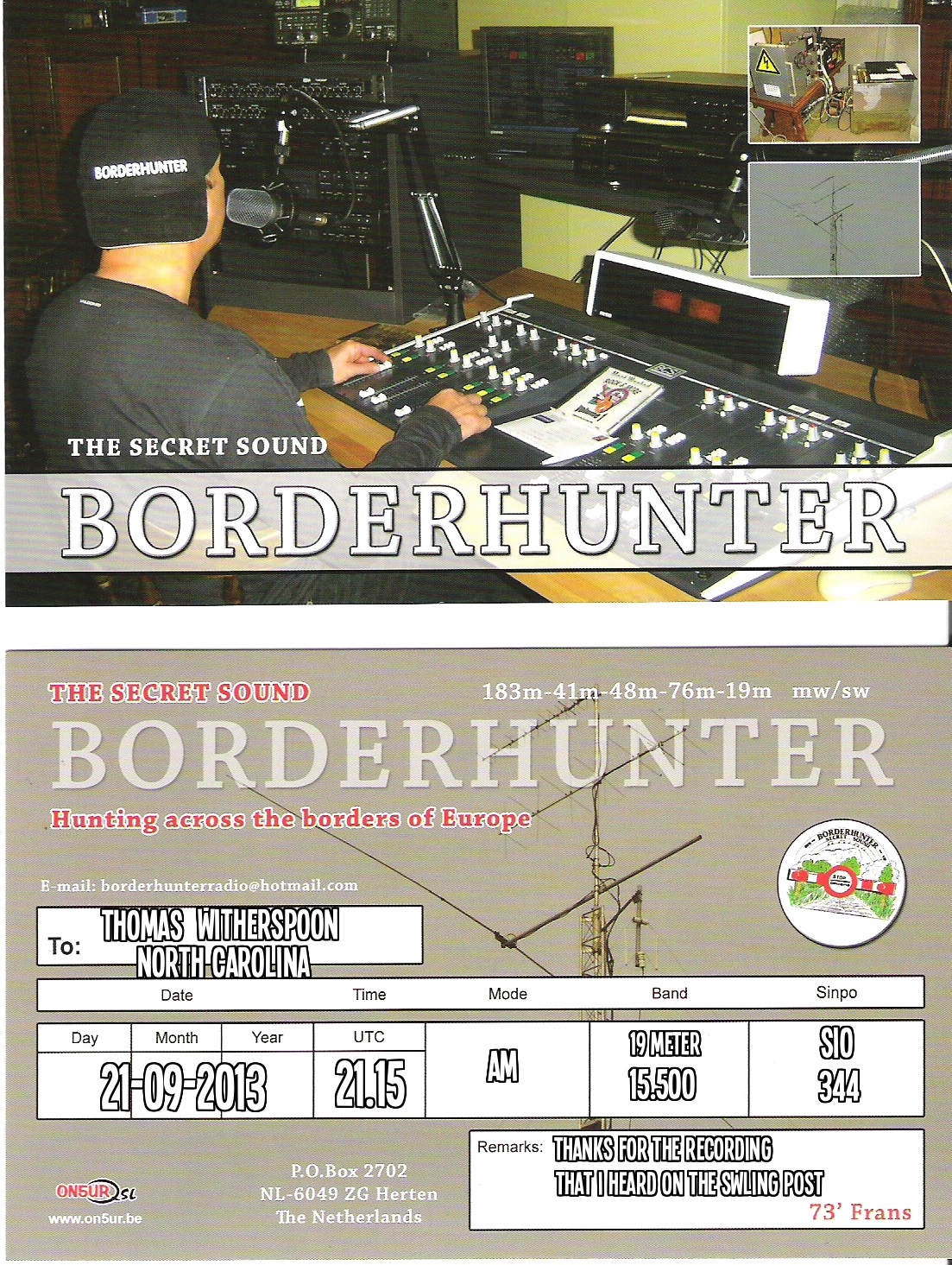
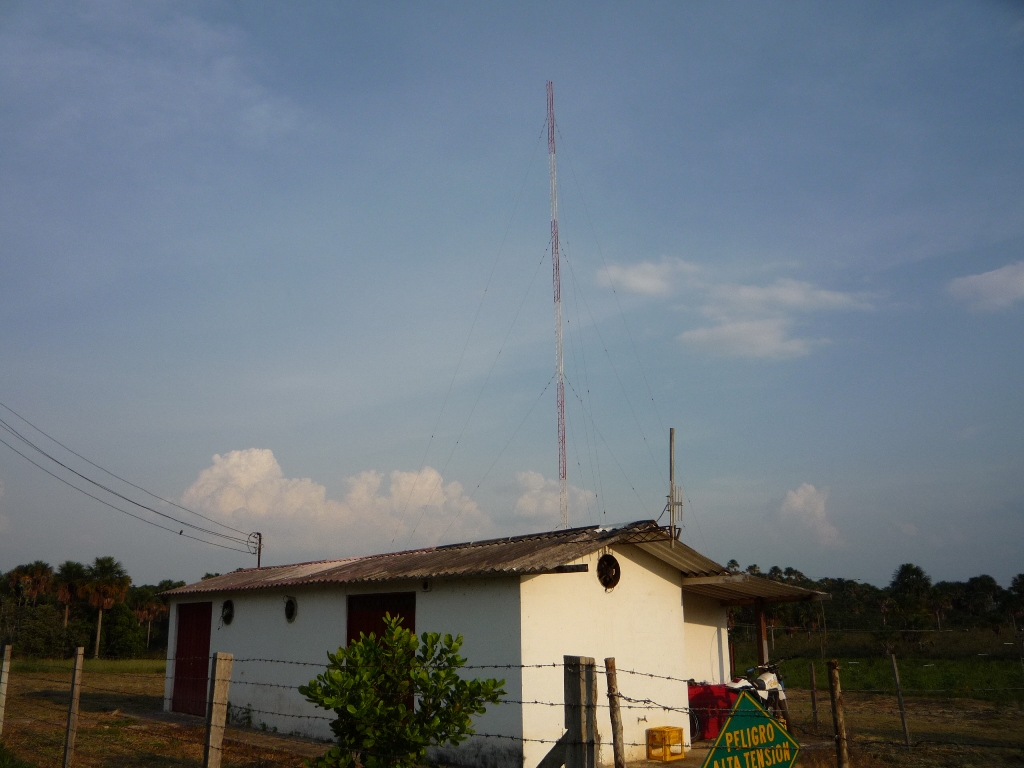
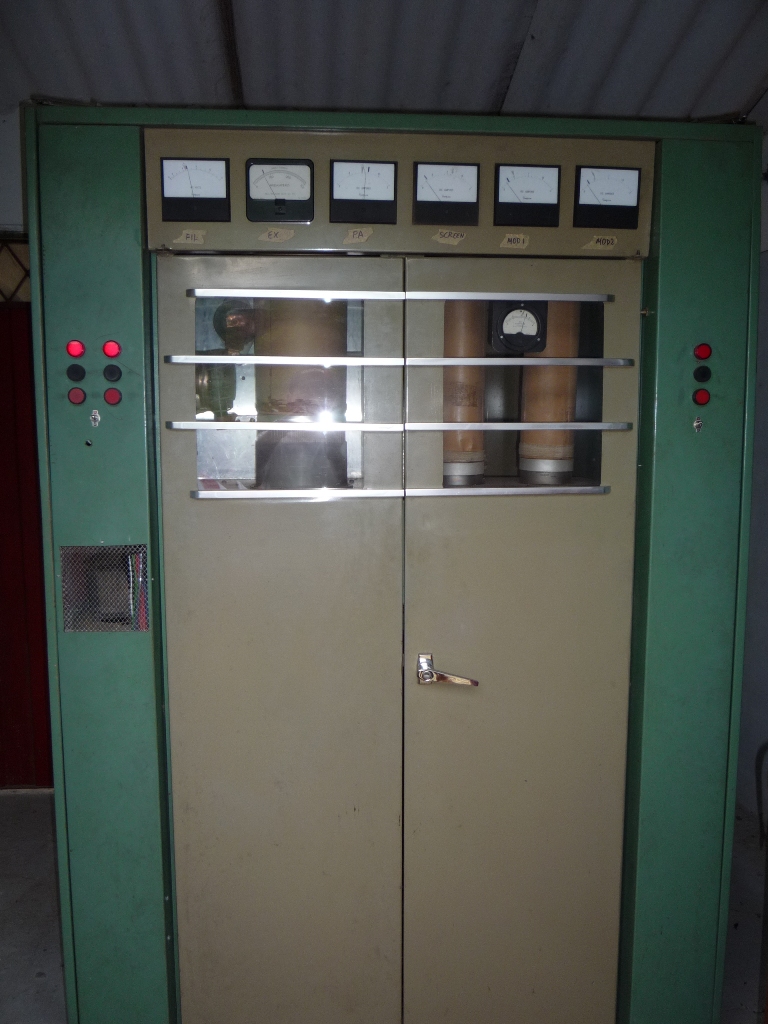
After posting this recording of Alcaravan Radio a few weeks ago, I sent in a reception report to the station–within a day, I received this QSL along with photos of the station’s transmitter and antenna site (see below).

Many thanks to Alcaravan’s QSL manager, Rafael Rodríguez R., for the prompt response! These would have been posted sooner, Rafael, but I’m only now catching up after some extended travel. Enjoy!

Alcaravan Radio's antenna site and transmitter house. (Click to enlarge)

Alcaravan Radio’s antenna site and transmitter house. (Click to enlarge)

Alcaravan Radio's 5,910 kHz transmitter. (Click to enlarge)

Alcaravan Radio’s 5,910 kHz transmitter. (Click to enlarge)

Take note that Rafael Rodríguez R. also has a DX blog in Spanish; one I hope you take a moment to visit: http://dxdesdecolombia.blogspot.com/

Steven remembers his QSL collection

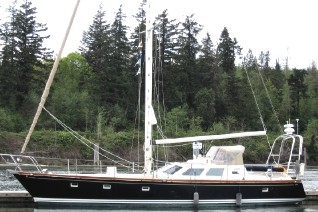
The Nomadness (Photo: Steven Roberts)

The Nomadness (Photo: Steven Roberts)

 recently sent me a message with photos of a QSL card collection he once had. You see, several years ago he started the process of living on his boat, The Nomadness, full-time. It required that he pare down his belongings to only the essentials; he made the decision to sell his QSL card collection.

Steve confesses:

“Kind of sorry I sold them now, but I have to let things go before I sail off, die, or otherwise render my tonnage irrelevant!”

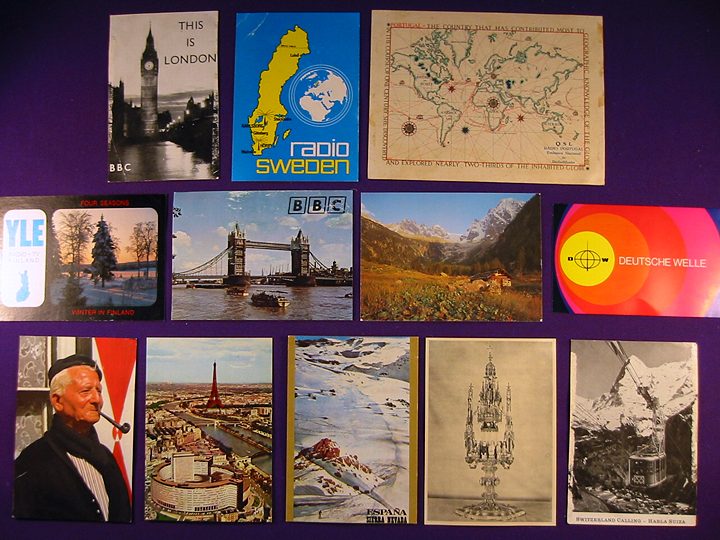
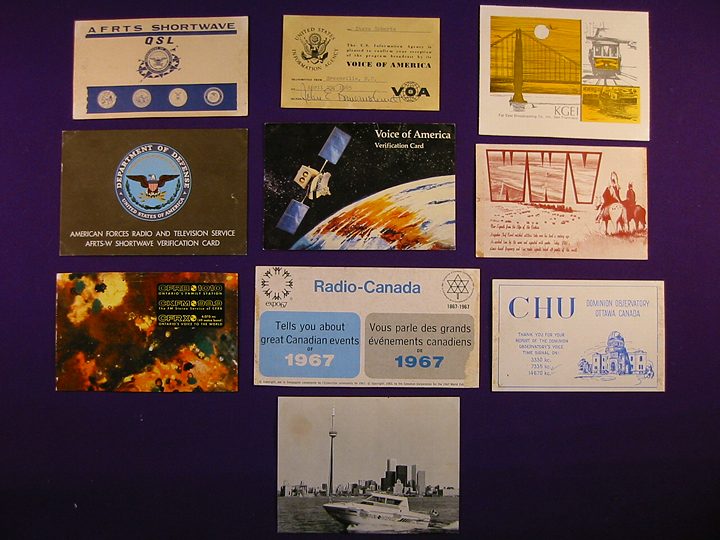
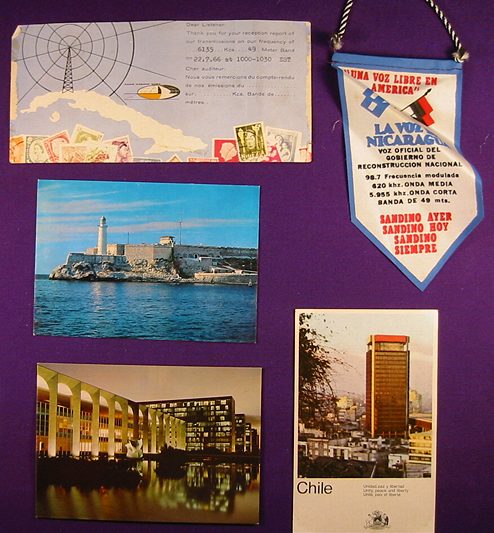
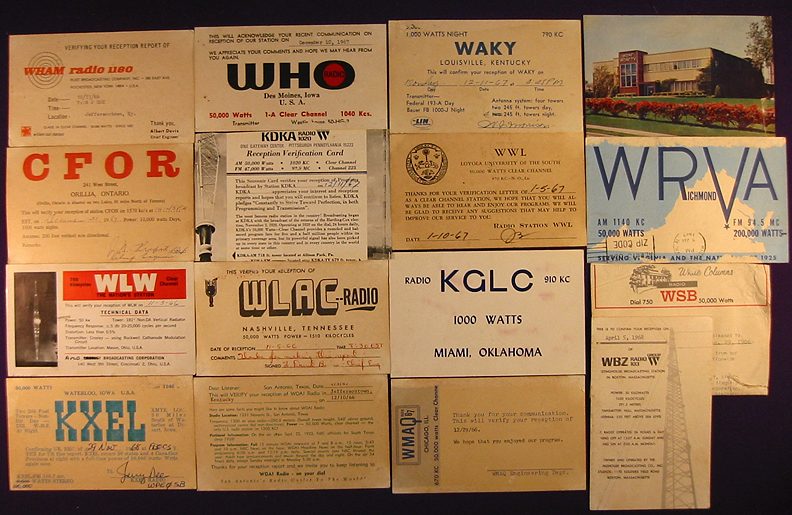
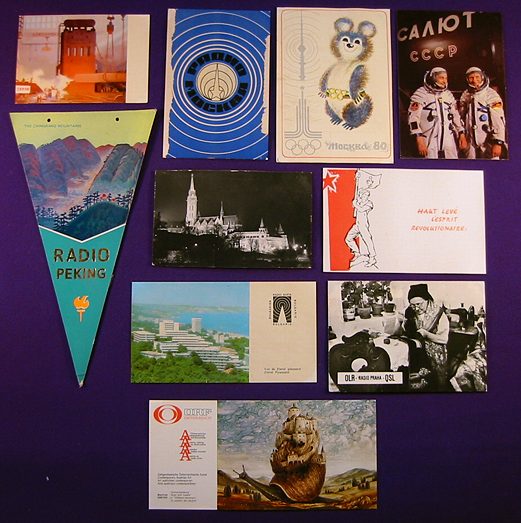
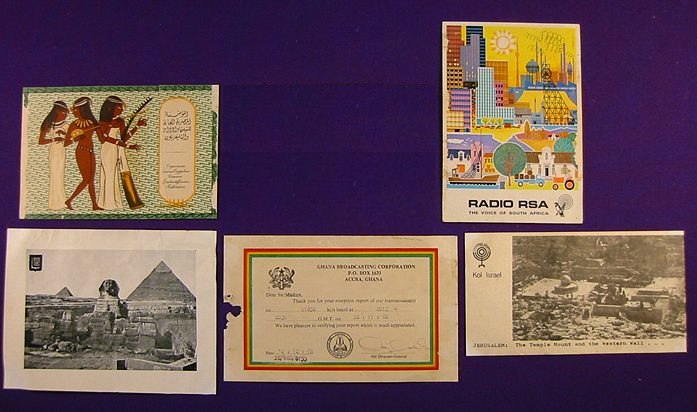
Steve said that most of the card collections below are from around 1966-67; others from about 1980. Click on the images to see larger versions:

europe-qsl

Europe

north-qsl

North America

south-qsl

South America

bcb-qsl

Broadcast Band

christian-qsl

Christian Broadcasters

eu-asia-qsl

EU/Asia

africa-qsl

Africa

You can follow Steven’s adventures with The Nomadness on his blog: http://nomadness.com/blog

Daniel shares recent QSLs

Daniel (W3DI) writes:

I have been enjoying some shortwave broadcasts recently and received some nice QSL cards. Wanted to share the cards and some station information.

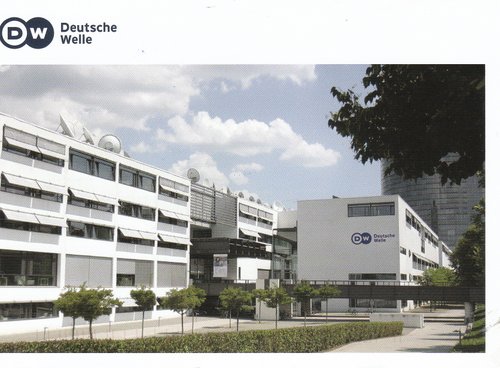
 Deutsche Welle - copied broadcast on 15,275 KHz - Jan 20 , 2013 at 1930 UTC

Deutsche Welle – copied broadcast on 15,275 KHz – Jan 20 , 2013 at 1930 UTC

China Radio International - copied broadcast on 9,580 & 6,020 KHz - Dec 29 & 31 , 2012   at 0130 UTC

China Radio International – copied broadcast on 9,580 & 6,020 KHz – Dec 29 & 31 , 2012 at 0130 UTC

IMG_0002

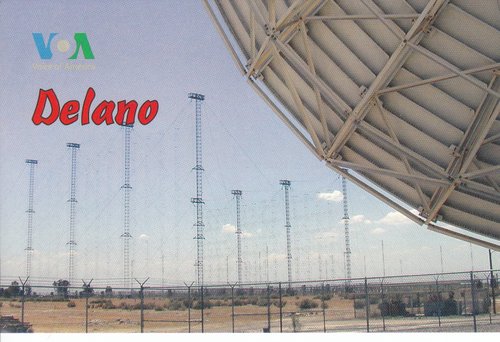
VOA -  Africa service - They sent not only a QSL but a beautiful 2013 calendar.

VOA – Africa service –
They sent not only a QSL but a beautiful 2013 calendar.

Daniel addeded:

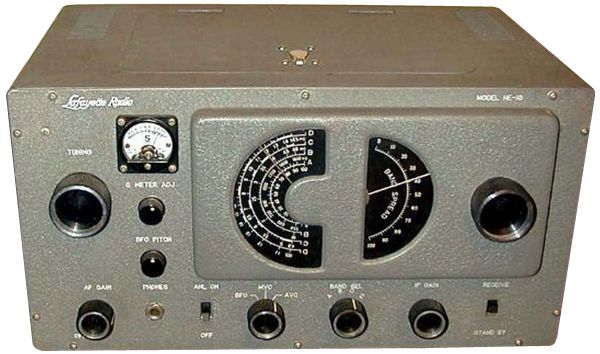
Shortwave listening was my first step to becoming an amateur [radio operator]. First receiver was a Lafayette HE – 10 with a Q mulitplier I built. Now using a WinRadio 313 – things have really changed.

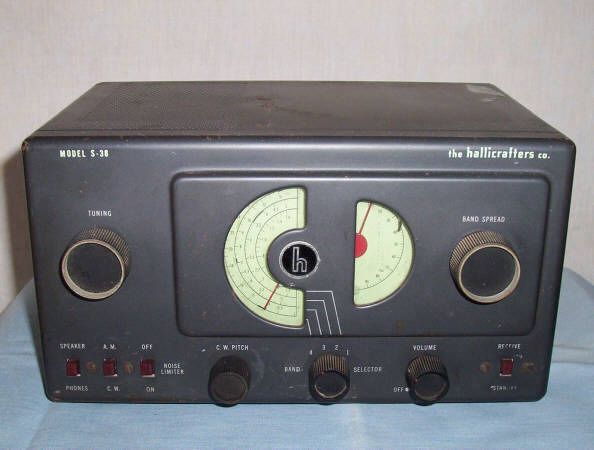
Shortwave listening was also my first step to becoming a ham radio operator. The Lafayette HE-10 is a beautiful little 9 tube radio. I love the split dials on the front–much like the venerable Hallicrafters S-38.

The Lafayette HE - 10 (Photo: RigPix.com)

The Lafayette HE – 10 (Photo: RigPix.com)

Halli-S-38

The Hallicrafters S-38 (Photo: The S-38 Guy)


DX-Antwerp special broadcast May 12th

(Source: DX-Antwerp)

The Belgian club, DX-Antwerp, is celebrating its 30th anniversary on May 12th. They’re airing a commemorative shortwave broadcast on the following schedule:

  • 0430-0530 UTC 17880 kHz Issoudun F AM India
  • 0800-0900 UTC 9680 kHz Issoudun F AM Western-Europe
  • 1200-1300 UTC 6015 kHz Issoudun F DRM Western-Europe
  • 1400-1500 UTC 17880 kHz Montsinery GUF AM North America East
  • 1530-1630 UTC 15775 kHz Issoudun F DRM India
  • 1700-1800 UTC 21680 kHz Montsinery GUF AM North America West
  • 2000-2100 UTC 17755 kHz Montsinery GUF DRM North America

A special QSL card was designed for this occasion. Send a report by
ordinary mail to:

DXA QSL
c/o TDP Radio
PO Box 1
B-2310 Rijkevorsel
Belgium

or e-mail to [email protected].