Shortwave listening and everything radio including reviews, broadcasting, ham radio, field operation, DXing, maker kits, travel, emergency gear, events, and more
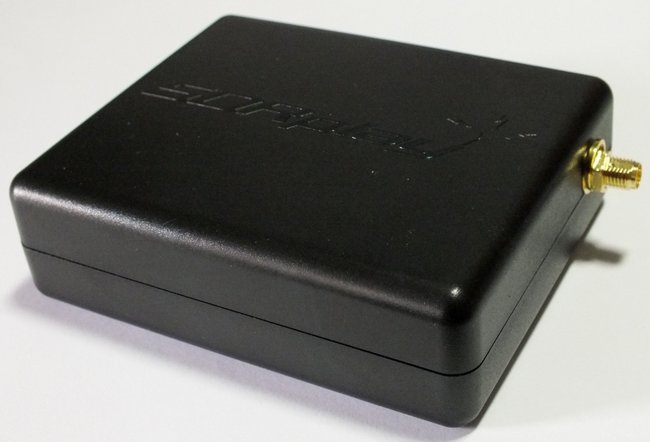
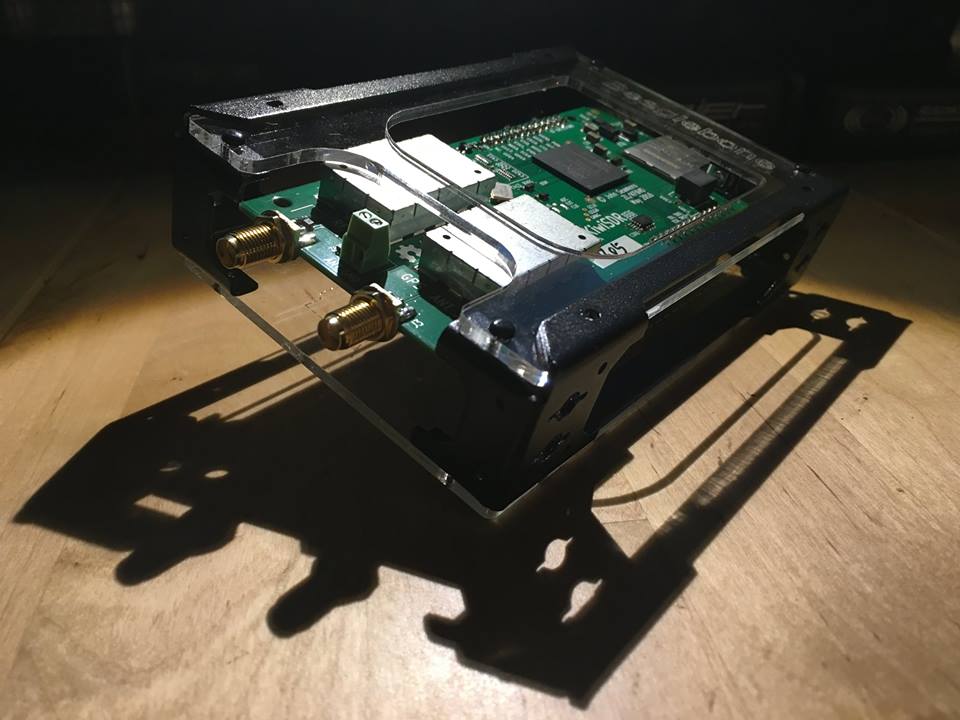
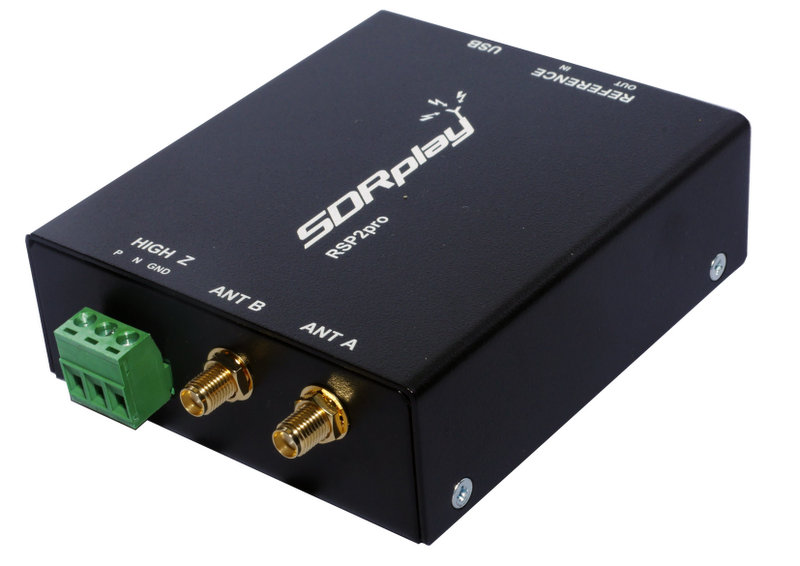
SDRplay are pleased to announce a price reduction for their entry-level SDR receiver, the RSP1 to $99.95 USD making it the most competitive mid-range SDR to include reception down to low frequencies without the need for an upconverter.
The RSP1 provides general coverage receiver and panadapter capability from 10 kHz to 2 GHz. As well as providing SDRuno SDR software, support for popular 3rd party packages like HDSDR, SDR-Console and Cubic SDR is provided. Recent availability of an SD Card image makes for easy set up on a Raspberry Pi.
Many thanks to SWLing Post contributor, Mark Fahey, who writes:
Lots happening with KiwiSDR – there are now over 130 live 0-30MHz fully controllable SDRs scatted around the world some in really interesting locations. Using Kiwi’s around the world is like being able to go on a exotic DXpedition any time.
Here (attached graphic) is a map of the current locations, you can see the live status of online receivers here:
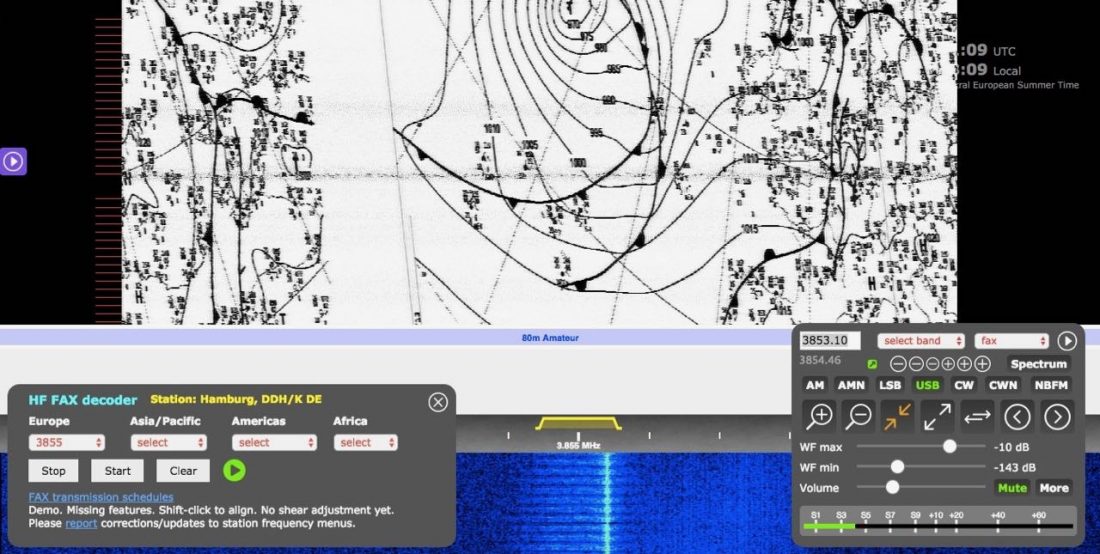
KiwiSDRs now include HF Fax reception natively, just select Fax in the Extension menu, select the part of the world you are interested in and the Kiwi will tune the weather fax frequency and receive the weather fax all natively (no extra software needed) – too easy!
Thank you for the update, Mark! I had no idea the KiwiSDR app had an HF Fax extension. After reading your message, I loaded a KiwiSDR session in Europe and used the Fax feature. It couldn’t have been easier. The screen grab (above) came from my first attempt.
The KiwiSDR network is truly amazing. I use it all the time–especially if there’s an important broadcast happening and I can’t easily receive it at home or while traveling. As an example, during the recent French elections, I listened to results roll in on France Inter mediumwave from a KiwiSDR in Italy. It felt like being there.
My one feature request would be that the KiwiSDR app include some form of native broadcast recording like the WebSDR at U Twente.
I would have purchased a KiwiSDR ages ago–during their Kickstarter campaign–if I only had the Internet bandwidth at home to support it. My Internet speeds are likely lower than anyone else here in the SWLing Post community. One of the compromises living in a relatively remote spot with no RFI. 🙂
API 2.10 has been released. We recommend you update your system to this latest version. We are constantly improving our software and updating to the latest version will allow us to provide you with the best possible support.
Users can simply go to our Downloads page on: http://www.sdrplay.com/downloads/ and download their choice of software again if they use SDRuno, HDSDR or the EXTIO plugin) to automatically pick up the the latest API. Alternatively you can just download the SDRplay API and replace your older copy wherever it sits in your system for these and other programmes.
Many thanks to SWLing Post contributor, Ed, who notes:
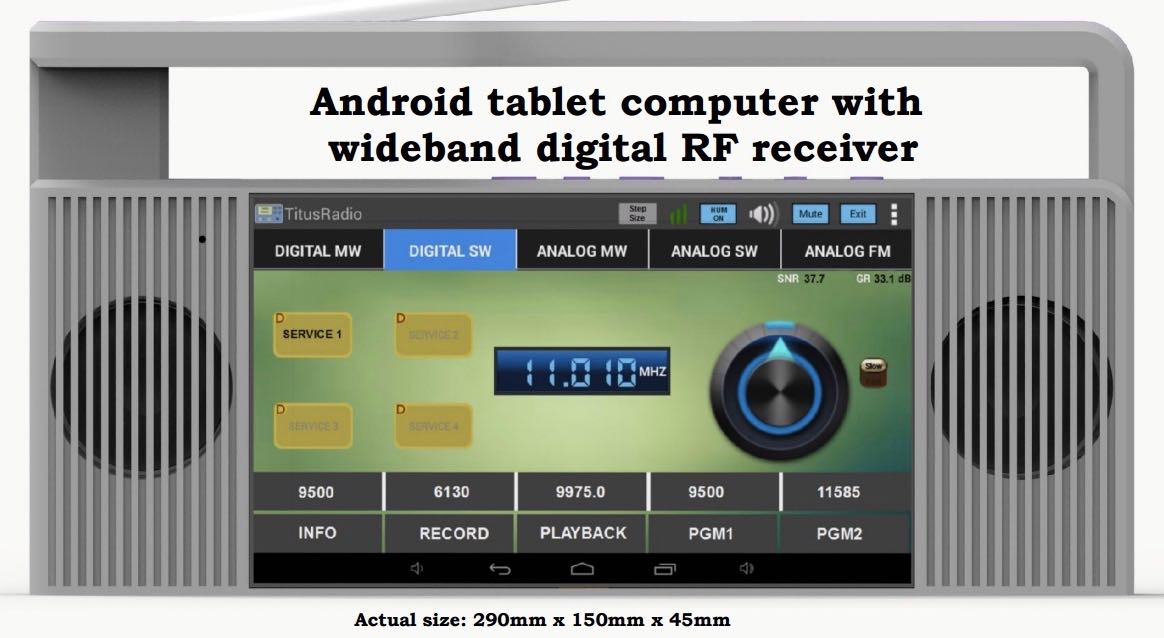
I just received a status update on the pantronX Titus II portable SDR from Mike, their chief engineer.
Mike said the self-contained SDR portable will include “SoapySDR as the interface to make it much easier to roll your own SDR app.” Here’s some info about SoapySDR:
Mike also said, “To be 100% truthful, our biggest push right now is for the international MW & SW broadcasters. They want to go DRM digital is the worst way!”
You might want to share this news with SWLing Post readers.
As many of my readers and followers will already know, these days I mostly enjoy listening to shortwave radio via the outdoor spectrum captures I make in my local park. Although I have built a system that helps me deal with urban radio interference at home, some of the weaker signals still can’t make it through the indoor noise. Since I have a limited amount of time for making outdoor trips, capturing entire portions of the spectrum allows me to record a lot of shortwave signals simultaneously, which I can then explore individually at a later time. However, these trips still need to be carefully planned because the time of the day and the time of the year both affect long-distance signal propagation, and do so differently depending on the frequency range. For example, signals on the 16 meter band are usually at their strongest during the daylight hours, whereas the 31 meter band is at its busiest around sunrise and sunset. Because my current portable recording set-up allows me to capture only 10% (3 MHz) of the shortwave spectrum at any one time, I decided to carry out a systematic exploration of activity on the shortwave bands to help me time my outings so as to capture as many signals as possible during each trip.
Capturing the shortwave spectrum out in the field with a portable SDR set-up.
Luckily, I didn’t need to make any of my own measurements for this. For over a year, the wide-band WebSDR at the University of Twente has allowed its users to see what the shortwave spectrum has looked like over the past 24 hours in a single image. More recently, however, the creator of the service, Pieter-Tjerk de Boer PA3FWM, has opened up his spectrum image archives, so it is now possible to see the past conditions of the bands on any single day in the last two years. Intrigued by how band activity changes depending on the time of the year, I created a timelapse animation of these images by taking two from each calendar week and lining them up in sequence. With Pieter-Tjerk’s kind permission, I share this animation below.
First, a really fast version to illustrate the broad effects the time of the year has on peak activity times across the bands:
The X axis represents the frequency and the Y axis is the time of day, starting at the top. Conventional wisdom about band behaviour can be easily confirmed by watching this video: the 60m, 49m and 41m bands are mostly active after dark, with the 60m and the 49m bands being generally busier during the winter months. The 31m band is most active around sunset, but carries on all night until a few hours after sunrise. The 25m band is active during sunrise and for a few hours afterwards, and around sunset during the winter months, but carries on all night during the summer. Peak activity on the 22m and 19m bands is also clustered bi-modally around the morning and the evening hours, though somewhat closer to the middle of the day than on the 31m and the 25m bands. The 16m band is mostly active during the daylight hours and the 13m band is quiet throughout the year except for the occasional ham contest.
It almost seems as though someone positioned in the middle of the image’s right edge (corresponding to noon UTC) is shining two flashlight beams on the bands in a V-shaped pattern, and is changing the angle of this pattern depending on the time of the year: wider in the summer and narrower in winter. Here’s a slower version of the animation that shows some finer week-on-week changes:
Thanks to this data being made freely available, visualising and understanding these dynamics will help me schedule my spectrum capture outings in the weeks and months ahead.
Please support this website by adding us to your whitelist in your ad blocker. Ads are what helps us bring you premium content! Thank you!