Shortwave listening and everything radio including reviews, broadcasting, ham radio, field operation, DXing, maker kits, travel, emergency gear, events, and more
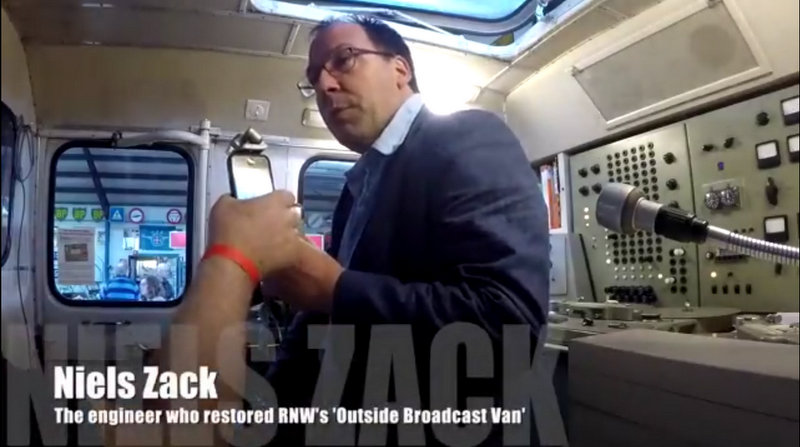
The video includes a tour of the van, the setup used in the 70th anniversary broadcast and an extended interview with Niels Zack, who restored the operations van:
I listened to at least an hour of the Saturday broadcast via the U Twente WebSDR. Sadly, I just discovered the audio dropped about 2 minutes into my recording.
Post readers: Anyone else listen to, record or simply log this anniversary broadcast? Please comment!
Many thanks to SWLing Post reader, Paul Beckett, who writes with the following question for our community:
Hi Thomas
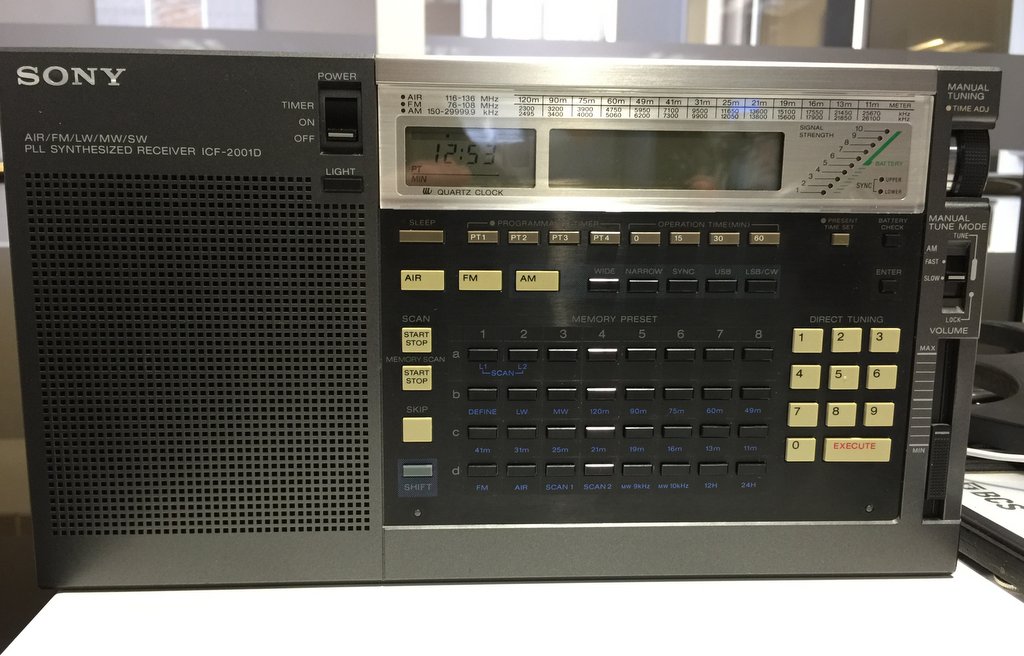
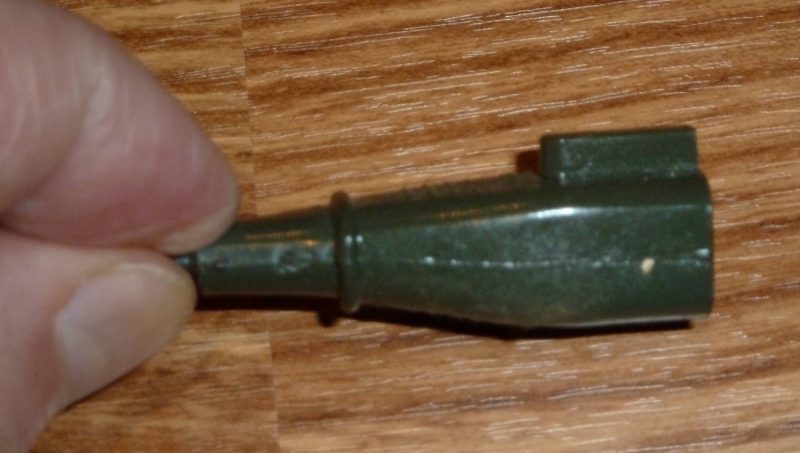
I am hoping you may be able to help identify the fly lead plug which fits on the jack plug of the Sony mains adapter lead for the 2001D. It terminates in a four pin female socket but i cannot find any description of it on the internet.
Appreciate any info if you recognise it. It is definitely part of the 2001D “kit” as the plug is clearly marked “Sony” and was among my radio “bits”.
Regards
Paul
Post readers: can anyone help Paul identify this particular 2001D plug so that he can search for a replacement on the Internet? If so, please comment!
Many thanks to SWLing Post contributor, Marty Meyers, who shares the following notice from WRMI (via Facebook):
6855 kHz off air
Due to interference with a U.S. Army frequency, WRMIhas been asked to vacate 6855 kHz. We are now off of this frequency. However, a replacement frequency of 9455 kHz has been assigned, and we expect to be on the air on 9455 kHz sometime next week. This frequency will be directed primarily to the Southwestern United States and Mexico, although it will probably be audible in other areas as well, depending on propagation conditions.
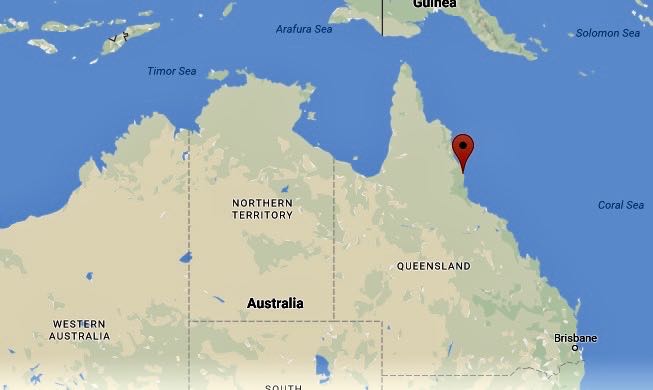
Many thanks to Al Kirton, the General Manager at NQ Radio, who has kindly shared a few more details about NQ Radio and, specifically, 4KZ:
Hello Thomas
NQ Radio operates about 20 AM & FM transmitters in North Queensland, Australia. Our stations are 4KZ, 4AM, 4AY, KIK FM & KOOL FM.
In a couple of months or so we will be establishing a 4KZ shortwave service on 5055 kHz with 1 kilowatt.
The antenna is designed to give primary coverage from 200 km to 800 km from Innisfail. We suspect it will be heard with a low quality signal much further away.
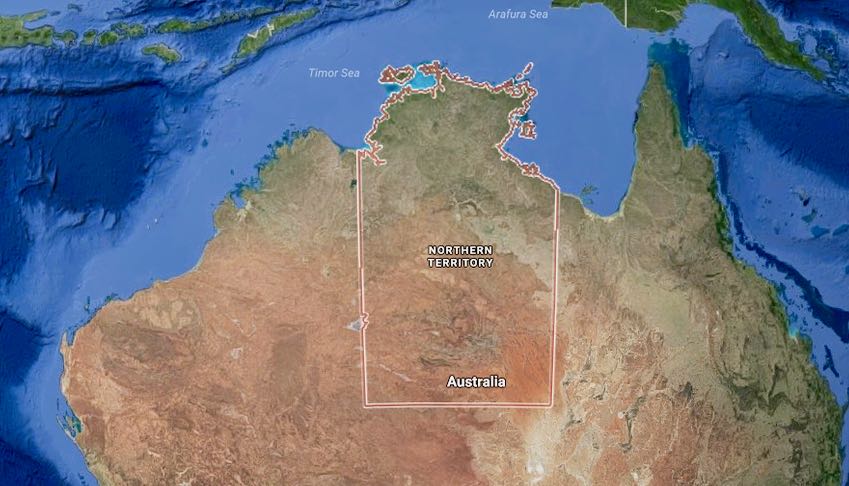
The ABC has turned off its shortwave radio transmitters, leaving Australians in remote areas without easy access to lifeline radio
OTTAWA — On Jan. 31, state-owned Australian Broadcasting Corp. shut down its shortwave radio transmitters; ending both international broadcasts of Radio Australia and the ABC’s domestic service in Australia’s Northern Territory. The transmitters were located at ABC broadcasting facilities at Katherine, Tennant Creek, and Roe Creek (Alice Springs).
According to the ABC news release that announced the shutdown on Dec. 6 — less than two months before it took place — “The move is in line with the national broadcaster’s commitment to dispense with outdated technology and to expand its digital content offerings including DAB+ digital radio, online and mobile services, together with FM services for international audiences.”
[…]The majority of ABC audiences in the Northern Territory currently access ABC services via AM and FM and all ABC radio and digital radio services are available on the Viewer Access Satellite Television (VAST) satellite service.”[…]
Many thanks to SWLing Post contributor, Mark Fahey (our resident North Korea specialist) who shares the following comment regarding our recent post about the re-activation of the North Korean Numbers station:
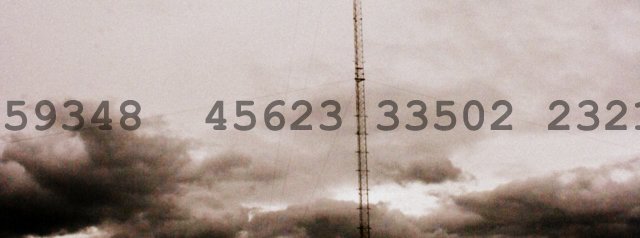
The Pyongyang numbers (designated V15) have either become less regular or changed their schedule since March. Its been a few months since I have personally received them – but I also haven’t been specifically tuning in for them lately so maybe I have simply missed noticing a timing change.
If you want to find the North Korean numbers, they are read out in a block between songs within the regular programing of the Pyongyang Pangsong radio station.
The choice of music immediately before the number block seems to indicate which recipient agent the transmission is directed to.
For Agent 27 “We Will Go Together with a Song Of Joy” is played, whereas Agent 21’s song is “Spring of my Hometown.”
The announcements typically take between 5 to 10 minutes to read dependent on the number of digits passed. The transmission schedule is variable; in early 2017 the broadcast alternated with a cycle of one week on Thursday night at 12:45AM Pyongyang Time (1615 UTC) and the following week on Saturday night at 11:45PM Pyongyang Time (1515 UTC).??
Pyongyang Pangsong can be heard on these shortwave band frequencies (it is also on MF & FM on the Korean peninsular):
3250 kHz, Pyongyang 100KW Transmitter
3320 kHz, Pyongyang 50KW Transmitter
6400 kHz, Kanggye 50KW Transmitter
Mark followed up this morning with a off-air recording of V15 on 3250kHz. Mark comments, “I will leave the decrypted message content to your imagination!”
Many thanks to SWLing Post contributor, Gary DeBock, who shares the following notes and recordings from an Ultralight DXpedition in Kona, Hawaii:
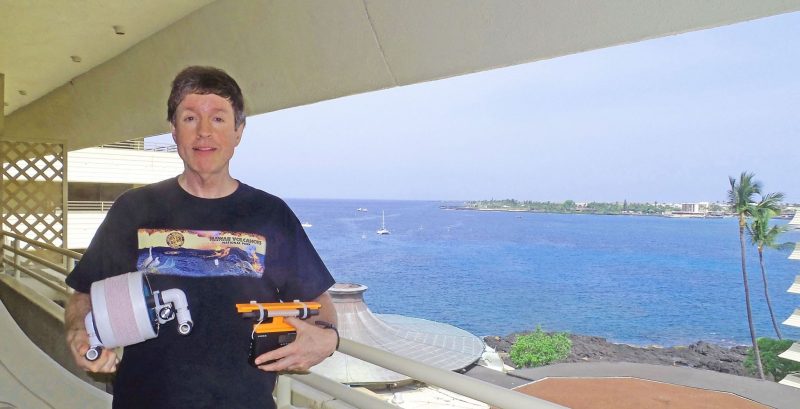
The Kona, Hawaii Ultralight Radio DXpedition was conducted from a sixth floor oceanfront motel room in the Royal Kona Resort Motel from April 9-12 (during an anniversary trip with my wife). A newly designed “airport friendly” 5 inch FSL antenna (designed to fit within hand-carry luggage, inside a plastic tote) and a 7.5 inch loopstick C.Crane Skywave Ultralight were used to track down and record Asian and South Pacific Medium Wave DX from such rare stations as 540-2AP (Apia, Samoa), 621-Tuvalu (Funafuti, Tuvalu) and 1440-Kiribati (Bairiki, Kiribati). Here are three extremely strong recording links for these exotic stations, including the daily sign off routines for 621-Tuvalu and 1440-Kiribati:
540 2AP Apia, Samoa Extremely strong Christian worship music (Samoan style) at 0931 UTC on April 9 (S9+ level)
621 Tuvalu Funafuti, Tuvalu Over 8 minutes of traditional island music at an S9 level, including the sign off routine (with national anthem) at 1000 UTC
1440 Kiribati Bairiki, Kiribati Over 7 minutes of traditional island music, station ID’s in English and the native language, and the national anthem (followed by a blistering 1000 Hz tone) at the 0936 UTC sign off– all at a strong level