Shortwave listening and everything radio including reviews, broadcasting, ham radio, field operation, DXing, maker kits, travel, emergency gear, events, and more
Wellbrook Communications will cease trading at the end of April 2023. This is due to retirement. I would like to thank everyone for their custom over the past 27 years.
No doubt, the venerable Wellbrook loop has helped thousands radio enthusiasts mitigate RFI/QRM and make it possible to once again DX from home.
Okay, let’s get this straight to begin with: I’m not on C.Crane’s payroll; I get nothing for what you are about to read. I have bought two of their radios with my own money, and they sent me one for review.
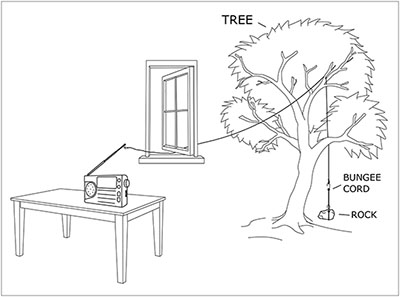
Today I received an email from C.Crane, headlined “How to make a shortwave antenna.” It links to an online article, written by Bob Crane, with the same title. Here’s the link.
It explains, clearly and concisely, how to make your own shortwave antenna, and it also adds some safety warnings. Check it out; it’s worth reading and maybe home-brewing your own antenna.
What makes this a high degree of cool is that C.Crane also sells shortwave antennas . . . and yet they tell you how to make your own if you so choose. Nice.
Frankly, I’ve been a fan of the C.Crane company for years. Now I am a bigger one.
The father and son team of Joe and Jeff Geerling have teamed up on radio-related projects before.
Joe is a broadcast engineer, working into his fifth decade in the St. Louis market. He was market chief for CBS Radio for 20 years and today is the director of engineering for Covenant Network.
His son Jeff has spent nearly 15 years as a software architect and developer. He founded Midwestern Mac LLC and is active in many open-source software communities. Jeff recalls that one of his first web programming projects in the late 1990s was to construct an interface to display the current song on 98.1 KYKY(FM)’s initial website for his dad.
Last February, Joe appeared on a video on Jeff’s YouTube channel to install a Raspberry Pi IP KVM in a Covenant Network studio. That collaboration went so well that commenters on Jeff’s videos began clamoring for more appearances by the senior Geerling.
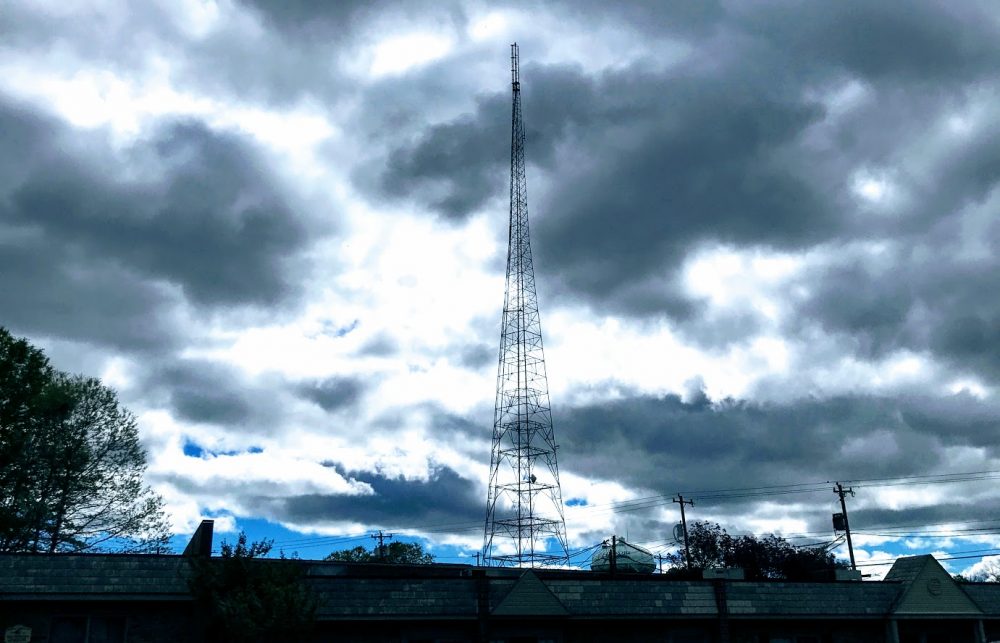
Over a family vacation, Joe and Jeff came to the realization that the iconic Crestwood Master Tower in Shrewsbury, Mo. — nicknamed by its original engineering community as “the Supertower” — would make for a perfect showcase for a new Geerling Engineering YouTube channel.
Given Joe’s expertise with the site, the idea for a video was a natural. In fact they ended up making two. [Continue reading…]
The investment activity of Amancio Ortega in the United Kingdom does not stop. Pontegadea, the group that manages the equity investments of the founder of Inditex (Zara, Massimo Dutti, Bershka…) and the richest man in Spain, is negotiating the purchase of a new office building in London, as revealed on Wednesday by the specialized website CoStar News. This, citing market sources, indicates that the operation would be around 80 million pounds (89.7 million euros, at current exchange rates). The building, originally a printing press built in the twenties, is close to the BBC headquarters and, in fact, for years served as offices for the commercial division of British public broadcasting.
The property, renovated in 2015 by the construction company Kier and the firm Brimelow McSweeney Architects, currently houses a business of coworking (flexible office rental). Of the more than 3,000 meters built, 2,100 are available for rent, according to the building’s commercial brochure. Some websites advertise their tables for a price that exceeds 840 euros per table per month. It offers, in addition to parking for bicycles or changing rooms, a kitchen, private offices, meeting rooms or terraces on the upper floor (the fifth) and on the roof. To this we must add a privileged location in the center of the British capital, in the Fitzrovia neighborhood. The building is close to Soho, the British Museum and Regent’s Park. [Continue reading…]
Our smartphones have become our constant companions over the last decade, and it’s often said that they have been such a success because they’ve absorbed the features of so many of the other devices we used to carry. PDA? Check. Pager? Check. Flashlight? Check. Camera? Check. MP3 player? Of course, and the list goes on. But alongside all that portable tech there’s a wider effect on less portable technology, and it’s one that even has a social aspect to it as well. In simple terms, there’s a generational divide that the smartphone has brought into focus, between older people who consume media in ways born in the analogue age, and younger people for whom their media experience is customized and definitely non-linear. Continue reading →
Frequently when people write about attaching a long wire to a portable shortwave receiver, readers will comment that you need to worry about desensitizing or overloading the receiver or ever harming the front end of the receiver. Clearly that can be a concern.
But recently I noticed something on the CCrane website in the FAQ section that shows clearly that CCrane has thought about and dealt with this consideration:
Q: When using the 2-wire adapter and wire attached, why am I not noticing any improvement on shortwave?
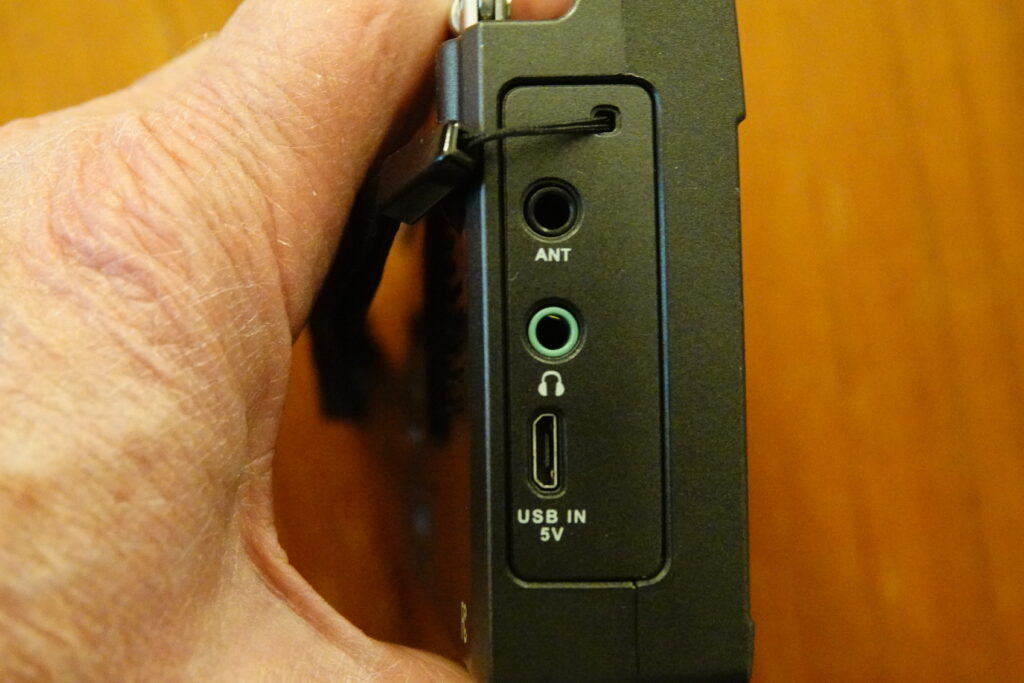
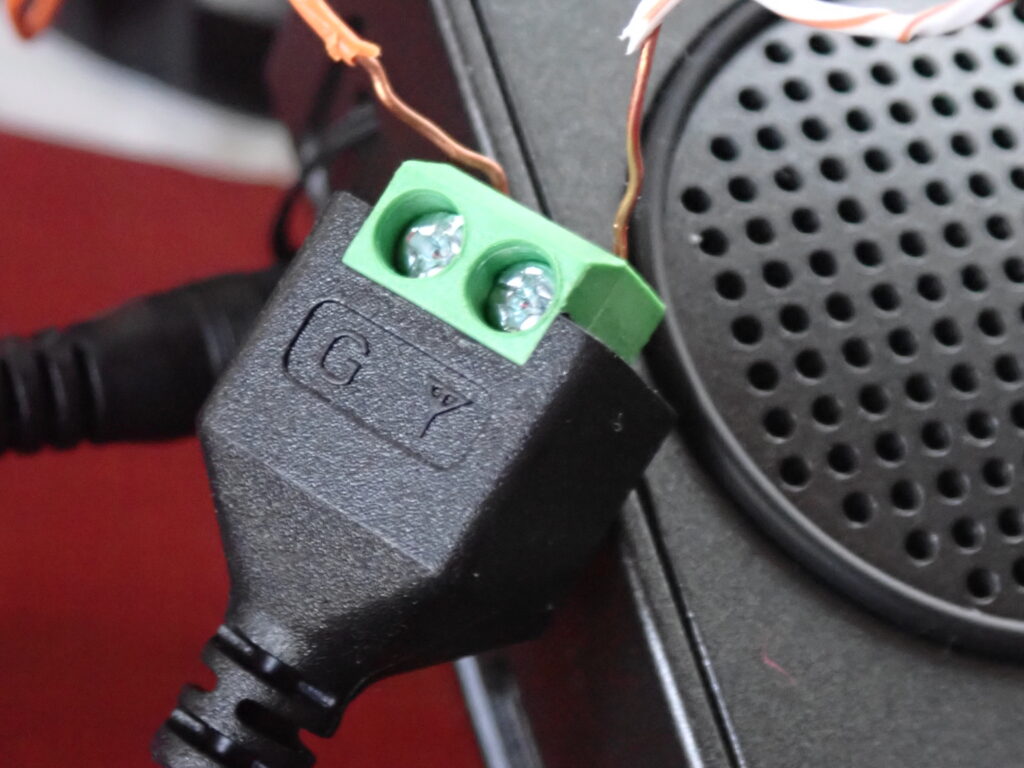
A: To see any difference using the 2-wire adapter you will need to have a wire that is more than 30 feet long (we recommend 60-100’) with a good ground wire. Insulated wire will last longer and should be stranded so it is more flexible. If you do not have a good ground, you are actually inputting noise. If you look at the 2-wire adapter (included) you will see an antenna icon and a ground (G) marking. You need to connect them properly when using an external antenna. When a plug is inserted into the antenna jack of the radio the internal rod antenna is disconnected. (See page 30 of the Instruction manual.)
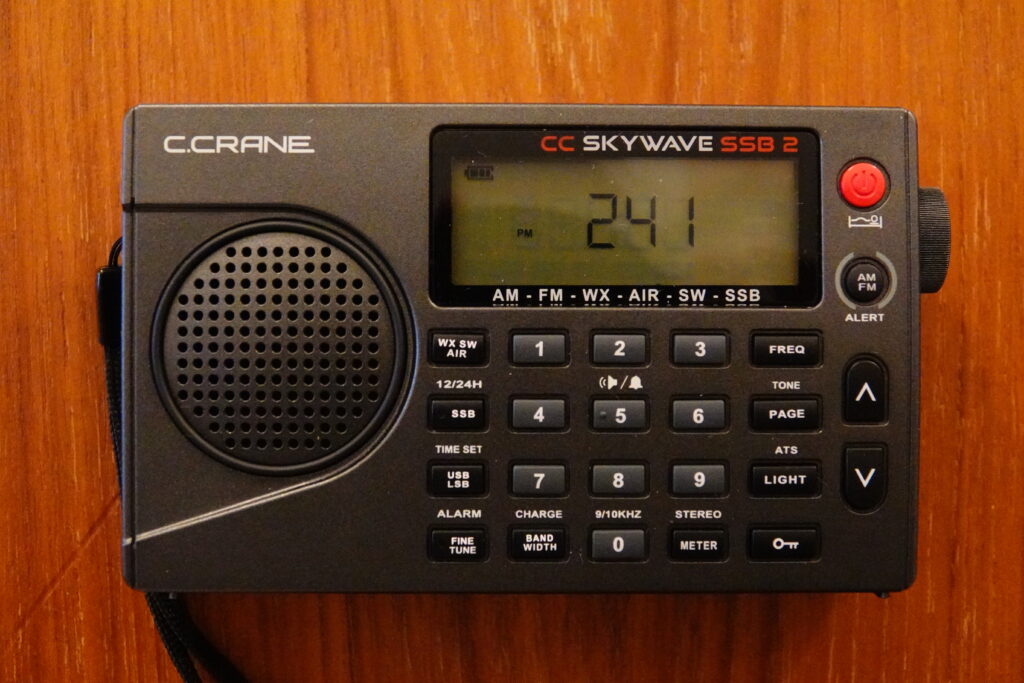
If you check out my review of the CCrane Skywave SSB 2 you will read that I heard a noticeable improvement when connecting the SSB 2 to a 45-foot end fed wire.
Note, though, that if you plan to attach a wire to the SSB 2’s whip antenna, use the 23-foot reel antenna that comes with the radio.
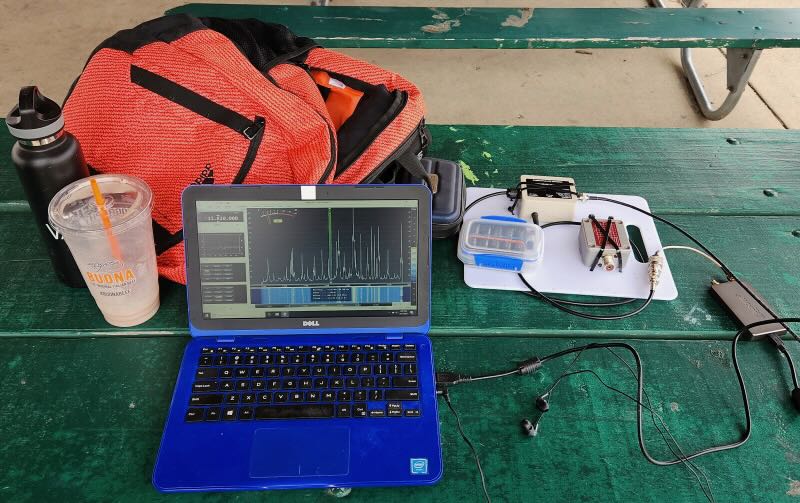
It dawned on me recently, perhaps due to sloppy thinking or unintended distractions, that I never wrote about my modified Loop on Ground (LoG) receive antenna that I use at parks and such. For over a year now, I have been using 3-conductor rotor wire bought cheap at the local hardware store and have wired the conductors in series. Grayhat (Andrew) was the inspiration when he decided to create a folded dipole along the side of his house.
The usual construction of a LoG antenna for shortwave is a single wire of about 60 feet in circumference in order to not go above one wavelength for 20 meter band usage. If you recall, going above one wavelength will start creating weird lobes in the reception pattern. See – Loop-On-Ground Antenna Part 2.
However, I did not like this 19 foot diameter wire on the ground in public parks just waiting to be tripped over. Like, the time when a horse got loose from its owners and almost tripped over my 60 foot wire. I don’t think I would have liked the resulting lawsuit!
So out of fearful necessity I took some leftover RCA 3-conductor rotor wire, about 29 feet of it, and wired a loop with the conductors in series. This gives about 81 feet of total conductive length. But since it is folded onto itself, there is an undetermined loss of resonant length. Callum (M0MCX) of DXCommander fame has experimented and found folded dipoles need three times more length in the folded section to reach resonance, so my loop is probably around 69 feet (electrically). See – Fold the end of a Dipole Back – What’s Happening?.
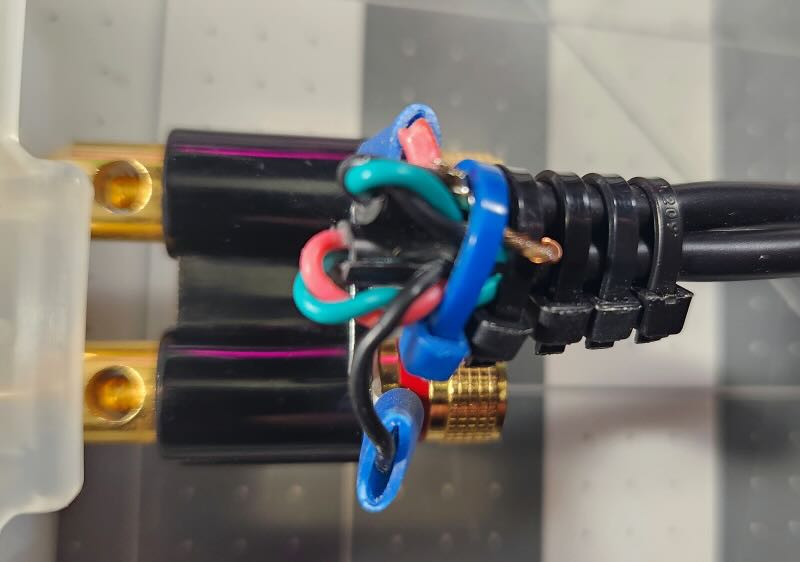
In the picture below, the black wire with Ring Terminal at the bottom goes all the way around to the other side, soldered to the green wire, which goes around and is soldered to the red wire, which goes around to the Ring Terminal at the top, plus tie-wraps to hold the wires together.
The next picture is how the Wellbrook Medium Aperture preamplifier is connected to the loop with BNC cable that goes to the 12V power injector. I have had this Wellbrook unit for maybe 6+years with no signs of problems. WARNING – do NOT use the Wellbrook preamplifier in the presence of high powered RF energy like your Amateur Radio antenna pumped with 1000 watts from a linear amplifier; the Wellbrook premap might just overload and get damaged! I did use this loop and preamplifier at last year’s 2022 ARRL Field Day and was able to get away with it because we were only using 100 watts per station. Listening to the 9pm 3916-net trivia group was fun but I still needed to keep it away from the transmitting antennas. Continue reading →
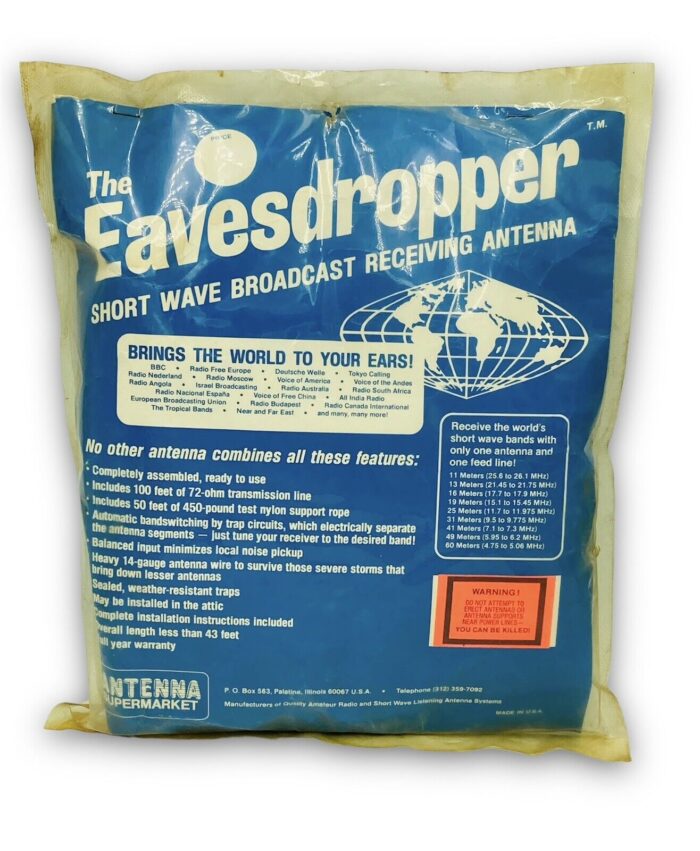
When I had my roof top antennas, with the original building owner, I put up the Eavesdropper. There were 2 versions: this one with the twin lead-in and the second with a coax lead-in connection. I had both. One strung E&W and the 2nd N&S with a MFJ ant. switch. Both were up for about 7 years with a Zap Trapper surge protector and good cold water ground. They were pretty rugged withstanding blizzards, hurricanes and summer thunderstorms.
Back then, a company called Antenna Supermarket sold them for about 45 bucks a piece. Both worked great for me and they were only about 45′ long center fed From Yonkers, N.Y. I could pull in Madrid and Australia and New Zealand very clearly on my Eton E-1 XM. So I thought some readers might be interested in buying an eavesdropper on eBay, it works well. Take care and enjoy !
Thank you for sharing that, Jack!
I remember seeing the Eavesdropper advertised back in the day. I still believe it must have one of the best antenna names ever! The product image brings back memories of browsing radio catalogs!
Many thanks to SWLing Post contributor, Frans Goddijn, who writes:
Hi Thomas:
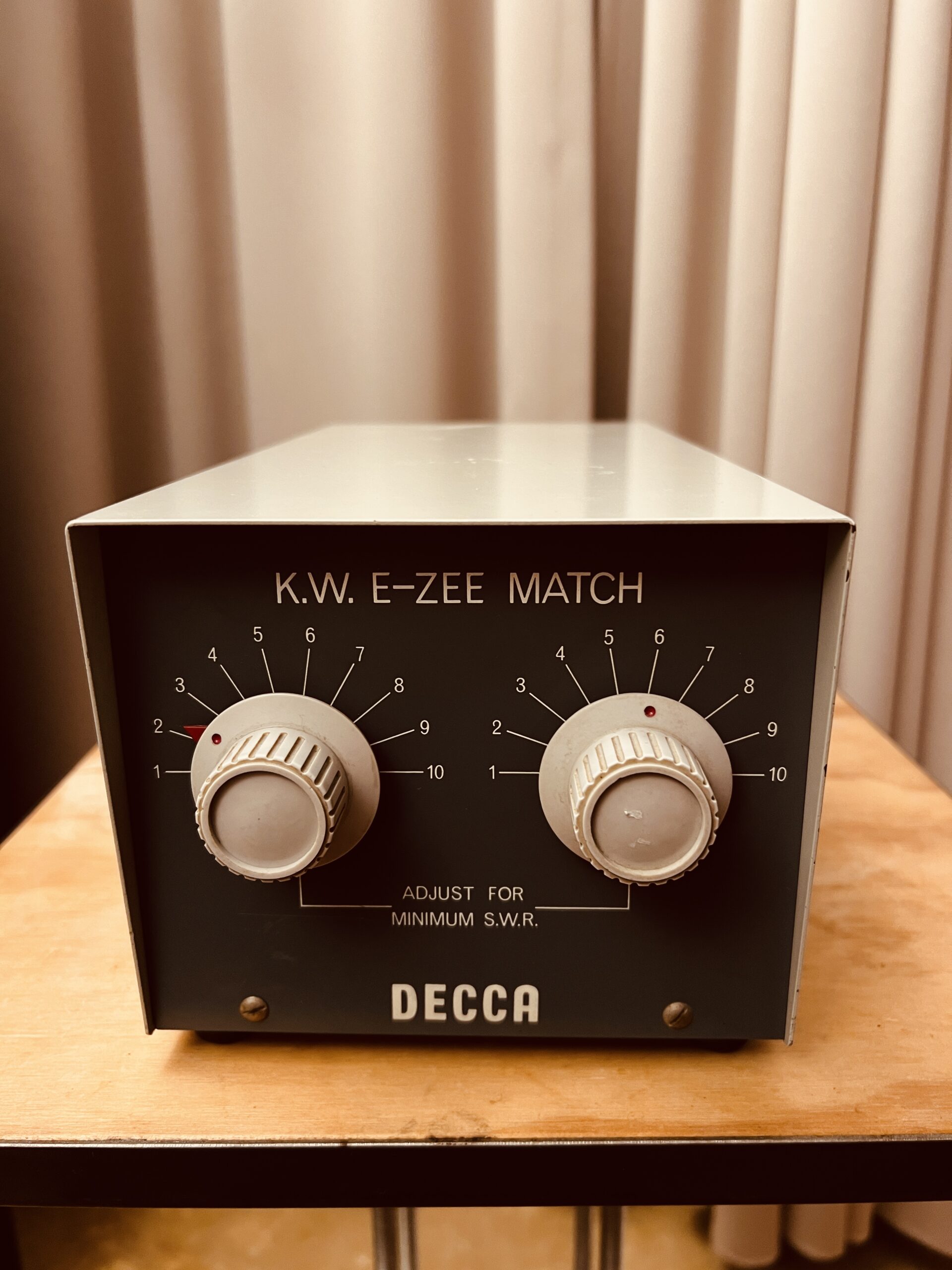
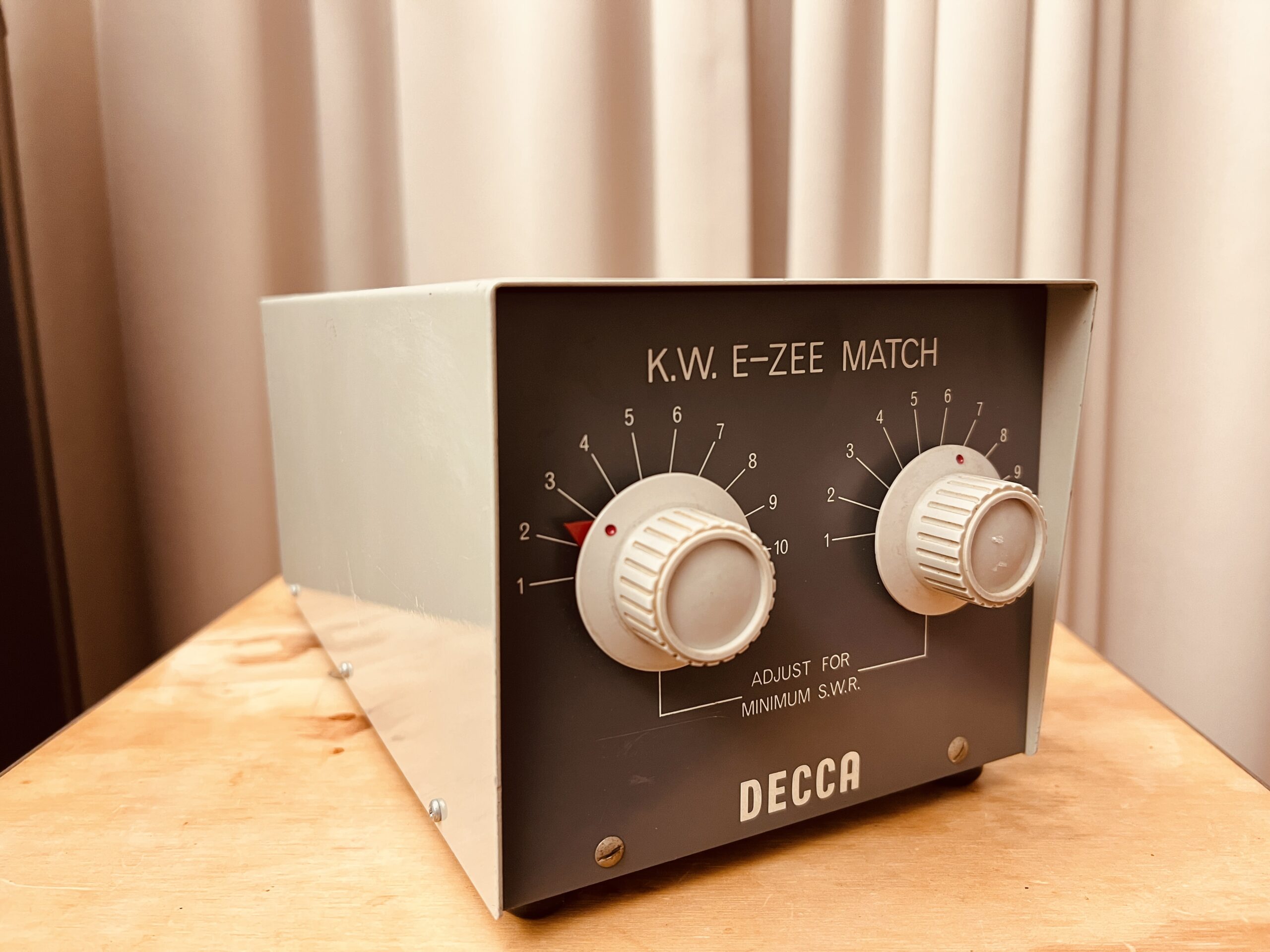
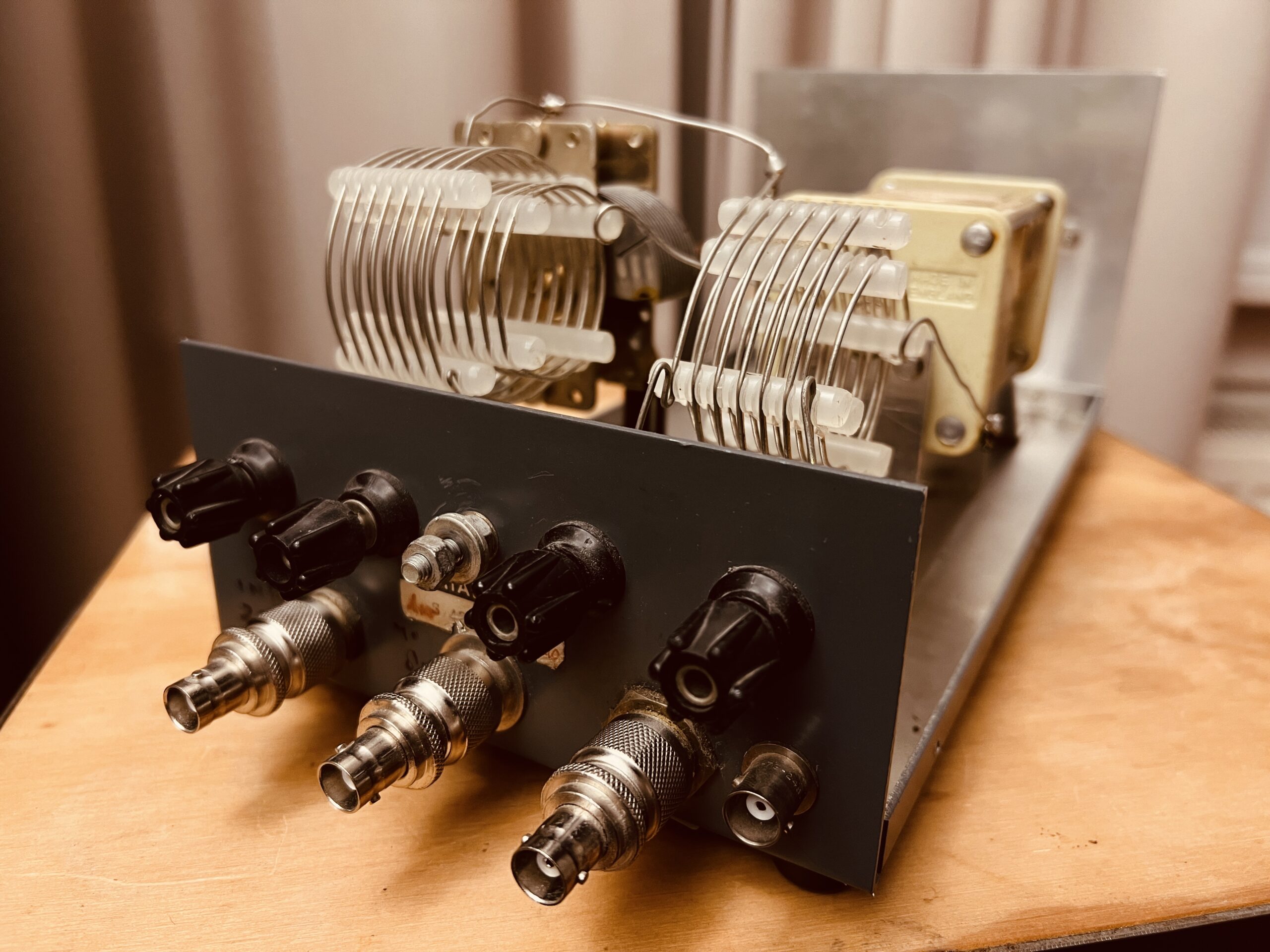
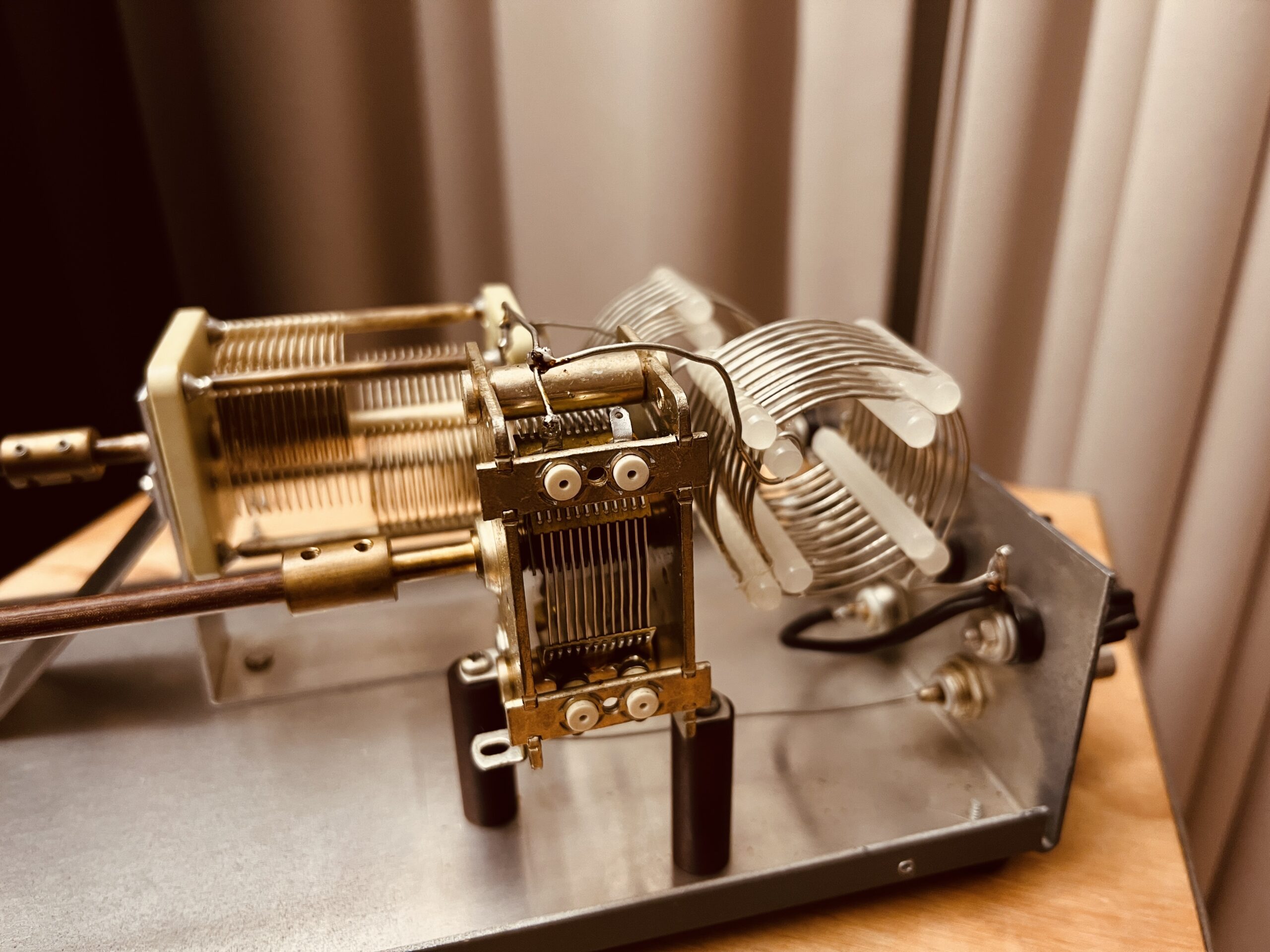
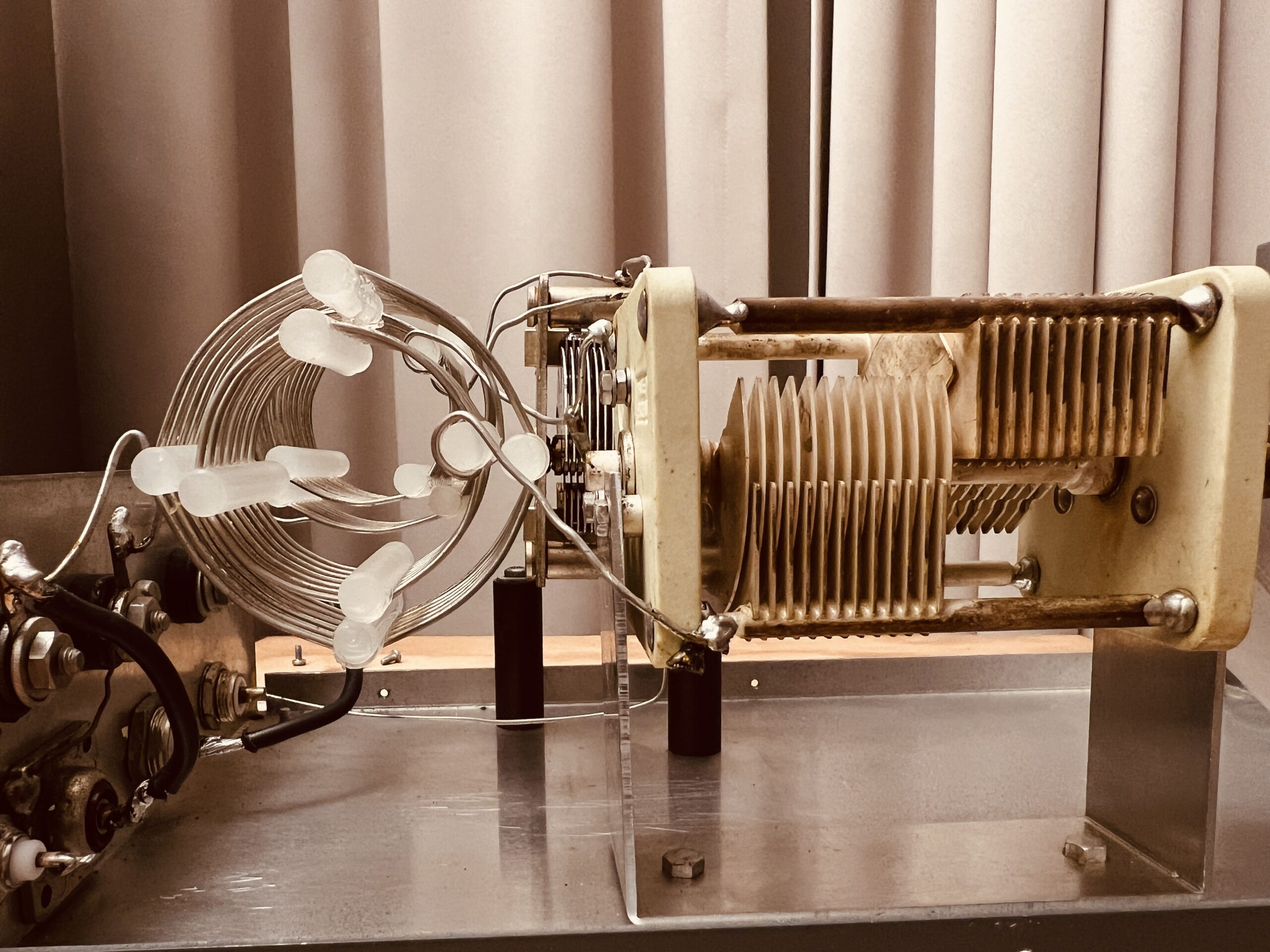
I bought a vintage antenna tuner, one that does not need a power source, very basic just a box with some beautiful coils and nice big variable capacitors and it works for the big magnetic loop antenna here.
I have four GRAHN loop antennas which each have their box with dials to fine tune the signal but the big loop didn’t have that yet.
The tuner works well, filters out some noise but I must say the iCOM radio also managed to select good signal from the loop with its own tuner system and the DSP noise filter at the speaker end of the system further clears up the voice sounds.
The internals of manual antenna tuners are simply hypnotizing, aren’t they? You’ve a beautifully-built tuner there that is functional and will outlive us all!
Thank you for sharing!
Please support this website by adding us to your whitelist in your ad blocker. Ads are what helps us bring you premium content! Thank you!