Category Archives: Ham Radio

Photos from the VOA Bethany Museum

VOA-Bethany- - 1 (1)

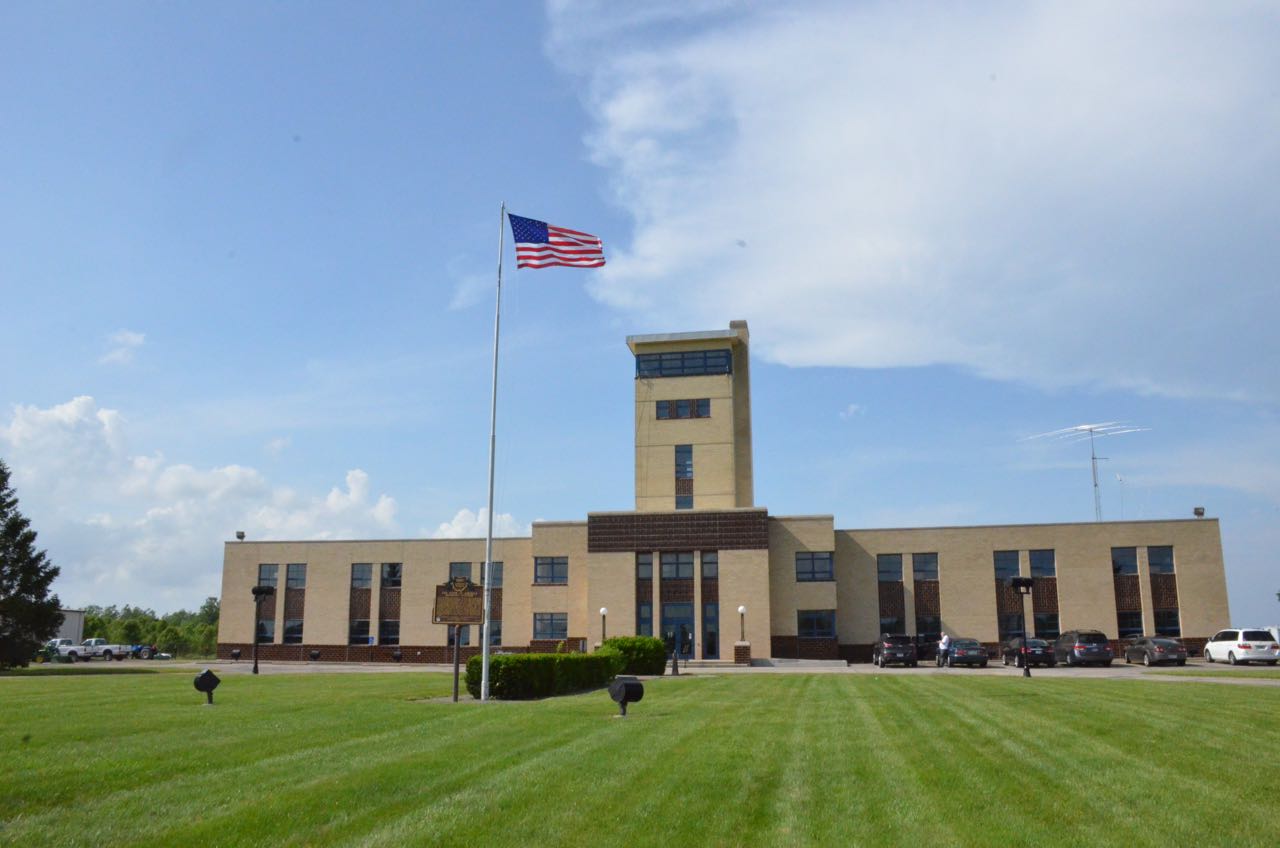
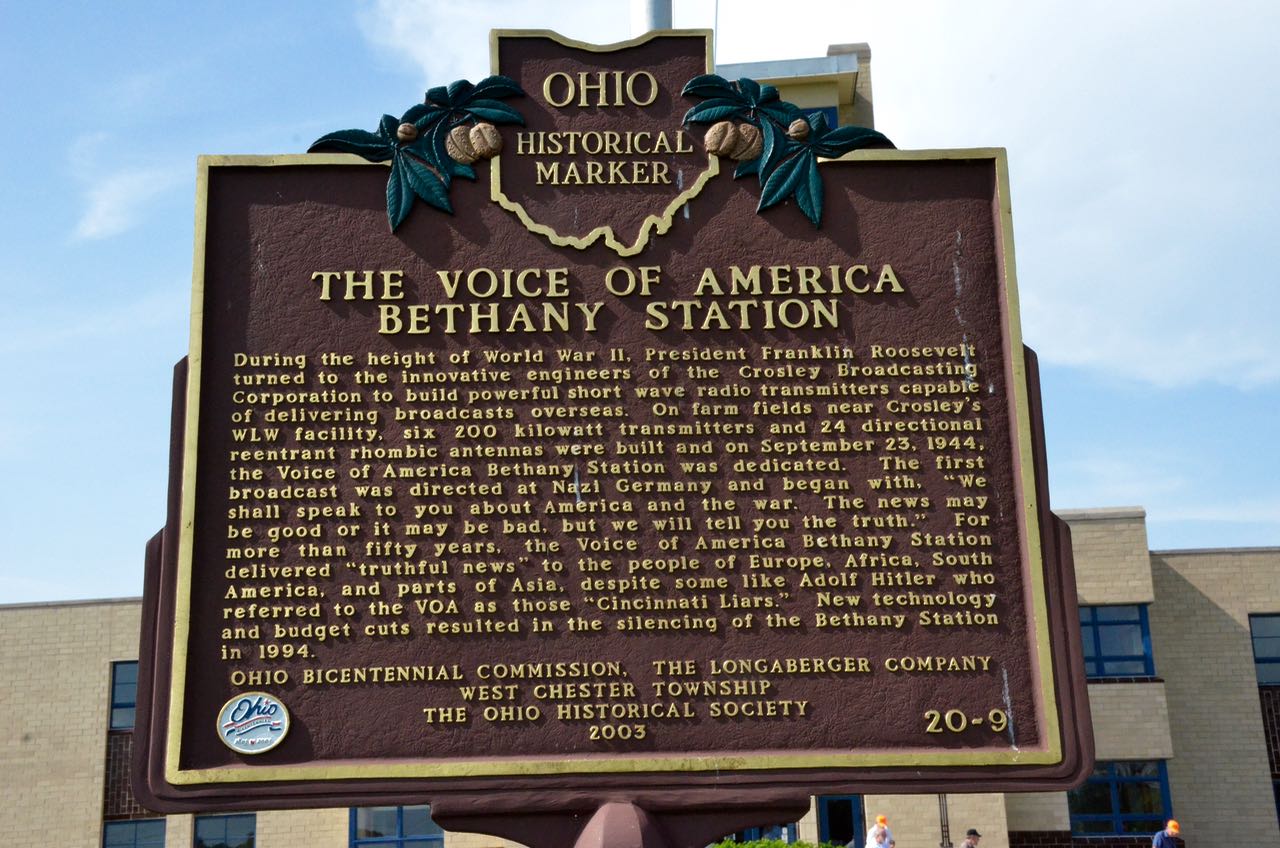
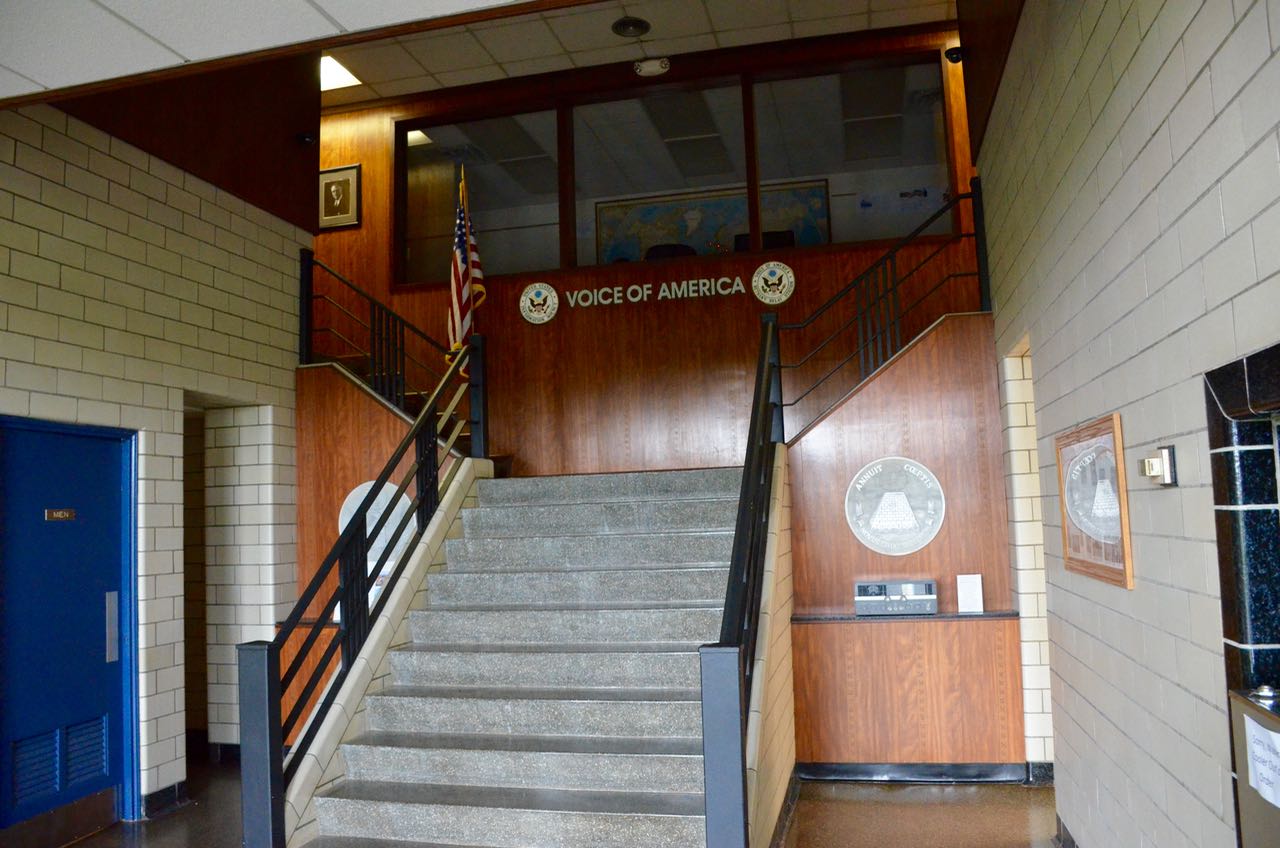
Immediately after packing up our table at the Dayton Hamvention, my buddies Eric (WD8RIF), Miles (KD8KNC), and I made the 30 minute journey to Bethany, Ohio, to visit the VOA Bethany museum.

VOA-Bethany- - 1 (2)

VOA-Bethany- - 1 (35)

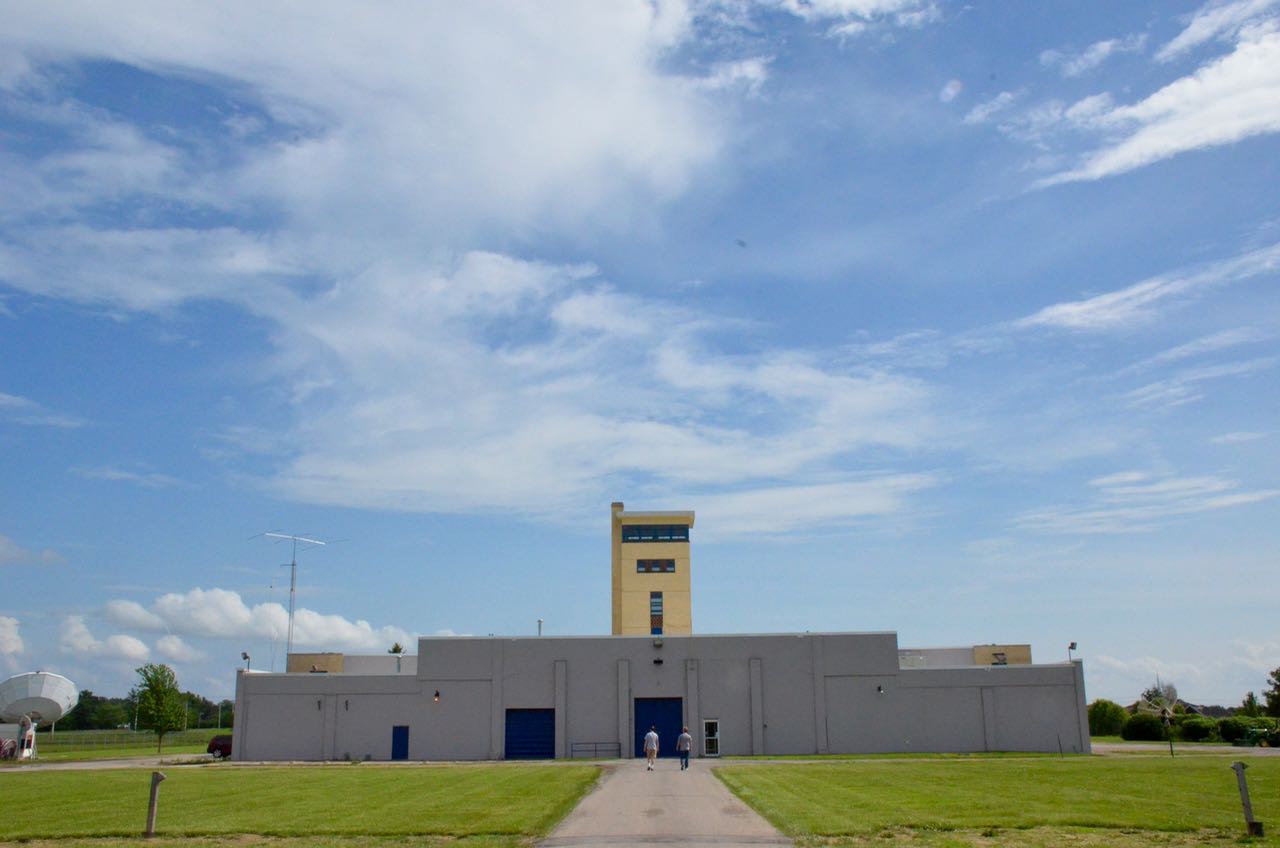
Main entrance and front lobby (above).VOA-Bethany- - 1 (34) VOA-Bethany- - 1 (3)

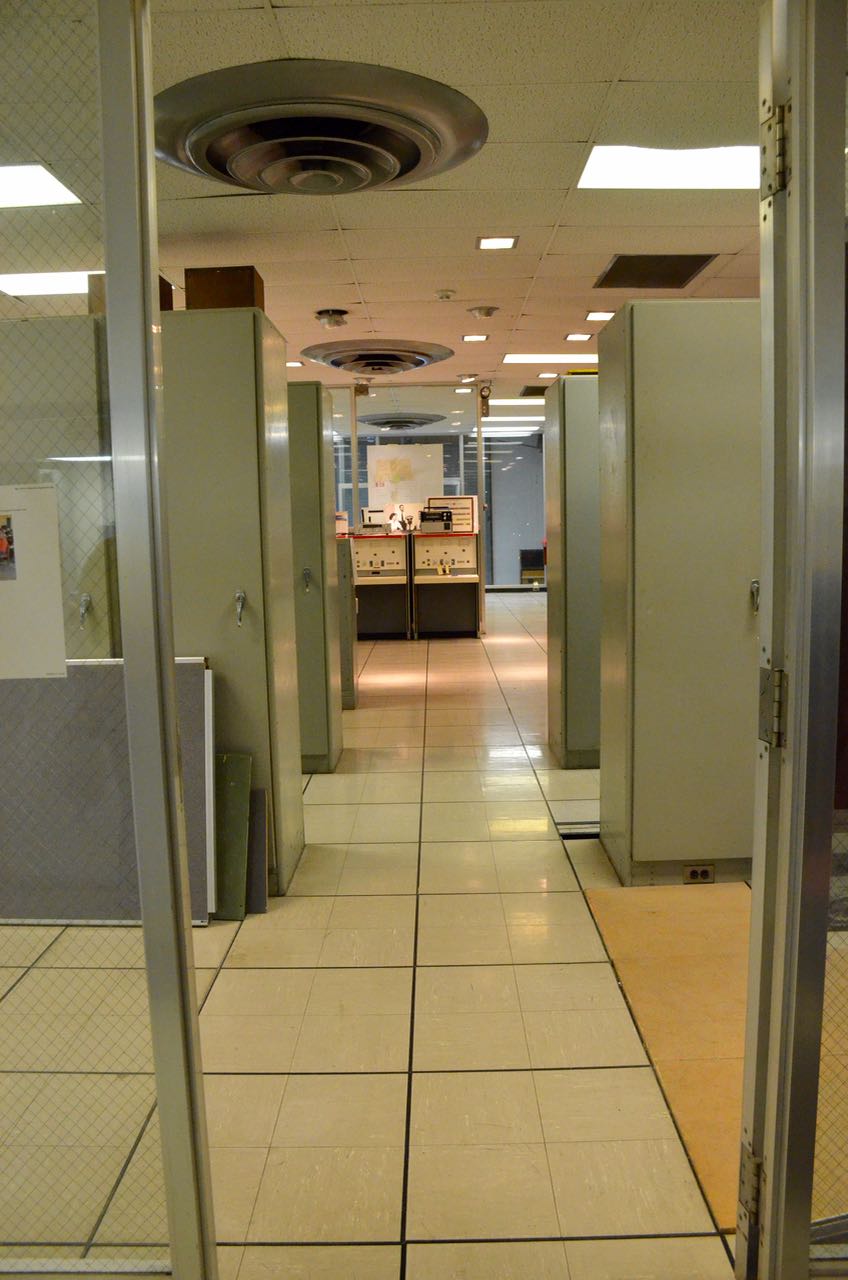
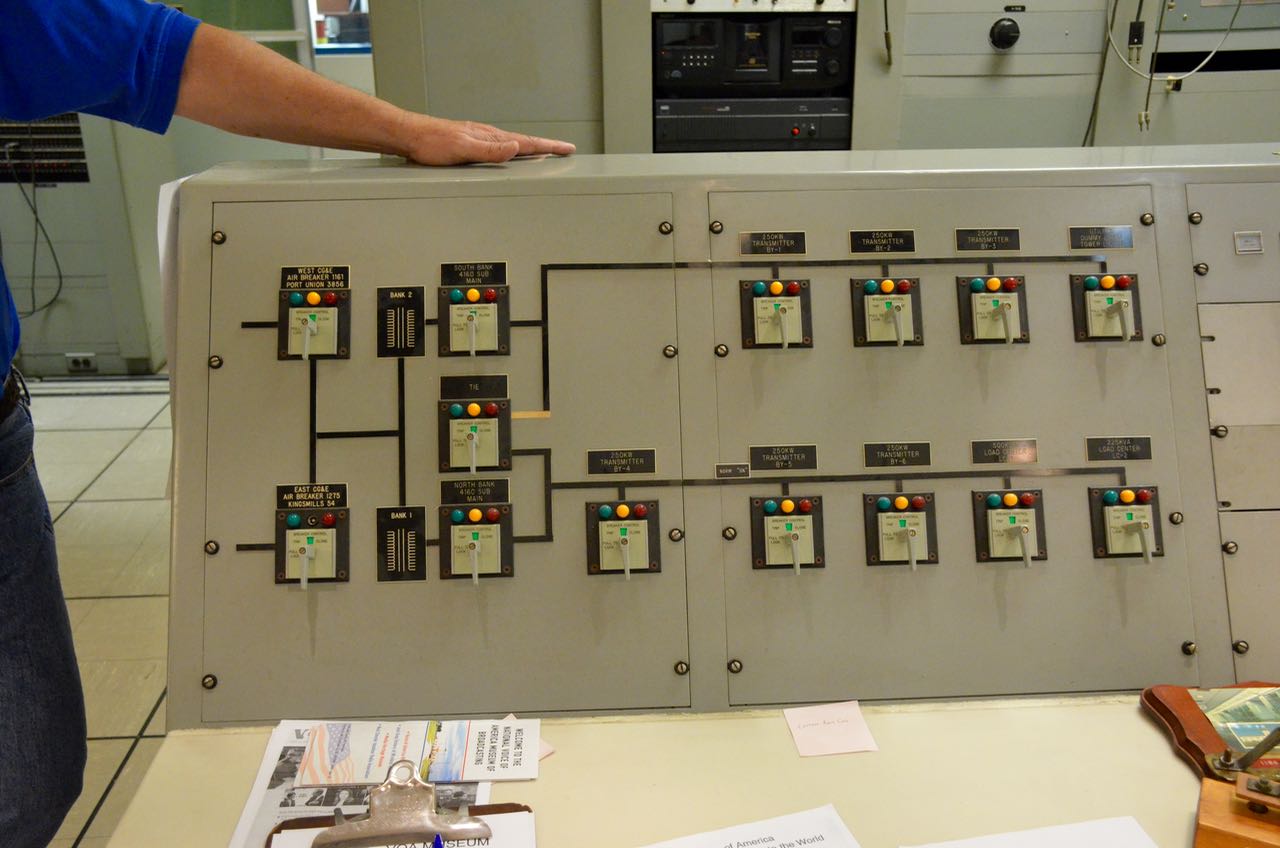
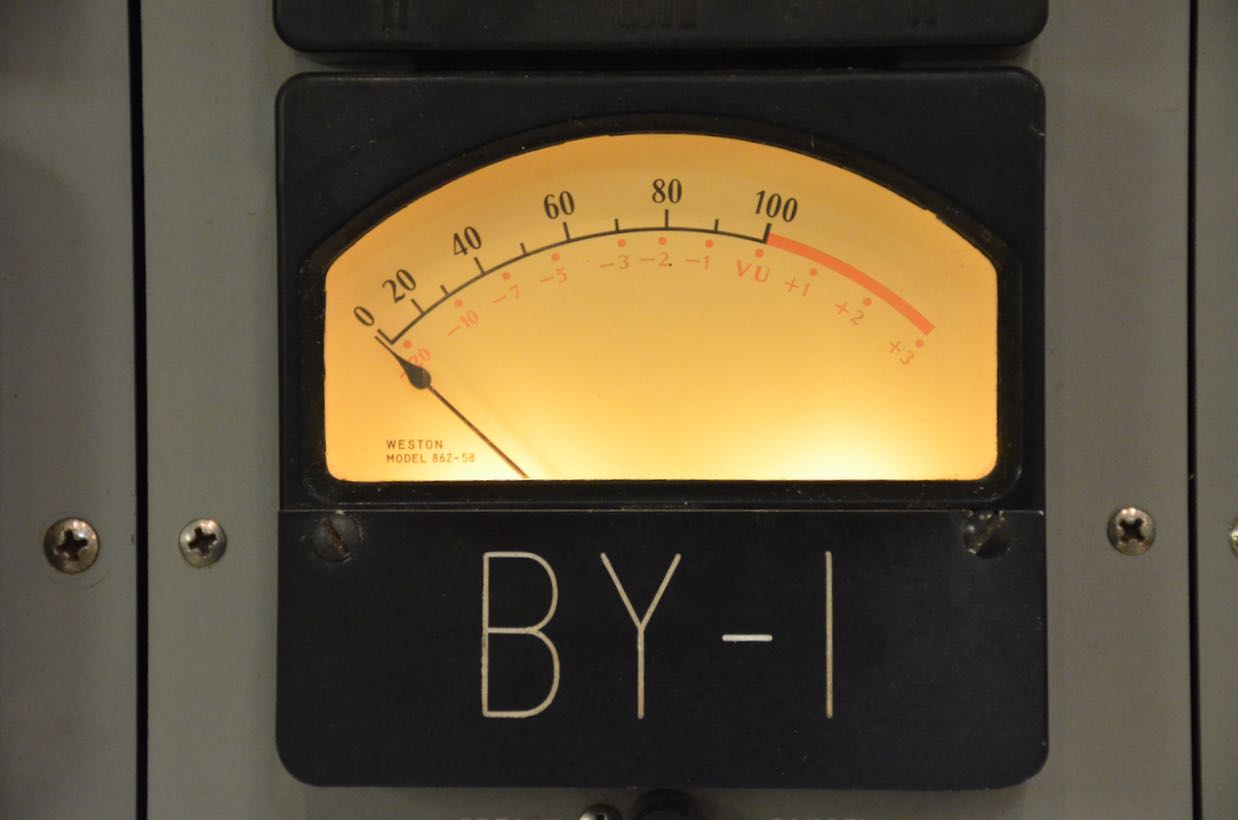
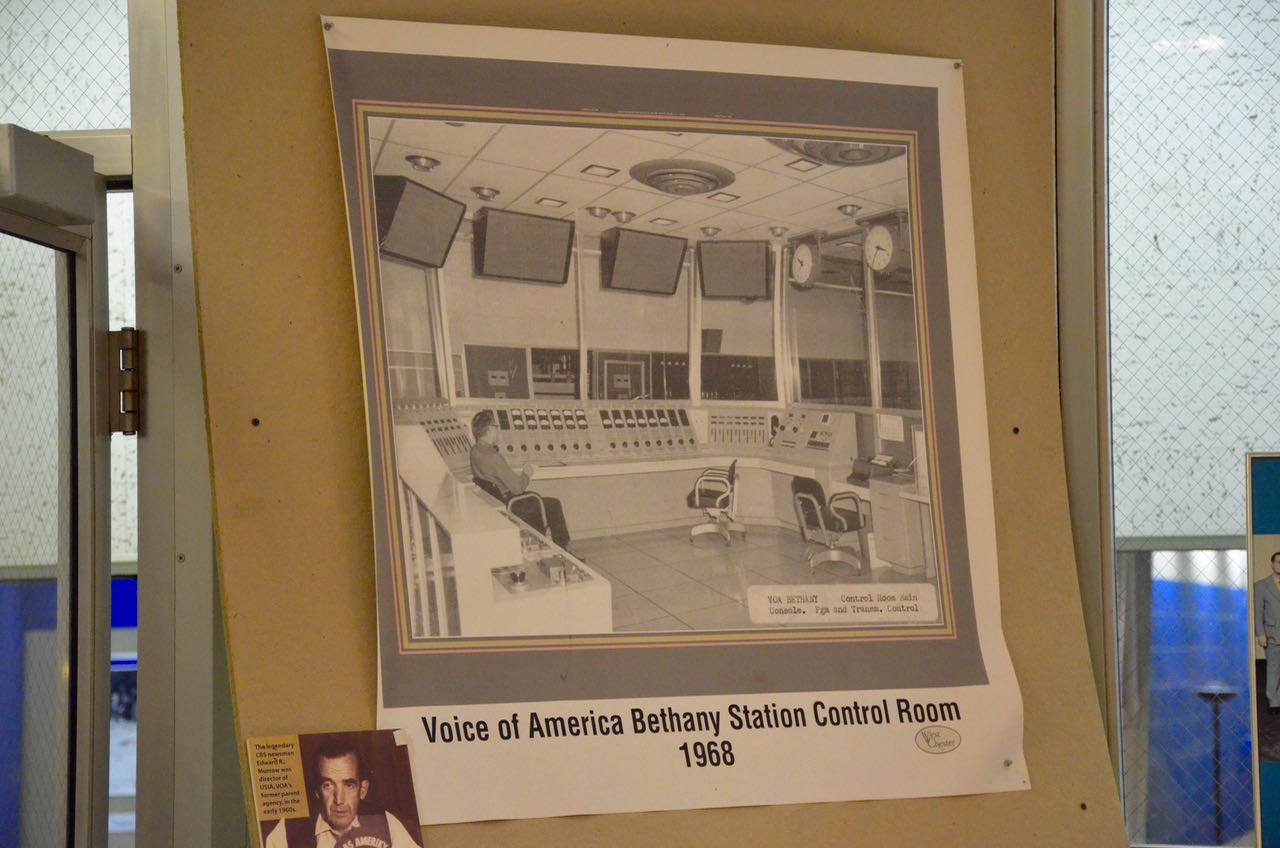
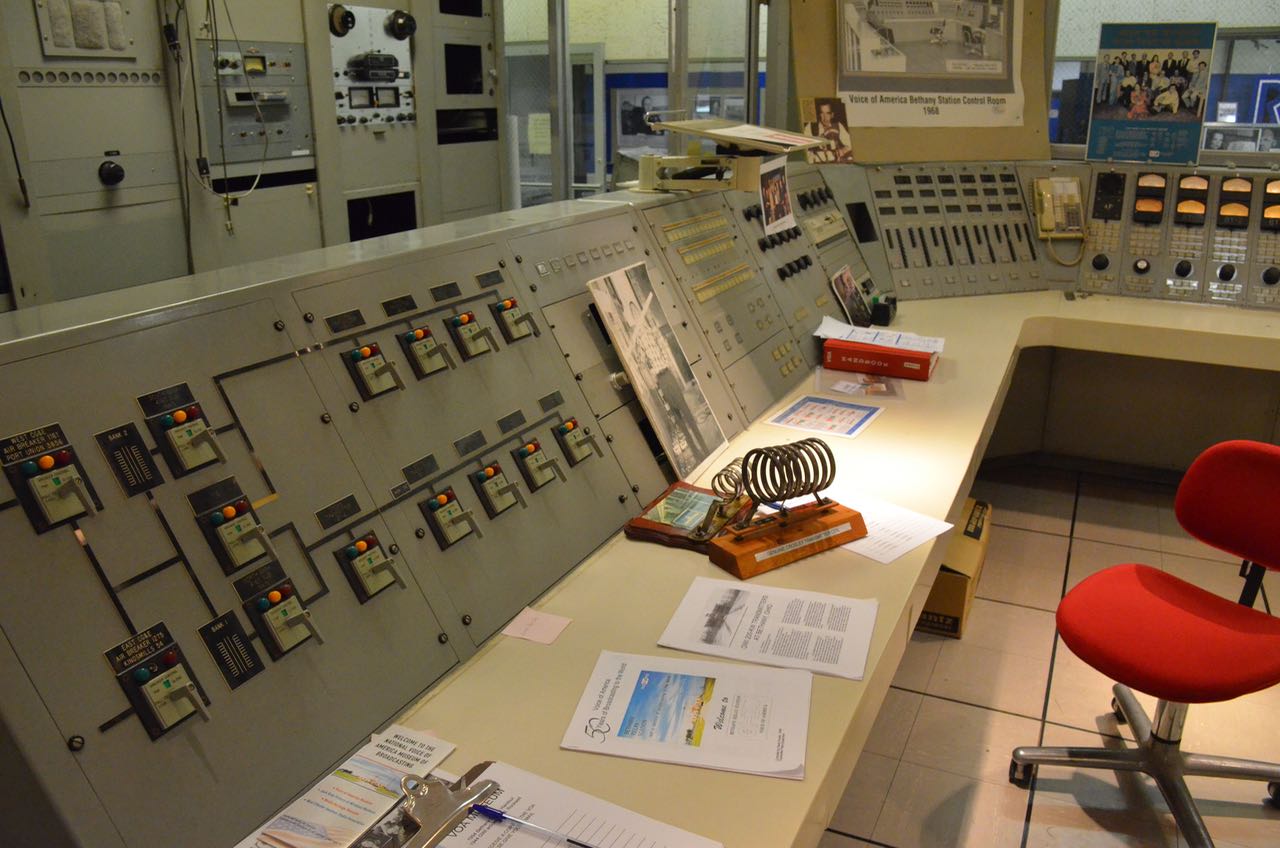
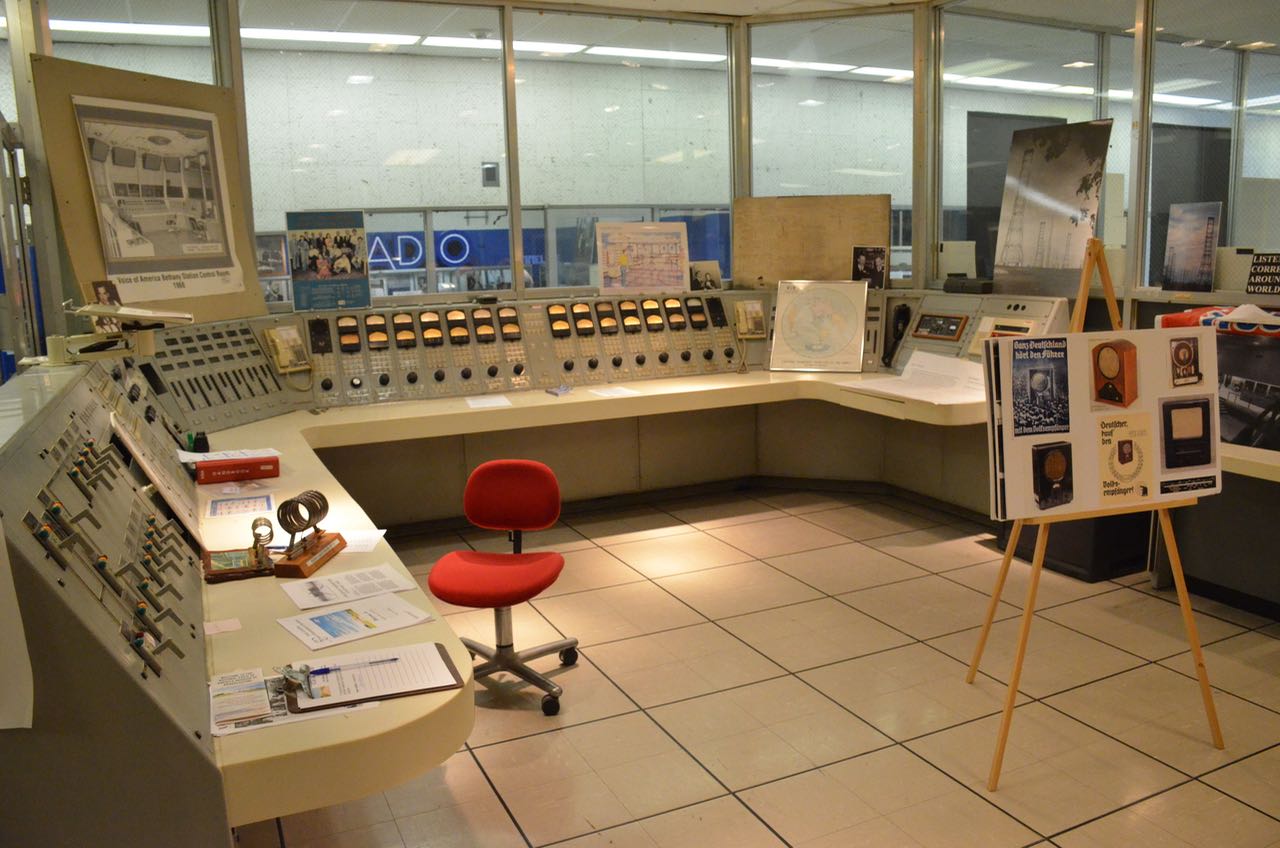
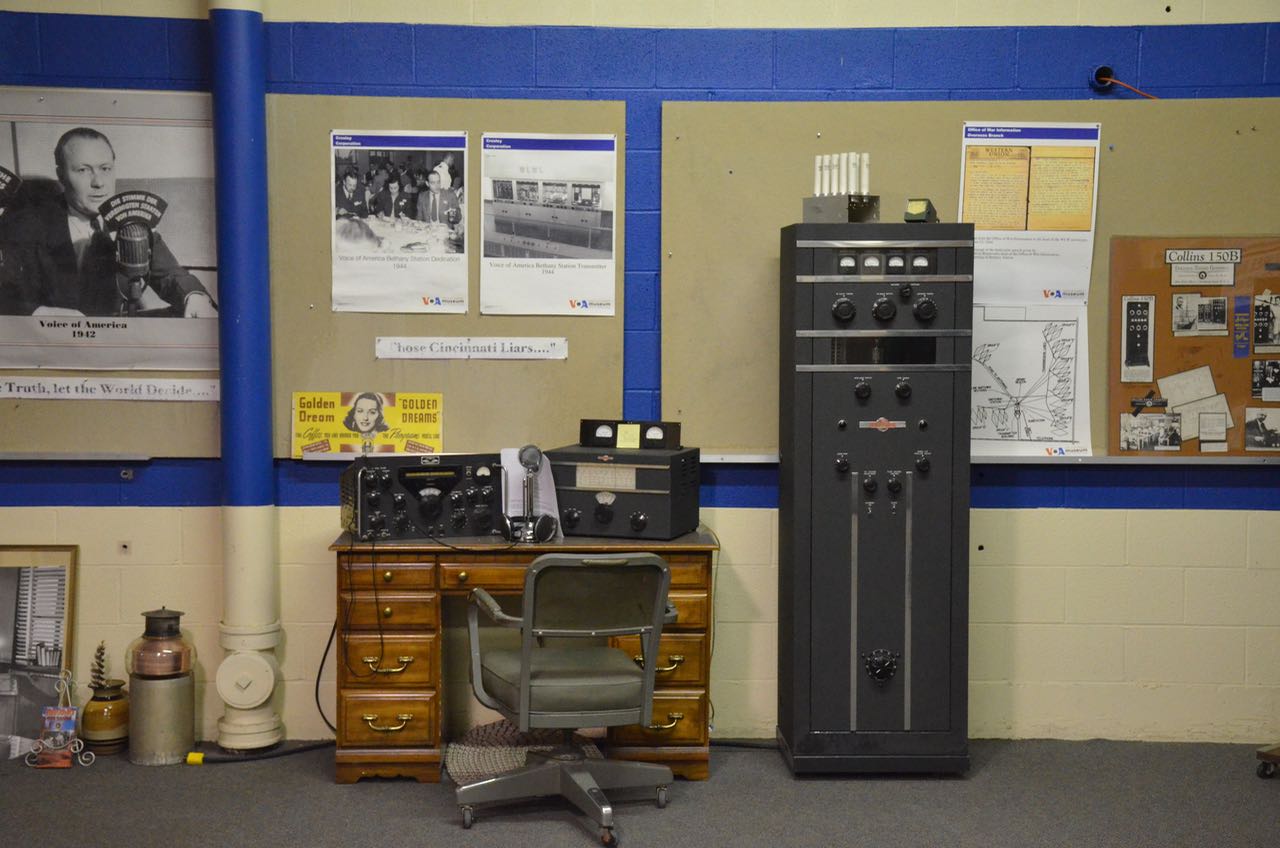
Entering the transmitter control room.

VOA-Bethany- - 1 (13) VOA-Bethany- - 1 (14) VOA-Bethany- - 1 (15) VOA-Bethany- - 1 (16) VOA-Bethany- - 1 (17) VOA-Bethany- - 1 (18)

VOA-Bethany- - 1 (28)Eric pointed out an article on the future of shortwave radio I published last year that the museum has posted in the hallway next to the control room (above).  What an honor!

VOA-Bethany- - 1 (19)

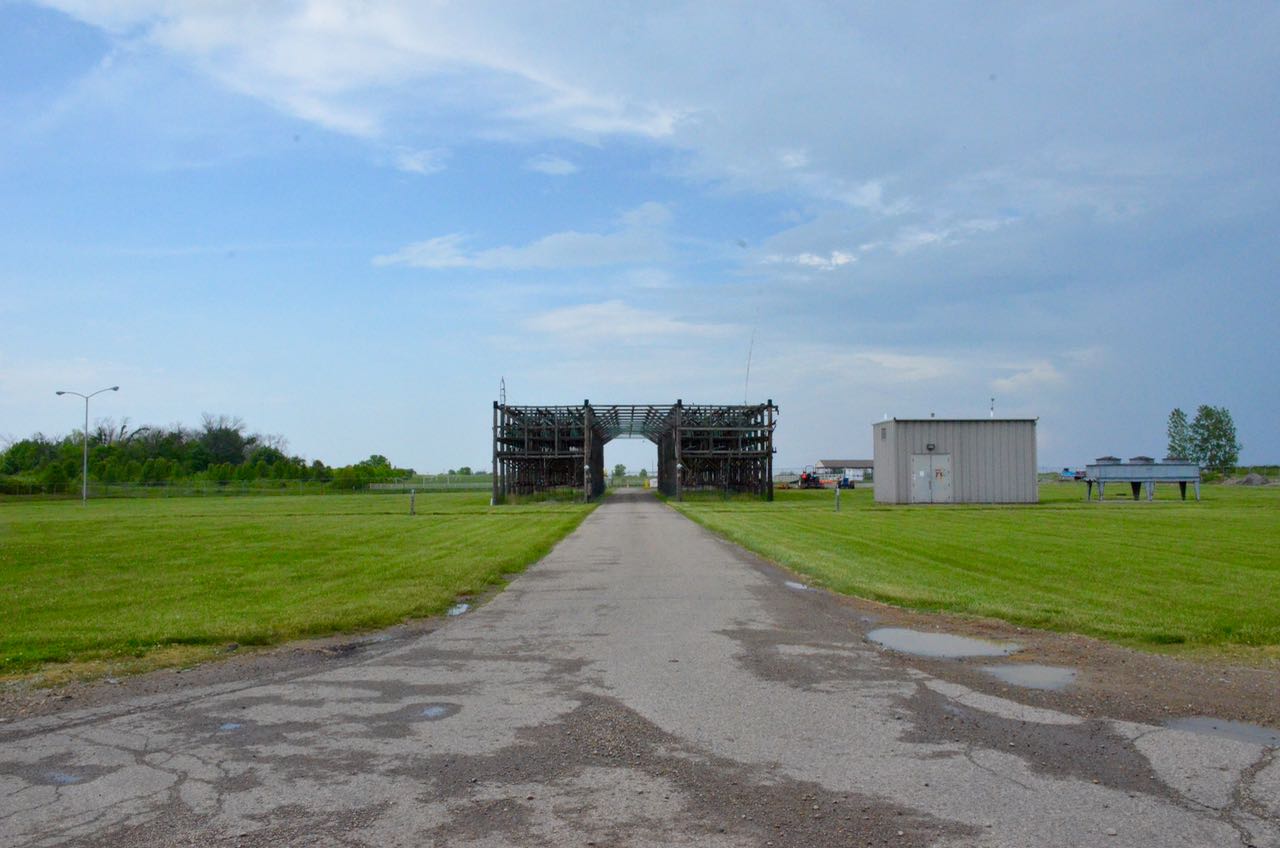
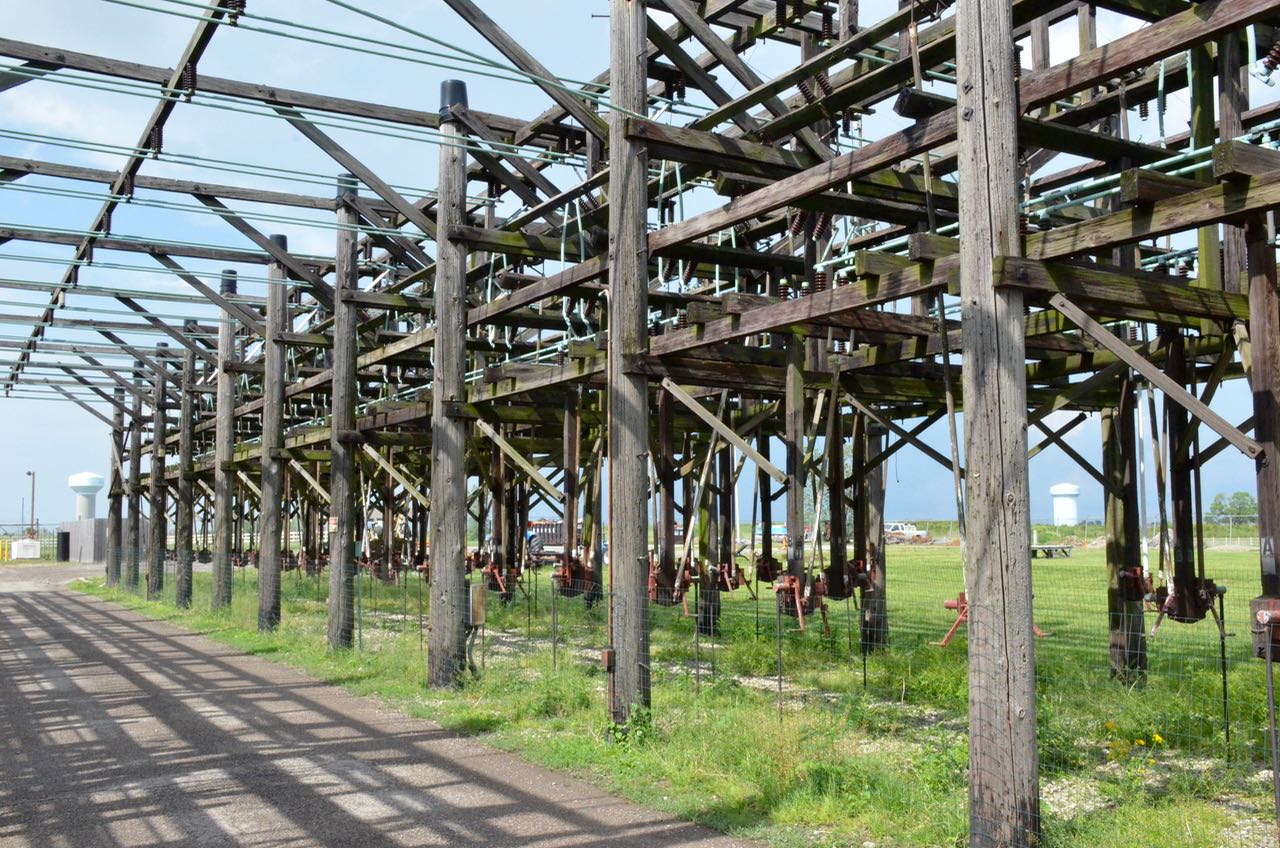
The antenna switching array behind the main building (following four photos).

VOA-Bethany- - 1 (12)

VOA-Bethany- - 1 (10)

VOA-Bethany- - 1 (4)VOA-Bethany- - 1 (6)VOA-Bethany- - 1 (9) VOA-Bethany- - 1 (8)VOA-Bethany- - 1 (11)

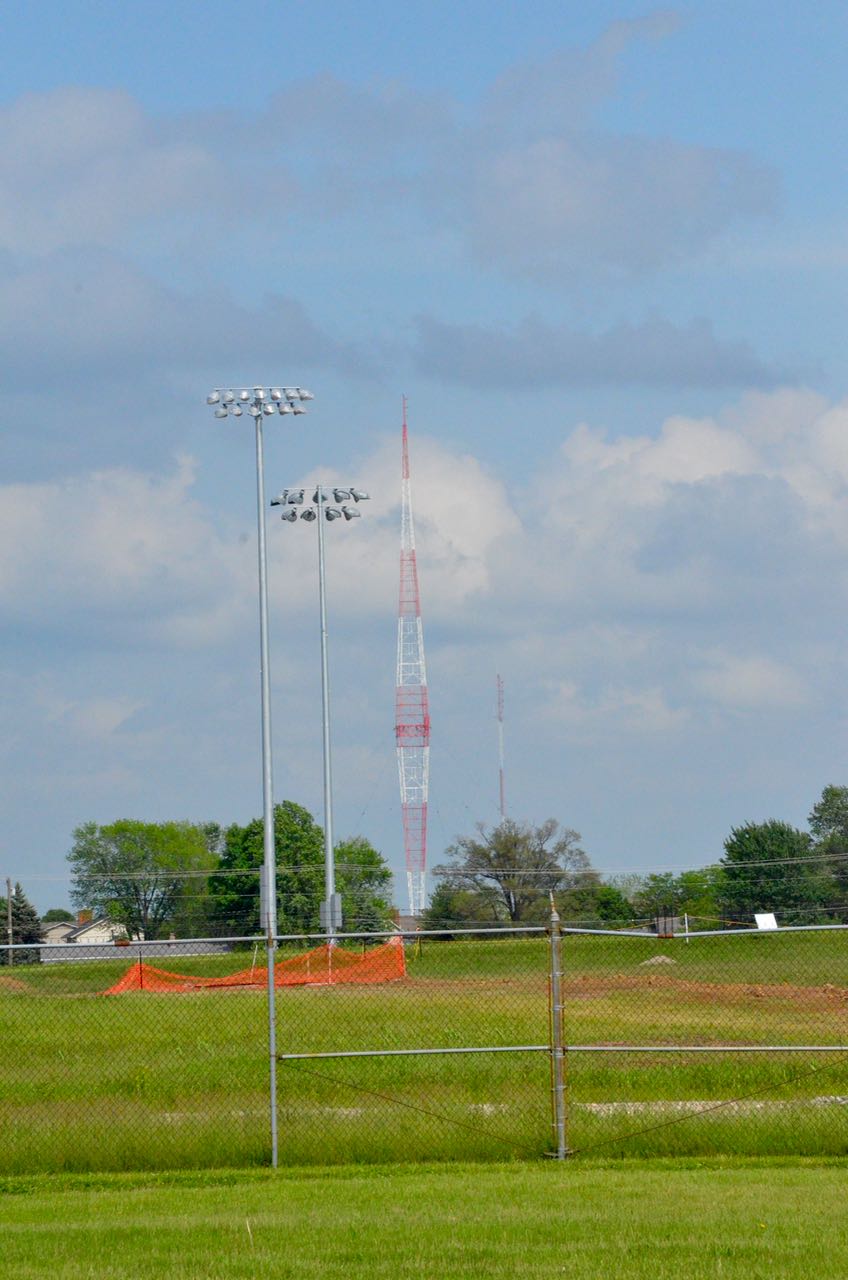
WLW (700 kHz) 800′ tower in the distance (above).

VOA-Bethany- - 1 (7)

The satellite dish (above) was once used for VOA’s downlink/feed–now the West Chester Amateur Radio Association (WC8VOA) uses the dish for EME (Earth Moon Earth) contacts.
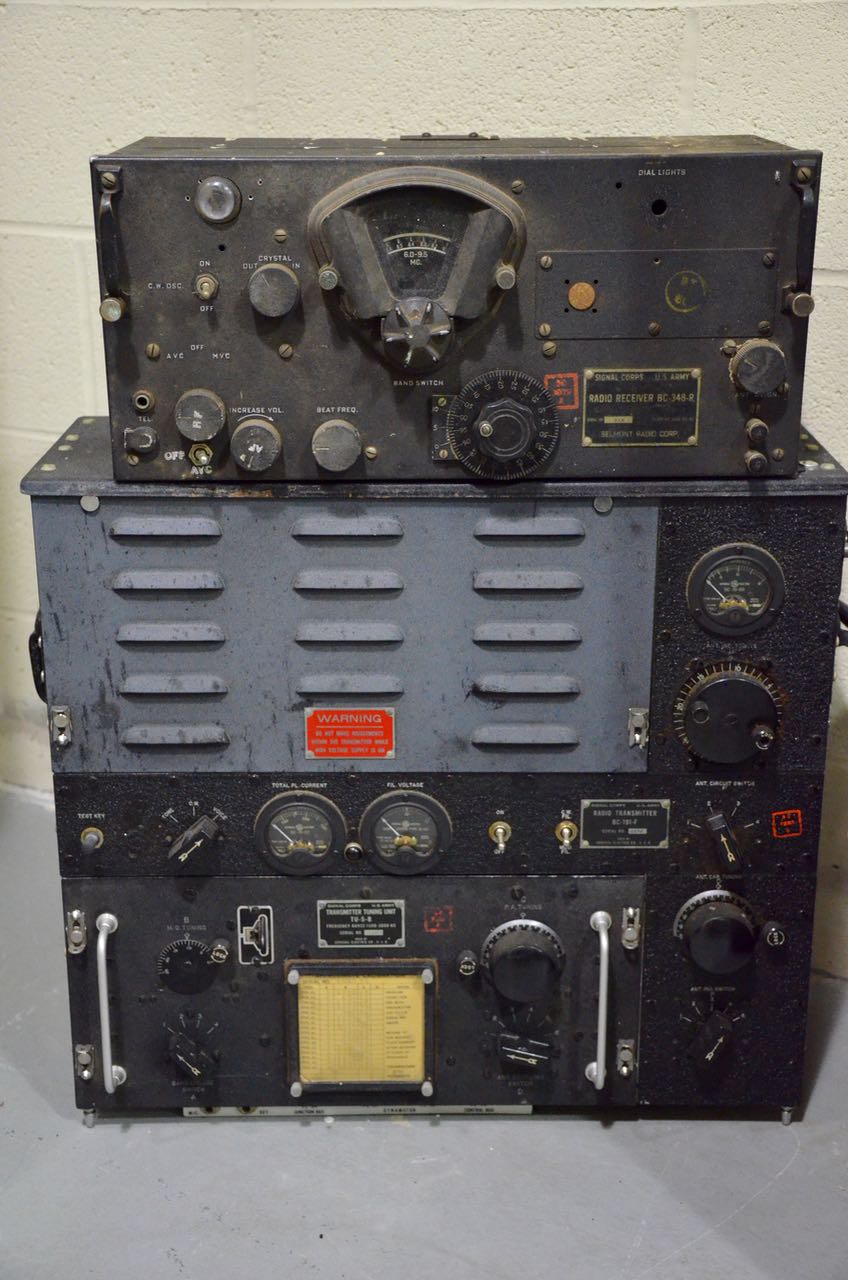
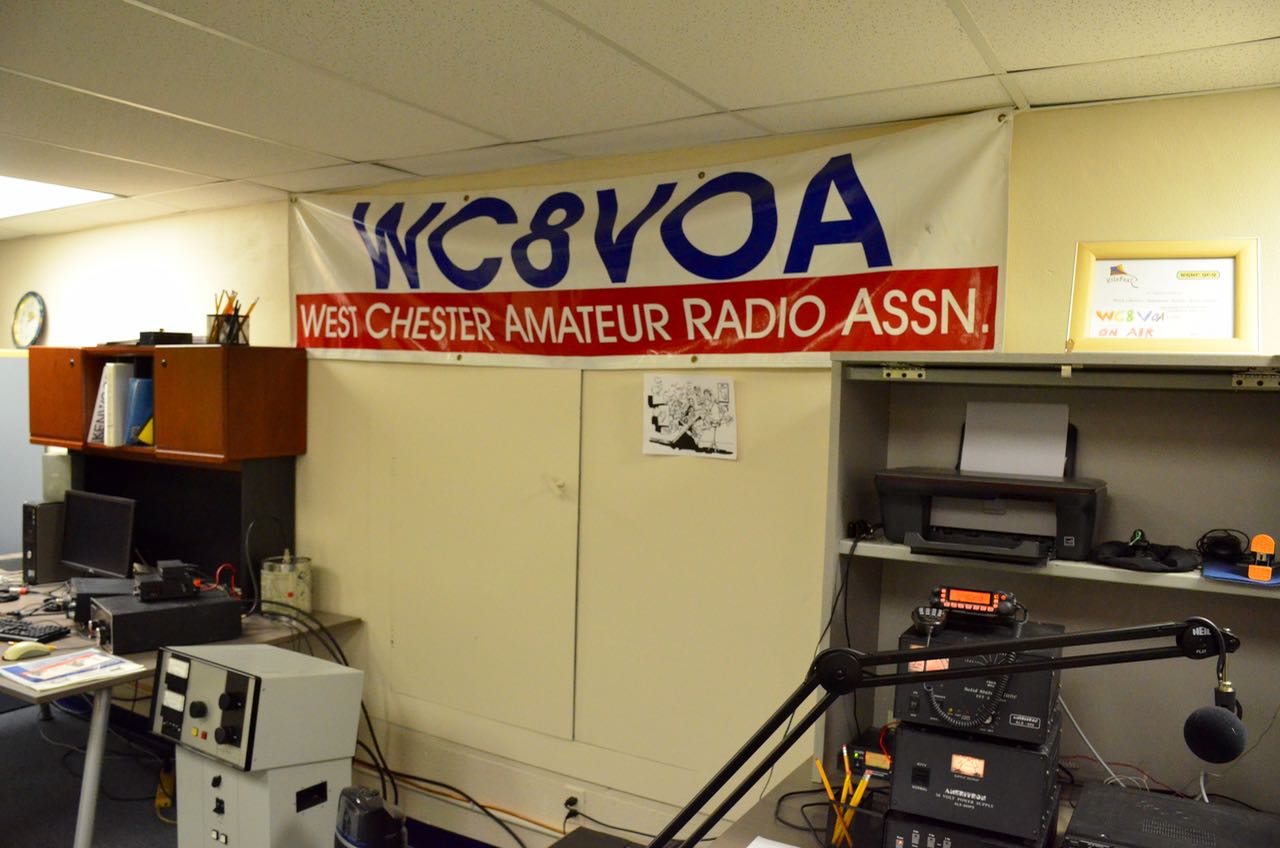
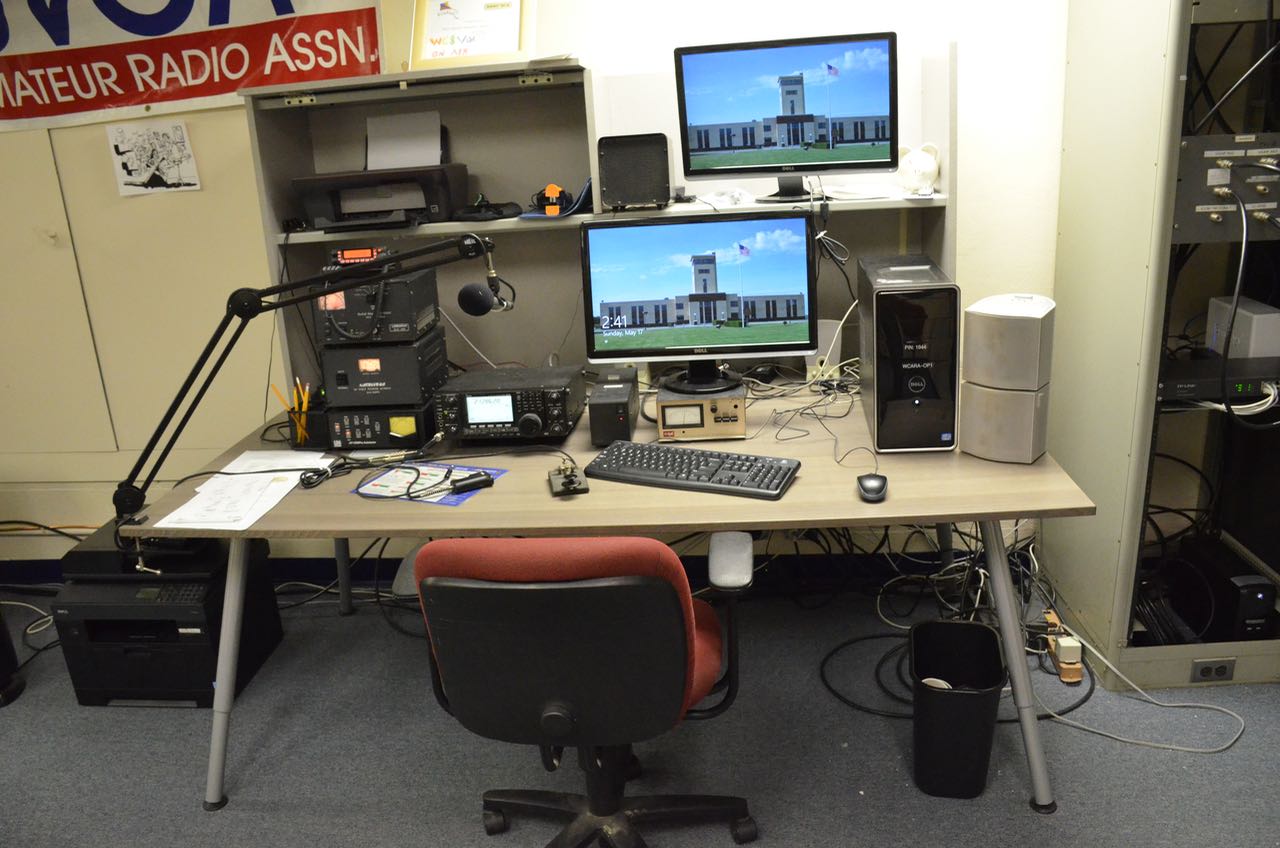
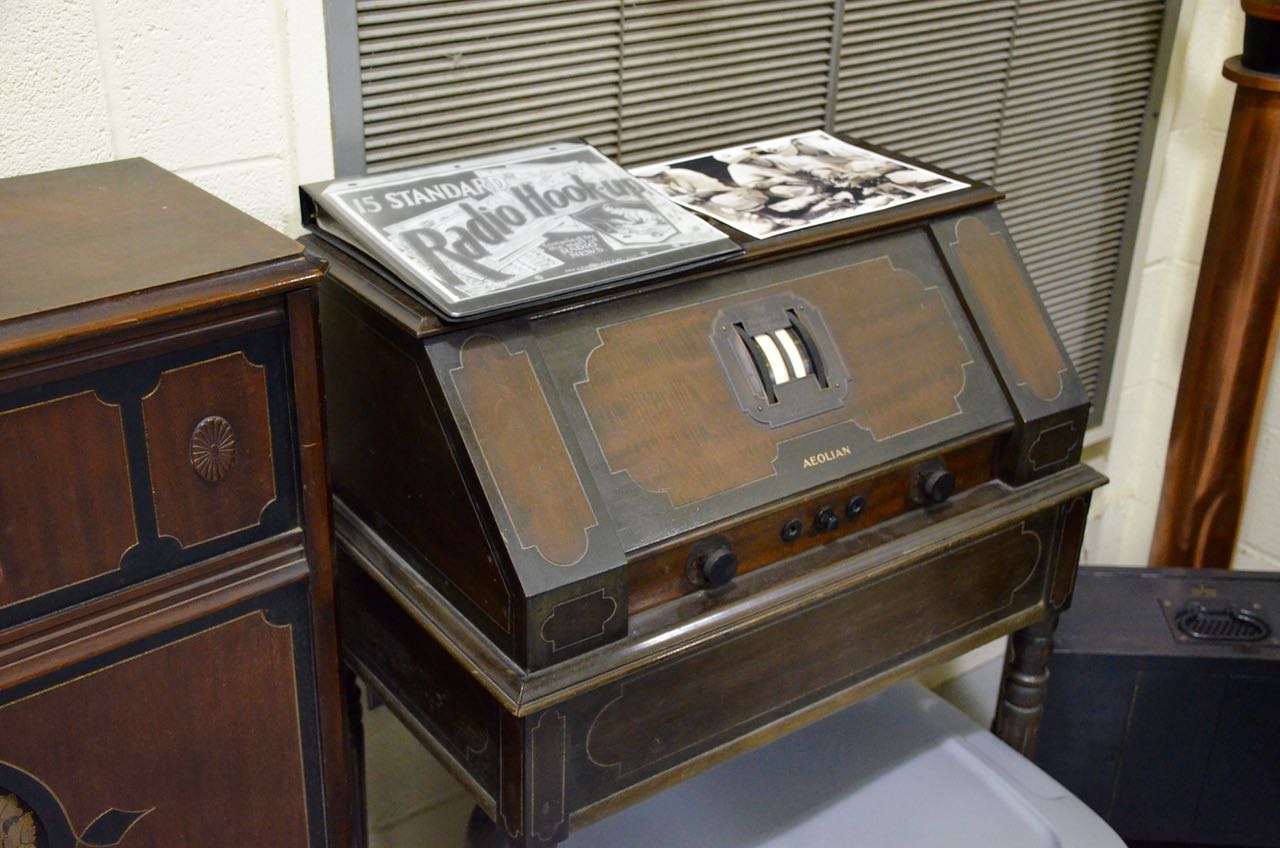
VOA-Bethany- - 1 (32)Back inside, WC8VOA has four full amateur radio operating locations stocked with Icom, Yaesu and Kenwood gear. The club president told us that an antique amateur radio station will soon be added.
VOA-Bethany- - 1 (33)

VOA-Bethany- - 1 (20)

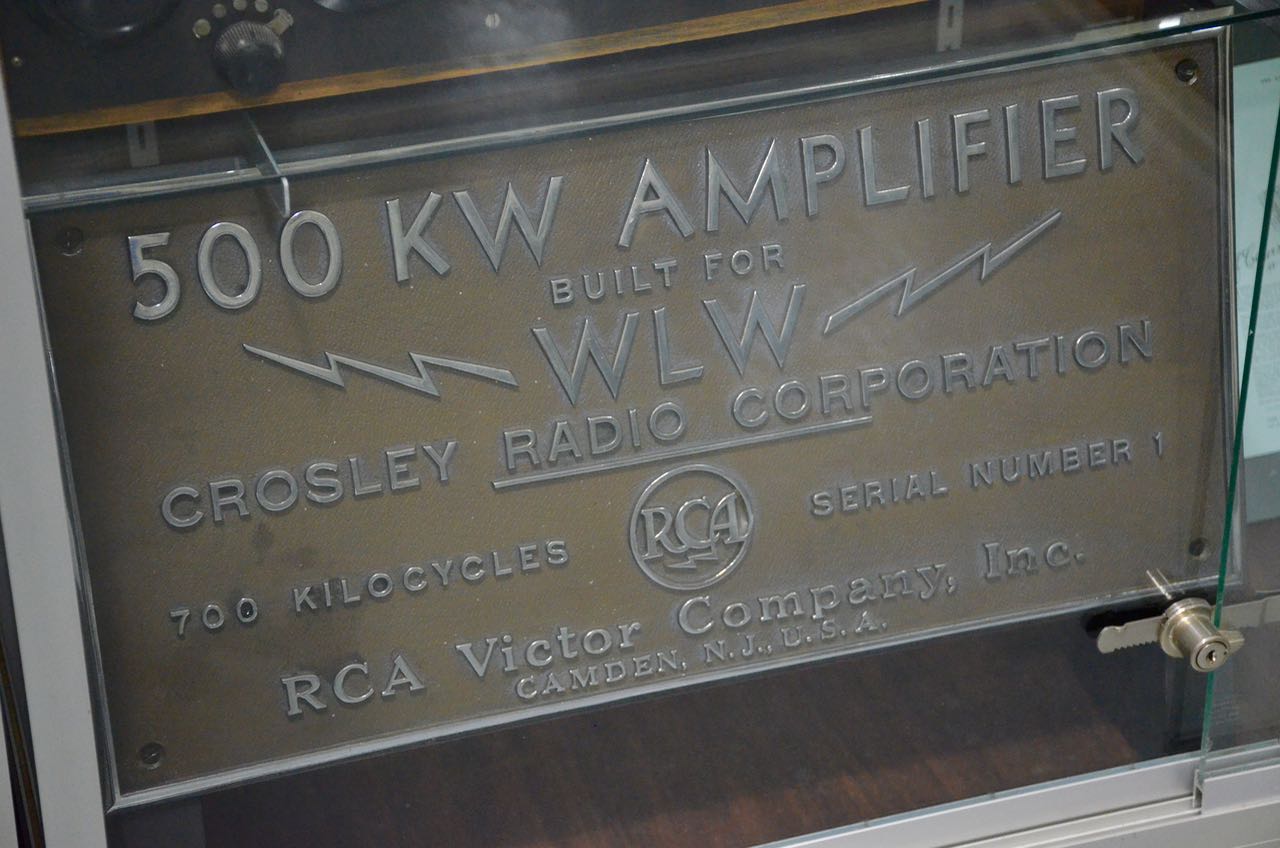
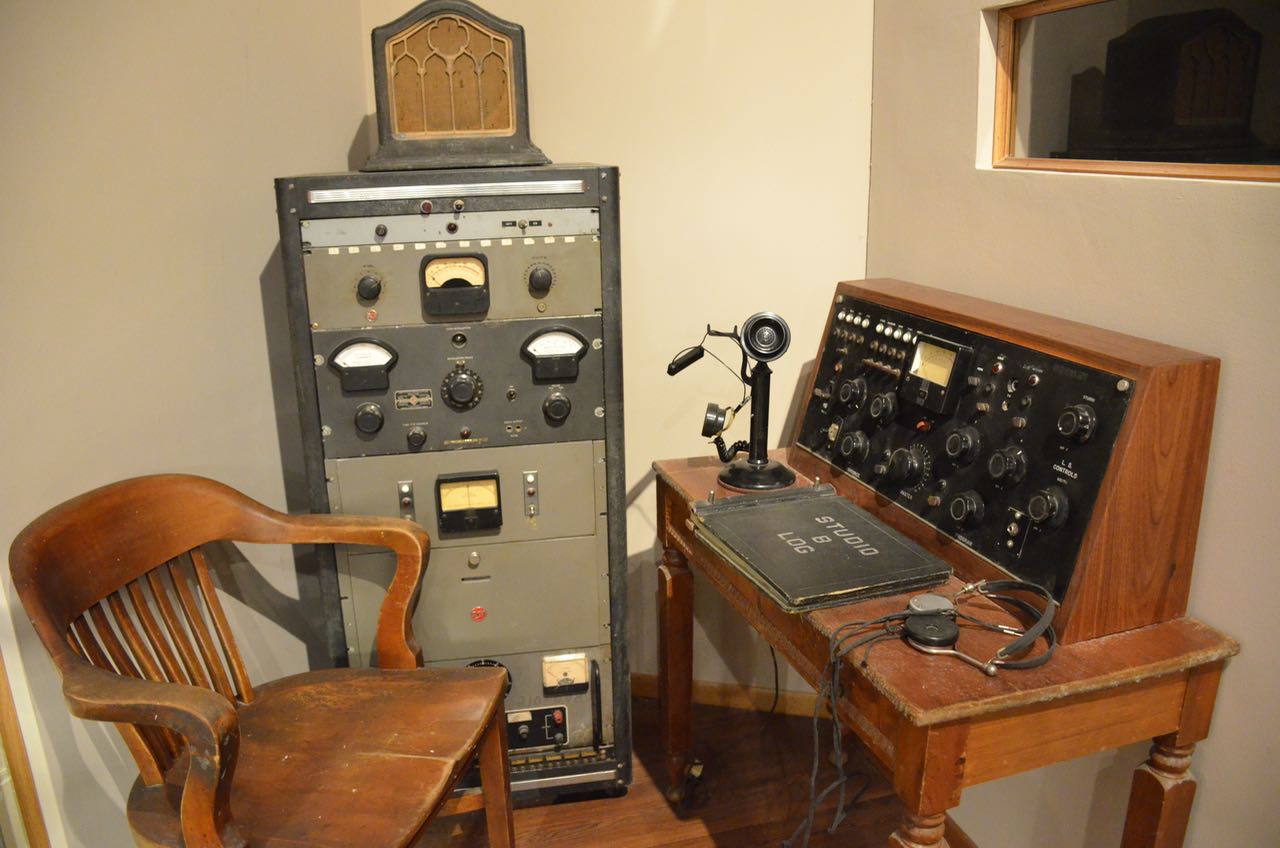
Our docent took us on a tour of two vaults filled with vintage radio equipment and then a museum devoted to the legacy of WLW. The item in the photo above is a corona ball from one of the original towers–notice the holes from lightning strikes.

VOA-Bethany- - 1 (21) VOA-Bethany- - 1 (22) VOA-Bethany- - 1 (23)

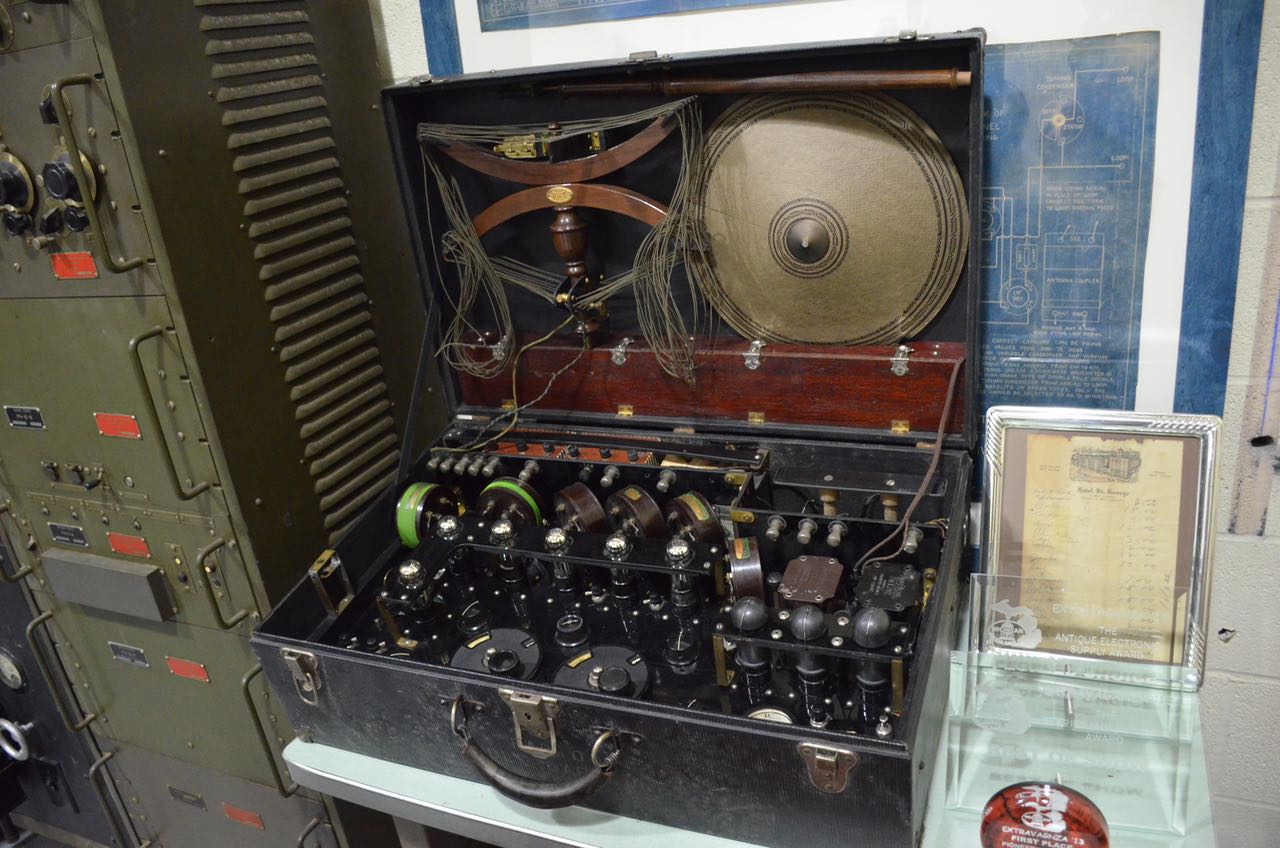
Example of an early radio kit (above).

VOA-Bethany- - 1 (24)

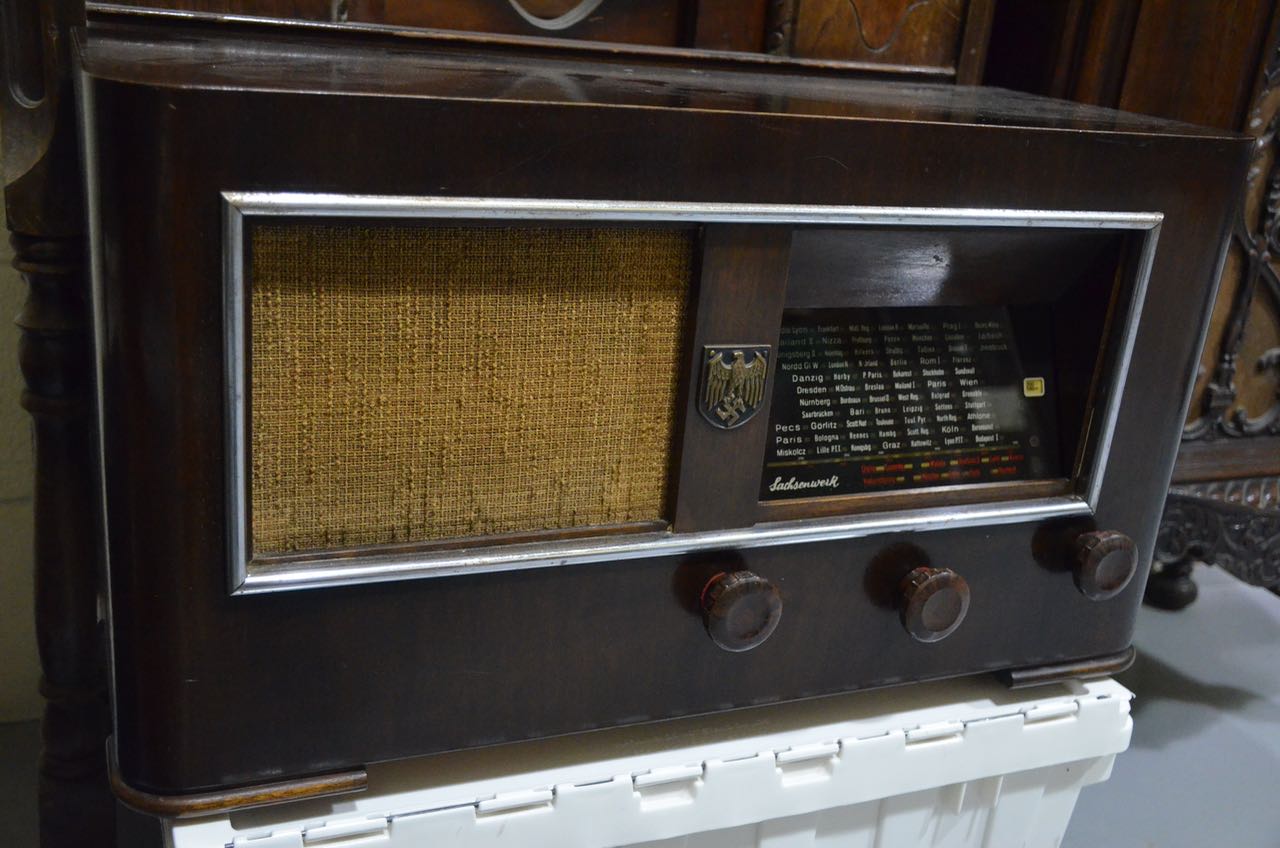
A rare Third Reich radio (above).

VOA-Bethany- - 1 (25) VOA-Bethany- - 1 (26)

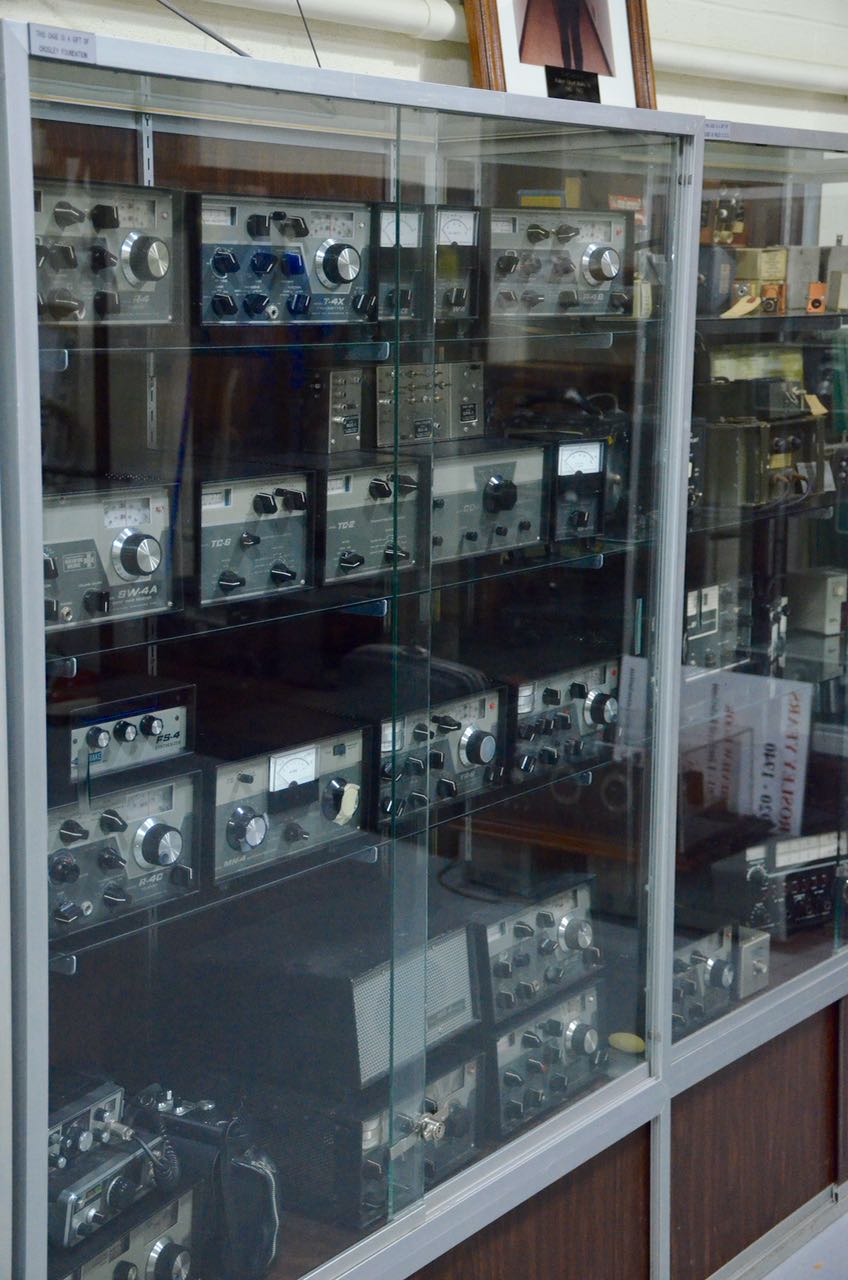
When Ohio-based R.L. Drake Company stopped manufacturing amateur radio equipment, samples of their full product line were donated to the museum.

VOA-Bethany- - 1 (27)

VOA-Bethany- - 1 (29) VOA-Bethany- - 1 (30) VOA-Bethany- - 1 (31)

The Museum is planning substantial renovations to restore the VOA Bethany Station and become a first class institution. During the restoration, the Museum is only open one day per month to the public: The third Saturday of each month from 1:00 PM – 4:00.

Click here to view the museum’s new website.

TX Factor Episode 8

TX-Factor-Episode-8

Many thanks to SWLing Post reader, David (G4EDR), who writes:

“I thought you and the many readers of your SWLingPost would be interested in the latest edition (8) of TX Factor a UK produced online TV programme.

It features two employees of the BBC who are also radio amateurs and shows them in their working environment as studio managers and continuity announcers on BBC radio.

Just navigate to http://www.txfilm.co.uk/txfactor/txfactor.shtml and select watch now for episode 8.

There are also items about Icom UK and Practical Wireless magazine.

Thanks for hosting your SWLingPost, I really enjoy it.”


Many thanks again, David! Another brilliant episode! At time of posting, the TX Factor site was down, but their YouTube channel, of course, is working fine. I’ve embedded the video below:

My buddy Eric (WD8RIF) also alerted me that this episode had been published. I love watching TX Factor–I’m so impressed with both their programming and production quality.

TX Factor Team: Keep up the good work!

American Radio History site adds Monitoring Times issues

MonitoringTimesCover

The American Radio History website has just announced the addition of 75 issues of the late Monitoring Times magazine to their free downloads archive. These issues span 1983-1993, making a nice stroll down memory lane for many of us.

Click here to view on the American Radio History website.

ARS Technica: People turn to ham radio in aftermath of Nepal earthquake

Elecraft-KX3

Many thanks to SWLing Post reader, John Drake, who shares this excellent article from ARS Technica:

“On Saturday, Nepal was shaken by a massive earthquake that registered a 7.8 on the Richter scale, causing widespread destruction in areas of dense population, and preventing aid workers from reaching more isolated villages in the mountainous regions. As of Tuesday, at least 5,000 people were dead and at least 10,000 were injured. Hundreds of thousands of people have been left homeless.

With any natural disaster, communication can often become a matter of life and death, and if phone lines are broken and cell towers crumble, relaying messages to the outside world and coordinating rescue efforts becomes that much more difficult. Add to that the fact that Nepal’s government is woefully unprepared to handle such a humanitarian crisis, and chaos reigns.

Still, some volunteers are trying to impose order on the chaos. After the quake, which shook cities in India as well as Nepal, volunteer ham radio operators from India traveled to the region to relay messages from areas whose communications infrastructure is broken or overloaded. Ham radio, also called amateur radio, is a means of sending and receiving messages over a specific radio frequency, and it is often used in disaster situations because it operates well off the grid; transceivers can be powered by generators and set up just about anywhere.

Amateur radio has taken a back seat with hobbyists in recent decades as other means of wireless communication have become cheaper and easier for people to use (you don’t need a special license from the FCC to operate a cell phone, although sometimes it seems like we’d be better for it if that were the rule). The decline in participation rates is unlikely to change substantially in the US, and the Times of India noted that awareness about ham radio is still low in India and nearby areas. Still, it has proven to be effective as a means of communication in Nepal in recent days.”

Continue reading on ARS Technica…

Transceivers like the Elecraft KX3 (above) are perfect for aid workers in need of communications in the aftermath of a natural disaster. Many modern transceivers (like the Kx3) can run for hours at a time off of battery packs, can be deployed almost anywhere and can easily be attached to amplifiers if needed.

It may take a license to operate amateur radio, but frankly it’s a fairly low barrier of entry. Morse Code tests are no longer required here in the US and all of the questions and answers are multiple choice and in the public domain.  Indeed, I found the Technician (and former Novice) license test to be incredibly educational; especially with regard to radio propagation and basic electronic principles.

Everyone should support their amateur radio clubs who actively hone their emergency communication skills. As the ARRL often quotes: “When all else fails…amateur radio.” Even if you don’t have a license, amateur radio clubs welcome visitors. You can find a fairly comprehensive list of amateur radio clubs (in the US) via the ARRL.

Click here for a list of amateur radio organizations worldwide.

A Photo Tour of the National Capital Radio and Television Museum

On Tuesday afternoon, I made a pilgrimage the to the National Capital Radio and Television Museum in Bowie, Maryland, USA.  The museum is located in a modest and beautiful historic house on the corner of Mt. Oak and Mitchellville Roads in Bowie.

RadioMeseumExterior

RadioMuseum-Exterior-FrontDoor

Museum Curator and volunteer, Brian Belanger, kindly gave me a private tour of the museum collections (the museum is closed on Tuesdays). Brian

Many thanks to Brian for taking time out of his day for the tour, and for allowing me to take some photos for the SWLing Post!

The museum has a number of display rooms with radios broadly grouped by style and decade. The first room offers examples of some of the earliest radios produced–including the venerable crystal radio (below).

[Click photos to enlarge.]

Miracle

Radio4

Like Brian, numerous volunteers work to keep the collections in working order. This isn’t a place where vintage radios come to die; they actually come to life here.

Volton-Battery

1920sRadioEven examples of some of their earliest radios are on the air and can be tuned to local and international stations.  Radio5

RCA-Radiola-60 RCA-Radiola-60Dial

This RCA “portable” (below), housed two batteries on either side of the center faceplate. Note the ad on the wall above–a couple enjoy the RCA as they recline on a beach.

RCA-Portable RCA-Portable-Dial Radiola-X-RCA Radio10 Atwater-Kent-Black Atwater-Kent-Black-Interior

Speakers of the day were pretty amazing, too–check out this hand-painted 1927 Air Chrome Double Cone Speaker, below.

Air-Chrome-Double-Cone-Speaker

The museum also has an extensive collection of studio and off-air recordings that can be played over an AM carrier throughout the building.

Atwater-Kent-Dial

By the late 1920s and early 1930s, radio manufactures built gorgeous console radios, features in the living rooms and parlors of many lucky homes.

Atwater-Kent

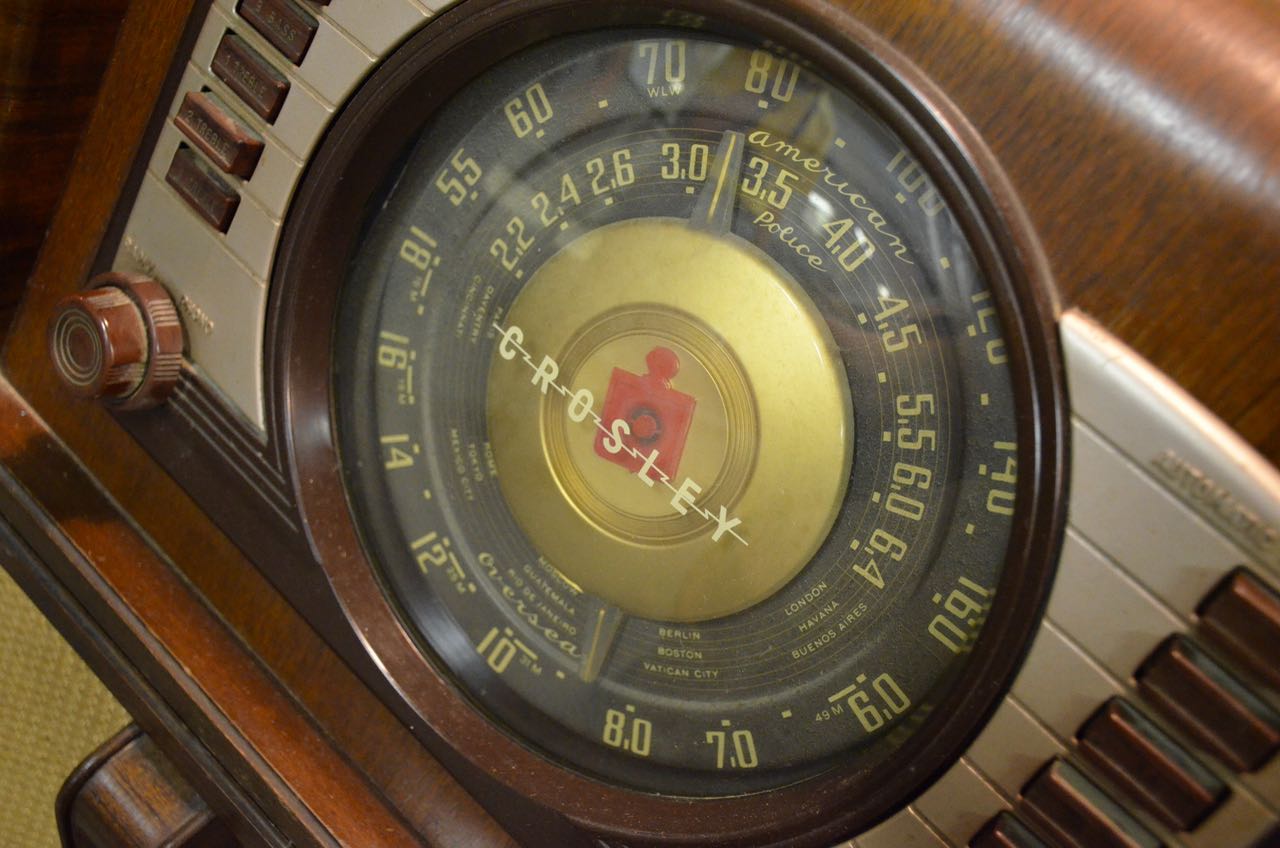
Crosley-Dial

Scott-ConsoleRadio

This E.H. Scott All-Wave 23 console (above and below) sported not only twenty-threee vacuum tubes, but a large, robust internal speaker. Radio collectors consider the All-Wave 23 to be one of the finest performing radios of the vacuum-tube era. Scott-Console-Radio-Dial

Zenith-Shuttle

The museum also features the Zenith 12-S-232 tabletop radio with working shuttle dial–a futuristic band-switching mechanical wonder with a stunning dial.

Zenith-Shuttle-Dial ClintonModel-445X

A number of tabletop and portable radios that span the decades have found their homes in this museum.  No doubt many SWLing Post readers cut their teeth on these classics!

Zenith-Trans-Oceanic-6500 Zenith-Portable American-Radio-AssociatesRealistic-Model-12-173 Garod-Model-582

I love the design of the Garod Model 5A2–wow! And I’m sure many kids of the fifties wished they had an official Hopalong Cassidy AM radio (below).HopAlongCassidy-Radio

The museum, of course, also houses a large number of classic televisions.

Pilot-Model-TVHallicrafters-TV Philco-TV Philco-TV-ControlsRadio stations and benefactors have also donated many items used in the industry, both in broadcast and retail.

NBC-Chimes PhilcoSign Midwest-Magazine SylvaniaSigns 980KC-MicBrian was also kind enough to take me to the building, next door, where they repair radios and store others for eventual rotation into the collection.

Workshop Repair4 Repair2

Museum volunteers also teach radio repair and restoration classes.Repair1 Repair3

GE-RadioThe number of classic ham radios, home brew receivers and transmitters was simply amazing. Indeed, I felt like a kid in a candy shop!

Radio1 National-NC-46 HalliDial Hallicrafters-SX100 Hallicrafters-SX62A Hallicrafters-SuperSkyrider Hallicrafters-Super-Skyrider CollinsTransmitterBy the end of the tour, I had decided to become a member of the National Capital Radio and Television Museum. Even though I live a few states away, I like knowing that my membership funds not only help preserve vintage radios and televisions, but also provide me members-only access to many of their scanned archives. Click to view a full list of benefits for a modest $25 membership.

Again, many thanks to Brian Belanger for the amazing tour of this wonderful museum!  Brian, I’ll be back next year…

The Hallicrafters SX-88: a rare find and a gem of engineering

Hallicrafters-SX-88

Yesterday while glancing through the QTH.com classifieds ads, I noticed a rare boat anchor for sale: the Hallicrafters SX-88.

The seller, Jeremy, describes this SX-88 as follows:

Hi [t]here, I have one SX88 in minty shape and is one of a handful that came in military green on [the] front panel for evaluation by the military. This is an exceptional radio in amazing condition. I can provide pics for someone who is seriously interested. I am open to a fair offer on radio. Please, no low-ballers. We all know what [it’s] worth…

Halli-SX-88-QTH-Ad“We all know what it’s worth–?

Well, it just so happened that my good friend (and Elmer, or ham radio guru) Mike Hansgen (K8RAT) had recently provided me with a little history lesson on the subject of the SX-88, so I did know what this rig is worth: a great deal of money.

But curiosity got the best of me, so I contacted Jeremy (a nice fellow, by the way) and asked what he was expecting to receive in exchange for his Hallicrafters SX-88? Jeremy’s reply:

“…$5,500 USD will take it. It is a very rare unit; it was… only one of about 6 [painted green]…for presentation to the military for evaluation.

That price is firm. [I] will not negotiate downward, and shipping [from Ontario, Canada] is extra.”

After receiving this response from Jeremy, I happened to think that I have the reference guide to rare/used shortwave receivers: Fred Osterman’s Shortwave Receivers Past and Present 4th edition. (Click here for more info.)

Osterman’s wonderfully comprehensive guide mentions that the SX-88 is a “highly regarded, rare and collectible model.” As for the rarity of the SX-88, he describes it thus: “Extremely Scarce.” The used price range he gives is from $3,500-7,000 US.

I also have Chuck Dachis’ book, Radios By Hallicraftersin it, he states that the SX-88 is, “the most sought-after Hallicrafters model.” Wow.

After thanking Jeremy for his response, he replied:

“It’s a lot of money for a receiver for certain, but it is a fantastic shortwave receiver as the audio that comes out of it is amazing.

It has 10 watts of audio and into a big speaker–it is second to none. The fidelity is amazing and it is the king of its kind. [For those who like] tube rigs, it is the best of its kind.

For ham purposes on AM it is amazing, and on CW I find it incredible to use.

[W]hen they built this thing they intended to pull all [the] stops out and build the best radio they could for the day with the military in mind. It was an engineering marvel for the day.

Anyway, I have played with it for years now and need to thin out the herd.”

Impressive. And while I just don’t have that kind of money to fork out for a receiver, I did ask myself the question: “If I had $5,500 to blow, would I get that Hallicrafters SX-88?”

And my answer? Yes.  In fact, I would personally drive to Jeremy’s home in Ontario and bring it back; no way I’d trust it to a parcel carrier or the post office…

Click to enlarge (Source: AntiqueRadio.org)

Click to enlarge (Source: AntiqueRadio.org)

Come on, you may say. For a guy who rarely pays over $50 for a vintage receiver, how could you possibly justify that kind of financial and time commitment–?

Well, let’s think of it this way.  I remember when when I paid well over two thousand for my first laptop in college. How much is it worth now? Maybe twenty dollars–?

Many people have retirement funds in investments, some of which are in a variety of innovative companies that they actually patronize–for example, Apple or Microsoft.  But how often can you find an investment that you can actually play with? One which you can turn on, tune in, work the controls, and enjoy?

Yes, I’m sure this is just the sort of justification voiced by many a vintage car collector…So, why not for a museum-worthy radio? After all, they’re not making these anymore.

I expect this Halli will not only hold its value, but will probably increase in value over time.

Ah, well; fun to ponder.  My question to you: Would you buy a $5,500 vintage receiver if you had it to spare?

If your answer is yes, and you do have the money, then you might want to contact Jeremy.

I’m very curious if there are any SX-88 owners among our readership? If so, please comment with your thoughts about the ’88!

And for the rest of us, just so we can revel in the vicarious pleasure of ownership, I’ve included some additional information about the Hallicrafters SX-88 below, including two videos.

Resources (courtesy of Jeremy):