Category Archives: New Products

Tecsun PL-990 and H-501: What we know so far about the upcoming production run

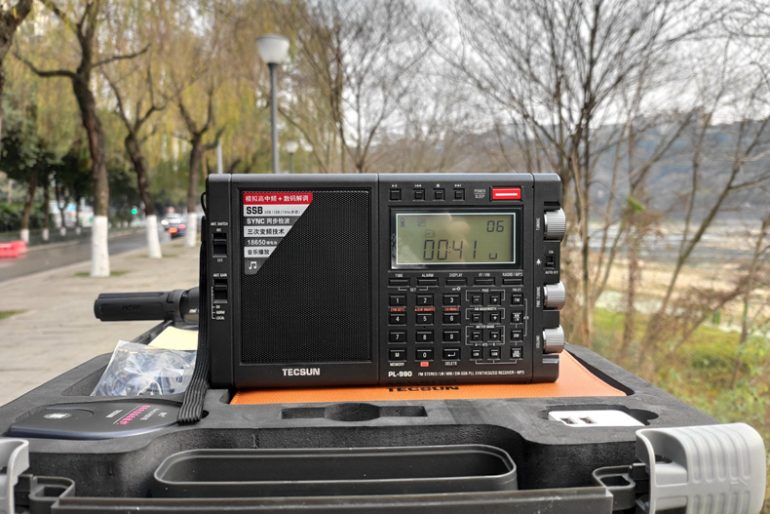
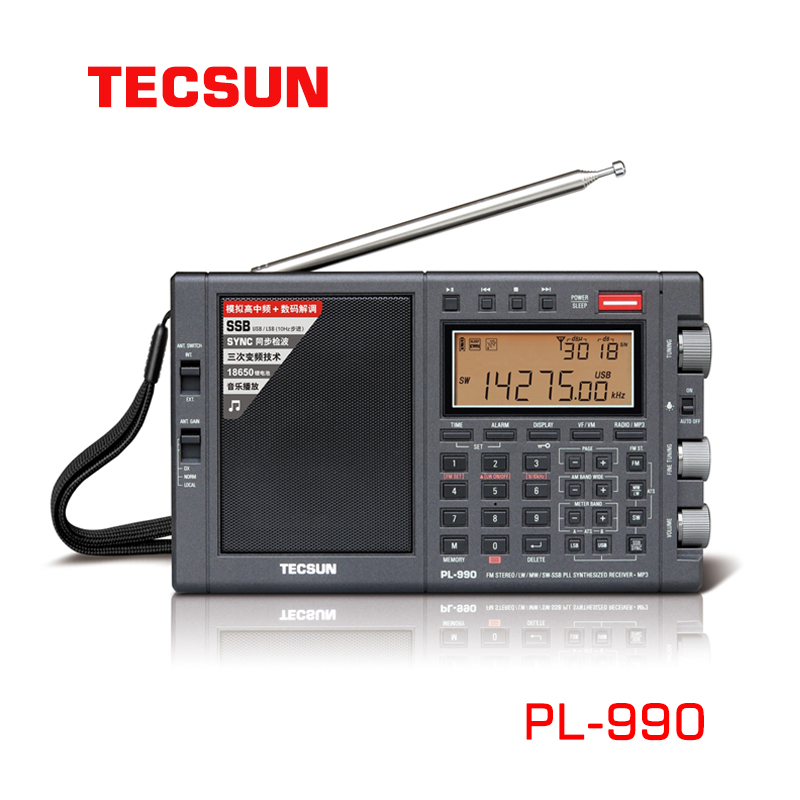
The PL-990 released in China last year.

Many of you have been asking me about the pricing and availability of the Tecsun PL-990 and H-501 receivers. Both radios were released late last year (2019) in China, but the final export version–and first full production run–has not yet hit the market.

I reached out to Anon-Co to see what updates, if any, we have about these radios. They were able to share the following points:

  • “Tecsun sold a first version of the PL-990 and H-501 in China as a promotion before Chinese New Year, at a promotional price.”
  • “They will launch further updated versions in the next few months, which will also be the international export version. This price will definitely be higher than the promotional prices, but the exact price is not available yet.”
  • “The version for the international market is not finalized yet. It may become available by the end of March or April, but there is no official launch date yet.”

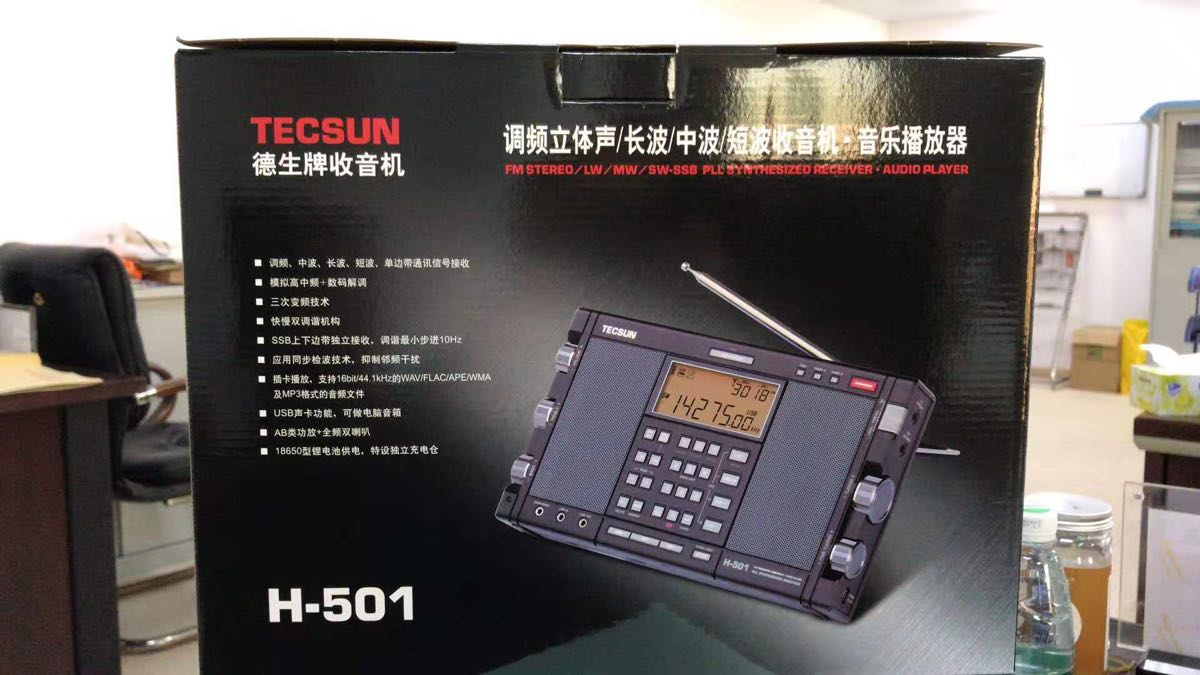
The H-501 version released in China last year.

I think the important take-aways here are that we’re still perhaps a couple months out from the final versions shipping and that the price will be slightly higher than the initial production run in China.

Good news is, it sounds like this radio will get a proper vetting before it ships!  I’m willing to wait knowing this. Also, if I’m reading between the lines correctly, there could be some noticeable changes and updates to the final exported versions.

If you would like to follow updates about these radios as we post them, bookmark the tags PL-990 and H-501.


Do you enjoy the SWLing Post?

Please consider supporting us via Patreon or our Coffee Fund!

Your support makes articles like this one possible. Thank you!

More Tecsun PL-990 images

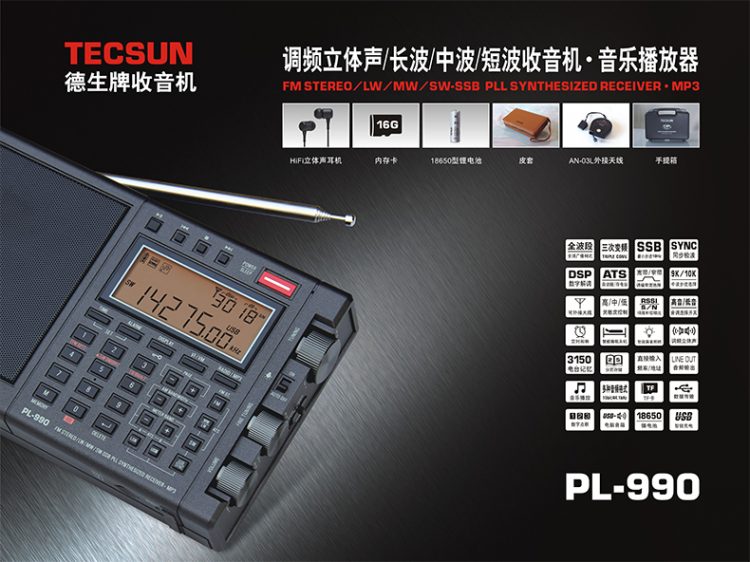
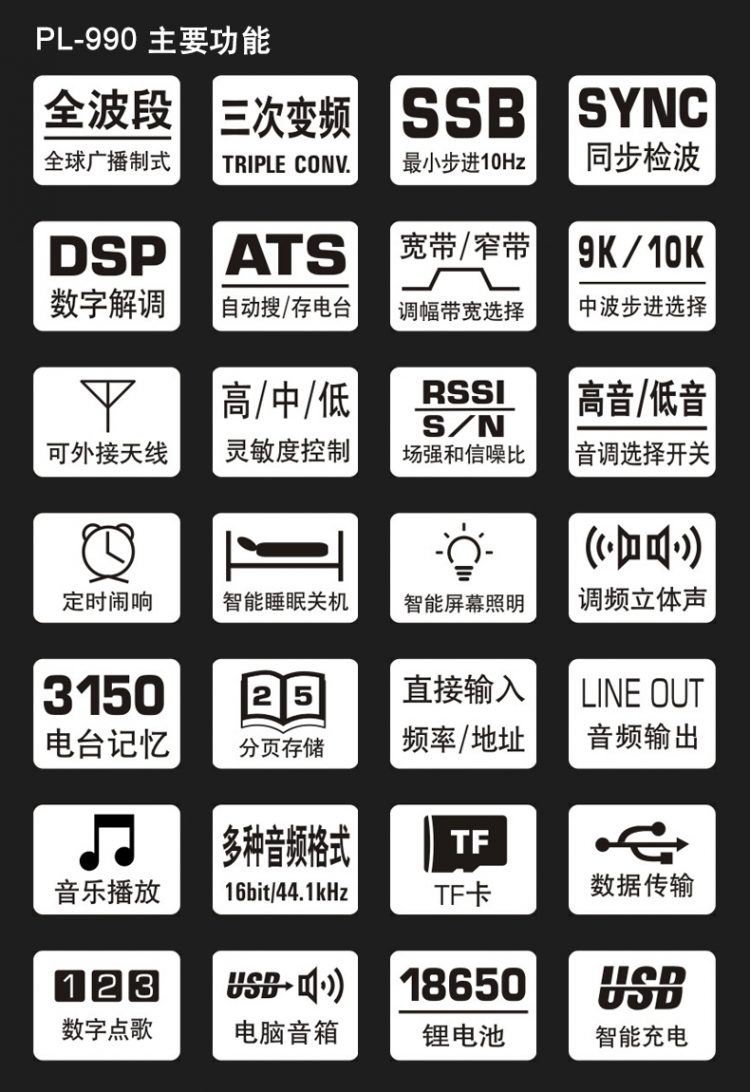
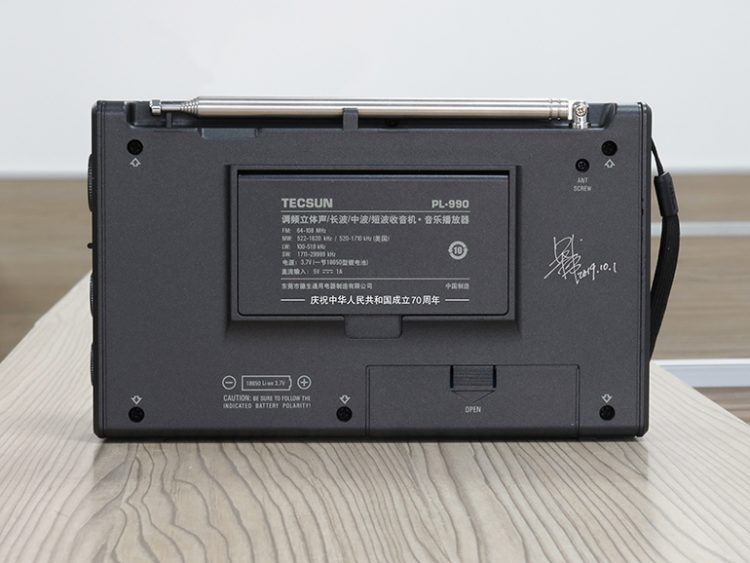
Many thanks to SWLing Post contributor, Carel Kuijer, who shares the following images of the new Tecsun PL-990:

Thanks for sharing these, Carel!

FYI: I have not heard a solid update yet on pricing/availability of the Tecsun PL-990 and Tecsun H-501. Carel did note that the price in China is 1150 CNY, thus about 150 Euro or $166 USD, but not sure if this price will remain the same for the exported version. I will post updates here on the SWLing Post when they are available!


Do you enjoy the SWLing Post?

Please consider supporting us via Patreon or our Coffee Fund!

Your support makes articles like this one possible. Thank you!

Mission RGO One: Impressions, availability, pricing and upgrades

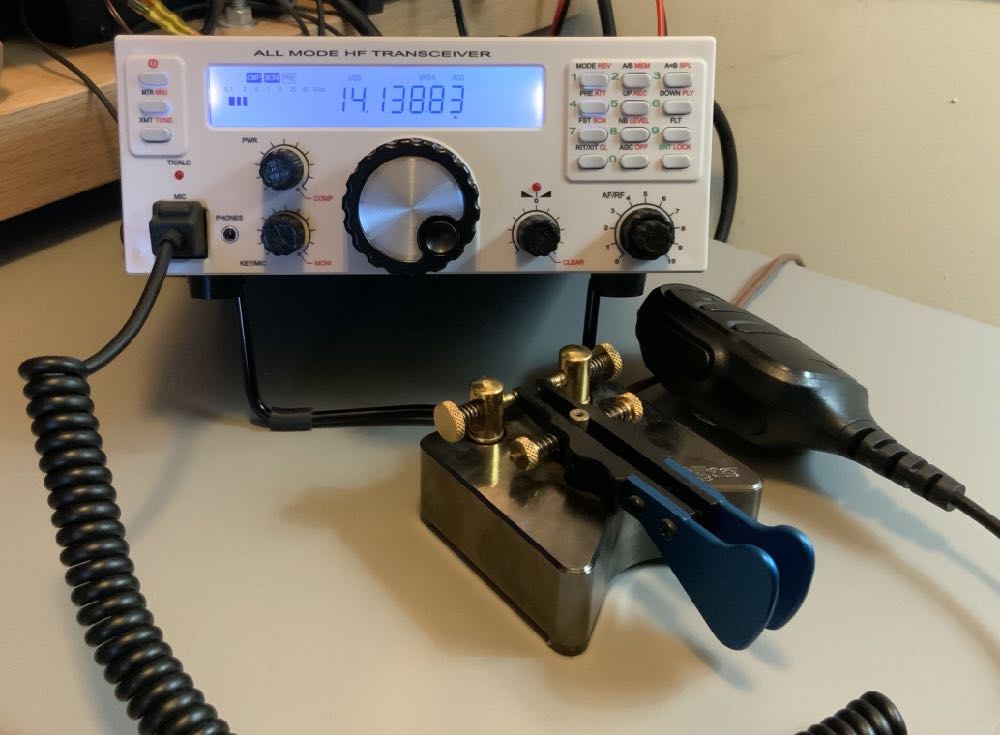
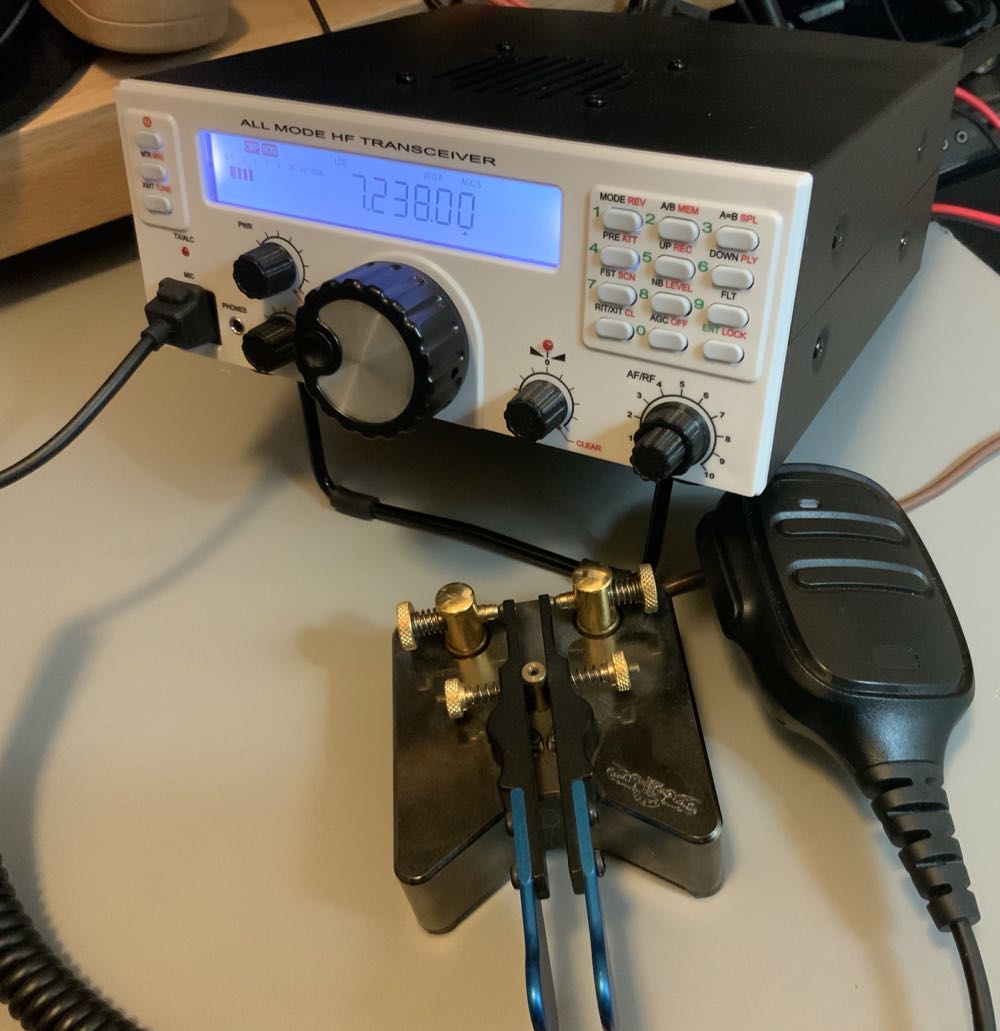
Readers might recall that I picked up a Mission RGO One 50 watt transceiver from Boris (LZ2JR) at the 2019 Hamvention. I’ve been helping Boris and his team evaluate this Bulgarian-manufactured general coverage transceiver since then.

I’ll be writing a comprehensive review of the Mission RGO One for The Spectrum Monitor magazine later this year, but in the meantime I thought I’d post a quick update.

I’ve gotten a number of emails from readers asking specific questions about this transceiver and its availability/pricing. Here are a few answers to your questions:

Is it a good one?

This is the most common question, of course.

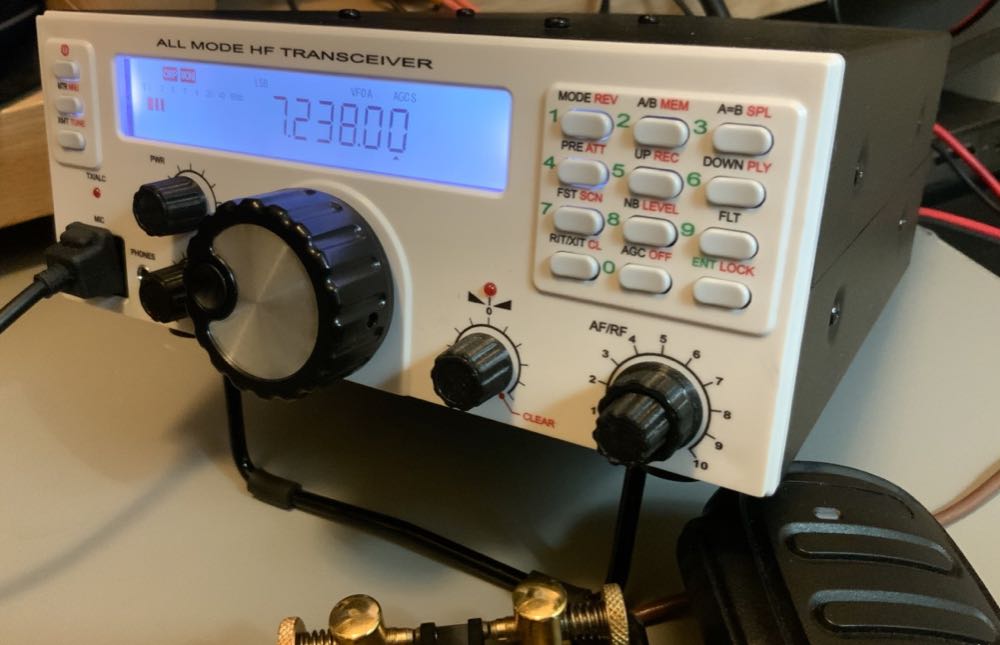
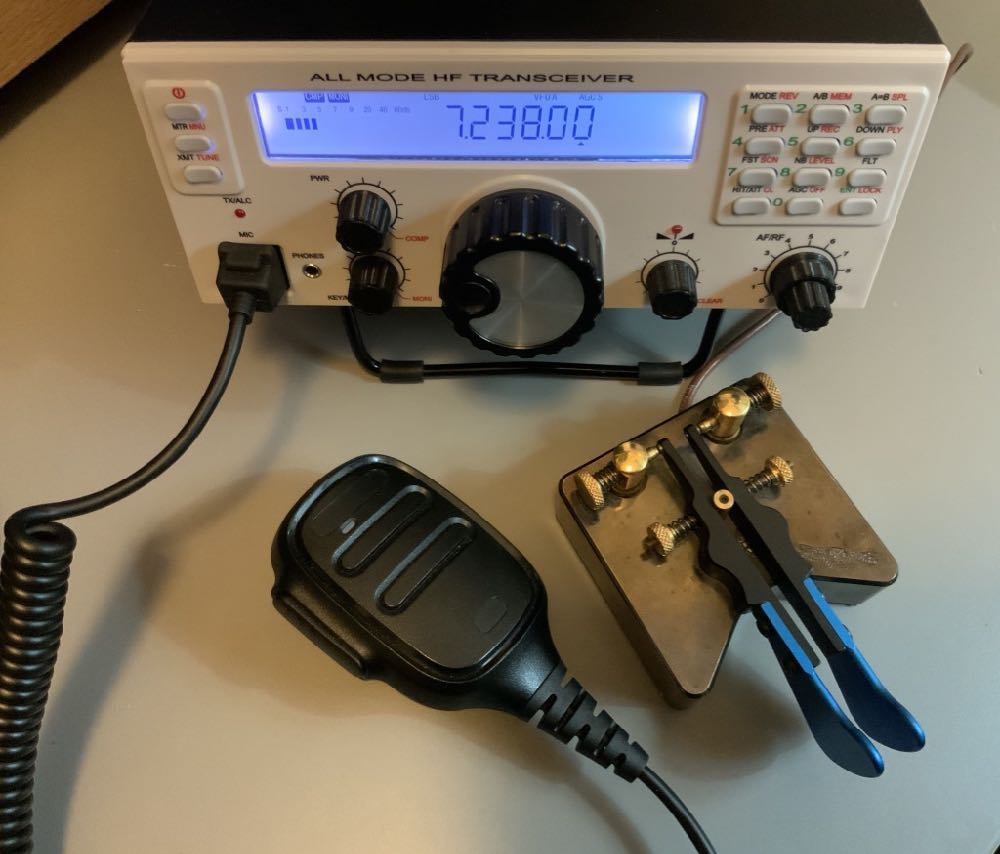
In short: the Mission RGO One has exceeded my expectations. The RGO’s noise floor is low, the dynamic range high, the audio pleasant, and the ergonomics are top-notch. As I said in a previous post, you can tell the RGO One was designed by an active ham radio operator. The radio is a pleasure to use and harkens back to the days of benchmark pre-SDR transceivers.

Keep in mind I have a very early evaluation model and it’s due a firmware upgrade. The only negatives I’ve experienced are ones I would expect as we flesh out minor firmware bugs. Indeed, most all of these have been sorted already.

I’ve used the RGO One in both the shack and in the field and find it’s a capable radio in both situations.

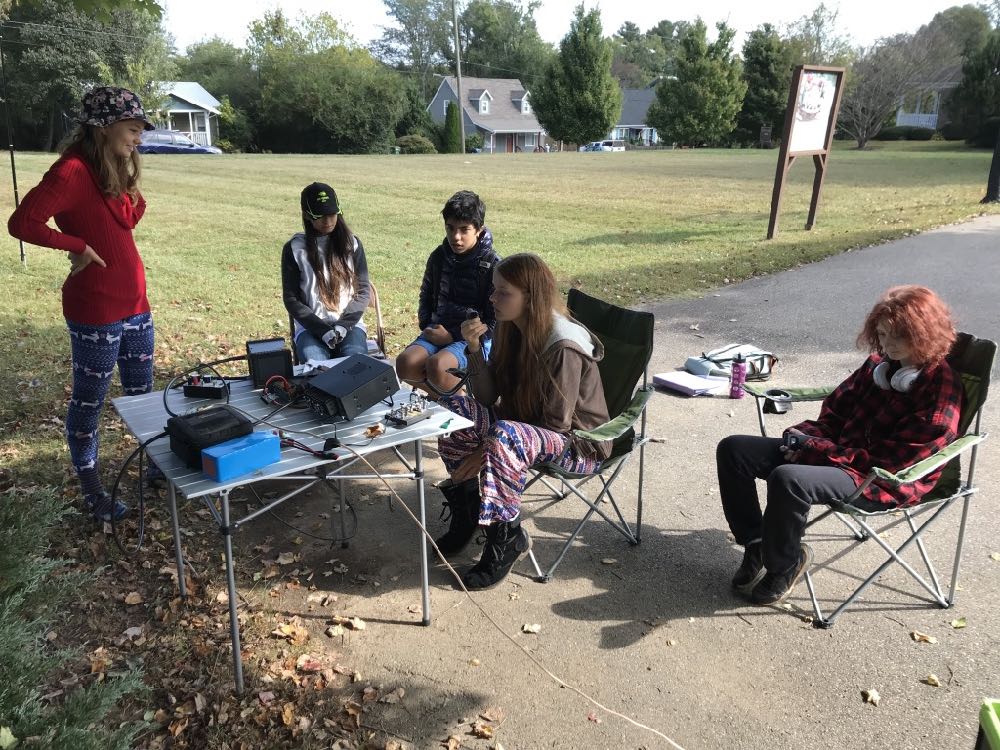
In fact, last year I taught a ham radio class to a group of home-schooled high school students. Of course, I wanted to offer them proper on-the-air time so they could experience a little HF radio magic. My radio of choice was the RGO One for its ease of use and excellent built-in audio.

I took the class outside and we connected the RGO One to a resonant portable 20 meter vertical. One of the very first SSB contacts we made was with a ham radio operator in Slovenia–with solid 5 by 9 reports on both ends. After that, my students were hooked! (In fact, four of my seven students have since passed their ham radio license exam! I’m incredibly proud of them.)

If you’re curious how well the RGO One holds up during contest conditions in CW, I highly recommend checking out this CQWW report by John (AE5X).

Market niche

With a large number of QRP and 100 watt sub-$1000 transceivers on the market–including the Elecraft KX2, Yaesu FT-818/FT-891, Icom IC-718/IC-7300, to name only a few–where does the Mission RGO One fit in?

Good question.

In my mind, what makes the RGO One unique is the fact that it has the price, weight, and form factor of a field-portable, front-panel QRP transceiver, but is capable of pumping out a full 50 watts of power without an external amplifier.

The RGO one is lighter (about 5 lbs) and draws less current on receive than most comparable 100 watt general coverage transceivers.

I see the RGO One becoming my choice radio for most Parks On The Air (POTA) field activations this year. In the past, I’ve used my beloved Elecraft KX2 for NPOTA and POTA activations because it’s extremely portable and incredibly versatile. I’ll still use the KX2 for activations that require hiking or in situations where I can’t easily set up a tabletop radio, but I can’t tell you how many times I wish I had a little more TX output Since the RGO One can provide up to 50 watts out, it’ll give me a little more “juice” when conditions demand.

Availability and pricing

At present, there are a limited number of early production Mission RGO One transceivers in the wild. The company is in the process of scaling up production.

To that end, you will now find a Mission RGO One pre-order form on their website.

The price is 790 Euro (roughly $880 US) plus shipping. There will be two shipping options: directly from Bulgaria, and from the USA in mid-May 2020. These units will all be fully factory assembled and aligned.

It’s my understanding that eventually there will be a modular kit version of the RGO One and the price will be much less than that of the assembled unit.

Internal ATU option

The RGO Team is also in the final stages of producing an optional high-performance internal ATU.

I have no details about pricing or availability yet, but I will be testing this ATU in the shack and in the field later this year. After I’ve evaluated the ATU, I will publish my full review of the RGO One in The Spectrum Monitor magazine.

Other Questions?

As you might have gathered, I’ve really been enjoying my time with the Mission RGO One transceiver. Lately, it’s even taken the place of my beloved KX3 in the radio shack.

Please comment if you have other questions and I’ll do my best to answer them.


Do you enjoy the SWLing Post?

Please consider supporting us via Patreon or our Coffee Fund!

Your support makes articles like this one possible. Thank you!

The uBITX V6, winter weather and power outages

Yesterday, a weather front moved through the area that dropped temperatures from an unseasonably high of 50F to 25F in the space of a couple of hours.  Fronts like this always equate to high winds here at our altitude. This time, it packed a little snow as well.

Last night, around 22:00 local, our power went out due to a fallen tree further down the road.

Here at SWLing Post HQ, we don’t panic about power outages. As I’ve mentioned before, our refrigerator, freezer and some of our home lighting is solar-powered and off-grid–we also rely on passive solar heating and a good wood stove to keep us warm and cozy.

Without fail, I always use power outages as an excuse to play radio on battery power.

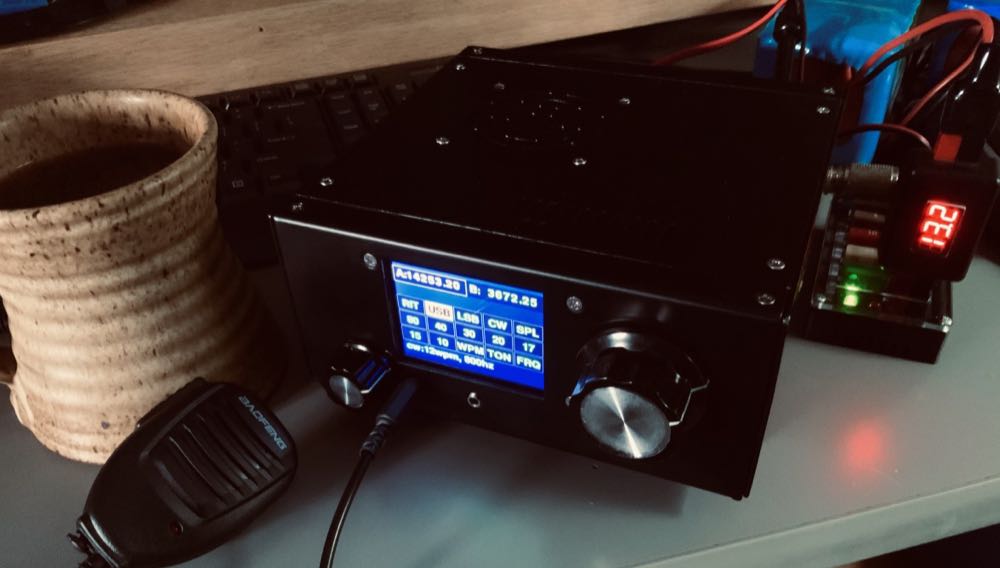
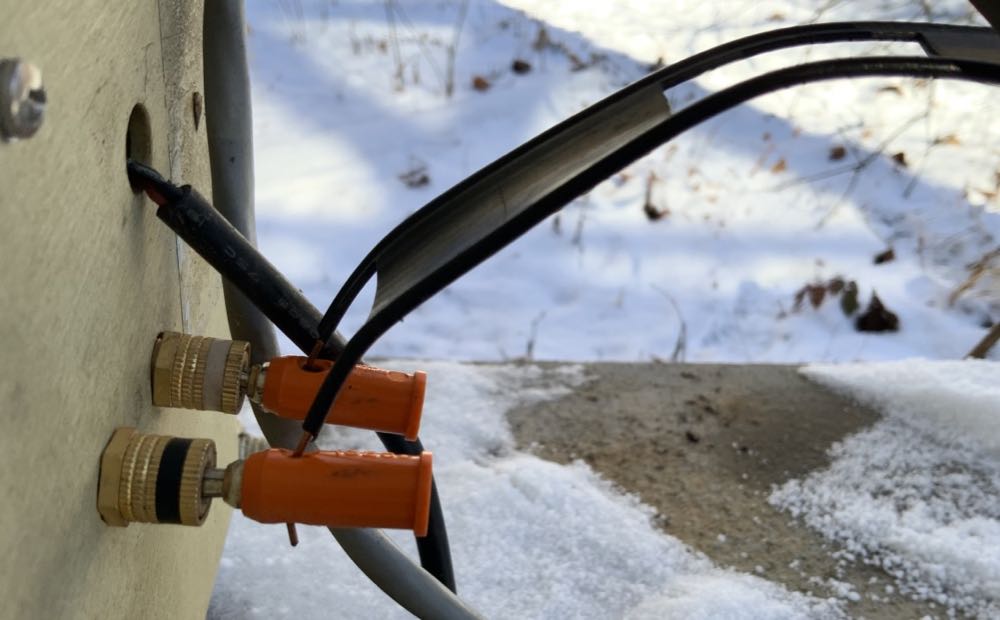
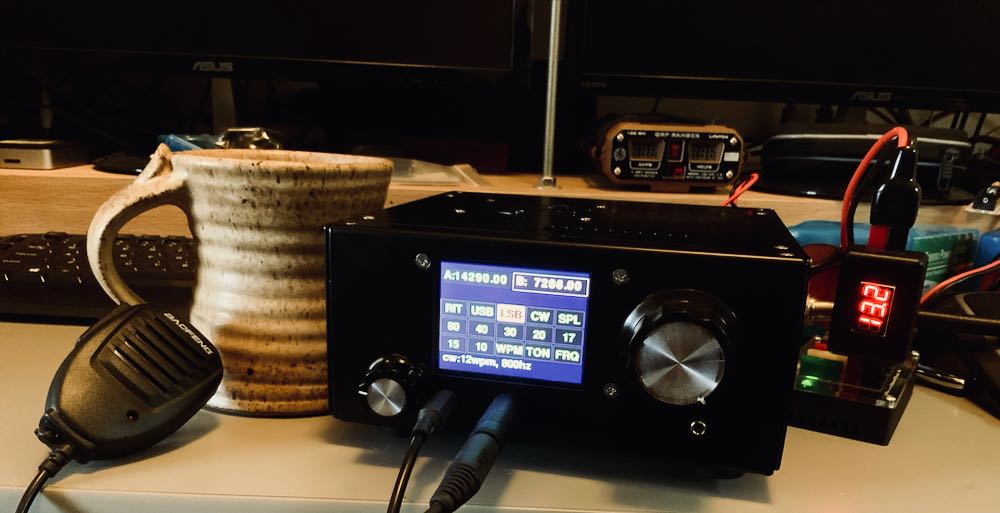
This morning, the uBITX V6 transceiver was already hooked up to a LiFePo battery on my desktop, so I simply turned it on and started tuning around the 40 meter band, where I had recently logged a few POTA contacts. Problem was, the band was absolutely dead, save a couple weak stations. After thinking about it a few seconds (keep in mind this was pre-coffee) I put on my boots and coat, walked outside and confirmed my suspicions: the antenna feedline had become detached from my external ATU box.

The winds were strong enough last night, that the ladder line pulled itself out of the banana connector jacks on the side of the ATU box. This happens quite often during periods of high winds and is a bit annoying. Of course, I could secure the feedline in such a way that it would easily survive high winds without disconnecting, but frankly this is an intentional design choice. You see, when a black bear walks into my feedline, it easily disconnects before the bear gets tangled, up, frustrated and yanks my antenna out of the tree!

Trust me on this: bears and antennas don’t mix. I speak from experience.

After re-connecting the antenna, I fired up my portable alcohol stove (the one you might have seen in this post), boiled water, and made a fresh cup of coffee to take back to the shack.

I turned on the uBITX once again and found that the 40 meter band was chock-full of strong signals.

It’s time to go chase a few more parks today and plot my next POTA activation.

Frankly, I’m in no hurry for the power to be restored.  It’s a wonderful excuse to play radio.

Readers: Anyone else enjoy radio time when the grid goes down? Please comment!


Do you enjoy the SWLing Post?

Please consider supporting us via Patreon or our Coffee Fund!

Your support makes articles like this one possible. Thank you!

WRTH 2020: A look inside

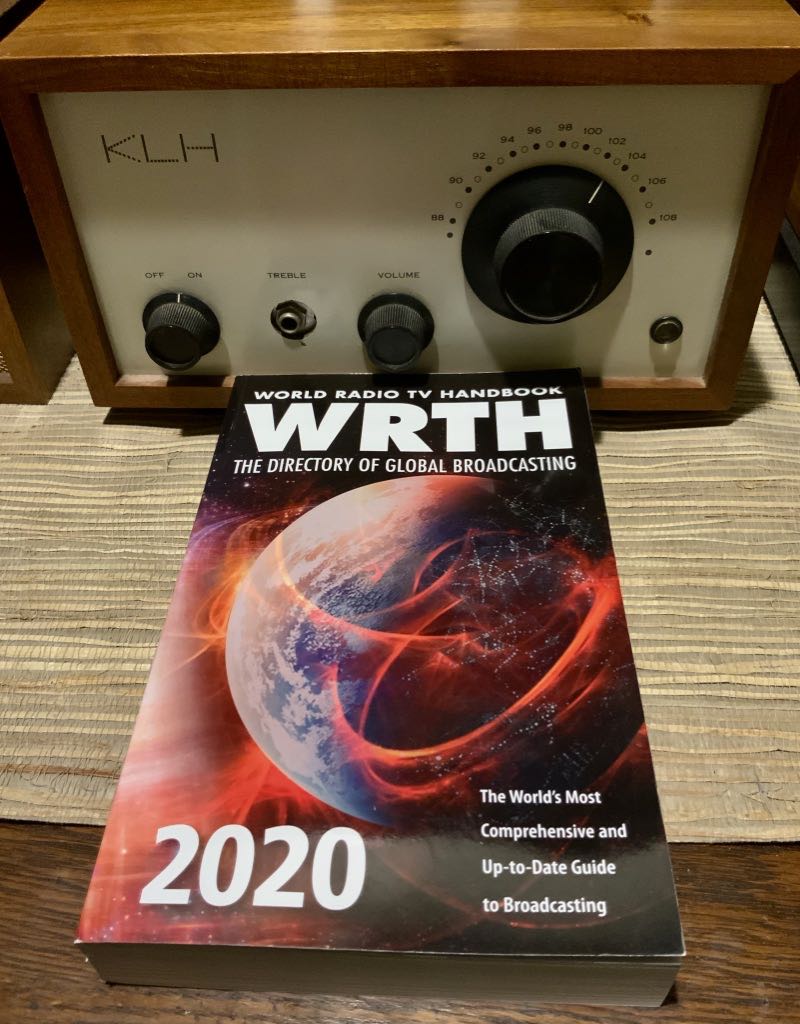
I received my review copy of the 2020 World Radio and TV Handbook (WRTH) shortly after returning from holiday travels last week. I always look forward to receiving this excellent staple radio reference guide–and this is their 74th edition! The WRTH has never disappointed, so my expectations are always quite high.

Once again, the WRTH lived up to my expectations.

WRTH’s team of noted DXers from around the world curate frequencies and broadcaster information by region; while I’m not sure how they orchestrate all of this, the end result is truly a symphony of radio information. In addition to broadcaster listings, WRTH’s radio reviews, feature articles, and annual HF report make for excellent reading.

But the WRTH isn’t just a frequency guide: the publication always devotes the first sixty or so pages to articles relating to various aspects of the radio hobby. Following, I offer a quick overview of these.

The first article always features a WRTH contributor:  this year, they feature Luis Cavalho who is their contributor for Portugal, the Azores and Madeira. His path to becoming a WRTH contributor began in his childhood snagging mediumwave DX with an array of portable radios. His love of radio lead him to the world of shortwave radio, WRTH and eventually his own radio website to serve Portuguese listeners.

WRTH Reviews

The second set of articles is always my favorite: WRTH receiver reviews.

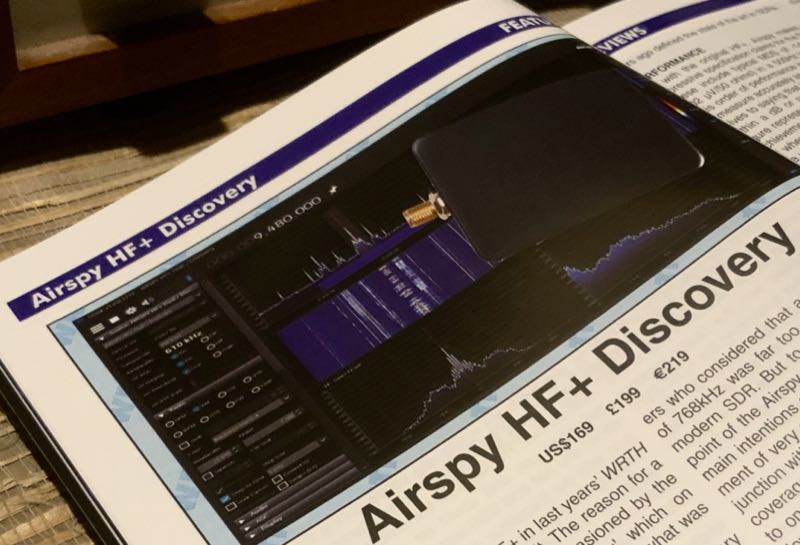
This year, WRTH begins with an in-depth review of the excellent ELAD FDM-DUOr tabletop SDR receiver.  Next they build on their 2019 review of the SDRplay RSPduo by exploring its unique diversity reception capabilities. They also review the AirSpy HF+ Discovery and were so impressed they awarded it the 2020 Best Value SDR.
This year, WRTH also reviewed two portable radios by Pure: the Pure Elan E3 DAB, DAB+, FM receiver and the Pure Elan IR5 WifI radio.

The final two reviews are of affordable products that offer incredible value for the radio listener: the venerable Tecsun PL-310ET ultralight radio and the Tecsun AN-200 MW Loop Antenna. I enjoyed reading a fresh review of each of these products as I’ve personally used both for nearly a decade.

WRTH Features

The first feature article, written by none other than Dave Porter, focuses on the development of HF broadcast antennas. His article serves as an excellent primer on the topic, covering Rhombic Antennas, Corner Quadrant Antennas, Log-Periodic Arrays and ALLISS /Rigid Curtain Arrays. A must-read for those who want to know more about the “business side” of a broadcast signal!

Hans Johnson’s feature, Sea Breeze and Wind from Japan, explores the story behind the broadcasts to Japanese citizens abducted by North Korea. Truly, an inspiring story of a determined and mission-dedicated broadcasters.

The following feature article was written by WRTH contributor and chief editor of the New Zealand DX Times, Stu Forsyth, who outlines the history of broadcasting from New Caledonia in the Pacific.

The next feature article focuses on the “finer points” of mediumwave propagation. I thought this was an informative and and timely article as so many shortwave DXers (including yours truly) spend time on the mediumwave bands especially during winter and times of rough HF propagation. A must-read!
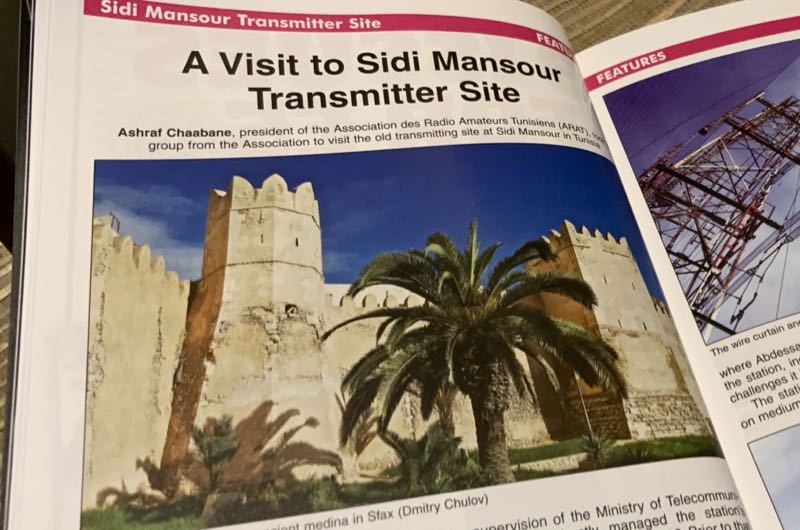
Ashraf Chaaban, president of the Association des Radio Amateurs Tunisiens, takes WRTH readers with him on a visit to the Sidi Manson Transmitter Site in Tunisia in the final feature article. Having an affinity for broadcast sites, I sincerely enjoyed the focus on Sidi Manson which fell silent on shortwave in 2014.

Next, WRTH spotlight the annual Digital Update which summarizes the dynamic state of digital broadcasting. I’ve found this feature to be incredibly informative as we see how digital broadcasting is penetrating both domestic and international services.

The final article–a tradition–is the WRTH  HF propagation report/forecast by Ulf-Peter Hoppe. Always an informative read especially as we work our way out of a log-term solar slump.

The 74th is another fantastic edition of the World Radio TV Handbook. As I say every year, I’ve never been disappointed with WRTH. Their publishing standards are such that the quality of their reviews, their writing, and (most importantly) their broadcast listings are simply unparalleled.

At the heart of any WRTH is an uncompromising and unparalleled amount of information regarding regional and international broadcasting.

For DXers who collect QSL cards, you’ll find that broadcaster contact information in WRTH is often more up-to-date than a broadcaster’s own website. When readers contact me asking for QSL information from an obscure broadcaster, the first place I search is the current WRTH. Remember: their information is based on volunteer contributors who specialize in specific regions of the world–the most knowledgeable regional DXers keep this publication accurate.
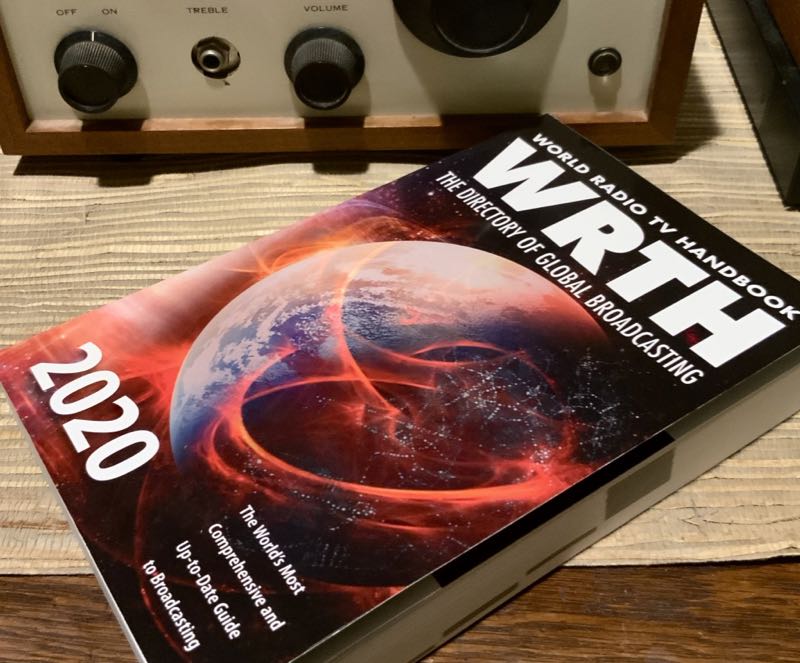
Purchase your copy of WRTH 2020 directly from WRTH’s publishers, or from a distributor like Universal Radio (US) , Amazon.com (US),  or the Book Depository (international).

Tecsun AN-48X Loop Antenna: One simple suggestion to improve performance

Many thanks to SWLing Post contributor, Robert Richmond, who writes:

I recently received the new Tecsun AN-48X loop antenna. I have not had much time to thoroughly test it, but I can make one immediate recommendation IMO. Replace the bundled “feedline” between the loop and controller with an actual *shielded* 1/8″ male-to-male stereo audio cable.

The bundled cable causes near-hand capacitance at the controller, potential RFI issues, etc.; at least for my received unit. The noted concerns largely corrected when replacing the bundled cable with a 6′ shielded audio cable. Tuning now works as expected, and SNR seems much improved.

I have longer 12′ shielded cables and some 1/8″ female-to-female couplers on order to eventually try longer feedlines should the need arise. I will try to drop you a line if/when I get around to testing them.

That’s a sound suggestion, Robert! Thanks for sharing!

Assembling the uBITX V6 QRP transceiver

Last Friday, after returning from holiday travel, I found a belated Christmas gift on my doorstep: the new uBITX V6 QRP transceiver.

In the spirit of full disclosure, this package wasn’t delivered by Santa, rather by DHL in record time from India. As I mentioned in a previous post, I simply couldn’t resist purchasing such an affordable general coverage transceiver.

To be clear, the uBITX V6 isn’t really a kit. The boards are all fully populated by a women’s cooperative in India. You can purchase the uBITX V6 for $149 without a chassis and for $199 with a custom metal chassis. I purchased the latter.

Assembly may take thirty to forty minutes following HF Signals’ online guide. I employed my twelve year old daughters who pretty much assembled the entire radio–I only helped seat the display to the main board.

There is no firmware or software to upload. Simply assemble the radio, solder a power cord to the supplied coaxial plug (hint: positive tip polarity), connect an antenna, connect a power supply, and turn it on.

You’re on the air!

So far, I’ve only scanned the bands and listened to QSOs and broadcasters (no AM mode, so I’ve been zero-beating stations in SSB). Today, I hope to chase a few parks via the Parks On The Air program.

I still need to calibrate the radio yet (although it does zero beat WWV perfectly).

If you purchase the uBITX V6, don’t expect a benchmark transceiver. This uBITX V6 feels more like a work-in-progress and I assume the pre-loaded firmware is simply a first iteration.

Since the radio is open source, I expect hams will soon hack this rig to go above and beyond its basic (understatement alert–!) feature set.

If you’re a CW operator, you might hold off on purchasing until someone has properly implemented the mode. I made some test CW CQs into a dummy load just to check out the keyer and I honestly don’t think I could manage a proper QSO at this point. Sending is sluggish and…well…awkward.

Note that I will be writing a full review of the uBITX V6 for a future issue of Radcom (the RSGB’s monthly publication). Check back here for uBITX V6 notes along the way.

Also check out the excellent blog of our friend, John Harper (AE5X), who has also recently put the uBITX V6 on the air!

Anyone else order a uBITX V6? Please comment!


Do you enjoy the SWLing Post?

Please consider supporting us via Patreon or our Coffee Fund!

Your support makes articles like this one possible. Thank you!