Shortwave listening and everything radio including reviews, broadcasting, ham radio, field operation, DXing, maker kits, travel, emergency gear, events, and more
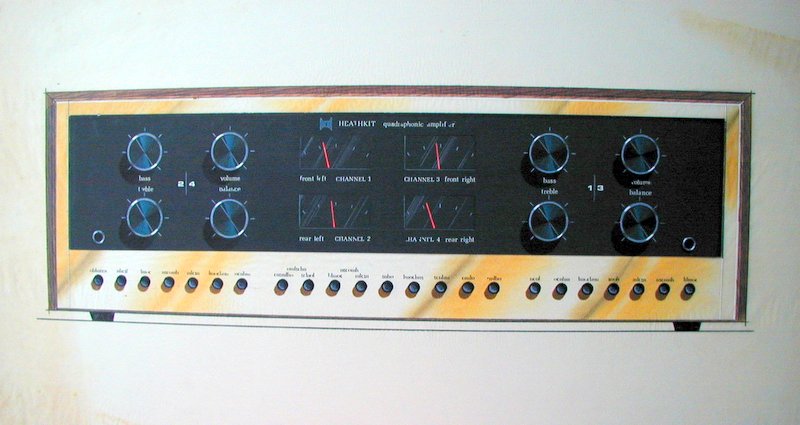
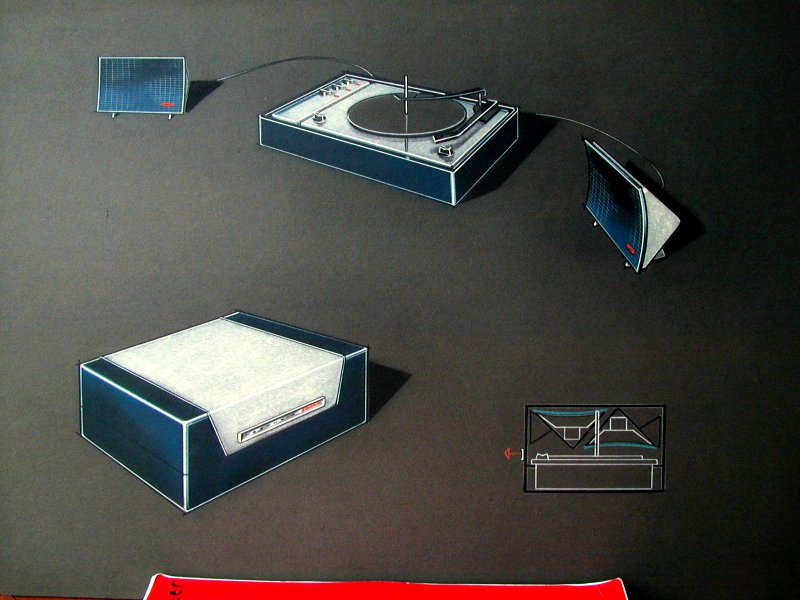
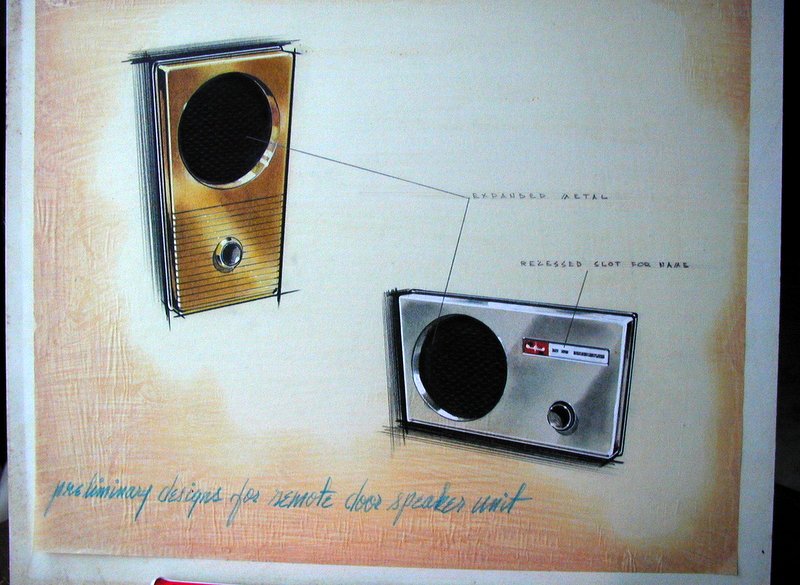
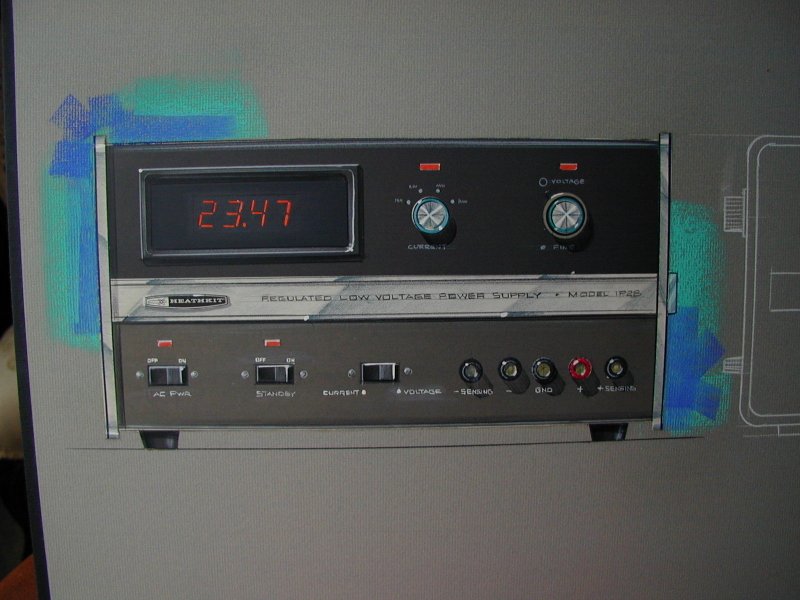
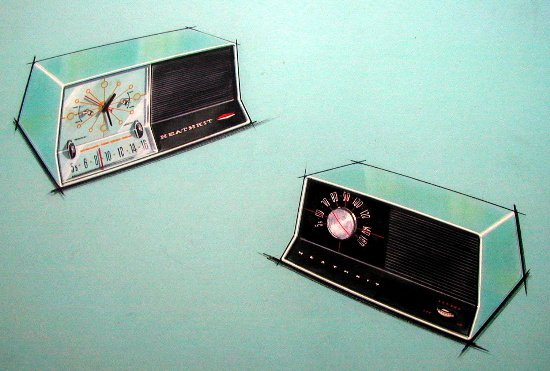
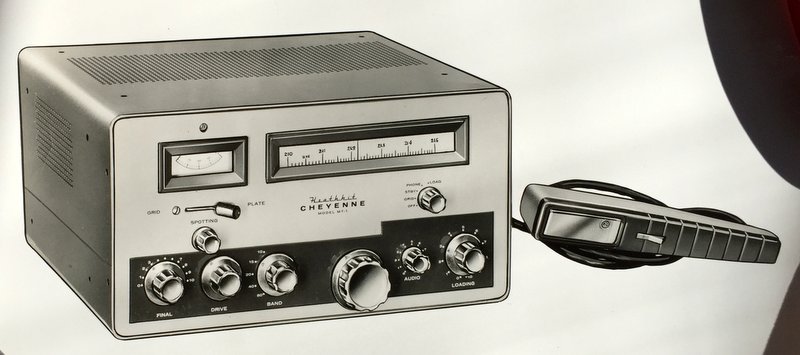
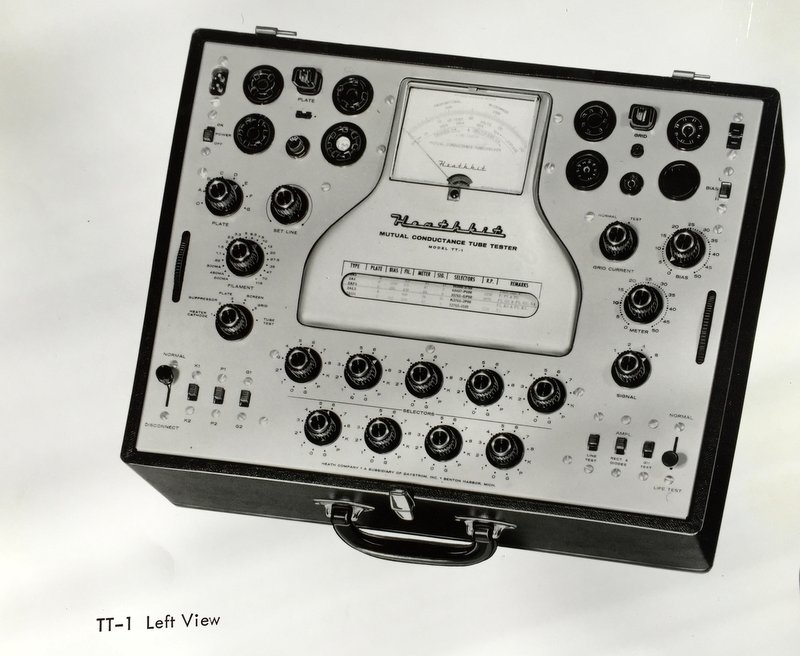
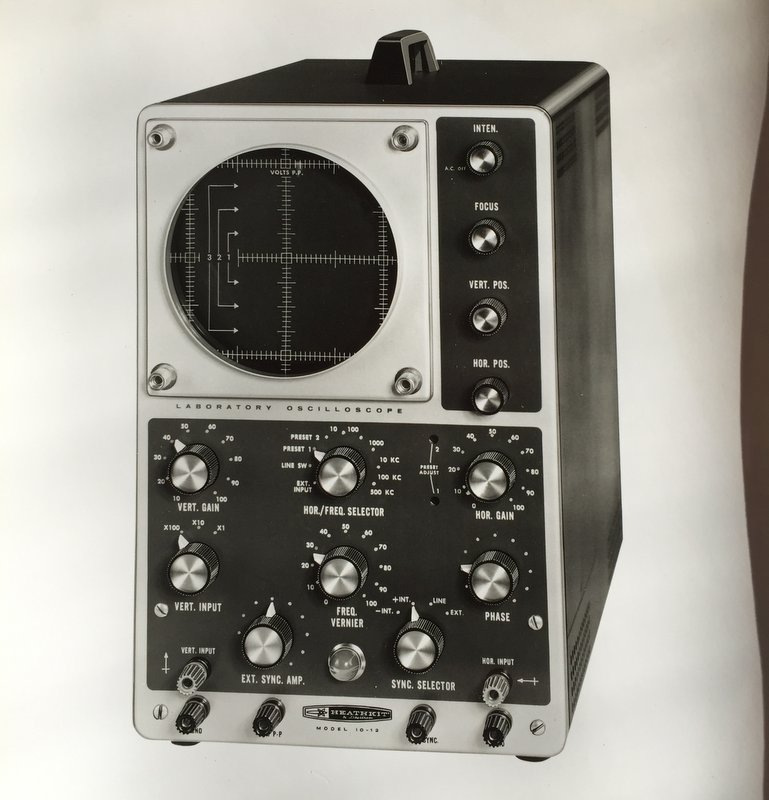
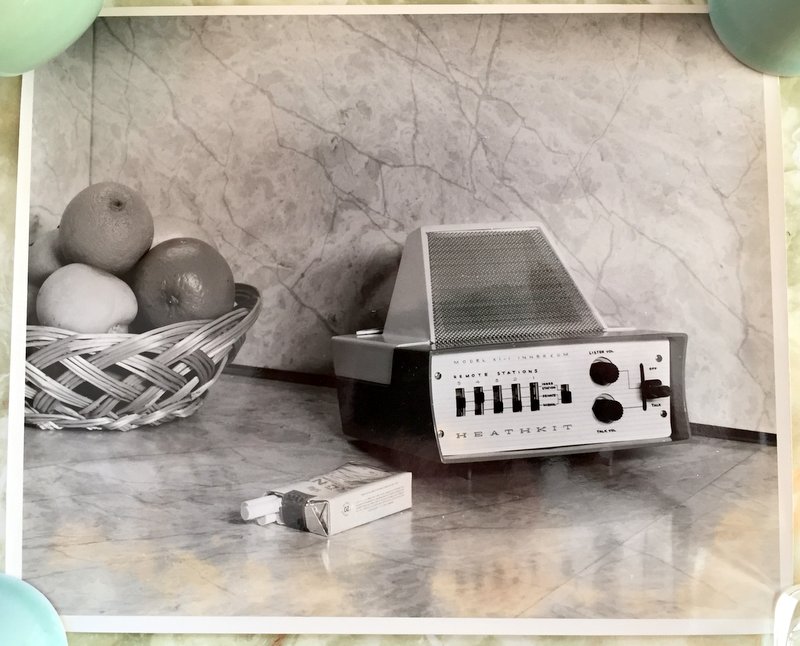
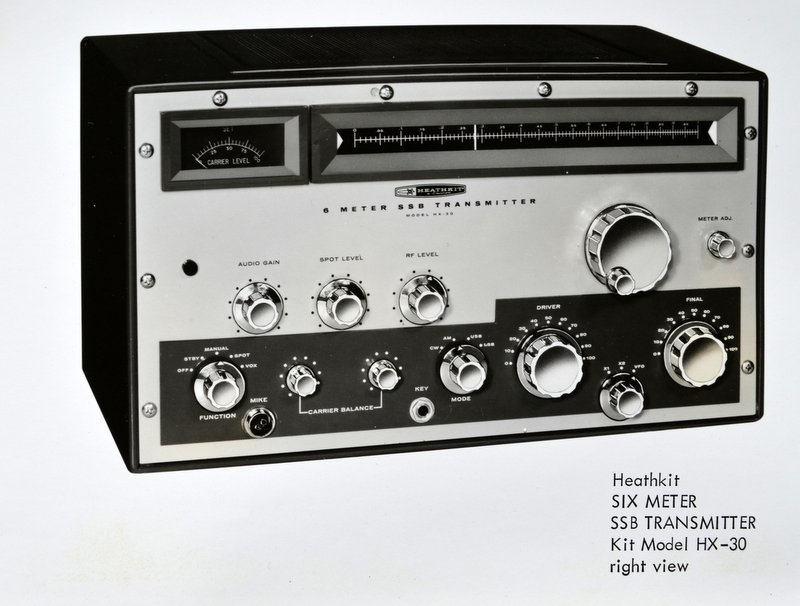
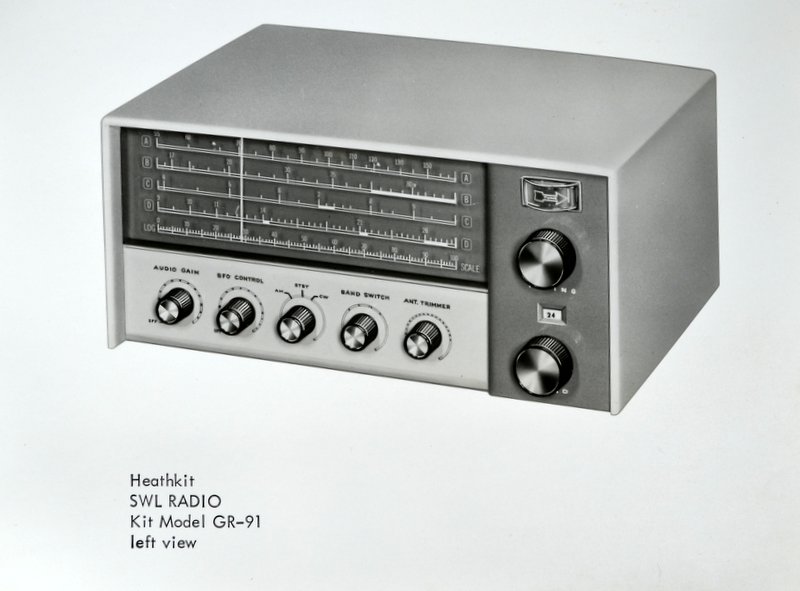
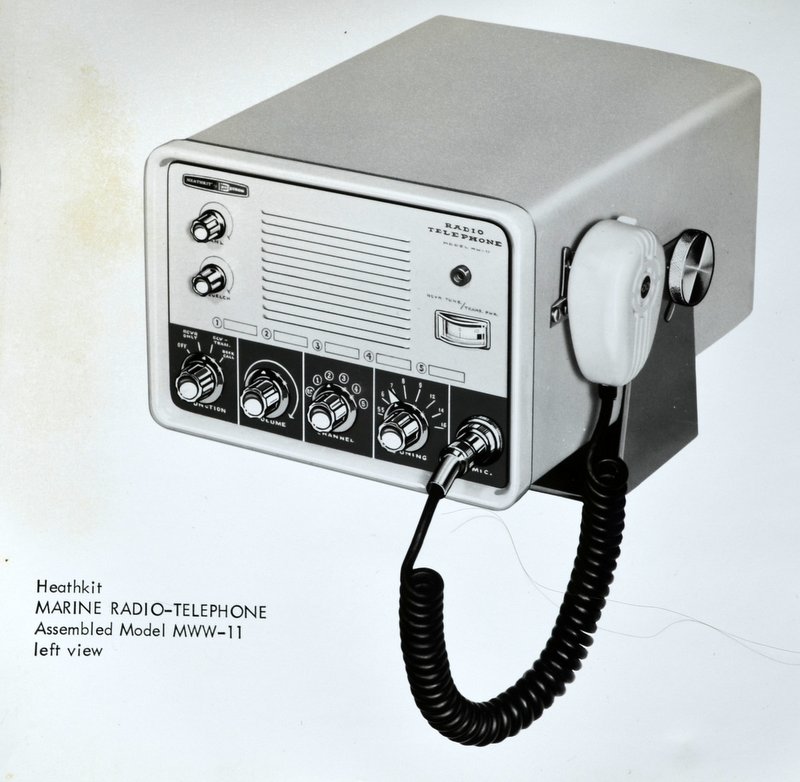
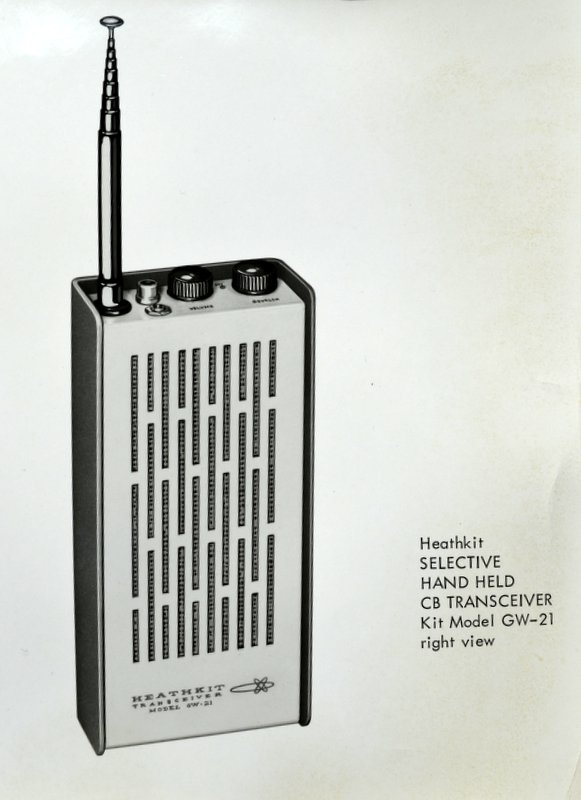
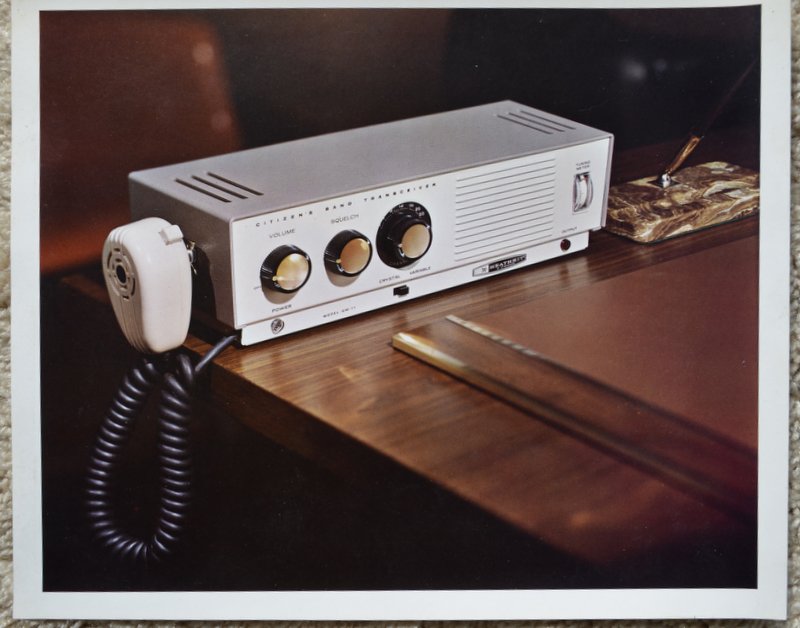
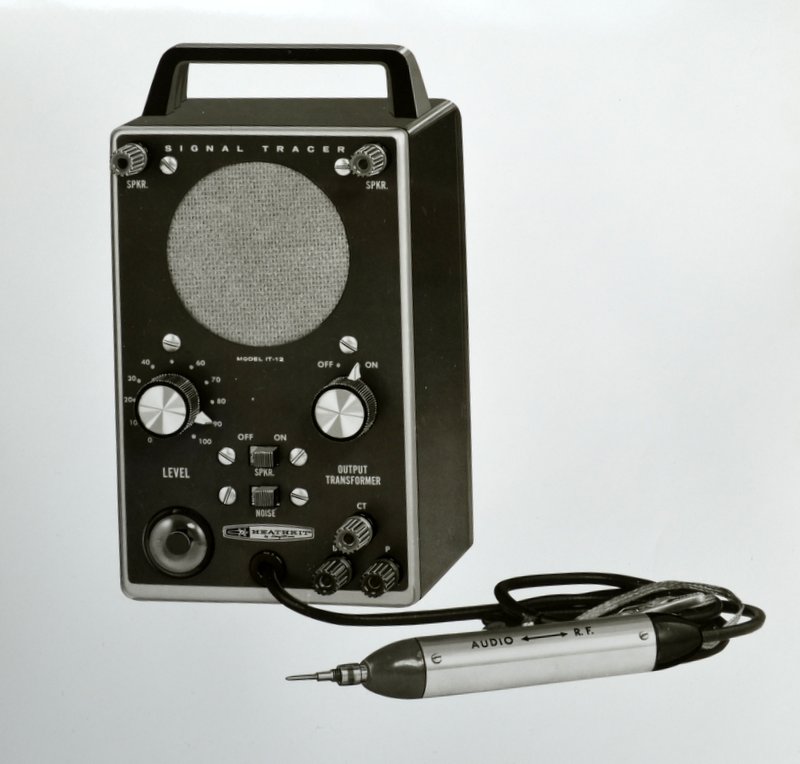
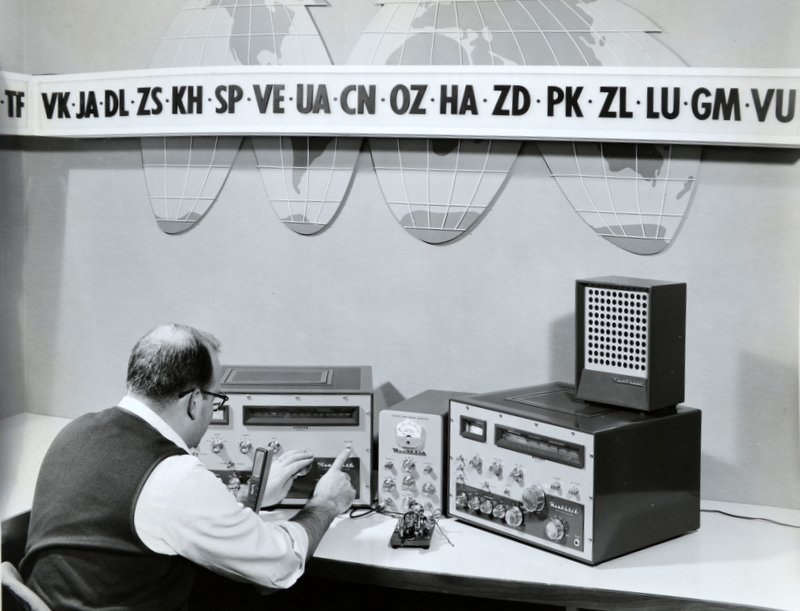
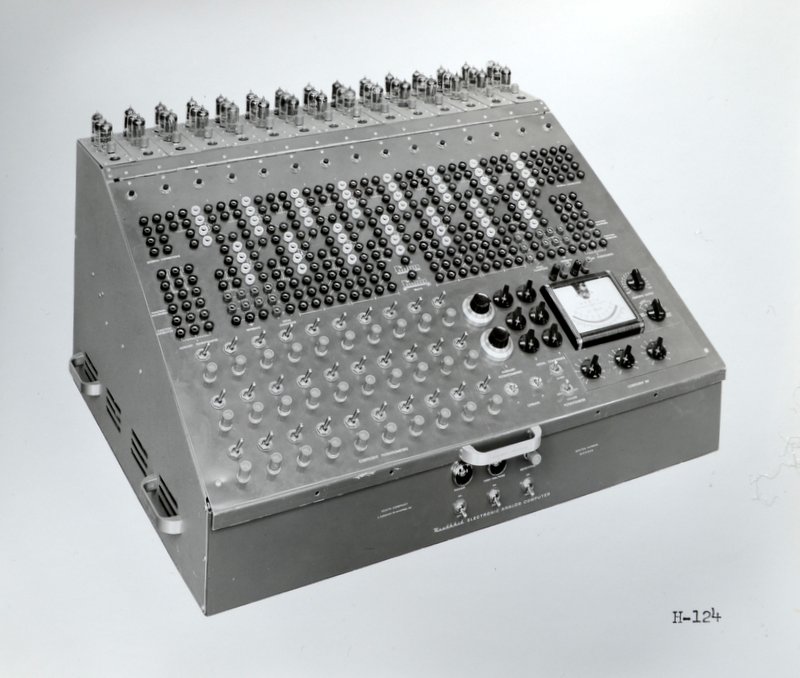
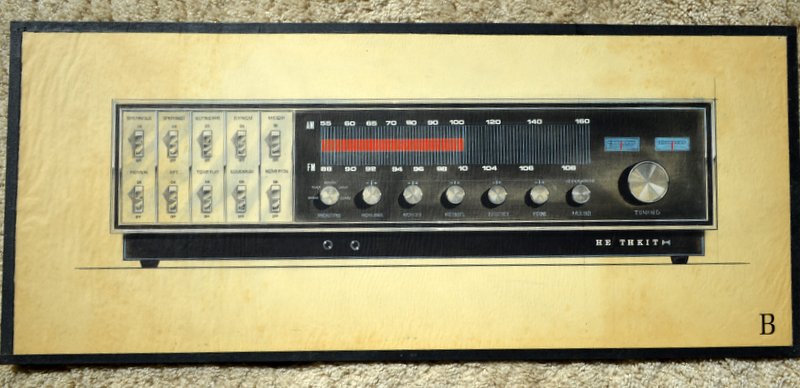
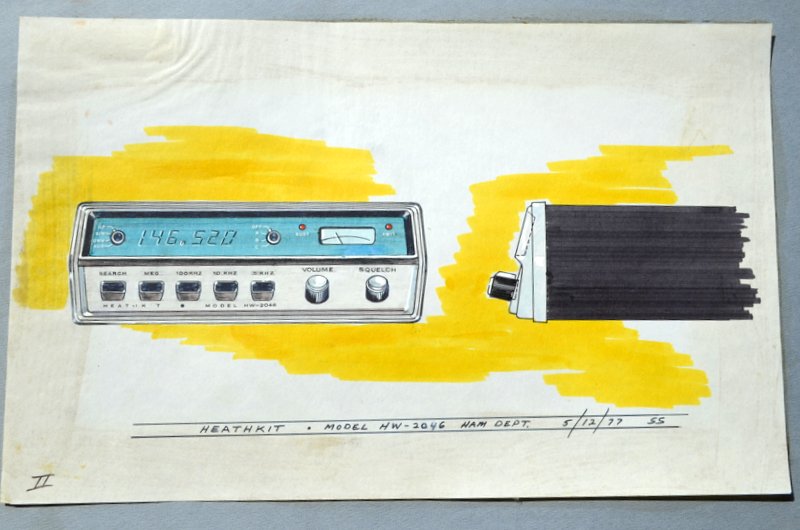
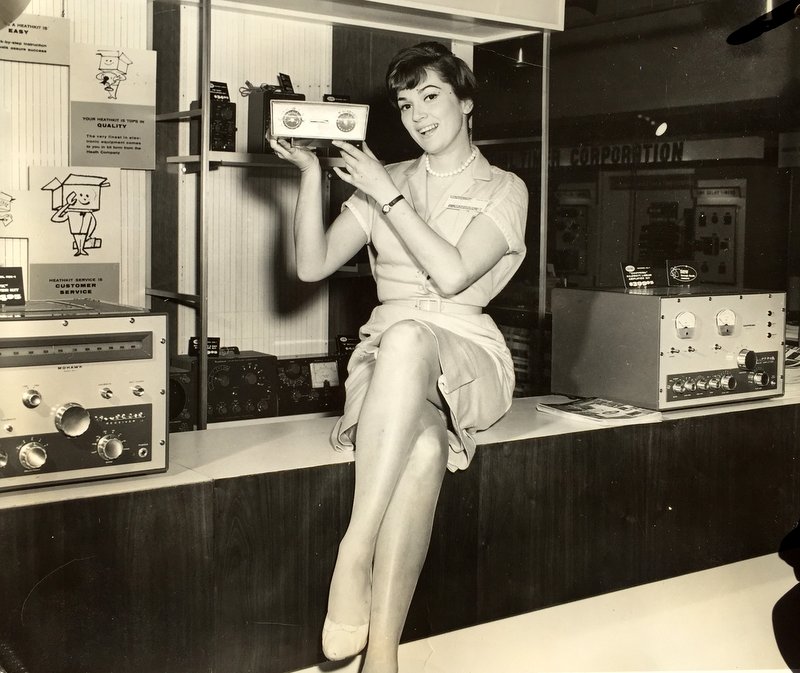
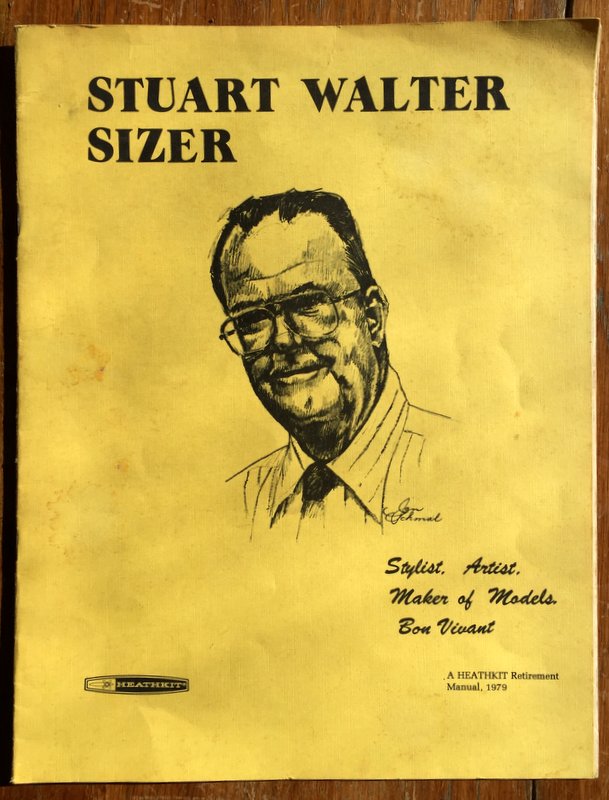
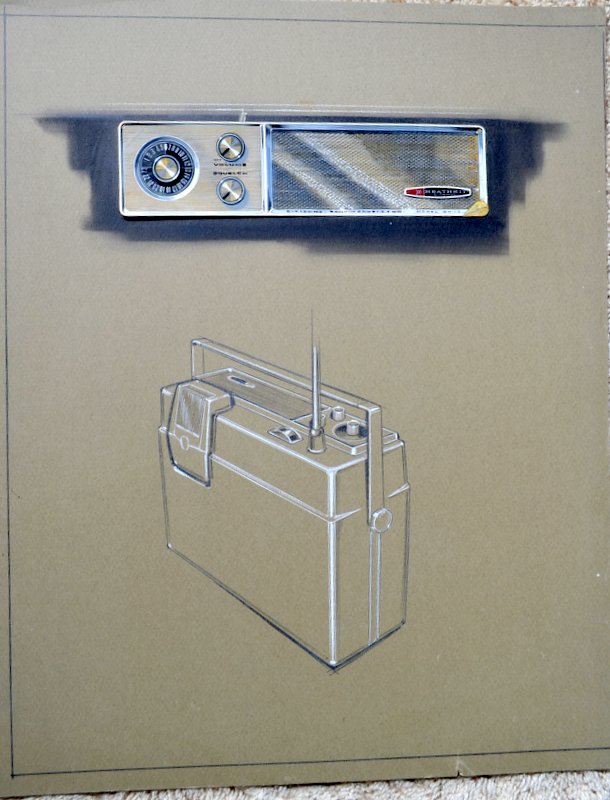
Two weeks ago, through a radio preservation group, I met the son of Heathkit product designer of the 1950s-70s, Stu Sizer––”stylist, artist, maker of models, bon vivant.” His son described the discovery of a few vintage Heathkit brochures, photos, and illustrations his father kept in his family’s basement shop, many of which had been scanned at some point.
Stu Sizer––”stylist, artist, maker of models, bon vivant”––was tasked with crafting Heathkit’s user-friendly and attractive exterior designs. For many years Sizer was Heathkit’s only product designer, and was therefore often busy. “He was a great dad,” his son told me, “but he spent a lot of time in the basement proof-building kits.” He adds wryly, “Let that be a lesson to the hams of this world.”
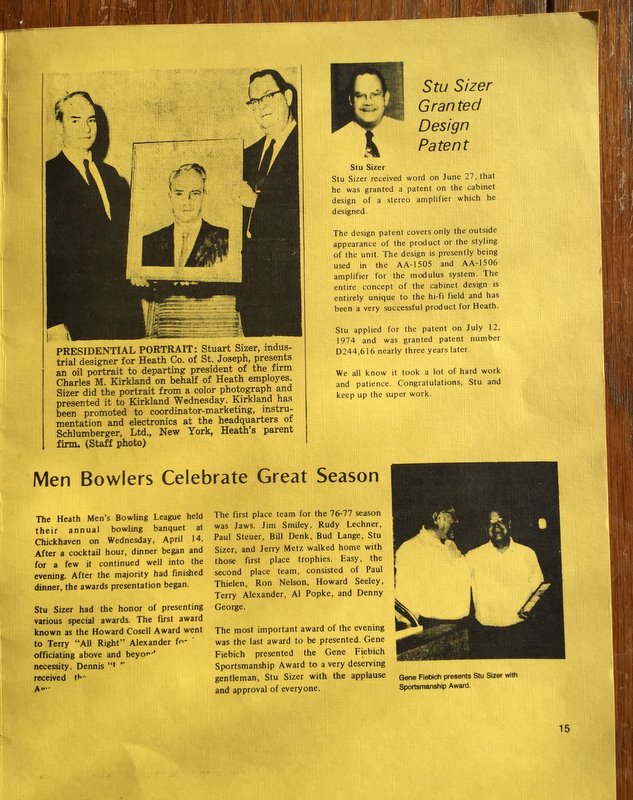
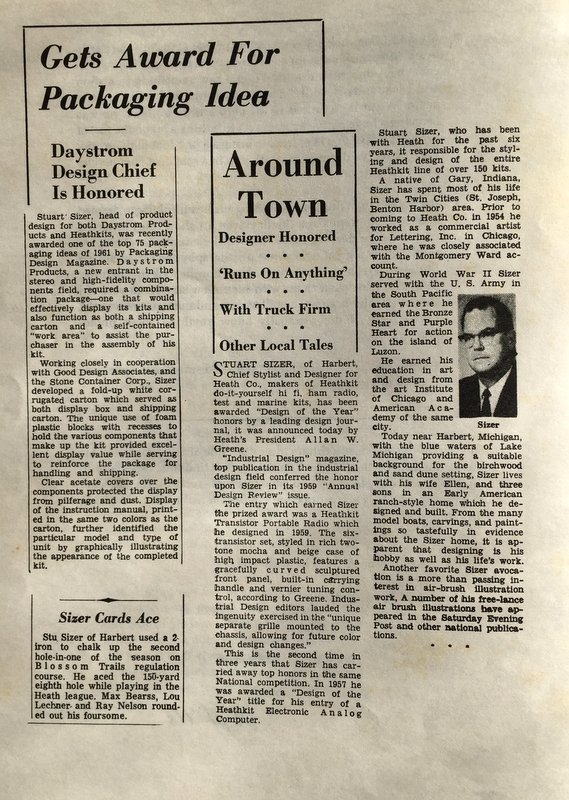
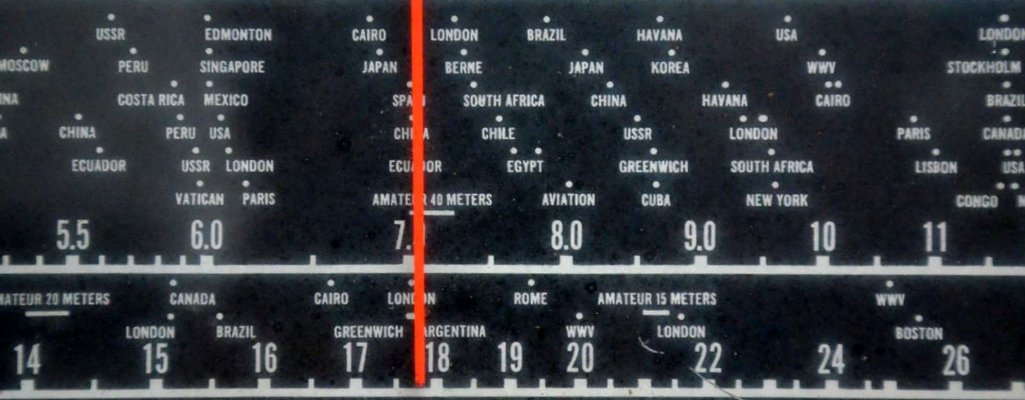
Sizer’s son kindly shared with us the following scans and photos of his dad’s work, many of which are original drawings; the series concludes with some clippings featuring Sizer.
Many thanks to SWLing Post and SRAA contributor, Brian D. Smith (W9IND), for the following guest post and recording.
Note that Brian could use your help to ID a few unidentified broadcasters in this recording. If you can help, please comment:
Shortwave Radio 1974: Canada, Argentina, Spain, West Germany, Albania, utility stations
Want to know what shortwave radio sounded like in 1974?
This 55-minute recording, recovered from a cassette, was never intended to be anything but “audio notes”: I was an 18-year-old shortwave listener who collected QSL cards from international stations, and I was tired of using a pen and a notepad to copy down details of the broadcasts. I wanted an easier way to record what I heard, and my cassette tape recorder seemed like the perfect means to accomplish that goal.
But it wasn’t. I soon discovered that it was simpler to just edit my notes as I was jotting them down — not spend time on endless searches for specific information located all over the tape. To make a long story shorter, I abandoned my “audio notes” plan after a single shortwave recording: This one.
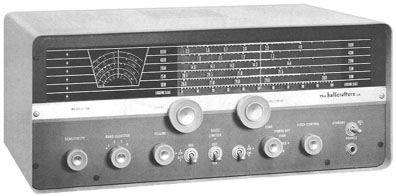
Hallicrafters S-108 (Image: DXing.com)
Still, for those who want to experience the feel of sitting at a shortwave radio in the mid-1970s and slowly spinning the dial, this tape delivers. Nothing great in terms of sound quality; I was using a Hallicrafters S-108 that was outdated even at the time. And my recording “technique” involved placing the cassette microphone next to the radio speaker.
Thus, what you’ll hear is a grab bag of randomness: Major shortwave broadcasting stations from Canada, Argentina, Spain, Germany and Albania; maritime CW and other utility stations; and even a one-sided conversation involving a mobile phone, apparently located at sea. There are lengthy (even boring) programs, theme songs and interval signals, and brief IDs, one in Morse code from an Italian Navy station and another from a Department of Energy station used to track shipments of nuclear materials. And I can’t even identify the station behind every recording, including several Spanish broadcasts (I don’t speak the language) and an interview in English with a UFO book author.
The following is a guide, with approximate Windows Media Player starting times, of the signals on this recording. (Incidentally, the CBC recording was from July 11, 1974 — a date I deduced by researching the Major League Baseball scores of the previous day.)
Guide to the Recording
0:00 — CBC (Radio Canada) Northern and Armed Forces Service: News and sports.
7:51 — RAE (Radio Argentina): Sign-off with closing theme
9:14 — Department of Energy station in Belton, Missouri: “This is KRF-265 clear.”
9:17 — Interval signal: Radio Spain.
9:40 — New York Radio, WSY-70 (aviation weather broadcast)
10:22 — Unidentified station (Spanish?): Music.
10:51— Unidentified station (English): Historic drama with mention of Vice President John Adams, plus bell-heavy closing theme.
14:12 — RAI (Italy), male announcer, poor signal strength.
14:20 — Unidentified station (Spanish): Theme music and apparent ID, good signal strength.
15:16 — Unidentified station (foreign-speaking, possibly Spanish): Song, “Chirpy Chirpy Cheep Cheep.”
17:00 — Deutsche Welle (The Voice of West Germany): Announcement of frequencies, theme song.
17:39 — Unidentified station (English): Interview with the Rev. Barry Downing, author of “The Bible and Flying Saucers.”
24:36 — One side of mobile telephone conversation in SSB, possibly from maritime location.
30:37 — Radio Tirana (Albania): Lengthy economic and geopolitical talk (female announcer); bad audio. Theme and ID at 36:23, sign-off at 55:03.
55:11 — Italian Navy, Rome: “VVV IDR3 (and long tone)” in Morse code.
Many thanks to SWLing Post reader, Vendel Boeree (K2DSI), who writes:
Hi Tom, I just wanted to compliment you on your fine website. As a kid I would listen to Radio Netherlands which made me quite the hit with mom because she was homesick for our native Holland for quite some time. I was heart broken to find out that Radio Netherlands went dark not that long ago.
Back in 1967 my family moved to Australia and went there by freighter. Things didn’t work out as planned and we returned on an old American freighter, the “African Moon”.
I became friendly with the radio operator on that ship and he let me shortwave listen when he was off watch. The receiver was a “Scott” and appeared to be the same as yours. They also had a “Scott” receiver in the lounge that had a slide rule dial that was used for entertainment purposes. I was hooked. I wanted to be a radio operator.
Needless to say I didn’t follow through on that dream and I suppose that’s just as well seeing as how ROs are a thing of the past.
Take care and keep up the good work.
Vendel Boeree/ K2DSI
Thanks so much for sharing those memories, Vendel! I bet reception was nothing short of amazing while you were at sea. I’m guessing the slide rule model Scott you listened to in the lounge was the model SLR-F (click here for a photo).
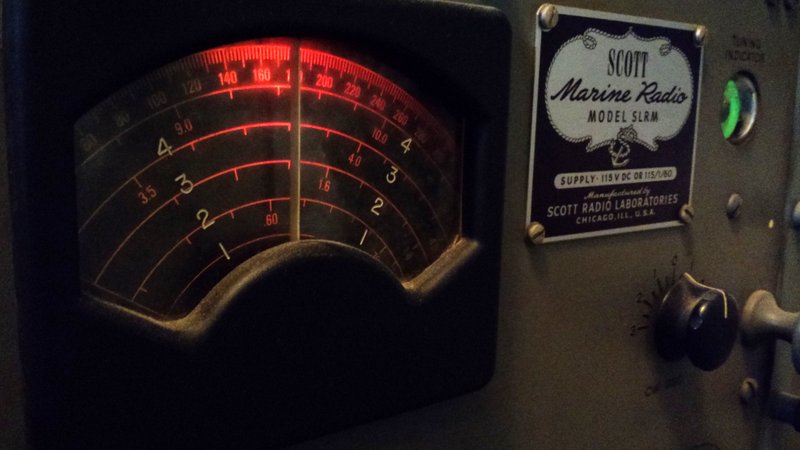
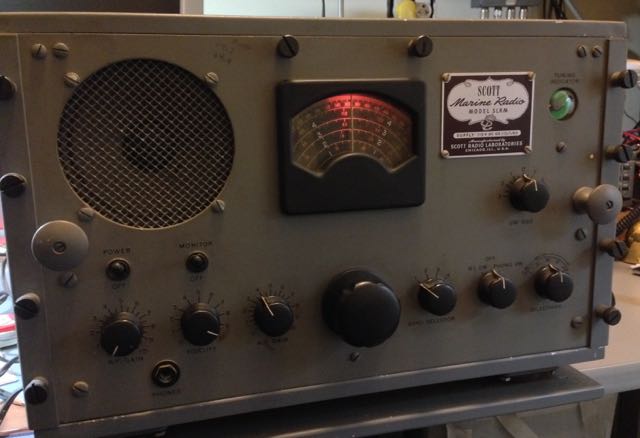
Just the other day, my wife looked around my radio shack and asked what radio I would grab if the house were on fire. My answer was the Scott Marine SLR-M. It represents everything I love in WWII era receivers: built like a tank, great sensitivity, beautiful back-lit dial, built-in speaker, phono in, a magic eye and–since it was intended as a troop morale radio–beautiful room-filling audio.
Last week, the Radio Preservation Task Force held a conference which focused on saving America’s radio heritage. I had hoped to attend in DC, but sadly had a conflict in my schedule that weekend.
I’m happy to see that the conference got several mentions in the press.
Preservation Conference Highlighted Unique Radio Perspectives
The launch of the first “Save America’s Radio Heritage” conference saw a greater turnout than expected, with a total of roughly 300 attendees over two days in the nation’s capital last week.
The event, held at the Library of Congress and the University of Maryland, focused on the state of radio preservation, but the conference was more than just about the process of preserving historical recordings and other radio documents, but sharing some of America’s unique uses of the medium.
The Radio Preservation Task Force calls itself the first national radio history project of the Library of Congress. It grew out of the Library’s ambitious National Recording Preservation Plan, published in 2012. The task force says radio is “perpetually declared to be a dying medium” but nevertheless attracts dedicated listeners and commercial and public support. The organizers have said radio’s history is a chronicle of culture and a potential trove for historical researchers. The national plan in 2012 specifically called for a symposium to discuss the challenges of preserving American radio broadcasts; last week it was put into action.[…]
The conference also caught the attention of APM’s Marketplace:
Task force aims to preserve radio history
A group of librarians, academics, and audio enthusiasts is gathering in Washington Friday for a first-of-its kind conference. The topic: “Saving America’s Radio Heritage.” The meeting is part of a massive effort to preserve recordings going back to the early 20th century.
The effort is not focused on the classic network quiz shows and radio plays of the 1930s through 50s, said Chris Sterling, who chairs the Radio Preservation Task Force at the Library of Congress.
“We’ve pretty much got that stuff,” he said. “What we’re talking about instead is trying to get the local radio voice in America: commercial, educational, college radio, all of that.”
One example is a 1956 interview with Rosa Parks from the Pacifica Radio Archives, recorded after Parks’ arrest for refusing to give up her seat to a white man on an Alabama bus.
I hope the RPTF hosts another conference next year as I would like input on archiving AM/MW spectrum recordings–something I suspect few in the field even know exists!
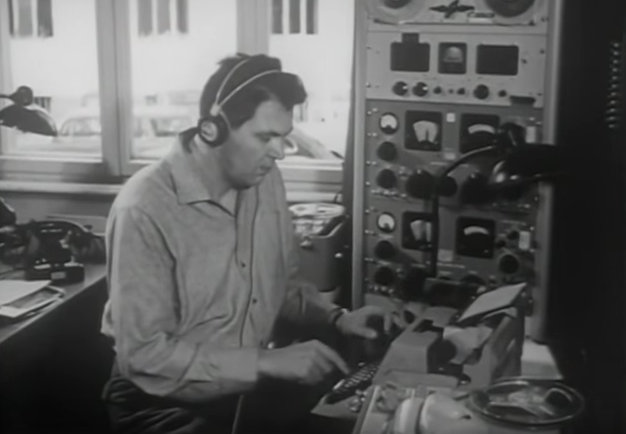
If you’re in the mood for a little Cold War era nostalgia, check out this video produced by Radio Free Europe in 1964. One of the things I found most fascinating was seeing the number of rack-mounted Hammarlund SP-600s (and other benchmark receivers) at the RFE monitoring station near Munich.
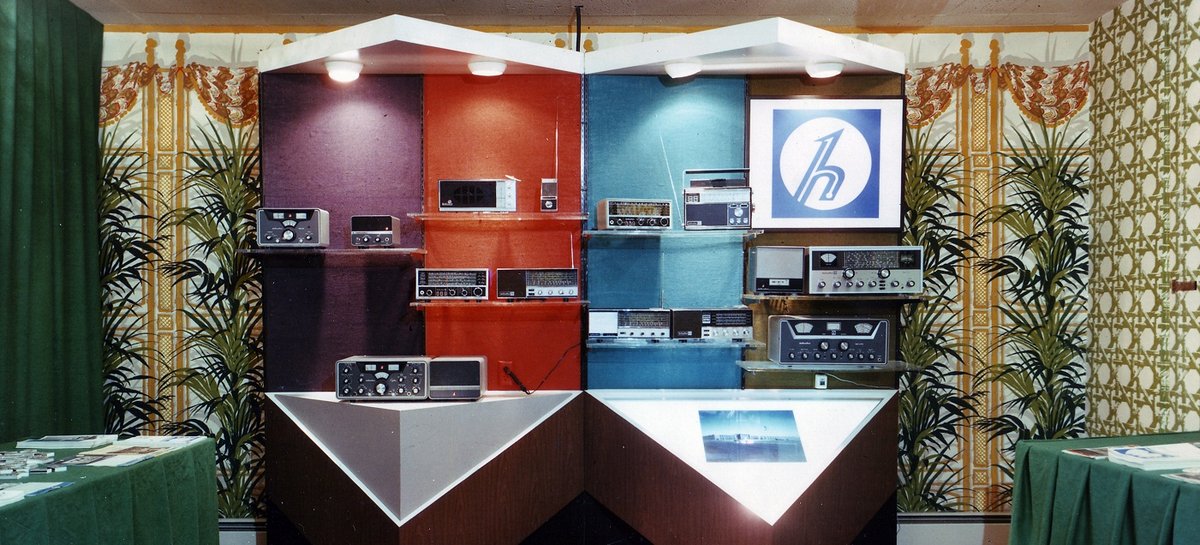
Very, very cool! What I wouldn’t give to travel back to the CES shows of the 1970s and 80s.
According to the Levono blog, the 1970 CES was when the VCR made its debut. Amazing.
Thanks again, Bob.
I’m curious if any SWLing Post readers have attended the CES in past decades. I really wanted to attend CES in the 1990s, but since I was a university student half of that decade, I never had the funds (or justification) to do so!
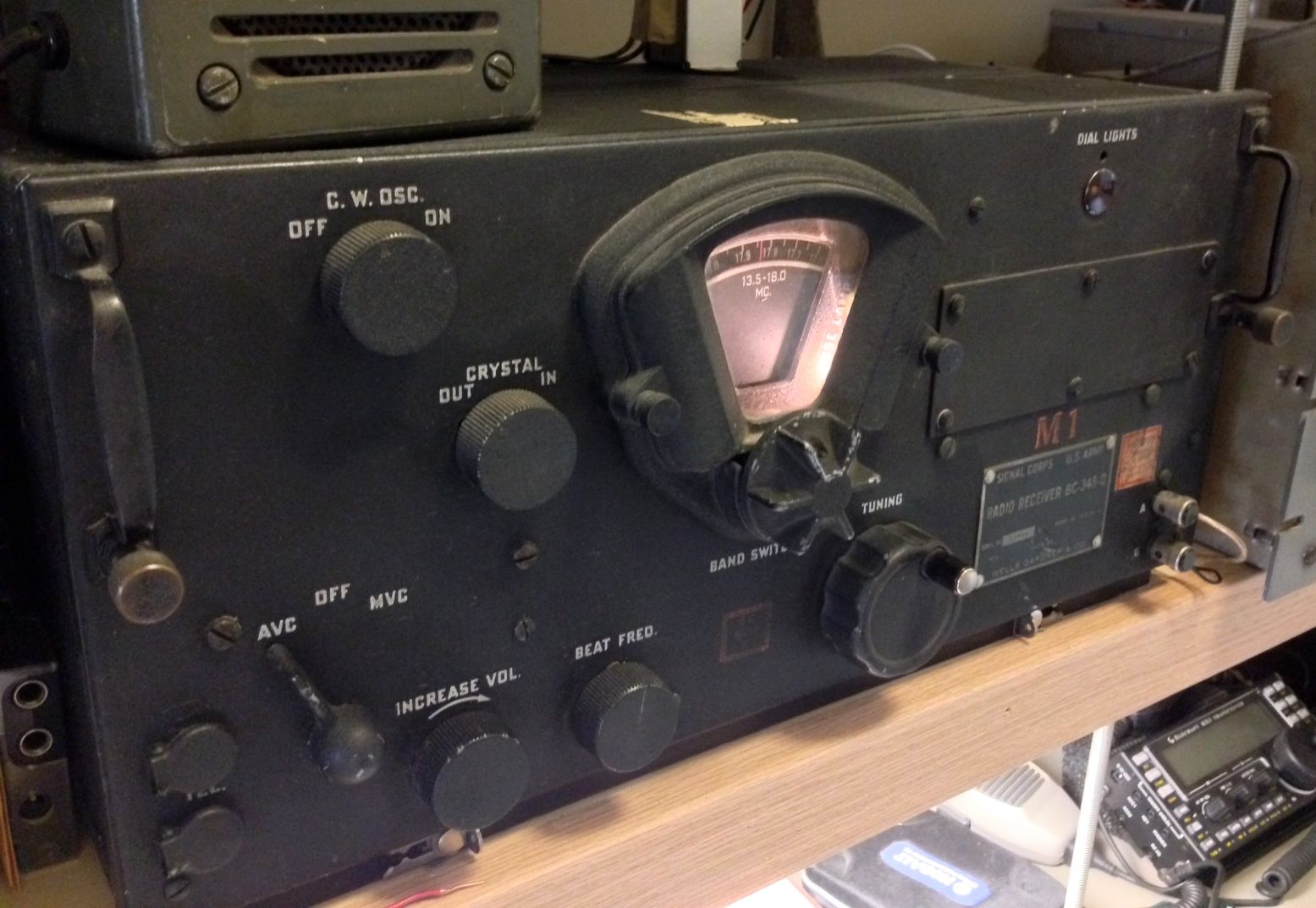
Yesterday evening, I warmed up my Signal Corps BC-348-Q and tuned to 9,420 kHz to see if the Voice of Greece happened to be on the air.
Fortunately, I was rewarded with a strong signal from Avlis.
The ‘348 did a fine job playing all that lovely Greek music, too. Though the WWII era ‘348 was never intended to be an HF broadcast band receiver, when paired with a good speaker, it sounds pretty darn amazing!

 Two weeks ago, through a radio preservation group, I met the son of Heathkit product designer of the 1950s-70s, Stu Sizer––”stylist, artist, maker of models, bon vivant.” His son described the discovery of a few vintage Heathkit brochures, photos, and illustrations his father kept in his family’s basement shop, many of which had been scanned at some point.