Category Archives: Nostalgia

Updated release: “At The Tone: A Little History of NIST Radio Stations WWV & WWVH”

AtTheTone

Almost five years ago, I wrote about a unique collection of archived recordings called At The Tone: A Little History of NIST Radio Stations WWV & WWVH.

Producer Myke Dodge Weiskopf recently released a new and expanded edition of At The Tone which is now available for purchase and download.

Myke describes the update:

“The new edition significantly expands on the previous CD reissue from 2009. It incorporates a bunch of tapes sourced from the original announcer tracks made by Jane Barbe herself for WWVH, as well as a handful of vintage broadcast recordings previously left out of the set. I’ve also taken the opportunity to clean up and remaster the set overall, so it’s a much more cohesive listening experience as a body of work.”

Click here to purchase the new digital edition of At The Tone.

Please comment!

Myke is also giving away a free download of At The Tone to a lucky SWLing Post reader!

Simply comment on this post, noting the first time you heard WWV: note both the year and the model of receiver used.

For example, I would comment: “The year was 1976 and the receiver was an RCA Model 6K3 console radio.”

Myke will pick a winner from the comments next Wednesday (November 25th). If the winner has already purchased the expanded edition of At The Tone, Myke will reimburse the purchase. Good luck!
Special EDXC Broadcast: December 5 – 7, 2015

SX-99-Dial-Nar

Many thanks to SWLing Post contributor, Robert AK3Q, who shares the following information:

(Schedule Published on the Cumbre_DX group by Alokesh Gupta)

Special EDXC Broadcast 5-7 December

Rhein-Main-Radio-Club will be broadcasting on shortwave about EDXC – Conference at St.Petersburg.

Special QSL-Card for reception reports to RMRC [email protected] or by post Rhein-Main-Radio- Club e.V. , Postfach 700849, 60558 Frankfurt, Germany.

Via Lithuania:
5 December 0800-0900 on 11690 to Asia (Japan) in English
5 December 0900-1000 on 11690 to Russia in Russian.

Via WRMI, USA:
5 December at 2200-2300 on 11580 may be audible in Europe
6 December at 0100-0200 on 11580 may be audible in Europe
6 December at 2300-0000 on 5850 to North America
6 December at 0500-0600 on 9955 to Caribbean and Latin America
7 December at 2100-2200 on 7570 to North America. This may also be audible in Europe.
7 December at 2100-2200 on 15770 to Europe and North America. (DX-clusive via Lehtinen)
.
*(DX-Window No. 542, Danish Shortwave Club International) *

More information here:
https://edxcnews.wordpress.com/category/edxc-conference-2015/

Archived recording of Marchese Marconi

Marconi

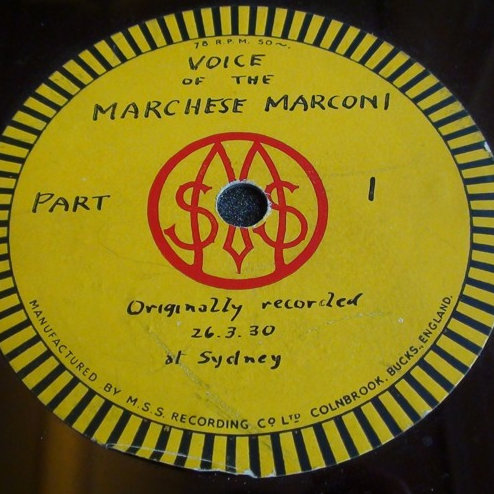
The Essex Record Office has published a recording of a speech made by Guglielmo Marconi in 1935. You can listen to the recording by clicking here or listening via the embedded player below (description follows):

(Source:Essex Record Office via Southgate ARC)

“Second part of a speech made by Guglielmo Marconi on the occasion of the unveiling of the ‘Fisk Memorial’ at Wahroonga, Sydney, New South Wales, Australia on 14 December 1935 (the disc is incorrectly labelled). The ‘Fisk Memorial’ commemorates the first direct wireless message sent from the U.K. to Australia, in 1918.

In the speech, Marconi forecasts the impact that wireless communication will have on ship navigation, but also the world economy generally. Would he be surprised by how accurate he was in his prediction that ‘no country can make much headway’ without such technology?”

Travel discovery: the Telefunken Superheterodyn Caprice 5451W

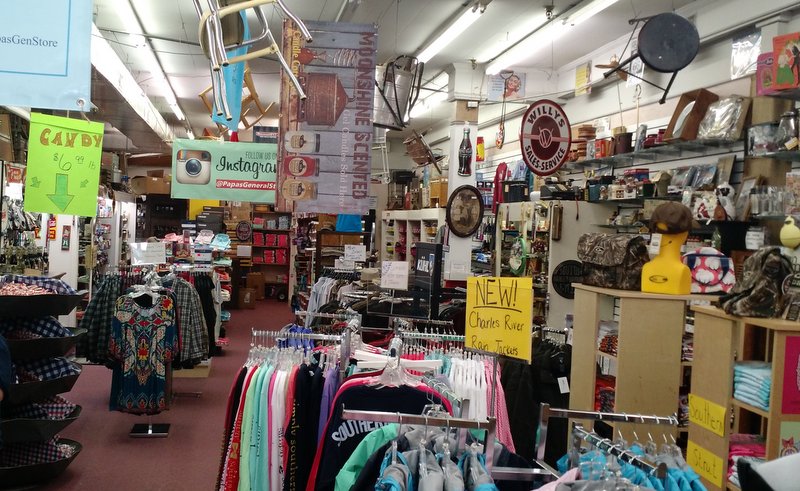
I’ve been traveling along the coast of South Carolina this week, and on Thursday, I found myself in the historic town of Conway, South Carolina. I parked downtown and strolled into the past via Papa’s General Store, a small local store with a lot of merchandise––and a lot of charm.

IMG_20151112_141930198

While browsing a display of antiques, I happened to notice a vintage radio perched on a high shelf. Here’s what caught my eye:

IMG_20151112_140636237_TOP

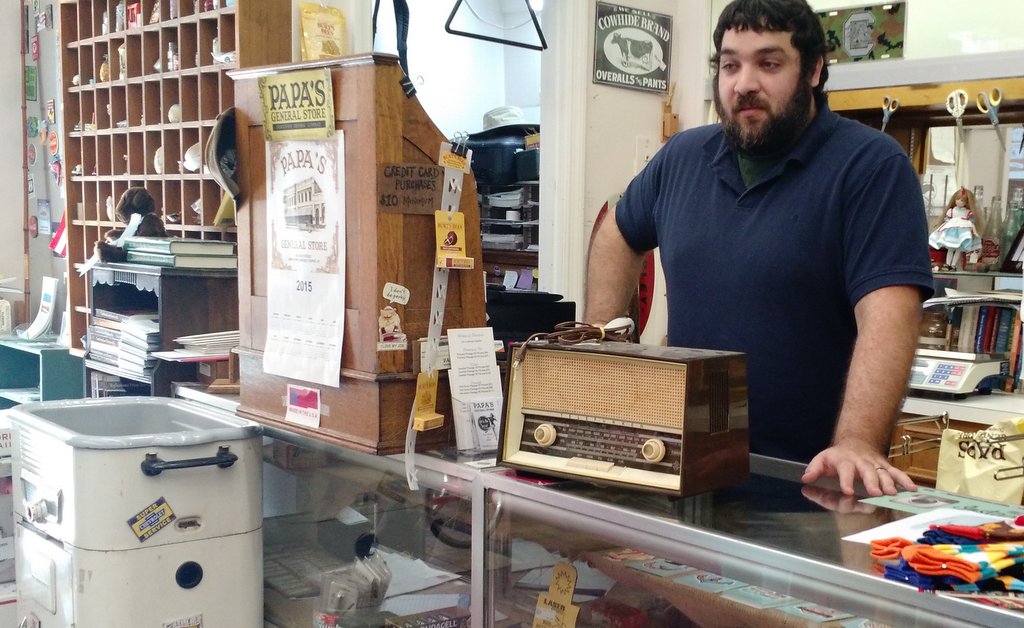
I asked, was the radio was for sale? And, indeed, it was. One of the sales clerks pulled it from the shelf, dusted off the top, and read the price: $74. I noted that it was a West German Telefunken receiver.  I asked the clerk, Chris,  if it worked, and he confirmed that it did; it belonged to his uncle, who had clearly taken very good care of it.

Chris allowed me to plug it in, turn it on, and tune in a couple of local stations…The Telefunken produced beautiful audio without even the slightest hint of a hum. Chris was pleased that I appreciated the radio, and sincerely wanted me to take it home, so he lowered the price a bit further.  I agreed, and purchased it without hesitation. Just couldn’t help it…

That's Chris behind the counter.

Chris behind the counter with his uncle’s classic Telefunken.

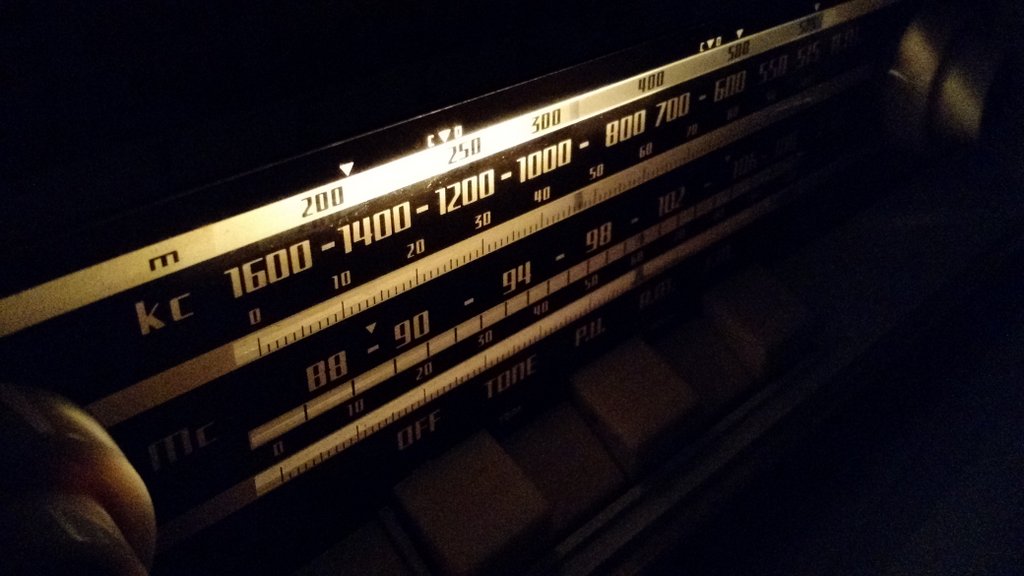
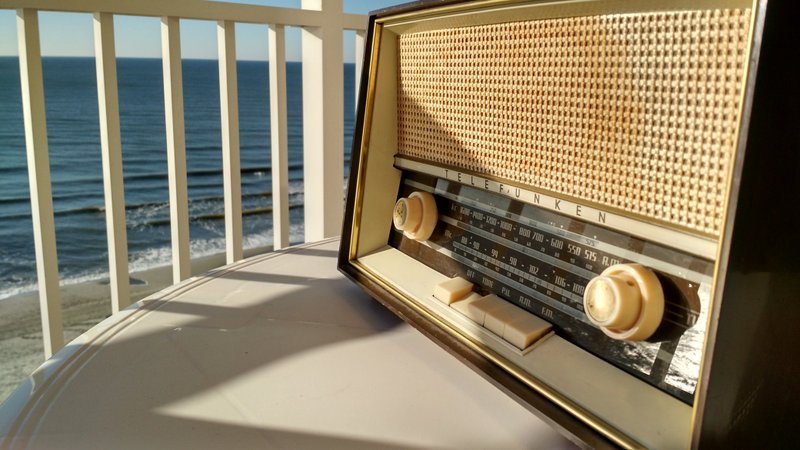
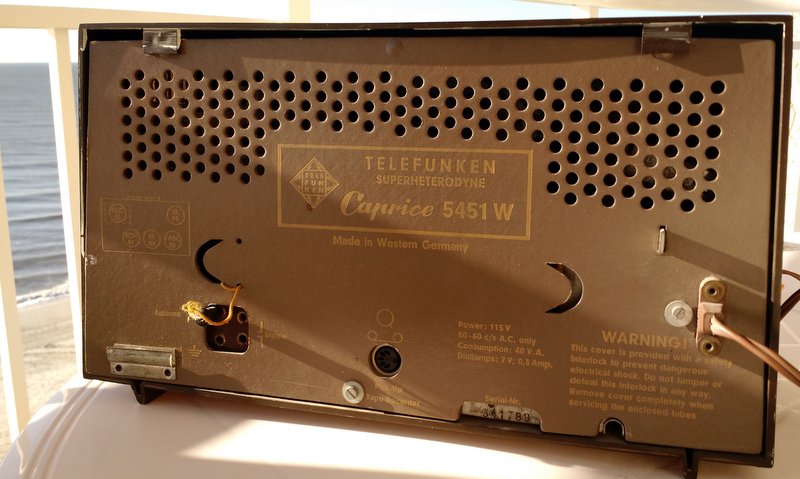
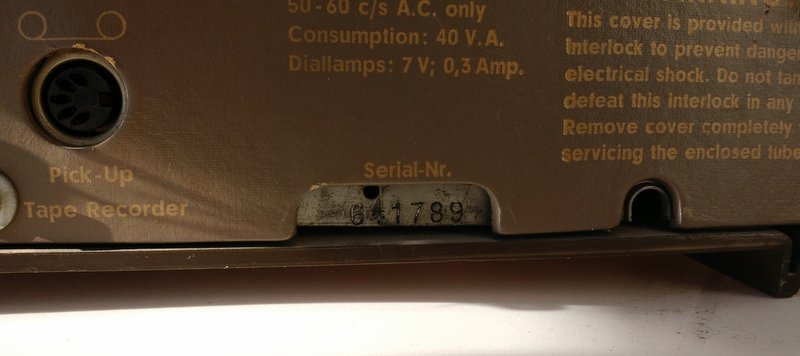
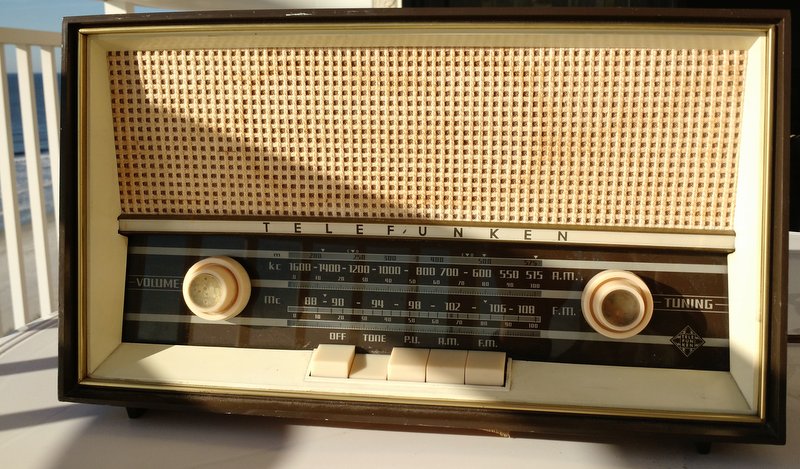
The Telefunken Superheterodyn Caprice 5451W covers the AM/mediumwave band and FM. It’s a tube radio produced in the early 1960s in West Germany, and is now the only tube-based radio I own that covers the FM band.

IMG_20151112_195818546_TOP

Of course, I was very eager to get the Telefunken on the air, so that afternoon I headed to our balcony overlooking the Atlantic, tuned around a bit on the mediumwave band…and was simply amazed at all it could receive.  I picked up my smart phone, and with it made a very short recording of the Cuban station, Radio Reloj, on 820 kHz:

My smart phone’s microphone doesn’t begin to do the Telefunken’s rich audio justice, but you can clearly hear Radio Reloj’s ticks and “RR” in Morse Code at the top of the minute (indeed, if you’re listening with headphones, you may also hear crashing waves in the background). Something nearby generated a lot of RFI right on frequency, too , but the rest of the broadcast band had a surprisingly low noise floor.

I also spent some time with the Telefunken on the FM broadcast band; with a simple wire antenna, this worked wonders.

In my humble op, the audio the Telefunken produces is simply beautiful.  And so, I’ve got to add, is this vintage radio. See for yourself.

IMG_20151113_083744302_HDR

IMG_20151113_083645909IMG_20151113_083653301 IMG_20151113_083619896 IMG_20151113_083615824

A timeline of radio in the UK

Crosley-Dial

Many thanks to SWLing Post reader, Daniel, who shares a link to this article on the BT website:

From Marconi and the transistor radio to DAB: the history of radio in the UK

93 years ago this week, the BBC made its first radio broadcast. We look back at some of the most significant events in radio’s history.

On November 14, 1922 the British Broadcasting Company began its first radio broadcast. Since then the radio landscape has changed dramatically.

Radio is still an incredibly popular medium. According to Ofcom’s 2015 Communications Market Report, nine in ten UK adults listen to the radio each week. We listen for an average of 21.4 hours a week, but the way we do this has changed.

Families had to huddle around the radio in the 1930s, but now we can listen to the radio anywhere, anytime using our smartphones. We look at some of the most significant milestones of British radio over the last 93 years[…]

Click here to read through the entire article and timeline at BT.com.

AFVN: The GI’s Companion — A Tribute To Our Vietnam Veterans

Many thanks to SWLing Post contributor, Richard Langley for the following guest post:


AFRTS_QSL-001

AFVN: The GI’s Companion — A Tribute To Our Vietnam Veterans

Radio station WEBY on 1330 kHz in Milton, Florida (near Pensacola and Elgin Air Force Base), has produced a 10-hour documentary on the American Forces Vietnam Network. This documentary aired in two-hour segments in the afternoons of 26 through 30 October 2015. But it is being repeated in its entirety between 8:00 a.m. and 6:00 p.m. CST (14:00 to 24:00 UTC) on Veterans Day (known as Remembrance Day in Canada and elsewhere), 11 November.

The WEBY website is http://www.1330weby.com/ and a backgrounder on the documentary can be found here: http://www.1330weby.com/images/afvn/AFVN_Documentary_on_WEBY.pdf and a timeline of U.S. broadcasting in South Vietnam here:
https://www.afvnvets.net/hist—timeline.html

WEBY runs 25 kW during daytime hours (and a puny 79 watts at night) and can be heard in parts of four states (Florida, Alabama, Mississippi, and Louisiana) but it also streams its programs on the Internet and so can be heard around the world. I’ll try to record some of the streamed audio in case the documentary is not available after the broadcast.

I was alerted to this documentary by a recent episode of PCJ Radio International’s Media Network Plus (24 October) during which Keith Perron interviewed the producer. That interview is worth listening to, too.

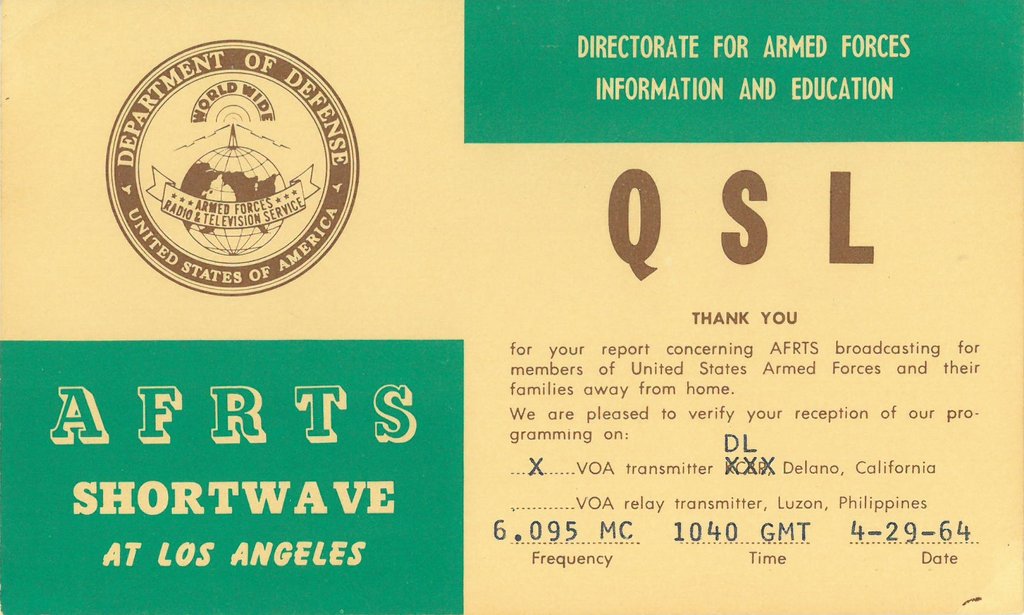
AFVN transmitted on AM and FM throughout South Vietnam. I never had the opportunity to listen to AFVN personally, but as a high school student, I did use to listen to the Armed Forces Radio and Television Service (AFRTS) on shortwave from time to time. AFVN received some of their broadcast material via AFRTS broadcasts from Voice of America transmitters in Delano, California, and the Philippines. A scan of a QSL card I received for a broadcast from AFRTS Los Angeles via Delano in April 1964 [see below].

AFRTS_QSL

Tom’s 1981 off-air recording of RCI’s Shortwave Listener’s Digest hosted by Ian McFarland

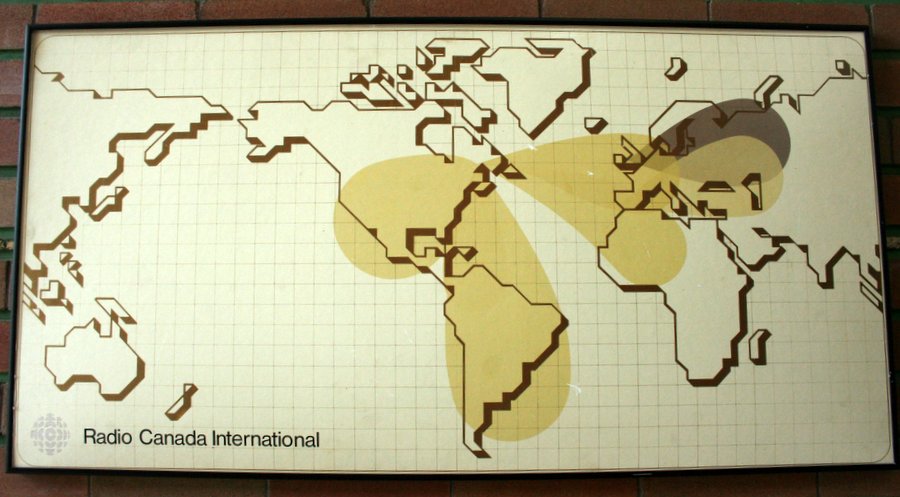
I snapped a photo of this propagation poster in RCI's Sackville, NB transmitter site only months befor ethe site was closed.

A propagation poster in the foyer of RCI’s Sackville, NB, transmitter site only months before the site was closed. (Photo: Thomas Witherspoon) 

Tom Laskowski, has been generously contributing a number of off-air shortwave radio recordings to the Shortwave Radio Audio Archive (SRAA).

Recently, he shared a series I’m sure many of you remember. Tom writes:

My first contribution of many recordings I have of Radio Canada International’s Shortwave Listener’s Digest hosted by Ian McFarland.”

“The first 12 1/2 minutes is Bonsoir Africa. The recording was made using a cheap GE portable. The audio quality isn’t great but it’s still very nostalgic listening to a program I recorded 34 years ago.”

This brings back many memories of one of my favorite shortwave programs–thank you, Tom!

The audio quality actually reminds me of one of my first analog portables, Tom! Nostalgia at its best.

Check out all Tom’s SRAA contributions by clicking here. While you’re at it, bookmark the SRAA!