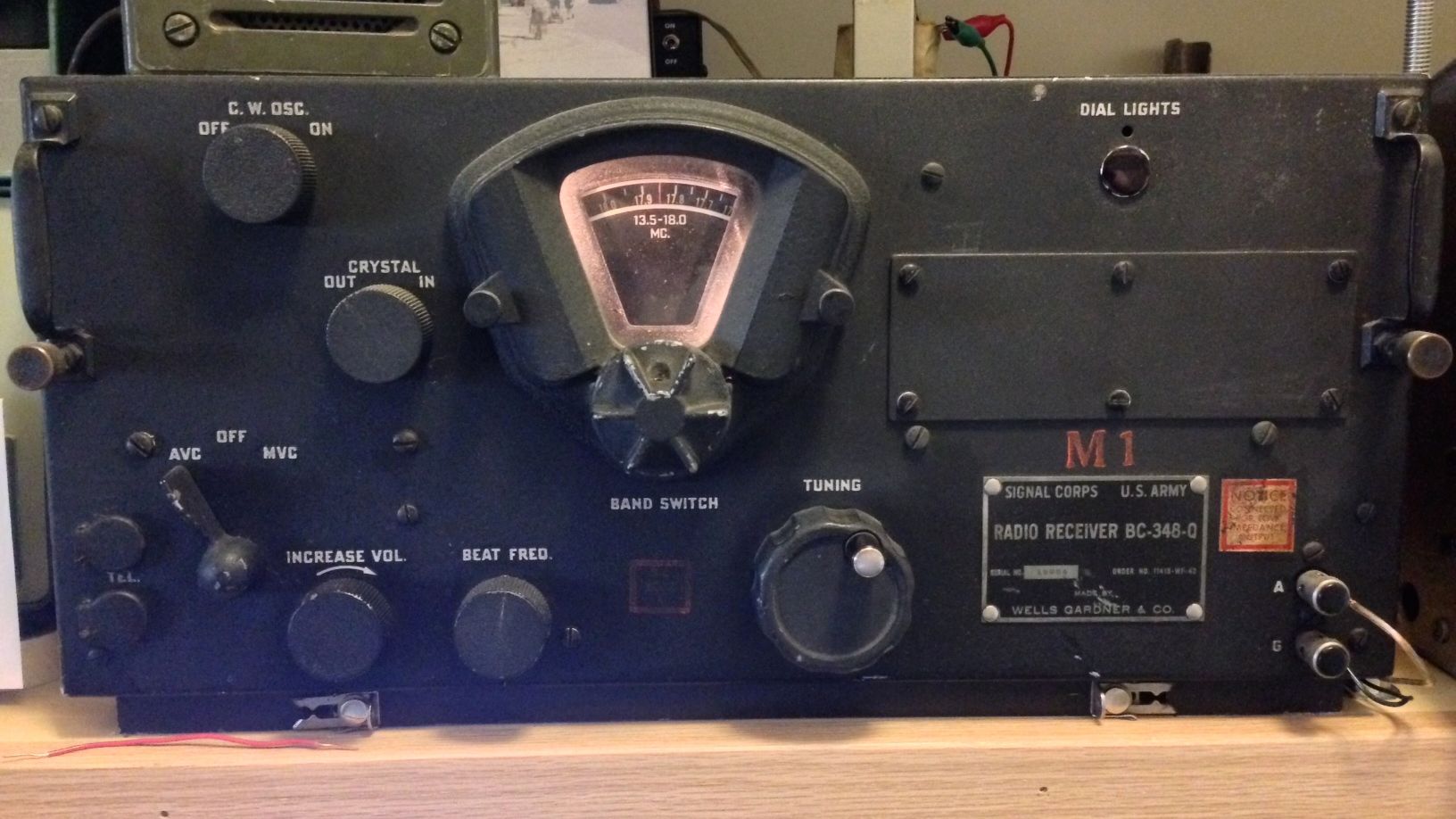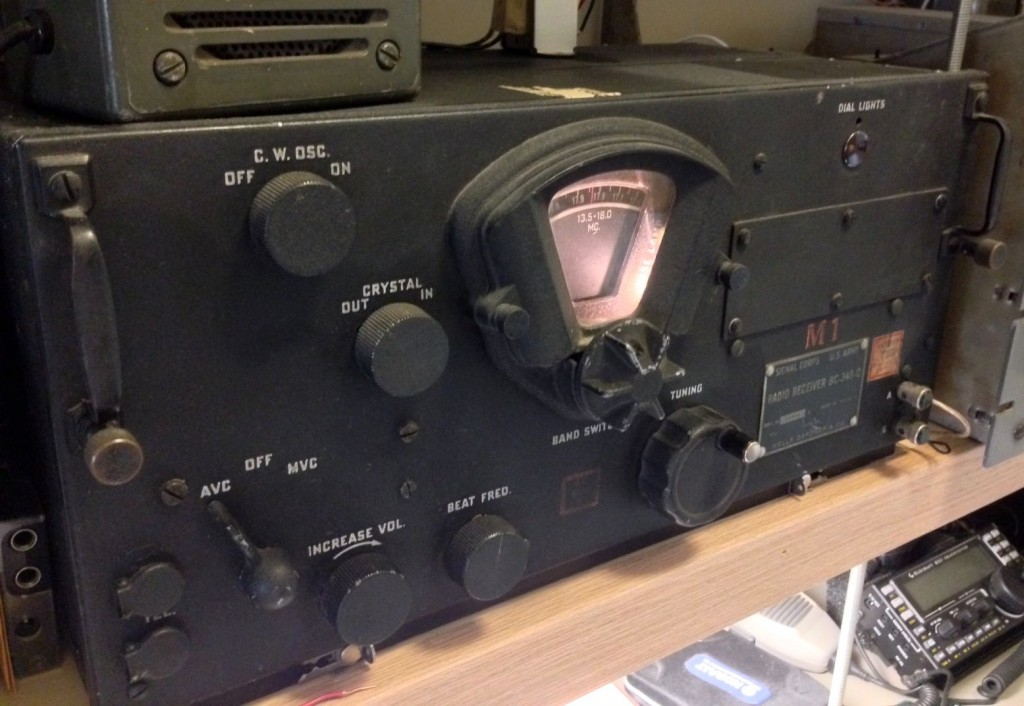
I write a great deal about DSP portables, SDRs, and modern ham radio transceivers, but truth be known, my passion is for older rigs–ahem, much older–the antique “boat anchors” of the radio world.
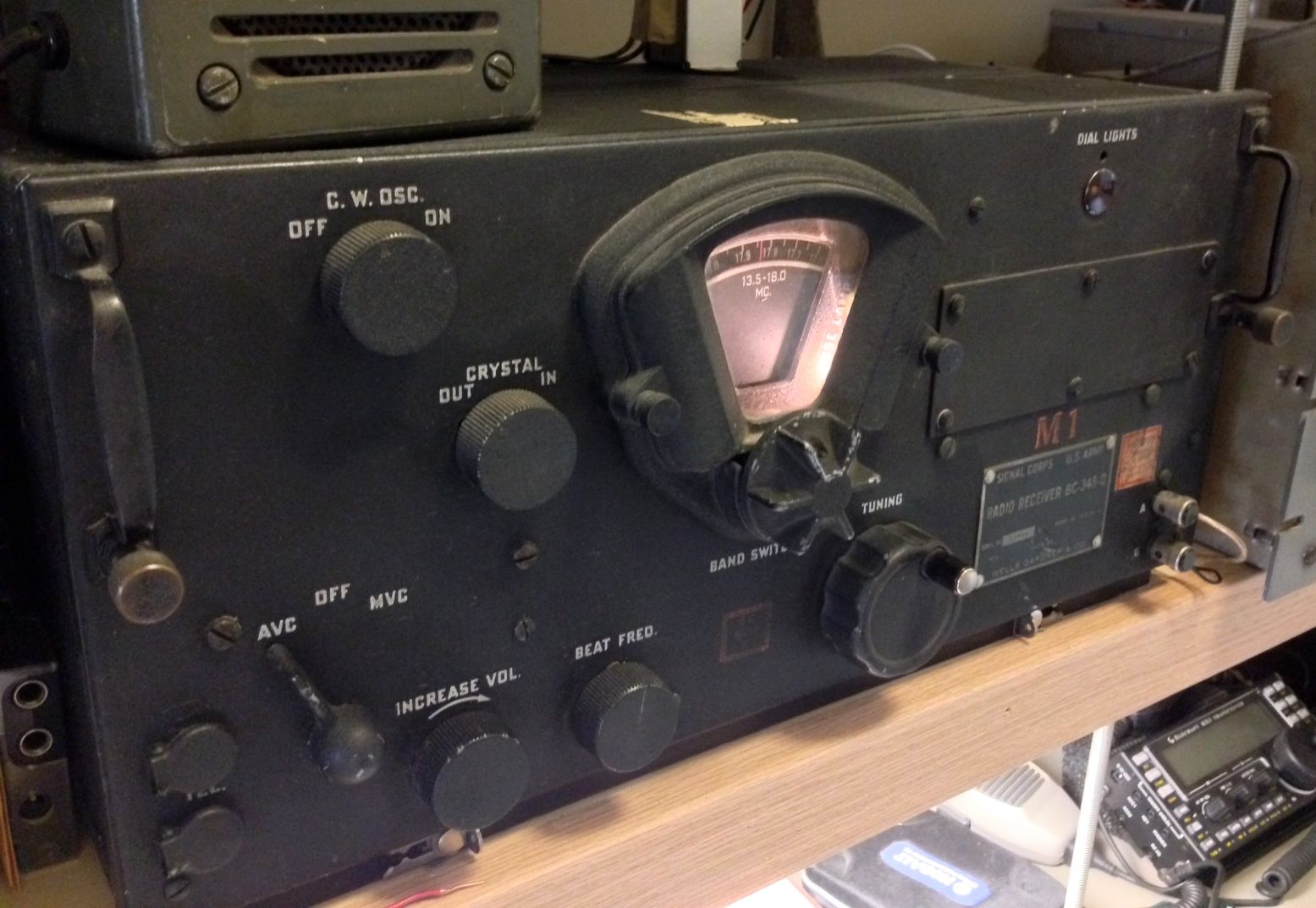
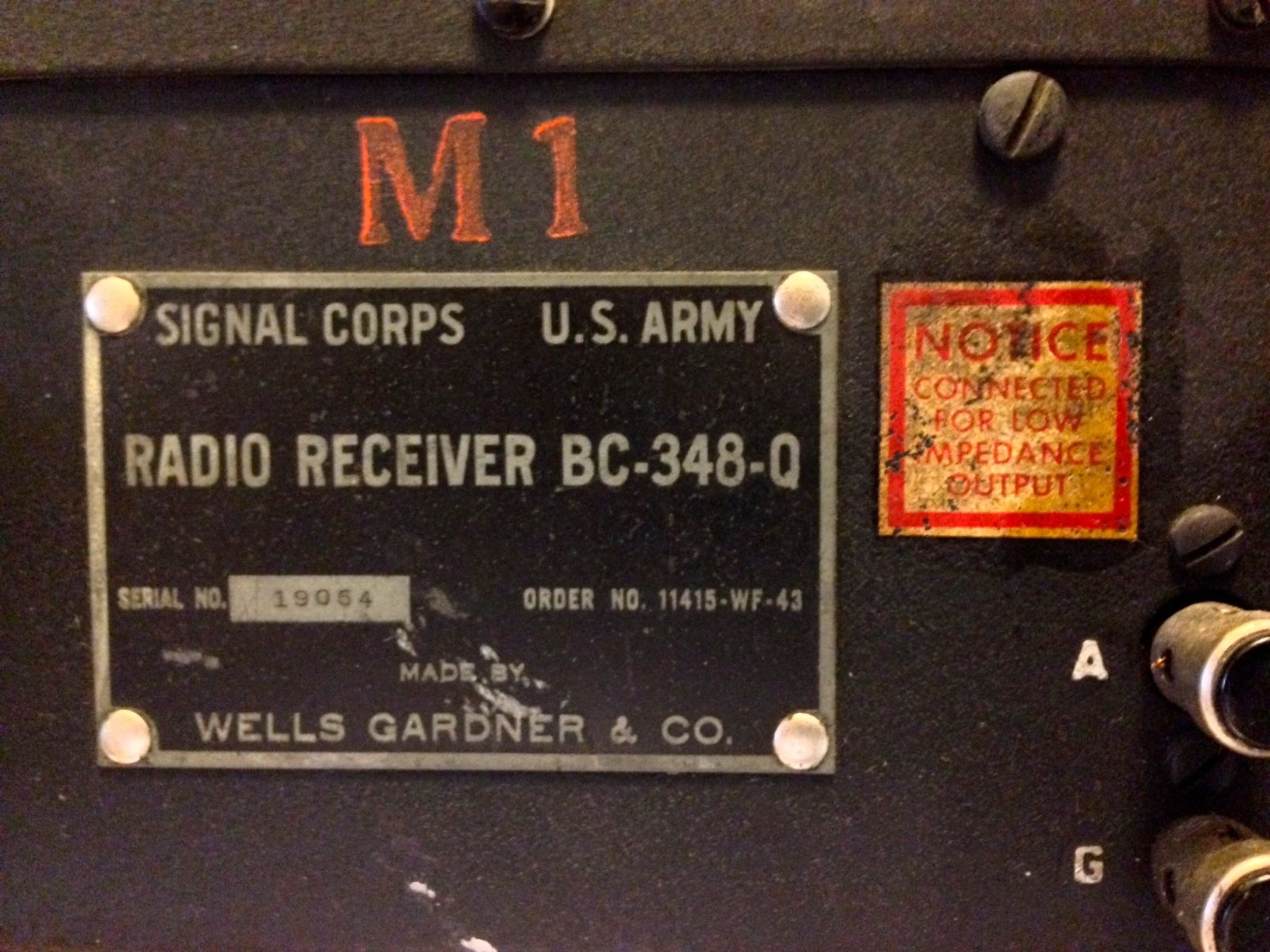
Tuesday afternoon, I had a rather involved soldering project to do on behalf of my organization, Ears To Our World. While I worked, I decided to fire up my Signal Corps BC-348-Q to hear what was on the air. I promptly discovered Radio Exterior de España on 17,850 kHz–starting with their interval signal; REE, care of my BC-348-Q, kept me company while I soldered almost three hundred connections.
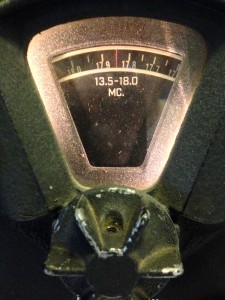
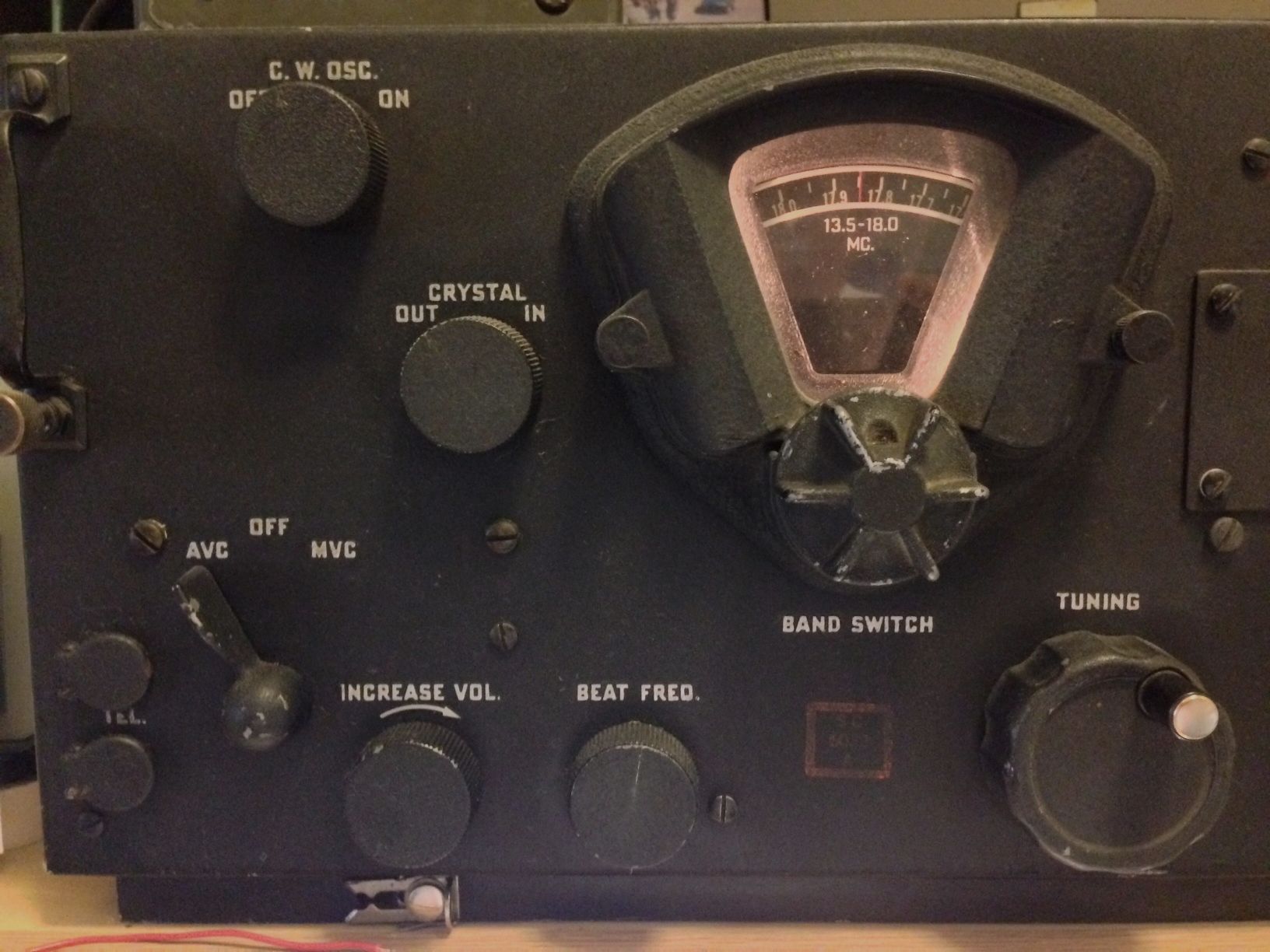
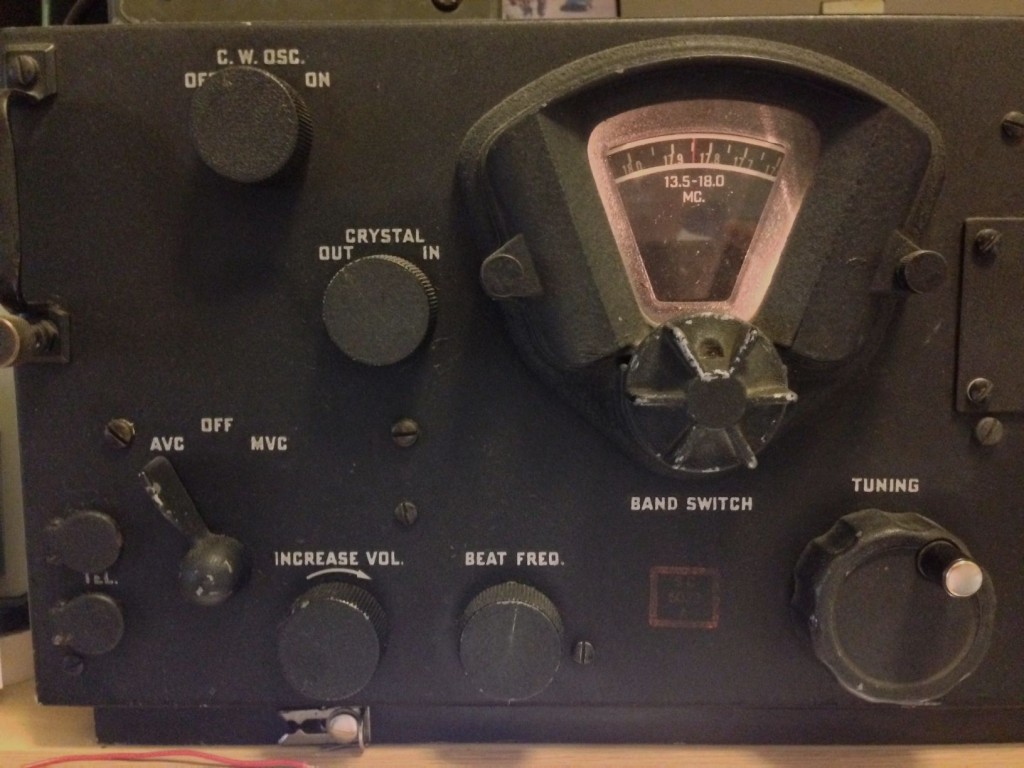
The BC-348-Q frequency dial (Click to enlarge)
I listen to my BC-348-Q nearly every week. Usually, she’s tuned to 9,580 kHz for my morning dose of Radio Australia. In the winter, the ‘348’s tubes keep my little radio room a little warmer than the rest of my house. In the summer–well, I just sweat a little more.
I love this radio, and my other “boat anchors,” because when I listen to these rigs I can’t help but hear the past. I wonder about the others who have listened to the same radio, and what was happening in their lives as they listened…
The BC-348 series, for example, is well-known for its use in WWII allied bombers–these rigs were mounted in the likes of the B-17, B-24, B25, and others of the era. Indeed, mine still has the original clips on the base that anchored it to the radio operator’s onboard work table. The ‘348 was used as a long-distance liaison receiver during WWII.
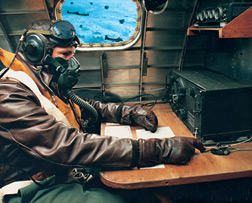
The B-17 radio operator’s position (Source: AZ Commemorative Air Force Base)
The BC-348 series was built with simplicity, functionality, and serviceability in mind. It was built to withstand life on a B-17 bomber–the extreme vibration on start up, the extremely low temps in the upper atmosphere; it could be serviced by the radio operator in flight, if necessary. Its controls are simple, bare-bones, even. The tuning knob and analog dial are beautifully engineered and precise.
The ‘348 has a power switch, volume control (switchable from auto to manual gain), crystal filter, CW switch, beat frequency control, tuning knob, and a band switch (located just below the dial). The antenna and ground terminals are mounted on the front of the radio for easy accessibility. All controls are spaced so that the radio operator could use the ‘348 even while wearing thick cold-weather gloves.
You can’t do any medium wave DXing on the ‘348, however: this receiver was intentionally designed with the medium wave band omitted. Evidently, Uncle Sam wanted radio ops to be focused on communications instead of entertainment (but that’s okay; the government also made morale radios for the latter).
When I go to the Dayton Hamvention–or any hamfest, for that matter–it’s radios like the BC-348-Q I seek. Tube/valve radios sometimes lack the sensitivity and (digital) accuracy of modern tabletop shortwave receivers, but they make up for this in audio fidelity. As long as you have a properly-matched speaker, the sound can be…nothing short of amazing. Even though the ‘348 was never designed for robust audio, it still sounds richer and fuller than most modern tabletop radios. The sound is so warm it literally glows. Moreover, I’d be willing to wager that there are few modern receivers that can stand the test of time like these rigs.
If you buy one of these old beauties, you must be ready to service them; inevitably, a capacitor or tube will fail in time. But they just…keep…going.
I’m very much in debt to my good friend and radio elmer, Charlie (W4MEC) who kindly teaches me everything I need to know about these great rigs. He’s exceedingly patient, and that counts for much, as I’m not by nature technically inclined. But I do enjoy learning about these radios and how to service them; the romance of their history draws me in, and I simply can’t get enough.
Note: It’s important to work with a knowledgeable elmer/mentor or a professional repair technician when servicing these boat anchors, because, unlike with our modern radios, their high voltages can severely injure (or even kill) you if you don’t know exactly what you’re doing inside the chassis. This is repair work for the professional.
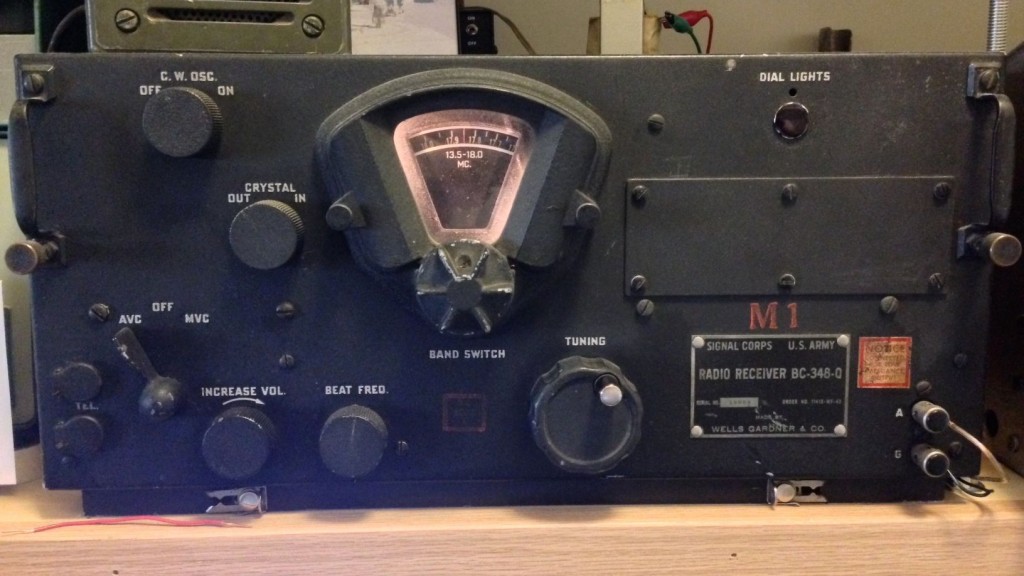
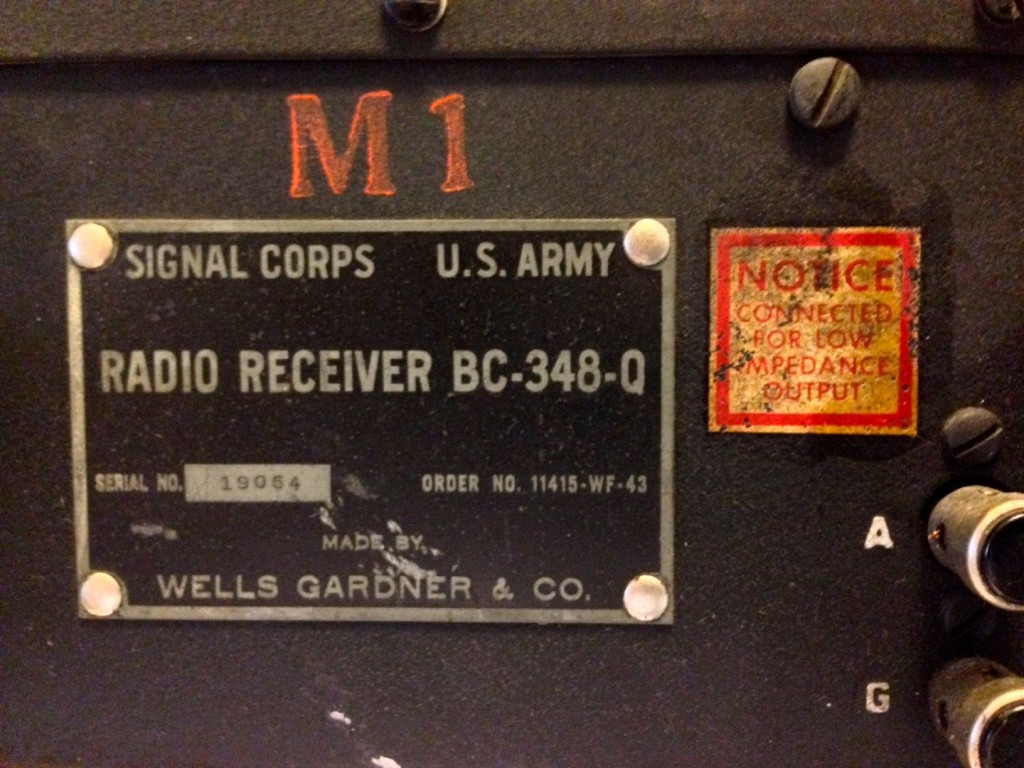
My BC-348-Q turns 71 this year–and I’m sure it has at least that many more years to go. I know that I’ll give it as much TLC as it can take. We must keep these still functioning pieces of history on the air.
If you, too, have boat anchors or antique radios alongside your modern rigs, please comment! I’d love to learn about your favorites. In other words, what heavy metal is in your shack?
Resources:
- Search for a used BC-348:
- More info on the BC-348-Q

 It was then that I realized yesterday (June 11) marked the one year anniversary of the day that the Greek government shut down ERT and the Voice of Greece. If interested, click here for some audio I recorded that very night.