Category Archives: Shortwave Radio

XHDATA D-219: A Classic Budget Shortwave Receiver in Fresh New Colors

Many thanks to SWLing Post contributor Paul Jamet, who shares the following article: 

The XHDATA D-219 Receiver Gets a New Look

by Paul Jamet

Two and a half years ago, I shared my enthusiasm for an XHDATA receiver, the D-219, first launched at the end of 2022:

Read: Paul explores the incredible affordability of the XHDATA D-219

The XHDATA D-219 stands out for its low price and impressive performance. It combines nostalgic analog charm—with its needle dial—with the power of modern DSP technology, delivering excellent multiband performance for its class and cost. Whether you’re an enthusiast, a traveler, or simply discovering shortwave for the first time, the D-219 is a wonderful gateway into the vast world of radio.

More than 25 readers have commented on or contributed to discussions about this little receiver. The D-219 is very easy to use, has a vintage look, a classic needle dial, and runs on two AA batteries. Sources confirm that it is based on a Si4825-A10 architecture, with analog tuning (via potentiometer and voltage), mono audio output, and reception across the following bands:

  • FM1: 87–108 MHz (International band)
  • FM2: 64–87 MHz (East Asia)
  • AM (MW): 520–1710 kHz (10 kHz spacing) or 522–1620 kHz (9 kHz spacing, depending on version)
  • SW: 9 shortwave bands covering 4.75–22 MHz

Switching between bands is simple—just turn the side-mounted dial.

Recent events have also renewed interest in battery-powered radios and resilient technologies like AM radio, particularly during massive power outages such as:

In such emergency situations, the D-219 becomes even more appealing: it’s lightweight (150 g without batteries), very intuitive to use, and powered by standard AA cells. On top of that, its performance is excellent.

Until recently, XHDATA offered the D-219 in just two classic colors: gray and silver-gray.

But in the past few days, XHDATA has introduced two new finishes on its website: malachite green and grayish white—still under €9 (excluding shipping). Stocks appear to be limited.

Personally, I was immediately drawn to the Malachite Green version.

Its matte finish looks elegant and really highlights the receiver’s craftsmanship. Honestly, I think it’s beautiful! The green gives it a distinctive character and elevates the quality of the finish.

Elegance, performance, and price all come together to make the D-219 an excellent way to discover—or rediscover—shortwave across its nine bands.

With the D-219 ‘Malachite Green,’ radio isn’t just something you hear—it’s something that catches your eye.

Carlos’ Illustrated Radio Listening Report and Recording of CGTN (August 13, 2025)

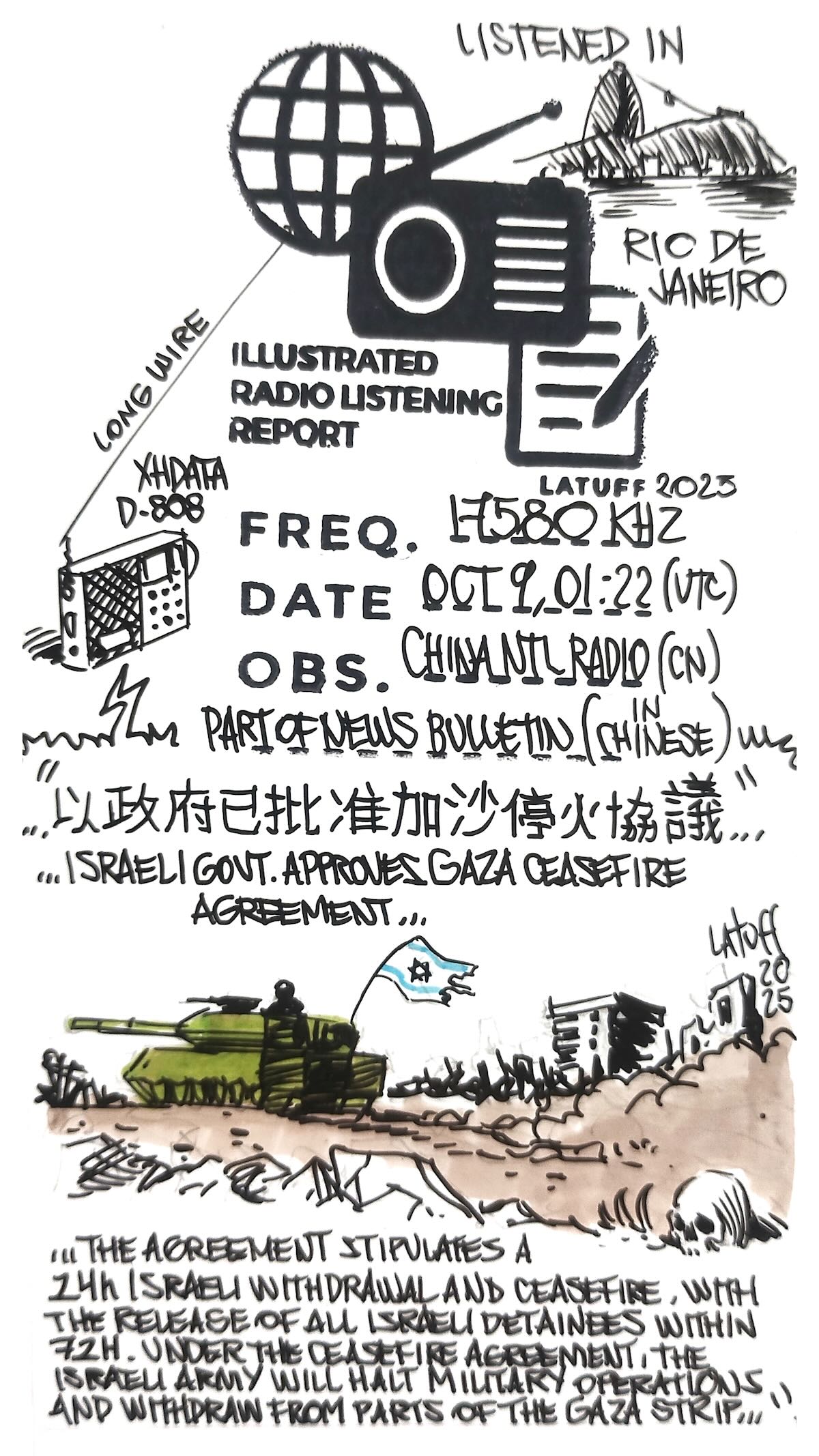
Many thanks to SWLing Post contributor and noted political cartoonist, Carlos Latuff, who shares the following illustrated radio listening report of a recent CGTN broadcast and radiofax imagery.


Carlos notes:

China raises Typhoon Podul emergency response levels, CGTN Radio, 11770 kHz

Click here to view on YouTube.

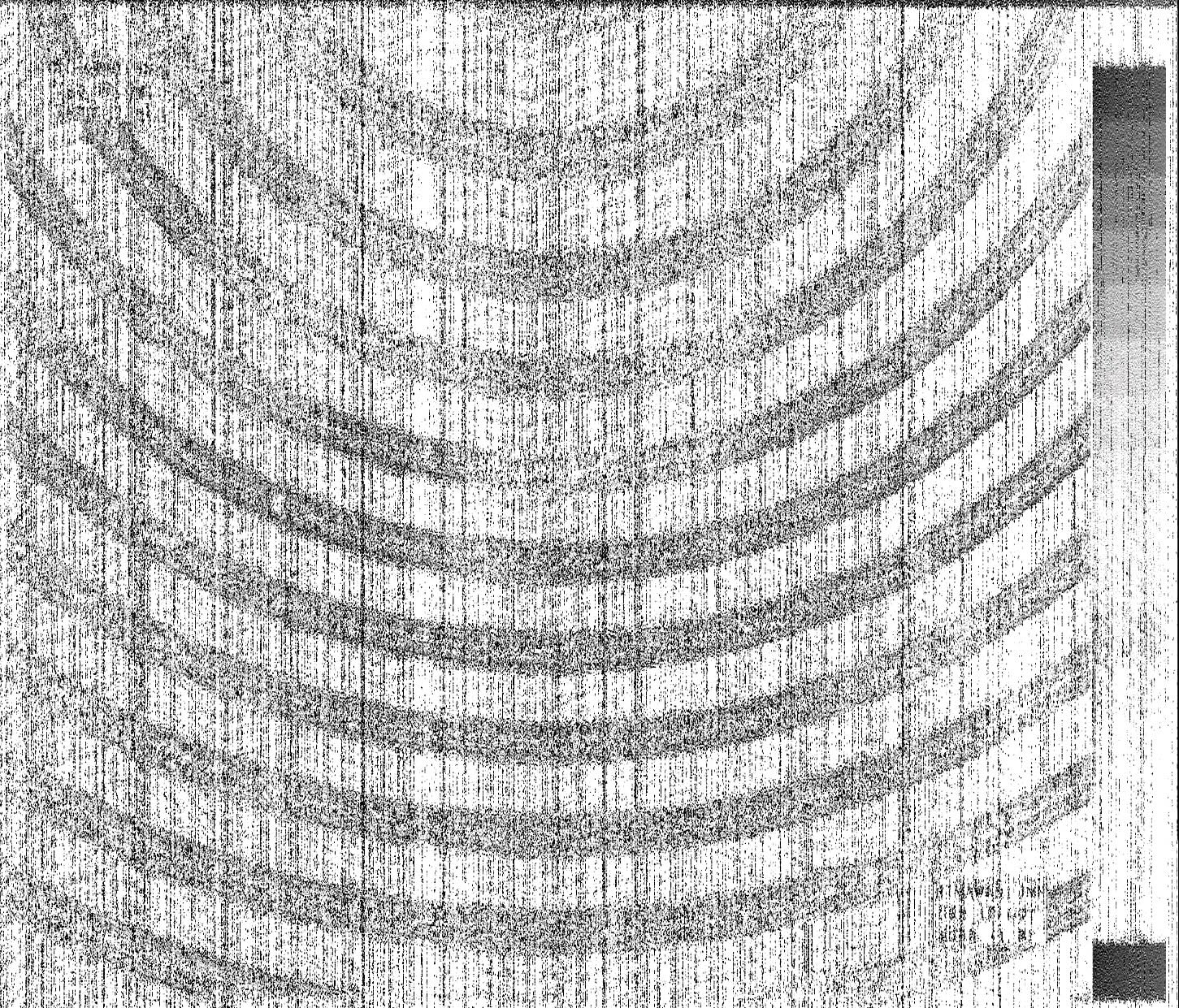
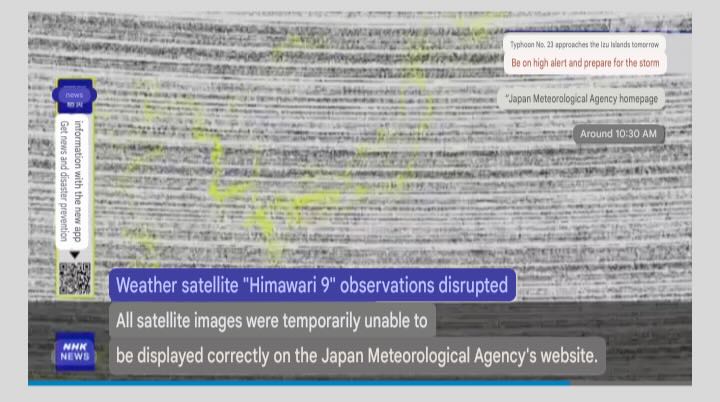
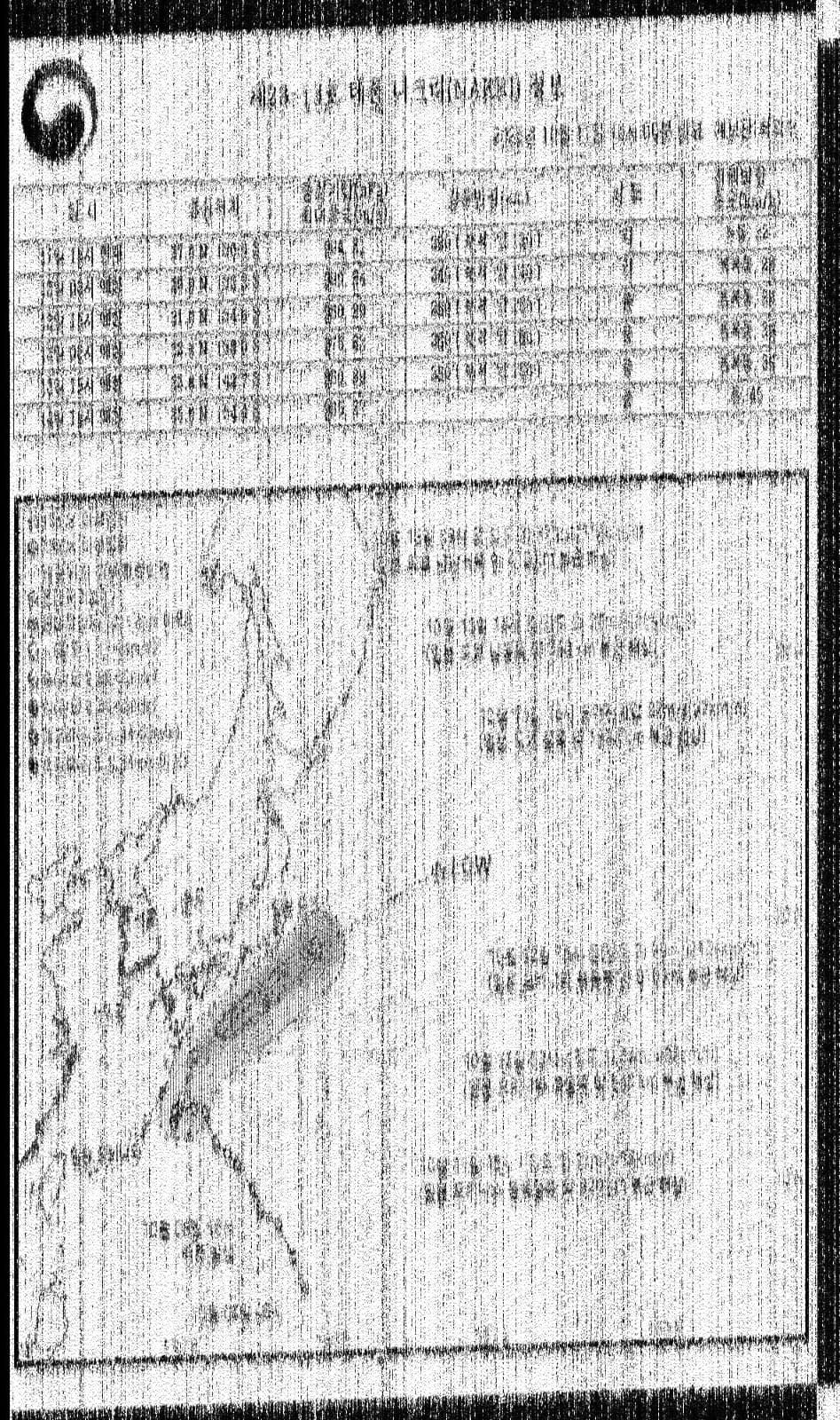
Typhoon Podul hitting China: Himawari satellite image via Japan Meteorological Agency radiofax, received in Porto Alegre, August 13, 19h10 UTC, frequency of 7795 kHz USB.

Building an SWL Chimera

By Sam (WN5C)

Picture this: a cool July evening on the northern shores of Lake Huron, the water gently lapping on the beach. Feet being warmed by a smoldering fire with crystal clear skies and the Milky Way brilliantly displayed overhead. Radio in my lap, hastily deployed 20-meter vertical antenna in the sand, and zero RFI. Radio New Zealand coming in strong, and SSB contacts between Scotland and Australia sounding local. I’ve never felt so connected to the electromagnetic spectrum. The radio? Surprisingly, a cheap ATS-20+ from AliExpress.

I’ve been curious about the radios built around the si4732 chip for a while and purchased an ATS-20+ [affiliate link] to throw in my pack to try out. It’s pretty good (and cheap!), especially after flashing the firmware by Goshante. With a long wire it does well on HF (I carry 30 feet with a BNC connector) and even better on my dipole at home or a full-sized vertical. The UI is clunky but after some practice gets better. For my family trip to Michigan and the shore of Lake Huron it was a lot easier to just pull this out to listen versus setting up my transceiver and I’m glad I did, there’s a beautiful simplicity in passively taking in whatever the ether sends my way.

I’m sold on the idea of these cheap general coverage receivers. Sure, they’re not as good as a radio with a real RF front end (gulp), but they’re more than toys. A perfect middle ground for tinkering.

And there are a lot of variations! In past few months one variety, the mini (it’s called many names), caught my attention. I purchased the AMNVOLT V3S version from AliExpress before my Michigan trip, and it was in the mailbox when I arrived home. New versions come out every couple of months but for the project described below it doesn’t matter the version, here’s something similar [affiliate link]. It’s tiny, but it’s not a Belka, and does best with FM and AM broadcast stations on the small whip. The advantage that this little guy has over the ATS-20+ is a much more capable microcontroller (an ESP32 versus an Arduino Nano) and a beautiful 1.9-inch color display. The included firmware is fine, but there is an active development community that makes it better. I’ve been using Max Arnold’s v2.30 firmware. This firmware has lots of features, but some of the standouts include being able to download shortwave schedules to display what you’re listening to and a lot of display customization.

But I wasn’t too impressed with the hardware design for my purposes. My version has a high-impedance RF amp for the whip and would overload with my dipole at home. The audio wobbles when touching the base of the antenna. The speaker is tiny and tinny. And, although the size is super novel I like using big antennas so the scale seems out of whack. Some of these design limitations have been addressed by Peter Neufeld (particularly addressing the wobble). But I decided to pursue a different route.

I stumbled upon a video by ElectroBananas on Youtube where he lays out, in exacting detail, how to create a hybrid of the ATS-20+ and the si4732 mini radio. The wiring isn’t difficult, and he even provides the design for a new front panel to 3D print.

The advantage of combining these radios is that I have the better-designed RF front end of the ATS-20+, the powerful ESP32 microcontroller and the beautiful display of the mini, and the big speaker/audio/battery of the ATS-20+. While I was in there I also added some protection diodes (two back-to-back 2N4148s) to the antenna input. What’s fun is that I added a “bail” using a single mini laptop stand [affiliate] and changed the display to an orange theme. It looks like a miniature version of my Icom IC-703 (and in A-B tests they’re not too far off). It’s the best of both worlds. And it’s still very small, a perfect bedside radio, or one to carry to the beach.

The combination of cheap hardware with open-source software development is creating a very exciting time in radio, and I look forward to see what emerges in the months ahead.

Until then, I wonder if I could fit a low-powered CW transmitter in the case…

Carlos’ Illustrated Radio Listening Report and Recording of Radio Taiwan International (August 12, 2025)

Many thanks to SWLing Post contributor and noted political cartoonist, Carlos Latuff, who shares the following illustrated radio listening report of a recent Radio Taiwan International broadcast, plus bonus radiofax decodes.


Carlos notes:

Taiwan Prime Minister Apologizes for Poor Response to Typhoon Dana, Typhoon Podul Approaches Taiwan, Radio Taiwan International, 9740 kHz+radiofax

Click here to view on YouTube.

Radiofax (Typhoon Podul): satelitte image + typhoon warning via Japan Meteorological Agency, 7795 kHz, received this afternoon in Porto Alegre.

Flash Frisbone surfing on shortwave

Greetings to all SWLing Post community, Imaginary Stations have a couple of great programmes coming your way this weekend via the shortwave spectrum.

We’ve got another transmission of SURF (this time SURF 5) on Saturday 16th August 2025 at 1100 hrs UTC on 6160 kHz and then again on Sunday 17th August 2025 at 0900/1300 hrs UTC on 6160 kHz and at 2000 UTC on 3975 kHz and 6160 kHz (via the services of Shortwave Gold). More surfing classics to listen to while on your board and riding those (short) waves.

We’ve got another edition of Radio Ace on Wednesday 20th August 2025 at 0200 hrs UTC via WRMI. It will be anither interesting programme and who knows we may even hear from Flash Frisbone. Tune in and find out.

The Imaginary Stations crew produces eclectic programs for shortwave and other media. We need your financial help to cover our production and transmission costs and keep us on the airwaves for a long time to come. More below:

For more information on all our shows, please write to [email protected] and check out our old shows at our Mixcloud page here.

FastRadioBurst 23

Carlos’ Illustrated Radio Listening Report and Recording of Radio Taiwan International (August 11, 2025)

Many thanks to SWLing Post contributor and noted political cartoonist, Carlos Latuff, who shares the following illustrated radio listening report of a recent Radio Taiwan International broadcast and radiofax imagery.


Carlos notes:

Typhoon Podul approaching Taiwan, Radio Taiwan International (via WRMI), 5800 kHz + radiofax

“…El tifón Podul, actualmente de categoría ligera, se aproxima a Taiwán con una trayectoria que se ha desplazado hacia el sur, aumentando la probabilidad de que toque tierra en Hualien o Taitung. La Oficina Central de Meteorología prevé emitir una alerta marítima en la madrugada del 12 de agosto y una alerta terrestre más tarde ese mismo día. Se espera que el tifón alcance intensidad moderada antes de impactar, con vientos más fuertes y un radio de influencia ampliado…”

(Typhoon Podul, currently a light typhoon, is approaching Taiwan on a southward-moving track, increasing the likelihood of landfall in Hualien or Taitung. The Central Meteorological Bureau plans to issue a maritime warning in the early hours of August 12 and a land warning later that day. The typhoon is expected to reach moderate intensity before making landfall, with stronger winds and an expanded radius of influence.)

Click here to view on YouTube.

Radiofax imagery