Shortwave listening and everything radio including reviews, broadcasting, ham radio, field operation, DXing, maker kits, travel, emergency gear, events, and more
Many thanks to SWLing Post contributor, Robert Richmond, who writes:
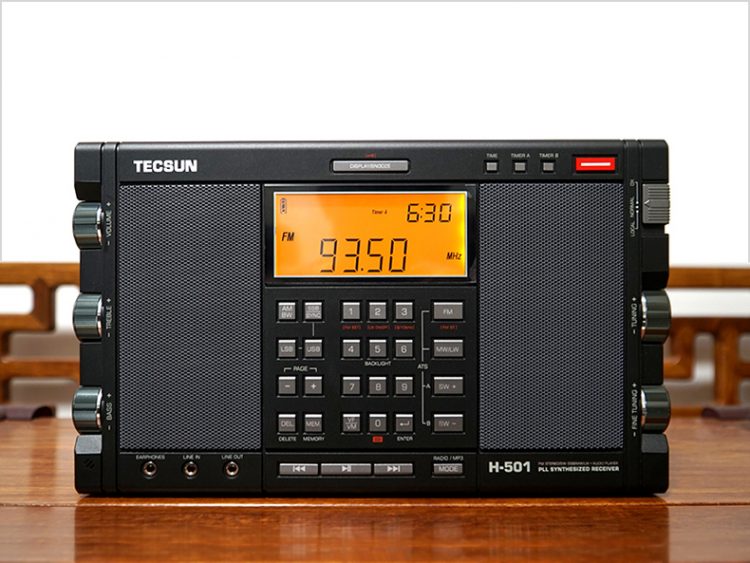
You probably have seen the info months ago, but I just noted Tecsun China has officially launched the Tecsun H-501 receiver in China priced at 1500 Yuan, which is about $230 USD. Add shipping.
The Chinese domestic market H-501 model on AliExpress and Bangood has been averaging $400+ USD. I have no idea if the Desheng/Tecsun store ships outside China, but it seems like a considerable savings for customers outside of China if actually capable of ordering there.
The Tecsun homage currently features a H-501 banner:
Thank you for the tip, Robert! I’ll be waiting for Anon-Co to distribute the export version of the H-501, but the 1500 Yuan/$230 USD price point is much closer to what I expected rather than those early inflated AliExpress prices. Thanks again!
Many thanks to SWLing Post contributor, Mark Hirst, who writes:
Thomas,
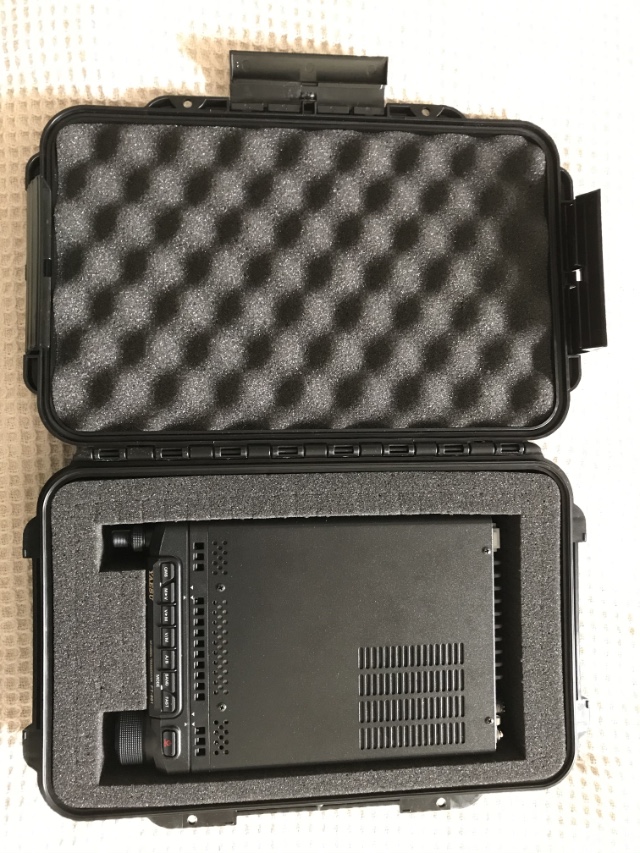
I got a new FT-891 recently and wanted a protective case for taking it out into the field.
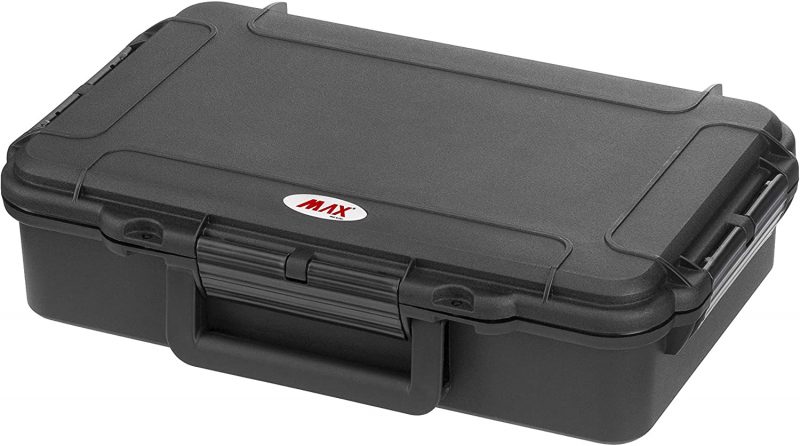
A mixture of internet searches and Amazon algorithms turned up this very affordable case which closely matches the size of the radio, as the enclosed photograph shows.
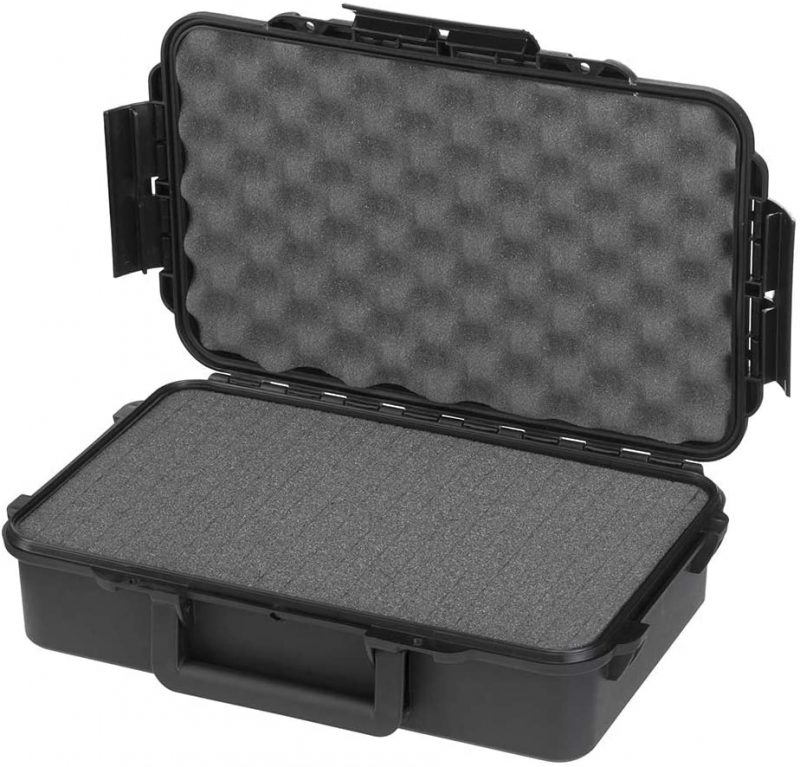
It uses the familiar pick and pluck foam, although in two layers.
The base layer is a bit thin, so I might put a layer of rigid plastic over it to stop the feet of the radio pushing down to the outer case.
I prioritised the side wall thickness opposite from the carry handle, as the case is designed to sit on its side like a briefcase.
Wow, Mark! I do love the size of this case and the fact that it fits the FT-891 so perfectly.
Recently, I’ve been thinking about building out a case to hold one of my smaller QRP transceivers (the KX1, KX2, or MTR3B) in the field to be used when it’s raining. Perhaps this has been on my mind because I’ve been enjoying nearly 5 straight days of rain and fog! A case like this would be an affordable solution and I wouldn’t feel terribly bad about drilling through the case to mount antenna, key, mic, and headphone ports.
I, for one, would love your thoughts about the Yaesu FT-891 as well. I’ve contemplated reviewing it this year mainly because so many field operators rave about it. I’d be curious what you think about it in terms of shortwave radio listening.
Thank you again for the tip!
Note that the Amazon affiliate links above support the SWLing Post at no cost to you. If you’d rather not use these links, simply search Amazon for “Max MAX004S.” Thank you!
Many thanks to SWLing Post contributor, Bruce (VE6XTC), who writes:
Hi Thomas;
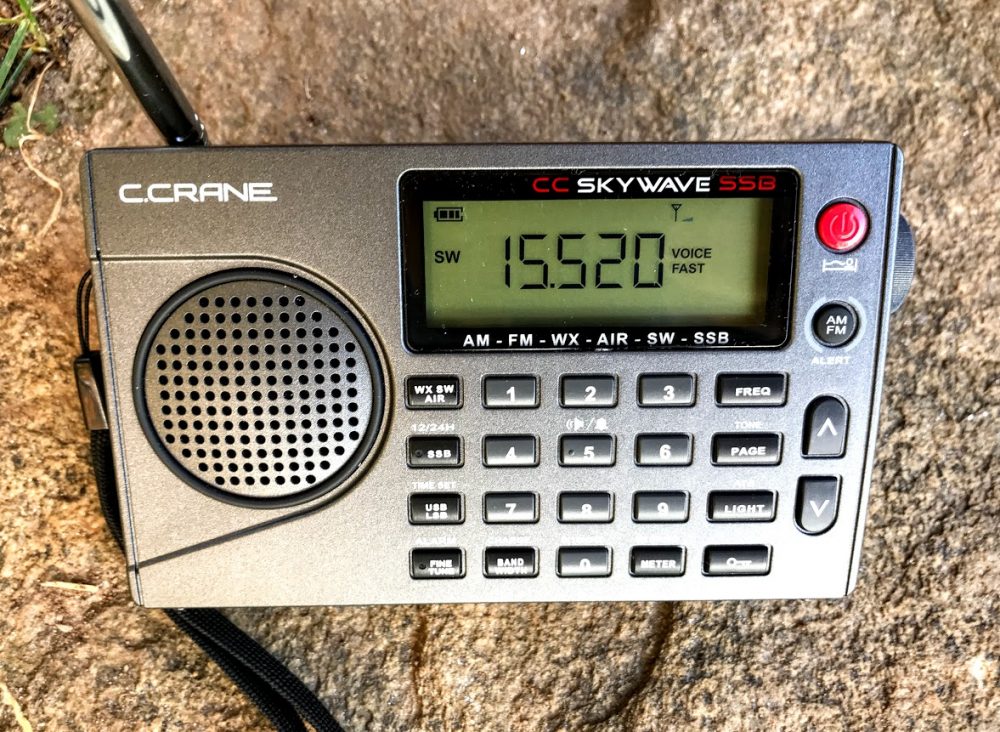
Are any other North American shortwave listeners hearing Chinese and North Korean stations in the 19, 16, and 13 meter bands in the dead of night? I heard plenty of regional stations plus North Korea on 15180 KHZ after 4:00 UT, February 13th. China Radio International was also broadcasting in English on 17730 KHZ with a program about Chinese New Year music. Most of the signals were quite strong on my CC Skywave SSB receiver with about 4 meters of random wire for an antenna..
Since nobody else I know knows as much as you and your blog readers, I’d like to ask you and them about this question.
73,
Bruce VE6XTC
Thank you for sharing your experience and question with us, Bruce. Lately, I’ve had very little in the way of late-night listening sessions so really can’t comment. With that said, I love openings like this. It’s amazing to be on a band that is dead quiet, yet have DX stations pop up from nowhere.
SWLing Post readers: Please comment if you, like Bruce, have been enjoying some late night, high band DX!
Many thanks to SWLing Post contributor, Fastradioburst23, who shares the following recording:
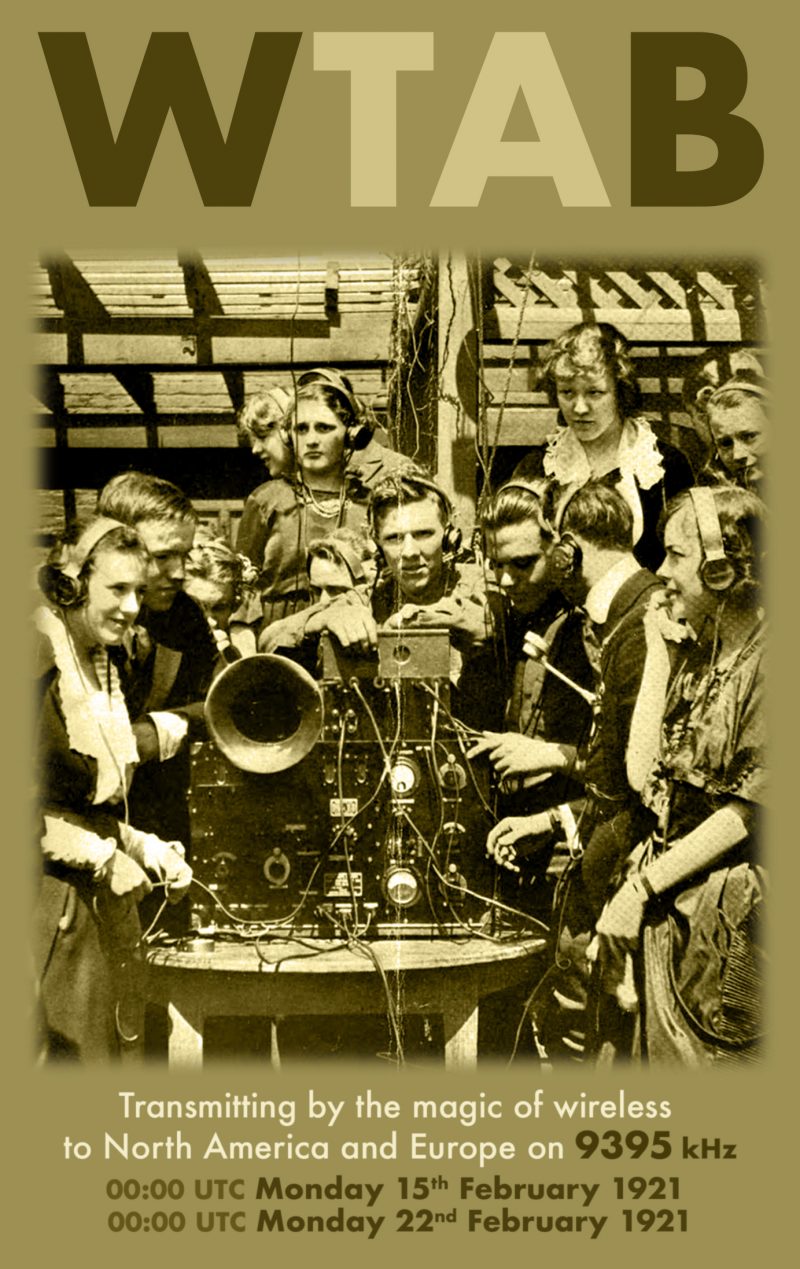
This is the studio version of the WTAB transmission that went out on 9395 kHz at 00:00 UTC Monday 15th February 2021 (repeated on the same frequency and time on Monday 22nd February).
Below is a great clip of the transmission caught on a Yaesu FTdx3000 with a 80 meter horizontal loop at 60 feet at Parksville, Vancouver Island, BC
Many thanks to SWLing Post contributor, Dan Robinson, for the following guest post:
Premium Receiver Scammer(s) Back
by Dan Robinson
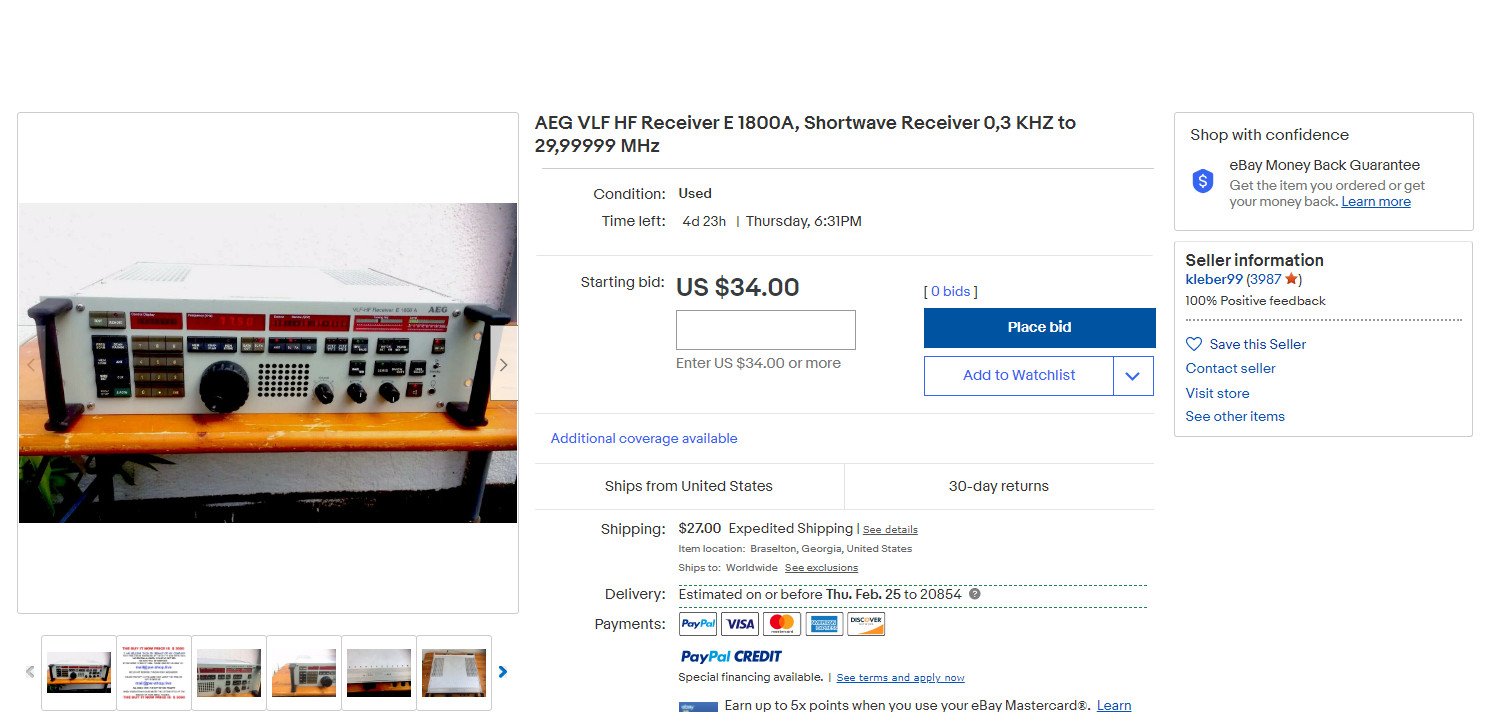
From time to time here on SWLing Post, we have alerted readers to scammers using multiple eBay addresses to attempt to rip off unsuspecting potential buyers and using old photographs of usually premium receivers to do so.
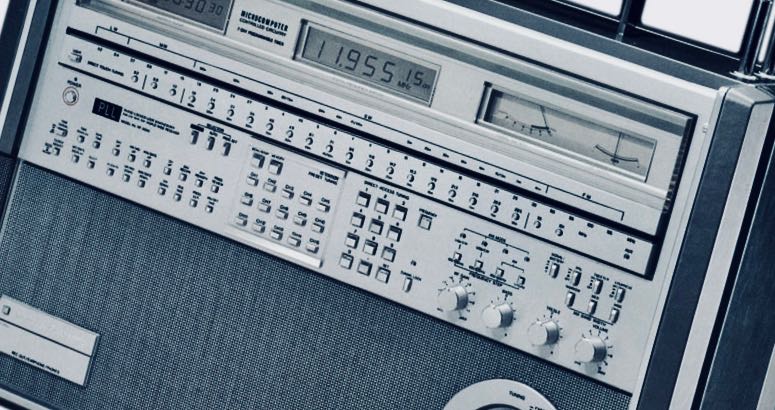
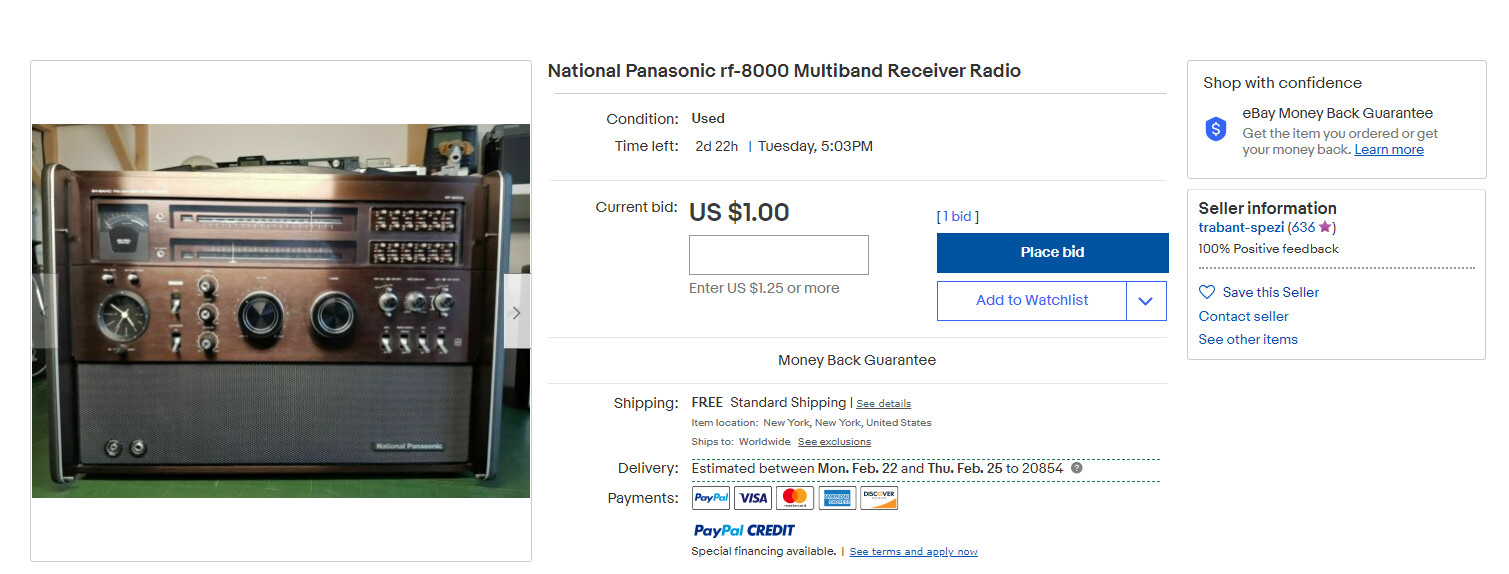
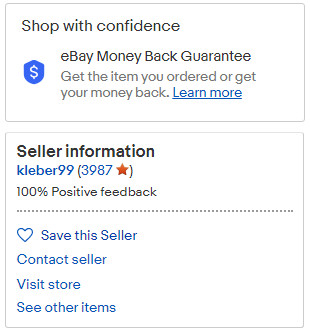
Well, whether this is one scammer or many, he is back. See the photos attached here, which show what is surely a fictitious eBay ID and what appear to be legitimate photos of a Panasonic RF-8000, one of the most sought after of the large portables from decades ago.
It’s not until the 4th photograph that this person provides that you see what’s involved in the scam, which is the scammer noting that he is “selling this on behalf of my company” and that the radio can be purchased “at the buy it now price only” The scammer then provides an email address to get around the standard eBay auction process, adding that he does not respond via Ebay messaging.
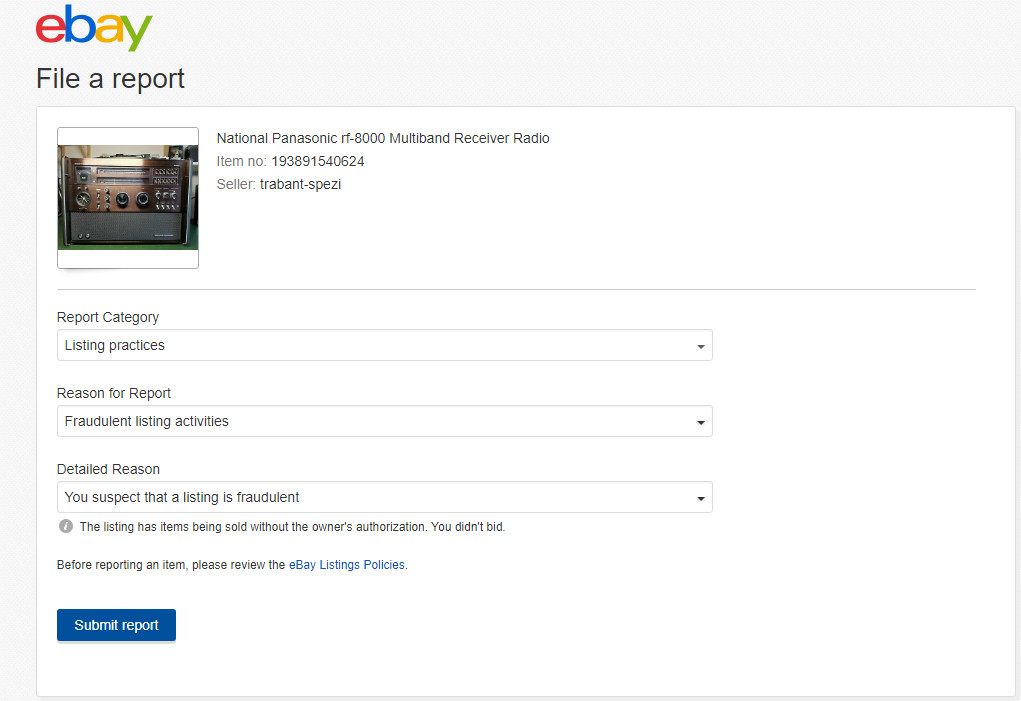
I have continued to alert eBay to these scams, and to their credit eBay has taken down many of these items in recent weeks and months, though occasionally eBay does miss these. eBay also does not make it immediately clear as to how to report items like this (HINT: you have to scroll down the page until you see a tiny REPORT link on the right side which takes you to multiple categories. These scam items fall under “LISTING PRACTICES” “FRAUDULENT LISTING ACTIVITIES” and “YOU SUSPECT THAT A LISTING IS FRAUDULENT”
If eBay has successfully already taken a scam item down, you will then see a confirmation page saying the item could not be found after refreshing the page. Very often, even after reporting an item, the identical item will show up within seconds or minutes under a completely different eBay ID (see the 2nd photo here on the Panasonic RF-8000 which shows a changed eBay ID)
Receivers most often seen on these scams include: AEG 1800A, Panasonic RF-8000, and usually other premium sets, and the tip off to the scam is that the seller/scammer usually always starts the price at $1.00 or $34.00 or similar level. In the case of the AEG 1800A, the scammer consistently uses the exact same photo of this rare receiver, from a sale that completed years ago.
I would encourage eBay users to join me in reporting scams like this — eBay certainly appreciates it and if you have eBay “Concierge” level service, which I do, it’s sometimes a help to them to get online and chat with eBay about the item and your report, especially if the eBay algorithms have failed to spot and take down a particular scam.
Thank you for sharing this, Dan. We appreciate insight from radio enthusiasts like you and Paolo. As Dan suggested, I encourage you to report listings that are obviously fraudulent to eBay. They will investigate the case and take action if it is a scam.
Radio Waves: Stories Making Waves in the World of Radio
Because I keep my ear to the waves, as well as receive many tips from others who do the same, I find myself privy to radio-related stories that might interest SWLing Post readers. To that end: Welcome to the SWLing Post’sRadio Waves, a collection of links to interesting stories making waves in the world of radio. Enjoy!
Many thanks to SWLing Post contributors Patrick, Marcus, Mike and Tracy for the following tips:
China has banned BBC World News from broadcasting in the country, its television and radio regulator announced on Thursday.
China has criticised the BBC for its reporting on coronavirus and the persecution of ethnic minority Uighurs.
The BBC said it was “disappointed” by the decision.
It follows British media regulator Ofcom revoking state broadcaster China Global Television Network’s (CGTN) licence to broadcast in the UK.
Separately, the broadcaster Radio Television Hong Kong (RTHK) said it would stop relaying BBC World Service programming in the region, prompting condemnation from the BBC.
China’s State Film, TV and Radio Administration said that BBC World News reports about China were found to “seriously violate” broadcast guidelines, including “the requirement that news should be truthful and fair” and not “harm China’s national interests”.
It said that the BBC’s application to air for another year would not be accepted.
The BBC said in a statement: “We are disappointed that the Chinese authorities have decided to take this course of action. The BBC is the world’s most trusted international news broadcaster and reports on stories from around the world fairly, impartially and without fear or favour.”[…]
Melvyn Bragg and his guests discuss the invention of radio. In the early 1860s the Scottish physicist James Clerk Maxwell derived four equations which together describe the behaviour of electricity and magnetism. They predicted the existence of a previously unknown phenomenon: electromagnetic waves. These waves were first observed in the early 1880s, and over the next two decades a succession of scientists and engineers built increasingly elaborate devices to produce and detect them. Eventually this gave birth to a new technology: radio. The Italian Guglielmo Marconi is commonly described as the father of radio – but many other figures were involved in its development, and it was not him but a Canadian, Reginald Fessenden, who first succeeded in transmitting speech over the airwaves.
With:
Simon Schaffer
Professor of the History of Science at the University of Cambridge
Elizabeth Bruton
Postdoctoral Researcher at the University of Leeds
John Liffen
Curator of Communications at the Science Museum, London
World Radio Day 2021: Radio creates diversity and connects people (RADIOZENTRALE GmbH)
World Radio Day 2021: Radio creates diversity and connects people
World Radio Day will be announced by UNESCO for the tenth time on February 13th and once again refers to how important radio is for society and why it connects people.
Time to celebrate: UNESCO has proclaimed World Radio Day for the tenth time. In Germany, radio has been the everyday companion of people for a hundred years and, more than ever, radio is the medium of the hour. So this jubilee round provides many good reasons to pause and ask what radio means for each individual, society and the world. Radio itself does not take a break, it is on the air – every day and around the clock. Radio informs, entertains and offers a variety of programs, opinions and content. As a matter of course – and yet so indispensable – radio, both large and small, is the vital voice of people and for people.
At the global level, radio remains the most widely consumed medium
The world is changing rapidly. Social and political processes are becoming more dynamic due to new technologies, the communication network is getting faster and bigger and the challenges are becoming more important. In these processes, radio not only offers diversity, classification and orientation, but is also an integral part of opinion-forming because it is the platform for democratic discourse. This unique ability to reach a wide audience means radio can shape a society through diversity and is the place for those who want to speak up.
100 years of radio in Germany
In Germany, the medium for the ears and the head cinema is celebrating its centenary this year. The innovative strength of the medium and the trust base with listeners that has grown over the decades make it possible for radio to be the medium of the hour more than ever. It is the last mass medium and at the same time can digitally reach everyone with the entire range of offers. Radio is at eye level with people – both in terms of content and technology. Because just as society and people’s everyday lives have changed dramatically, so too have listening habits and content. What remains, however, is the great art of putting complex topics into understandable words and giving diversity a voice.
“Today we are experiencing that the world is changing rapidly. We face major challenges when I think of climate change, the current corona pandemic or the debates on racism, for example. The task of radio here is to inform and classify. To make the soft tones heard and to reflect the diversity of opinions, ”says Grit Leithäuser, Managing Director of Radiozentrale. “But the most important thing is to act at eye level with the listeners. This grown connection and mutual trust are something for both sides that one should be aware of and that it has to be preserved every day. Then, in a hundred years, radio will be the medium for people who listen on whatever technical route, in order to learn from one another and to live diversity. ”
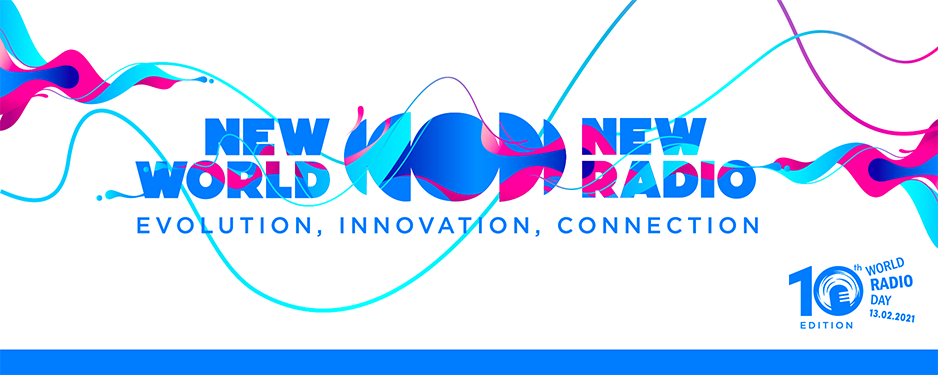
World Radio Day was first proclaimed by UNESCO in 2012 and this year it has the motto: “New World, New Radio”. At the suggestion of Spain, the General Conference of UNESCO initiated World Radio Day in memory of the founding of United Nations Radio on February 13, 1946. The aim of the day is to make the public and the media more aware of the importance of radio, to the decision-makers Encourage information to be established and made accessible through the radio.
The generic initiative Radiozentrale sees itself as a common platform for public and private radio stations as well as generic companies in the radio industry. The radio center has set itself the goal of positioning the medium of radio and providing comprehensive information about the (advertising) medium of radio. More information: www.radiozentrale.de
Broadway Bill Lee raps to Alex Dyke about growing up in Cleveland, the impact of the Beatles in 1964 and honing his craft as a DJ. Bill remembers being on-air in New York City the night that John Lennon was murdered and how he felt compelled to take to the air on September 11th 2001.
Today is UNESCO World Radio Day and this year the theme highlights diversity on the airwaves. Here’s the announcement from UNESCO:
Proclaimed in 2011 by the Member States of UNESCO, and adopted by the United Nations General Assembly in 2012 as an International Day, February 13 became World Radio Day (WRD).
Radio is a powerful medium for celebrating humanity in all its diversity and constitutes a platform for democratic discourse. At the global level, radio remains the most widely consumed medium. This unique ability to reach out the widest audience means radio can shape a society’s experience of diversity, stand as an arena for all voices to speak out, be represented and heard. Radio stations should serve diverse communities, offering a wide variety of programs, viewpoints and content, and reflect the diversity of audiences in their organizations and operations.
CELEBRATIONS IN 2021
On the occasion of World Radio Day 2021 (WRD 2021), UNESCO calls on radio stations to celebrate this event’s 10th anniversary and the more than 110 years of radio.
This edition of WRD is divided into three main sub-themes:
EVOLUTION. The world changes, radio evolves.This sub-theme refers to the resilience of the radio, to its sustainability ;
INNOVATION. The world changes, radio adapts and innovate.Radio has had to adapt to new technologies to remain the go-to medium of mobility, accessible everywhere and to everyone;
CONNECTION. The world changes, radio connects.This sub-theme highlights radio’s services to our society—natural disasters, socio-economic crises, epidemics, etc.
We may think we live in a digital age, but only half the world is currently online. Across the globe, small radio stations bind remote communities, play a dazzling array of music, educate, entertain and empower people to make change. Cameroon’s Radio Taboo, in a remote rainforest village 100 miles off the grid, relies on solar power; its journalists and engineers are all local men and women. Radio Civic Sfantu Gheorghe in the Danube Delta preserves the history of the community. Tamil Nadu’s Kadal Osai (“the sound of the ocean”) broadcasts to local fishermen about weather, fishing techniques—and climate change. In Bolivia, Radio Pio Doce is one of the last remaining stations founded in the 1950s to organise mostly indigenous tin miners against successive dictatorships. And KTNN, the Voice of the Navajo Nation, helps lift its listeners’ spirits in a time of loss and grief.
Produced by David Goren
Presented by Maria Margaronis.

 Many thanks to SWLing Post contributor, Robert Richmond, who writes: