Shortwave listening and everything radio including reviews, broadcasting, ham radio, field operation, DXing, maker kits, travel, emergency gear, events, and more
Many thanks to SWLing Post contributor Fred Waterer for also sharing the following article from Tibetan Review. This piece raises questions about the future of Tibetan-language broadcasting and the broader implications of VOA and RFA closures:
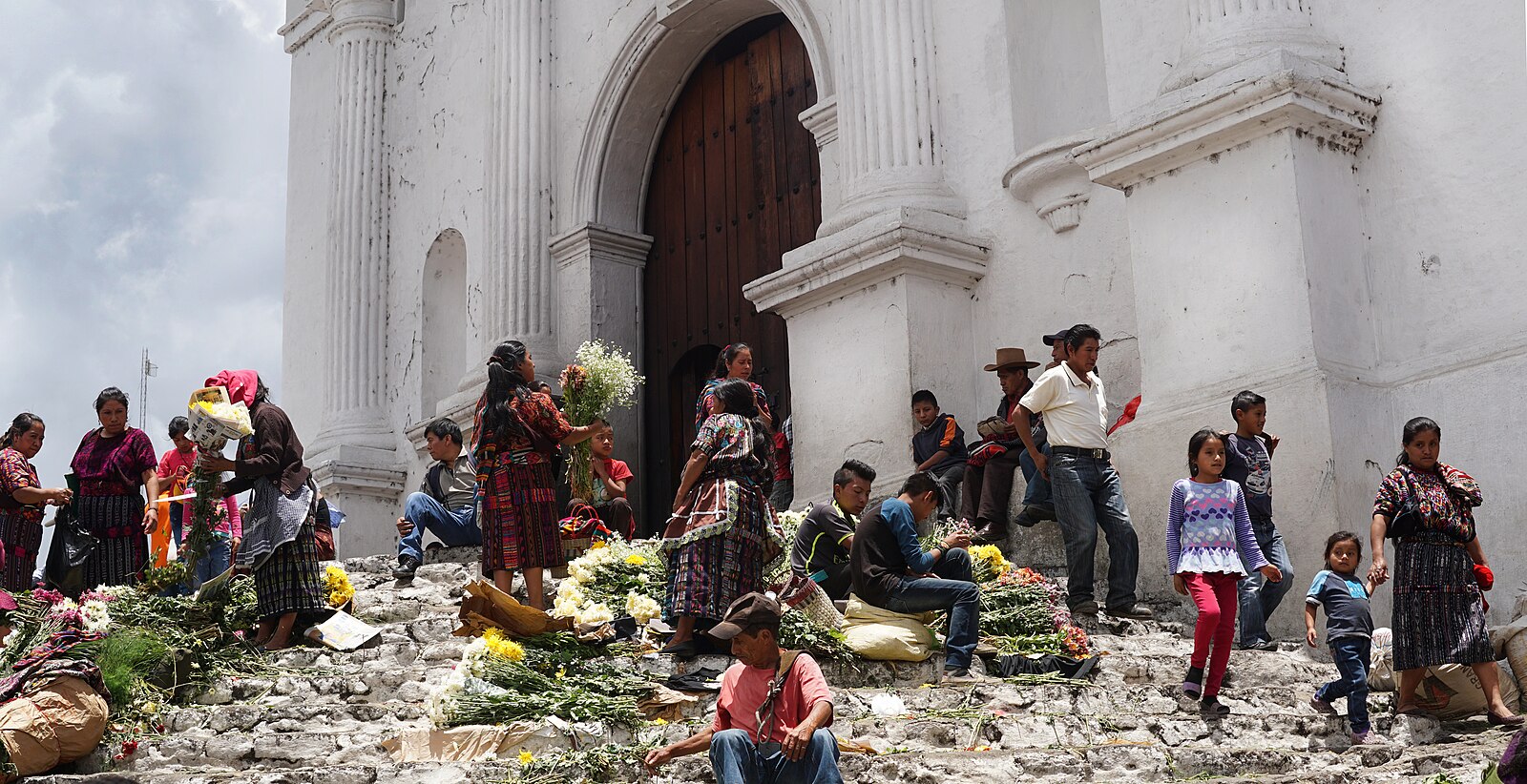
Santo Tomas Church, Chichicastenango, Guatemala (by Lucía García González via Wikimedia Commons)
Don Moore’s Photo Album: Guatemala (Part Five) – Visiting Nahualá
More of Don’s traveling DX stories can be found in his book Tales of a Vagabond DXer[SWLing Post affiliate link]. If you’ve already read his book and enjoyed it, do Don a favor and leave a review on Amazon.
After my first attempt to visit La Voz de Atitlán failed in June 1983, I turned my sights northward. The next morning in Panajachel I boarded a bus bound for Guatemala City but got off when the bus reached the main highway at the Los Encuentros intersection. A few minutes later I caught a ride on a ‘chicken bus’ headed north to my first destination of the day – Chichicastenango.
Chichicastenango is not a town that DXers would be familiar with but anyone who has seriously traveled around Guatemala has surely been there at least once. The outdoor markets held on Thursday and Sunday are among the largest in all of Central America. Guatemala has dozens of towns with long names ending in …tenango, meaning “place of.” Chichicastenango is the place of the chichicaste plant, in reference to a thorny bush that grows in the area. Most of the time people just call the town Chichi as it’s common to drop the tenango part from names when speaking.
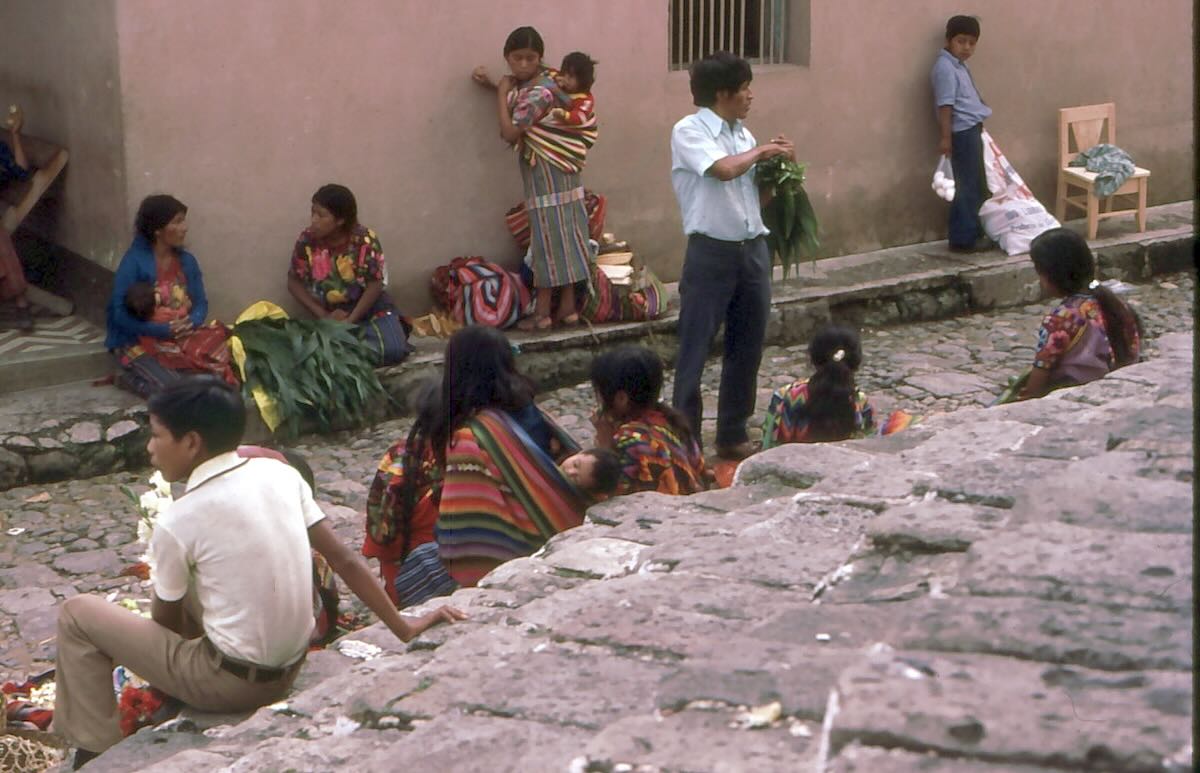
For over five hundred years, Quiché Mayans from the surrounding area have been coming here twice weekly for the market held in the plaza in front of the Santo Tomás church. The steps to the church are always filled with flower vendors and men swinging containers of incense.
In the early days of the Spanish conquest, Catholic churches were often built on the sites already holy to the Indians. It was a clever way to get the newly forced converts to come to mass. In the case of Santo Tomás, however, they unknowingly picked a location of major spiritual importance in the Mayan religion. As a result many Mayan ceremonies involving nature and natural gods have survived in this area. Some became intertwined with Catholic practices while others were practiced in secret for centuries until it finally became safe to bring them out into the open again.
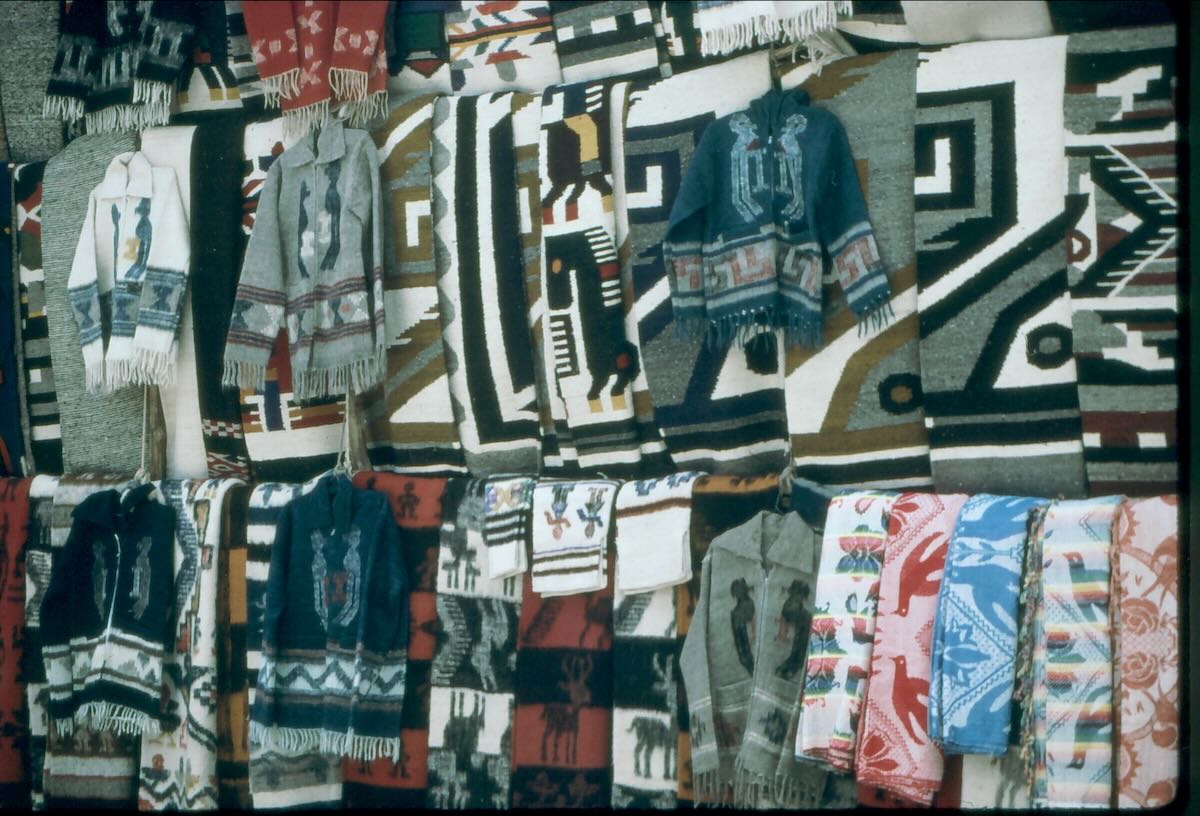
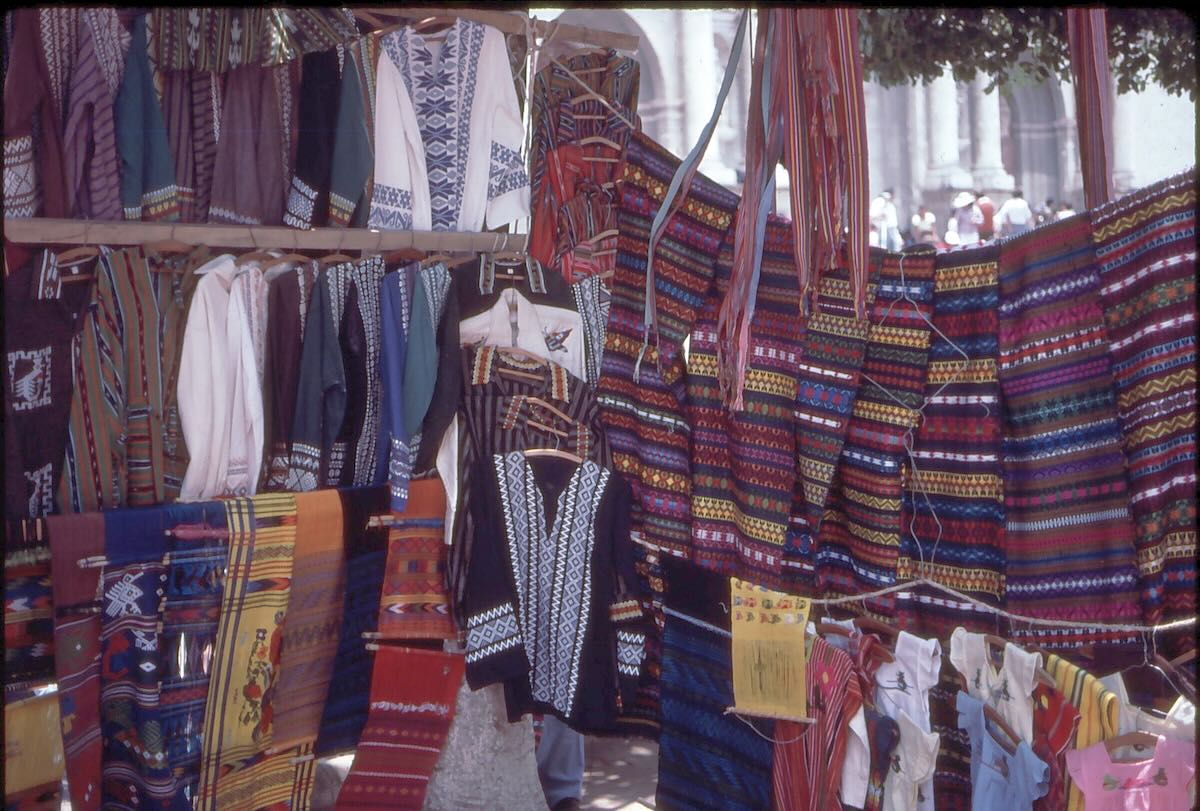
It was only June but I did my Christmas shopping that day and mailed everything home from Guatemala City a few days later. Guatemala’s post office was very reliable. Everything arrived safely in less than two weeks.
On to Nahualá
With my purchases packed in my now very heavy bag, I got on the next bus heading south and once again got out at Los Encuentros. This time I was looking for any bus heading west. I wasn’t going too far. A few minutes later a bus bound for Quetzaltenango stopped and I got on, telling the driver’s assistant that I wanted to get off at Nahualá.
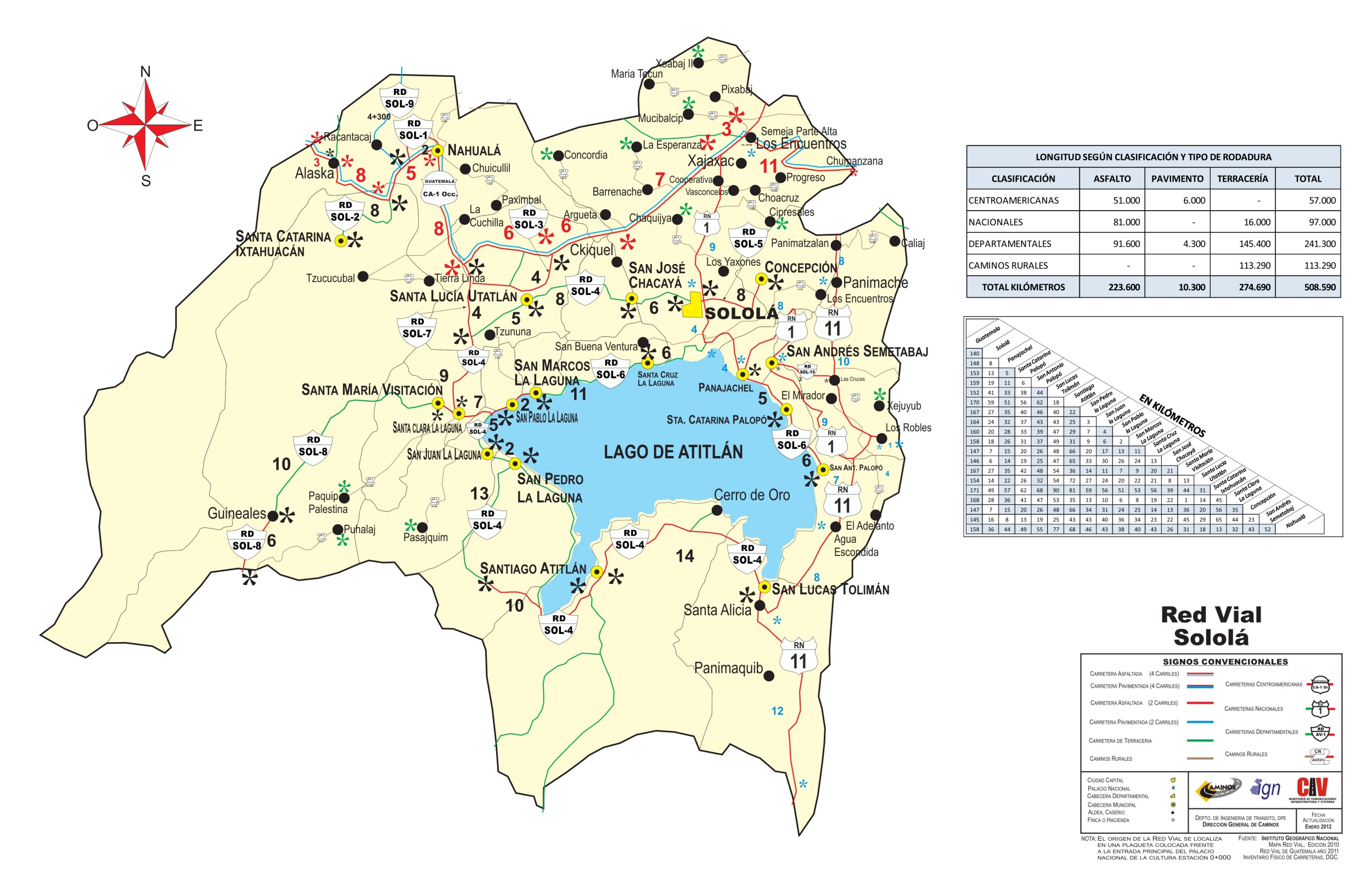
I knew Nahualá was in the northwest corner of Sololá department a little way off the Pan-American Highway but I was surprised when about an hour later the bus stopped next to a cornfield in the middle of nowhere. I gave the driver’s assistant a puzzled look when he told me this was my stop. He explained that they could leave me off further down the highway where the road to Nahualá branched off. But it would be a long walk from there. From here, the walk was only about ten minutes. There was a well-worn path leading upwards through the cornfield, so I took him at his word. Continue reading →
Since then, I had been intending to give a listen, and finally, last night (April 18 UTC) I was able to do so. It is only a brief 10-minute segment in both English and Spanish and runs roughly from 0150 to 0200 UTC:
I made the recording (above) on 11780 kHz through the use of a Kiwi SDR located near Rochester, New York. It was a bit of a tease, I think. 15 minutes in each language would be nice.
Many thanks to SWLing Post contributor, Ronald, who writes:
I am 83 years old now. When I was actively DXing from the late 1950s through the mid-1960s, some stations, such as Radio Prague and Radio Nederland, and clubs such as the Japan Short Wave Club (JSWC) organized contests with prizes, usually special QSL cards.
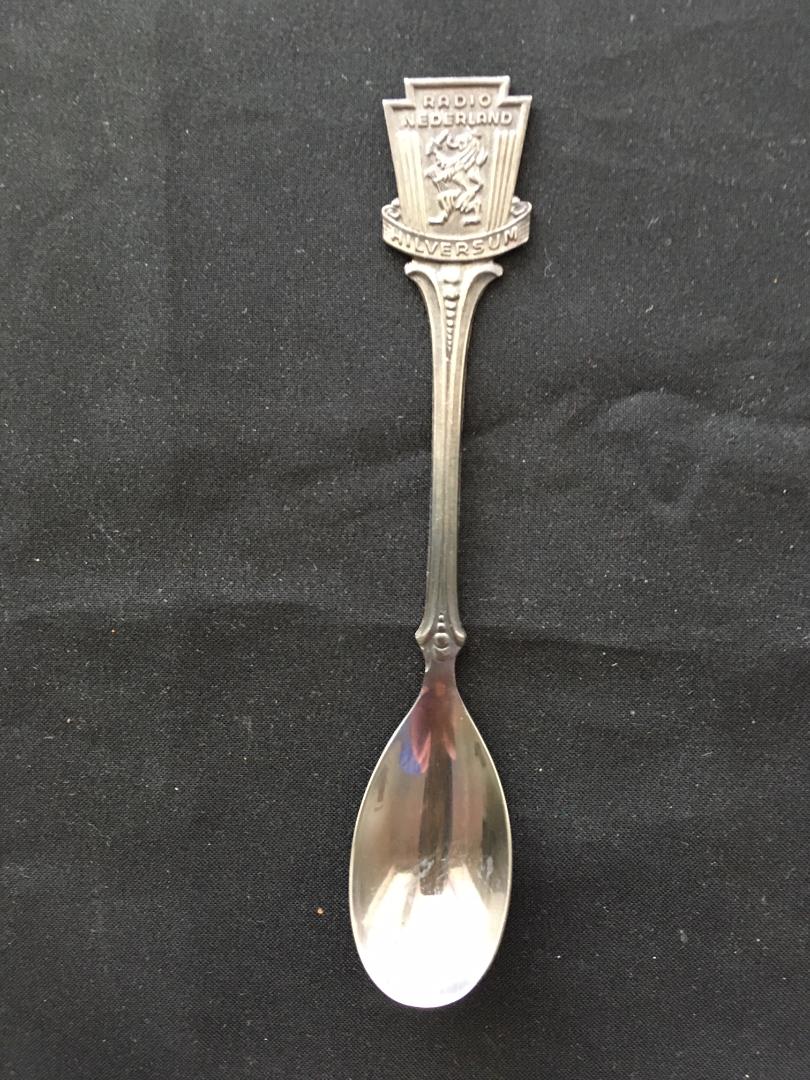
In 1957, Radio Nederland ran a DX contest and offered a special QSL card. The JSWC offered a special QSL card to SWLers who received confirmation of their special 5th Anniversary broadcasts from eight stations between December 1956 and January 1957. I reproduced the JSWC card and the Radio Nederland card in my book, QSL: How I Traveled the World and Never Left Home.
Perhaps on this occasion or another occasion, Radio Nederland ran a contest and offered
prizes. I won one of these prizes, a silver-plated commemorative sugar scoop spoon made by “Schonenberg.”
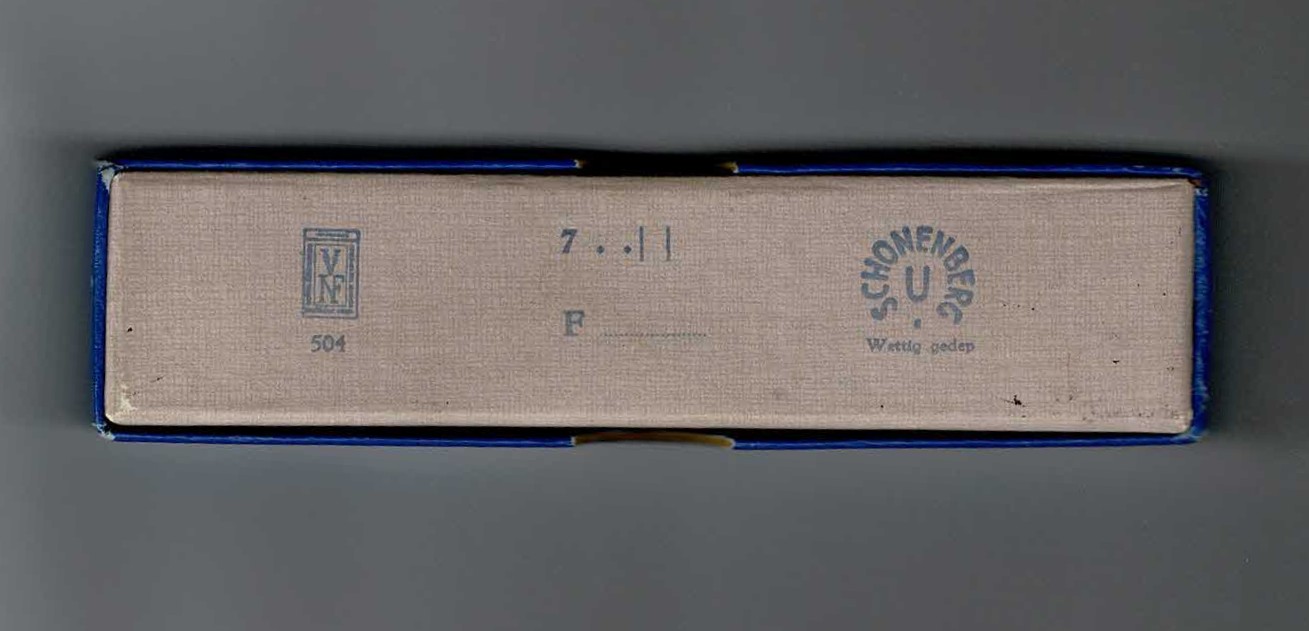
I illustrated it on the colophon of my book.Googling “Schonenberg,” I couldn’t figure out where it was located. Some said the Netherlands, some said Canton Thurgau, Switzerland, and one source (obviously wrong) said England.
“Wettig gedept” on the box is abbreviated Dutch for Wettig gedeponeerd “legally deposed,” which suggests “Trademark Registered” in English. Thus, I conclude that the spoons are made in the Netherlands–logical for Radio Nederland to have its prizes manufactured in its own country!
Questions:
When did this contest take place?
What were the rules of the contest?
How many Schonenberg spoons were offered as prizes?
Were there other prizes?
Ronald
Readers: If you can help Ronald answer these questions, please comment!
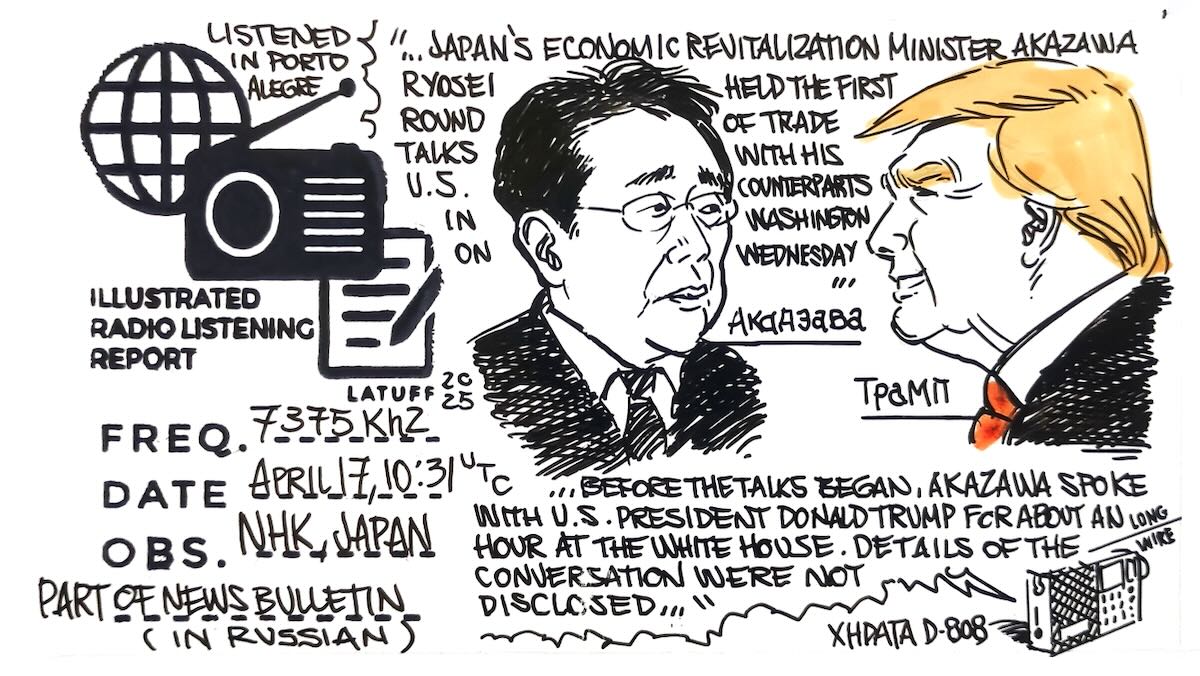
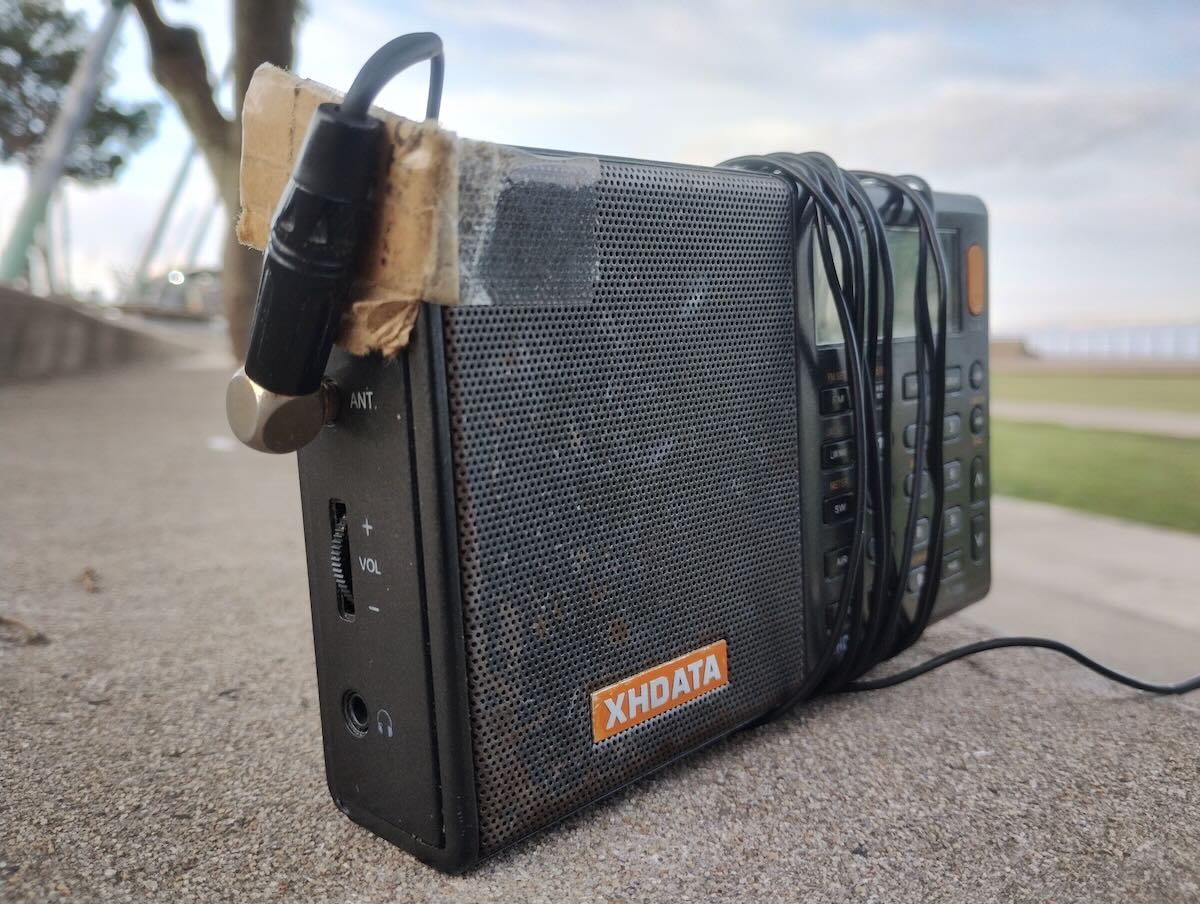
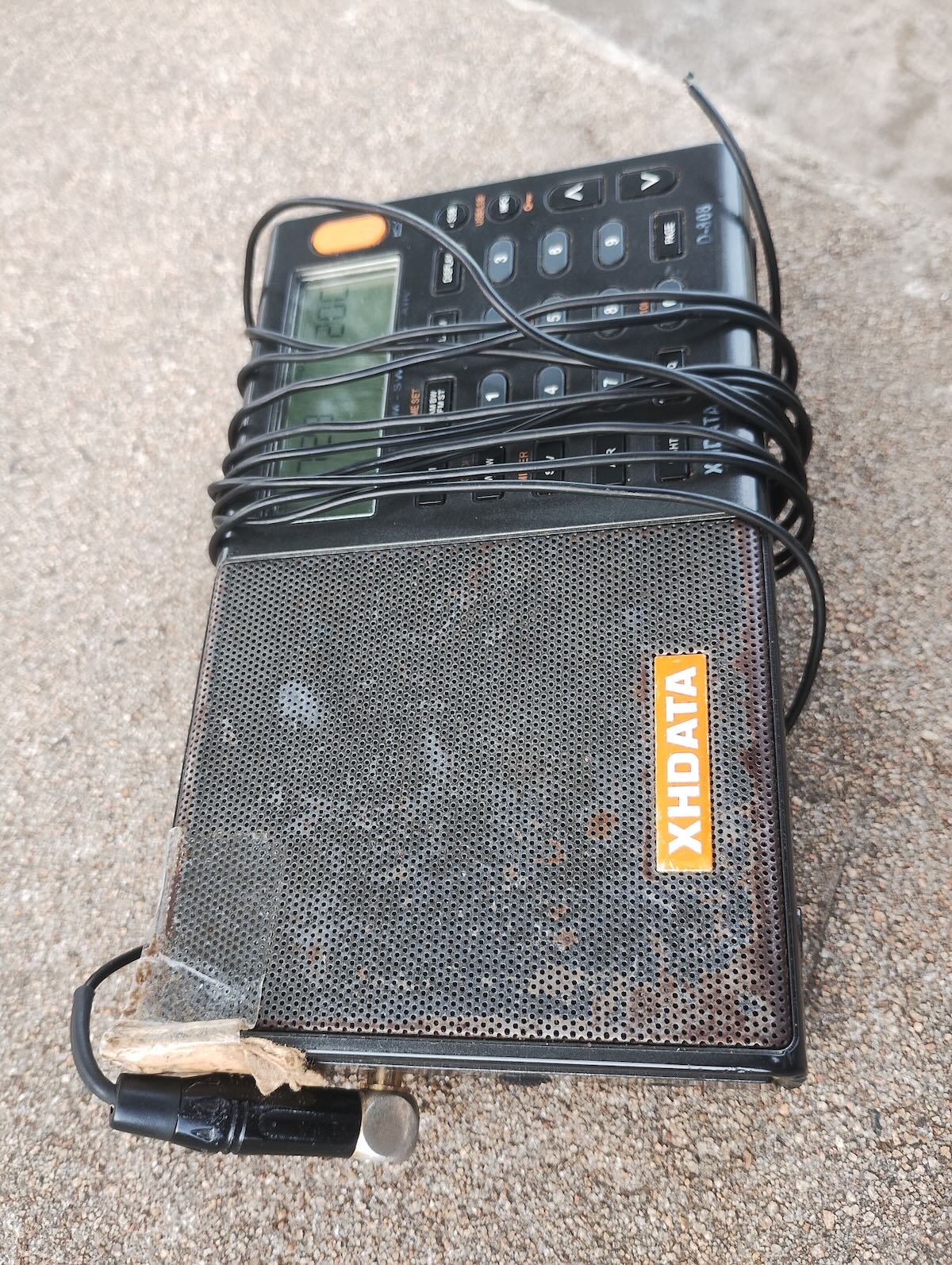
Since December 2020, when the COVID-19 pandemic was at its height, I have had an inseparable companion: the XHDATA D-808 radio.
This receiver has accompanied me in many situations, on the beach, in the countryside, in light rain, in cold and hot weather, and its durability has been more than proven, which is why I affectionately named my radio set “The Beast”.
I have received everything with this receiver, from military and clandestine transmissions to radiofax of weather reports and news (Kyodo News). The selectivity and sensitivity of this model are useful for both DXers and radio listeners eager for news (like me). Since this is my field radio, “The Beast” has already lost its antenna (I currently use a 3-meter long wire), and has scratches and marks resulting from several falls. And it continues to work perfectly. Even the battery remains the same.
I don’t use FM much, my focus has always been on MW and SW, bands where the XHDATA D-808 has shown excellent reception. Maybe it’s time to buy a new model, but I’m reluctant to retire my beloved “The Beast”, since, even after so many years of continuous usage, this receiver continues to serve me very well.
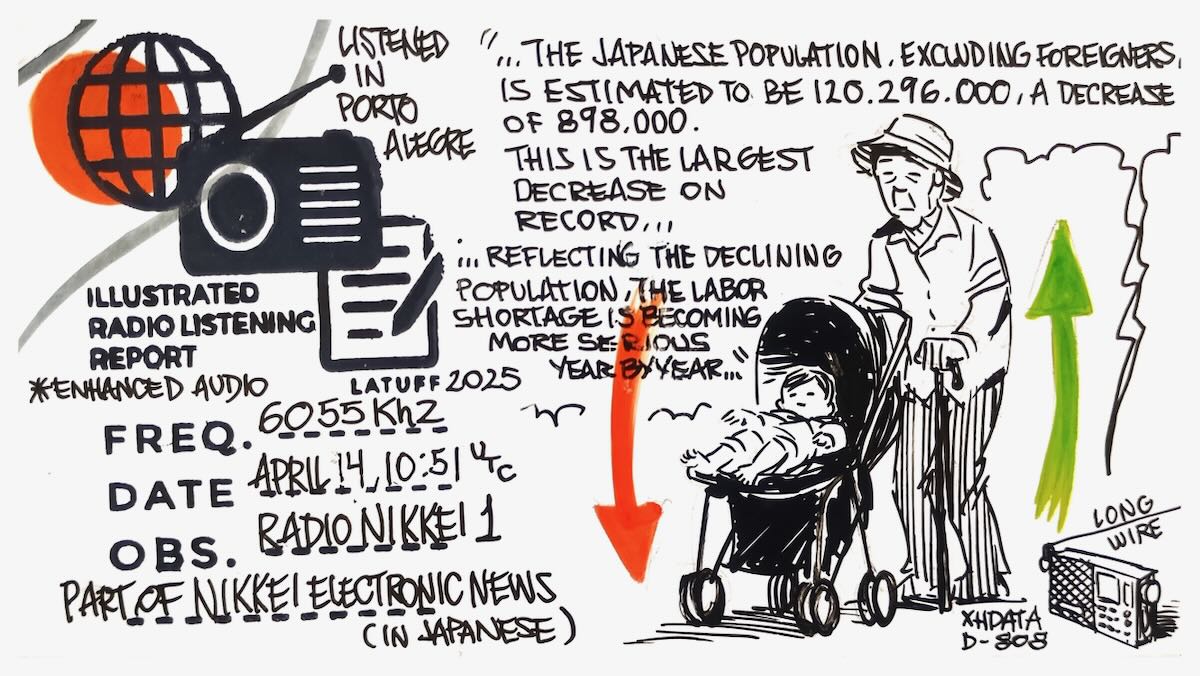
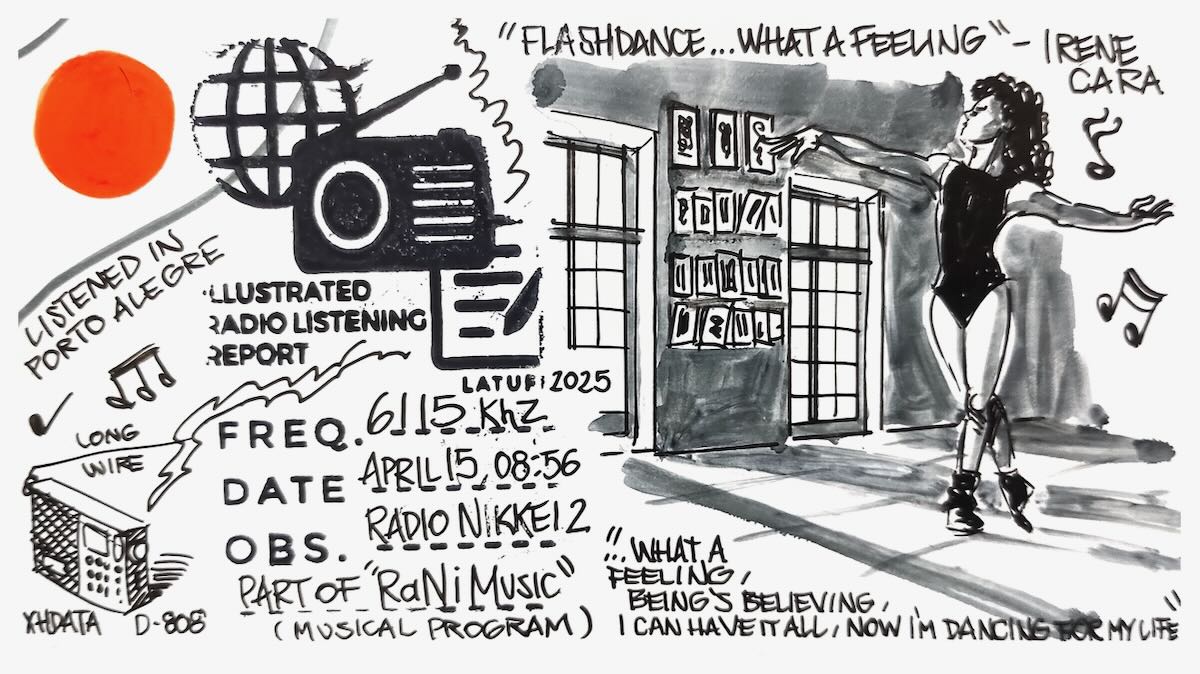
I usually use other Japanese-made models from the 80s and 90s, but without a doubt, the China-made XHDATA D-808 has proven to be unbeatable. Here are some recent listenings made with this transistorized wonder.
Radio Nikkei 1
Radio Nikkei 2
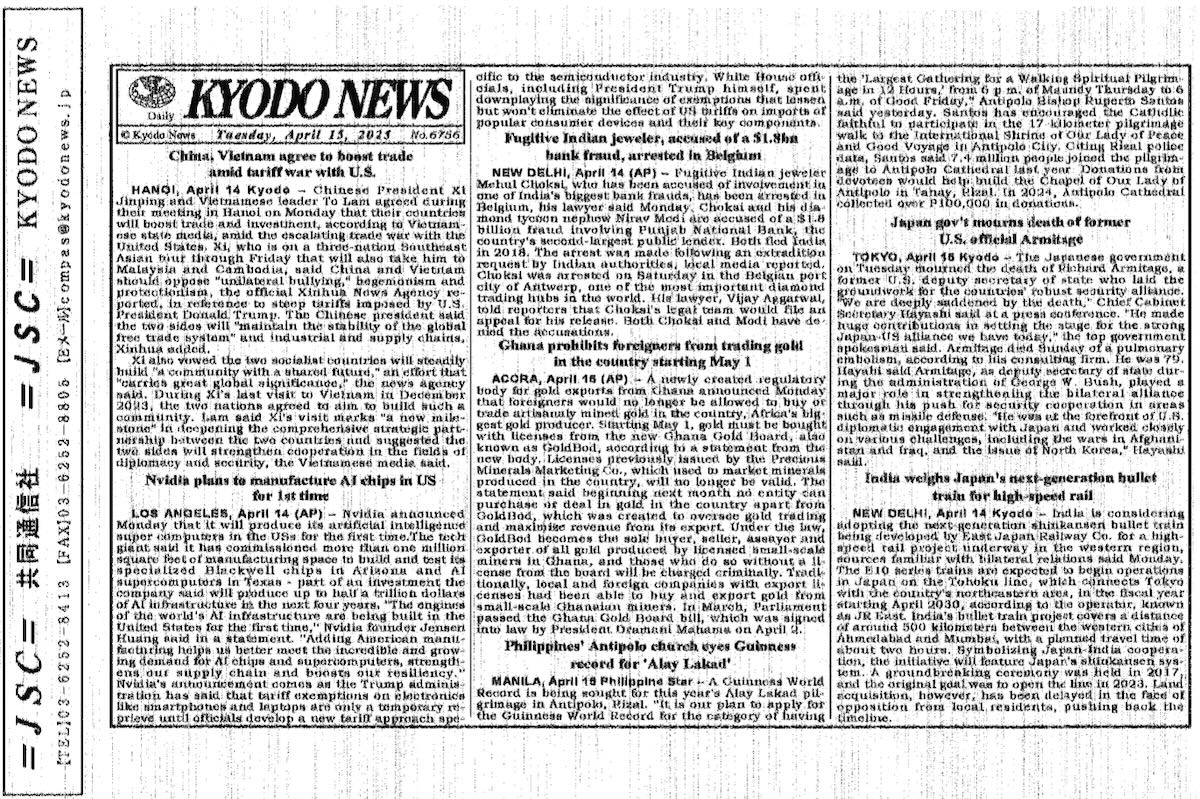
(April 15) Kyodo News English Edition, received via radiofax in Porto Alegre, 16970 kHz:
China, Vietnam agreed to boost trade, Nvidia plans to manufacture AI chips in US, fugitive India jeweler arrested in Belgium, Ghana prohibits foreigners from trading gold, Philipines’ Antipolo church eyes Guiness, Japan govt mourns death of former US officer, India weighs Japan’s next generation of bullet train.
“Voice of the People”, clandestine radio station operated by the South Korea’s intelligence service, 4560 kHz, April 15, 10h03 UTC, listened in Porto Alegre (enhanced audio):
Please support this website by adding us to your whitelist in your ad blocker. Ads are what helps us bring you premium content! Thank you!

 Many thanks to SWLing Post contributor Fred Waterer for also sharing the following article from Tibetan Review. This piece raises questions about the future of Tibetan-language broadcasting and the broader implications of VOA and RFA closures: