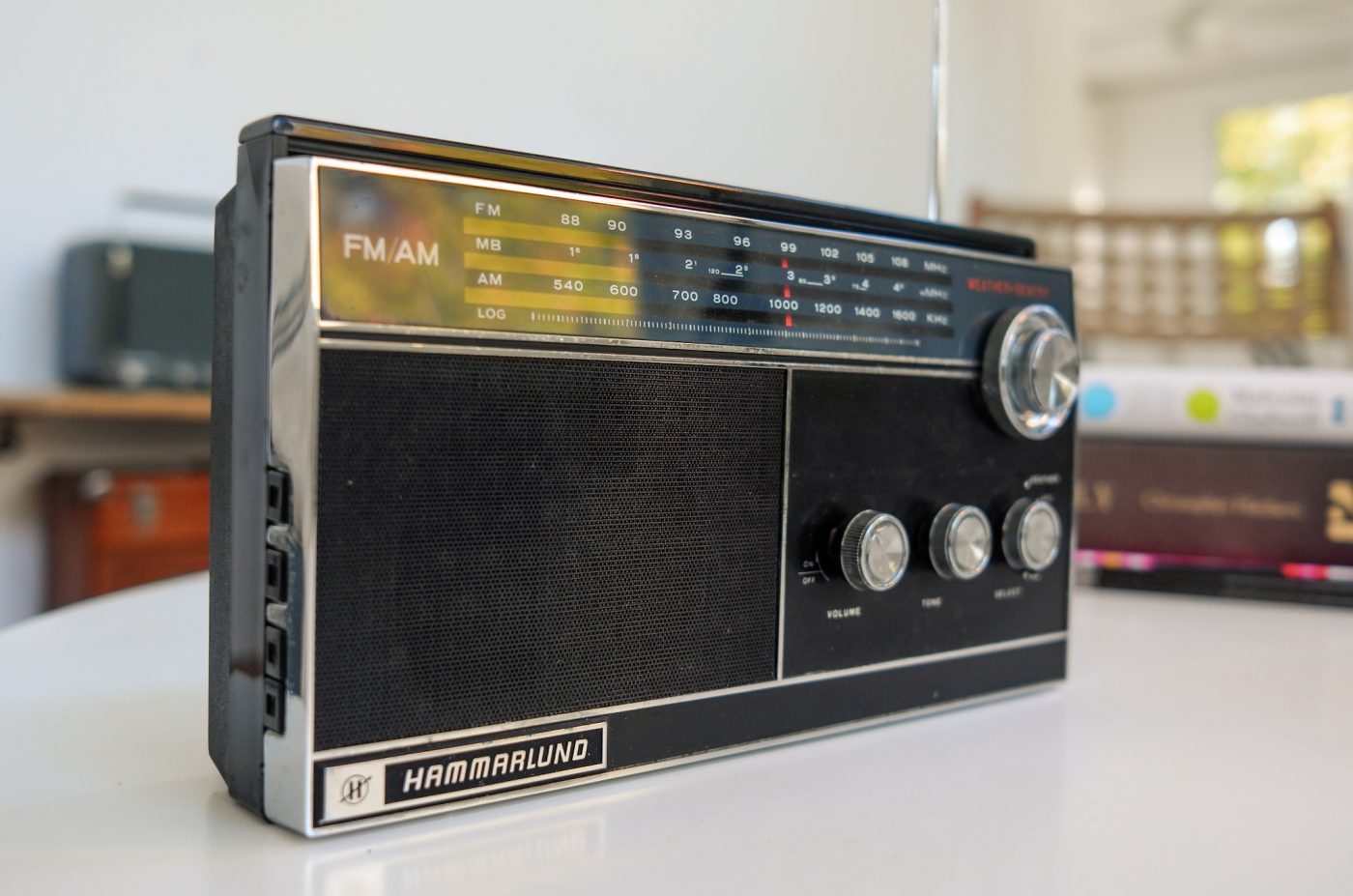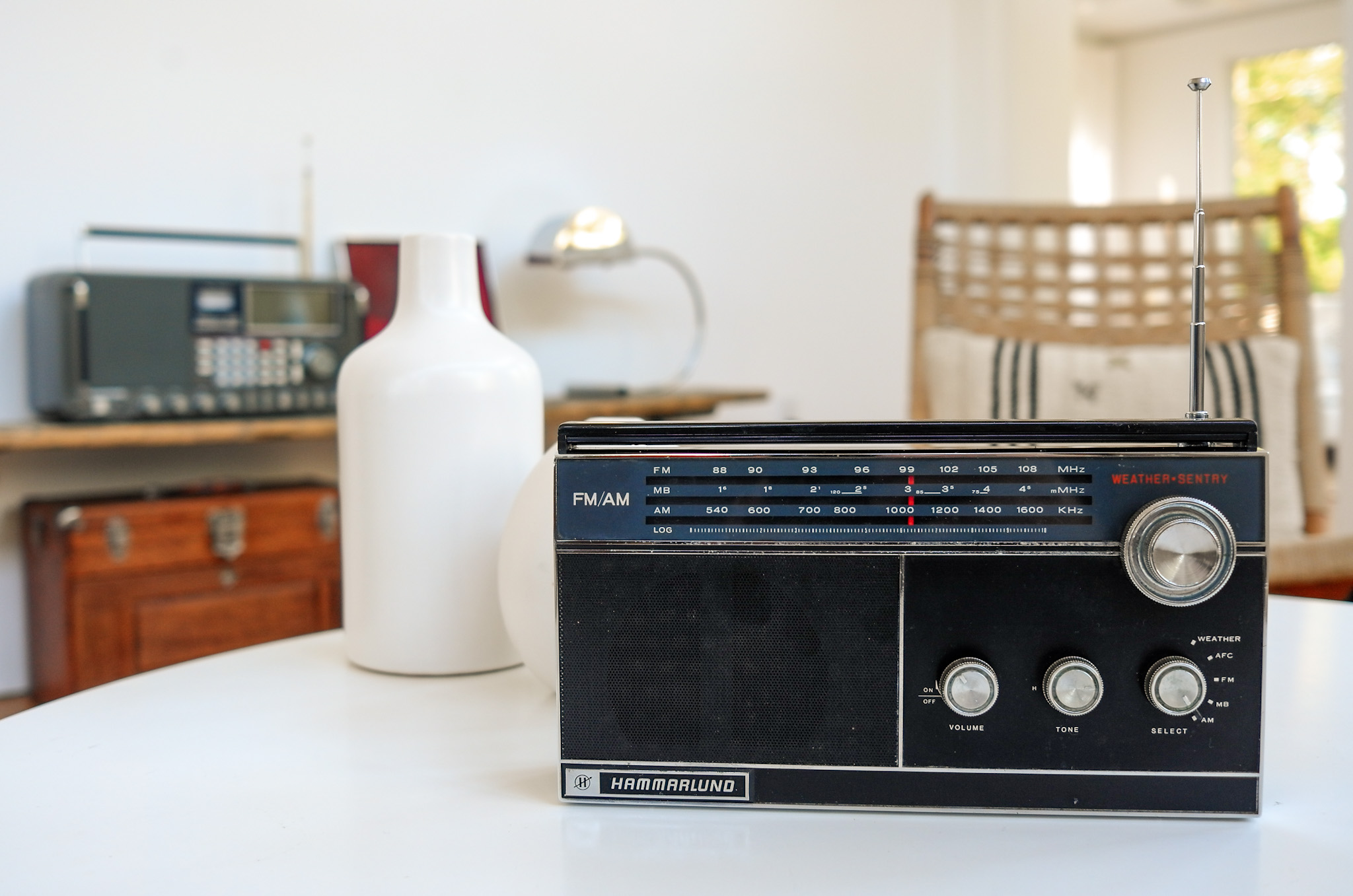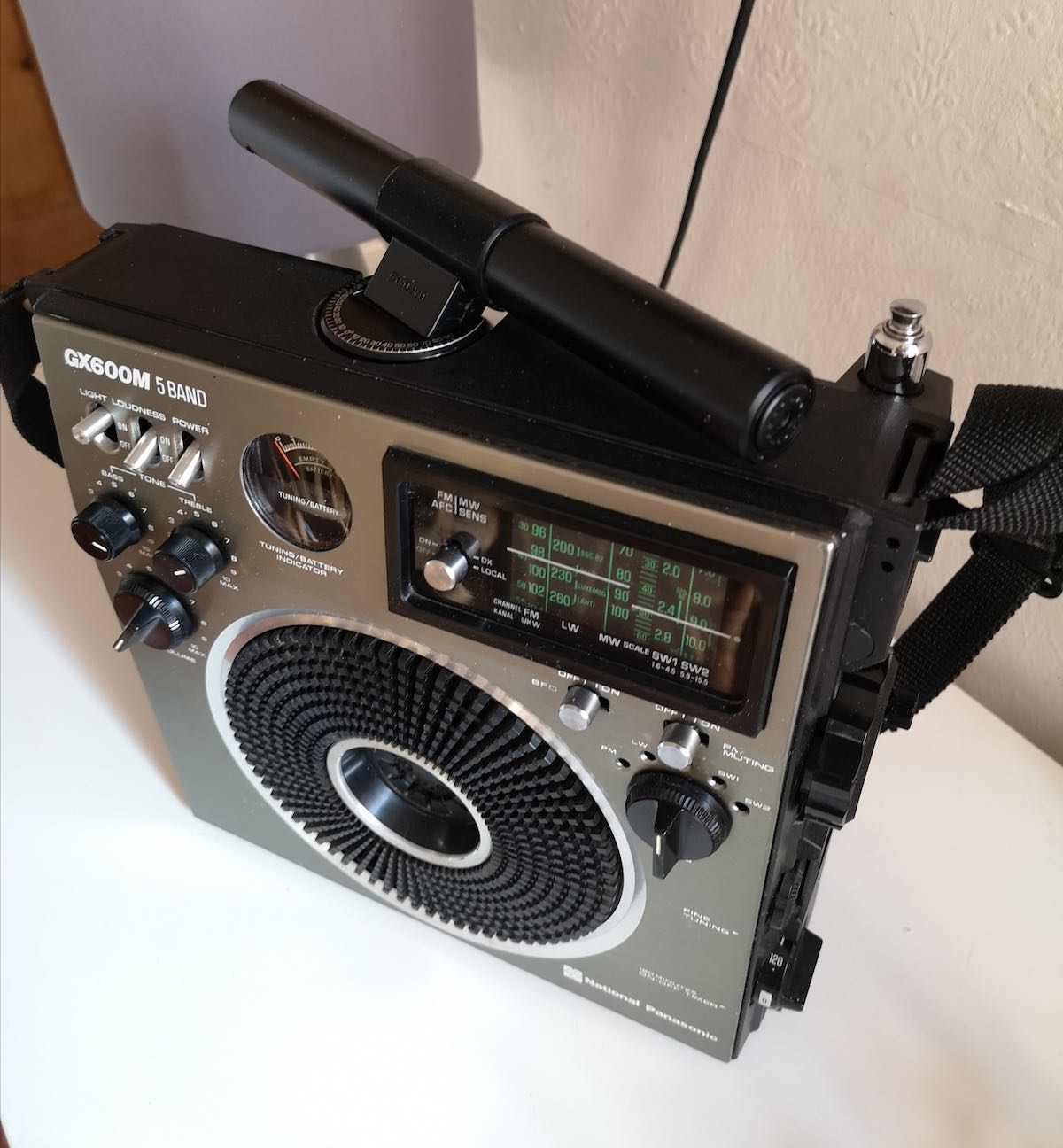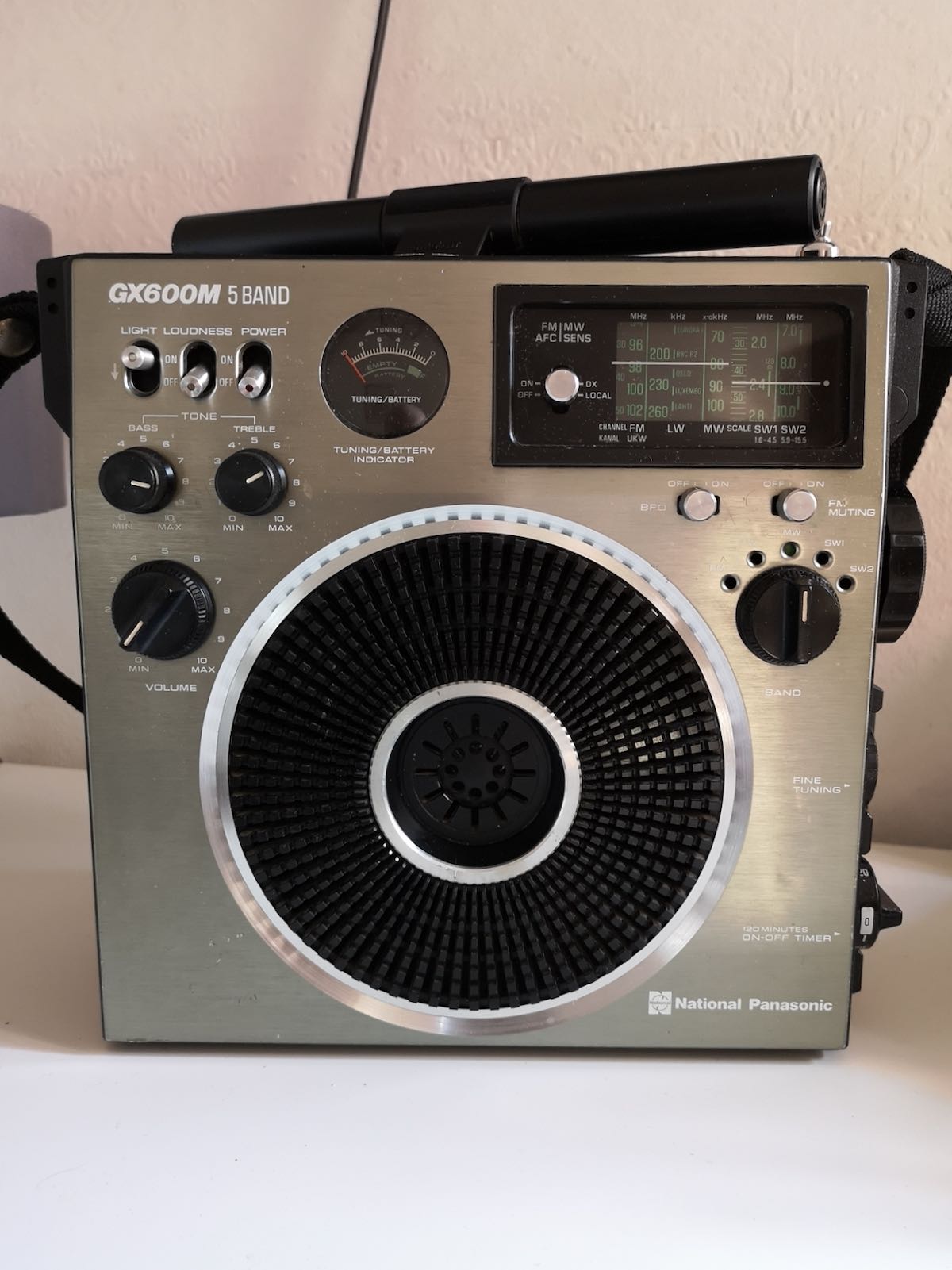

Figure contributed by Copilot
By Bob Colegrove
I have a friend who has collected antique cars for many years. So far, his collection is no immediate challenge to that of Jay Leno. However, it is his collection, and he is very proud of it. The cars festoon the inside of a large barn on his rural property. You will rarely see one of his vehicles out on the interstate. He has gone beyond the primary function of using these cars to get from Point A to Point B. Instead, he has chosen to focus on the means of transport – the cars themselves – the hardware.
By way of that analogy my point is that whatever your interest, the primary objective of the endeavor may become incidental, and the focus transforms to hardware. Take radio for example. I have spoken a couple of times about the many facets of radio. The primary interest is simply listening to program content, with perhaps a concentration in DXing. Others among us have gone beyond this function and attend seriously to the container the sound comes from – the radio – the hardware. This interest might be subdivided into collecting, restoring or modifying radios.
As proof, I have observed that the most interest in this blog is generated by radio reviews. There is a noticeable increase in the pulse rate whenever a new model comes to market. We seem easily infected with curiosity, and comments soon append the original posting. What are the possibilities? Does it have SSB? What are the bandwidths, etc.? Appearance is important; features are important; ergonomics is important. How well does it perform?
What Attracts Us to Hardware
Appearances
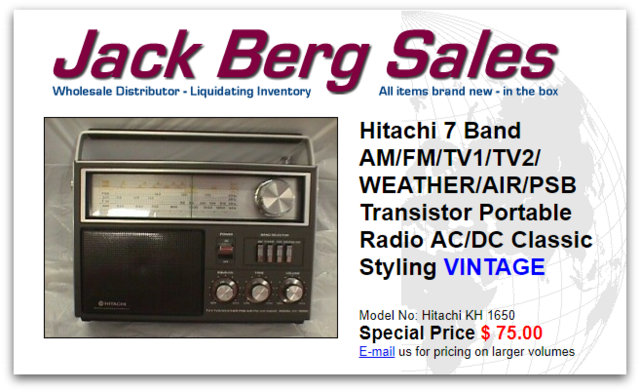
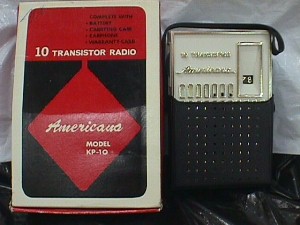
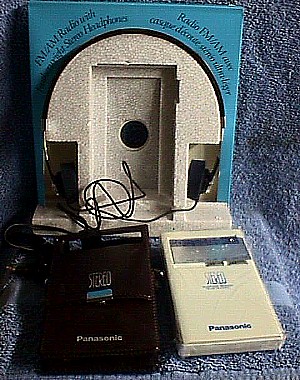
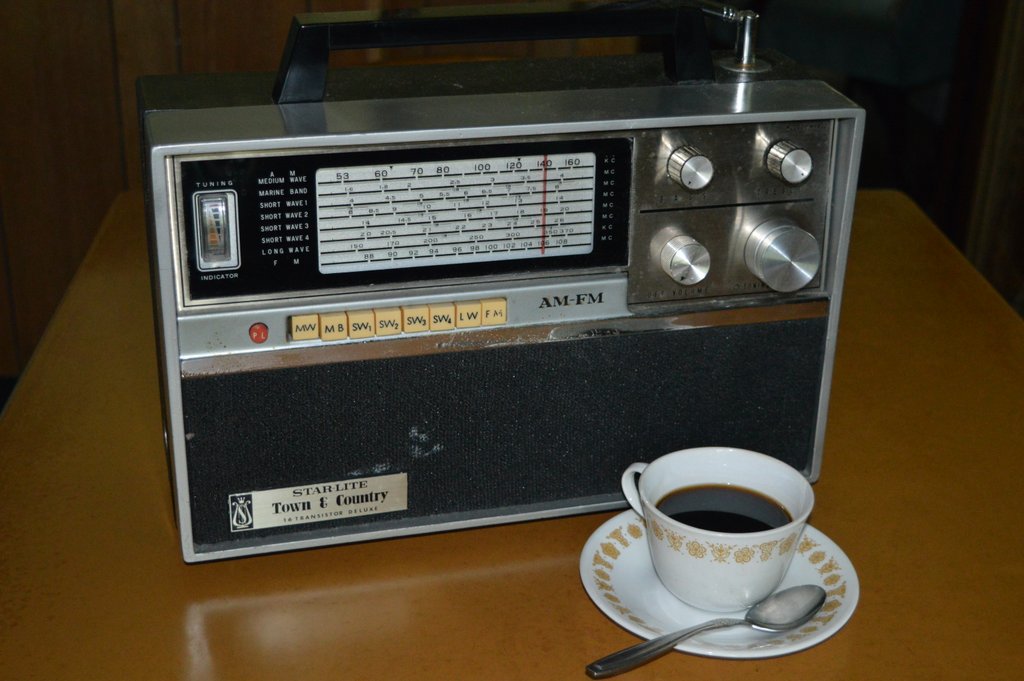
Our reaction is sometimes irrational. Techno-appeal might very well be the first grabber. Certain radios are captivating, irresistible. Examples are the Transoceanic, the old German manufacturers like Grundig, Blaupunkt, Telefunken, and then that RCA dial that shows up here on SWLing Post occasionally. You get the idea. In each of these examples, the beauty of the beast draws us into a closer look. There is a feeling that this radio will carry us off on an exciting adventure.

An attractive setup conjured by Copilot
Appearance gets serious attention from the manufacturers. Raymond Lowey, a noted industrial designer of the last century, was hired by Hallicrafters to bring some of its products out of the pre-WWII functional motif into a more appealing modern appearance. Examples included the SX-42 (1946), S-40A (1947), and S-38/S-38A (1946–47). These models helped shift Hallicrafters from purely technical ham gear to stylish consumer electronics, blending streamlined industrial design with functional engineering.
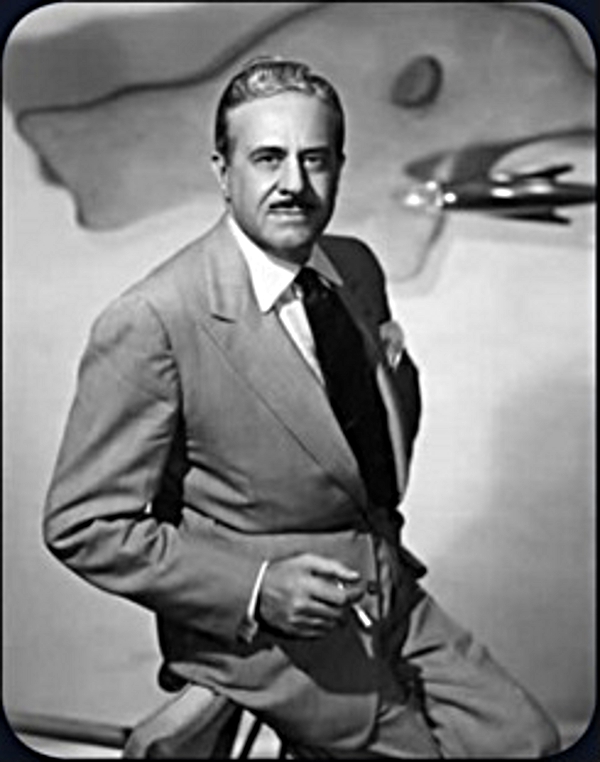
Raymond Lowey
Features
Of course, features are an important checkbox. We all have our lists. Although there is an ordered list of popular items, features come down to personal preferences. You know what you want. Sometimes it is a compromise based on what is available. Sometimes it is a compromise based on economics.
Ergonomics
The relative ease of operation generally occupies a portion of receiver reviews – the ergonomics. In general, entry and recall of memory locations has become a feature of diminishing returns (see https://swling.com/blog/2023/11/if-memory-serves-me-right/).
- Excessive direct entry key presses can be annoying.
- Locating controls along the sides.
- Poor display arrangements.
- Overly complex clock/alarm setup.
I could go on and present some examples, but you get the idea.
Control Curiosity
We have an insatiable curiosity about how things work. Despite the foregoing pitfalls of ergonomics, many of us are fascinated with the operational intricacies of radios – pressing buttons, twirling knobs, throwing switches. I am easily entertained. To amuse myself, I once did a full-page cause-effect flowchart of button presses for the Tecsun PL-660. It was interesting and kept me out of mischief for a while.
Performance
Performance is a gray area – sensitivity, selectivity, tone quality, etc. Lacking laboratory test results or side-by-side comparisons, the review of a new radio may fall short. Additionally, accepting the manufacturer’s specifications can be misleading or confusing. Ideally, variables must be isolated and controlled. We should not rush to judgment. Still, the typical consumer can render an honest appraisal if it is properly qualified.
Accessories
The radio stands as the centerpiece. For today’s all-in-one portables, an external antenna and a pair of earphones may be the only other hardware needed. In earlier times, the radio was likely a fixed unit requiring AC power. Many models were not as capable as even a moderately priced portable today. As a result, accessories such as external speakers, q-multipliers, and crystal calibrators complemented the capabilities of the radio. Knowledgeable operators who knew how to fix things might have servicing gear like signal generators, vacuum-tube voltmeters, and oscilloscopes positioned on nearby shelves. All this hardware was a source of pride and gave one the assurance that the listening experience was the best possible.
Thinking inside the Box
Beware of SWLs with soldering irons. There is a quantum leap in going from a listener to a certified tinker. It’s not for everybody. It’s the result of long mystic contemplation and self-surrender to obtain unity with the radio – Zen and the art of radio maintenance. Ultimately, you gather the tools. You open the case. You’re on the way to either Valhalla or complete annihilation. As you open the cover, you are transported down a long, dark cavern and suddenly arrive at an alien Tron-like world of strangely shaped parts.

An inside view by Copilot
Some folks are prepared for the adventure. They have read a book, taken a course, or earned their ham ticket. Others, like me, have thrown caution to the wind with no assurance of success, just a curiosity impervious to reason and a glimmer of hope that we can touch something and make it better. For us, it’s an embarkation on a long encounter with trial and error. Only by persistence and occasional reference to the previously neglected training materials will we finally earn our stripes.
Before I took up the soldering iron, I tackled alignment. I have heard beginners mistakenly thinking that every one of those slotted screws needed to be completely torqued down. Somehow, I had been cautioned that each one had a sweet spot at which the receiver displayed optimum performance. Each one of these adjustments operated in series with all the others, and near total synchronization was necessary to produce even a whisper of signal. It is a sort of electronic Rubik’s Cube; there are many combinations but only one solution.
To be sure, I made my share of mistakes. Initially I did all this by ear without the benefit of an RF generator, voltmeter, or even an insulated tool. I do remember one occasion getting an intermediate frequency adjusted up into the broadcast band. What a squeal that made. Over a period of a few years, I made progress and gradually came to tackle the dual-conversion Hammarlund SP-600 with great aplomb.
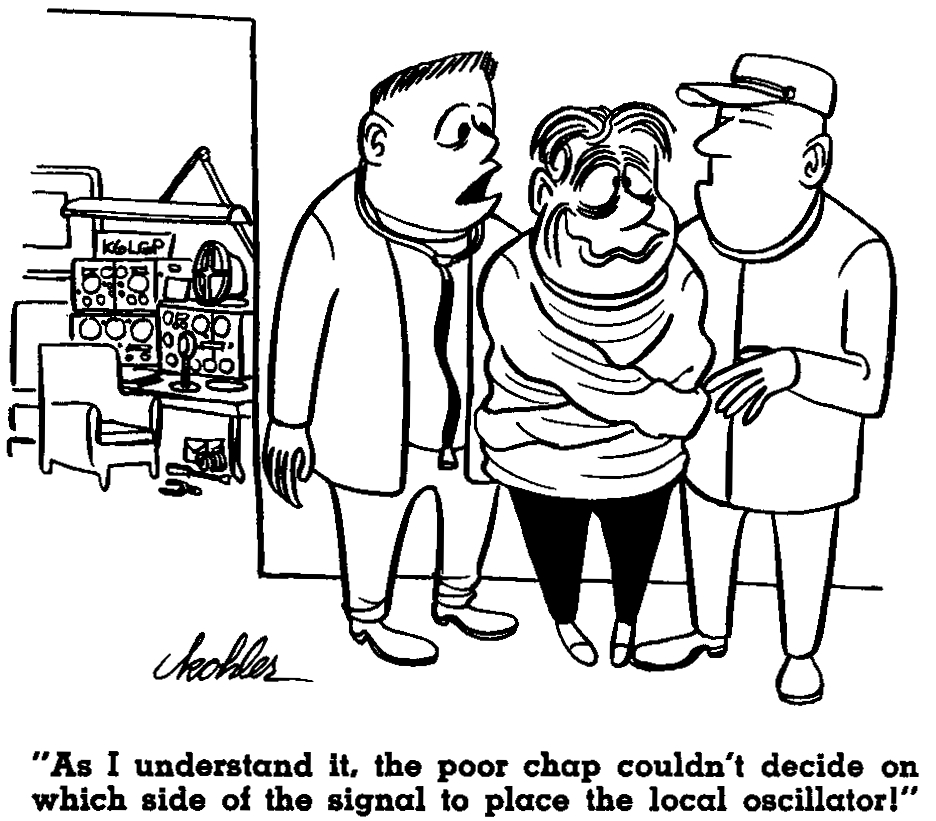
Source: Better Shortwave Reception, William I. Orr, W6SAI,
Radio Publications, Inc., Wilton, CT, 1957.
The purported goal in all of this is to squeeze every microvolt of signal out of the ether and hear more stations. In truth, that is only a cover so we can play with the hardware.
Today’s radios don’t have nearly as many adjustments. Through digital processing and phase-locked loops, most of the resonant circuits of old radios have been eliminated. It might be an improvement in performance and reliability, but it’s not the same.
Even the tinker’s quintessential soldering iron has mostly gone cold. The large-scale integration and surface-mounted, robotically-installed components have rendered radio repair and modification intimidating if not impossible. Only a few isolated Merlins of wizardry can deal with this.
For that reason, tinkers have largely retreated to experimentation with antennas. It does not require post-doctoral work in electronic engineering to produce tangible results. While there is a valid wealth of professional theory and practice which has gone into antenna design, the rest of us can still amuse ourselves by hanging wire, winding coils, and empirically evaluating the results.
Collecting
It only takes one radio to get things started. Where it goes from there depends on your interest. About 10 years ago I bought a Hallicrafters S-38E in virtually unused condition. The Hallicrafters lettering was printed on each of the original tubes. There wasn’t a mark on it. Obviously, someone bought this radio new, circa 1959, decided they weren’t interested in shortwave radio, and stored it in an environmentally ideal closet for more than half a century. (No, I have not felt the slightest need to recap it.)
I also bought my first S-38E in 1959. Unlike the first owner of my current S-38E, I have had a persistent affair with radios over the years. It started with just one radio, but I didn’t start collecting them for many years. Instead, I traded up, first an S-40B, then an SX-43, and ultimately the Hammarlund SP-600. It was at that point I was well into tinkering and wound up with three -600s plus one hulk for parts. The Sony ICF-2010 came along in the ‘80s, and I have just kept collecting from time to time with no thought to downsizing.
Let’s look at the economics of the thing. The S-38E cost $55 in 1959. Adjusted for inflation, this would be roughly $600 today. How many folks would be induced to spend that kind of money today to try out shortwave radio? If you bought a $600 radio today, it would be far superior in quality and features to the humble S-38E. Even an entry-level $55 radio today is better. We just can’t make comparisons other than to say radio has become a cheap hobby, unless, of course, you are a collector.
Hardware Groups
There are at least two healthy user groups in groups.io which deal with radio hardware: https://groups.io/g/HallicraftersRadios/topics and https://groups.io/g/SonyICF20102001Dusergroup/topics. There are others, but I am most familiar with these.
For these folks, listening and reporting station reception is incidental to the acquisition, care, and feeding of the radio – the hardware. What are you hearing on the radio? More specifically, are you hearing anything you hadn’t heard before? These questions often go unasked in these groups.
It amazes me that both groups remain very active long after the hardware production ended. Hallicrafters ceased operation in 1980. The Sony ICF-2010 and 2001D radios were manufactured from 1984/1985 to 2002/2003, depending on your reference. Yet each interest group has a core membership steeped in the history and technology of these radios and is quick to address the inquiries of others.
The Hallicrafters Group
The Hallicrafters Group focuses on both receivers and transmitters from the 1930s through the 1960s – the vacuum tube or “hollow state” era. For most purposes, a soldering tool is essential, schematics are necessary documentation, and diagnostics is a required skill.
It was a hands-on era; repair was down to the component level. Today, parts are becoming an issue. While tubes, capacitors, and resistors are still reasonably common, unique items such as transformers, variable capacitors, and various mechanical items (knobs and dials in particular) are more of a problem. This has resulted in cannibalization or “parting out” units in more extreme states of deterioration for their valued parts. This isn’t always a helpful solution, as a defective part may be a common occurrence among other units. A few enterprising vendors have taken up the challenge and come up with innovative solutions, including the use of 3-D printing to replicate parts such as knobs. Bottom line: Restoration of antique hardware appears to be a primary focus of this group.
The Sony ICF-2010/2001D Group
The Sony ICF-2010/2001D Group represents another generation of radios, which were produced in the closing decades of the 20th century. Even more amazing, their interest focuses essentially on a single model receiver. There were at least 6 different versions tailored to local regulations. The -2010 was the North American version.
The complexity of these radios was orders of magnitude greater than those of the vacuum tube era. Being solid-state, they were relatively compact and reasonably portable. They achieved the pinnacle of excellence in portable shortwave reception. Among aficionados, they are still regarded as such today.
Memory capacity of a digital radio can quickly become a point of diminishing returns. While not the first portable to have digital memory, these radios sported an 8 x 4 matrix of memory buttons. Recall is instantaneous, not only frequency but other tuning parameters.
Today’s group remains quite active. Due to the complexity of these radios, troubleshooting and repair are much less common compared with the Hallicrafters Group. However, from time to time capable repair sources have shown up to provide this service as well as several useful modifications. The ICF-2010 and -2001D occupy a unique spot in the hardware collection arena, commanding high prices on the used market. They are regarded as truly classic radios worthy of preservation. They also remain high-performance shortwave receivers today.
Conclusion
Cars and radios are similar. They do not necessarily have to be driven or tuned to be enjoyed. The proof is in the barns and shacks of true hardware lovers. On the other hand, you may have just one radio, but it’s still a special piece of hardware and a captive testimony of your love of technology.
Good DXing.