Author Archives: Thomas

Tecsun PL-880 fine tuning bug solved by Anon-Co

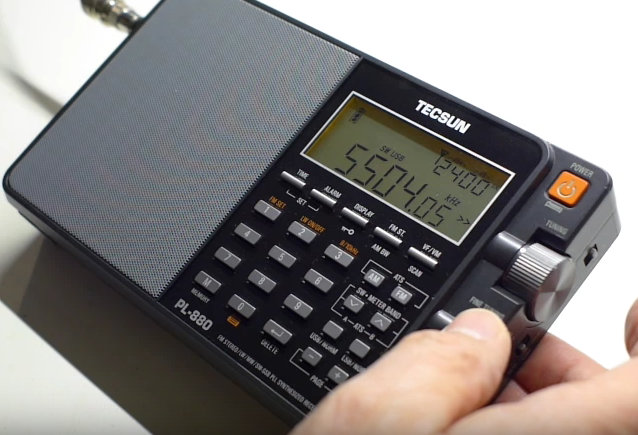
PL-880-Tuning-BugMany thanks to SWLing Post contributor, Georges (F6DFZ), who writes:

As you may know, a few [of us PL-880 owners] have documented the extremely annoying bug that affect the Tecsun PL-880 during Fine Tuning of SSB signals.

To sum it up, recently manufactured Tecsun PL-880 tune backward when using the Fine Tuning knob in SSB mode. This result in a very bad tuning feeling, especially for SWL and Ham radio operators, 1 kHz frequency jumps each kHz and a displayed frequency that can be off as much as 2 kHz.

Anna from Anon-Co has been very cooperative, serious, kind, in short: an outstanding person. She never denied the problem, and found a solution to correct it by loading a 8820 firmware just anterior to the buggy one.

Now, all PL-880 sold by Anon-Co have the corrected firmware.

I am extremely pleased with my PL-880 and I need to add that the tuning experience with the corrected firmware is night and day. Now, you can tune continuously using the Fine Tuning knob, without hitch and very smoothly ; the lack of shuffling is also very welcome, as is the Variable Rate Tuning (10 Hz or 50 Hz tuning steps).
This makes the PL-880 an outstanding receiver for its price, considering the 10 Hz fine steps, the choice of selectivity, the long life on its battery, etc…

Be sure to choose a distributor that sells PL-880 with the tuning bug corrected.

Click here to purchase a PL-880 via Anon-Co.

Many thanks, Georges, for the follow-up. I’m very happy to hear that PL-880 retailers like Anon-Co are assisting in such a helpful and effective way.

No doubt, other PL-880 retailers will also begin to offer a firmware upgrade to fix the fine tuning bug. As Georges notes, please check before purchasing!

Reders/Retailers: Please comment if you can confirm that others are now shipping PL-880s with the fine tuning control fix.

How to decode maritime broadcasts in RTTY, Sitor B, and NAVTEX

(Photo Credit: NOAA)

(Photo Credit: NOAA)

Many thanks to SWLing Post contributor, Mario Filippi (N2HUN) for the following guest post:


Maritime Broadcasts in RTTY, Sitor B, and NAVTEX.

By Mario Filippi, N2HUN

(All photos below are courtesy of the author. Click each image to enlarge.)

Non-voice high seas weather broadcasts and safety messages to mariners can be found by spinning your VFO dial to 8.472 MHz USB courtesy of WLO from Mobile, AL, which provides these transmissions continuously. Here on the East Coast it is received with regularity due to it’s strong signal.

Those of you who are neophytes to RTTY or just want to dabble then this is the place to be to try your hand at an old and venerable digital mode. The RTTY (RadioTeleTYpe) parameters used by WLO transmissions are 45.45 bauds, 170Hz shift. These are most commonly used by amateur radio ops too. If you’ve roamed the bands for RTTY signals you’ll find that most are encrypted with a few exceptions, one of which is WLO which is transmitting continuously.
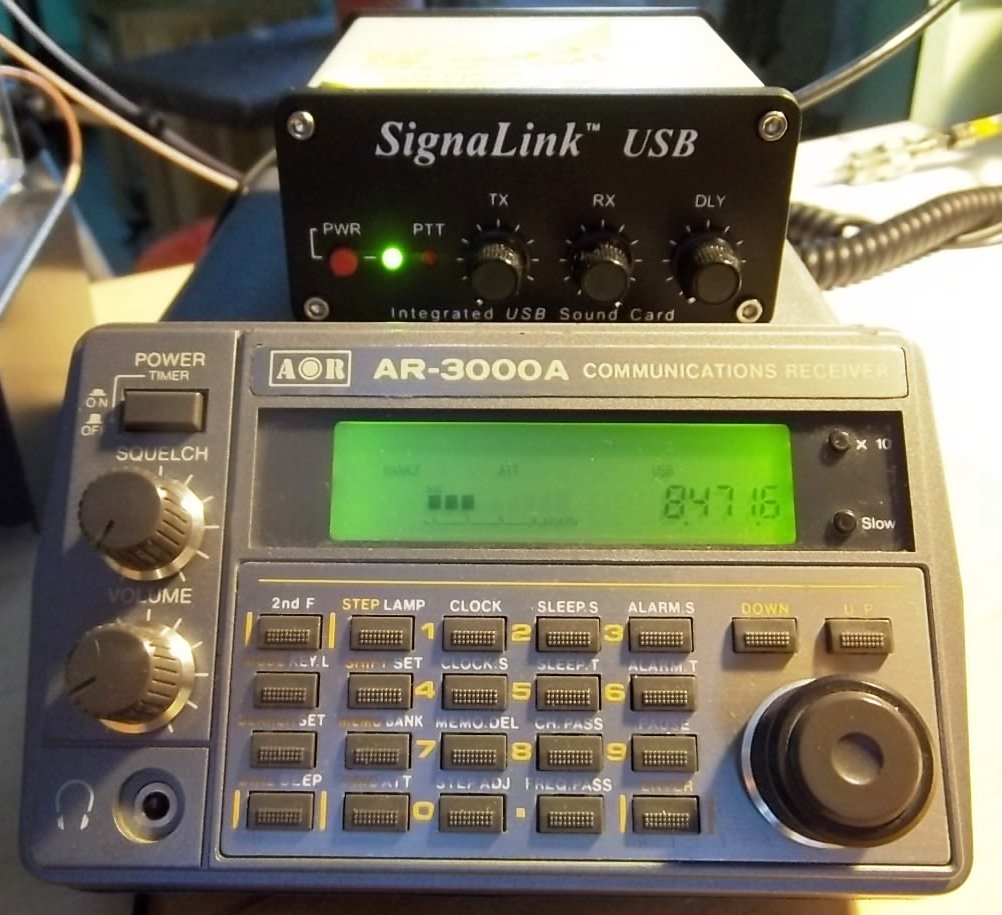
Tabletop SW radio set to WLO; SignaLink USB links radio to computer for decoding.

Tabletop SW radio set to WLO; SignaLink USB links radio to computer for decoding.

On 8.472 MHz you’ll receive weather information from different latitude/longitudes, along with other pertinent information to mariners such as high seas pirates (not radio pirates!) and naval maneuver areas that are important for ships to avoid. It makes for interesting copy.

To decode RTTY signals you’ll need a shortwave receiver with a BFO (Beat Frequency Oscillator), a way to pipe your radio’s audio into your computer’s sound card, and decoding software. There are several RTTY software packages out there, free, and my favorite is MMTTY. More info on MMTTY is at: http://hamsoft.ca/pages/mmtty.php . Old timers will find this software a snap to use, but newcomers will have to fiddle with the controls to get the decoding going. Below is a snapshot of MMTTY decoding a typical weather broadcast.
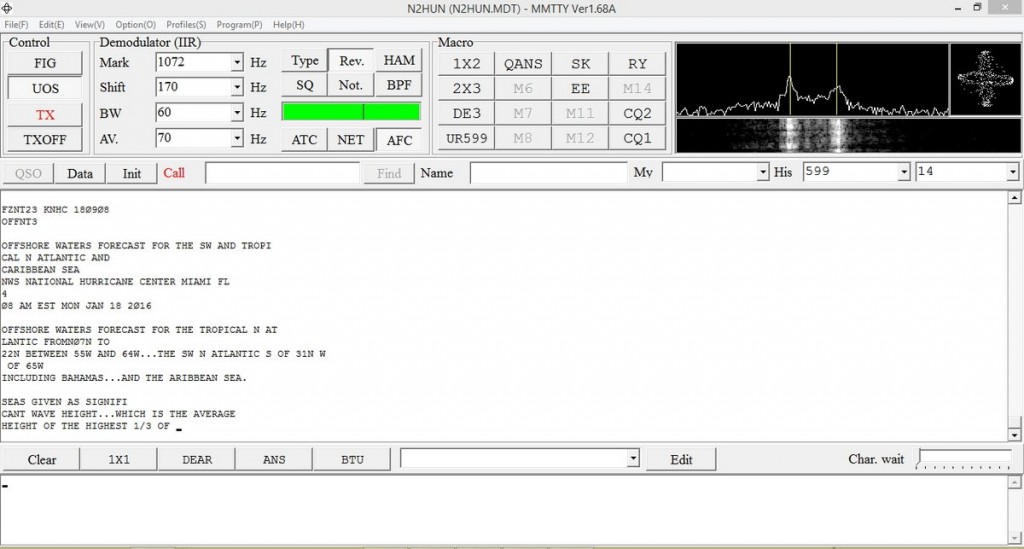
MMTTY dashboard with WX info. Cross-like indicator on upper right aids in tuning signal.

MMTTY dashboard with WX info. Cross-like indicator on upper right aids in tuning signal.

Another software available for decoding RTTY is Fldigi. Again, you’ll have to input the correct RTTY parameters such as baud rate and shift into the program along with adjusting your VFO carefully. It takes practice, but when the decoding is successful you’ll see Fldigi doing it’s thing as shown below. Both MMTTY and Fldigi have waterfalls displaying a visual image of the received signal. With practice you’ll be able to distinguish the different common RTTY shifts just by looking at the waterfall.
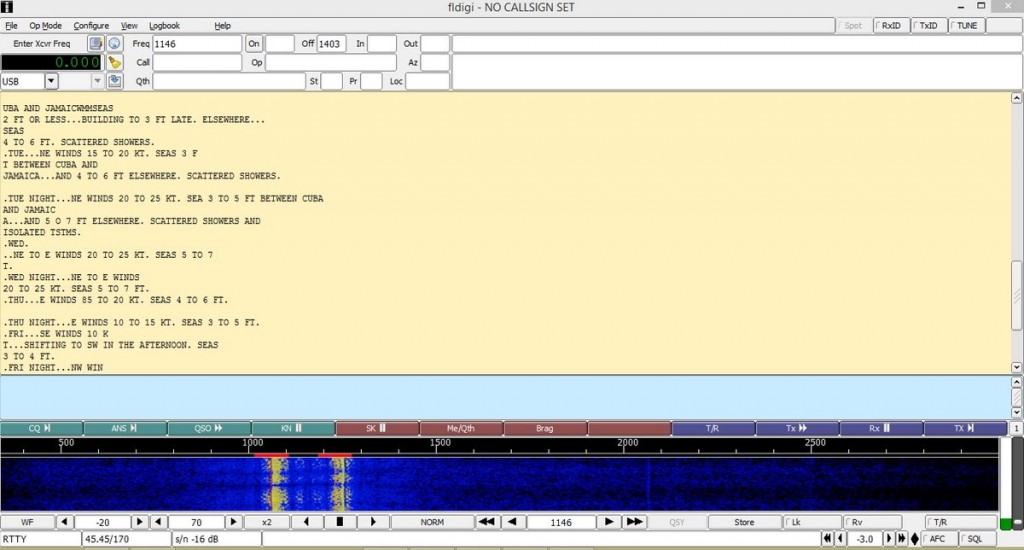
Fldigi in action with split screen; RTTY text above, waterfall below.

Fldigi in action with split screen; RTTY text above, waterfall below.

Now to Sitor B (Simplex Teletype Over Radio Mode B), another non-voice mode we can use to decode WLO transmissions. Sitor B sounds a lot like RTTY to the human ear, but requires different decoding software. WLO transmits weather information via Sitor B immediately after RTTY transmissions, switching back and forth, which makes for even more fun! Software that decodes Sitor B is available on the ‘Net as free downloads. One is MultiPSK, the other is YaND.

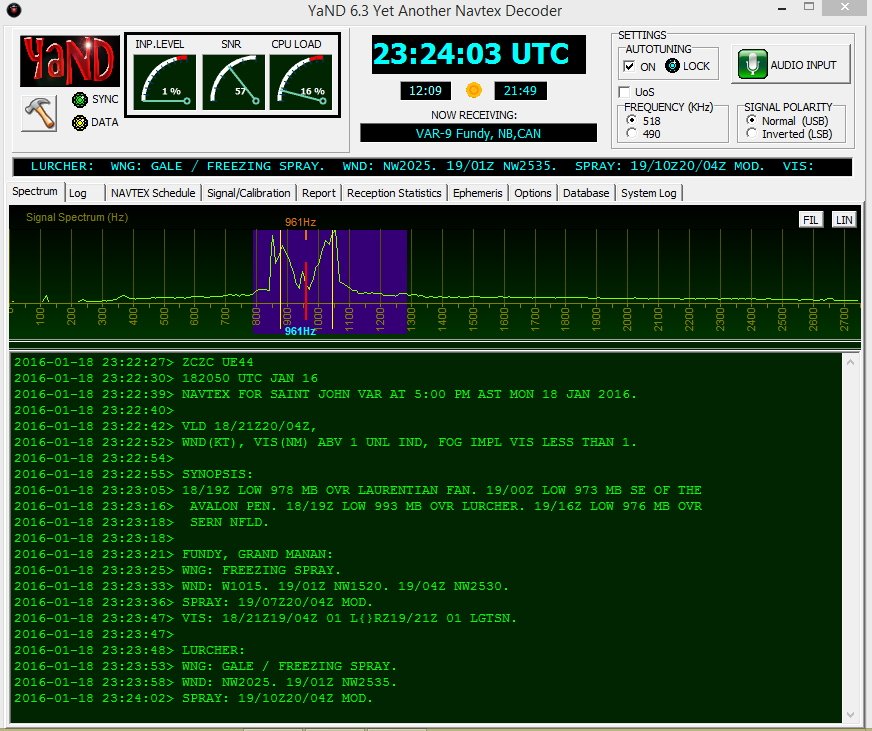
I like YaND (Yet another Navtex Decoder) which is used to decode NAVTEX (Navigational Telex) transmissions commonly found on 490 KHz and 518 KHz, but it works well for decoding Sitor B. There is a difference in the way messages are processed in NAVTEX versus Sitor B and for further information perform a Google search. But the fastest and easiest way to decode Sitor B transmissions from WLO is to fire up YaND. Below is a recent NAVTEX HF broadcast capture.
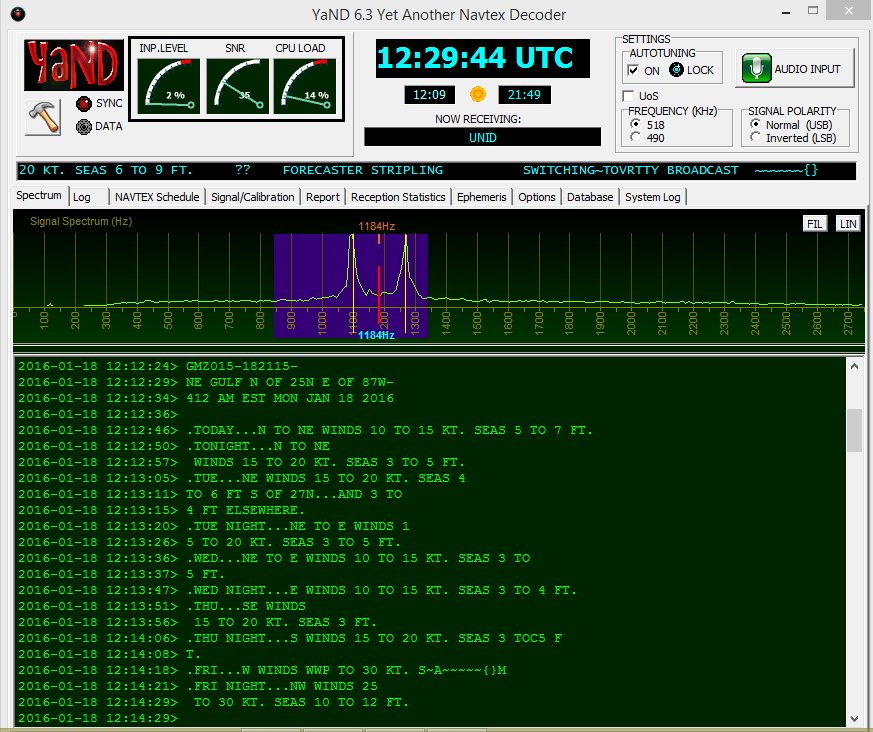
WLO HF WX broadcast for NE Gulf on 1/18/16 .

WLO HF WX broadcast for NE Gulf on 1/18/16 .

Well, hopefully some of you will be inspired to check out maritime weather/safety information found on WLO using RTTY/Sitor B/NAVTEX software. However, RTTY can also be found on the ham bands and on shortwave frequencies. Several RTTY stations from Germany are found on frequencies such as 11.039MHz and 14.467MHz. Their weather information format is quite different and will give you an idea of European weather conditions and allow you to practice your German. When not sending weather info they run a RTTY message loop below at 50bauds/425Hz shift.
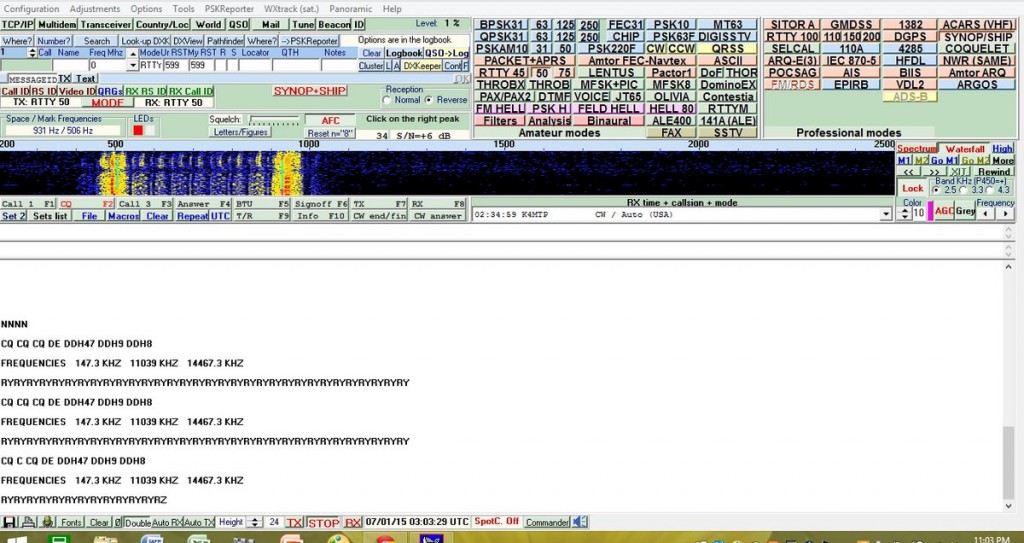
German RTTY station with message loop. Deciphered via MultiPSK.

German RTTY station with message loop. Deciphered via MultiPSK.

In closing, make sure to also check out the NAVTEX broadcasts found just below the AM broadcast band on 490 and 518 KHz; using YaND or MultiPSK you’ll be able to receive these transmissions, but remember you’re not on HF, you are on MW (medium wave), where signal distances are shorter and present a greater reception challenge. YaND software has a NAVTEX broadcast schedule built in as seen below; you have to identify your specific NAVAREA or navigational area, then look at the times and frequencies to determine when to listen in. My QTH is in NAVAREA 4. Lots of interesting information is passed in these NAVTEX transmissions so listen in and have fun!
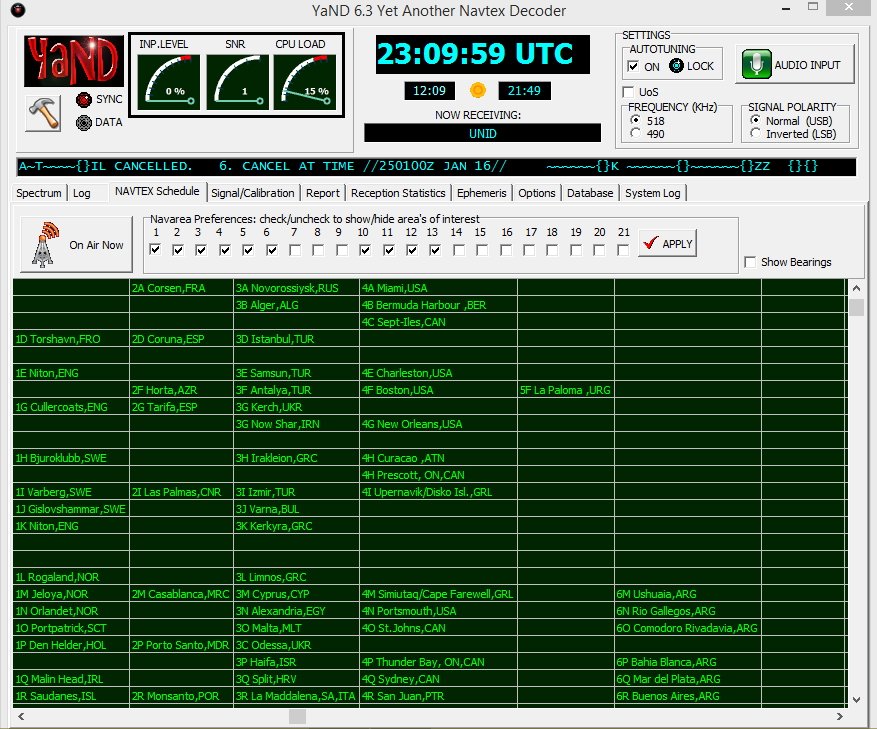
YaND NAVTEX schedule for various NAVAREAS.
YaND NAVTEX schedule for various NAVAREAS.

NAVTEX on 518 KHz from station VAR-9, New Brunswick, CAN. Messages begin with “ZCZC.”

NAVTEX on 518 KHz from station VAR-9, New Brunswick, CAN. Messages begin with “ZCZC.

Mario Filippi (N2HUN), is the author of this post and a regular contributor to the SWLing Post. Click here to read Mario’s guest posts.

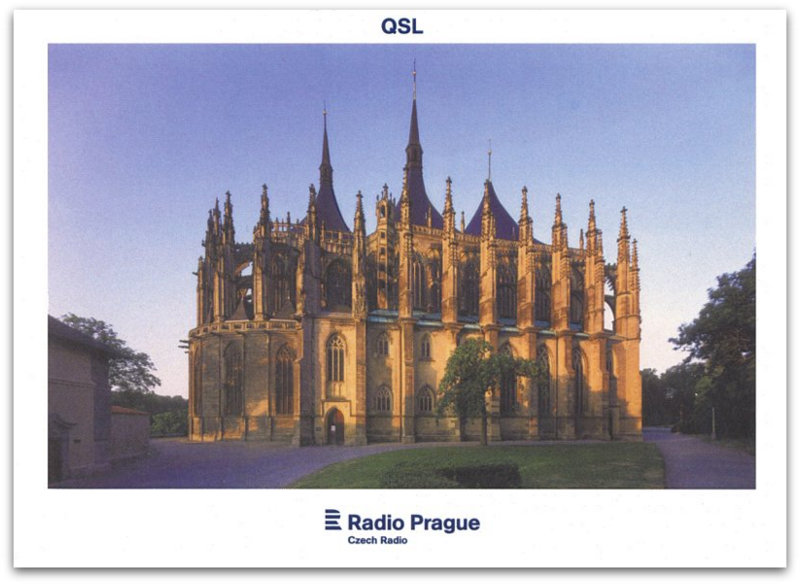
2016 Radio Prague QSL Cards

Radio-Prague-QSLMany thanks to SWLing Post contributor, David Iurescia (LW4DAF), who writes:
Hi Thomas:

I hope you have started a very good year!!!
I’m sending you the link where you can see the new 2016 QSLs from Radio Prague:

http://radio.cz/en/static/qsl/qsl-cards

These are about religious buildings in the Czech Republic.

Yours from Argentina

David Iurescia LW4DAF

Very cool!  Thanks for passing this along, David!

Click here to view at Radio Prague.

Maritime emergency ham radio recording

maritime-exchange

An SWLing Post reader recently sent me the following YouTube video–a recording Hanz (W1JSB) made on the 20 meter ham band several years ago. Here’s his description from YouTube:

Several years ago I was tuning around the 20 meter amateur radio band and heard this lively, engaging, and impressive exchange on the maritime mobile frequency, 14.300 MHz.

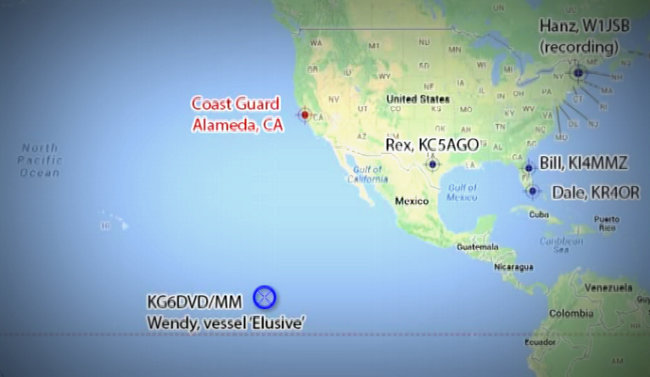
Vessel ‘Elusive’ at sea in the North Pacific was being followed by another ship. The occupants felt threatened that it might be a pirate, so they called for help on the HAM
radio.

Volunteer radio operators around the country worked together to communicate and relay messages with the Coast Guard in California. They also came up with some brilliant ideas to stay safe and get direct help as soon as possible.

The following is a recording from my location in New Hampshire.

– Hanz W1JSB

Many of us who’ve been long-time SWLs and ham radio operators have heard interesting broadcasts and exchanges on the HF bands. Please feel free to comment with your notable listening moments!

Bill recommends the Signal Identification Wiki

31meterband-waterfall

Many thanks to SWLing Post reader, Bill, who shares a link to this Signal Identification Guide:

http://www.sigidwiki.com/wiki/Signal_Identification_Guide

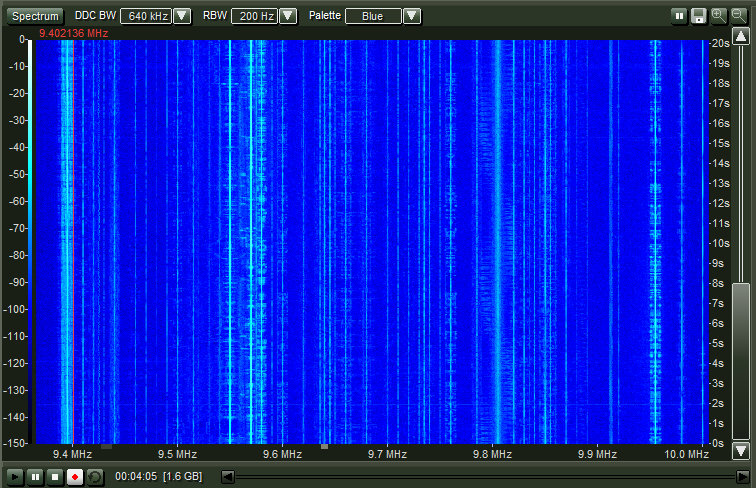
Curious if any readers have been using this guide–seems like a convenient resource to ID those numerous signals on the bands. Entries show what each signal looks like on a spectrum waterfall display and provides audio clips.

Thanks for the tip, Bill!

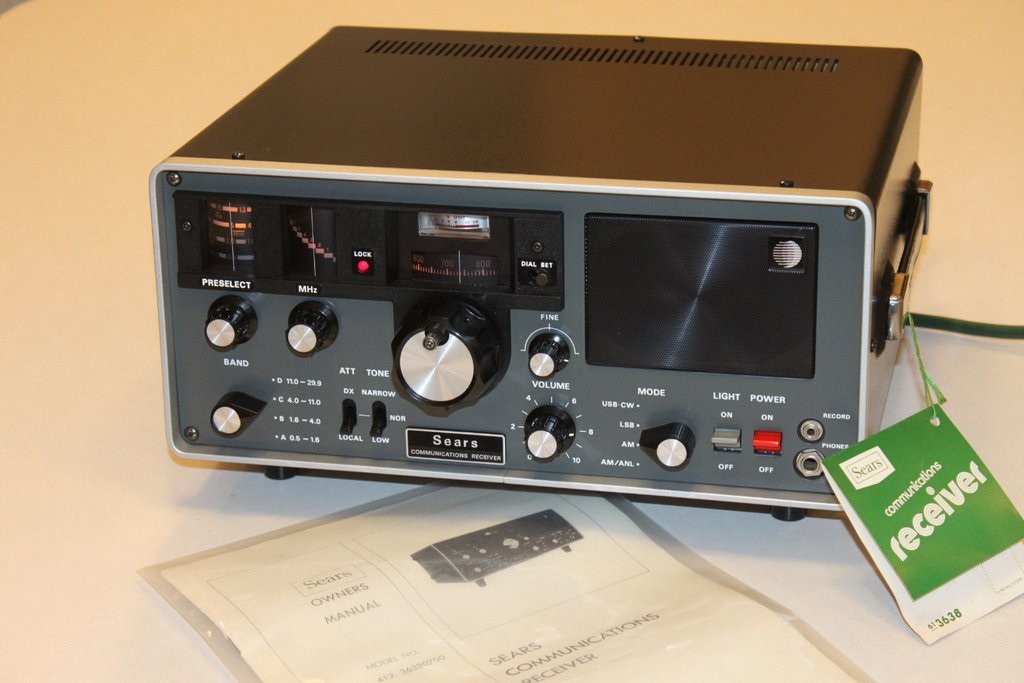
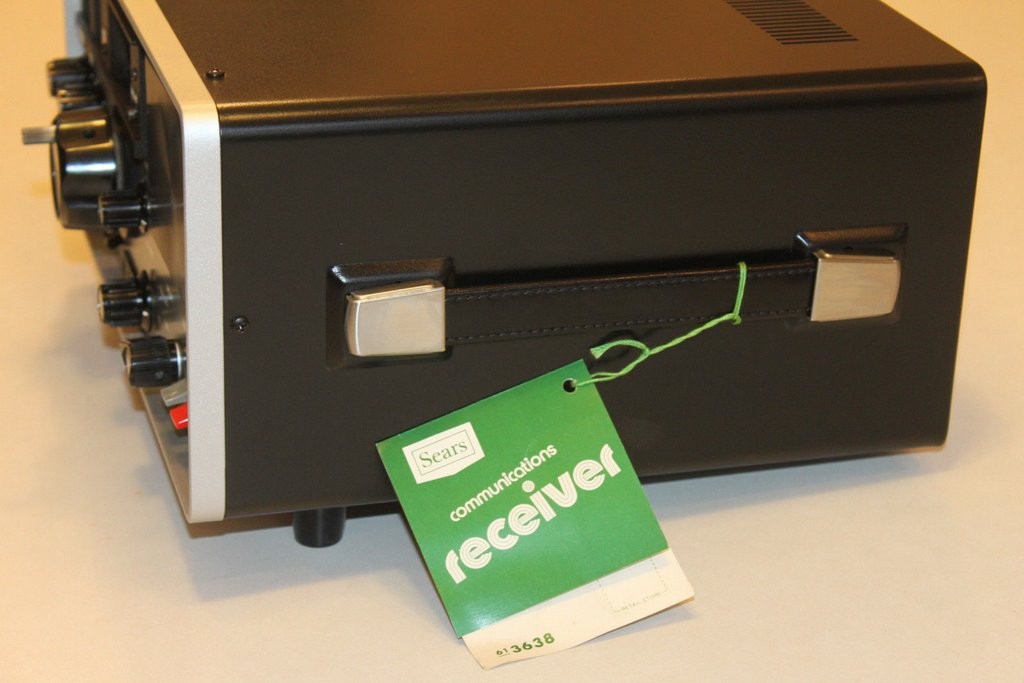
eBay find: Pristine Sears 412.36380700 (Yaesu FRG-7) Shortwave Communications Receiver

Sears-Yaesu-FRG-7

This must be the day for eBay finds! This one will not be a deal (price-wise) unless you’re on the market for a NOS (New Old Stock) classic receiver.

Many thanks to SWLing Post contributor, Mario Filippi (N2HUN), who writes:

On eBay is an auction that is worth watching, just to see what the final bid will be:

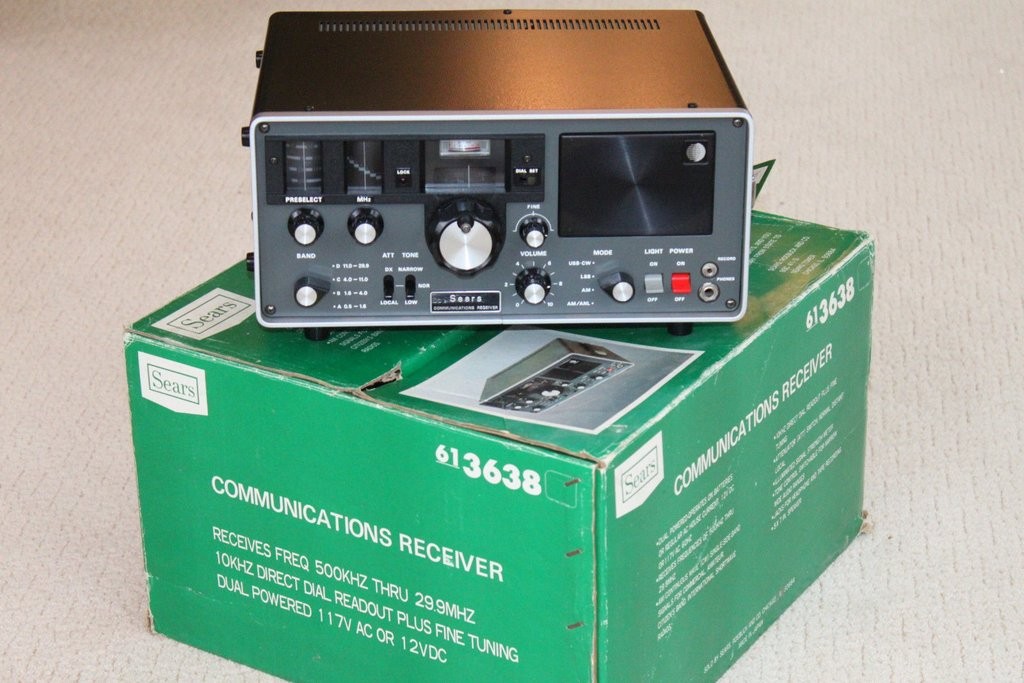
Sears 412.36380700 (613638) Yaesu FRG-7 Shortwave Communications Receiver / NOS

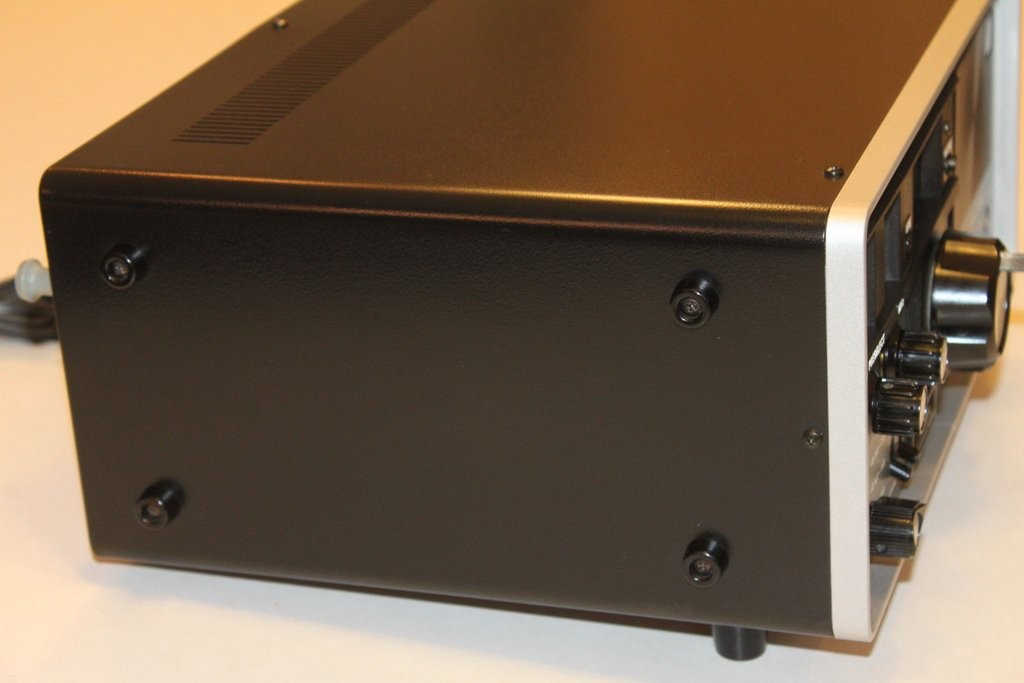
Sears-Yaesu-FRG-7-2

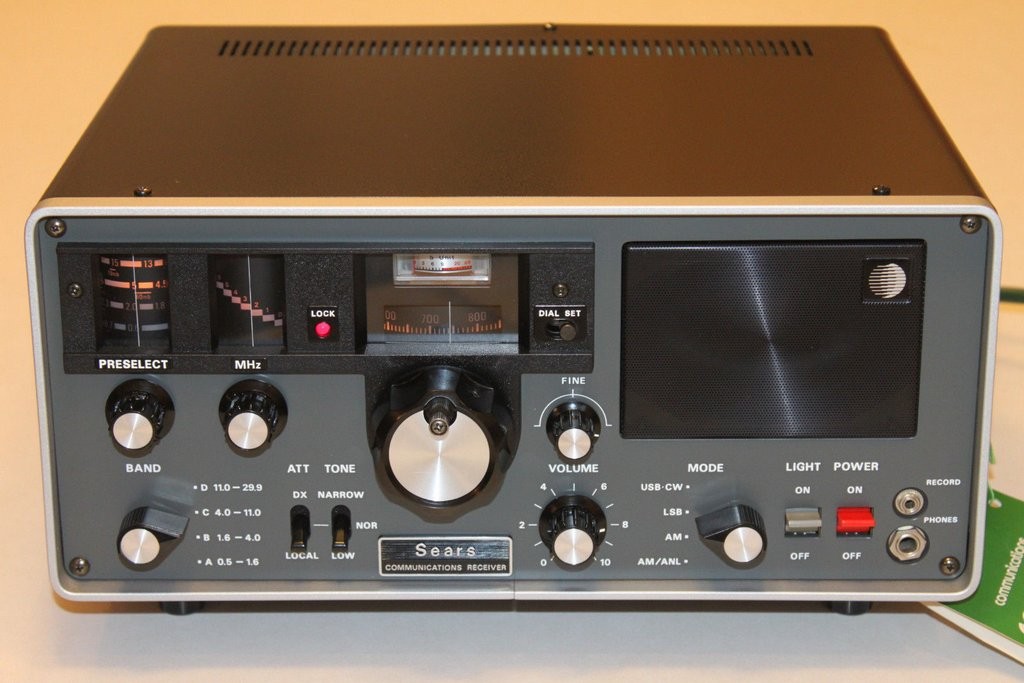
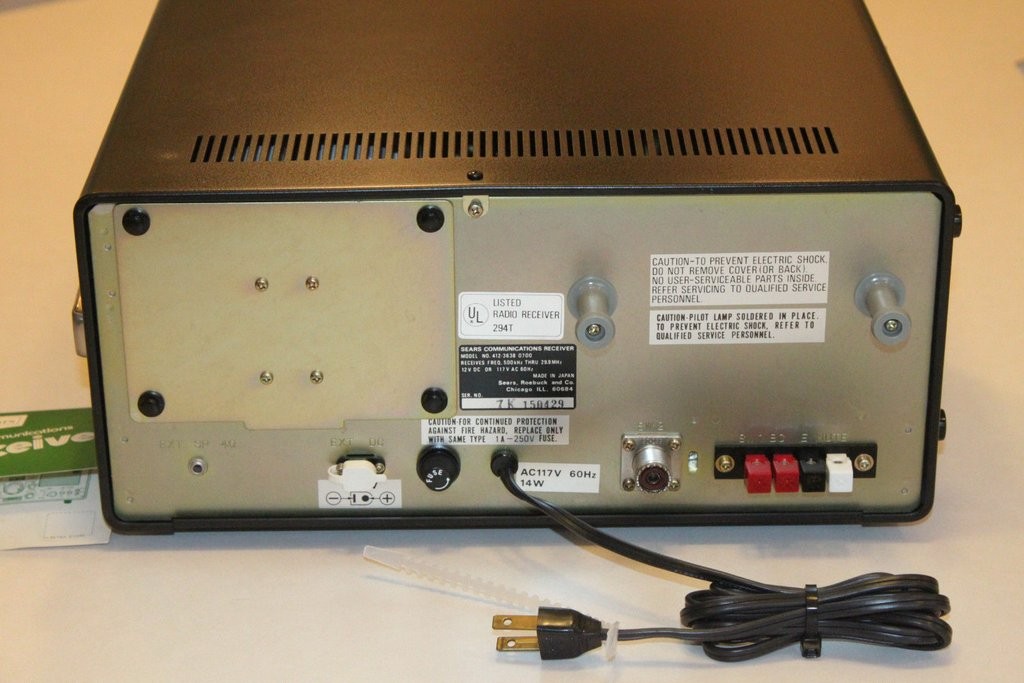
This is a new old stock Sears version of the FRG-7, no different from the Yaesu except it had the Sears name on it.

Used ones have been sold on eBay but this is the first one I’ve seen that was NOS.

Amazing what people have stored away in attics, closets, basements, etc. I had one of the Sears versions years ago. Note that the older versions of the Yaesu FRG-7 did not have the fine tuning knob. This one is apparently one of the later versions.

All round excellent radio, nice big speaker, excellent sensitivity, selectivity, one of the shortwave radio hall-of-famers!

Click here to view on eBay.

Indeed, Mario! Thanks for the tip! As you say, it will be fun to see how high this listing may go befor ethe bidding ends tomorrow afternoon/evening. It’s rare to find a Sears or Yaesu so pristine. 

Here are few more photos I pulled from the listing–click to enlarge:

Sears-Yaesu-FRG-7-4Sears-Yaesu-FRG-7-6Sears-Yaesu-FRG-7-7 Sears-Yaesu-FRG-7-3

Craigslist find: Marconi CSR-5A Receivers

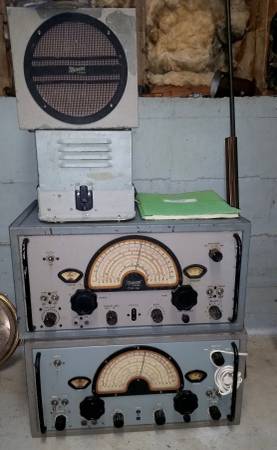
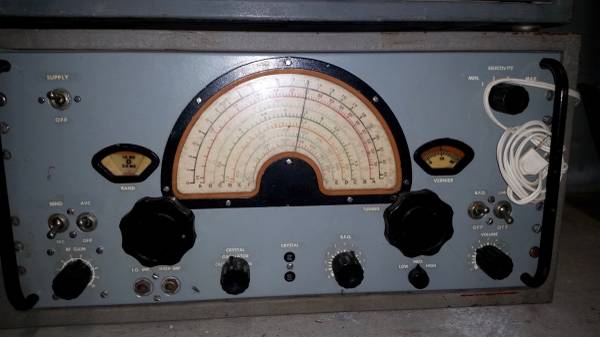
Marconi CSR-5A Receivers

Many thanks to SWLing Post reader, Ken McKenzie, who writes:

Came across this ad on the local Craigslist. I’m not interested
but I know there are tube guys out there who may find this
very interesting.

http://vancouver.craigslist.ca/nvn/ele/5401857934.html

Here’s the seller’s description:

Vintage 1942-44 Marconi CSR-5A – X2

Commercial Communication Receivers – SW & LW

The CSR-5A receiver was described by the Canadian Marconi Company as a high grade instrument especially designed to provide the maximum reliability for fixed and mobile station operation.

It was designed to provide maximum sensitivity and stability under the most severe conditions of operation, such as vibration and high humidity.

The frequency ranges covered are in 2 groups – 79 to 518 kc and 1.5 – 30 mcs.

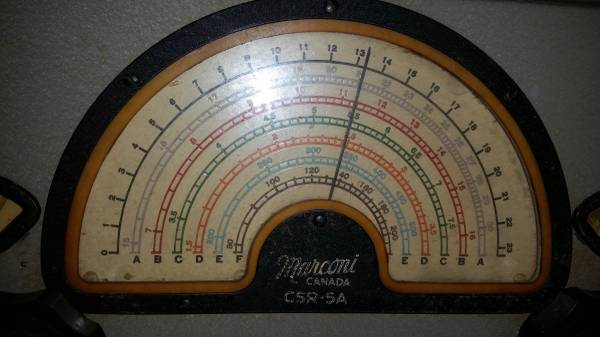
The ranges are covered in 6 colour coded bands, the dial assembly being reminiscent of the Marconi R1155 aircraft receiver.

Both in good working order

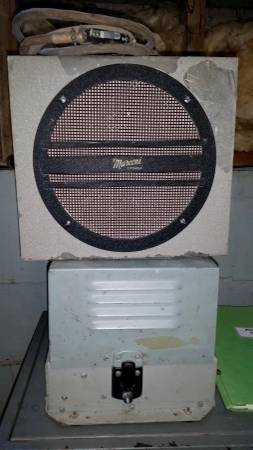
Includes 1 power box and 1 Marconi Speaker

WOW! If I lived anywhere near Vancouver, British Columbia, I would snatch these up in a heartbeat! They’re an absolute bargain at $95 CDN! The speaker alone may be worth that much.

Here are a few more photos from the listing:

Marconi CSR-5A Receivers2 Marconi CSR-5A Receivers3 Marconi CSR-5A Receivers4Just check out that gorgeous dial!

Thanks for the tip, Ken!

I should mention: since this is a Craigslist ad, you should do your due diligence to make sure this isn’t a scam. This listing doesn’t have any of the hallmarks of a scam, but Craigslist has no real seller or buyer protections like, say, eBay.

My tips? Communicate with the seller directly, meet with them in person to make the purchase (don’t try to have anything shipped) and pay in cash.

In addition–especially with a piece of vintage gear like this–ask them about the radio’s history. Every radio has a story.

I hope some lucky SWLing Post reader in the area picks this package up and gives it a good home! If you do, please let us know! (I’ll be a few shades of envious, of course!)