Category Archives: Current Events

Listening across the globe: 2015 BBC Antarctic Midwinter Broadcast!

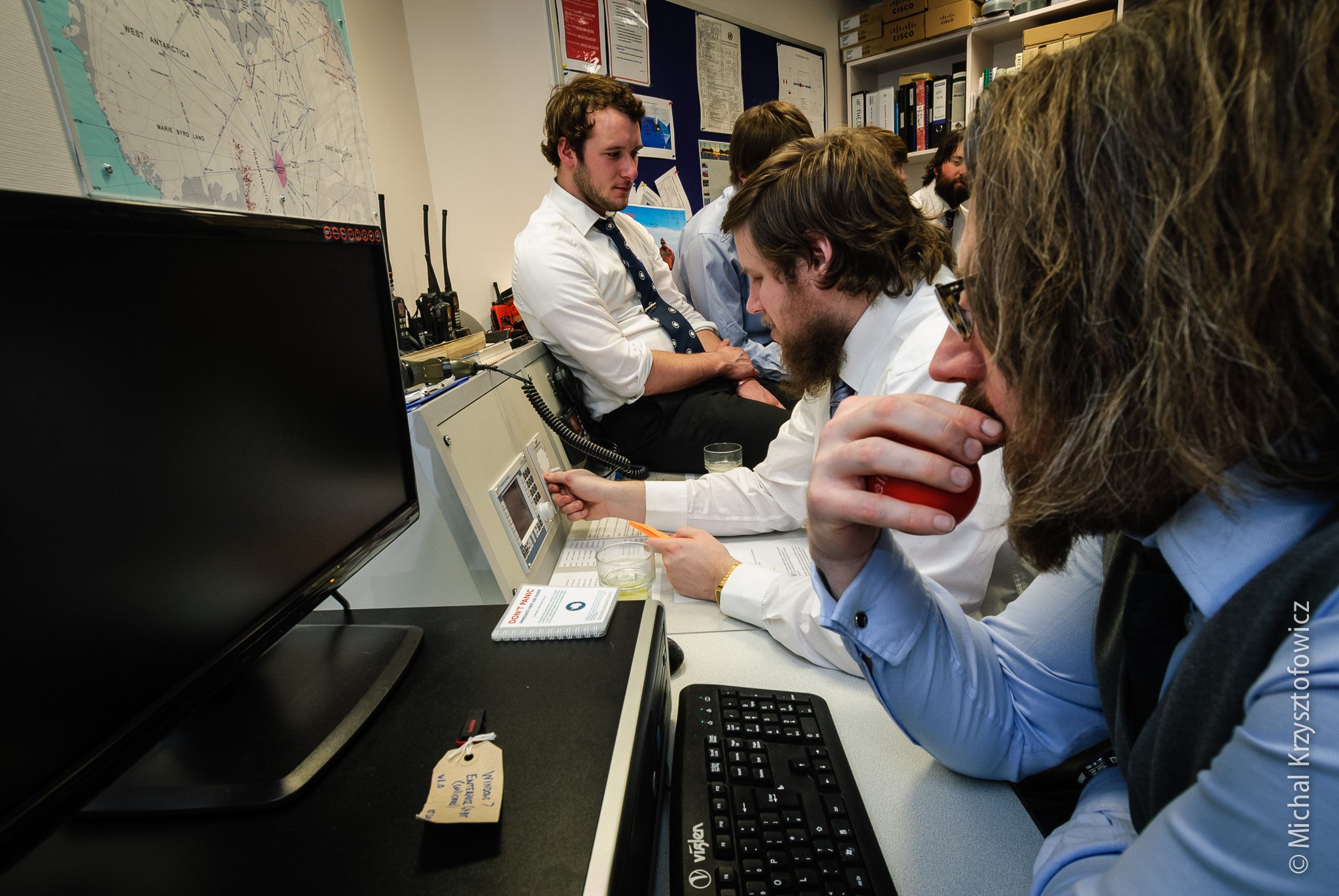
We gathered in the Comms Office to listen to the audition, during which our loved ones sent us their messages. Even though we all can talk to our families and friends on the phone with relative ease today, it was still a very touching moment. (Credit: Michal Krzysztofowicz, Halley VI Research Station)

We gathered in the Comms Office to listen to the audition, during which our loved ones sent us their messages. Even though we all can talk to our families and friends on the phone with relative ease today, it was still a very touching moment. (Credit: Michal Krzysztofowicz, Halley VI Research Station)

On Sunday, 21 June 2015, the BBC World Service officially transmitted the 2015 BBC Antarctic Midwinter Broadcast–an international radio broadcast intended for a small group of scientists, technicians, and support staff who work for the British Antarctic Survey.

This is one of my favorite annual broadcasts, and I endeavor to listen every year. This year, the SWLing Post called upon readers to make a short recording of the broadcast from their locale. We received a total of thirty (!) recordings, from every continent (save Antarctica, that is; I’m sure the BAS team were too busy celebrating)…Wow! Thank you, participants!

Below are the entries, roughly organized by continent and country/region, including reader’s photos if provided. (If I’ve somehow missed including your entry, please contact me; I’ll amend this post.)

So, without further ado….

The Recordings

SX-99-Dial


Africa

Morocco

20150623_204701

SWL (Shortwave Listener): @K7al_L3afta
Location: Chaouia-Ouardigha, Morocco
Notes: The BBC World Service Antarctic Midwinter Broadcast. Woofferton transmitter.
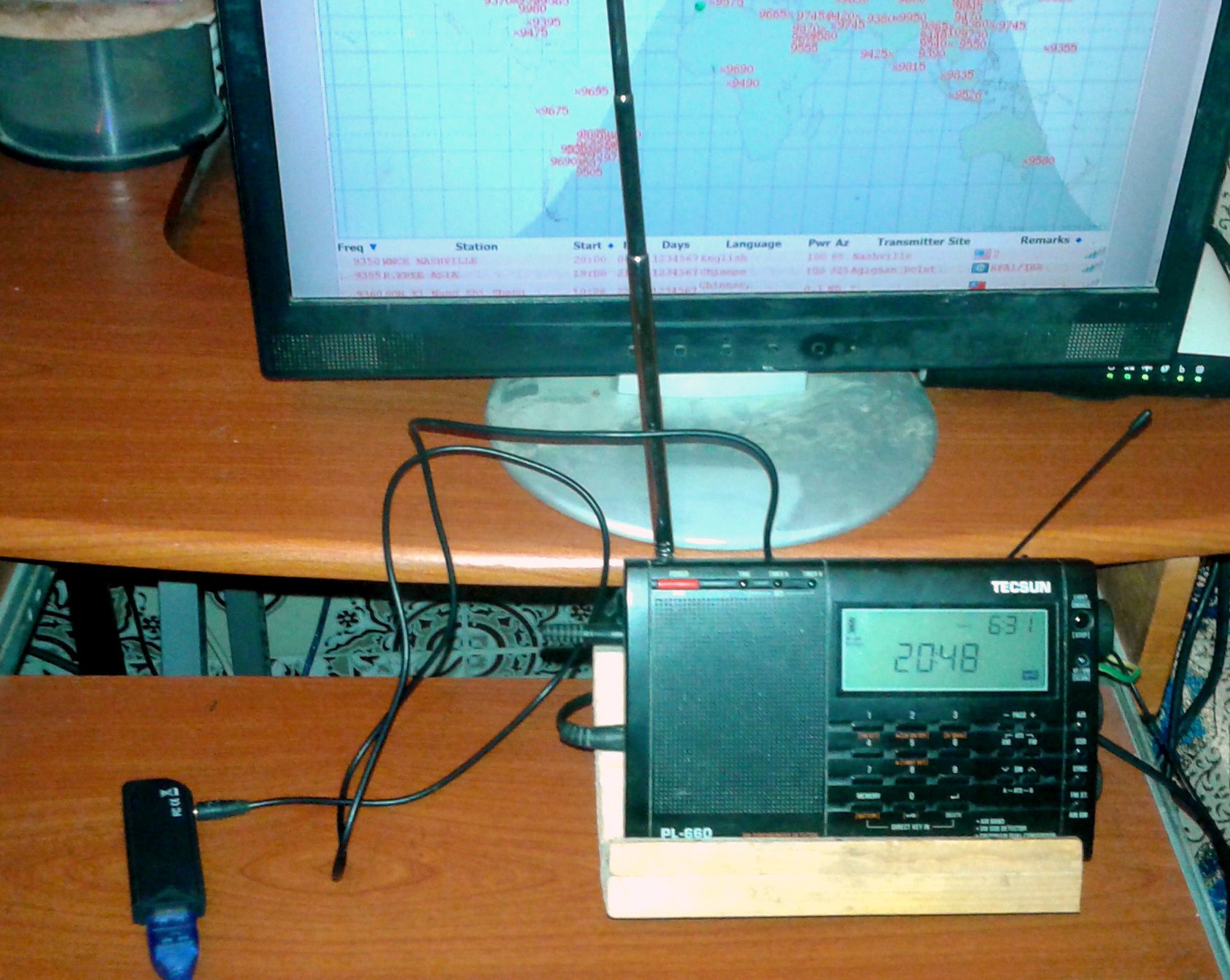
Receiver: Tecsun PL-660 + 15m wire antenna.


Asia

India
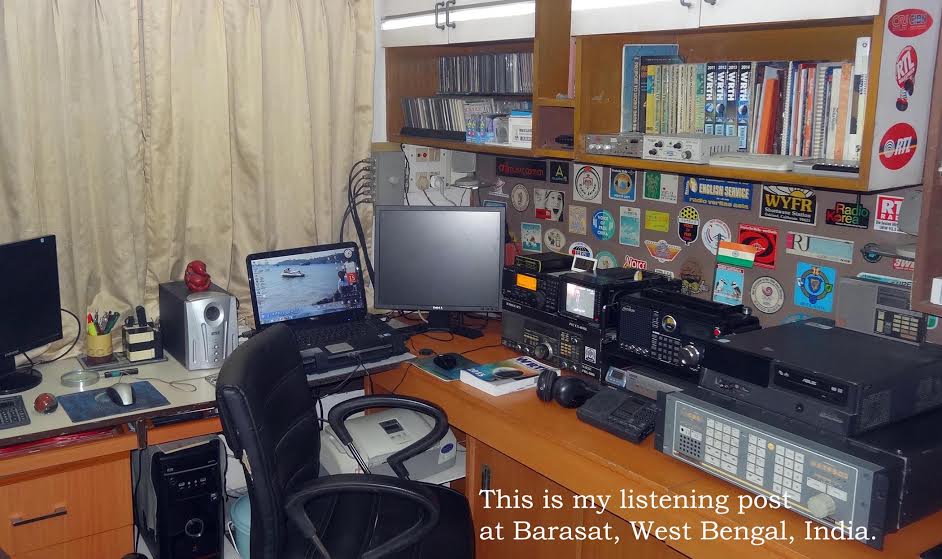
GuptaSWL: Babul Gupta
Location: Barasat, West Bengal, India
Notes: Babul listened to the broadcast with his ICOM IC-R75 receiver, connected to a 176 meter long beverage antenna oriented in a West South direction.


Malaysia
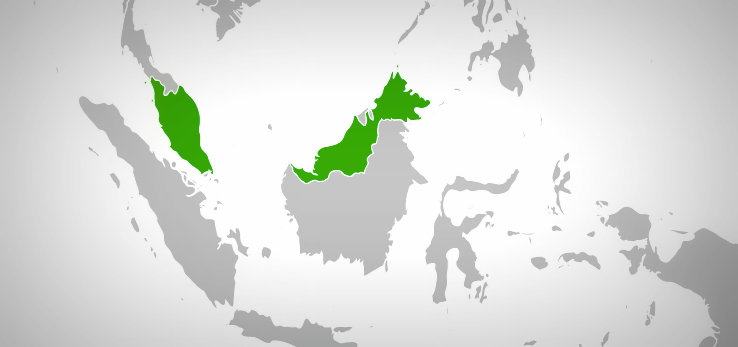
Maylasia
SWL: Timm Breyel
Location: Subang Jaya, Selangor, Malaysia
Notes: Here is a sound file of the broadcast monitored in central Malaysia, using the frequency 5.985 kHz via Ascension Island at 21.30 UTC. By 21.35 UTC, QRM from presumably Myanmar Radio overwhelmed this frequency. Worst of all, reception on 9.590 kHz via Wooffeton was in audible due to strong QRM from PBS Xizang. Transmission on 5.905 via Dhabbaya was the only audible signal after 21.35 UTC, and it was a paltry (SINPO) 15341, best heard in USB.


Australia

Australia
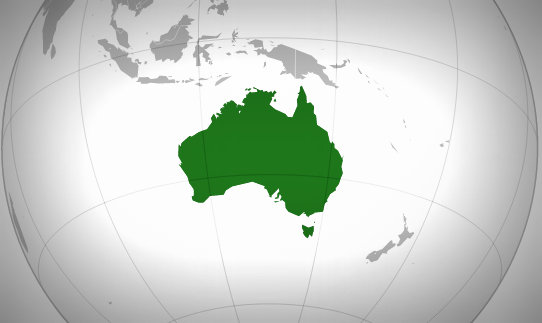
Australia

SWL: Rob Wagner (VK3BVW)
Location: Mount Evelyn, Victoria, Australia
Notes: All three freqs noted here at Mount Evelyn, southeastern Australia: 5905.1 – Off freq and with a slight hum but a good signal, 5985 – Best of the three freqs, strong and clear, 9590 – Good signal but with moderate QRM from PBS Xizang co-channel. Pity! I suspect that freq would not have been as good down south either. Overall, a reasonable success this year.


Australia
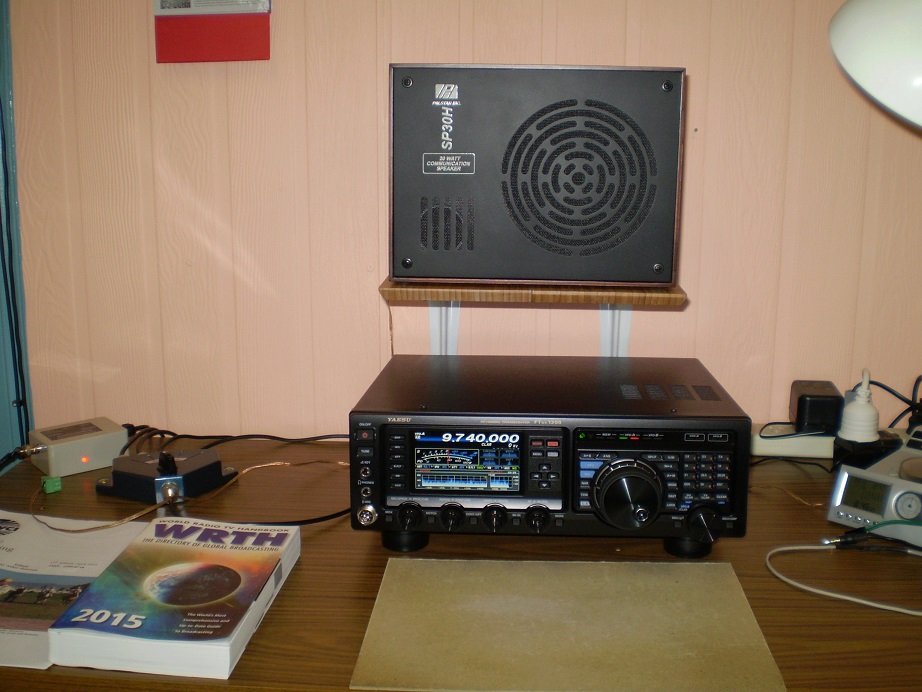
Shack
SWL: Michael Stevenson
Location: Port Macquarie, NSW on the east coast of Australia
Notes: “5905 kHz Dhabbaya was only just fair and rather noisy while 5985 Woofferton was fair and still noisy with 9590 kHz Woofferton was the strongest signal but was marred by CRI China here in Port Macquarie, NSW on the east coast of Australia!”


New Zealand
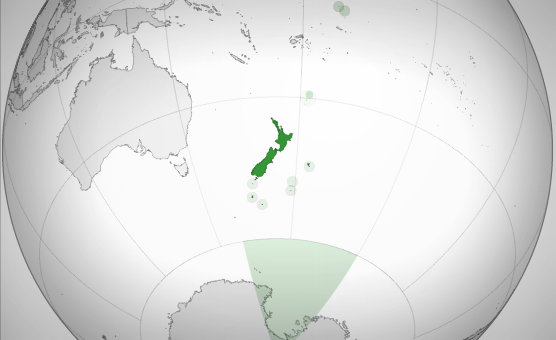
NewZealand

SWL: Chris Mackerell
Location: Motueka, New Zealand
Notes: Receiving setup: Elad FDM-S2 SDR, Wellbrook ALA-1530S+ loop. QTH Marahau, Tasman District, New Zealand 41.00S 173.01E


Europe

Cyprus

SWL: Arjen Huisman
Location: Kissonerga, Cyprus
Notes: Attached my recording of the BBC Antarctic Midwinter broadcast on 5985 kHz. last Sunday June 21st. Something about my listening conditions: I have been listening with a JRC NRD-535DG to which a 13,5 longwire has been connected, hanging outside on the (large) uncovered balcony of my apartment, 3rd (top) floor.

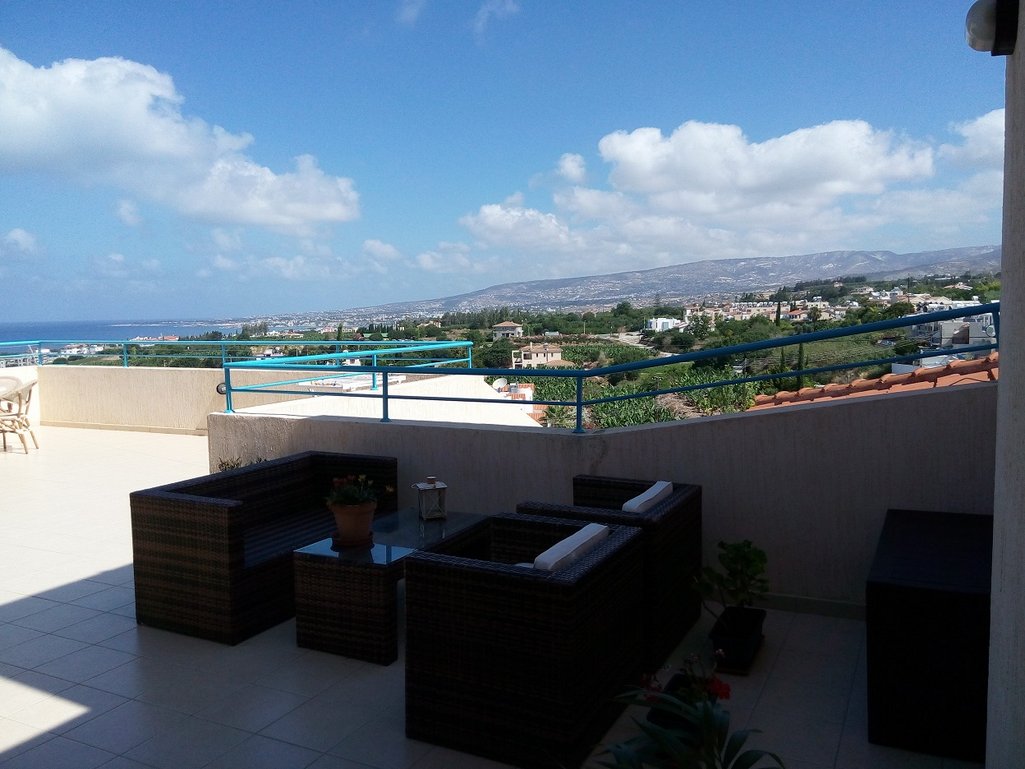
Arjen Huisman - Shack Arjen Huisman - Antenna siteI live about 500m from the coastline of the western part of Cyprus, about 8 km. north of the city of Paphos in a village called Kissonerga. Generally reception conditions are very good here, so close to the sea with no high buildings around.


Denmark
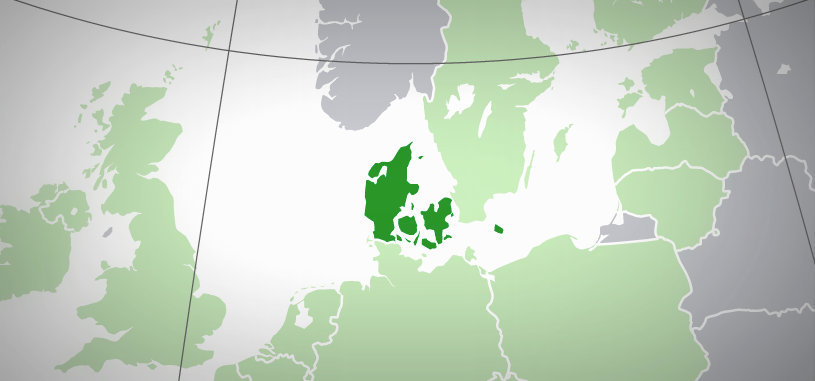
Denmark

SWL: Willy Andersen (OZ4ZT)
Location: Soeborg near Copenhagen, Denmark
Notes: Willy used an Icom IC-756 Pro with an inverted V antenna. He noted that 9590 kHz and 5985 kHz were equal in signal strength and quality.


Germany

Germany
SWL: Gunther Rose
Location: Wetter, Germany

Notes: Here is my recording of the last 1,5 minutes of the Antarctic Midwinter Broadcast 2015 on 5985 kHz. My receiving-setup: Tecsun PL-880 with telescope antenna (indoor near a window on the 4th floor), line out to Macbook (audacity-software) Unfortunately I got lots of RFI from my neighbour’s powerline adapter so the signal from Wooferton was strong but not noise-free.


Italy
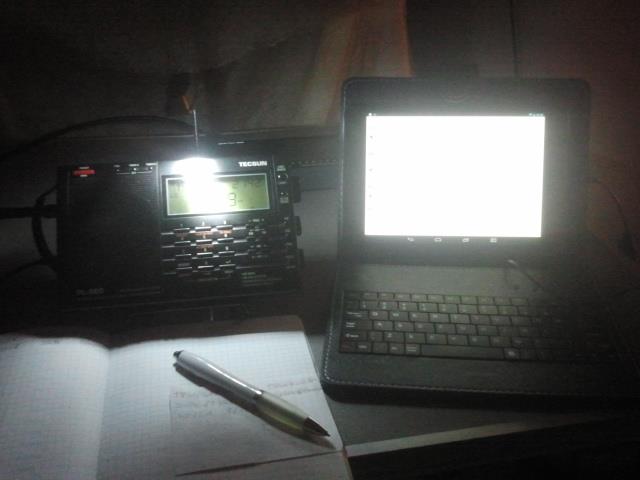
MIA STAZIONE (1)SWL: Alessio Proietti
Location: Rome, Italy
Notes: Receiver: Tecsun PL-660 Antenna: Homemade dipole 20 meters long, 6 meters height Frequency: 5985 kHz AM


Italy
bbc1
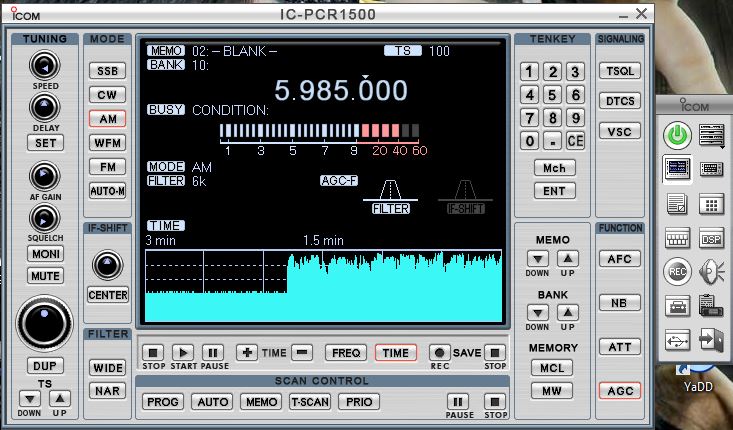
SWL: Gabriele Somma (IZ8094SWL)
Location: Salerno Roccapiemonte, Italy
Notes: recorded the broadcast on his Icom IC-PRC1500 with an antenna at 10 meters high.


Italy

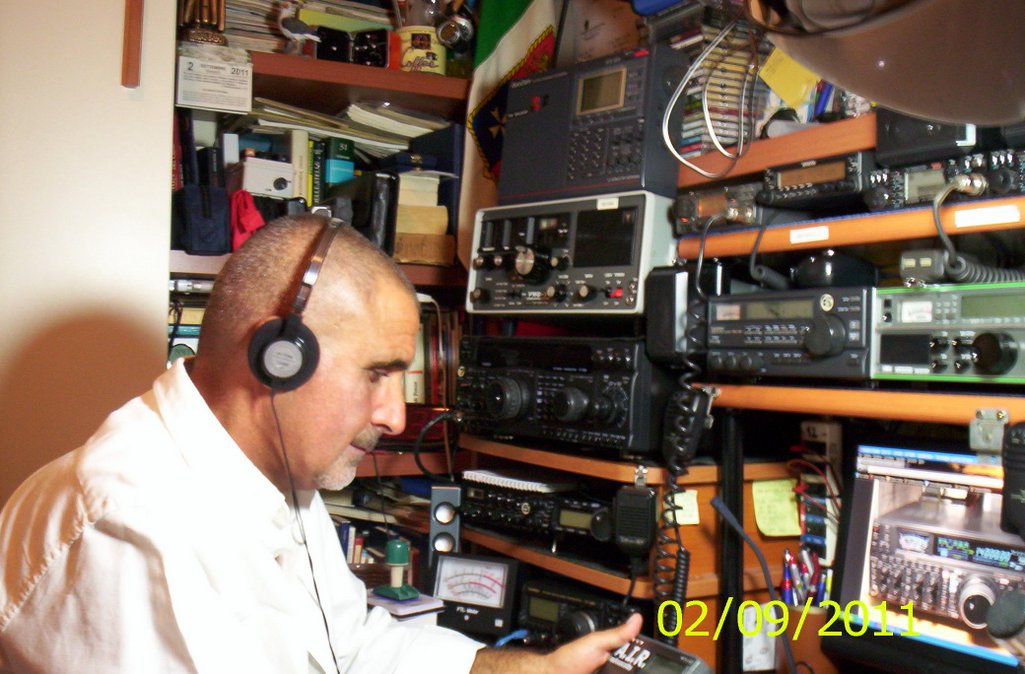
SWL: Giuseppe Morlè (Joseph)
Location: Ponza island in the Tyrrhenian Sea, Italy
Notes:  I heard the BBC broadcast with my AOR AR 3030 receiver and Mini Whip antenna, and Tecsun PL-660.
Giuseppe-Morle-Immagine-122


Netherlands

SWL: Jonathan Marks
Location: University Twente, Netherlands
Notes: Here’s a clip from the University Twente SDR reception from Woofterton 5985 from 2145 onwards.


Poland

SWL: Dominik
Location: southwest Poland
Notes:  5845 kHz


Portugal

SWL: Sérgio Pimenta
Location: Porto, Portugal
Notes: [H]ere is my reception in Portugal (Porto, northern of Portugal), using a Tecsun PL-310ET with just the telescopic antenna on my kitchen window, very strong signal.


Romania

SWL: Tudor Vedeanu
Location: Gura Humorului, Romania
Notes: Receiver setup: Eton E1XM, 60m wire antenna.


Russia
Russia-003SWL: Dennis
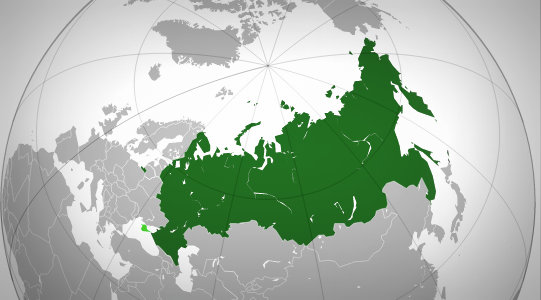
Location: Moscow, Russia
Notes: BBC Antarctic Midwinter Broadcast 2015 – for SWLing.com. Moscow. Grundig Satellit 1400 built-in mini whip.


Spain

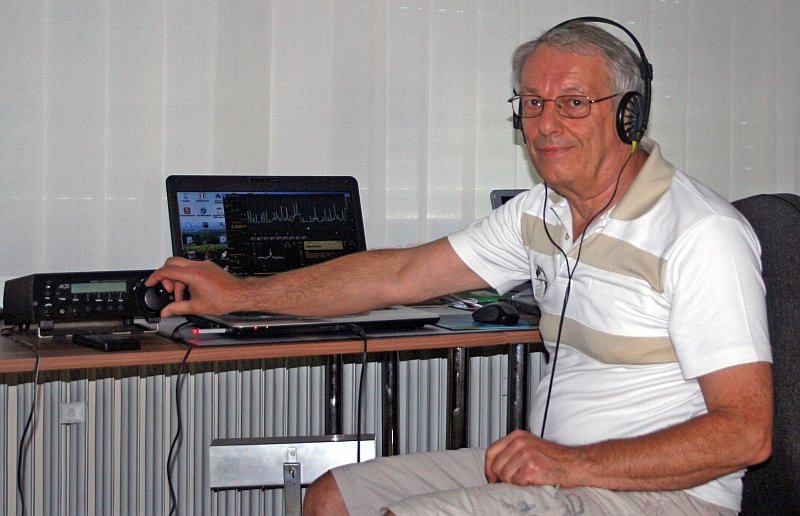
SWL: Michael Haun
Location: Menorca, Spain
Notes: Please find 2 recordings from your special Midwinter broadcast: 5905 kHz (S9+10, rapid fading, quite noisy) and 5985 kHz ( S9+40, fantastic signal).
Haun1

Receiver used was a PERSEUS SDR and a 5×10 meters active loop antenna. Keep up the good work and 73 also to all in the Antarctica!


Turkey

SWL: Oktay Egi
Location: Istanbul, Turkey
Notes: I am located in Istanbul, Turkey. I used Sony ICF-SW77 for listening with internal antenna on 5905 KHz. The sound was not clear but understandable. Time was 21:35 UTC.


United Kingdom

SWL: Mark Harper (MW1MDH)
Location: Saltney, England
Notes:  “I’m running an IC-R75, on an internal, RF systems Windom, the ATU isn’t connected in the attached video. I’m located in Saltney, which is about 2 miles west of Chester, but just over the Welsh border by about 200 yards, I’m also just north of Wooferton! Hope the audio is ok, I’m running my 75 on an external speaker, just off to the side.”


United Kingdom

SWL: “Driverfilms”
Location: Newcastle Under Lyne in Staffordshire, England


United Kingdom

SWL: Andrew Svonja
Location: Hinckley, Leicestershire in the Midlands in the UK
Notes: On Sunday 21/06/15 at 21:30 UTC I recorded a segment of the BBC Winter Solstice broadcast to the Antarctic–SINPO reading was a complete 5 across the board


United Kingdom

SWL: Stephen Cooper
Location: Southport, England,
Notes: 9,590Khz on the Elad FDM-S2 with a 15m random wire.


North America

Canada
Canada

SWL: Fred
Location: London, Ontario
Notes: The recording was made using a camera in AVI format, which has been converted to MP3. The time stamp on the video is 17:46 EST. The recording is from a Grundig Yacht Boy 400. The best reception was by laying the Grundig flat with the radio antenna facing North East. No longwire or external aerial was used. I was also able to receive the signal on my Tecsun PL-380, but the signal was very muffled with excessive static.


Canada

SWL: Richard Langley
Location: Hanwell, New Brunswick, Canada

Richard's Tecsun PL-880 and digital recorder in a protective plastic case outdoors.

Richard’s Tecsun PL-880 and Tecsun digital recorder in a protective plastic case outdoors.

Notes: Richard listened to the broadcast on 9,590 kHz. He notes that it was received on a Tecsun PL-880 receiver with a Tecsun AN-03L 7-metre wire antenna in AM mode with 3.5 kHz RF filtering.


United States

SWL: Dan Robinson
Location: Potomac, Maryland, USA
Notes: using a JRC NRD-515 receiver, with Wellbrook 1530 loop antenna.

Dan also included the following audio recording:


United States

SWL: Frank Colella
Location: Westchester County, New York
Notes: Sangean ATS-909 receiver


United States
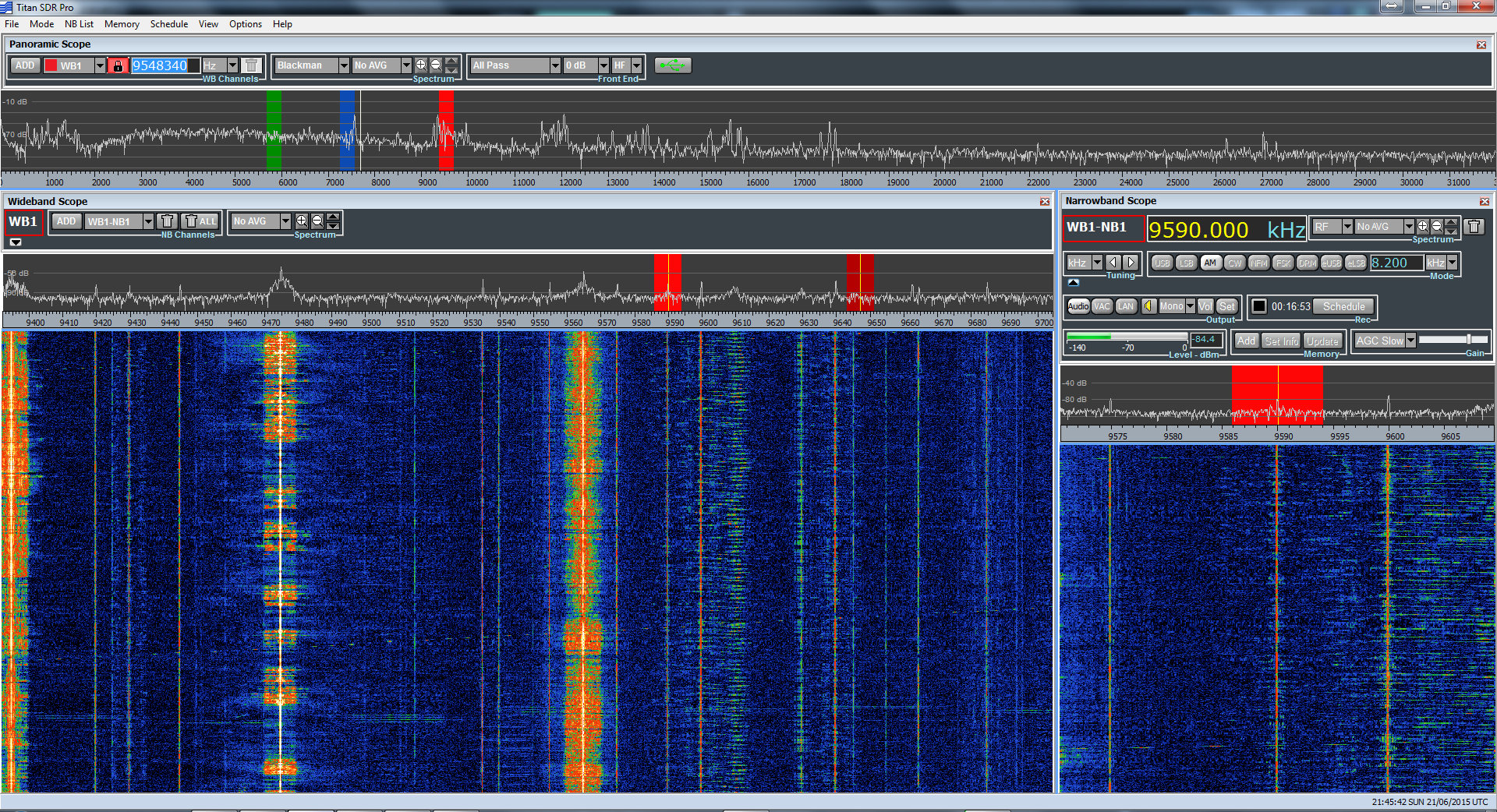
A screen capture of the TitanSDR Pro as I recorded all three frequencies of the BBC Midwinter broadcast simultaneously.

A screen capture of the TitanSDR Pro as I recorded all three frequencies of the BBC Midwinter broadcast simultaneously.

SWL: Thomas Witherspoon
Location: North Carolina, USA
Notes: I recorded the broadcast on a total of three SDRs simultaneously: the TitanSDR Pro, Elad-FDM-S2 and the WinRadio Excalibur.

Screen capture of the WinRadio Excalibur

Screen capture of the Elad FDM-S2

I was very pleased to hear the broadcast on 9590 kHz. Since North Carolina was not in the path of this broadcast, it was a weak signal. All three receivers were using the same large outdoor horizontal delta loop at 60′ above the ground.
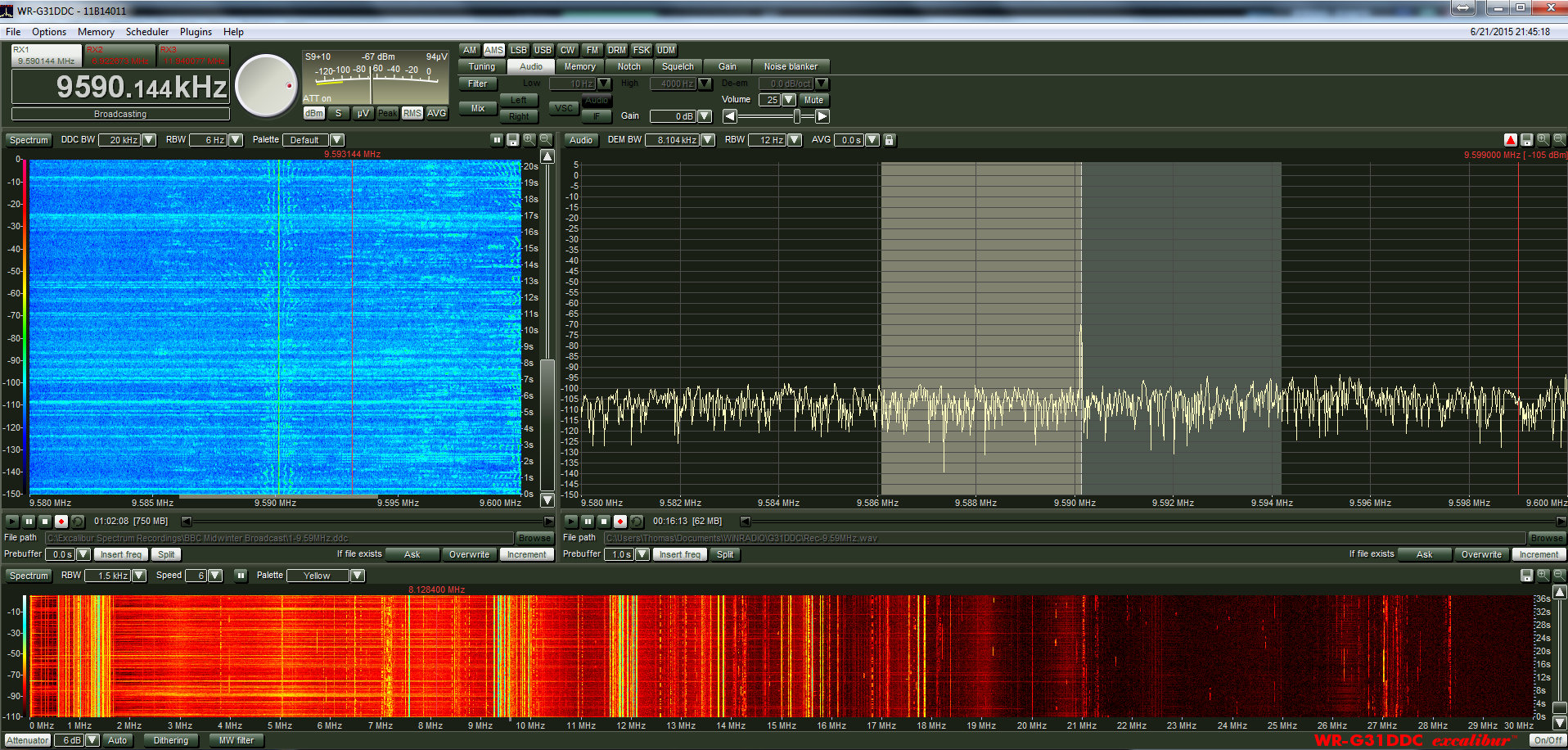
Screen capture of the WinRadio Excalibur

Screen capture of the WinRadio Excalibur

The following embedded audio player, should contain all three recordings. Note that the FDM-S2 recording (which is perhaps the best of the three) starts in the middle of the broadcast.


South America

Brazil
Brazil

SWL: Flavio PY2ZX
Location: Brazil
Notes: Also noted the three frequencies in Brazil but 9590 kHz sounds better despite the presence of PBS Xizang. Great to hear such friendship spirit through the shortwaves! Congratulations BBC and BAS team. My recording:


Colombia
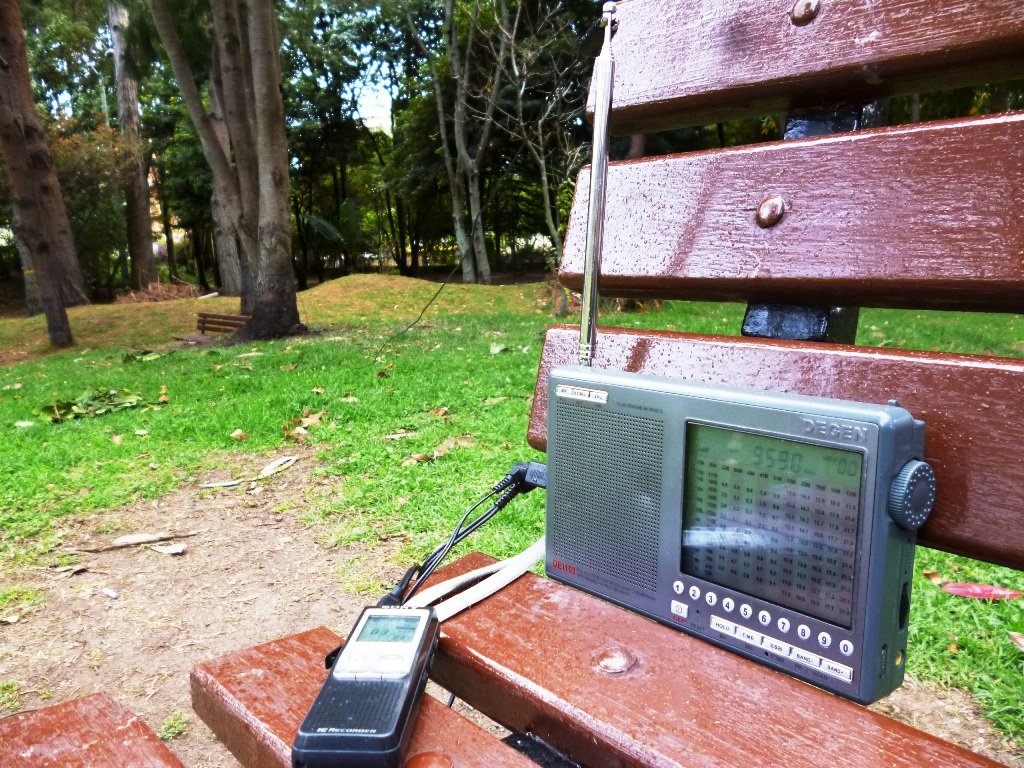
BBCMidwinter2

SWL: Rafael Rodriguez R.
Location: Bogota, Cundinamarca, Colombia
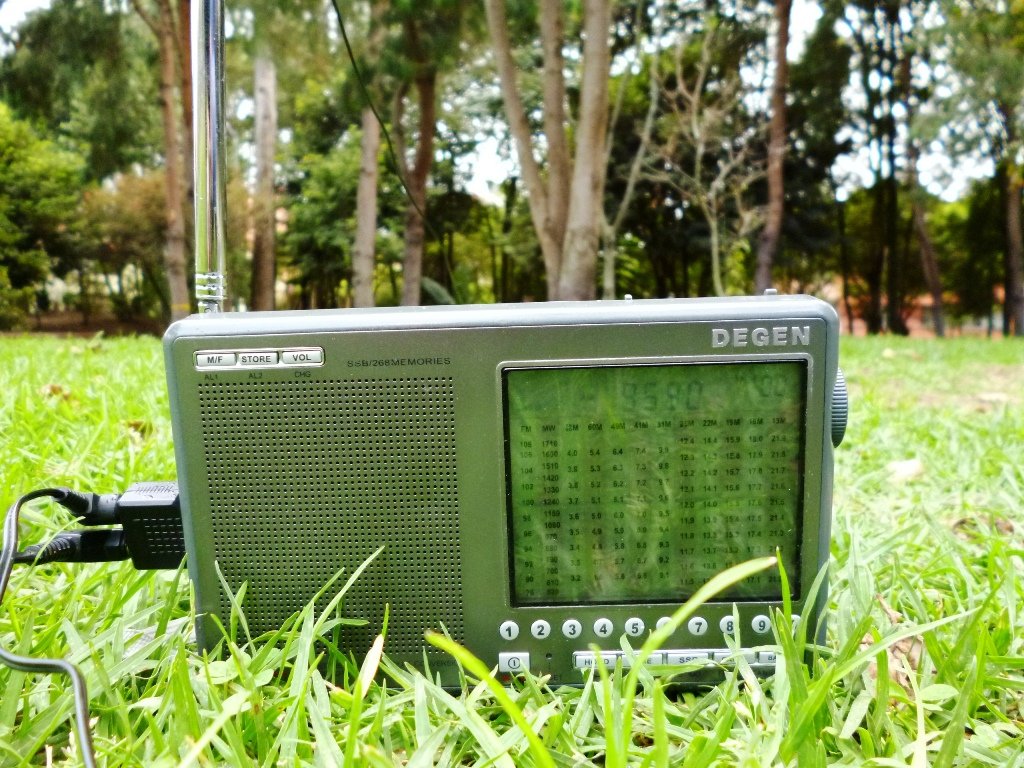
Notes: Greetings from Colombia. I could only hear the signal at 9590 KHz. The location is [at] a park close to my house (aprox. Lat 4 72 62 N Long 74 02 85 W; alt 2577 m over level sea).
BBCMidwinter1

I use a Degen DE1103 with Sony AN61 Antenna, to record a Sony ICD-P320 digital recorder.


Thank you!

Once again, many thanks to all of you who submitted your recordings of the BBC Midwinter Broadcast! We’ll be sharing this post with both the British Antarctic Survey and the BBC World Service. And to all of you, from the SWLing Post: Happy Midwinter! Happy Summer/Winter Solstice!

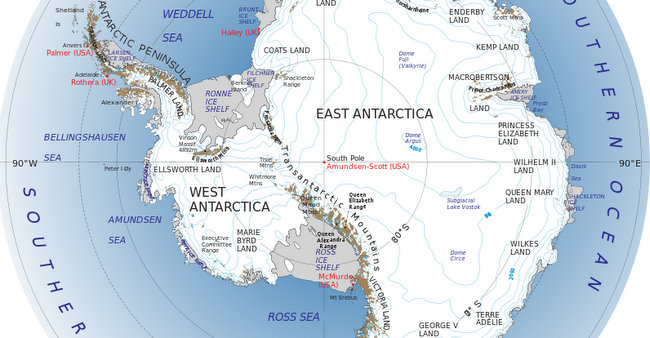
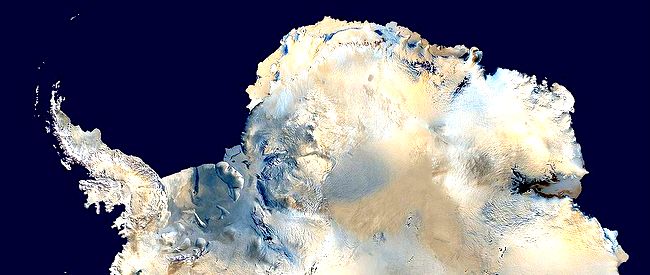
Please note that any map graphics used in this post were originally designed by NuclearVacuum and Ssolbergj–they have been modified for this post under a Creative Commons License CC BY-SA 3.0.
Thanks for recording the 2015 BBC Antarctic Midwinter Broadcast!

1024px-Antarctica_6400px_from_Blue_MarbleMany thanks to those of you who made a video or audio recording of your reception of the 2015 BBC Antarctic Midwinter Broadcast.

I’m putting together a post with all of the recordings to publish by mid-week. If you haven’t yet sent in your recording, please do so today! Simply contact me with a link to download.

Again, many, many thanks!

Reminder: Help record the 2015 BBC Antarctic Midwinter Broadcast today!

800px-Antarctica.svgAs a reminder: I’m calling on all SWLing Post readers and shortwave radio listeners to make a short recording (say, 30-60 seconds) of the BBC Antarctic Midwinter Broadcast and share it here at the Post (frequencies and time below).

The recording can be audio-only, or even a video taken from any recording device or smart phone. It would be helpful to have a description and/or photo of your listening environment and location, if possible.

If you submit your recording to me, I will post it here on the SWLing Post–and insure that the BBC World Service receives the post, too.  The recordings will be arranged by geographic location.

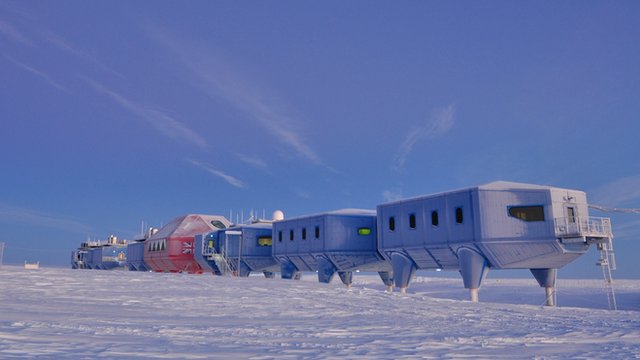
Halley VI: The British Antarctic Survey's new base (Source: BBC)

Halley VI: The British Antarctic Survey’s new base (Source: British Antarctic Survey)

The broadcast will take place today at 21:30 UTC on the following frequencies:

  • 5,905 kHz, Dhabayya, 203 degrees
  • 5,985 kHz, Woofferton, 184 degrees
  • 9,590 kHz, Woofferton, 182 degrees

I will (hopefully) be in the SWLing Post chat room during the broadcast.  Please sign in and share your report!

SWLing Post DXpedition at PARI is all systems go!

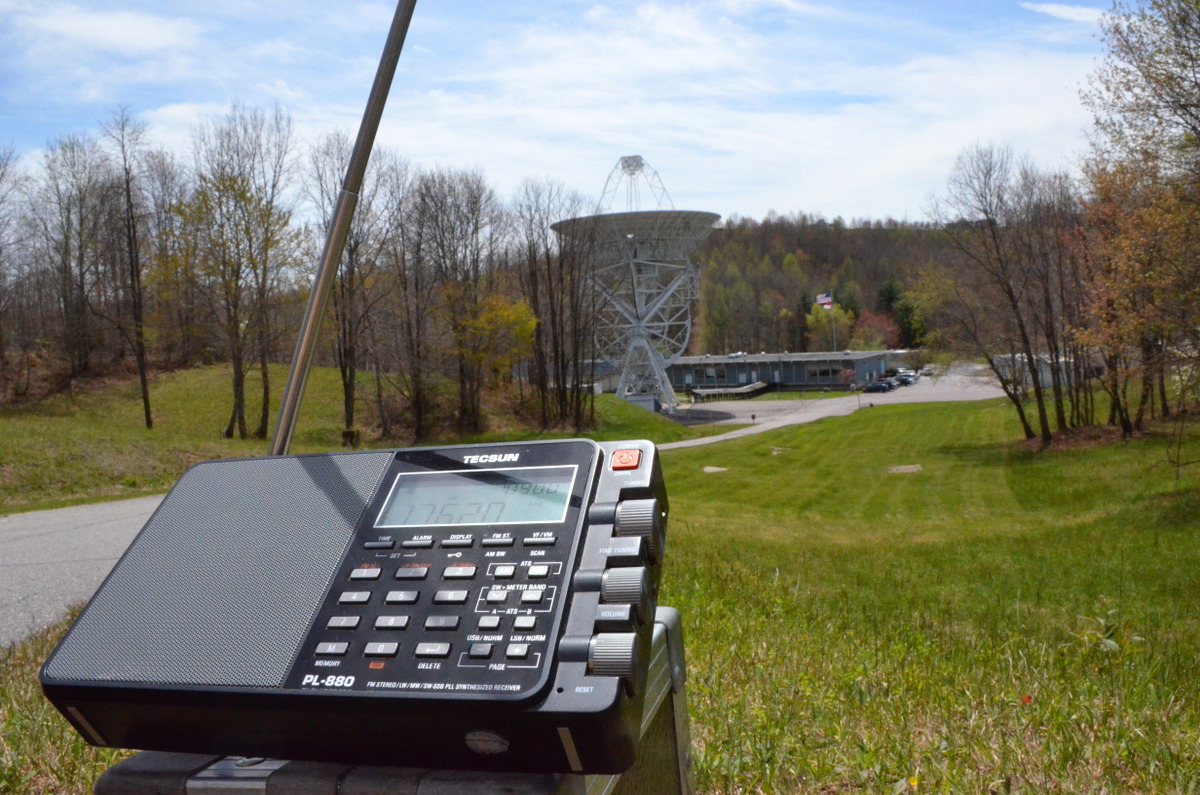
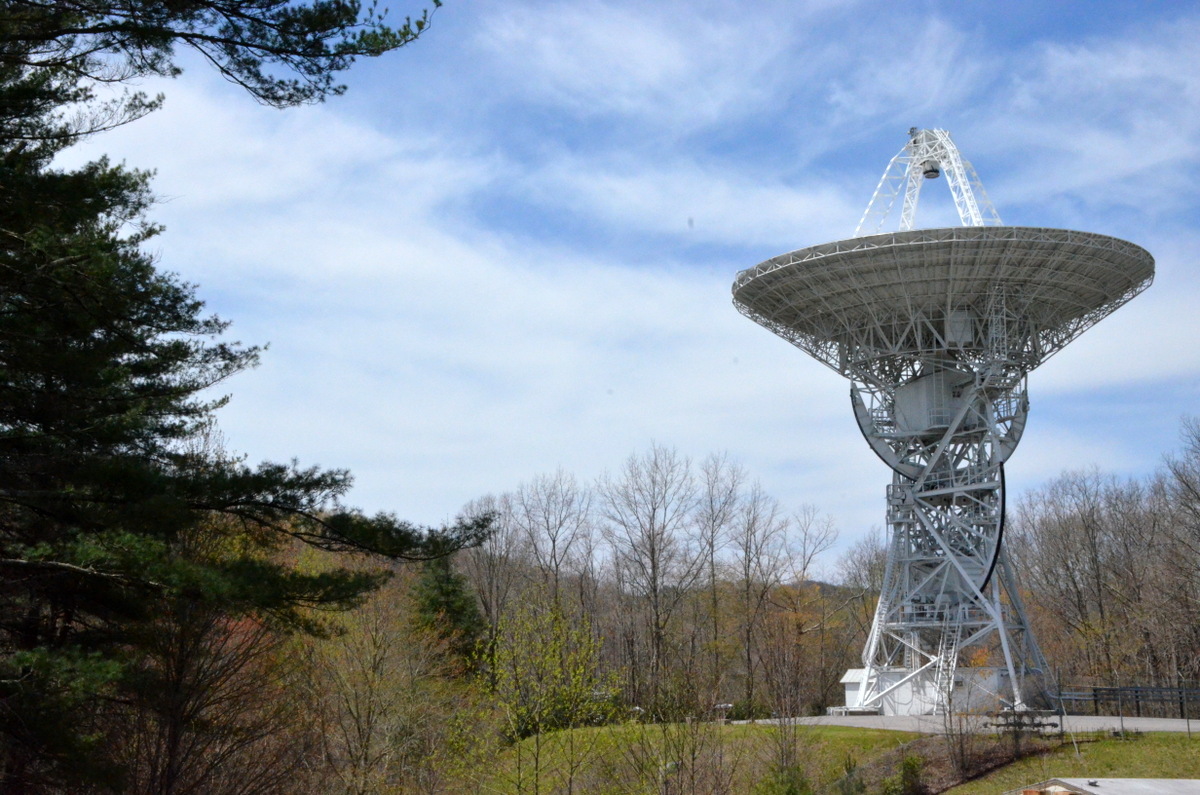
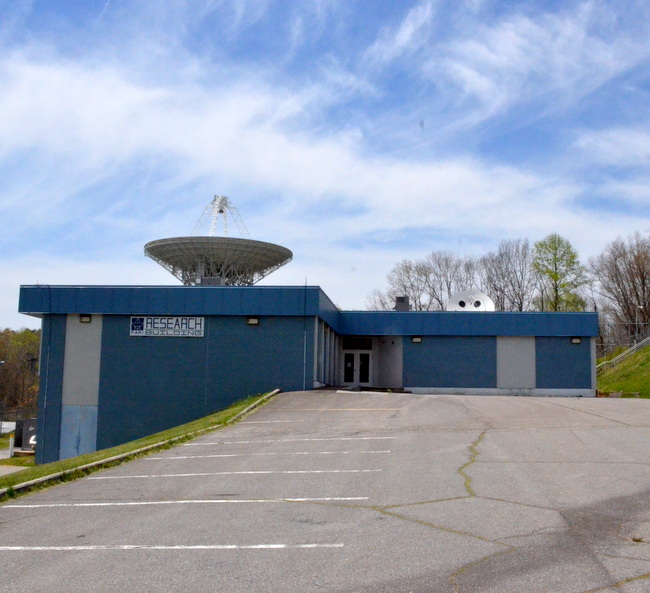
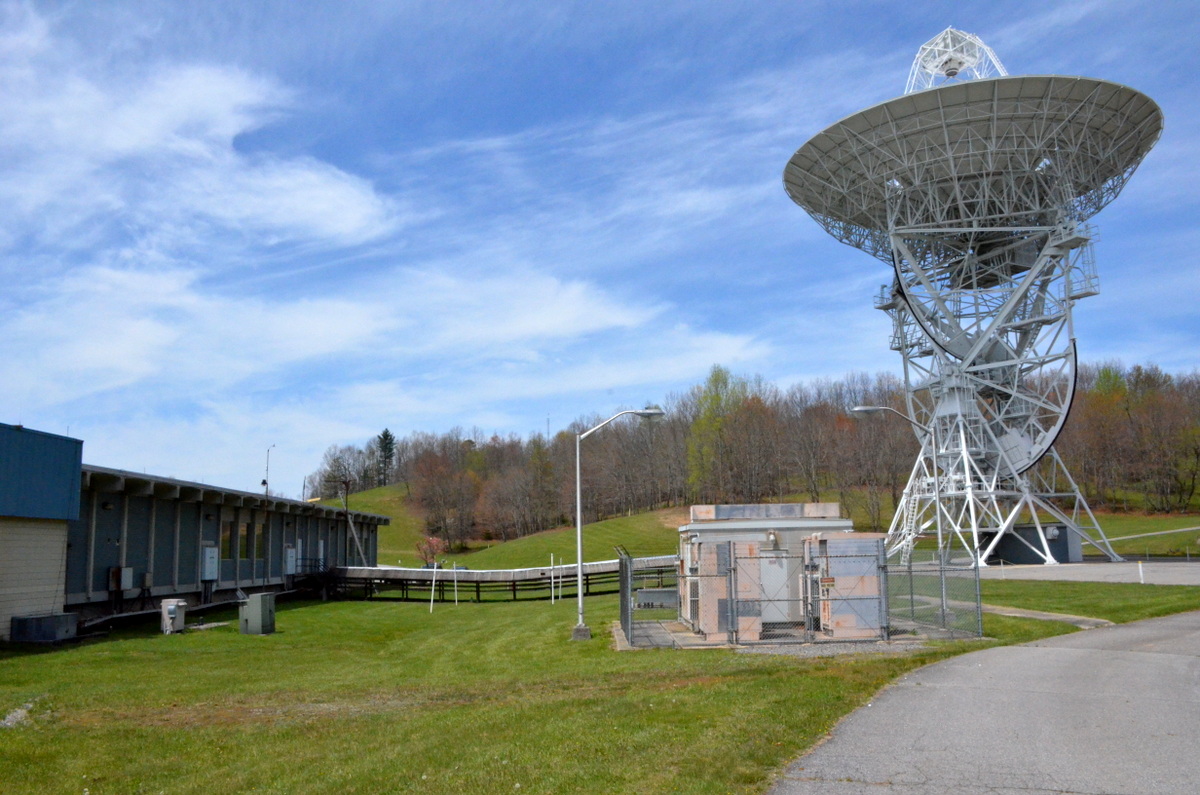
DSC_0884Some of you may recall a post I published last year regarding a shortwave and medium wave DXpedition at the Pisgah Astronomical Research Institute (PARI), a 200-acre radio astronomy observatory and former NASA tracking station located deep in the mountains of western North Carolina.

Since this is the first event of its kind, we’ve been working closely with PARI staff to put the DXpedition together.  And come together, it has.

I’m pleased to announce that we’ve now received the official go-ahead: we’re clear to launch the (first-ever!) 2015 SWLing Post DXpedition, which will take place Friday, October 9, through Sunday, October 11.  Come join us!

PARI will soon post the official registration form on their website; of course, I’ll post an update when this form is ready.

Meanwhile, those of you who may be interested in attending, keep reading…and do join our dedicated email discussion group (more info below).

A few DXpedition details…

DSC_0916

As I mentioned last year, PARI has agreed to handle all of the event’s arrangements, and will even provide a limited number of basic shared dormitory rooms to the first registrants who request them. An event fee will pay for facilities and PARI staff (see below); modest profits, should there be any, will benefit PARI’s worthy science education mission.

We are fortunate to be sharing the beautiful PARI campus with with a larger party of amateur astronomers, aka, a “star party,” taking place the same weekend; the DXpedition will benefit from this in terms of expanded facilities access. An additional benefit is that we can share our passion for radio with members of the star party, while learning a little about astronomy from their members.  And for those of us who enjoy both, all the better.

Costs

The costs associated with the event are as follows:

Registration fee: $100

Lodging: On campus, the fee is $50 per night, per person, in a shared dormitory room; or $20 per night, per tent or travel trailer (no hook ups, though electricity is available). Want to come along, but not interested in roughing it? You’ll find numerous comfortable hotels and inns within a 30-40 minute drive of PARI’s mountain campus.

Meals: Catered meals will be provided for a modest charge to be determined (PARI is working with local food services to arrange our meals currently). Of course, you can always bring your own food and prepare it on-site, as well.  The campus has a lunchroom with a microwave.

The PARI campus and accommodation

DSC_0934

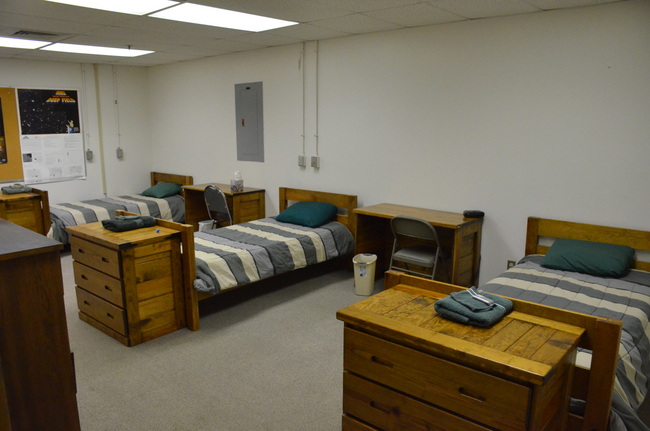
PARI was formerly a NASA tracking station, and following that, a Department of Defense monitoring facility.  Because of the remote nature of the campus, basic on-site dormitories were built; scientists use these throughout the year as they conduct their research, and the shared rooms are available upon request.

Typical PARI dorm room (click to enlarge)

Typical PARI dorm room (click to enlarge)

The dormitories are conveniently located in the heart of the 200-acre campus, and sleep about four to each room.  These are simple facilities, and no private rooms are offered. Bathrooms (with showers) are shared, and separate buildings house men and women; thus the dormitories may not be the best option if you plan to bring a spouse, a large family, or young children.

Of course, if you enjoy camping and/or star-gazing, you can pitch a tent (just $20/night), or park your travel trailer on campus (also just $20/night). Note that this is not a travel park, thus hook-ups for travel trailers are not supplied, although power is available.

For those who prefer not to camp or stay in a shared room, the nearby mountain town of Brevard, NC (approximately 35 minutes from PARI by car) is a charming small town offering numerous hotels, bed-and-breakfasts, and other comfortable private accommodations. PARI often recommends the Hampton Inn in Brevard, NC. Hotels.com and AirBnB offer alternatives.

Receivers, antennas, and other radio equipment

DSC_0904DXpedition participants should bring their own receivers, antennas, and accessories. If you wish to bring an SDR or tabletop receiver, there are quite a few places on campus where you’ll have access to power. At least one main listening post will be set up under cover, as well, for our participants.

Feel free to bring any type of receiver you like. A few potential participants have noted that they plan to bring a portable receiver only, and that’s absolutely fine–this is your DXpedition, your chance to sit back and listen to your radio without distraction, so any radio you choose to bring is the right one.

Of course, a few SDRs, tabletops, and portable receivers will be available for participants to try out, so if you can’t bring your own receiver, please let me know in advance; I’ll try to reserve a time slot for you to use one of the available rigs.

SWLing Post DXpedition email group

DSC_0838

We have created an email discussion group for the DXpedition. If you are seriously considering joining the DXpedition, click here to become a member of the group as this is the place where we’ll organize and make further plans.

Since this is the first time the SWLing Post and PARI have sponsored a DXpedition, we’re certainly trail-blazing here. My sincere hope is that this event will lead to future DXpeditions…not to mention, real friendships among our readers and fellow SWLers.

Looking forward to the DXpedition–we’ll see you at PARI in October!

Friday: transmission tests for Sunday’s Antarctic Midwinter Broadcast

1024px-Antarctica_6400px_from_Blue_Marble

Many thanks to SWLing Post contributor, Rob Wagner, who reports:

HFCC is now listing a test transmission (as the BBC usually does) before the official Antarctic broadcast. The test will be held on Friday June 19 at 2130-2145 UTC. All frequencies listed [below] will be tested INCLUDING the 7425 Ascension outlet! Tests usually consist of a simple feed to BBC WS English programming.

  • 7,425 kHz, Ascension, 207 degrees
  • 5,985 kHz, Woofferton, 184 degrees
  • 9,590 kHz, Woofferton, 182 degrees
  • 5,905 kHz, Dhabayya, 203 degrees

What’s interesting about this is that 7425 wasn’t listed in the finally three freqs chosen for the broadcast, but they are including it in the test! Sounds like they are having “an each-way bet” (as we say in Australia) – 7425 may still possibly be used as a backup for the actual broadcast on June 21.  Cheers, Rob VK3BVW

Many thanks, Rob!  These test broadcasts will give us a good idea which frequencies to focus on during the official broadcast on June 21, 2015.  I’ll be listening Friday at 2130 UTC!

[Update: Note that I originally noted the broadcast time as Thursday in the title of this post. Apologies! I’ve since made this correction. The test broadcast is Friday night (June 19, 2015).]

A recap of the 2015 Winter SWL Fest

The following article originally appeared in the April 2015 issue of The Spectrum Monitor magazine.


DavidGoren-ShortwaveShindig

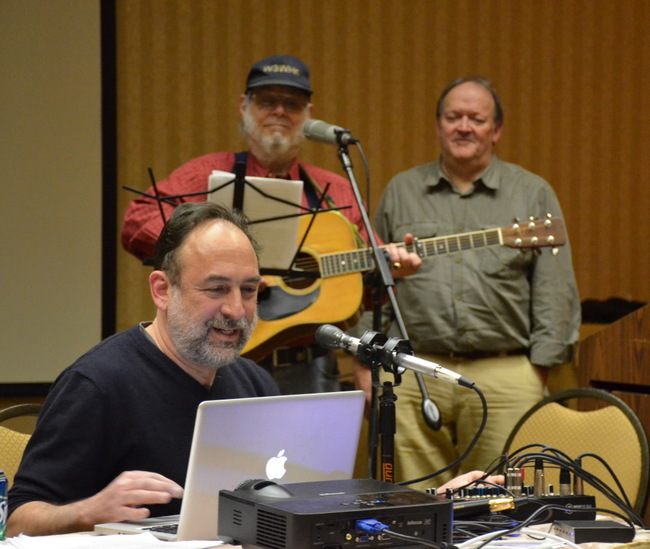
David Goren prepares musicians and voice talent as the Shortwave Shindig goes live on WRMI

Every year, I attend two great radio conventions: the Dayton Hamvention and the Winter SWL Fest. While the Dayton Hamvention draws a massive crowd of ham radio operators, vendors, and makers from across the planet–and it’s truly a fun and fantastic event–the smaller Winter SWL Fest is actually my fave of the two.

Any why is this? A re-cap of the 2015 Winter SWL Fest might provide some clues.

The Winter SWL Fest is organized and sponsored by the North American Shortwave Association (NASWA) and each year draws well over 100 radio enthusiasts to Plymouth Meeting, Pennsylvania. While it is a shortwave radio festival––with its roots firmly in the shortwave medium––it’s certainly not limited to the HF bands only; in fact, here’s a list of some of the forums from 2015, and their subject breadth is remarkable:

  • Radio on the Road 3. Janice Laws shared radio recordings and videos from her various travels across the planet, showcasing the local flavor found on the FM and AM dials.
  • The Year in Pirate Radio. George Zeller once again hosted the shortwave pirate radio forum, covering the year in pirate radio, and announcing inductees into the PIrate Radio Hall of Fame.
  • Time Travel, Teleportation, and Spectrum Hoarding for the Contemporary DXer. My good friend Mark Fahey and I co-hosted this forum. In this forum we discussed our obsession with collecting and sharing spectrum recordings, highlighting the added context spectrum playback provides that traditional broadcast recordings cannot. We brought along several terabytes of spectrum recordings from my home in North Carolina and from Mark’s home near Sydney, Australia, to share with this forum’s attendees.
  • Coast to Coast: Geographically Enhanced Mediumwave Reception. Bill Whitacre shared what he has learned from mediumwave DXpeditions to Grayland, WA, and Lubec, ME, over the past 5 years. Bill focused on the advantages of carefully-selected geographic locations for the best DX opportunities.
  • Ultralight Mediumwave DXing. Gary Donnelly hosted a forum which touted the virtues of the most simple radios and receivers and the immense fun that can be had from them. Gary discussed some amazing reception records obtained with these pocket-sized “ultralight” (and ultra cheap!) receivers.
  • Crisis Radio. Michael Pool (a.k.a., “The Radio Professor”) focused on radio as it sounds locally during crises. He shared recordings and airchecks he had captured during natural disasters, terrorist attacks, and moments of civil unrest. Through these recordings, and with the advantage of some emotional distance, attendees could form their own opinions as to how the media handled each event.
  • Radio and Today’s Teenagers. Anthony Messina (age 18) focused his forum on the way teens view radio today, taking into account the medium’s ongoing evolution. Anthony also discussed how he got interested in shortwave radio and DX’ing in the age of internet and smartphones––a remarkably fascinating (and familiar) journey.
  • Kickin’ It Old School: A Return to Regenerative Receivers. In this forum, Skip Arey proposed that a radio design, at the very roots of RF Technology, is experiencing a resurgence: regenerative receivers. He discussed the classic regen circuit and how to use it to bring a new dimension to shortwave listening.
  • The View from Europe. Finn DXer Risto Vahakainu, who travels to the Winter SWL Fest with a contingent of Finnish DXers, reported on the state of the radio hobby in Europe and specifically in Finland. He focused upon the impact of SDRs and also described remote DX sites one can rent for one’s own DXpedition in northern Finland.
  • “UFOs, Gliders and Planes, Oh My!” Tom Swisher––noted member of the SWL Fest so-called “scanner scum”––covered the wide array of frequencies that can be monitored with “your trusty old scanner” after local law enforcement goes digital.
  • Monitoring Dusty War Zones and Tropical Paradises: On Being a Broadcast Anthropologist. Mark Fahey––who travelled from Australia to attend the Winter SWL Fest for the second year in a row––presented a tour of his monitoring station (i.e., his house). We saw how Mark combines several satellite, internet, and SDR feeds from across the globe to create a custom video and audio listening post with feeds. Mark, who is also an avid traveler, shared some of his highly original, out-of-the-box ways of collecting rare radio DX.
  • The Keeping of Time. In this forum, Mark Phillips discussed the importance of accurate time-keeping as our hobby moves toward the digital realm. Mark explained the difference between time sources, why they are different, and why accurate time is so important.
  • Recognizing Digital HF Signals: Eyes and Ears. TSM contributor Michael Chace-Ortiz taught that simply with one’s eyes and ears, it’s possible to identify a number of the digital modes and anomalies on our HF bands. Mike gave an interactive audio-visual tour of numerous modem signals, Over-The-Horizon RADARs, ionospheric sounders, ocean sensing systems, and various other digital oddities that can be heard today.

In short: what a dynamic––and diverse––forum line-up!

Of course, for the second year in a row, David Goren’s annual Shortwave Shindig was broadcast live from the Fest via WRMI. It was great fun receiving live reports from listeners across the globe.

I’m sure some twenty-eight years ago when the first SWL Fest was held, forum topics all centered around the shortwave radio hobby fairly exclusively. But today, how we define radio has changed, and the shortwave radio is no longer the only way to glean accessible content from across the globe. Most of the SWL Fest attendees and hosts, however, maintain and cultivate the spirit of DXing: finding innumerable paths into an ocean of diverse broadcasting. I was happy to be a part of the shortwave radio-related forums that centered on the use of software-defined radios, no doubt a revolutionary game-changer in our listening hobby, and a technology I actively explore (see my review of the TitanSDR next month).

While the 2015 line-up was diverse and drew on the expertise of some of the most noted enthusiasts in our field, this experience is actually what I’ve come to expect from the SWL Fest. So many amazing projects, including a Sundance award-winning film (!), have played a part in making the Fest what it is today.

I encourage you to keep tabs on the Winter SWL Fest and make plans to attend in 2016. Details will be posted on the Winter SWL Fest website: https://swling.com/blog. One thing is for sure: if the crazy winter weather conditions this year didn’t stop me from driving several hundred miles through snow and ice to the Fest, nothing is going to stop me next year! Hope to see you there.

Slideshow

This slideshow requires JavaScript.

(Note: SWLing Post email subscribers may not be able to see the embedded slideshow above. Please visit this post online.)
—————————–

A parting note

Martin-Peck-2

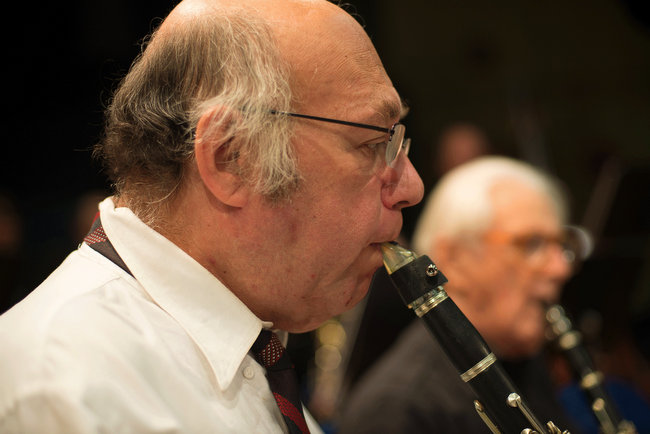
Martin Peck with the New Westchester Symphony Orchestra (Photo credit: Stephy Kollarackal)

As you may imagine, since the SWL Fest has been ongoing for many years, strong bonds have formed among Fest attendees––indeed, the group has become like an extended family. This year, we learned during the annual Saturday night banquet that we had just lost one of our Fest family, one Martin Peck, following a battle with esophageal cancer. Marty, as we all knew him, was an incredibly kind fellow, well-loved and warmly regarded at the Fest. He was not only an avid SWL, but a talented musician, and a member of the New Westchester Symphony Orchestra. Marty could play some of the most obscure interval signals on demand with practically any wind instrument. He found a welcome home at David Goren’s Shortwave Shindig.

Marty, pal, we’re going to miss you.

Shortwave Shindig Rebroadcast: March 7, 2015

ShindigLogoWhiteI’ve just learned via @shortwaveology that the Shortwave Shindig will be rebroadcast on Saturday March 7, 2015 from 10:00-11:00 PM EST (that’s Sunday from 0300-0400 UTC) via WRMI on 7,570 khz.

Those of you who tuned into the live show last Friday noted that the audio dropped out at times–this was due to a flaky Internet connection at the hotel where the ‘Shindig was held. You will hear the full show, without interruption, in this rebroadcast.

I plan to record this show, but would certainly appreciate other recordings as well to add to the archive. On that note, a few of you have sent recordings of the original broadcast (thank you!)–I will post those as soon as I’ve caught up with work, post-‘Fest!