Category Archives: Mediumwave

Solar Eclipse 2017: In the path of totality

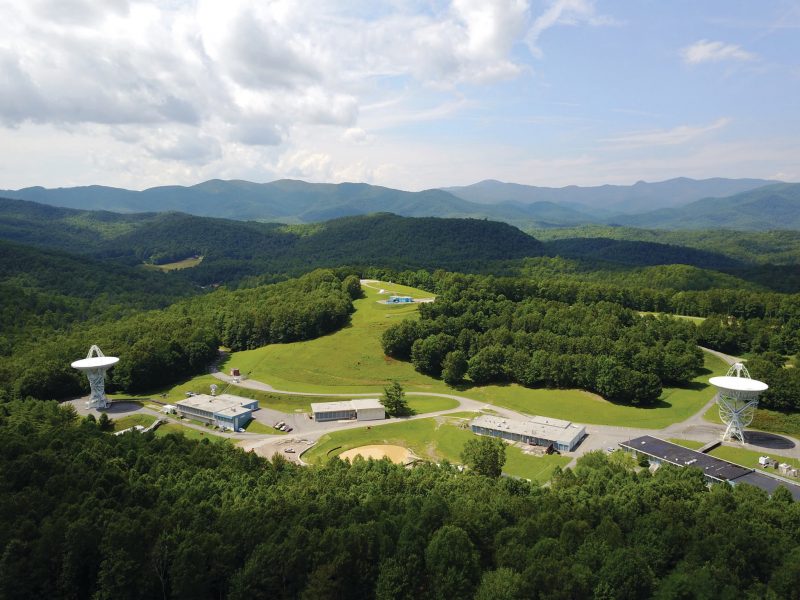
A portion of the PARI campus

Tomorrow, we will be experiencing a total solar eclipse here in the mountains of western North Carolina.

Instead of enjoying the eclipse at home, I will be volunteering as a docent at the Pisgah Astronomical Research Institute in Rosman, North Carolina. Post readers might recall PARI as it was the location of our 2015 PARI DXpedition.
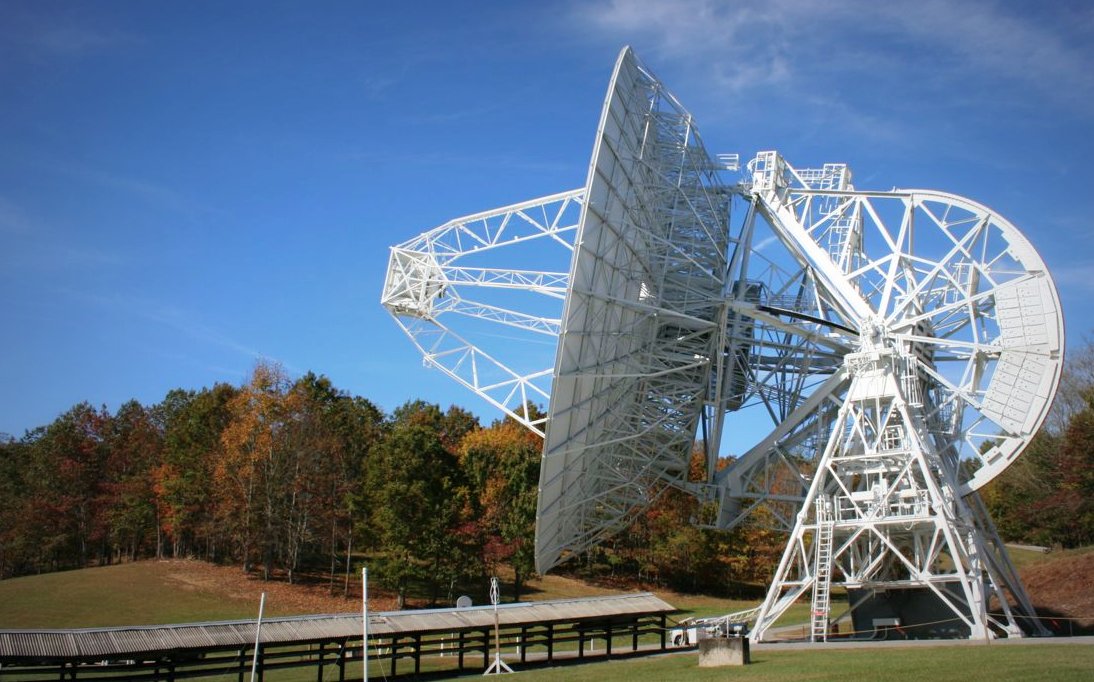
One of PARI’s 26 meter radio telescopes.

PARI is expecting at least 1,000 visitors tomorrow, from a number of countries. Many are scientists, astronomers, and guests who want to be in the path of totality.

On the PARI campus, we will be in totality for about 1 minutes, 47 seconds.

What makes the event truly special for PARI is that this is the first time in history a world-class radio astronomy observatory has been in the path of totality. To say the PARI astronomers are excited is simply an understatement. All four of PARI’s telescopes will be trained on our local star and gathering copious amounts of data.

If you don’t live in the path of the Eclipse, I invite you to check out PARI’s YouTube channel where they will host a live stream:

Click here to watch on YouTube.

Gathering spectrum
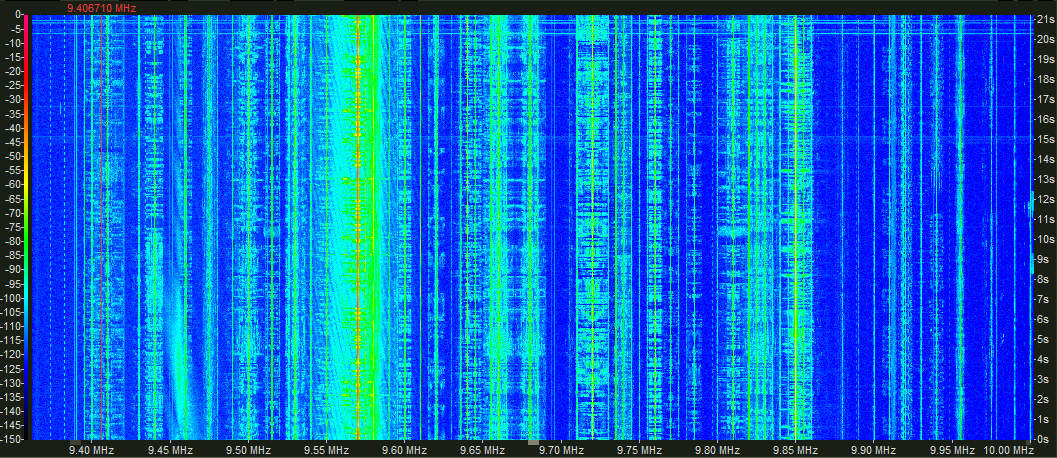
I will also be gathering data of my own during the event.

I will remotely record the entire mediumwave (AM broadcast) band several hours before, during and after the eclipse. I will also set up a separate SDR to record either the 31/30 meter bands and my buddy, Vlado (N3CZ) is kindly using his SDRplay RSP1 to record from 6 MHz – 8 MHz.

What do I expect to see/hear in the spectrum recordings? Certainly a drop in noise. If I’m lucky, I also hope to hear some DX anomalies–hopefully a signal or two that I wouldn’t normally here in the middle of a summer day.

I don’t expect any dramatic results (though I would love to be proven otherwise!) since the ionosphere takes time to change states. My buddy Mike (K8RAT) likens it to an oven: it takes time for it to heat up to the desired temperature, and it takes time for it to cool down as well. I’m not so sure the shadow of the moon, which moves at a good clip, will be persistent enough to change the state of the ionosphere in any meaningful way.

If it does, I’ll be there to record it!

There are many other radio related experiments happening during the solar eclipse. A notable one that you can even help with is the 2017 Ham Radio Eclipse Experiment.

SWLing Post contributor, Dan Srebnick also suggests a few stations you might try catching on the AM broadcast band. Dan notes:

Something to do during the solar eclipse on Monday. There are 13 clear channel AM stations along the path of totality. Give a listen for them:
[LIST OF AM CLEAR CHANNEL STATIONS]
kHz CALL Location Eclipse UTC
—— ——- —————- ————–
650 WSM Nashville, TN 18:28
670 KBOI Boise, ID 17:27
750 WSB Atlanta, GA 18:36
840 WHAS Louisville, KY 18:27
880 KRVN Lexington, NE 17:57
1030 KTWO Casper, WY 17:43
1040 WHO DesMoines, IA 18:08
1110 KFAB Omaha, NE 18:04
1110 WBT Charlotte, NC 18:41
1120 KPNW Eugene, OR 17:17
1120 KMOX St. Louis, MO 18:18
1190 KEX Portland, OR 17:19
1510 WLAC Nashville, TN 18:28

Kudos to Bob WB4APR (of APRS fame) for producing this list.

Post readers: Will you be in the path of totality or do you plan to enjoy a partial eclipse? Have you ever experienced a total solar eclipse?  What are your plans if any? Please comment!
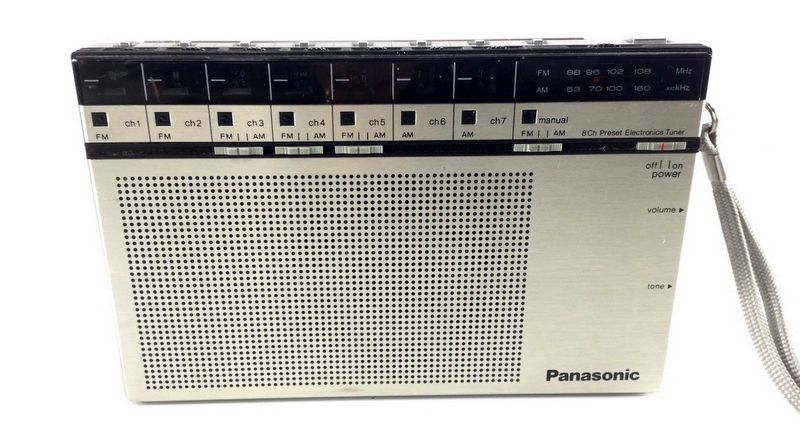
eBay: Jeff spots a vintage Panasonic RF-088

The Panasonic RF-088

Many thanks to SWLing Post contributor Jeff McMahon who writes:

“This vintage Panasonic RF-088 8-Channel Preset radio selling on eBay [see above] seems rather rare. In fact, I’ve never seen one.”

Click here to view on eBay.

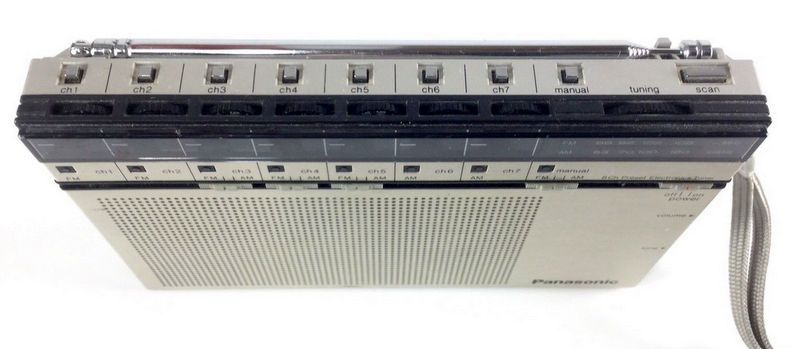
I haven’t seen one either, Jeff. Appears to be pretty compact. At first, I was curious how an analog radio could have so many presets until I took a peek at the top of the radio.

Each preset is individually tuned. Hard to believe such a compact radio has a total of eight tuning mechanisms! Two presets are designated for FM, two for AM and four presets can be either. Pretty clever! Since it’s a Panasonic, I bet it’s a sensitive little portable.

At $59.80 US shipped, I’m sure someone will snag it.

New Mediumwave Facility for Fiji

There’s an interesting YouTube documentary released by the Fiji Broadcasting Corporation on the refurbishment of both transmitters and antennas for the mediumwave outlets of 558 and 990 kHz. This was completed with the financial and technical assistance of the Japanese government. It will be very interesting for MW DXers to see how well the new facility will be heard beyond the Fijian borders.

https://youtu.be/VTLKeW-TmoQ


There is also a somewhat less interesting YouTube video of the Fijian dictator Prime Minister Bainimarama at the official launch of the revitalized service, which can be found at https://youtu.be/kOza_Ov7f48

It was fascinating to hear Prime Minister Bainimarama talking about democratic freedoms in the broadcasting media….This from a man who for many years has done his level best to suppress and control the Fijian media on countless occasions!
(My thanks to Mauno Ritola and Bruce Portzer for alerting me to the above links)

73, Rob Wagner VK3BVW

Rob Wagner, VK3BVW, is the author of this post and a regular contributor to the SWLing Post. He also blogs at the Mount Evelyn DX Report.

BBC to shut down 13 medium wave transmitters

(Source: Radio Today UK)

Ten BBC local radio stations will lose at least one AM transmitter in January 2018 as part of the BBC’s Delivering Quality First plan.

BBC Radio Sussex, Surrey, Humberside, Wiltshire, Nottingham, Kent, and Lincolnshire will no longer be accessible on medium wave, whilst BBC Radio Devon, Radio Lancashire and BBC Essex will reduce their frequencies.

The BBC says it knows the changes will have an impact on some listeners but encourages them to listen on FM, DAB, Freeview or online instead.

Continue reading at Radio Today UK online…

Video: Paul’s large aperture “Volleyball Net” loop antenna

Many thanks to SWLing Post contributor, Paul Walker, who shares the following video and notes:

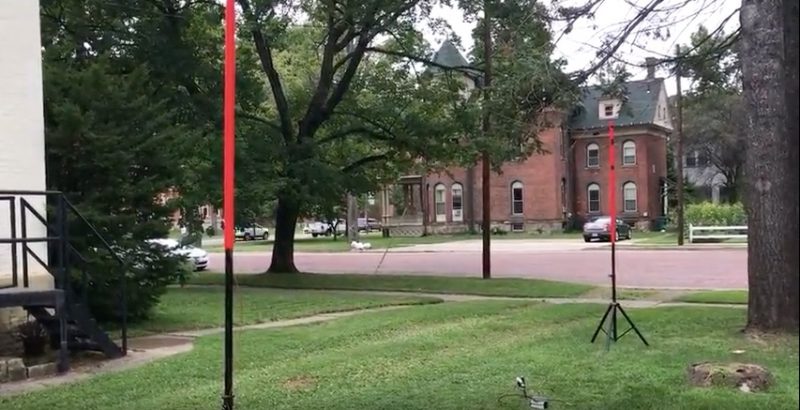
Here is a 10 minute narrated, detailed video on my 25 foot long by 10 foot tall “Volleyball Net” Loop antenna using a Wellbrook ALA100LN amp control head and antenna interface.

https://www.youtube.com/watch?v=ICHNlcLhAKE

Click here to view on YouTube.

Great job, Paul!

I like how Paul is using the antenna space he has so effectively. Though he has no antenna restrictions, his mag loop can be deployed and taken down quite easily; it’s obviously serving him well on both the HF and mediumwave bands. As he mentions, it’ s also manually steerable.

Those of you with the Wellbrook ALA100LN amplifier might try building this loop as well.

I also like how Paul is using the Tecsun ICR-100 recorder. Not only does it provide an easy way to record line-in audio from his radio, but the built-in speaker serves as an excellent monitor. It’s pretty affordable, too.

I agree with Paul about the Emtech ZM-2 ATU: it’s an exceptional little tuner that can be used for both QRP and SWL applications. I recently purchased the ZM-2 after having borrowed one from my buddy Eric (WD8RIF). Great value, in my opinion.

Thanks again, Paul!

Post readers: If you have an antenna design you’d like to share, please comment or contact me.

Valentino experiments with a ferrite sheet loop antenna

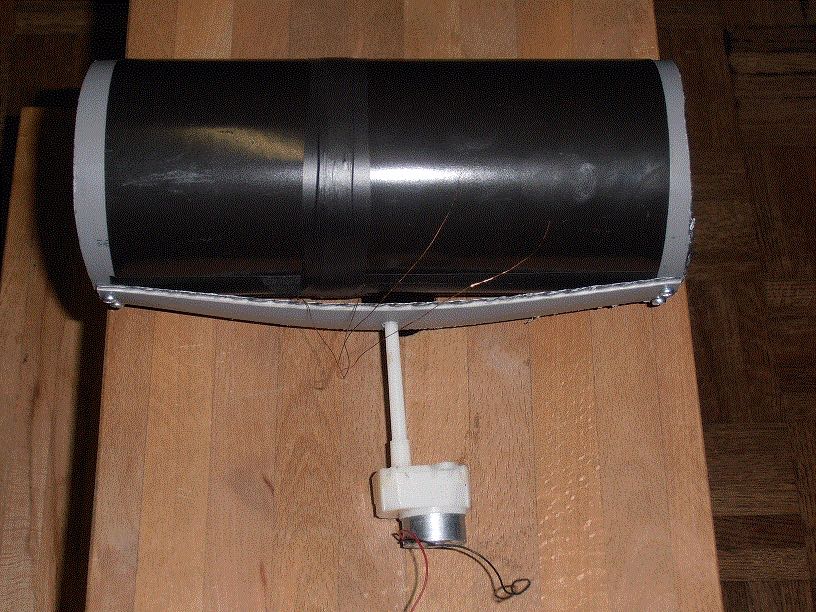
Valentino’s homebrew ferrite sheet antenna.

Many thanks to SWLing Post conttributor, Valentino Barbi (I4BBO) who writes detailing a novel approach to FSL antenna design.

Please note that I translated Valentino’s message from Italian to English via Google translate so please forgive any errors. Valentino writes:

FSL antenna radio enthusiasts typically use numerous ferrite bars with high cost, weight and scarcity,

Ukrainian ferrite bar producers have now finished stocks and have raised their prices.

Normally you use this site to build FSL antennas:
http://www.am-dx.com/antennas/FSL%20Antenna%20Design%20Optimization.htm.

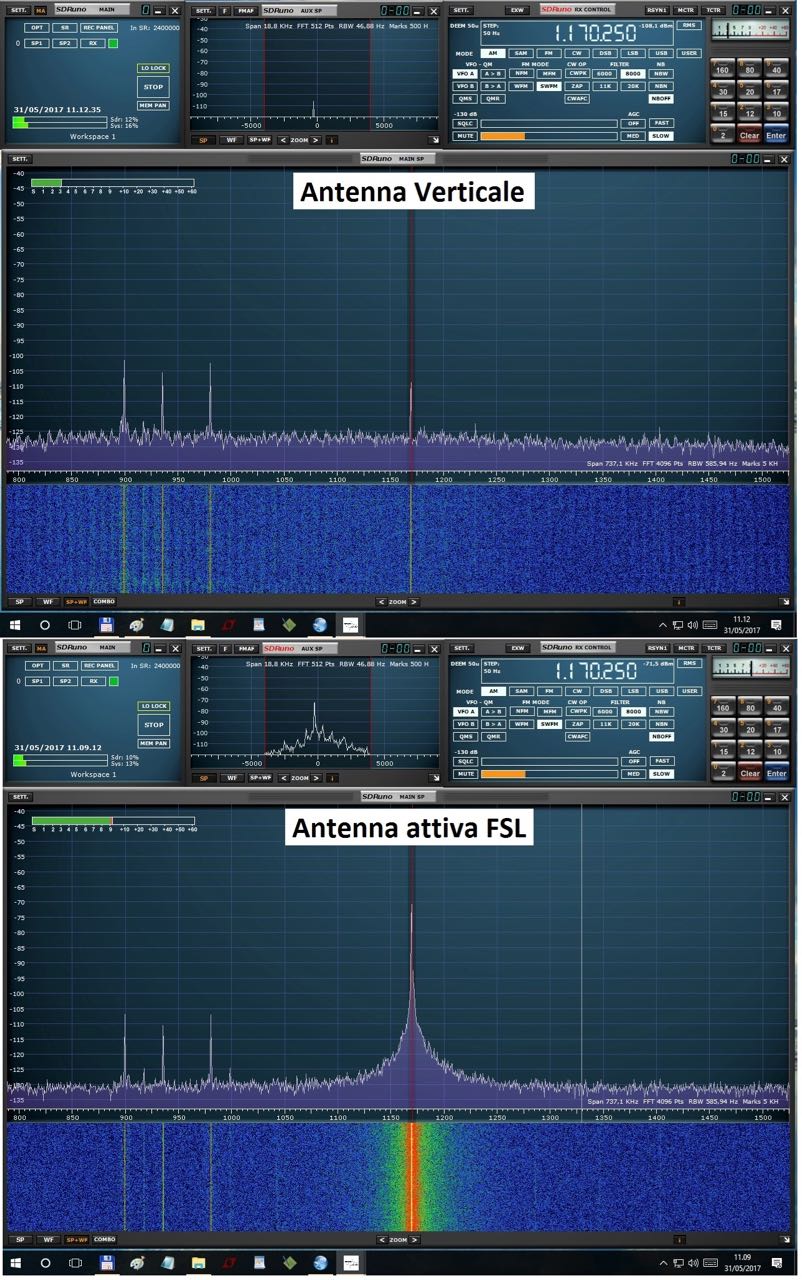
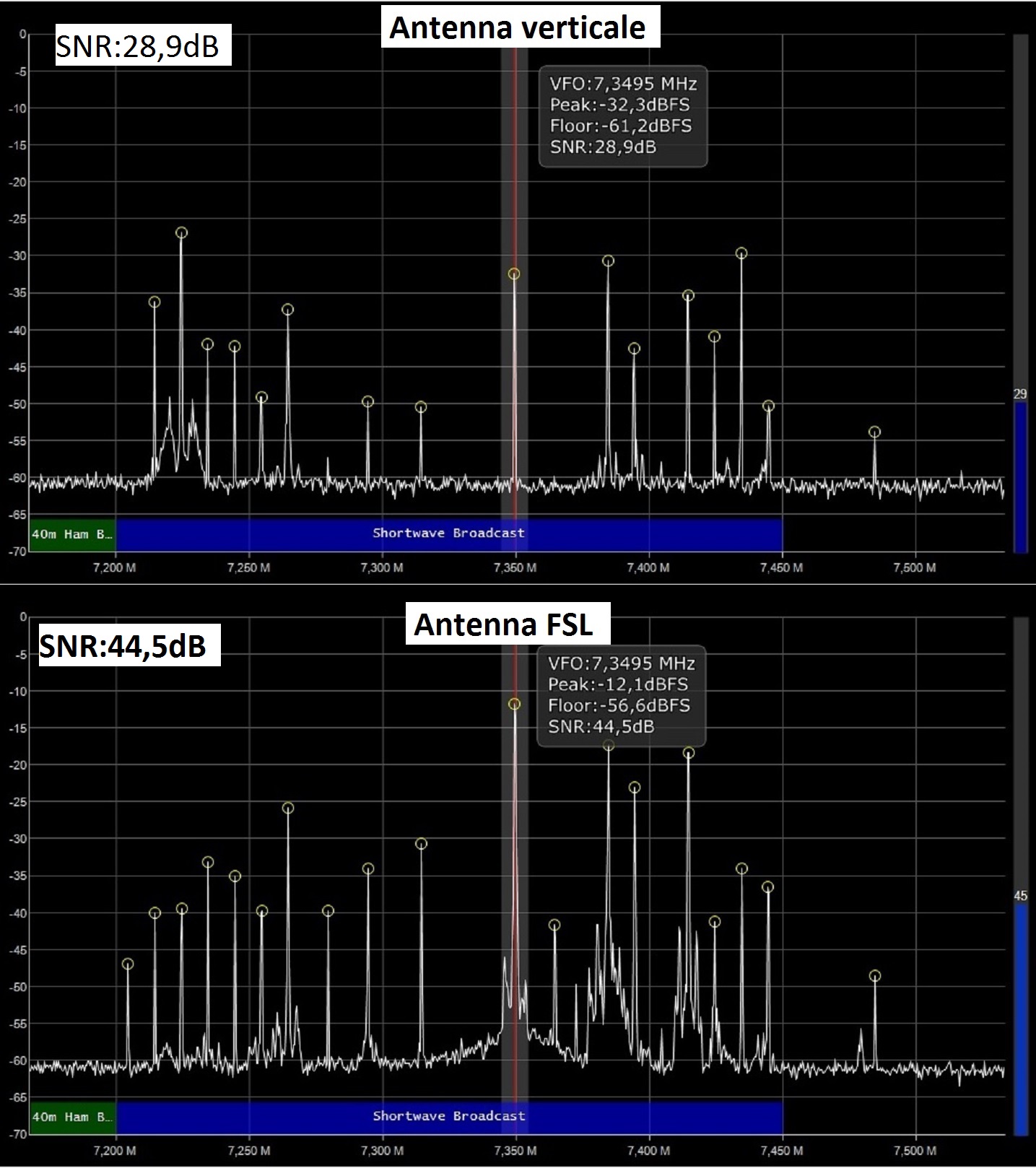
I’ve been experimenting with a new antenna design for about 10 days comparing it with a classic FSL with 20 ferrite bars.

Listening to the audio signals are the same, only instrumentally the antenna FSL in ferrite film
Loses -2dB.

The construction is very simple in that the two ends overlap 5 mm.

I did this:

  • I took a sheet of A4 paper, I cut 5mm paper at one end.
  • I laid this sheet on a 10 cm (10 cm) diameter PVC tube.
  • The uncovered part of the tube is cut, now we will have exactly the exact diameter to fix the A4 sheet of ferrite with the overlap of 5 mm.

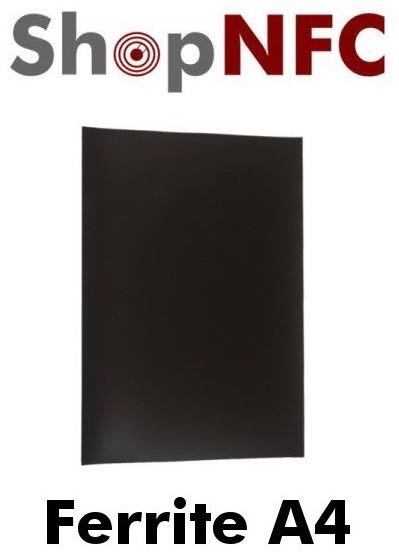
As for where to source a ferrite sheet, after much research I discovered this supplier almost by accident:

Click here to view the product page and ordering information.

In summary, the main advantages of this antenna design is weight, cost and availability of A4 sheet of ferrite.

Click here to follow Valentino’s antenna project on his website.

Fascinating, Valentino! Please feel free to share any further information about this FSL antenna as you experiment. It’s true that ferrite bars are becoming difficult to source. Sounds like this is an affordable alternative antenna design for ultralight DXing.

RadioWorld: Steps to Lower Noise Floor and Revitalize AM Radio

(Source: RadioWorld via Richard Langley)

Noise interference is the menace of all wireless broadcast communications services

Background noise interference is degrading the quality of broadcast reception, two-way communications, mobile cellphone services and every other form of wireless communications used today at an alarming rate.

The FCC and the ITU agree that the DC to 60 GHz+ wide-spectrum background noise floor is increasing as more and more unregulated electronic devices are used by more consumers in more ways every day.

While it is true that large numbers of these devices have been in use for some time, the question becomes: What can we do to lower the noise floor now that the floodgates of unregulated devices have been open for so long? Is this an impossible task? I believe the answer is an emphatic “no.”[…]

Continue reading the full article at RadioWorld online.