Category Archives: Shortwave Radio

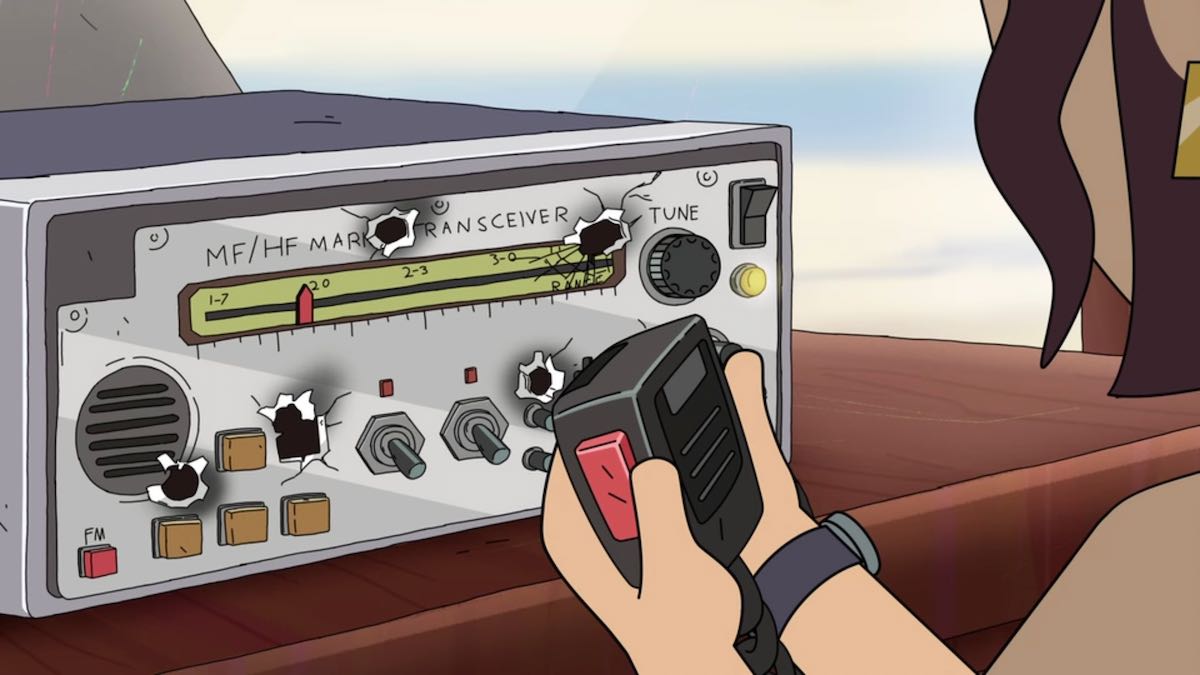
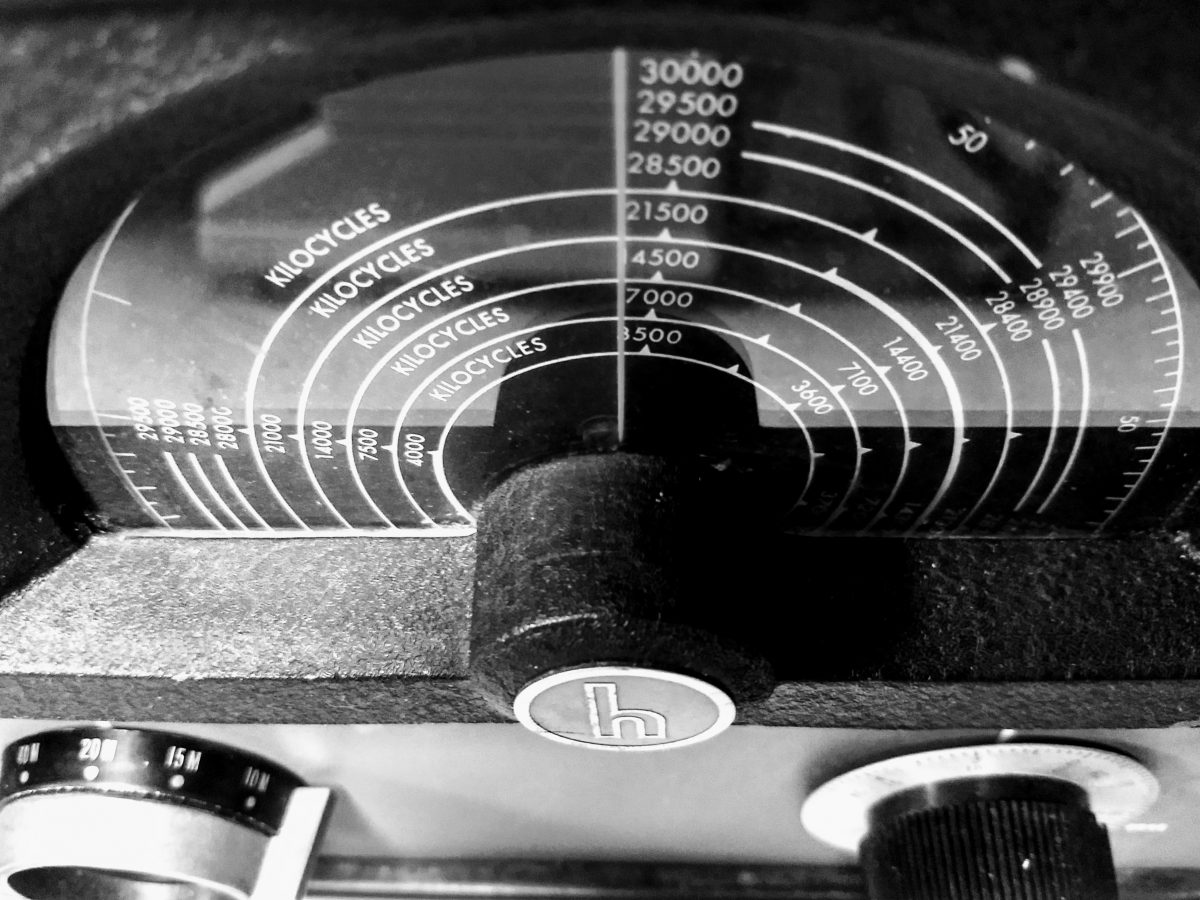
Mark spots a fictitious marine HF radio in Netflix’s “Inside Job”

Many thanks to SWLing Post contributor, Mark Hist, who writes:

Thomas,

A tongue-in-cheek radio sighting this time.

I spotted this gun fire damaged ‘marine HF’ radio in an episode of ‘Inside Job’ on Netflix.

Mark

Great timing, Mark. I watched the first episode of Inside Job this morning. It was a good laugh–quirky show! I love how the animator actually spent a little time illustrating the front panel and even that massive wound coil inside the set! I wonder if he/she is a radio enthusiast…?
Portable digital receivers that don’t mute between frequency steps?

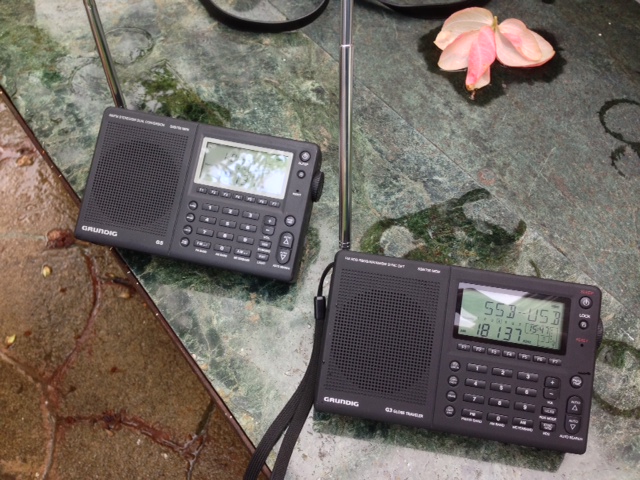
The Grundig G5 and G3: two prime examples

Many thanks to SWLing Post contributor, Ken Keese (K5KGK), who writes:

Hello Thomas! Thanks for all the GREAT info you post for us! It is tremendously helpful.

Do you have a list of shortwave receivers that do not mute the audio when the tuning knob is turned? This is a really important feature for me in my decision to purchase a radio. I like to manually search frequencies for activity and it’s difficult if the radio is muted while I turn the “big knob”.

Thanks a bunch for your help.
Ken Keese
K5KGK

Thank you for your question, Ken–it’s a very good one. Many late-model DSP portables do indeed mute between frequency changes.

Early in my SWLing career, I couldn’t afford high end receivers, so all of my digital portables (the RadioShack DX-440, and Grundig YB400 most notably) would make a “chugging” sound as one would tune.

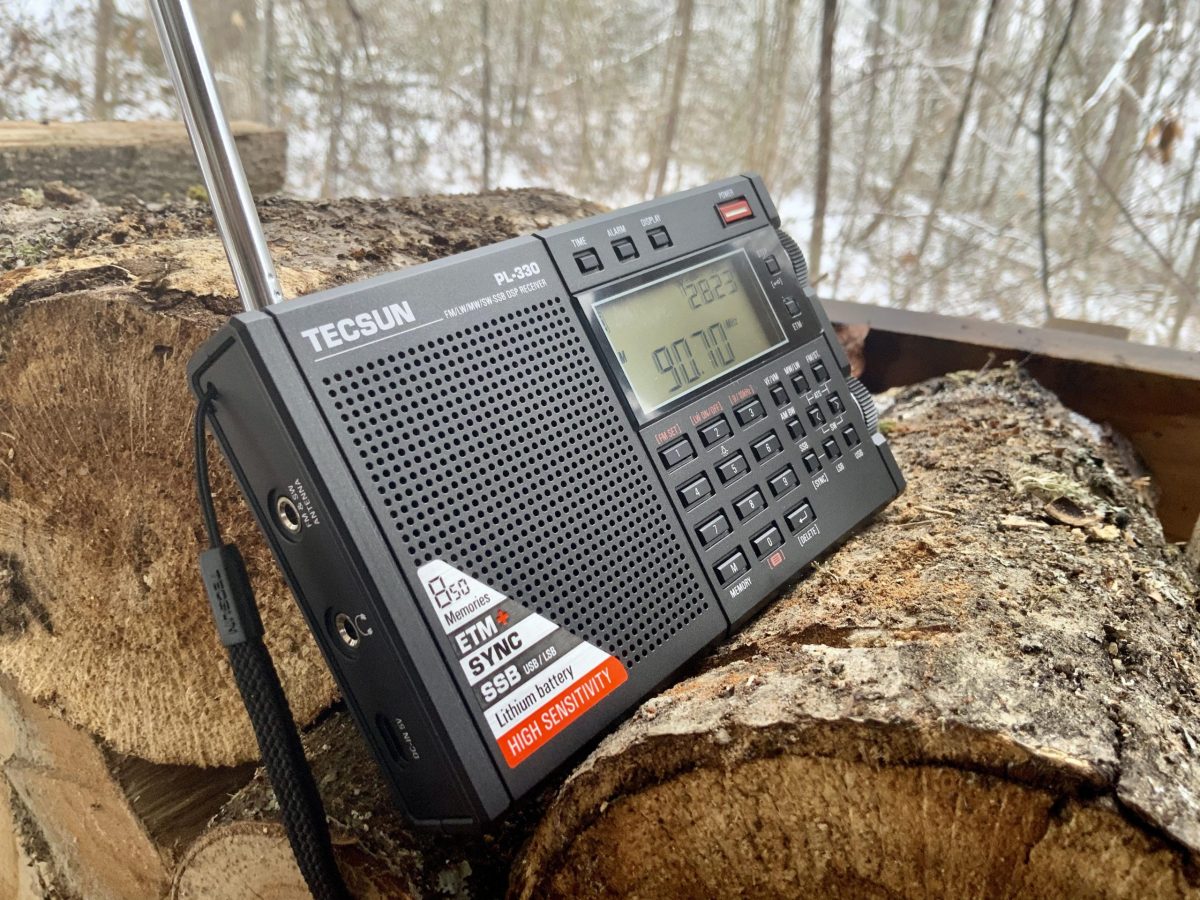
I also remember how pleased I was with the Grundig G5’s fluid tuning when it was first introduced! The Tecsun PL-600, PL-660, and PL-680 were all models that had no nuting between frequency steps.

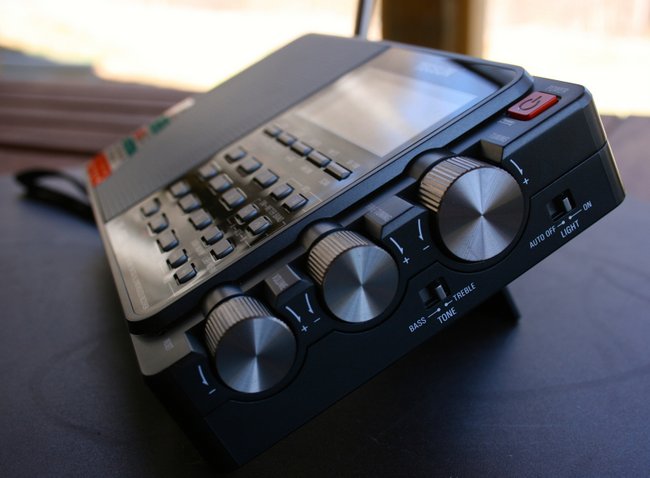
Many higher-end modern DSP portables like the PL-880, PL-990/x, H-501/x also provide an analog-like band scanning experience.

A little help, please?

I would like to turn this question over to our readers because I believe their input will be more valuable and more comprehensive. Well, that and Ken if you wait on my to write up a full list, you might not get a reply for months with my current schedule. 🙂

SWLing Post readers: Please comment with digital display portable models you can confirm have no muting between frequency steps! Thank you.

Oh, and Ken? Thank you for the kind comments about the SWLing Post!

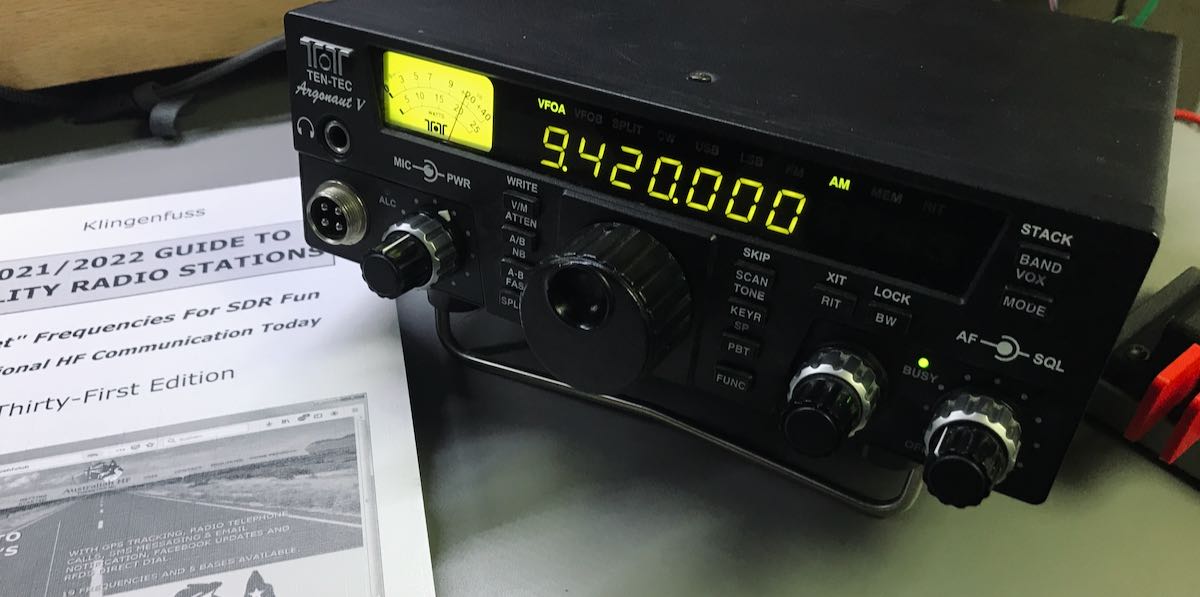
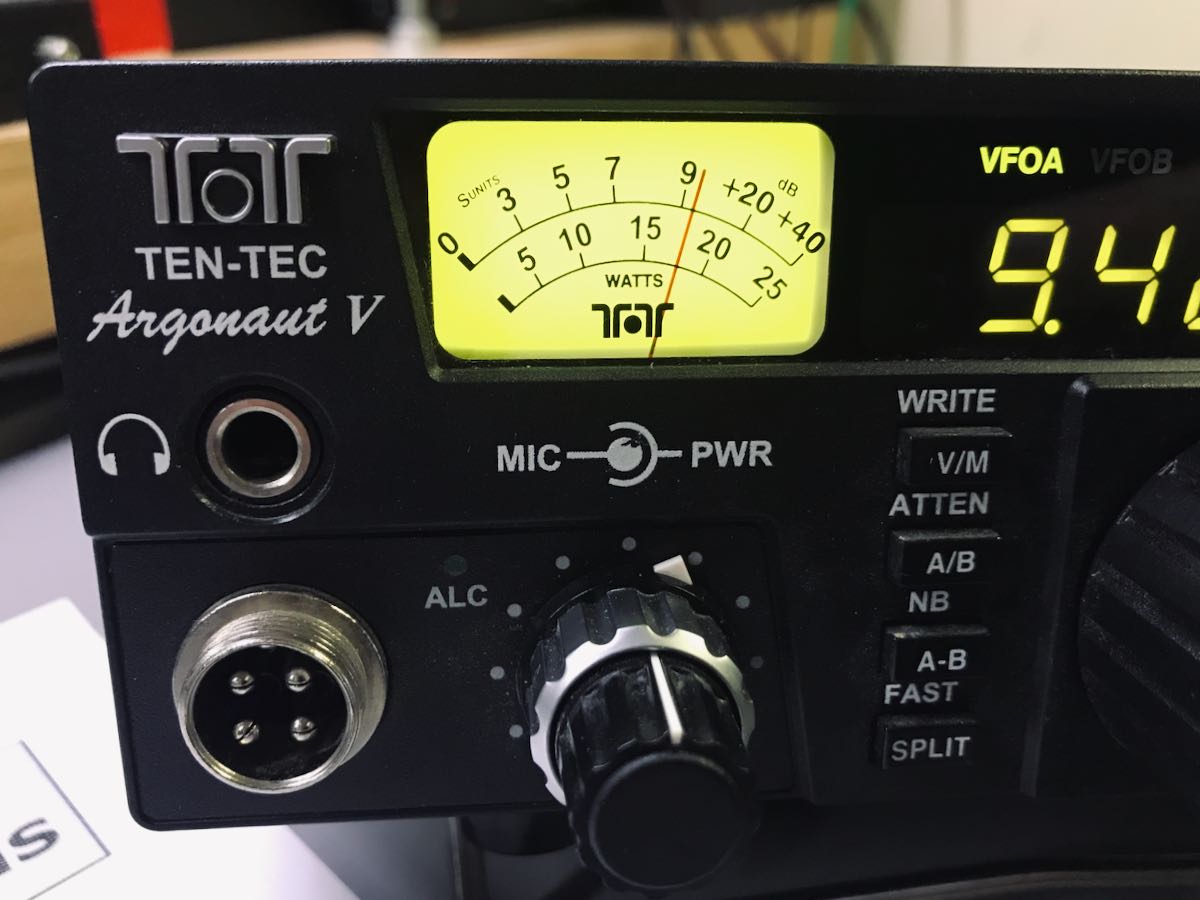
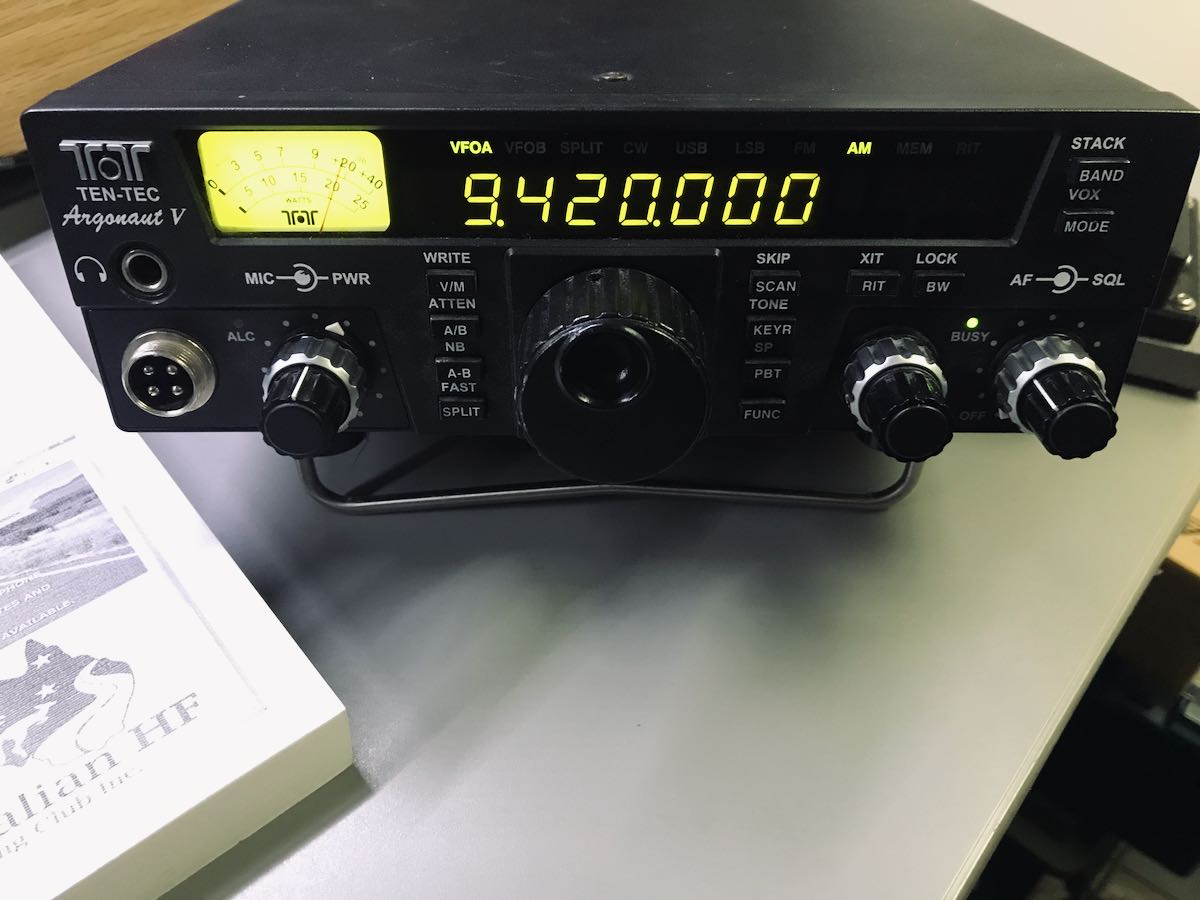
My new-to-me TEN-TEC Argonaut V

While browsing the QTH.com classifieds last weekend, I found an ad for a Ten-Tec Argonaut V (Model 516).

The Argo V was a general coverage HF transceiver produced by TEN-TEC starting around 2003 or so. When it was introduced to market, I wanted one because I thought not only would it be a great QRP transceiver, but TEN-TEC rigs tended to have brilliant audio and were capable broadcast band receivers.

The seller described it as being in “pristine condition and operating to factory specs on all bands.”

The seller seemed to be a nice fellow and sent me a number of photos with his QSL card in the image and his email address matched what was on file with QRZ.com. The seller checked out on many levels confirming this wasn’t a scam (always assume a classifieds listing could be a scam!).

I purchased it last week and it was delivered today.

The first thing I did after connecting it to a power supply was tune to the 31 meter band, switch the mode to AM, and widen the variable filter to 6 kHz (the Argo’s max AM bandwidth).

So far, I’m impressed!

For a ham radio transceiver, I can tell that the Argo V is going to be a competent rig for casual shortwave radio listening.

I also tuned to the mediumwave band (not having even checked in advance its lower RX limit) and am happy to report that it covers the whole AM BC band as well.

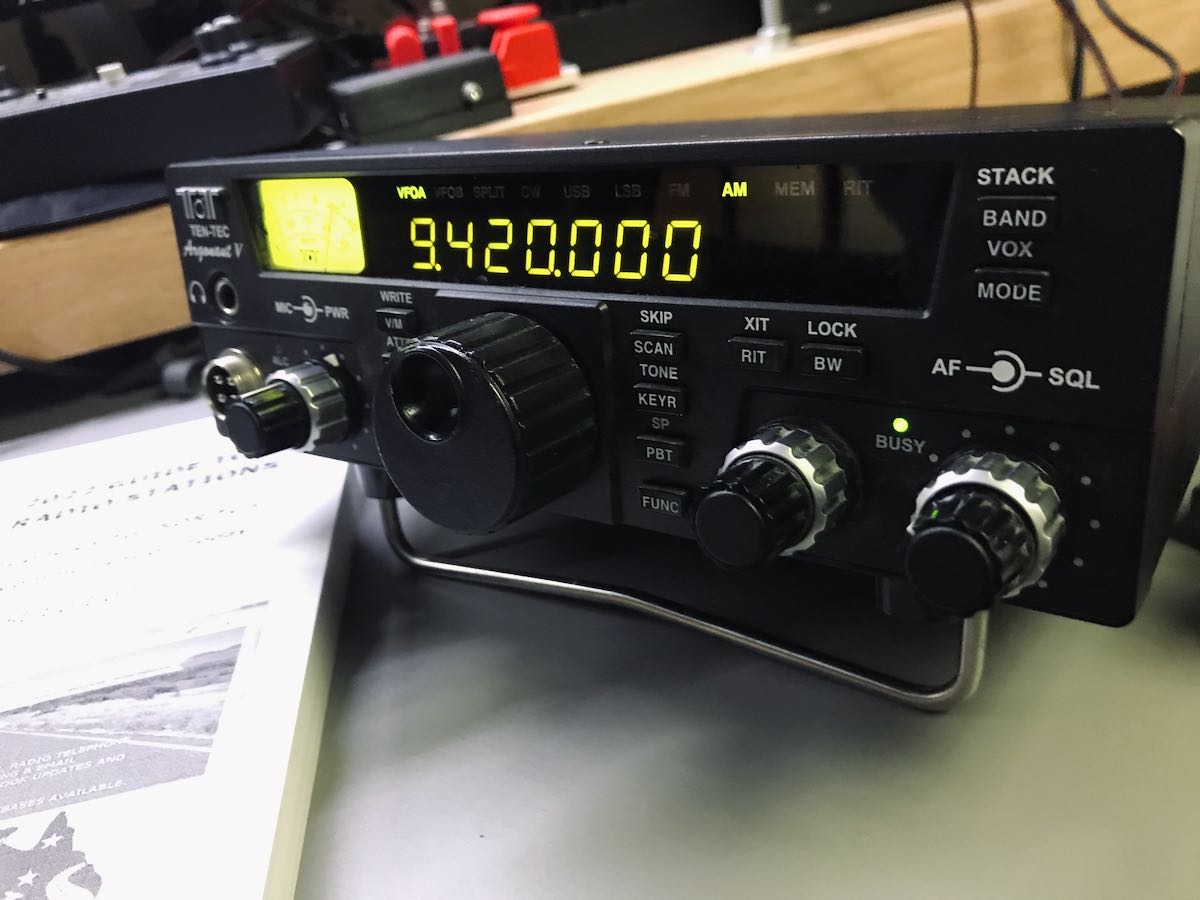
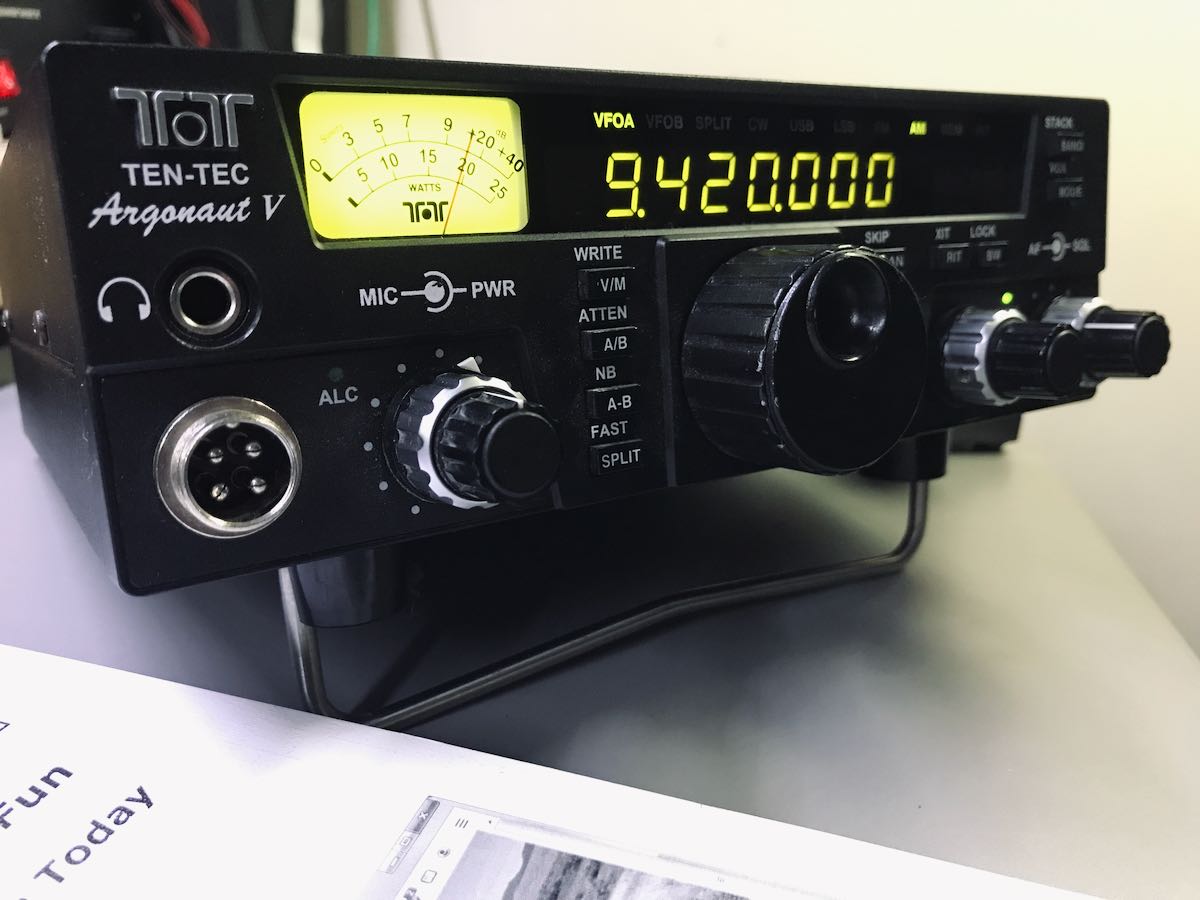
If I’m being honest, though, the real reason I’ve always wanted an Argonaut V, specifically, is because I absolutely love the front panel design of this radio.

The large LED digit frequency display is fabulous and has–as my buddy Eric put it–a certain “Apollo era” aesthetic. The large frequency display was one of my favorite things about my beloved OMNI VI+ as well.

I’ll admit that I also love a good analog meter!

The Argonaut V also has a very simple, very Ten-Tec, front panel with good field ergonomics. In fact, the Argo V is a very simple radio: there are no modern features like message memory keying, built-in batteries, nor does it have an internal ATU.

Although spec-wise, I’ve much better receivers at SWLing Post HQ, I’m looking forward traveling the shortwaves with the Argo V!

Dan reviews the CountyComm GP7/SSB (Gen 4)

Many thanks to SWLing Post contributor, Dan Robinson, for the following guest post and review:


CountyComm GP7 / Tecsun PL-368:  Is It All You Need?

by Dan Robinson

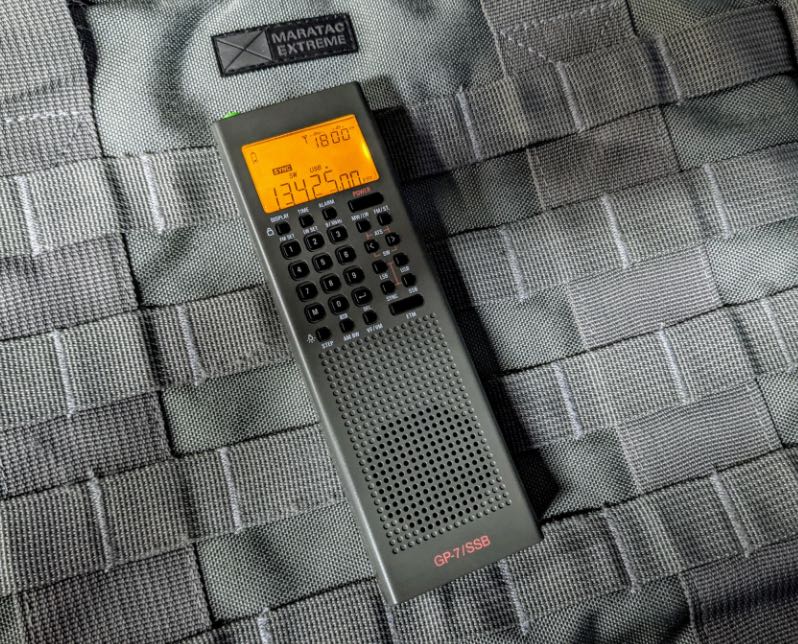
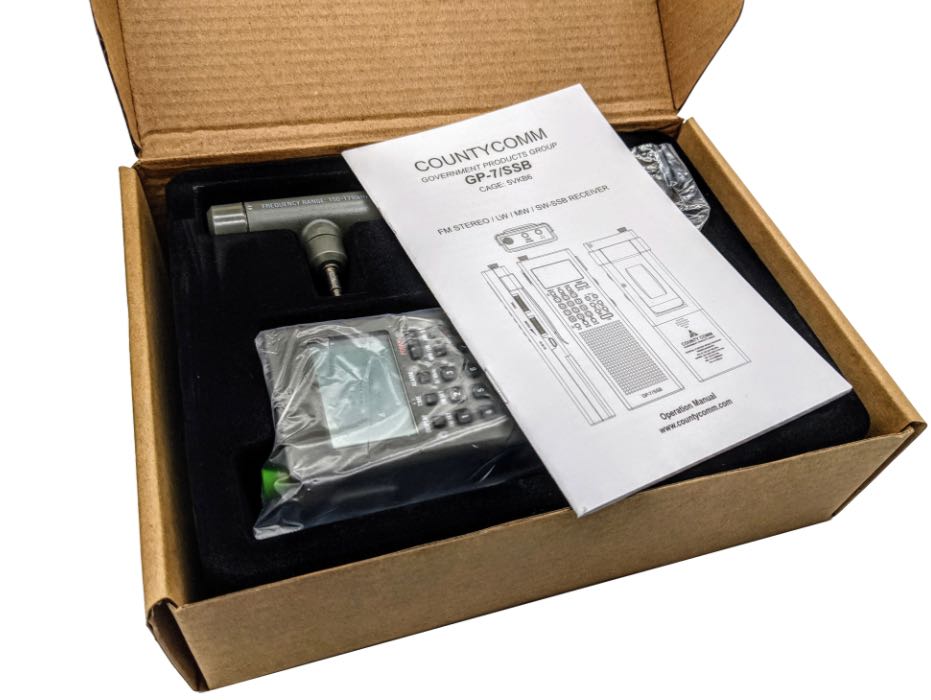
It’s been a long wait, but CountyComm, that supplier of all kinds of neat and useful stuff, finally released the GP7 SSB (Gen 4).

As the name states this is the 4th generation of the series of radios adapted by the company from the Tecsun PL-36xxx series of receivers (there was at one point a GP6 that was a never-released special project).

All photos by CountyComm

This walkie-talkie style, though receive-only, portable has undoubtedly been a big seller for CountyComm since the first model came out.  It’s popular not only with SWLs and amateur operators but also with preppers.

When OEM Tecsun finally did what everyone was clamoring for – redesign the radio with a keypad and including features associated with the PL-880/330/990x/501x receivers – the ground shook. Continue reading

Guest Post: Why listen to shortwave radio?

Many thanks to SWLing Post contributor, Jock Elliott, who shares the following guest post:


Why listen to shortwave radio?

By Jock Elliott, KB2GOM

Decades ago, an entrepreneur challenged his audience with a concept of critical importance: “Every once in a vhile, it is important to ask ourselves vhy are we in business?” He had a waaay cool Austrian accent, and his point was valid: every once in a while, we should examine our fundamentals.

So why, indeed, listen to shortwave radio?

For me, the short answer is: because there are treasures out there on the shortwave spectrum, that’s why. Further, with a relatively inexpensive shortwave receiver (even better if you have a receiver with single-sideband – SSB – capability), you hear them too. You can discover things that you are unlikely to find anywhere else, and not only are they fun to hear, they are also fun to find.

So let me present for your approval a shortwave journey that I took on October 24, 2021.

1115Z – It all starts when I am flipping through my old shortwave reference materials, and a copy of a page from Popular Communications magazine, April, 1986, catches my eye: “Handy Ute Finder by Hubble Gardiner, KNE0JX.” Utes are utility stations (as opposed to hams or international broadcasters), like ships at sea, planes in the air, and fixed commercial and military stations, and the like. The article presented places to look in the HF radio spectrum between 4000 kHz and 26960 kHz, for utility stations transmitting in SSB, CW, and RTTY/ARQ modes. Is this chart still valid? I don’t know, but since I enjoy hearing people doing their jobs on the air, why not start tuning from 4000 kHz in upper sideband and see what I can hear? Freeing the Tecsun PL-880 from its case, I extend the antenna, press the power button, punch in 4000 kHz, and start turning the dial. And while my initial impulse was to discover some “utes,” I am open to whatever comes through the headphones.

1128Z, 4426 kHz USB – a ute, super loud and clear, a weather forecast from the US Coast Guard Communications Command, including a forecast of tropical weather from the National Hurricane Center. If I were a mariner, I would be pleased to hear this forecast.

Duties call, and my cruise of the bands is interrupted, to be continued later in the day . . .

2130Z, 7490 kHz AM, — highly unusual music that sounds like a mash-up between 1930s movie music and oompah bands. It’s odd but pleasant and certainly not anything you are going to hear on the “regular” broadcast stations. Turns out it is a program called Marion’s Attic on WBCQ from Monticello, Maine. Two females, Marion (with a high squeaky voice) and Christine, play recordings from yesteryear (including wax cylinders, I think). Evidently, this program has been on the air for 22 years, and it made me smile.

2150Z, 8950 kHz USB, — a ute, European weather conditions for aviators from Shannon VOLMET, Ireland, very difficult to hear on the PL880’s whip antenna, but fully copyable on my Satellit 800 with wire antenna. How cool to hear weather from all the way across the pond!

2206Z, 9350 kHz AM, (back on the PL880) — USA Radio News on WWCR, then Owen Shroyer and a Dr. Bartlett discussing the problem of a hospital in Texas apparently putting plastic bags on the heads of covid patients. Unusual, I think, but I had heard enough about the virus of late and continue to rotate the tuning knob.

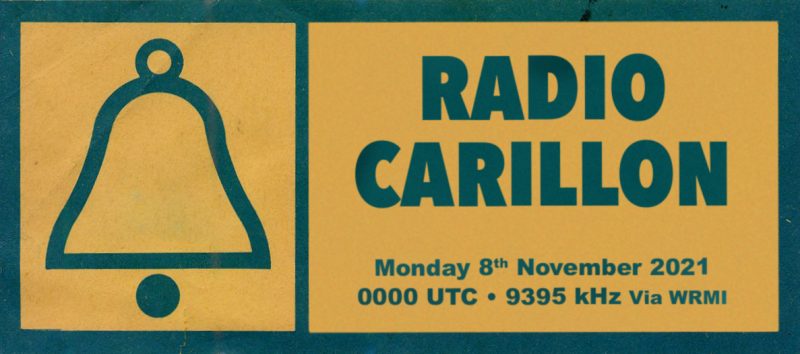
2215Z, 9395 kHz AM, — My ears are tickled by cool jazz, a very together group, laying it down with style. “This is cool jazz, jazz from the left coast,” the announcer intones as he cues up another group. It’s WRMI, transmitting from Okeechobee. Hearing it, I flashed back to “The Hawthorn Den, Jazz after Midnight” Saturday nights, listening under the covers when I was a kid.

2226Z, 9830 kHz, Voice of Turkey, in English — A professor presents an analysis of the United Nations, which he thinks needs to be reformed due to the shifting of the axes of power. This is followed by exotic music with nice female singer.

2239Z, 9955 kHz,WRMI, — Glen Hauser hosts The World of Radio, detailing the status of various shortwave stations around the world. Fascinating stuff and well worth the time.

2257Z, 10051 kHz USB, — a ute, weather for aviators again, but this time from Gander, Newfoundland. Makes me glad to be in a nice warm house.

So that’s what a little over an hour of turning the knob yielded, and that’s why to listen to shortwave radio: because you never know what you may encounter. Who knows what you might discover with a shortwave radio and a little wandering around?

Remember what Gandalf said: “Not all who wander are lost.

Radio Waves: X-Class Flare & Halloween CME, Ham Callsign History, 2/3 UK Listeners Now Digital, AM/FM Until 2030, and Rampisham’s New Plan

Radio Waves:  Stories Making Waves in the World of Radio

Because I keep my ear to the waves, as well as receive many tips from others who do the same, I find myself privy to radio-related stories that might interest SWLing Post readers.  To that end: Welcome to the SWLing Post’s Radio Waves, a collection of links to interesting stories making waves in the world of radio. Enjoy!


Significant X-class solar flare (Southgate ARC)

There was a global eruption on the sun today. It started with a powerful X1-class solar flare from sunspot AR2887.

The blast created a massive tsunami of plasma in the sun’s atmosphere, which rippled across the entire solar disk. A CME is probably heading for Earth, raising the possibility of a geomagnetic storm on Halloween. More information and updates @ Spaceweather.com.

Solar Flare Alerts: Sign up for Space Weather Alerts and get instant text notifications when solar flares are underway.

History of the Ham Radio Callsign (Southgate ARC)

In this video Mike Ritz W7VO looks at the history of amateur radio call signs in the United States

Every legal amateur radio operator in the world has a unique callsign assigned to them by their government, and many of us are better known by our callsign than our given name. But what world event was it that caused these monikers to be? Why are they constructed the way they are? Continue reading