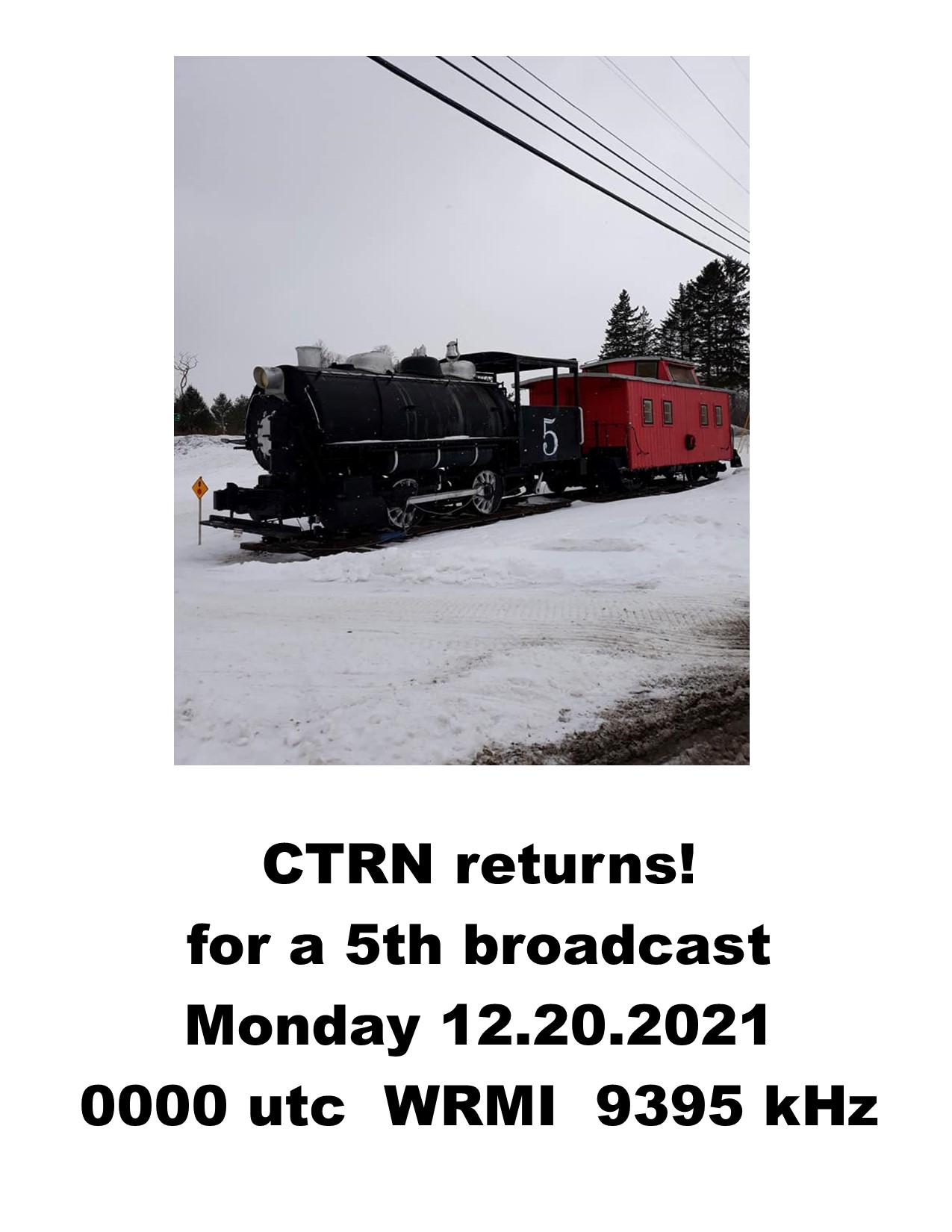
Many thanks to SWLing Post contributor, Fastradioburst23, who shares the flier above and notes that CTRN will return for a 5th broadcast on December 20, 2021 at 00:00 UTC via WRMI on 9395 kHz.

Many thanks to SWLing Post contributor, Fastradioburst23, who shares the flier above and notes that CTRN will return for a 5th broadcast on December 20, 2021 at 00:00 UTC via WRMI on 9395 kHz.
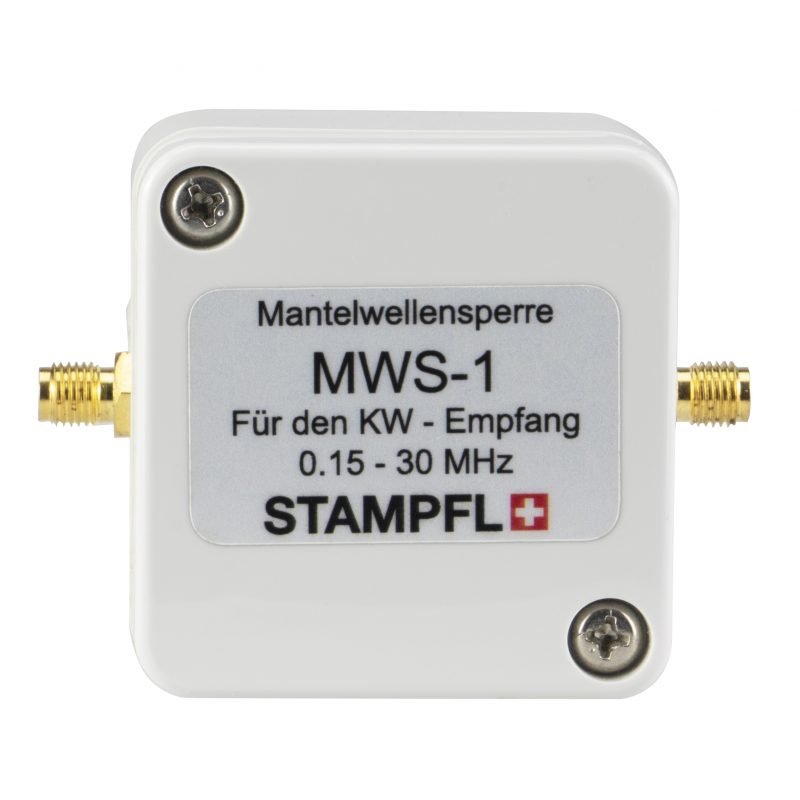
Many thanks to SWLing Post contributor, Markku (VA3MK), who notes that Swiss manufacturer Stampfl has introduced the MWS-1 Standing Wave Barrier.
Stampfl notes (translated from German):
A standing wave barrier can improve reception. The standing wave barrier interrupts the ground loop and suppresses the interference caused by the cable shield.
This is designed only to work with receivers (not transmitters) between 0.15 – 30 MHz.
I suppose this might be a form of an RF choke, although I’m sure someone else might know better.
Thank you for the tip, Markku!
 Many thanks to SWLing Post contributor, Bill Hemphill, who shares the following guest post:
 YouLoop Antenna Fun
by Billy Hemphill WD9EQD
Like many listeners, I live in an antenna restricted community. While I have strung up some hidden outdoor wire antennas, I have found that they didn’t really perform that much better than just using the telescoping antenna with maybe a length of wire attached. The biggest problem (whether indoor or outdoor antenna) has been the high noise floor.
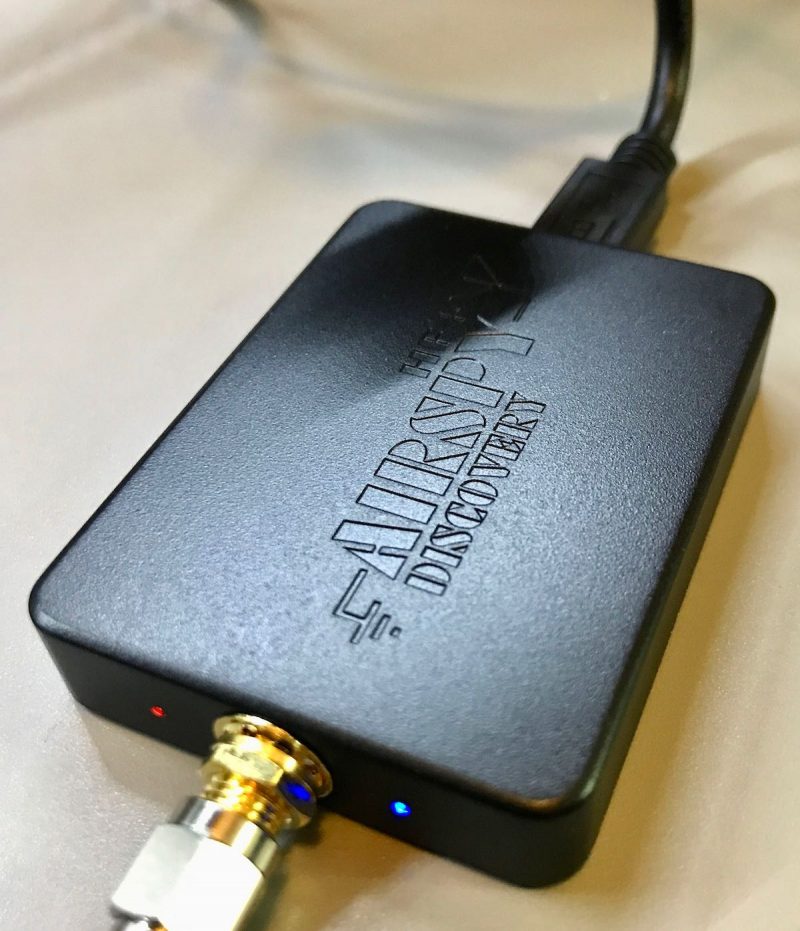
A few months ago I bought an AirSpy HF+ Discovery SDR receiver. I had already owned a couple of SDRPlay SDR receivers, but the high noise floor limited their performance. I had read good reviews about the AirSpy, especially its performance on the AM Broadcast band and the lower shortwave bands.
I have about 80 feet of speaker wire strung from the second floor and across the high windows in the living room. This does perform fairly well, but the high noise floor still exists.
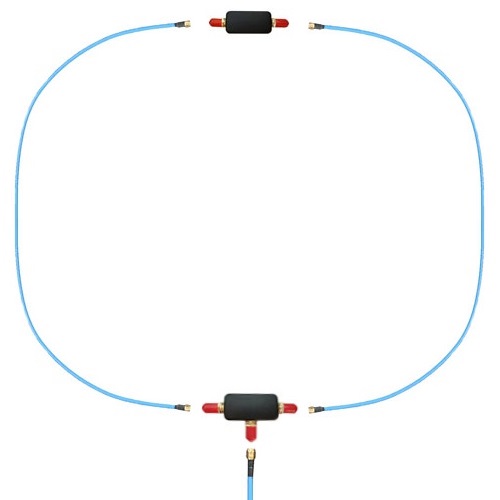
A couple of weeks ago, I bought the YouLoop Magnetic Loop antenna from AirSpy. I gave it a try and am amazed at the lower noise floor compared to the indoor wire antenna.
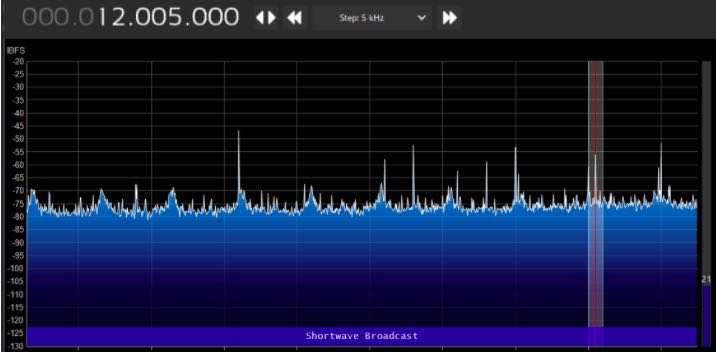
AirSpy with Wire Antenna

AirSpy with YouLoop

AirSpy with Wire Antenna
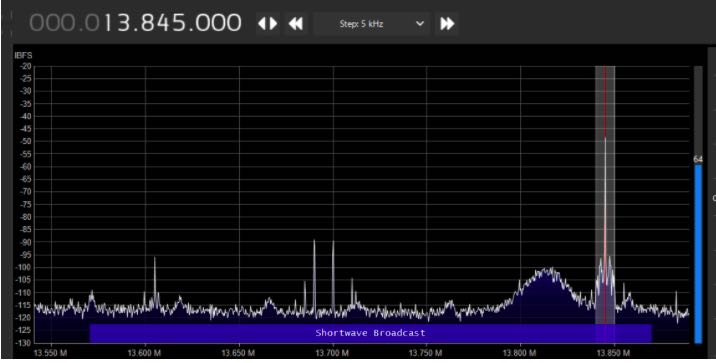
AirSpy with YouLoop
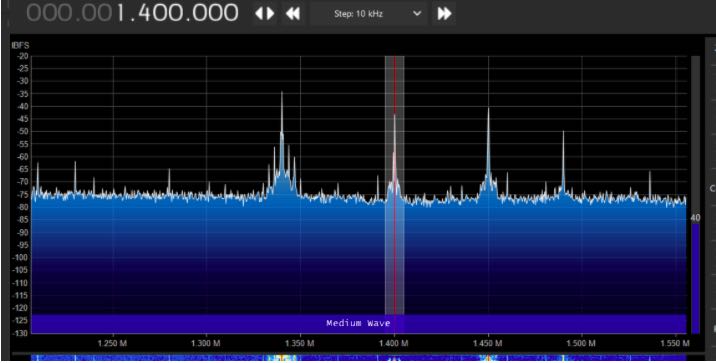
AirSpy with Wire Antenna
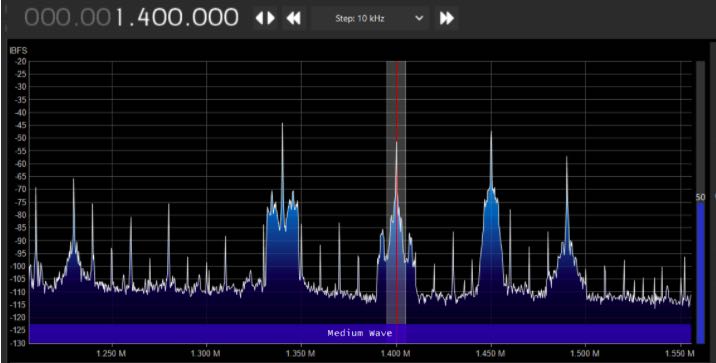
AirSpy with YouLoop
Dramatic reduction in the noise floor. I’ve done a lot of playing around with it and find that the YouLoop picks up just about the same stations as the indoor wire antenna does. But with the lower noise level, the YouLoop makes it more enjoyable to listen. Overall, the YouLoop is now my main antenna.
It works so well with the AirSpy, I started wondering if I could use it with a portable radio, like the Tecsun PL-880. But the AirSpy website has the following note:
Note: It is very likely your third party radio will not be sensitive enough to operate with the YouLoop properly. We have even seen self-documented failed attempts to build pre-amplifiers to compensate for the lack of sensitivity and/or the required dynamic range in third party radios. Use your brain, and eventually an Airspy HF+ Discovery.
Doesn’t sound like it will work with portable radios. BUT, I’m always one to try anyway.
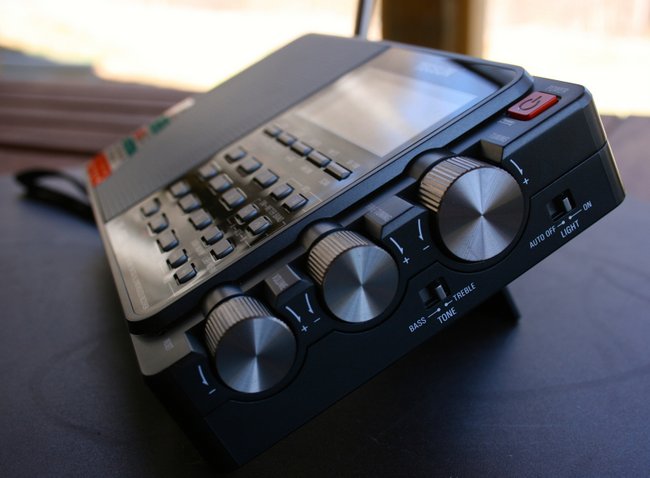
Tecsun PL-880
Since the YouLoop has a SMA connector, I bought a SMA to 1/8” phone jack cable. Plugged it into the PL-880 antenna jack and found I had almost a dead radio. Very few stations heard. But in playing around, I accidentally touched the phone plug to the telescoping antenna and instantly got strong signals.
I did some very unscientific tests. I attached the YouLoop through the side antenna jack, did an ATS scan, then did the same with the YouLoop clipped to the telescoping antenna. Also did a scan with just the telescoping antenna fully extended.. I got some very interesting results. These were done one after the other, so there can be differences in signal fading, etc.
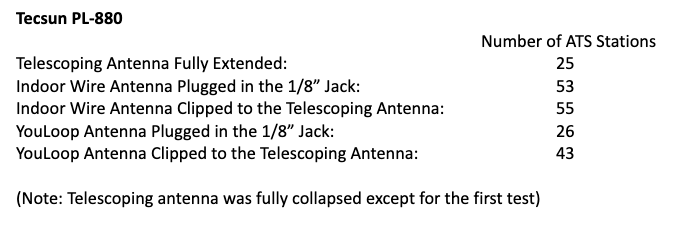
I have repeated the above test several times at different hours. While the actual number of ATS stations varied, the ratio between them remained fairly consistent to the above numbers.
From the above, it appears that the telescoping antenna circuit is more sensitive than the 1/8” antenna jack circuit. Maybe some attenuation is being added to the 1/8” jack since it’s more likely a higher gain antenna would be used there. Can anyone confirm that the circuit indeed attenuates thru the antenna jack?
The YouLoop seems to be a decent performer when directly clipped to the telescoping antenna. While not as good as a high gain outdoor antenna would be, it definitely is usable for indoor uses.
I also tested it clipped to the antennas of some other portable receivers. Tecsun S-8800, PL-330, Panasonic RF-2200 and Philco T-9 Trans-World receivers. All showed an increase over just using the telescoping antenna.
Some interesting notes:
The Tecsun PL-330 saw the same reduction in signal when directly plugged into the antenna jack as opposed to clipping on the telescoping antenna.
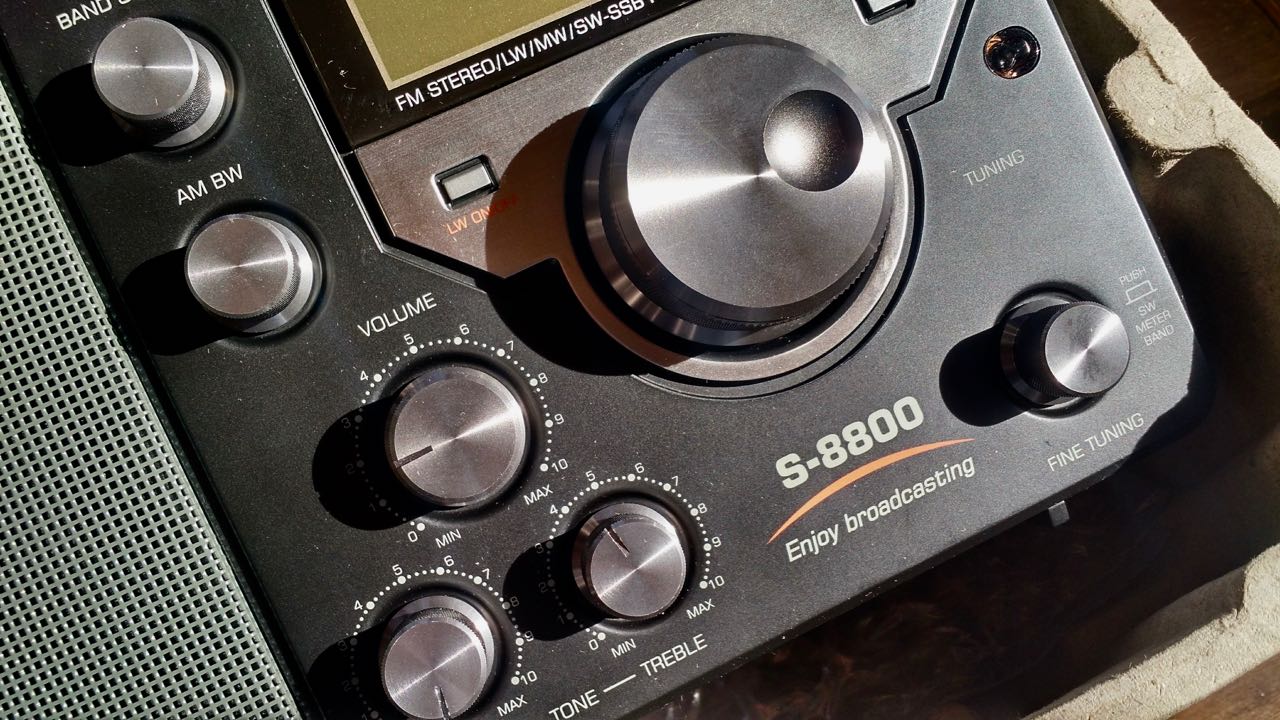
The Tecsun S-8800 did not show that much of a drop. I basically got the same number of stations when clipped to antenna as when I connected to the BNC jack:
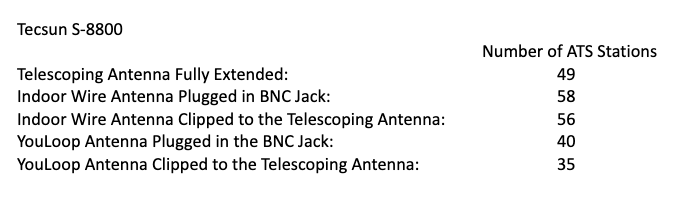 In conclusion, I find that I can use the YouLoop with my portable radios to increase the signals on strong stations when used indoors. And it is quite the performer when used with the AirSpy HF+ Discovery SDR receiver. It easily portable and I find that I move it around the house as I need to. I just hang it off a window curtain rod. I may just order a second one so that my family room radio has one permanently attached to it.
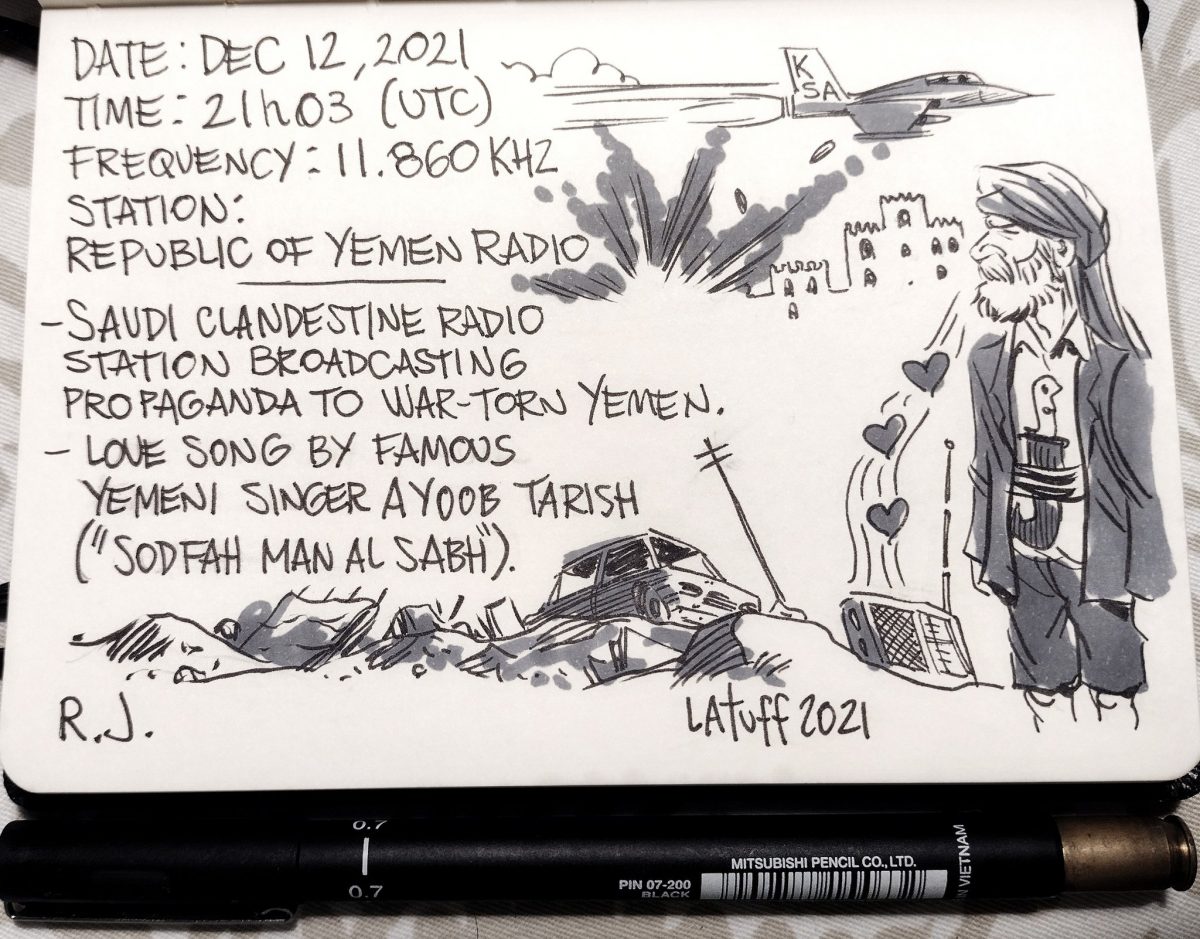
Many thanks to SWLing Post contributor and noted political cartoonist, Carlos Latuff, who shares another example of his radio log art, this time for clandestine station, Republic of Yemen Radio.
Carlos notes:
Republic of Yemen Radio, 11860 kHz, Saudi Arabia’s clandestine broadcaster broadcasting political propaganda to Yemen, a country that has been undergoing Saudi military intervention since 2015. Excerpt from a romantic song by the famous Yemeni singer Ayoob Tarish.
Signal picked up in Rio de Janeiro on Euro 12, 2021 at 6:03 pm. I thank Suhaila Abdel Latif for the kindness of the translation.

Former BBC World Service HQ – The Bush House
Many thanks to SWLing Post contributors, Doug and Kris, who both share a link to BBC Newshour which was broadcast yesterday (Dec 12, 2021).
The final segment of the show focuses on the birth of international shortwave radio and the first Transatlantic tests. You can listen to this report over the next month via the BBC Sounds website. This is the final piece in Newshour and starts at the 45:05 mark. Very much worth your time!
Click here to listen to this segment on BBC Sounds (starting at 45:05).
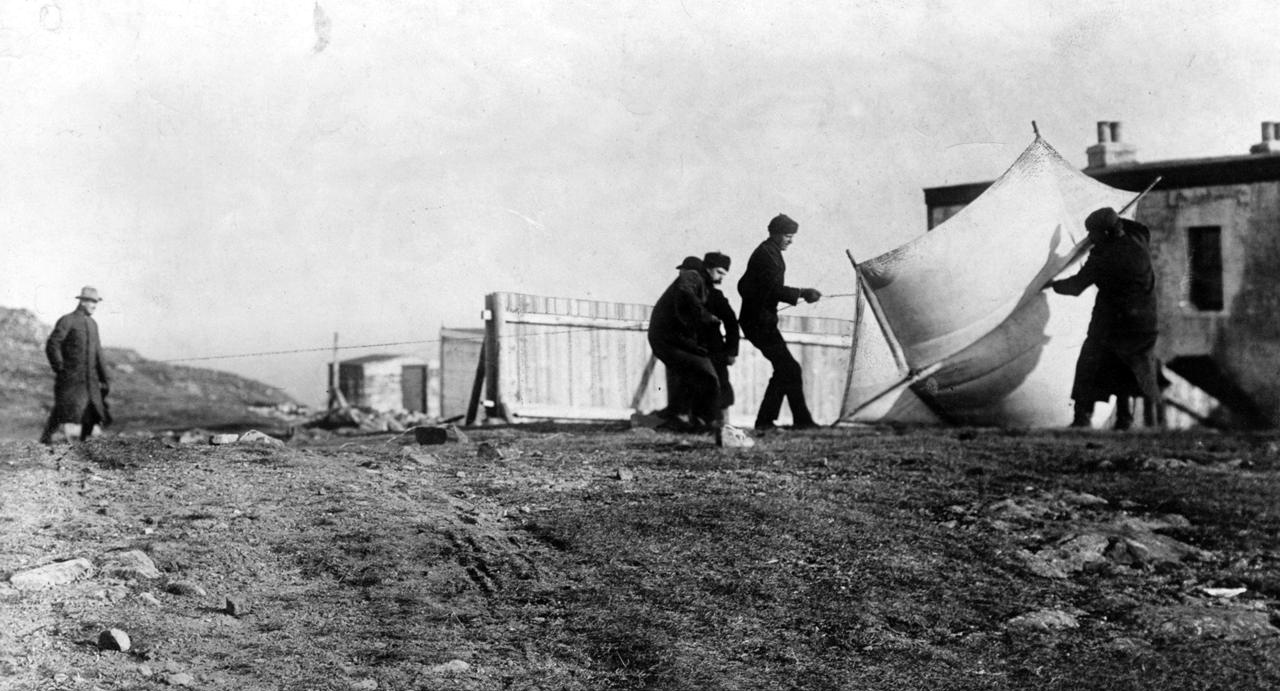
Marconi watching associates raising the kite (a “Levitor” by B.F.S. Baden-Powell[47]) used to lift the antenna at St. John’s, Newfoundland, December 1901 (via Wikipedia)
Because I keep my ear to the waves, as well as receive many tips from others who do the same, I find myself privy to radio-related stories that might interest SWLing Post readers. To that end: Welcome to the SWLing Post’s Radio Waves, a collection of links to interesting stories making waves in the world of radio. Enjoy!
Many thanks to SWLing Post contributors Trevor R, Andrea Bornino, Wilbur Forcier, and the Southgate ARC for the following tips:
Italian physicist and radio pioneer Guglielmo Marconi succeeds in sending the first radio transmission across the Atlantic Ocean, disproving detractors who told him that the curvature of the earth would limit transmission to 200 miles or less. The message–simply the Morse-code signal for the letter “s”–traveled more than 2,000 miles from Poldhu in Cornwall, England, to Newfoundland, Canada.
Born in Bologna, Italy, in 1874 to an Italian father and an Irish mother, Marconi studied physics and became interested in the transmission of radio waves after learning of the experiments of the German physicist Heinrich Hertz. He began his own experiments in Bologna beginning in 1894 and soon succeeded in sending a radio signal over a distance of 1.5 miles. Receiving little encouragement for his experiments in Italy, he went to England in 1896. He formed a wireless telegraph company and soon was sending transmissions from distances farther than 10 miles. In 1899, he succeeded in sending a transmission across the English Channel. That year, he also equipped two U.S. ships to report to New York newspapers on the progress of the America’s Cup yacht race. That successful endeavor aroused widespread interest in Marconi and his wireless company. Continue reading
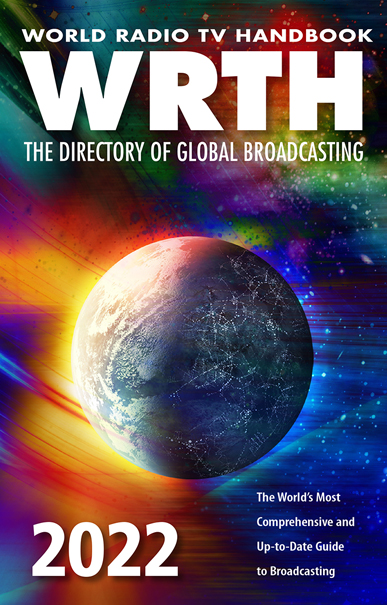
If you’ve been reading the SWLing Post for long, you’ll know that I’m a huge fan of the annual World Radio TV Handbook (WRTH). If you’re a fan of WRTH as well, I’ve got some good news and some…well…less than good news.
The new 2022 edition of the WRTH has been printed and is shipping.
Purchase your copy of WRTH 2022 directly from WRTH’s publishers, or from a distributor like Universal Radio (US) , Amazon.com (US), or the Book Depository (international).
WRTH’s publisher, Nicholas Hardyman, shared the following announcement today:
Having produced this book for the past 24 years we are very sorry to announce that WRTH 2022 will be the final edition of World Radio TV Handbook produced and published by WRTH Publications. This was a hard decision to make and one we only made after a lot of discussion. We know that many people rely on WRTH and greatly enjoy getting the new edition every year. We realise that this news will be disappointing for many people.
We want to thank you all for your loyal support over the years.
I know this must have been a very difficult decision for the WRTH team. While it is disappointing news, I wish everyone at WRTH the very best. I’ve gotten to know this team, especially Nicholas, over the years and it’s been an honor to work with them and even write a few of their reviews.
I believe WRTH will maintain an online presence for years to come. I would encourage you to keep their website bookmarked. Of course, we’ll announce any changes or updates to the WRTH site.
 Seriously. I can’t tell you how many readers over the years have told me they regretted not purchasing the final edition of Passport to Worldband Radio when it was new. Many didn’t realize that particular year would be the final edition and missed the opportunity.
In this case, we now know the 2022 edition of the WRTH will be the last. We have to assume the company printed roughly the same amount of books that they did last year since the decision was made after the book had gone to print.
In other words, the supply will be similar to last year, but I predict demand will be much higher with readers knowing in advance that this is the final edition.
My advice would be that if you want the 2022 edition, I would bite the bullet now instead of waiting.
Purchase your copy of WRTH 2022 directly from WRTH’s publishers, or from a distributor like Universal Radio (US) , Amazon.com (US), or the Book Depository (international).
Again, here’s wishing everyone at WRTH Publishing the very best! Thank you for so many years of bringing our amazing international radio world into print.