Category Archives: Shortwave Radio

Studio recording of the KMTS “Boot Up!” broadcast

Many thanks to the folks at KMTS who share the following:

A studio version of the KMTS Boot Up Special of 17.1.2021 on 7780 kHz at 0100 UTC. This transmission consisted of Country and Western sounds, engineer test signals, rare re-media mixes of cult radio favourites, strange tones, and vox.

Rebroadcasts: 7 pm eastern time Sunday January 17th 2021 and Sunday January 24th 2021 (0:00 UTC Monday 1/18 and 1/25 on 9395 kHz.

Click here to listen via SoundCloud.

Radio Waves: FCC Warn Extremists Using Radio, ARRL Statement, Historic Radio Tirana Building, and Bob’s Replica Broadcast Studios

Radio Waves:  Stories Making Waves in the World of Radio

Because I keep my ear to the waves, as well as receive many tips from others who do the same, I find myself privy to radio-related stories that might interest SWLing Post readers.  To that end: Welcome to the SWLing Post’s Radio Waves, a collection of links to interesting stories making waves in the world of radio. Enjoy!

Many thanks to SWLing Post contributors Pete, Bill, Trevor R. and Steve Reardon for the following tips:


Blocked from social media, extremists discuss turning to radios to plan attacks, FCC warns (CNN Business)

The US government is warning that groups could rely on radio equipment as an alternative to social media to plan future criminal activities.

In a stark warning Sunday, the Federal Communications Commission’s enforcement bureau said people coordinating or conducting criminal activity over radio waves are breaking the law.

“The Bureau has become aware of discussions on social media platforms suggesting that certain radio services regulated by the Commission may be an alternative to social media platforms for groups to communicate and coordinate future activities,” the FCC said in its warning Sunday. “Individuals using radios in the Amateur or Personal Radio Services in this manner may be subject to severe penalties, including significant fines, seizure of the offending equipment, and, in some cases, criminal prosecution.”

The FCC licenses certain signals for people to broadcast over radio waves. Those messages are generally protected by the US Constitution’s First Amendment. But the FCC reminded radio licensees and operators that it is prohibited to transmit “communications intended to facilitate a criminal act.” People are also not allowed to encode their messages to obscure their meaning from law enforcement.

The laws governing airwaves apply to amateurs broadcasting with personal ham radios, which can reach long distances. But they also apply to people using Citizens Band (CB) radios commonly used for communication between truckers — or even walkie-talkies.

In the wake of the January 6 Capitol riots, Facebook (FB), Twitter (TWTR) and other mainstream social networks have become more vigilant about policing people who use their platforms to plan or incite attacks. They have booted off several high-profile radicals and thousands of groups and users who the platforms say engage in harmful conspiracy theories and other violence or hate speech.[]

ARRL on the Purpose of Amateur Radio (ARRL News)

For over 100 years amateur radio and ARRL — the National Association for Amateur Radio® — have stood for the development of the science and art of communications, public service, and the enhancement of international goodwill. Amateur Radio’s long history and service to the public has solidified the well-earned reputation that “Amateur Radio saves lives.”

Amateur Radio Operators, due to their history of public service, their training, and the requirement that they be licensed by the FCC have earned their status as a component of critical communications infrastructure and as a reliable resource “when all else fails.”

Amateur Radio is about development of communications and responsible public service. Its misuse is inconsistent with its history of service and its statutory charter. ARRL does not support its misuse for purposes inconsistent with these values and purposes.[]

Historic Radio Tirana Building Looks Set to Be Demolished (Exit News)

The doors and windows of the historic Radio Tirana building were removed in the middle of the night during the weekend, while Albanians stayed inside due to heavy rains.

The Villa is a second category monument and was the first media institution in the country. It was built in 1938 by the Kollciu family as a house for two of the brothers. Completely symmetrical in its design and layout, it was built in the Italian neoclassical style that was popular at the time.

It was later seized under the order of King Zog and was the base for Radio Tirana until 1965. It was then used by the Institute of Anthropology and Art until the previous owners took it back. It has since been left to decay and is in a bad state of disrepair.

It stands over four floors including a basement. It features two main entrances, columns, a hallway with marble tiles, wooden framed windows and metallic balustrades.

As it was abandoned, a few members of the Roma community were living there.

Despite it being a cultural monument, the removal of these fixtures signals that demolition could be imminent. It lies just off Rruga Kavajaes and occupies prime Tirana real estate.[]

N.S. radio enthusiast turns basement into replica studio (CBC Nova Scotia)

There’s no denying Bob Cooke’s passion for radio. The Lower Sackville man used to work in the business back in the mid-1970s and now, it’s likely he has the largest collection of radio gear in Canada. CBC’s Colleen Jones reports.


Do you enjoy the SWLing Post?

Please consider supporting us via Patreon or our Coffee Fund!

Your support makes articles like this one possible. Thank you!

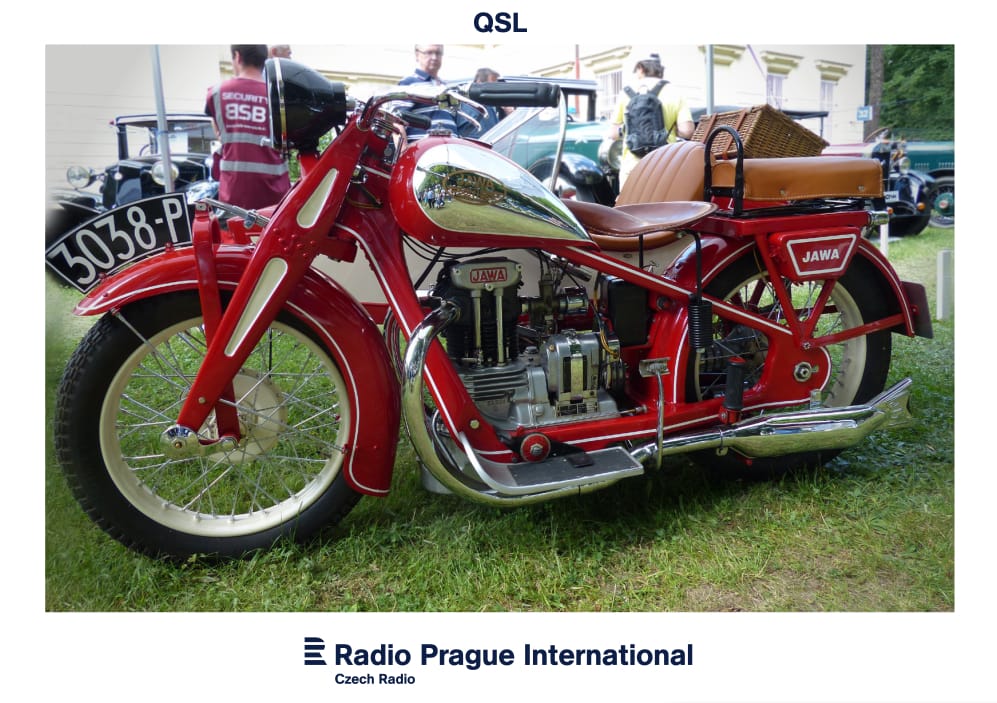
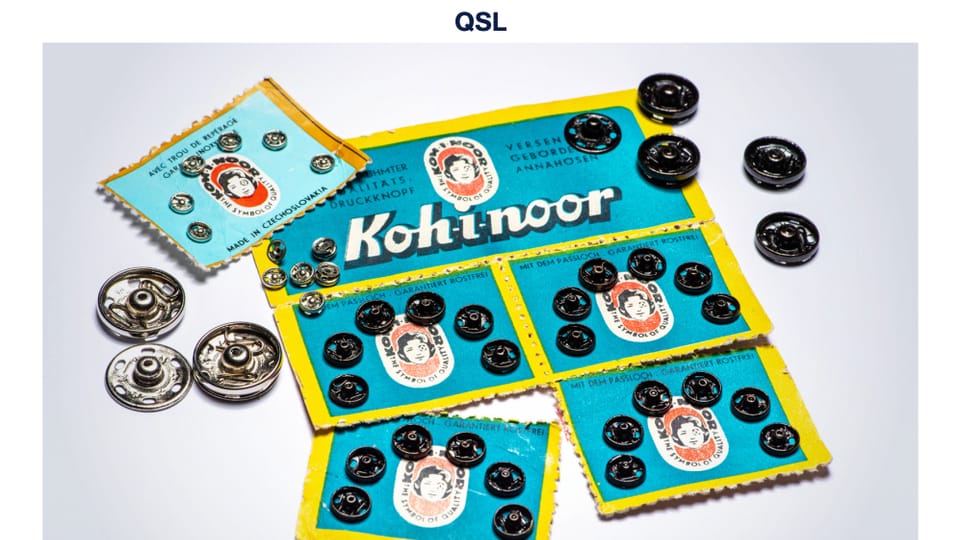
Radio Prague’s 2021 QSL Cards

(Source: Radio Prague International via David Iurescia)

The three letters – QSL – constitute one of the codes originally developed in the days of the telegraph. All codes consisted of three letters beginning with “Q”. Later some of these “Q” codes were adopted by radio-telegraphists and radio listeners. QSL means “contact confirmed” or “reception confirmed”.

The expression “QSL card” or just “QSL” gradually came to be used among radio-amateurs and then more broadly as radio began to develop as a mass medium. Radio stations were keen to know how well and how far away their programmes could be heard and began to send their listeners “QSL cards” in return for reception reports. The card would include letters making up the “call sign” of the station – the system still used in the United States – or the broadcasting company’s logo or some other illustration. The card would also include a text stating the frequency and the transmitter output power, and a confirmation of when the listener heard the station.

Domestic broadcasters do not tend to use QSL cards these days, but their popularity remains among radio stations broadcasting internationally. They are still keen to know how well they can be heard in the parts of the world to which they broadcast. In the era of shortwave broadcasts Radio Prague sent out QSL cards for reception reports received. Today we also send QSL cards to those who listen to us on the internet.

https://english.radio.cz/reception-report

Click here to view all of the 2021 QSL Cards at Radio Prague International.

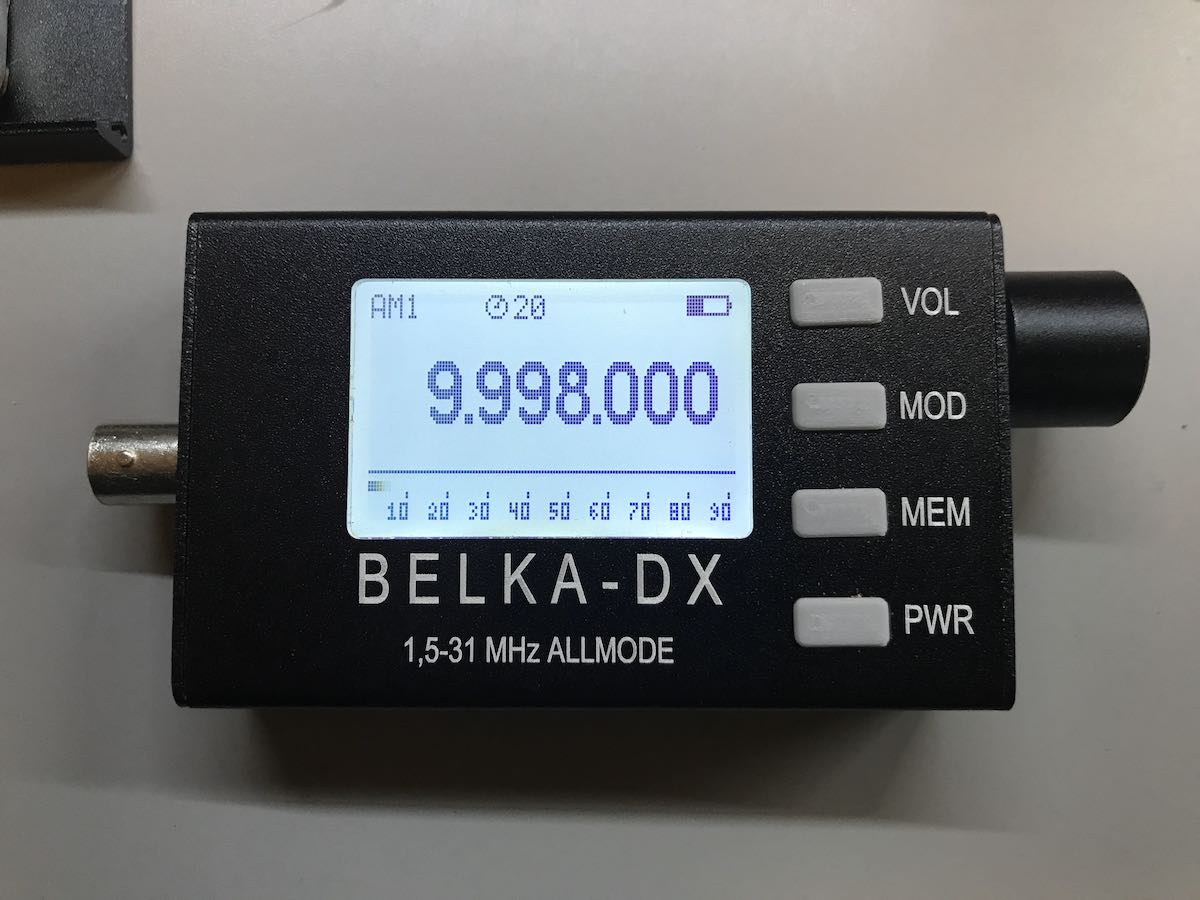
Installing the Belka-DX DSP speaker option

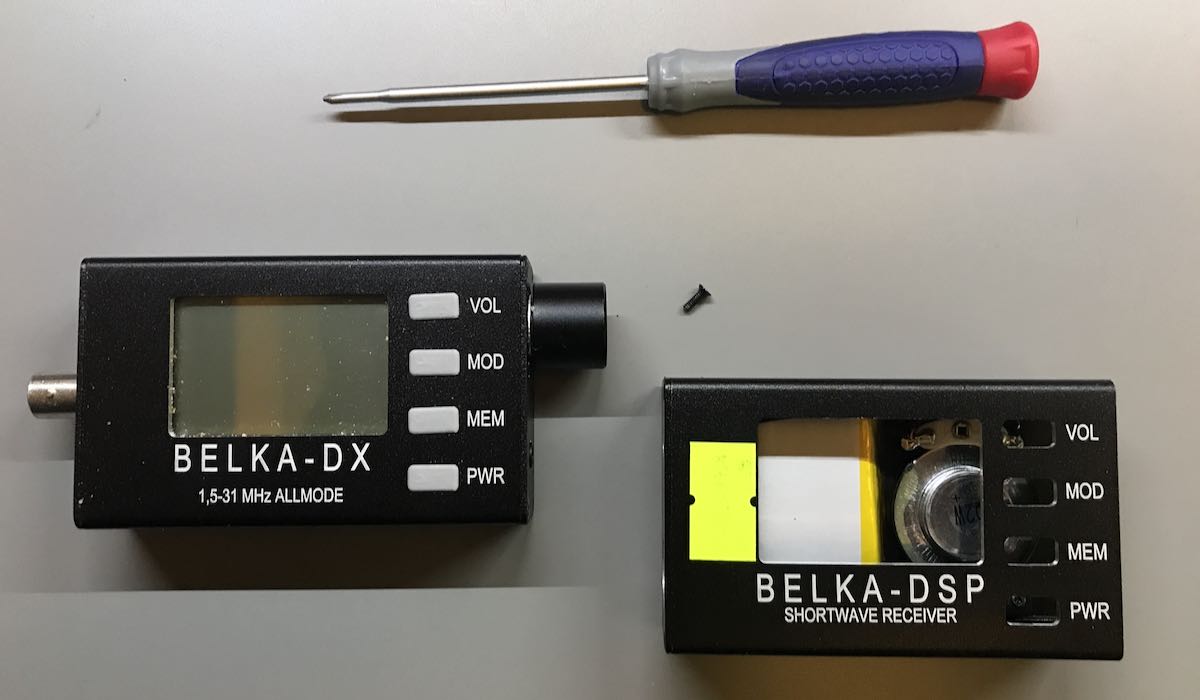
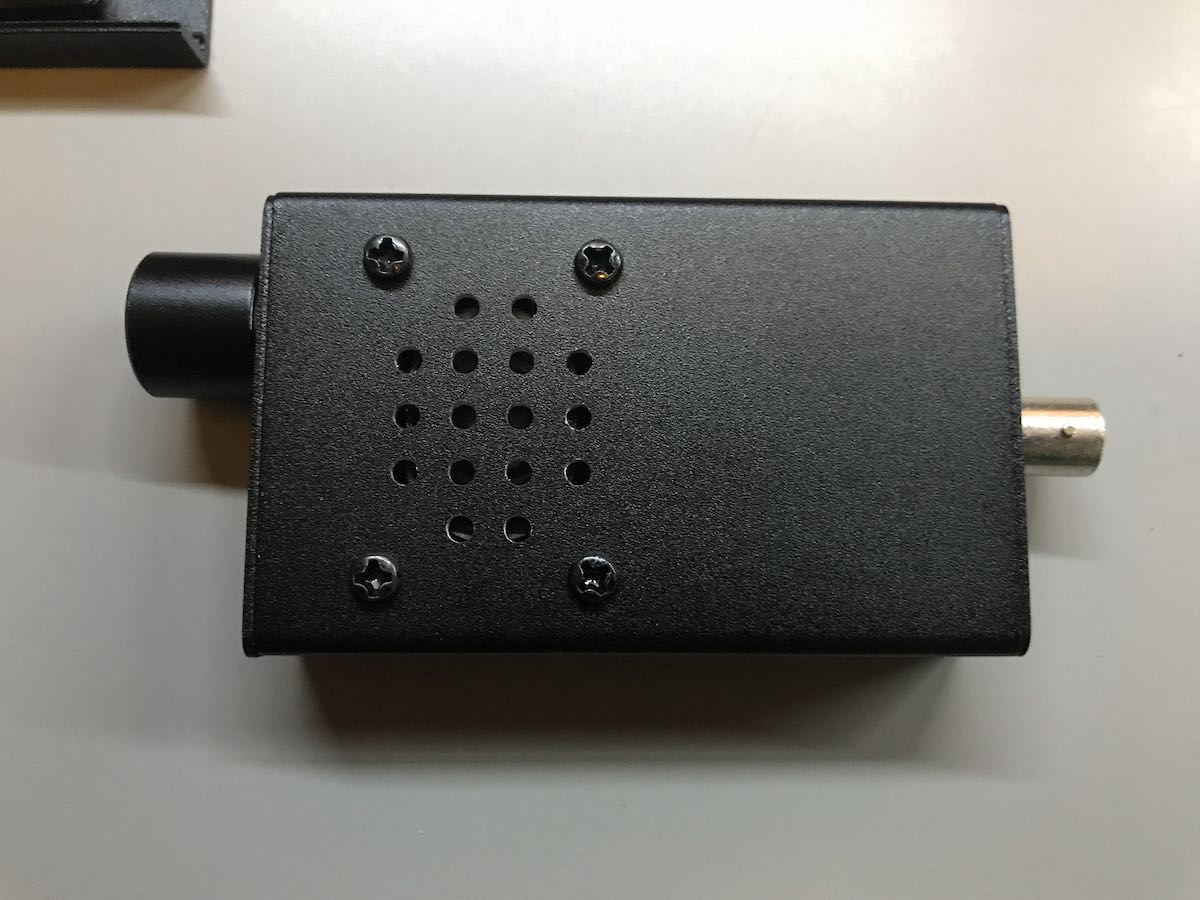
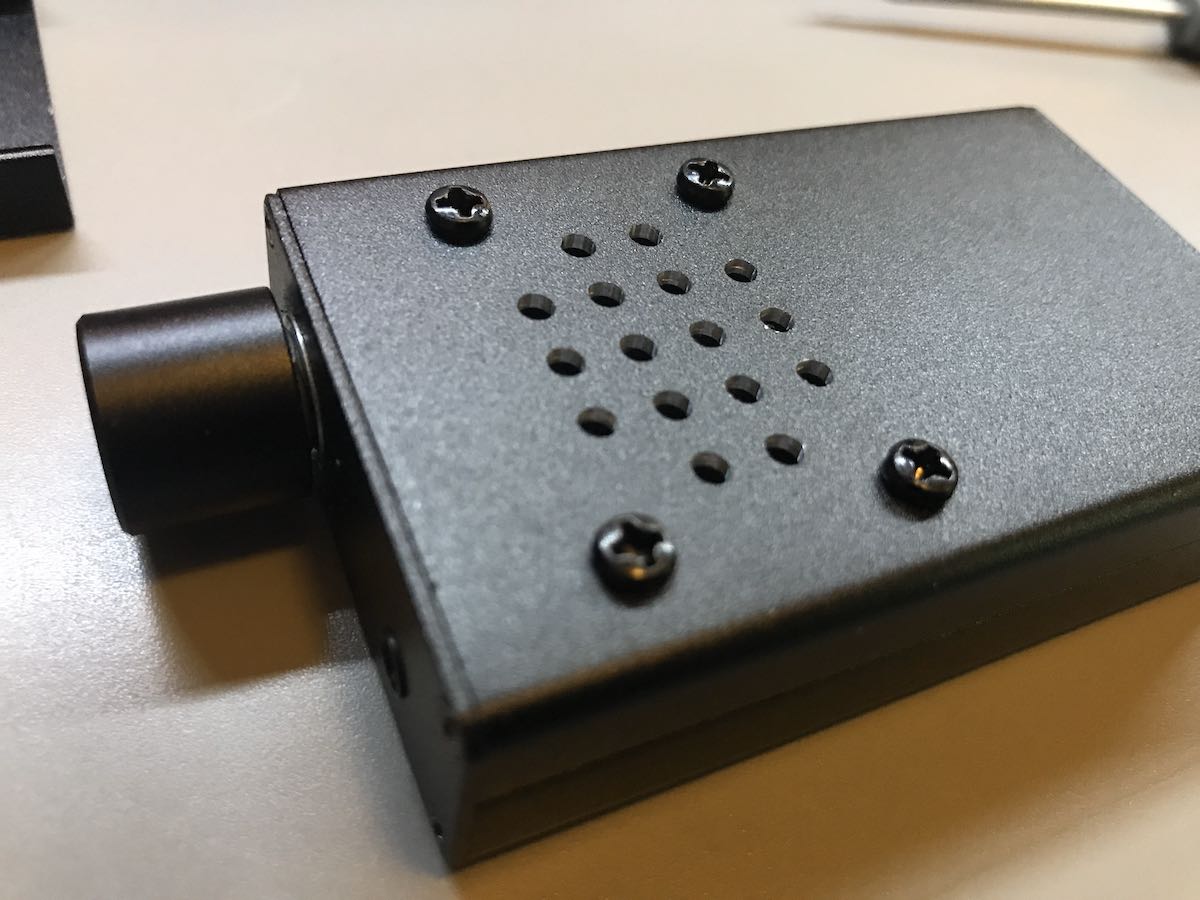
This month, I received my Belka DX speaker option in the post and recently did this very simple install. All it really requires is a small Phillips-Head screwdriver and maybe 10 minutes of time.

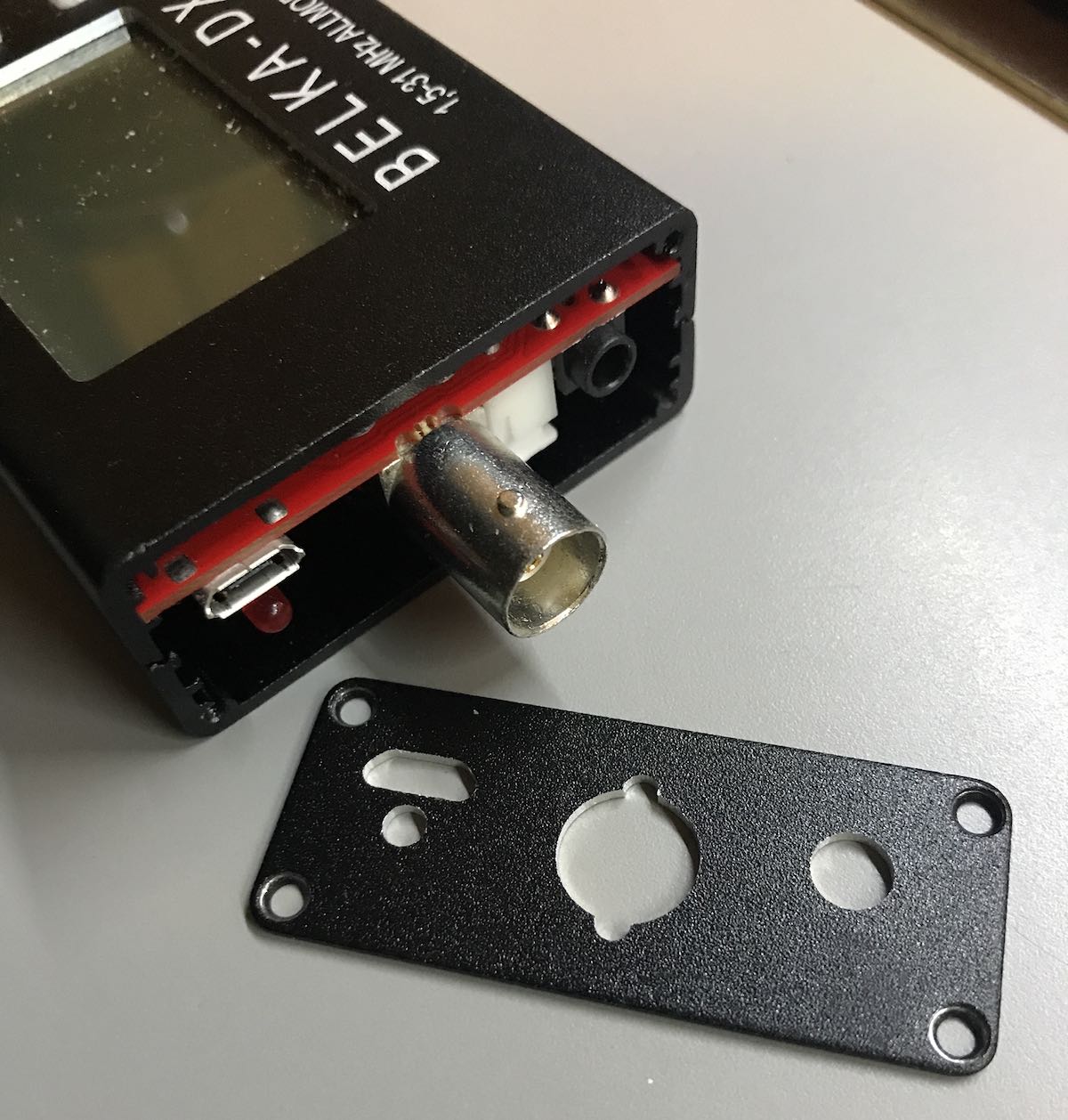
You start by removing the four screws holding on the left side panel. The side panel easily slides off over the BNC connector.

You then remove the bottom two screws of the right side panel. There’s no need to remove the top two screws as you will not remove this panel or the encoder knob. After removing the bottom two screws, carefully pull the bottom panel off.

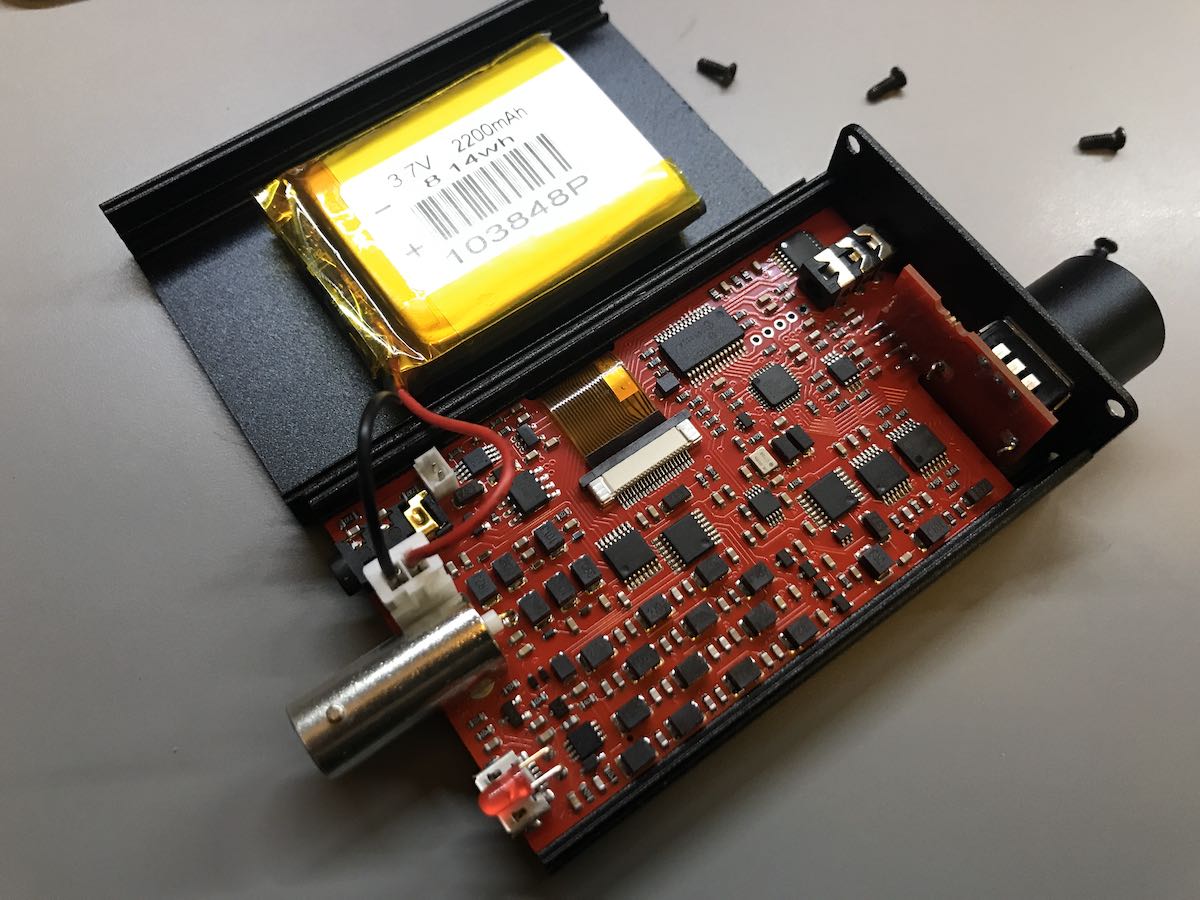
The battery is connected to the Belka-DX DSP board with an end that’s easy to unplug.

Simply unplug the battery, and plug in the new (smaller) battery of the speaker panel in the same position.

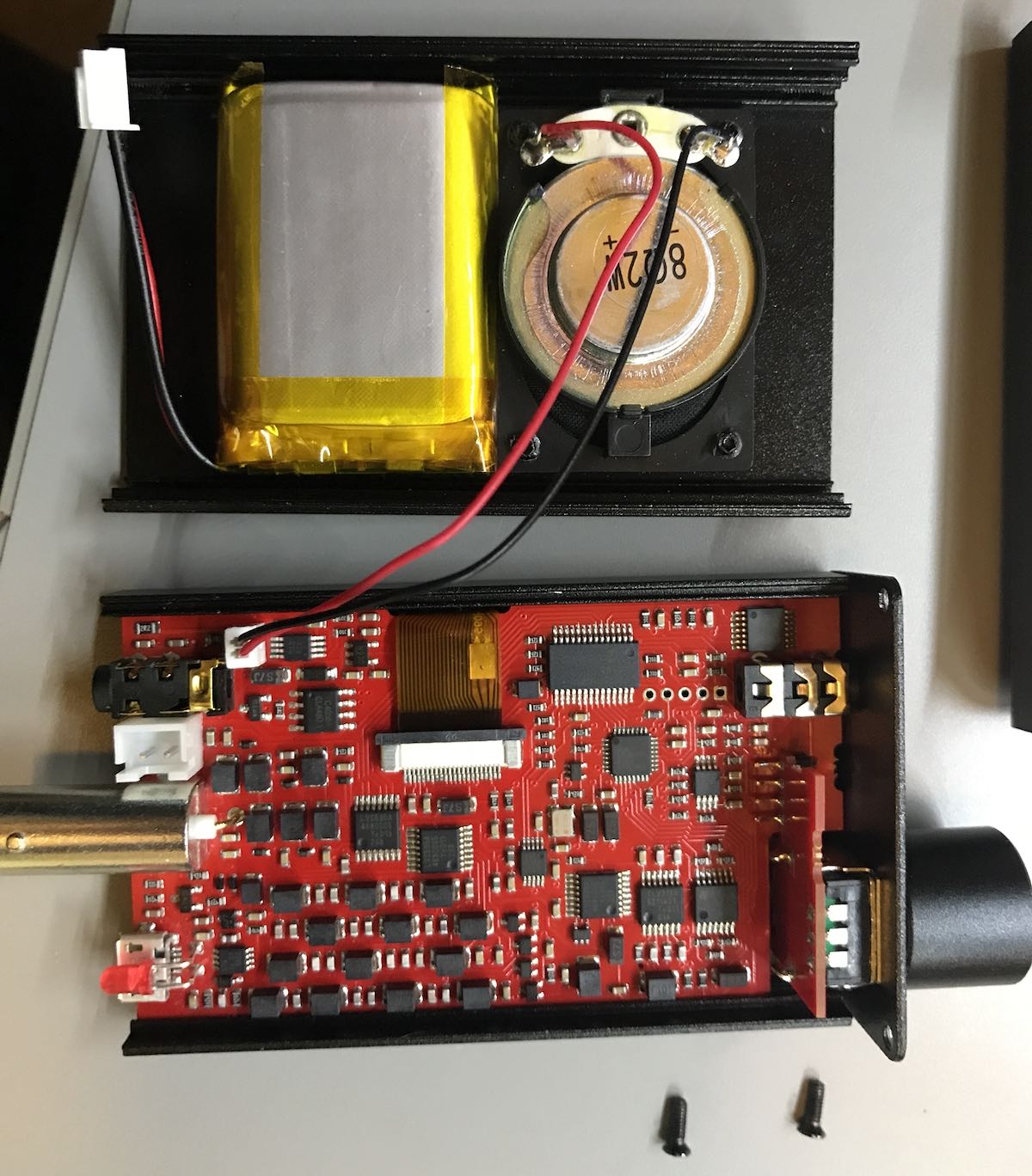
The speaker on the new panel needs to be connected, of course. In the photo above, you can see where it attaches to the Belka DX board (next to the headphone port).

Once you’ve plugged in the new battery and speaker, attach the new bottom panel to the radio, making sure the speaker and battery wires fold in properly. After you’ve put the two right panel screws in, reattached the left panel with four screws and the installation is complete!

The speaker is quite small, of course, but very functional. I love the fact that I no longer need a set of earphones or external amplified speaker to listen to the Belka DX.

I was concerned that the speaker would be too small to be functional and that the smaller battery in combination would dramatically decrease listening time per charge.

Not the case.

Although I haven’t done a continuos battery longevity test with the volume at a constant moderate level, it will power the radio for extended listening sessions. Of course this teeny internal speaker isn’t going to deliver room-filling audio, but has exceeded my expectations and certainly does the trick!

If you own a  Belka-DX DSP receiver, this is a worthy, affordable upgrade. The great thing is, you can always swap out the covers easily if you need the larger battery capacity during travels or DXpeditions.

Click here to purchase the Belka DX speaker option on Alex’s site. 

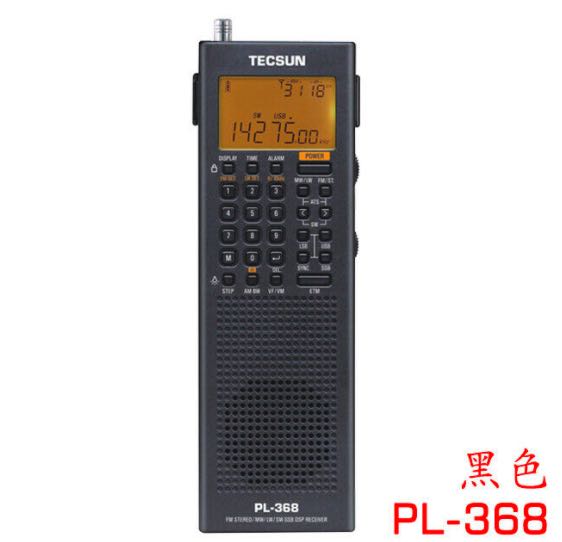
The Tecsun PL-368 is now on eBay

Many thanks to SWLing Post contributors, Tom, Markku, Dave Zantow, and Dan Robinson who note that the Tecsun PL-368 is now available via sellers on eBay.

Fans of the Tecsun PL-360 and PL-365 will be happy that among other things, the PL-368 has sync detection. The price is $88 US plus $3 shipping from China.

Click here to view on eBay.

Radio life after death

A guest post by Troy Riedel:

This is a sad story.  Well, it’s sad for me.  But hopefully my sad story will yield “radio life” for somebody else and that life will bring them joy.

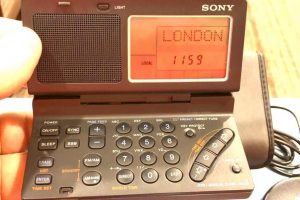
I’ve been an SWL’er since the early-90s.  Due to the decline of international broadcasters, “collecting” has become just as – if not more – important to me than listening.  I’ve always been fond of the Sony ICF-SW100 pocket radio.  I often read here on this blog about Thomas’ affection for it.  To make my dream a reality, on 19 November 2017 I found the perfect SW100 (with the leather case) and I purchased it.  It did not disappoint!  That radio has to be the most sensitive radio for its size out there.  No, correction – that little baby has held its own against any other portable shortwave radio (of any size) that I own (I have 17 or 18, incl. this SW100).  That’s quite amazing for a true pocket radio.

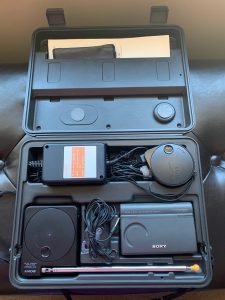
But please allow me go back to the beginning of my story.  Once I acquired the ICF-SW100, I assembled a “kit” … piece-by-piece (remember, I’m a collector).

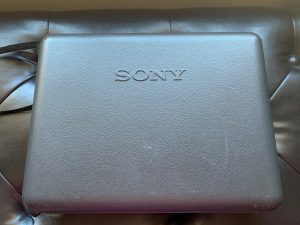
I surmised that the SW100 would fit into the Sony ICF-SW1 case – and I was correct (sans the SW100’s leather case).  The SW1 case was one of my first purchases for my SW100 as I wanted something rugged to protect it.
The Sony AN-1 antenna works great with the SW100, and that was part of my kit.  Of course, I also wanted the OEM Sony Compact Reel Antenna.  “Check” – found one on eBay!  The OEM AC adapter? Yes, “check” that one off the list.  A photocopy of the OEM manual would not do – I found an original on eBay and “check”, that was added to the kit.

I already owned a Sony AN-LP1 (active) antenna.  That would not fit into the case, so I added a TG34 active antenna that I already owned (that’s a Degen 31MS clone).  Why?  I gotta have a ready passive antenna in my kit.

Wait, who wants a 30+ year old OEM set of earbuds?  Exactly, neither do I.  This is the only thing I did not want to be OEM!  I bought a new pair of Sony earbuds (off Amazon) to throw into the kit.  Other than the TG34, everything in the kit had to be Sony.  In the end, this handy little case was my Eutopia – it had everything I needed in its own “shortwave bugout kit”.
Of all of the radios in my shortwave arsenal, this was by far my favorite.  Hobbies should bring us joy.  So even if there weren’t many broadcasters to listen to, this little pocket radio never failed to bring me joy.

The last time I really used this radio was June-August 2020.  My newborn grandson was in the NICU far from my son’s home.  I “deployed” (with my SW100 bugout kit & 5th wheel camper) to my son’s very rural & very remote farm (275-miles from my home).  I was there to tend the farm, solo, for that period of time while my son and his family could be with my grandson at a specialty hospital some 350-miles away.  During this stressful & physically demanding time – tending to more farm animals than I care to mention and rustling bulls that escaped from the pasture – my SW100 was the only friend that I had.  It provided many, many hours of enjoyment.  Literally, other than a neighbor about ¾ of a mile up the road my ICF-SW100 and I were alone (not including the 50+ animals I tended to) from June through August.

Fast-forward to the present: last weekend I reached for my kit and I removed the my SW100.  I turned it on and there was no power.  Not surprising but actually very unusual as my NiMH Eneloop batteries typically last for a year or more inside my radios in “storage”.  I reached for the battery compartment, I felt an anomaly on the backside of the case and imagine my horror seeing this as I turned it over!
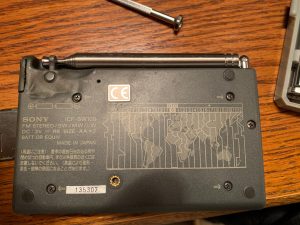
Surprisingly, there is zero damage to the Eneloop batteries (they did not leak).  I can no longer power the radio via ANY batteries, but amazingly the radio seems to operate at full capacity via AC Adapter.  Whatever happened inside the radio, it still seems to operate (though admittedly I haven’t taken it through all of its usual paces).

Unfortunately, a pocket radio that only operates via AC power does not suit me.  There is a better option: my loss may be someone else’s gain?  I am sending the radio and the necessary components to Thomas’s friend Vlado for a full autopsy (Vlado emailed that he has worked on these radios for years and has “never” seen this issue before).  After the autopsy, my radio will become an organ donor.  The remaining healthy components of this radio – and there are many – will be used for repairing other SW100s (singular or plural).

Strangely, I cannot detect any other “trauma” to the radio other than that one melted corner.  The battery compartment *seems* undamaged though I refuse to open the case as I do not want to accidentally damage the radio’s healthy components (I’ll let the professional “coroner” do that).  I am looking forward to the coroner’s report because I need to know what the heck happened to my baby?!

In closing, though we’ve only had a 3-year plus relationship I can honestly say this amazing little pocket radio had become a great friend.  I’m sure it’s grief, but I am considering liquidating the remainder of my radio & antenna collection – my heart just isn’t “in” to SWL at the moment.  And the timing of this is just awful for me: I’m having surgery Tuesday for an injury I incurred eight months ago while tending my son’s farm.  I had big plans that my SW100 and I would pass the time while I convalesce.  But alas, my buddy will be headed to radio heaven as an organ donor.  May others benefit from my loss.

Guest Post by Troy Riedel