Category Archives: Shortwave Radio

Atlantic 2000 special broadcast today from Red Lion, USA

(Source: Mauno Ritola via WRTH Facebook)

Atlantic 2000 will be on the air this Sunday 14th of January, with a special broadcast transmitted from Red Lion in the USA via WINB.

We will be on the air from 21:00 to 22:00 UTC on 9265 kHz with a power of 50 kW.

Our webstream will be active at the same time :
http://radioatlantic2000.free.fr

Reports to : [email protected]

Good listening !

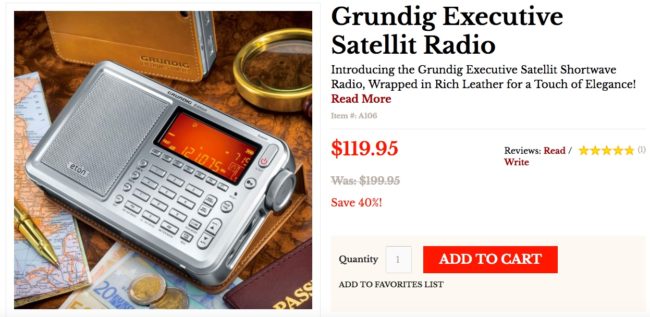
Radio Deal: Herrington discounts Grundig radios 40%

Many thanks to SWLing Post contributor, Dennis Dura, who notes that online retailer Herrington is promoting a 40% off sale on all of their Grundig radios.

Some excellent prices here:

Thanks for the tip, Dennis!

Georges’ review of the XHDATA D-808

Many thanks to SWLing Post contributor, Georges (F6DFZ), who writes:

After the first information from your wonderful website, I immediately ordered the XHDATA D-808 receiver from Aliexpress for €62 including shipment to France.

I got it very quickly, shipped from Amazon UK!

I did a few tests on SSB. MDS is outstanding, the minimum signal from my HP generator at -127 dBm (0,1uV), is strong even on 28 MHz. Selectivity is also good, and the opposite sideband rejection is audibly also good. However I was unable to measure it because the S meter give the same indication over a few kHz around the signal of the generator. I suspect the opposite sideband rejection to be done by the DSP chip at AF, but I cannot confirm this.

Reception is very good on FM, and the AF from the loudspeaker is reasonable. On headphones, it’s very good. RDS works as it should and sets the clock of the receiver.

I did only a few minutes test on LW and MW, and it seemed OK, even if I don’t have a lot of experience on these bands.

SW AM listening was very good; good audio, great selectivity. I suspect that the bandwidths given are AF bandwidths as even the most selective were not too much muffled. If it was IF selectivity, the AF bandwidths would have been half the values and much muffled.

SSB and CW reception are also very good even if the DSP chip has a long attack time and hence gives distortion during the beginning of each message.

About SSB: I think that this receiver is better than the [Tecsun] PL-880 and comparable to the PL-660.

Reception is good on the short but sturdy telescopic antenna.

If you connect the receiver to a large external antenna, you will encounter many IMD signals. As there is no built-in attenuator, you will need an external one.

The manual is correct, but very short about the memories.

ATS logs its findings into the first pages, so if you want to keep some memories, log them a few pages away.

The available pages are different with bands, FM has its pages, SW its pages etc…

Unfortunately, memories don’t keep the mode on SW–only the frequency and selectivity. After calling a memory, you will have to choose between AM, USB and LSB.

I was totally unable to light the “Preset” label on the display ?!?

Display and backlighting are very nice.

Somewhat odd, but the squelch seems to work sometimes on other bands than Air band !

Ergonomics are reasonable, quality of construction is good for the price.

Overall, for the price, this receiver is quite outstanding.

Best regards from France .

Georges F6DFZ

Thank you, Georges! Excellent thoughts on the D-808.  Your note about squelch control working outside the AIR band reflects what the Digitech AR-1780 does as well–hinting that firmware is very similar.

I fully suspect the D-808 is on the path to being one of the best radio values under $100 US.

Merci bien, Georges!

XHDATA D-808 and Digitech AR-1780: Comparing size and appearance

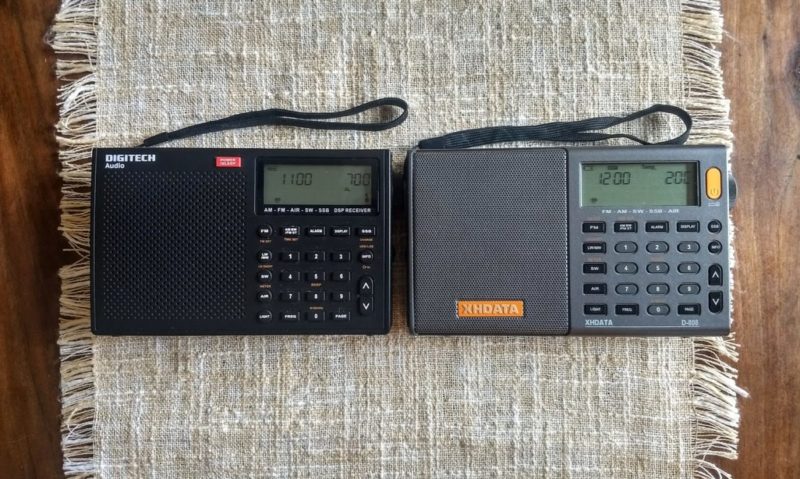
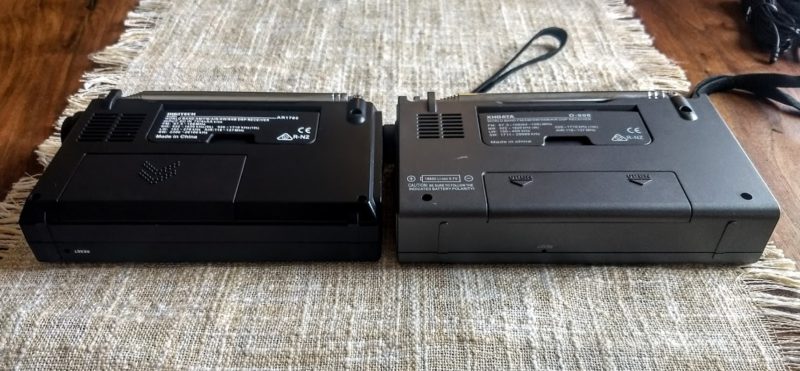
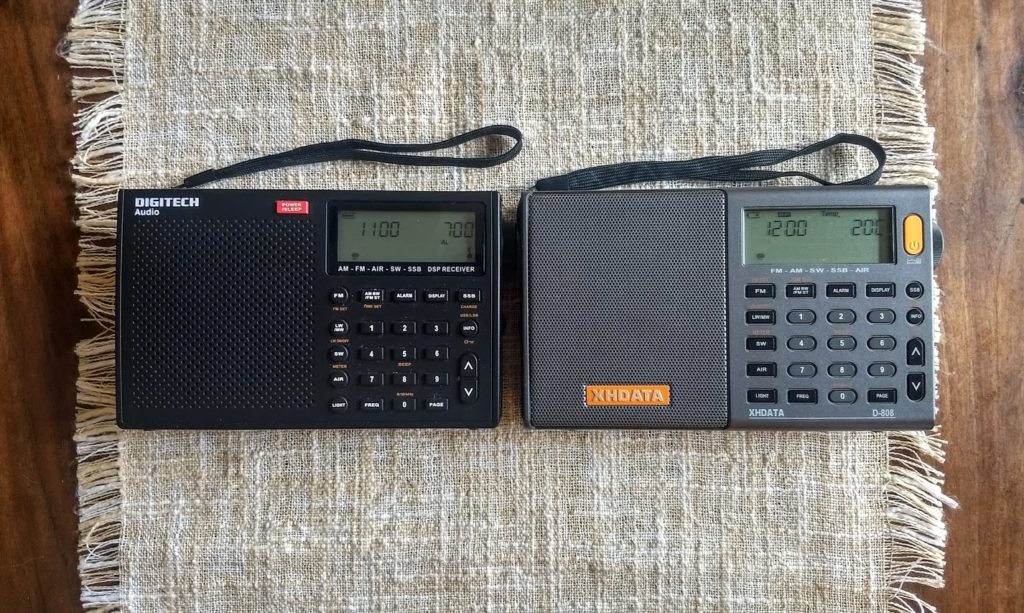
Digitech AR-1780 (left) and XHDATA D-808 (right)

Tuesday evening, I received my long-awaited XHDATA D-808 from AliExpress via the postal service. Yesterday morning, I unboxed it and started charging the included 18650 Li-Ion cell. I haven’t properly put it on the air yet but if you’re interested in some initial reports, check out these previous posts.

Dimensions

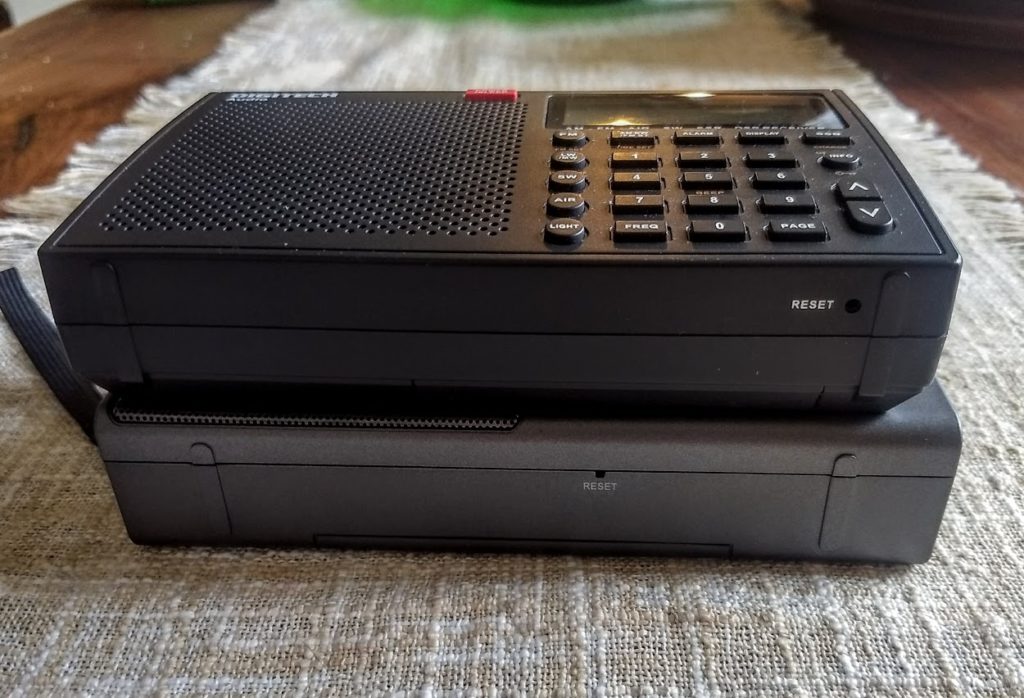
I was  curious if the Digitech D-808 was identical in size to the Digitech AR-1780–I could tell even from D-808’s initial information that these two radios share a common ancestry.

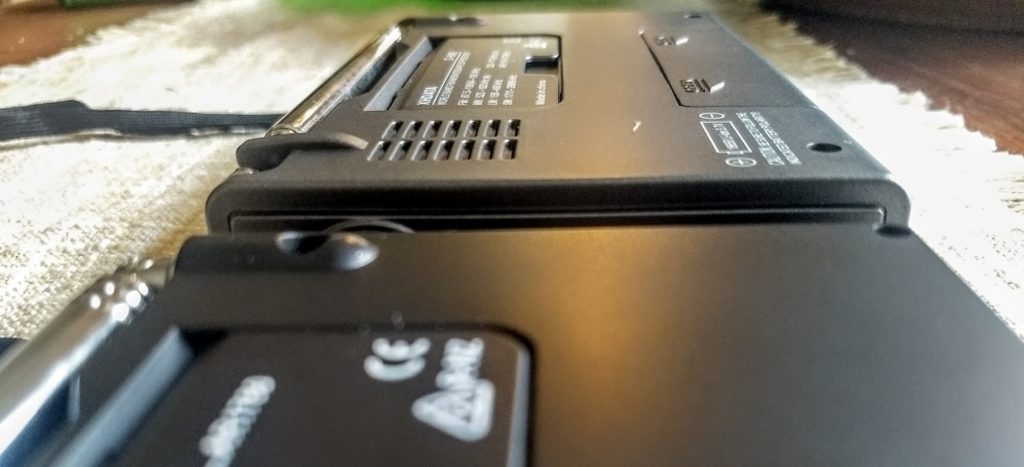
To my surprise, they are not identical in dimensions! With that said, the differences are very marginal.
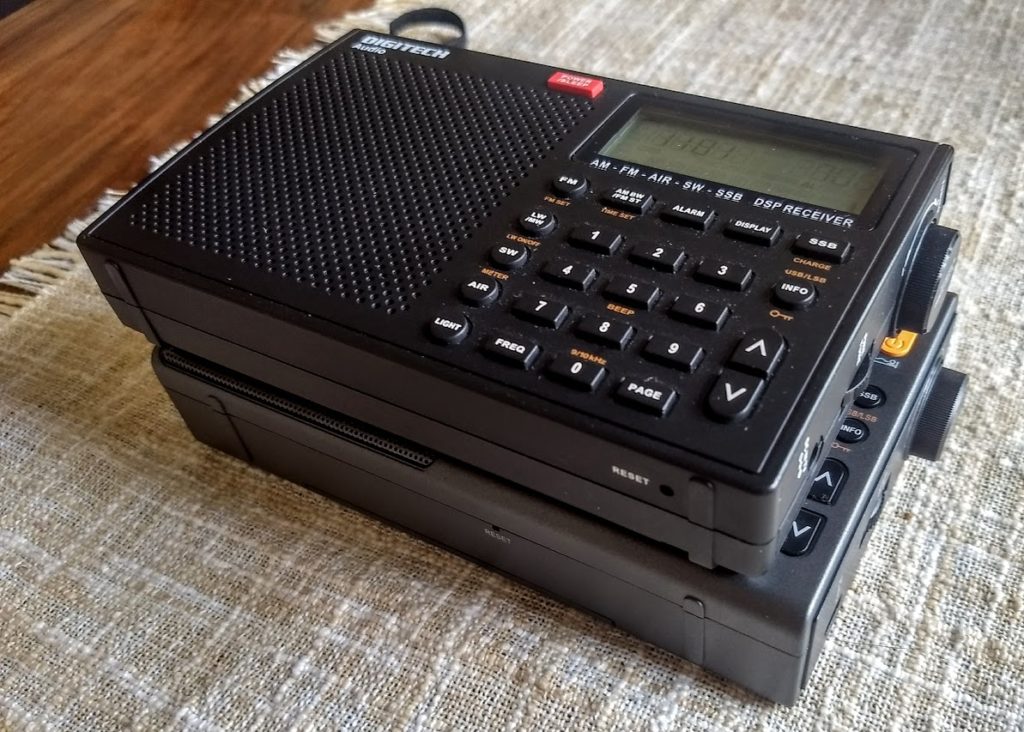
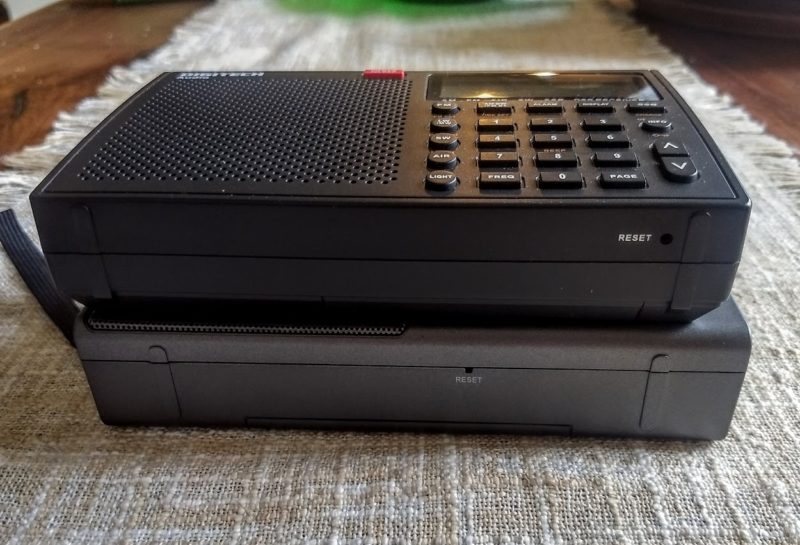
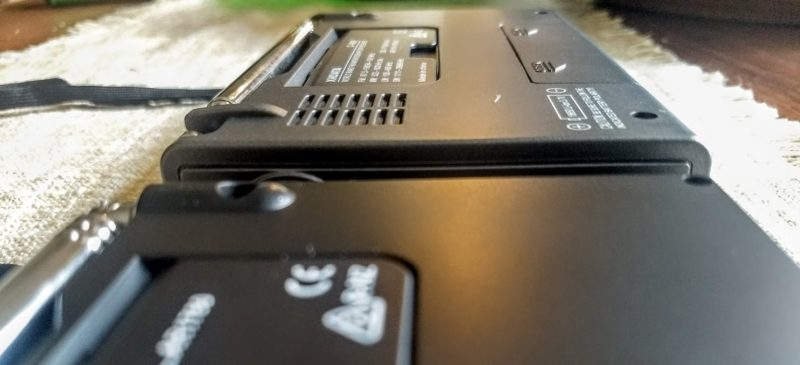
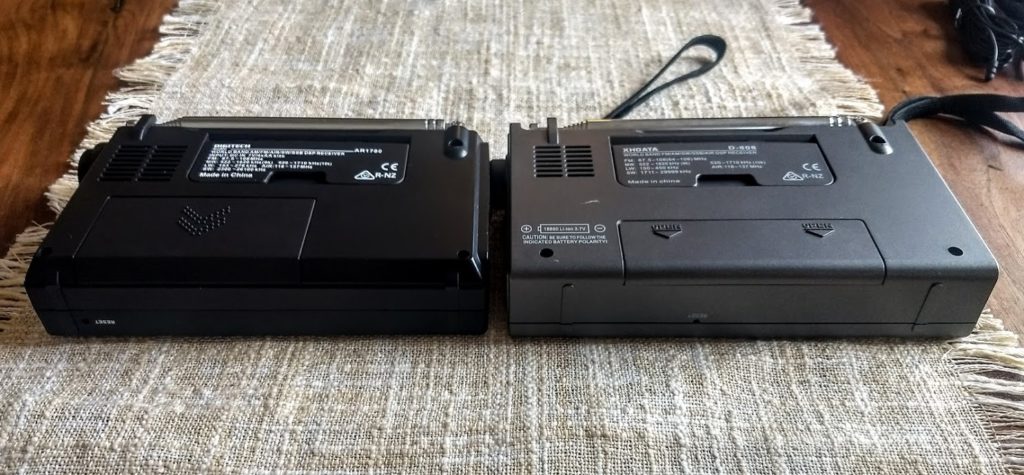
The D-808 is 7 mm wider and 2 mm deeper than the AR-1780.

To confirm measurements, I checked out the manufacturer specifications of both radios.  Oddly, the specs also indicate that the AR-1780 should be 3 mm taller than the D-808 but I don’t detect this difference. I measure them to be equal in height.

The telescoping antennas are identical in height and number of segments.

Of course, as you can tell from the photos, the D-808 body is light grey in color while the AR-1780 is black.

Batteries

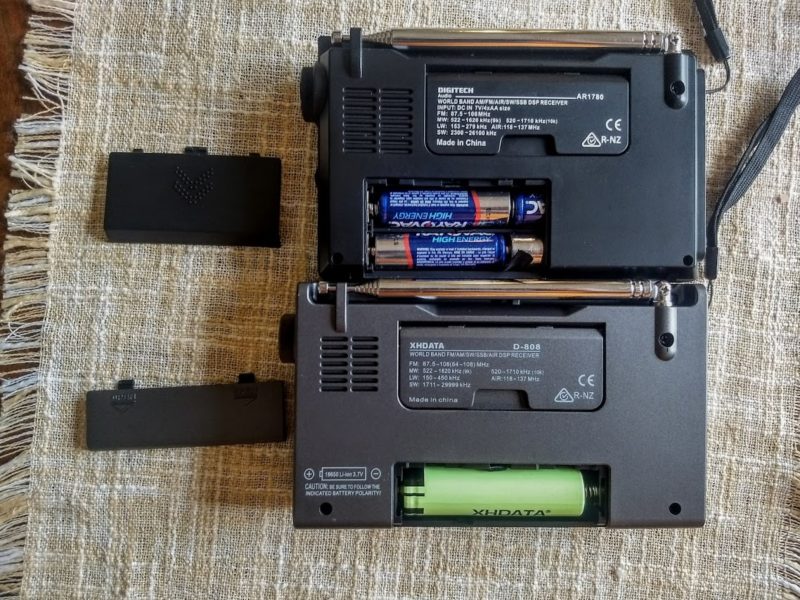
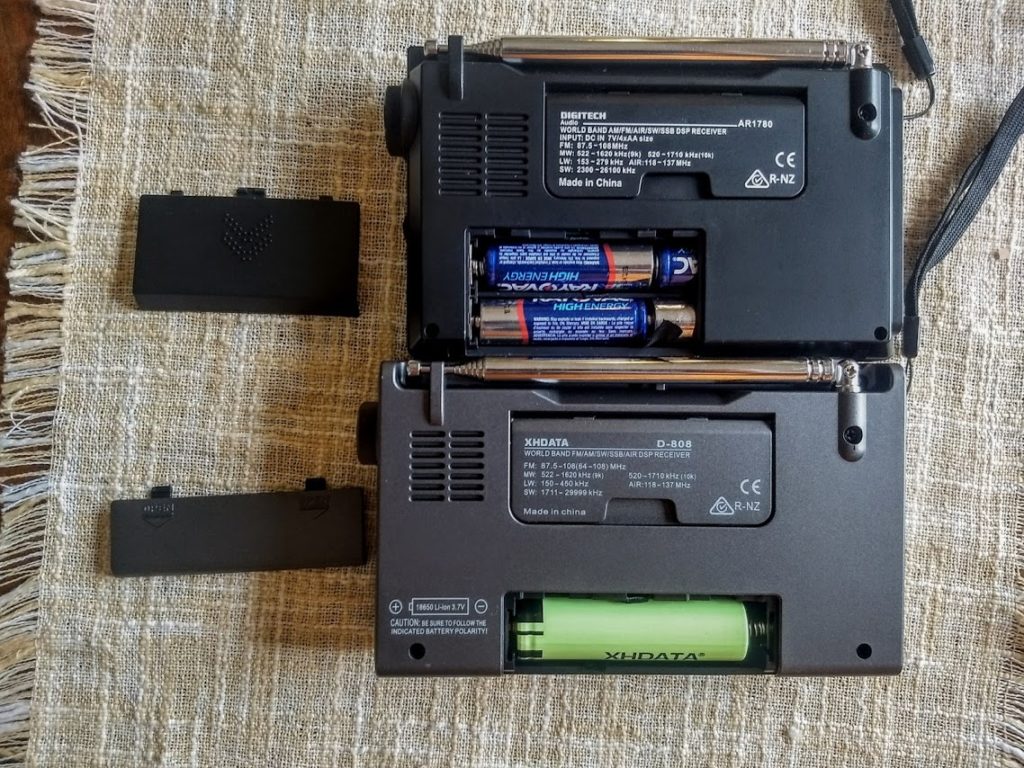
The Digitech AR-1780 uses four 1.5V AA cells while the XHDATA D-808 uses one less common 3.7V 18650 Li-Ion rechargeable cell (included).
External Power
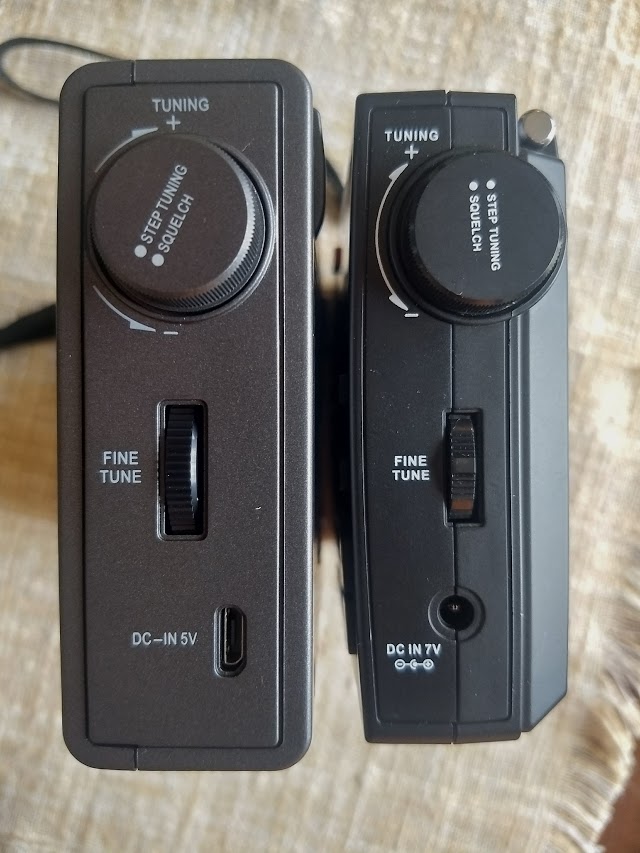
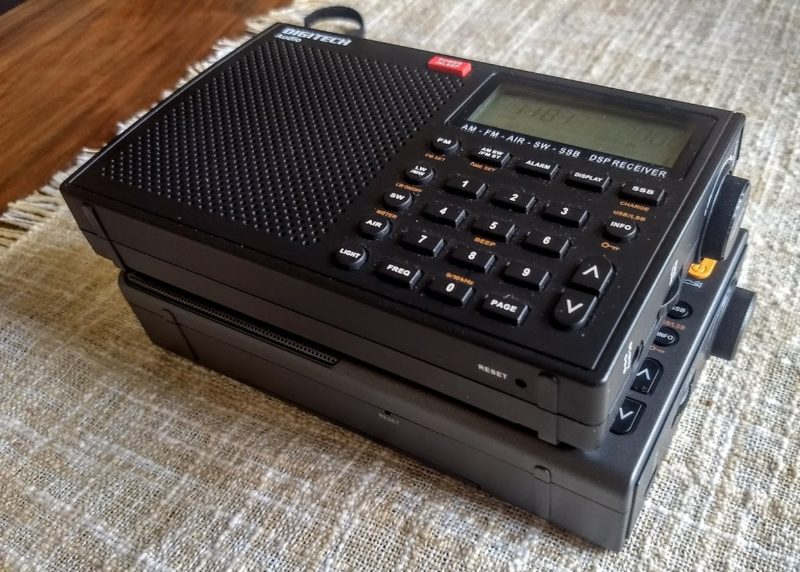
The XHDATA D-808 (left) and Digitech AR-1780 (right).

The XHDATA D-808 has a standard 5V Micro USB port for internal changing. The AR-1780, on the other hand, uses a much less common 7V DC plug.
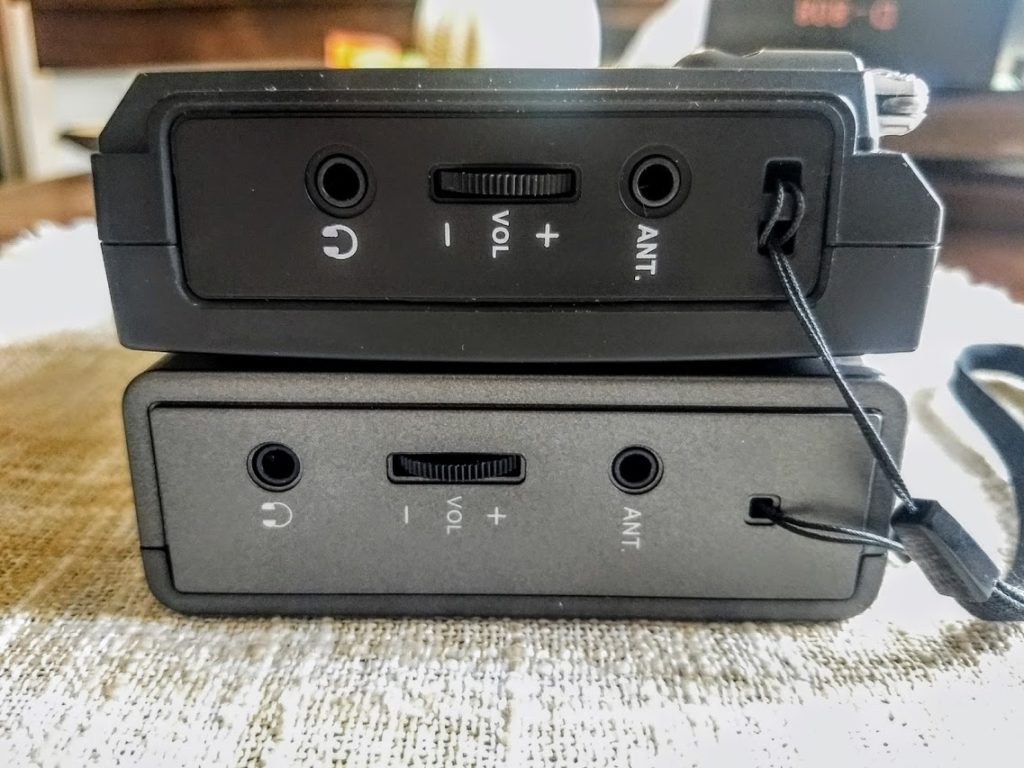
Right panels are identical.

Having a 5V micro USB port is a huge plus for the D-808, in my opinion! While travelling, I always have at least one micro USB charger.

Backlighting

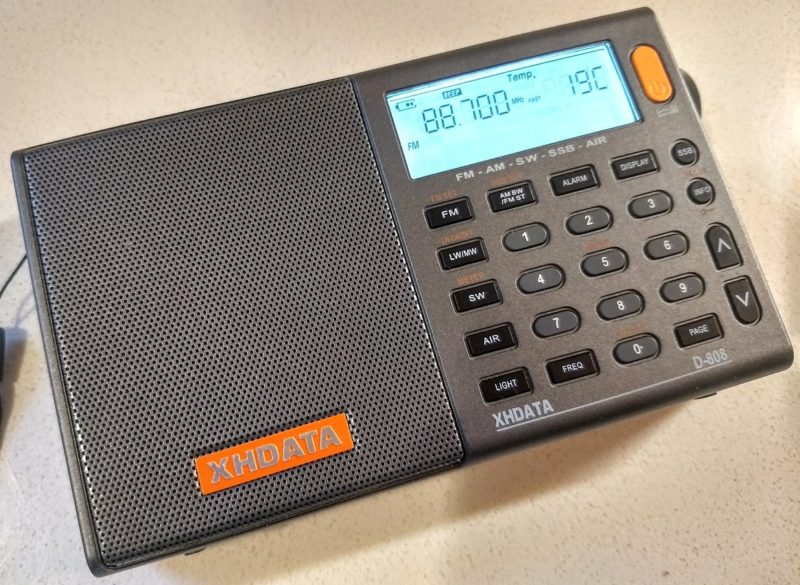
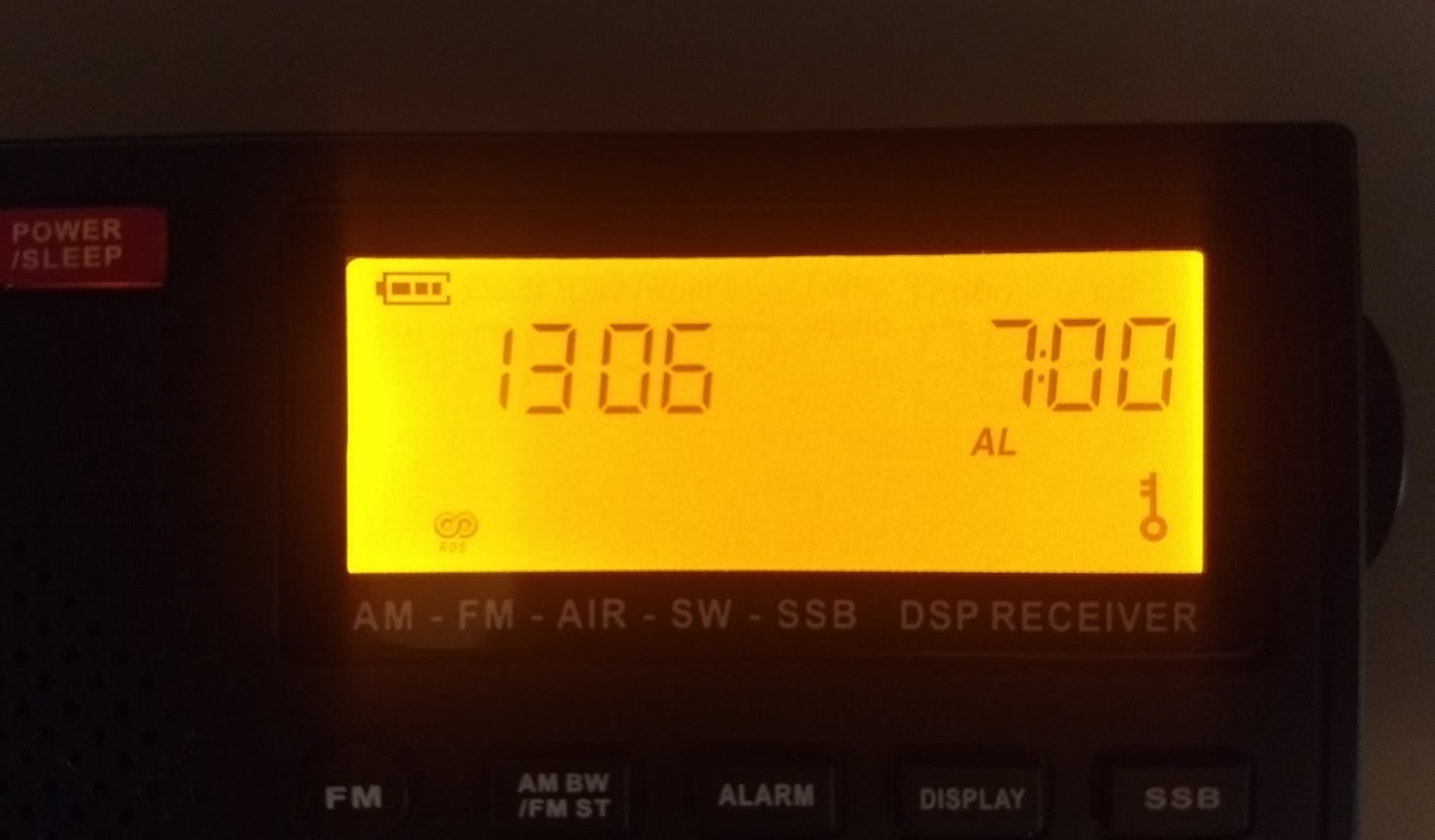
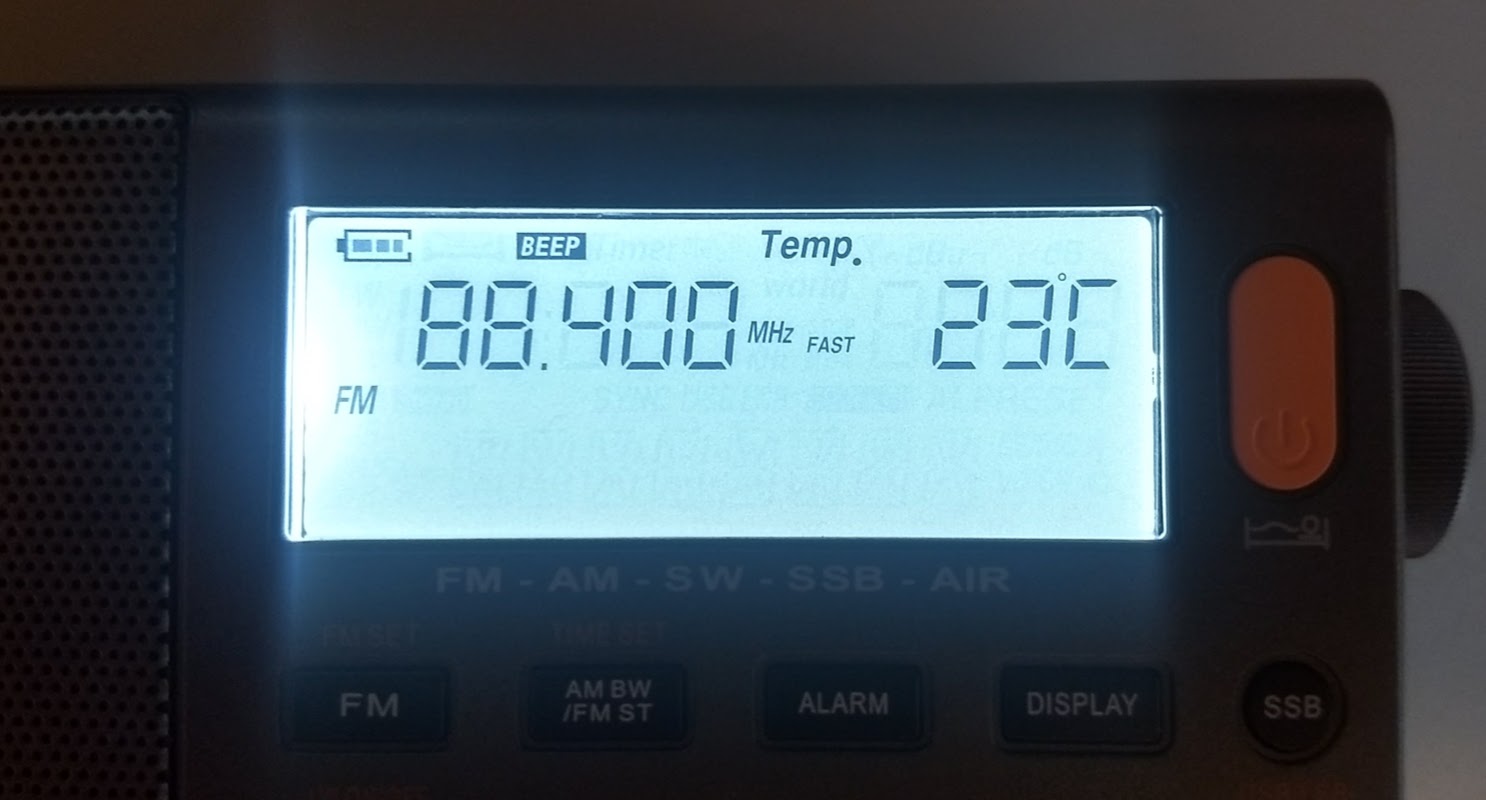
The LCD display appears to be identical in size and display information, however the D-808 has blue backlighting while the AR-1780 has orange backlighting.
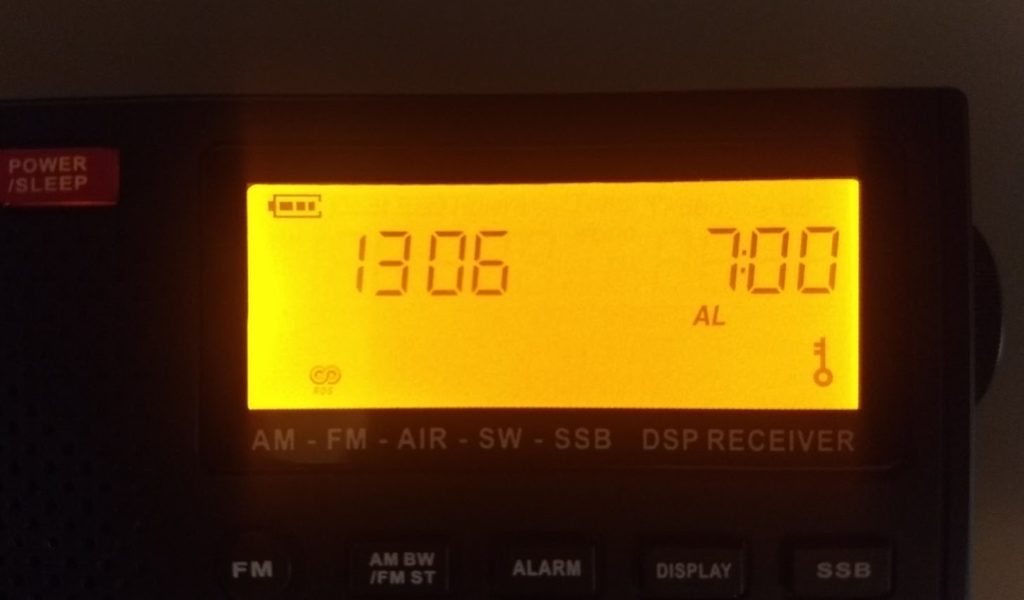
The Digitech AR-1780
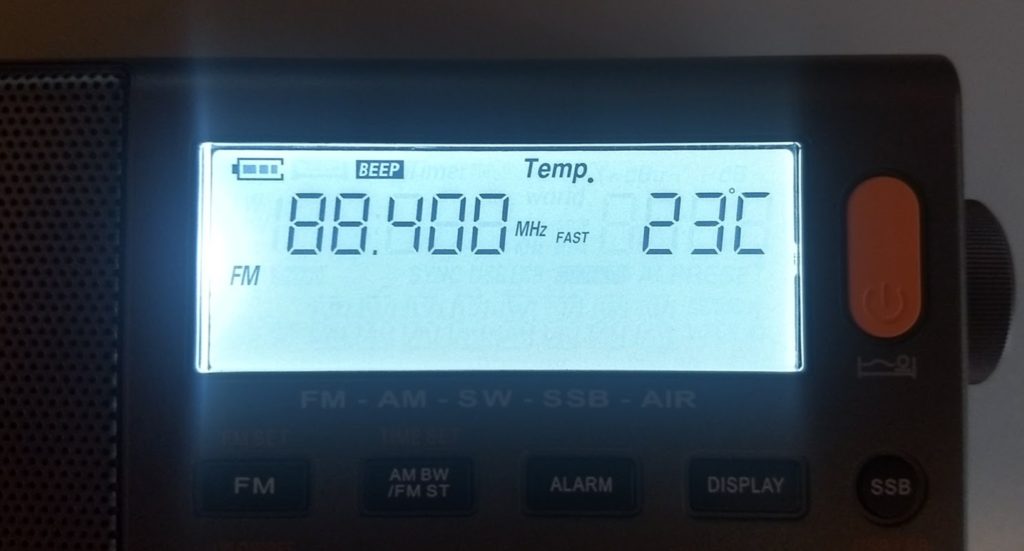
The XHDATA D-808

Keypad
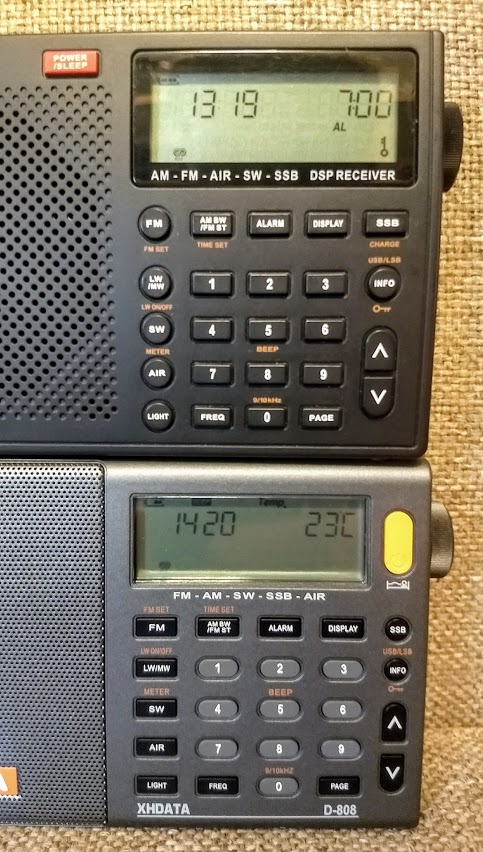
AR-1780 (top) D-808 (bottom)

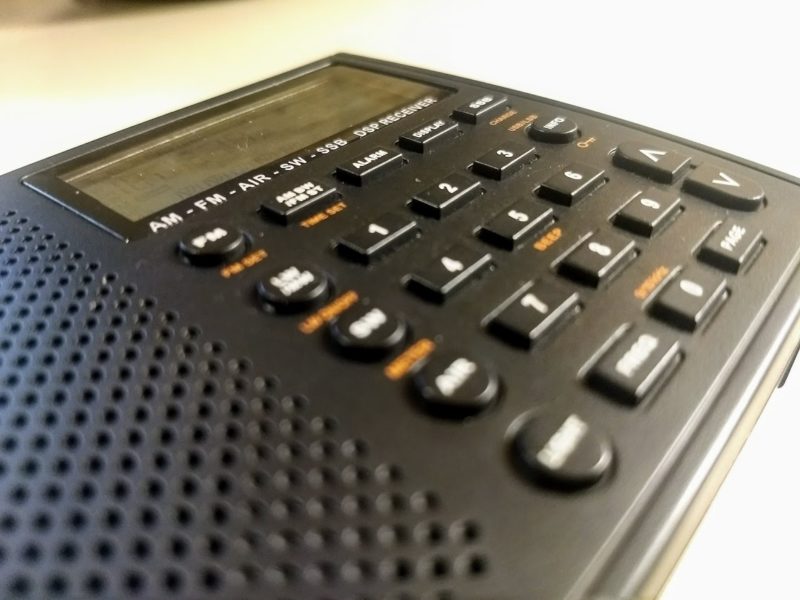
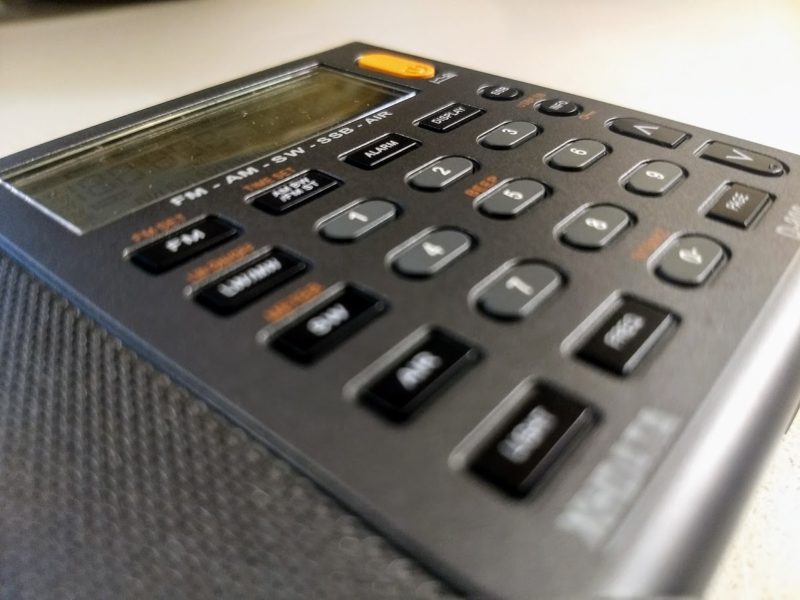
Other than variations in button shapes and color, the only difference between the two radios is the location of the power button.
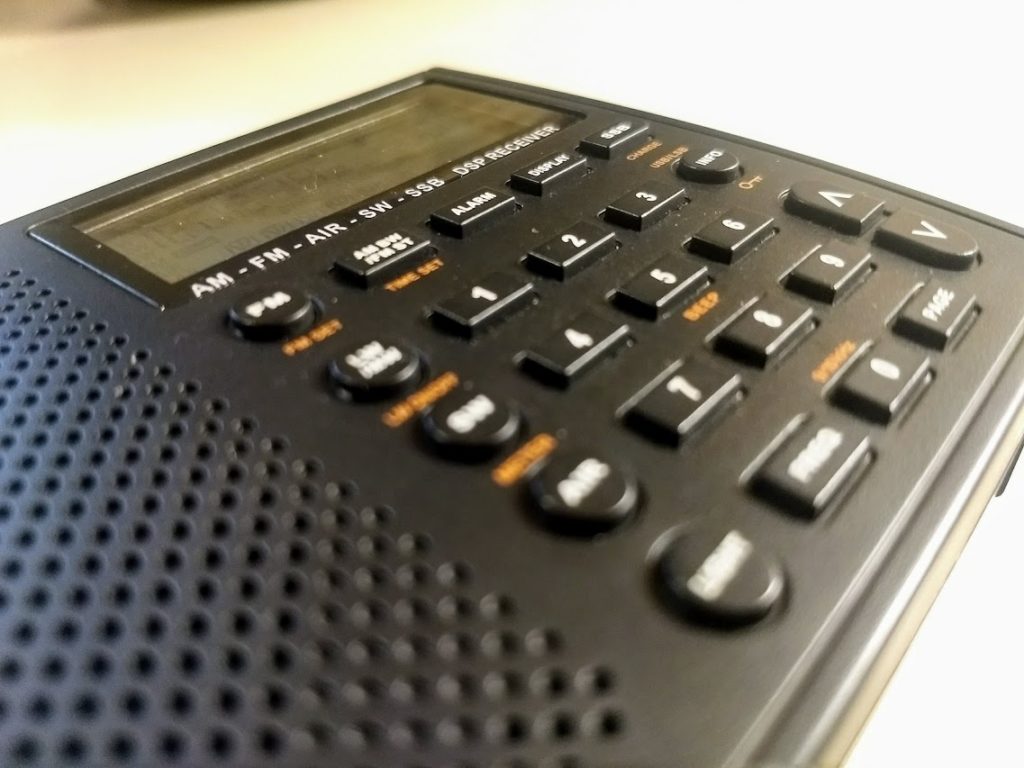
The Digitech AR-1780 keypad
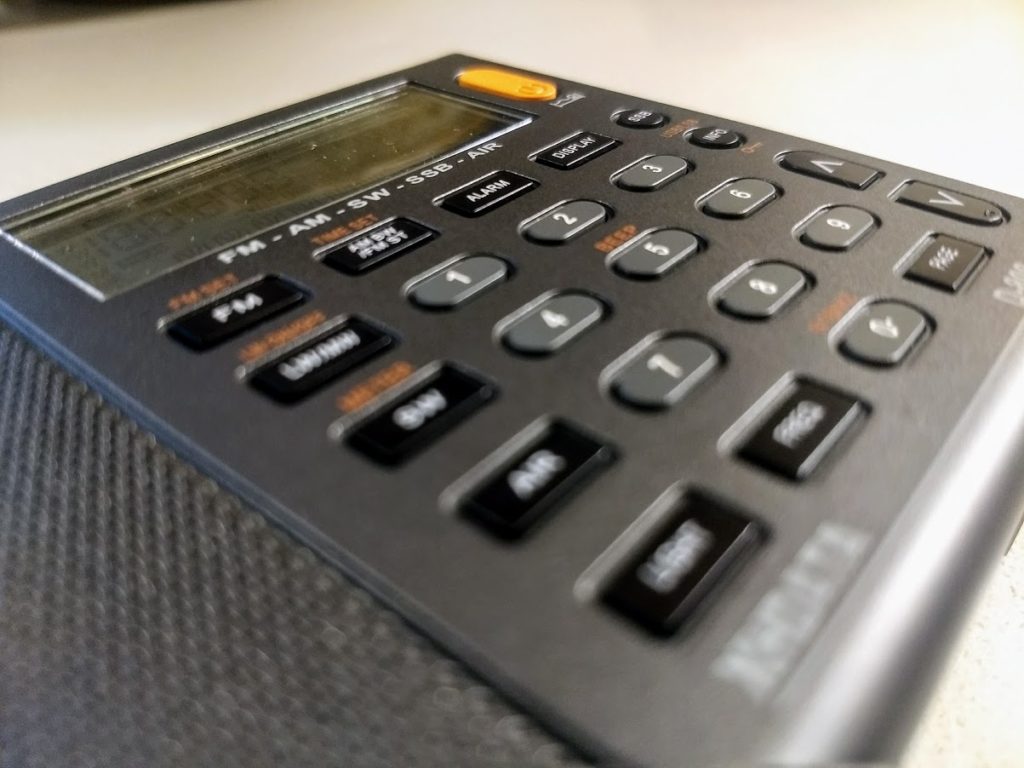
The XHDATA D-808 keypad

As Guy Atkins mentioned in a previous post, the D-808 keypad buttons are almost flush with the radio body. The buttons on the AR-1780, on the other hand, are more prominent and tactile.

Accessories

The Digitech AR-1780 shipped with no accessories–the only two items in the box were the radio and the owner’s manual.
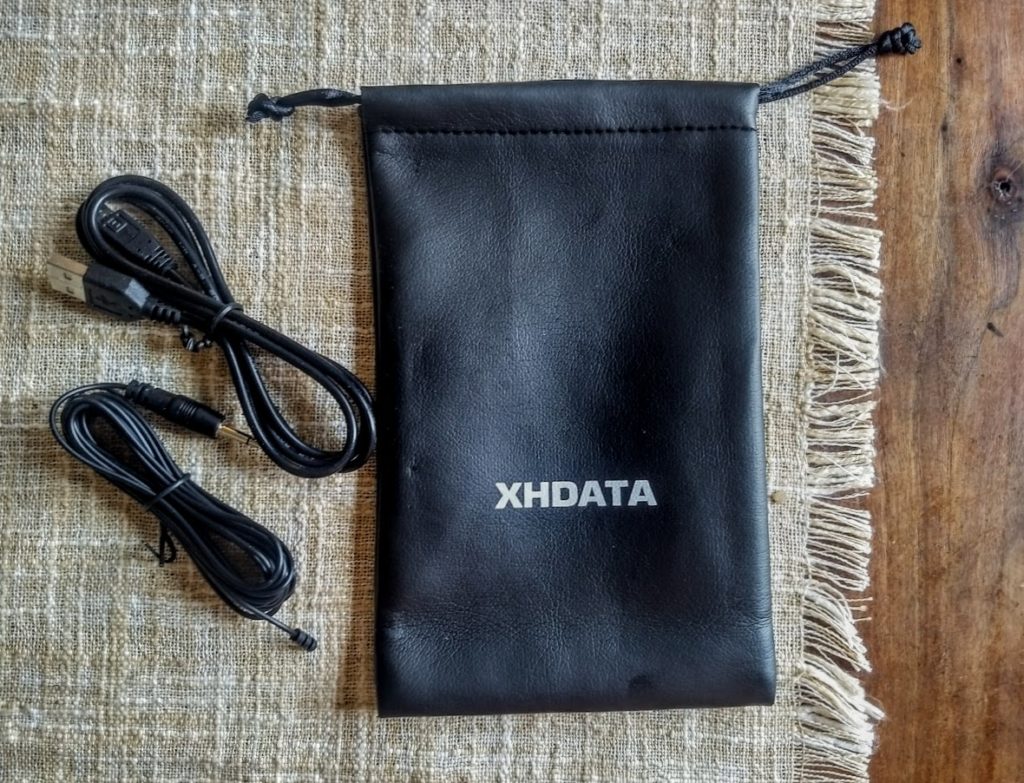
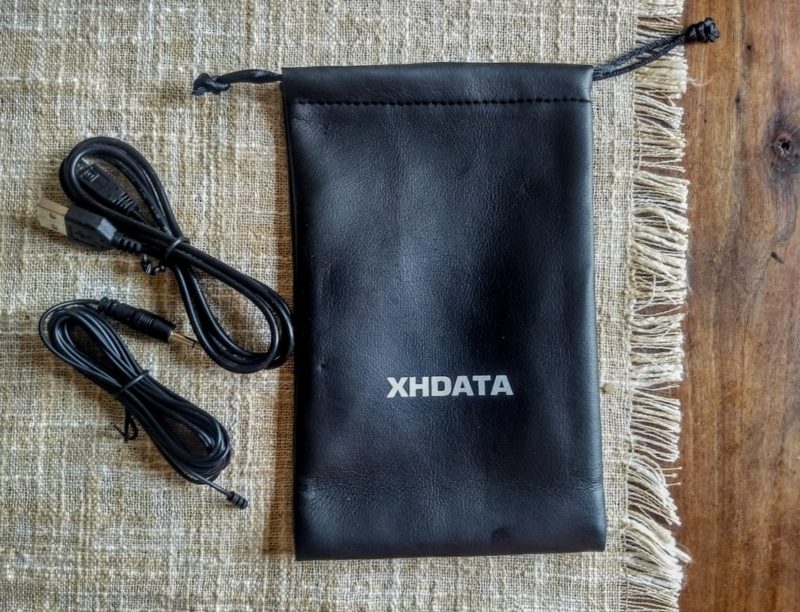
I was surprised when I opened the D-808 box to find a padded carry/travel bag, USB charging cable and even a compact external wire antenna.

Summary

There are actually few differences between the XHDATA D-808 and the Digitech AR-1780 in terms of physical appearance and function.

All in all, though, I prefer the D-808 package which ships with a carry bag, power cord and external wire antenna. In addition, the D-808 uses a standard and convenient Micro USB port for charging!

In terms of size/weight, the differences are negligible and wouldn’t sway my purchase decision.

Over the course of the next week, I hope to spend some time comparing their performance on the air. Though they appear to be from the same family, will one sibling outperform the other?  We shall see!

CommRadio CTX-10 availability update

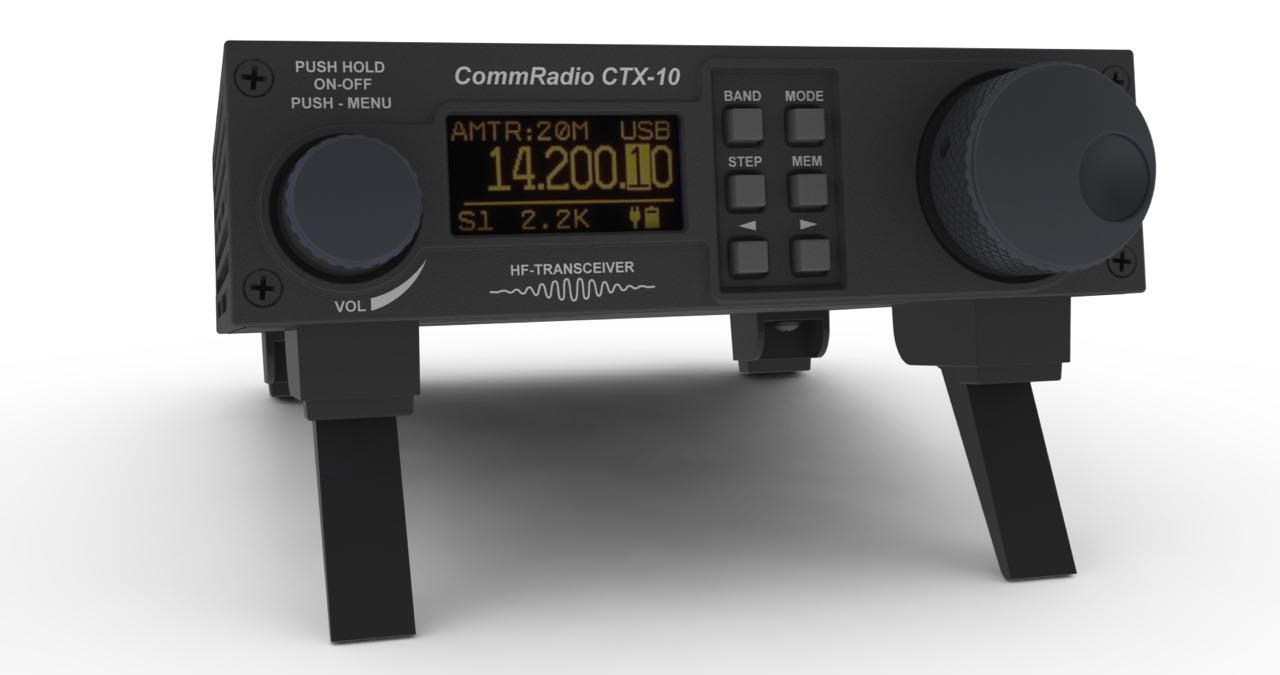
The CommRadio CTX-10 QRP transceiver

Universal Radio is now taking orders for the CommRadio CTX-10 QRP transceiver. The price is $999.99 and the expected shipping date is March 1, 2018. Universal notes that they will not charge customers until the units begin shipping.

Once radios are in production, I plan to review the CTX-10.

Click here to view the CTX-10 at Universal Radio.

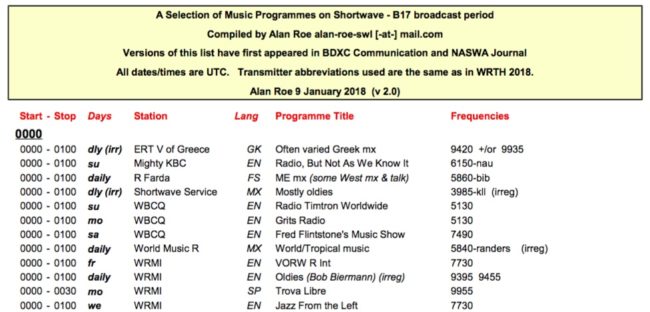
Alan Roe’s updated B17 season guide to music on shortwave

Many thanks to SWLing Post contributor, Alan Roe, who notes:

I have now updated my Music on Shortwave listing for the B17 season, and attached version 2.0.

Alan, thanks so much for keeping this excellent guide updated each broadcast season and for sharing it here with the community!

Click here to download Alan Roe’s B17 Shortwave Music Guide version 2.0 (PDF).

Al shares vintage RAE theme

Many thanks to SWLing Post contributor, Al Quaglieri, who writes:

In the ’60s and ’70s, RAE had a really evocative theme song that opened and closed their broadcasts. For years I searched for a copy of this, even going as far as writing the station about ten years ago. They graciously obliged, sending me a recording of the LATER theme, not the one I wanted. Well, here it finally is. RAE used an edited-down version.

My clip begins with a vintage RAE open and close, and then the song! It’s an obscure composition by Argentine composer Waldo de los Rios, entitled “Sol Alegre,” from a 1957 Columbia album called “Kiss of Fire.” Hope it brings back some memories!

Click here to listen at Clyp.it.

Thanks for this stroll down Memory Lane, Al!