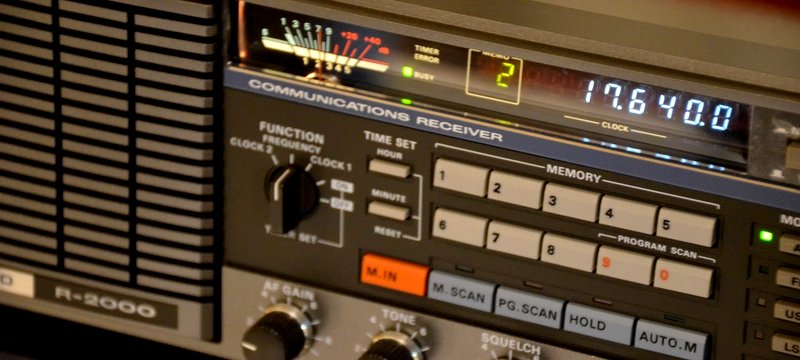
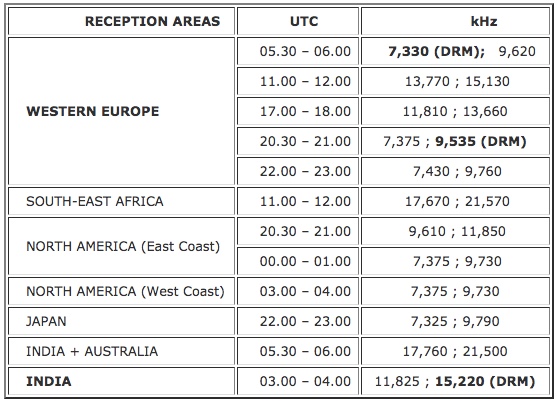
Many thanks to SWLing Post contributor, David Iurescia (LW4DAF), for sharing Radio Romania International’s 2017 summer shortwave radio schedule:
For full details about the various ways you can listen to RRI, check out their website.

Many thanks to SWLing Post contributor, David Iurescia (LW4DAF), for sharing Radio Romania International’s 2017 summer shortwave radio schedule:
For full details about the various ways you can listen to RRI, check out their website.

Image: Jan-Mikael Nurmela, Risto Vähäkainu, LEM DX-Pedition Blogs
(Source: Finnish DX Association)
The Finnish DX Association wishes you all good DX for 2017.
We also have the pleasure of inviting all DXers and shortwave listeners to join the jubileum European DX Conference to be held in Tampere, Finland on 18-20 August 2017. It is time to celebrate, as this year is Finland?s centennial and The European DX Council will have its 50th anniversary. The meeting will be organized by The Finnish DX Association (soon to be 60 years) and Tampereen DX-Kuuntelijat (local DX club celebrating its 50th anniversary).
We will follow our tradition of successful EDXC conferences held in Finland in 1971, 1987, 1992, 2002 and 2008. So it will be three days of lots of program, lots of events and lots of fun.
We plan to open the website of this conference during January. The website will be set to be a part of the FDXA website www.sdxl.fi and when the conference site is open, a link ?EDXC Conference 2017? will be found on the main page.
The conference will start on Friday afternoon 18th of August and end on Sunday afternoon 20th of August. This time of summer is not anymore high-season in Finland, so if you like, you should be able to book extra nights pretty easily and with reasonable prices.
Also a post-conference tour is planned. This would last a few days and the target would be Finnish Lapland including visits to the well-known LEM and AIH DX sites and also possibly including a visit to Nordkapp (the northernmost point of the European continent). If you are interested in joining this tour, please don?t make any flight bookings yet.
The conference organizing committee has been set. The committee chairman is Risto Vähäkainu. You are welcome to address your special questions to rv at sdxl dot org.
Hoping to see many many of you in Tampere next summer!
Risto Vähäkainu
FDXALinks
- SDXL/FDXA, Suomen DX-liitto – The Finnish DX Association
- City of Tampere, read more in English, German, Russian and Finnish
- Conference hotel: Varala Sports Institute / Varalan Urheiluopisto (address: Varalankatu 36, Tampere) Google Maps, read more in Finnish.
Click here to read this post on the Finish DX Association website.
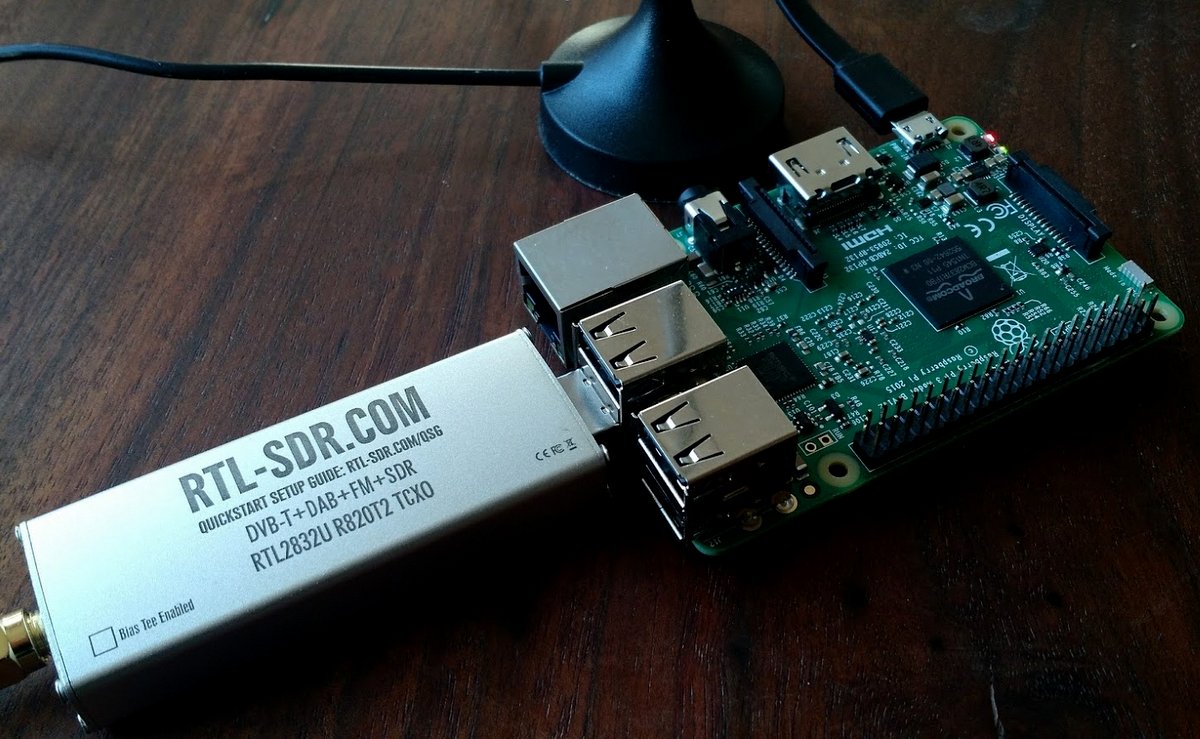
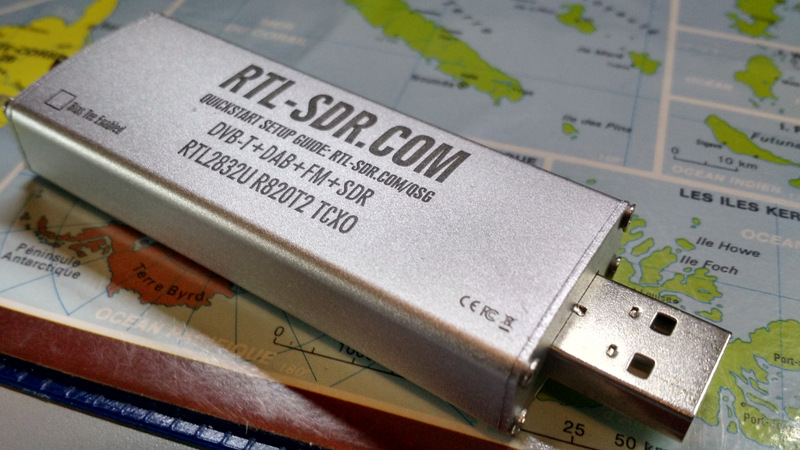 It’s been nearly a year since I acquired both the RTL-SDR (above) and Rasperry Pi 3 (below)r.
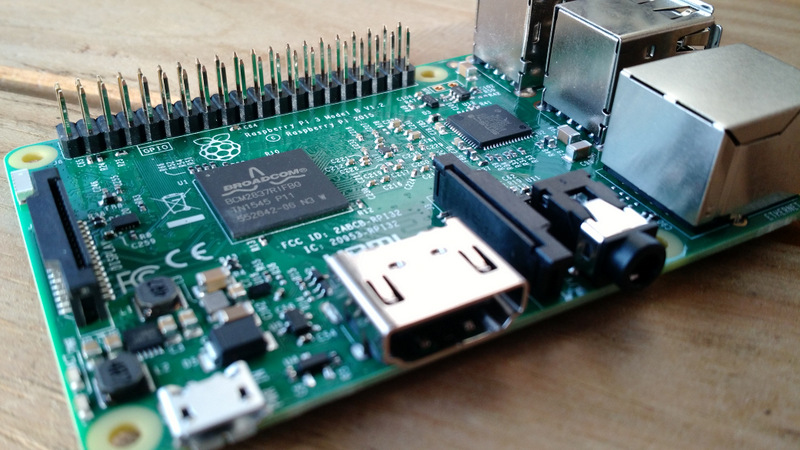
Remember when I made a plea for Pi 3 projects just last year––?
Although many of you suggested some great projects, I never actually got around to doing any of them. Now, don’t get me wrong––I wanted to, of course, but simply got involved with reviews, NPOTA, two months of travel…and, well, life.
Then, last week at the Winter SWL Fest, a common theme emerged in both presentations and discussions: the numerous applications of the super-cheap, and thus super-ubiquitous, RTL-SDR dongle. In their engaging presentations, both Dan Srebnick and Mark Fahey––SWLing Post contributors and good friends––focused on the power of the RTL-SDR, expounding upon some simple, inexpensive applications in their forums. It was inspiring. Also, buddy Eddie Muro showed me just how easily an ADS-B receiver could be set up using an Android phone.
Back to the Pi. Though I was already aware the Pi 3 and RTL-SDR could be united to make an ADS-B receiver, watching Mark Fahey talk about how simply one could feed the FlightAware network with ADS-B data finally hooked me. Why not, indeed? Here was fun to be had!
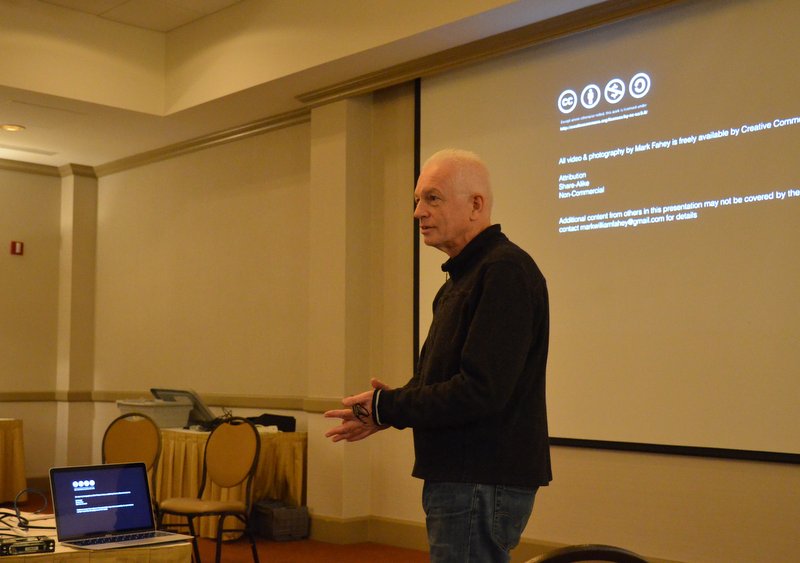
Mark preparing to woo his captive audience at the Winter SWL Fest!
I couldn’t get the idea out of my head, so Tuesday, the day following my return, I set the afternoon aside. I rolled up my sleeves, and with my long-neglected Pi 3 and RTL-SDR, got ready to cook up a flight sensor.
I figured I was probably missing a component or two, and fully expected the process to be complicated, but decided I wouldn’t let this deter me. And guess what? I was wrong on both counts!
If you only plan to use this SDR and antenna as an ADS-B feeder, you might go for the FlightAware Dongle and 1090 MHz antenna combo.
Note: I used this excellent PiAware ADS-B feeder tutorial to build my system–it’s detailed and doesn’t make the lofty assumption that you actually understand formatting cards, building disk images, and/or editing config text files.
Directions below are a highly distilled version of that tutorial. If you’re new to all of this, as I was, follow these directions instead of the above tutorial. Be aware that the directions assume you’re using the Pi 3 and a Windows PC to burn the image file.
After my ADS-B receiver had been in operation for a while, I was very impressed with the data FlightAware was able to pull from my ADS-B feed. I was equally impressed with the number of distant aircraft I could receive with such a modest antenna––a number of them up to 135 miles from my location. Once I find a suitable outdoor location for the mag mount antenna, currently indoors, I expect the reception distance will increase significantly.

You can also connect to the live feed from your ADS-B receiver through your local network. Here’s a screenshot of my live data:
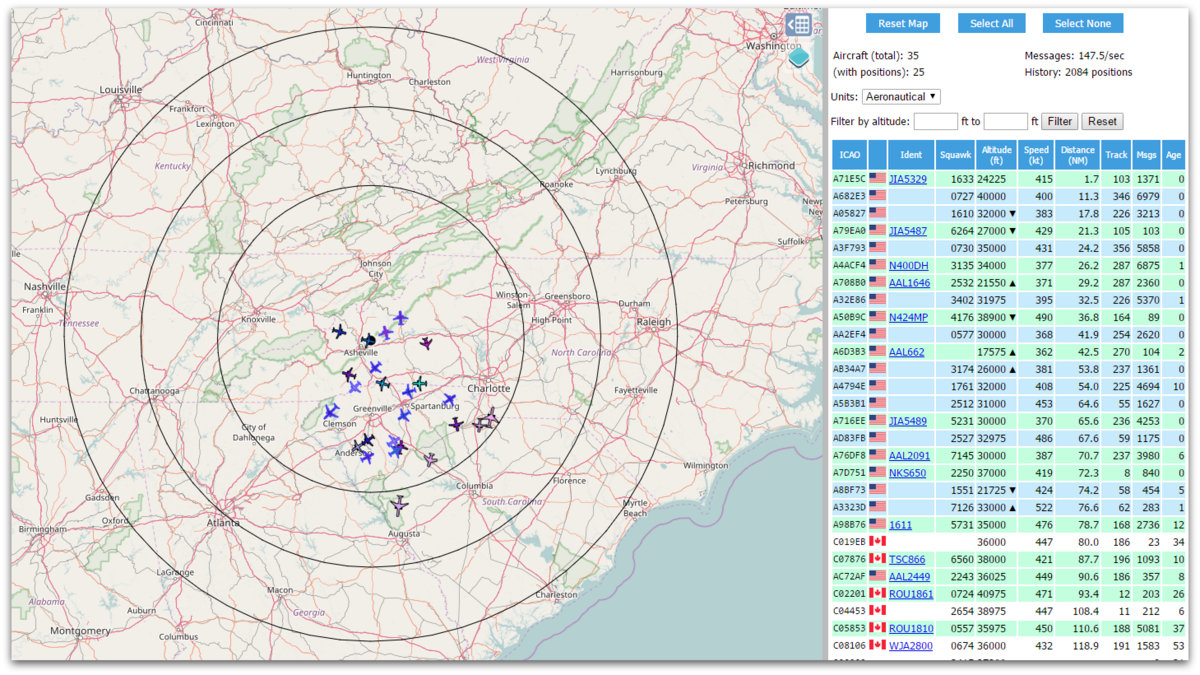
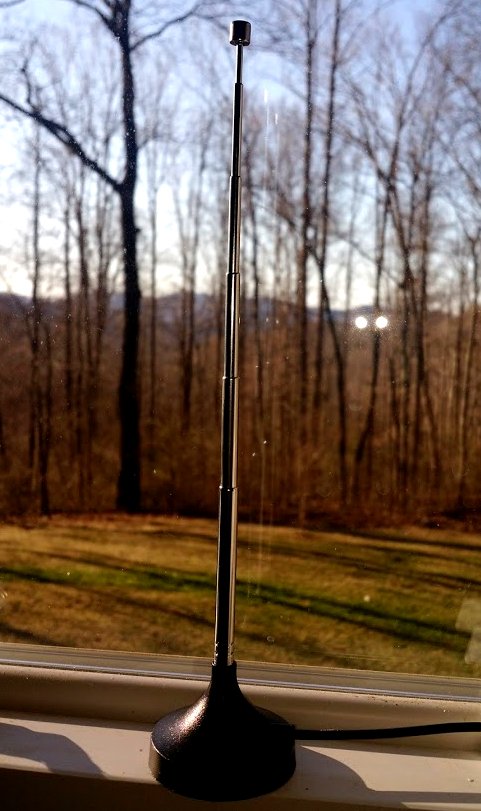 At the moment, my ADS-B receiver is located indoors, in a south-facing window.
It works, but clearly isn’t ideal. Since the Pi 3 connects to my network via WiFi, I intend to install the full ADS-B receiver system into a small weatherproof case and mount it outside. My Pi 3 has no case, so I purchased an inexpensive one yesterday. I should be able to feed it power with an outdoor outlet…but I’m very tempted to experiment with making it solar powered. To find out if this is a logical move, I need to observe and measure the power requirements first, and will be doing that in the next few weeks.
Meantime, I’m thoroughly enjoying watching the (amazingly busy) traffic in the skies…and the kid in me relishes it!
Thanks, Mark, for the great idea!
Have any SWLing Post readers attempted to build a solar-powered or outdoor ADS-B receiver? Please comment!
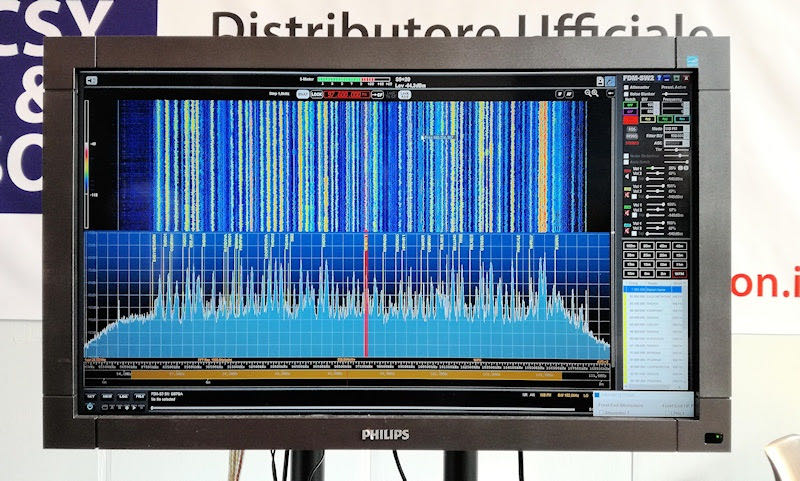
Many thanks to SWLing Post contributor, Rafman, who shares the following photos that were originally posted by Alberto (I2PHD) on the Elad email reflector. Alberto noted:
“Here it is…. shown for the first time today at the Montichiari Ham Fest. Price TBD….”
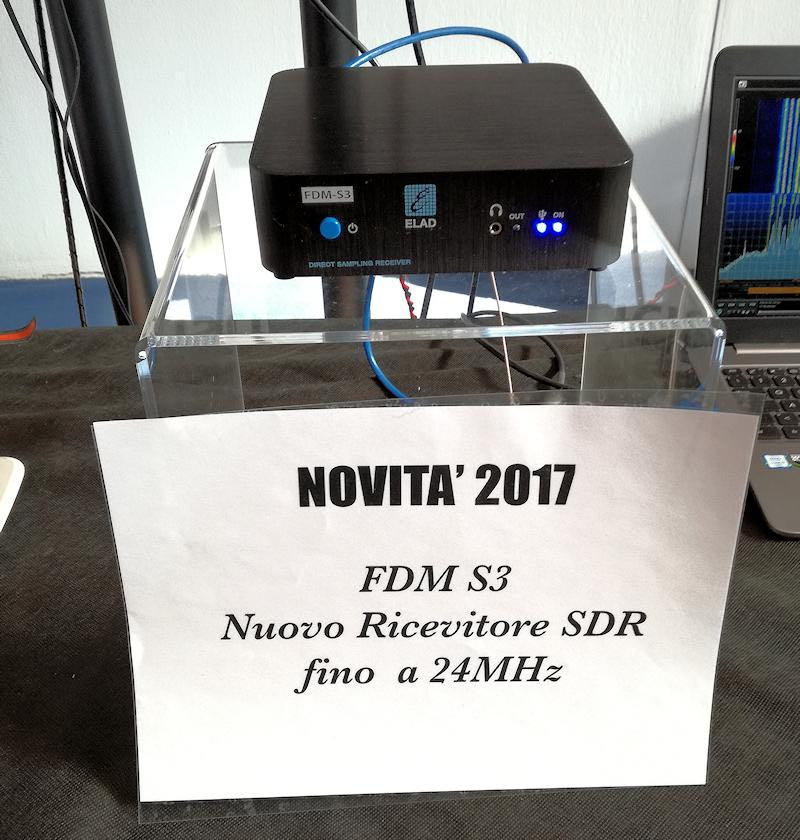
Many thanks, Rafman, for the tip!
We’ll continue to post FDM-S3 updates as they become available. I will also plan to review the FDM-S3 when it hits the market.
(Source: Radio Today)
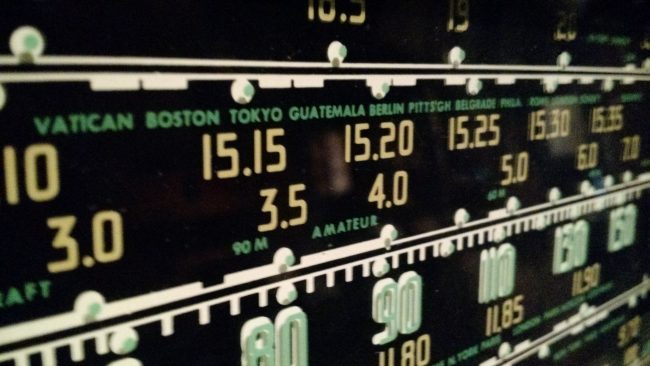
RTÉ has agreed to continue its longwave 252 service in the UK until the end of June 2019.
After that, RTÉ hopes Radio 1 will gain approval from UK authorities to launch via a chain of small broadcast networks which cover main urban centres. Currently, a broadcaster has to be based in the UK to obtain an Ofcom licence.
RTÉ says using the DAB+ platform will be considerably less (approx one fifth) than the present quarter of a million per annum that RTÉ expends in running costs for 252.[…]
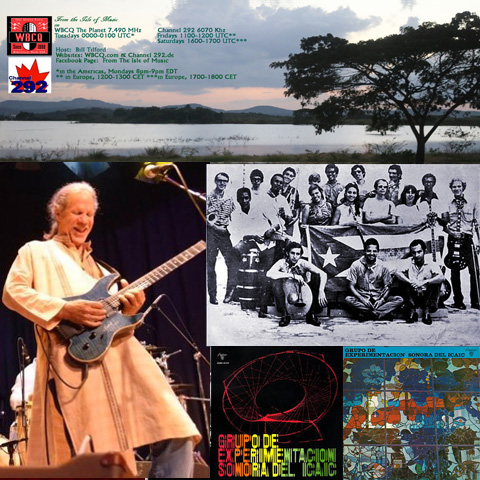

From the Isle of Music, Week of March 13-18, 2017
This week, in the first of two parts, special guest Pablo Menéndez, leader of the current supergroup Mezcla and member of the past supergroup Grupo de Experimentación Sonora del ICAIC, converses with us in English! about these groups (and, of course, we will have a lot of music). In Part 1, we discuss GESI, a group whose many important members profoundly influenced several genres of modern Cuban music from Nueva Trova to Cuban Jazz.
Three opportunities to listen via shortwave:
1. For the Americas and parts of Western Europe:
WBCQ, 7490 KHz, Tuesdays 0000-0100 UTC (Mondays 8pm-9pm EDT in the Americas)
2. For Europe and beyond,
Channel 292, 6070 KHz, Fridays 1100-1200 UTC (1200-1300 CET) and Saturdays 1200-1300 UTC (1300-1400 CET)
Uncle Bill’s Melting Pot, Week of March 13-18, 2017
Episode 3 of Uncle Bill’s Melting Pot, a musical variety program that features genres from A-Z, will air:
WBCQ the Planet, 7490 KHz, Thursday, March 16 from 2300-2330 UTC (7:00pm-7:30pm EDT in the Americas).
Brought to you by Tilford Productions, which also brings you From the Isle of Music. (We aren’t showing on the WBCQ website yet, but we’ll be on.) Check us out, and let us know what you think! Episode 3 will have some St. Patrick’s Day music for people who are doing the “Irish for a day” thing and a few other bits of fun.
(Source: Yahoo News via London Shortwave)
Vatican City (AFP) – African bishops have asked Radio Vatican, the official radio of the pope, to restore shortwave transmissions to the continent, the Catholic agency Fides reported on Friday.
[…]The Symposium of Episcopal Conferences of Africa and Madagascar (SECAM), meeting in the Ghanaian capital Accra, has written a letter expressing “concern about the recent shutdown of the shortwave services of the radio, which afforded millions of Africans the opportunity to hear (the) Holy Father and share in the Church’s concerns and mission,” Fides said.
[…]This year, services to Africa, Asia and the Middle East will be slashed, Fides said.”While recognising that Vatican Radio services can still be received through the Internet,” the SECAM said “many Africans simply do not have the means or the technology to enjoy such services”.
[…]Radio Vatican was created in 1931 and has services in 45 languages.
With the latest move “a heritage is in the process of being destroyed,” a Fides journalist told AFP.