Author Archives: Thomas

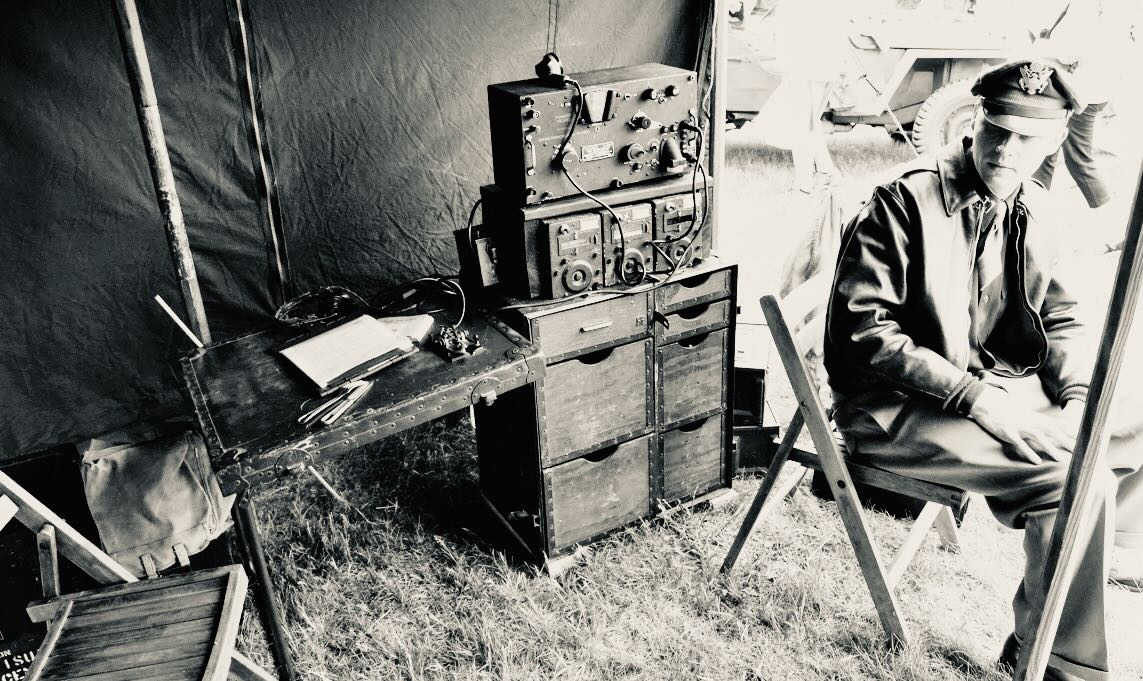
AWA Video Presentation: Patrolling the Ether in WW2 – Radio Intelligence for the War Effort

Many thanks to SWLing Post contributor, Mark (AE2EA), who writes:
One of our AWA Members recently made this video on the Foreign Broadcast Monitoring Service (FBMS) and the Radio Intelligence Division (RID) during World War 2. I think it might be of interest to your SWLing enthusiasts:

Click here to watch on YouTube.

Brilliant presentation! Thank you for sharing this, Mark!

Video: Giuseppe’s “Cassette Loop” on the shortwaves with induction

Many thanks to SWLing Post contributor, Giuseppe Morlè (IZ0GZW), who writes:

Dear Thomas and Friends of the SWLing Post,

I’m Giuseppe Morlè from central Italy, Formia on the Tyrrhenian Sea…

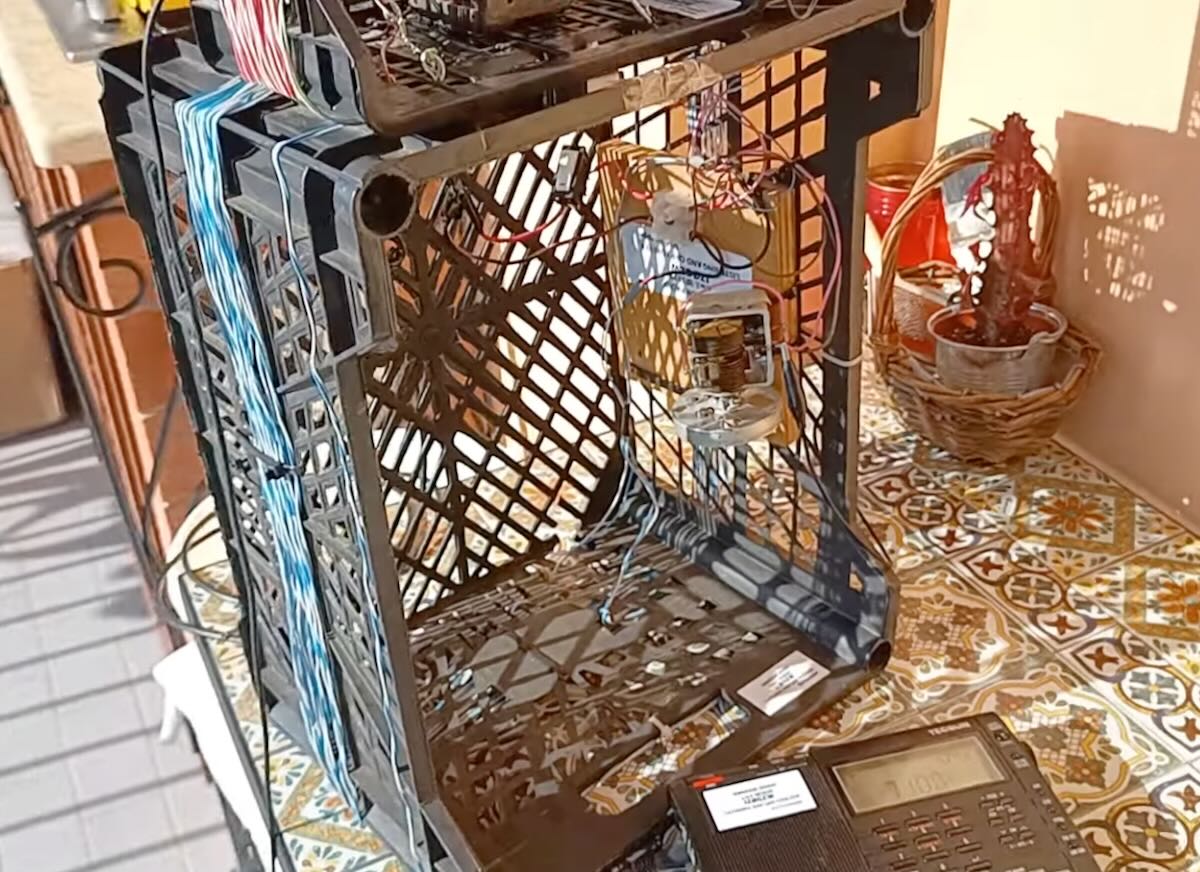
My Cassette Loop experiment this time shows how induction takes place on short waves after medium waves.

I used a smaller box as the primary antenna which, however, is pushed by the secondary one due to the induction effect generated between the two windings brought closer together.

This way, the larger loop “captures” more of the signal and sends it to the smaller cassette…

I really like working on induction… I hope you like it:

Click here to view on YouTube.

Thanks and greetings from central Italy.
73. Giuseppe Morlè iz0gzw.

Thank you so much for sharing this, Giuseppe!

DXERS Diary via KTWR DRM

Many thanks to SWLing Post contributor, Arun Kumar Narasimhan, who shares the following announcement:

My Name is Arun Kumar Narasimhan from Chennai in India in India and I have been producing and presenting “DXERS DIARY”, a 5-minute weekly DX programme in KTWR’s DRM broadcast in 15205 kHz from 15.00 hrs UTC every Sunday from January 3, 2021.

DXERS Diary DX Programme is also being broadcast every Wednesday in 11965 kHz from 11.01 hrs UTC to 11.07 hrs UTC as part of KTWR’s South East Asia block. You can also listen in 9965 kHz from 14.30 hrs UTC every Wednesday. Those who can’t tune in to DRM can now listen to the program in Shortwave.

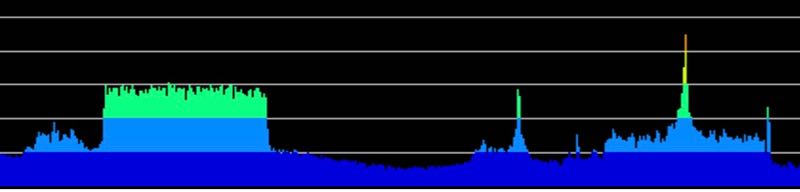
This programme is designed to make it easy for listeners to contribute to the advancement of the DX hobby. In this programme, we broadcast listeners’ logs, band scans, sent to us from listeners across the world, information about sunspot number, SFI forecast and A-index , news and frequency changes by various radio stations around the world.

Listeners can send their band scans, shortwave radio logs, reception reports, views and opinion about the programme to “[email protected]”.

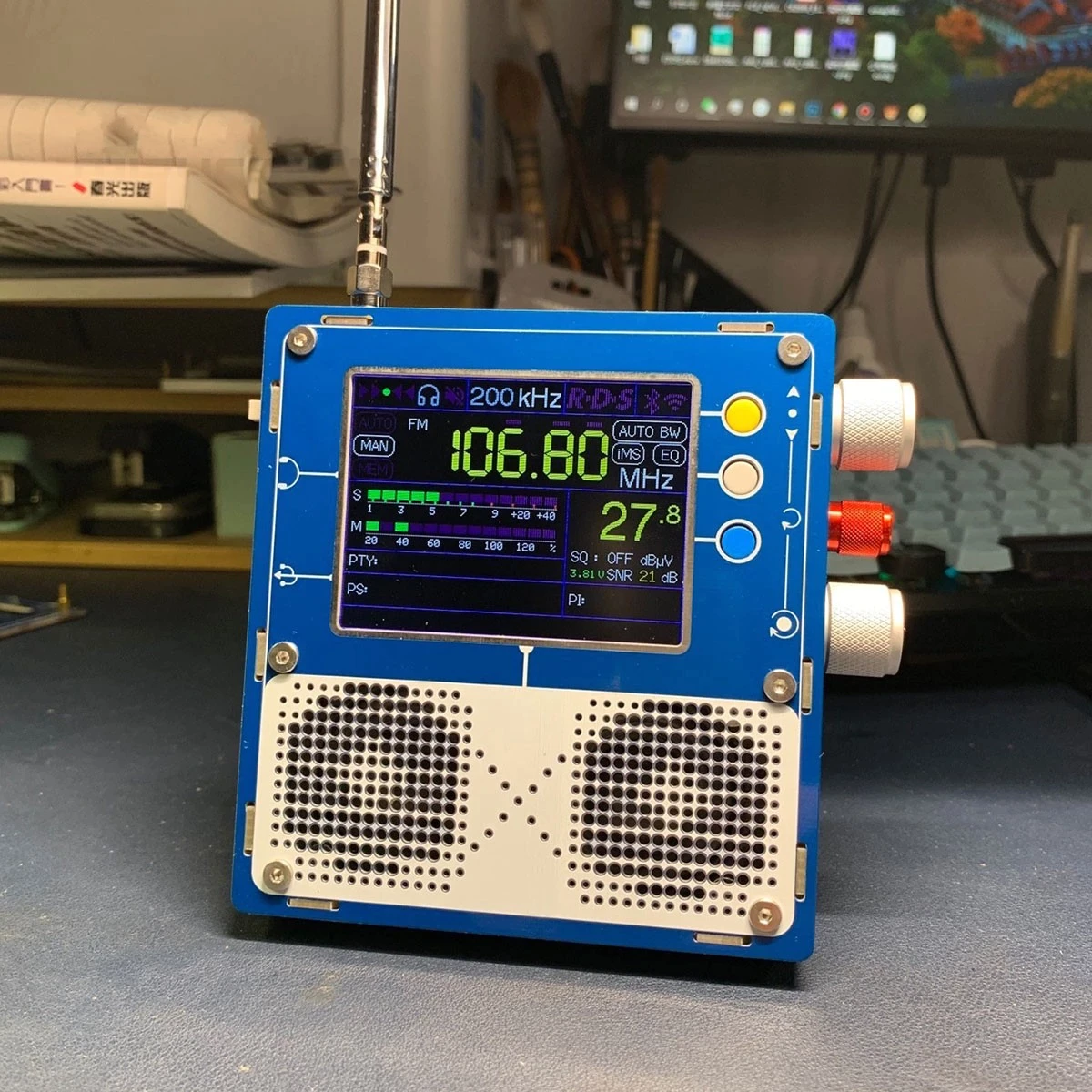
Ivan checks out the new TEF6686 chip radio

Product photo from AliExpress

Many thanks to SWLing Post contributor, Ivan Cholakov (NO2CW) who writes:

Hey I just got a radio from China based on the famed tef6686 tuning chip. Just started checking out the basic functions and will let you know how it fares on the bands.

Video description: This project started by enthusiasts has created many DIY and consumer grade projects. This is one of several receivers that take advantage of the great NXP TEF6686 radio chip. AM (Medium Wave), FM, SW (Shortwave) and Longwave receiver with some unusual features not commonly found on other radios. The DX tests will come after this introduction

Click here to check out Ivan’s video on YouTube.

Thank you for sharing this, Ivan! We look forward to your updates!

Alan Roe’s 2022 Holiday Programmes on Shortwave

Many thanks to SWLing Post contributor, Alan Roe, who shares his annual Holiday Programmes on Shortwave schedule. This guide is chock-full of numerous shortwave holiday programs Alan has curated for us all to enjoy on the air!

Click here to download (PDF).

Thank you so much for sharing, Alan!

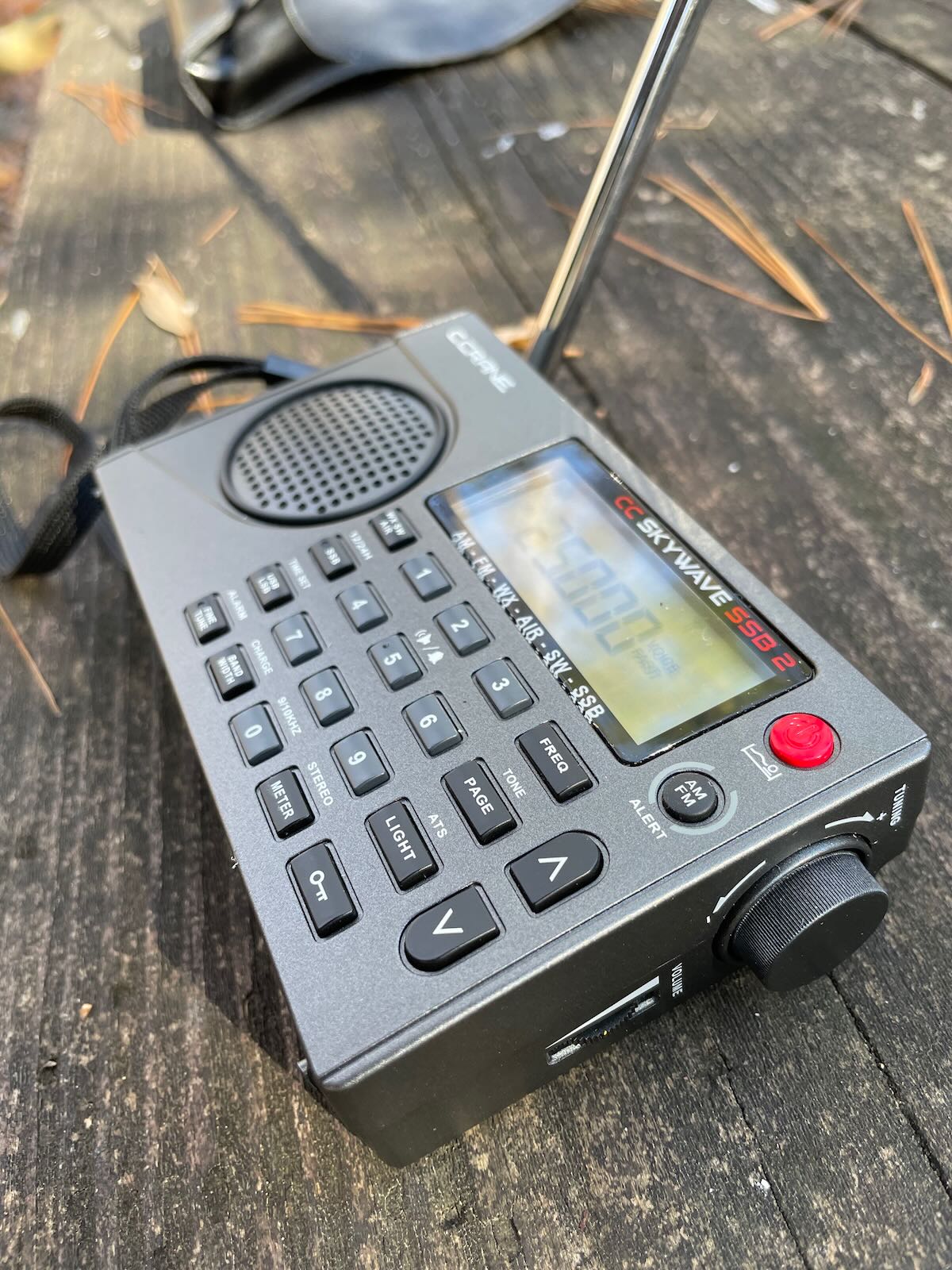
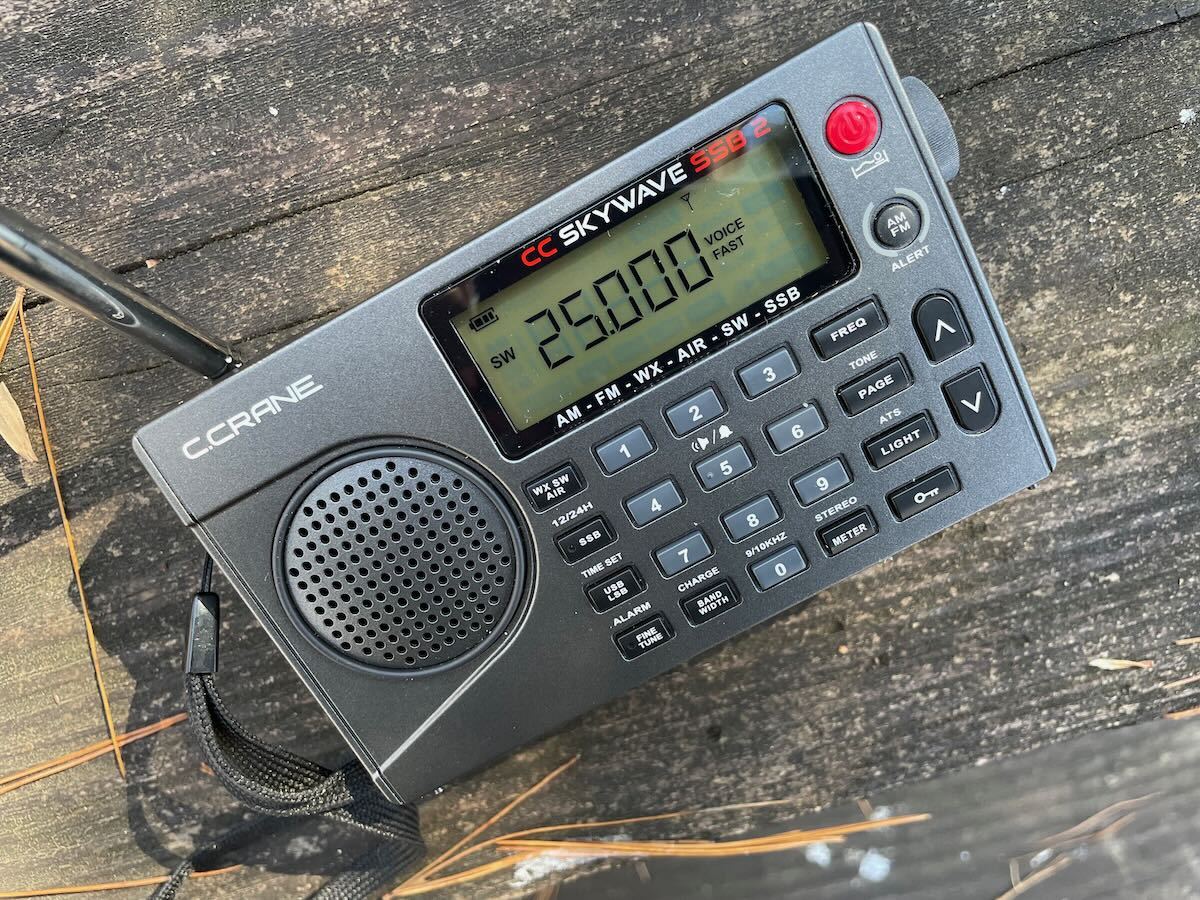
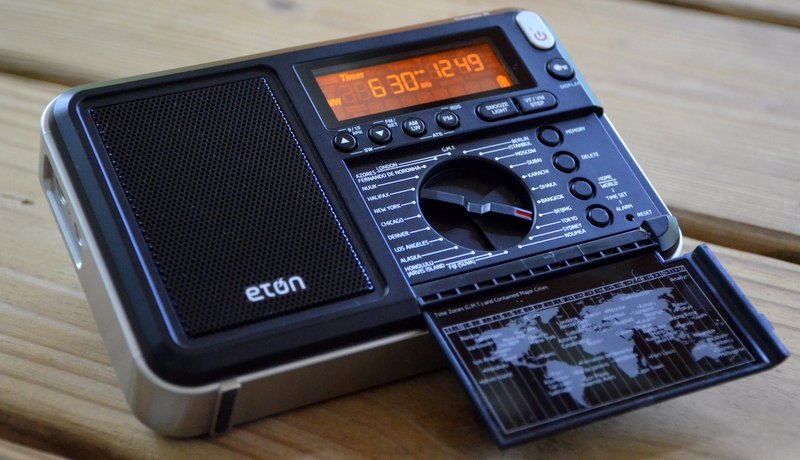
Making a good thing better: The C.Crane CC Skywave SSB 2

Last month, C.Crane sent me (and the infamous Jock Elliott–read his review here) a pre-production CC Skywave SSB 2 portable shortwave radio.

In full disclosure and to be clear: these pre-production units were sent to us free of charge by C.Crane who is a long-time sponsor of the SWLing Post.

Back in October, I was very pleased to see that C.Crane had updated the CC Skywave SSB to version 2 in their latest product catalog.

If you’ve read the SWLing Post for long, you’ll know that the CC Skywave SSB is my choice travel and EDC radio. I prefer it over any other portable I own (and I do have quite a lot) because it’s so insanely useful, efficient, lightweight, compact, and durable.

I’ve taken the CC Skywave SSB and the original CC Skywave on more travels that I could possibly remember.

What’s so great about the Skywave series?

I’m a one-bag traveler.

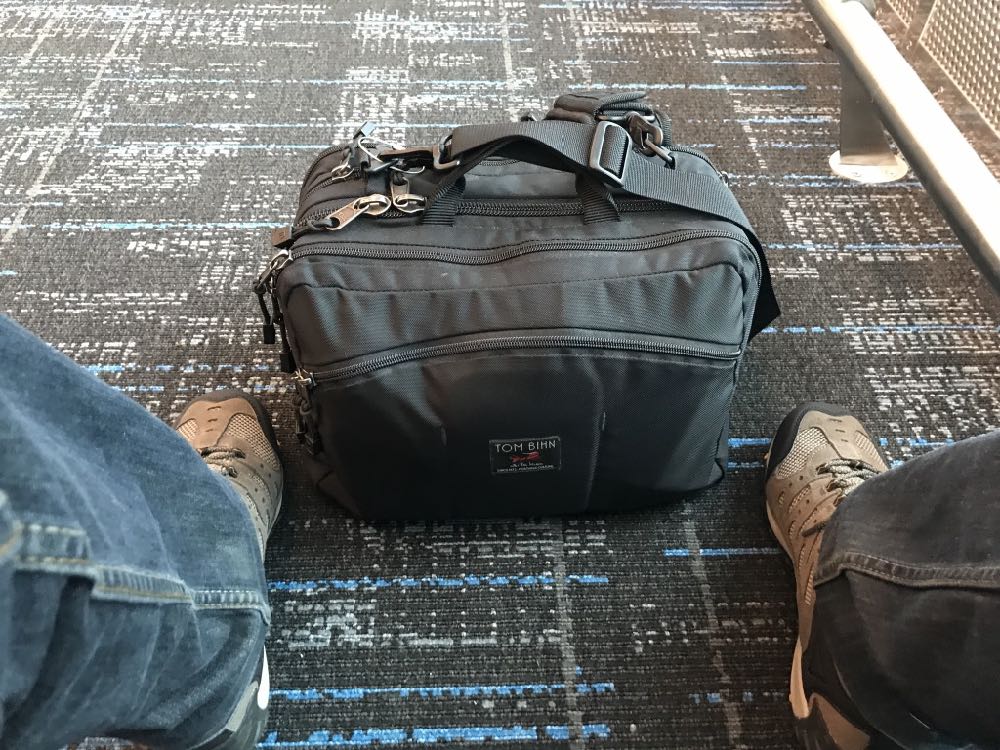
Me, at Charlotte-Douglas International waiting for a flight to the Winter SWL Fest in 2019.

When I fly, I take only one carry on bag that’s so compact it can fit under the seat in front of me in any type of commercial aircraft.

I firmly believe there is no freedom like one-bag travel. While others are stressing over where to stow luggage, how to carry it all, or why their checked-in luggage didn’t arrive at the destination, I’m cruising through the airport and to my destination unhindered.

The key to successful one-bag travel is only carrying what you need, and focusing on items that are multi-function.

Me? I need a good multi-band radio.

The CC Skywave SSB is the most comprehensive compact portable I own. It’s truly a “Swiss Army Knife” of a receiver. Here are the bands/features I appreciate:

  • AM/Mediumwave (9/10 kHz steps selectable)
  • FM broadcast (with expanded FM range when in 9 kHz step mode)
  • Shortwave
  • AIR band (to listen to Air Traffic Control and Air comms)
  • Weather Radio with alert (this functions brilliantly in the US and Canada)
  • A proper clock and alarm (that can display in 24 hour time!)
  • It uses two common AA batteries that can even be internally-recharged if NiMH
  • It even has a squelch feature for scanning, say, the AIR band

All of this and it’s also one of the best-performing compact radios on the market. It’s a capable radio for portable DXing right out of the box (or you can hot-rod it like Gary DeBock does!).

Side note: the CC Skywave’s weather radio reception is better that any other radio I’ve tested including dedicated weather radios. Continue reading

Radio Waves: State of VOA Broadcast Infrastructure, Amish Weather Radio, 96.7 FM, Australia Calling, and MAME Showcase Gerät 32620 Emulator

Radio Waves:  Stories Making Waves in the World of Radio

Welcome to the SWLing Post’s Radio Waves, a collection of links to interesting stories making waves in the world of radio. Enjoy!


Where VOA’s Broadcast Infrastructure Stands Today (Radio World)

Shortwave retains a role in serving particularly difficult-to-reach audiences

Russia’s horrific invasion of Ukraine and its simultaneous blocking of Western media outlets has renewed public interest in shortwave radio broadcasters like the federally funded Voice of America.

Now managed by the U.S. Agency for Global Media or USAGM, VOA’s roots go back to 1941, when the U.S. government leased a dozen commercial broadcaster owned/operated shortwave radio transmitters for the VOA’s predecessor, the U.S. Foreign Information Service. (These shortwave transmitters were previously used by U.S. broadcasters to share content between their AM radio stations.)

The VOA came into being in 1942. It played a major role in broadcasting U.S. news and views to the world during World War Two and the Cold War. After the fall of the Berlin Wall, shifting government priorities, the emergence of platforms competing with shortwave, and budget cuts led to VOA’s language services, broadcasts and programming being reduced.

Today, “USAGM operates transmitting stations around the world, including in the U.S., Africa, Europe and Asia,” Laurie Moy, USAGM’s director of public affairs said in an email earlier this year.

“All of these stations are equipped with multiple shortwave transmitters, and four of these stations have a medium-wave (AM) transmitter each. In total, USAGM’s network consists of about 75 shortwave (ranging from 100 to 250 kW) and medium-wave (ranging from 100 to 1000 kW) transmitters.”

The agency also has access to shortwave and medium-wave transmitters via leases and exchange agreements with other broadcasters.

At present, USAGM produces content in 63 languages, 35 of which are aired on shortwave and medium-wave. VOA itself produces content in 48 languages, 18 of which are aired on shortwave and medium-wave.

“In terms of the agency’s shortwave network, shortwave continues to reach particularly difficult-to-reach audiences, such as in North Korea, western China, Afghanistan and elsewhere,” Moy told Radio World. [Continue reading…]

How do you find out about tornadoes if your religion doesn’t allow TVs or smartphones? (Courier and Press)

If a tornado or flash flood is imminent, most Americans find out about it through a smartphone or a television.

But as the National Weather Service was reminded in the wake of the deadly Dec. 10, 2021 Kentucky tornado, one segment of the population uses neither of those things: the Amish, who shun technology.

As meteorologists studied damage in the days that followed that storm, which killed 80 people and damaged hundreds of homes, they encountered an Amish community in Ohio County, Kentucky, and asked: How do you get severe weather information?

“They basically said they listen for the weather sirens from town,” said Derrick Snyder, a meteorologist with the National Weather Service. But as loud as storm sirens are, not everyone is close enough to hear.

A solution may be on the way, as the agency teams with a national radio maker as part of the Weather Awareness for a Rural Nation initiative. Snyder and other meteorologists are part of a project developing weather radios that will be both effective in relaying information immediately, but also acceptable for the Amish lifestyle.

It will be a stripped-down, hand-crank model with absolutely no modern amenities. Continue reading