Earlier this year–the day before the 2017 Winter SWL Fest, in fact–Dan Robinson and I joined forces at the National Cryptologic Museum in Fort Meade, Maryland, and following a brilliant Thai lunch, visited Dan’s place, where I surveyed his stunning receiver collection, several of which represent the Holy Grail of the receiver world.
I thought you’d like a sneak peek at Dan’s stunning receiver line up, too––and just to sweeten the viewing, Dan has kindly written an introduction for each.
This is a real treat for us at the SWLing Post. Thank you so much, Dan, for sharing!
And now, here’s Dan:
A tour of my radio collection
by Dan Robinson
As most readers of SWLing Post probably know by now, I have had a lifelong love affair with radios (as many of us have had). My collection of receivers has changed through the years, with some exceptions being radios that have stayed with me for decades and which Tom was able to photograph during his visit to my home in Potomac, MD.
Since I began my DXing/SWL career in the late 1960’s I ramped up my collection from the simplest of radios to what I have now, a combination of remaining boat anchors together with some of the rarest and most sophisticated receivers on the planet. Some years ago, I made a brief foray into SDRs, but for me the thrill has always been in tuning actual radios and not spending additional hours sitting at a computer.
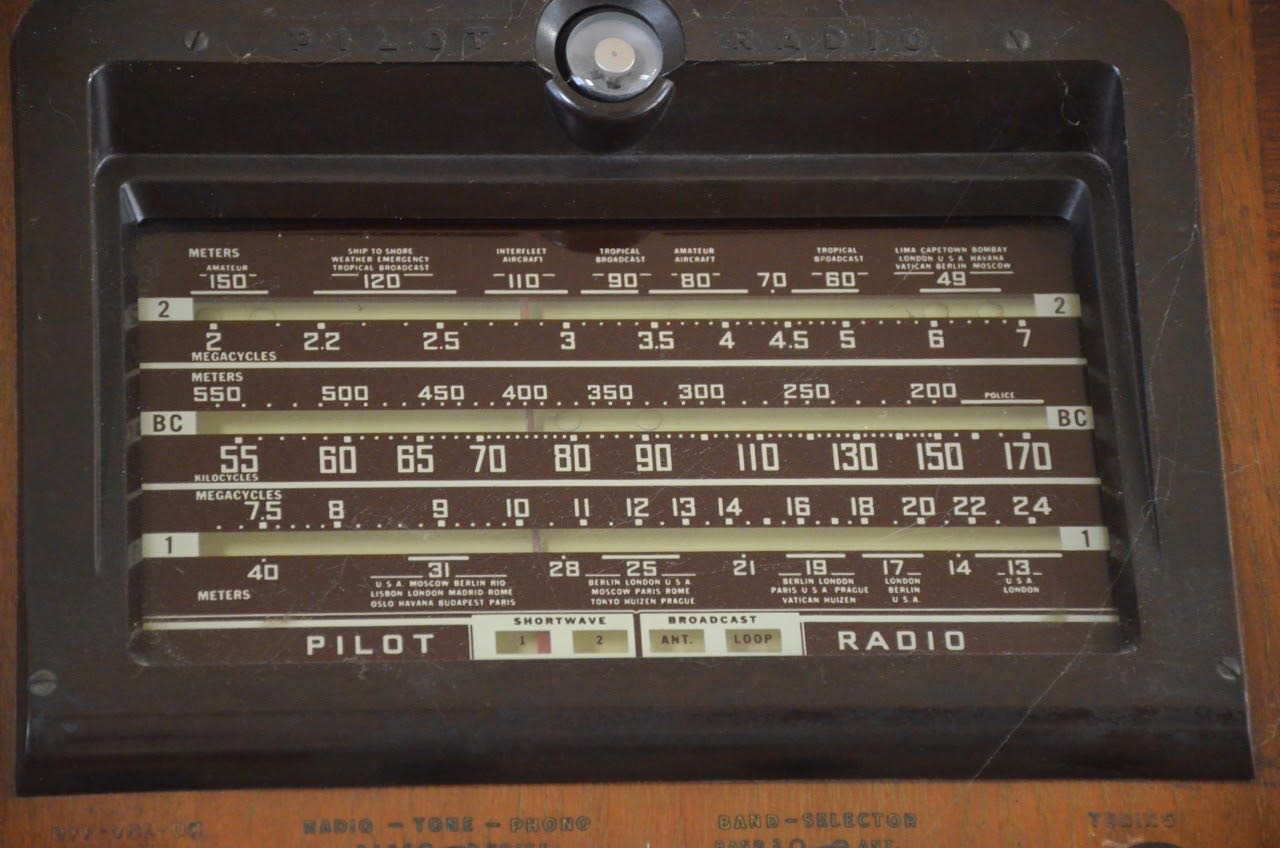
Pilot T-133
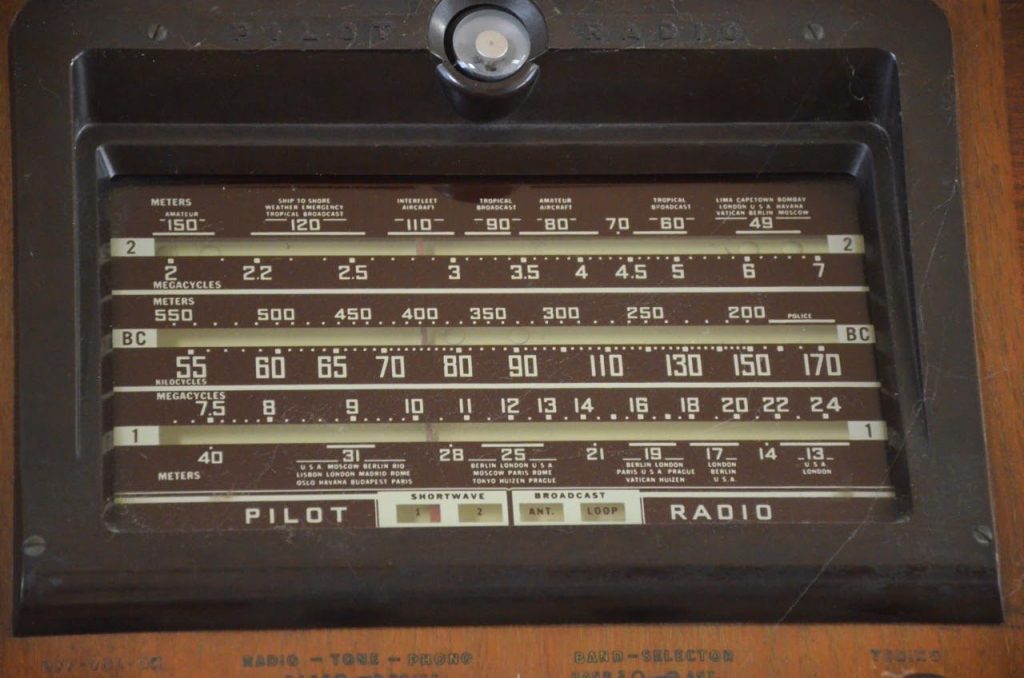
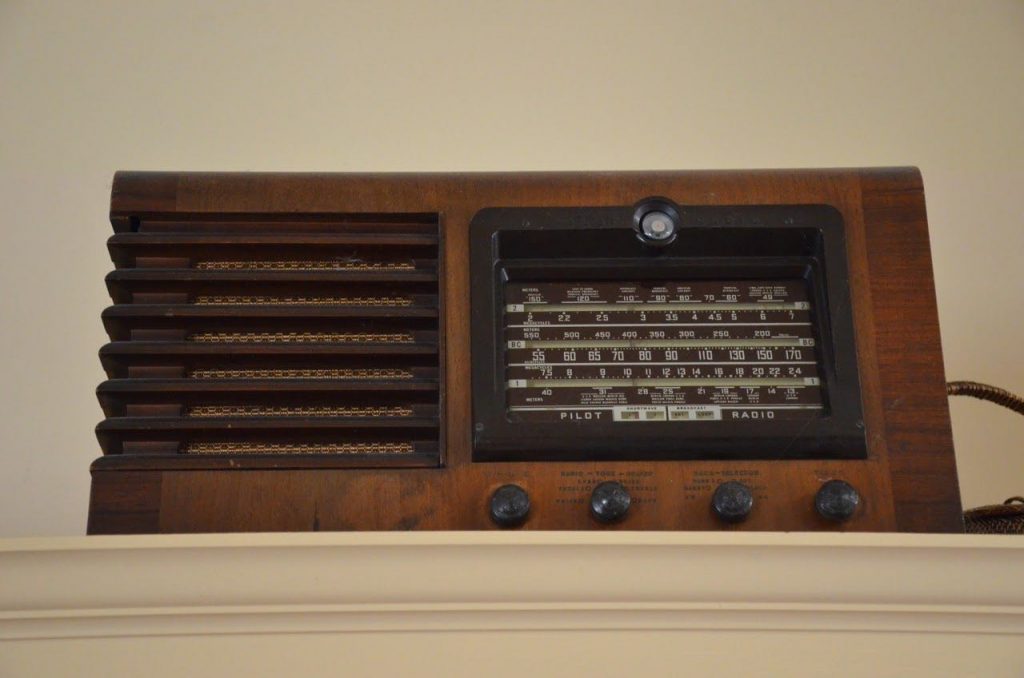
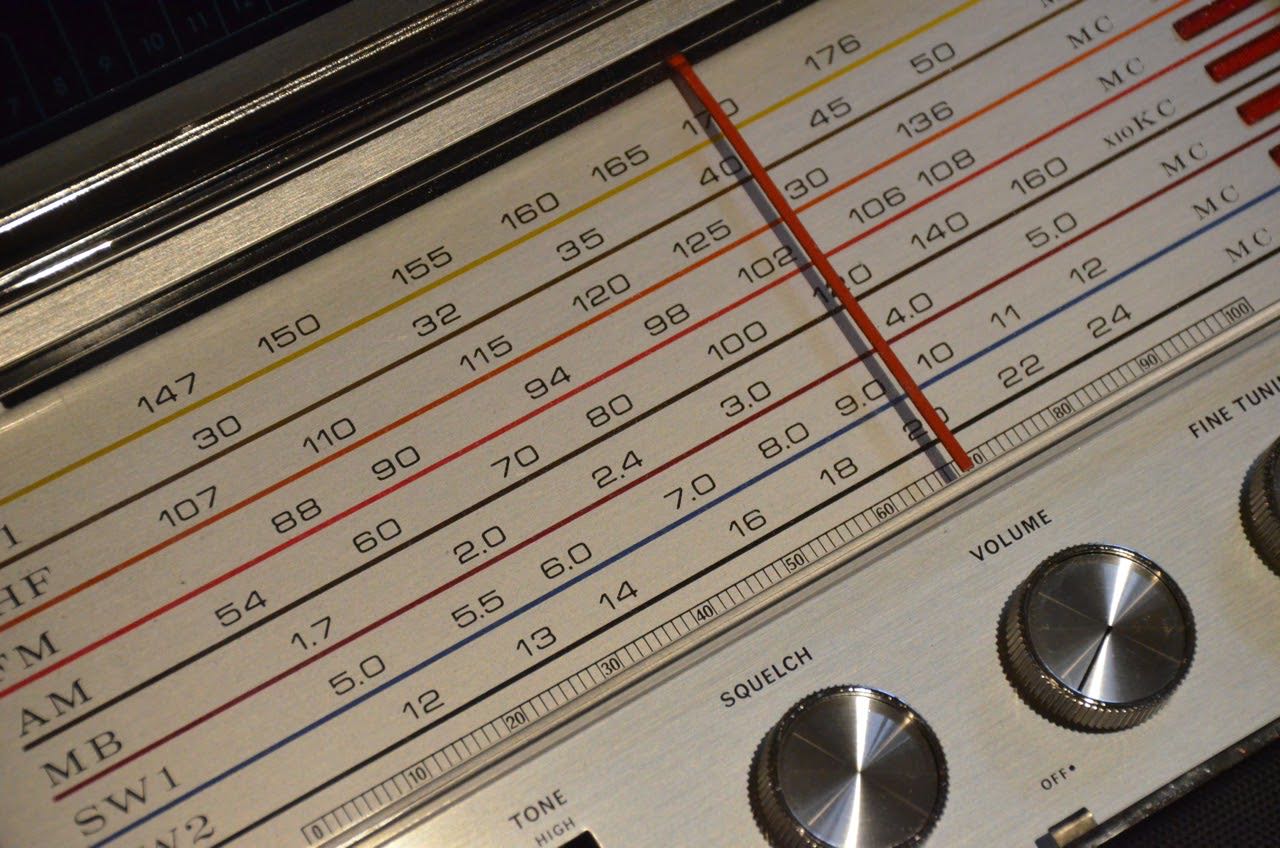
Though I actually do remember my very first shortwave receiver — a very basic Toshiba portable — a Pilot T-133, from the year 1942 served as my main receiver for quite a few years from the late 1960’s to early 1970. I remember the day my father found this beauty in the basement of my grandmother’s house in the Bronx. He brought it home, strung up one of those Radio Shack copper SWL antennas in the attic and I was off to the races, and addicted. Often pulling 24 hour listening sessions on weekends, I would sit with my ear to the speaker of the T-133, and had a Wollensak reel-to-reel to record my earliest DX catches. My favorite, as it was for so many of us, was Radio Tahiti and Radio New Zealand which boomed out of the large speaker on the Pilot T-133. As you can see, i made a point of keeping the Pilot, with its tuning eye and slide rule dial, with me all these years and it now occupies a place of honor on a shelf in my den.
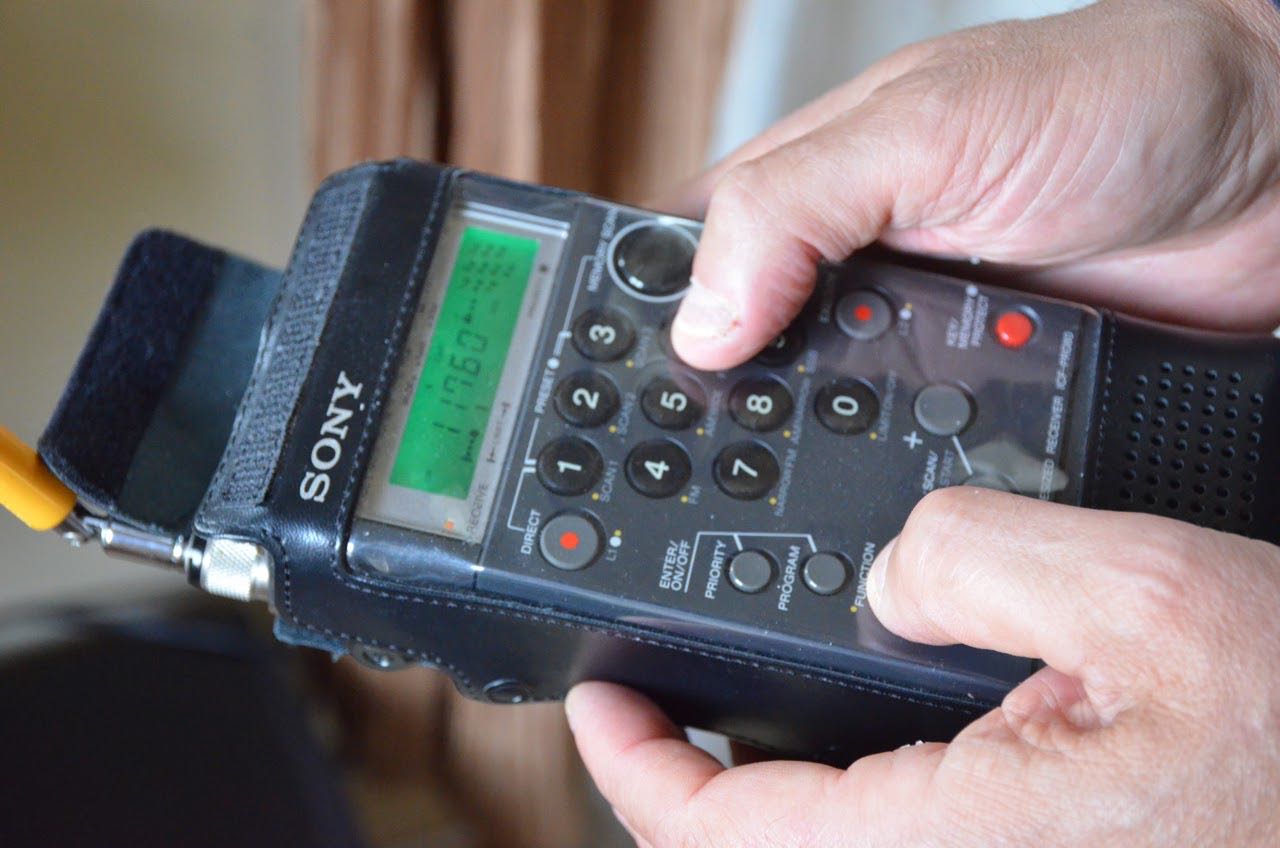
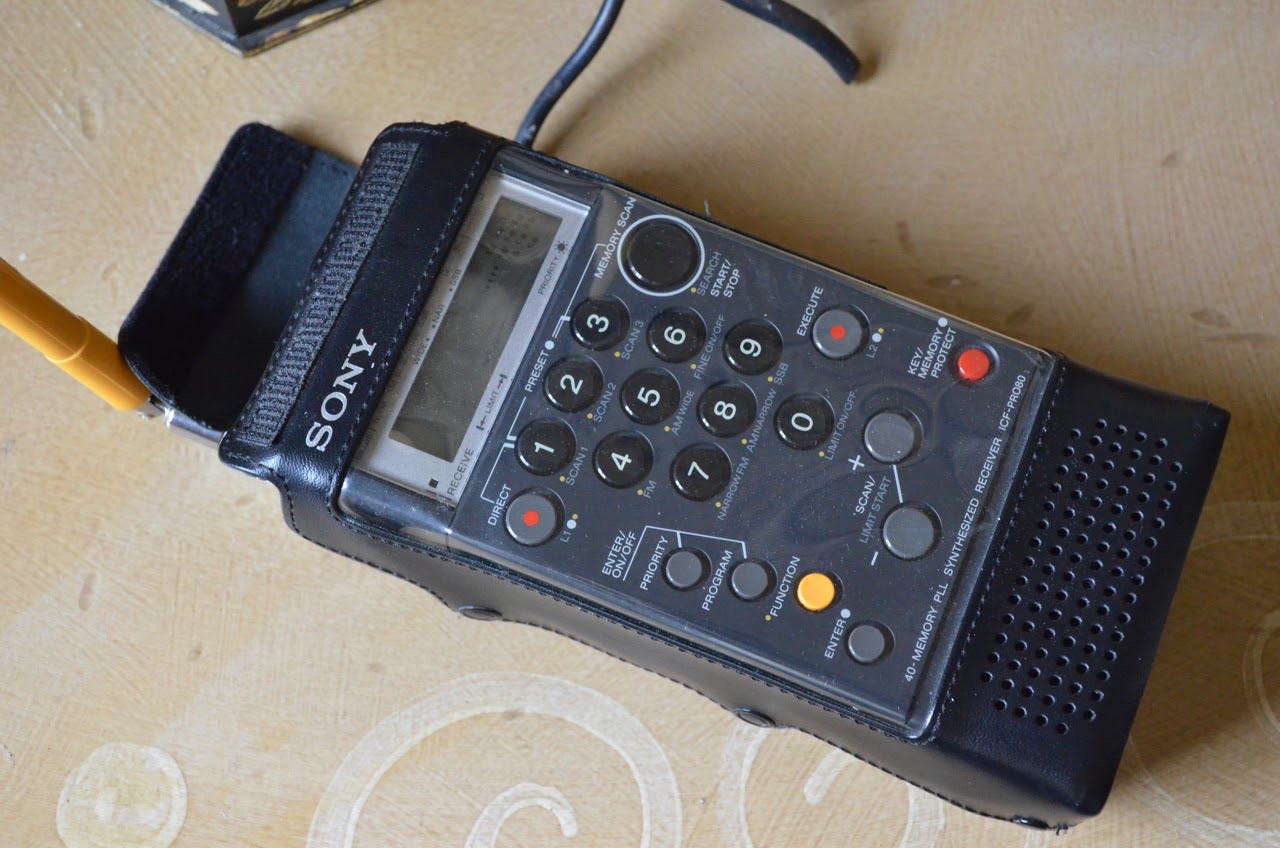
SONY ICF-PRO80
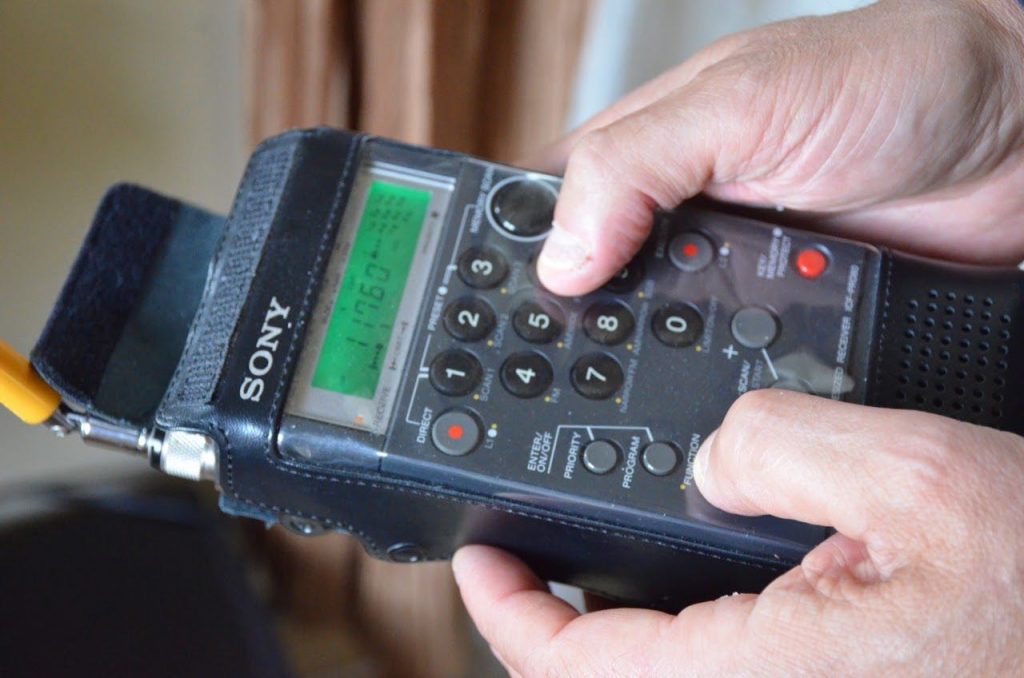
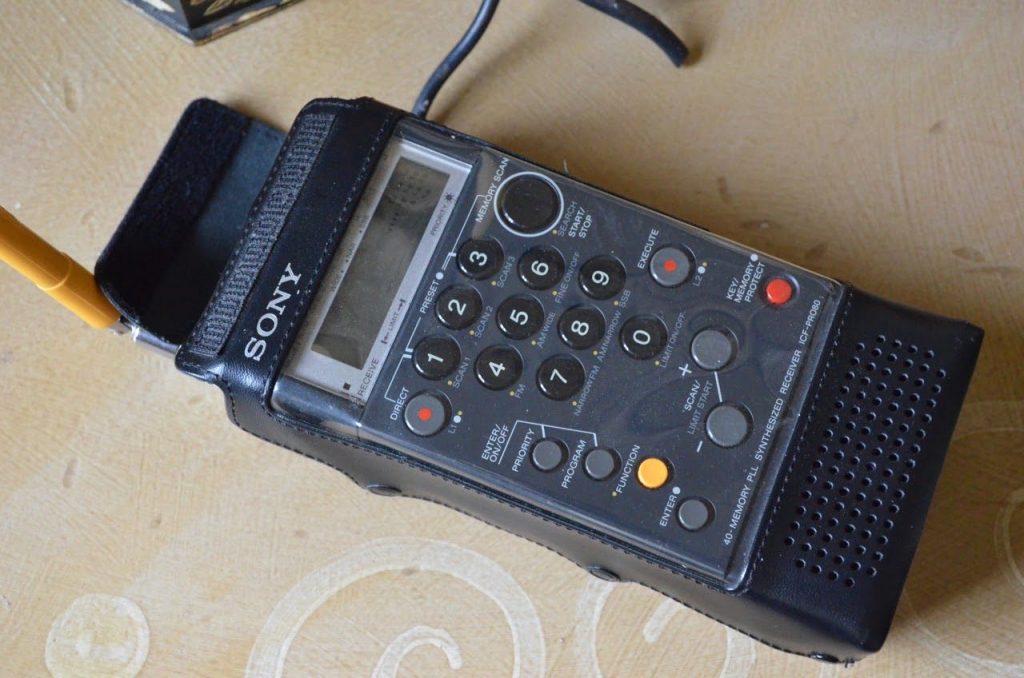
As Tom found out, my house has a number of radios scattered around, and one of them is the ICF-PRO80 by SONY. I took an interest in these wonders of technology late in my DX career. The PRO-80, like so many other SONY portables, is a technology showpiece, with its HF, AM, FM and VHF coverage. It has narrow and wide AM modes, SSB with a tine tuning control, and is quite complex to operate. Beware that PRO-80’s, like the AIR-7 and AIR-8 which have limited shortwave spectrum coverage, suffer from small component failure after so many years and though there are a couple of individuals who fix these radios, you’re taking a chance and you need to ask thorough questions of any seller.
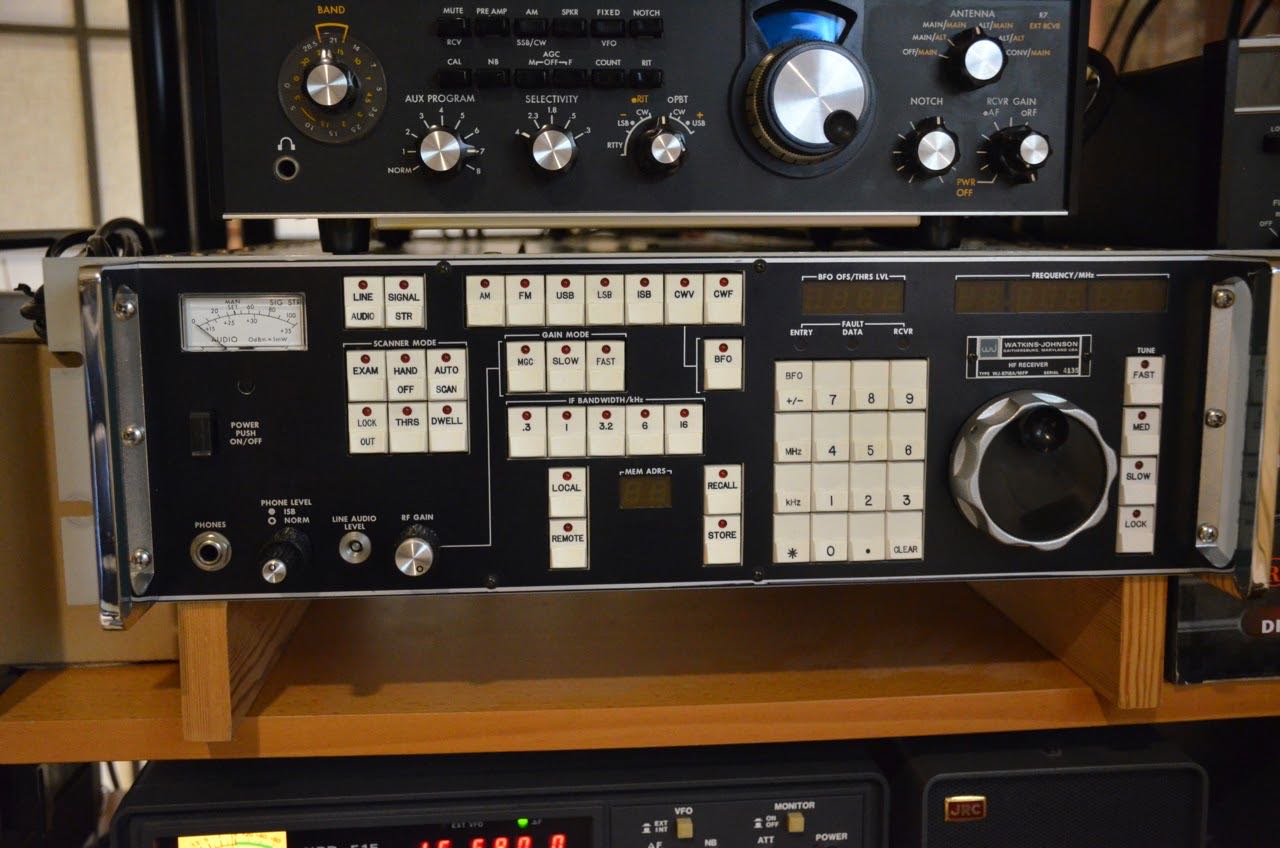
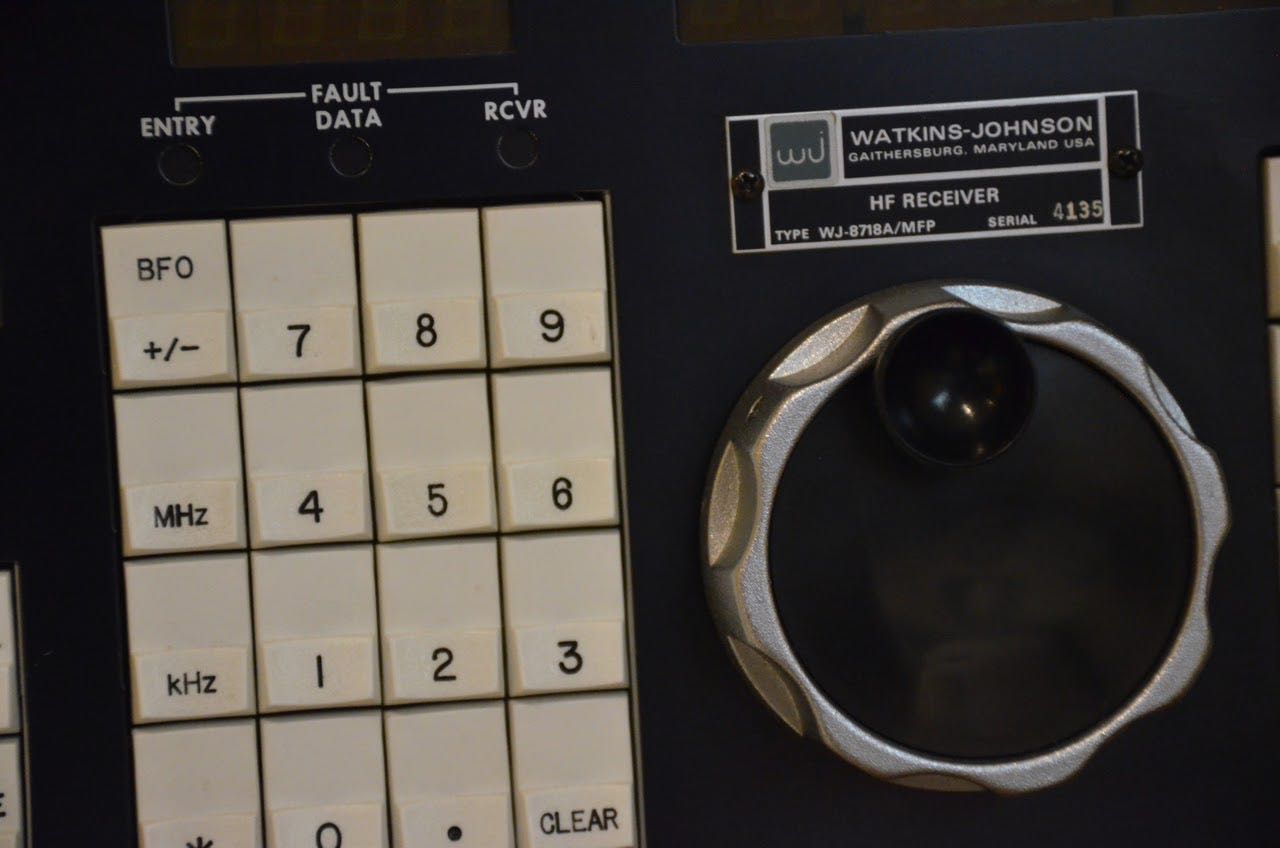
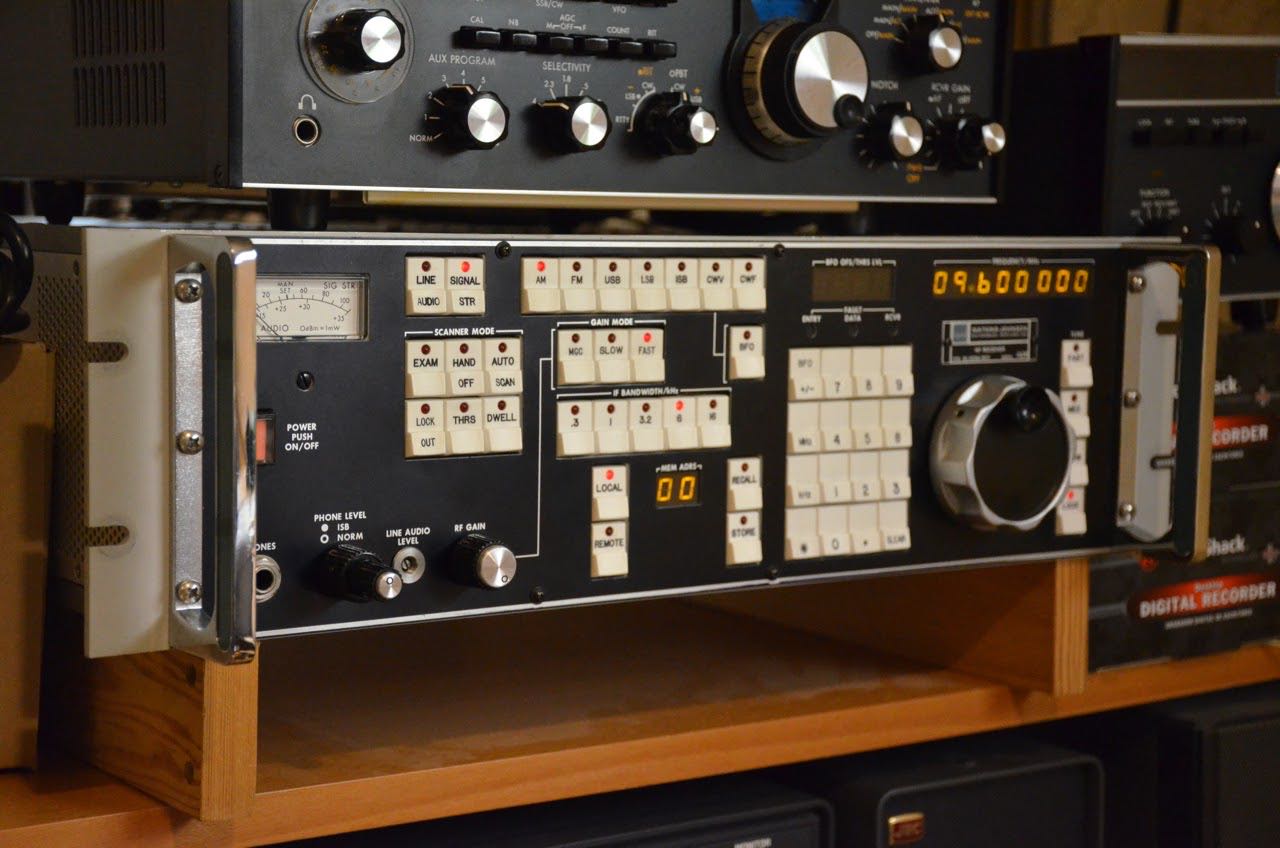
Watkins Johnson 8718A/MFP
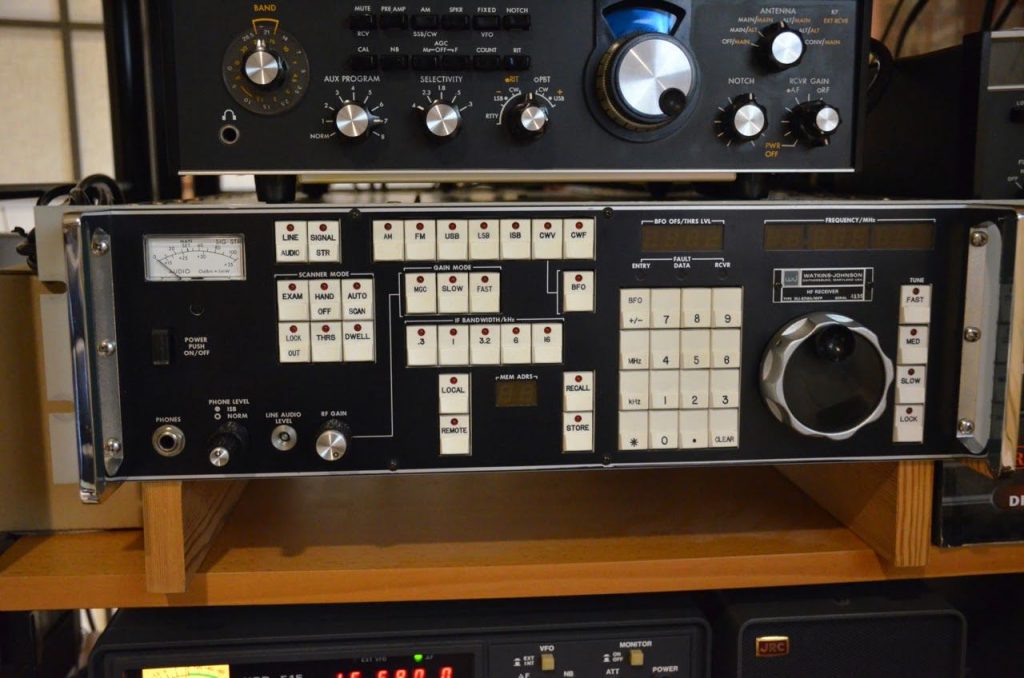
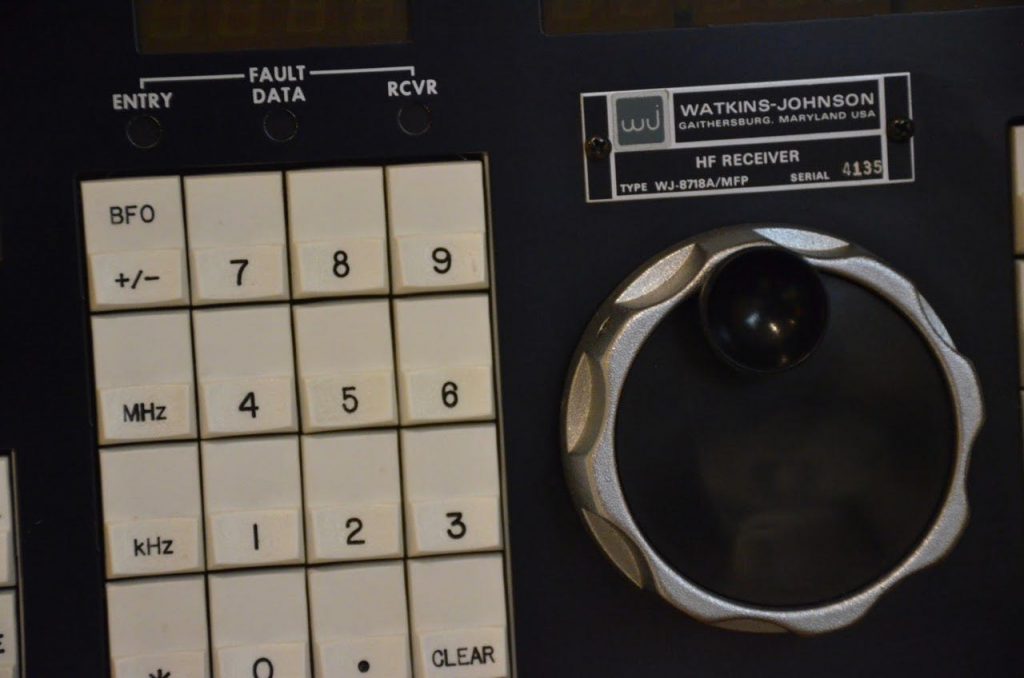
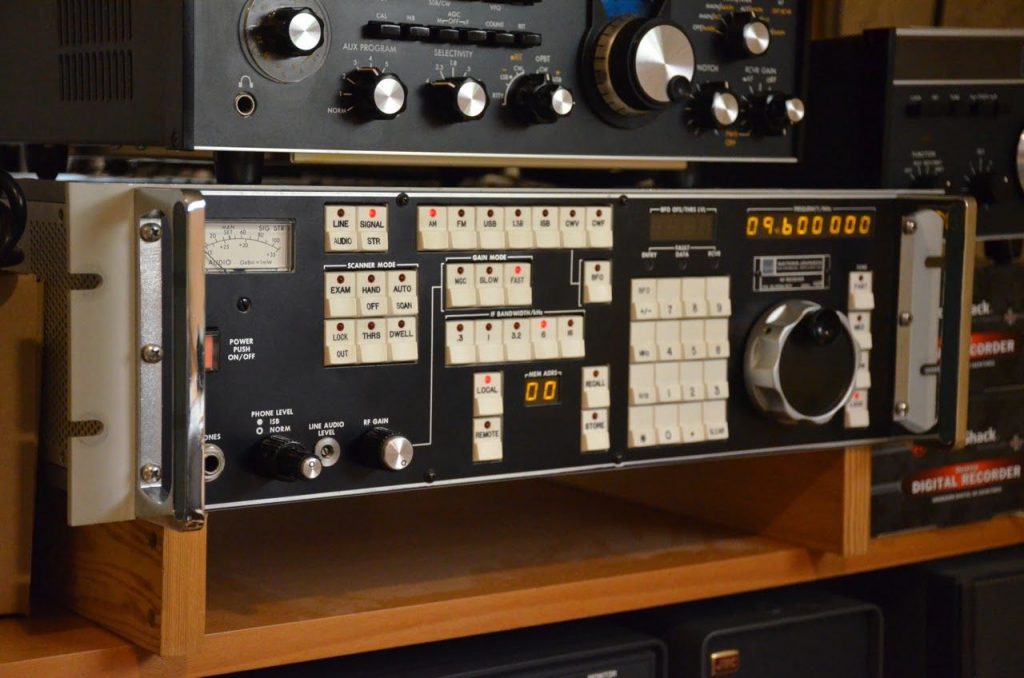
In the late 1990’s into 2000, I acquired a receiver I had always wanted, the Watkins Johnson 8718A. Actually, my first two of these radios I obtained while working overseas as a news correspondent for VOA in Thailand. They were being cleared out in a government auction, and I drove a few hours outside of Bangkok to get them at the VOA relay station. These are beautiful receivers, but they were surpassed by the 8718A/MFP which I obtained in an auction when back in the U.S. At one point, I had two of these babies, but now have kept one, which has the preselector option installed, and the rare 1hz readout with ISB capability. I rank these receivers in the top 10 of all I have ever used. They are super quiet, and you can really tell the difference between one of these pre-DSP radios and the later WJ HF-1000 and 8711/A.
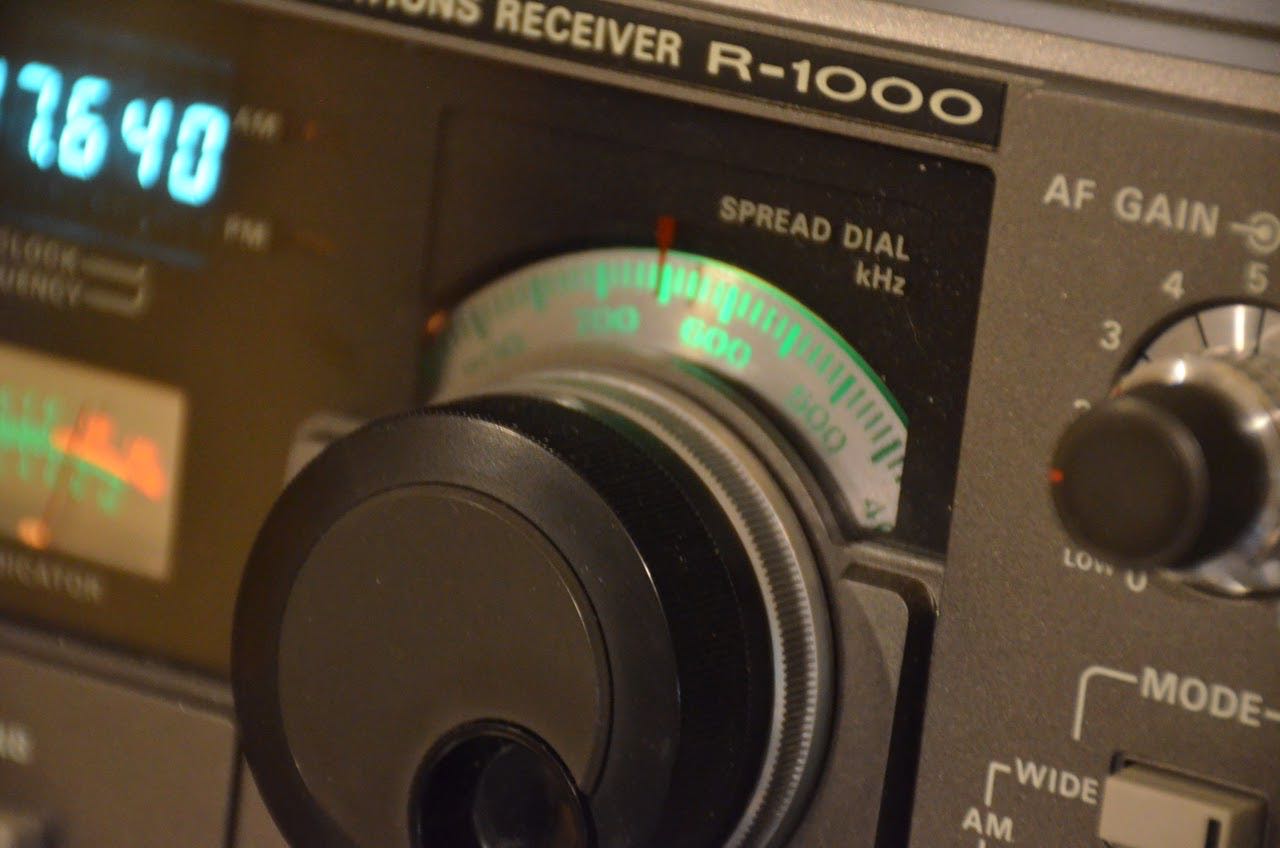
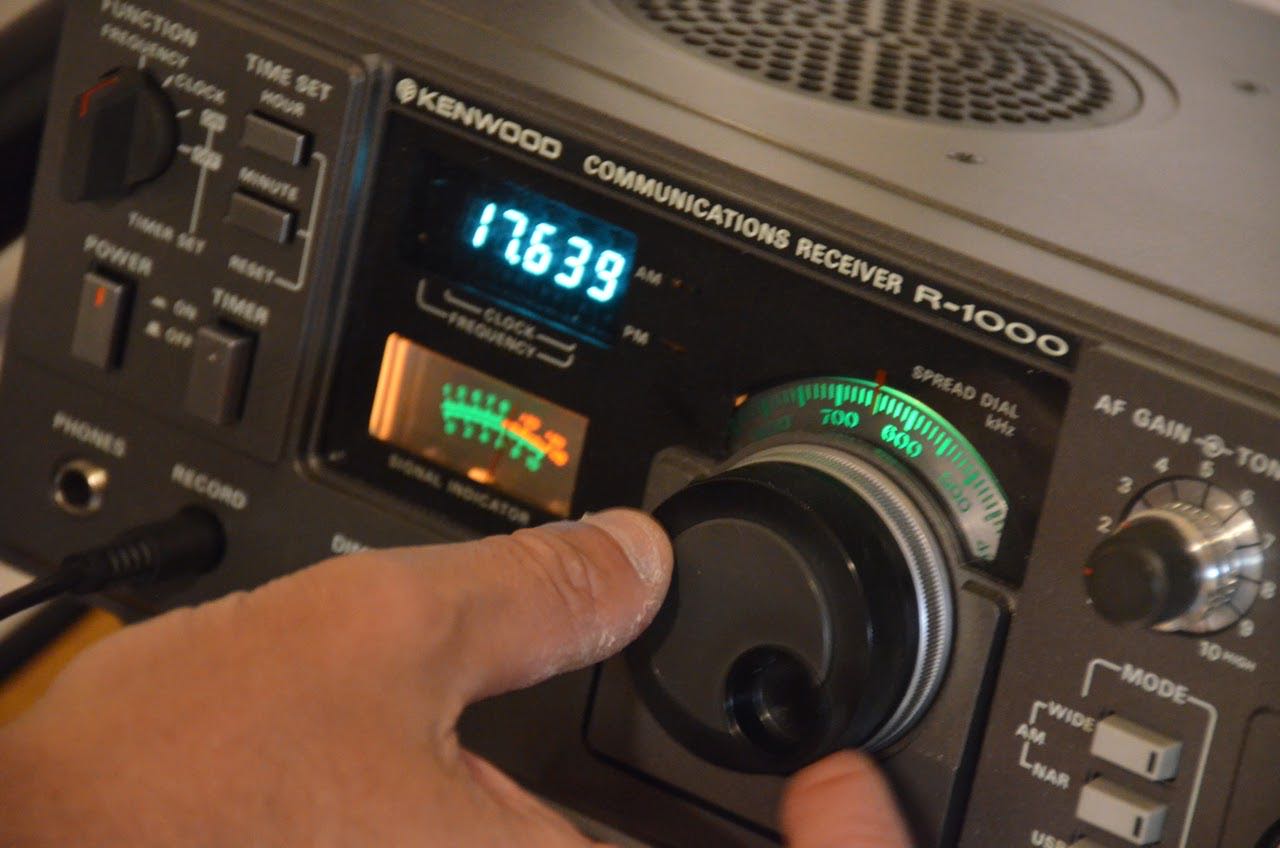
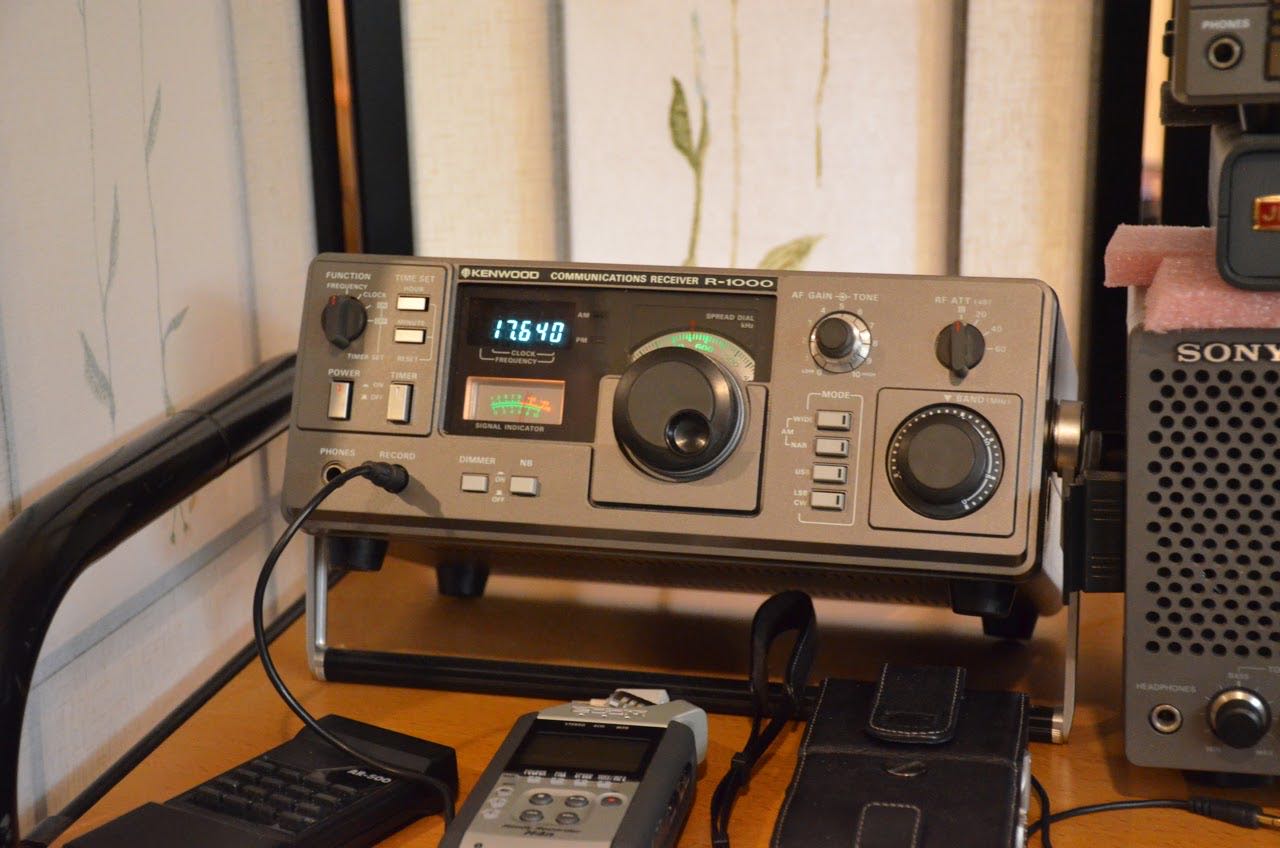
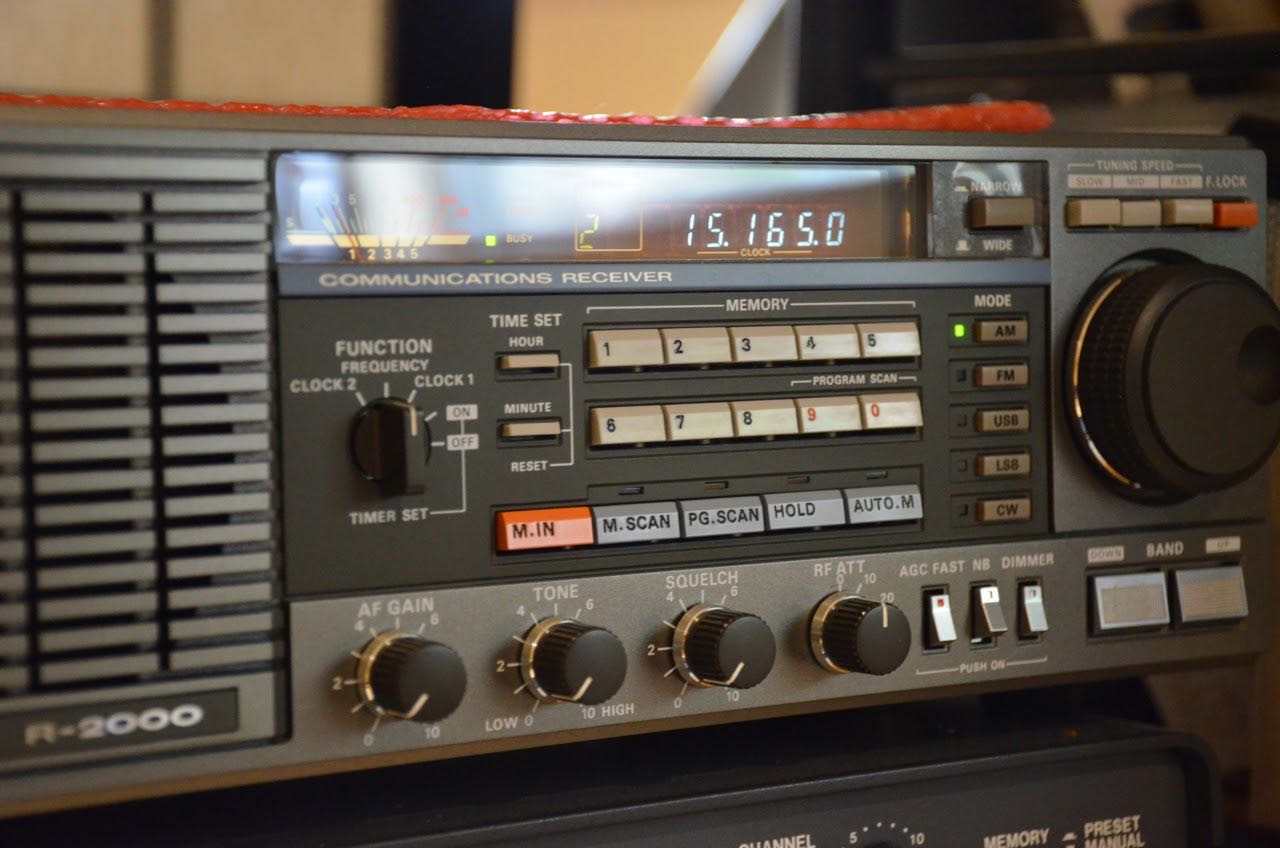
Kenwood R-1000
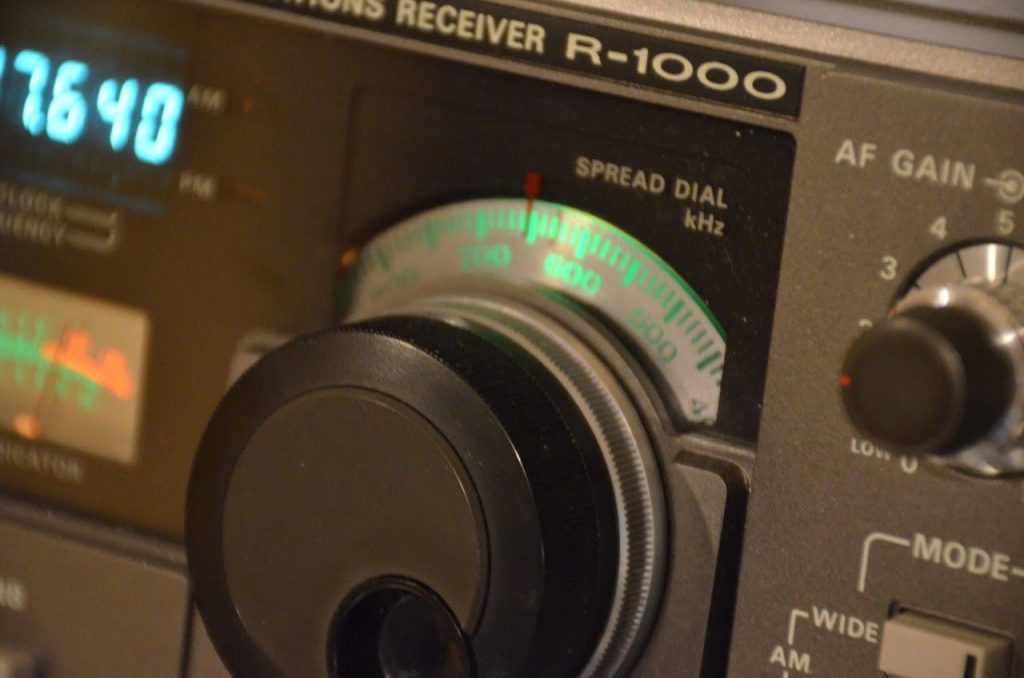
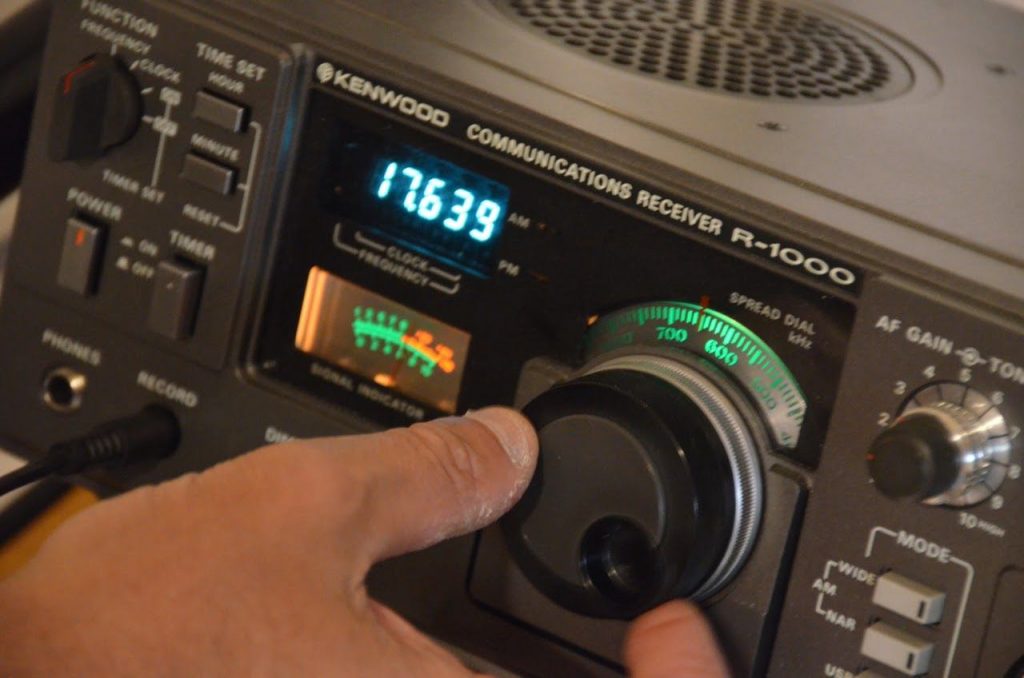
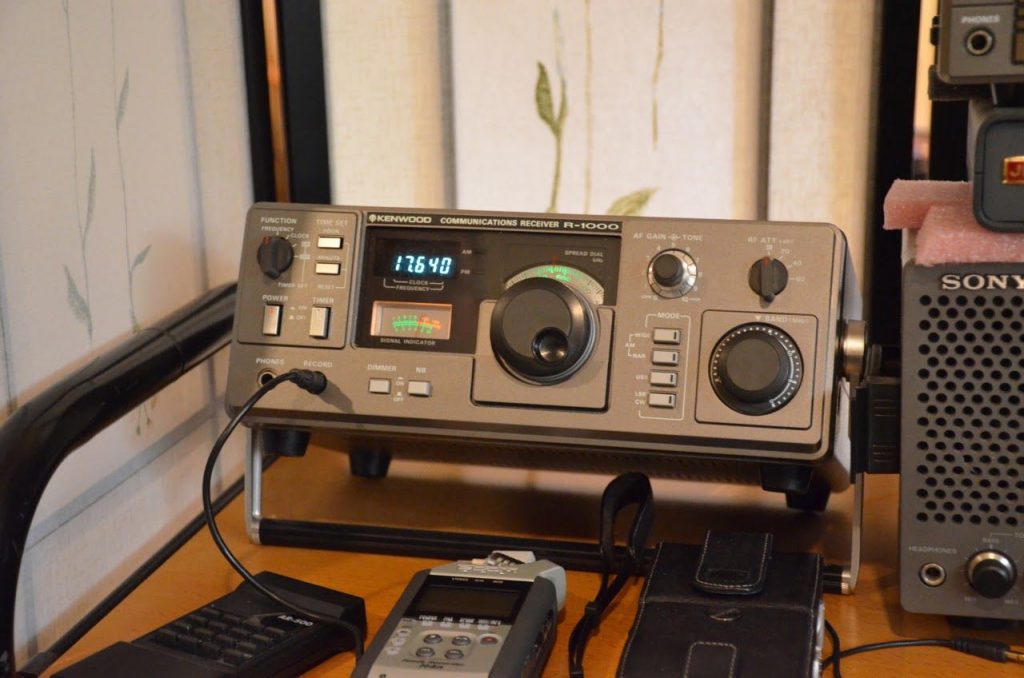
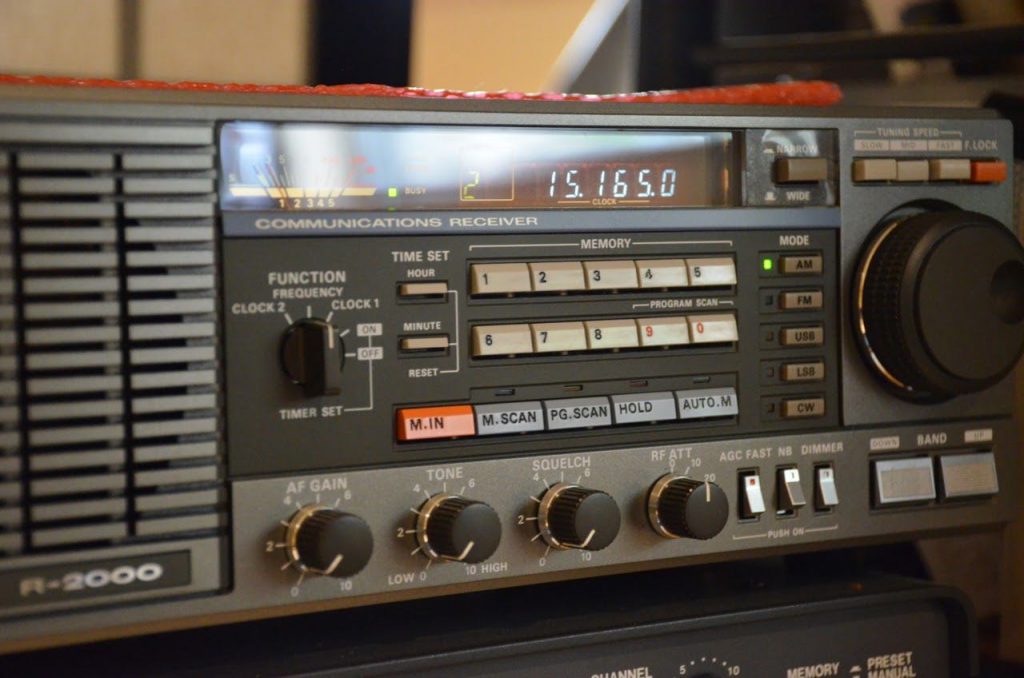
Two radios I have always ignored were the Kenwood R-2000 and R-1000. I have both of them now and enjoy their superb audio and straightforward operation. The R-1000 especially is a joy to use — and truth be told, I don’t hear a lot on my multi-kilobuck receivers that can’t also be heard on one of these Kenwoods. For those of you interested, the two solid state recorders in the photo (above) are the Zoom H4n and the SONY PCM-D50.
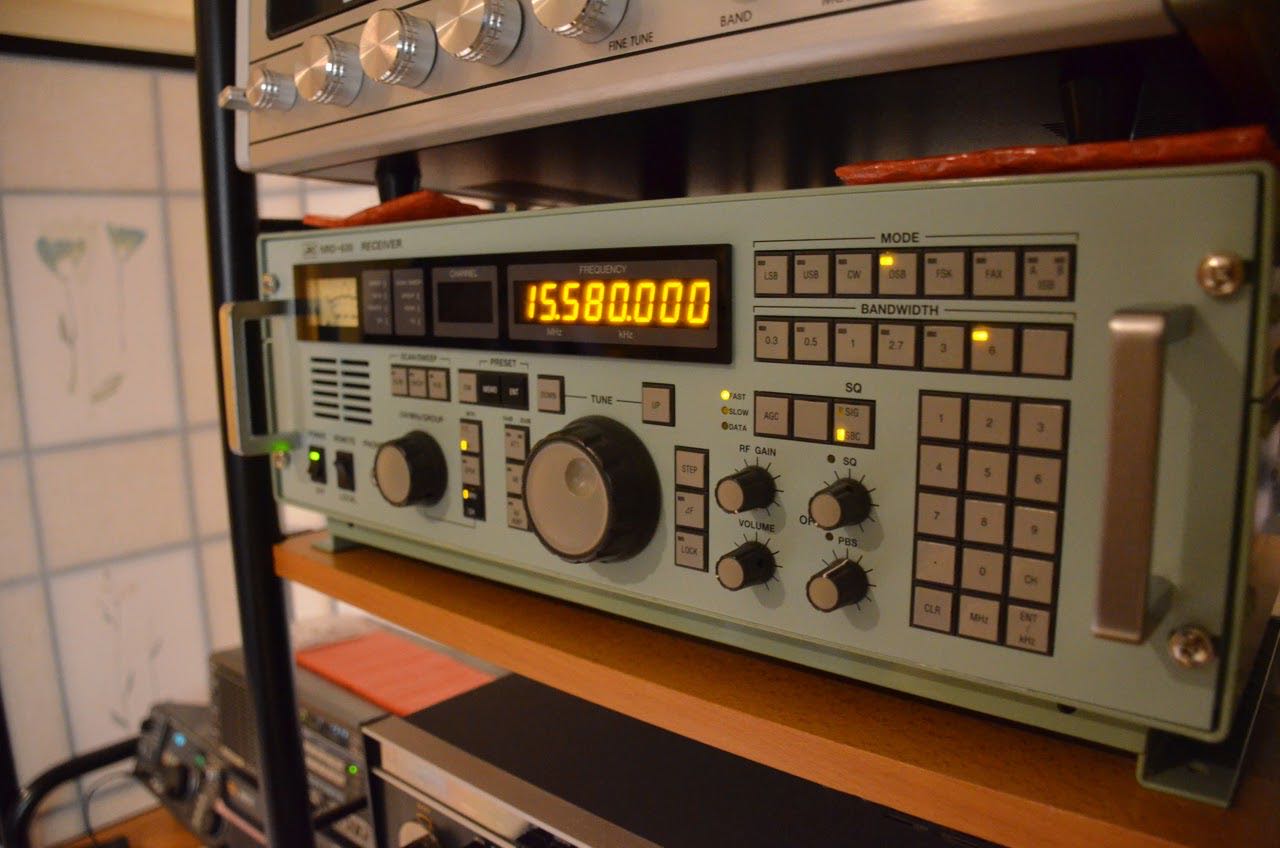
JRC NRD-630
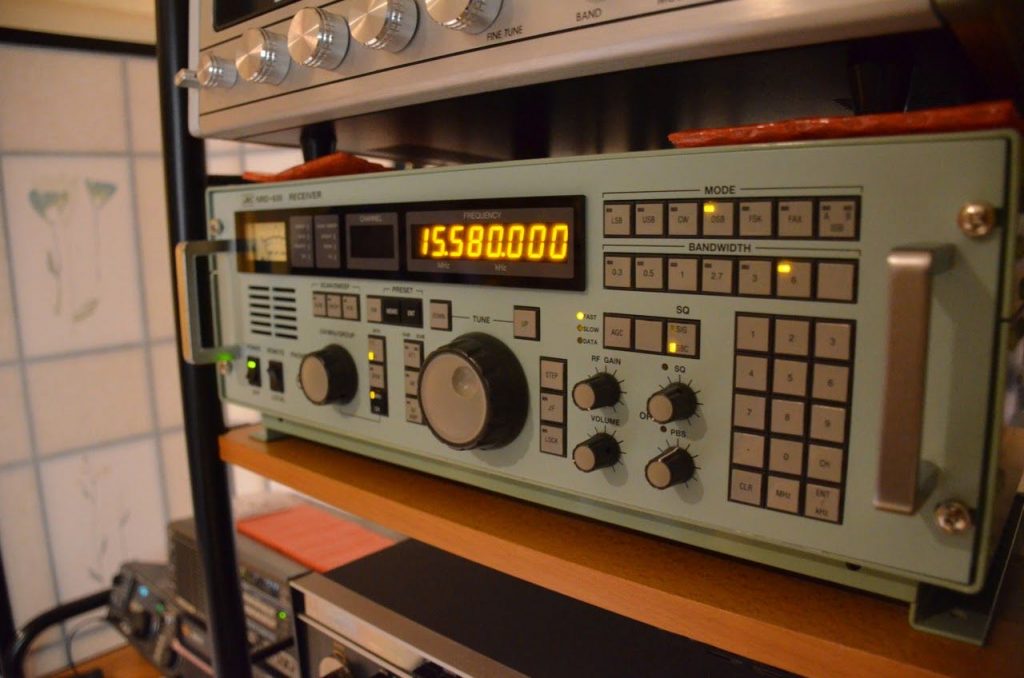
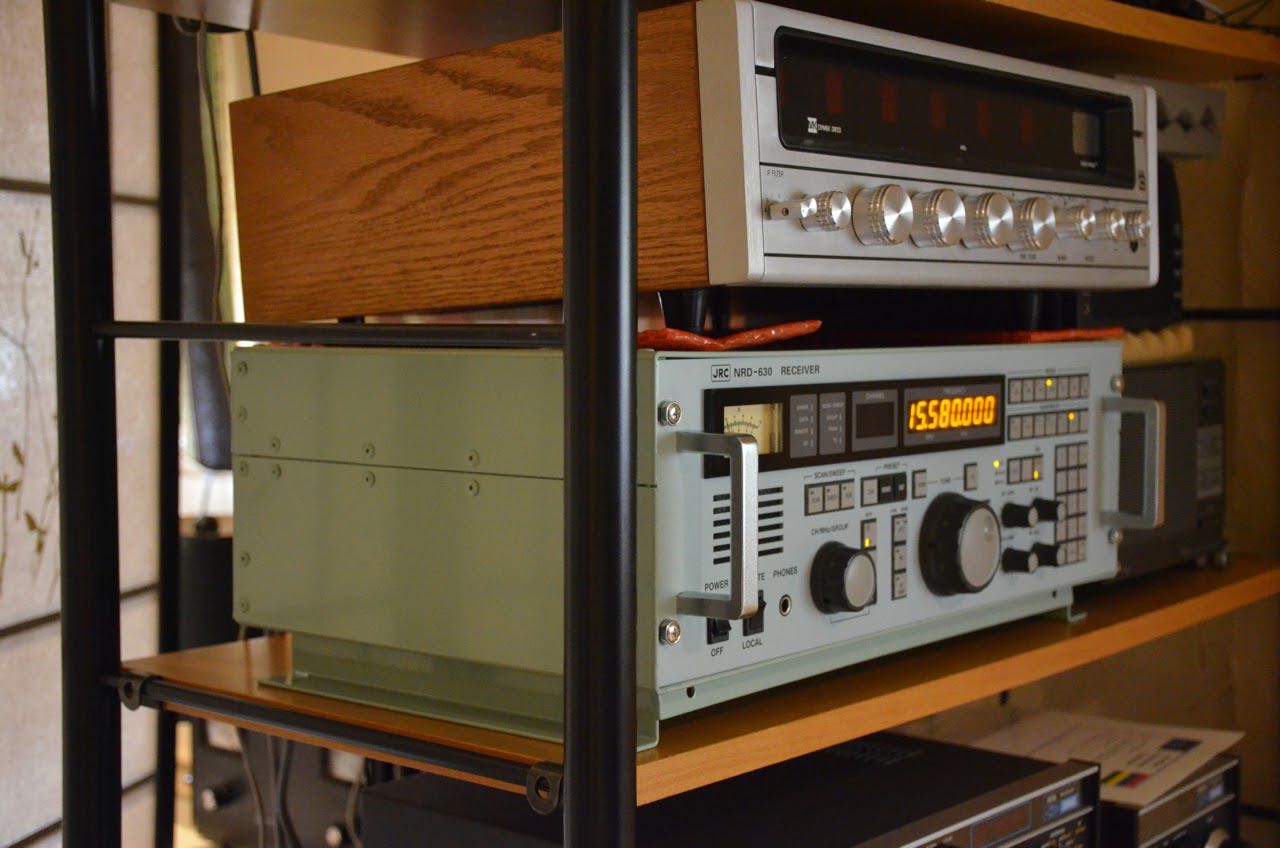
Those who attended the last SWL Fest in Pennsylvania had the rare opportunity to use one of the rarest receivers on the planet. We’re talking about the JRC NRD-630. This was the last marine/commercial HF receiver manufactured by Japan Radio Company. No one knows how many were actually made, but one thing is certain — they are almost never seen on the used market. This one has a bit of history — it was manufactured in 2012 and re-certified by JRC in 2017. Again, a long story, but when I got it it still had the thin plastic protective strip across the large beautiful LED readout window. It was basically new. I still intend to do a comparison of the NRD-630 with the NRD-301A, one of which I also have. The difference between the 301A/302 series and the 630 is that the previous series were pre-DSP, while the 630 was DSP, though with regular filtering. The 630 adds a keypad, and ISB and some other features.
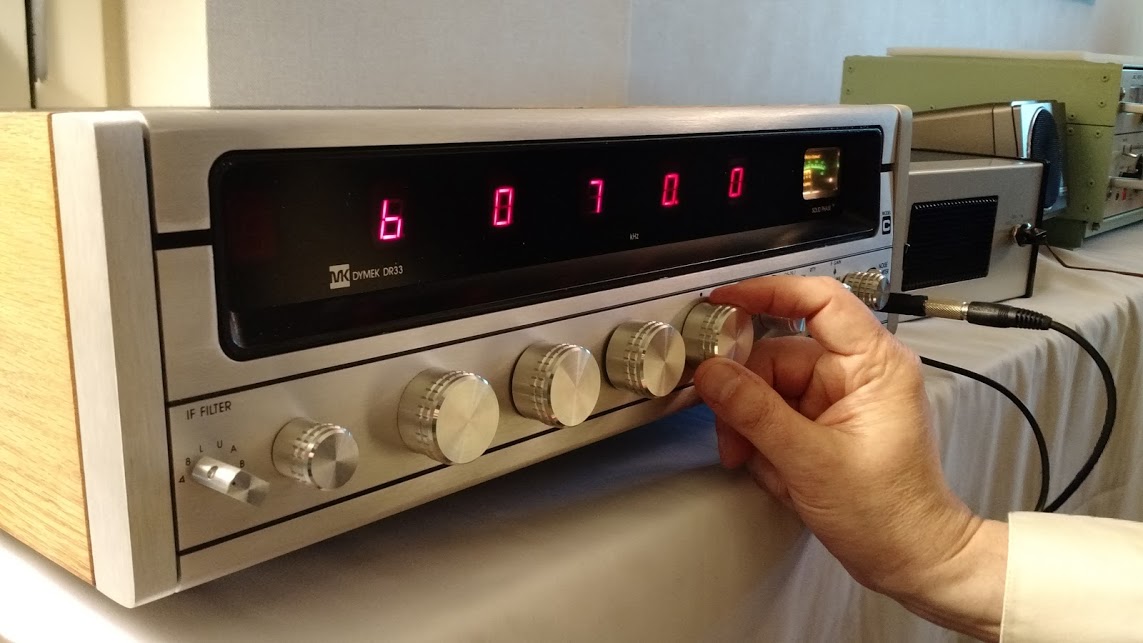
McKay Dymek DR-33C6
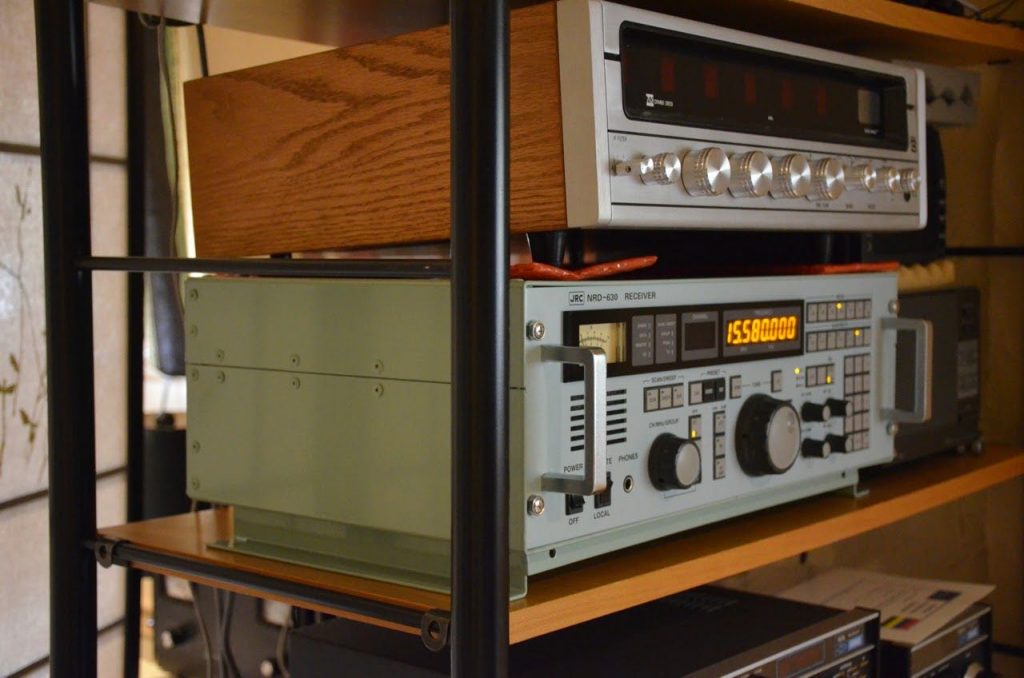
McKay Dymek DR-33C6 (Top) above JRC NRD-630
Much has been written about the series of radios manufactured by McKay Dymek, so go to eHamnet and other online sources for the background of the company. I had always been curious about these receivers, and had my first opportunity to use one about 15 years ago. Unfortunately, that receiver had a tough life and my antenna situation was not great. A few years ago, a seller in Texas put a DR33C6 on Ebay — it was clear that it had been basically used once and stored in a closet. When it arrived here, I was floored — it was in perfect cosmetic and operating condition, with its beautiful wood panels and shiny front metal panel.
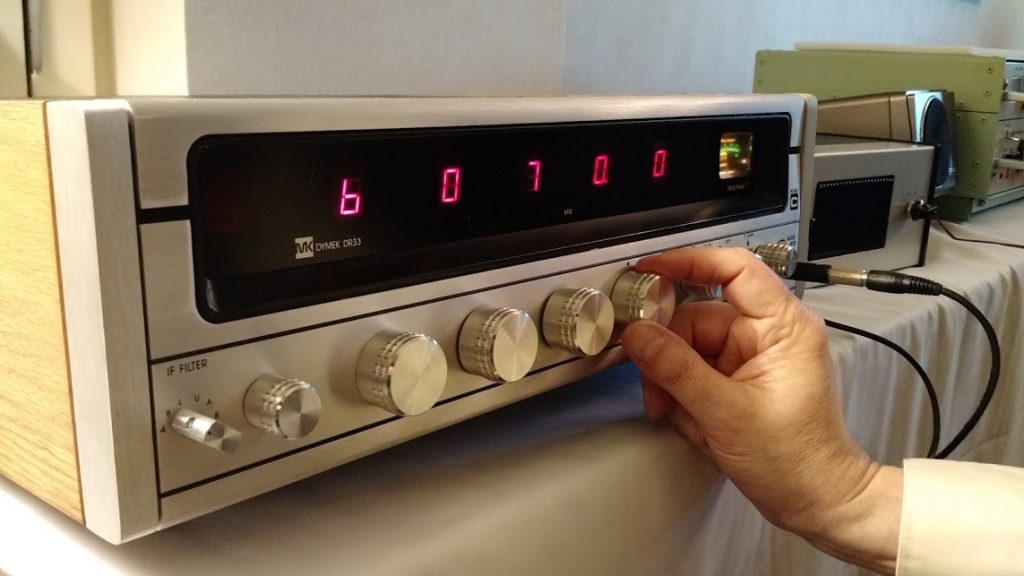
Dan’s McKay Dymek DR-33C6 at the 2016 Winter SWL Fest Hospitality/Listening Room
McKay Dymeks are for those who already know what frequencies they’re tuning. It’s quite a bit of fun, but more importantly, these receivers are under-appreciated: they are among the most sensitive radios ever made. And they look marvelous as part of a home audio system.
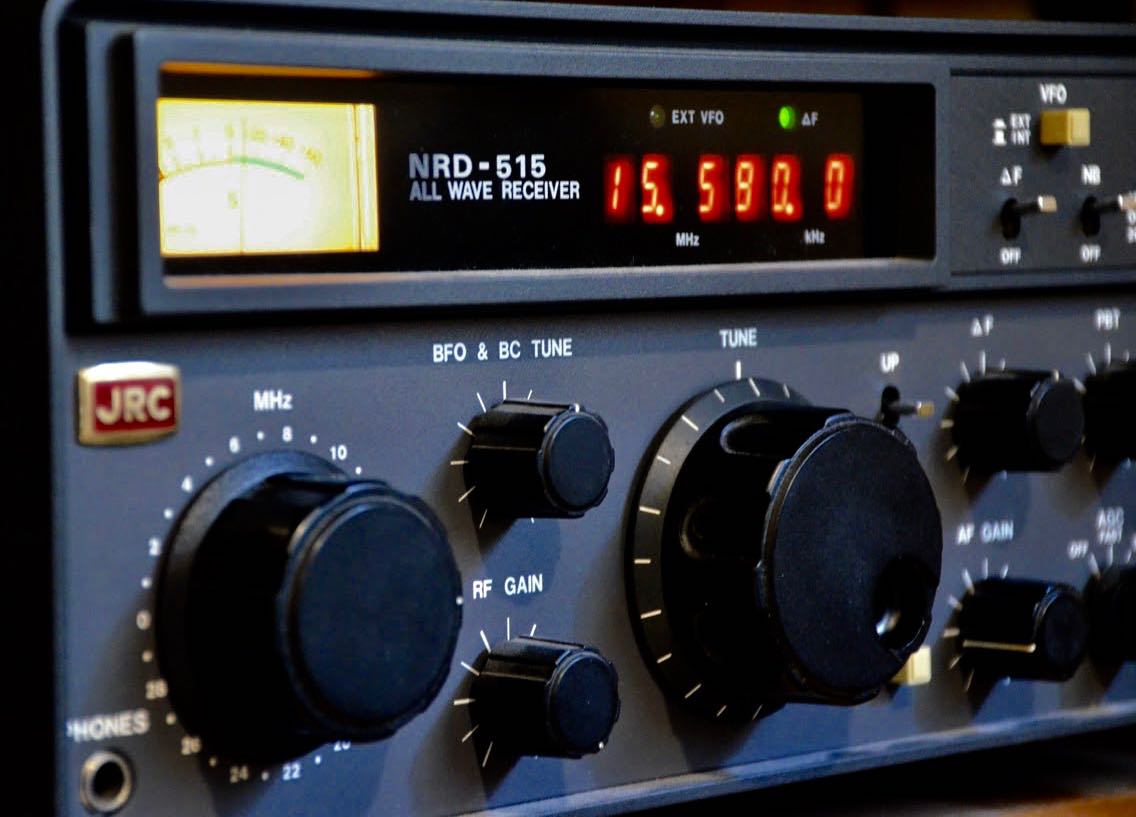
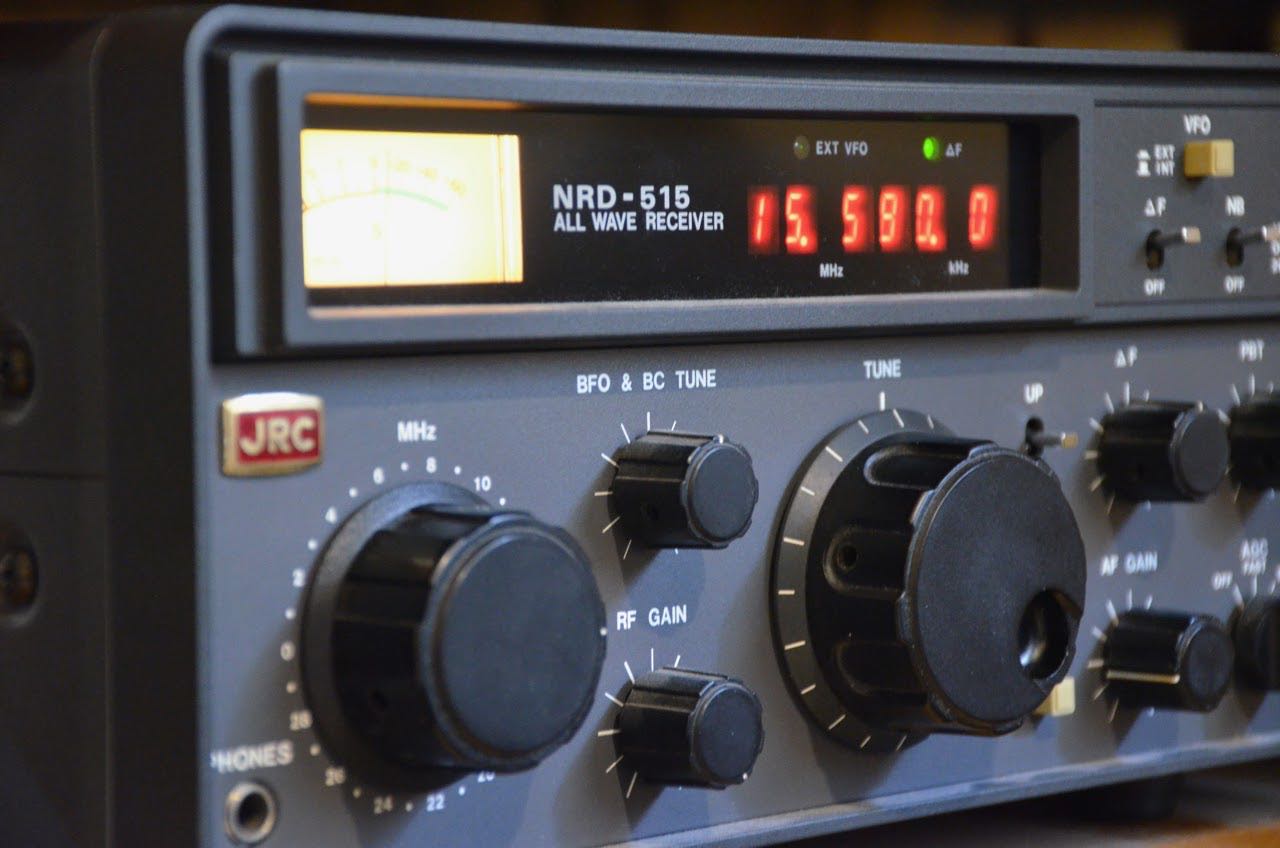
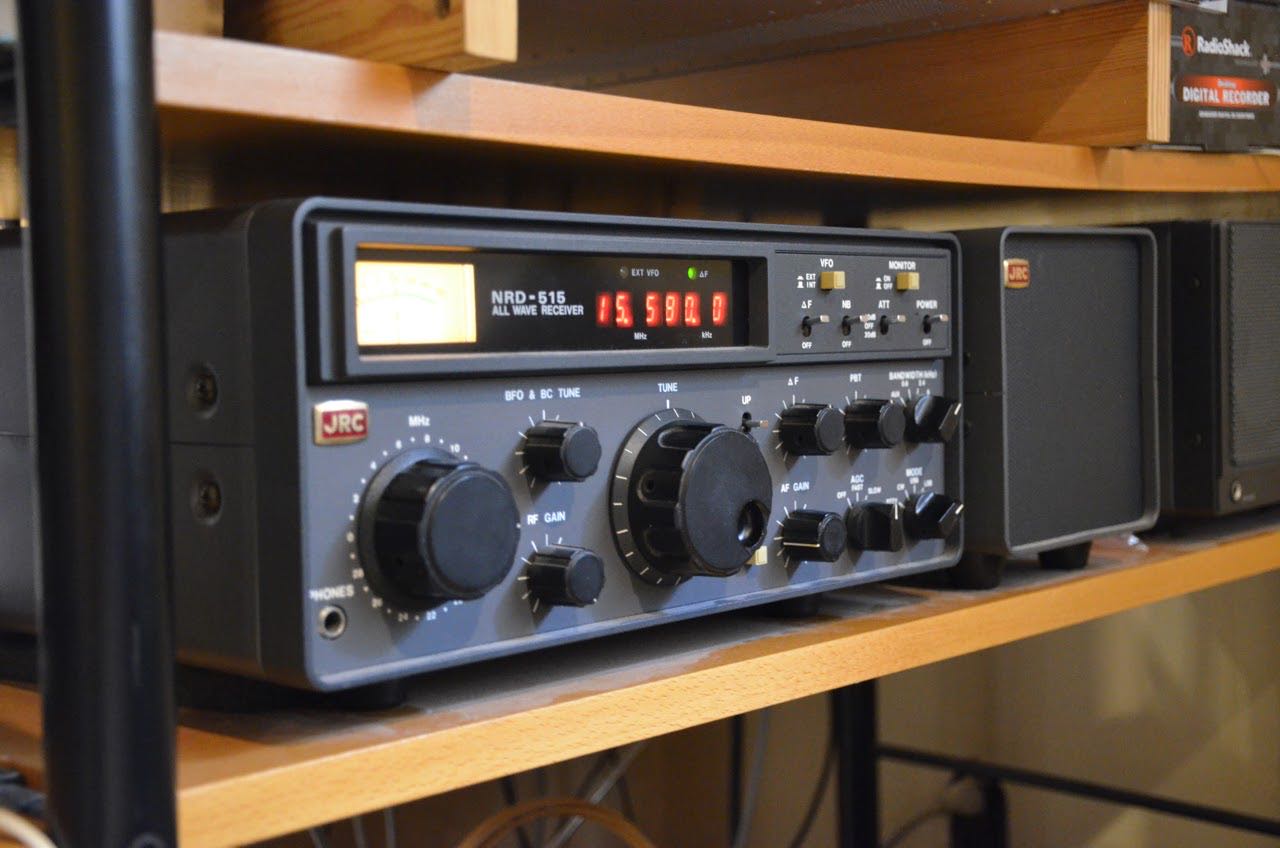
JRC NRD-515
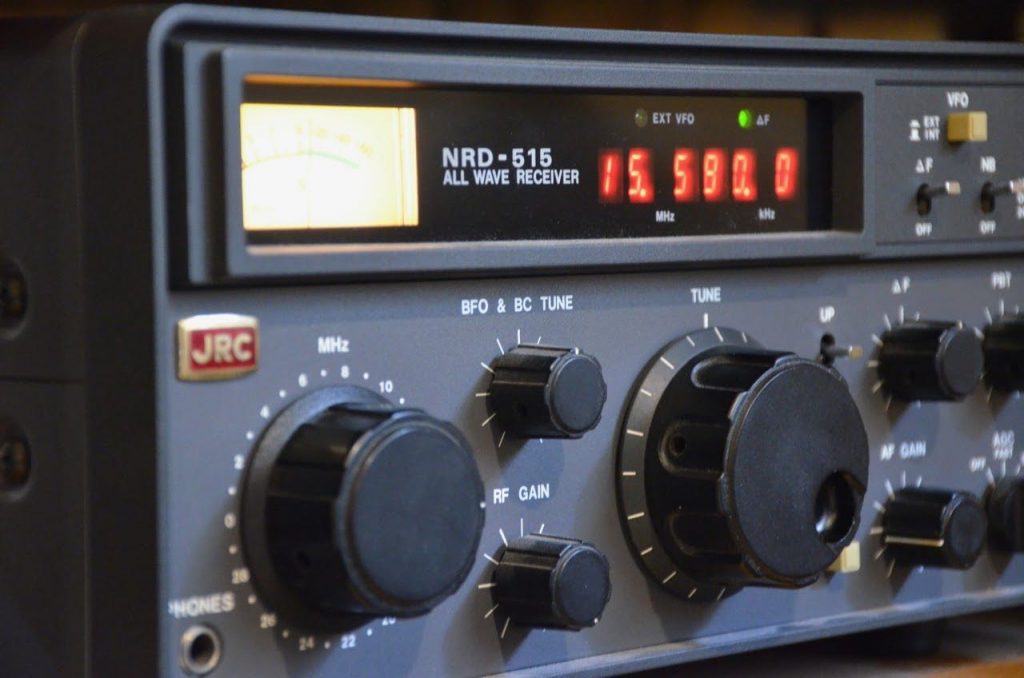
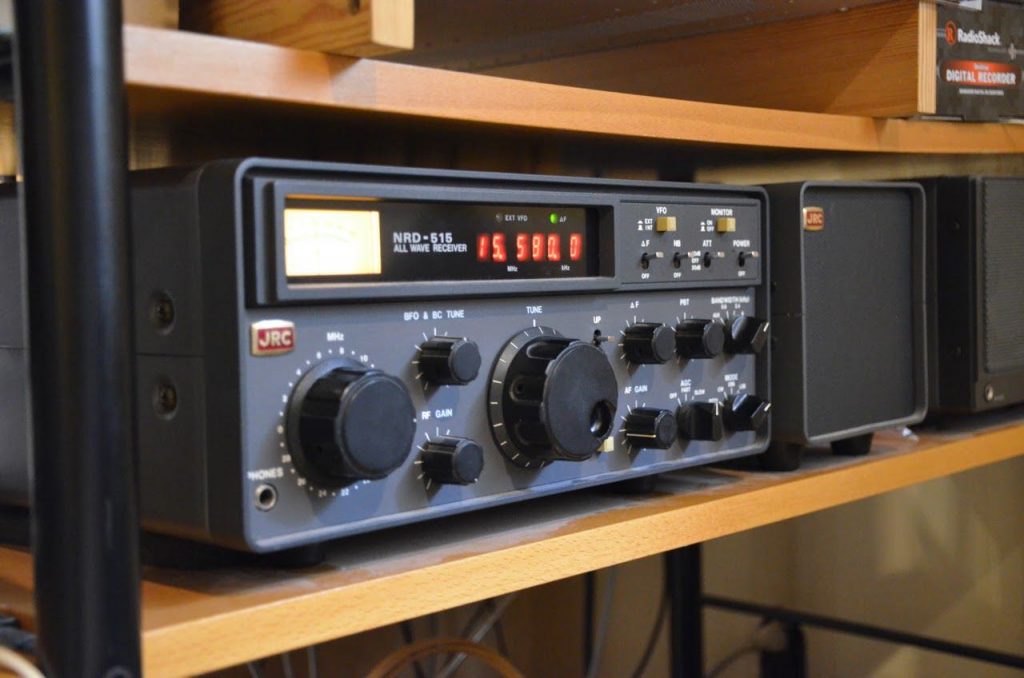
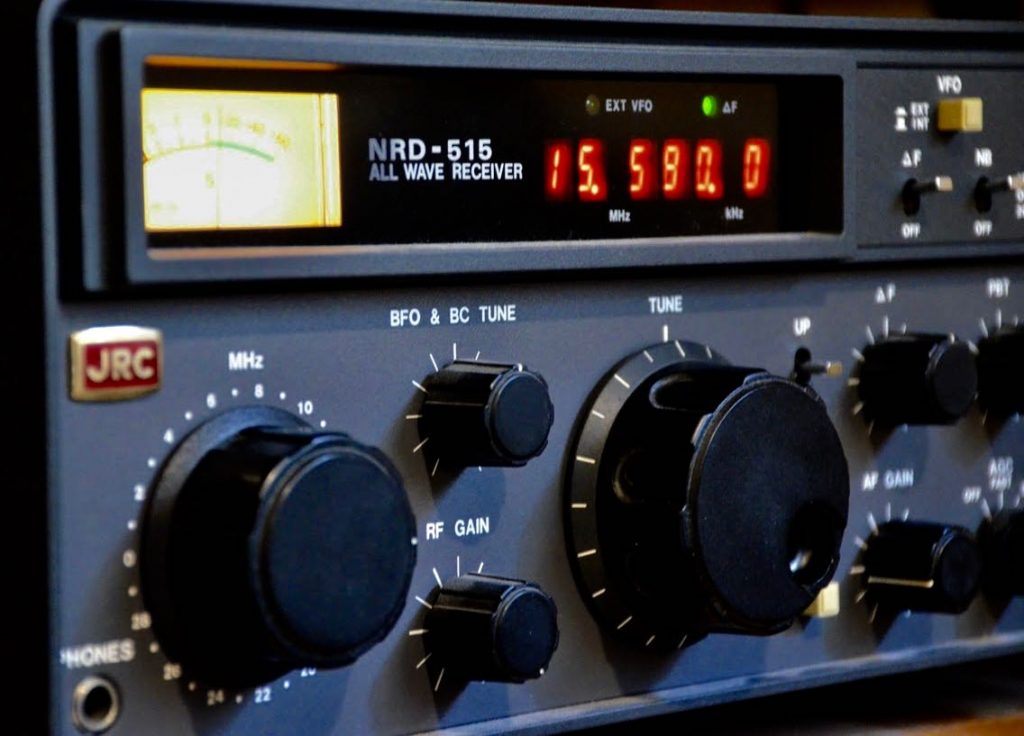
What can one say about the 515 that hasn’t been said? Built like a battleship, this was the top of the line JRC consumer receiver (they also made a transmitter) separate from their pro marine/commercial radios. Like most of my receivers, this 515 is in near 10.0 cosmetic condition, along with the matching speaker. At the time the 515 came out it was among the only receivers that offered boatanchor-level flexibilities in a solid state rig (my favorite comparison was to the Hammarlund HQ-180/A). Though prices for 515s have experienced a sharp drop, they still bring fairly high prices on the used market and are cherished by those who know how good they are.
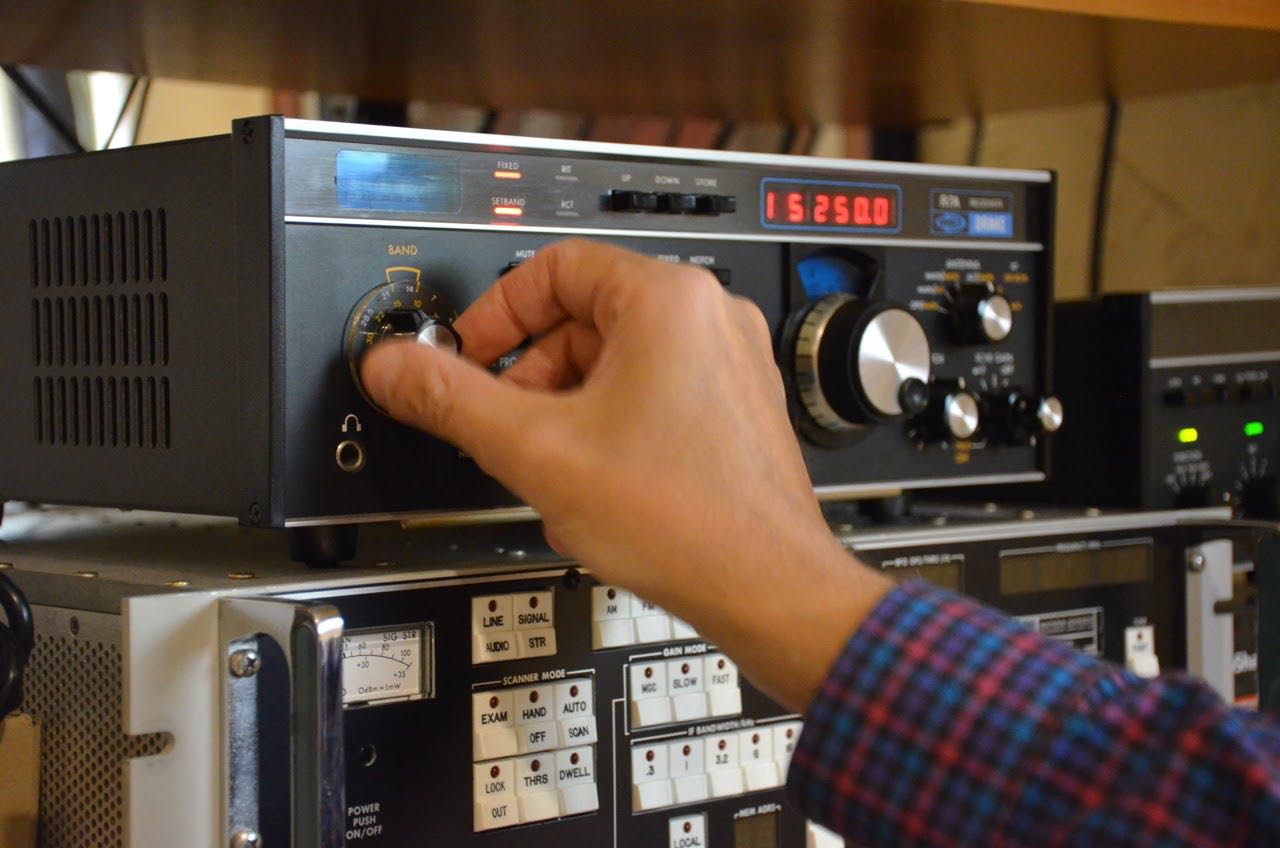
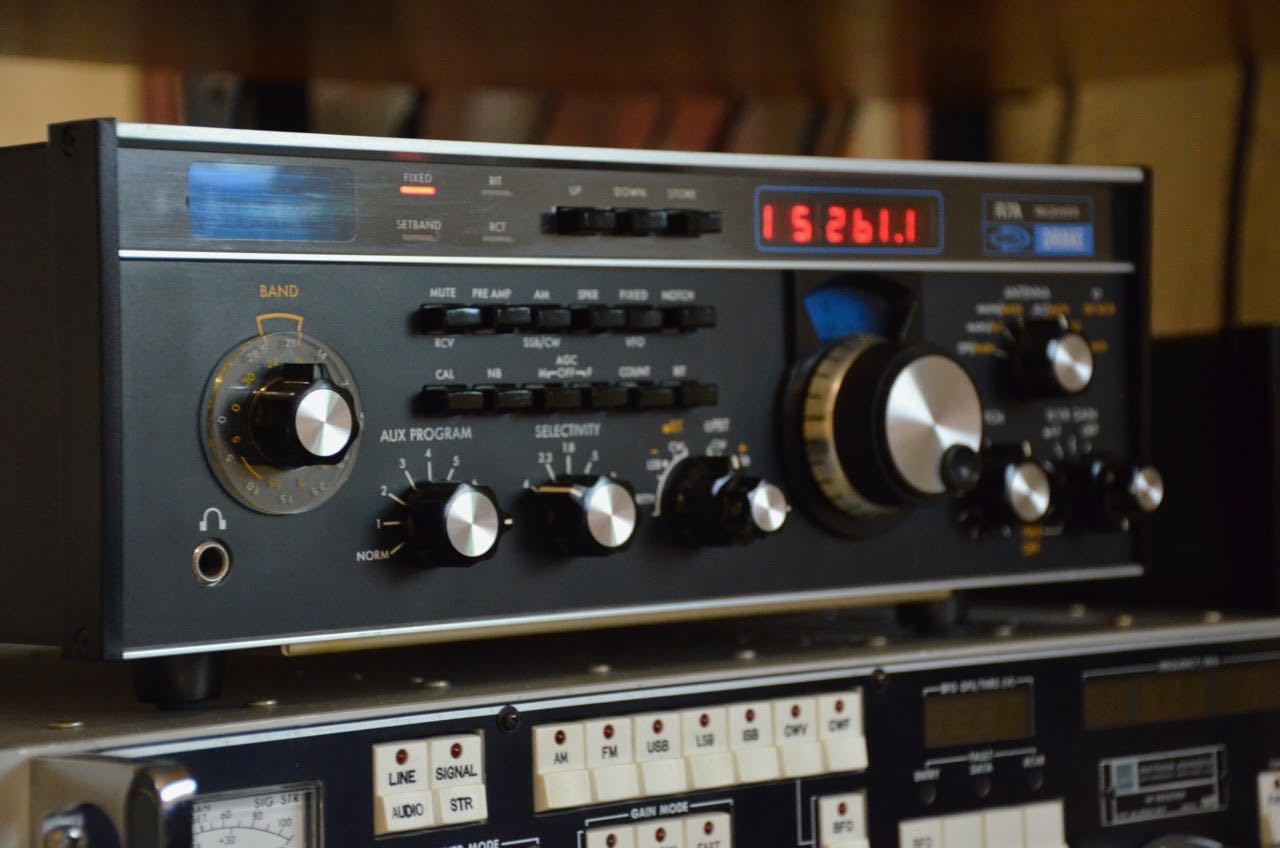
Drake R7A
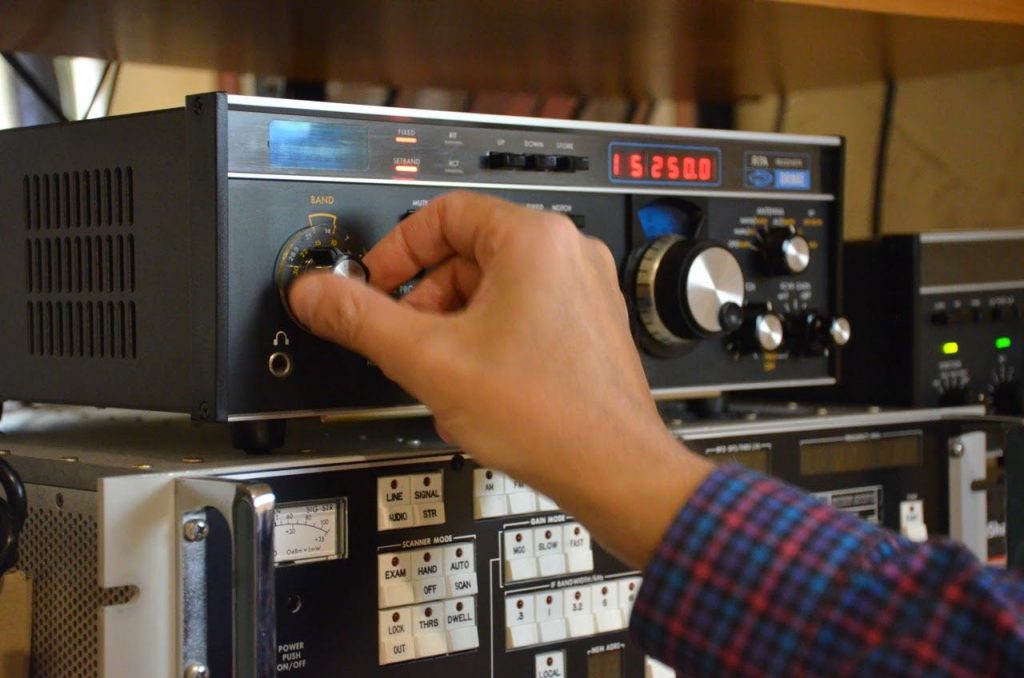
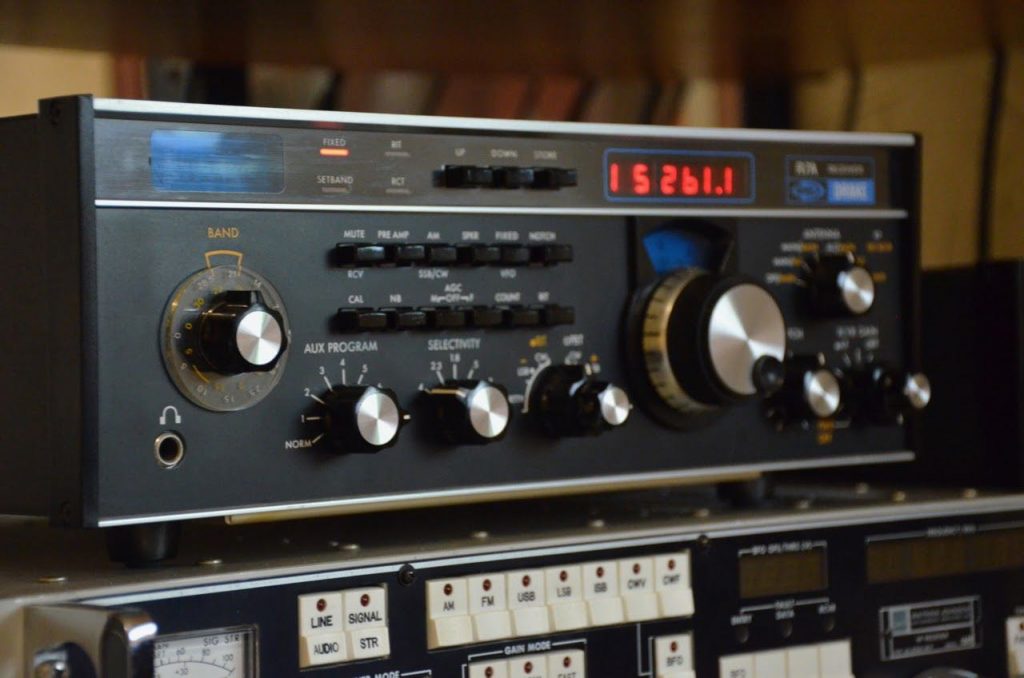
One of the highest-rated receivers of all time, the same kind of superlatives apply for the R7A as to the NRD-515. The R7/A was a technological masterpiece by R.L. Drake. With its multiple filter selectivity, notch filter, and superb Drake passband tuning, the R7/A is able to pull anything out of the mud. I recently sold one of my remaining R7As, leaving this one, with a high serial number in the 3700 range. I use it with a RV-75 external VFO which helps with tuning and stability. The R7/A is on my list of the top five best receivers ever made.
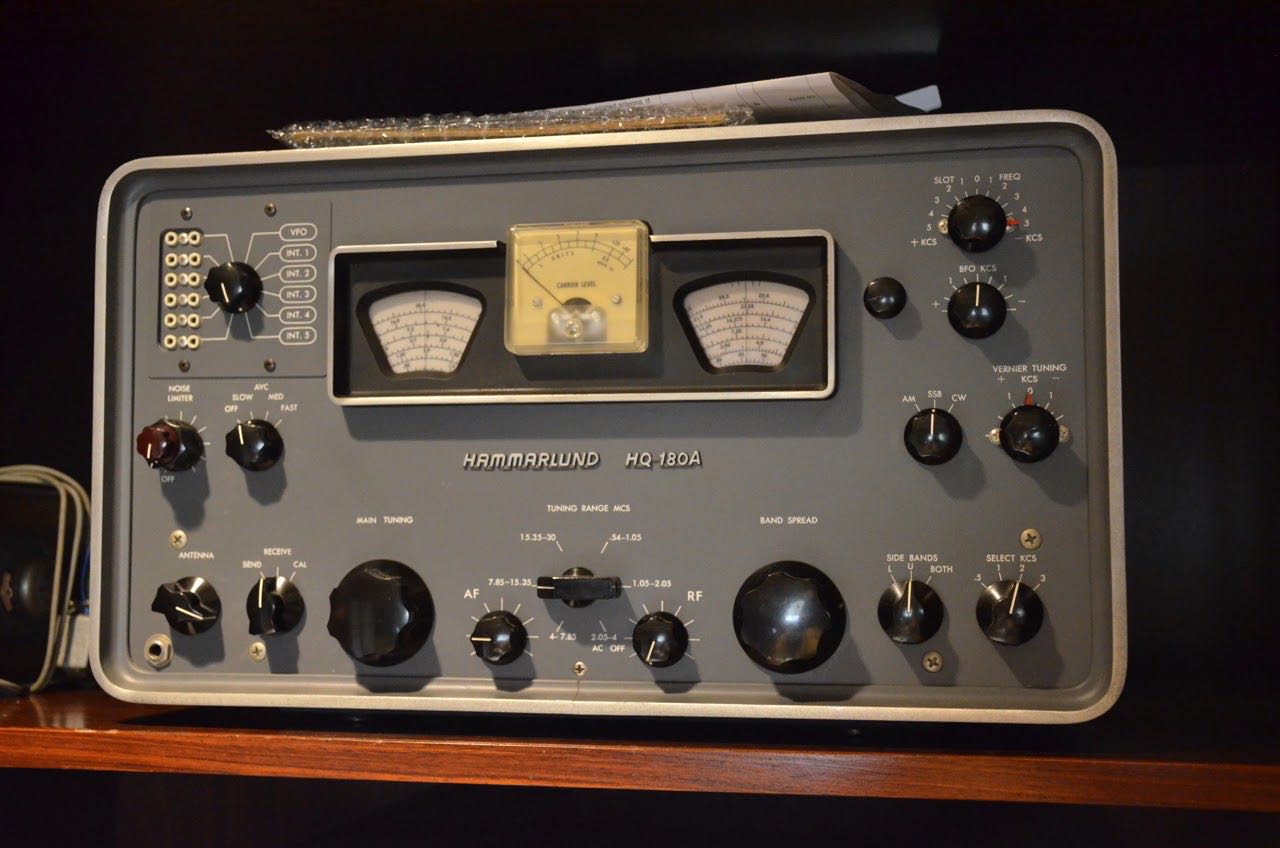
Hammarlund HQ-180A/X
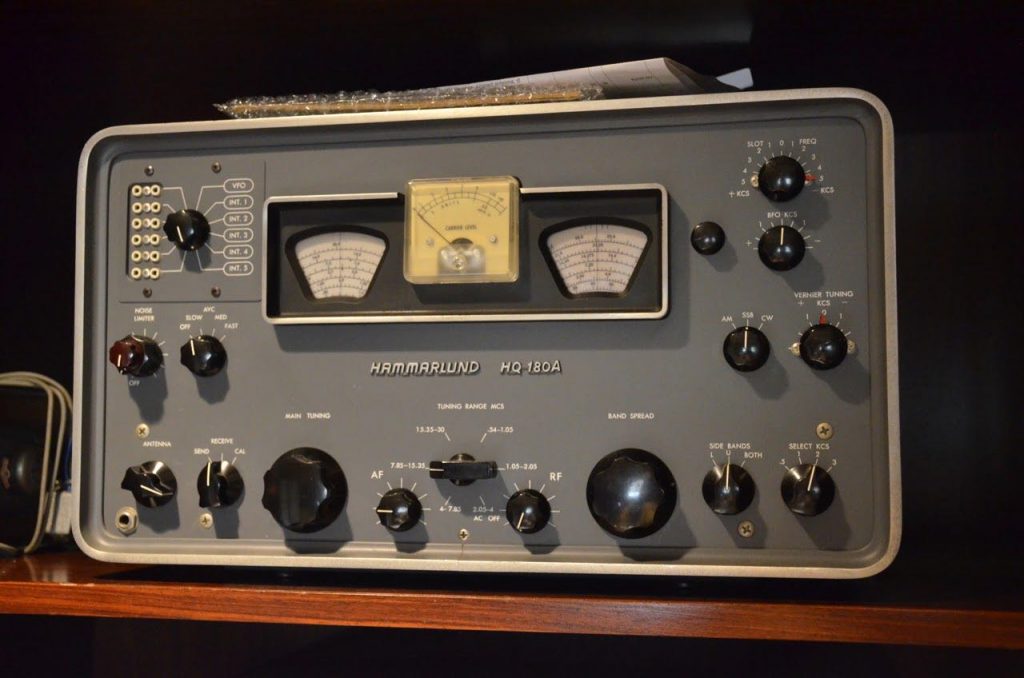
It was about 1980 or so when looking through the for sale section of the Washington Post I noticed a small ad. It said “Hammarlund Receiver with box”. When I arrived at the seller’s house in Virginia, I could hardly believe what I saw — it was this HQ-180AX, with its original box. The radio was basically new, and even today looks that way. This was the X version of the famed HQ-180/A, a fixed crystal unit in place of the clock that is usually seen on 180s. HQ-180s became my receiver of choice when I graduated from that old Pilot T-133 from the very early years of my DXing career. HQ-180s took me from the 100 country level through the 200 country heard level. There are many out there who swear by R-390s and Hallicrafters, but for me the favorite boatanchor of all time will forever be the HQ-180. Just to the right of this 180AX (but not pictured) is my other 180A, which is modified with LED readout through the front panel.
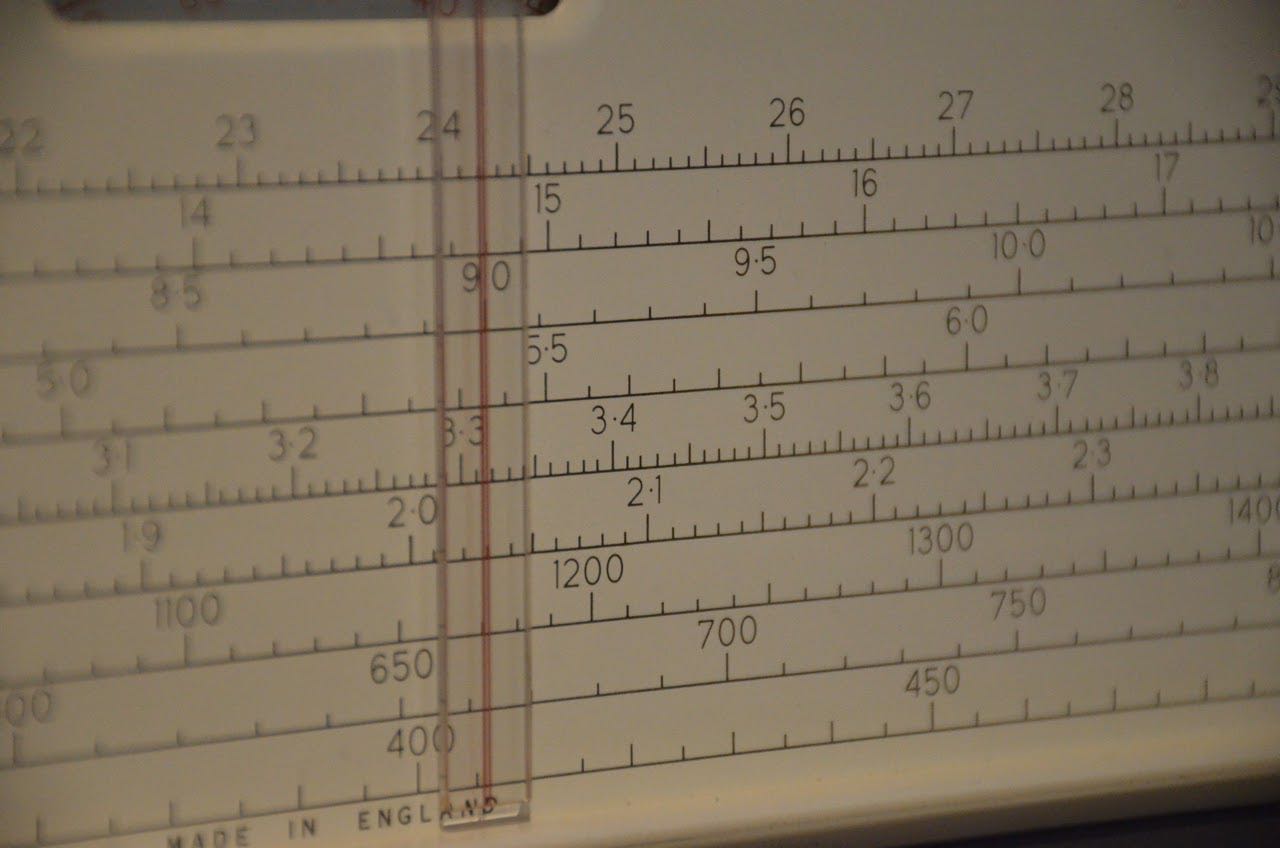
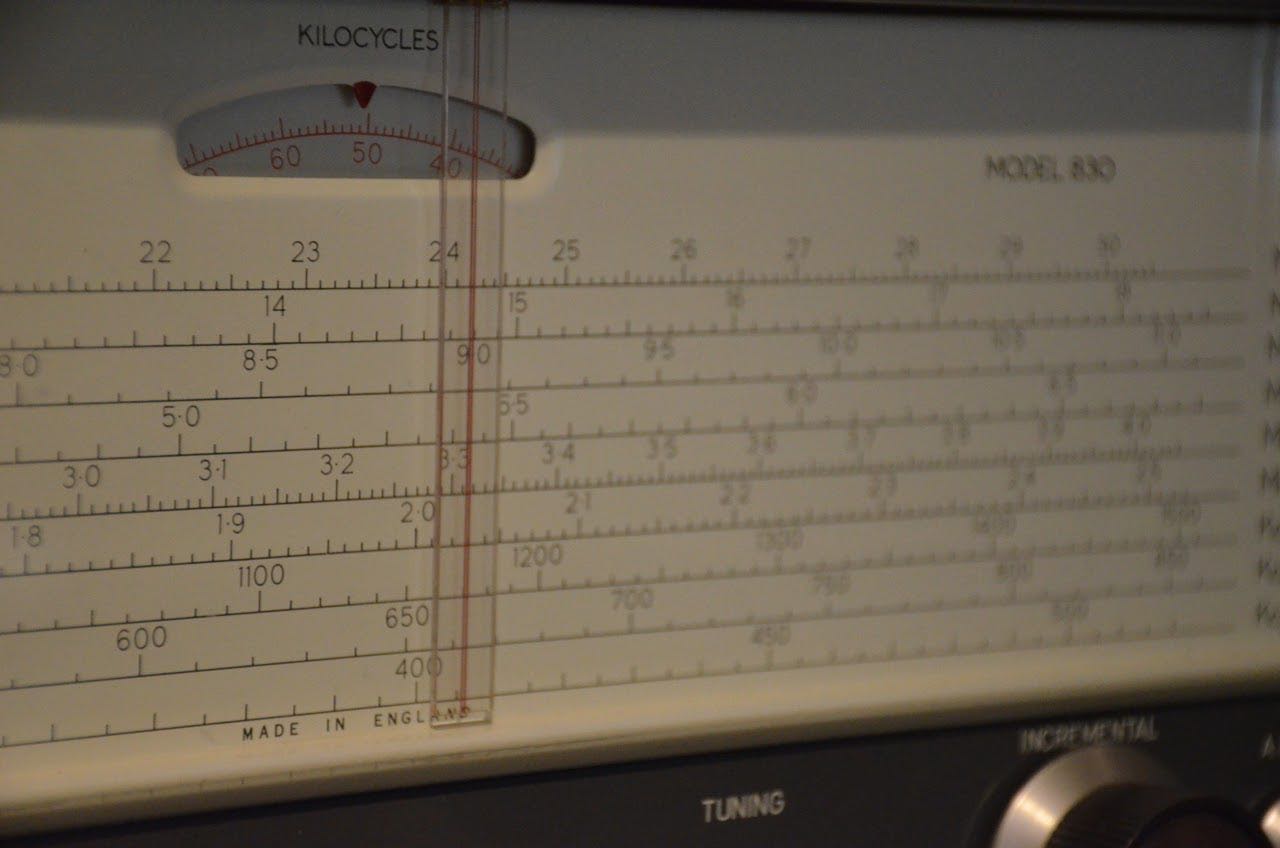
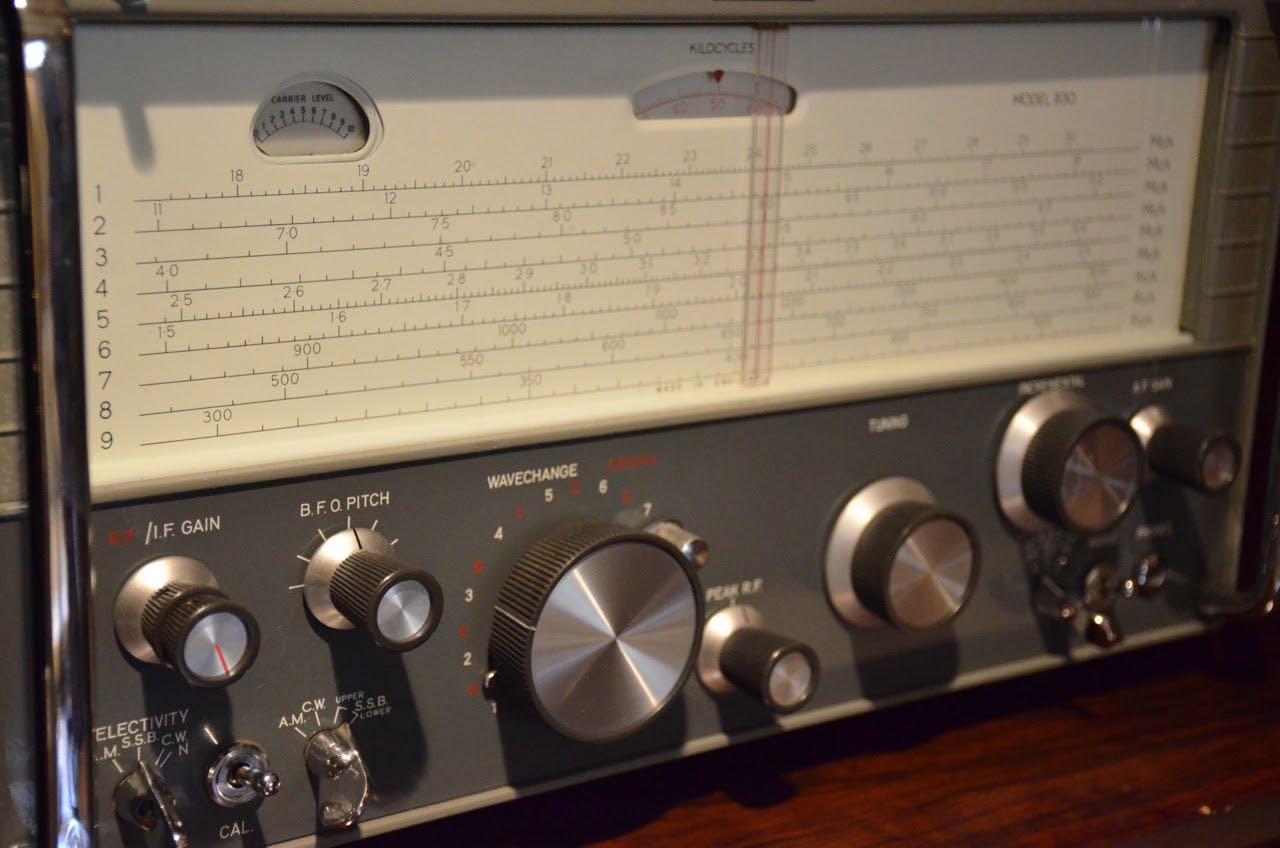
Eddystone 830/7
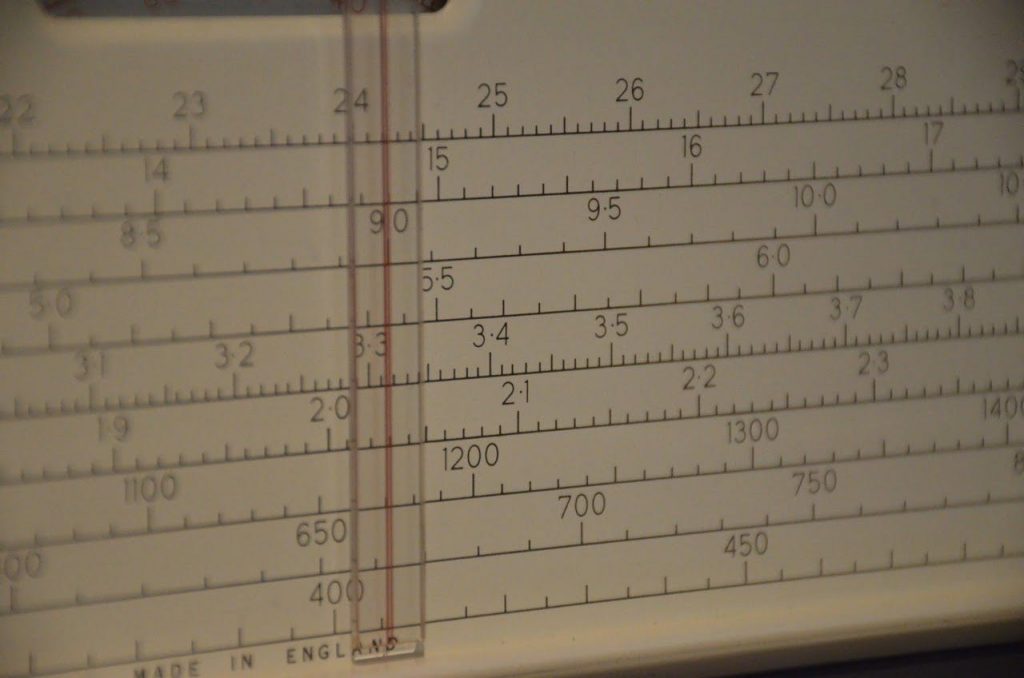
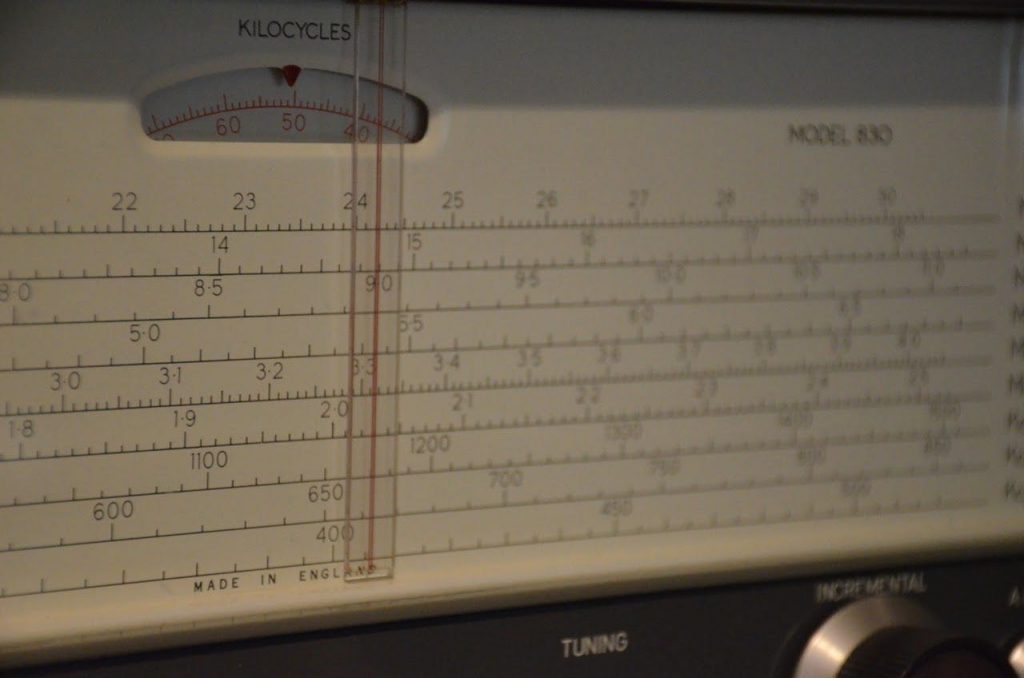
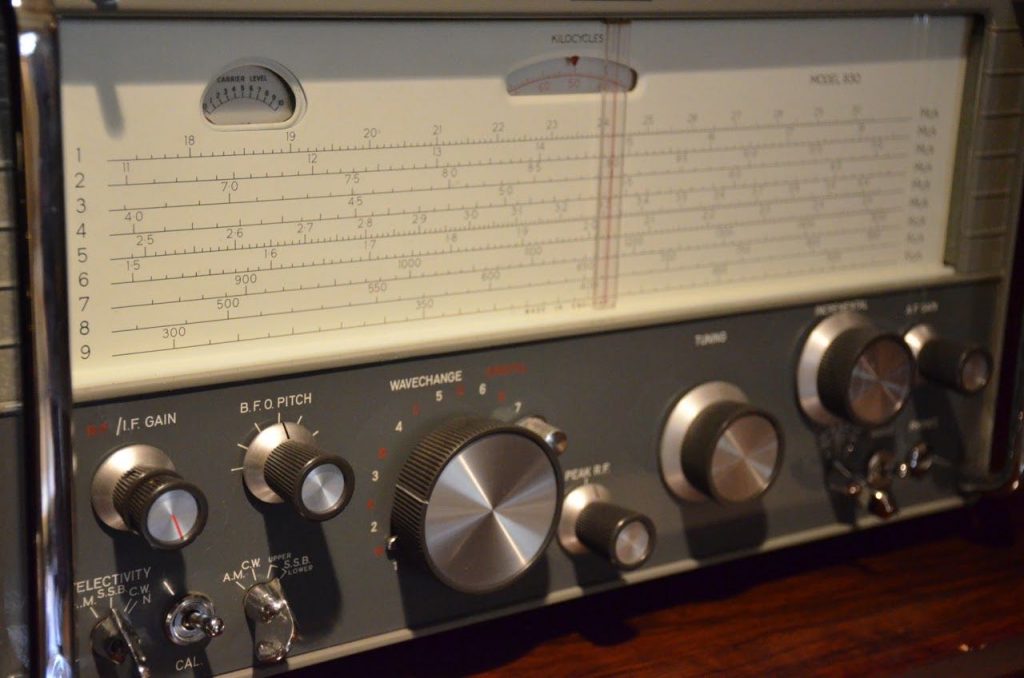
One of the books I used to read in the earliest days of my DX career was one produced by a well-known Scandinavian DX’er and in it, was a photo of an Eddystone 830/7. Decades later, I had an opportunity to purchase this museum-quality 830/7 from a seller in the UK. What a beauty, with an amazing front slide rule dial and silky smooth tuning and bandspread. The radio is deceptive — it looks smaller than a Hammarlund, but actually weighs more than a HQ-180.
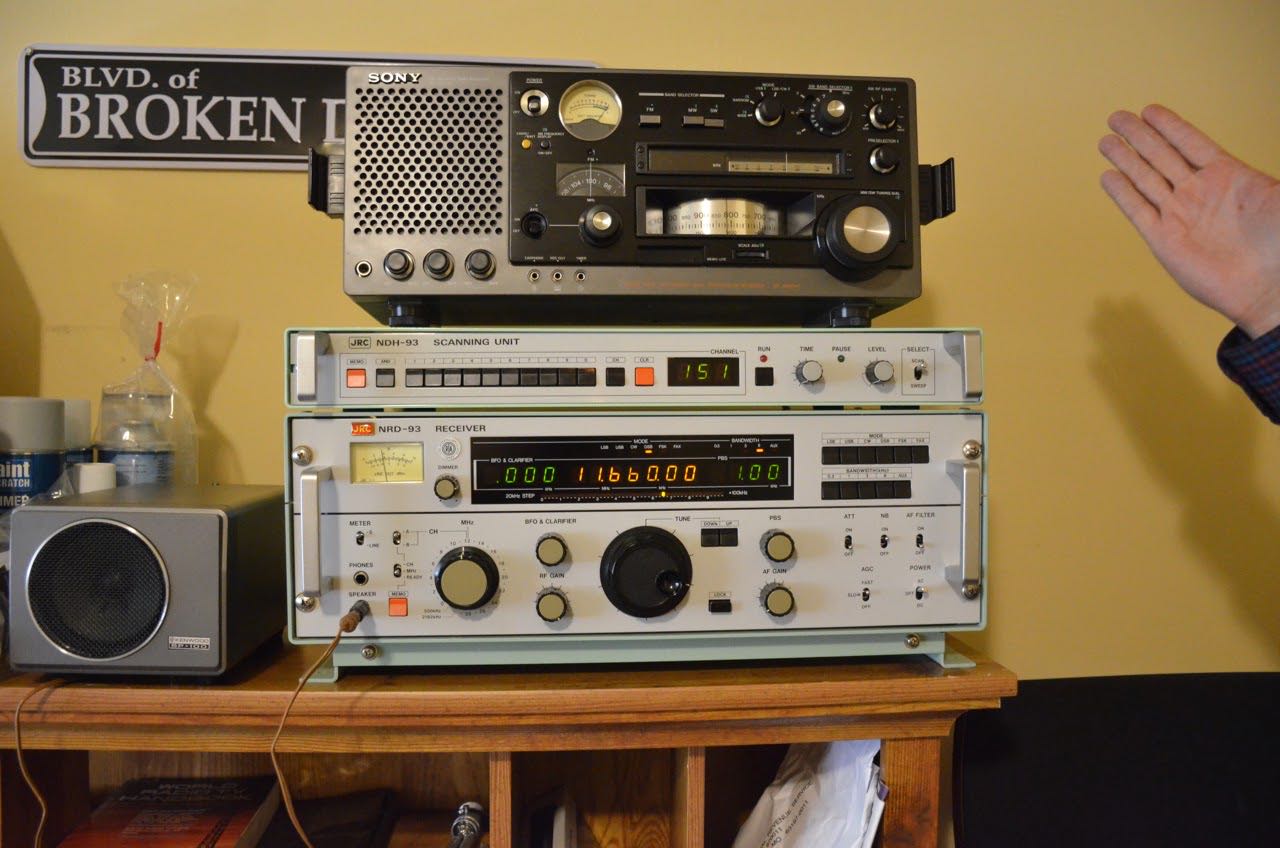
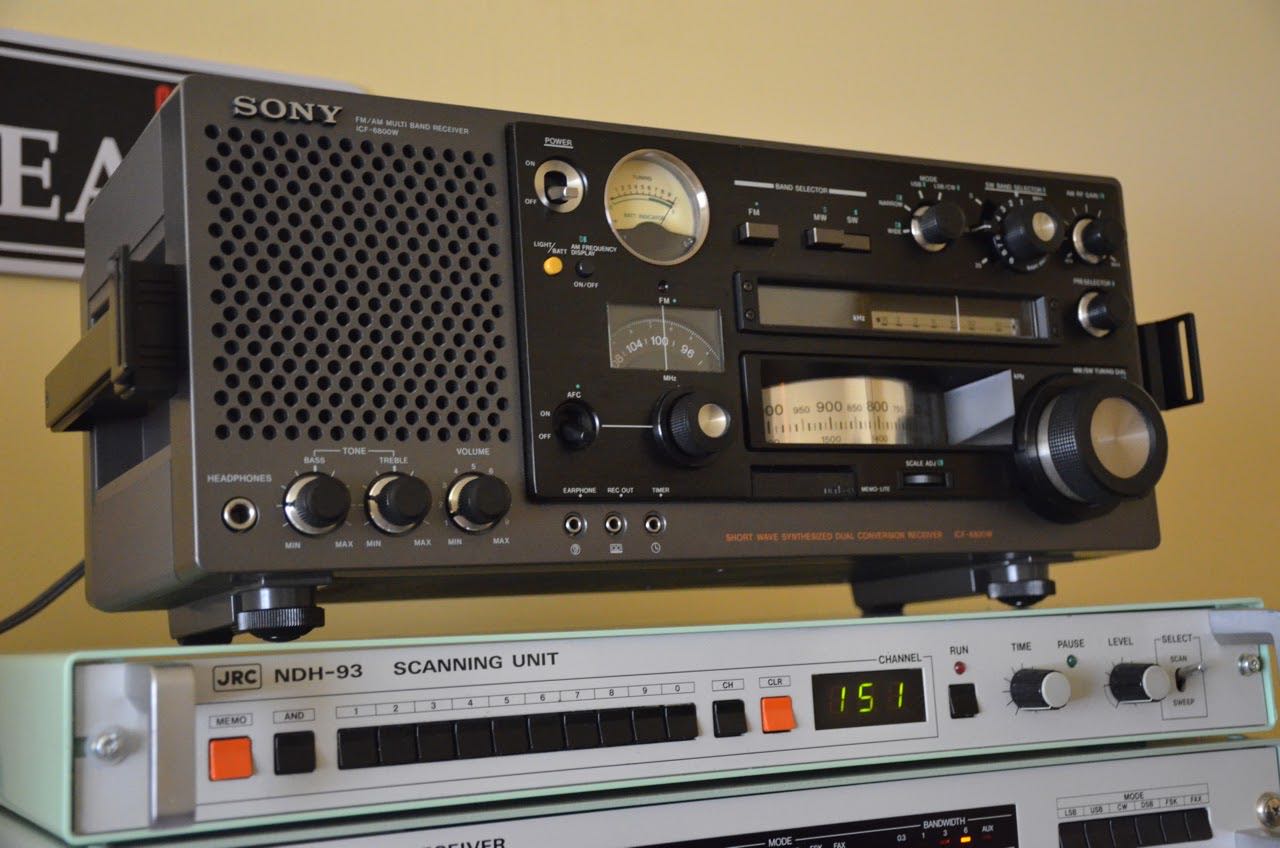
SONY ICF-6800W
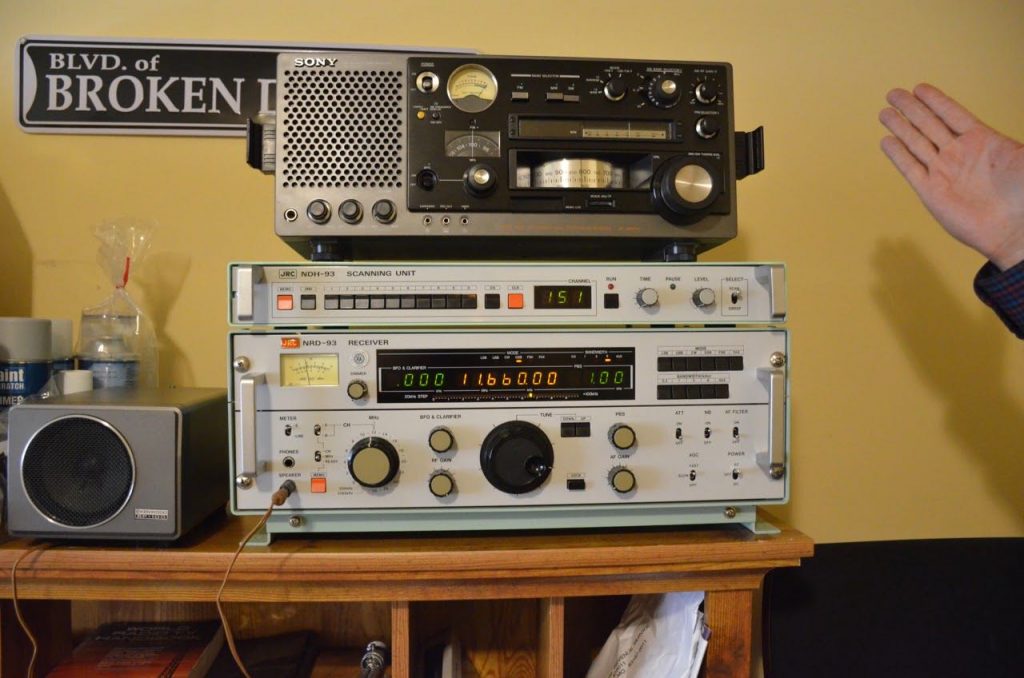
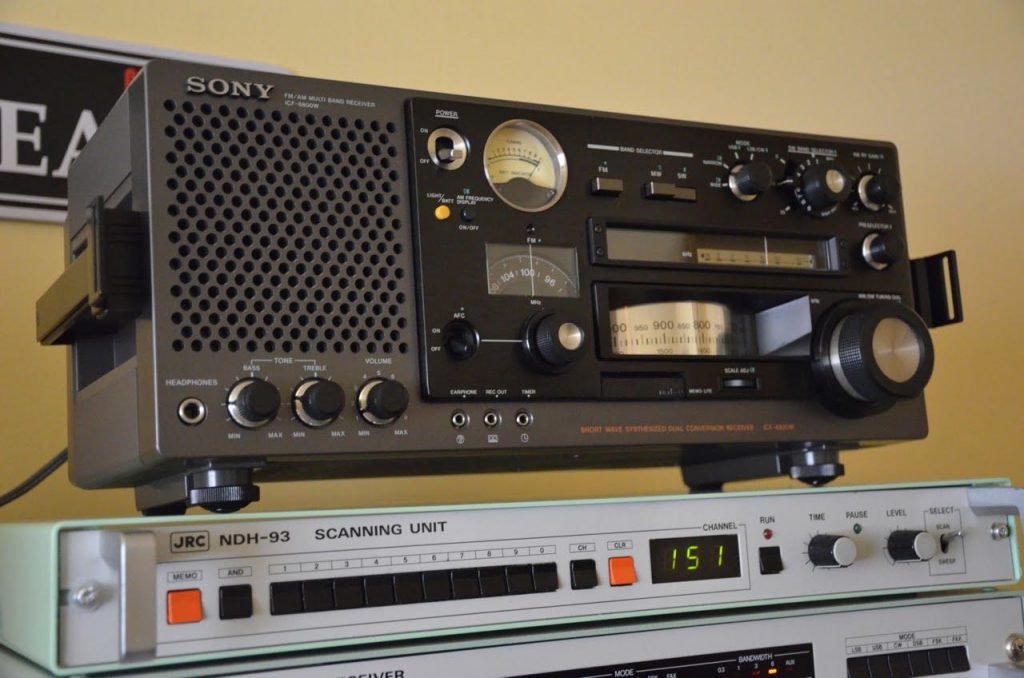
Another radio that I ignored for much of my listening career was the famous 6800W by SONY. When I finally got my hands on one of these, I understood why it has such a good reputation. Simply, this is one of the most sensitive receivers ever made. It has its quirks, and if it needs repair, you had better be able to do it yourself, because there is perhaps ONE place in this country that will even touch them. But the rewards of using the 6800W are many.
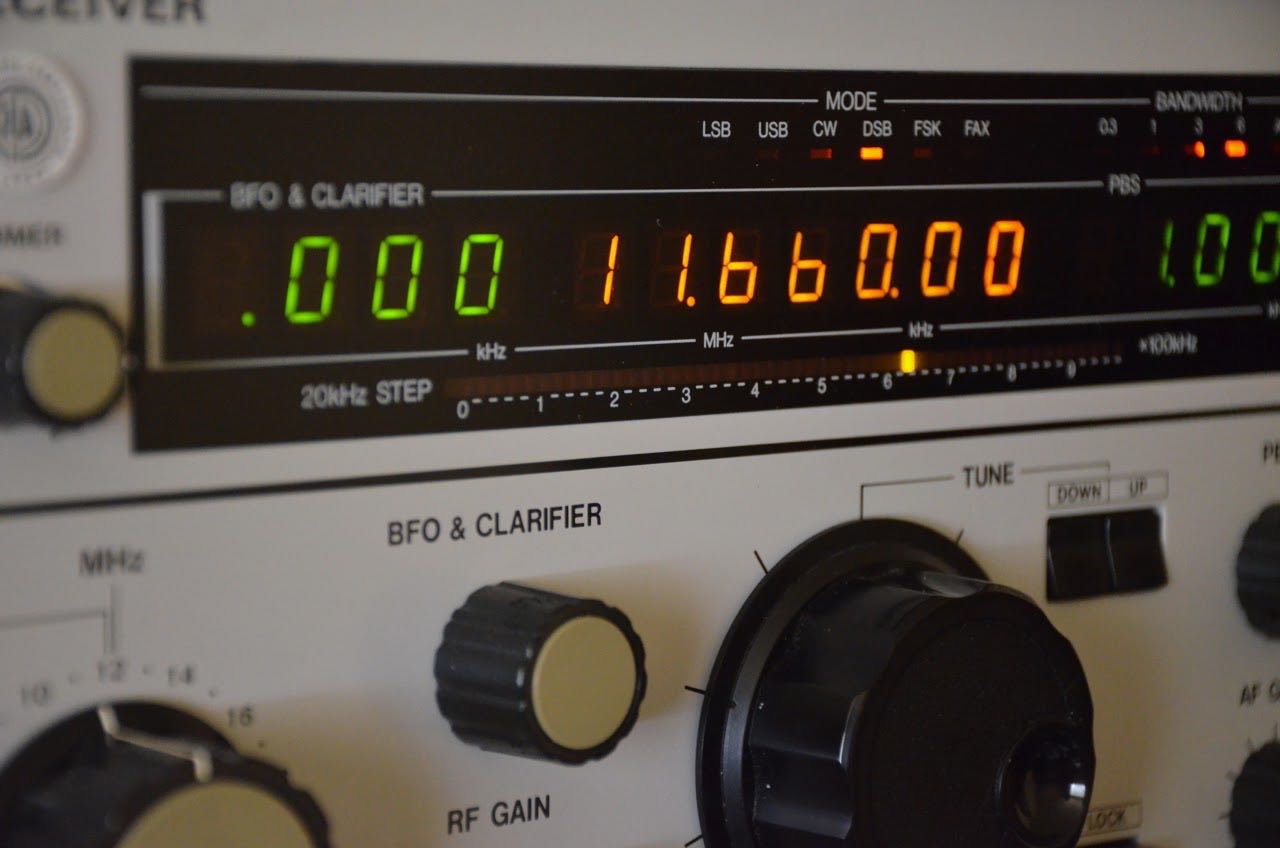
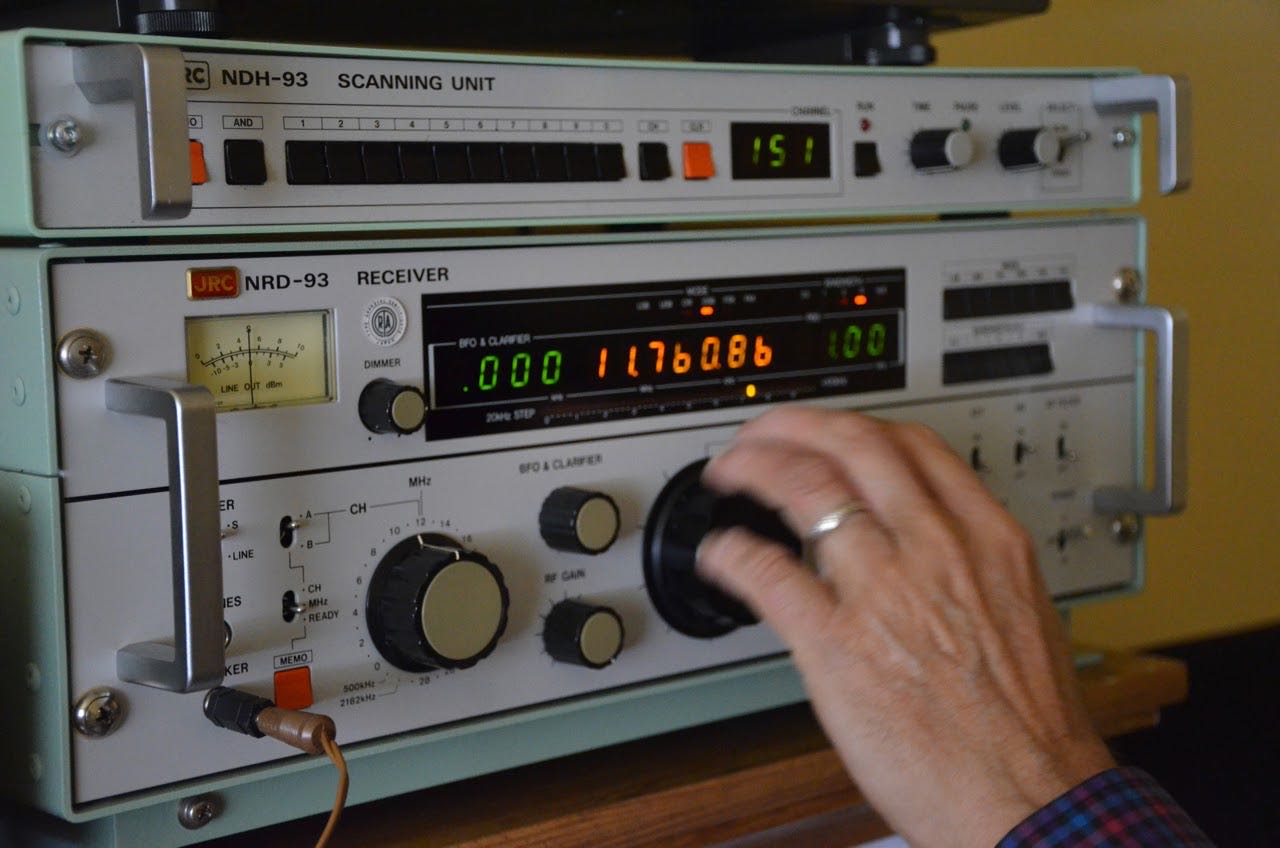
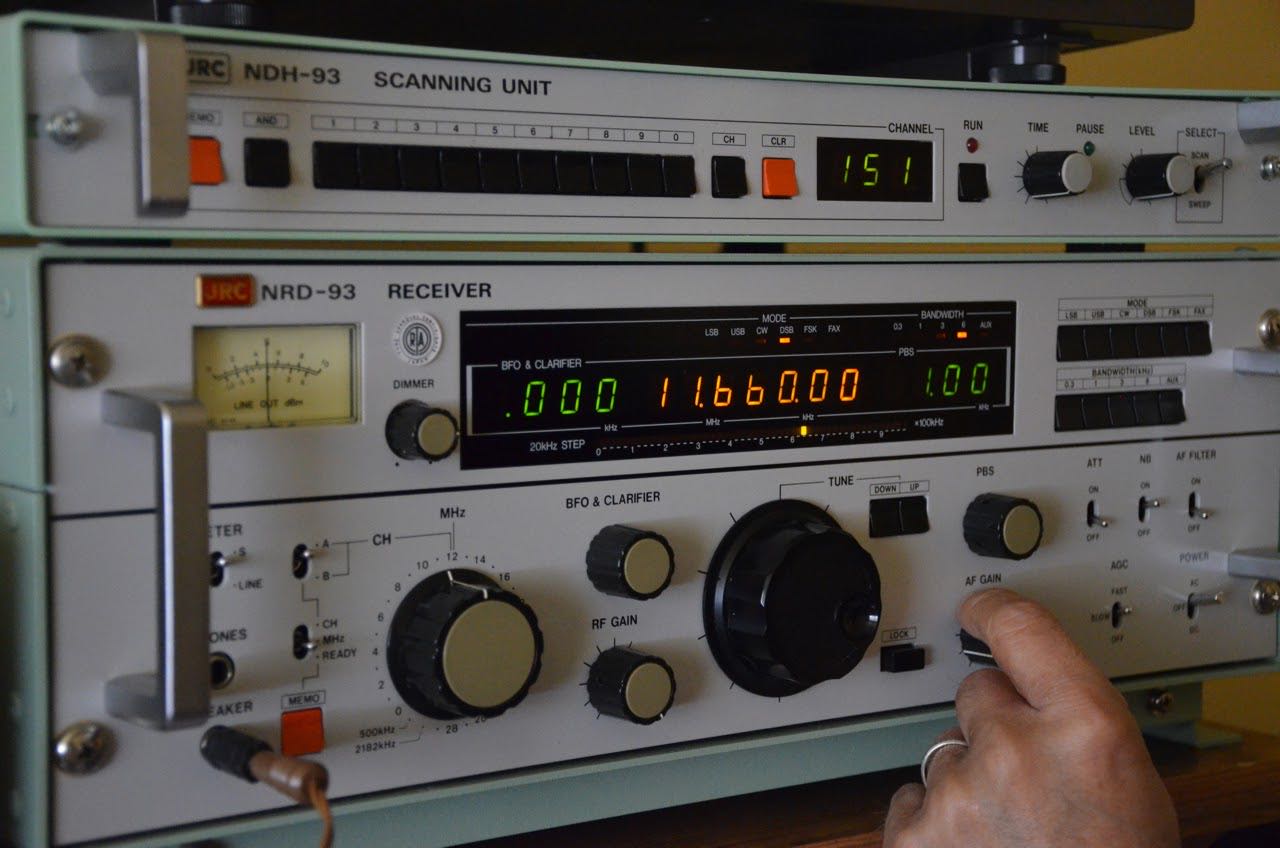
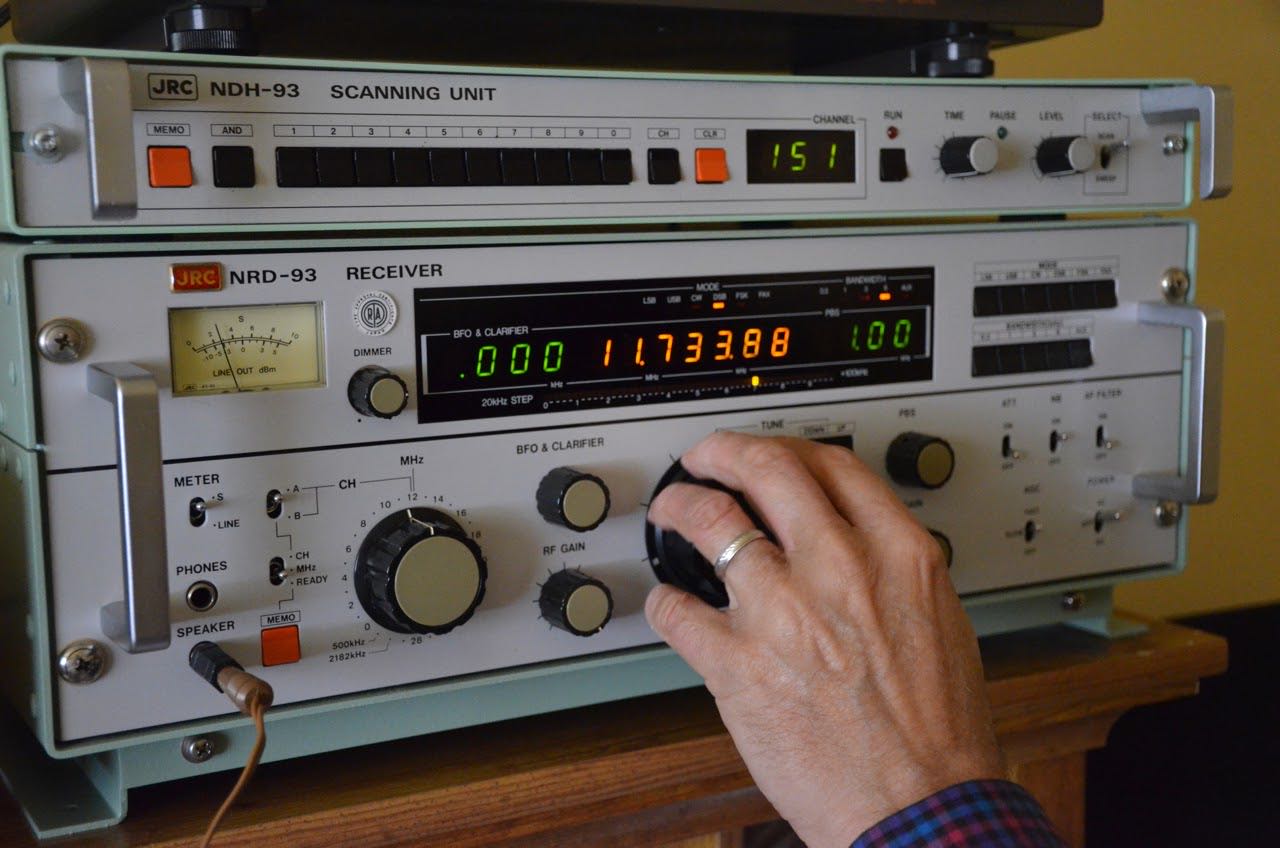
JRC NRD-93
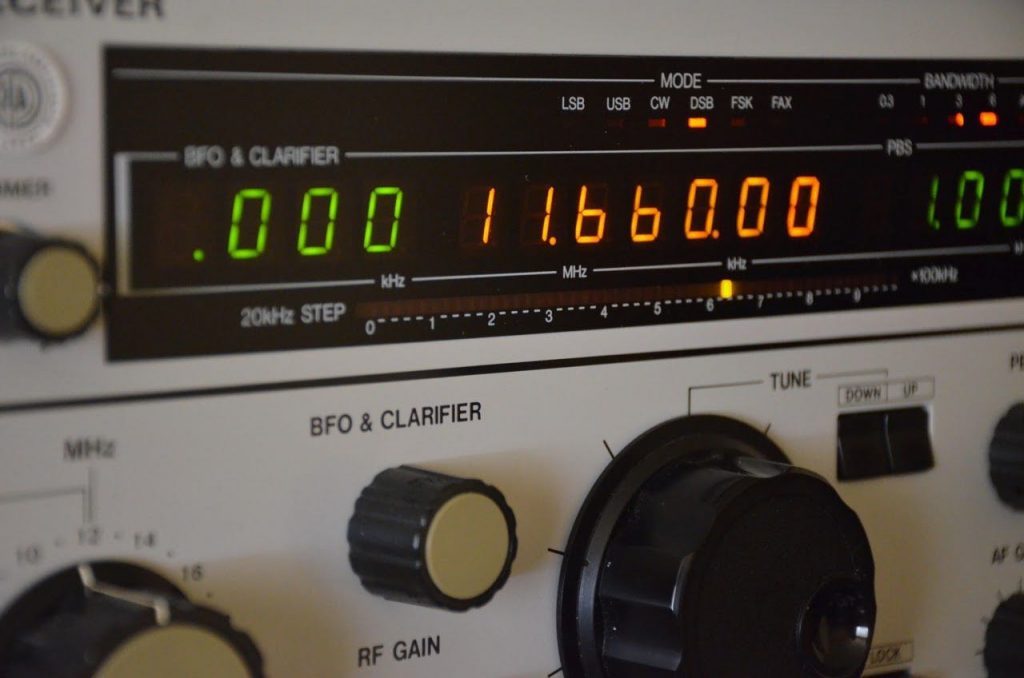
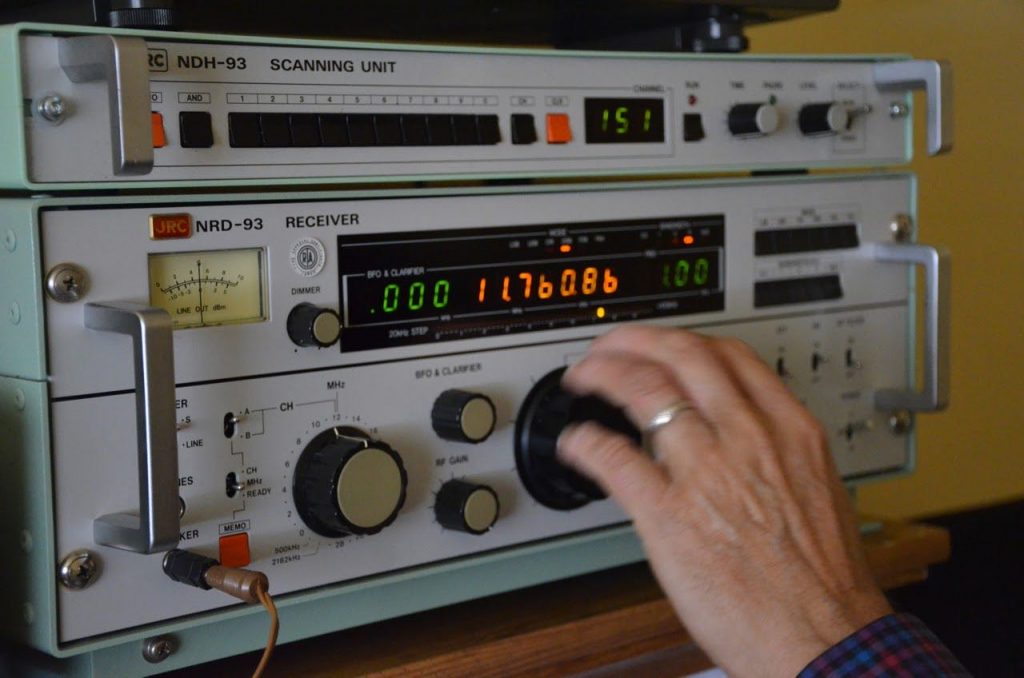
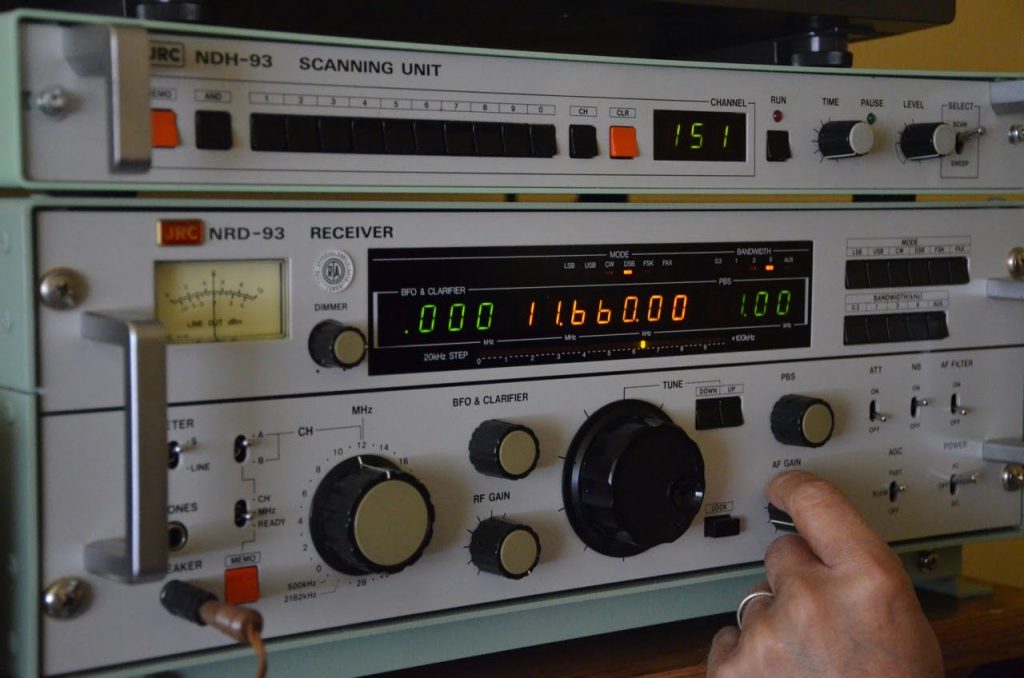
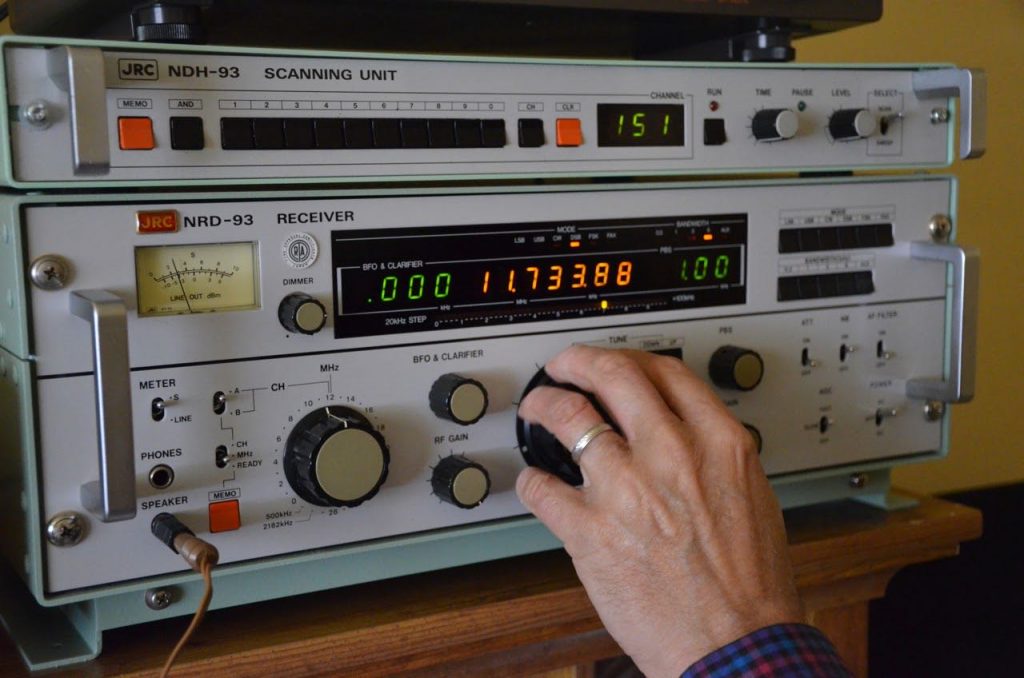
Though I have two of JRC’s top marine receivers, the 301A and 630, a few years ago I feel in love with the looks and performance of the previous series JRC marine receiver, the NRD-93. What can you say about this baby . . . with its PBS and BFO fine tuning controls, beautiful large front LED panel, multiple onboard memories supplemented by the separate NDH-93 memory unit. Operating these JRC marine receivers is an experience everyone should have at least once. NRD-93s, along with NRD-92s, have become fairly plentiful on the used market. If you are looking for one, ask a lot of questions about condition and prior service. Those that saw heavy use on marine vessels often suffer from salt air corrosion and other issues. The beautiful original JRC toggles often need to replaced as they lose contact over the years.
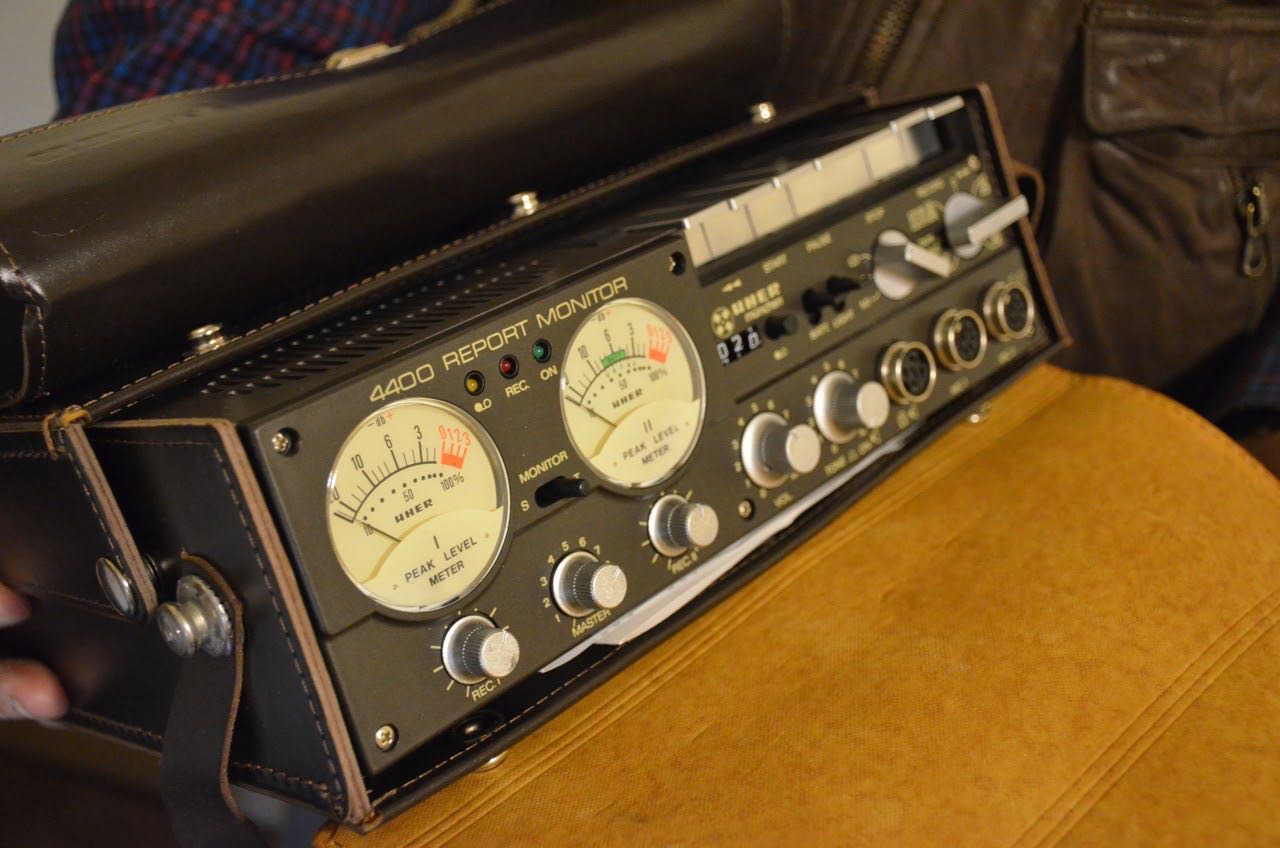
UHER 4400 Report Monitor
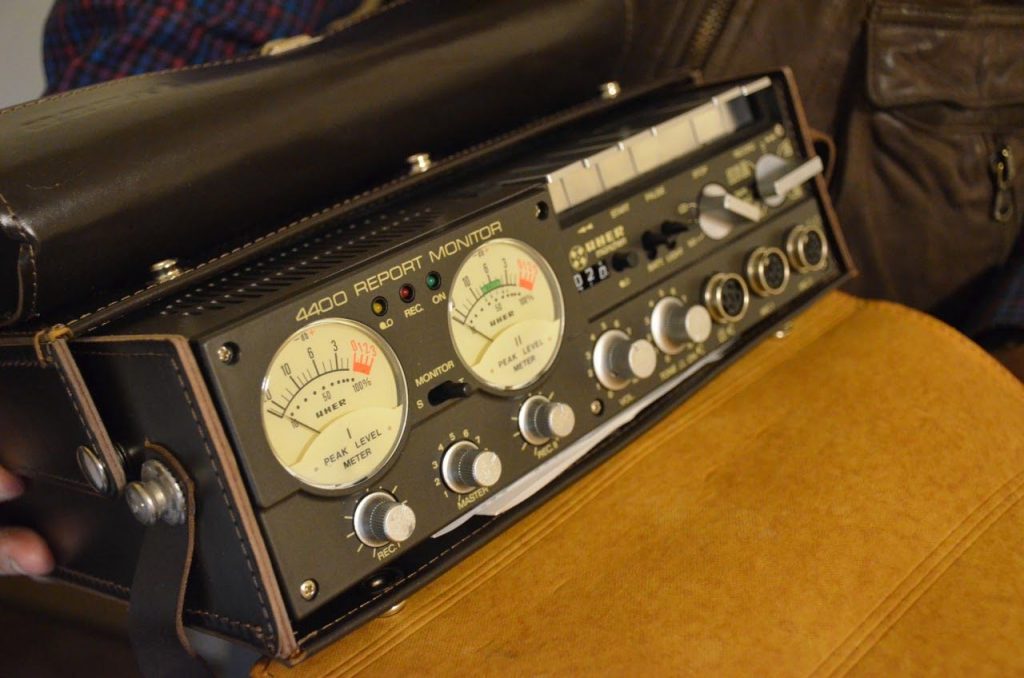
When I was a correspondent in Africa in the 1980’s, there were — believe it or not — still BBC correspondents and other radio journalists who still used the Uher portable reel-to-reel recorders as their main portable production tool. I got this particular 4400 in new condition, and later added a new from old stock leather case, made for it.
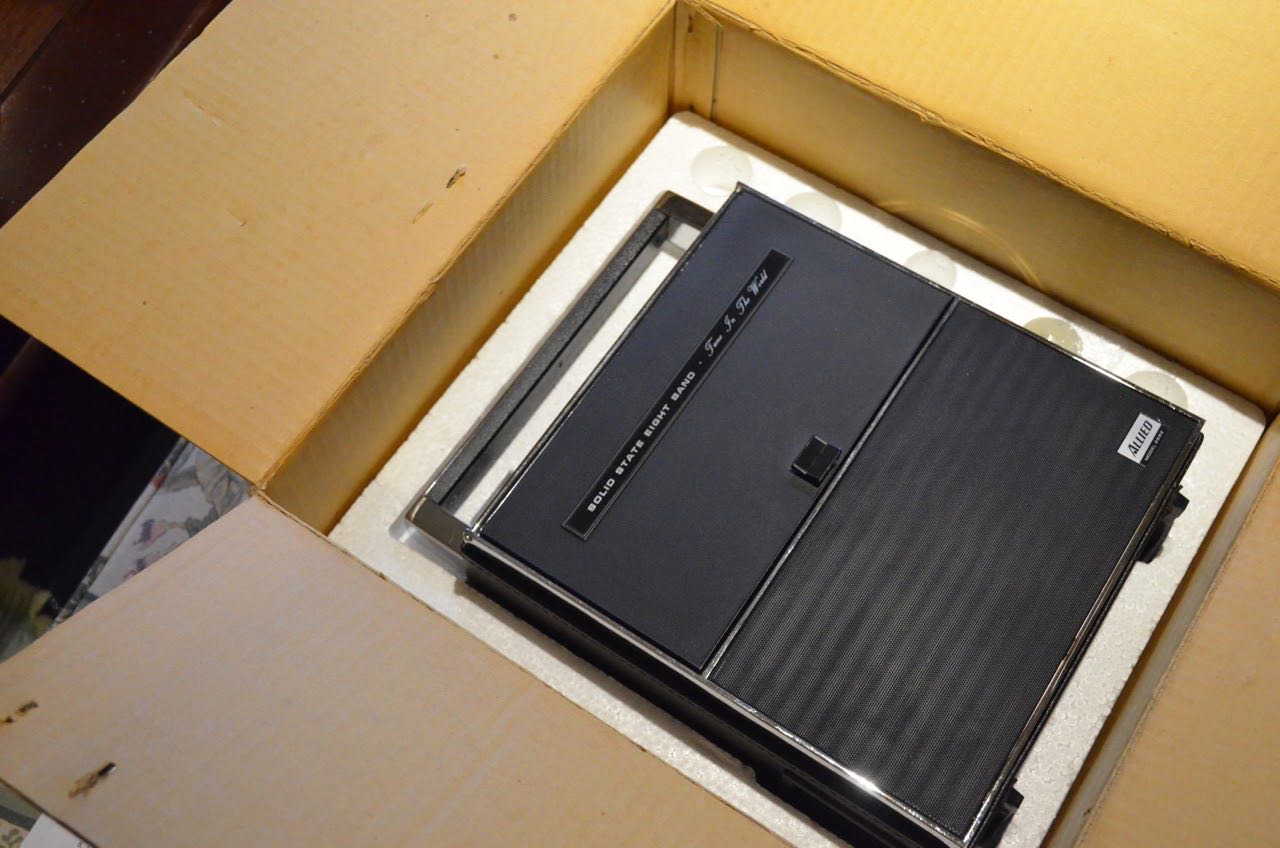
Allied 2682
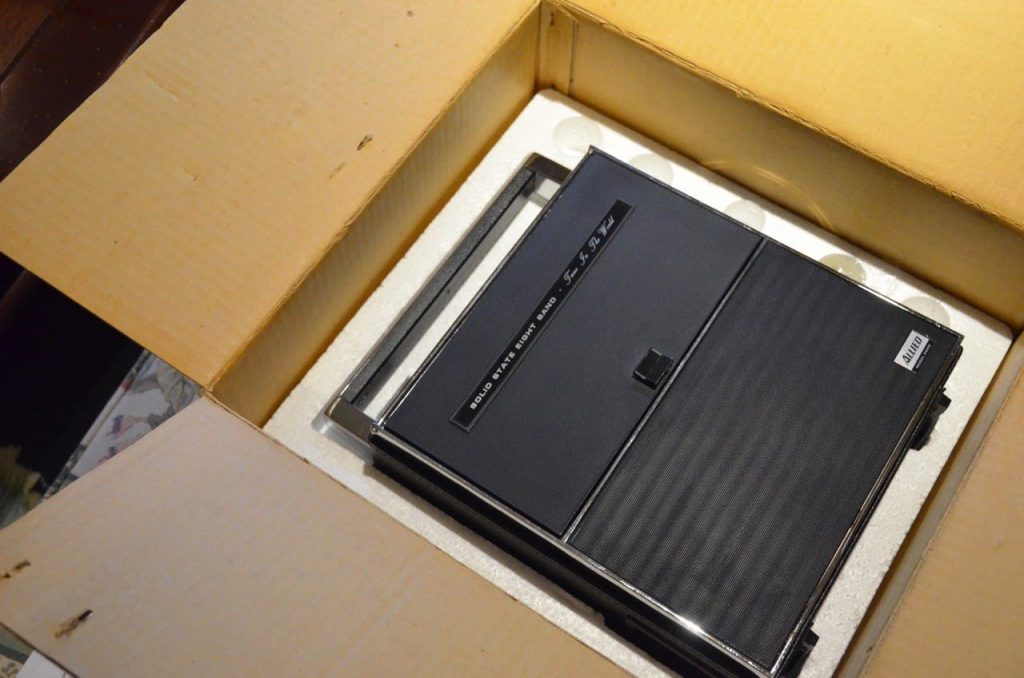
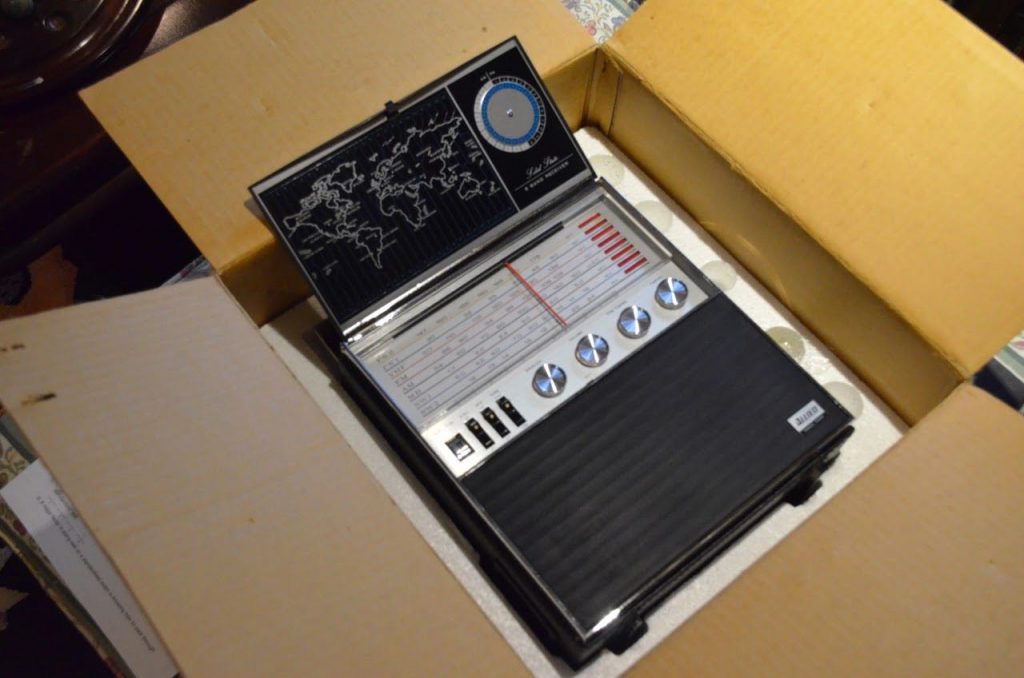
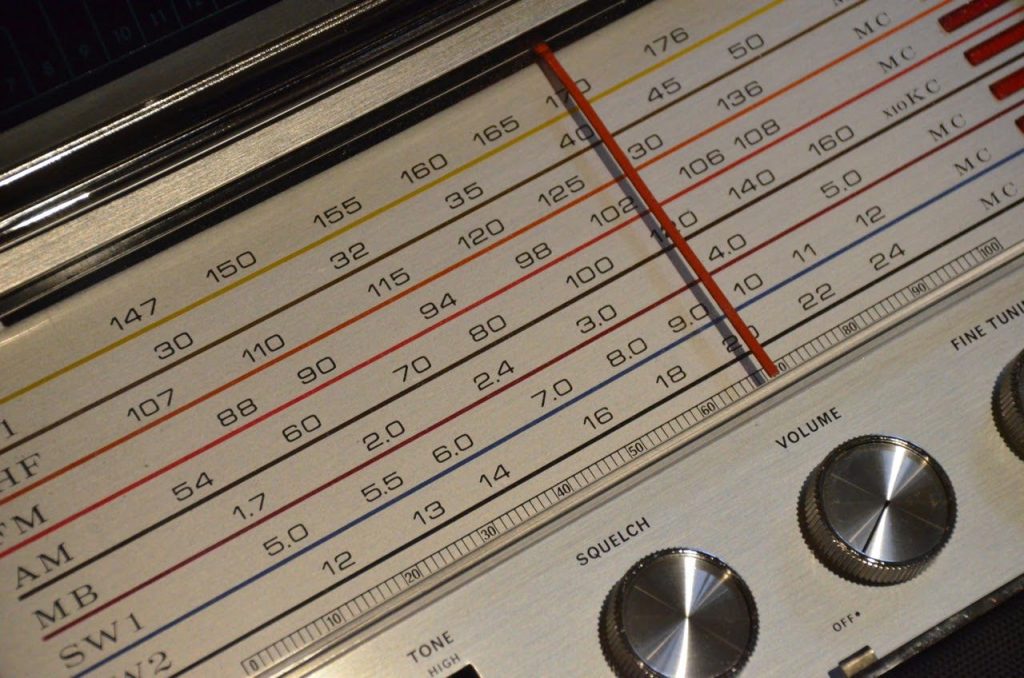
The Allied Model 2682 was the second or third radio I ever used. I didn’t realize at the time how simple and under-equipped it was. It had only a basic slide rule tuning system and a fine tuning control. The radio was recognizable for its twin rabbit ear antennas. This 2682 I found on Ebay, new in box, and I recently sold it. These receivers, like other Allied and Radio Shack models we all remember from the 70’s, are beautiful examples of some of the Made in Japan designs from that period.
JRC NRD-545
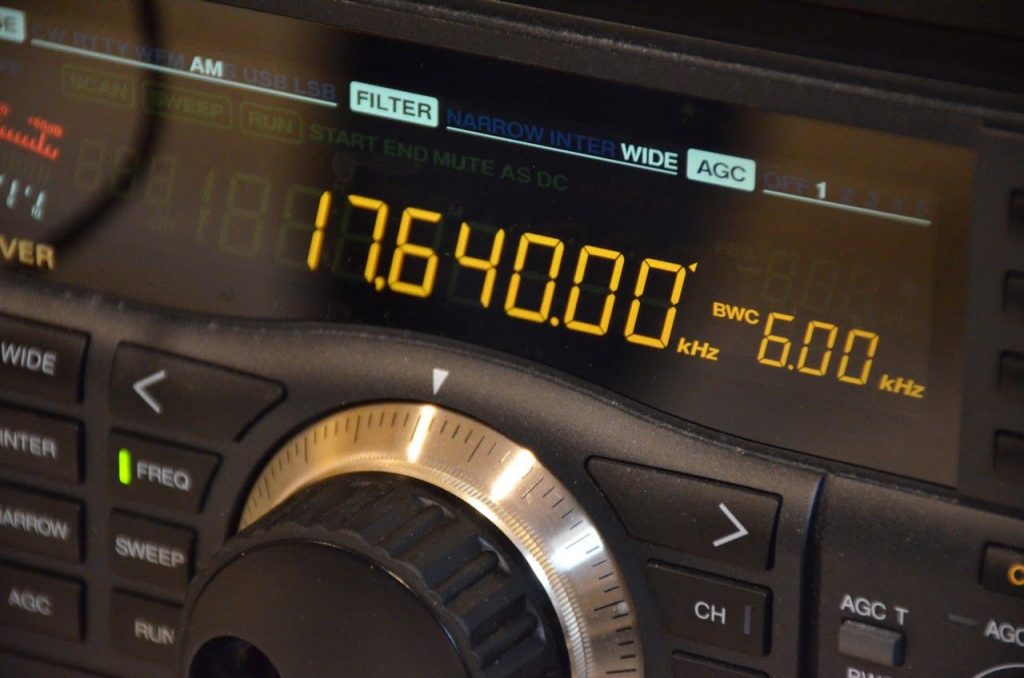
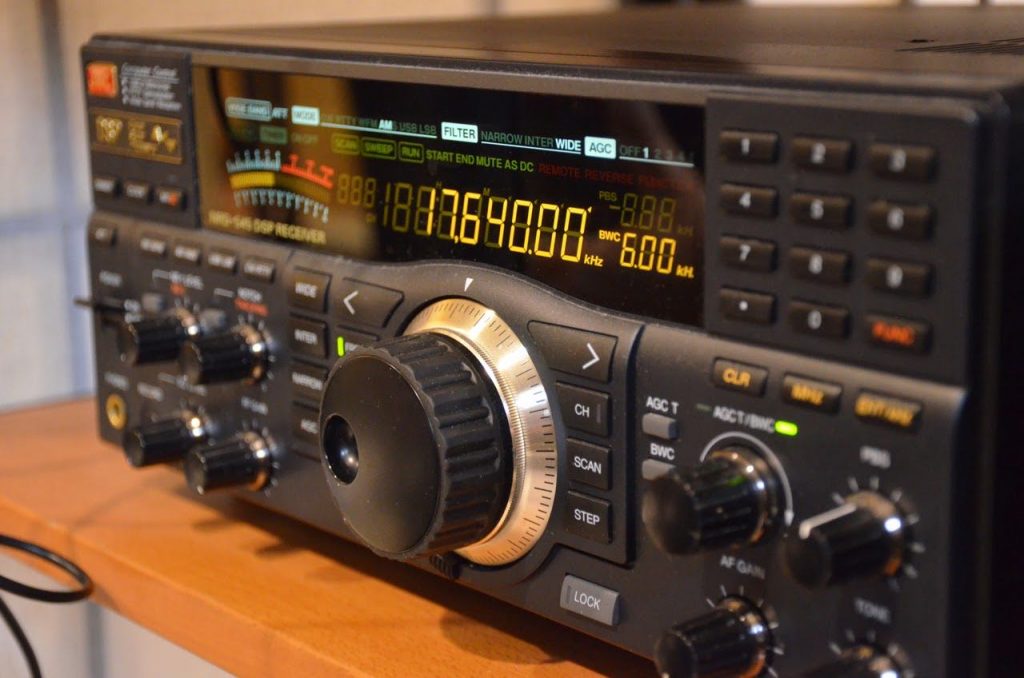
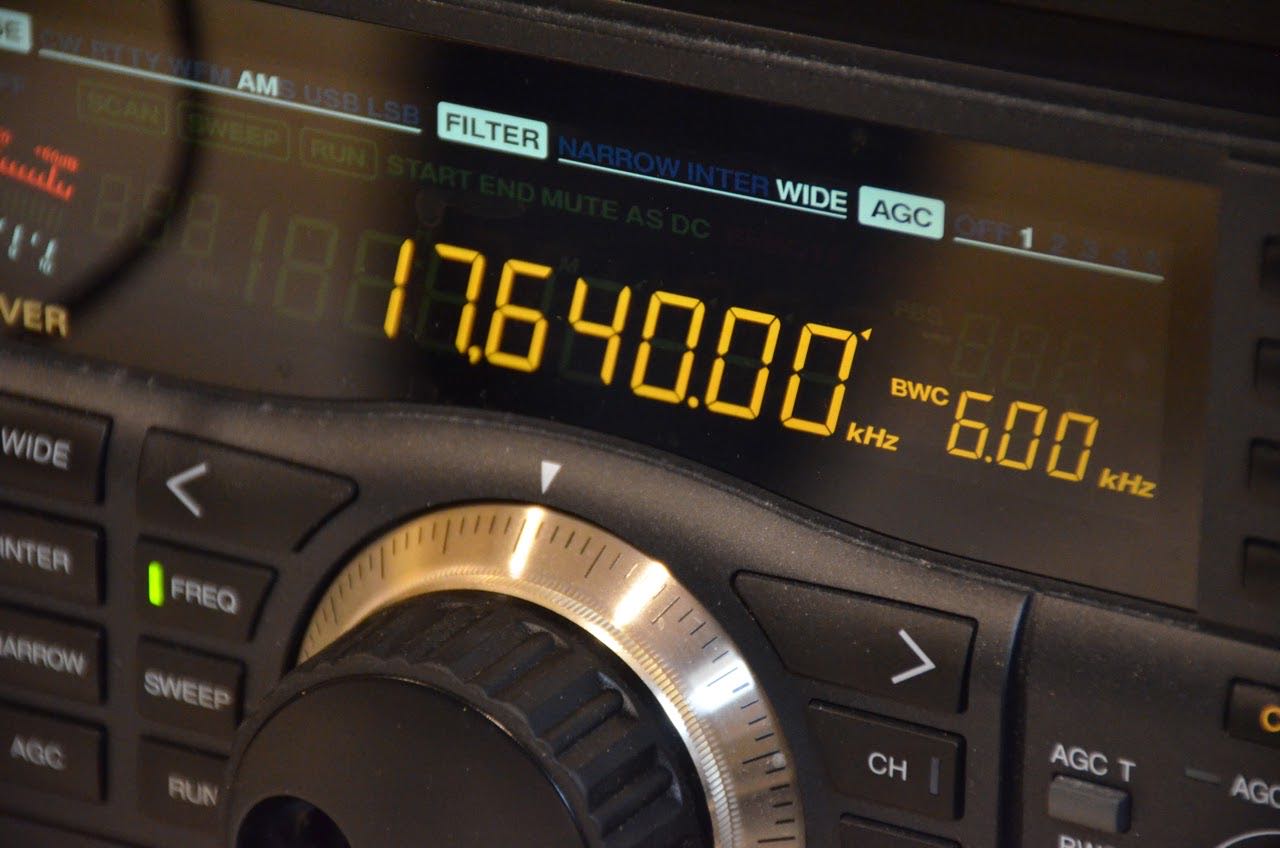
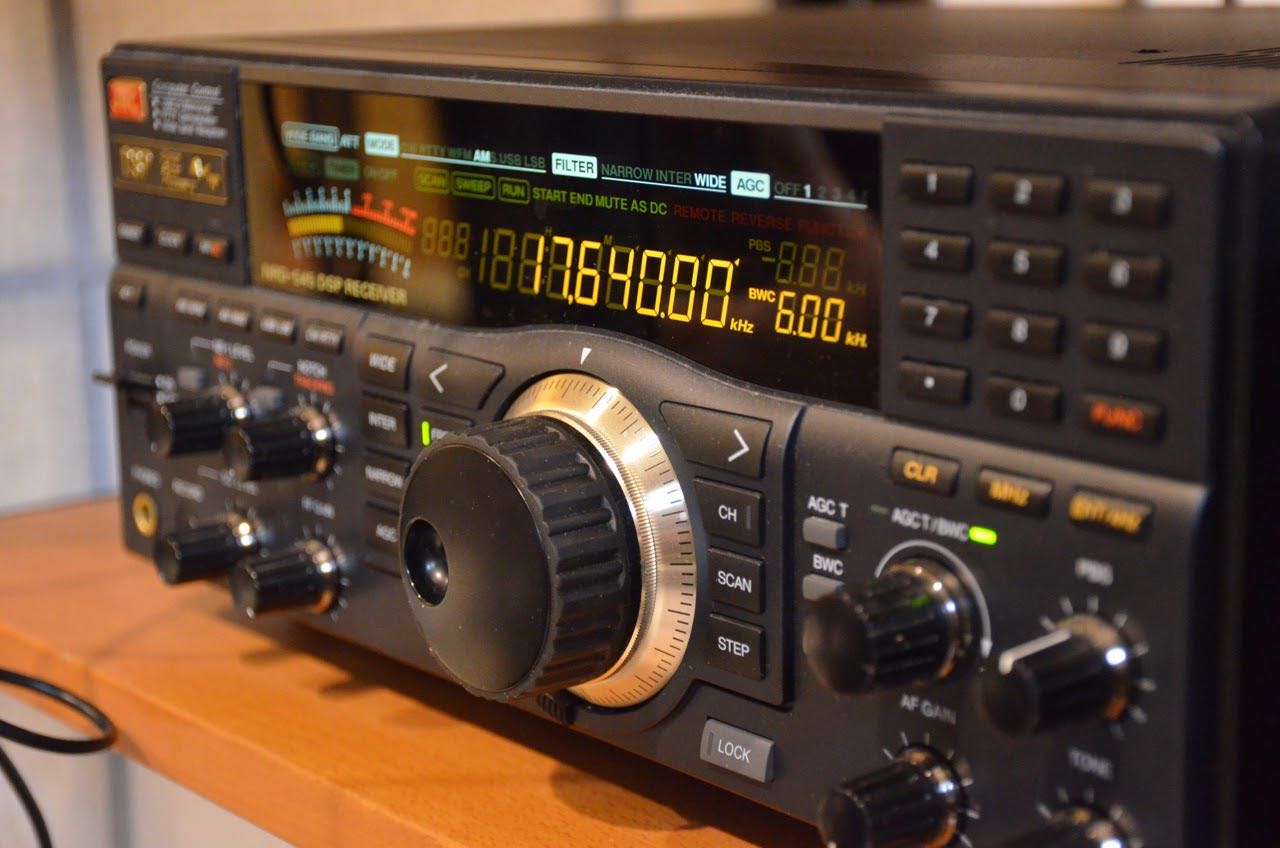
This receiver was purchased new and owned by the late great DX’er Don Jensen, so it has that bit of history attached to it. I began my love affair with JRC receivers when I used a NRD-525 in the 1980’s. As everyone knows, the “545” was the last prosumer set made by JRC. It’s one hell of a performer, with DSP filtering, that big beautiful display, and superb sensitivity. The radio still sparks debate, with some faulting it for high DSP noise. This 545 is loaded, with the CHE-199 module and high stability crystal. I also have a brand new top cabinet for the radio, obtained from JRC some years ago, and replacement key caps for the keypad digits. I recently remarked that a 545 held up quite well, in a comparison that is viewable on You Tube, with the brand new ICOM IC-R8600.
Thanks again, Dan, for taking the time to share a little about each of these amazing receivers and how many came to be in your collection.
In truth, readers, I’m sure there were many more radios I overlooked and (I’m certain!) Dan has acquired others since my visit.
The one thing I learned about my buddy Dan is that when he takes a radio into his collection, he’s a proper custodian of these beauties. He keeps each radio in excellent working order, proper cosmetic shape and, most importantly, puts them on the air!