Shortwave listening and everything radio including reviews, broadcasting, ham radio, field operation, DXing, maker kits, travel, emergency gear, events, and more
Many thanks to SWLing Post contributor, Bob Colegrove, who shares the following guest post:
Tinkering with History
By Bob Colegrove
One of the attractive aspects of radio as a hobby is that it has so many specialties to channel our time. Just for the sake of classification, I would group these into two categories, listening and tinkering. I think the meaning of each category is fairly intuitive. Probably few of us approach our interest in radio in the same way. Most of us have dabbled in more than one listening or tinkering specialty. Perhaps we have been drawn to one particular area of interest, or we may have bounced around from one to another over a period of time. I know the latter has been my case.
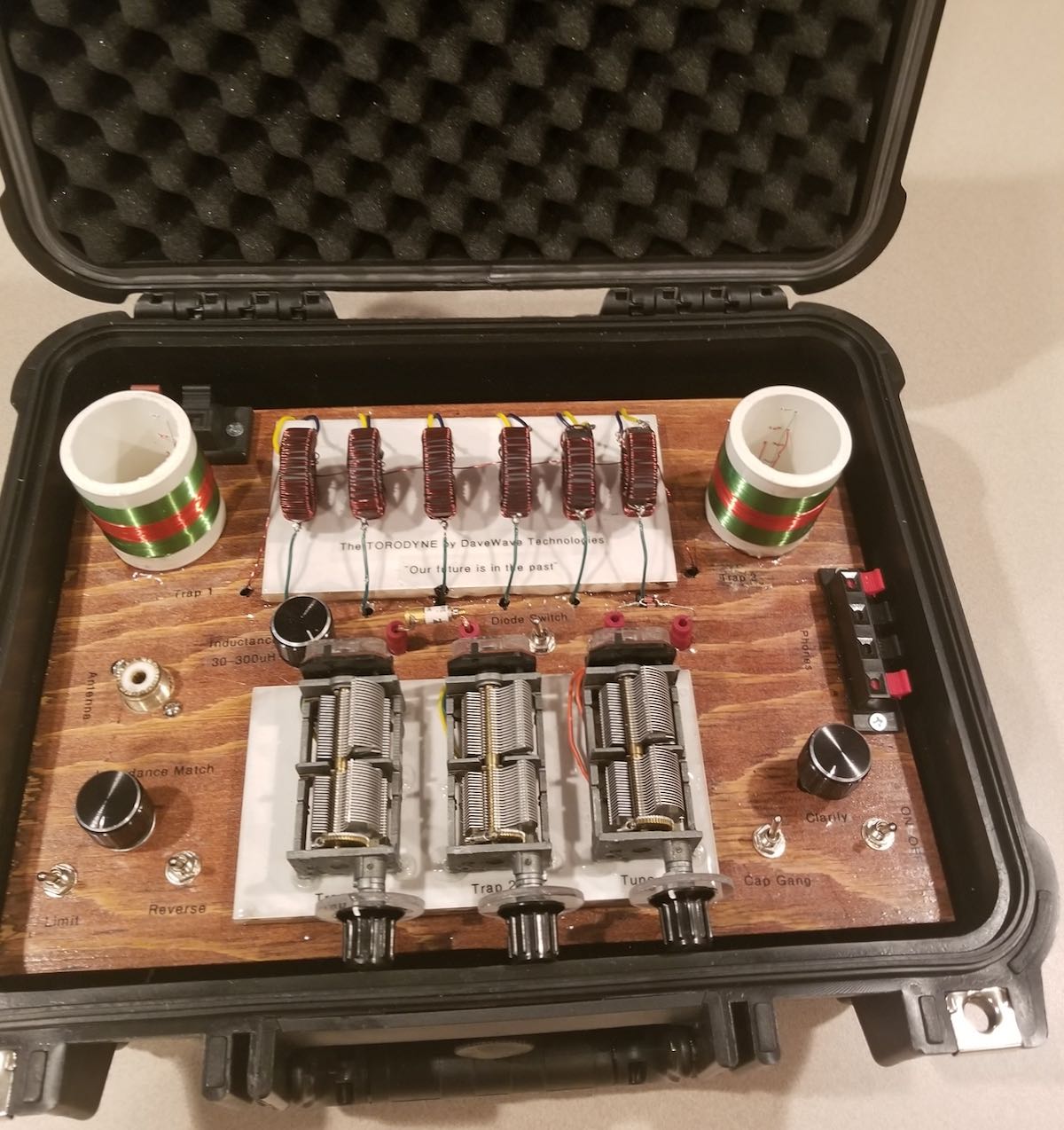
Tinkering might start with a simple curiosity about what makes the radio play, or hum, or buzz, and progress to an obsessive, compulsive disorder in making it play, hum or buzz better. Unfortunately, over the past 30 years or so, the use of proprietary integrated circuits, as well as robotically-installed, surface-mounted components have greatly short-circuited what the average radio tinker can do. For example, I have noticed a lot more interest in antennas over that period, and I think the reason is simple. The antenna is one remaining area where a committed tinker can still cobble up a length of wire and supporting structure and draw some satisfaction. But the complexity and lack of adequate documentation have largely kept newer radio cabinets intact and soldering irons cold. Bill Halligan knew you were going to tinker with his radios, so he told you how they were put together. The fun began when you took your radio out of warranty. If you did get in over your head, there was usually somebody’s cousin not far away who could help you out. The following is a sample of how one resolute tinker managed to overcome the problem of locked-down radios in the modern age. Continue reading →
David has also posted this presentation on his website and notes that he’s happy to share the presentation slides without copyright. David notes:
[…]I have purposely not copyrighted this work so that anyone is free to modify it as they see fit. The only thing I ask is that if you make changes that you do not copyright the derivative work as your own intellectual property so that others can benefit from your knowledge and build upon it as well.
Many thanks to SWLing Post contributor, Denis, who writes:
Dear Thomas,
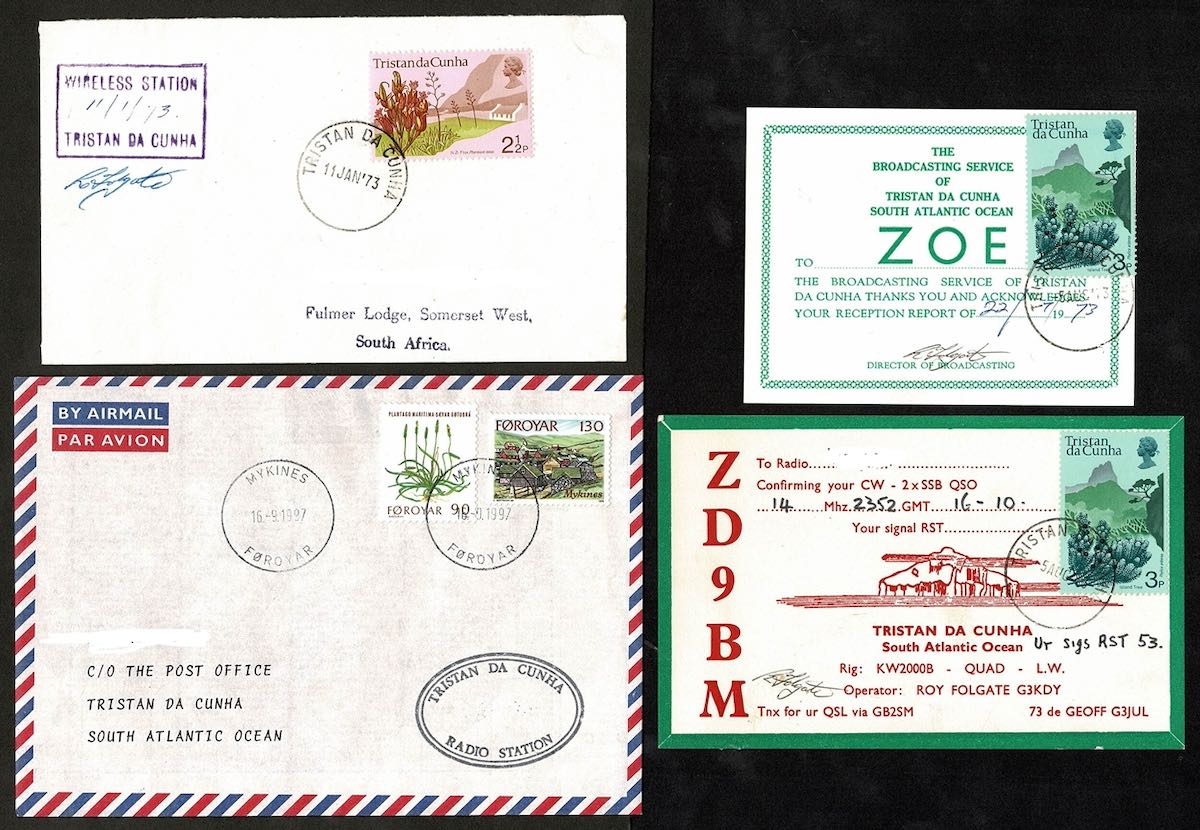
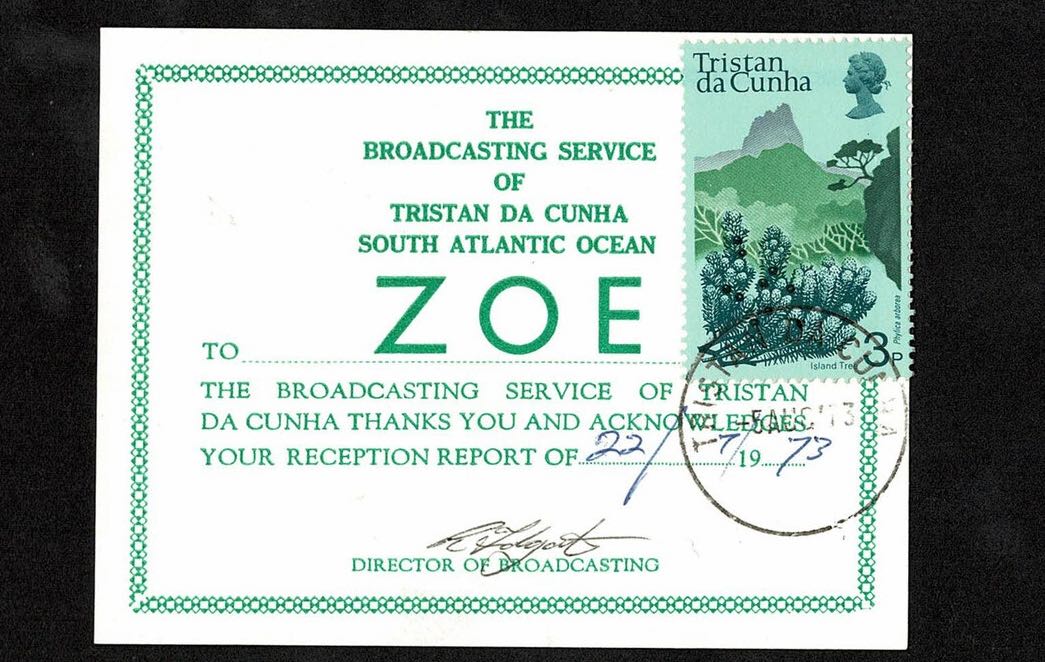
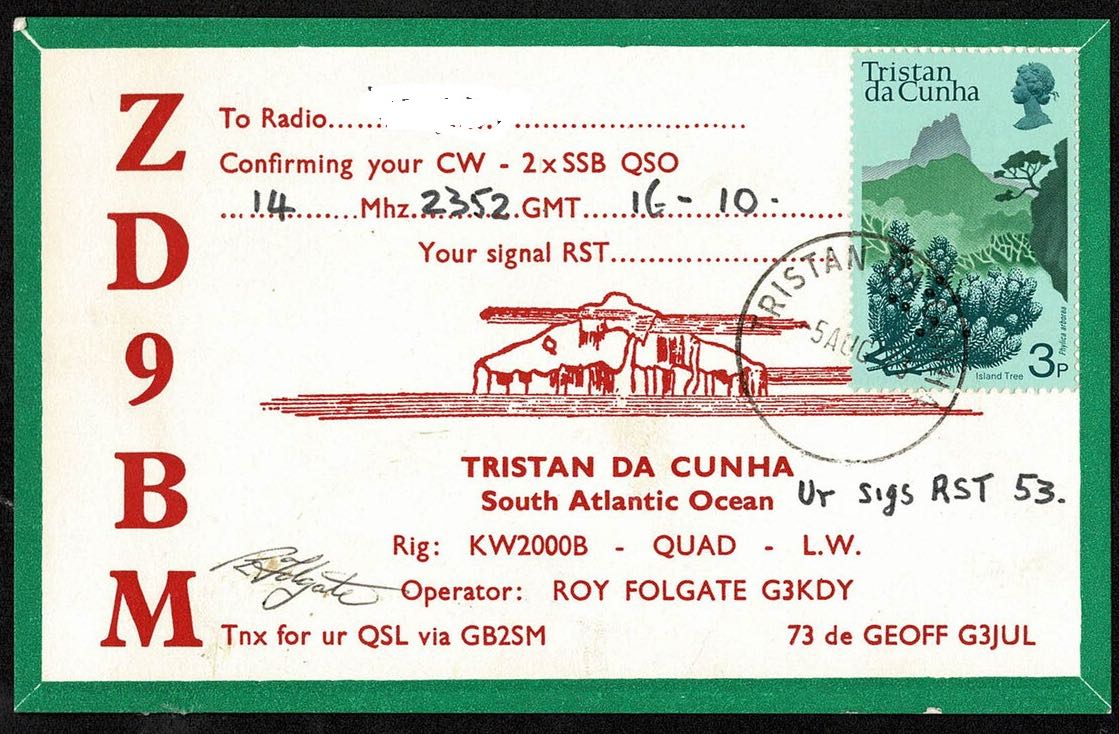
Following the article about the ZOE QSL card a few years ago, I came across another QSL at an Australian auction house. I bought it. Still waiting for it.
I enclose the picture of the lot I obtained. Names have been erased.
As Dan wrote, it is quite possible that other cards may surface one day.
best 73’s from Paris Denis
Thank you for sharing this, Denis. I agree with Dan as well–perhaps more ZOE QSL cards will eventually surface. With that said, I believe it’ll remain one of the rarest QSL cards out there. By the way, it’s a nice bonus that the auction included a ham radio QSL card as well!
Radio Waves: Stories Making Waves in the World of Radio
Because I keep my ear to the waves, as well as receive many tips from others who do the same, I find myself privy to radio-related stories that might interest SWLing Post readers. To that end: Welcome to the SWLing Post’sRadio Waves, a collection of links to interesting stories making waves in the world of radio. Enjoy!
On January 2nd 1923, John Reith interviewed Miss Frances Isobel Shields for a job at the BBC, to be his secretary. At the time the BBC had four or five male staff members. Miss Shields started work on January 8th, instantly making the BBC a 20% female organisation. It’s been greater than that ever since.
This episode’s fab guest is Dr Kate Murphy: academic, former producer of BBC’s Woman’s Hour and author of Behind the Wireless: A History of Early Women at the BBC. Her book is brilliant and highly recommended for a deep dive into the subject.
Hear Isobel Shields’ tale, plus the women who broadcast before her: Britain’s first DJ Gertrude Donisthorpe, 2LO’s first children’s presenter Vivienne Chatterton, and one of our first broadcast comedians Helena Millais. (You can hear their fuller tales if you go back to the earlier episodes on this podcast.)
And hear about some of the women who joined the BBC soon after Miss Shields, like telephonist Olive May and women’s staff supervisor Caroline Banks. Plus hear about some of John Reith’s unusual management practices, from taking his secretaries to the cinema to his brutal firing criteria.
But we dwell on his hiring not firing, as well tell the origin story of British broadcasting. [Continue reading…]
The link between The Exorcist, Amateur Radio and Alan Turing.
A quick look at how the movie The Exorcist from 1973 has links to the late great Alan Turing via Mike Oldfield’s album Tubular Bells, Scotland and Amateur Radio. It’s Halloween so figured why not throw some horror in the mix.
When Mike Oldfield recorded Tubular Bells in 1973 he had no idea his first album on Virgin Records would be chosen as the soundtrack to The Exorcist later that year. Neither did he know that recording with Virgin Records would have an unintended consequence of hiding a secret message which dates back to 1926, shortly after World War One.
Tubular Bells was famously recorded at The Manor Studio which was owned by Richard Branston and used as a recording studio for Virgin Records. The building is located in Shipton-on-Cherwell, England. Mike was given one week to record the album, on which he played almost all the instruments himself.
The album initially struggled to sell. Then, later the same year, it was chosen as the soundtrack for the movie The Exorcist. It then experienced massive success and has since sold over 15 million copies worldwide. [Continue reading…]
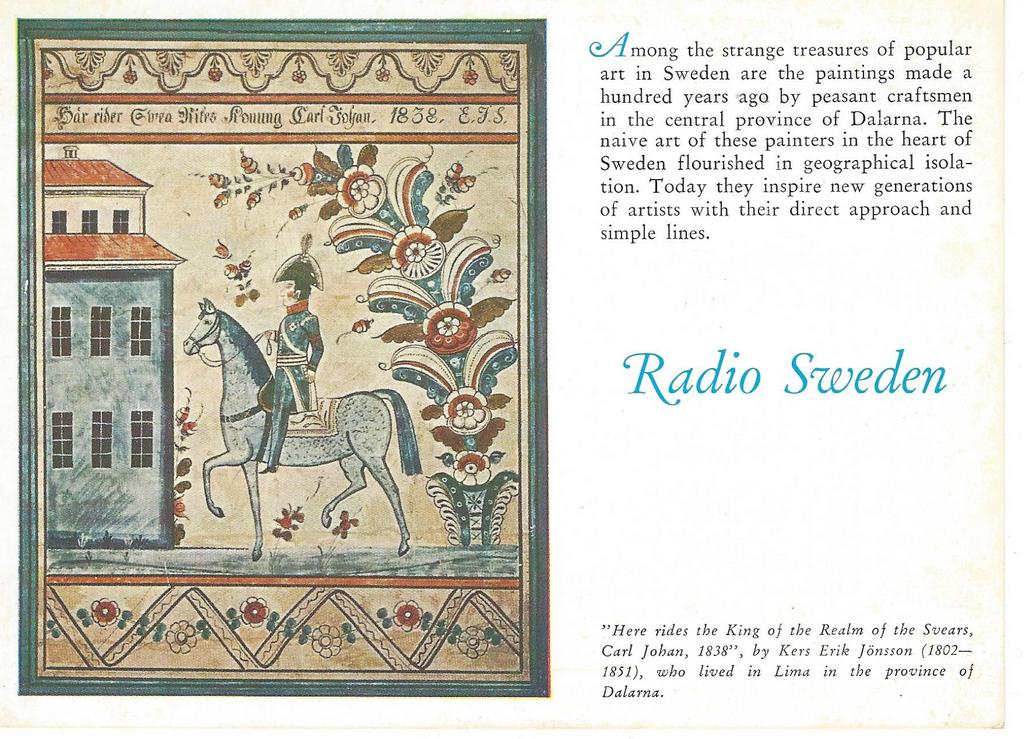
Roger Wallis from “The Saturday Show” on Radio Sweden passes away
Many thanks to SWLing Post contributor, Lennart Wennberg, who notes:
Just got the news that Mr Roger Wallis has died at the age of 80.
I remember him from Radio Sweden’s Saturday Shows on MW in the 70s. He was “Big Bad Roger” and hosted together with Kangaroo Kim.
Roger Wallis (8 August 1941 – 22 January 2022) was a British-born Swedish musician, journalist and researcher.[1]. He was an adjunct professor of multimedia at the Royal Institute of Technology in Stockholm.[2]
Between 1967 and 1981, Wallis was the main presenter of the English language The Saturday Show on Radio Sweden. Wallis also co-wrote “Judy, min vän”.
Many thanks to SWLing Post contributor, Alan Lurie, who writes:
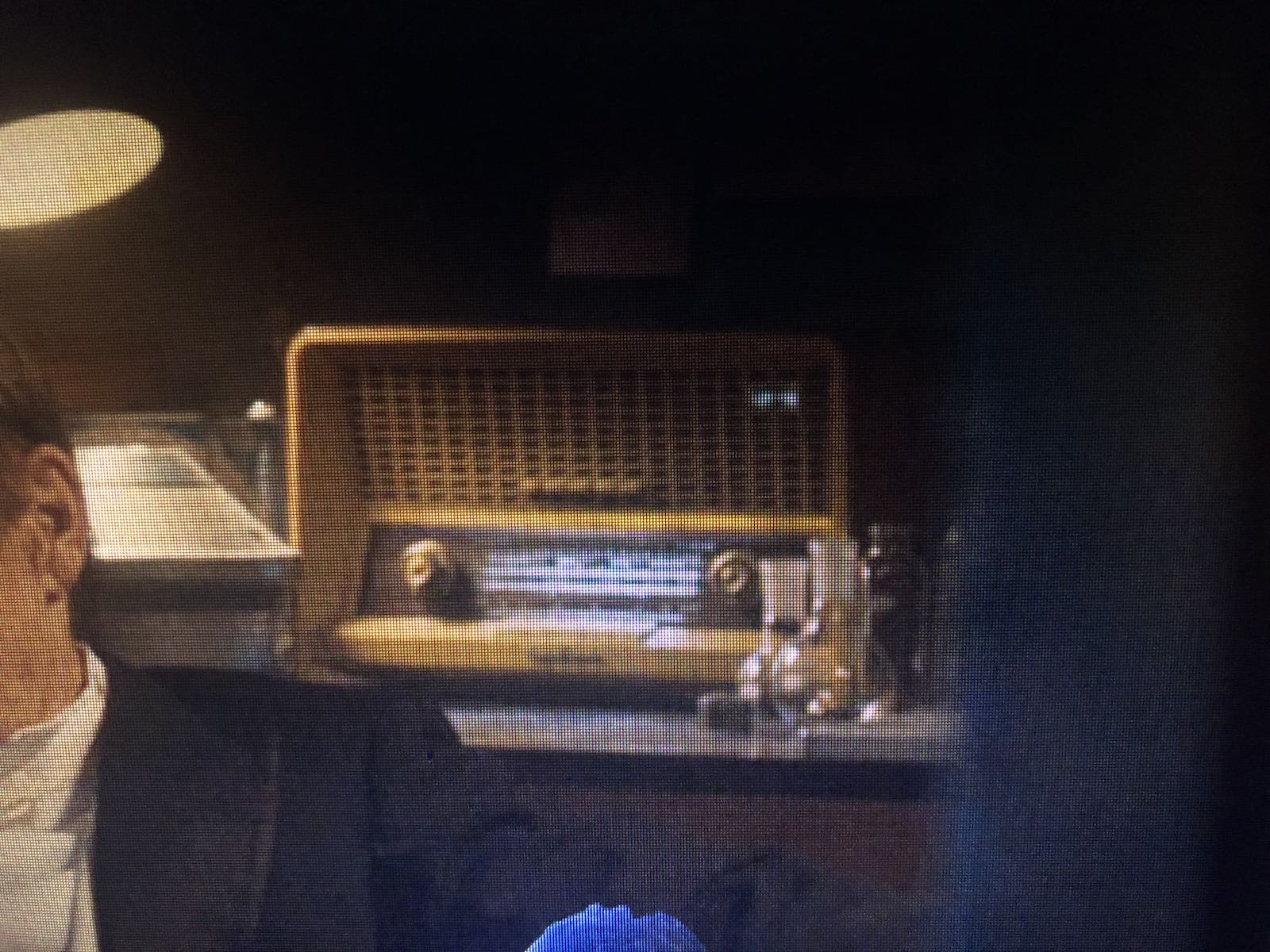
Hey, I’ve known your site for quite a while, ever since someone gave me Sony’s last portable world band radio, the ICF-SW7600 many years ago. Was wondering if maybe you or someone else who peruses your blog would recognize this set in the background of an episode of Orphan Black.
Hard to tell, but it appears to be a more conventional radio. Regardless, it is positively fierce! And since the imrdb seems to have died, I thought I’d ask you. Hope it’s not a bother. I’m still learning so please keep up the good work!
Alan
It’s not a bother at all, Alan! Indeed, many here in the SWLing Post community love solving our radio mysteries. Sadly, I can’t get enough detail from the image to determine the model, but I’m willing to bet someone else can! There are a couple good clues in there.
Readers: Please comment if you can ID this radio. Good luck!
Many thanks to SWLing Post contributor, Mark Hirst, who shares the following guest post:
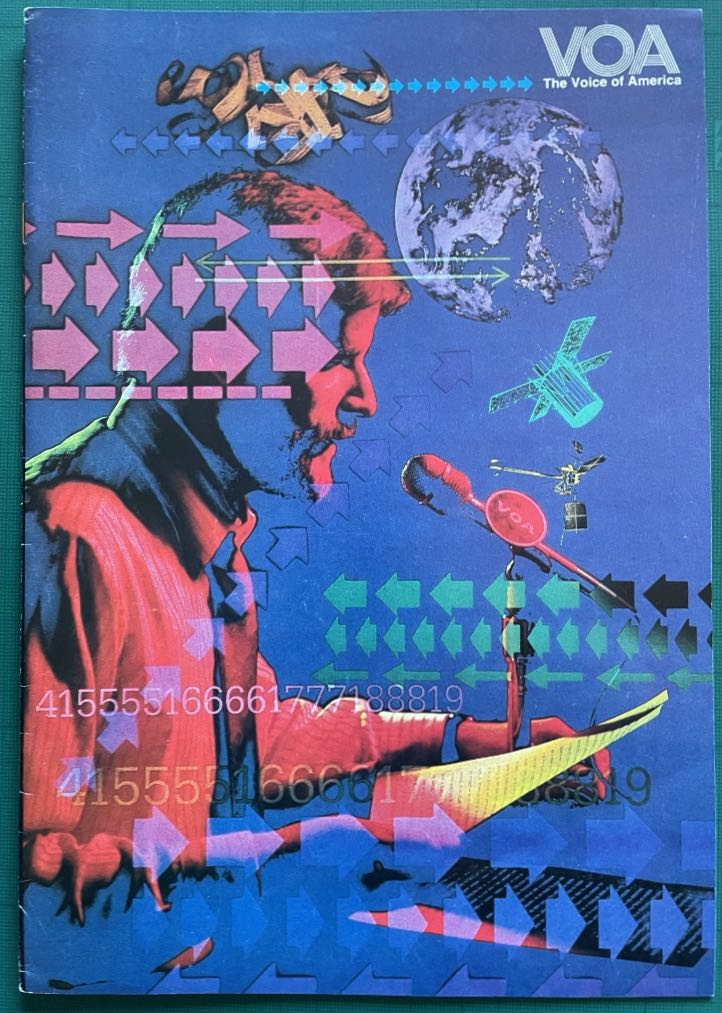
VOA Information Pack 1983
by Mark Hirst
Introduction
A recent guest post on this blog by Jock Elliott asked the question, ‘Why Listen to Shortwave?’
The comment I left at the time was my interest in how nations view themselves, and how they project that view to the world. This might be in the form of cultural exports like music, or teaching us about famous people or revered institutions in their country.
When I first started listening to shortwave in the early eighties, I never got into the habit of asking for QSL cards, being quite thrilled enough to receive programme guides in envelopes stamped with the postmark of other countries.
At the time, the primary stations for me included Radio Netherlands, Radio Sweden, Swiss Radio International, and the Voice of America. While most might send a small leaflet about their country with a frequency schedule, the information pack I received from the Voice of America stands head and shoulders above the others.
I thought readers might be interested in a brief description of this pack and with it a glimpse back into the world of 1983.
Please note that as you read the following sections, you can click on the images to view a larger version.
Package Contents
The package arrived in a manila envelope, with the logo and address of the VOA printed in the top left corner. In the top right corner is the logo of US Mail, with a declaration that postage and fees where paid for by the US Information Agency.
Package contents included:
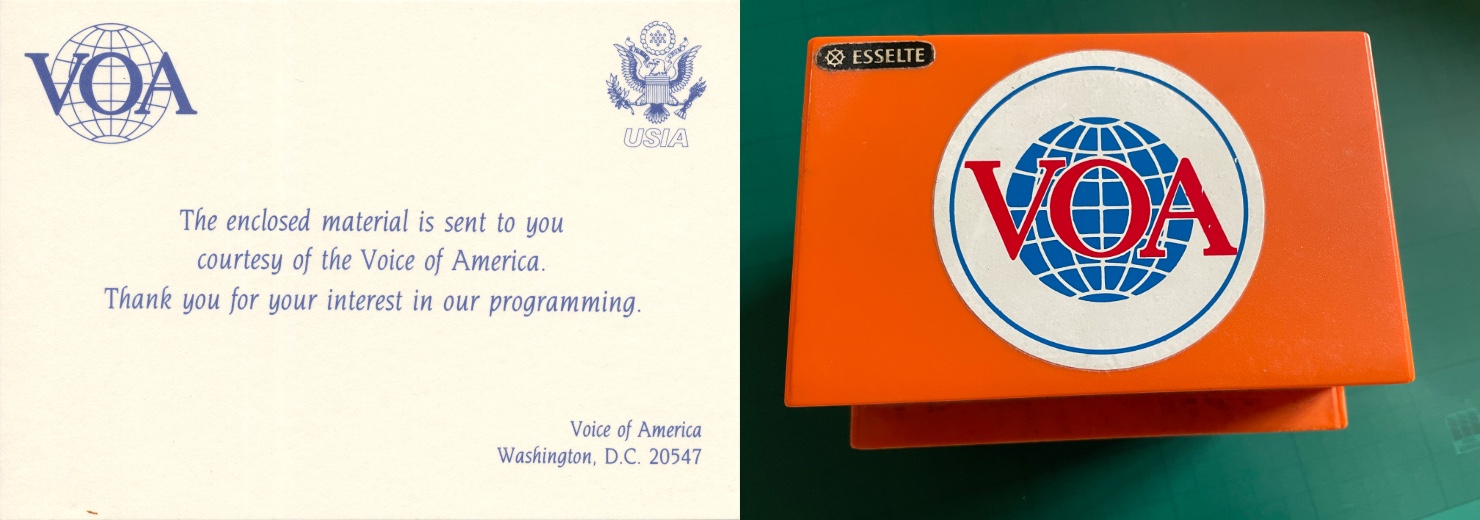
Compliments Card
VOA Sticker
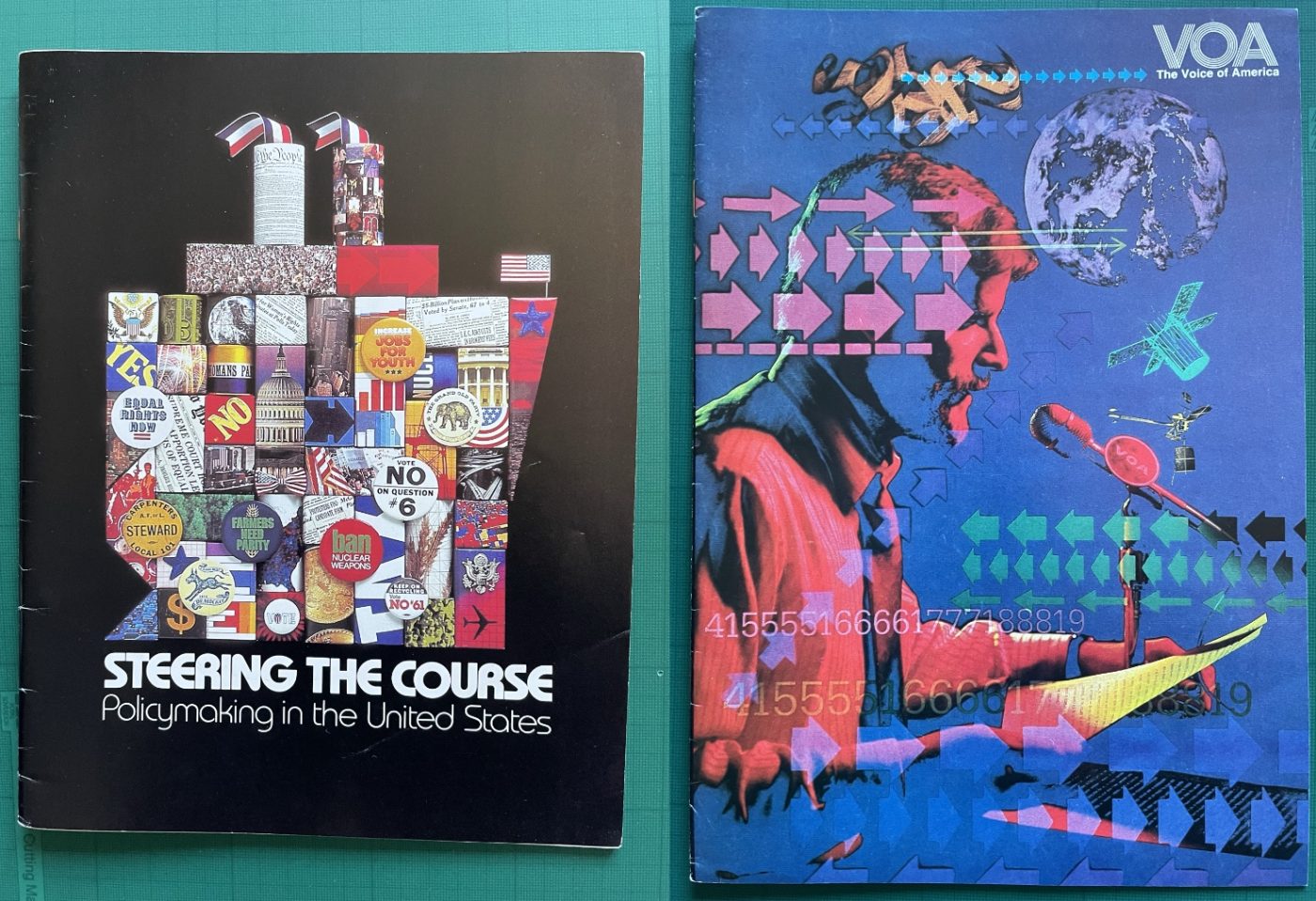
Steering the Course Magazine
VOA Magazine
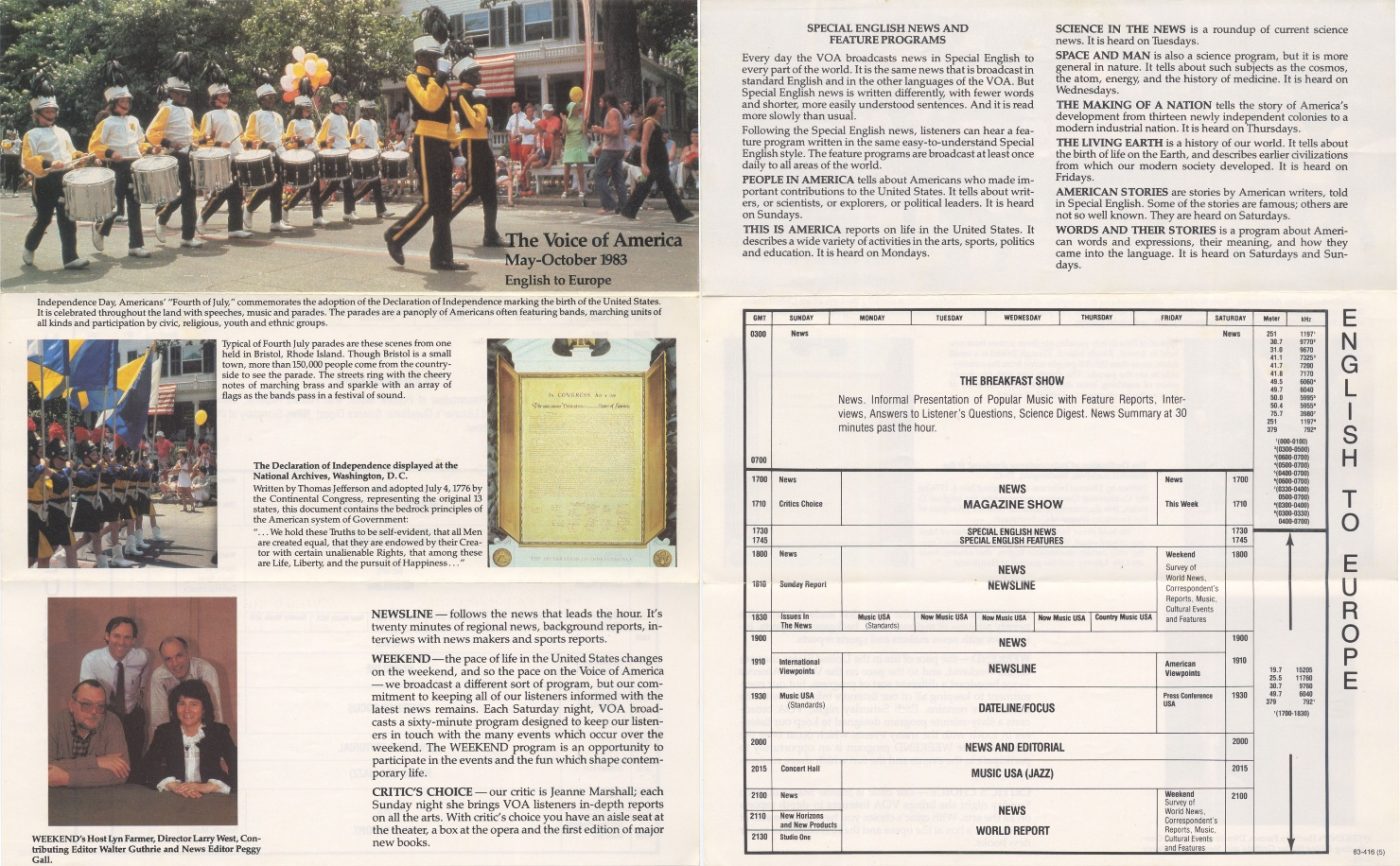
May-October 1983 Programme Schedule
VOA – The Voice of America
This guide begins by outlining the mission of the VOA, emphasising its aim to be an authoritative and reliable source of news. Continue reading →
Many thanks to SWLing Post contributor, David Day (N1DAY), for sharing the following guest post:
Crystal Radios – Construction, Listening, and Contesting
By David Day – N1DAY
The date was November 2, 1920 and the world was about to change forever when radio station KDKA out of Pittsburgh PA made its first broadcast of election results from the 1920 presidential election. For the first time in history people knew who won the election before reading about it the next day in the newspaper. Radio had arrived!
However, hearing the election results was not as easy as powering up an AM radio receiver because radio electron tubes had only been invented a few years earlier and they were still too expensive for most people to afford in a radio set. After KDKA’s historic broadcast, large 50,000 watt stations began popping up in all major cities around the world. Even though a tube-driven radio was not yet commonplace, many people listened to these stations on their crystal radios. The frenzy around radio in the 1920’s was not unlike the excitement around cell phones and the internet today. If you didn’t have one, you were simply living in the past.
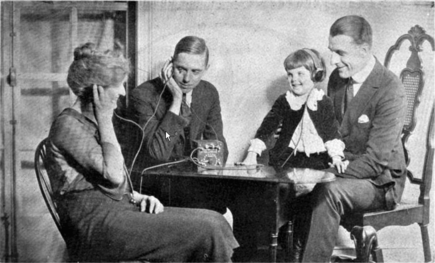
A family listening to a crystal radio in the 1920’s
Fortunately, in the early 1920’s the crystal radio had been around for a while and it was easy to make or purchase a completed set on a limited budget. The beauty of the radio was that it was a passive device needing no power source other than the radio station’s broadcast that was received by a good antenna about 50 feet long and 15 or so feet above the ground. Crystal radios derived their name from use of galena crystals as detectors. Continue reading →
Please support this website by adding us to your whitelist in your ad blocker. Ads are what helps us bring you premium content! Thank you!

 Many thanks to SWLing Post contributor, Bob Colegrove, who shares the following guest post: