Category Archives: Shortwave Radio

Guest Post: Listening to Comb Stereo on Shortwave

Many thanks to SWLing Post contributor, TomL, who shares the following guest post:


Comb Stereo on Shortwave

by TomL

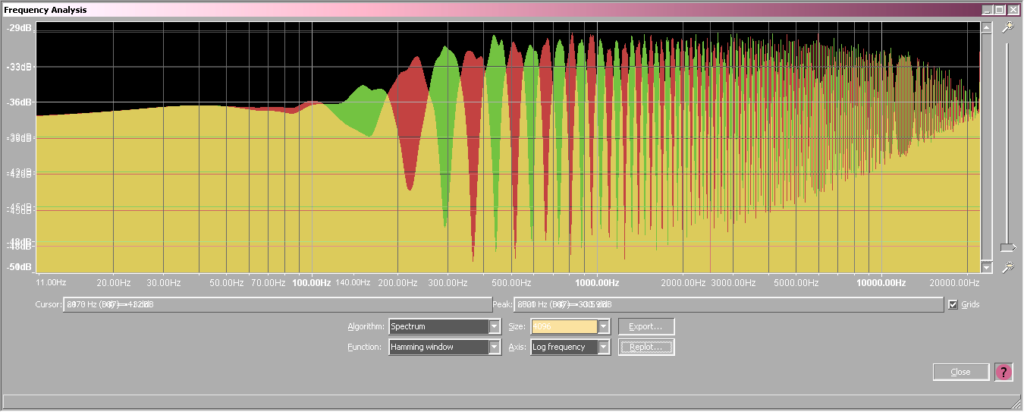
Comb Stereo is an old technique being implemented over shortwave by the main sound engineer (Daz) at Radio Northern Europe International (RNEI).  It ONLY works on Comb Stereo broadcasts which currently are RNEI, This Is A Music Show (WRMI), and one of the KBC broadcasts.  It works in real-time or for SDR recorded files, too.  It does NOT need a special HD/DAB+ radio.

A number of pluses for Comb Stereo on shortwave compared to digital:

“The bandwidth is the same as mono – So the SNR should be about the same as mono.

Selective fading doesn’t affect the comb bands much, so the balance is largely unaffected by selective fading notches.

The Comb Stereo artifacts are much like typical music effects of echo, chorus, fast reverb or room reflections.”

You can read about it here on Daz’ web site: homepages.ihug.com.au/~daz2002/tech/CombStereo/

You can also read Roseanna’s comment on the SLWing.com blog post: https://swling.com/blog/2020/04/rnei-now-broadcasting-in-comb-stereo/

An enhanced version is broadcast on WRMI for the RNEI time slot on Thursday morning (01:00 UTC) on 5850 kHz.  It sounds very good and is not a pseudo-stereo like in my previous article, Music on Shortwave.  For one thing, pseudo stereo is not real two-channel encoding and shifts vocals to one side, depending on which channels are chosen for high and low filters, which might get annoying after awhile.  What seems amazing to me is that I have been able apply some minor noise reduction in Audacity and the Comb Stereo stays perfectly intact.  It also still works after converting the WAV file to MP3 and sounds much like a regular FM broadcast.  Furthermore, it does not require a special patented transmitter or receiver chip.  It is compatible with regular mono transmitters.

If you want to try it, go to the RNEI web site; download and install the two files listed (VB Audio Cable and CombStereo Pedalboard x64):

https://rnei.org/stereo/

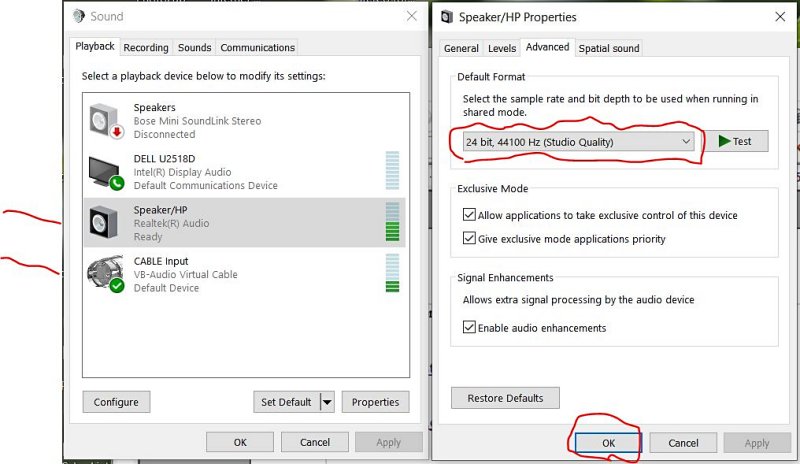
It is slightly tricky to setup and use or you will not hear anything (most Windows systems default to 48000 Hz these days).  Right-click on the lower-right taskbar Sounds settings.  Make sure to setup Properties – Advanced in both the VB-Audio Virtual Cable (Playback and Recording) and your output speakers (Playback) to 24-bit 44100 Hz processing.
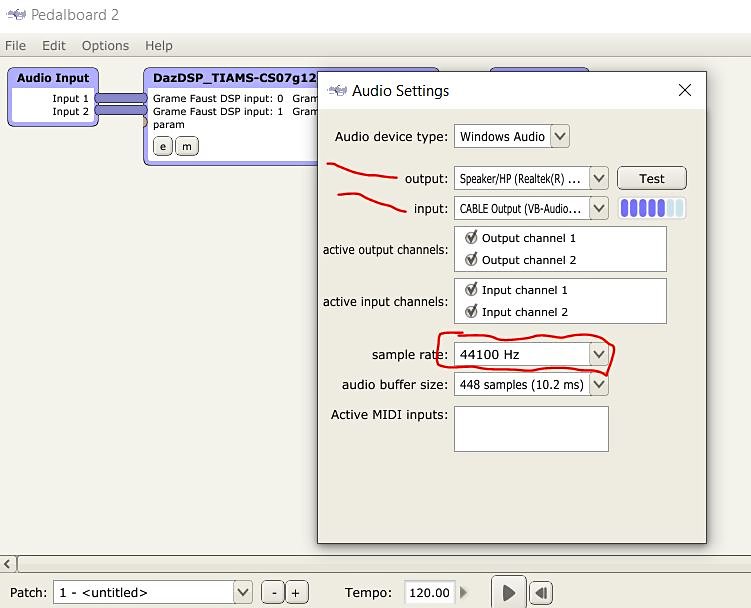
Now run the app Pedalboard BAT file which corresponds to the broadcast you recorded (in this example “Start Comb Stereo for WRMI.bat”).  Set the Options – Audio Settings:
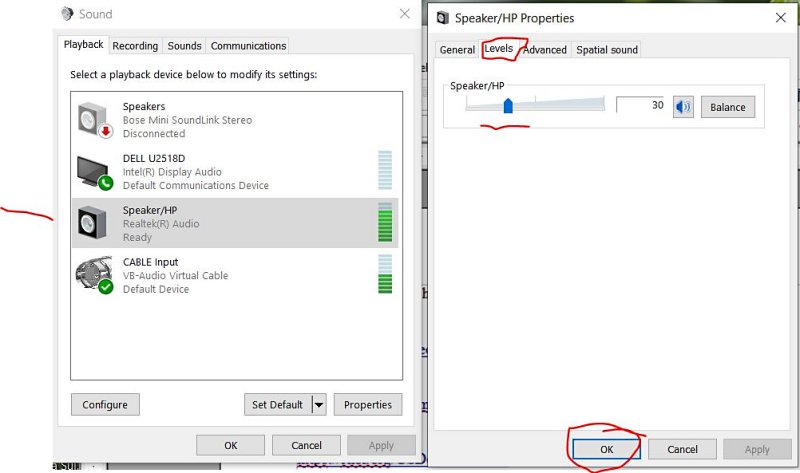
Since the VB-Audio Virtual Cable takes over your volume output, adjust the volume of your Speakers in Windows’ Sounds – Levels (or you can adjust the volume in the sound player you are using, too):
Play the mono WAV or MP3 file and you should be hearing stereo!

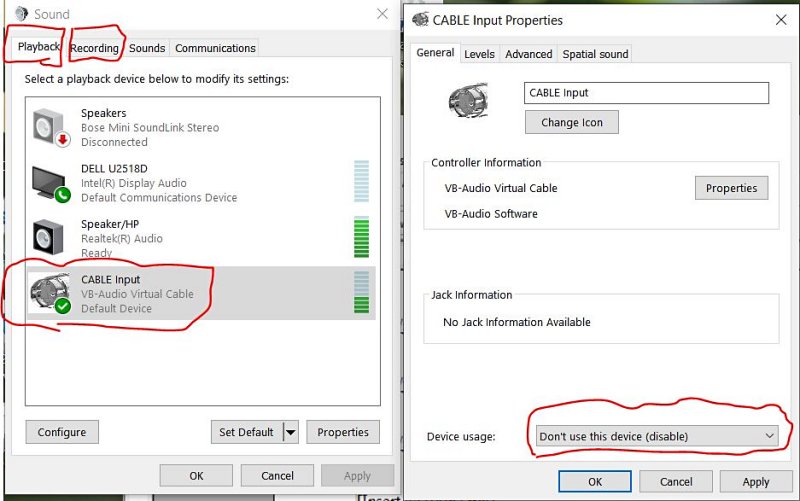
When you are done, close Pedalboard2 and then disable the VB-Audio Virtual Cable for Playback and Recording to get your Sounds back to normal:
I cannot demonstrate what it sounds like unless you have the VB-Audio Virtual Cable and the Comb Stereo app setup and working properly.  Here are snippets from recent RNEI broadcasts captured by my noisy porch antenna:


Here are links to the artists’ YouTube videos for comparison:

Kari Rueslåtten – https://www.youtube.com/watch?v=SFN4O3YrUG4

Ani Glass – https://www.youtube.com/watch?v=T63QS9enT-A

What is nice is that I can create a space-saving MP3 mono file and this setup will decode the stereo when run from the computer (sounds really nice on a stereo system with a subwoofer).  Unlike digital, this analog-friendly stereo seems mostly immune to fading, has a minimum of digital artifacts, and will not go silent and “drop out” like digital does for long, annoying periods of time.  It is not perfect stereo but audio players with features like Stereo Widener or Windows Sonic for Headphones can overcome some limitations.  Perhaps content providers should consider Comb Stereo for all their shortwave radio shows since it is perfectly compatible with mono AM transmissions!

Enjoying the Music,

TomL
Radio Waves: More RCI Services Come To An End, Pirate Radio Sound Tour, Shortwave Guitar Pedal, and Voyager 1 Detects Plasma “Hum”

Radio Waves:  Stories Making Waves in the World of Radio

Because I keep my ear to the waves, as well as receive many tips from others who do the same, I find myself privy to radio-related stories that might interest SWLing Post readers.  To that end: Welcome to the SWLing Post’s Radio Waves, a collection of links to interesting stories making waves in the world of radio. Enjoy!

Many thanks to SWLing Post contributors Marty, Richard Cuff, David Iurescia, and Doug Katz for the following tips:


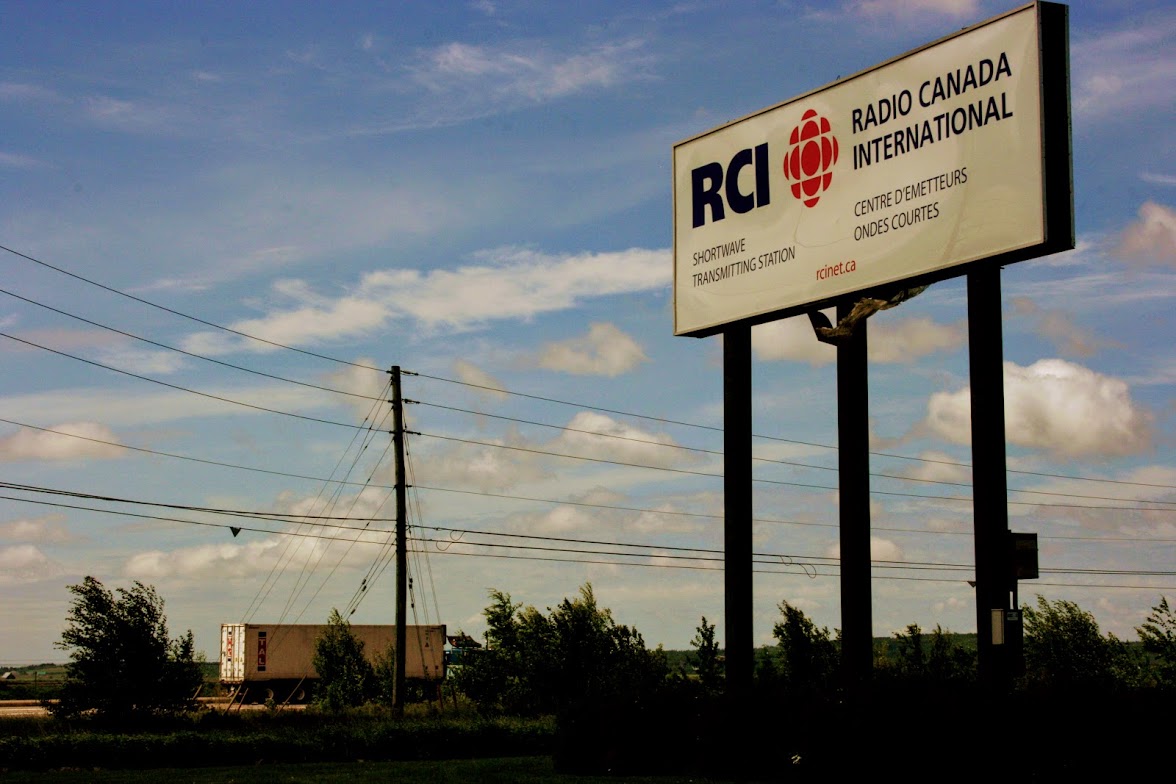
RCI English section: goodbye (Radio Canada International)

Canada’s international broadcast service from the English language team of Radio Canada International has come to an end.

RCI, (originally the International Service, CBC-IS) was initially created towards the end of the Second World War. The purpose was to broadcast news and information from home via shortwave to Canadian military personnel fighting in Europe. It also began providing reliable news and information to recently liberated countries and to Germans still in the war.

That reliable news and information was considered of great value during the subsequent Cold War years, as several more languages were added to the service such as Russian, Ukrainian, Czech, Hungarian and Polish. Other languages sections included as Brazilian Portuguese and Japanese. With 14 language sections in 1990, and some 200 staff, the full English and French newsroom provided news of interest and importance for each language section specifically targeted to each of the various broadcast regions around the world.

Following a major budget cut of some 80 per cent in 2012, the shortwave and satellite service was terminated along with the majority of staff including the newsroom and some language sections. In recent years, only Chinese (Mandarin), Arabic, and Spanish remained along with English and French. RCI was transformed into a much smaller internet-based operation consisting of three people per language section.

In December 2020, the domestic public broadcaster CBC / Radio-Canada announced that the English and French sections of RCI would close for good in May. In their place curated stories from the domestic English and French public broadcaster will be provided.

A manager will now oversee the staff of eight who will adapt curated stories from the CBC and Radio-Canada into Mandarin, Arabic, and Spanish, along with Punjabi and Tagalog.

An effort was and is being made by the RCI Action Committee to preserve and even expand the service which has garnered great support from a former prime minister, former diplomats and many academics, but the end date has come. This is the last entry by the RCI English section.

From the English Section consisting of Lynn, Marc, and Levon, faithful and long-time popular replacement Terry Haig, and recently also Vincenzo Morello, and the many others over the all those years, we thank you for having shared our stories over these many years.[]


The Pirate Radio Capital: A sound tour with David Goren, radio producer and audio archivist (CRJ.org)

In 2018, David Goren, a radio producer and audio archivist, created the Brooklyn Pirate Radio Sound Map to collect the sounds of dozens of pirated broadcasts from across the borough. Pirate stations earn their name by hitching a ride on already licensed radio frequencies that typically cost commercial stations millions of dollars to acquire and set up. Nowhere in the country are there more pirate radio stations than in New York, where they provide a vital service to immigrant populations.

Goren estimates that New York has about a hundred pirate stations, transmitting from rooftops and attics to listeners seeking news from around the city and back home, as well as

entertainment and religious programming. The broadcasts bypass socioeconomic barriers and provide a means to seize control of the flow of information. But they are now at risk of extinction: Before Donald Trump left the White House, he signed the Pirate Act, which increased the authority of the Federal Communications Commission to fight pirate operations through mandatory sweeps in cities with high concentrations of pirate radio use. Pirate stations today face fines of up to two million dollars. “The people running these stations, they don’t have two million dollars,” Goren said. Broadcasters that don’t make it onto his sound map could be lost forever.

Click here to read the full story and listen to the audio tour with David Goren.


Shortwave effects pedal (Recovery Effects)

Inspired by espionage devices used during World War II and the Cold War, Shortwave transforms audio into clandestine operations of the past; Russian number stations, mysterious sounds transmitted by radio, and eerie sounds stored on early portable recorders.

Choose between 2 types of noise and interference, and control it with the Exposure parameter. Velocity and Focus control the amount of pitch stabilization. Shortwave will add an interesting emotional response and atmosphere to dry, simple sounds, or destroy a signal like no other fuzz pedal can.

Hand-made in Seattle, WA. Shortwave operates on a standard “Boss” style 9vdc power supply (not included), but can also run at 18vdc for additional headroom. True bypass switching. Included a limited-lifetime warranty.

Enclosure size: 4.77″ x 2.6″ x 1.39″


In the emptiness of space, Voyager 1 detects plasma ‘hum’ (Cornell.edu)

Voyager 1 – one of two sibling NASA spacecraft launched 44 years ago and now the most distant human-made object in space – still works and zooms toward infinity.

As the craft toils, it has long since zipped past the edge of the solar system through the heliopause – the solar system’s border with interstellar space – into the interstellar medium. Now, its instruments have detected the constant drone of interstellar gas (plasma waves), according to Cornell-led research published May 10 in Nature Astronomy.

Examining data slowly sent back from more than 14 billion miles away, Stella Koch Ocker, a Cornell doctoral student in astronomy, has uncovered the emission. “It’s very faint and monotone, because it is in a narrow frequency bandwidth,” Ocker said. “We’re detecting the faint, persistent hum of interstellar gas.”

This work allows scientists to understand how the interstellar medium interacts with the solar wind, Ocker said, and how the protective bubble of the solar system’s heliosphere is shaped and modified by the interstellar environment.

Launched in September 1977, the Voyager 1 spacecraft flew by Jupiter in 1979 and then Saturn in late 1980. Travelling at about 38,000 mph, Voyager 1 crossed the heliopause in August 2012.

After entering interstellar space, the spacecraft’s Plasma Wave System detected perturbations in the gas. But, in between those eruptions – caused by our own roiling sun – researchers have uncovered a steady, persistent signature produced by the tenuous near-vacuum of space.

“The interstellar medium is like a quiet or gentle rain,” said senior author James Cordes, the George Feldstein Professor of Astronomy (A&S). “In the case of a solar outburst, it’s like detecting a lightning burst in a thunderstorm and then it’s back to a gentle rain.”

Ocker believes there is more low-level activity in the interstellar gas than scientists had previously thought, which allows researchers to track the spatial distribution of plasma – that is, when it’s not being perturbed by solar flares.[]


Do you enjoy the SWLing Post?

Please consider supporting us via Patreon or our Coffee Fund!

Your support makes articles like this one possible. Thank you!

WRTH A21 season broadcasting schedule updates available as free download

Many thanks to Sean Gilbert, with the World Radio TV Handbook, who shares the following announcement:

WRTH is pleased to announce that the A21 (Summer) season broadcasting schedules for International and Clandestine/Target broadcasters are now available for download, free of charge.

This file is in PDF format so you will need software capable of reading the Adobe PDF format (such as the free Adobe Acrobat reader, amongst others).

Not only do you get the full schedules, extras included with the file are:
Broadcasts in Selected Languages (English. French, German, Portuguese, and Spanish); International DRM broadcasts (yes, there are still some around); International Broadcasting Frequency list; International Transmitter Sites, with lat/long; WRTH Target Areas and religious stations cross-reference table (You can find out which country each station is based in and where to find their schedule as that is not always as obvious as it may seem).

Please visit www.wrth.com and follow the links to the download page.

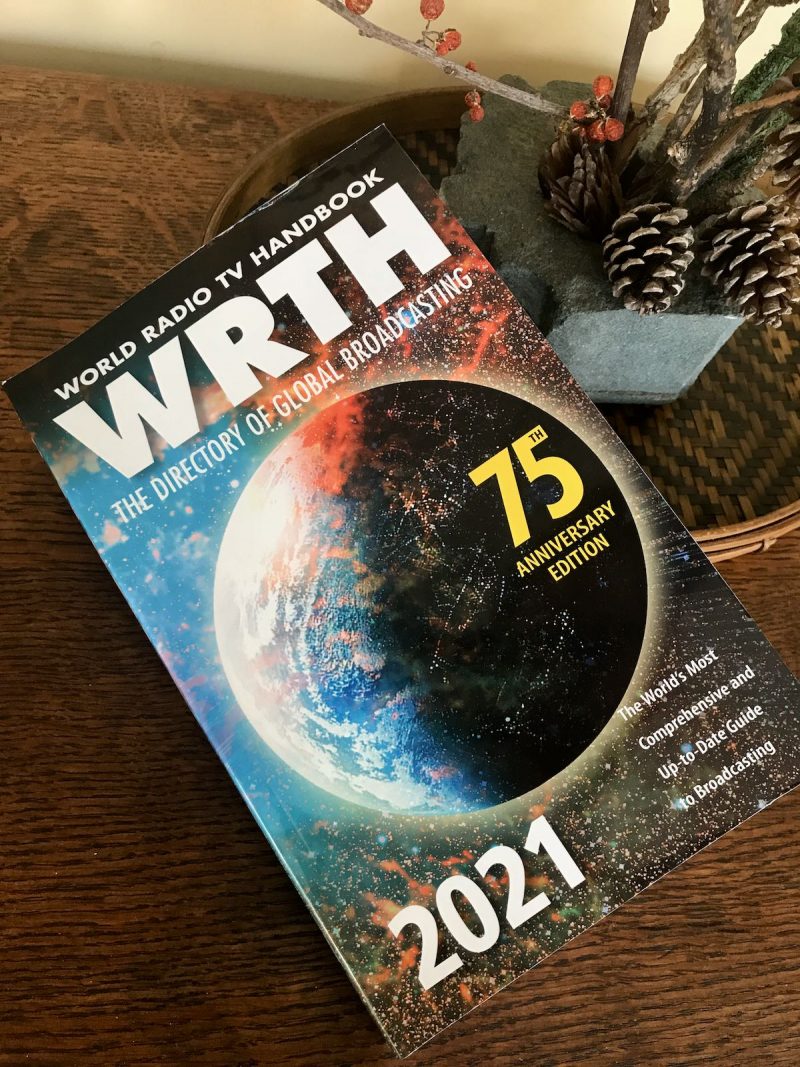
We hope you find this a useful file, both as a stand-alone product and as an accompaniment to the printed WRTH volume.

Feel free to pass this information on to all your radio friends and your social media groups, etc.

73 and happy listening from the WRTH Editorial Staff.

The Chameleon CHA RXL amplified wideband loop antenna

A few weeks ago, Chameleon Antenna sent me a pre-production model of their new wideband magnetic loop antenna called the Chameleon CHA RXL.

I’ve evaluated and reviewed a number of Chameleon’s ham radio antennas (primarily on QRPer.com). I find that the quality of their products are second to none. Price-wise, they tend to be at the top of the market, but keep in mind they machine and manufacture all of their antennas here in the US and they’re incredibly rugged; indeed, military-grade. And in the spirit of full disclosure, I’m proud Chameleon has been a sponsor the SWLing Post and QRPer.com since last year. My sponsors are by invite only and focus on companies I trust with our radio community’s business.

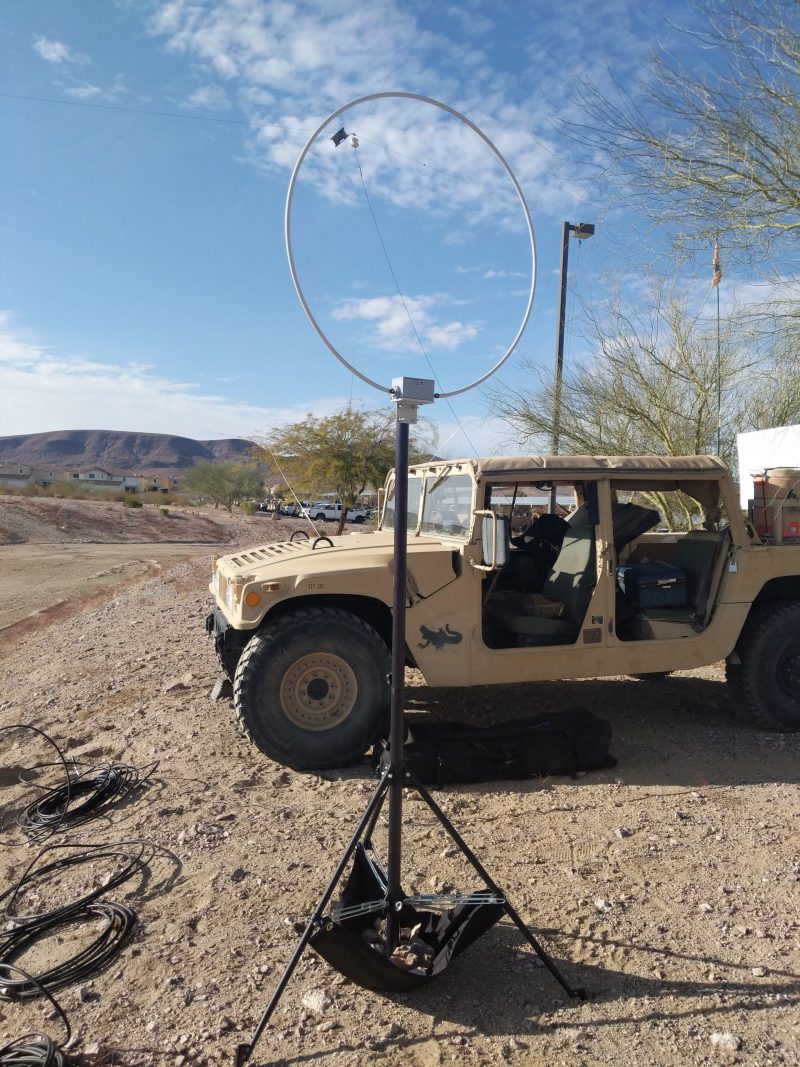
When Chameleon shipped the CHA RXL to me, it wasn’t from their factory, it was directly from the field: Fort Irwin, to be exact.

(Source: NTC Operations Group, Ft. Irwin)

This CHA RXL sample had been used by NTC Operations Group Fort Irwin (who, incidentally, won QRPX this year–click here to read the PDF report).

I was told that the condition of the antenna could be very rough after the QRPX because it had essentially been sandblasted in the desert winds. I was also told that someone accidently transmitted 5 watts into it at some point but it didn’t seem to harm it (for the record, like all amplified receive-only loops, it’s not designed to take RF).

Tony (W0NTC), who was one of the Ft. Irwin radio ops, sent me this note as he dropped off the shipment at Fort Irwin’s FedEx:

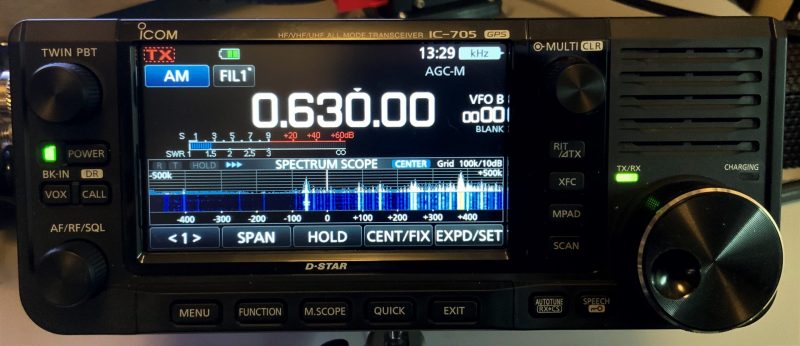
“Had a blast with [the CHA RXL], and it was absolutely critical while I was operating in the Army HF Low Power Competition (think tons of high powered MARS stations piling up and drowning out the 20W or less competitors). It absolutely crushed some localized RFI from a huge building I operated behind, and the receive on it I can only describe as “layered” in that I could hear stations somewhat clearer than usual if they transmitted simultaneously. Receiver I used was the IC-705 with default Auto Notch and Noise Reduction.”

Tony volunteered all of this info–I never asked him how it performed.

A few days later, I wasn’t sure what to expect when I opened the box although I knew that my operating locations were nowhere near as cool as its position next to a Humvee at Fort Irwin in the photo above!

I pulled the CHA RXL out of the box and it looked cosmetically flawless to me.

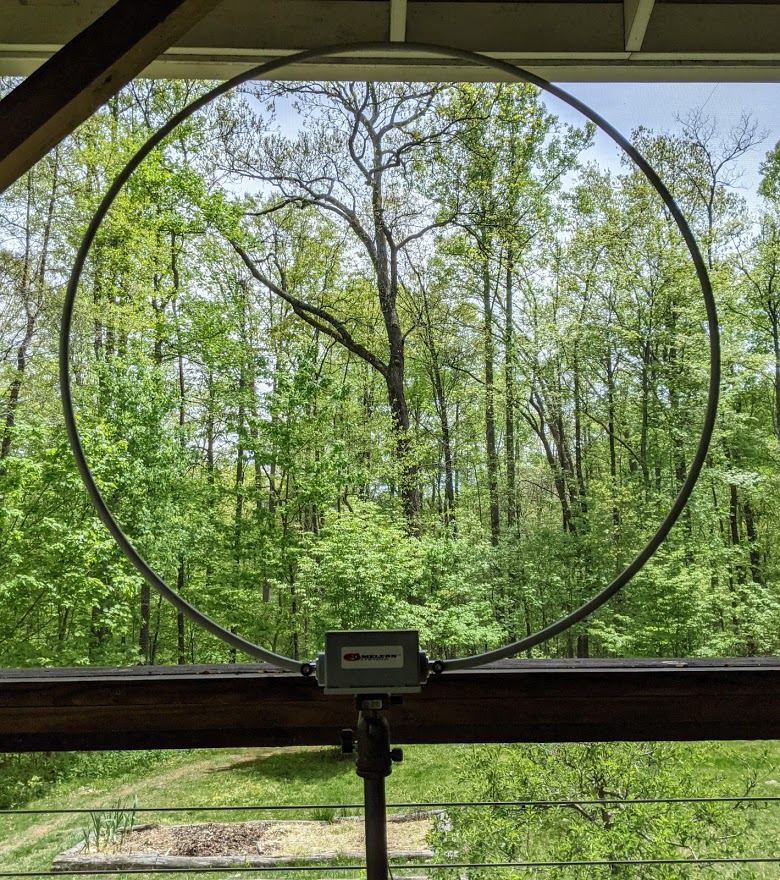
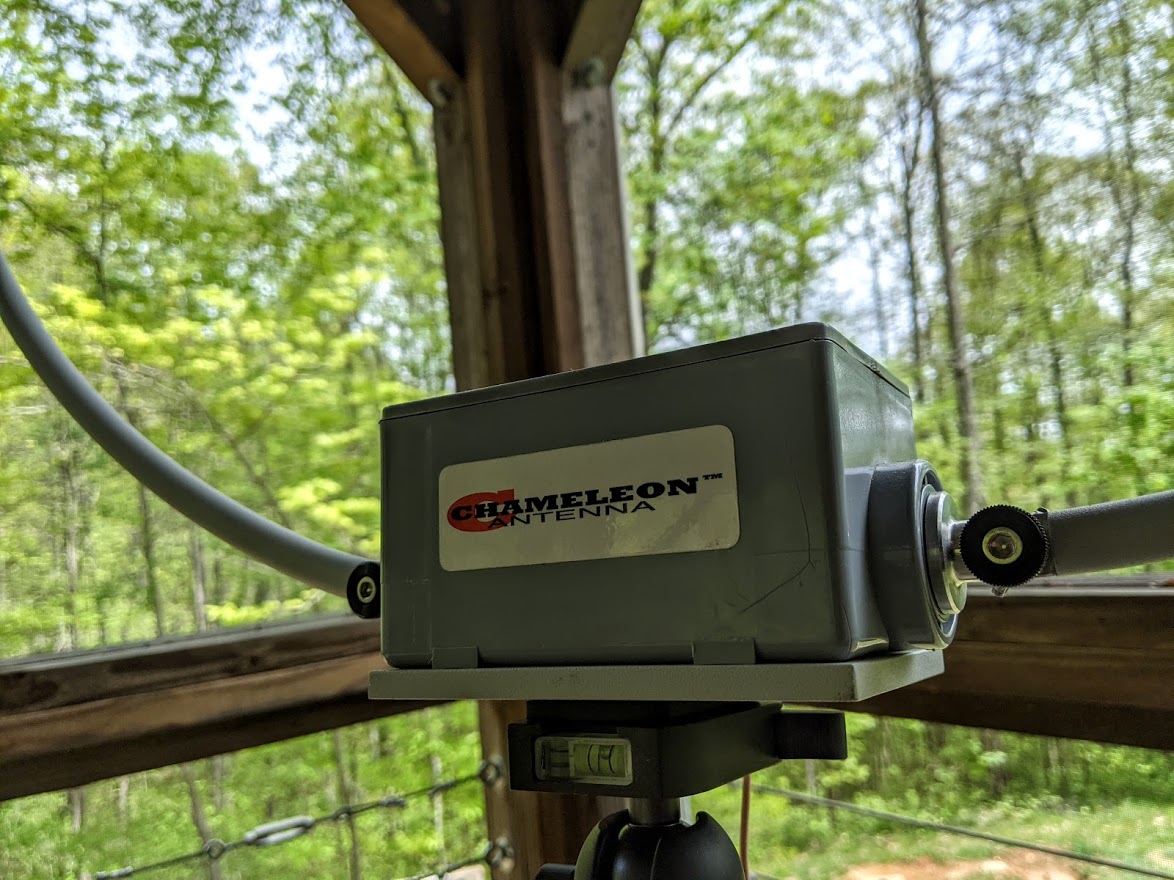
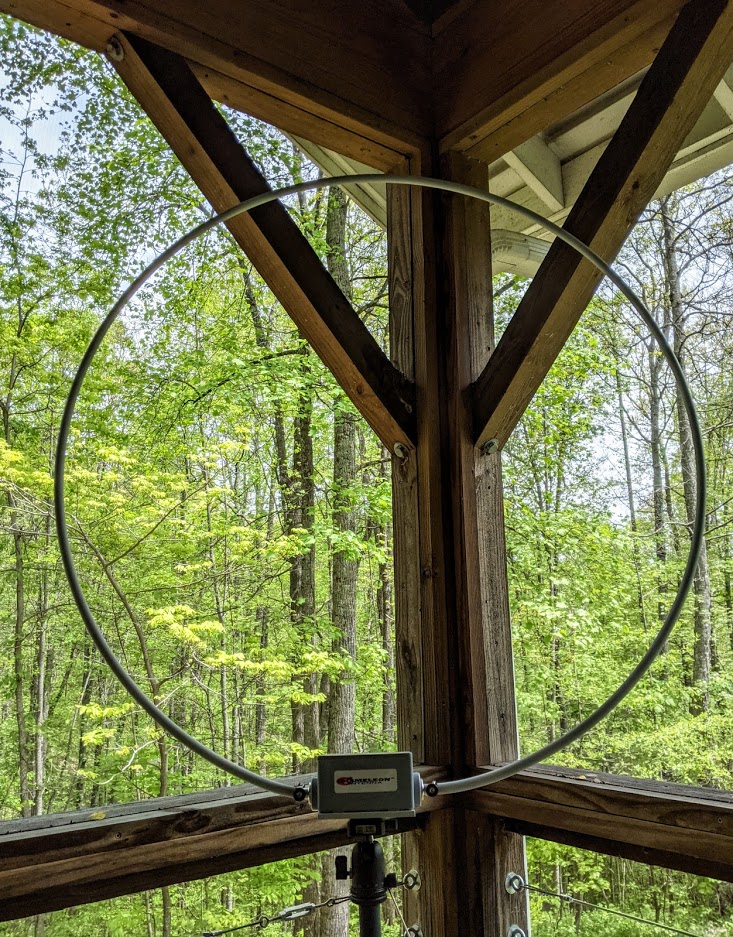
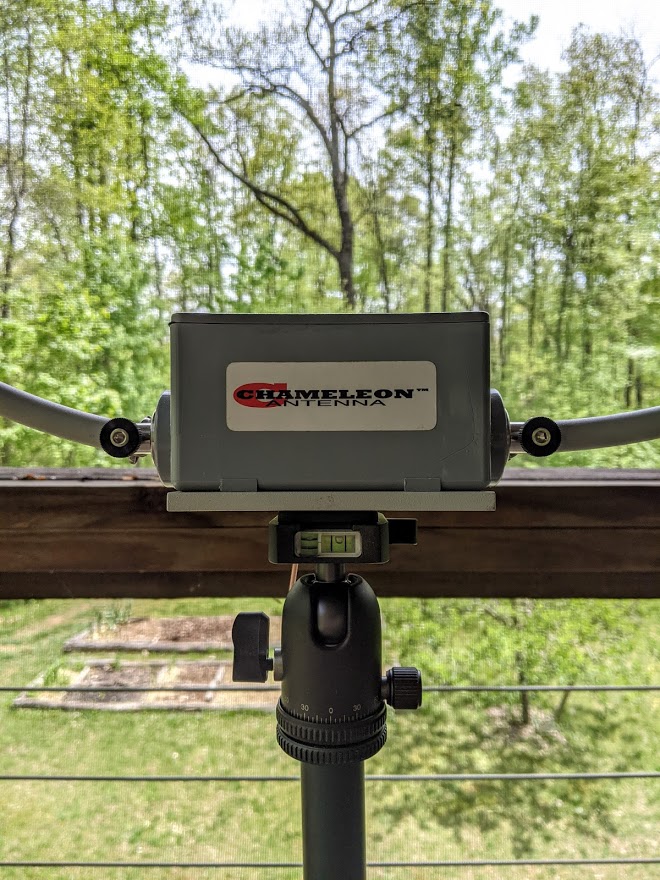
Frankly, there’s not a lot to get damaged. The 36 inch diameter loop is made of rigid aluminum and has a Navy gray powder coating.  The preamplifier unit is completely sealed and made of a high-impact plastic/PVC type material. The steel loop is attached to the preamplifier loop flanges with wing nut connectors.

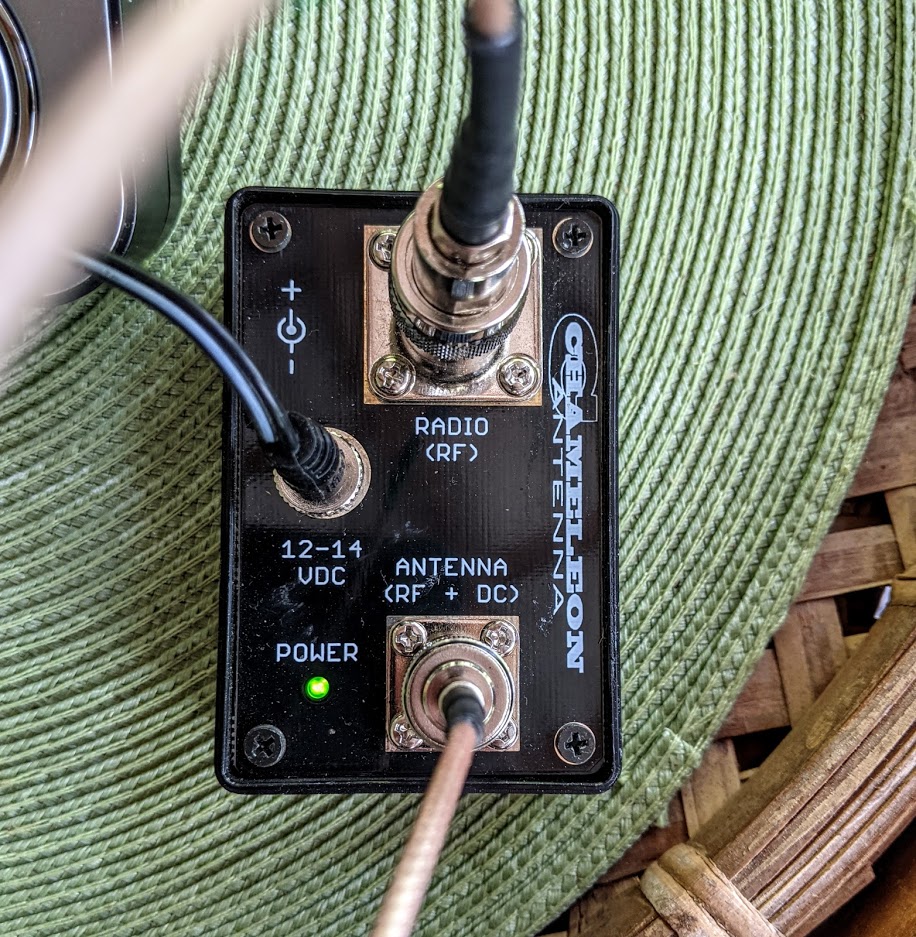
The only potentially vulnerable part of the antenna system is the  Bias-T box which would normally be located in your shack close to your receiver.

If I mounted the CHA RXL permanently outdoors, I would use Coax Seal around the BNC connection point, of course.

Although the CHA RXL has a supplied mounting bracket for permanent installations, I love the fact that the preamp box has a 1/4” x 20 threaded camera socket on the bottom. This makes for a brilliant portable loop because it can so easily be mounted on a standard heavier-weight tripod! All antenna manufacturers should give us tripod mount options when possible.

On the air

One of the reasons amplified receive loop antennas have become so incredibly popular over the past couple of decades is because they do an amazing job mitigating radio frequency interference (RFI) a.k.a. “QRM.” If you live in a neighborhood with significant radio interference, you really should consider some form of loop in your antenna arsenal.

Ironically, at home, I live in pretty much an RFI-free zone. I’m surrounded by tens of thousands of acres of national forest, so I’ve only used amplified loop antennas in the past for mediumwave DXing–mainly, when I wanted to take advantage of their amazing ability to null out unwanted signals.

Many years ago, I purchased a Pixel Loop Pro antenna (now under a different name via DX Engineering), mounted it outside where it lasted almost a year before a bear decided to pull it down and chew through the coaxial feedline. He/she did so with enough energy that it ripped down the loop and damaged the connector end of the Pixel’s pre-amp. This all happened when our family was travelling for two months in Canada. Why bear, why?!? But I digress…

The CHA RXL version I was shipped has one single rigid loop–the “EU” version’s loop comes in two pieces (for easier shipping/transport)–but I had no problem fitting the entire assembled loop in the back seat of my Subaru or my truck (as long as no one was sitting back there at the time). If you plan to travel with your loop a lot, consider the “EU” version!

I’ve taken the CHA RXL to my parent’s home a couple of times and enjoyed doing a little mediumwave and shortwave listening. Inside the house, the loop would attenuate RFI nicely, but when outside it would all but eliminate many sources of RFI.

At their house, I primarily used my Icom IC-705 for cruising the bands (being careful, of course, to disengage the transmit function).

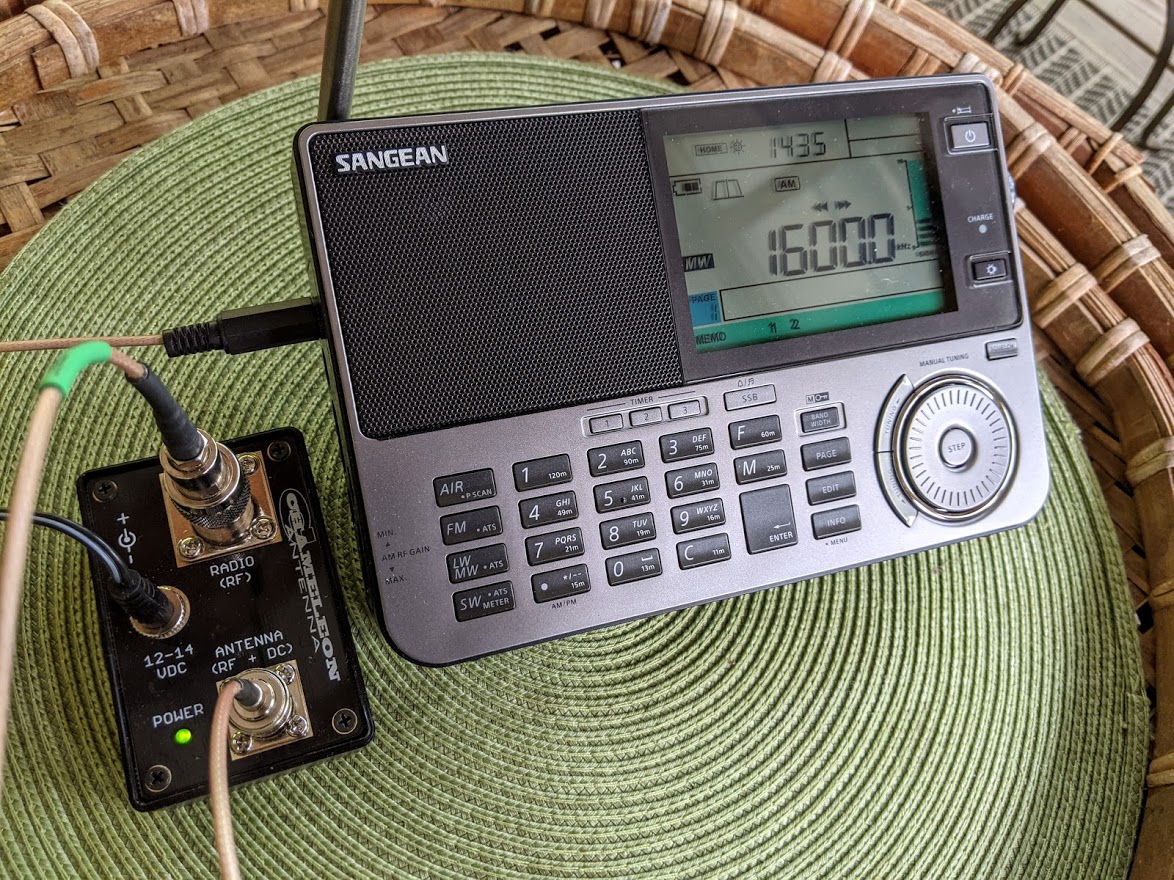
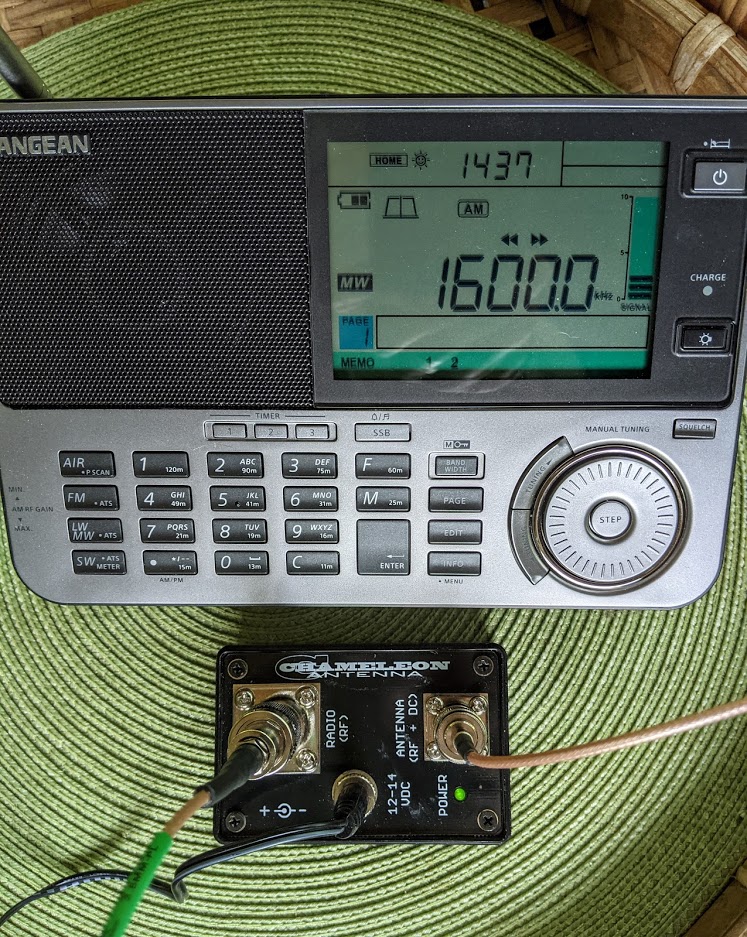
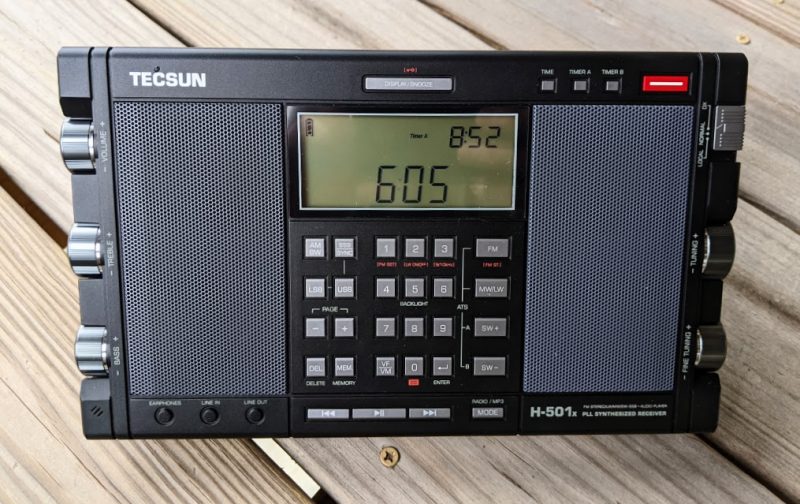
Listening time in my hometown, though, was very limited. Since the CHA RXL is so portable, I decided to set it up at home on our porch for a few days, giving me an opportunity to test both the Sangean ATS-909X2 and Tecsun H-501x with an external antenna.

I’ve especially appreciated using the CHA RXL on mediumwave. Even from our screened-in porch, I can rotate the loop and use its excellent nulling properties to pick out multiple station IDs on crowded frequencies.

I’ve spent time on shortwave, too, and found that it certainly gave these two portables a signal boost.

In fact, it was by using the CHA RXL that I discovered the audio level difference between AM and SSB on my ATS-909X2 is very minimal when an external antenna is connected.

I’m sure you’ll hear the CHA RXL in action when I post audio clips and recordings in upcoming reviews.

Summary

If I owned a CHA RXL loop, one of the first things I’d do is build a power cord for it with an in-line fuse and terminated with an Anderson Powerpole connector. Since the operating voltage of the Bias-T is 12-14 VDC, it would pair perfectly with one of my Bioenno LiFePo4 batteries, offering a power source with longevity in the field–ideal for a group LW/MW/SWL DXpedition.

It’s difficult for me to truly comment on the loop’s performance because I don’t have another loop at present for comparison. I can say that it’s amazing on mediumwave, where I’ve spent much of my listening time this past week. I believe shortwave reception has been at least on par with my former Pixel Loop, if not better. It’s hard to say, in truth, because propagation conditions have been so poor lately. The CHA RXL loop does effectively mitigate noise!

I’m not sure if the CHA RXL is currently on backorder or not, but I would suggest you check out the product page on Chameleon’s website and possibly contact them if you’re interested. They’ve a number of options and accessories to consider.

Click here to check out the CHA RXL at Chameleon Antennas ($490 US).

One thing for sure: this must be one of the most rugged and durable RX loop antennas on the market. In addition, that Navy gray powder coating helps this rigid aluminum loop disappear against the sky. I believe you could strategically mount this loop and the friendly neighborhood association may never notice–it’s pretty stealthy. Speaking of which…

Josh’s CHA RXL install and demo video

Josh over at Ham Radio Crash Course recently installed a CHA RXL on his house and tested it on several bands, comparing it with a number of his external antennas:

Click here to watch on YouTube.

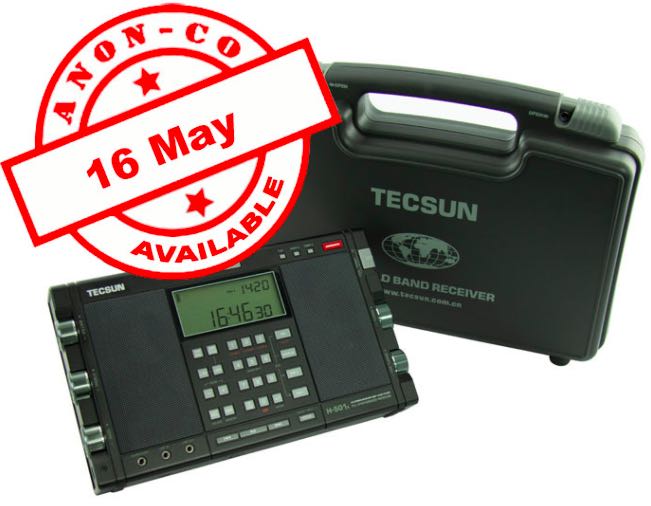
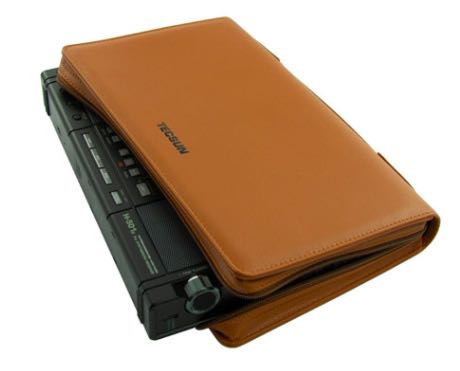
Tecsun H-501x pricing and availability via Anon-Co

Anon-Co has started taking pre-orders for the Tecsun H-501x portable receiver. Click here to read Dan Robinson’s review of this radio.

Anon-Co will start shipping these on Monday, May 16, 2021.

Hard case version

The price will be $298.00 US for both the hard case and faux leather case versions.

Faux leather case version.

  • Shipping cost: Depends on the delivery country; slightly higher cost for the hard case version.
  • Faux leather pouch is not included with the hard case version. It can be included as a $15.25 add-on, but does not fit inside the hard case.
  • Hard case version: Limited stock available (more stock expected by the end of June).

Click here to check out the faux leather case version and/or the hard case version of the Tecsun H-501x at Anon-Co.

KSOL via WRMI on Sunday, May 16, 2021

(Source: Pete Madtone)

From the great WRMI we have another transmission from KSOL – The alternative dimension/universe edition this Sunday/Monday 16th/17th May on 9395 kHz. When the clock strikes 2300 UTC or Midnight UK time expect some chilled tunes including a mini-mix from One Deck Pete at 40 minutes in.

As soon as the transmission is over it’ll be up on the KMTS Mixcloud here. And here’s KSOL from last week whilst we’re there. #shortwavesnotdead #KMTS #KTMS #KDUB #KMRT

2021 W9IMS Special Event Station Details!

Now Underway: A More Typical W9IMS Special Event

By Brian D. Smith, W9IND

The fans are returning to the Indianapolis Motor Speedway this year, and with them comes a more traditional calendar for special event station W9IMS.

For hams and SWLs alike, that means a renewed opportunity to earn three newly designed QSL cards and the latest edition of the certificate known as the Checkered Flag Award.

The first W9IMS special event of 2021, saluting the upcoming IndyCar Grand Prix, is now underway and will continue through Saturday, May 15 (Race Day), ending at midnight Indianapolis time or 0400 UTC Sunday, May 16.

It’s the first of three W9IMS special events this year – two in May and the third in August – to commemorate the major auto races at the track. (Last year, because of Covid restrictions, two of the three races were held on the same weekend, and W9IMS followed suit by compressing its usual trio of special events into two.)

Here’s the remaining W9IMS slate for 2021:

May 24-30: Indianapolis 500

Aug. 9-15: NASCAR 400 at the Brickyard

Each of the three W9IMS events features its own unique QSL card, with the Checkered Flag certificate available to anyone who completes the clean sweep. However, you can still claim a single-event QSL or two even if you fail to bag the trio.

How to find W9IMS? The station will operate SSB daily on two bands, 20 or 40 meters, generally around 7.245 and 14.245 MHz, and could pop up at any time of day or night until local midnight Sunday. Keep a lookout, too, for digital activity – particularly FT8 and FT4 – on virtually any amateur radio band.

But the surest way to snare the station is this:

  1. Go to the W9IMS web page (www.w9ims.org) and find the heading, “2021 Operating Schedule.” Beneath it are links to the operator schedules for this year’s three special events; time slots with a name and a callsign offer your best bet for a W9IMS contact.
  2. Check DX Summit (www.dxsummit.fi) for spots that identify the current frequency or frequencies of W9IMS, if any. By typing “W9IMS” in the search box, you can customize it to show reports for only that station.

Remember, you can’t qualify for the 2021 certificate if you don’t catch the first event! So if you haven’t logged W9IMS by Saturday evening, keep in mind that the station traditionally conducts “happy hour” between 11 p.m. and midnight (0300 to 0400 UTC Sunday), with rapid contacts right up to the end. (But don’t stake your certificate on it: W9IMS special events may end early if the calls stop coming and/or band conditions deteriorate.)

For additional details, including QSL information, consult the W9IMS web page.

And in answer to the most-asked question: W9IMS operators transmit, usually remotely, from home stations in the Indianapolis area, but neither the ops nor the stations are physically located at the track.