Category Archives: Shortwave Radio

Listener Post: Mike Stutzer’s love of radio began with a Hallicrafters S-120

Photo: Universal Radio

Many thanks to SWLing Post contributor, Mike Stutzer, who recently shared the following listener post:

I started SWLing as a teenager. My favorite uncle gave me a Hallicrafters S-120.

My dad hung a longwire under an eave and through a casement window frame into my bedroom. I marveled at all the AM international stations broadcasting in English, listening to everything from BBC cricket coverage on Saturday morning to hysterically unbelievable Albanian political news coverage.

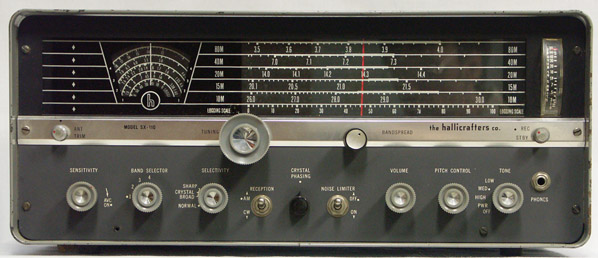
After college I could afford something better, so I upgraded to a “boat anchor” Hallicrafters SX 110. It had a useful crystal filter to improve selectivity, but it was still nigh on impossible to decipher a Ham on SSB.

Photo: Universal Radio

Many decades later I bought a house on a steep foothill. Realizing that it was a perfect QTH for a Ham station, I got licensed and now am President of the local ARC. Here is a loving look at the original SWL receiver that got me hooked.

Prof. Mike

Boulder, CO

Thank you for sharing this, Mike!

Mike’s radio story is the latest in our multi-year series called Listener Posts, where I place all of your personal radio histories. Feel free to submit your own by contacting me.

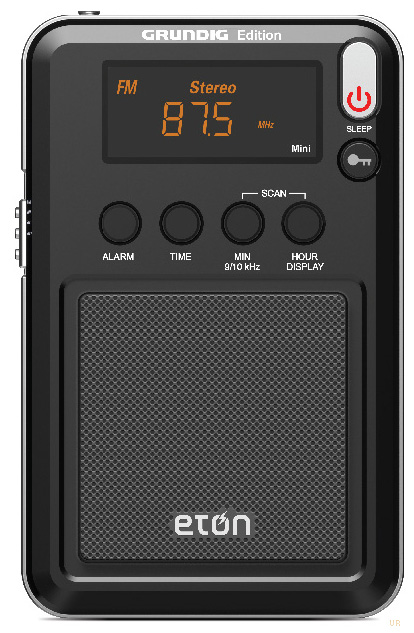
Radio Deal: Eton Mini for $26 at Amazon

Many thanks to SWLing Post contributor, Christian, who writes:

Thomas: the original (not Elite) Eton Mini is on sale for $26.00 shipped from Amazon.com right now. The price for this radio has been around $30-33 in the past few months. As I’ve said before, I like the mini. Nice functional little radio.

Click here to view on Amazon (affiliate link supports the SWLing Post).

Thanks once again for the tip, Christian!

Reminder: Help record the 2020 BBC Antarctic Midwinter Broadcast today (June 21)

Halley VI Research Station on the Brunt Ice Shelf in Antarctica (Source: British Antarctic Survey Team)

Every year, the BBC broadcasts a special program to the scientists and support staff in the British Antarctic Survey Team. The BBC plays music requests and sends special messages to the small team of 40+ located at various Antarctic research stations. Each year, the thirty minute show is guaranteed to be quirky, nostalgic, and certainly a DX-worthy catch!

After successful listener events from years past, I’m once again calling on all SWLing Post readers and shortwave radio listeners to make a short recording (say, 30-60 seconds) of the BBC Antarctic Midwinter Broadcast today and share it here at the Post.

Important: Time and frequencies

There has been some confusion about the broadcast time.

Trusted DXers have reported the time as 21:30 UTC–this is the time when the broadcast has taken place in years past, no doubt coinciding with events at the BAS bases in Antarctica.

The BBC website has reported the broadcast time as 21:30 BST which would equate to 20:30 UTC.

I will listen at both times, but perhaps this is when the BBC are to broadcast the stream online? Likely a mistake on their part.

Many thanks to SWLing Post contributor, Richard Langley, who confirms the three frequencies the BBC plan to use this year:

  • 5790 kHz from Woofferton UK
  • 7360 kHz from Woofferton UK
  • 9580 kHz from Ascension Island

Recording the Midwinter Broadcast has become an SWLing Post community tradition! Read our previous post for more details. We will also publish a reminder on June 21, prior to the broadcast.

I’m especially fond of this broadcast as it always falls on my birthday and–this year–Father’s day as well!

If you would like to participate in our BBC Antarctic Midwinter Broadcast recording event, please read our original post which includes all relevant details.

Radio Waves: Chelmsford Radio at 100 Years, First Broadcast Station Site, Alfred Vail, and News Executives Purged from VOA

Radio Waves:  Stories Making Waves in the World of Radio

Because I keep my ear to the waves, as well as receive many tips from others who do the same, I find myself privy to radio-related stories that might interest SWLing Post readers.  To that end: Welcome to the SWLing Post’s Radio Waves, a collection of links to interesting stories making waves in the world of radio. Enjoy!

Many thanks to SWLing Post contributors John Hoad, Bruce Atchison, and David Korchin for the following tips:


Chelmsford celebrates 100 years of radio with a play (Radio Today)

The city of Chelmsford is celebrating its status as ‘the birthplace of radio’ 100 years ago today with a special live stream of a new play about the Marconi Company tests of 1920.

Britain’s first ever radio entertainment broadcast took place on 15 June 1920, and featured two arias by Australian operatic tenor Dame Nellie Melba, one of most famous singers of the late Victoria era. The broadcast from the Marconi Factory was heard all over Europe and picked up as far away as Canada.

To mark the milestone, Chelmsford City Theatre is streaming a radio play The Power Behind the Microphone: The First Live Radio Entertainment Broadcast about the original broadcast, 100 years to the minute at 7.10pm this evening. International opera star Anna Steiger will recreate the concert given by Madame Melba as part of a radio play based on the story of that fateful night and the breakthroughs that made it possible.[]

https://youtu.be/h5hO9PsxJwM?t=1384

Site of the World’s First Radio Broadcasting Station (Atlas Obscura)

Three plaques mark the spot where the “forgotten father of broadcasting” worked.

CHARLES “DOC” HERROLD WAS A pioneer. After founding his College of Engineering and Wireless in 1909 inside the Garden City Bank building at 50 West San Fernando Street in San Jose, California, he launched the world’s first radio broadcasting station, which beamed music, news, and notably, advertising to listeners on a regular basis.

Herrold and his team at Station FN, which included his own wife, the world’s first female disc jockey, epitomized the mantra of many a Silicon Valley startup today: “move fast and break things.” His early transmitting devices burned out one after the other, and Herrold had to use a water-cooled microphone. He stole wattage from San Jose’s street car line to power his innovative “Arc Fone” transmitter, and cut a deal with a local store to play records on a Victrola that he would point at the microphone.[]

Morse’s Partner Argued He Invented Famous Code—to No A-Vail (HistoryNet.com)

Alfred Vail came up with dots and dashes, but Patent Office gave credit to Samuel Morse, the better known inventor

In 1887, 18 years after his father’s death, Stephen Vail took up metaphorical arms to claim Alfred Vail’s place as a key figure in communications history. Starting a war of words that would last decades and end with a declaration carved into stone, the younger Vail bombarded newspaper editors with letters. Alfred Vail’s son insisted that his dad had invented the dot-and-dash system used in telegraphy and known to all, and most gallingly to the younger man, as “Morse” code.

Before telegraphy, the United States had been more a collection of outposts than a nation—when a treaty ended the War of 1812, word from peace talks in Europe between Britain and the United States took so long to creep across the Atlantic that two weeks after the signatures on the peace treaty had dried British and American troops were fighting the Battle of New Orleans. Until telegraphy arrived for good in 1844, information traveled no faster than horses could gallop, trains could roll, or ships could sail. News from Boston reached San Francisco and vice versa by traveling aboard vessels that had to round South America’s southern tip. Only dreamers spoke of rails crossing North America or a canal traversing the Isthmus of Panama. []

Trump administration purges news execs from U.S. agency meant to counter disinformation, leaving staff fearing more to come (CBS News)

The overnight purge of top news organization officials at the US Agency for Global Media (USAGM) has raised concern among its federal government employees and reporters that their jobs, immigration status, and editorial independence may soon be at risk following the arrival of new CEO Michael Pack.

Pack, who is a conservative filmmaker and close ally of one-time Trump adviser Steve Bannon, and had just stepped into the job after being confirmed by the Republican-led Senate earlier this month, did not respond to a request by CBS News for comment or explanation.

“Pack uses deep state language. Is Bannon calling the shots?”

A USAGM source said this is the question being pondered by executives and journalists inside the organization now.

Four news division heads were removed from their positions, including Middle East Broadcasting Network chief Alberto Fernandez, who is a former US Ambassador, Radio Free Asia’s Bay Fang, Emilio Vazquez of the office of Cuba Broadcasting, and Radio Liberty’s Jamie Fly. Replacements have yet to be named.

Steve Capus, the former CBS and NBC News executive who had been serving as a senior advisor, was also dismissed. Earlier this week, the top director and deputy director at Voice of America resigned as did the head of the Open Technology Fund Libby Liu, which promotes global internet freedoms.[]


Do you enjoy the SWLing Post?

Please consider supporting us via Patreon or our Coffee Fund!

Your support makes articles like this one possible. Thank you!

2020 BBC Midwinter Broadcast to Antarctica: Time and Frequencies

The BBC Antarctica winter solstice broadcast will take place on June 21, 2020 at 2130-2200 UTC.

Many thanks to SWLing Post contributor, Richard Langley, who confirms the three frequencies the BBC plan to use this year:

  • 5790 kHz from Woofferton UK
  • 7360 kHz from Woofferton UK
  • 9580 kHz from Ascension Island

Recording the Midwinter Broadcast has become an SWLing Post community tradition! Read our previous post for more details. We will also publish a reminder on June 21, prior to the broadcast.

Proper Radio Prepping: Keep a kit that is always ready to hit the field!

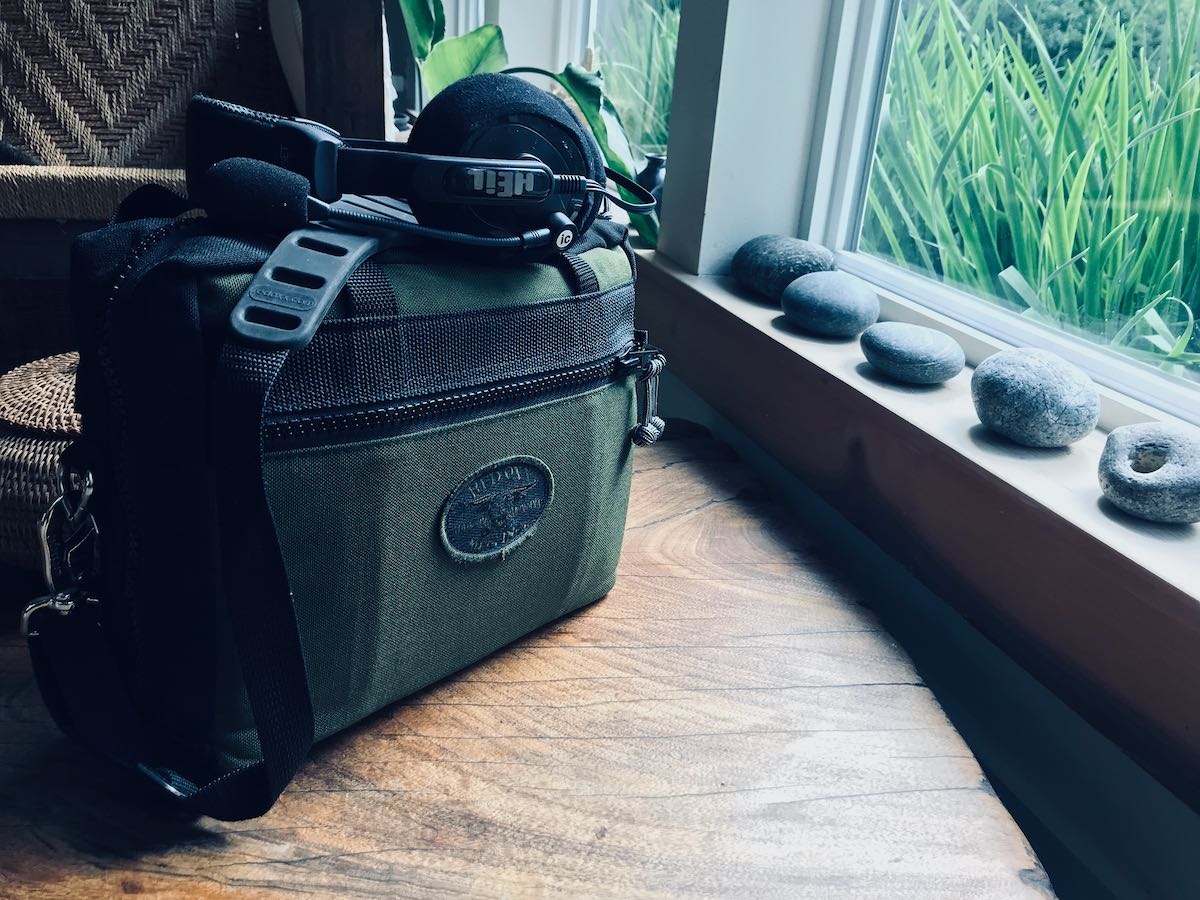
My Red Oxx Micro Manager packed with a full radio field kit

Yesterday, my family packed a picnic lunch and took a drive through Madison County, North Carolina. It was an impromptu trip. Weather was forecast to be pretty miserable that afternoon, but we took the risk because we all wanted to get out of the house for a bit.

Although that morning I had no intention of performing a Parks On The Air (POTA) activation, my family was supportive of fitting in a little radio-activity, so I jumped on the opportunity!

A quick glance at the POTA map and I determined that the Sandy Mush State Game Land (K-6949) was on our travel route. Better yet, the timing worked out to be ideal for a lunch picnic and before most of the rain would move into the area.

Ready for radio adventure

I had no time to prepare, but that didn’t matter because I always have a radio kit packed, fully-charged, and ready for the field.

My Red Oxx Micro Manager EDC pack (mine is an early version without pleated side pockets) holds an Elecraft KX2 field and antenna kit with room to spare (see photo at top of page).
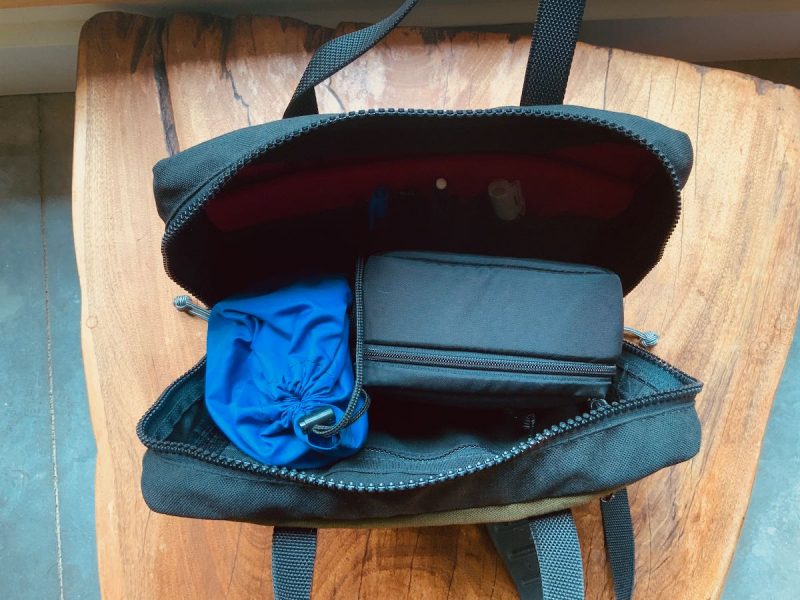
The Micro Manager pack easily accommodates the entire kit

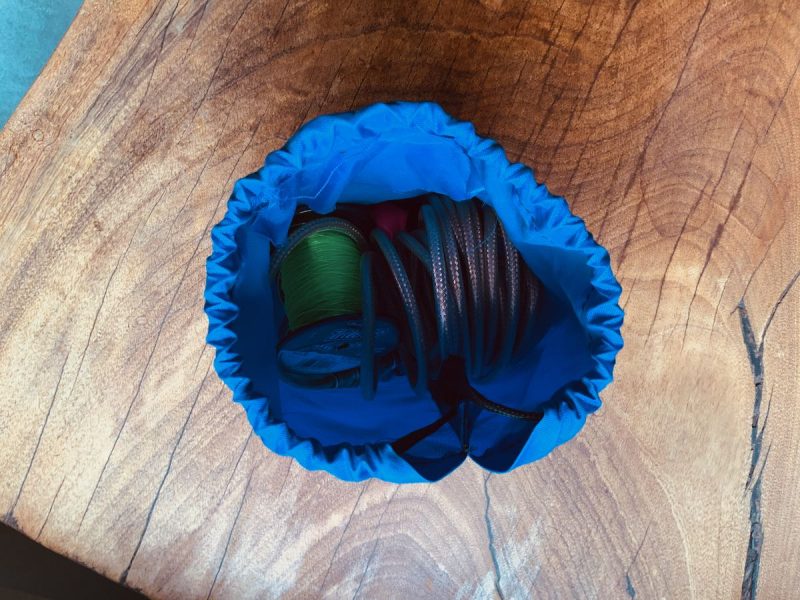
This 20 year old blue stuff sack is dedicated to antenna-hanging. It holds a reel of fishing line and a weight that I use to hang my end-fed antenna in a tree or on my Jackite telescoping fiberglass pole. The sack also accommodates a 10′ coax cable.
The Elecraft KX2 transceiver, EFT Trail-Friendly Antenna, hand mic, CW paddles, C.Crane earphones, and wide variety of connectors and cables all fit in this padded Lowe Pro pack:
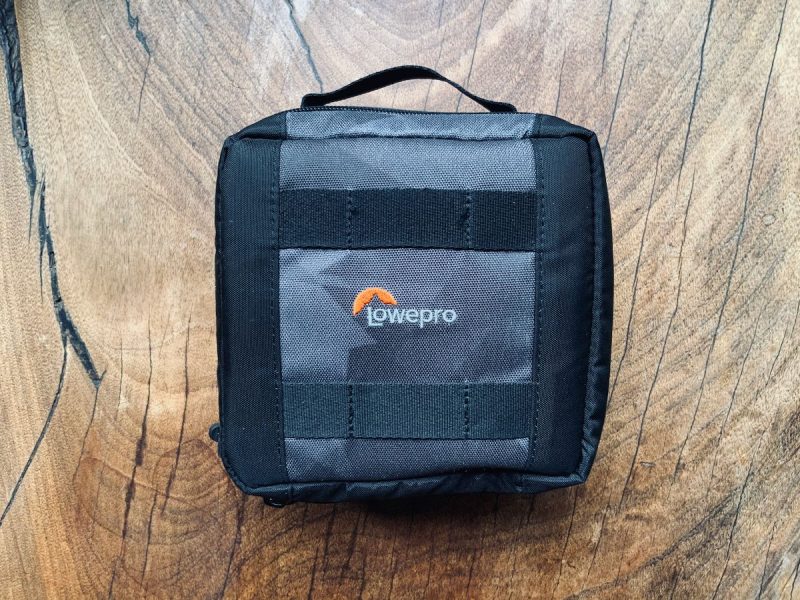
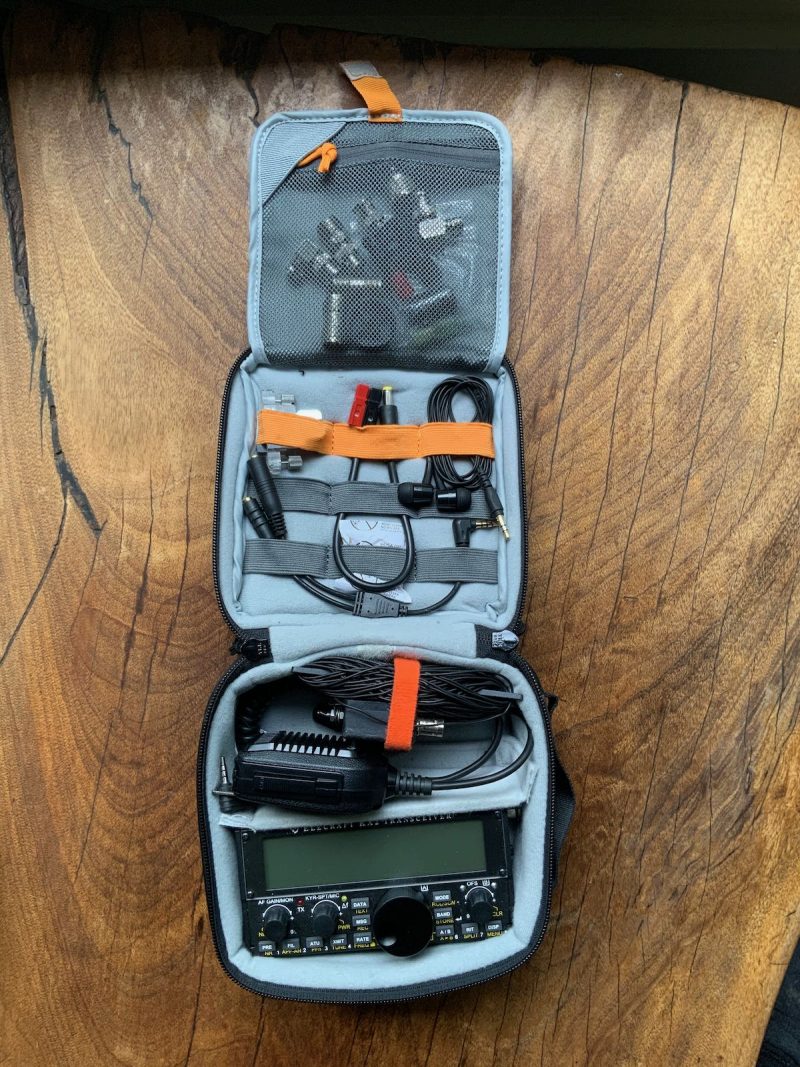
The advantage to having a simple, organized radio kit at the ready is that everything inside has its own dedicated space, so there’s no digging or hunting for items when I’m ready to set up and get on the air.

This level of organization also makes it easy to visually inspect the kit–missing items stand out.
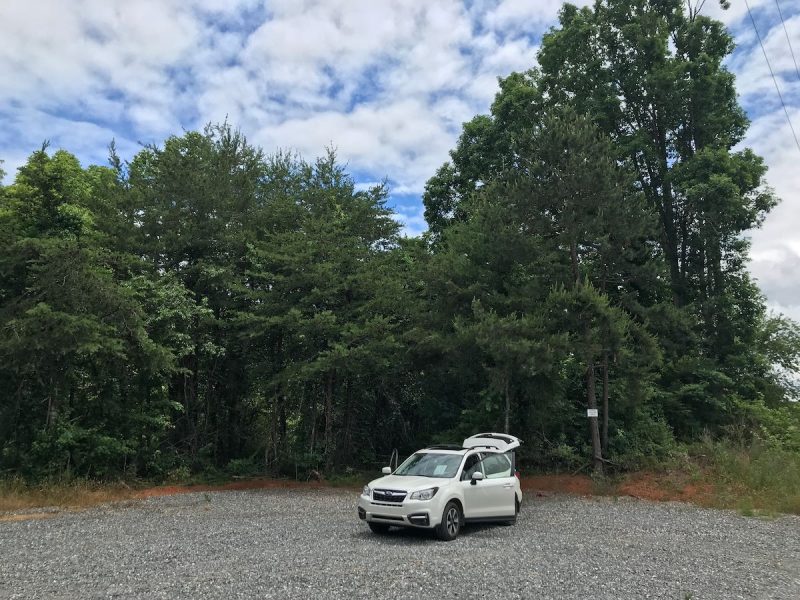
Yesterday I parked our car at one of the Sandy Mush Game Land parking areas, deployed my field antenna, and was on the air in a matter of seven minutes at the most.
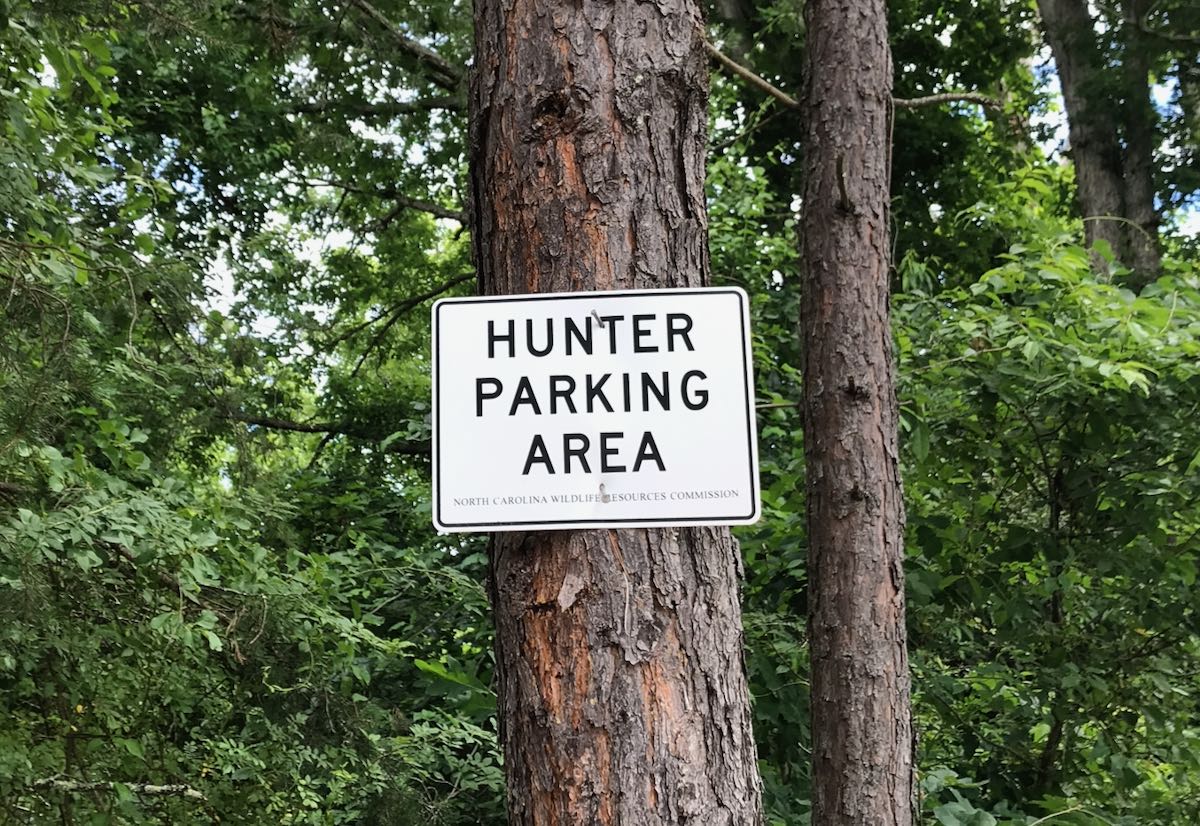
Hunter Parking Area Sign

Technically, this should read “Activator” parking area! (A questionable inside joke for POTA folks!)

We planned for heavy rain showers, so I fed the antenna line through the back of my car so that I could operate from the passenger seat up front.
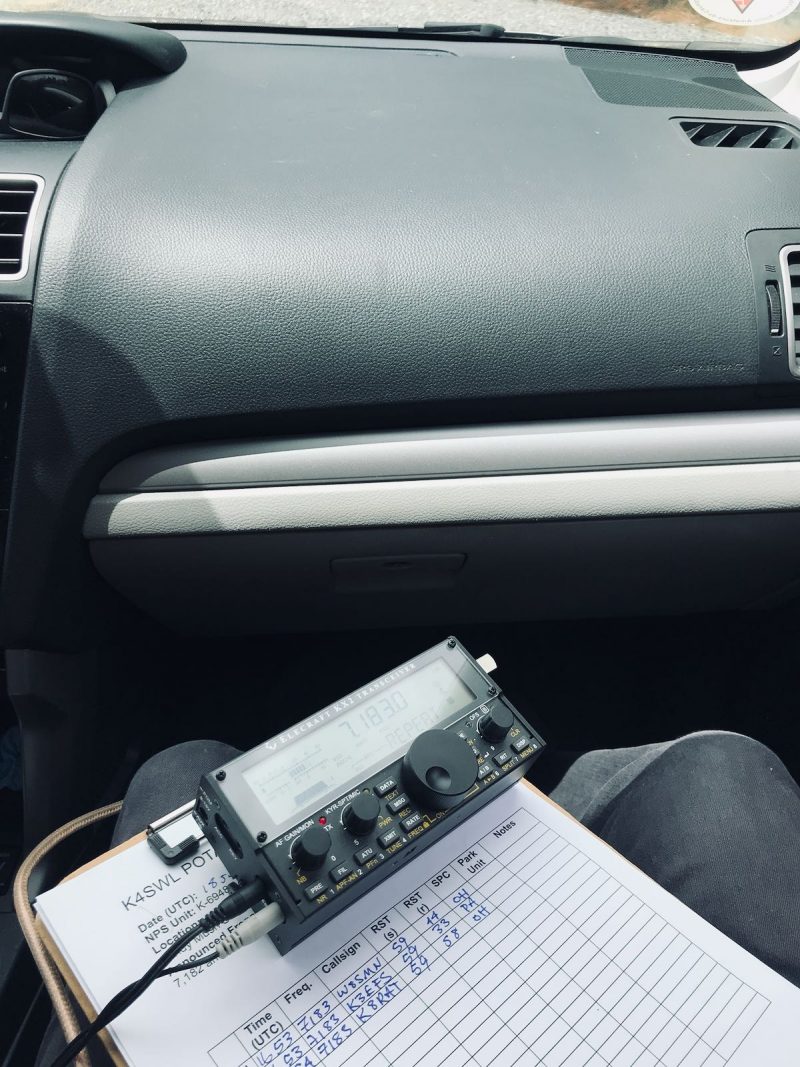
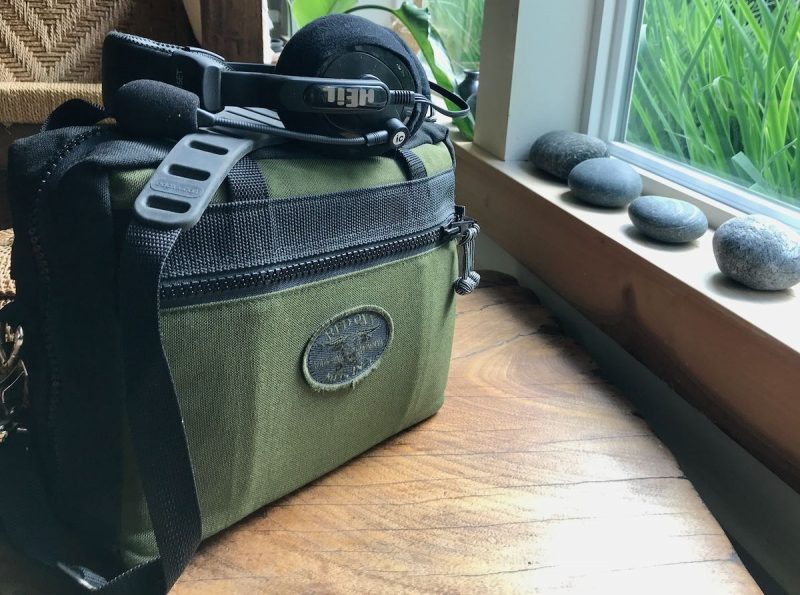
I also brought my Heil Proset – K2 Boom Headset which not only produces better transmitted audio than the KX2 hand mic, but it frees up my hands to log stations with ease. This is especially important when operating in the front seat of a car!
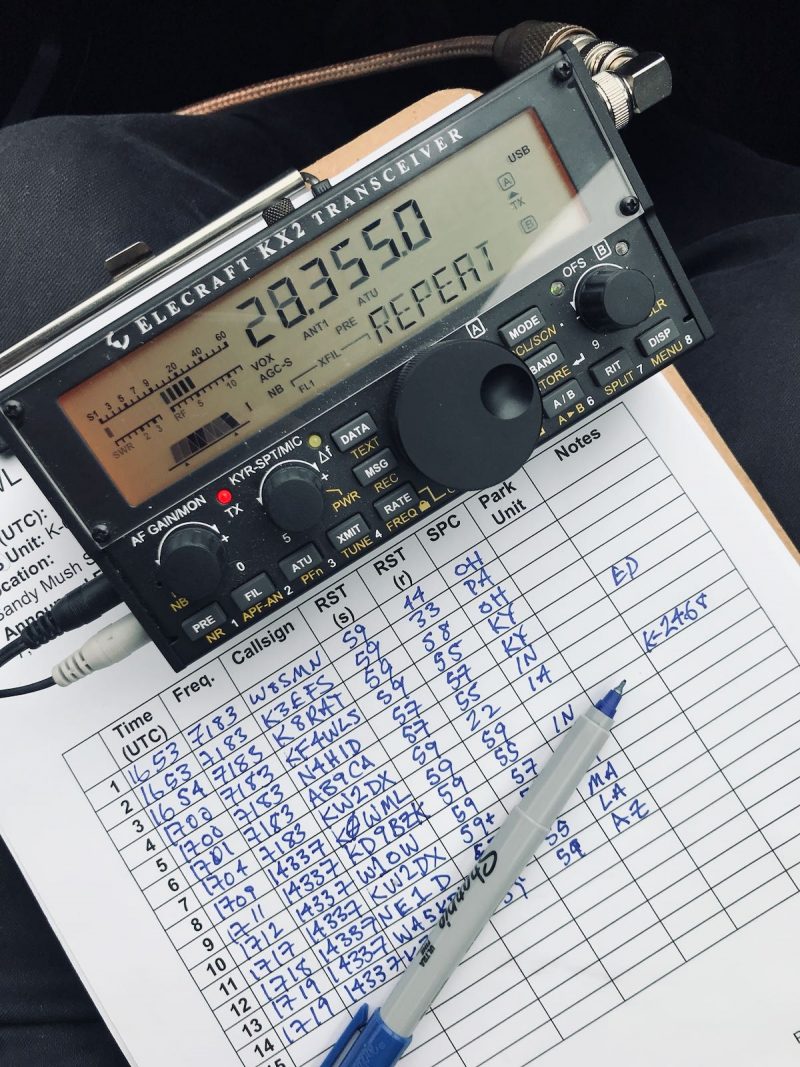
The great thing about the KX2 is that it’s so compact, it can sit on my clipboard as I operate the radio (although typically I have an elastic strap securing it better). Since all of the KX2 controls are top-mounted, it makes operation a breeze even in winter weather while wearing gloves.
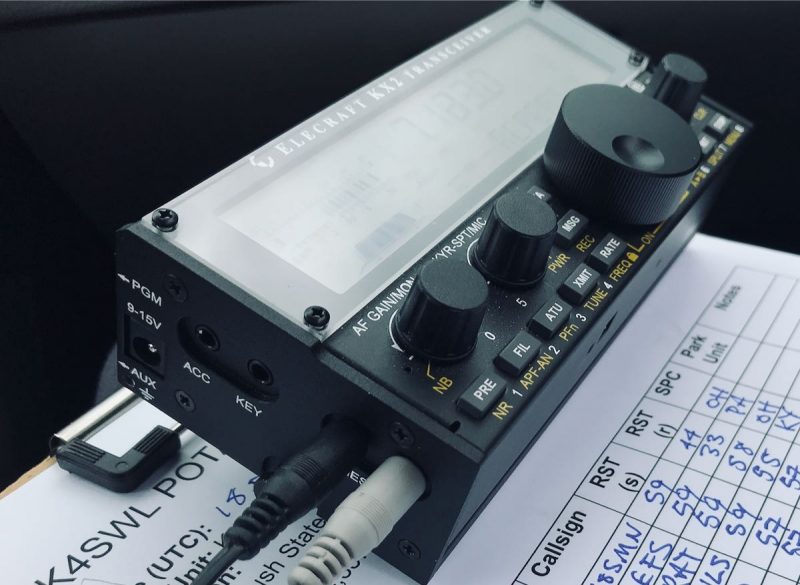
Since I routinely use the KX2 for shortwave radio broadcast listening as well, I know I always have a radio “locked and loaded” and ready to hit the air. My 40/20/10 meter band end-fed antenna works well for the broadcast bands, as long as there is no strong local radio interference (RFI). When I’m faced with noisy conditions, I pack a mag loop antenna as well.

What’s in your radio go-kit?
Having a radio kit stocked and ready to go on a moment’s notice gives me a great sense of security, and not just for recreational ham and shortwave radio listening reasons.

Sometimes I travel in remote areas by car where I’m more than an hour away from the nearest town and where there is no mobile phone coverage.

If my car breaks down, I know I can always deploy my radio kit and get help from the ham radio community in a pinch. Herein lies the power of HF radio!

If you haven’t built a radio go-kit, I’d highly recommend doing so. Although I’m a bit of a pack geek, keep in mind that you don’t need to purchase special packs or bags for the job. Use what you already have first.

I’m plotting a detailed post about the anatomy of an HF radio field kit. In the meantime, I’m very curious how many of you in the SWLing Post community also have a radio kit at the ready–one based on a transceiver or receiver.  Please comment!

Better yet, feel free to send me details and photos about your kit and I’ll share them here on the Post!


Do you enjoy the SWLing Post?

Please consider supporting us via Patreon or our Coffee Fund!

Your support makes articles like this one possible. Thank you!

Any news about the labratory599 TX-500 Discovery QRP transceiver–?

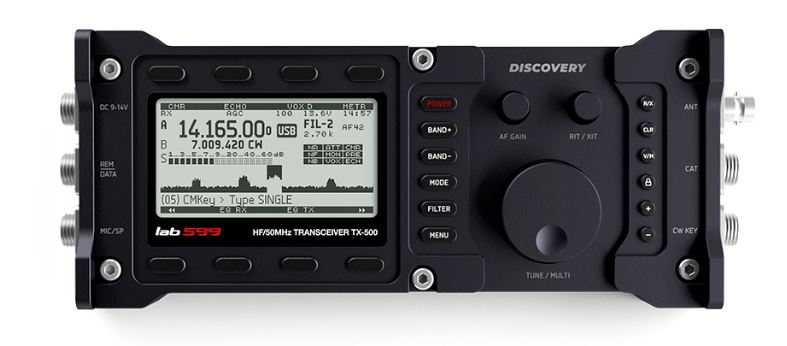
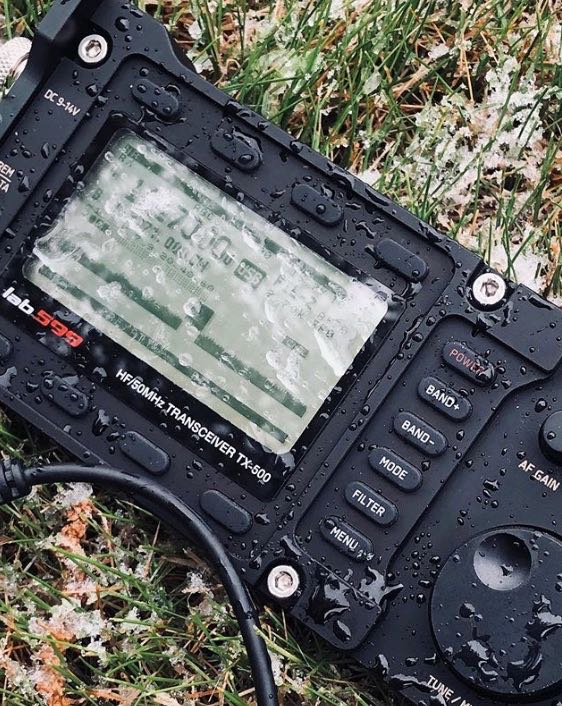
A number of SWLing Post readers have been contacting me this month regarding the lab599 TX-500 Discovery QRP general coverage transceiver. Since its announcement around this time last year, a number of radio enthusiasts have been seeking any updates or information regarding price and availability.

Spoiler alert: Sadly, I have no meaningful updates at present.

Here’s what I do know…

The product page for the TX-500 now has more photos and specifications. They also added a downloads page with the manual, software, and firmware. [Update: I removed links to these pages because some systems report that the site may have gotten a malware injection–common with WordPress sites.]

Many of you have asked if the TX-500 will be “vaporware.”  Possibly, but I don’t believe so. I suspect lab599 is keeping everything under wraps until they have firm information regarding availability and pricing. I’m actually happy they haven’t asked for pre-orders with cash deposits because that always adds a layer of risk with products that are not yet in production. At this point, no consumers have an investment riding on this future rig.

Of course, I imagine the Covid-19 pandemic could also affect their supply chain.

Videos

There have been two new videos posted on the lab599 YouTube page this month.

The first video shows the TX-500 in the field and the operator (R9JC) making a contact in CW:

The second video shows the TX-500 display as the operator tunes through the CW portion of the 20 meter band with the 50 Hz filter engaged:

Following TX-500 updates closely…

I am following TX-500 updates very closely. Since I’m primarily a “field” ham radio operator, the idea of a weather-proof, rugged, QRP transceiver is very appealing.  Seriously…just take my money!

Of course, being first and foremost a shortwave radio listener, I’m also very interested how the TX-500 might play on the broadcast bands in AM mode.

You can bet I will review the TX-500 as soon as it’s available.

I recently sent another inquiry to lab599. If I receive any meaningful information, I’ll share it here on the SWLing Post. Simply follow the tag: TX-500