Larry’s review of the CountyComm GP5/SSB

Many thanks to SWLing Post reader, Larry Thompson, who shares his review of the CountyComm GP5/SSB:


GP5SSB-Front

Been having a ton of fun with my new toy, the tiny survivalist radio, the CountyComm GP5/SSB receiver. $74.95 with free heavy duty cordura case with metal belt clip (normally $17.95). Also purchased 2 spare whip antennas @ $6.00 ea. The unit arrived promptly
in just 5 days from CA.

The radio is manufactured by Tecsun and is similar to the Tecsun PL-365, but re-engineer end to military standards for use in embassies and military installations around the world. The case is a heavy plastic that feels like anodized aluminum.

It’s about the size of a small TV remote control, taller than a cell phone, and about 1/2 the width of an iPhone.

Very, east intuitive menus. Incredibly sensitive to dx, relatively good selectivity. A great radio to throw in your travel bag or briefcase. So small that no one, especially customs, TSA, etc would even suspect it is a shortwave receiver with SSB capabilities.
I live in a very highly QRM and RFI interference zone.

I’m in the central city, in an old 1920’s hi-rise, with high power tension lines right next to the building.

Lots of QRM from the elevator motors, etc. Having a good antenna option is a challenge.
I’ve resorted to a stealth longwire antenna, strung out my 5th floor window. It’s 50′ of #16 black insulated copper stranded wire, weighted by a medium size galvanized carriage nut. It seems to work well.

I also use a Magic Wand shortwave antenna, a type of broomstick antenna with 23′ of lead-in, available from Lowbander on eBay.

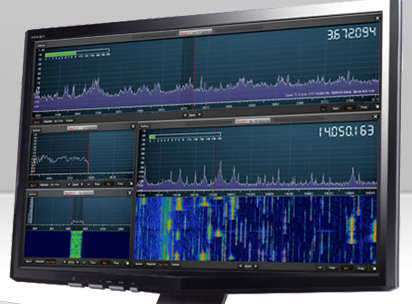
My main receivers have been a Sony ICF-SW7600GR dual conversion receiver and the SRDPlay. In the past, I have listened to dx with some really outstanding receivers, including a Nordmende Globetrotter, a National NC-183D, a Japan Radio JRC-525′ and a Yaesu FT900AT transceiver. The later two were computer-controlled using TRX-Manager software.

In just 4 days, I can’t get over the sensitivity of the CountyComm GP-5/SSB and it’s ability to pull in stations. So far, it’s far superior to the Sony or SDRPlay.

Digging into the specs, it is a direct conversion receiver, using a DSP si47XX microchip from Silicon Labs to digitize the analog AM/FM broadcasting signal base on modern software technology and radio principles. The direct conversion circuitry can highly improve a radio’s sensitivity, selectivity, S/N ratio and anti-interference capabilities. Direct conversion using software is far superior to a double or triple conversion traditional IF circuitry. This must explain why the unit is so amazingly sensitive!

I can hear things on this unit that I can’t even begin to hear on the Sony or the SDRPlay. The FM reception and sound with earphones is amazing and LW and AM reception is equally sensitive. I can easily get WLW Cincinnati 700 kHz in the daytime here in St. Louis!

There are 550 preset memories: 100 for AM, 100 for FM, 100 for SSB, and 250 for SW. You can scan the memories or scan the bands in various ways. You can also use the Auto Tune Storage function to store memories.

Something I really enjoy is the Easy Tuning Mode function. The ETM function allows you to tune into stations easily and temporarily store them into the ETM storage. 100 stations for FM/MW and 250 for SW. Scanned stations will not be stored in the regular 550 memories, but will remain in the ETM temporary storage until the next time you do an ETM scan.

This is a great feature for travel. When you are in a different city, you can perform the ETS function and this will not delete any of the stations already in the memory.


Thanks for sharing your review, Larry. I use the GP5/SSB all of the time–it stays in one of my vehicles and I often use it for walks, picnics, camping and even a little parking lot DXing.

I suspect if your SDRplay RSP was hooked up to an antenna that could better mitigate your local QRM, you’d find it outperforms the GP5/SSB. The great thing about portables, though, is that you can simply take them to areas with low noise levels. It’s just a matter of finding the right location!

The CountyComm GP5/SSB is a very handy portable. Thanks again! 

The CountyComm GP5/SSB can be purchased from:

The Tecsun version, the PL-365, can be purchased on eBay (though be aware that some sellers have BuyItNow prices almost two times the price of CountyComm).

RIP: Dick Smith Electronics

dick-smithMany thanks to SWLing Post reader, Dan (VR2HF), who writes:

I must be a radio geek. While listening to Radio New Zealand (RNZ) top-of-the-hour news with my CC Skywave on the 31mb in a bus from Incheon Airport to my hotel south of downtown Seoul, I learned that Dick Smith Electronics (https://www.dicksmith.com.au/) will close all of its stores in Australia and New Zealand with the loss of about 3000 jobs. The complicated, sad saga of DSE which was sold by Dick many years ago, can be found here: http://www.smh.com.au/business/retail/dick-smith-to-close-all-stores-3000-staff-to-go-20160225-gn3ios.html

My first encounter with DSE was in the San Francisco Bay Area in the early eighties. I remember buying a few kits from them and Nolan Bushnell’s “Petster” robot cat. They also sold some Bearcat Scanners and Yaesu ham gear, as I recall. It is a far different business today than it was back then. If memory serves, I believe Dick Smith also had a store here in Hong Kong around 1980 when I made my first visit to the SAR.

I hope that someone in the Maker community with money and a vision will try a new, modern version of Radio Shack and the old version of Dick Smith Electronics. Offering a mix of 3D printers, Arduinos, Raspberry Pies, radios, and other items Makers might want could be a profitable business and fill a need.

Mike’s low and high pass filter deals

HDSDR-SDRPlay-RSP-PARISWLing Post contributor, Mike Ladd, is an avid SDR enthusiast and an administrator of the SDRplay Facebook group. Mike contacted me about special pricing he has arranged for low and high pass filters through Rescue Electronics. Mike explains:

These filters retail for $70.00 each. I spoke to the builder. I told him who I was and what I do and got him to make a deal for anyone in the United States with these filters and a direct link to his site. I make zero dollars on this. I always try to give back to the hobby and the community any way possible.

You have 3 choices: a high pass filter, a low pass filter, or a combo package.

These are hand built one at a time by Paul W1VLF with your choice of SO-239 or BNC connections. Full details are below:


High pass filter $55 shipped anywhere in the USA

AM-HP_Filter-600x372

This filter will begin attacking the AM band at 1770 Khz and increase attenuation as frequency decreases.

You can see this in the screen capture of the swept filter below.AM-HP_Filter_Plot2-600x513

160 Meters and above is virtually left untouched, but below that is where the attenuation takes place.

The filter has attenuated 60 db by 960 KHz.

The AM band has some very large signals that can mix in the front end of your. A lot of these spurious frequencies can land in 160 meter band or above.

For instance, I have a big signal at 1080 Khz and another at 770 Khz, add these 2 together and you get a spur that falls at 1850 Khz

Picture this happening at multiple frequencies with multiple mixes and you have a raised noise floor in the 160 Meter band.

The filter is built into a 2″ x 4″ 1.25″ 1/8″ wall aluminum enclosure for excellent RF shielding

Low pass filter $55 shipped anywhere in the USA

AM-2_Filter-600x343

The AM-2 filter has a cutoff at 520 KHz.

AM-2_Filter_Plot2-600x543Then, and without a lot of fanfare it begins the attack on the MW band.

Purchase this filter if you are into NDB, DX’ing, Maritime Mobile, Navetex, FCC Part 5 600 Meter band.

Each filter is handmade and swept in my lab.

The AM -2 Low pass is equipped with BNC connectors.

The filter begins to roll off at 520 Khz and gives an ultimate rejection of around 80 Db.

The filter is built into a 2″ x 4″ 1.25″ 1/8″ wall aluminum enclosure for excellent RF shielding

Combo deal for both $100 shipped anywhere in the USA

AM-2_Filter-600x343 AM-HP_Filter-600x372

Click here to view/purchase via Mike Ladd’s promotional page at Rescue Electronics. 

Many thanks for sharing this Mike! During my presentation at the Winter SWL Fest last week, I spoke about the need for high/low pass filters for listeners who live in the presence of strong broadcasters and interference. Many of the inexpensive SDRs on the market do not have built-in filters and preselectors thus can overload under these conditions.

While filters can be homebrewed or built from kits, these filters seem to be a good deal for a quality shielded and tested product. Thanks for arranging this, Mike!

WBCQ moving from 5,110 to 5,130 kHz

wbcq-logoSWLing Post contributor, Paul Walker, who hosts a radio show on WBCQ, received the following message from the station yesterday:

The FCC has just informed Allan Weiner that the military needs our 5110 frequency.

So your show on Friday 3/11 (10pm Eastern – midnight) will be broadcast on 9330 and 5130.

WBCQ has been announcing this change on the air. Many thanks to Mike, who shared this video of Allan Weiner making the announcement last night:

Click here to view on YouTube.

Free webinar on receiving antennas

SX-99-Dial-NarMany thanks to SWLing Post reader, Tim Anderson (KF7JBM) who writes:

You may have seen this already, but I ran across this at the ARRL site and thought it might be of interest to your readers:

Receiving Antennas Will Be Focus of Free Webinar

“High Performance RX Antennas for a Small Lot” will be the topic of a free webinar by Jose “JC” Carlos, N4IS, and sponsored by the World Wide Radio Operators Foundation (WWROF).

Carlos will explore basic concepts of receiving antennas and share his experiences with low-band receiving antennas on a small lot, including the Waller Flag.

The webinar will take place on March 4 at 0200 UTC (the evening of Thursday, March 3, in US time zones). It will run for about 1 hour.

Registration is required. — Thanks to Ken Claerbout, K4ZW, via The Daily DX

Many thanks, Tim! I may try to attend this next week.

Radio astronomers track the source of fast radio bursts

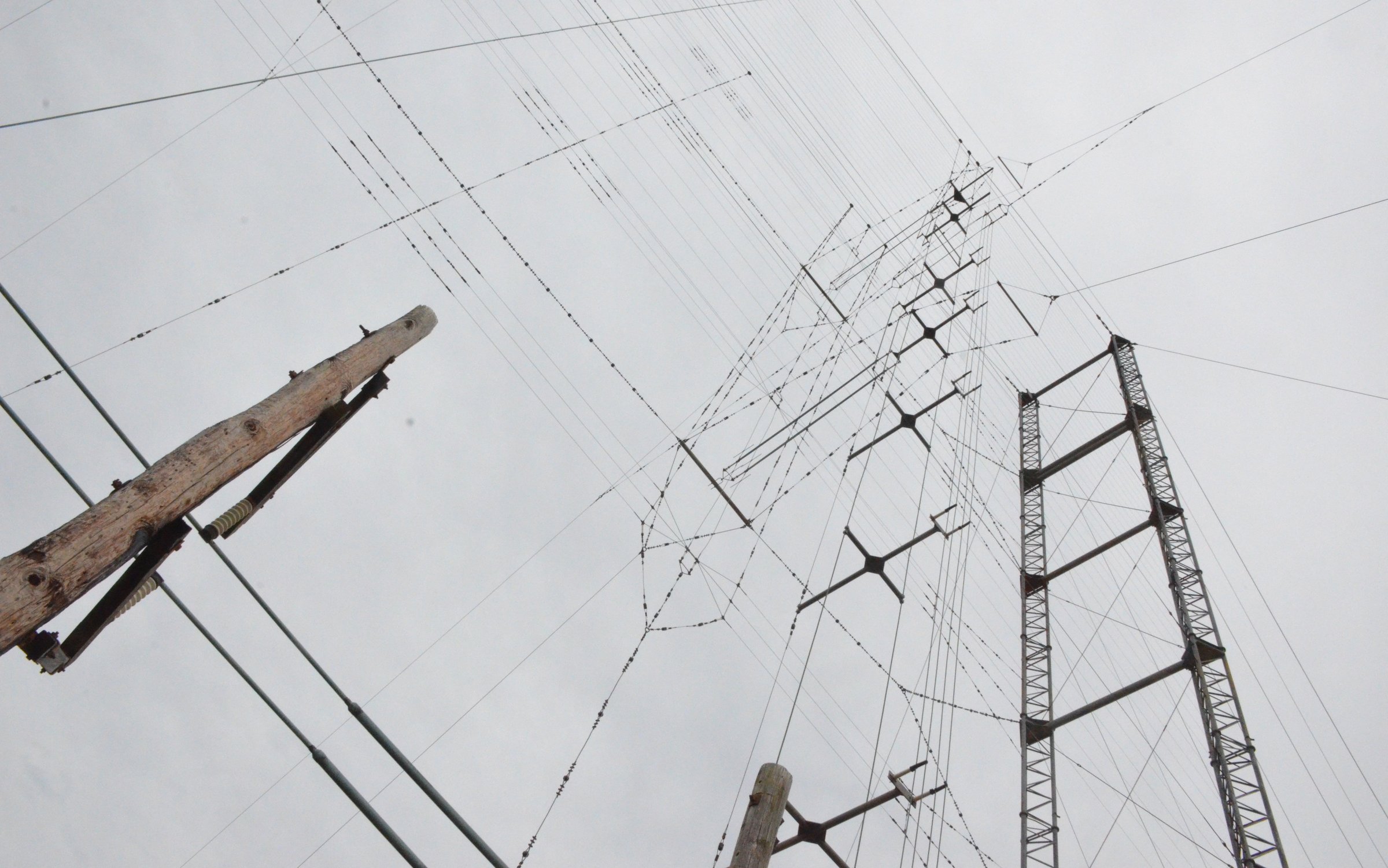
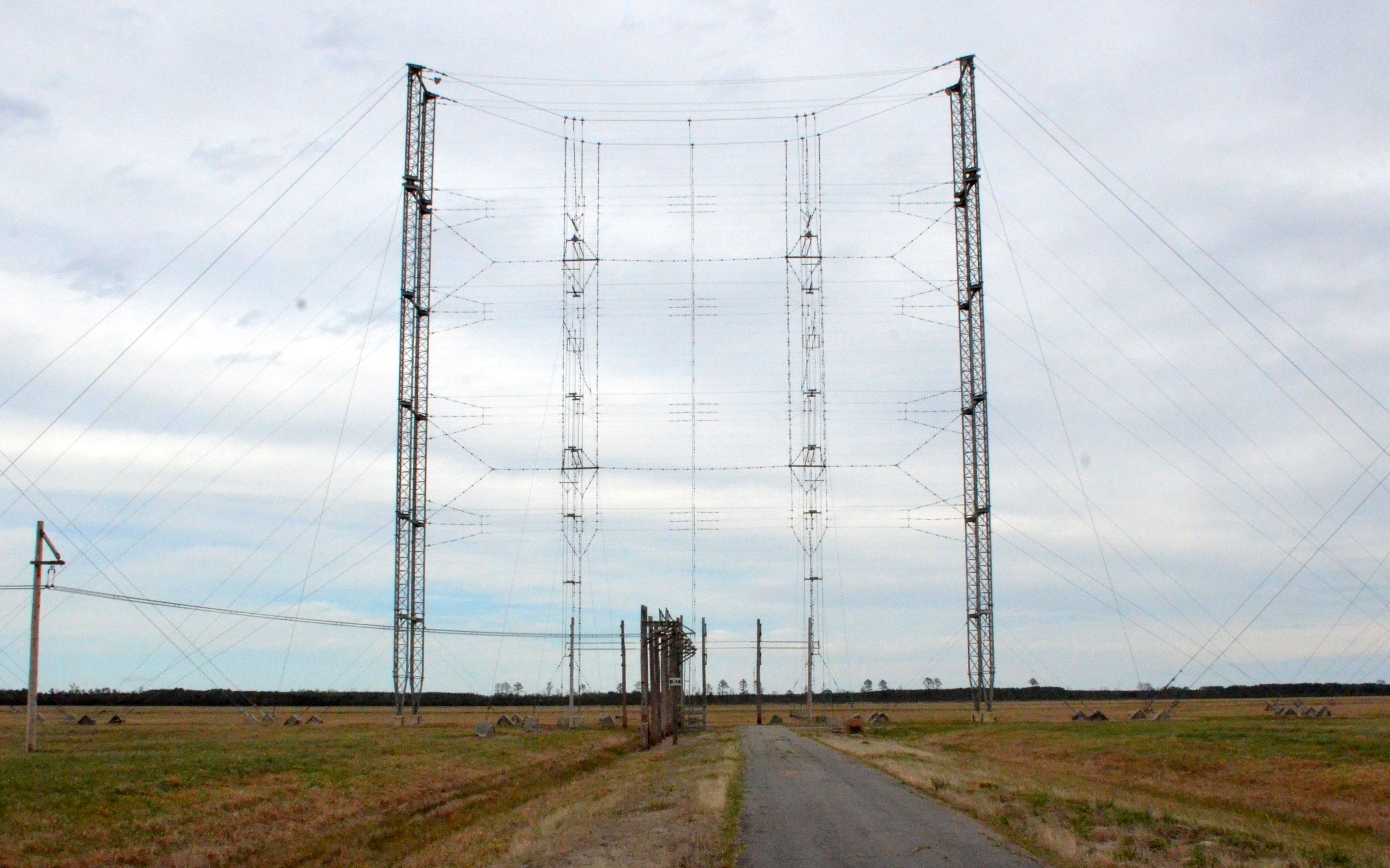
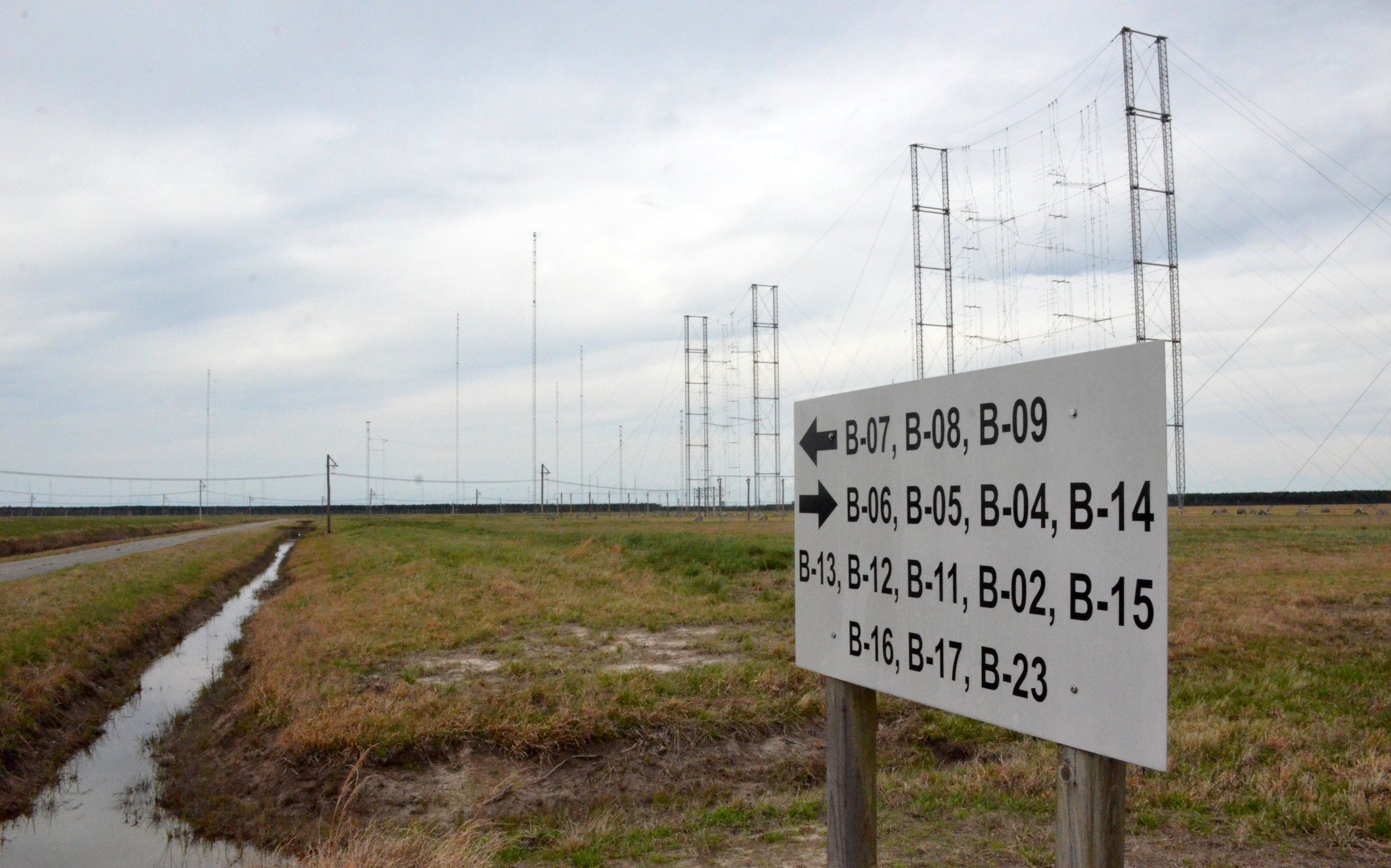
PARI-East-26M-Antenna(Source: BBC)

For the first time, scientists have tracked the source of a “fast radio burst” – a fleeting explosion of radio waves which, in this case, came from a galaxy six billion light-years away.

The cause of the big flash, only the seventeenth ever detected, remains a puzzle, but spotting a host galaxy is a key moment in the study of such bursts.

It also allowed the team to measure how much matter got in the way of the waves and thus to “weigh the Universe”.

Their findings are published in Nature.

Continue reading on the BBC website…

Being a fan of radio astronomy, I find this sort of news fascinating.

Six billion light-years…that’s some serious DX!

AM radio proposal has Class A broadcasters upset

WHKY-AM-Radio-Tower(Source: Times Union)

When the sun goes down, AM radio signals travel much farther. You can listen to 50,000-watt stations such as WGY hundreds of miles away.

But that could soon change, if the Federal Communications Commission goes through with a plan to let more local stations broadcast through the evening hours and potentially makes changes in the daytime signal of WGY and other powerful stations.

The proposed change in protections to Class A stations such as WGY would ease restrictions on the smaller stations, which are now required to reduce power or change the direction they broadcast their signal so they don’t conflict with the more powerful Class A stations.

WGY has begun an online petition drive to oppose the changes.

Called “Save AM Radio,” the petition opposes reducing WGY’s so-called “protected service area.”

The changes, WGY says, “will make it very difficult for many of our listeners to receive our programming, especially at night and during morning and evening drive times.”

[…]The FCC, meanwhile, says the changes are being considered in an effort “to help revitalize the AM service.”

More local stations would give listeners a wider choice of programming, supporters of the change argue.

[…]WGY’s online petition is at http://www.wgy.com/features/save-am-radio-1919/
The FCC is accepting comments through March 21 and replies through April 18, at www.fcc/ecfs. Click on “submit a filing.” The proceeding number is 13-249.

Read the full article at the Times Union online…

I’m very curious what Post readers think about this proposal from the perspective of both access to regional information, as well as from MW DXing. Will this move crowd the AM broadcast band or give local stations a stronger voice?