Author Archives: Thomas

Doctor Vlado repairs the Panasonic RF-2200 (Part 1)

Panasonic RF-2200 at Hamvention

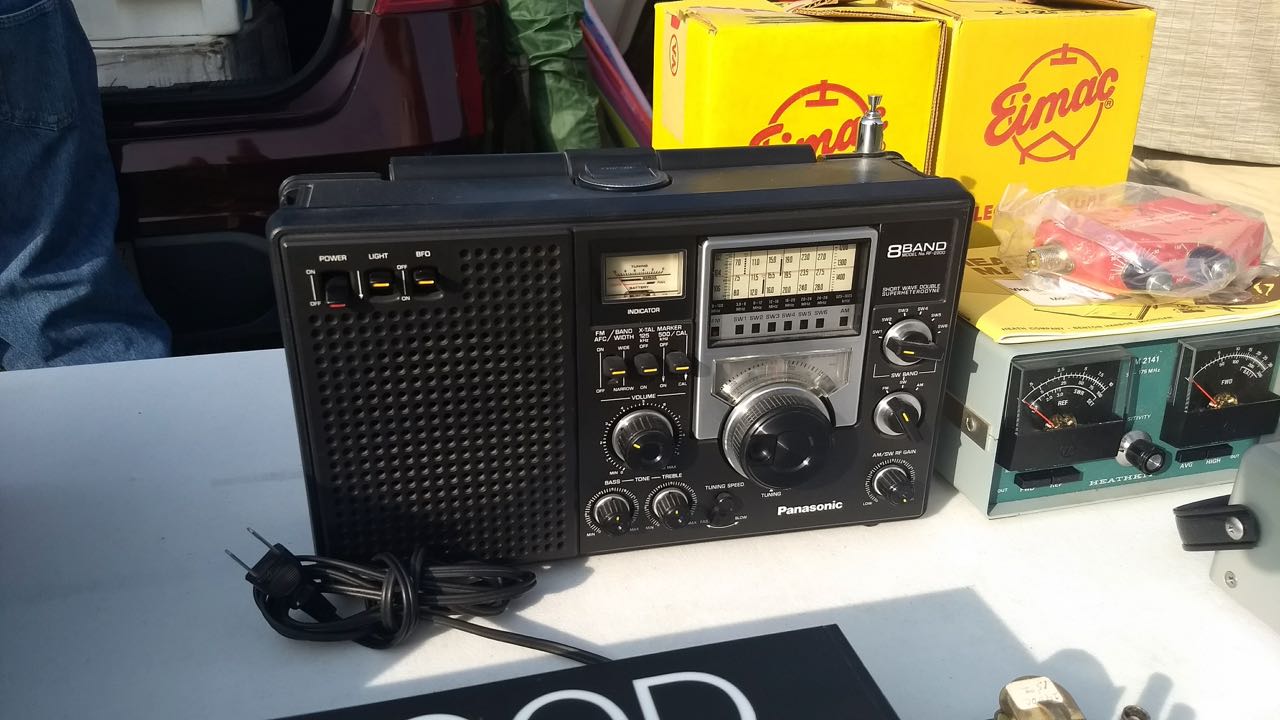
Last year, at Hamvention, I picked up a Panasonic RF-2200 for $70. It came with the original box, manual and was in superb cosmetic condition.
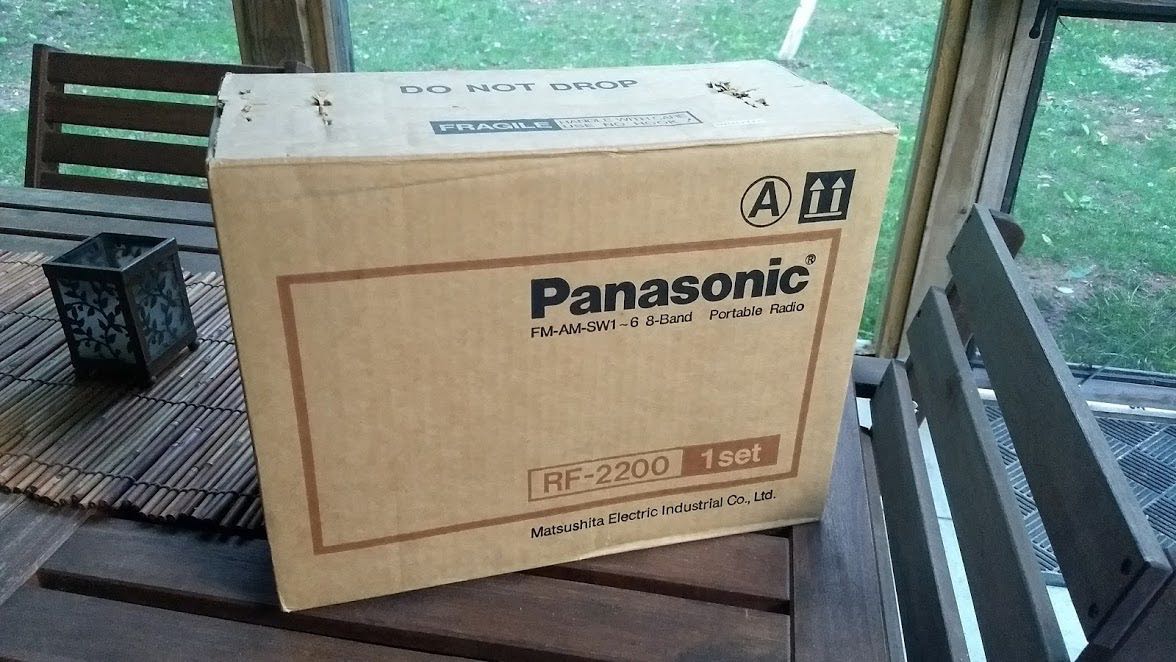
The seller told me that over the years he exclusively used the radio to listen to a local FM station.

At that price, I didn’t hesitate to make the purchase even if this would have simply been a non-functioning parts radio for my other RF-2200.
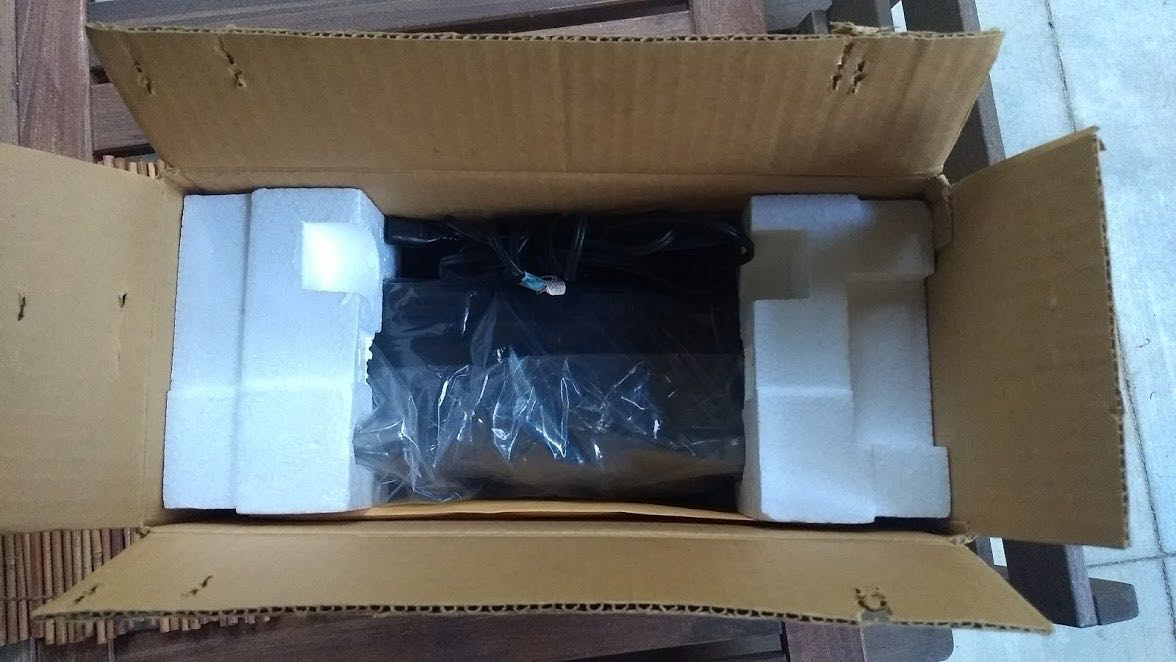
After I brought the radio home, I unpacked it and gave it a quick test.
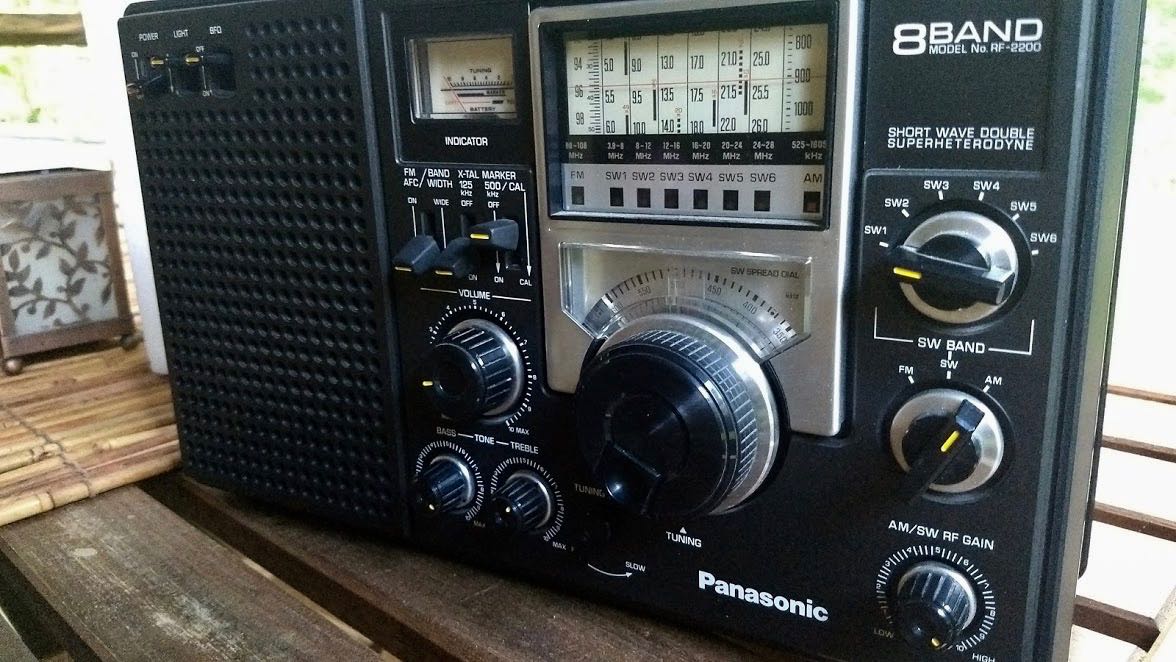
FM worked brilliantly. Mediumwave and shortwave, however, were essentially deaf. I made the assumption that the ‘2200’s switches and pots likely needed cleaning with DeoxIT. The next day, I was leaving for a two month trip to Canada though, so I packed the RF-2200 back into its box and set it to the side of my shack table.

Fast-forward to yesterday…

While digging around my shack, I re-discovered the boxed RF-2200. Since I was planning to visit my buddy Vlado (the best radio repair guy in the world) yesterday evening, I thought I’d take the RF-2200 and do a proper contact cleaning. Several of the RF-2200’s switches and pots cannot be easily cleaned without removing the chassis.
(Click photos to enlarge.)

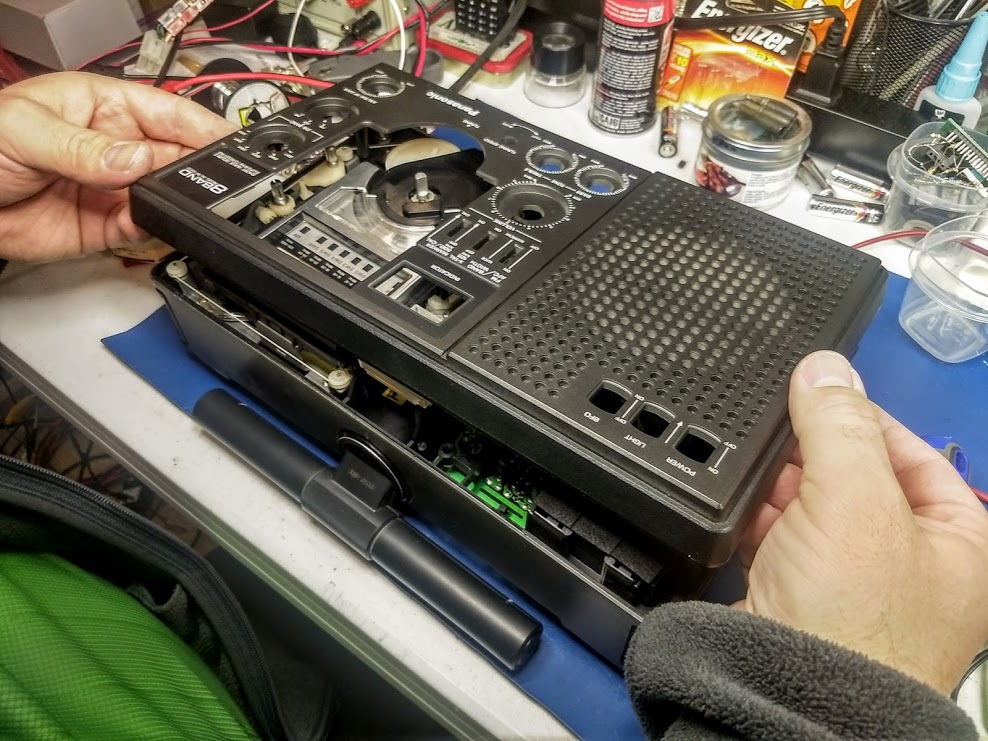
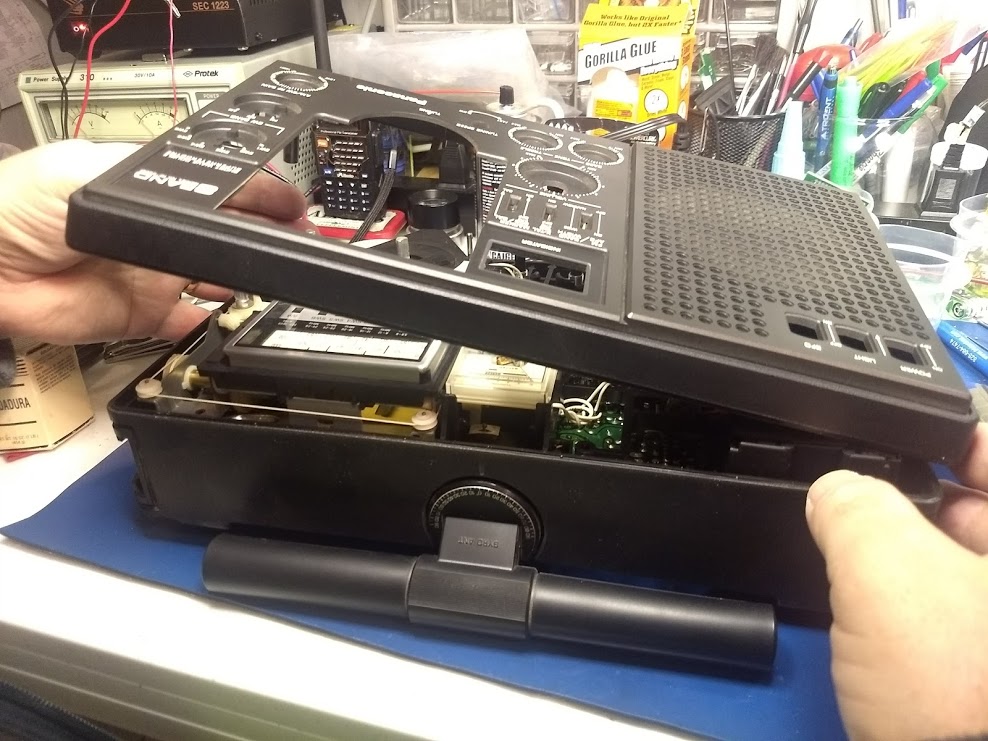
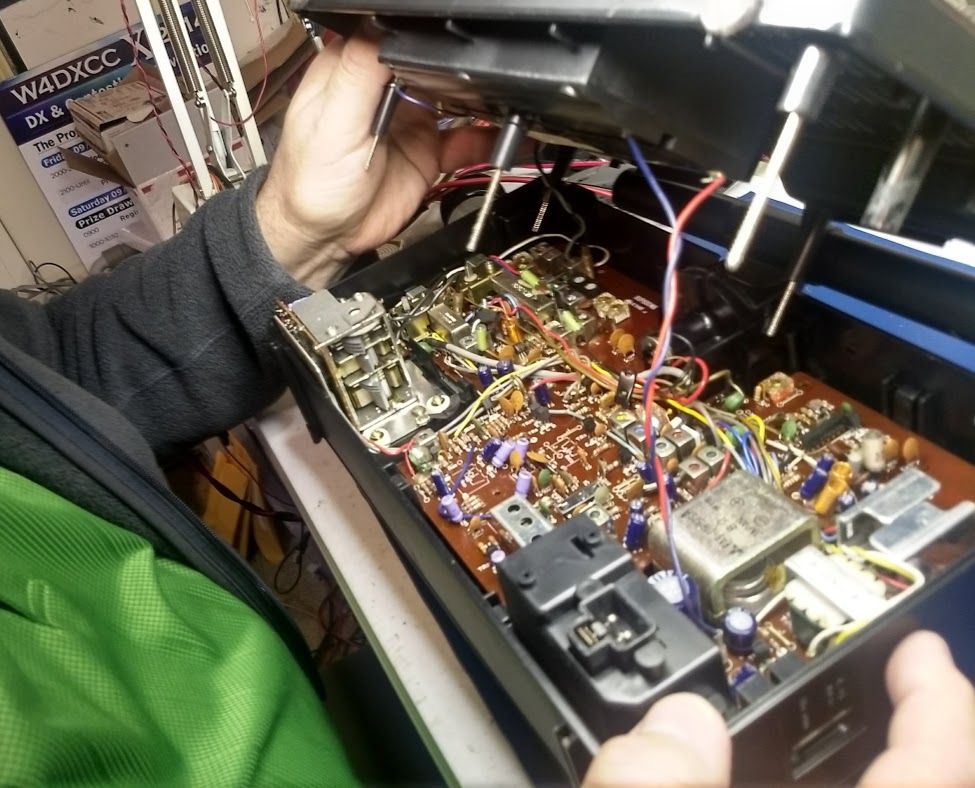
Vlado is familiar with the RF-2200 and since it’s not the easiest radio to work on, I asked for his expert hands on the job. Within seconds of handing him the radio, he plugged it in, tested the switches and pots, then removed the back cover (disconnecting the battery compartment leads) and then the front cover (disconnecting the speaker leads).
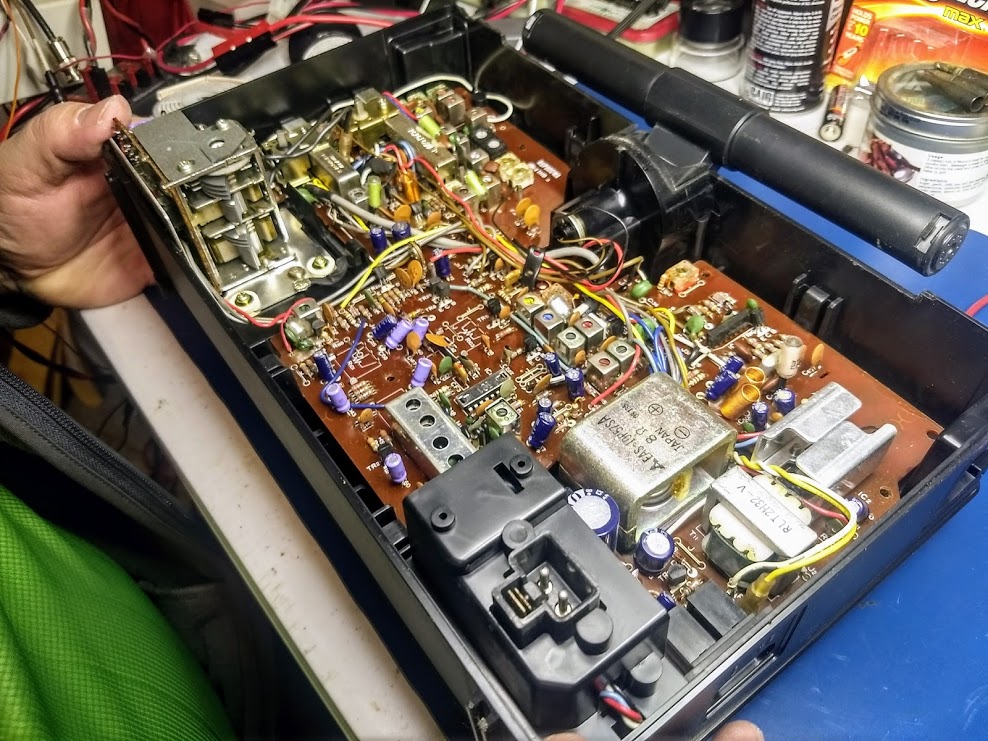
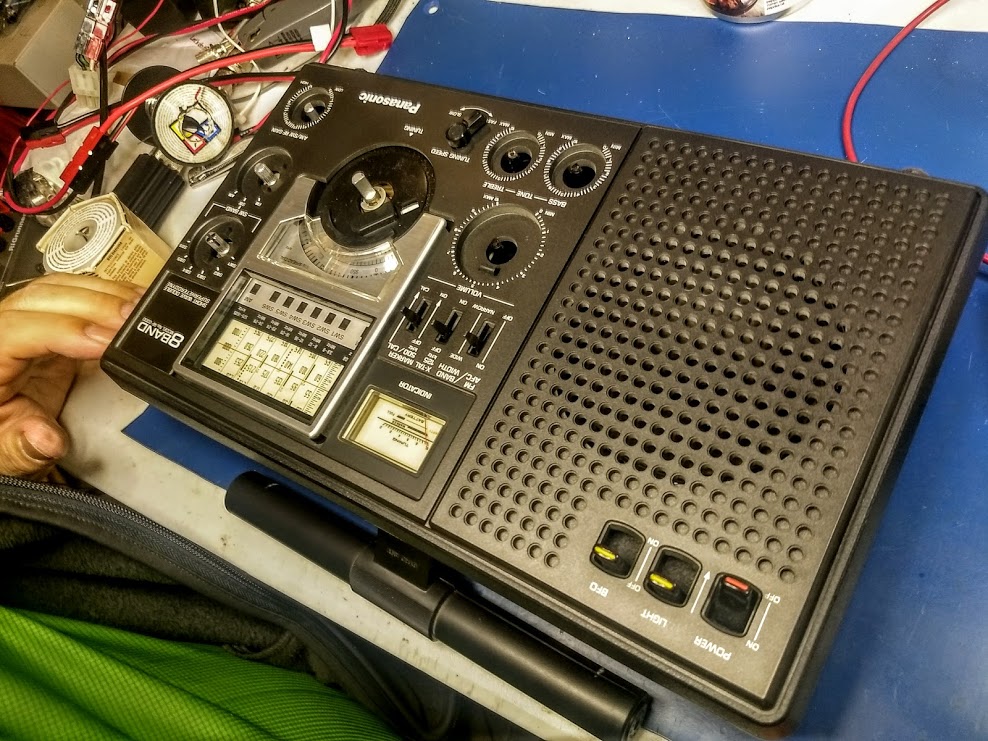
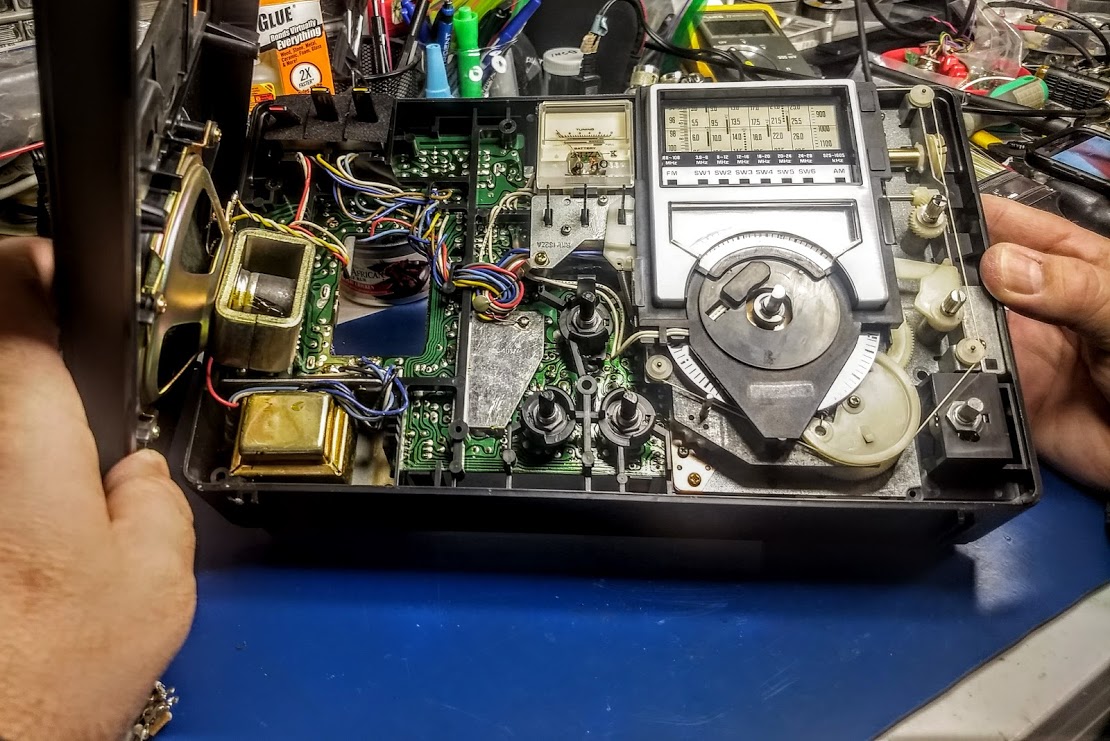
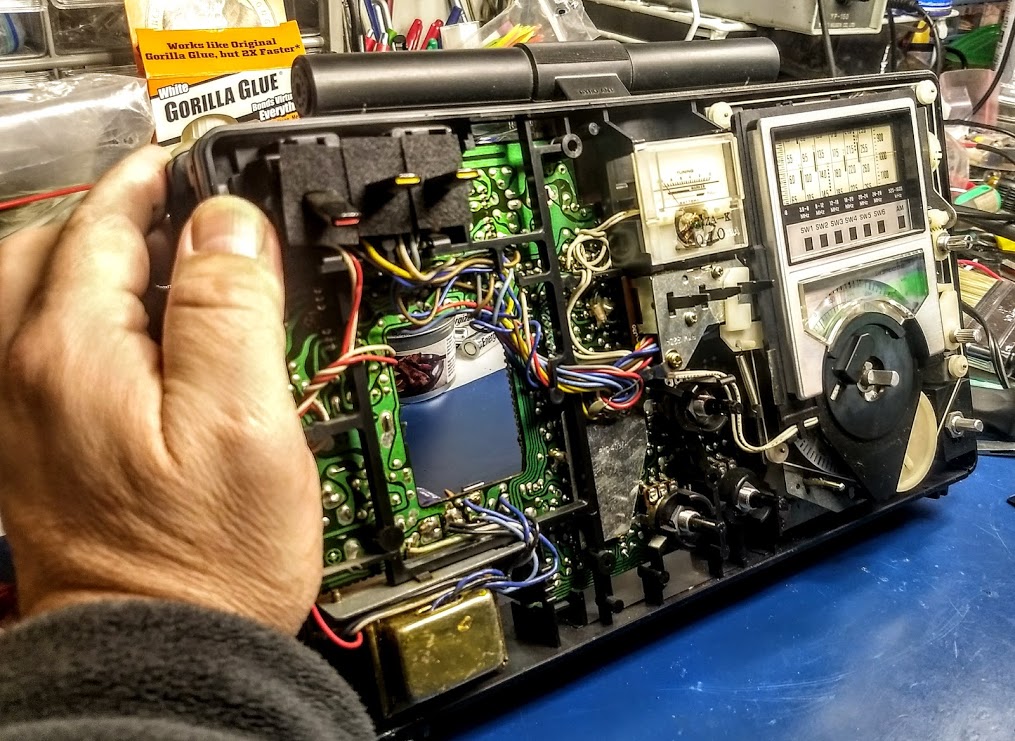
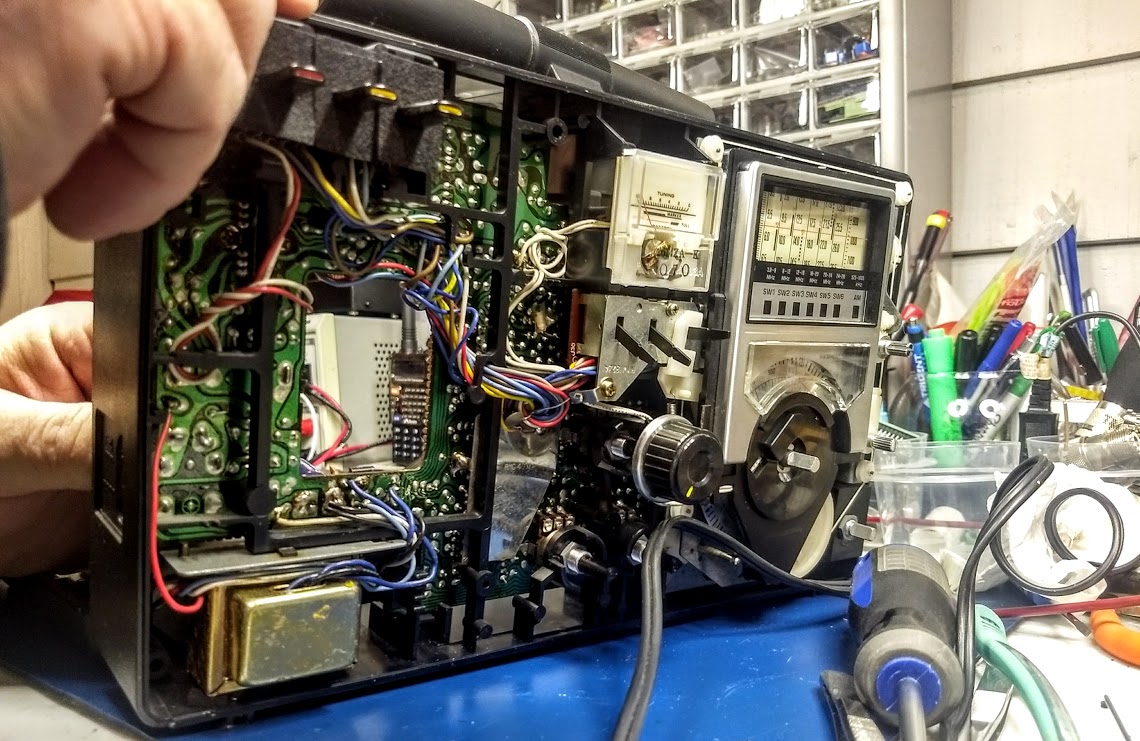
The magic behind the RF-2200’s classic analog dial:
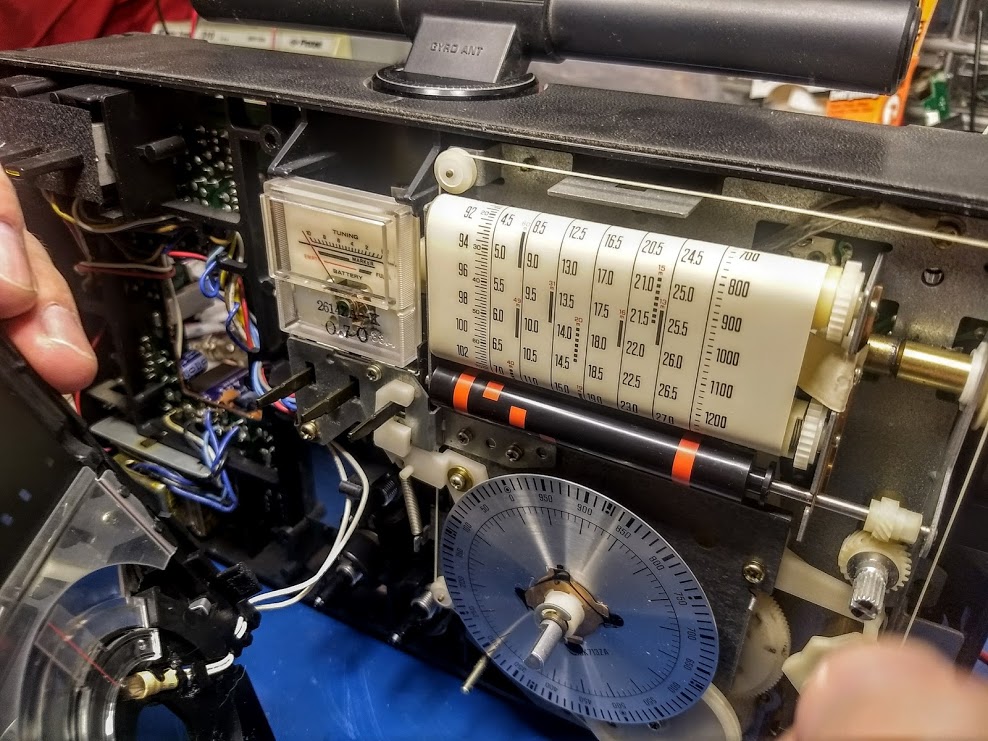
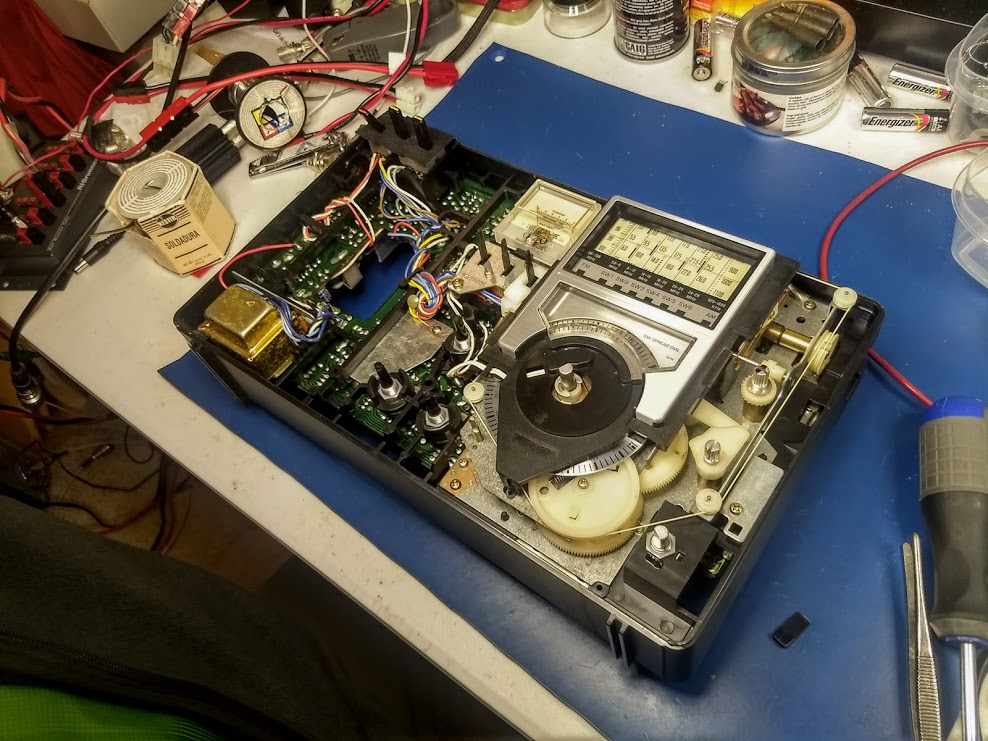
Vlado offered a word of caution to anyone operating on their RF-2200: as you can see in the photo below, the dial string snakes around the front of the radio and is very close to some key components. You must exercise caution when having a soldering iron tip near the string, or using lubricants nearby.I didn’t realize this, but by the time Vlado started taking apart the RF-2200, he had already determined that even though the contacts needed cleaning, this wasn’t the source of the audio problem for the MW and SW bands.Vlado expertly pulled out the pot for the FM/AM/SW selection–not an easy task–began cleaning it, testing it and re-soldering contacts.
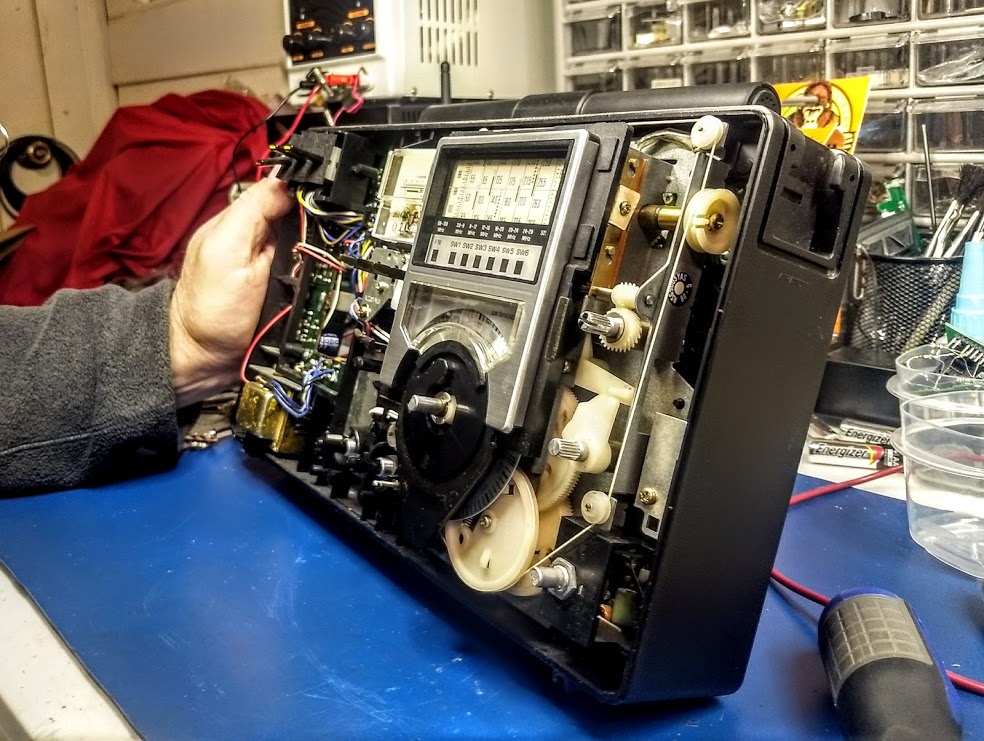
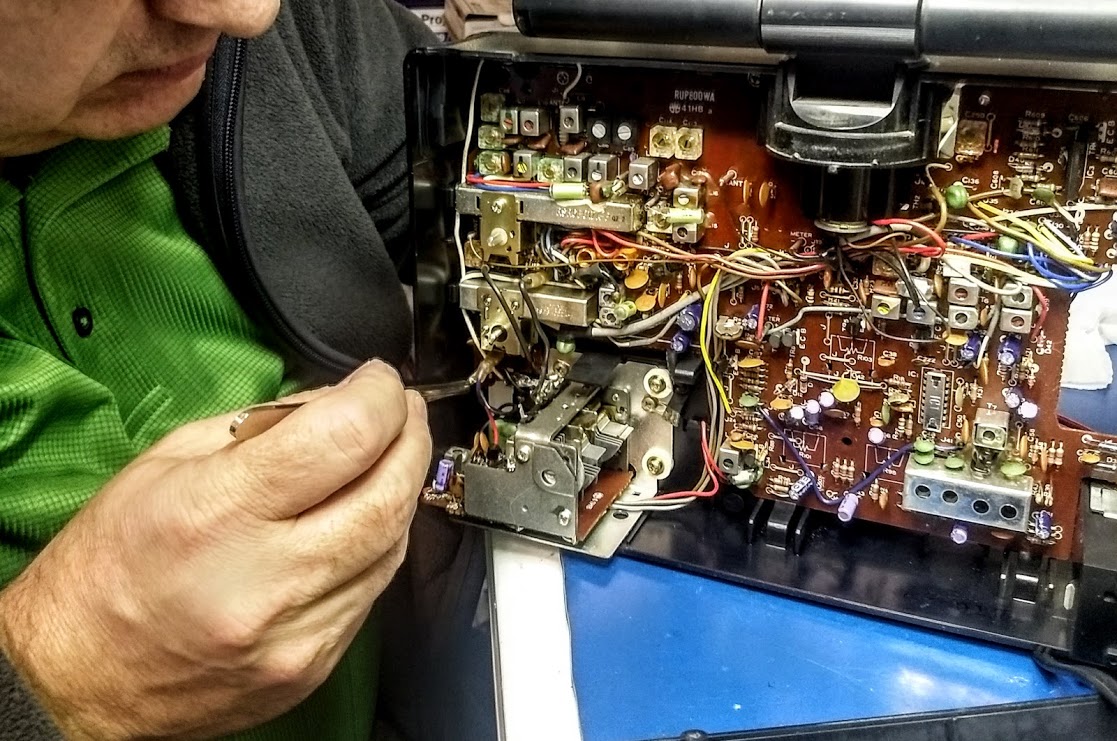
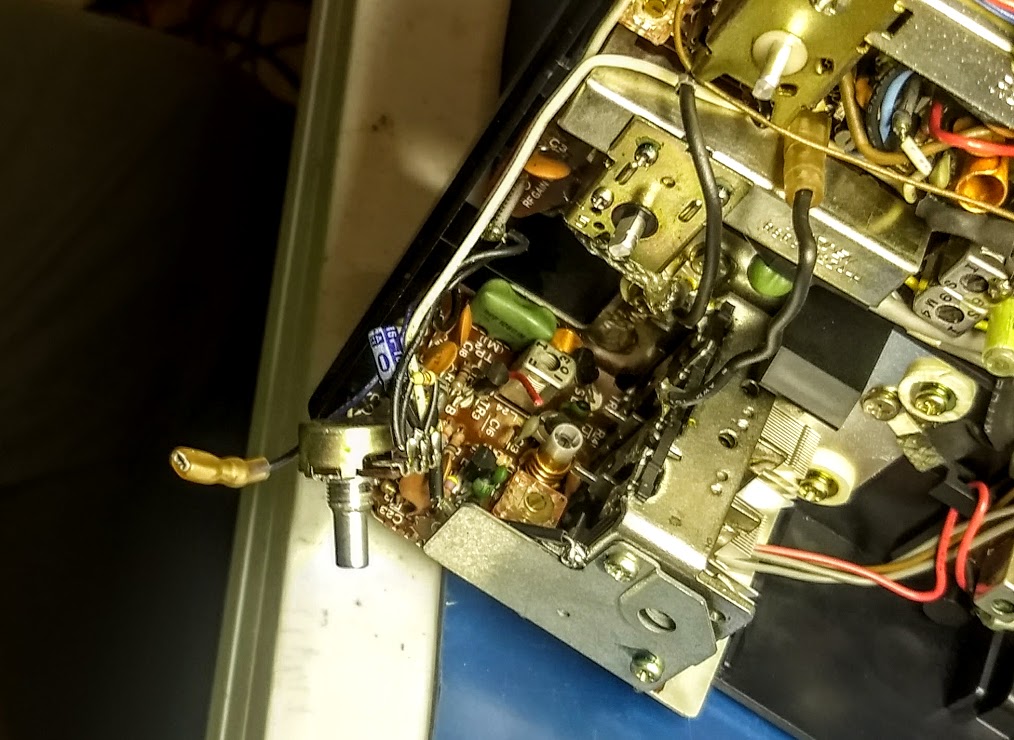
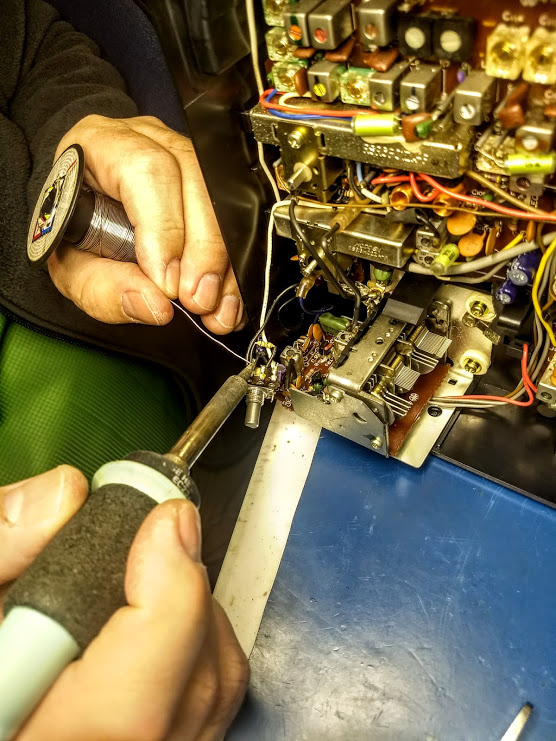
Vlado determined the pot was actually in good shape, thus started testing the rest of the circuit.

After a few minutes of performing tests and getting intermittent performance, he determined that at least one, if not more, of the RF-2200’s caps need to be replaced. Of course, neither one of us was terribly surprised. At this point though, it was getting late and I had an early wake up time in the morning, so I left my RF-2200 with Vlado.

Am I worried about this prognosis?  No, not in the slightest…

Doctor Vlado is on the job!

Vlado will have the RF-2200 back on the air in no time, working as well as it did when it was new. He’s actually performed a similar RF-2200 repair for an SWLing Post reader and I’m willing to bet this repair job is relatively simple compared to most he encounters (including the Icom IC-7200 he recently repaired after it was hit by lightening!).

I’ll try to post a “Part 2” update with photos of the RF-2200 repair.  Follow the tag: Panasonic RF-2200 Repair
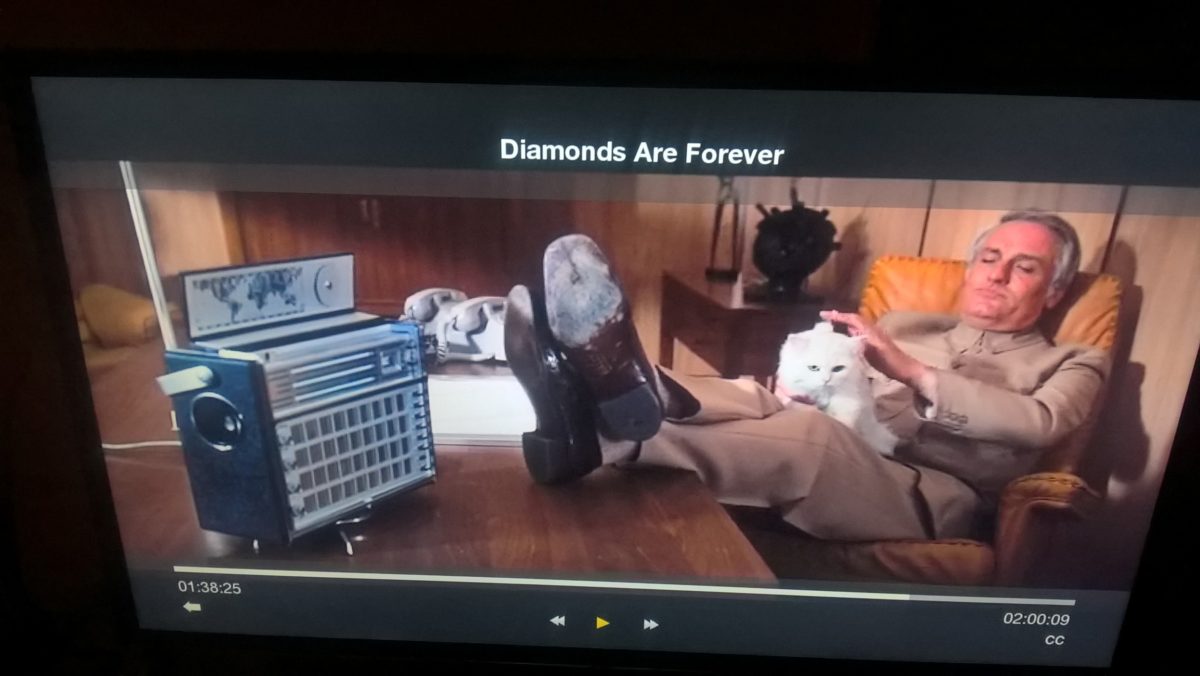
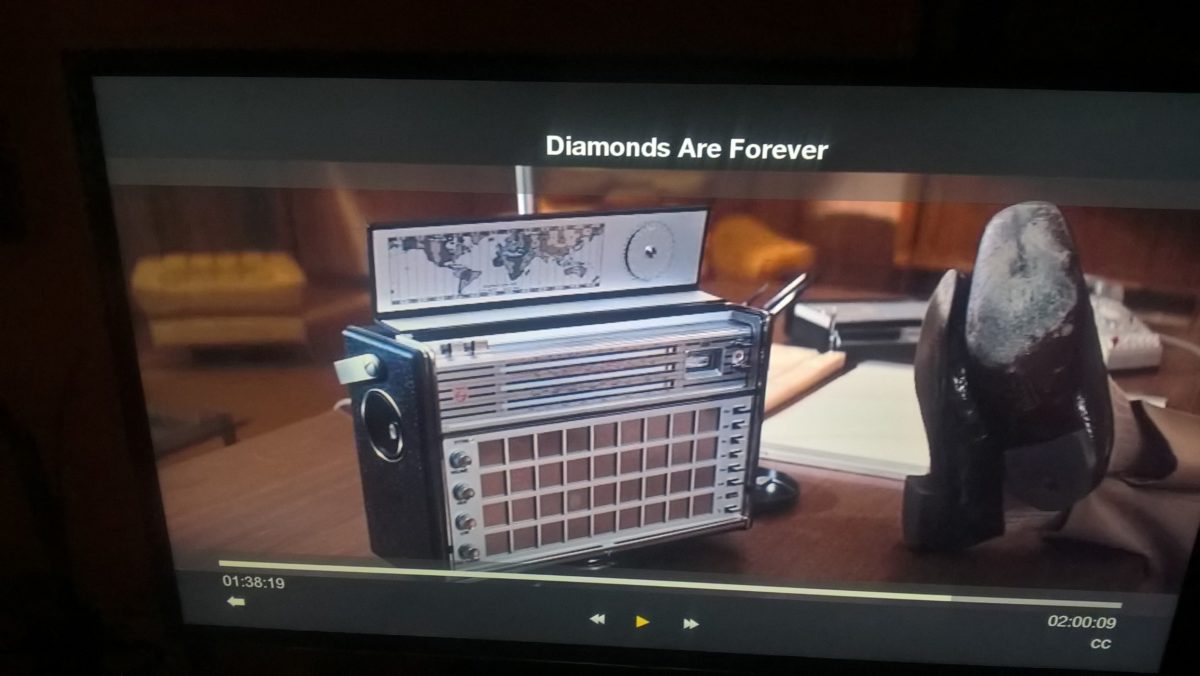
Can you ID this radio in “Diamonds Are Forever”–?

Many thanks to SWLing Post contributor, Chris, who writes:

Last weekend, I watched a few old James Bond movies and this caught my attention when Blofeld was listening to a shortwave broadcast:

Can anyone identify this radio?

Post readers: Please comment if you can ID this radio model!

Mark’s update: The Otterbox 3250 dry box as a radio case

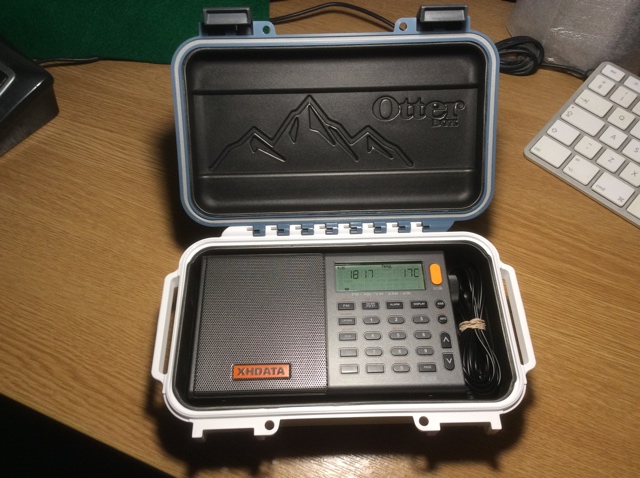
Many thanks to SWLing Post contributor, Mark Hirst, who shares this update about using the Otterbox dry box as a case for the XHDATA D-808. Mark writes:

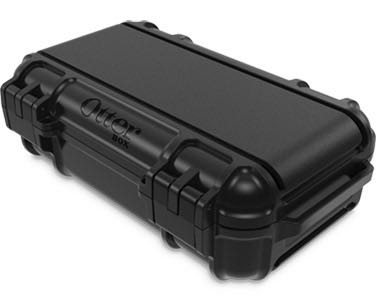
I was mistaken in my belief that Otterbox no longer make dry boxes.

It seems like a year ago they decided to “return to their roots” and started making the Otterbox 3250.

While the model number might make you think it’s the old 3000 case but deeper, it is in fact a little shorter.

As you can see, the XHDATA still fits but the lid leaves about 1.5cm of clearance for the radio to rattle around in. The 3000 fits it perfectly in this regard, though 1.5 cm is enough to fit my Otterbox Defender iPhone 6.

Very cool! Thank you for the follow-up, Mark! I suspect the extra 1.5 cm clearance in the 3250 might even accommodate a thin logging notepad.

Click here to view the Otterbox 3250 on Amazon.com and Amazon.co.uk (affiliate links)

CBC News picks up story about sale of RCI’s WWII era transmitter

After posting a story last week about finding a home for the old RCA transmitter at the former RCI Sackville site, I was approached by CBC reporter, Tori Weldon, who recently put together this piece:

(Source: CBC News)

‘It’s like Frankenstein’s lab’: Massive 78-year-old transmitter for sale

Mi’kmaq group hopes it finds ‘a good home’

A piece of radio history could be yours for $5,000.

A 1940 RCA 50 kW shortwave transmitter, located at the decommissioned Radio Canada International Site in Sackville, is up for sale.

The transmitter is a small room, about five metres long by two-and-a-half metres wide, and it’s filled with lever, buttons, glass tubes and wires.

The property was bought in February 2017 by Mi’gmawe’l Tplu’taqnn Incorporated (MTI), a group of Mi’Kmaq First Nations. Jesse John Simon, the group’s executive director, said workers are still taking electronic components apart and removing old equipment that won’t be needed now that property is no longer a broadcast site.

The old transmitter doesn’t work anymore, said Marc Goldstein, an electrical engineer helping to take out equipment no longer needed, adding it was decommissioned in the 1970s.
“It took three men to operate this radio,” he said.
“We’re trying to find a home for it.”[…]

Click here to read the full story at CBC News.

Dan spots shortwave radios in the film “Operation Chromite”

Many thanks to SWLing Post contributor, Dan Hawkins, who writes:

Operation Chromite (2016) is a South Korean film about the invasion of Inchon by UN forces in September, 1950. This film began streaming on Netflix in the USA on January 15, 2018 and is in the Korean and English languages. The English language subtitles run automatically. This story is inspired by actual events during the Korean War. Under the command of General Douglas MacArthur UN Forces, CIA, the South Korean military and the covert Korean Liaison Office infiltrate Inchon a week before the invasion. Their mission is intel, reconnaissance and disruption. They will operate behind enemy lines in North Korean uniforms.

I gave this movie a try for several reasons. I enjoy Korean movies. The role of General MacArthur is played by Liam Neeson (of all people) and this looked like a good bet for spotting some vintage military radios. I was right about the radios.

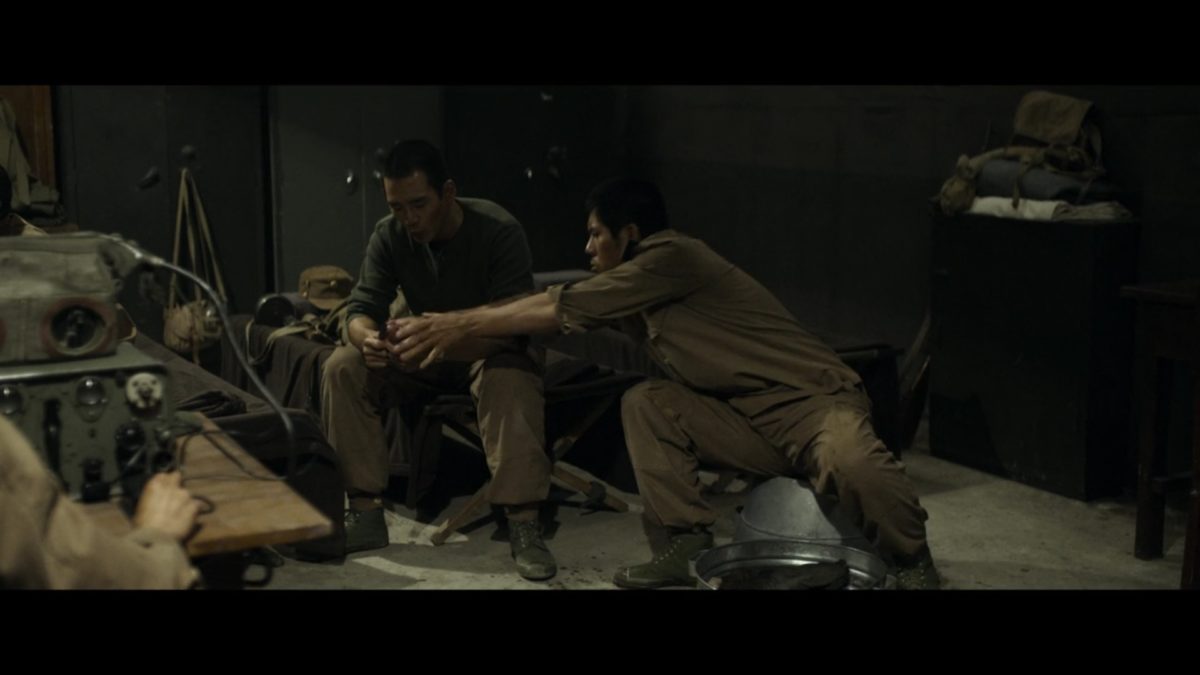
Captain Jang Hak-Soo and his seven infiltrators arrive for their first night in Inchon. Remember, they are posing as North Koreans. The radio they have packed along is a Russian RBM. This transceiver has distinctive dual magnifying lenses over the dials.

Click to enlarge.

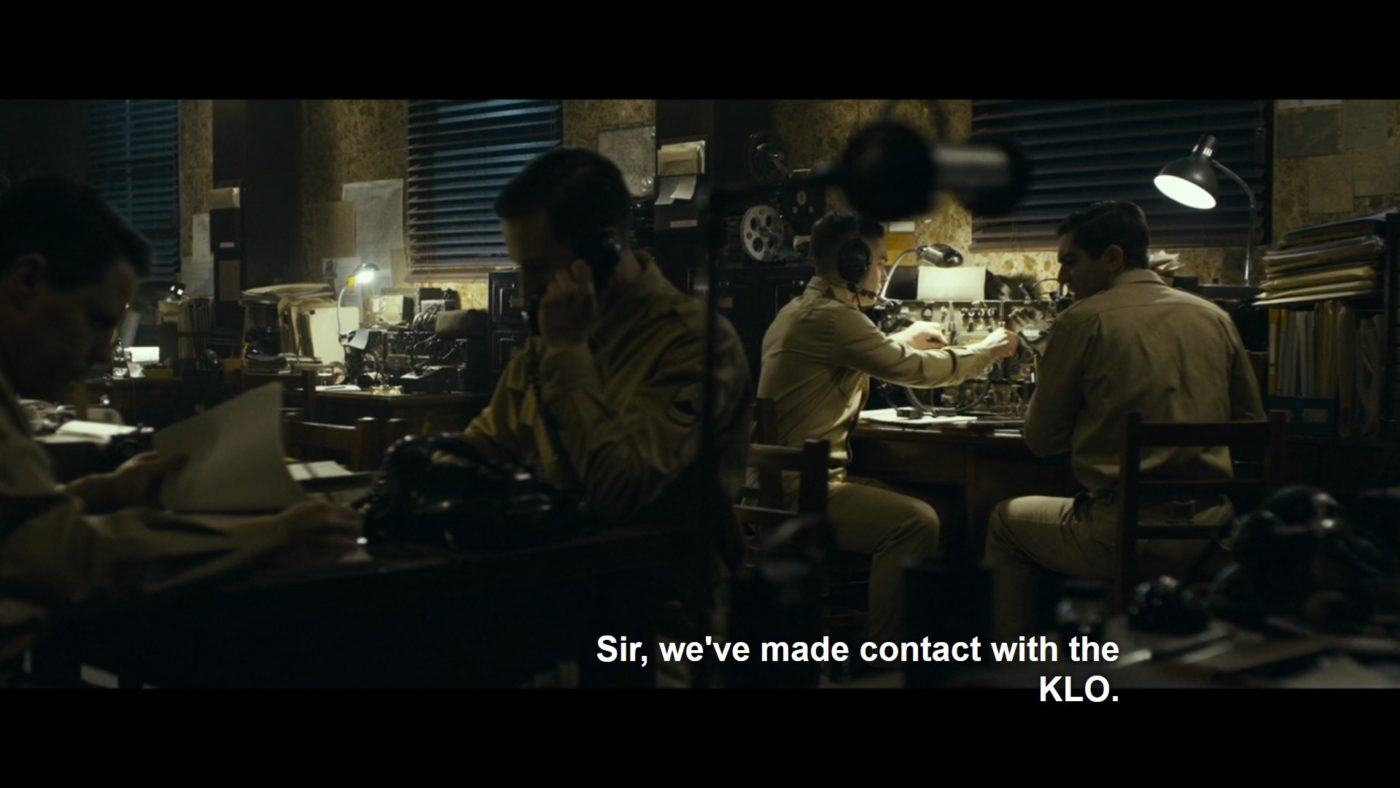
General MacArthur is in the radio room at his Tokyo headquarters. He issues orders for the KLO to locate any naval mines placed in Inchon harbor. The radio in this scene is a complete AN/GRC-3. I am surprised to see this as it is a 24VDC vehicular radio set (a 115VAC power supply was available). I expected to see some brand spanking-new Collins R-390s or Hammarlund SP-600s for the General. Maybe he has another radio room at HQ. I could be wrong about this.

Click to enlarge.

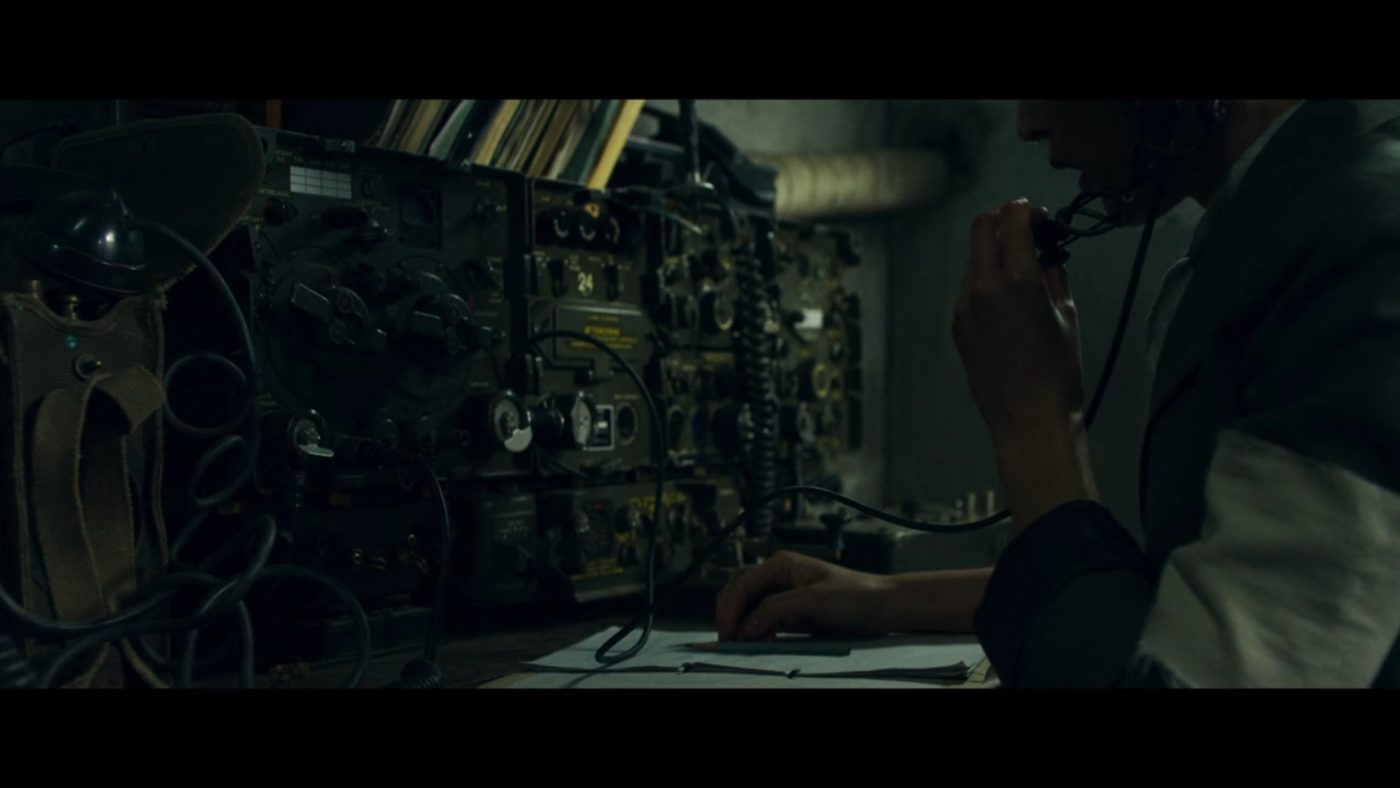
The final radio is seen behind enemy lines and is the same AN/GRC-3 seen in Tokyo. This time a KLO operative is using it.

Click to enlarge.

Operation Chromite held my attention for the reasons given above. The historical accuracy is more dramatic than documentary but is not too far off the mark.

Being a fan of military receivers, I really appreciate these screen grabs from Operation Chromite, Dan! Thanks for sharing! I’ll add this find to our growing archive of radios in film.

Comparing the XHDATA D-808, Digitech AR-1780 and Tecun PL-660 on shortwave

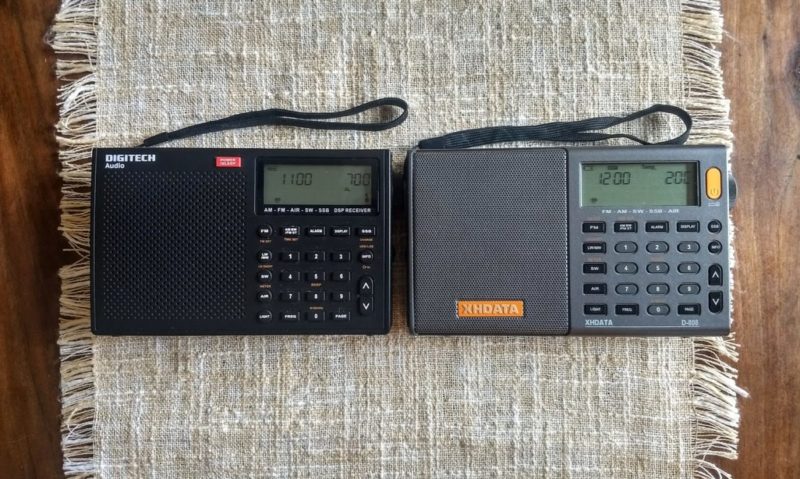
On Friday, I managed to set aside an hour to finally do a video comparison of the Digitech AR-1780 and the new XHDATA D-808.

I placed a table in my driveway, far away from any source of RFI, and set up the radios in identical configurations: same orientation, antennas fully-extended, same AM bandwidth (4.0 kHz), same audio levels, etc. For good measure, I also included the venerable Tecsun PL-660 in the mix.

This was still daytime listening, so all of the stations were from 31 meters and up.

Apologies in advance: somehow the cord from my monitoring headphones is in the shot on some of these videos! I’m still getting used to the new Zoom Q2n video camera:

WRMI 9,455 kHz

Click here to view on YouTube.

WWV 15 MHz

Click here to view on YouTube.

Deutsche Welle 15,200 kHz

Click here to view on YouTube.

Afia Darfur 9,825 kHz

Click here to view on YouTube.

I should add that QSB was slow and deep on Friday. Twice I had to re-shoot videos because the station simply faded into oblivion.

I plan to do a few more comparisons with the XHDATA D-808 and Digitech AR-1780 soon as I’m very curious how SSB reception may differ.

Please comment with your observations. Which radio did you prefer? I’ll hold my comments for now.

Radio Deals: $20 off CountyComm GP5-SSB (Gen 3)

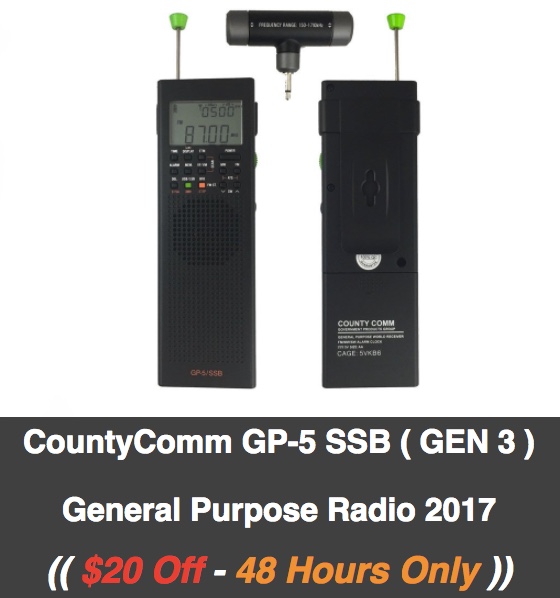
Many thanks to SWLing Post contributor, Paul McDonough, who notes that CountyComm current has lowered the price of the latest version of the CountyComm GP5-SSB by $20 this weekend (a 48 hour sale which started yesterday).  Read our review of the GP5-SSB here.

Click here to view the sale on CountyComm’s website.