Author Archives: Thomas

Chris suggests installing a shortwave receiver in your car

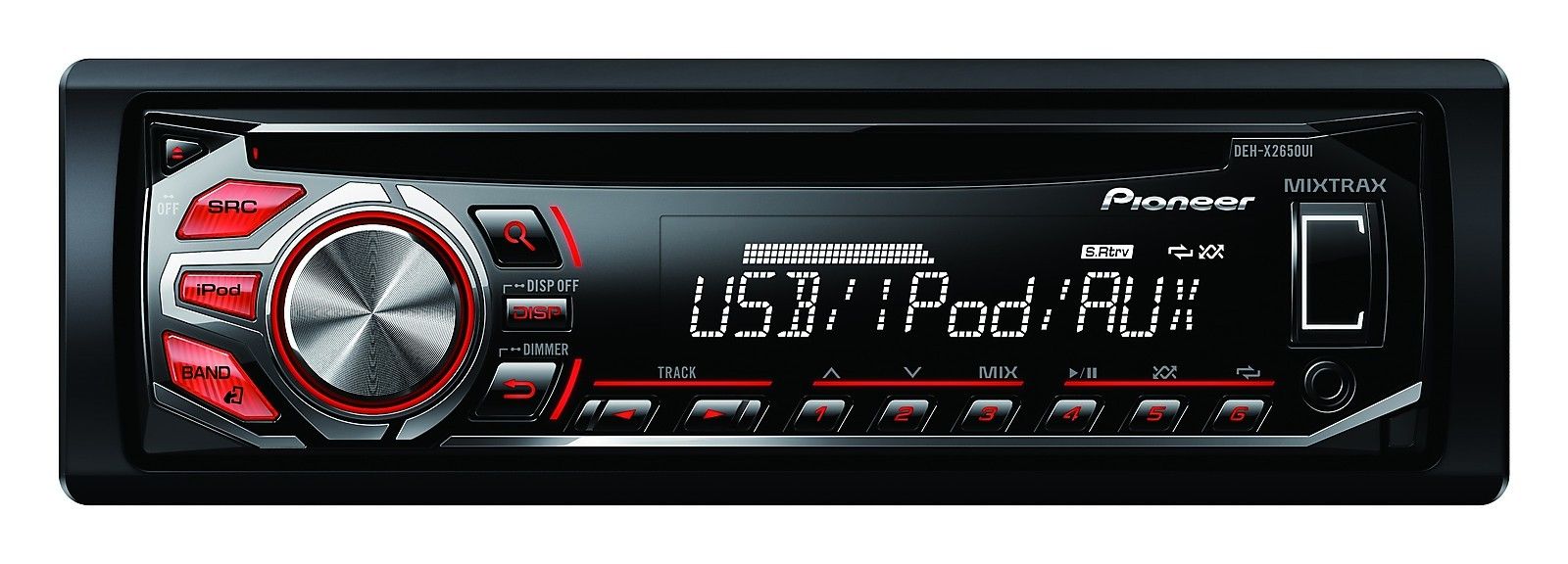
Pioneer-DEH-X2650UI

On the topic of shortwave radios in automobiles, SWLing Post reader, Chris, writes:

“Seven years ago, I purchased a Sony Car Stereo with a Shortwave receiver from the Shortwave Store in Canada. It works remarkably well especially on those summer trips to Northern Wisconsin and Michigan when I can get away from the city noise. Last summer while driving from Chicago to Copper Harbor Michigan (a 10 hour drive) I listened to Radio Australia, Radio New Zealand, Radio Havana Cuba, Radio Exterior Espana and the BBC (Ascension). It certainly made a long drive more enjoyable.

Below is a video I took last night of a relatively weak signal of Radio Exterior Espana (due to local electrical noise and weather) then followed by a nice strong signal of Radio Romania. The signals were recorded next to Lake Michigan in Chicago.

If you can’t afford a BMW with a Shortwave receiver or you don’t have an appetite for a Smart Car you can always install a receiver easily found for sale on Ebay.”

Click here to view the Pioneer DEH-X2650UI Shortwave Car Auto Radio on eBay.

Of course, the receiver is only as good as its antenna. Chris admits that, “the [radio] installation was a hassle and I had to install an aerial whip antenna (which required drilling).” Obviously, your investment in the whip antenna is paying off, Chris. I’m impressed.

Resources:

I have created an eBay search string to search for shortwave car radios: Click here to search eBay for a mobile shortwave radio.

You can also search for the Pioneer DEH-X2650UI Chris suggested by clicking here.

Maplin stocks the Tecsun PL-660

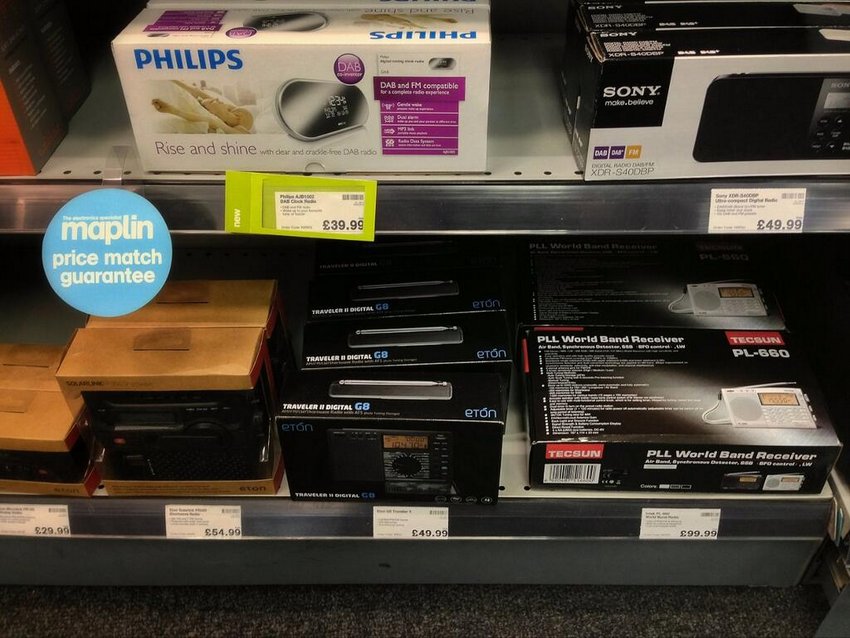
Maplin-Tecsun-PL-660If you live near a Maplin retail store in the UK you’ll be happy to note that they now sell the excellent Tecsun PL-660 portable radio.

Many thanks to London Shortwave who snapped the above shot in his local Maplin store. He notes/tweets: “though it’s a lot more expensive [at 99 GBP] than buying on eBay, [it] shows that the radio now has mainstream recognition.”

Buying a BMW in South Africa? Shortwave radio is an option!

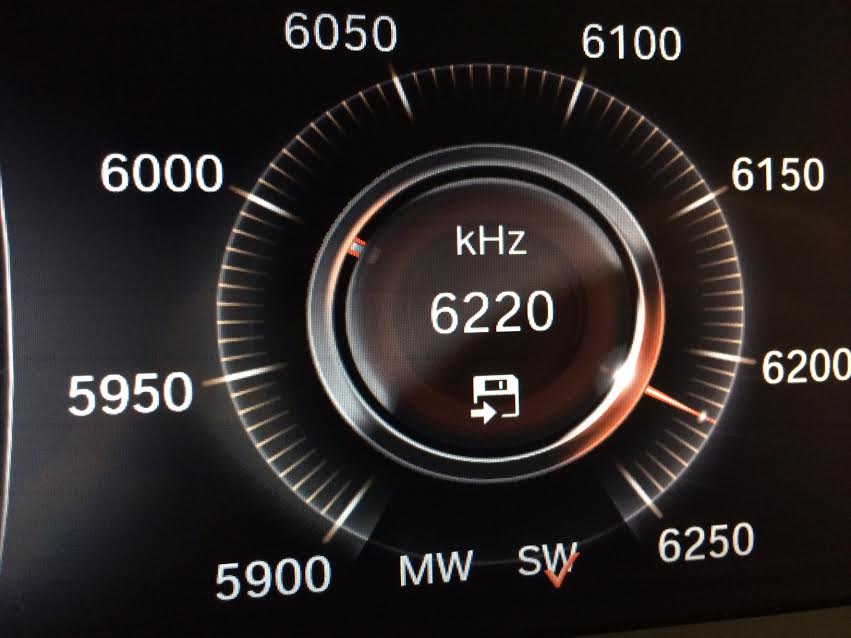
bwm-swSWLing Post reader, Bob, has a relative who works for BMW in the United States. Recently, Bob learned that some models of BMWs shipped to South Africa have a shortwave radio option.  He followed up with this photo of the radio display [see above].

Wow, what a fab idea! Not only would I love to have a factory-installed shortwave radio in my car, but I must admit that I love the simple design of this digital radio dial: elegant, clean, and just a tad retro and sci-fi, all at once.

Now if I could simply afford the BMW…Sigh!

Dates of availability for new Etón shortwave radios…

Eton-Satellit

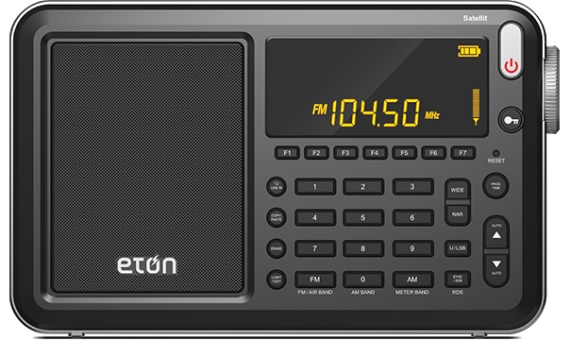
Several SWLing Post readers have been asking about the availability of the new Etón shortwave radio product line.

I’m pleased to report that I can confirm these availability dates for retailers, suggesting that these Etón units may be ready to ship on these dates:

  • Etón Mini 400: July 14, 2014 ($39 US)
  • Etón Field: July 21, 2014 ($129 US)
  • Etón Traveller III: September 8, 2014 ($59 US)
  • Etón Satellit: September 15, 2014 ($199 US)

Shortwave Radio Recordings: BBC to the 2014 British Antarctic Survey

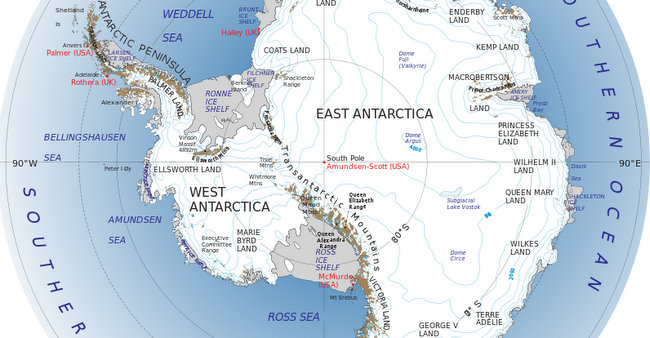
800px-Antarctica.svgAs promised, here are the recordings of the BBC World Service’s thirty minute broadcast to the British Antarctic Survey. The broadcast started at 21:30 UTC on June 21, 2014 and was broadcast on 5,875, 5,985, 7,350 and 9,890 kHz.

British_Antarctic_Survey_Logo

As in previous years, this broadcast was lighthearted, filled with humorous shout-outs from the team’s family and friends. Even a couple of special guests were included. Listen for yourself:

This excellent recording was made by SWLing Post reader, Dominik, in Europe:

Click here to download Dominik’s recording as an MP3.

Post reader Rob Wagner (VK3BVW), in Australia, could receive the broadcast on three frequencies (5,875, 5,985, and 7,350). He’s included clips of each broadcast on his excellent blog, The Mount Evelyn DX Report.

As for me, I was traveling to visit family yesterday afternoon when the broadcast started.  I knew from listening endeavors on previous visits that receiving a broadcast indoors at their home is not feasible; there is some sort of power line noise in that area that overwhelms anything on the short or medium wave bands, unless the station is very strong.

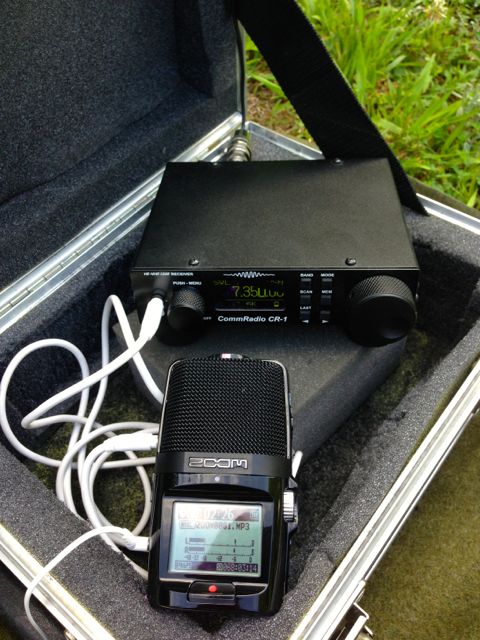
To cope with this noise, I knew I would need to move my operation outdoors, away from the house, and employ an outdoor antenna. So I packed the following, all into my small flight case: the CommRadio CR-1, a NASA PA-30 15 foot passive wide-band wire antenna, and the Zoom H2n Handy Recorder
.
CommRadio-CR-1-Zoom-H2N-BBC-Antarctica

I hung the PA-30 antenna in a nearby tree, spread a wool army blanket on the ground for lounging, and put the mini flight case to use as a stand to hold the radio and recorder. The CR-1 required no external power supply, as its internal battery had been charged in advance (one of the reasons I love this little receiver for travel).

To try out the set-up, I tuned around the bands. Conditions were rough, thunderstorms were in the region, but I was most impressed that I could hear several broadcasters on 31 meters. I knew that the BBC broadcast would be a tough catch; after all, none of their transmissions were targeting my part of the globe–rather, the opposite!

When I tuned to the BBC broadcast on 7,350 kHz, here’s what I heard:

This is (very) rough copy; for five or so minutes, you’ll hear me switching between AM/USB and LSB to find the best mode for the signal. I also check the other BBC frequencies to see if any were more audible.

In the end, using ECSS (zero-beating the signal in USB) seemed to work best.

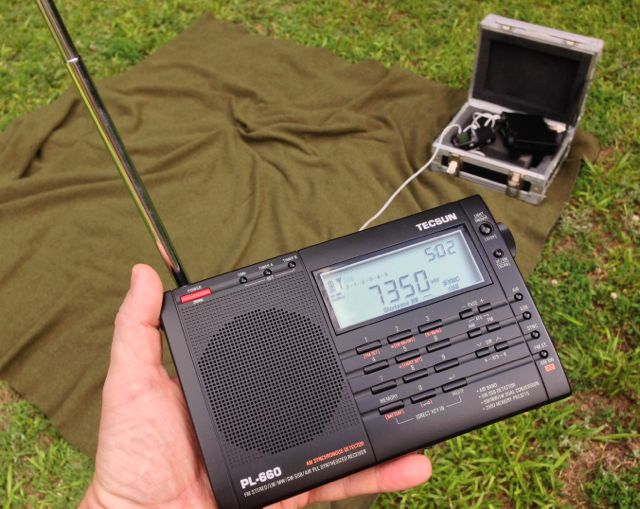
For fun, I had also brought along the Tecsun PL-660–a choice portable radio for weak signal DX. I tuned to 7,350 and could just hear the BBC signal in the noise, but voice and music were unintelligible.
Tecsun-PL-660-BBC-Antarctic

What did I get out of the experience?  Good copy?  Alas, no.

But there’s nothing like the fun of playing radio outdoors! Even though the copy was rough, propagation deplorable, and static crashes abundant, I thoroughly enjoyed the experience.  Moreover, I was amused to note that while I listened (and sweated) outside in the very hot, muggy conditions of the American southeast, a few scientists huddled near the extremely chilly southern pole at that exact moment, were tuning in the exact same broadcast.  It somehow made the heat bearable.

That’s the remarkable camaraderie of radio: truly, a wireless community.

Today: Catch and record the BBC’s broadcast to the British Antarctic Survey Team

Halley VI: The British Antarctic Survey's new base (Source: BBC)

Halley VI: The British Antarctic Survey’s new base (Source: BBC)

Every year, the BBC broadcasts a special program to the 41 scientists and support staff in the British Antarctic Survey Team.

The BBC will play music requests and send special messages to the team who winter over in this isolated post. The broadcast is guaranteed to be quirky, nostalgic and certainly DX worth catching. Click here to listen to the 2013 broadcast.

The winter program will air today, June 21, 2014 at 21:30 UTC on the following frequencies:

  • 7,350 kHz; Ascension; 207°
  • 9,890 kHz; Woofferton; 182°
  • 5,985 kHz; Dhabayya; 203°
  • 5,875 kHz; Wooferton; 184° (updated)

Readers: If you have a chance, try to record the broadcast as I’m uncertain if I’ll have a chance to catch it this year. I would like a good recording for the Shortwave Radio Audio Archive.

Many thanks!