Category Archives: Radios

Guest Post: Crystal Radios – Construction, Listening, and Contesting

Many thanks to SWLing Post contributor, David Day (N1DAY), for sharing the following guest post:


Crystal Radios – Construction, Listening, and Contesting

By David Day – N1DAY

The date was November 2, 1920 and the world was about to change forever when radio station KDKA out of Pittsburgh PA made its first broadcast of election results from the 1920 presidential election.  For the first time in history people knew who won the election before reading about it the next day in the newspaper.  Radio had arrived!

However, hearing the election results was not as easy as powering up an AM radio receiver because radio electron tubes had only been invented a few years earlier and they were still too expensive for most people to afford in a radio set.  After KDKA’s historic broadcast, large 50,000 watt stations began popping up in all major cities around the world.  Even though a tube-driven radio was not yet commonplace, many people listened to these stations on their crystal radios.  The frenzy around radio in the 1920’s was not unlike the excitement around cell phones and the internet today.  If you didn’t have one, you were simply living in the past.

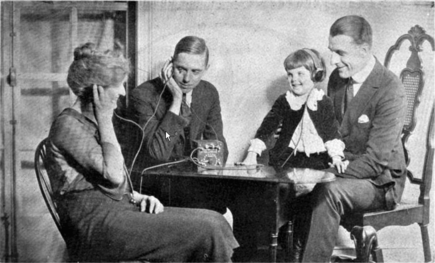
A family listening to a crystal radio in the 1920’s

Fortunately, in the early 1920’s the crystal radio had been around for a while and it was easy to make or purchase a completed set on a limited budget.  The beauty of the radio was that it was a passive device needing no power source other than the radio station’s broadcast that was received by a good antenna about 50 feet long and 15 or so feet above the ground.  Crystal radios derived their name from use of galena crystals as detectors. Continue reading

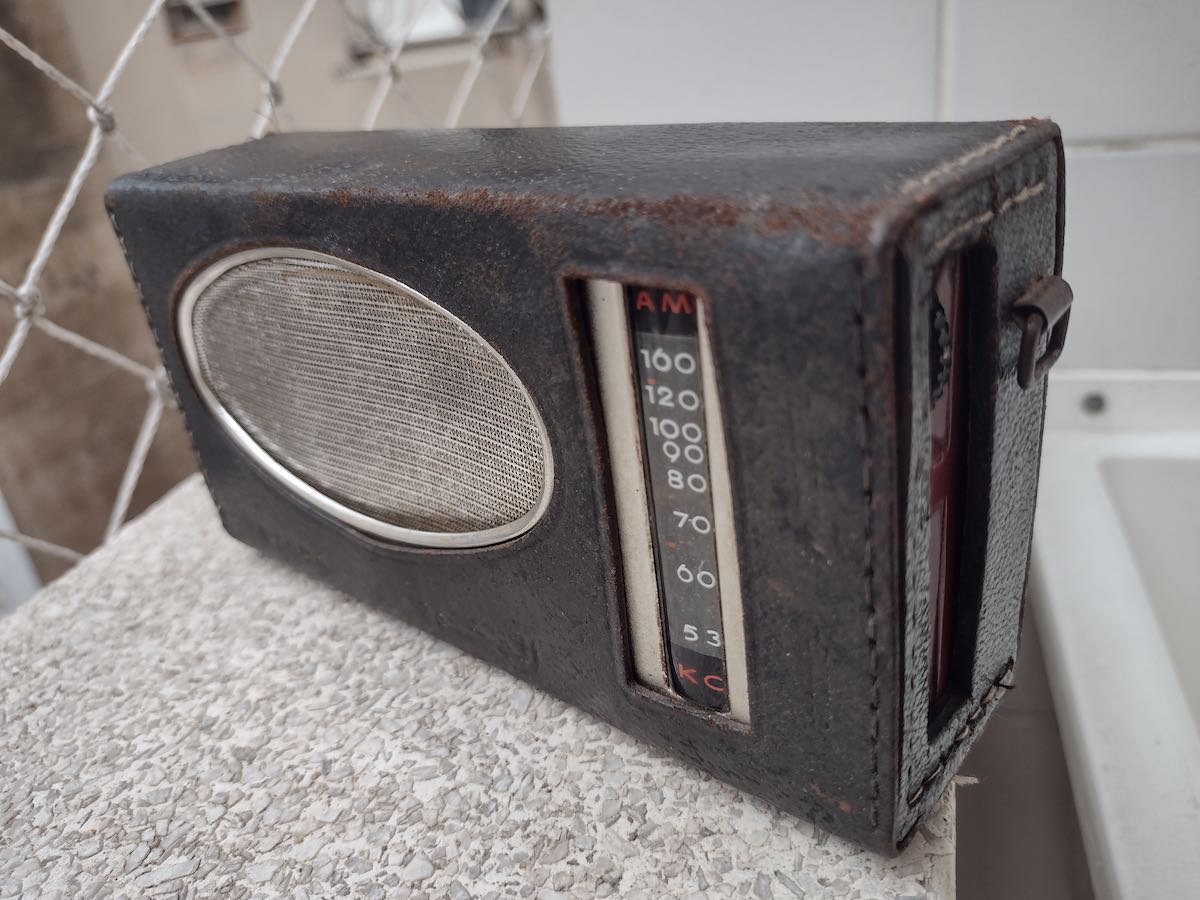
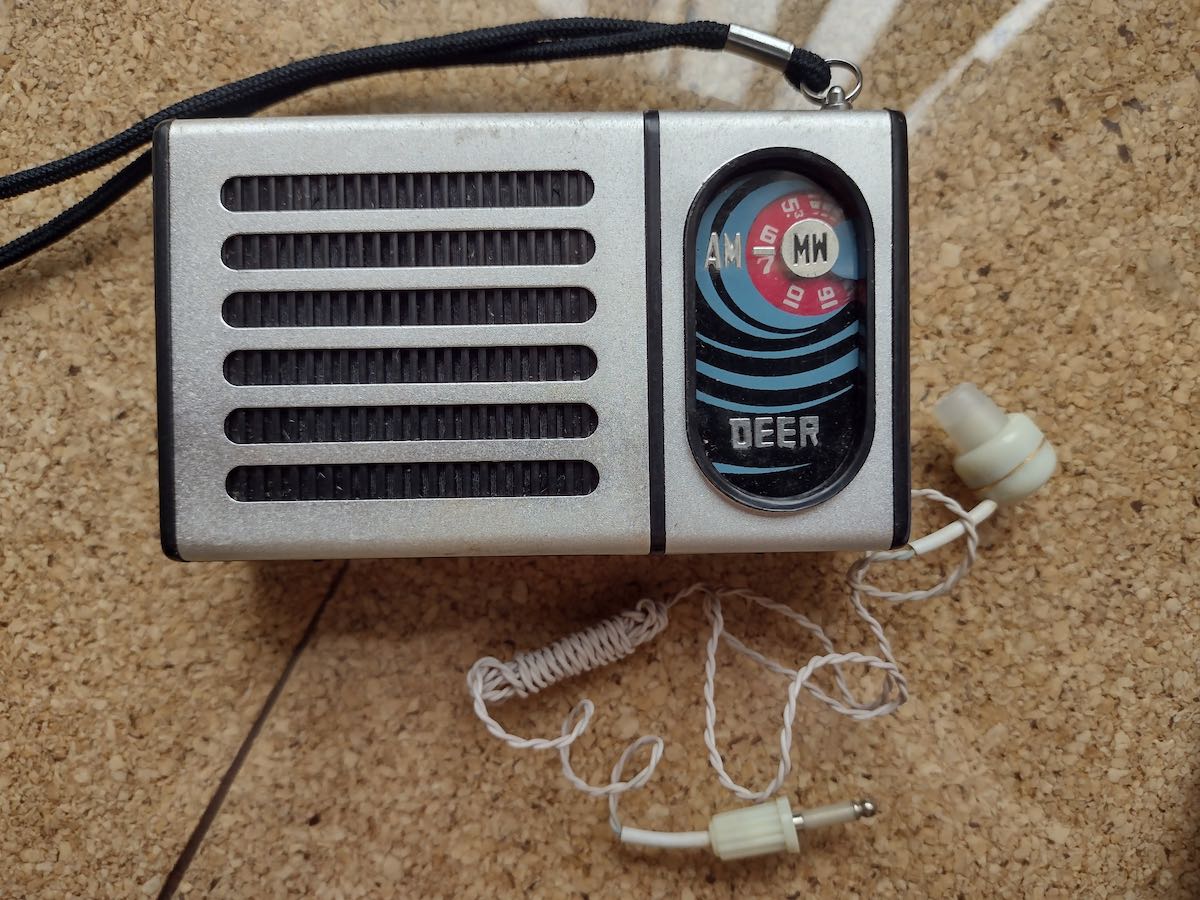
Anyone recognize this “DEER” Chinese transistor radio?

Many thanks to SWLing Post contributor, Carlos Latuff, who writes:

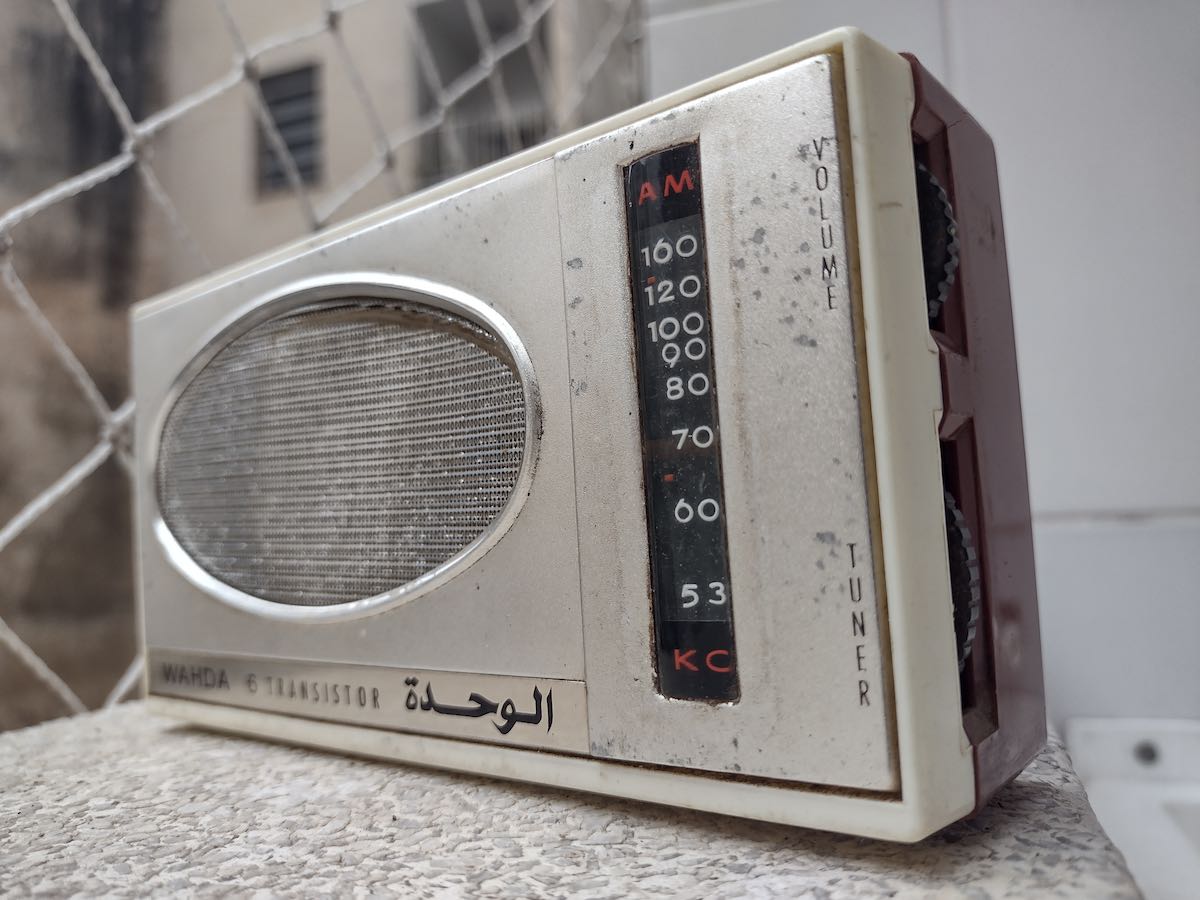
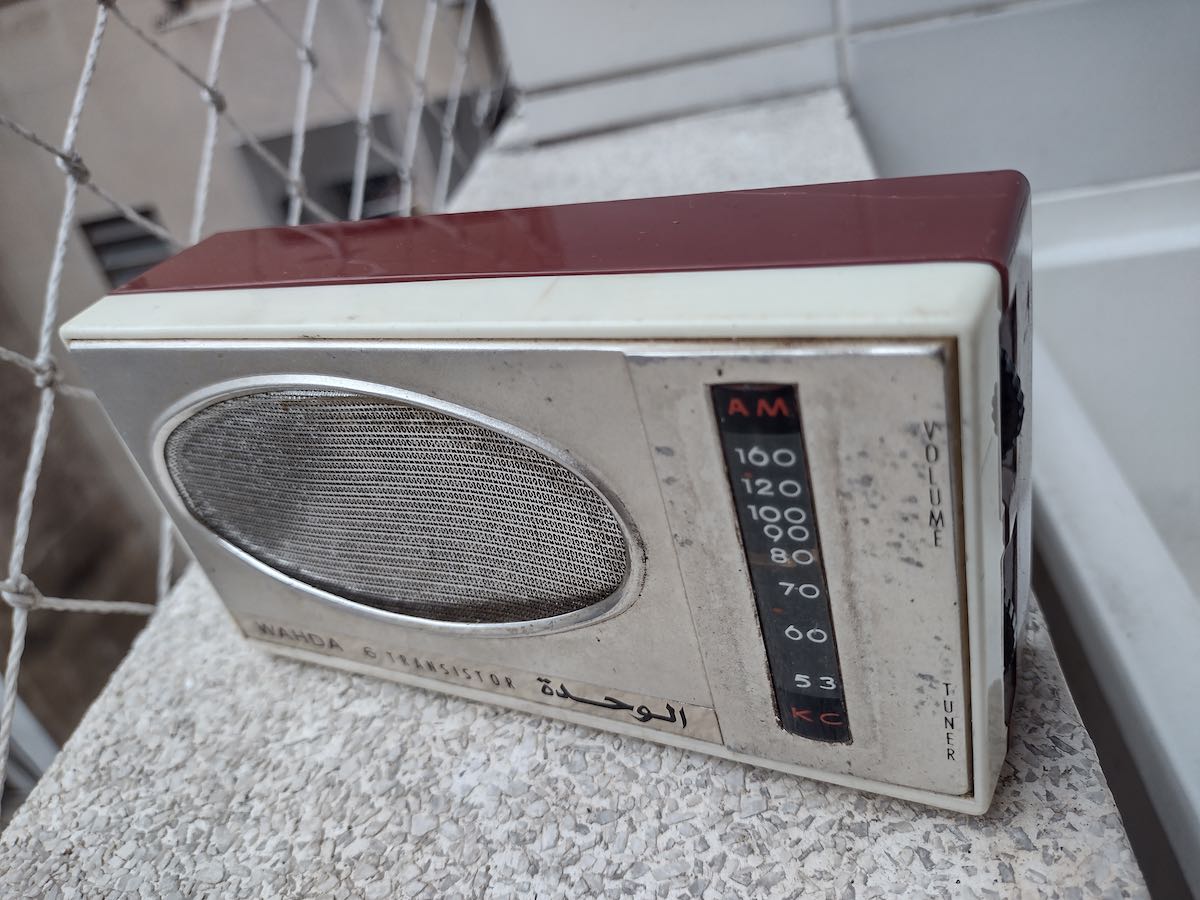
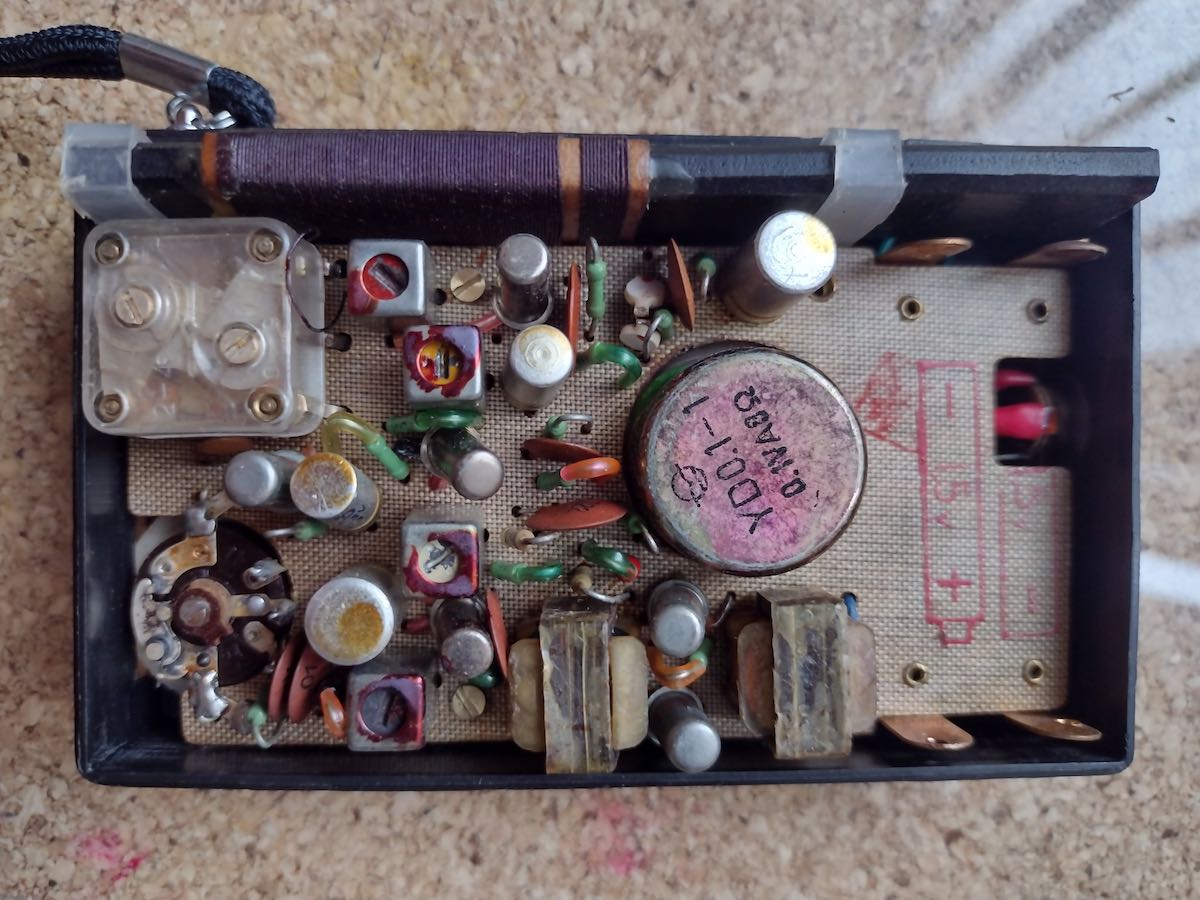
I just bought this fully operational AM-only pocket radio made in China at the traditional flea market of Praça XV, in Rio de Janeiro, for only 25 reais (around US$ 4.39). It looks more like a response from the Chinese market to pocket radios manufactured in Japan in the 70s.

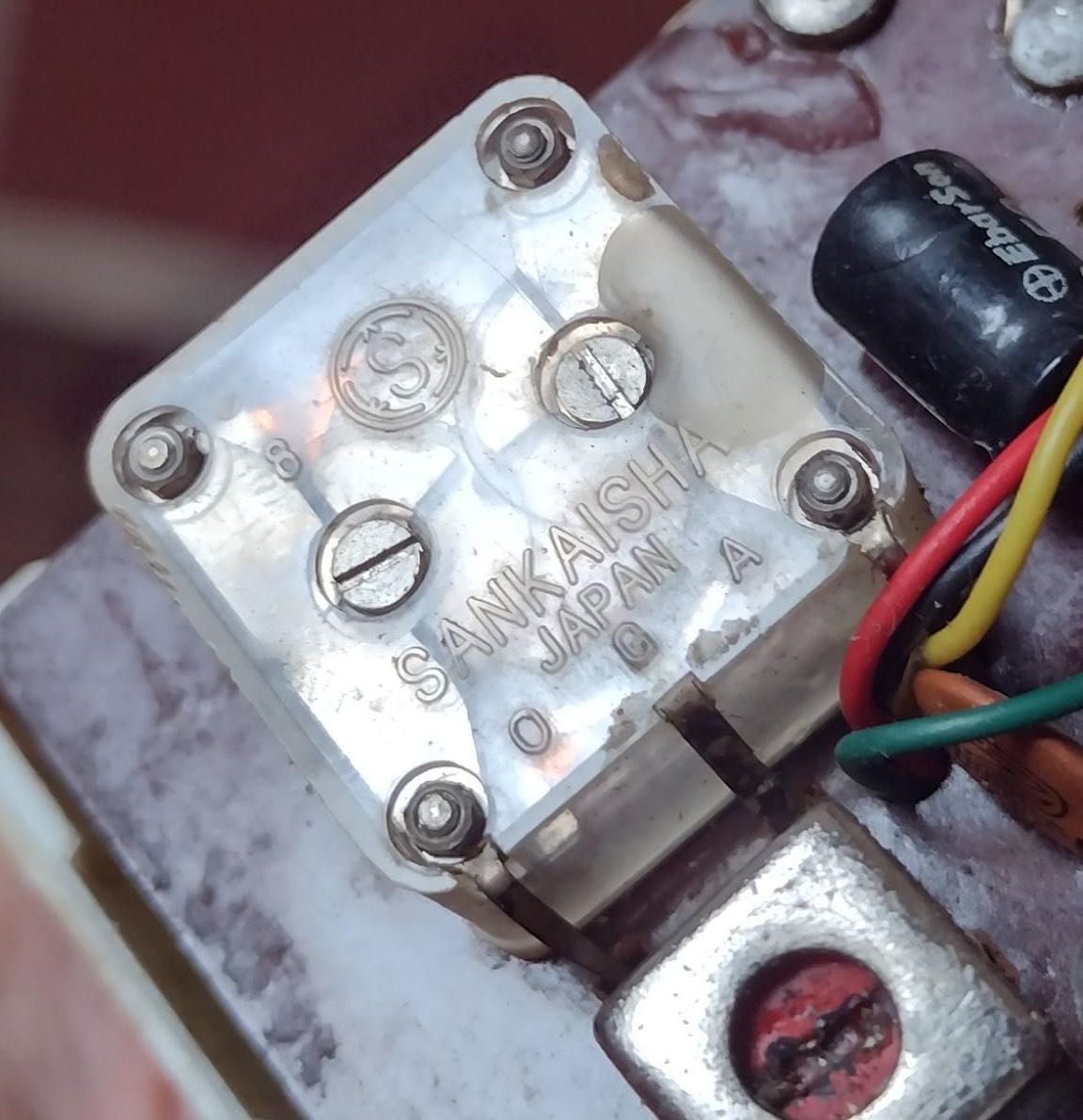
Maybe one of your readers has more information about this model.

If you have more info about this small AM transistor radio, please comment!  Thanks for sharing, Carlos!

The Gift That Keeps On Giving: Pavel’s Amazing Upcycled Hombrew Radios!

Many thanks to SWLing Post contributor, Pavel Kraus, who shares the following guest post:


Inspiration for gifts

by Pavel Kraus

This article should be just an inspiration for how to make a gift for our wives and neighbors so that they are not upset that we are still sitting at the radio, but rather they also have something to do with it.

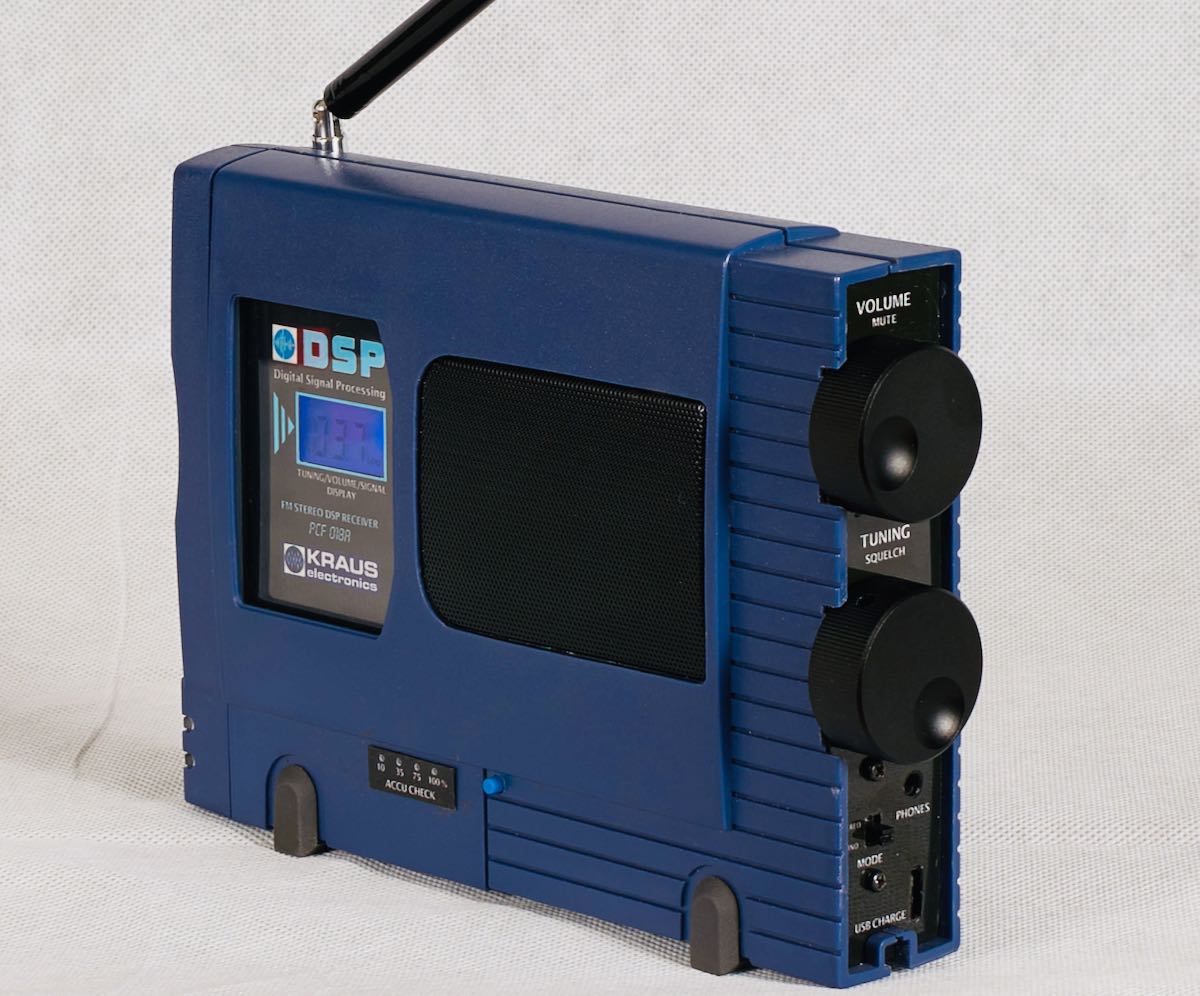
When I see a nice box, I get the thought of building a radio in it.

Iomega ZIP Drive Radio

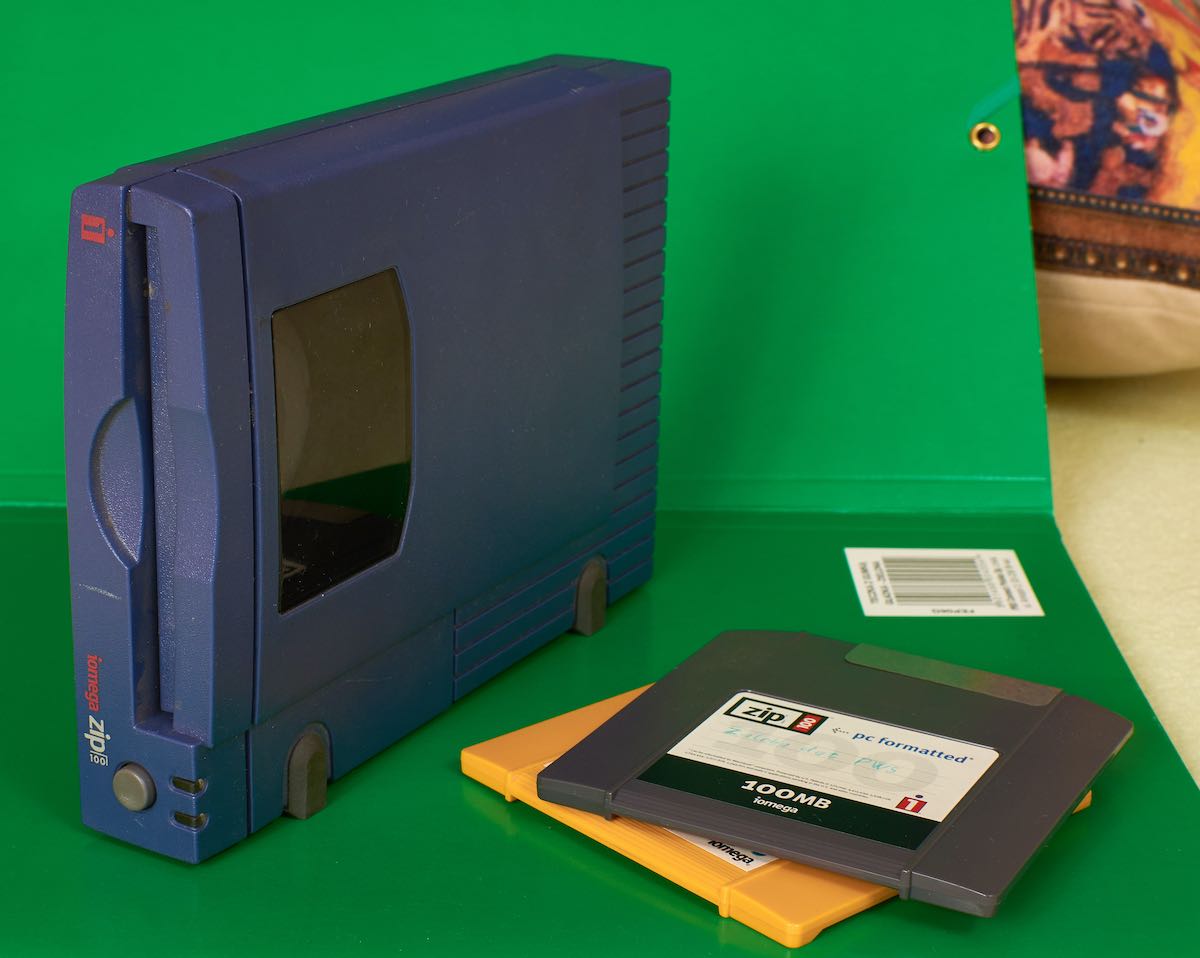
For the production of the first two radios, I used boxes from Iomega ZIP floppy disk drives, which were previously widely used in DTP studios before the advent of USB flash drives and can certainly be found as discarded in warehouses.
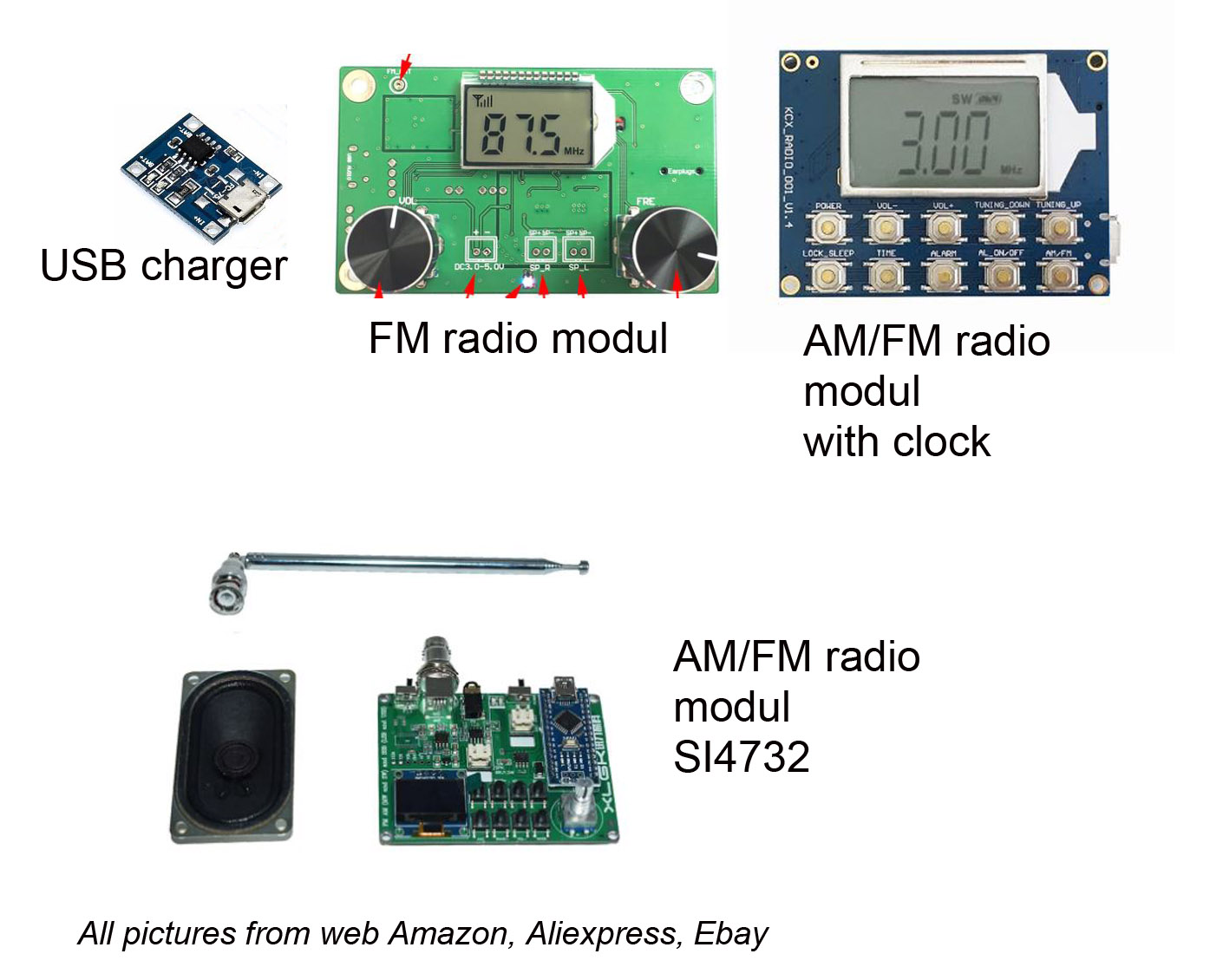
Used electronic components can be purchased on eBay, Amazon, Aliexpress – they are radio modules, batteries, charging module, other components can be found in our amateur stocks.
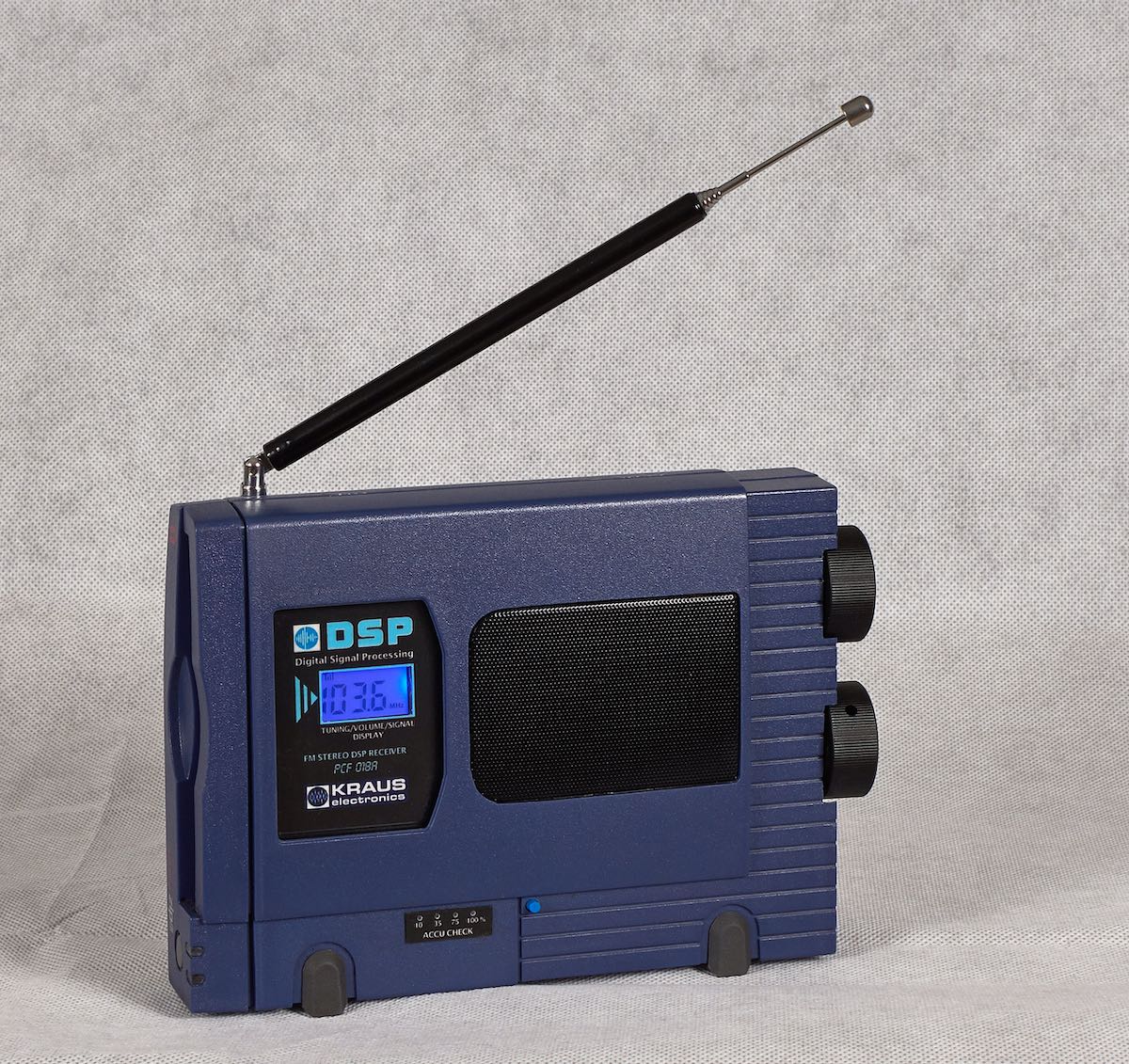
After removing the inside of the Iomega ZIP drive, there is room for the module to be built in and the transparent window prompts you to place the module with the display.

I desoldered the encoders from the motherboard and placed them on the side of the radio. The fingerboard of the button from the drive can also be used as a power switch.

At the same time, the original LEDs can be used as an indication of charging the built-in battery.
In the second type of radio using the same box, a button control module is used, where the buttons have been desoldered and connected to a separate board inside the radio.
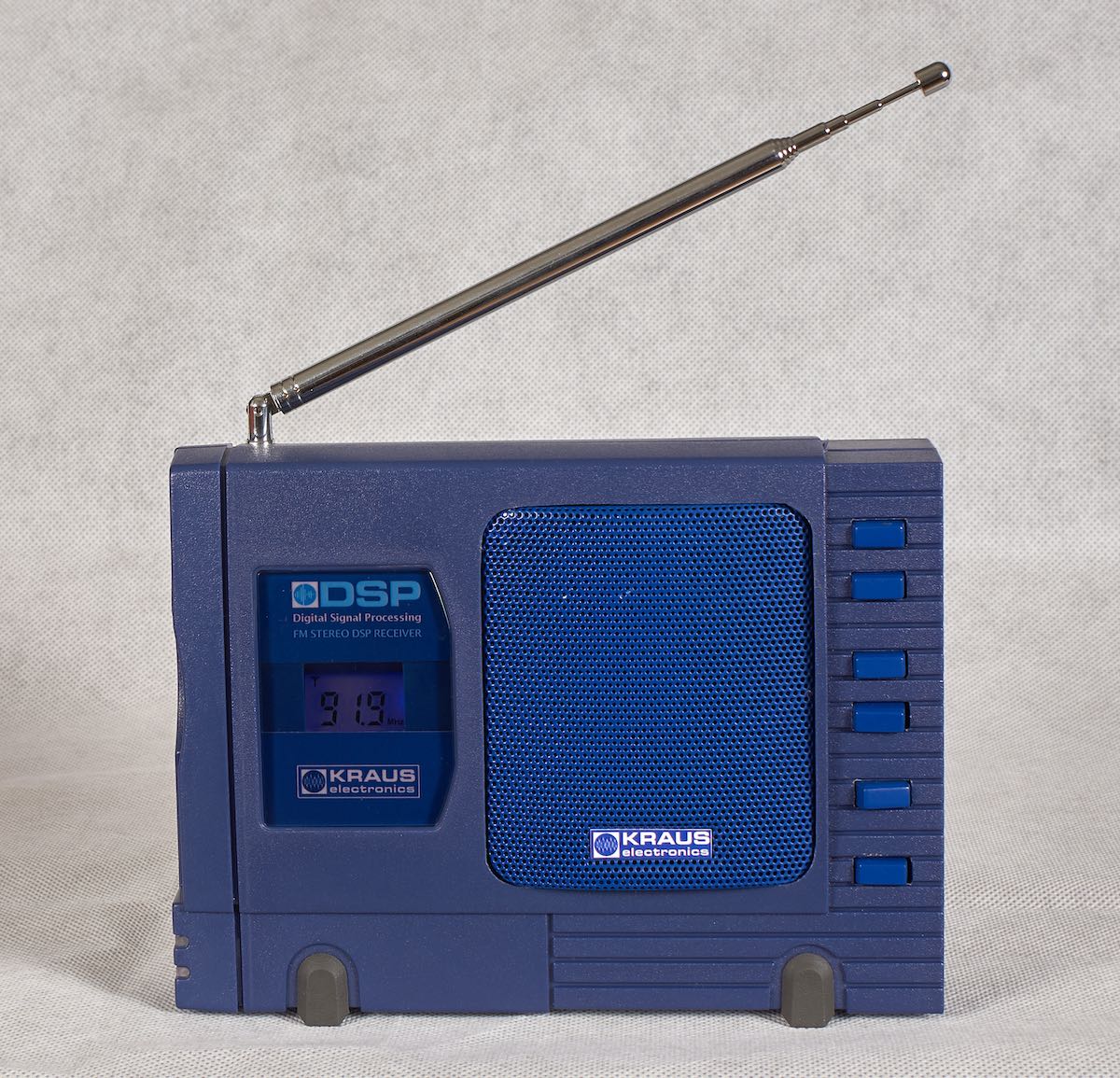
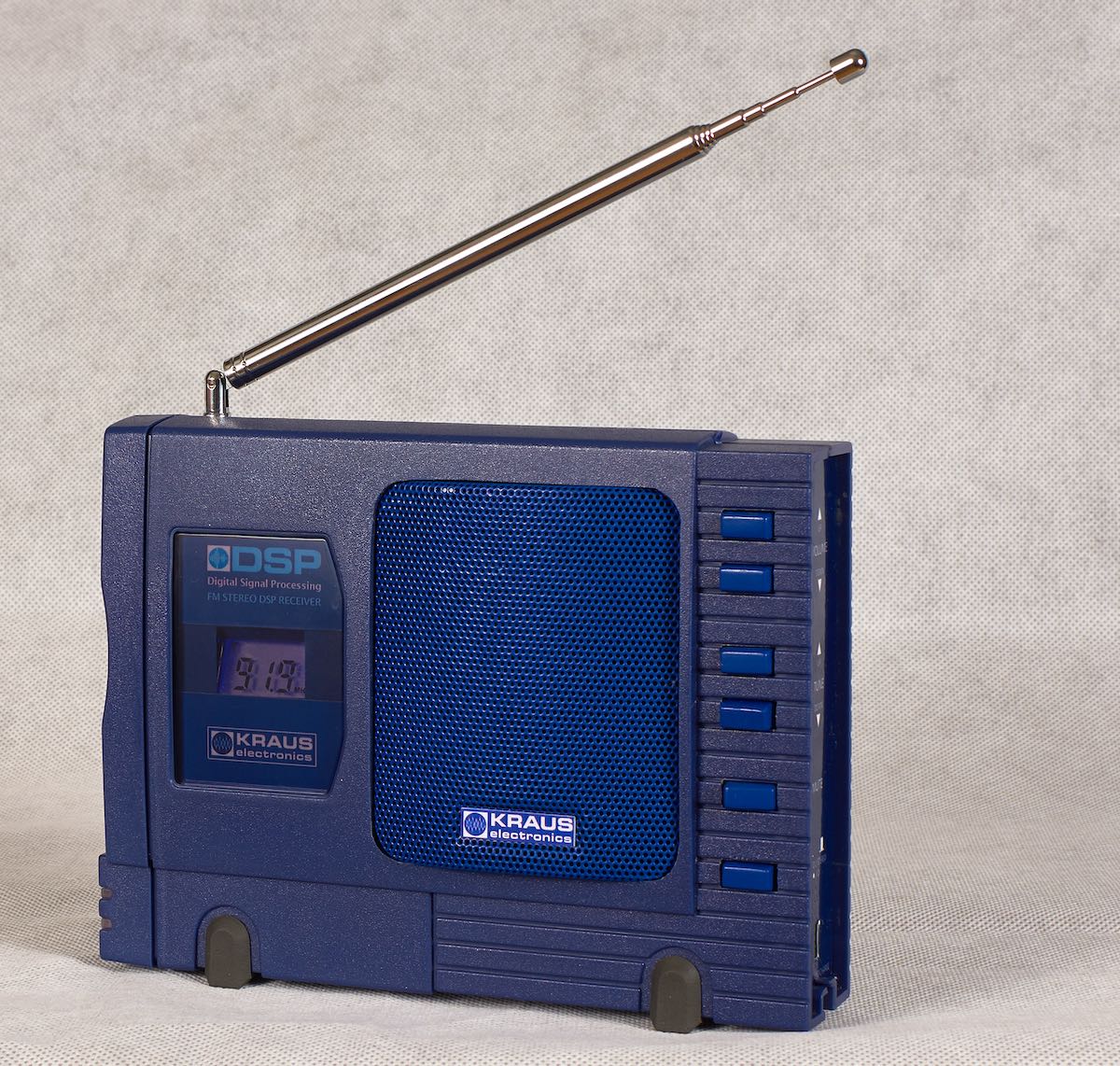
Russian Enclosure Radio

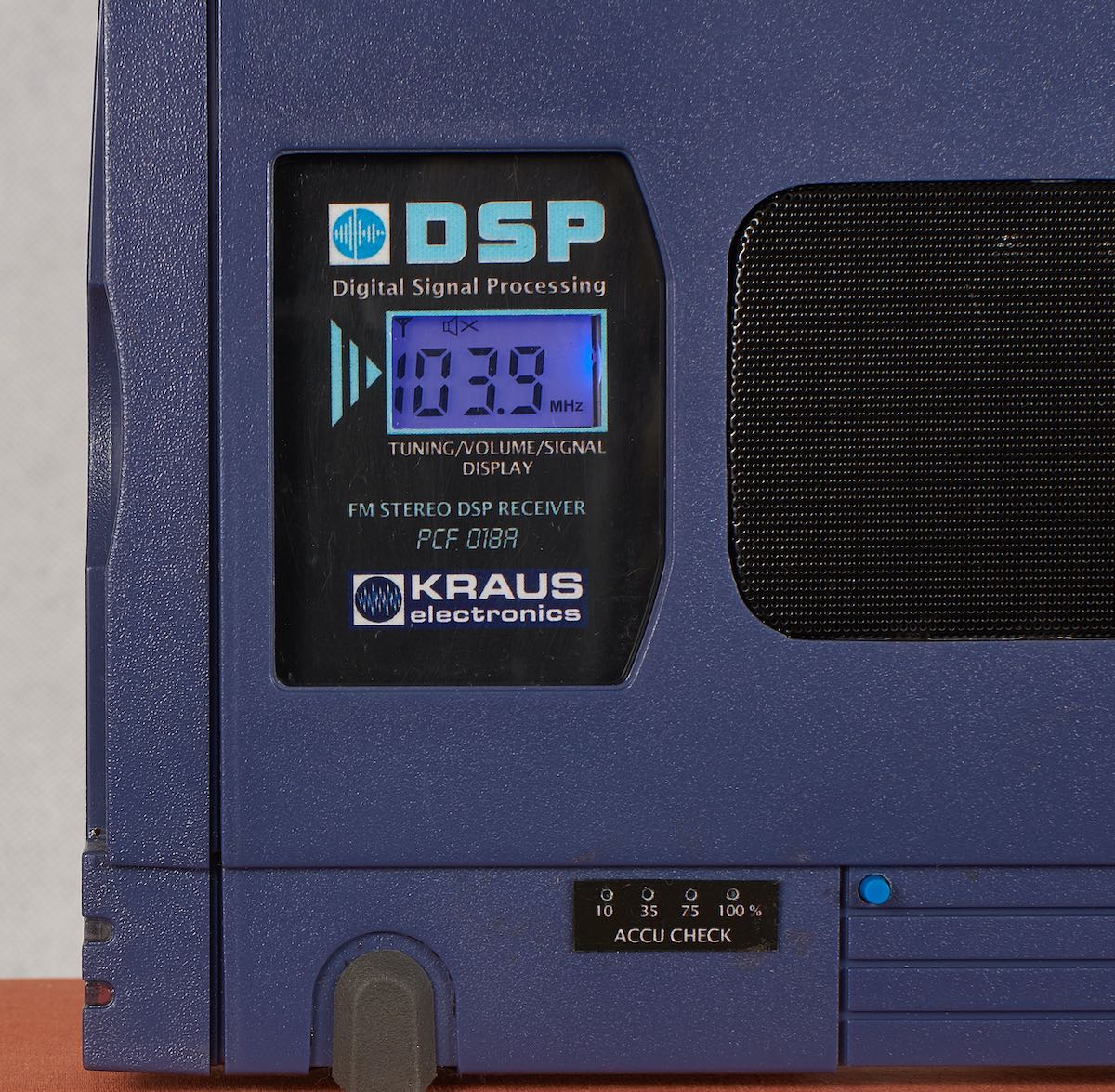
The third type of radio uses a box from Russian radio by wire, where an AM / FM radio module with a clock was built in.

Commodor C 64 Power Supply Radio

The last type uses half of the box from the Commodor C 64 power supply. It has a built-in radio module with IO SI 4732 (radio from the Commodore C64 power supply box with SI4732 radio module .jpg).
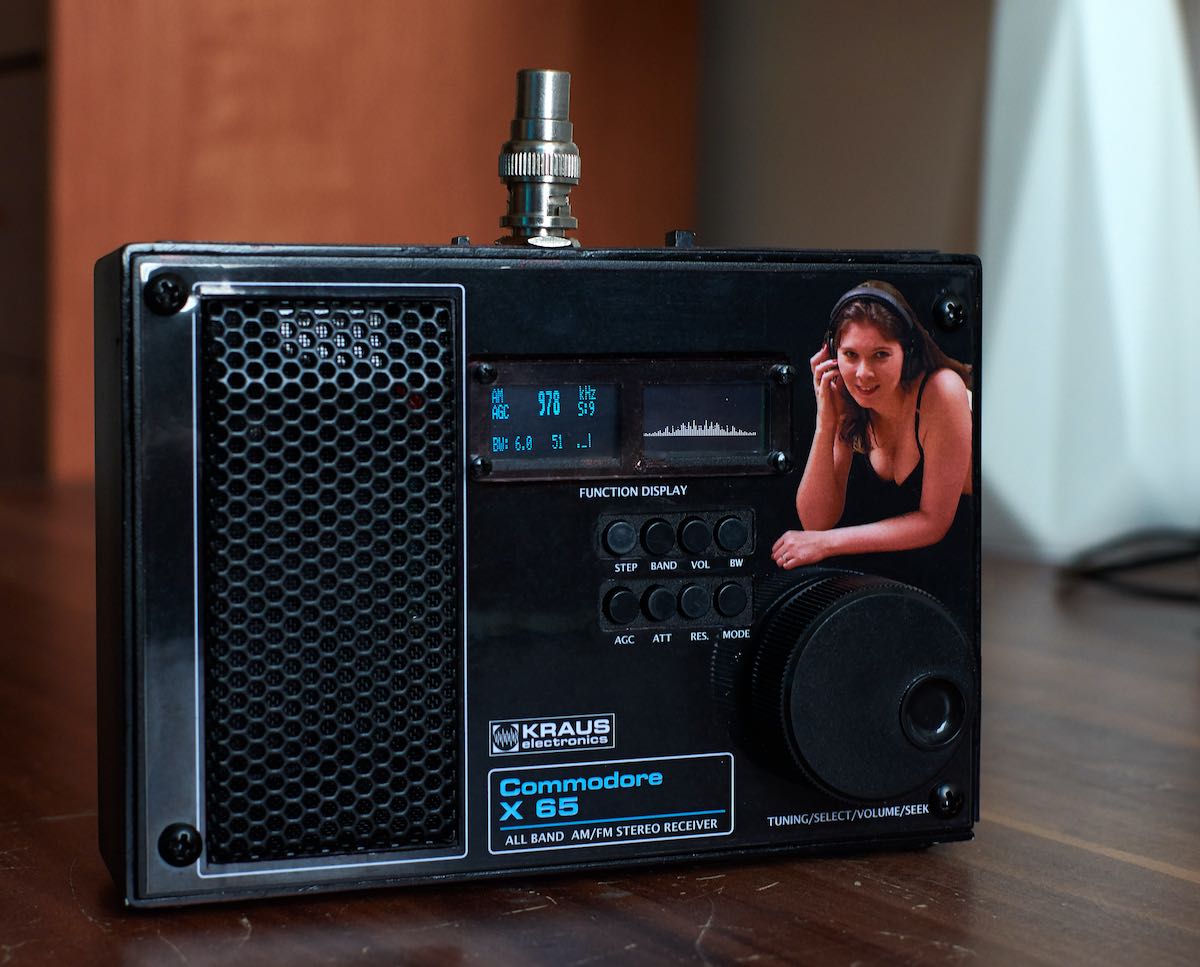
A photo of my wife is printed on the radio panel so she doesn’t say I’m looking at foreign women.

I wish you all a beautiful and relaxing Christmas, all the best until the new year 2022 and a lot of inspiration for radio hobbies.

Pavel Kraus

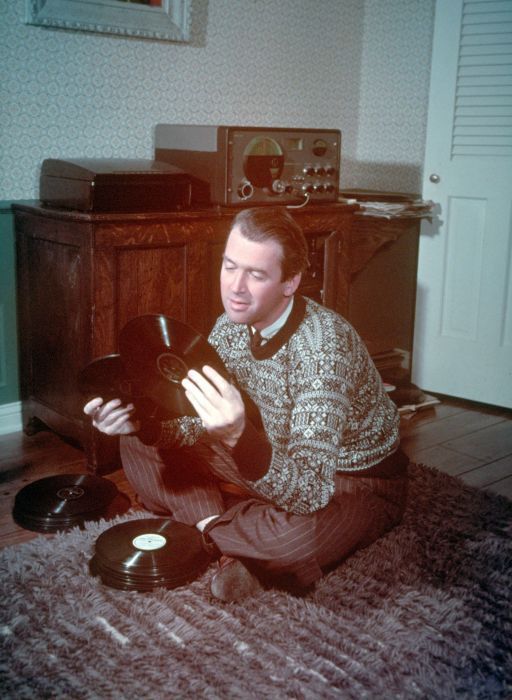
Can you ID James Stewart’s receiver?

Many thanks to SWLing Post contributor, Kim Elliott, who shares the image above which was originally posted by the Museum of Portable Sound on Twitter.

Kim is curious if anyone can ID the receiver model in this photo. I think I recognize this model, but I know there are better experts in our SWLing Post community to make a positive ID!

Please comment!

Airspy HF+ Discovery & Shortwave Portables: Having Fun with the Airspy YouLoop!

Many thanks to SWLing Post contributor, Bill Hemphill, who shares the following guest post:


YouLoop Antenna Fun

by Billy Hemphill WD9EQD

Like many listeners, I live in an antenna restricted community.  While I have strung up some hidden outdoor wire antennas, I have found that they didn’t really perform that much better than just using the telescoping antenna with maybe a length of wire attached.  The biggest problem (whether indoor or outdoor antenna) has been the high noise floor.

A few months ago I bought an AirSpy HF+ Discovery SDR receiver.  I had already owned a couple of SDRPlay SDR receivers, but the high noise floor limited their performance.  I had read good reviews about the AirSpy, especially its performance on the AM Broadcast band and the lower shortwave bands.

I have about 80 feet of speaker wire strung from the second floor and across the high windows in the living room.  This does perform fairly well, but the high noise floor still exists.

A couple of weeks ago, I bought the YouLoop Magnetic Loop antenna from AirSpy.  I gave it a try and am amazed at the lower noise floor compared to the indoor wire antenna.

Wire Antenna vs. YouLoop–some examples:

AirSpy with Wire Antenna

AirSpy with YouLoop

AirSpy with Wire Antenna

AirSpy with YouLoop

AirSpy with Wire Antenna

AirSpy with YouLoop

Dramatic reduction in the noise floor.  I’ve done a lot of playing around with it and find that the YouLoop picks up just about the same stations as the indoor wire antenna does.  But with the lower noise level, the YouLoop makes it more enjoyable to listen.  Overall, the YouLoop is now my main antenna.

YouLoop with a Portable Radio

It works so well with the AirSpy, I started wondering if I could use it with a portable radio, like the Tecsun PL-880.  But the AirSpy website has the following note:

Note: It is very likely your third party radio will not be sensitive enough to operate with the YouLoop properly. We have even seen self-documented failed attempts to build pre-amplifiers to compensate for the lack of sensitivity and/or the required dynamic range in third party radios. Use your brain, and eventually an Airspy HF+ Discovery.

Doesn’t sound like it will work with portable radios.  BUT, I’m always one to try anyway.

Tecsun PL-880

Since the YouLoop has a SMA connector, I bought a SMA to 1/8” phone jack cable.  Plugged it into the PL-880 antenna jack and found I had almost a dead radio.  Very few stations heard.  But in playing around, I accidentally touched the phone plug to the telescoping antenna and instantly got strong signals.

I did some very unscientific tests.  I attached the YouLoop through the side antenna jack, did an ATS scan, then did the same with the YouLoop clipped to the telescoping antenna.  Also did a scan with just the telescoping antenna fully extended..  I got some very interesting results.  These were done one after the other, so there can be differences in signal fading, etc.

I have repeated the above test several times at different hours.  While the actual number of ATS stations varied, the ratio between them remained fairly consistent to the above numbers.

From the above, it appears that the telescoping antenna circuit is more sensitive than the 1/8” antenna jack circuit.  Maybe some attenuation is being added to the 1/8” jack since it’s more likely a higher gain antenna would be used there.  Can anyone confirm that the circuit indeed attenuates thru the antenna jack?

The YouLoop seems to be a decent performer when directly clipped to the telescoping antenna.  While not as good as a high gain outdoor antenna would be, it definitely is usable for indoor uses.

I also tested it clipped to the antennas of some other portable receivers. Tecsun S-8800, PL-330, Panasonic RF-2200 and Philco T-9 Trans-World receivers.  All showed an increase over just using the telescoping antenna.

Some interesting notes:

The Tecsun PL-330 saw the same reduction in signal when directly plugged into the antenna jack as opposed to clipping on the telescoping antenna.

The Tecsun S-8800 did not show that much of a drop.  I basically got the same number of stations when clipped to antenna as when I connected to the BNC jack:

In conclusion, I find that I can use the YouLoop with my portable radios to increase the signals on strong stations when used indoors.  And it is quite the performer when used with the AirSpy HF+ Discovery SDR receiver.  It easily portable and I find that I move it around the house as I need to.  I just hang it off a window curtain rod.  I may just order a second one so that my family room radio has one permanently attached to it.

Click here to check out the Youloop at Airspy.com.

Jock explores “The Essential Listening Post”

Many thanks to SWLing Post contributor, Jock Elliott, who shares the following guest post:


The Essential Listening Post

By Jock Elliott, KB2GOM

Listening to shortwave radio (or any radio, for that matter) is just plain fun.

So what do you need to get in on the fun?

A radio. With today’s crop of portable SW radios, many of which have search and store capabilities, a newbie SWL can get started quickly without a lot fuss and bother and no extra stuff. Just hit the search and store function (it has different names on different radios), let the search function do its thing, and step through the memories to see what’s out there. If your radio doesn’t have search and store, you can just tune around to see what’s currently broadcasting or, if you have a computer or smart phone, use it to explore one of the online directories like https://shortwaveschedule.com/

What follow next are some things that I’ve found increase my enjoyment of SWLing. Continue reading

Radio Waves: Build a Ham Radio Voice Keyer, Sony TFM1000 Decrustification, Shift at RTHK, and RFE Cold War Thriller “Glória”

Radio Waves:  Stories Making Waves in the World of Radio

Because I keep my ear to the waves, as well as receive many tips from others who do the same, I find myself privy to radio-related stories that might interest SWLing Post readers.  To that end: Welcome to the SWLing Post’s Radio Waves, a collection of links to interesting stories making waves in the world of radio. Enjoy!

Many thanks to SWLing Post contributors Marty, Dennis Dura, Dave Zantow, Al Holt, and Rich Cuff for the following tips:


Build a ham radio voice keyer for the backpack (Nuts and Volts)

I have an MFJ-434 voice keyer that has saved a lot of wear and tear on my vocal cords over the years. It has been a big asset during ham radio contests and when I’ve been calling CQs with reduced power (QRP) transceivers.

One of my new favorite pastimes has been operating QRP radios from remote off-the-grid locations. Most of the time, it’s important to pack only the bare essentials for these mini-DXpeditions. I have never taken the MFJ keyer, primarily due to its size. An “accessory” measuring 6-1/2 x 7 x 2-1/2 inches fills up a lot of backpack. It also weighs a pound and a half. On the other hand, I’m absolutely positive the lack of a keyer has resulted in fewer radio contacts. I always run out of voice before I run out of battery.

Last winter, I was packing a QRP “Go Box” for a trip to Florida. Since that stay was planned to last longer than my normal field trips, I decided to take my MFJ keyer for its first outing. What a difference that keyer made! In less than three months, I worked stations in 31 countries and five continents running a 10 watt transmitter and a dipole antenna!

The enormous number of contacts warranted a closer look at a keyer for shorter field trips. The MFJ-434 has 11 buttons to push, three potentiometers to turn, and two LEDs to show me the keyer is doing what I told it to do. Could I get by with fewer amenities and shrink the size, weight, and power requirements to something more backpack friendly? It was worth an investigation.

The MFJ keyer stores five messages. For field operation, I could live with a single CQ. I found a 20 second record-playback module on eBay for $2.59.

I also found a repeat-cycle timer (variable on and variable off delays) on eBay for $2.38. I could use it to “turn on” the playback message, then turn it “off” for a predetermined period of time before turning it on again.

A relay could be added to key the transmitter’s PTT circuit every time my CQ message was played. The receiver would automatically listen for any replies between messages. (This might actually work!) [Continue reading…]

Sony TFM1000 AM FM SW Vintage Radio Decrustification (YouTube)

Click here to view on YouTube.

Hong Kong Broadcaster’s Swift Turn From Maverick Voice to Official Mouthpiece (NY Times)

RTHK has often set the news agenda with its aggressive coverage of the city. But a Beijing clampdown has changed that, with pro-China coverage filling the void.

HONG KONG — Not long after Patrick Li took over as the government-appointed director of Hong Kong’s public broadcaster, a digital lock pad appeared outside his office entrance.

In the past, the director’s office had been where staffers at the broadcaster, Radio Television Hong Kong, gathered to air grievances with management decisions: programming changes, labor disputes. Now, the lock pad signaled, such complaints were no longer welcome.

For many employees, the closed room was an emblem of the broader transformation sweeping through RTHK, the 93-year-old institution venerated by residents as one of the most trusted news sources in Hong Kong’s once freewheeling media landscape.

RTHK was once compared to the BBC for its fierce editorial independence. But under a sweeping national security law that Beijing imposed last year to silence dissent, many say it now more closely resembles China Central Television, the propagandistic Chinese state broadcaster.[Continue reading…]

‘Gloria’: Netflix’s First Original Series From Portugal Is A Great Spy Thriller (Forbes)

Netflix has released its first Portuguese original series. Glória is on Netflix since November 5. Produced by the SPi production company of Grupo SP Televisão and co-produced with RTP, Glória is an intense historical spy thriller taking place during the Cold War. It is a high-quality series from Portugal with an intricate storyline.

Set in a small Portuguese village named Glória do Ribatejo in the 1960s, the ten-part series follows João Vidal (played by Miguel Nunes), a young man whose family has connections with the leaders of the Estado Novo, the authoritarian Portuguese Regime. João works as an engineer at RARET, a U.S. re-broadcasting office of Radio Free Europe. The series shows how this small village became “an unlikely Cold War stage where American and Soviet forces fought through dangerous sabotage maneuvers to achieve control of Europe,” the Netflix synopsis explains. João gets recruited by the KGB, and will find himself in the middle of the intricate webs of spy games at play in RARET.

An original series created by Pedro Lopes and directed by Tiago Guedes, Glória is a slow-burning series that is a mixture of historical drama based on real events and espionage thriller. The series paints a dark image of Portugal’s past, its violence toward women and its brutal colonial war. It is the highest budget series in the history of Portuguese production, according to The Portugal News. [Continue reading…]


Do you enjoy the SWLing Post?

Please consider supporting us via Patreon or our Coffee Fund!

Your support makes articles like this one possible. Thank you!