Category Archives: Shortwave Radio

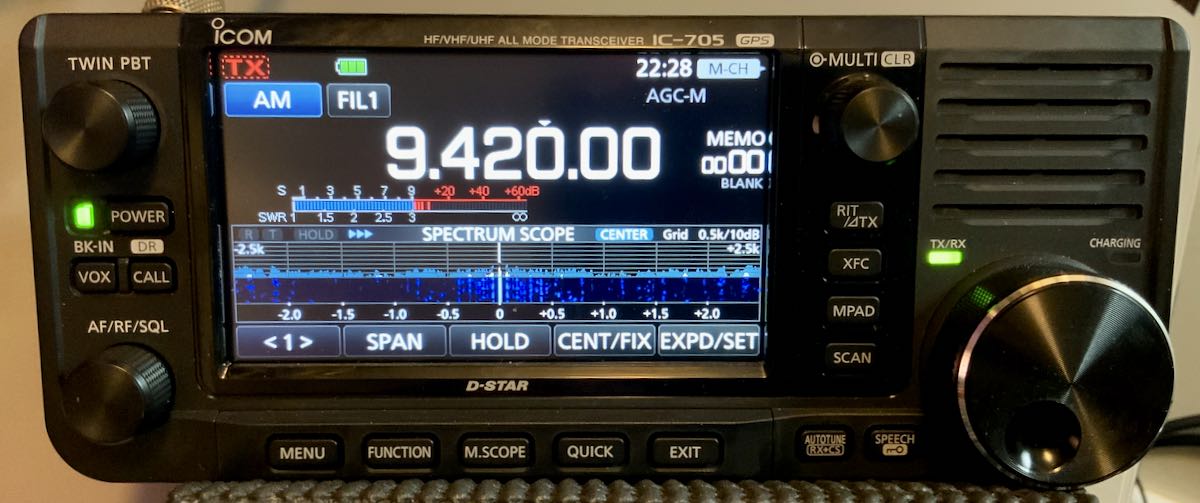
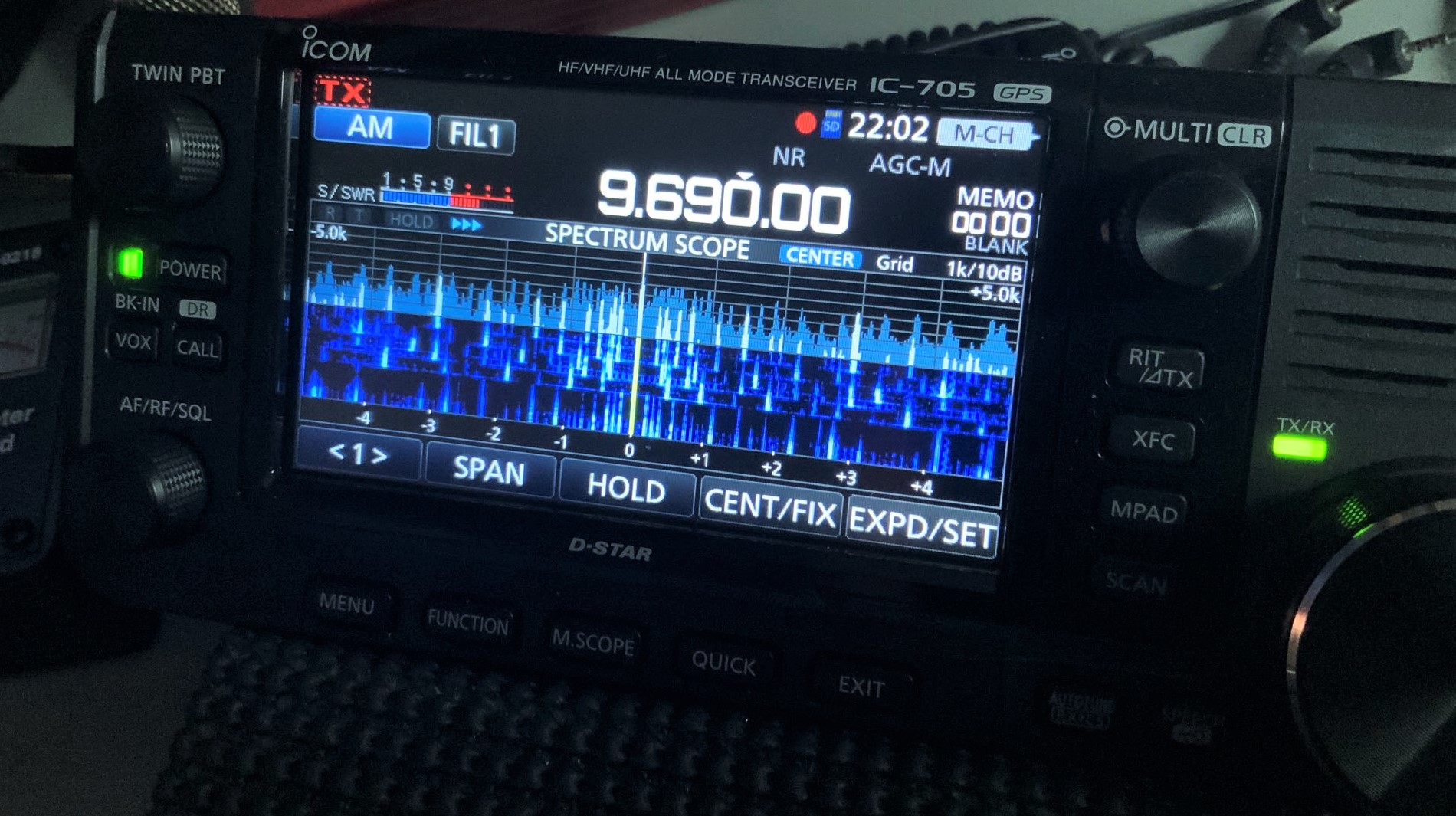
Portable tuner (ATU) options for the new Icom IC-705

Many thanks to SWLing Post contributor, Paul, who asks:

What are good choices for ATU and 100W amplifier for the IC-705? [Also] will the Icom AH-4 antenna tuner work well with the IC-705?

Great questions, Paul!

100 Watt Amplifiers

I’ve limited experience pairing the IC-705 with external 100 watt amplifiers. I own the Elecraft KXPA100 and it pairs well with the IC-705 via RF sensing. My hope is that SWLing Post readers may be able to chime in here and offer more suggestions as there are a number of inexpensive, basic, amplifiers on the market now but I’ve never personally used or tested them. I can say that the KXPA100 is a beautifully-engineered amplifier.

Antenna tuners
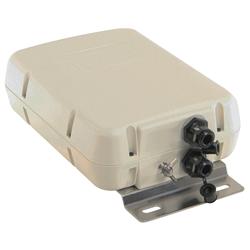
Icom AH-4

First off, regarding the Icom AH-4 ATU, I’m not certain if the IC-705 has the same control commands as the AH-4 (I’m guessing it does, but perhaps someone can confirm–?).

It would not be my first choice as a portable antenna tuner for field work. For one thing, it’s a pricey at $300. That, and I’ve always viewed the AH-4 as more of a remote antenna tuner for those who need a permanent matching box outside the shack near the antenna feed point. For that application, I’m sure it’s amazing.

According to the AH-4 specifications, it requires “10 W (5–15 W)” of tuning power. I’m not quite sure what the “5-15” watts means, but the IC-705’s max output power is 10 watts using an external 12-13.8V battery, and only 5 watts using the BP-272 Li-ion Battery. Not sure if that would be adequate to trigger the AH-4 to find a match without some sort of command cable connection.

For portable ATUs, let’s take a look:

IC-705 Portable ATU Options

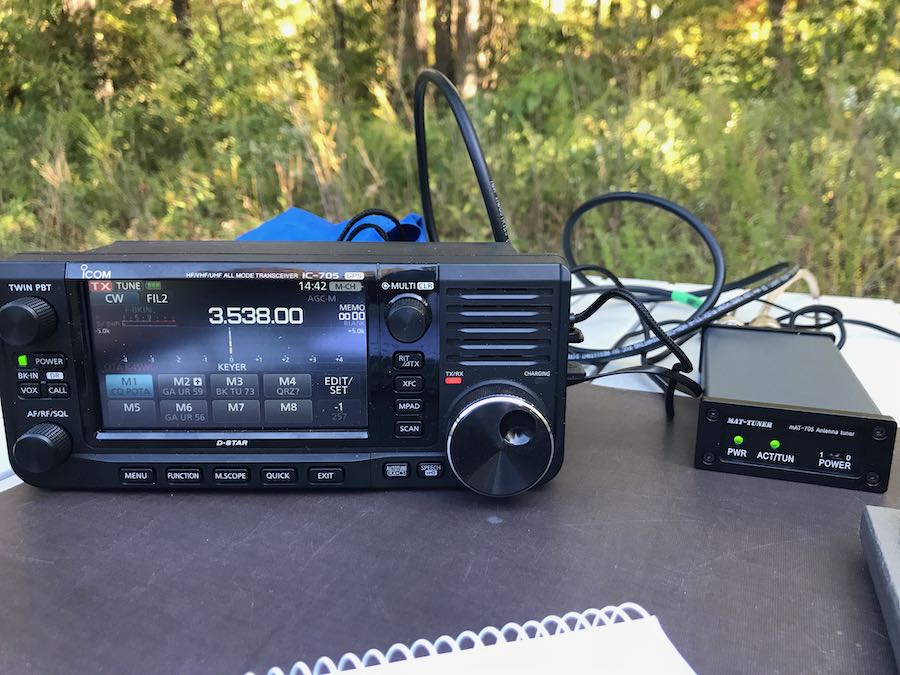
The Icom IC-705 actually has a port on the side of the radio that allows one to connect the rig to an ATU for some level automatic ATU control. At time of posting, there are two ATUs in the works that are able to use this port: the Mat-Tuner mAT-705 and the Icom AH-705 (there could be more, but I’m not aware of them).

Mat-Tuner mAT-705 ($220 US)
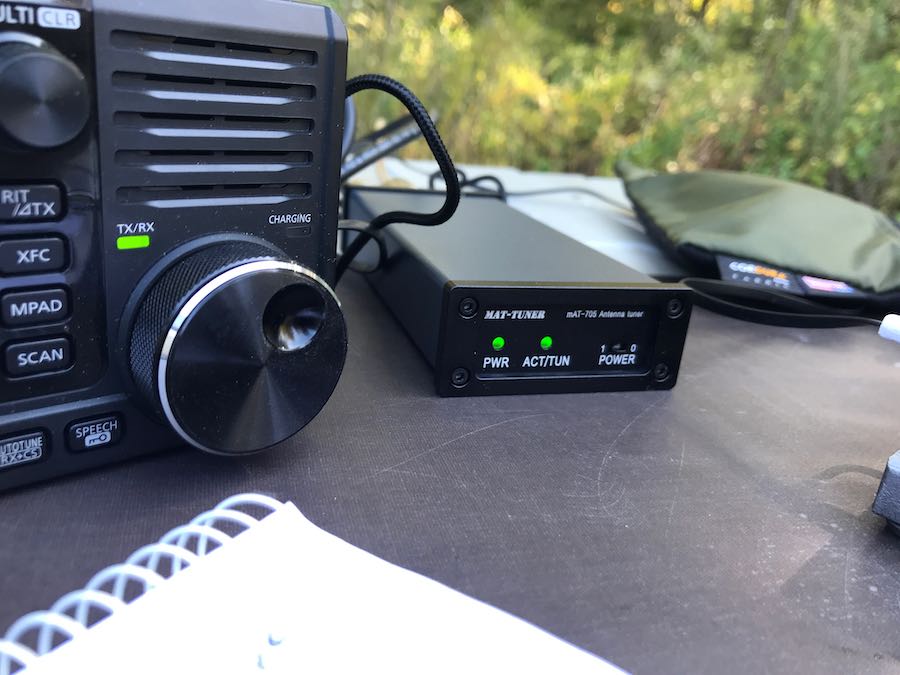
I reviewed the mAT-705 on QRPer.com (click here to read). In short, it’s absolutely brilliant at matching antennas quickly and efficiently, but it has a few design shortcomings. The main issue is that you must use a mechanical switch to turn it on and off, else you deplete the internal 9V battery within a week. Most similar ATUs either have auto-off functionality, or at least an external power option. Since the mAT-705 can connect directly to the IC-705, it automatically knows when you need to tune to a frequency and will do this anytime you send a carrier, hit PTT, or initiate tuning via the menu option. It can also remember frequencies you’ve already matches to make the process quicker. The mAT-705 is also RF-sensing, thus can work with other radios. Vibroplex is the US distributor of the mAT-705. Note, too, that there are a number of portable Mat-Tuners that will work with the IC-705–the mAT-705 is the only one that uses the IC-705 control cable (which I feel is actually unnecessary).  Check out their full product line before ordering.

Icom AH-705 ($T.B.A.)
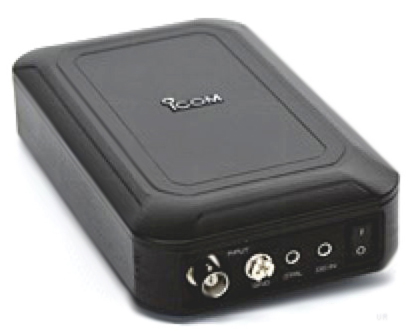
The Icom AH-705 is Icom’s own external ATU designed to work with the IC-705 and fit in the LC-192 backpack. Since the AH-705 will be able to connect directly to the IC-705, its functionality will be very similar to the mAT-705. I’m speaking in future tense here because, at time of posting (18 November 2020), the AH-705 is not yet in production and we’ve no retail price. With that said, Icom has a legacy of making fine ATUs, so I’ve no doubt it’ll function well. Like the mAT-705, it has a mechanical on/off button so you may have to be aware of turning it off when not in use to preserve the internal alkaline batteries. Unlike the mAT-705, it has an external 13.8 VDC power connection. Universal Radio will update their site with pricing and shipping information once available.

Elecraft T1 ($160-$190 US)
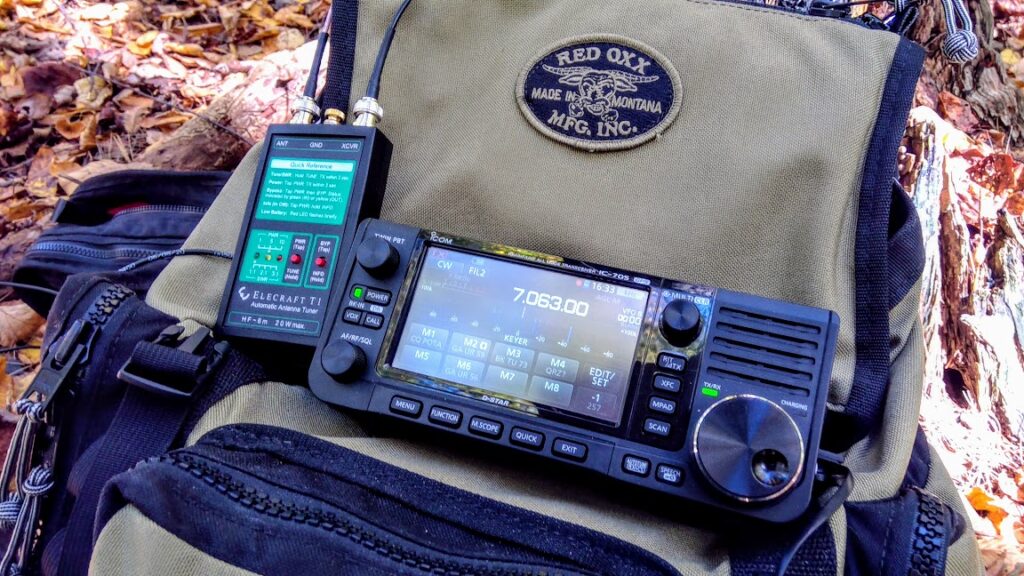
The Elecraft T1 ATU has been in production for many years now and is a fabulous portable ATU. Not only is it incredibly adept at finding matches, but it’s also efficient in terms of power usage. It will run for months on an internal 9V battery (that’s very easy to replace in the field). The T1 has no special connection for the IC-705, but it does have an optional T1-FT817 adapter for the Yaesu FT-817 series transceivers. In truth though? I find control cables unnecessary because tuning the T1 only requires pressing the tune button on the ATU, then keying the transceiver. Once it finds a match, it shuts down and locks it in. You can purchase the T1 directly from Elecraft ($160 kit/$190 assembled). The Elecraft T1 is my portable ATU of choice.

LDG Z-100 Plus ($150) / Z-100A ($180 US)
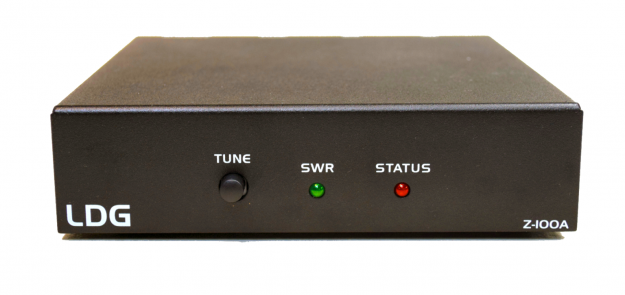
I’ve owned a number of LDG tuners over the years an absolutely love them. I find that they offer great bang-for-buck, perform amazingly well, and are built well. In fact, I designed an outdoor remote antenna tuning unit around their original Z-11 Pro auto tuner. It’s housed in a sealed waterproof enclosure, but is completely exposed to outdoor humidity and temperature changes (which can be dramatic here on the mountain). I’ve been powering the Z-11 Pro for 10 years off of a discarded sealed lead acid battery that’s being charged by a Micro M+ charge controller and 5 watt BP solar panel. I’ve never needed to maintenance it. One of LDG’s latest portable ATUs is the Z-100A. I’ve never used it, but I imagine it’ll perform well and I may very well reach out to LDG and ask for a loaner to review with the IC-705. It does have a command cable port that works with Icom radios, but I’m checking with LDG to see if it works with the IC-705 (I’ll update this post when I hear back). The LDG Z-100A retails for $180 via LDG’s website.

UPDATE (August 20, 2021): I’ve been using an LDG-Z100 Plus for several months now and have been incredibly pleased with it. I find that its matching range is very wide and it’s more power efficient than the mAT-705 Plus if left connected to my radio (the mAT-705 Plus has no “sleep” mode and will drain the internal battery within hours if left plugged into the IC-705).  The price is incredibly competitive as well; at $150, this ATU is a bargain. The only con is that it’s a bit larger and heavier than other options on this list, but I wouldn’t hesitate to use it for POTA and even SOTA. Here’s a field activation report and video from earlier this year using the Z-100 Plus.

Emtech ZM-2
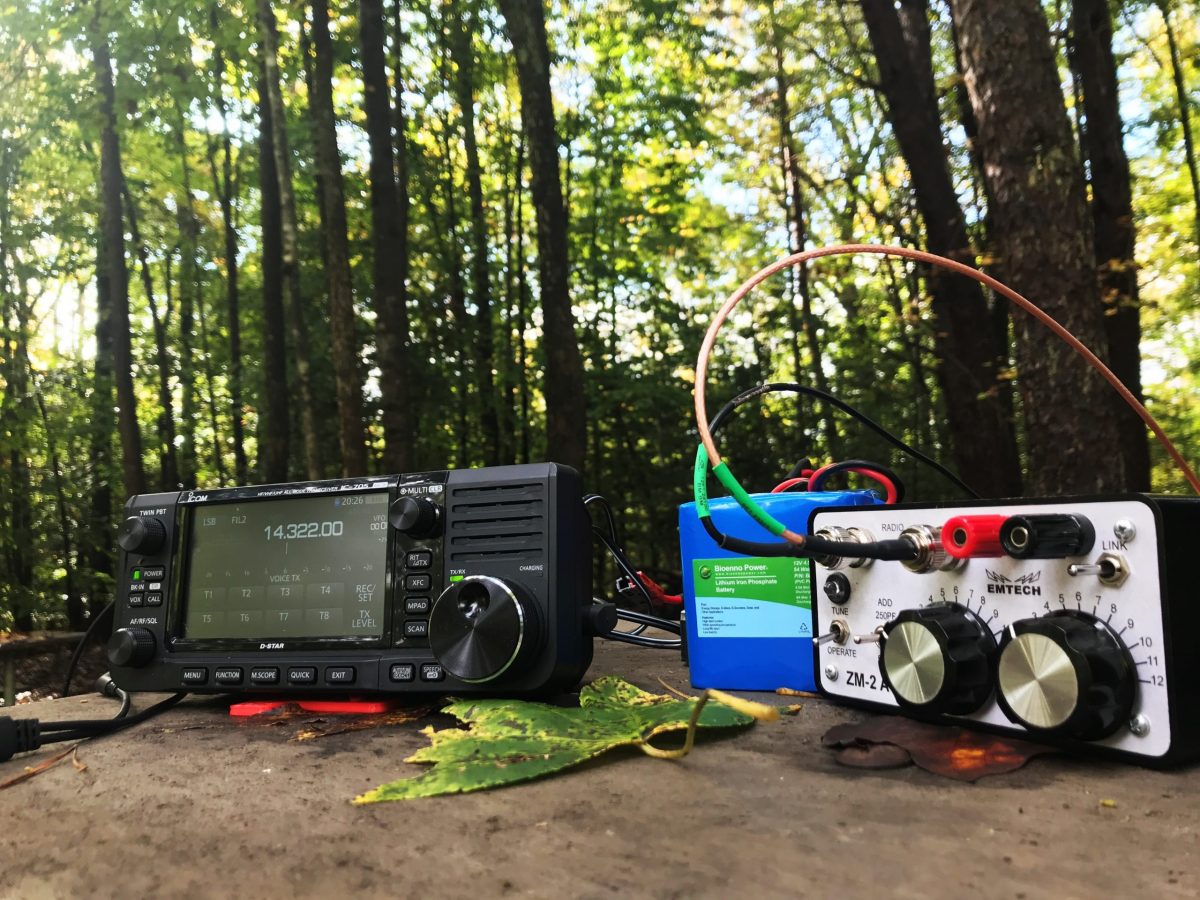
Shortwave radio listeners, especially, should take note of the Emtech ZM-2 balanced line tuner! Unlike the ATUs above, the ZM-2 is manual–meaning, you manually adjust the tuner’s L/C controls to achieve a match with your antenna. I’ve owned the ZM-2 for many years and have used it with a number of QRP transceivers. Since it’s not automatic, it might take a minute or so to find a match, but it’s worth the wait. The ZM-2 requires no batteries to operate, which makes it an invaluable and reliable little tool in the field. In addition, since the ZM-2 doesn’t require RF energy in order to find a match, it’s a brilliant choice for SWLs who want to tweak their wire antennas. I find it functions as well as if not better than other manual tuners designed specifically for receivers. The ZM-2 is also the most affordable of the bunch: you can purchase a pre-built unit for $87.50 from Emtech or $62.50 as a kit. I would advise purchasing one even if you also have an automatic antenna tuner–makes for a great back-up!

Other options?

This is by no means a comprehensive list of portable ATUs to pair with the IC-705, just a few suggestions. In fact, companies like MFJ Enterprises make a number of manual tuners that could easily be taken to the field and require no power source (much like the ZM-2 above).

Please comment if you have experience with other types of ATUs and please include links if possible!
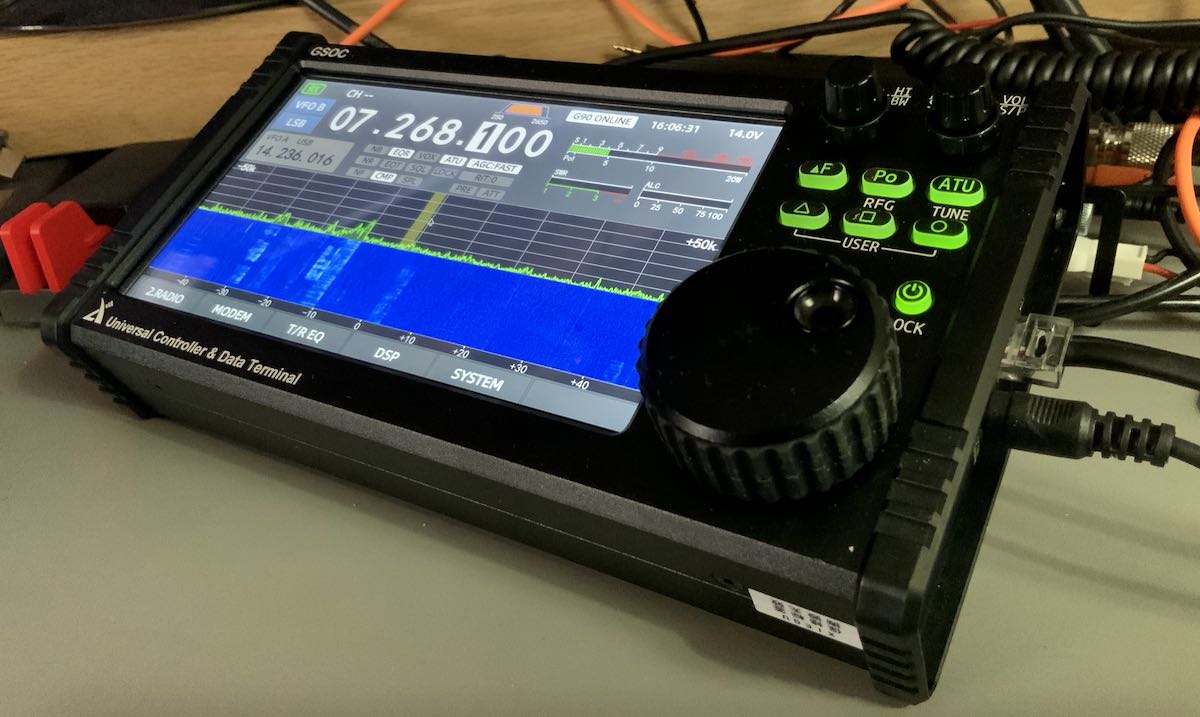
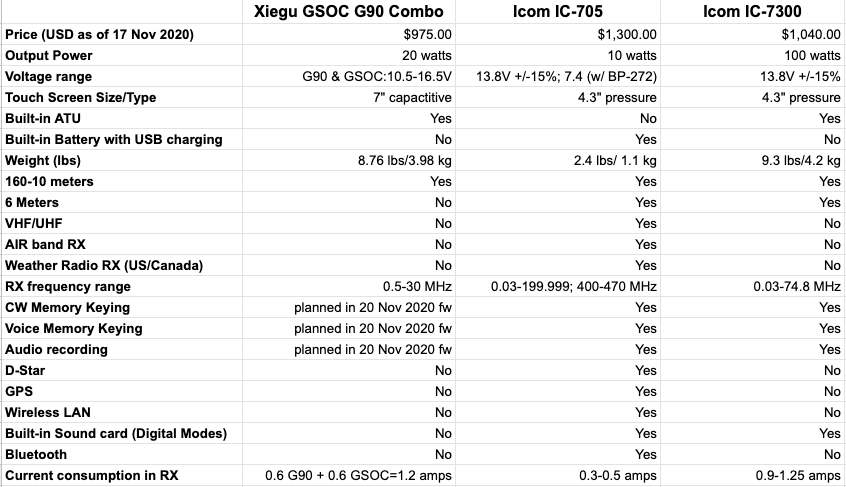
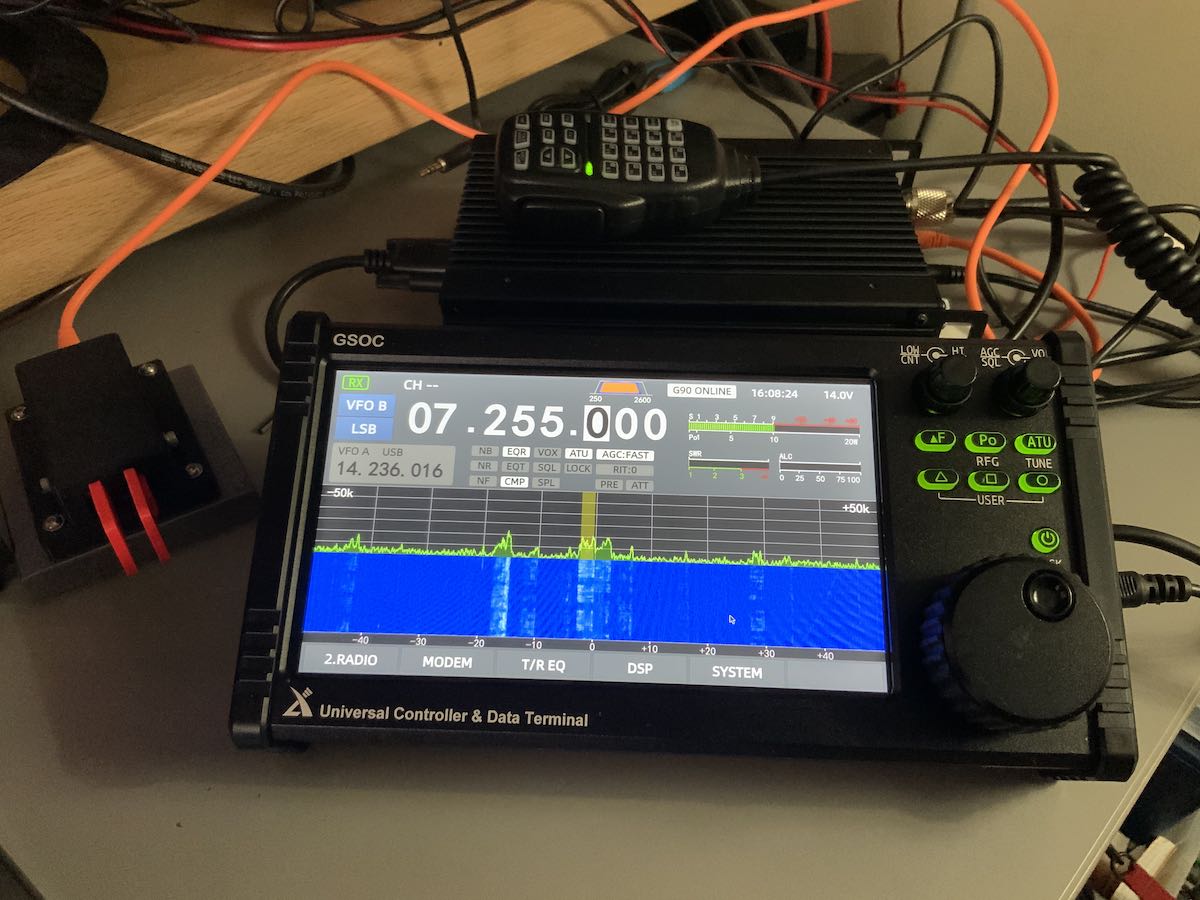
Comparing the Icom IC-705 and Icom IC-7300 with the Xiegu GSOC G90 combo

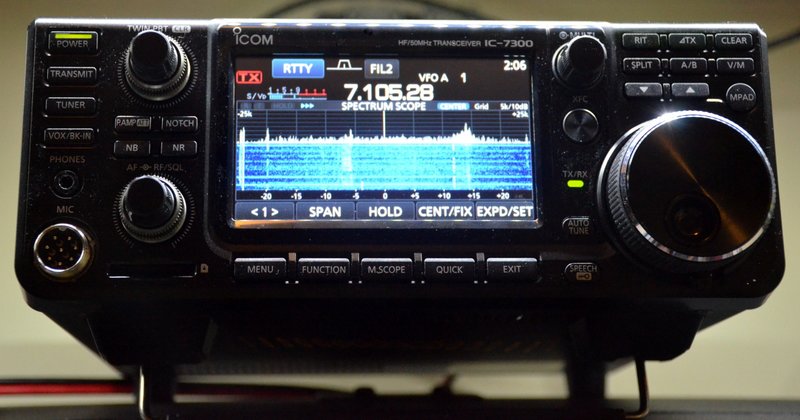
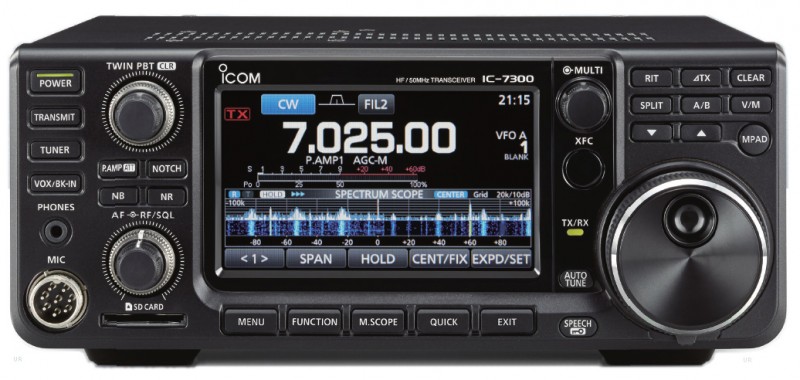
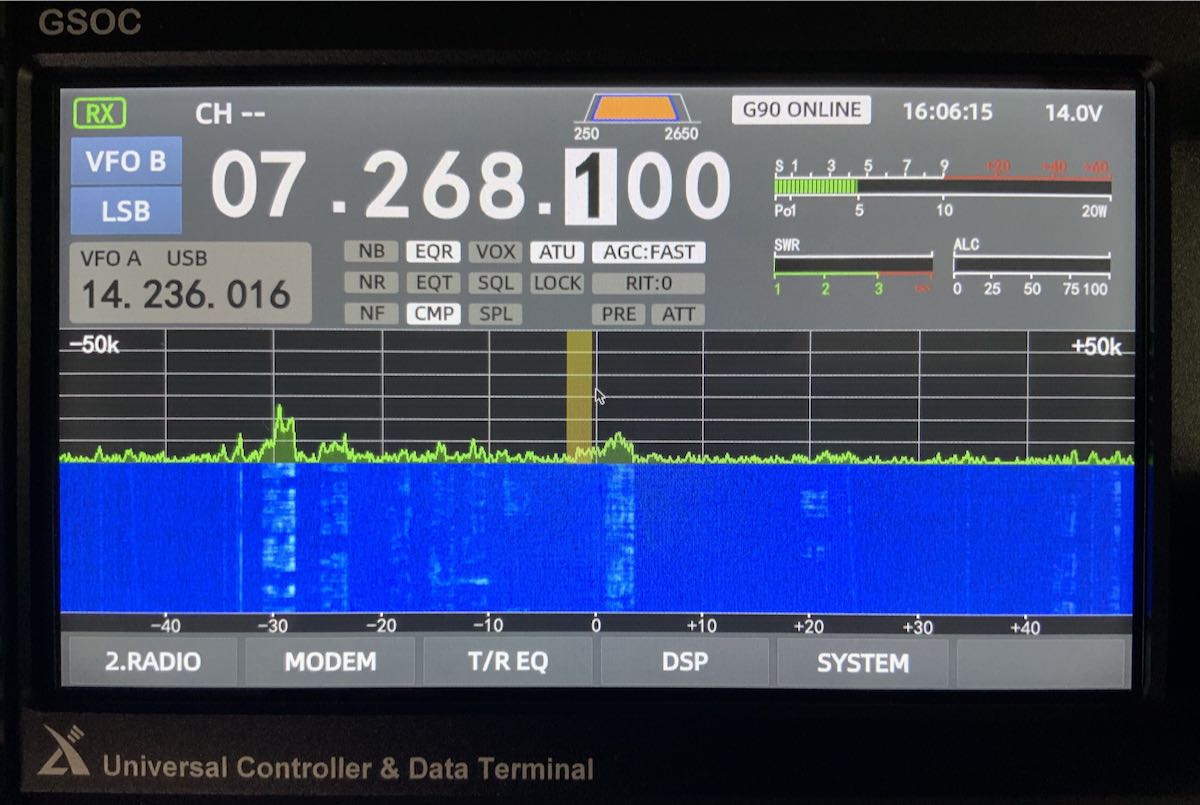
I was recently asked to make a table comparing the basic features and specifications of the new Xiegu GSOC/G90 combo,  and comparing it with the Icom IC-7300 and IC-705.

This is by no means a comprehensive list, and I plan to add to it as I test the GSOC. It doesn’t include some of the digital mode encoding/decoding features yet. I’m currently waiting for the next GSOC firmware upgrade (scheduled for November 20, 2020) before I proceed as it should add mode decoding, audio recording, fix CW mode latency, and add/fix a number of other items/issues.

Comparison table

Click to enlarge

Quick summary of comparison

At the end of the day, these radios are quite different from each other. Here’s a quick list of obvious pros and cons with this comparison in mind:

Xiegu GSOC G90 combo ($975 US)

Pros:

  • The GSOC’s 7″ capacitive touch screen is the biggest of the bunch
  • The GSOC can be paired with the G90 or X5101 transceivers (see cons)
  • The GSOC controller is connected to the transceiver body via a cable, thus giving more options to mount/display in the shack
  • The G90 transceiver (read review) is a good value and solid basic transceiver
  • Upgradability over time (pro) though incomplete at time of posting (con)
  • GSOC can be detached, left at home, and G90 control head replaced on G90 body to keep field kit more simple (see con)

Cons:

  • The GSCO is not stand-alone and must be paired with a Xiegu transceiver like the Xiegu G90 or X5105. The X5105 currently has has limited functionality with the GSOC but I understand this is being addressed. (see pro)
  • I don’t believe the GSOC can act as a sound card interface if directly connected with a computer (I will correct this if I discover otherwise). This means, for digital modes, you may still require an external sound card interface
  • No six meter coverage like the IC-7300 and IC-705
  • Quite a lot of needed cables and connections if operating multiple modes; both GSOC and G90 require separate power connections
  • At time of posting, a number of announced features missing in early units, but this should be addressed with a Nov 20, 2020 firmware upgrade
  • Replacing and removing G90 control head requires replacing four screws to hold in side panels and secure head to transceiver body (see pro)

Icom IC-7300 ($1040 US)

Pros:

  • Built-in sound card interface for for easy digital mode operation
  • Excellent receiver specifications (click here to view via Rob Sherwood’s table)
  • Possibly the most popular transceiver Icom has ever made (thus a massive user base)
  • Well thought-through ergonomics
  • Includes six meter operation and expanded RX frequencies (compared with G90/GSOC); high frequency stability

Cons: 

  • The heaviest of this group (con), but it is a 100 watt transceiver (pro)
  • Smaller display than the GSOC
  • Touch sensitive display (not capacitive like the GSOC)
  • Faceplate not detachable like the G90

Icom IC-705 ($1300 US)

Pros:

  • Built-in sound card interface for for easy digital mode operation
  • Excellent receiver specifications (click here to view via Rob Sherwood’s table)
  • Can use swappable Icom HT battery packs
  • Well thought-through ergonomics, but on that of the IC-7300
  • Includes six meters and VHF/UHF multi-mode operation with high frequency stability
  • Includes D-Star mode
  • Includes wireless LAN, Bluetooth, and built-in GPS
  • Weighs 2.4 lbs/1.1 kg (lightest and most portable of the bunch)

Cons:

  • No internal ATU option
  • Maximum of 10 watts of output power
  • The priciest of this bunch at $1300 US

In short, I’d advise those looking for a 100 watt radio, to grab the Icom IC-7300 without hesitation. It’s a solid choice.

If you’re looking for the most portable of these options, are okay with 10 watts of maximum output power, and don’t mind dropping $1300 on a transceiver, the Icom IC-705 is for you. You might also consider the Elecraft KX3, Elecraft KX2, and lab599 Discovery TX-500 as field-portable radios. None of them, however, sport the IC-705 display, nor do they have native VHF/UHF multimode operation (although there is a limited KX3 2M option). The IC-705 is the only HF QRP radio at present that also has LAN, Bluetooth, and built-in GPS. And, oh yes, even D-star.

If you’re a fan of the Xiegu G90 or already own one, give the GSOC controller some consideration. It offers a more “modular” package than any of the transceivers mentioned above in that the controller and G90 faceplace can be swapped on the G90 body. The GSOC screen is also a pleasure since there are two USB ports that can connect a mouse and keyboard (driver for mine were instantly recognized by the OS).  The GSOC/G90 combo is a bit “awkward” in that a number of cables and connections are needed when configured to operate both SSB and CW: a CW key cable, Microphone cable, I/Q cable, serial control cable, power cable for the GSOC, and a power cable for the G90.  This doesn’t include the cables that might be needed for digital operation. I dislike the fact that the CW cable can only be plugged into the transceiver body instead of the GSOC controller like the microphone. Still: this controller adds functionality to the G90 (including FM mode eventually) that may be worth the investment for some.

Did I miss something?

I’ll update this list with any obvious pros/cons I may have missed–please feel free to comment if you see a glaring omission! Again, these notes are made with a comparison of these three models in mind, not a comprehensive review of each. I hope this might help others make a purchase decision.

Paul discovers fake RSP1As being sold on AliExpress

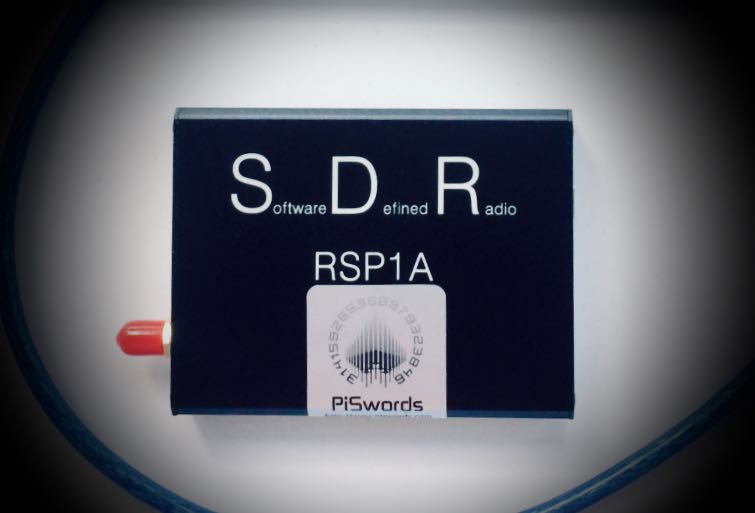
“RSP1A” Clone

Many thanks to SWLing Post contributor, Paul Rawdon, who writes:

Hi Thomas

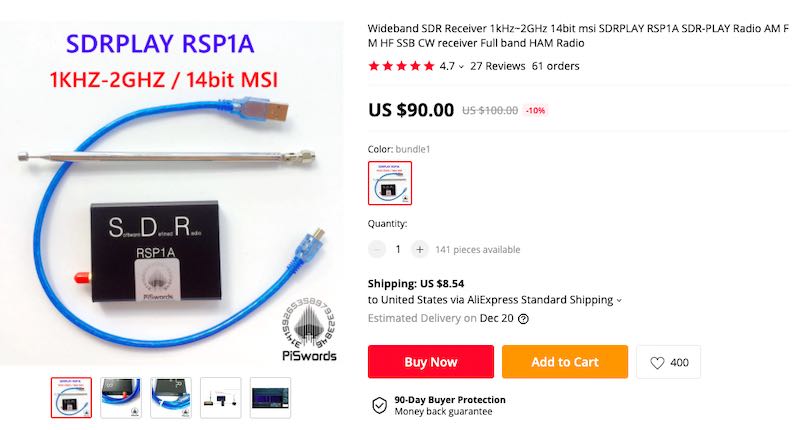
I was browsing through AliExpress and came across a cloned version of the SDRplay RSP1A, the price being asked is slightly lower than the genuine version from SDRplay. I notified SDRplay of what I found. They pointed out that as it is a clone it is unlikely to work with any of their software.

You may like to notify readers of this because it really amounts to a scam.

The AliExpress advert can be seen here:

I do own the genuine RSP1A and yes it lives up to the positive reviews out in internet land.

Thanks for the work you put in to SWLing.com there’s always something interesting to read.

73s

Paul Rawdon

Thank you for bringing this to our attention, Paul! Yes, this is a blatant fake RSP1A clone and, as you say, only a few dollars cheaper than the real thing. I suppose the manufacturer is simply hoping the buyer doesn’t realize it’s fake.

If you’re interested in purchasing an SDRplay product, go directly to their website and purchase from an authorized distributor. Not only will it carry a warranty, but you’ll know it will work with SDRplay’s SDRuno app.

Paolo warns of persistent classifieds scams targeting radio collectors and advises how you can be scam savvy!

Many thanks to SWLing Post contributor, Paolo Viappiani (SWL I1-11437), who shares the following guest post:


A recent resurgence of Internet scams involving quality radios

by Paolo Viappiani (SWL I1-11437)

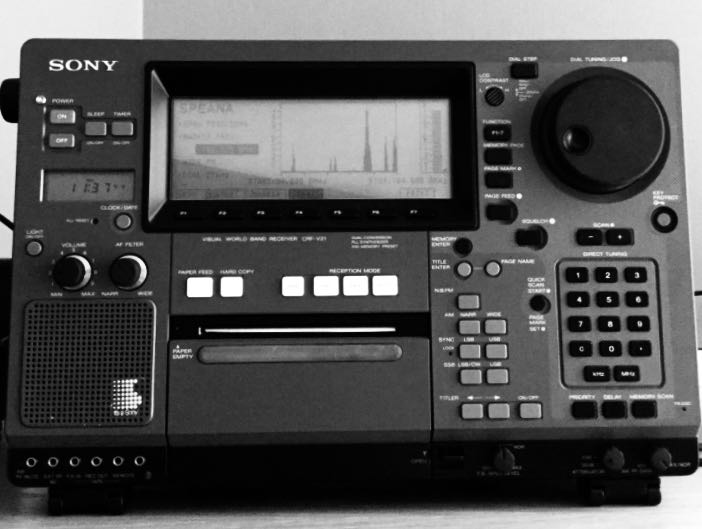
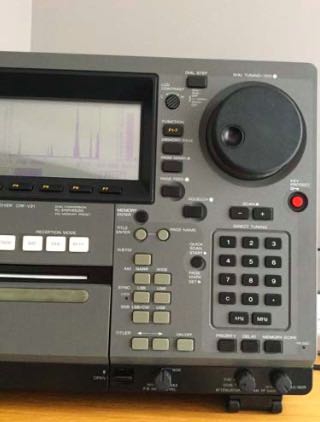
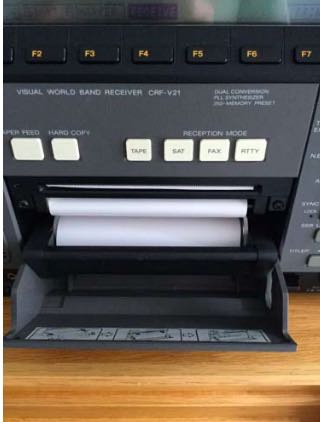
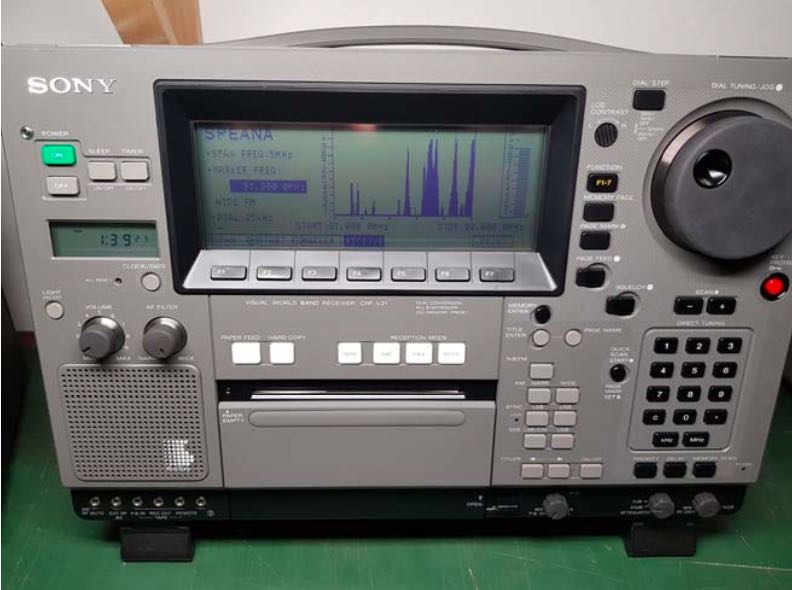
After my previous post on this subject, I found on the Internet other very dangerous fraud attempts concerning high-quality radios offered at very convenient prices. Below, you’ll find the details of a recent attempt concerning the highly-desirable SONY CRF-V21 receiver.

The methods are always the same, but the scammers greatly refine their fraudulent techniques, even going so far as to carry out real identity thefts, as in this case.

Of course, I knew from the beginning that it was a fraud (I don’t let myself be fooled anymore!), but I tried to continue corresponding with the scammer in order to get as much data on his real identity as possible. At the same time, however, I reported the fraudulent advertisement to the site webmaster in order to prevent other users from falling into the trap. The ad was promptly removed, but the scammer noticed it and immediately he slipped away…

Here is the story…

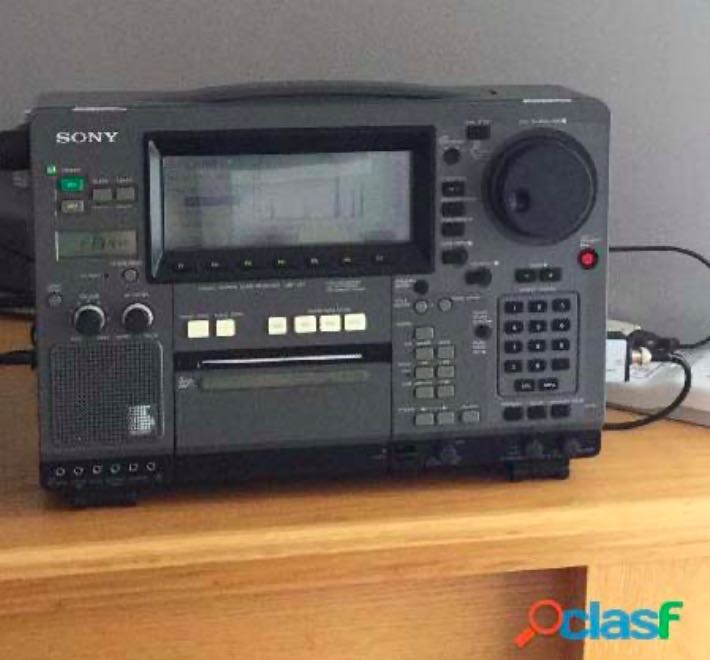
I have been trying to detect and report Internet scams from some time (since I was scammed!), and recently I found an advertisement for a SONY CRF-V21 radio, described as working and in good cosmetic conditions, on the Italian website “Clasf”, look at the picture below:

The radio was offered for Euro 2.600 from a seller who supposedly resided in Rome, Italy.

I sent him a message through the “Clasf” site and almost immediately I received a reply from someone who claimed to reside in Reichertshofen, Germany.

Déjà vu… Germany, Spain or Portugal always seems to be the same story…

But this time the very serious thing is the fact that the scammer identified himself as an “implantology dentist”–a fake identity–also providing a counterfeit website:

From my investigation it appears that both the picture and the website were stolen from a true professional from Hamburg, Dr. Bernhard Brinkmann, look at the websites (here and here).

Of course I tried to contact Dr. Brinkmann and I still make all the documents available to him, in case he wants to prosecute the thief.

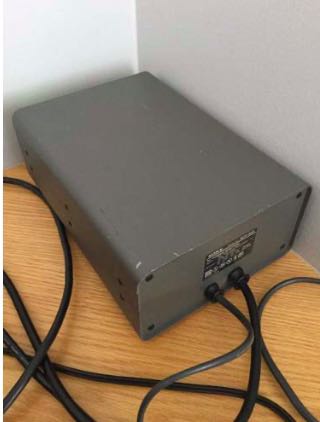
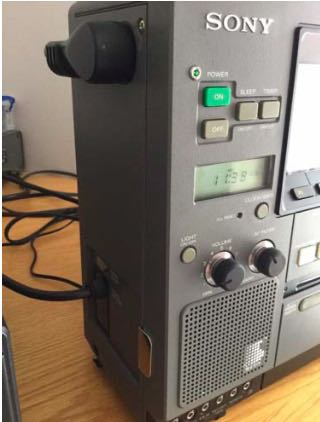
About the pictures I received from the scammer (you’ll find some of them below):

All photos were stolen from a Canadian eBay advertiser instead:

So, buyer beware! The number of frauds in the radio market on the Internet is growing day after day, and it always advisable to keep your eyes wide open, even in the rush to purchase a much desired item at an affordable price.

Today scam techniques are increasingly refined, as shown in the example reported above.
Sincerely I don’t know if this user has something to do with the other European scammers (supposedly from Spain and Portugal) I quoted in my former post. The Italian Postal Police, after having examined the headers of the e-mails that I received along with other documents, believe that such scammers can reside anywhere in the world.

Most scammed

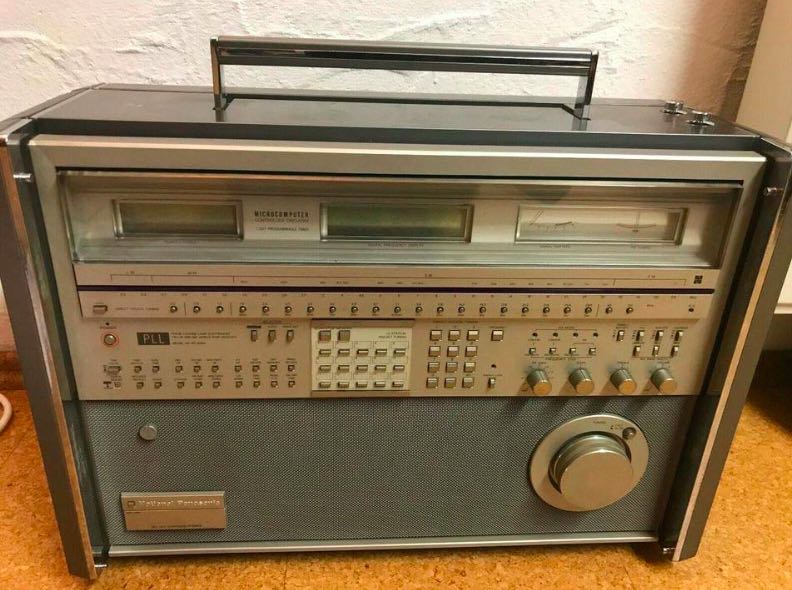
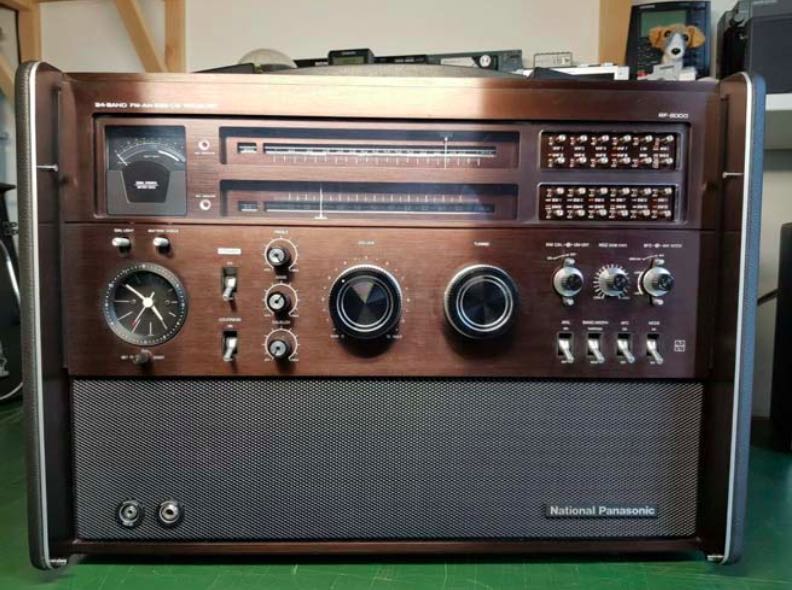
Anyway, the three “most scammed” radios are currently the Panasonic RF-8000, the Panasonic RF- 9000 and the Sony CRF-V21 (pictures below):

Please also notice that a number of advertisements on the most popular classifieds sites (Quoka.de and ebay-kleinanzeigen.de in Germany, Subito.it, Clasf and AAAnnunci.it in Italy, Le Bon Coin in France, ComoFicho in Spain, etc.) still are mirrors for larks only, and you have to pay a great attention in order not to be scammed.

A recent trip over all the mentioned sites revealed that only a few ads are really true…

Red Flags

I repeat some notes about scammers and their usual techniques:

A.) The scammer advertises a very rare radio in like-new conditions at an unbelievably low price. The buyer does not want to miss the bargain, so he contacts the seller and promptly transfers the money to him without further ado, but after that he waits in vain for the delivery of his item.

B.) If you contact the seller, the item is always abroad. The alleged seller then proposes to handle the purchase through a “trust company”. The radio should be paid in advance and the amount sent via cash transfer, but after that you never hear anything from the seller again.

C.) Alternatively, the buyer is requested to to deposit the money to the eBay company account to get the product. But the account is fake (eBay HAS NO “Company Account” and never handles private transactions!), so the buyer loses his money and receives nothing in return. Please also notice that often the fraudulent sellers offer a free period for evaluating the item, saying that if you do not like the device you can send it back. Please don’t fall into this trap, it is only one of the means the scammers use to entice you to purchase, but IT IS NOT TRUE AT ALL!

I repeat also some useful advices in order to make secure and safe purchases on the Internet:

1.) Always beware whenever the item is in a place (or a country) different from the one that was specified in the advertisement; also there is a valid reason for suspicion when the name or the address of the advertiser does not match the seller’s ones;

2.) Do not completely trust the pictures sent by the seller (they could be stolen from the Internet) and don’t forget to proceed to a “Google Reverse Image Search” in order to find the sources of similar ones;

3.) Always ask the seller for some specific pictures or videos (radio precisely tuned to various frequencies and/or modes) and do not accept any runarounds about it (“you can try the radio for some days”, etc.);

4.) Never pay the item in advance by rechargeable credit cards, Western Union or other non-secured/guaranteed ways of payment. Also Bank Transfer (Wire Transfer) is not a secure form of payment in order to avoid frauds;

5.) Always ask the seller for paying by PayPal “Goods and Services” (NOT “Send money to friends”); via “Goods and Services”, your purchase will be fully covered by the PayPal warranty.

In the case you are a victim of a scam anyway, please always report the incident to the Police or the Judiciary of your Country, and don’t forget to also warn the site where the announcement was found.

Best regards!
Paolo Viappiani – SWL I1-11437


Thank you so much for sharing this, Paolo! All very solid advice for avoiding scams. 

If you think about it, scammers want to optimize their scam profits per transaction–in other words, go for the “low-hanging fruit.” This is why quality, rare radios are their bait of choice. They know there are motivated collectors and buyers who need to act quickly in order to secure a deal. The stakes are very high if you’re purchasing a rare/vintage radio via online classifieds sites. 

Bookmark this article. Before making a radio purchase, re-read this post and follow Paolo’s advice. I promise: real vintage/rare radio sellers will happy take specific photos and videos in order to prove that the radio is indeed in their possession and that it functions as specified. If you receive an excuse–any excuse–from the seller, consider that a major read flag and do not proceed. 

Thank you again, Paolo! I hereby name you an honorary SWLing Post Investigative Reporter!


Do you enjoy the SWLing Post?

Please consider supporting us via Patreon or our Coffee Fund!

Your support makes articles like this one possible. Thank you!

Radio Waves: 100 Years of Radio, Maritime Radio Communications, AU2JCB Special Event Station, and 20th Anniversary of Ham Radio on the ISS

Radio Waves:  Stories Making Waves in the World of Radio

Because I keep my ear to the waves, as well as receive many tips from others who do the same, I find myself privy to radio-related stories that might interest SWLing Post readers.  To that end: Welcome to the SWLing Post’s Radio Waves, a collection of links to interesting stories making waves in the world of radio. Enjoy!

Many thanks to SWLing Post contributors Dennis Dura, Dan Robinson, Datta Deogaonkar, and the Southgate ARC for the following tips:


Commercial Radio Is 100 Years Old. Can It Survive? (Inside Hook)

Four industry veterans weigh in on how they’d “fix” a medium that remains popular but lacks innovation

The first broadcast from a commercial radio station took place on November 2nd, 1920. Here’s how I imagine listeners responded to the debut of KDKA-AM in Pittsburgh:

Nov. 2: This is amazing! I can hear someone from hundreds of miles away talking through this device! The world will never be the same!

Nov. 3: They’re playing “Wang Wang Blues” again already?

The joke here is twofold: First, there’s a popular song called “Wang Wang Blues” from 1920. And second, by day two, KDKA had already developed the repetitive play-the-hits format that would become one of its hallmarks for the following century.

The first commercial broadcast actually related to the election — it was the idea of a radio manufacturer, Westinghouse, to offer up programming to go along with their newfangled tech (a century later, Apple and Sonos thought exactly the same thing). The first commercial broadcast featured updated results of the Harding-Cox presidential race “before [people] read about it in the newspaper,” as this PBS retrospective notes.

One hundred years later, commercial radio still holds a place in American daily life. The average American still listens to about 106 minutes of radio per day (with the coronavirus and its attendant lockdowns projected to increase that number), and there are more than 15,000 stations in this country alone.

We’re certainly listening to radio differently: according to Statista, 57% of Americans do so online, whether by streaming, downloads, satellite or digital radio. If you asked me how I listen to radio, I’d offer up services like Apple Music 1, Sonos Radio and Dash Radio; podcast downloads from ESPN Radio; online streaming of overseas entities like BBC 1 and Triple J or any occasional college station like WSOU; NPR stations for news and commentary (and music if it’s KCRW); and for new music, a DJ-free experience via Spotify’s New Release Radar playlist. In other words, while audio-only, passive-listening medium has survived and thrived for a century, which is astounding and worthy of celebration, the need for traditional, turn-the-dial “commercial” radio is decidedly on the wane.[]

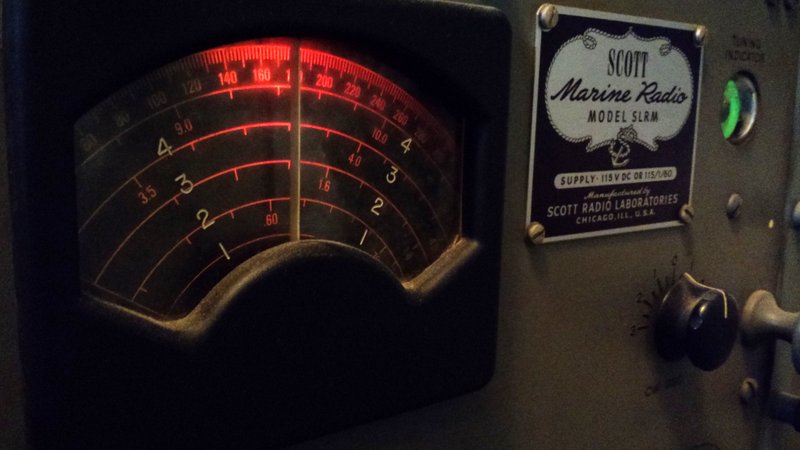
Radio Officers: our past is our future, our way is to be Radiomen

Many thanks to Dan Robinson who shares this excellent site devoted to maritime communication officers: https://trafficlist.altervista.org/

Special event station commemorating Aacharya Jagadish Chandra Bose

Sir, I want to mention with great pride that I am (VU2DSI) celebrating the birthdate 30 November of Aacharya Jagadish Chandra Bose- every year with a special callsign- AU2JCB for the last 15 years. He is well known as the “Father of Wireless Communication” in the world of science.

AU2JCB will operate from 20 Nov 2020 to 15 DEC 2020.

The Details of operation

Period: 20 NOV 2020 to 15 DEC 2020

Frequencies: 10 M– 28545, 28510,28490. 21 M—21235, 21310, 21350. 20M—14210, 14250, 14310. 40 M—7040, 7150. 80 M — 3710. IN FM MODE—– 6M –50800, 51500. 10 M—29700.

QSL— Direct to VU2DSI, “SURABHI” MEHERABAD. AHMEDNAGAR.414006. INDIA.

This year VU2EVU & VU2XPN will operate with AU3JCB & VU5JCB call-signs respectively.

From Kolkatta, VU3ZHA & VU3MZE will operate with AT2JCB & AU8JCB call-signs respectively. Ten more stations will operate from Kolkatta with JCB in the prefix.

Aacharya J.C.BOSE:

https://www.cv.nrao.edu/~demerson/bose/bose.htm

http://www.qsl.net/vu2msy/JCBOSE.htm

http://au9jcb.angelfire.com for info about Aacharya J.C.BOSE & his work.

https://ethw.org/Jagadish_Chandra_Bose

Regards, HAPPY DEEPAWALI to & all.

DATTA

VU2DSI (AU2JCB).

20th anniversary of first ham radio operation from ISS (Southgate ARC)

On November 13, 2000, the ISS Expedition-1 crew turned on the ARISS Ericsson radio for the first time and completed several contacts with ARISS ground stations around the world to validate the radio communications system

These inaugural contacts launched an incredible two-decade operations journey on ISS, enabling ARISS to inspire, engage and educate our next generation of explorers and provide the ham radio community a platform for lifelong learning and experimentation.

In celebration of the ISS 20th anniversary, ARISS was part of an ISS Research and Development Conference Panel session entitled “20 years of STEM Experiments on the ISS.”  The video below, developed for this panel session, describes our program, celebrates our 20th anniversary, conveys some key lessons learned over the past 20 years and describes the ARISS team’s vision for the future.  Enjoy watching!

20 years of continuous operations is a phenomenal accomplishment.  But what makes it even more extraordinary is that ARISS has achieved this through hundreds of volunteers that are passionate in “paying it forward” to our youth and ham radio community.  On behalf of the ARISS International team, I would like to express our heartfelt thanks to every volunteer that has made ARISS such an amazing success over the past 20 years. Your passion, drive, creativity and spirit made it happen!!

Congratulations ARISS team!!!

Frank H. Bauer, KA3HDO
ARISS International Chair

Watch ARISS 20th Anniversary


Do you enjoy the SWLing Post?

Please consider supporting us via Patreon or our Coffee Fund!

Your support makes articles like this one possible. Thank you!

This Norelco B5X-88A/03 table radio has a story and a caretaker

Many thanks to SWLing Post contributor, Edward Ganshirt, who shares the following guest post:


Pamela’s radio


A neighbor gave me this radio. It had a story.

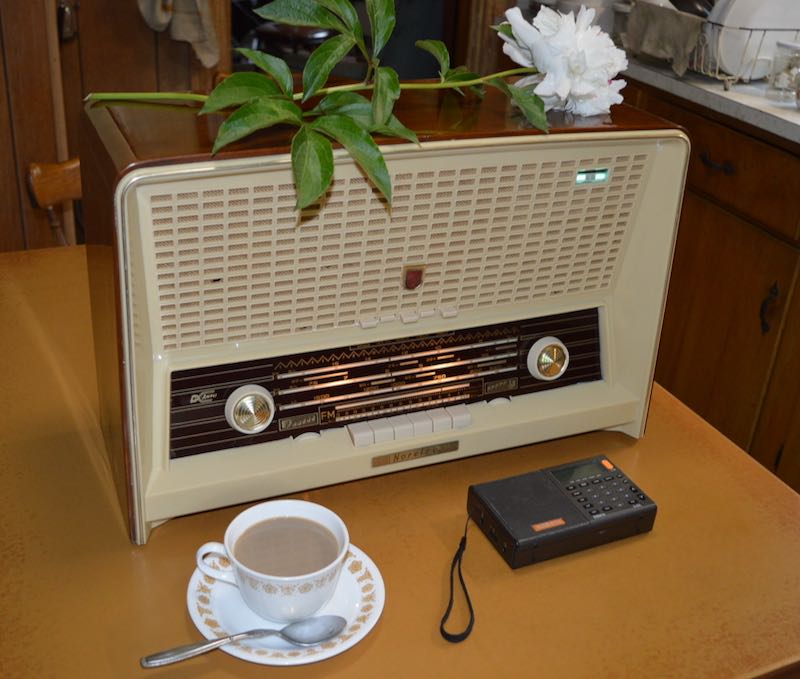
It is a Norelco B5X-88A/03 Table radio AM FM SW1 SW2. (You can see it takes up the whole kitchen table…that is why it is called a table radio). Has very good sound.

The speakers are 600 ohms, not 8 ohms, and uses bypass capacitors instead of an audio transformer.

Now about the carnation: I think my neighbor had thoughts that I may be giving it a Funeral and interring it in the backyard. (It has a nice finish you usually see on caskets)

Her Father was a Doctor who had his practice in the house and had this radio always playing low volume in the waiting room. He served in WW2 and brought this back in the late 1940’e. She inherited it and had it serviced a few times by a local repairman who since passed. Taking it apart I noticed several mechanical problems after removing an abandoned yellow jacket’’ nest.

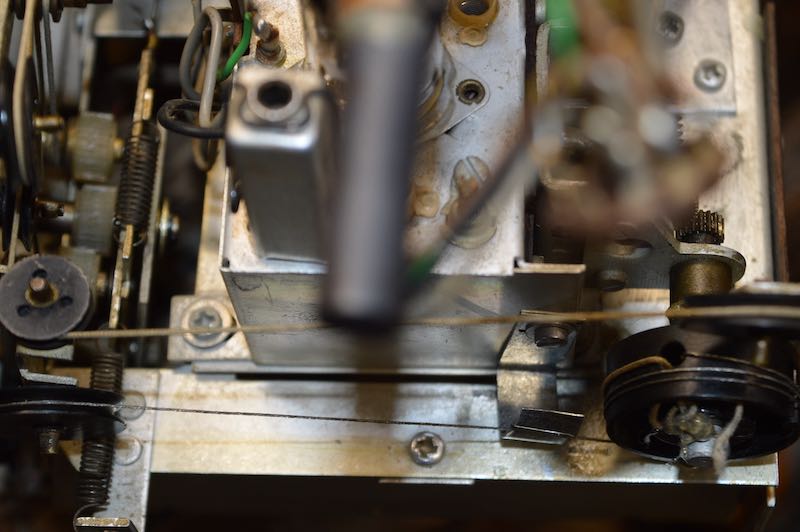
The FM dial string was wound wrong so 88 MHz is where 108 MHz should be and vice versa. I restrung the dial properly but when tuned the string flopped off the pulley, so I fabricated a string restrainer to prevent this.

Also the station selector was scratchy and intermittent. To solve this, I played the garden hose with a forceful stream of water on the switches then dried out the chassis in the hot summer sun. Sprayed volume control restorer on all the switch contacts. After that, it worked perfectly. The remaining issue was the walnut veneer I sanded with 400 grit paper then coated with clear Krylon .

Now what to do with it!

Well I used her same sweet talk charm she used on me to take it off her hands to take it back, this time fully functional and I even demo-ed it. It had the wonderful mellow sound that she remembered and was so pleased.


What a true gentleman you are, Ed! Thank you for sharing the story of this Norelco table radio–what a gorgeous machine! I’m so pleased you were able to surprise Pamela with her father’s radio,  fully restored! 

Top 10 DX of the Year SWL Contest

Many thanks to SWLing Post contributor, Kanwar Sandhu, who shares the following announcement/rules for the Top 10 DX of the Year Contest:

Top 10 DX of the Year Rules

The date of the contest:
From 1 December 2020, 00:00 UTC to 31 December 2020, 24:00 UTC

– The contest is open for all shortwave listeners. It is not obligatory to be a club member.

– The contest is free of charge and all costs are covered by TOP DX RADIOCLUB.

– The task of the contest:
Reception of 10 BROADCAST stations from 10 optional, DIFFERENT countries during the contest (according to the official DXCC list**).

– The aim of the contest:
Award of the best DX’er who really succeeded in receiving the year’s TOP 10 DX: it means that it received the smallest power station possible from the longest distance possible.

– It is not obligatory to register in advance. On the other hand, it would help the organizers if you sent an email with your name and 6-character Maidenhead QTH locator code*. If you don’t wish to do that it is enough to provide your data in the contest log. All personal data and email addresses are handled with care by TOP DX RADIOCLUB and they are never given to a third party. We also hate spammers. The data are used to inform the contestants in connection with the contest and the evaluation of the results.

– The rules of the contest:
Reception of 10 BROADCAST stations from 10 DIFFERENT countries. Excluding: unofficial, meteorological, DRM or other digital, military, spy, pirate, time etalon, amateur contacts and other technical receptions. It is strictly prohibited to use WEB SDR, internet radio and other remote-controlled equipment. The receiver antenna has to be attached to the radio physically and directly. One country can appear in the log only once. (Country=where the transmitter can be found)

The enabled frequency range: from 2300 kHz to 30000 kHz. The contest referees and organizers cannot take part in the contest.

– The obligatory content of the log:
Date (day, month, year),
Time (UTC),
Frequency (in kHz),
The ID name of the station,
Country (where the transmitter can be found),
ITU,
The language of the broadcast,
SINPO,
The geographical location (city) of the transmitter site,
The details of the broadcast (general description without specific details cannot be accepted)
The judges may ask for additional data from the contestants (eg. the power of the transmitter)

– The obligatory content of the log’s annex:
The name of the contestant,
Address (where the certificate can be posted)
Geographical location where he/she has participated from (according to the 6-character Maidenhead QTH locator)*
The type of the receiver(s),
The type of the antenna(s).

Example:
Name: Jean Sample
Address: France, Paris, Rue Parrot 2.
QTH locator: JN18EU
RX: Yaesu FRG-7000, Perseus SDR
Antenna: 80m Long Wire, Wellbrook ALA-1530

– The format of the log:
The logs have to be sent electronically to topdx.radioclub(at)gmail(dot)com in doc, docx, xls, xlsx, pdf, txt, or cabrillo format. We accept logs in English language and Hungarian language. All contestants get an email of confirmation after receiving the log in 24 hours.

– The deadline of receiving the logs:
5 January 2021. 24:00 UTC

All contestants declare by sending the logs that all data in the log are true and correct, all of the receiving were done by himself/herself within the given time range from the provided place according to the QTH locator and the adherence of the rules.

– Announcement of results: Before 31 January 2021.

– Scoring:
The distance between the contestant’s QTH locator and the transmitting tower’s QTH locator divided by the power of the transmitter.
The distance between QTH is dimensioned in kilometers and measured in short path. The transmitter power is dimensioned in kilowatts. Only official data are considered given by WRTH (World Radio TV Handbook – www.wrth.com). If more powers belong to a certain transmitter the higher power is considered. In case the owner of the station announces different power than WRTH, then we counting with the official (real) transmitter power.

For example:
The geographical location of the contestant: France, Paris, Rue Parrot 2. in this case the QTH locator is JN18EU*

The received station: Voice of America, from the city of Iranawila CLN. The QTH locator of the transmitter: MJ97VM. In this case the distance between the two QTH locators: 8459,38 km. For the calculation the following program is used: NØUK’s Maidenhead Grid Distance & Bearing Calculator ****

The power of the transmitter: 250 kW
Score: 8459,38 / 250 = 33,84 points (rounded to 2 decimals) According to the information above it can be clearly seen that more points are given if the station is far from the contestant AND the transmitter power is low.

Therefor if someone can receive broadcast from a station of 10 kilowatts from the distance of 12000 km it worth 1200 points.

The final points are made up by the sum of the 10 receiving.
The contestant with the highest points wins the contest.

– Awarding:
The contest has no monetary prize. The winner gets an elegantly designed, unique trophy addressed to his/her name. All contestants are posted a certificate according to result in the ranking.

In case of any questions about the rules, the parameters of the transmitter or anything else in connection with the competition, send us an e-mail and we try to respond asap. This opportunity is open before and during the competition.

The organizers wish good luck and outstanding DXs to all contestants.

*: The QTH locator can be easily found here
** The list of DXCC can be found here (Excel file, countries in alphabetical order)
***: Sample log can be downloaded from here (Excel)
****: The NØUK’s Maidenhead Grid Distance & Bearing Calculator can be find N0UK’s website

Thank you for the tip, Kanwar!