Shortwave listening and everything radio including reviews, broadcasting, ham radio, field operation, DXing, maker kits, travel, emergency gear, events, and more
Many thanks to SWLing Post contributor, Al Holt, who writes:
Your readers may be interested in tuning in the daily (except Sunday) broadcasts of Marine Weather Center on 4045 and possibly 8173, 12,350 kHz. These broadcasts use upper sideband mode. https://www.mwxc.com/index.php
It’s described as, “custom weather and routing information for small vessels in the Caribbean Sea, Bahamas and United States East Coast,” and is based near Lakeland, FL.
As a subscription weather service for pleasure craft, but they provide an interesting roundup and forecast of weather in this area of the world. They do take questions and traffic from subscribing vessels at the conclusion of their broadcast.
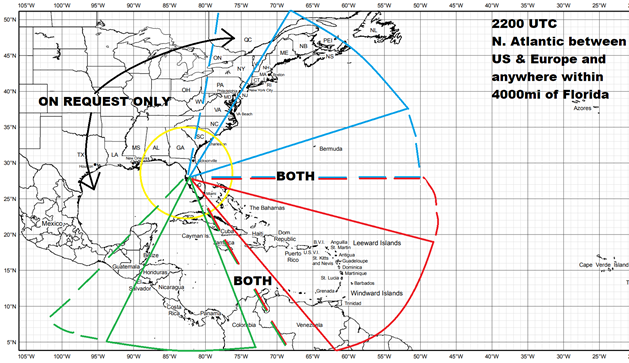
I am usually am able to receive the omnidirectional broadcast on 4045 kHz here in northern Florida. But, their coverage at greater distances is pretty good I think.
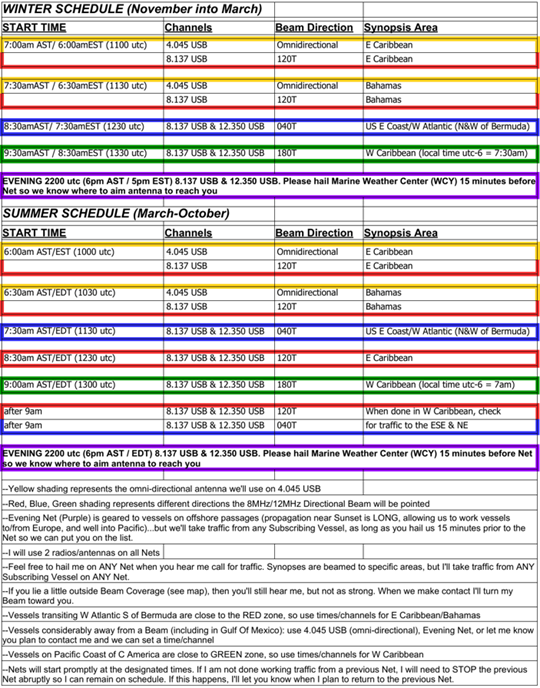
The chart below (taken from their ‘Services’ page https://www.mwxc.com/marine_weather_services.php ) shows this broadcast starting at 1100z, but I usually hear them closer to 1200z and that may be due to atmospheric conditions. I haven’t had much success catching their later transmissions. I’m not sure how often their webpage gets updated and schedule changes are probably relayed privately to their subscribers.
Wow! Thank you so much for sharing this information, Al.
Post Readers: I know there are a number of SWLing Post readers who sail and cruise (some on very long voyages)—I’m curious if any use the Marine Weather Service regularity. Please comment!
Many thanks to SWLing Post contributor, Jerome van der Linden, who writes:
I just found after reviewing a 16 page PDF of regulations etc from the Cruising Yacht Club of Australia, some relevant information for listeners who may want to try to hear the boat to shore communications of yachts participating in this annual yacht race, which is quite famous in this part of the world.
This race will commence at 1300 Sydney time 26th December, which is 0200 UTC, by my reckoning (today, down here). The race normally runs for about 3 or 4 days depending on conditions. It’s not clear to me just when the boats are expected to report their positions, other than that shown below for Green Cape, which is in southern News South Wales. Perhaps someone else can add the time schedule if they know it.
“Boats shall be capable of transmitting/receiving, as a minimum, on the following frequencies:
– VHF – International Channels 16, 72, 73, 80 and 81
– HF/SSB – 4483kHz and 6516kHz and such other frequencies as the Organising Authority may determine”
“Boats shall maintain a 24 hour listening watch for the duration of their race on VHF Channel 16.
For radio communications, a boat’s name may be limited to not more than two words. The Race Committee may alter names where appropriate. The Sailing Instructions will require that boats report by radio when they are in the vicinity of Green Cape and make a declaration confirming their time of passing as well as the following:
The HF radio is fully operational
Liferaft(s) are on board
Engine and batteries are operational
Boat and crew are in a satisfactory condition to continue
The skipper has comprehensively considered the most current weather forecast and the boat and crew are fully prepared for the conditions forecast.”
[Note that] I just found, from a post a couple years ago, that the time for reporting may be 0735 and 1905 Australian eastern time, which would mean 2035 and 0805 UTC while the race is in progress. It also suggests the 6516kHz frequency is the main one, with 4483 being the backup.
Brilliant, Jerome! Thank you for sharing these frequencies—how I would love to listen to some of the craft report in on HF. I think I’ll be spending some time down under on the KiwiSDR network the next few days!
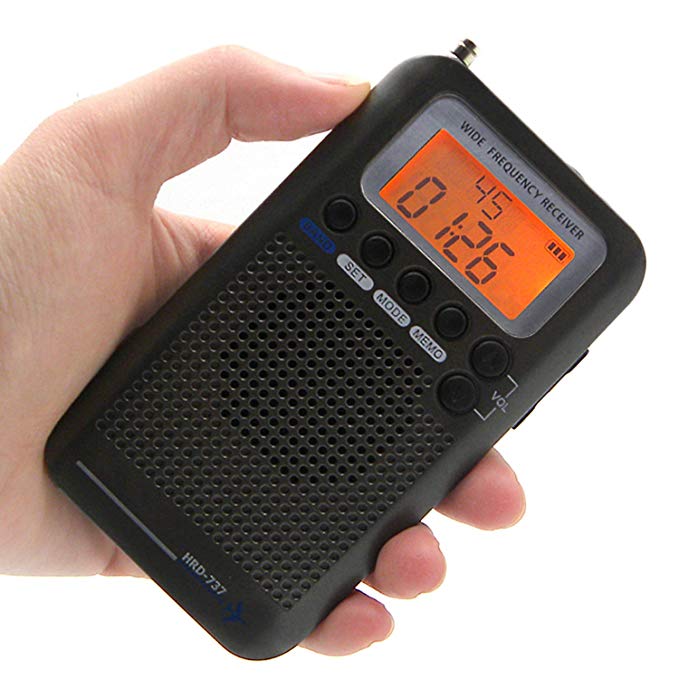
I am not familiar with this radio, Marc, other than I can see the physical similarities with the Eton Mini. The Eton Mini, however, does not have the VHF coverage of this radio.
Post readers: Is anyone familiar with the JINSERTA Mini? If so, please comment!
How would Christmas Eve at the Front have sounded on a radio back in 1943? Something like this…
Christmas Eve, 1943: America’s third in WWII.
On this day, exactly three-quarters of a century ago, America tuned into a special live broadcast that would not only engage American listeners, but also every major network in the US at the time: CBS, NBC, and Mutual Broadcasting Company. The simulcast program, “Christmas at the Home Front,” starred troop entertainment veterans Bob Hope and Bing Crosby, as well as numerous others including screen actor Lionel Barrymore–also well-known for his regular portrayal of the miserly Scrooge in NBC’s annual radio drama “A Christmas Carol”–and featured an address by then-President Franklin D. Roosevelt.
This broadcast also included live audio feeds from North Africa, Italy, New Guinea, Guadalcanal, New Caledonia, China, India, Panama, Alaska, Pearl Harbor and even Navy ships in undisclosed locations. Keep in mind, this was 1943. These audio feeds weren’t carried over the Internet or a satellite network, they were shortwave radio signals from remote sites–signals that were bounced off of the ionosphere and back to the studios where they were incorporated in a live radio show. No doubt, this holiday special required months of planning to orchestrate and perhaps even a leap of faith to execute.
Being something of a WWII radio buff, I’ve listened to this recording a few times in the past. And after receiving Bill’s message about it recently, I listened again; the audio obviously came from a recording at NBC studios, very pristine considering the recording’s age and the number of times it’s likely been copied or changed formats, but also with demarcated track switches, not exactly as it would have sounded on the air at the time.
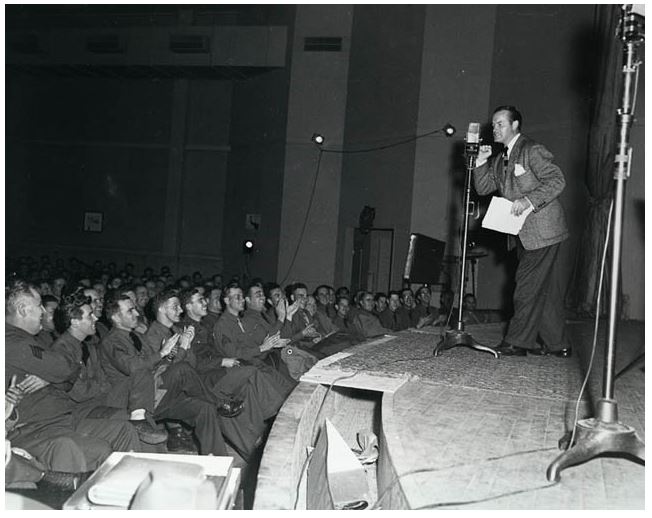
Radio broadcast with entertainer Bob Hope, 1943. Source: Broadcasting and Recorded Sound Division, Library of Congress
So I did what any self-respecting radio geek would do: I fed the recording into an AM transmitter to recreate the sound as it might have played on American radios of the time, and made an off-air recording of the entire broadcast.
Hopefully now, with the help of this recording, you may be able to imagine what families on Christmas Eve in 1943, huddled around their radios, might have experienced as they strove to feel a little closer to loved ones serving in the war, while enjoying a little light entertainment and absorbing the latest message from their president.
But it’s also meaningful to note that times have certainly changed since 1943. Without a doubt, it’s often easy to be lulled into a nostalgic appreciation of that time, and former times generally, made all the rosier by the present knowledge that the outcome of the war was, in many respects, favorable to us. But those who know history know the truth: that war is hard, that our struggles both here and abroad were real, and that people died–as many as 85 million. When the drama was over, the fallen did not rise again to play in another film; they were gone, forever. This is the grim shadow that lies beneath the warmth of entertainment broadcasts like this one.
Fortunately, our civilization continues, and will always view the war and the political circumstances surrounding it through the fading glass of advancing time and hear it through the crackle of increasing distance. And fortunately, our then-enemies are now among our strongest allies. We have a diverse and international audience here at the SWLing Post, so I hope this recording is recognized for what it is: simply a moment in entertainment history that the passing of time allows us to enjoy, during a war the likes of which we hope never again casts such a shadow over us. One such was enough.
Now sit back, close your eyes, and set your time machine’s dial back to Christmas Eve, 1943…
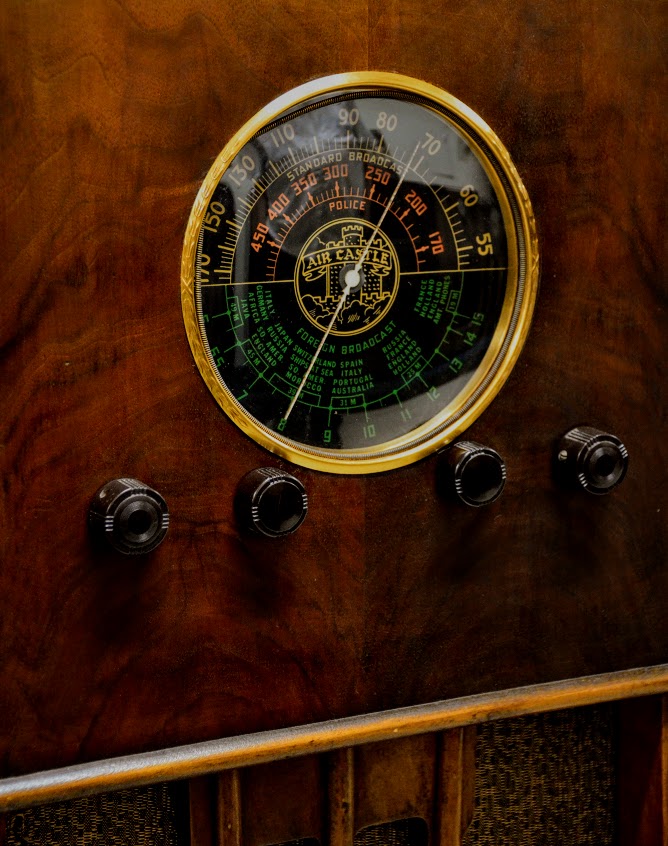
Imagine you’ve just turned on the family console radio, the frequency dial gradually warming with its familiar glow, and have tuned to your local NBC station; soon, the voices of well-known entertainers begin to fill the parlor and the rest of the household, their tasks or play momentarily abandoned, quietly join you there to listen…
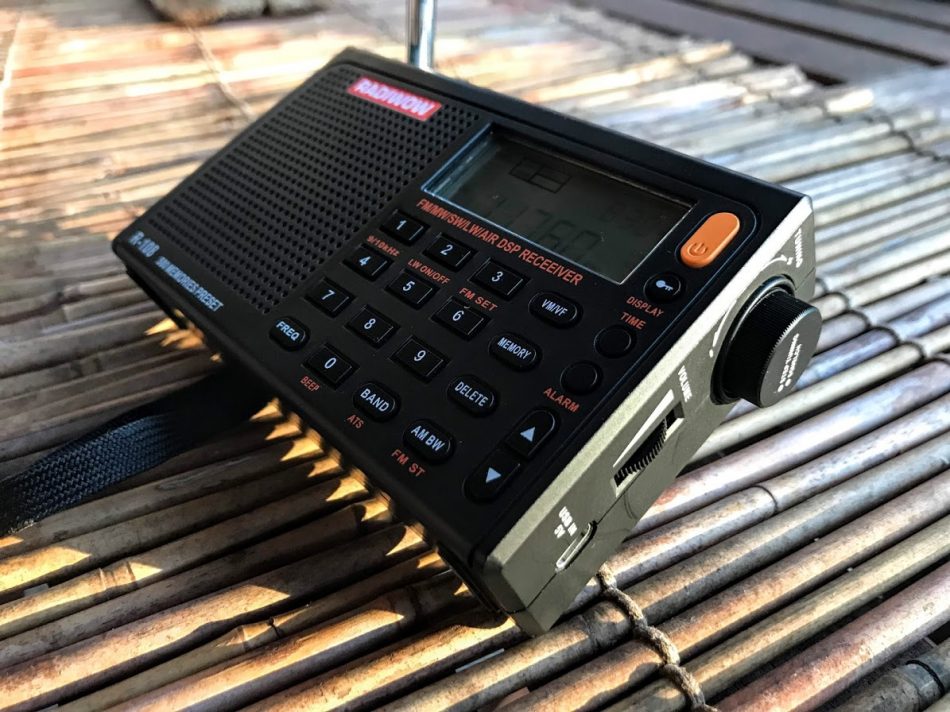
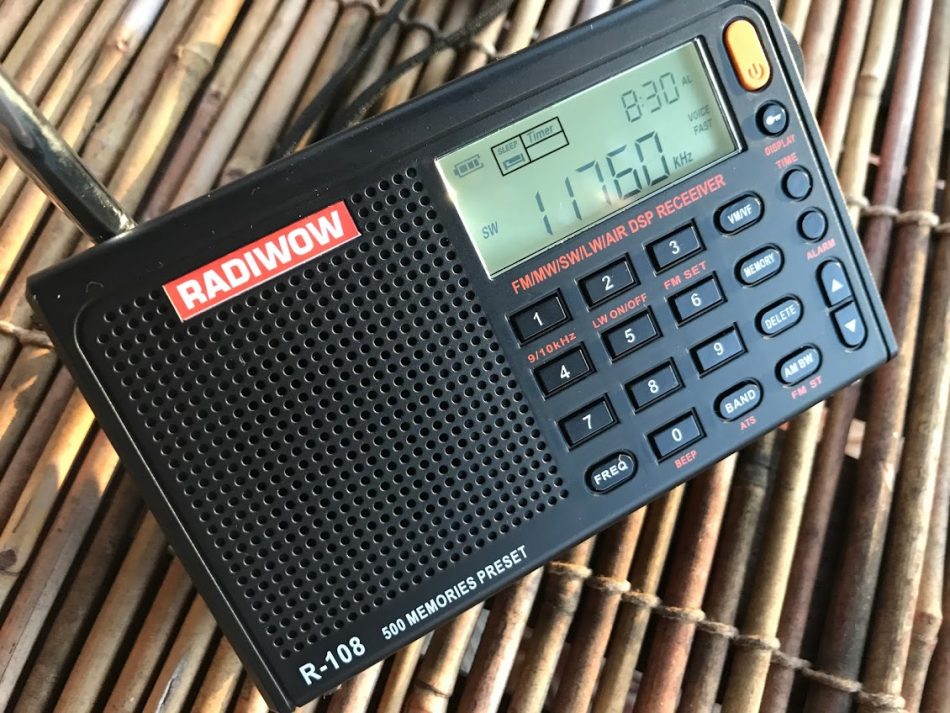
Last week, I received a new portable shortwave radio by the post from China: the Radiwow R-108.
The brand, Radiwow, was new to me, but I suspect they’re linked in some way to the folks behind XHDATA. They contacted me around the Thanksgiving holiday and inquired about evaluating this new portable receiver. I replied, asking a few questions about the unit–you see, I don’t typically agree to take a look at a new product if I think it could simply be a re-badged version of something currently on the market.
Their reply was simple:
“Yes, it is shortwave radio, like PL-310ET radio but add air band, and better reception performance. Your tracking number is…”
So evidently, it was already on the way.
Radiwow claims the performance is better than that of the venerable Tecsun PL-310ET. This, I will have to test because the PL-310ET is certainly a workhorse Ultralight radio. And the R-108 includes air band? Sounds like a CC Skywave without weather radio. That could be quite appealing if the price is competitive.
And it seems this little radio fits neatly into the requirements of Ultralight DXing, thus I hope Gary DeBock and Guy Atkins might take a look as well.
In addition, the R-108 includes longwave frequencies. Something I know will please a number of our readers.
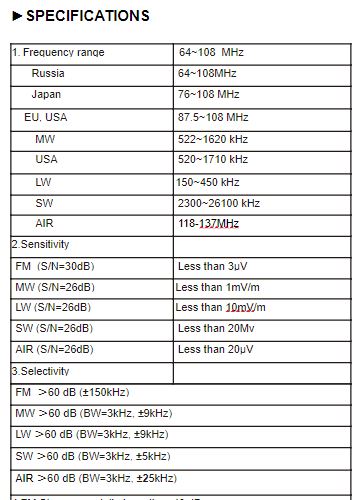
Here are some of the key points I gleamed from a digital copy of the owner’s manual:
In addition, the only other place I could find the R-108 listed on the Internet is via AliExpress. As with the introduction of the XHDATA D-808, the AliExress price is (today) absurdly high. To me, this indicates that the page is simply a placeholder until the first production run is ready to ship.
I have a PL-310ET and you can count on me to compare the two sometime after the holidays.
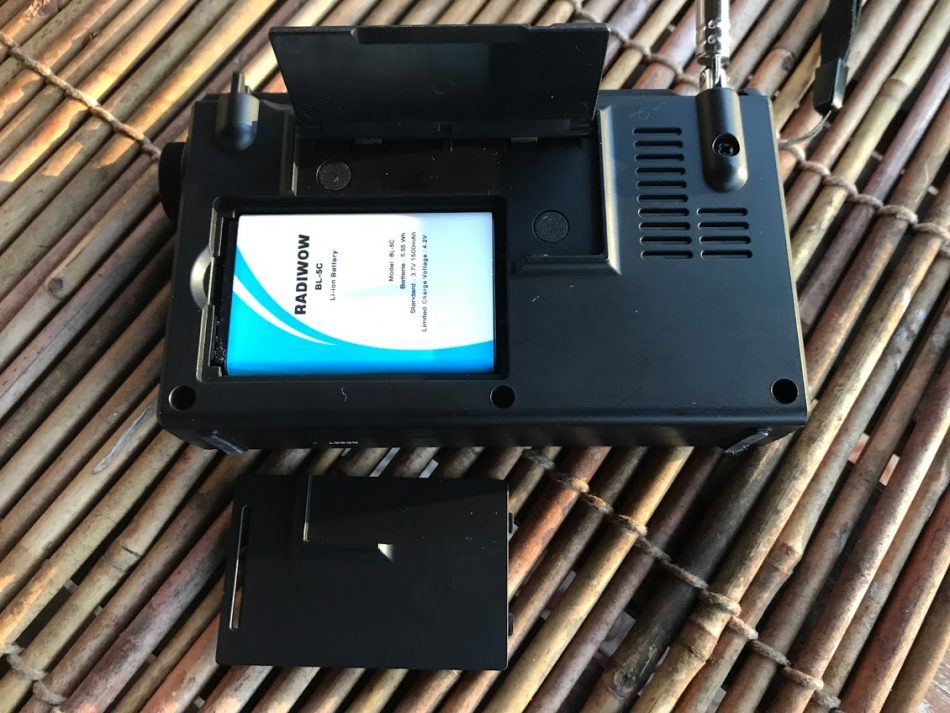
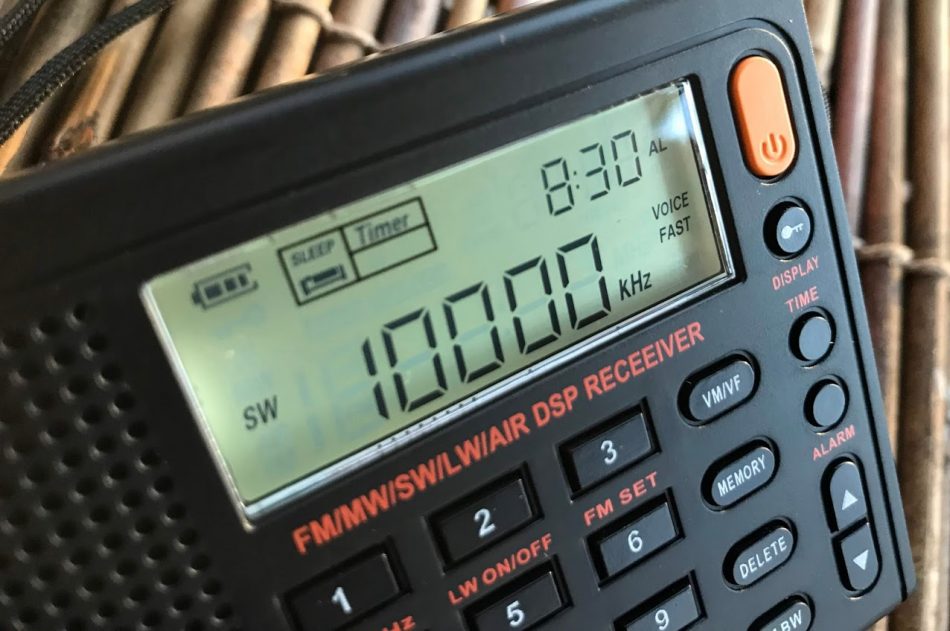
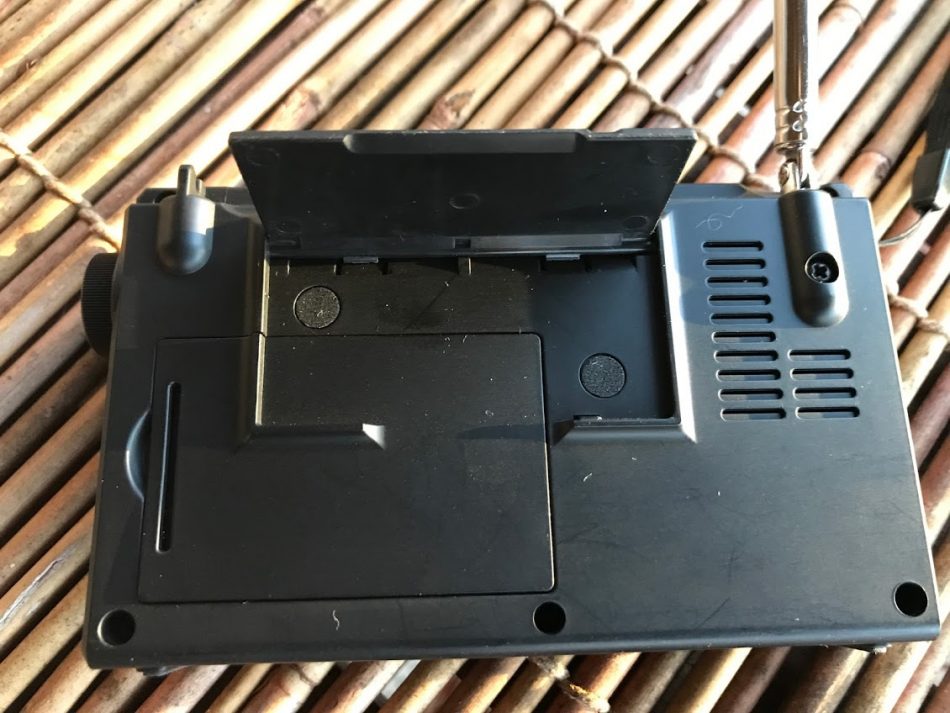
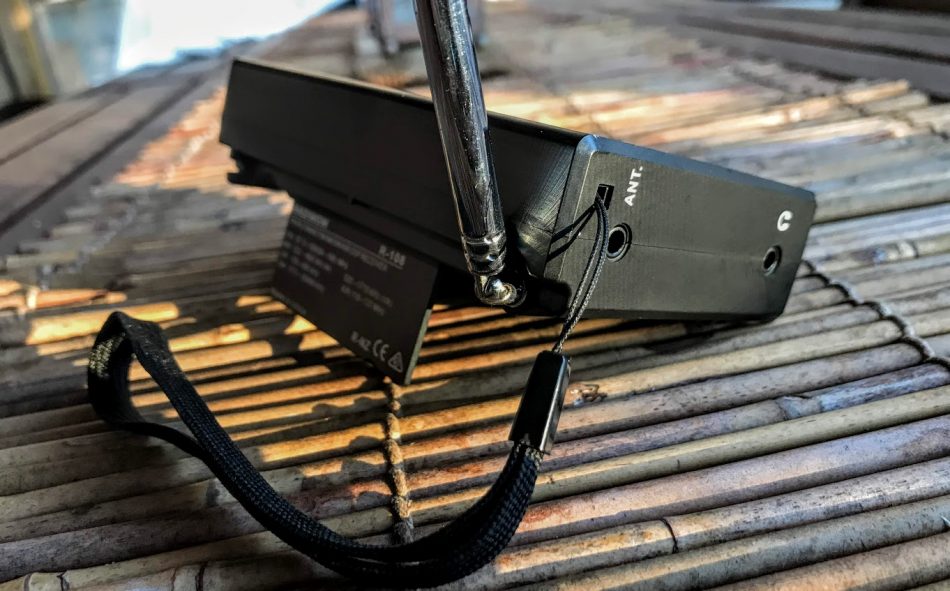
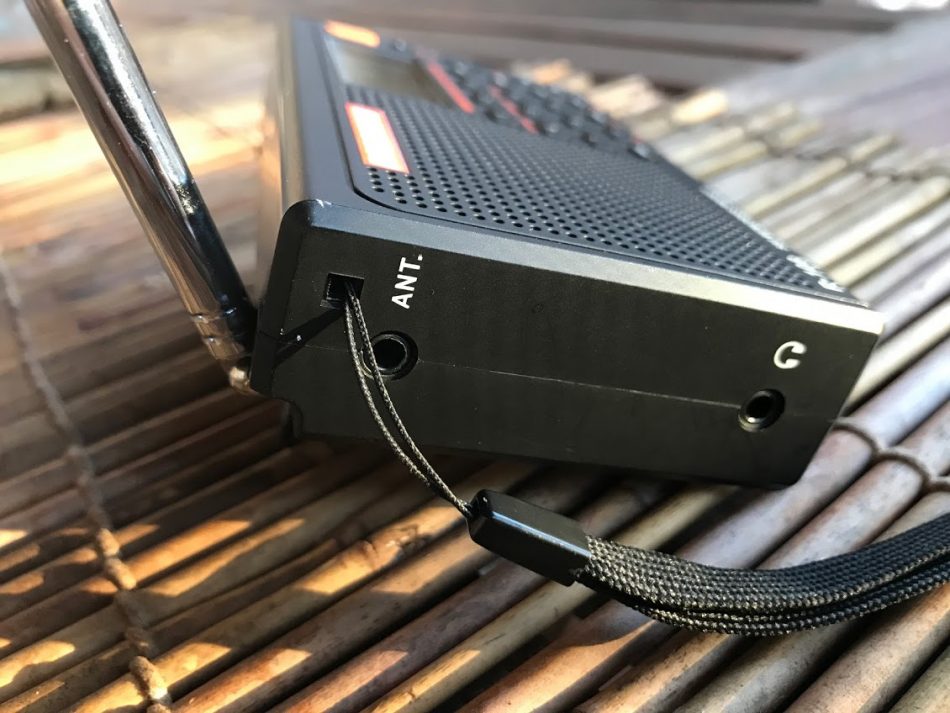
In the meantime, I thought I’d share a few photos of the unit.
I must admit, the front panel of the radio looks familiar, but perhaps only because most other DSP portables have a similar layout. Please comment if you know of an identical portable.
Please note that the frequency for the VORW Radio International Holiday Broadcast has changed. Please read the announcement below which includes the new frequency of 9350 kHz:
Hello Shortwave Listeners! In addition to our regularly scheduled broadcasts of VORW Radio International every Thursday, Friday, Saturday and Sunday – I am pleased to announce that there will be a special holiday broadcast on Christmas Day!
This show will feature some mixed talk and music of all genres (including some holiday songs) and a newly designed E-QSL will be sent out to any and all reception reports received! Here is the schedule:
Tuesday 2100 UTC (3 PM Central / 4 PM Eastern) – 9350 kHz – WWCR 100 kW – North America
Reception reports and feedback are most appreciated at [email protected] and I hope you can tune in!
Many thanks to SWLing Post contributor, Ron, who shares the following tip from the ARRL News:
Each year, volunteers at McMurdo Station, Antarctica, celebrate the holidays by serenading those at the remote, Antarctic field camps via HF radio. This year, ham radio operators and SWLs around the world are invited to listen in and email listener reports. The broadcast will be on Sunday, December 23, 2300 UTC (December 24, 1200 New Zealand Time), on 7,995 kHz USB.