Category Archives: Mediumwave

Guest Post: Recording Music on Shortwave Part 2 – Weak signal recovery

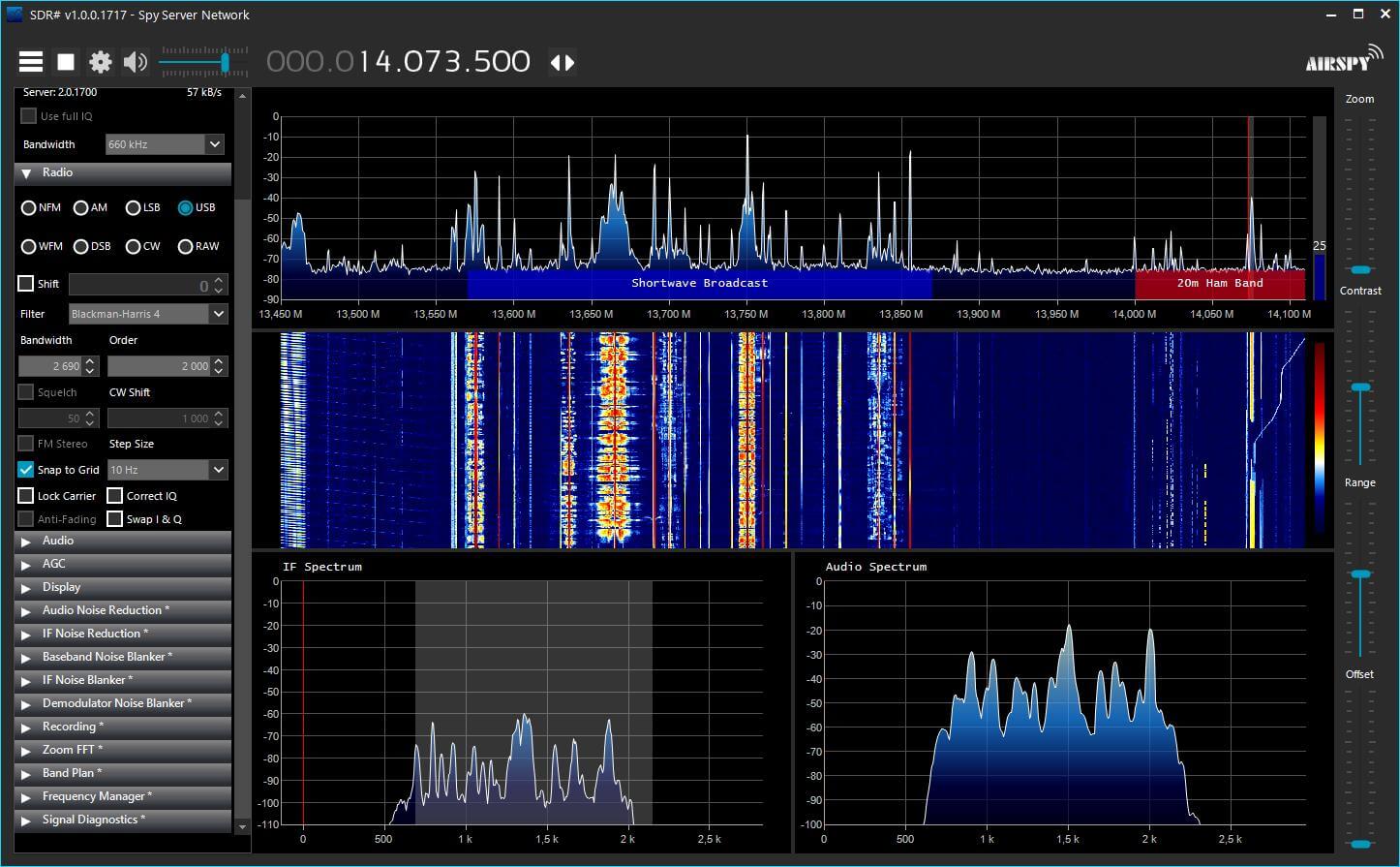
An example of an AirSpy SDR# software screen.

Many thanks to SWLing Post contributor, TomL, who shares the following guest post:


Recording Music on Shortwave Part 2 – Weak signal recovery

by TomL
The QRM noise cloud surrounding my condominium motivated my first foray into noise reduction software to find a little relief (Please refer to Part 1 posted here) using SDR recordings.  I was able to use the freeware software Audacity to reduce some of that type of noise to tolerable levels on strong broadcasts.  But what about non-condo noise, like out in the field??

NHK Japan

I took my trusty Loop On Ground antenna to the usual county park Forest Preserve which is relatively low in RF noise.  I did some usual recording on 25 meters and poked around for something being captured by SDR Console.  On 11910 kHz is NHK broadcasting daily from Koga, Japan.  It is hearable at this location but is always an S7 or weaker signal despite its 300 KW of power no doubt due to being beamed away from the Midwest USA.

I recorded it using the SDR Console 10kHz bandwidth filter and created a separate noise recording from a nearby empty frequency.  Here is the 2 minute portion of a Japanese music teacher. No noise reduction was applied:

I opened the noise and broadcast recordings in Audacity to see what I could do.  Part 1 of my previously mentioned post details how I apply the Noise file.  A big downside of using any kind of noise reduction software is that it is ridiculously easy to destroy the desirable characteristics of the original recording.  Applying too much noise reduction, especially in the presence of constant, spiky lightning noises, will create both digital artifacts as well as very dull sounding results.  So I used the Effect – Noise Reduction (NR) feature very carefully.

In this example, I used the Effect – Amplify feature on the one minute noise file.  I applied just +1dB of Amplify to the whole file.  Then I highlighted a 10 second section I thought was representative of the general background noise and chose Edit – Copy.  Then, I opened the broadcast file, Pasted the 10 seconds of noise to the END of the file and highlighted just the 10 seconds of noise. Then I chose Effect – Noise Reduction – Get Noise Profile button.  Amplifying the noise file by +1db does not sound like much but it seems to help according to my tests.  Anymore than this and the Noise Profile would not recognize the noise without destroying the music.

I used the NR feature three times in succession using the following (NoiseReduction/Sensitivity/FrequencySmoothing) settings:  Pass1 (3dB/0.79/1), Pass2 (2dB/1.28/1), Pass3 (1dB/2.05/0).  Part of what I listened for was choosing the Residue circle and Preview button for any music or dialog that was being filtered out.  If I heard something that came from the desired part of the recording in Residue, I knew that I hit the limit concerning the combination of Noise reduction and Sensitivity settings to engage.  I used those Residue & Preview buttons over and over again with different settings to make sure I wasn’t getting rid of anything wanted.  I also used the higher Noise reduction with lower Sensitivity to try to get rid of any momentary spiky type noise that is often associated with SWLing.

I messed around with a lot of test outputs of differing dB and Sensitivities and a lot seemed to depend on the strength of the broadcast signal compared to the noise.  If the broadcast was weak, I could push the dB and Sensitivities a little harder.  I also noted that with strong signal broadcasts, I could NOT use more than 1 dB of Noise reduction beyond a Sensitivity of about 0.85 without causing damage to the musical fidelity.  This was a pretty low level of nuanced manipulation.  Because of these minor level Audacity software settings, it dawned on me that it is very helpful to already be using a low-noise antenna design.

If the Sensitivity numbers look familiar, that is because I tried basing the series of Sensitivity on Fibonacci numbers 0.618 and 0.786.  Don’t ask me why these type of numbers, they just ended up sounding better to me.  I also needed a structured approach compared to just using random numbers!  Probably any other similarly spaced Sensitivity numbers would work just fine, too.

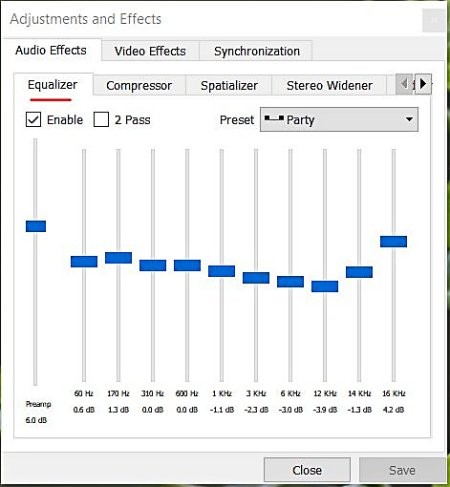
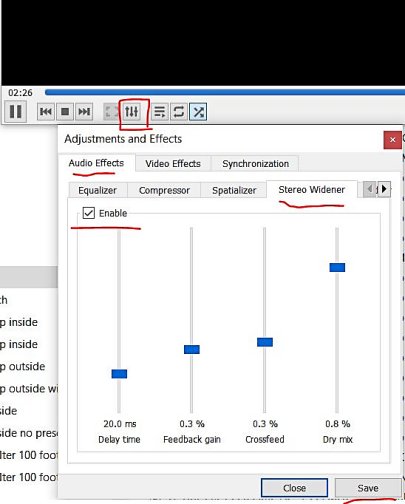
Now if you really want to go crazy with this, add Pseudo Stereo to your favorite version of this file (also detailed in Part 1) and playback the file using VLC Media Player.  That software has a couple of interesting features such as an Equalizer and a Stereo Widener.  You may or may not like using these features but sometimes it helps with intelligibility of the voice and/or music [VLC will also let you right-click a folder of music and choose to play all it finds there without having to import each MP3 file into a special “Library” of music tracks where they bombard you with advertisements].
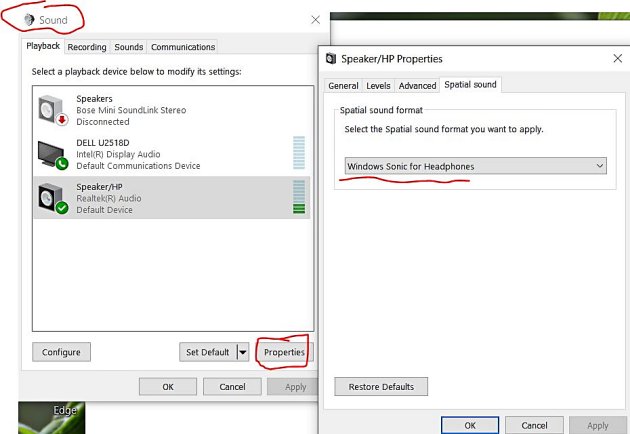
You can also turn on Windows Sonic for Headphones if you are using the Windows operating system.  However, this can sometimes be too much audio manipulation for my tastes!
Here is the resulting NHK noise-reduced file with 9ms of delay with High & Low Filters:

Radio Thailand

Five days later I was out in the field again.  This time I found Radio Thailand on 11920 kHz finishing up a Thai broadcast.  It was a weaker S5 signal than the NHK example, so it would be a good test.

When I got home, I recorded the broadcast file at a Bandwidth filter of 8 kHz and using Slow AGC and the extra Noise file at 12kHz using Fast AGC.  In a previous test I had noticed a very slight improvement in sound quality in the way noise seems to get out of the way quicker compared to Slow AGC (which is usually how I listen to shortwave broadcasters).  I now try to remember to record the Noise file with Fast AGC.

Here is the original without any noise reduction:

This time the Noise file using Amplify +1dB did not help and I used it as-is for the 10 second Noise Profile.  I then tried multiple passes of NR at higher and higher Sensitivities and ended up with these settings the best: Pass1 (1dB/0.79/0), Pass2 (1dB/1.27/0), Pass3 (1dB/2.05/0), Pass4 (1dB/3.33/0).

As a comparison, I tried recording only with SDR Console’s noise reduction NR1 set to 3dB and got this.  I hear more noise and less of the music coming through:

Now for more crazy Pseudo Stereo to finish up the Audacity 4Pass version (nice Interval Signal of Buddhist bells ringing and station ID at the very end):

Summary

I do not understand why applying 3 or 4 separate 1dB Sensitivities of noise reduction is superior to just one Pass at 3dB Sensitivity (in Audacity) or the one 3dB noise reduction (in SDR Console).  My guess is that doing 1 dB at different Sensitivities shaves off some spiky noise a little at a time, somehow allowing for more of the musical notes to poke through the noise cloud.  Who knows but I can hear a difference in subtle musical notes and sharpness of voice and instruments.  Probably the Fast AGC helps too.

Music is a Universal Language that we can share even when we don’t understand a word they are saying. And there is more music on the air than I thought.  Some of these recordings sound surprisingly pleasing after noise reduction. The fake stereo is pumped through a CCrane FM Transmitter to a few radios in the home, or I can use the Beyerdynamic DT990 Pro headphones.

Enjoying the Music!

TomL
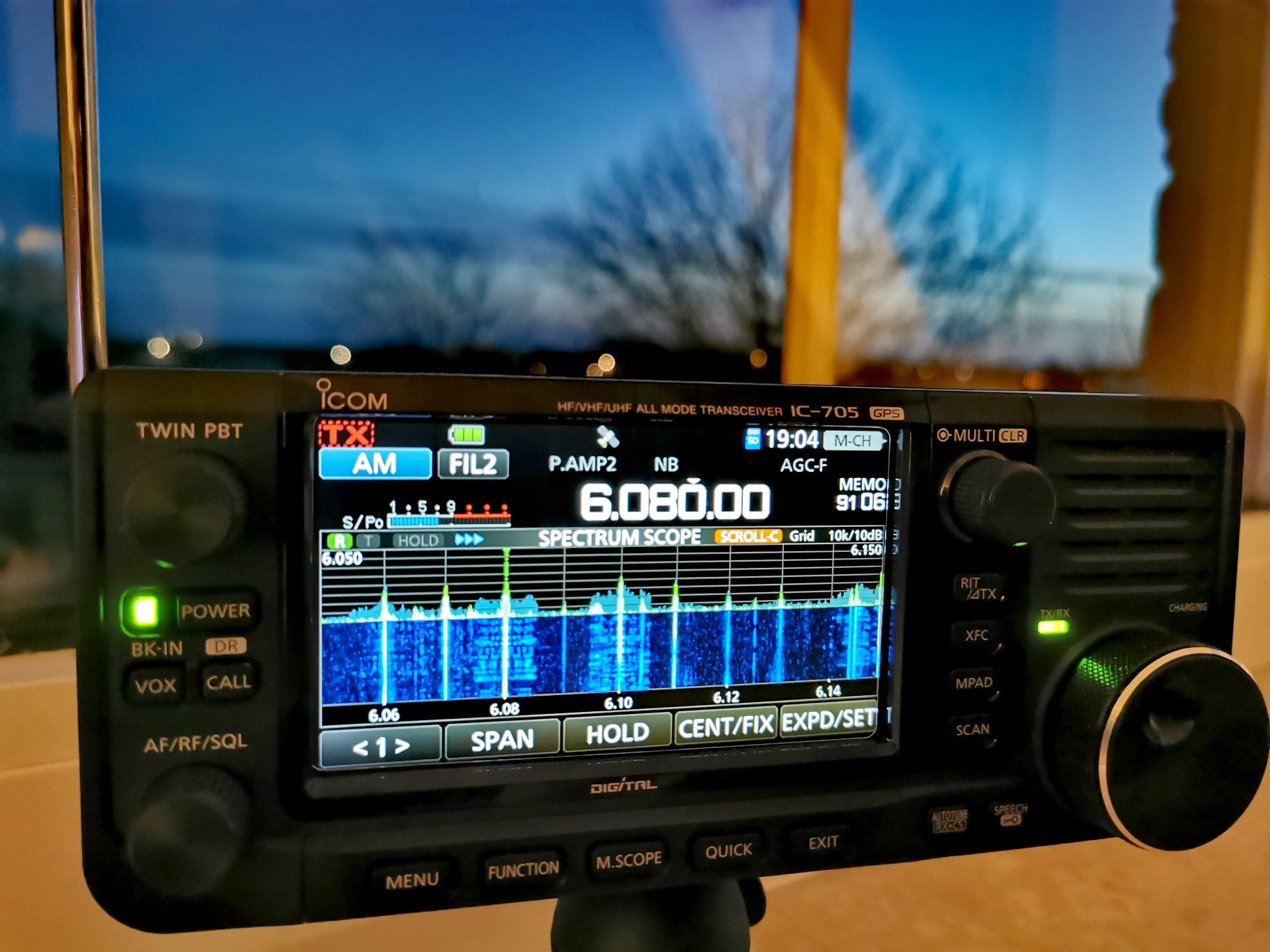
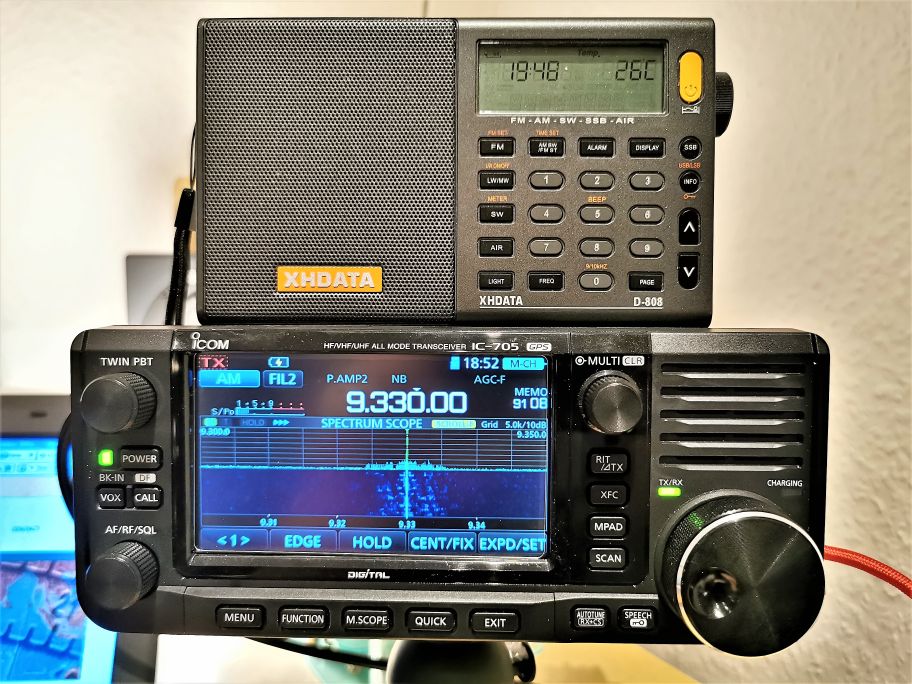
The Icom IC-705: Is this really a new holy grail SWL/BCL receiver?

Many thanks to SWLing Post contributor, 13dka, who shares the following guest post:


The Icom IC-705: Is this really a new holy grail SWL/BCL receiver?

by 13dka

When Thomas got wind of its development in 2019 he immediately asked “could the Icom IC-705 be a shortwave listeners holy grail receiver?”. I usually wince a little when I hear “holy grail” because it means very different things to different people, it’s also a moving target with many people aiming at the spot where it was decades ago. But Thomas certainly had a very level-headed assembly of technical performance, quality and practicality requirements in mind when he used that term, and I thought he might be onto something!

There are some excellent, trustworthy reviews of the IC-705 out there. The following is not one of them, I just want to share an opinionated breakdown on why I think this is an interesting radio for SWLs/BCLs indeed, also deliberately ignoring that it’s actually a transceiver.

Jumping shop

While the era of superhet/DSP-supported tabletop holy grails ended with the discontinuation and sell-off of the last survivors more than a decade ago, powerful PC-based SDR black boxes were taking over the mid-range segment and it became very slim pickings for standalone SWL receivers: Thomas just recently summed up the remaining options here.

Between the steady supply of inexpensive yet serviceable Chinese portables, upgraded with a least-cost version of DSP technology, and the remnants of the high end sector there’s very little left to put on the wish list for Santa – that doesn’t need to be paired with a computer that is.

No surprise that SWLs/BCLs in search of new quality toys with tangible controls are taking a squint over the fence to the ham transceiver market: Hams are still being served the best and the latest in radio technology in all shapes and sizes, and even entry-level rigs usually come with feature-rich general coverage receivers. But transceivers never had SWLs much in their focus in the past decades, and particularly not BCLs: Frontend adaptation, additional AM filters, switches and functions would’ve meant increasing costs and so transceivers were never perfected for that purpose. DSP and SDR technology allowed for improvements on that without actually adding (much) hardware and so some interesting alternatives surfaced in the past years, but most of them still come with little downers, at least for BCLs.

Continue reading

Radio Waves: Shedding Light on the Hindenburg, Chip Shortages, NPR at 50, and July 4th SAQ Grimeton Transmission

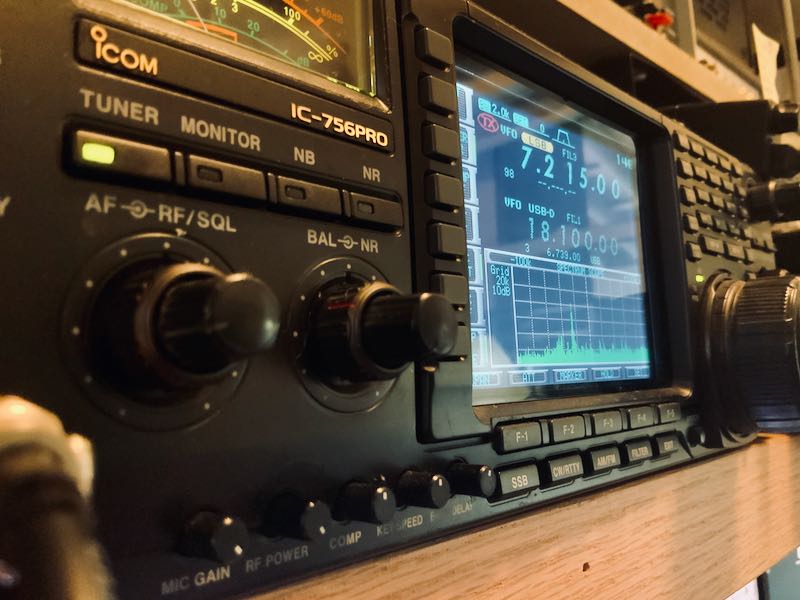
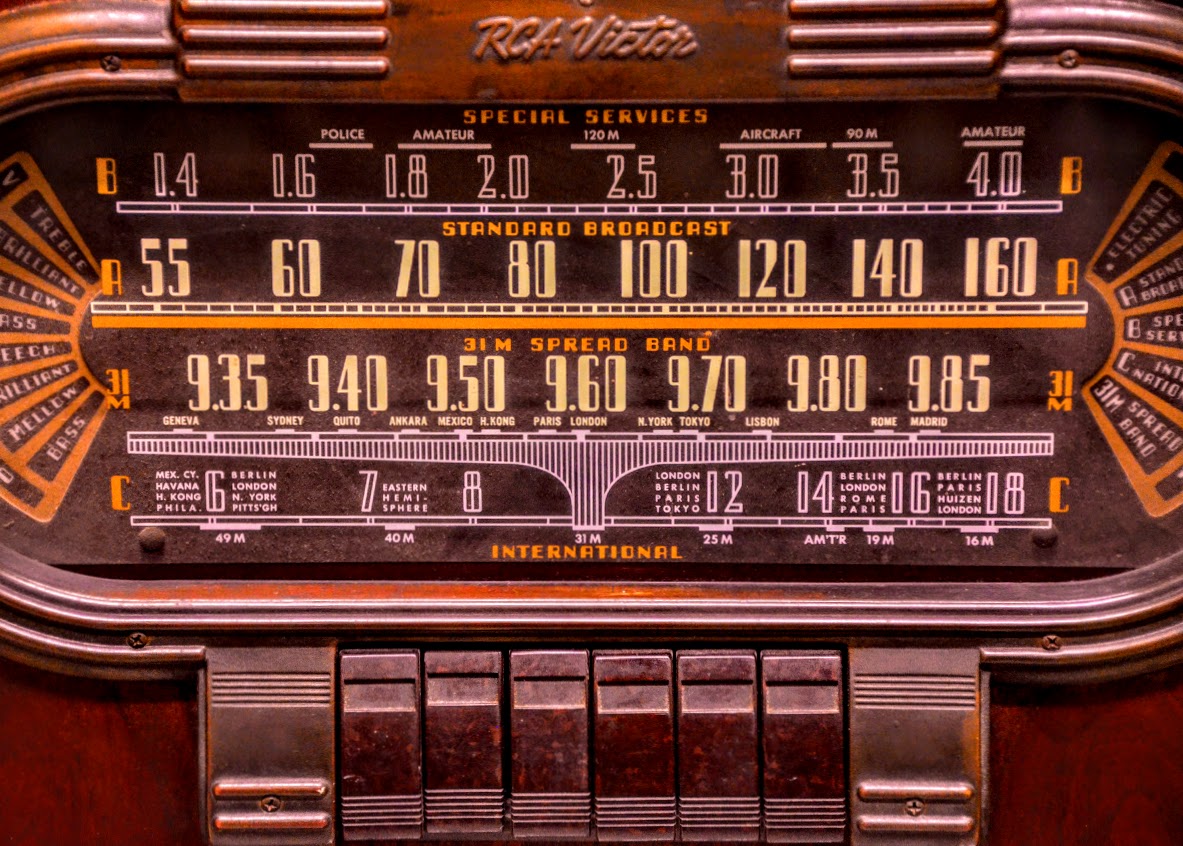
Icom IC-756 Pro Transceiver Dial

Radio Waves:  Stories Making Waves in the World of Radio

Because I keep my ear to the waves, as well as receive many tips from others who do the same, I find myself privy to radio-related stories that might interest SWLing Post readers.  To that end: Welcome to the SWLing Post’s Radio Waves, a collection of links to interesting stories making waves in the world of radio. Enjoy!

Many thanks to SWLing Post contributors Ron, Rich Cuff, and the Southgate ARC  for the following tips:


Radio Amateur’s Vintage Home Movie Film Sheds Light on Hindenburg Disaster (ARRL News)

Vintage home movie film provided by New Jersey radio amateur Bob Schenck, N2OO, was the highlight of a PBS documentary about the Hindenburg disaster. The film, shot by his uncle Harold Schenck, may provide clues as to what initiated the disastrous 1937 fire that destroyed the airship Hindenburg and claimed 35 lives as the German zeppelin was landing at Lakehurst, New Jersey. Harold Schenck tried to interest government investigators in his film, shot from a different angle than newsreel footage that begins only after the fire was well under way, but it was largely overlooked. “Nobody ever asked for it,” Bob Schenck explains in the documentary.

The Schenck film is the highlight of a PBS “NOVA” documentary, Hindenburg: The New Evidence, that investigates the issue in considerable depth in an effort to unlock the secrets of the cold case. The program aired on May 19 and remains available for streaming.

“My dad had bought this nifty Kodak camera — a wind-up movie camera, 8 millimeters — and he couldn’t come [to the Hindenburg landing] because he worked,” Bob Schenck recounted during the documentary. “So, he asked my uncle and my mom if they would take some shots and see the Hindenburg land.”

Bob Schenck approached Dan Grossman, an expert on airships, including Hindenburg, in 2012 during a commemoration of the disaster that forever memorialized radio reporter Herbert Morrison’s plaintive on-air reaction, “Oh, the humanity!” The NOVA documentary not only shares Schenck’s footage, which provided new clues to re-examine the cause of the explosion. The documentary also reviews scientific experiments that helped investigators come to a fresh understanding of what set off the fire. [Continue reading…]

Will chip shortage hit ham radios ? (Southgate ARC)

Glenn O’Donnell K3PP of Forrester Research notes the chip shortage may have a more serious impact than first thought and gives Amateur Radio rigs as an example of what might be affected

Self-described as a “ham radio nut,” O’Donnell discussed one of his hobbies to explain how the sway of tech titans could impact smaller companies as industries compete for limited resources.

“In this hobby, the newer radio “toys” are advanced technology, but the hottest radio might sell 5,000 units per year. If Apple wants 100 million chips, but the little ham radio company wants 5,000, Apple wins!” O’Donnell said.

Read the article at
https://www.techrepublic.com/article/global-chip-shortage-the-logjam-is-holding-up-more-than-laptops-and-cars-and-could-spoil-the-holidays/

NPR at 50: A Highly Selective History (Washington Post)

The network’s half-century evolution from an audio experiment to a media powerhouse

Today NPR is one of Washington’s most familiar and influential media companies, operating out of a gleaming, ultramodern broadcast facility on North Capitol Street. Its radio programs, online content, and podcasts reach millions of people around the world. But when it launched 50 years ago, in April 1971, National Public Radio was a decidedly scrappy enterprise.

How did a modest radio project from a bunch of audio idealists evolve into the multimedia behemoth that we now spend countless hours listening to? To celebrate NPR’s anniversary, we’ve put together a look at its history and transformation. Please note: If you would like to imagine the whole thing being read to you in the voices of Nina Totenberg and Robert Siegel, we won’t object. Click here to read the full article…

SAQ Grimeton Transmission on July 4th (Southgate ARC)

The annual transmission event on the Alexanderson Day with the Alexanderson Alternator from 1924, on VLF 17.2 kHz CW with the call sign SAQ, is scheduled for Sunday, July 4th, 2021.

The Alexander Grimeton Association are planning to carry out two broadcasts to the world from the old Alexanderson alternator SAQ. Only required staff will be in place, due to the ongoing pandemic.

Transmission schedule:

  • Startup and tuning at 10:30 CET (08:30 UTC) with a transmission of a message at 11:00 CET (09:00 UTC)
  • Startup and tuning at 13:30 CET (11:30 UTC) with a transmission of a message at 14:00 CET (12:00 UTC)

Live Video from World Heritage Grimeton Radio Station
Both transmission events can be seen live on our YouTube Channel.
The live video starts 5 minutes before the startup and tuning.
https://mailchi.mp/aff85163e64f/alexanderson-day-2021?e=2c0cbe870f


Do you enjoy the SWLing Post?

Please consider supporting us via Patreon or our Coffee Fund!

Your support makes articles like this one possible. Thank you!

Medium Wave Circle website sports updates and upgrades

Many thanks to SWLing Post contributor, Steve Whitt, who writes:

Hello Thomas

Just a brief note to tell you about exciting developments here at the Medium Wave Circle.

We’ve just launched our new-look website at

https://mwcircle.org/

And we’d like to share the news far and wide.

Some of the features of the new website are:

    • easy to use membership with secure online payment
    • access to the full archive of Medium Wave News (all 500 issues)
    • access to the latest 2020 Editions of the All Time DX Heard in the British Isles
    • a new section for news and feature articles
    • a completely new and re-written library
    • For the first time we also host the archive of the European MW Guide which was the most
    • complete directory of radio stations in Europe.

All the content is either new or completely revised and updated. Most importantly we want our website to be unique and that is why the features, photos, QSLs and audio clips are not to be found elsewhere online.

The new website has been carefully designed to work on desktop PCs, laptops, ipads and even smartphones. It has also been updated to improve security – you will notice the https web address & the padlock next to the url in your browser.

Click here to check out the new site!

Introduction to Long Distance Medium Wave Listening

Thanking you in anticipation.

Kind regards

Steve Whitt

I like the new look and upgrades!  Thanks for sharing, Steve!

Guest Post: Remembering the great “Radio Moving Day” of 1941

Many thanks to SWLing Post contributor, Bill Hemphill, who shares the following guest post and addendum to his most recent post on BBC Re-Tune messages:


Radio Moving Day

by Bill Hemphill (WD9EQD)

After listening to the BBC “Re-Tune” broadcasts, it reminded me of when the United States had its own “Re-Tune” day on March 29, 1941.  It was referred to as “Moving Day”.

At 3:00 am, 802 of the 890 radio stations moved frequency.  Following are a couple of articles about this day:

http://www.jimramsburg.com/the-march-of-change-audio.html

https://www.radioworld.com/columns-and-views/in-1941-stations-confronted-39moving-day39

And a previous SWLing Post article:

https://swling.com/blog/2021/04/am-radio-history-80th-anniversary-of-the-havana-treaty/

Like the BBC, there were also broadcasts helping listeners to get ready:

Audio Clip 1

Audio Clip 2

Audio Clip 3

Audio Clip 4


I love how it was used as an opportunity to get the radio listener to call on the radio technician to re-program the radio push buttons.  And of course while the technician is there, have him do a full alignment and maybe replace a tube.

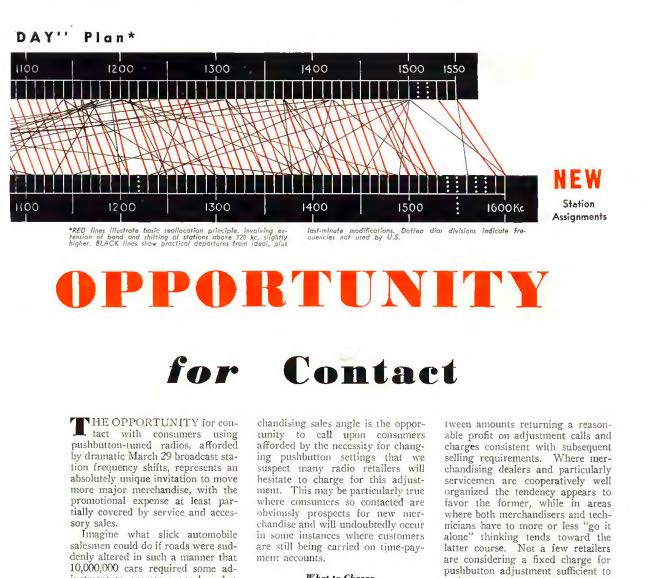
The March 1941 issue of Radio and Television Retailing (Pages 16-17) had the article “Radio’s Opportunity for Contact”.

Link:  https://worldradiohistory.com/Archive-Radio-Retailing/40s/Radio-Retailing-1941-03.pdf

While the entire article is an interesting read, the first few paragraphs sums up the opportumities:

THE OPPORTUNITY for contact with consumers using pushbutton-tuned radios., afforded by dramatic March 29 broadcast station frequency shifts, represents an absolutely unique invitation to move more major merchandise, with the promotional expense at least partially covered by service and accessory sales.

Imagine what slick automobile salesmen could do if roads were suddenly altered in such a manner that 10,000,000 cars required some adjustment to operate properly, what refrigerator salesmen might accomplish if a change in current necessitated motor manipulation, how laundry equipment salesmen would positively gloat over the glut of prospects if that many people with old machines actually asked them to call.

Calls make sales, as the records of many home specialty retailers conclusively prove, and the beauty of this particular opportunity to make them lies in the three-fold fact that cold-canvassing is completely unnecessary, that the motivating power of any campaign built around it is obviously not just trumped-up by the trade and that only dealers selling or servicing radios can capitalize in all departments of their business.

So valuable from a major merchandising sales angle is the opportunity to call upon consumers afforded by the necessity for changing pushbutton settings that we suspect many radio retailers will hesitate to charge for this adjustment.

This may be particularly true where consumers so contacted are obviously prospects for new merchandise and will undoubtedly occur in some instances where customers are still being carried on time-payment accounts.

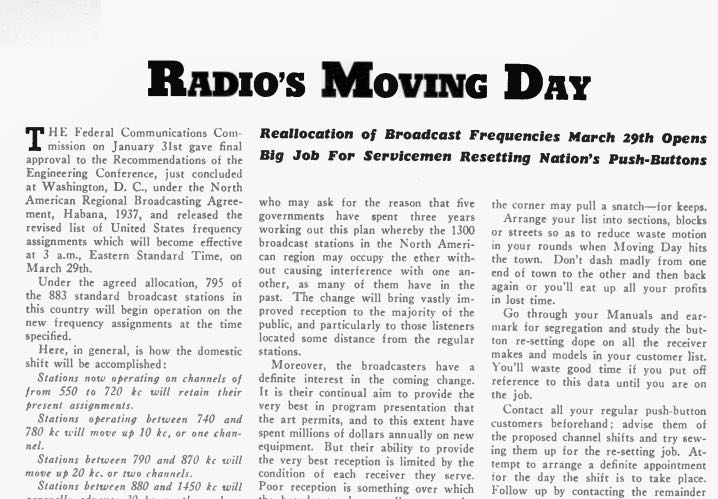
The Feb 1941 issue of Radio Service-Dealer (Page 8) also stressed the opportunities.

Link: https://worldradiohistory.com/Archive-Radio-Service-Dealer/40s/Radio-Service-Dealer-1941-02.pdf

From Page 8:

Reallocation of Broadcast Frequencies M arch 29th Opens Big Job For Service men Resetting Nation’s Push-Buttons

YOUR JOB

There are approximately 10 million push-button receivers in operation in this country. It will be your job to re-set the buttons for the new frequencies in the shortest possible time and with the least amount of confusion. It will also be your job and your opportunity to inspect these receivers for faulty operation. No such opportunity is likely to present itself again, so make the best of it.


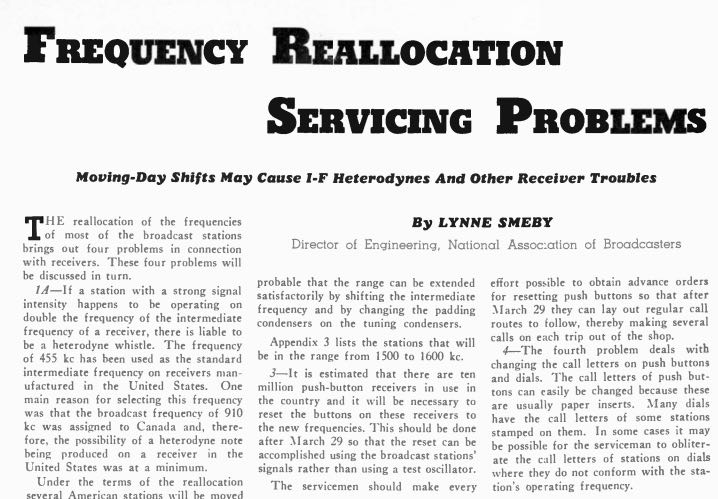
And on page 7 of the Mar 1941 issue of Radio Service-Dealer has the article FREQUENCY REALLOCATION SERVICING PROBLEMS

Link: https://worldradiohistory.com/Archive-Radio-Service-Dealer/40s/Radio-Service-Dealer-1941-03.pdf

The first Problem discussed is the IF Frequency:

1A—If a station with a strong signal intensity happens to be operating on double the frequency of the intermediate frequency of a receiver, there is liable to be a heterodyne whistle. The frequency of 455 kc has been used as the standard intermediate frequency on receivers manufactured in the United States.  One main reason for selecting this frequency was that the broadcast frequency of 910 kc was assigned to Canada and, therefore, the possibility of a heterodyne note being produced on a receiver in the United States was at a minimum. Under the terms of the reallocation several American stations will be moved to 910 kc thus producing a problem in the cities where these stations are to be located. If a heterodyne note is heard due to this cause the remedy is to shift the intermediate frequency to one side or another.


Thank you, Bill, for shedding more light on Radio Moving Day and, especially, providing us with the broadcaster and technician’s point of view.

BBC Radio Stations Broadcasting Re-Tune Instructions

Many thanks to SWLing Post contributor, Bill Hemphill (WD9EQD), who writes:

Hi Thomas,

The BBC in their transition to digital radio has started closing some of their AM radio stations.

See following link:

https://www.bbc.co.uk/reception/work-warning/news/mw-closures-2021

The AM stations being closed are broadcasting “Re-Tune” instructions on their frequencies.

Not sure how long they will be doing this. The “Re-Tune” messages are interesting.

I have used the G4DYA KiwiSDR web receiver to listen and record some of the “Re-Tune” messages.

Most are just straight forward instructions, but Radio Hereford-Worcester on 738 has recorded individual

messages by several of their on-air personalities. The messages just loop continuously.

Attached are MP3 files for 738 Radio Hereford-Worcester, 1035 Radio Sheffield, 1341 Radio Ulster and 1503 Radio Stoke.

73

Bill Hemphill, WD9EQD

Recordings

738 Radio Hereford-Worcester

1035 Radio Sheffield

1341 Radio Ulster

1503 Radio Stoke

Thank you so much for taking the time to make these recordings and for sharing them with us here!

The Chameleon CHA RXL amplified wideband loop antenna

A few weeks ago, Chameleon Antenna sent me a pre-production model of their new wideband magnetic loop antenna called the Chameleon CHA RXL.

I’ve evaluated and reviewed a number of Chameleon’s ham radio antennas (primarily on QRPer.com). I find that the quality of their products are second to none. Price-wise, they tend to be at the top of the market, but keep in mind they machine and manufacture all of their antennas here in the US and they’re incredibly rugged; indeed, military-grade. And in the spirit of full disclosure, I’m proud Chameleon has been a sponsor the SWLing Post and QRPer.com since last year. My sponsors are by invite only and focus on companies I trust with our radio community’s business.

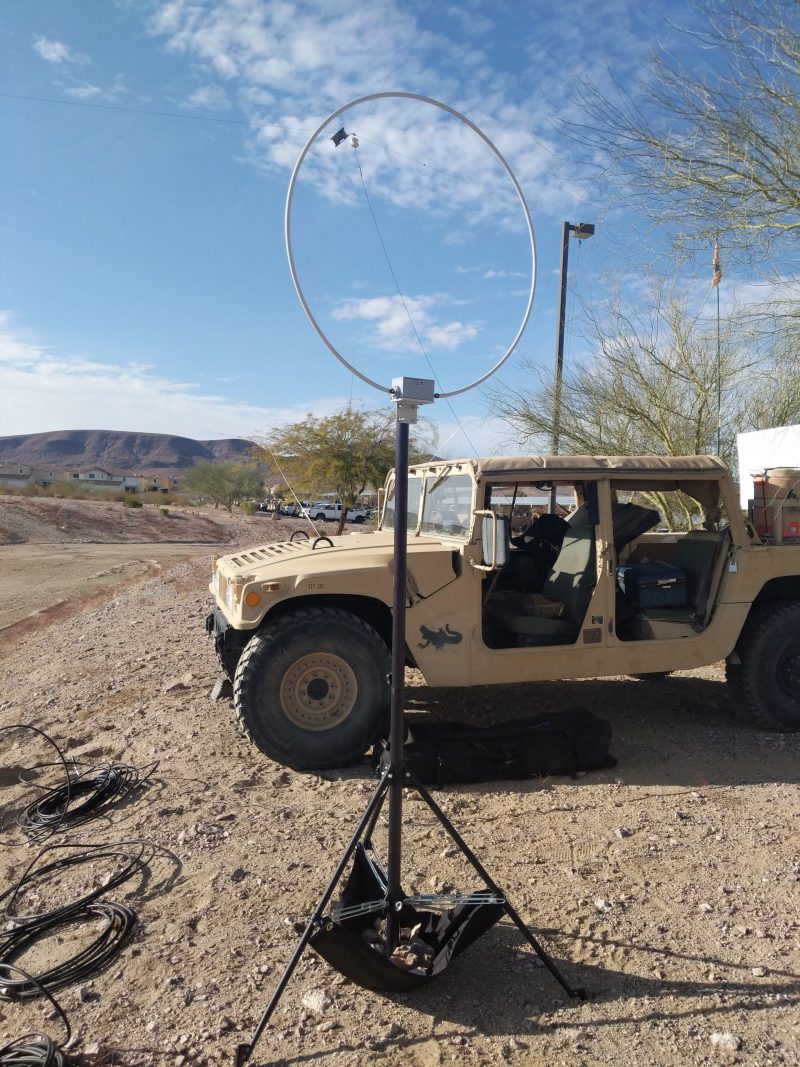
When Chameleon shipped the CHA RXL to me, it wasn’t from their factory, it was directly from the field: Fort Irwin, to be exact.

(Source: NTC Operations Group, Ft. Irwin)

This CHA RXL sample had been used by NTC Operations Group Fort Irwin (who, incidentally, won QRPX this year–click here to read the PDF report).

I was told that the condition of the antenna could be very rough after the QRPX because it had essentially been sandblasted in the desert winds. I was also told that someone accidently transmitted 5 watts into it at some point but it didn’t seem to harm it (for the record, like all amplified receive-only loops, it’s not designed to take RF).

Tony (W0NTC), who was one of the Ft. Irwin radio ops, sent me this note as he dropped off the shipment at Fort Irwin’s FedEx:

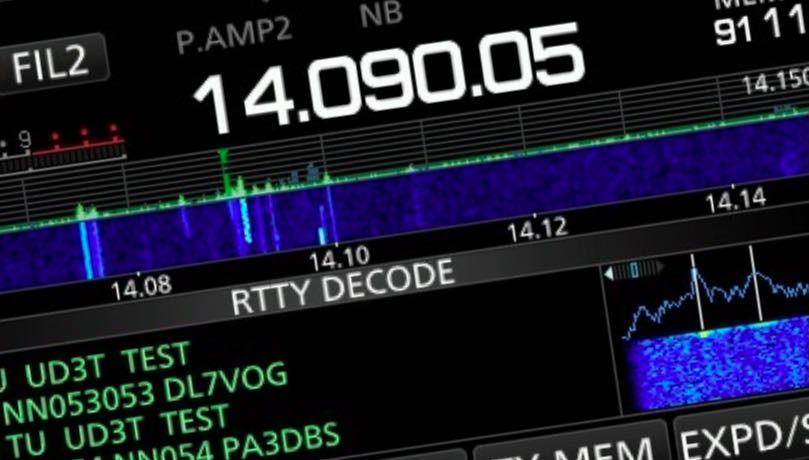
“Had a blast with [the CHA RXL], and it was absolutely critical while I was operating in the Army HF Low Power Competition (think tons of high powered MARS stations piling up and drowning out the 20W or less competitors). It absolutely crushed some localized RFI from a huge building I operated behind, and the receive on it I can only describe as “layered” in that I could hear stations somewhat clearer than usual if they transmitted simultaneously. Receiver I used was the IC-705 with default Auto Notch and Noise Reduction.”

Tony volunteered all of this info–I never asked him how it performed.

A few days later, I wasn’t sure what to expect when I opened the box although I knew that my operating locations were nowhere near as cool as its position next to a Humvee at Fort Irwin in the photo above!

I pulled the CHA RXL out of the box and it looked cosmetically flawless to me.

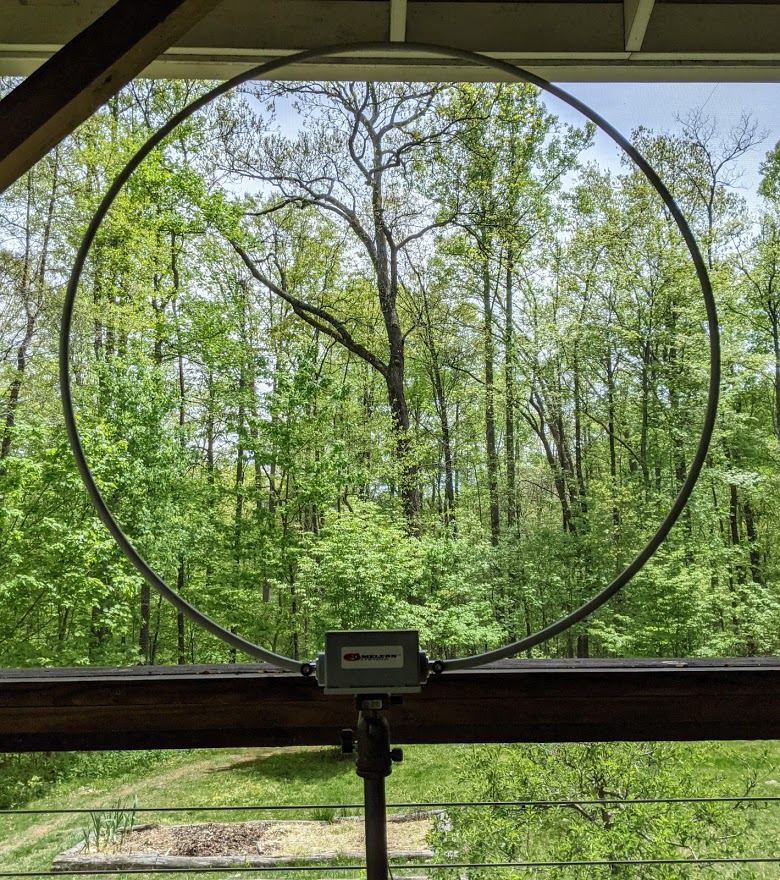
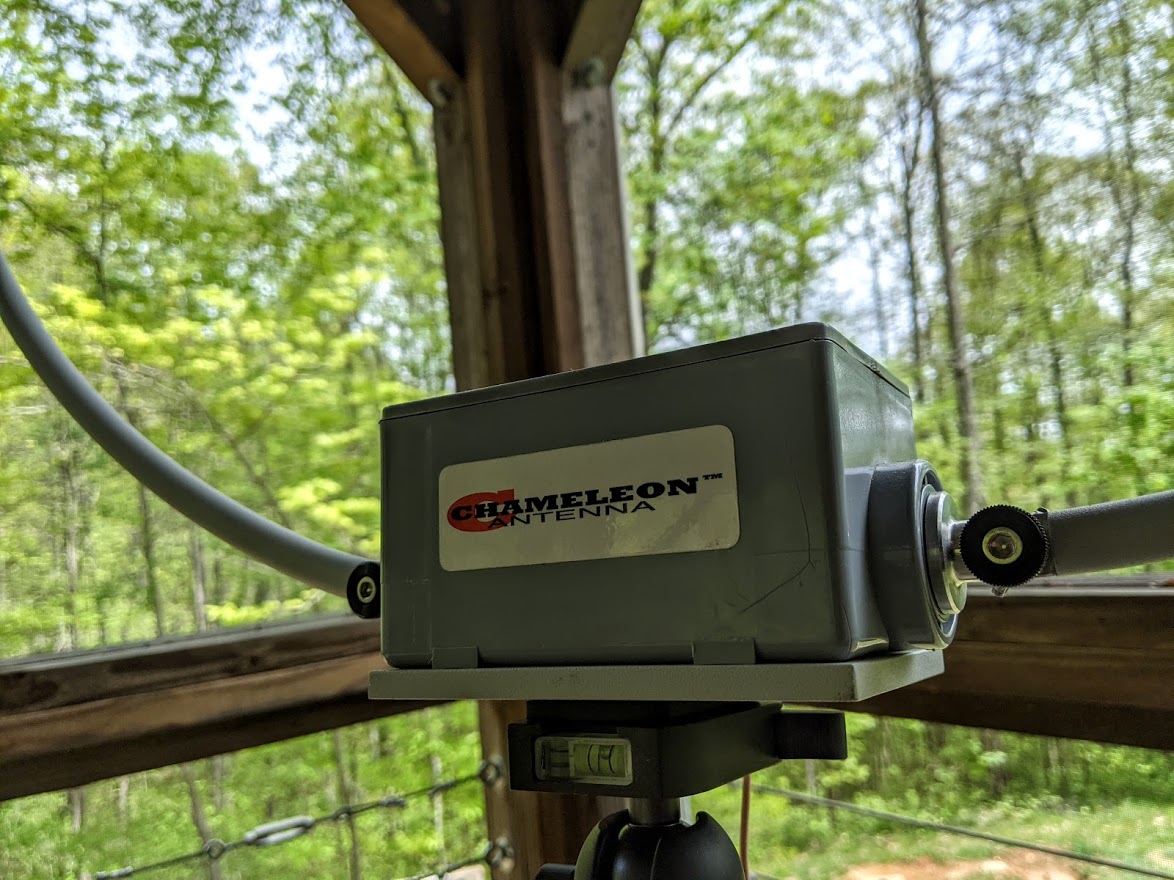
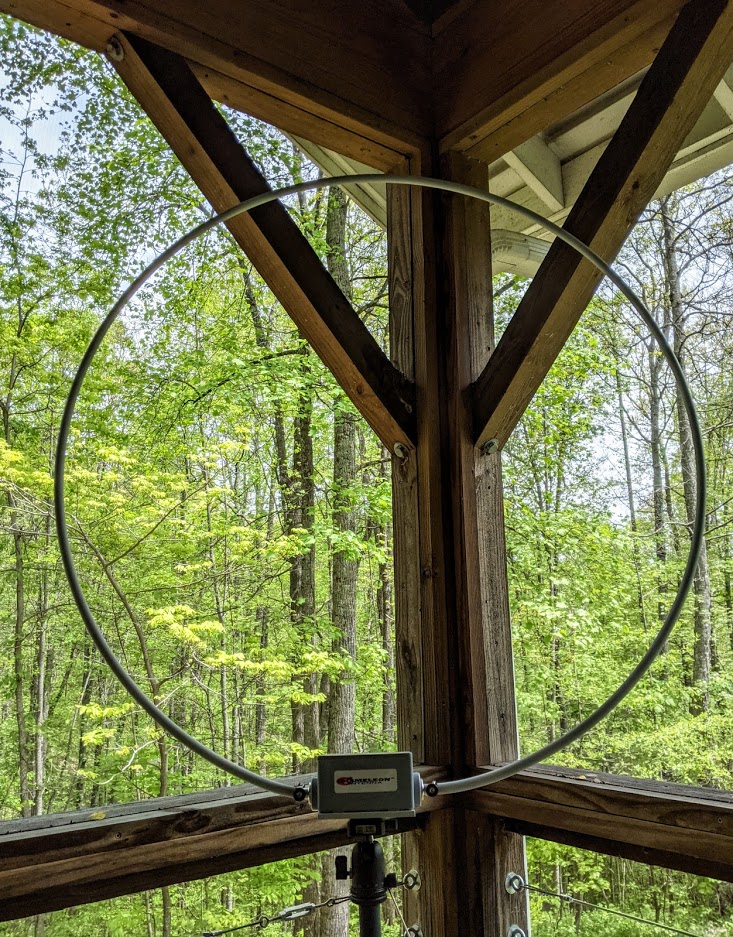
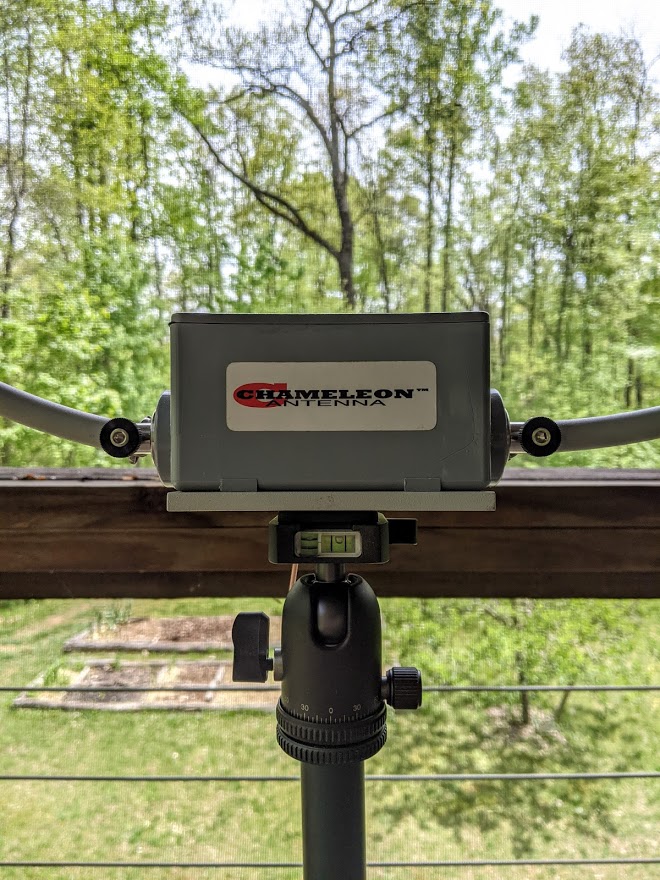
Frankly, there’s not a lot to get damaged. The 36 inch diameter loop is made of rigid aluminum and has a Navy gray powder coating.  The preamplifier unit is completely sealed and made of a high-impact plastic/PVC type material. The steel loop is attached to the preamplifier loop flanges with wing nut connectors.

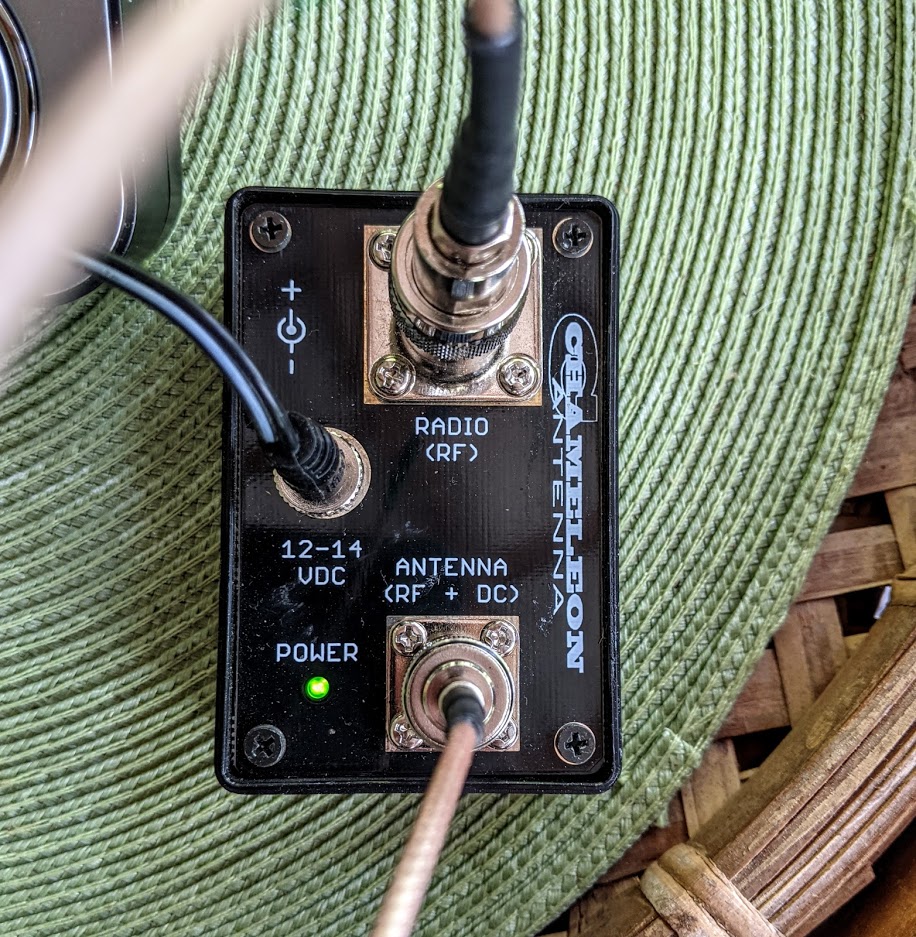
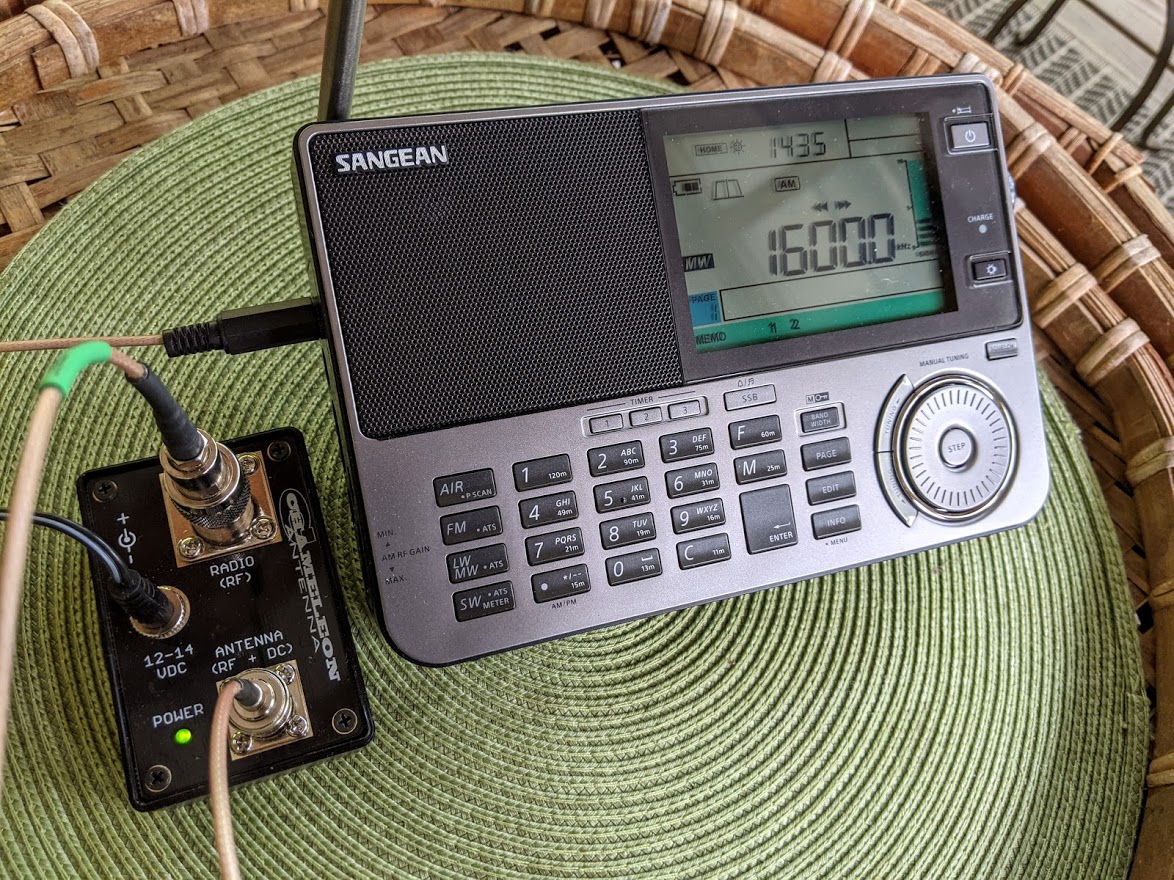
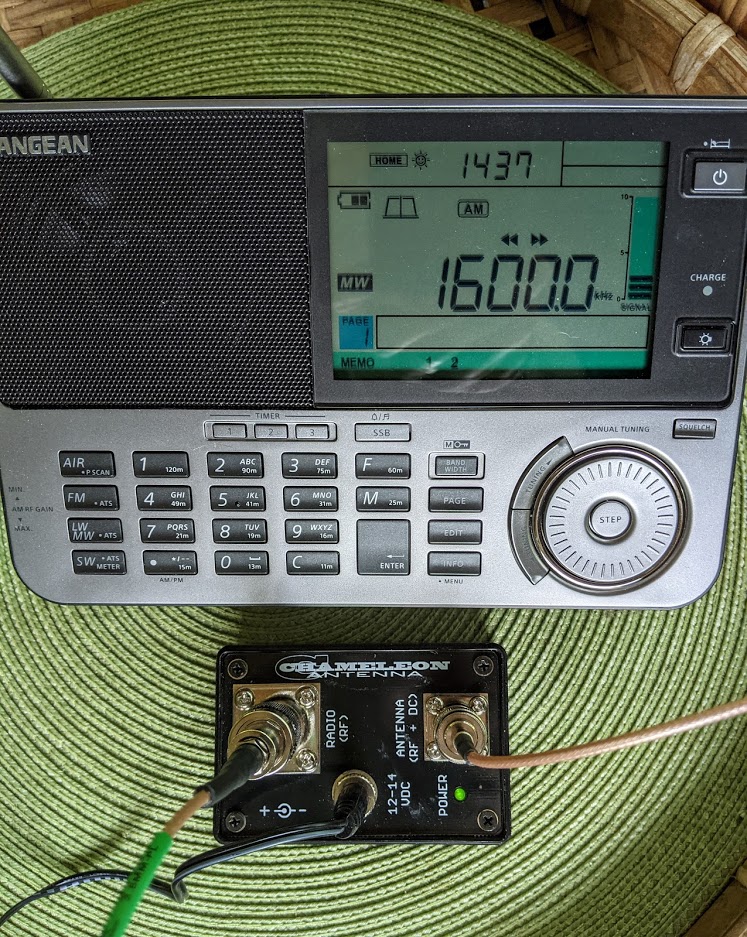
The only potentially vulnerable part of the antenna system is the  Bias-T box which would normally be located in your shack close to your receiver.

If I mounted the CHA RXL permanently outdoors, I would use Coax Seal around the BNC connection point, of course.

Although the CHA RXL has a supplied mounting bracket for permanent installations, I love the fact that the preamp box has a 1/4” x 20 threaded camera socket on the bottom. This makes for a brilliant portable loop because it can so easily be mounted on a standard heavier-weight tripod! All antenna manufacturers should give us tripod mount options when possible.

On the air

One of the reasons amplified receive loop antennas have become so incredibly popular over the past couple of decades is because they do an amazing job mitigating radio frequency interference (RFI) a.k.a. “QRM.” If you live in a neighborhood with significant radio interference, you really should consider some form of loop in your antenna arsenal.

Ironically, at home, I live in pretty much an RFI-free zone. I’m surrounded by tens of thousands of acres of national forest, so I’ve only used amplified loop antennas in the past for mediumwave DXing–mainly, when I wanted to take advantage of their amazing ability to null out unwanted signals.

Many years ago, I purchased a Pixel Loop Pro antenna (now under a different name via DX Engineering), mounted it outside where it lasted almost a year before a bear decided to pull it down and chew through the coaxial feedline. He/she did so with enough energy that it ripped down the loop and damaged the connector end of the Pixel’s pre-amp. This all happened when our family was travelling for two months in Canada. Why bear, why?!? But I digress…

The CHA RXL version I was shipped has one single rigid loop–the “EU” version’s loop comes in two pieces (for easier shipping/transport)–but I had no problem fitting the entire assembled loop in the back seat of my Subaru or my truck (as long as no one was sitting back there at the time). If you plan to travel with your loop a lot, consider the “EU” version!

I’ve taken the CHA RXL to my parent’s home a couple of times and enjoyed doing a little mediumwave and shortwave listening. Inside the house, the loop would attenuate RFI nicely, but when outside it would all but eliminate many sources of RFI.

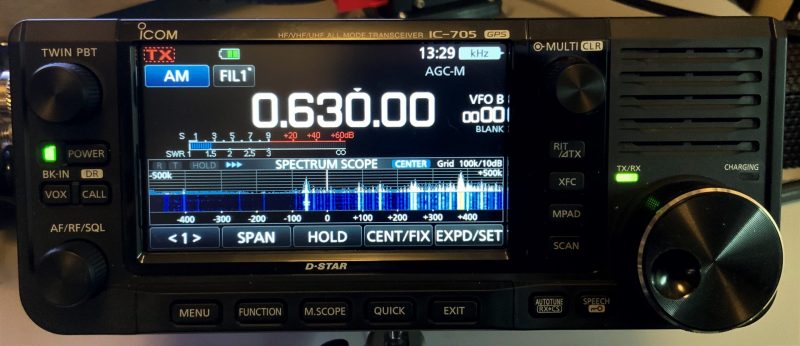
At their house, I primarily used my Icom IC-705 for cruising the bands (being careful, of course, to disengage the transmit function).

Listening time in my hometown, though, was very limited. Since the CHA RXL is so portable, I decided to set it up at home on our porch for a few days, giving me an opportunity to test both the Sangean ATS-909X2 and Tecsun H-501x with an external antenna.

I’ve especially appreciated using the CHA RXL on mediumwave. Even from our screened-in porch, I can rotate the loop and use its excellent nulling properties to pick out multiple station IDs on crowded frequencies.

I’ve spent time on shortwave, too, and found that it certainly gave these two portables a signal boost.

In fact, it was by using the CHA RXL that I discovered the audio level difference between AM and SSB on my ATS-909X2 is very minimal when an external antenna is connected.

I’m sure you’ll hear the CHA RXL in action when I post audio clips and recordings in upcoming reviews.

Summary

If I owned a CHA RXL loop, one of the first things I’d do is build a power cord for it with an in-line fuse and terminated with an Anderson Powerpole connector. Since the operating voltage of the Bias-T is 12-14 VDC, it would pair perfectly with one of my Bioenno LiFePo4 batteries, offering a power source with longevity in the field–ideal for a group LW/MW/SWL DXpedition.

It’s difficult for me to truly comment on the loop’s performance because I don’t have another loop at present for comparison. I can say that it’s amazing on mediumwave, where I’ve spent much of my listening time this past week. I believe shortwave reception has been at least on par with my former Pixel Loop, if not better. It’s hard to say, in truth, because propagation conditions have been so poor lately. The CHA RXL loop does effectively mitigate noise!

I’m not sure if the CHA RXL is currently on backorder or not, but I would suggest you check out the product page on Chameleon’s website and possibly contact them if you’re interested. They’ve a number of options and accessories to consider.

Click here to check out the CHA RXL at Chameleon Antennas ($490 US).

One thing for sure: this must be one of the most rugged and durable RX loop antennas on the market. In addition, that Navy gray powder coating helps this rigid aluminum loop disappear against the sky. I believe you could strategically mount this loop and the friendly neighborhood association may never notice–it’s pretty stealthy. Speaking of which…

Josh’s CHA RXL install and demo video

Josh over at Ham Radio Crash Course recently installed a CHA RXL on his house and tested it on several bands, comparing it with a number of his external antennas:

Click here to watch on YouTube.