Shortwave listening and everything radio including reviews, broadcasting, ham radio, field operation, DXing, maker kits, travel, emergency gear, events, and more
Many thanks to SWLing Post contributor, Chris Freitas, who writes:
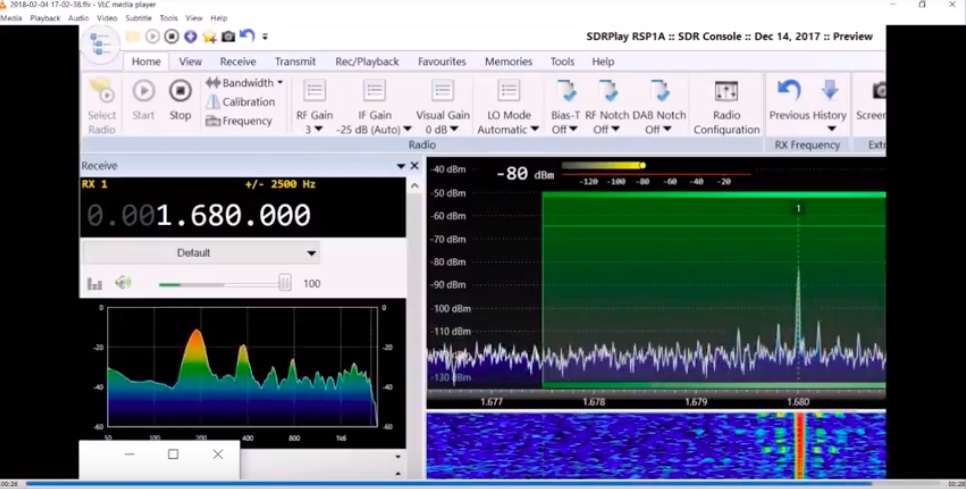
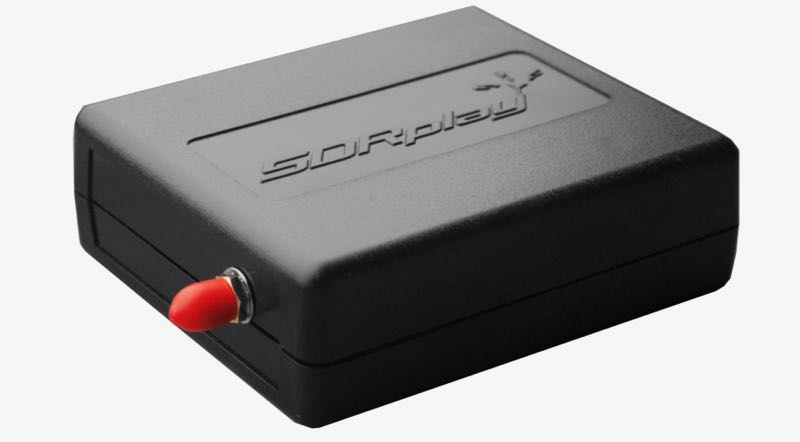
“I am thinking of the new RSP1A SDR. Would you know of a good indoor antenna that would work well with it?”
Your antenna question is simple, but the answer is complex!
First off, I think the RSP1A is a great choice as it’ll give you proper exposure to the world of SDR (1 kHz to 2 GHz!) at a modest price.
Unlike a portable radio of course, your SDR must be connected to a PC, laptop, tablet or some sort of mini computer like Raspberry Pi. This limits your ability to easily try different antenna locations within your home compared to, say, a battery-powered portable radio. It might take some dedicated experimentation and patience.
Indoor antennas are so vulnerable to the radio noise within your home.
If you live in an off-grid cabin with no radio interference nearby, even a simple $1 random wire antenna hooked up to RSP1A’s SMA connector would yield results. I occasionally spend my summers in an off-grid cabin and it’s simply amazing what you can do with a modest setup when there are no man-made radio noises around.
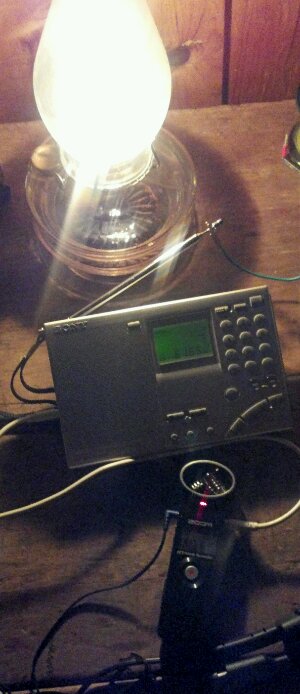
Listening to the final broadcast of Radio Netherlands in an off-grid cabin on Prince Edward Island in 2012.
But how many radio enthusiasts live in an off-grid cabin? Answer: very, very few! Most of us only get to experience off-grid life during natural disasters when the electrical grid has been damaged in our neighborhoods.
The reality of indoor antennas
You’ve told me previously that you live in an apartment in an urban setting, hence you probably cope with a lot of RFI.
When an antenna is indoors, it is forced to function within this RFI-dense environment. Your telescoping whip or wire antenna doesn’t discern between radio noise and your target broadcast signal. Thus, noise can overwhelm your receiver, essentially deafening it to all but the strongest shortwave broadcasters.
This is why if you had a means to put a small random wire antenna outside–even if it was simply draped outside a window–it would likely perform better than an indoor antenna. I’m guessing this isn’t an option for you, Chris.
Think loops
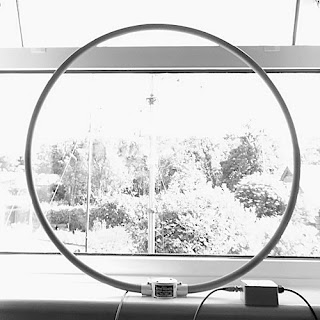
A broadband loop antenna (image courtesy of wellbrook.uk.com)
While you can build an amplified mag loop antenna (like our buddy, TomL) it’s not a simple project. Passive single turn loop antennas, on the other hand, are quite easy to build but are narrow in bandwidth (here’s a very cheap, simple passive loop project). You would likely design a single passive loop to serve you on a specific brodcast band and would have to retune it as you make frequency changes. You could build a passive loop antenna for less than ten dollars if you can find a good variable capacitor. Here’s another tutorial.
Commercially produced amplified wideband magnetic loop antennas are not cheap, but they are effective. If you’re a serious SWL, a good mag loop antenna is worth the investment.
Here are a few of my favorites starting with the most portable:
PK Loops are not as broad in bandwidth as the other antennas I mention below. You will have to retune the loop with any band changes and sometimes even within a specific meter band.
W6LVP sells two versions of the antenna–since you’re not operating a transmitter, this $250 model would be all you need. indeed, if I were in your shoes, this would likely be the loop I purchase–very cost effective.
Wellbrook Loops
Wellbrook antennas are the staple magnetic loop antenna for many DXers.
Wellbrook makes a number of loops, but since you have no plans to mount this outside, I believe their indoor model would suffice.
Other loop options
There’s no shortage of magnetic loop antennas on the market, but most are pricer than the models I mention above and I know you have a tight budget. Here’s are some models we’ve mentioned on the SWLing Post in the past:
I hope this helps, Chris! This post is by no means comprehensive, so I hope others will chime in and comment with their experiences. Good luck fighting urban noise and I hope you enjoy your journey into the world of the SDR!
Many thanks to SWLing Post contributor, Mad Radio DXer, who writes:
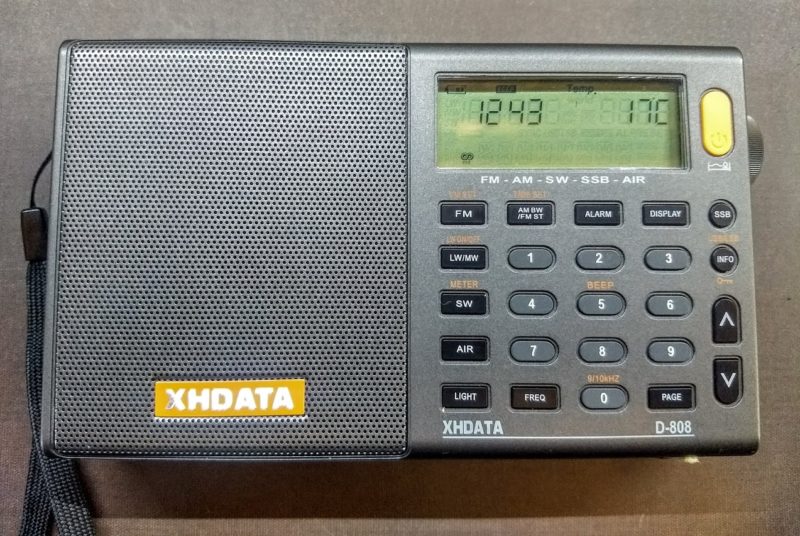
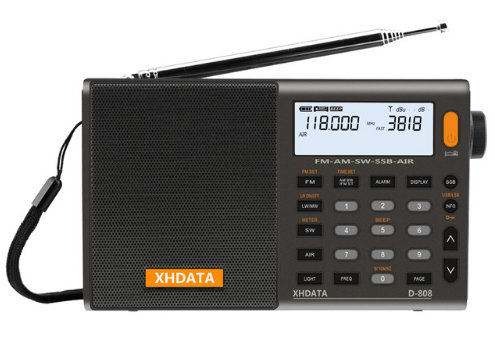
I want to bring to the attention of your readers & fellow XHDATA D-808 owners that it can accept an external antenna on MW without the need for any modifications. This I found out during a DXpedition to the field when I used around 50 metres of longwire.
I have some videos to prove this. The first is the difference between the external longwire antenna vs the internal ferrite antenna…
The second video is pretty much the same as the first, but this time I am tuning on a lower frequency of the MW band. Also I show that not only can the 3.5mm antenna input be used to connect an external MW antenna, but the internal whip antenna too.
The third video shows the difference between the XHDATA D-808 vs the Degen DE1103 PLL (using the external MW antenna trick). when using an external antenna for Medium Wave. In my opinion there is not much difference between them reception-wise, but the D-808 has the advantage of being able to select tighter bandwidth filters for less QRM from stations on adjacent frequencies.
These days I am more of a MW DXer than on shortwave. I am thrilled to have found out that the XHDATA D-808 can accept an external antenna for Medium Wave in stock form, since my understanding when I read some reviews was that it could not unless an internal modification was done. I will do more experiments of MW reception with the D-808 on my next DXpedition.
I want to add a few more points…
The D-808 does not work with an external longwire antenna for Long Wave. I tried this & will upload a video of the result soon. However, I tried using my LW induction antenna at home & it did get stations which it could not using the internal ferrite antenna on its own. Again a video of that will be upcoming.
I tried using a Wellbrook antenna for improved MW reception on the D-808 & unfortunately it does not work well. There was too much background noise, & there were harmonics + images all over the band. I would instead recommend using a good passive antenna like a longwire rahter than a strong active one.
It is recommended to use 25 metres or more longwire for best results. Obviously, the more longwire used means the lower the frequency gain for reception.
I cannot guarantee that this will work for all XHDATA D-808 units in case, for eg, some have different firmware versions. All I can say is it does not hurt to try, but bear in mind what I said about the longwire antenna length. Also a nice quiet location away from manmade noise helps even more to minimise any QRM.
I hope this has been helpful & useful to all XHDATA D-808 who like me, are really into MW DXing.
I’m happy to hear that you’re enjoying MW DXing and that the XHDATA D-808 is serving you well! Over the years, my DXing habits shift and change, but I’ve always included a healthy amount of mediumwave DXing in the mix. Especially when propagation on HF is dismal, I head down to the MW band for some action! Thanks again for sharing your videos and tip!
Many thanks to SWLing Post contributor, Ivan Cholakov, who shares the following video where he compares the SDRplay RSP1A and the AirSpy HF+ software defined radios on shortwave and mediumwave:
SWling Post contributor, Ron, recently noted that Jay Allen reviewed one of Paul’s inductively-coupled mediumwave magnetic loop antennas. Jay gave it good marks on performance as it compares favorably with the Grundig AN-200, Select-A-Tenna M, and Terk Advantage AM–even having a performance edge due to it’s larger loop diameter. (Note that Paul makes a number of loop sizes–click here to download PDF of catalog.)
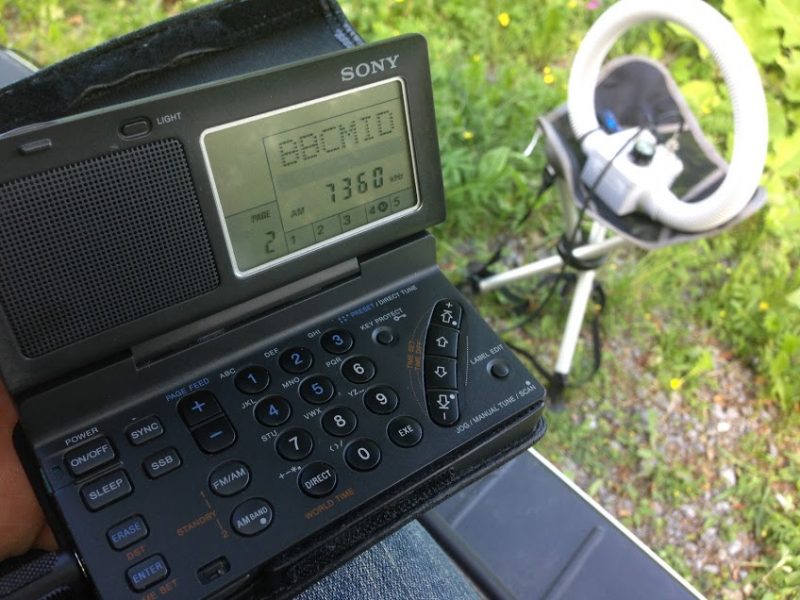
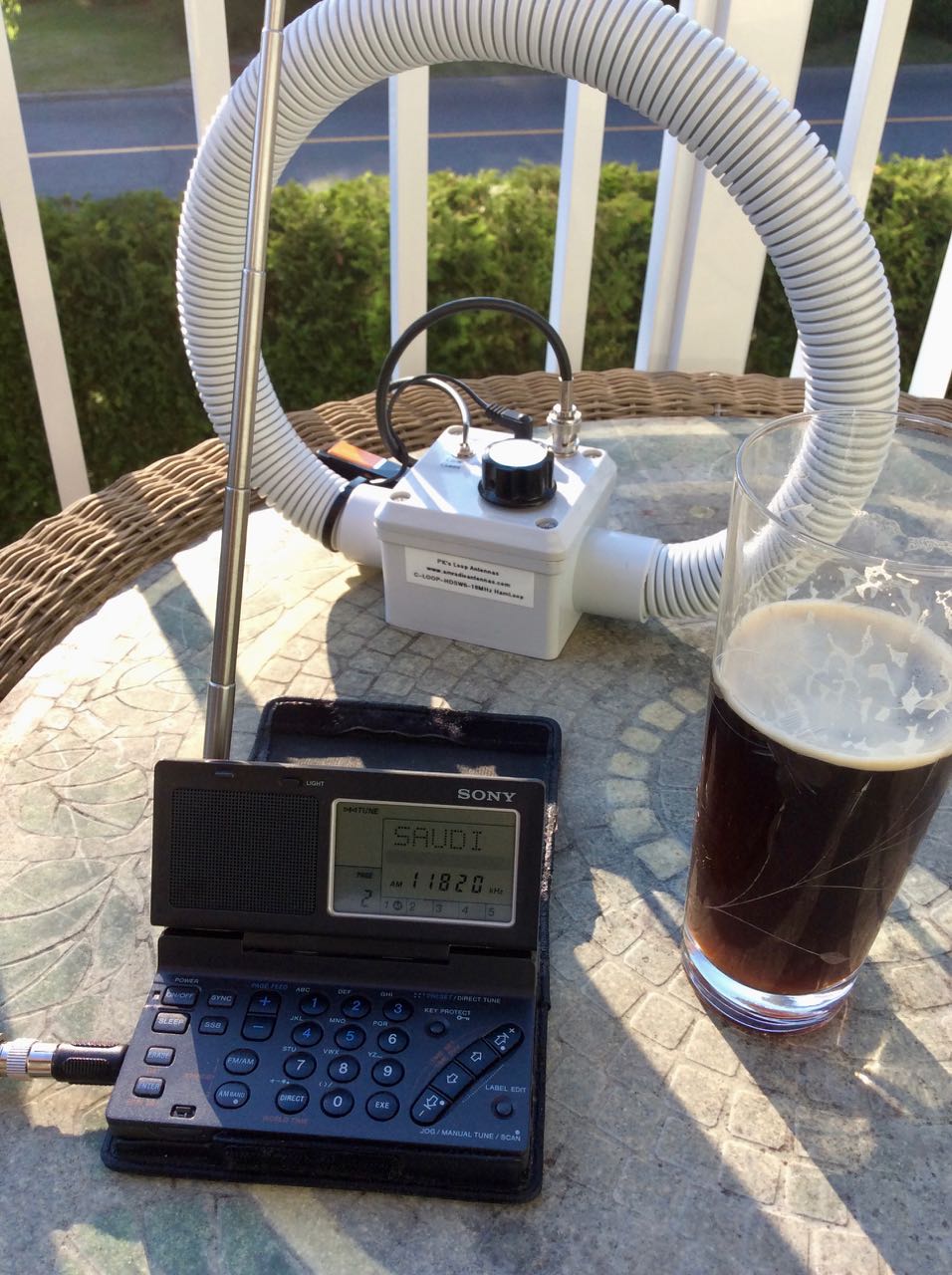
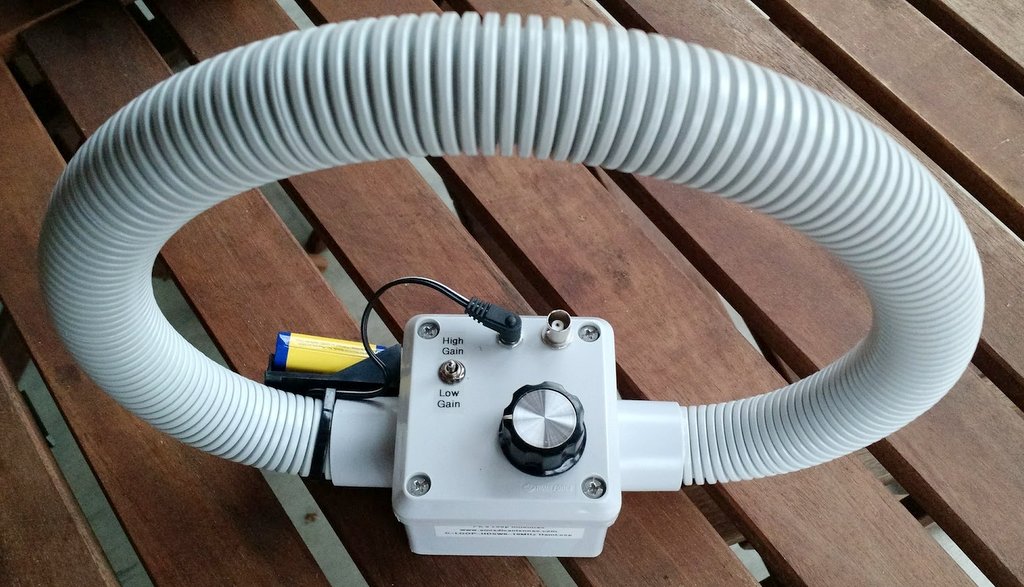
In Canada last summer, I used the PK Loop on a number of field radio listening sessions.
But what really sets the PK Loop apart from its competitors is its durability. PK’s Loops are built to be incredibly rugged. I routinely throw my PK Loop antenna in bags/packs and–unlike most of my other radio components–never worry about how it’s padded or protected. There’s little to damage unless you’re intentionally abusive to this antenna. My Grundig AN-200 antenna, on the other extreme, has exposed coated wires around its loop that I’m constantly concerned about harming in transit.
Following up…
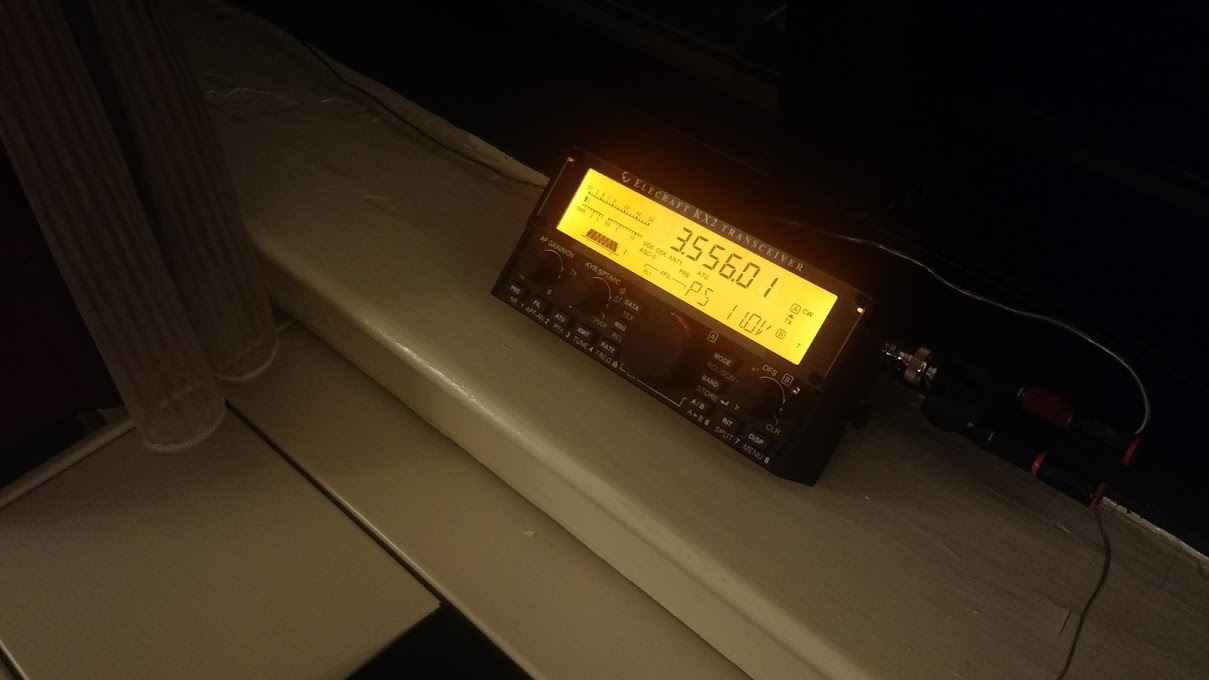
Ron’s message reminded me that I never followed up after posting a preliminary review of the PK Loop C-LOOP-HDSW6-18 in 2016.
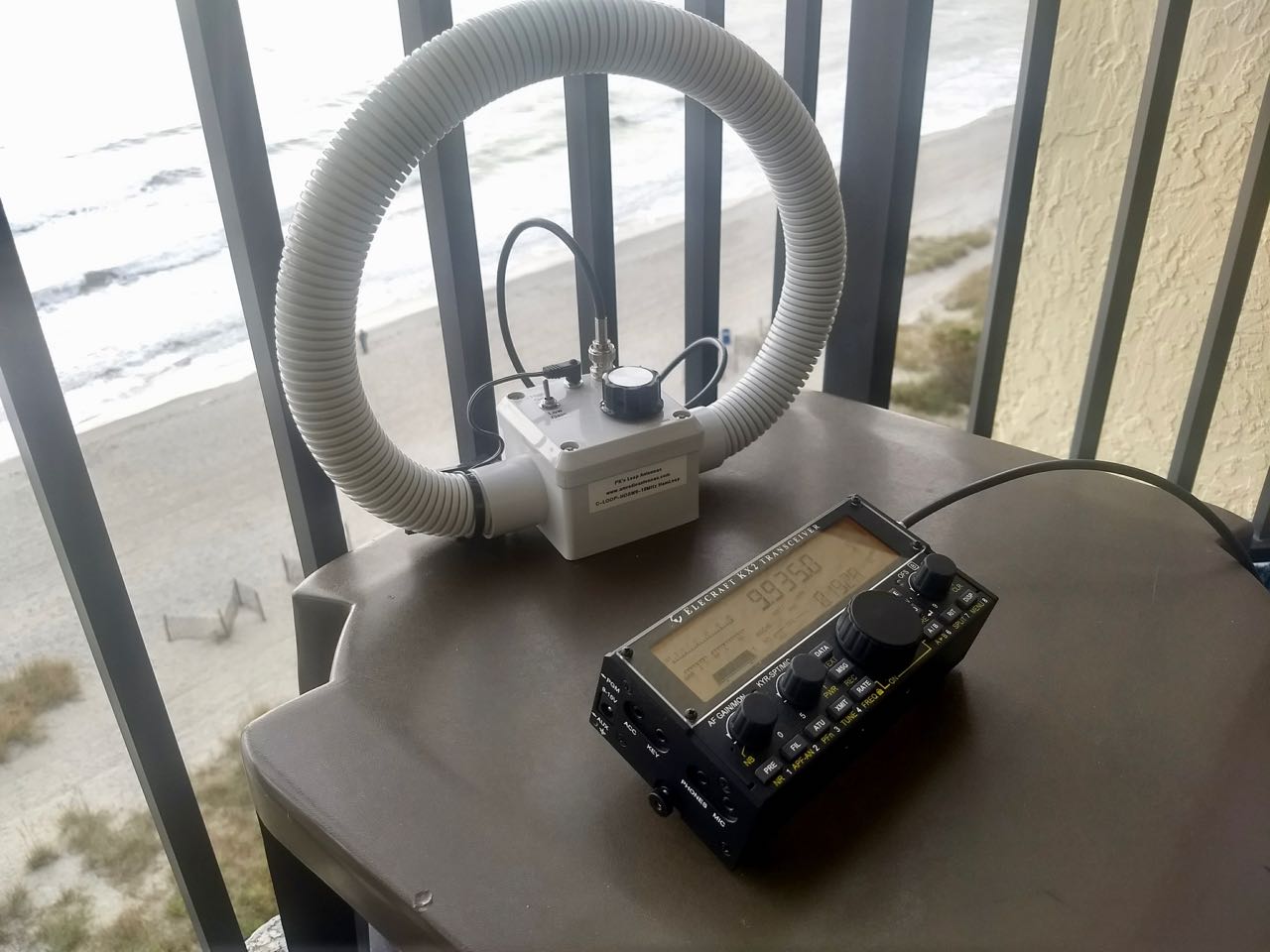
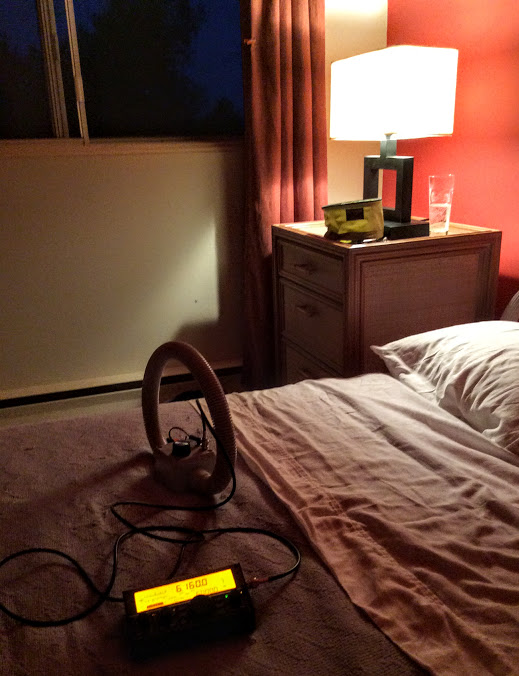
Shortly after publishing the review, I had a fantastic opportunity to evaluate how well the PK Loop would perform in a typical hotel room. My buddies Eric (WD8RIF), Miles (KD8KNC) and I stayed overnight in a hotel on Wright-Patterson Air Force Base during our mini National Parks On The Air DXpedition.
My Elecraft KX2 connected to an external random wire antenna.
The hotel room was indeed dense with RFI.
We hooked my Electraft KX2 to both the PK Loop and to a simple random wire antenna.
Without a doubt, the PK Loop was much better at mitigating radio noise than the wire antenna we hung on the inside of the hotel window.
Unlike most modern hotels, however, this one actually had operable windows, so we tossed the random wire out the window and made another comparison. In this case, the external wire antenna consistently outperformed the PK Loop, no doubt because it had the advantage of being outside the radio noise cloud within the hotel’s walls. It goes to show that outdoor antennas–even if simply hanging from a room window–will almost always outperform comparable indoor antennas.
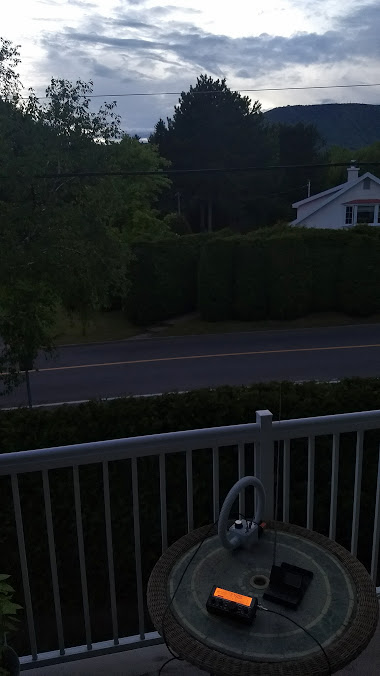
A late evening listening session on the condo balcony.
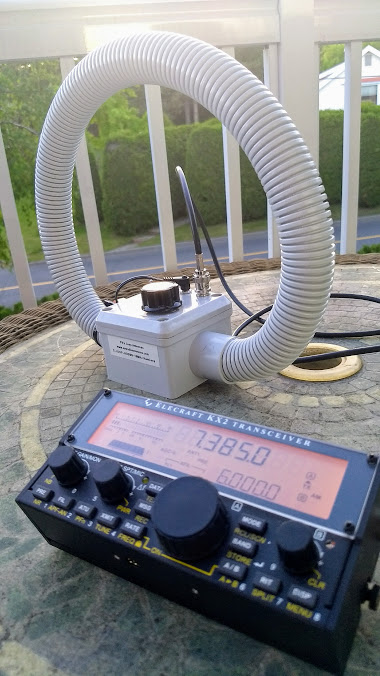
Last summer, I also spent two months in a condo near Québec City. The condo was dense with RFI–the PK Loop made the experience much more bearable. The loop couldn’t completely eliminate all of the persistent wideband noise, of course, but it did reduce noise to a level that I could enjoy some of my favorites like RRI, VOG, VOT, REE, WRMI, RNZI and even weaker stations in North America like the BBC and DW.
Even the shortwave version of the PK Loop can null out QRM to some degree by rotating the loop perpendicular to noise. I became quite adept at this by the end of our stay.
Summary
Since I purchased the PK Loop, it’s been a constant travel companion and I highly recommend it. I don’t believe you’ll find a more durable or effective portable mag loop antenna on the market.
PK Loops are built by Paul Karlstrand in Australia who has a stellar reputation with his customers. For those of us living outside Australia, there will be additional shipping costs, but they’re negligible and Paul has been exporting these loops for many, many years. I believe I received my loop within a couple of weeks of ordering it.
This year, I plan to purchase PK’s largest mediumwave loop, the model HDXLTAM that boasts a 20″ diameter. Please comment if you have experience with this loop or any of Paul’s loops!
Clearing the southern coastline of Maui en route to the Big Island. (Photo by Gary DeBock)
Many thanks to SWLing Post contributor and intrepid Ultralight DXer, Gary DeBock, who shares this DXpedition summary with recordings:
Kona, Hawaii DXpedition– Pacific Island Results
by Gary DeBock
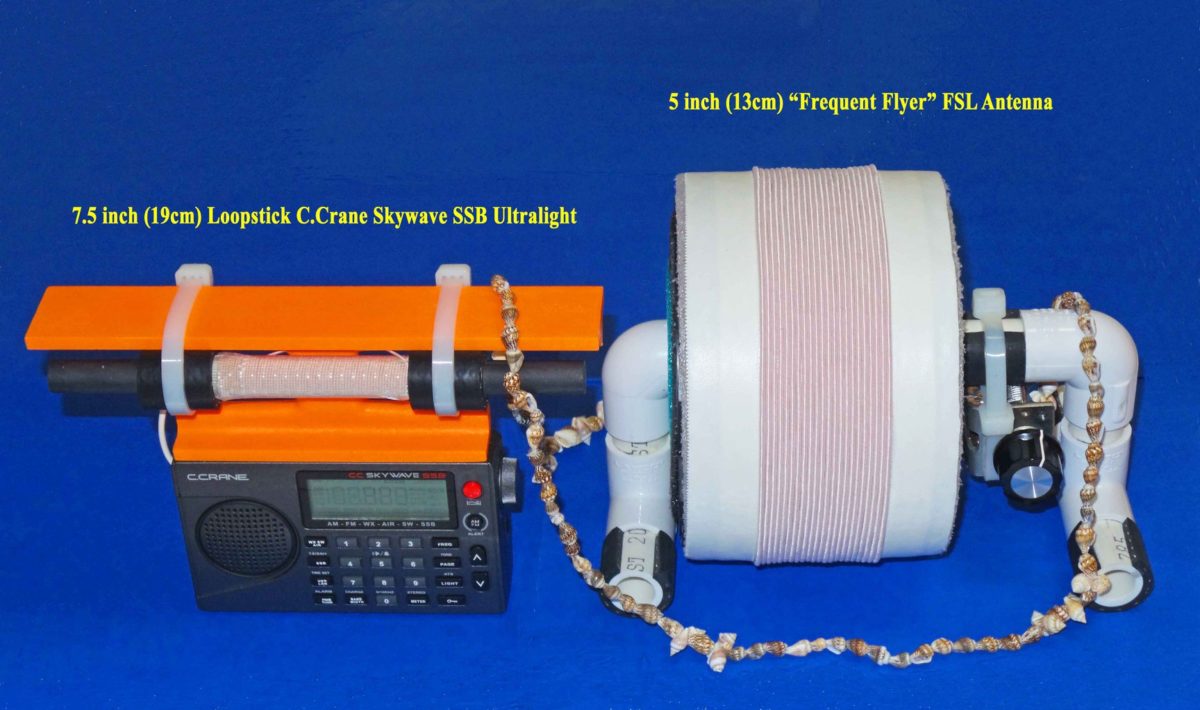
From December 17-20 a Mini-DXpedition was conducted in Kona, Hawaii with a 5 inch (13cm) “Frequent Flyer” FSL antenna and a 7.5 inch (19cm) loopstick C.Crane Skywave Ultralight radio.
The FSL antenna was a new type designed to easily pass through TSA security checkpoints at airports, and provide inductive coupling gain roughly similar to that of a 4 foot air core box loop. South Pacific island reception was generally good from 0630-0800 UTC daily, but usually became problematic after that when powerful Asian stations tended to drown out the exotic Pacific island stations as sunset progressed over Japan, Korea and China. By 0900 daily only the most powerful Pacific island stations on 621, 846, 1098 and 1440 had much of a chance of surviving the Asian signal onslaught, and even some of those were drowned out. During a similar visit to Kona, Hawaii with identical gear in April (DXing at the same motel) the Pacific island stations were generally stronger, and had no co-channel competition from the Asians from 0800-1030 UTC. As such the South Pacific results during this trip were slightly down from April, although there were still plenty of strong signals to record.
The new 846-Kiribati on Christmas Island was a star performer as the strongest island DU station, with local-like signals shortly after the Hawaiian sunset each evening. Despite this it had an intermittent transmitter cutout issue, with the signal failing to transmit at odd intervals (including one stretch with six signal dropouts within one minute, as documented in an MP3 linked below). In addition 846-Christmas Island’s programming had a variable time delay with that of distant 1440-Kiribati in Tarawa, with both a 19-second and 35 second time delay noted. This may be related to the transmitter cutout issue, with the time delay changing after a major dropout. DXers looking for a parallel with 1440 should keep this programming quirk in mind. Although both 846 and 1440-Kiribati signed off at the usual 0936 UTC time on the first couple days of the trip, they had both switched to a 1009 UTC sign off on the last couple of days. Whether this is a permanent programming change is unknown, but the loud 1000 Hz audio tone is still being broadcast before power is cut, resulting in a very easy way to distinguish the stations at sign off time (even in heavy domestic QRM).
846 and 1440 weren’t the only exotic DU’s with transmitter issues. 621-Tuvalu came down with distorted audio on December 18th, a problem which got worse and worse on the remaining two days. By the last day it was sounding very garbled, making a bizarre combination with 621-Voice of Korea’s buzzing Japanese service transmitter. Whether 621-Tuvalu has repaired its garbled audio is also unknown.
540-2AP was somewhat weaker than it was in April, while 558-Radio Fiji One was MIA during the entire trip (probably because of Asian QRM). Efforts were made to track down 630-Cook Islands but only a weak UnID was recorded. 801-Guam was possibly received during a Pyongyang BS/ Jammer fade, but 990-Fiji Gold was given a golden knockout by 990-Honolulu. 1017-Tonga showed up for a couple of good recordings, but got slammed by Asian co-channels after 0830. Efforts to track down 1035-Solomons ran into heavy 1040-Honolulu splatter, while 1098-Marshalls became the only Pacific island station to have stronger signals than in April. Its overwhelming signals after 0700 daily were one of the bright spots in Pacific island reception. Finally the new 1611-DWNX in Mindanao, Philippines was received at a strong level at 0855 on December 19th, apparently with a major boost from sunset skip propagation.
540 2AP Apia, Samoa, 5 kW Christian worship music at a good level through the T-storms at 0751 on 12-17, but not nearly as strong as in April:
621 R. Tuvalu Funafuti, Tuvalu, 5 kW This station had very strong signals until around 0800 on most evenings, when it usually began to be pestered by Asian QRM (China, N. Korea and NHK1). It also came down with a garbled audio issue on December 18th, which continued to get progressively worse until I left Hawaii. Sign off time is still around 1006, but by that time it ran the gauntlet of powerful Asian co-channels during the December propagation.
Local employment offers read by the usual lady announcer at an S9 level at 0750 on 12-18. This was the last undistorted audio signal recorded from the station during this trip; after this the audio went “south”:
Full Radio Tuvalu sign off routine at 1003 on 12-18, but with China QRM initially. Tuvalu’s signal prevails during the national anthem, but the audio distortion is quite noticeable. The carrier apparently stays on for over a minute after the audio stops:
630 UnID While trying for the Cook islands (Rarotonga) I came across this weak Christmas music with English speech at 0742 on 12-17, although this could just as easily be a west coast domestic station playing the “exotic” to fool a hopeful DXer. Walt says this station is a notorious underperformer:
846 R. Kiribati Christmas Island, 10 kW This newly rejuvenated station had awesome signals, and was overall the strongest Pacific island station received. Of all the Pacific island DU’s it faded in at the earliest time after sunset, and maintained its strength even during strong Asian propagation — as long as it managed to transmit without its signal dropping out. Unfortunately this seemed to be a pretty common occurrence while I was in Kona. Island-type music at typical S9 strength at 0735 on 12-18:
After a prolonged 846 transmitter dropout it seemed like the programming time delay between the distant 1440-Kiribati on Tarawa Island and the new 846-Kiribati on Christmas Island would change. On December 17th I recorded two different time delays– 19 seconds, as in the following recording (the MP3 starts out on 846 at 0635, switches to 1440 at the 1:02 point, then switches back to 846 at the 1:34 point, with a 19-second time delay evident between the 1440 and 846 programming (846 lags behind):
Later on the same evening there was a 36 second time delay between 1440 and 846, with this MP3 starting off on 1440 at 0645, and switching to 846 at the 11 second point:
1098 R. Marshalls (V7AB) Majuro, Marshall Islands, 25 kW This station was very strong in Kona with its island music every night, and rarely had any Asian co-channels.
S9 Island music and native language speech (and possible ID) across the 0700 TOH on 12-17:
1440 R. Kiribati Bairiki, Tarawa, 10 KW Somewhat weaker than its rejuvenated 846-Christmas Island parallel (which has variable programming delay times, as explained above), this home transmitter could hold down the frequency until around 0800 every night, after which it was usually hammered by JOWF in Sapporo. Despite this it often put up a good fight until its new sign off time of 1009, and it continues to use the loud 1000 Hz tone right before the power is cut (an awesome aid for DXers hoping to ID the station through heavy QRM).
Typical island language speech and strength level at 0830 on 12-18, just as it is starting to get jumbled by JOWF (a Japanese female “Sapporo desu” ID is at 25 seconds):
Full sign off routine at 1005 on 12-19, including the National Anthem and the 1000 Hz tone before the power is cut. The tone gets through the JOWF QRM like a DXer’s dream:
1611 DWNX Naga City, Mindanao, Philippines, 10 kW (Thanks to Hiroyuki Okamura, Satoshi Miyauchi and Mauno Ritola for ID help) Received at 0855 on 12-19, this station was a mystery until the Japanese friends matched the advertising format with that of a new, unlisted station which just came on the air in the Philippines. The propagation apparently got a major boost during sunset at the transmitter:
73 and Good DX,
Gary DeBock (DXing at the Royal Kona Motel with a 7.5″ loopstick C.Crane Skywave Ultralight+
5 inch (127mm) “Frequent Flyer” FSL antenna.
Thank you for sharing your Hawaiian DXpedition with us, Gary! Your mediumwave DX catches with modest equipment reminds us all that when HF propagation is poor, there is still so much signal hunting below 2 MHz!
Many thanks to SWLing Post contributor, Rolf Snijder, who writes:
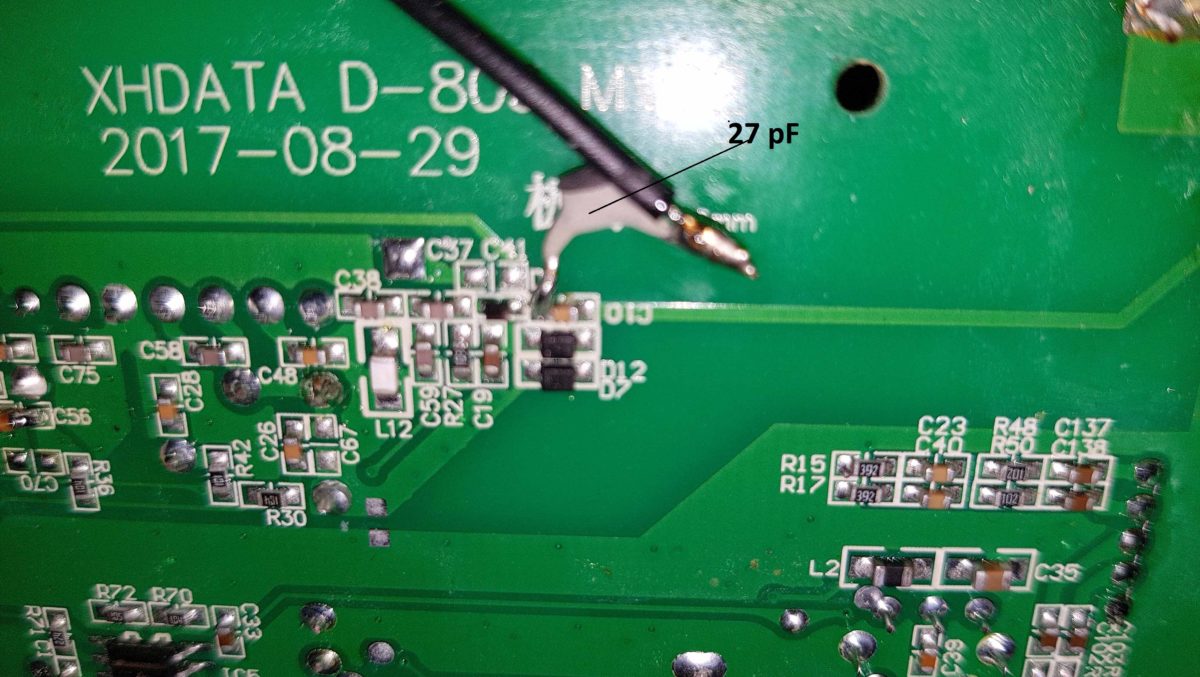
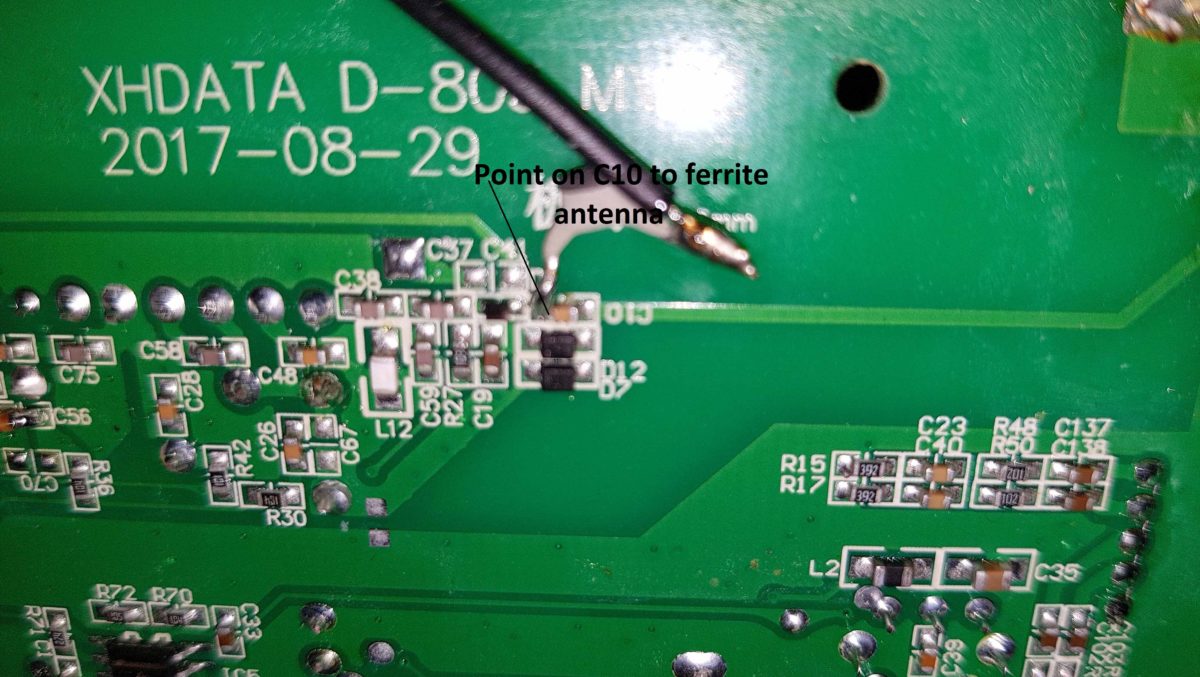
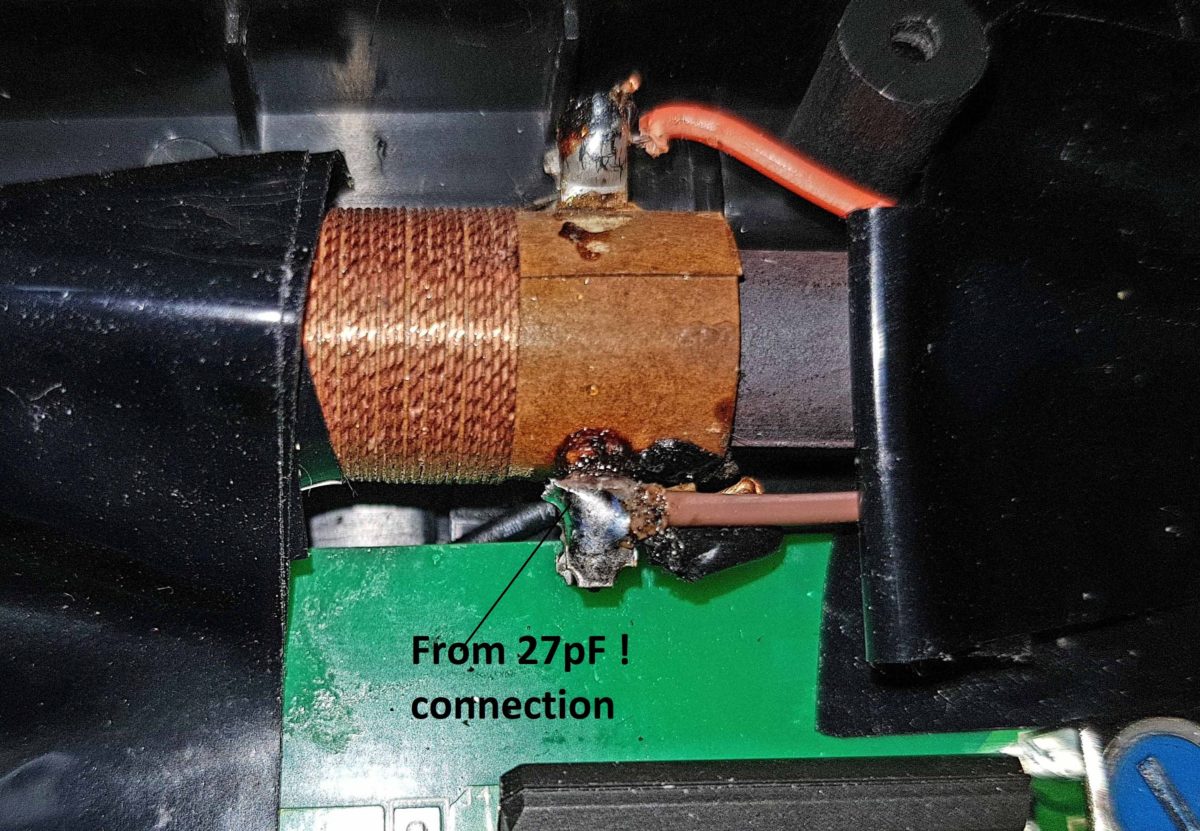
I have added an external antenna capability for mediumwave on the XHData D-808.
Simply add a 27 pF capacitor on the backside of the PCB on C10 to the the ferrite antenna.
The mod causes no loss on FM or shortwave!
I also replaced the Ferrite antenna with a bigger one so I now have more performance on MW!
Longwave is not good in my radio, even with an external antenna, it is not performing well.
Thanks once again, Rolf! I must assume that the Digitech AR-1780 could be modified in the same way as the radios appear to be near identical. Perhaps someone can verify this at some point!
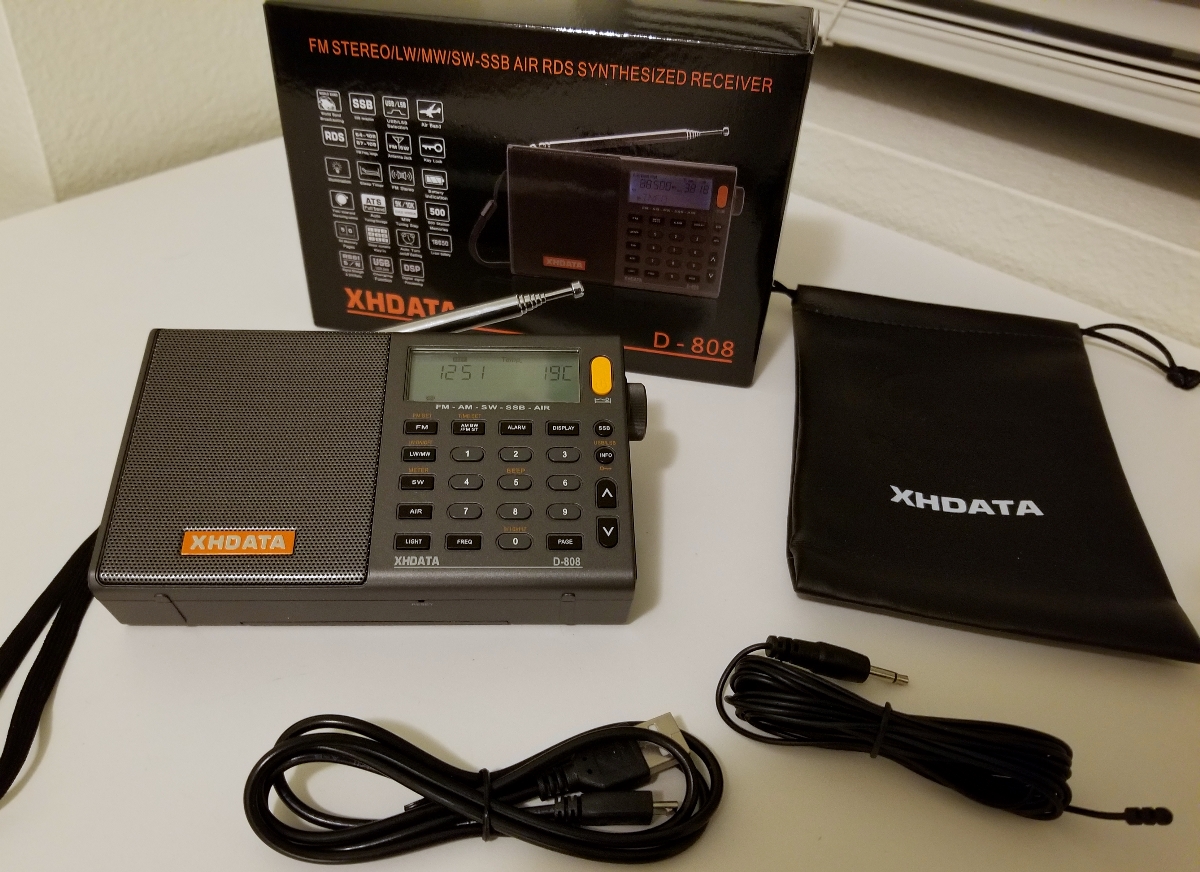
I recently received a new XHDATA D-808 SSB portable receiver, after AliExpress had a $69 USD introductory sale. I’m intrigued by this new model, as it uses the SiLabs Si4735 DSP chip, the same “brains” that powers the Eton Satellit (and Executive version), and C. Crane Skywave SSB. I believe the same Si4735 is found in Tecsun’s PL-880 and the CountyComm GP-5/SSB. A key feature found in all of these radios is USB/LSB modes and 10-Hz tuning step in SSB.
It would be a mistake to assume that all portable DSP receivers with the same SiLabs chip will perform equally; quite the opposite! They all have reception differences that owners will notice. I certainly noticed differences in sensitivity, AGC action, audio quality, and (to some extent) variations in adjacent channel (splatter) rejection between receivers using the same bandwidth. I made these observations when I owned the PL-880 and GP-5/SSB radios. Differences in the circuitry surrounding the SiLabs chip, as well the sizes of MW ferrite loopstick antennas and SW/FM whip antennas contribute to each receiver’s personality.
Below are four videos showing the D-808’s reception of three weaker daytime medium wave stations from indoors at my suburban Seattle-Tacoma (WA) home, plus one video of a shortwave reception in the 41 meter band. The XHDATA D-808 is compared to C. Crane’s newest Skywave radio, the SSB model, and the Eton Executive Satellit. Although brief, these tests show how the new XHDATA portable is a welcome competitor to the field of modern, compact SSB-capable radios:
https://youtu.be/Ef0n5i2UNbo
https://youtu.be/UL6akqUbYMw
https://youtu.be/p41L-ena5rg
https://youtu.be/Wrt6WQ54BTo
What about single sideband? These four videos show reception in AM mode only, but rest assured the D-808 is very capable on the SSB modes of LSB and USB! A separate fine tuning rotary wheel on the right side of the radio’s case offers adjustment in 10 Hertz increments. The effect feels very similar to tuning CountyComm’s GP-5/SSB “walkie-talkie” style receiver. The plus or minus (+/-) offset is displayed in multiples of 10 Hz steps as “-1”, “-2”, “-3”, and so on.
I hope to post some future videos showing SSB usage of the D-808.
Soft mute. The dreaded soft mute is present in AM and SSB mode to some degree, but I do not feel it is excessive. Like most radio hobbyists I’m not a fan of soft muting and prefer uninterrupted tuning with no sign of “chuffing” or lowering of noise or audio. The amount of soft mute on this radio seems the same as the Eton Executive Satellit in my opinion.
What else to like?My take–
Audio. I find the D-808’s audio quality to be slightly more mellow or warmer…I like that, especially on FM! Audio on the MW and SW bands still has a crispness that aids in DXing on those bands, however.
18650 Li-Ion battery. Not all may agree, but I like this style of battery. The D-808’s internal circuit shuts off when the battery is fully charged, or after 10 hours of charging. The radio comes with a 18650 battery and a USB cable; the owner supplies a common 5V USB charger.
RDS on FM. This is a feature lacking on the Skywave SSB, but it is present and performs as expected with the D-808. The XHDATA radio lacks the Skywave SSB’s NOAA weather presets, however.
AM filter bandwidths. Interestingly, this receiver supplies two additional narrow AM mode bandwidths lacking in the Executive Satellit: 1.8 kHz and 1.0 kHz. It’s good to have options, although such narrow filters in AM mode sound a little muffled (offset tuning helps). The Skywave SSB does offer 1.0 kHz in AM mode, but has a 2.0 bandwidth in place of 1.8 kHz.
Backlighting. If desired, the D-808’s easy-on-the-eyes white backlight for the display can remain illuminated continually. Bravo, XHDATA! Now, if we could persuade more manufacturers to add backlighting to the keys themselves (a la the Degen DE1103/Kaito KA1103/Eton E5), we’d have more choices use in low light conditions like camping or bedside use.
Handy size. Probably a third larger than the diminutive Skywave SSB, the D-808 is still a very handy size that will fit most coat pockets, and is a smaller receiver than the Eton Executive Satellit. As you can tell from my videos, reception doesn’t suffer due to the smaller size.
Design. OK, this one’s very personal! As a graphic designer I have a real soft spot for any receiver that looks as good as it sounds, no matter what the technology or vintage. The D-808’s look really appeals to me and adds to my enjoyment while operating it. There are no unnecessary protrusions, ridges, or visual do-dads on this XHDATA model. In fact, I seem some design clues from the stylish Tecsun PL-880 in the D-808. The radio also has a quality feel to the plastic case and buttons, giving it a more “upper class” impression during use.
Antenna jack. The D-808 has the standard 3.5mm antenna port on the left side of the receiver. This is an addition I appreciate, and wish that C. Crane had included one on their Skywave SSB model. I tried this external antenna jack with an amplified PK Loops’ shortwave antenna and the combination performs excellently.
Minor annoyances
So far, the list is short! As a sacrifice to style, the manufacturer has kept all front panel buttons almost flush with the case. The effect looks great, but they are almost too low and close to the front panel. Those with larger fingers may find operation awkward or frustrating. Also, entering a shortwave frequency with less than five digits (i.e., below 10,000 kHz) requires a trailing push of the Frequency (FREQ) button.
I encourage other new owners of XHDATA’s D-808 to leave their comments below. Where does this portable rate among other radios you may own?
Guy Atkins is a Sr. Graphic Designer for T-Mobile and lives near Seattle, Washington. He’s a regular contributor to the SWLing Post.
Please support this website by adding us to your whitelist in your ad blocker. Ads are what helps us bring you premium content! Thank you!


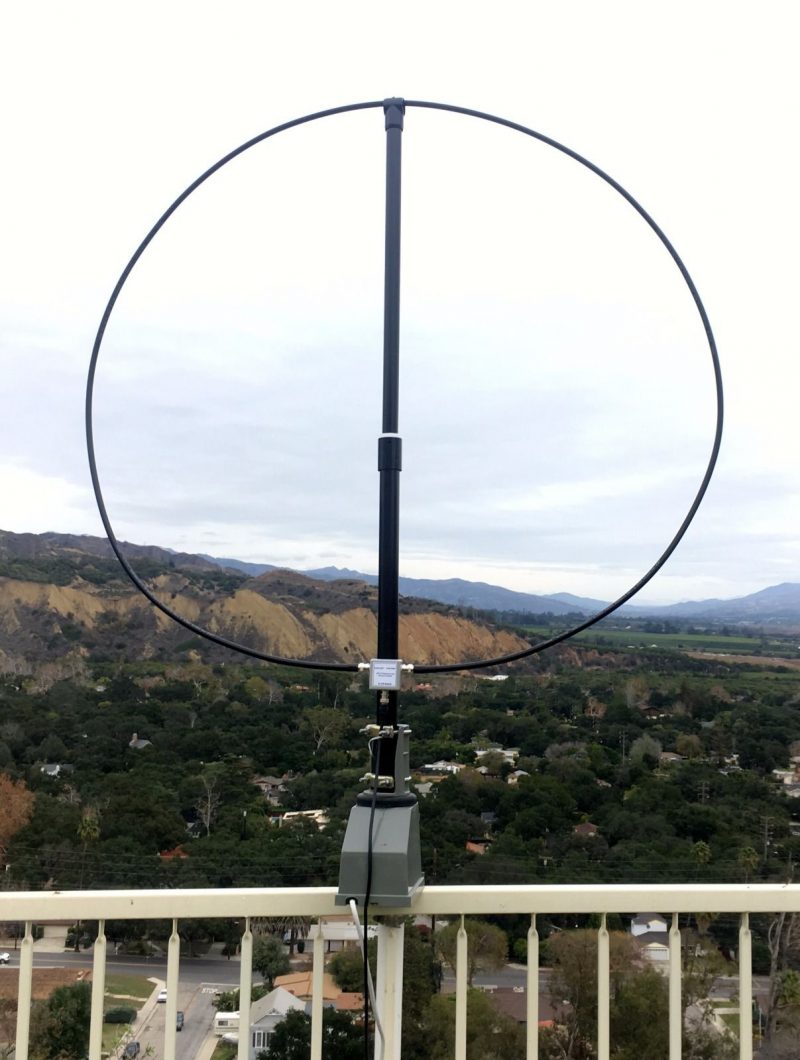
 Wellbrook antennas are the staple magnetic loop antenna for many DXers.